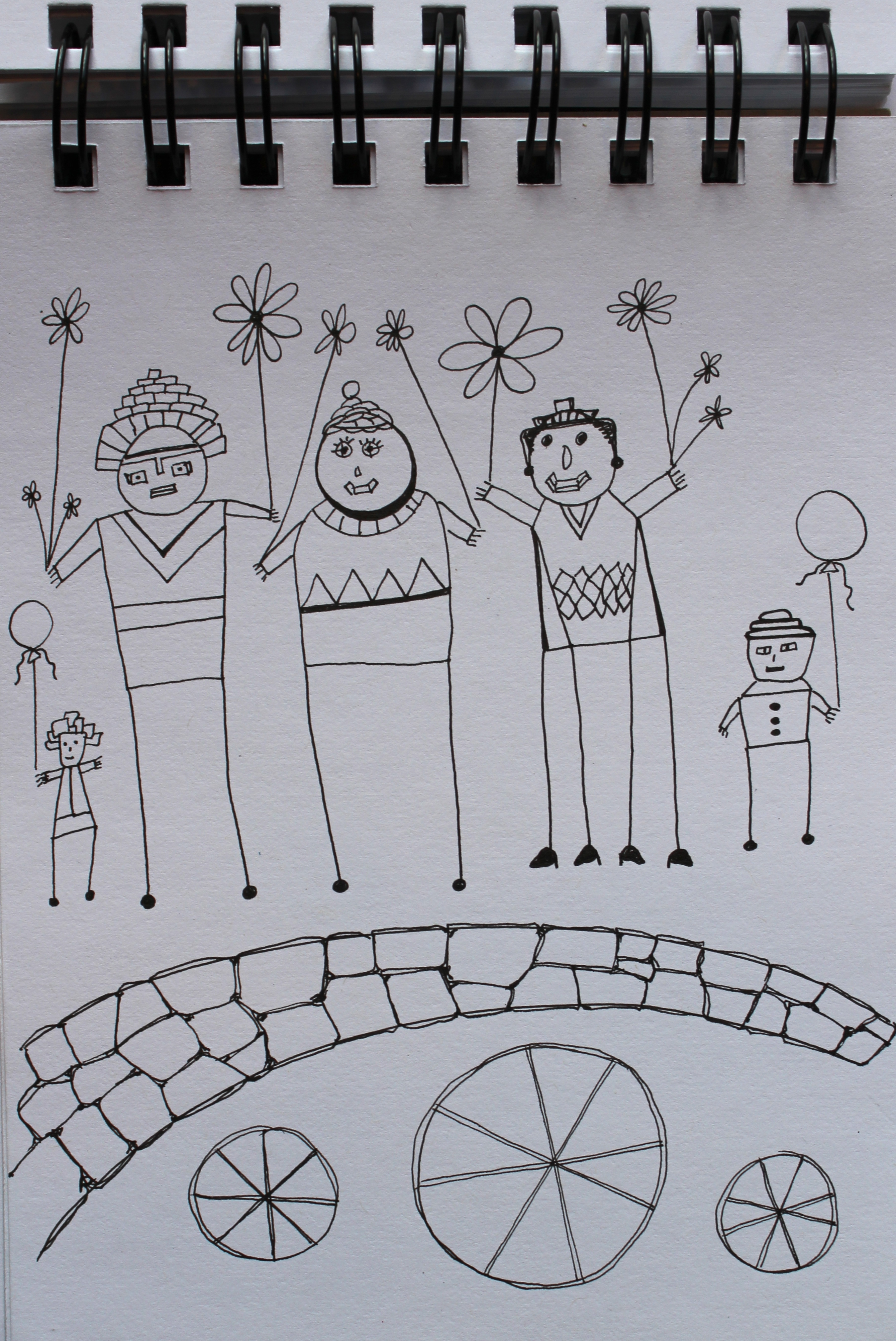
Rich Man.

Plan: Depart after chores on Saturday morning, motoring 160-ish miles southwest for an overnight in the Hudson River Valley.

Chosen villages: Sleepy Hollow and Tarrytown, New York.

Opt for one afternoon activity on Saturday, agreeable to all two of us.

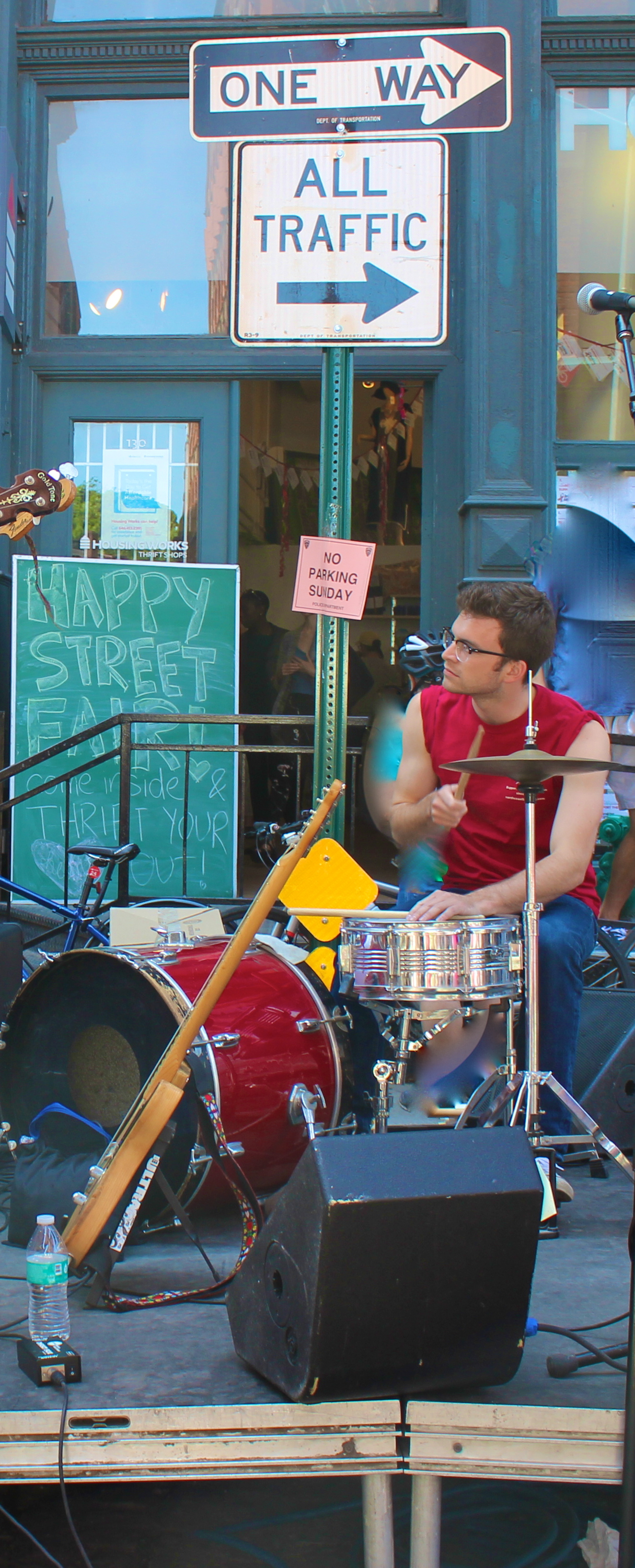
Sunday already figured out: First to the Bronx, for the New York Botanical Garden’s show, Frida Kahlo – Art. Garden. Life. After that: A Sunday afternoon street fair in Soho where our son would be performing with a band.

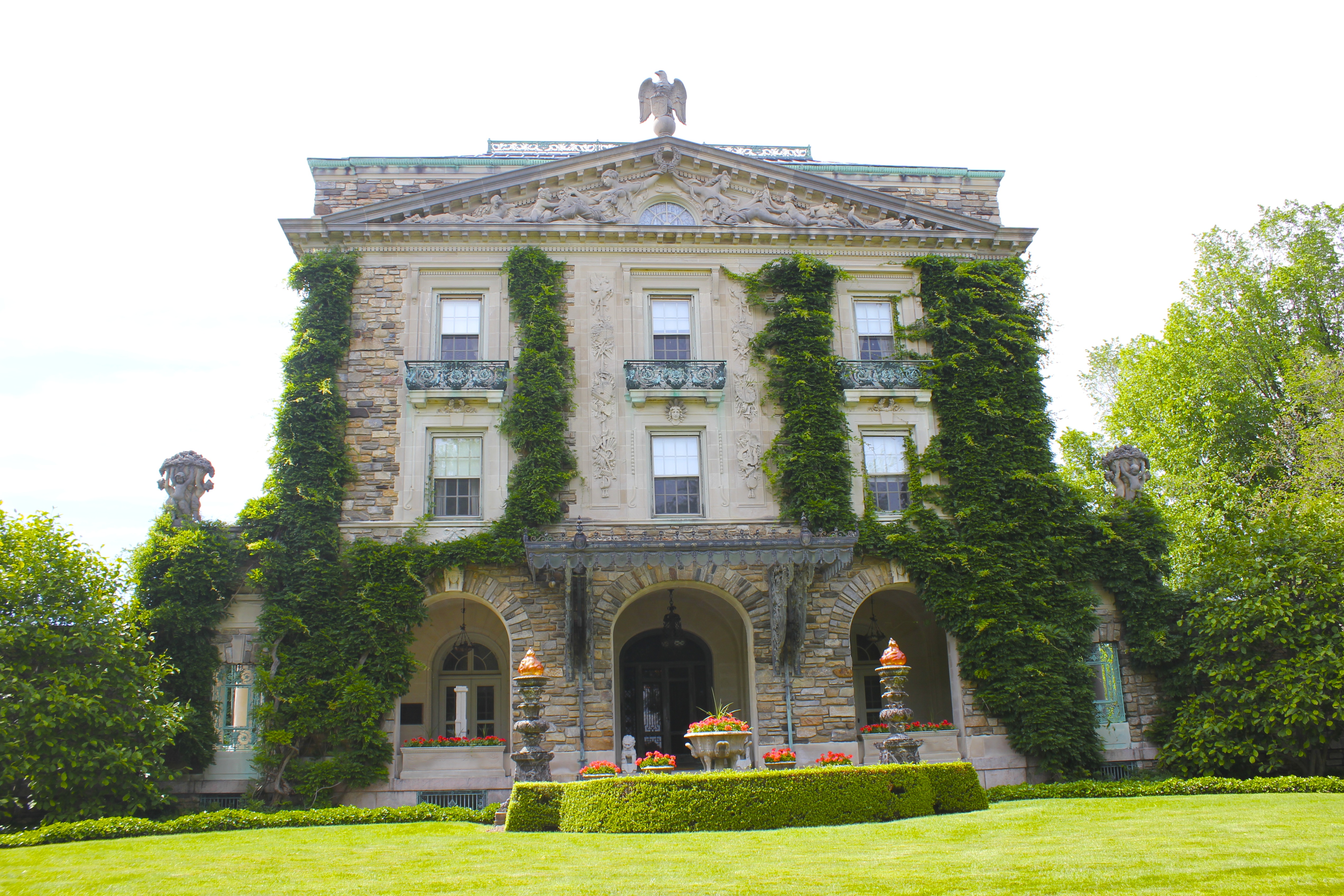
Since the Frida Kahlo excursion was something I wanted to do, it was only fair to balance Saturday with a visit to something my husband would want to see. We chose the Beaux-Arts bling of John D. Rockefeller’s estate Kykuit. Pronounced, “Kye-cut”, as in cut a check.

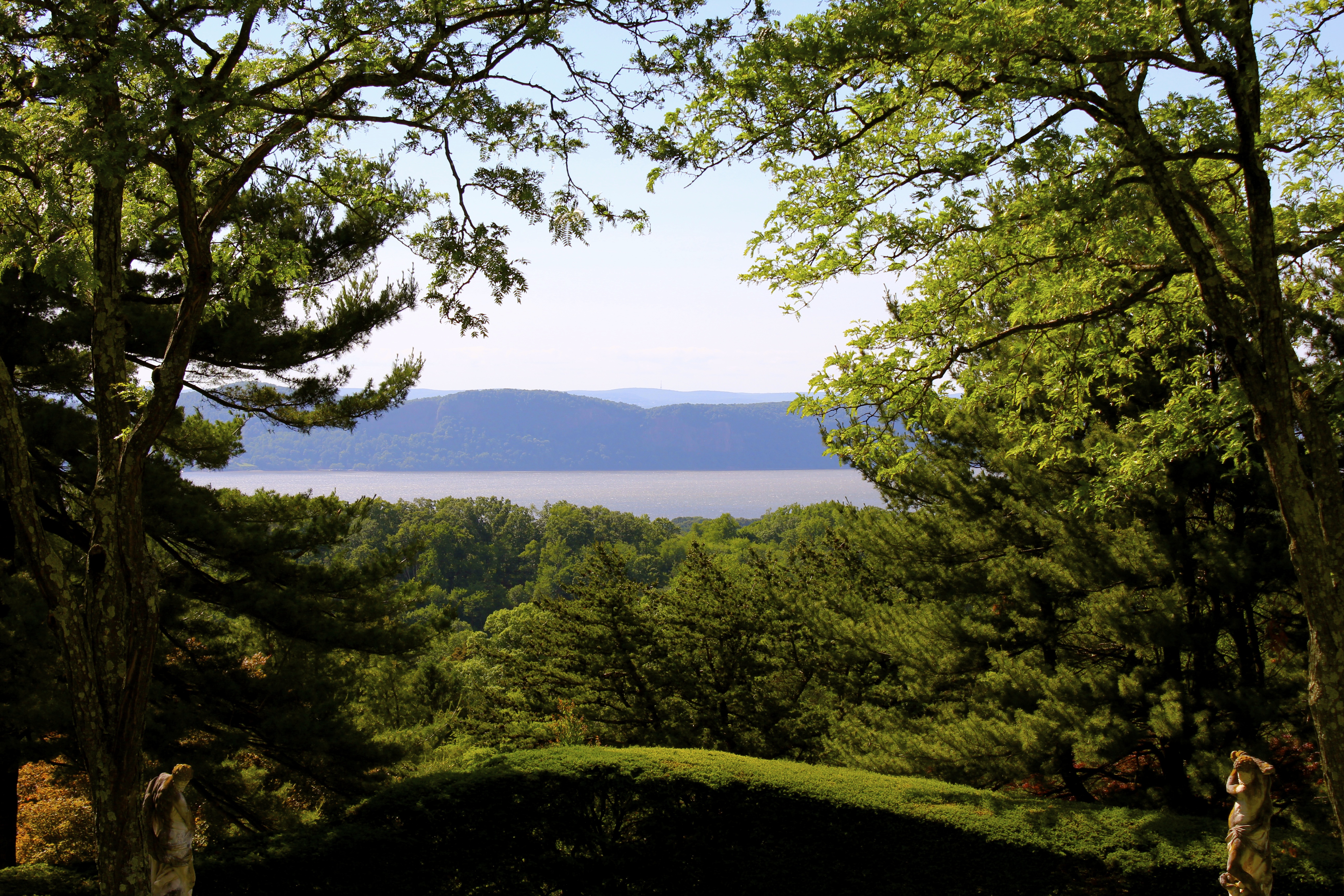
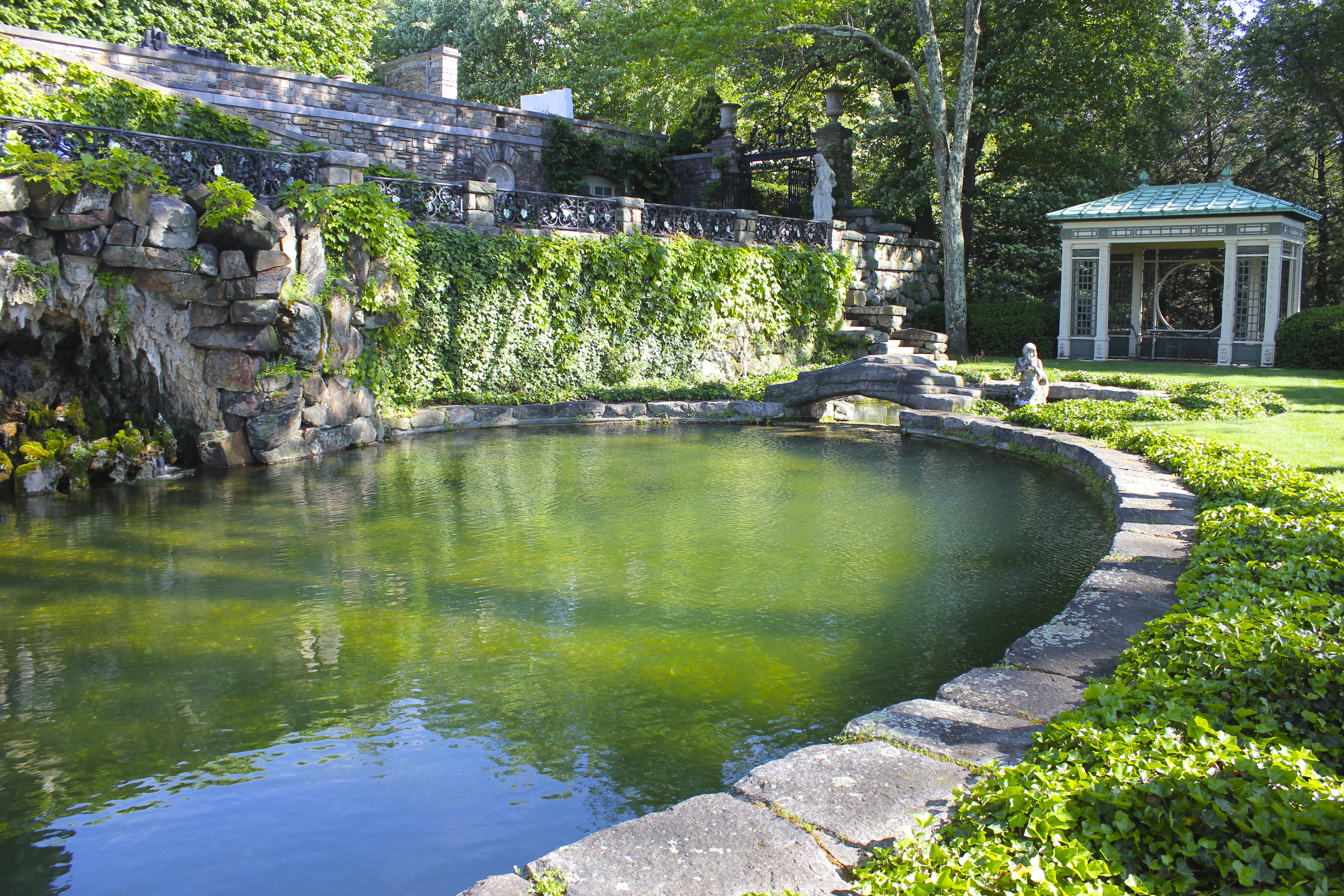
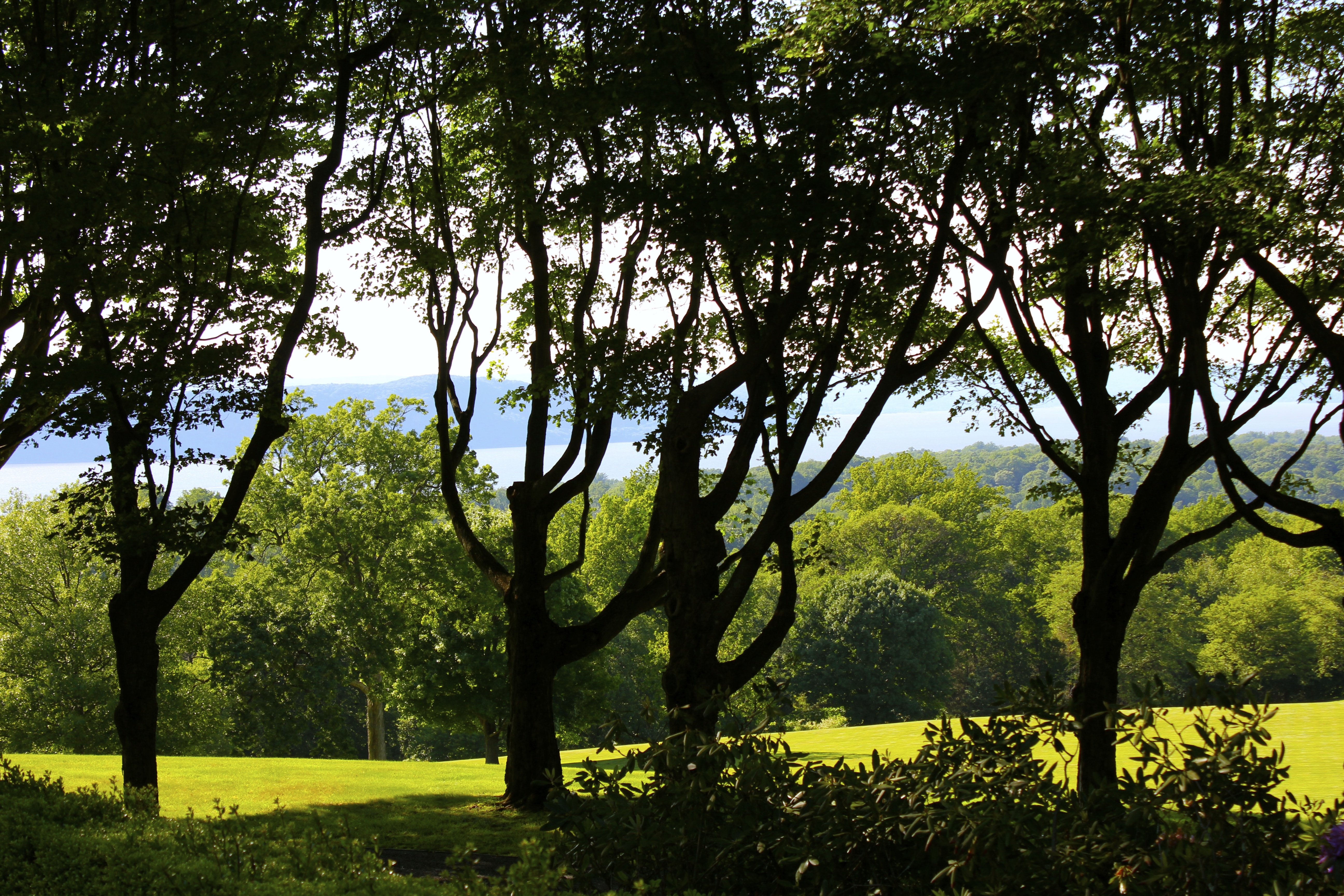
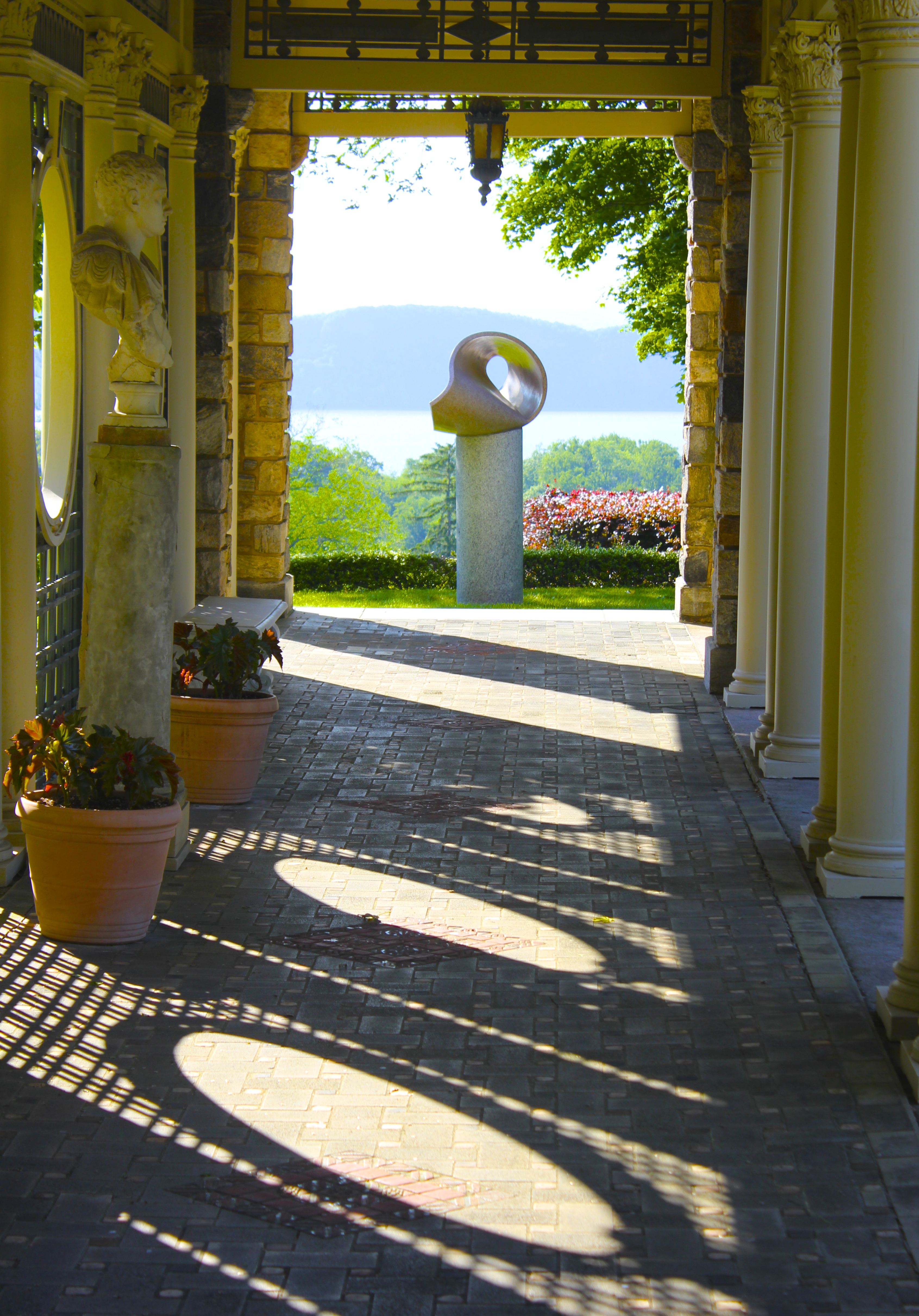
At Kykuit, our tour guide, (a perky opera singer), directed us through the interior living spaces, the art galleries, the carriage barn, and the grand gardens. She told neat and tidy stories about the Rockefeller family. Everyone was polite and listened well, but many of us had read or heard other stories about the family, too. Soon, whispered remarks with smirks and sighs spiced up the lonely settings of JDR’s Gilded Age otherworld—now at rest like an unblemished ghost town, encased in a crystal bubble. The gardens are so meticulously manicured and carefully preserved, that not even with a worthy breeze blowing in from the shores of one of the most romantic rivers, would one leaf or one fragrant flower petal dare to take flight.

Nor would one weed dare to trespass.

Nor were there any pathways for a visitor to choose, instead.

Walking the grounds, I felt as though I’d slipped between the covers of a sumptuous art history book, without marginalia or dog-eared pages, where everything came to life off the pages.

How famously our culture preserves the legends of wealth and legacy.

As an enthusiast of the phenomenons of human nature, I like traveling to the monuments, museums, and palaces where the booty of human fortunes is displayed. It’s thought provoking and interesting to visit the fairylands of rich Americans because many of them used their wealth to hire rockstar architects, designers, and artists to create their utopias.

When rich people die, they leave a trail of art history, decorative arts history, and garden design history loaded with ideas for us do-it-yourselfers whose garages are cluttered with monuments to frustration—like the drill with as much power as a hamster’s electric toothbrush or the bags of Grub-B-Gone that were as useful as the empty wallet they drained dry.

Whatever stories have been silenced by time in the empty interiors of historic homes or buried in the gardens surrounding them, the settings that remain still tap the imagination. It’s one thing to view a painting in a typical museum. It’s quite another charming thing to walk through gardens and landscapes growing more and more palatial, long past the days when their first admirers sat with a cup of tea underneath a newly-planted allee, without a computer, or a cell phone, or an income tax.

I journey to the sites, primed to be inspired with ideas and prepared to fall under the spells of several emotional extremes: I am convinced I could have been a happy tycoon. I am convinced I could have been a happy, married-to-wealth, lady of the manor. I am convinced I could have been a happy caretaker of noble gardens, living in a stone cottage nearby, writing poetry. I am convinced I could have been the go-to designer of the times, hired to create the most impressive works of art for the most insatiable rich people in the world. I am convinced I could have been the darling first born, given over to the greatest educators in the greatest schools, coddled and cuddled and mentored by the most ruthless businessmen and women. I am convinced I could have been the beloved philanthropist who saves the world.

All the money in the world, whether it is controlled by one person or one family or one government, will never save the world.

I came to a couple of conclusions after touring Kykuit. First, I have lived my life without ever having a brand new car, and, after walking through the carriage barn at Kykuit, I realized I have never wanted a brand new car. I want horse-drawn carriages and I want the rest of the world to want them, too. Gas-powered, horseless carriages have wrecked the world. Secondly, if I had an art collection like Nelson Rockefeller’s—including the Picasso Tapestries he commissioned a woman in France to weave by hand, in cahoots with Pablo himself—I would never display my collection in a cramped, subterranean man cave on some of the most prime real estate in New York State.

Thanks to Nelson Rockefeller, the art and cultural history of Kykuit has been preserved. Up until his storied reign over the Rockefeller kingdoms, all Rockefeller residences had been demolished, by family decree. For instance, in Maine, you can tour the Abby Aldrich Rockefeller Gardens in Seal Harbor (by reservation only), but the house where she summered with her husband, JDR, Jr., is gone with the Atlantic winds. After touring Kykuit, a second-hand store shopaholic can only wince at thoughts of what became of the contents and components of all other Rockefeller residences.

*****

We had dinner later in the evening, after our Kykuit Grand Tour, in Tarrytown at Bistro 12. The restaurant is run by the artful energy of the owners, who are from Madeira, Portugal. I think the chef is from Italy. Therefore, European dining reigns. The owners work the floor and the bar. Just when we were sad to sense that the evening was coming to a end, the owner arrived with a complimentary cordial. He also revealed himself as the painter of all the artwork hanging on the walls. There was a ukulele on the bar. We asked about it. The owner played it for us. He proudly, and gently, told us that we were all wrong about the ukulele. Though it might have stolen our hearts in Hawaii, the instrument arrived there in the late 1800’s, and was brought by immigrants from Madeira, Portugal who had gone to Hawaii to work in the sugar cane fields.

*****

On Sunday we went to Frida Kahlo’s Casa Azul, her home with gardens in Mexico, as interpreted by the New York Botanical Gardens. It’s not the first time New York City has hosted stories from the life of Frida Kahlo. In 1934, her husband Diego Rivera experienced a bitter battle of ideals with Nelson Rockefeller who had commissioned Rivera to paint a mural at Rockefeller Center. The mural included the face of Lenin and Rivera refused to change the artwork he was commissioned to create. Rivera was dismissed, his artwork destroyed.

Our visits to Kykuit and the New York Botanical Gardens stimulated plenty of conversations:

The designers of Kykuit were guided by European artistic styles.

—Frida Kahlo wanted to rid herself and her culture of the trappings of European culture.

Kykuit was loaded with copies of existing art.

—Frida Kahlo was an original.

Kykuit represented comfort and joyful excess, with heartbreak and adversity subdued.

—Casa Azul housed a lifetime of physical and mental suffering, documented through Kahlo’s works of art.

Nelson Rockefeller’s art collection is squished into a musty underground corridor.

—And at the New York Botanical Gardens, original, rarely exhibited Frida Kahlo paintings were squished into a small gallery in a huge building that required a cramped elevator ride in order to view the wonderful work.

Both excursions to view art and study art history wended us through stunning late-spring gardens.

Our final excursion to Soho, on the other hand, to see our son perform in a band at a street fair was not as calming—we got stuck in horseless carriage gridlock, New York City style, all the way from the Bronx.

After the street fair, we had time for one beer with our son and his band mates out on the patio at his place in Greenpoint, Brooklyn. While my husband and the devoted musicians passed around a guitar, I noticed Morning Glories, Nasturtiums, and Zinnias, all planted by my son, growing in his urban gardens—the richest green legacies from his youthful summertime days out in the country.

Here’s where to go to find original art NOW: It’s happening TONIGHT, June 10th, at Cake Shop in NYC. (As in, “Let them eat cake.”) One of NYC’s best venues for music. My son and his band mates are putting on a show FOR THE PEOPLE!

http://www.teethpeople.bandcamp.com

Find the Rich Man disc under discography—

First song on the link: RICH MAN.

*****
IMG_2415

IMG_2463IMG_2493IMG_2510IMG_2515

**********

IMG_2568IMG_2555IMG_2545IMG_2550IMG_2551

**********

Rich art. Original. For the people. Happening now.
IMG_2610

Rich Man disc @

http://www.teethpeople.bandcamp.com

If you’re looking for a rich man.
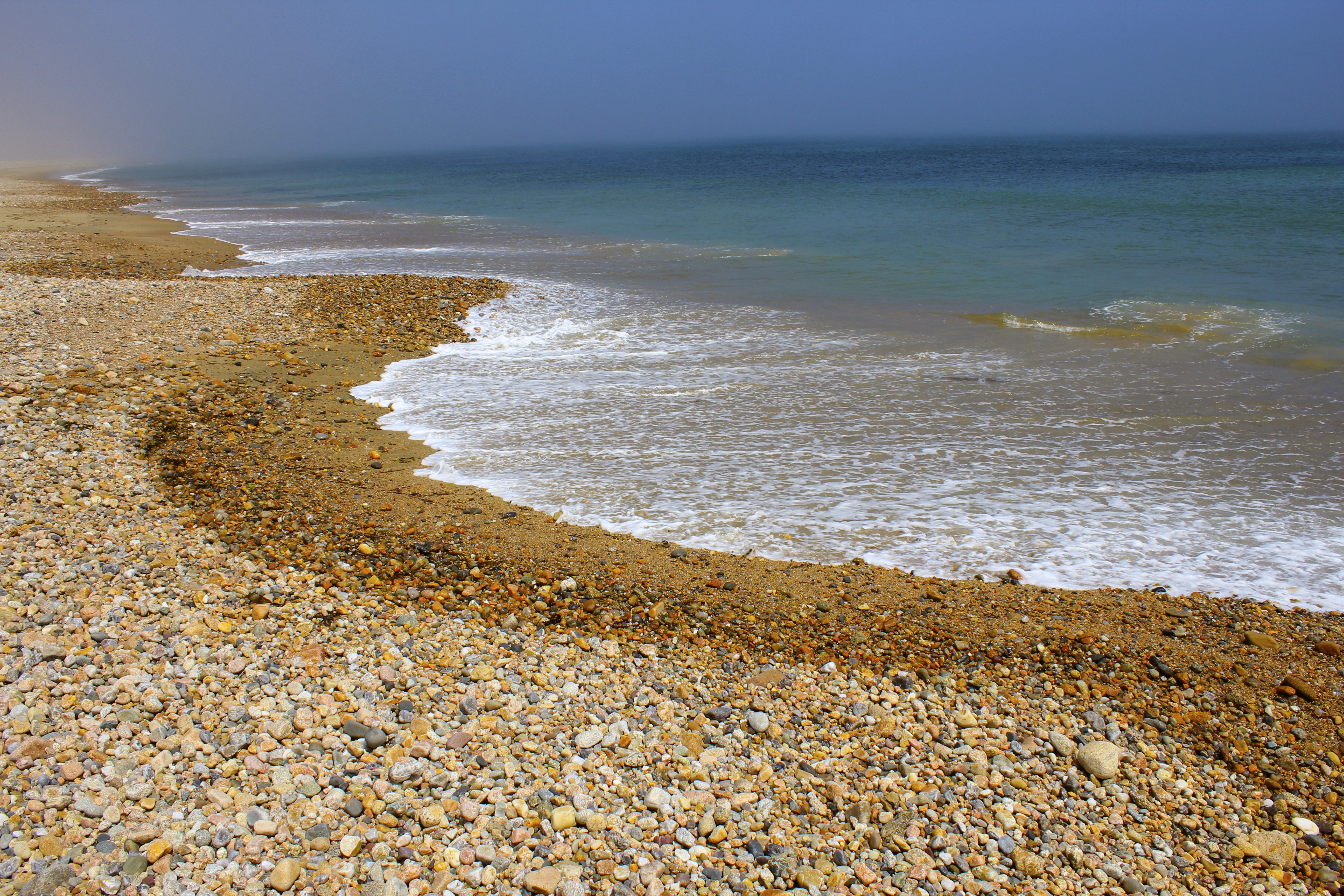
Block Island Day Trip. From Here to Eternity.

We sailed on the early ferry

crossing through bright fog

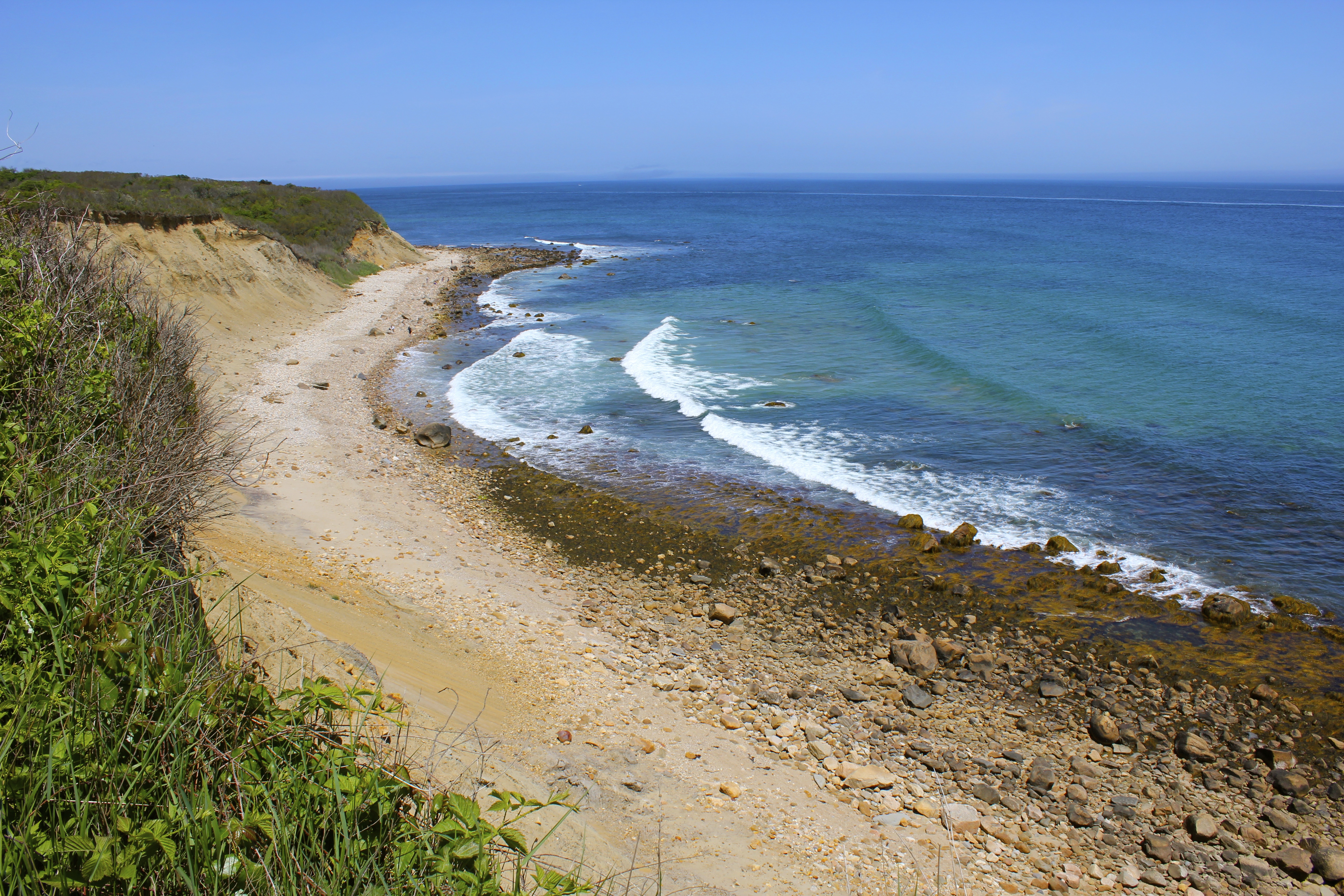
to glacial remnants of cobble stones and sand.

We rode our bicycles to a beach where seagulls sat on their nests

watching us arrive.

I didn’t bring anything to read.

Fabled seascapes,

—the settings from thirty-five years of our yesterdays—

glowed in the haze.

Guess where we are, I said to my husband,

pretend we’re shipwrecked.

He guessed Hawaiian waters

rocky Maine coast

Tahitian princess.

Then he closed his eyes for a long rest.

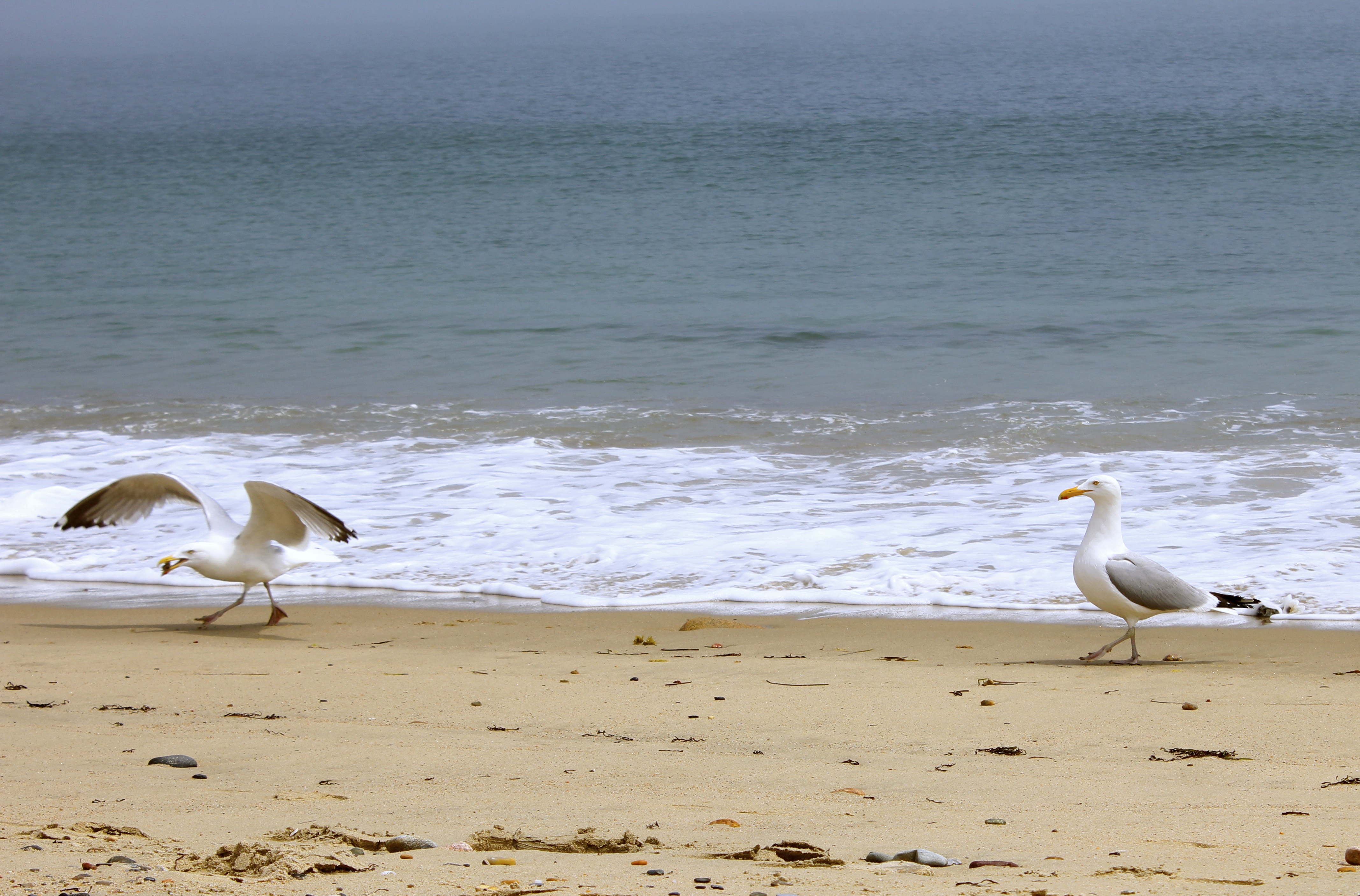
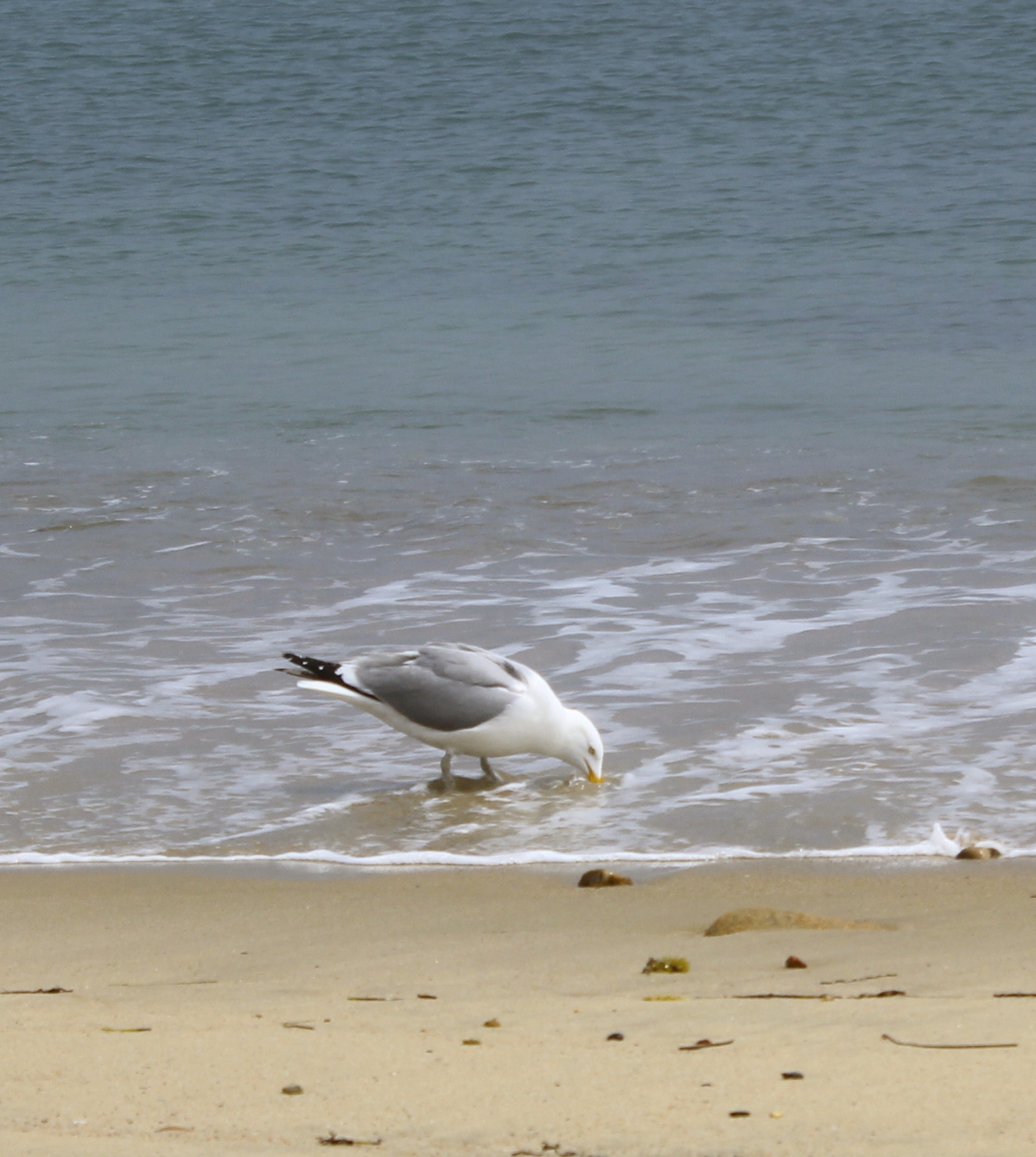
I watched a seagull snap a stranded crab from the foam at the edge of the sea.

It hammered at the wriggling crustacean, drilled into it

until another seagull swooped down, to battle for leftovers

and won.

Satisfied, the intruder cleaned up in the surf.

We rode our bicycles through pasturelands, to walking trails, and found more beaches

where the ocean rolled onto the shore and over the rocks

Eternity’s loudest lullaby!

At the end of the day, a downhill dash

on a curvy road

spilled us back into the harbor town.

We cruised full speed—

sunburned, sunbathed, and sunstruck,

then stopped for frozen margaritas on a summertime porch.

I said,

When I was riding down the hill so fast, I felt twenty years old.

He said,

You look eighteen.

Long live the salty love story!

Adrift, in the mists of memory.

*****

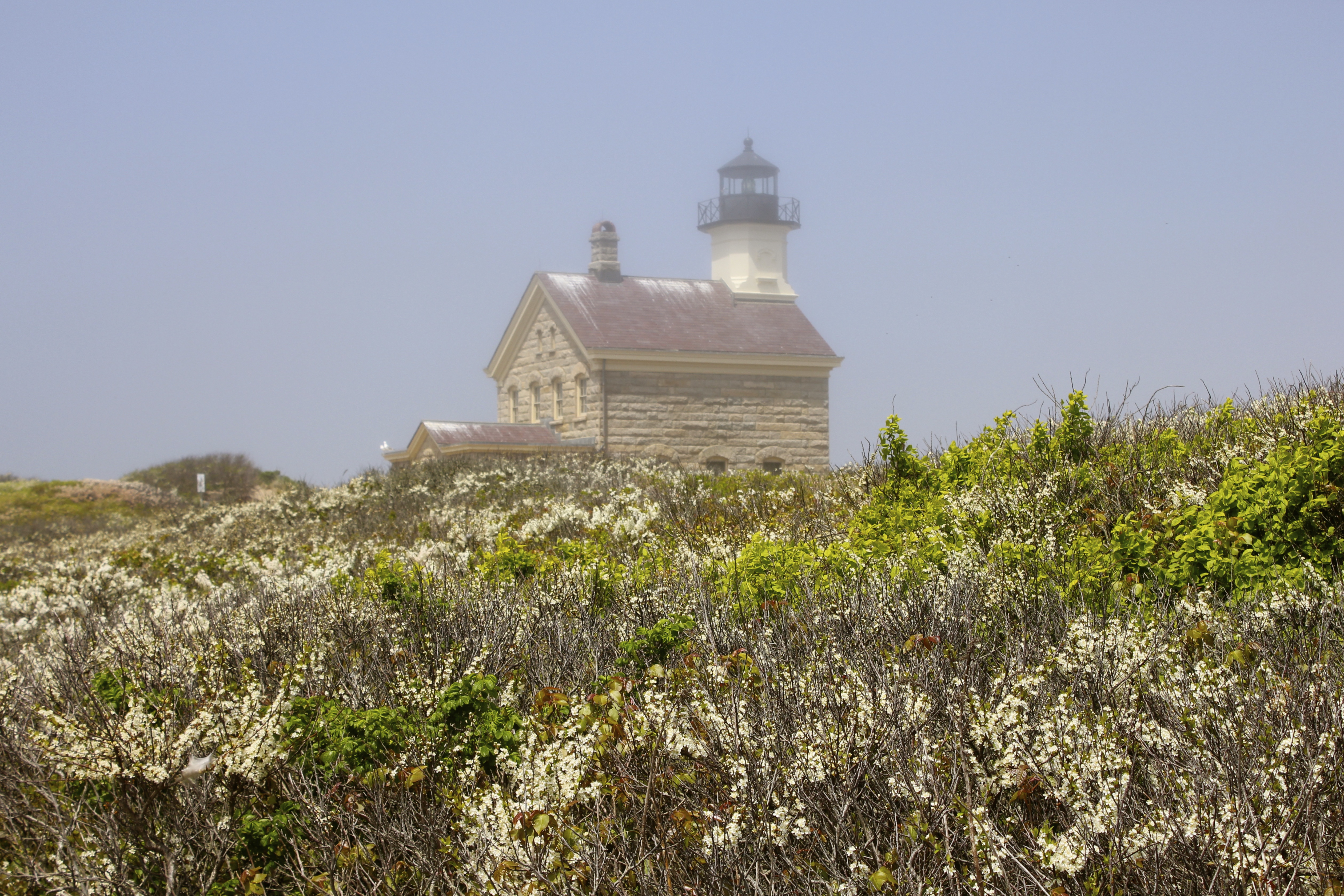
Corn Neck Road to the end and a walk from Settler’s Rock out to the North Lighthouse and beach before later ferries, with more people, arrive on the island.

IMG_2029

IMG_2062

IMG_2050

IMG_2054

*****

The drama of everyday heartbreak in the gull-nesting areas.

IMG_1970

IMG_1978IMG_1979

IMG_1980IMG_1981IMG_1984

*****

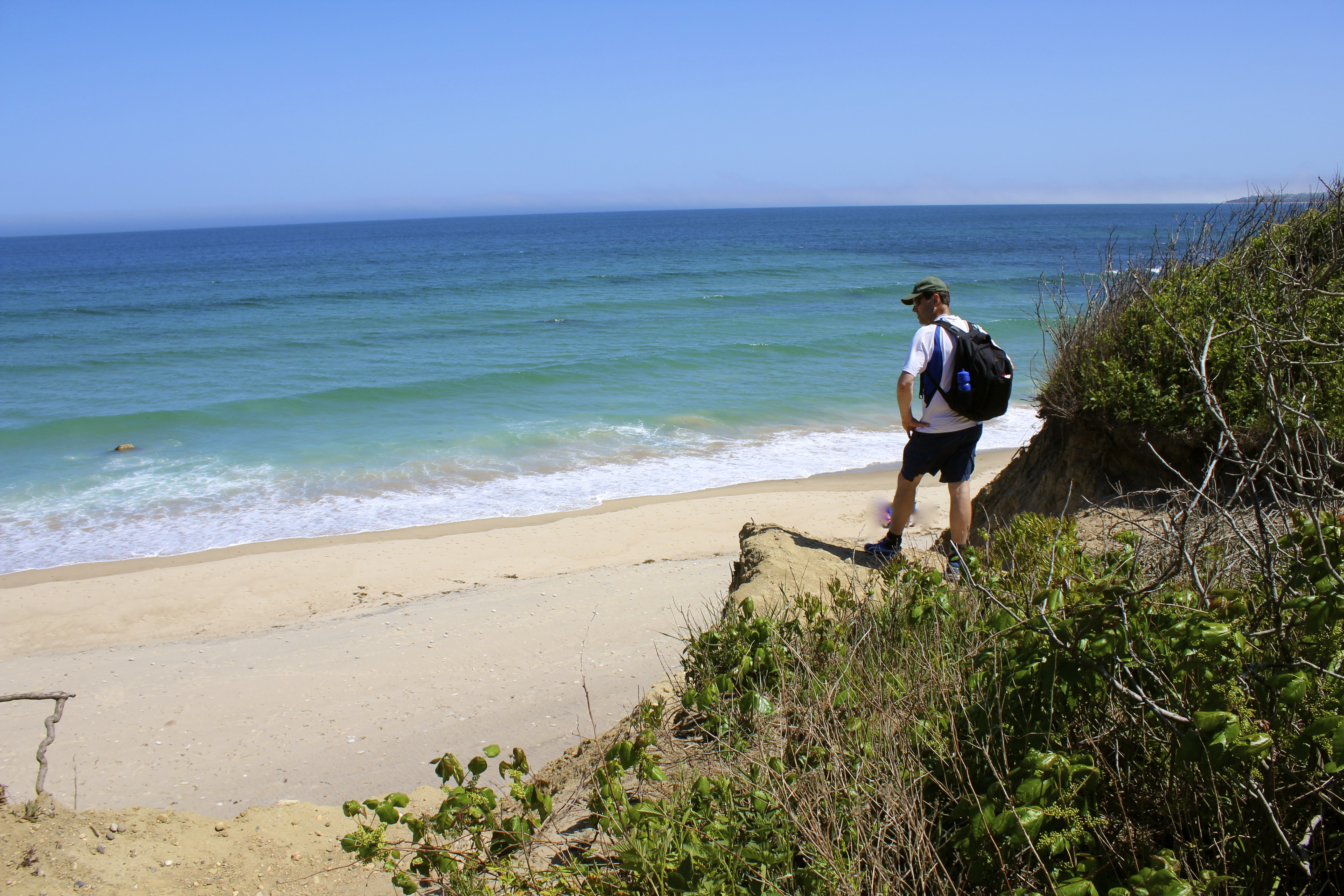
Clay Head Trail on bluffs with a rope-assisted climb down to the beach.

IMG_2082IMG_2117

*****

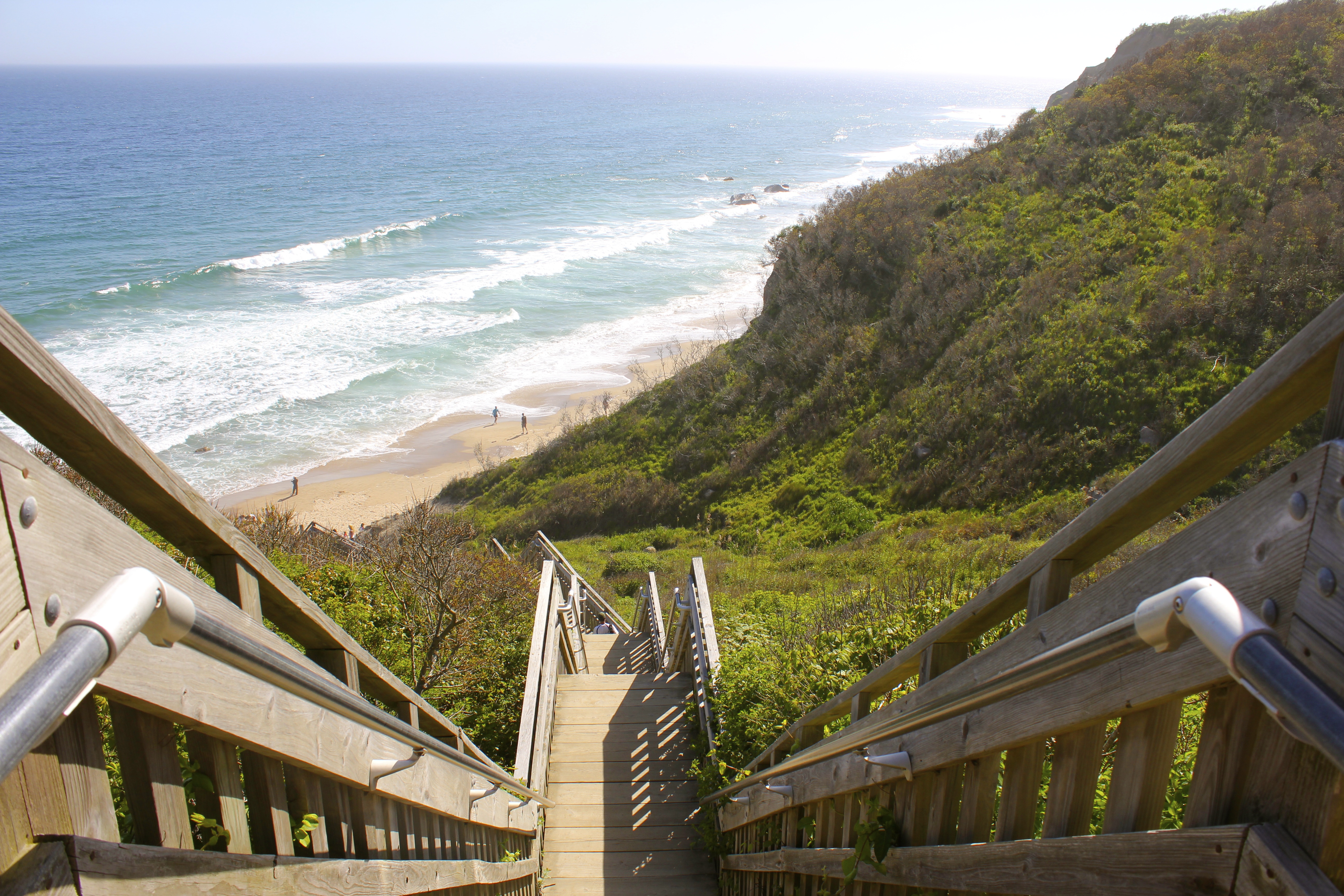
The infamous Mohegan Bluffs.

IMG_2121IMG_2125IMG_2128IMG_2151

IMG_2157IMG_2149
IMG_2134IMG_2224IMG_2267IMG_2272

Last bikes on the racks.

IMG_2273

The Analyst’s Couch is My Rock.

IMG_1883

A traveler scans the horizon, sees an island, and says to the wind, take me there. The wind loops a breeze through the traveler’s wish and then the wind does what the wind has been doing since the first falling stars soared from the heavens and through the solar systems, lighting up all the storms of life.

The wind sways; it bends; it flutters. It enlivens the traveler’s lungs with oxygen and sucks away sighs of the moody blues. Sometimes the wind lifts the traveler onto swooning heaps of happiness. Sometimes, terrible howlings shred the harmonies of all good dreams.

The traveler calls to the wind that she is feeling so done with the insane world. She has been made so crazy by the insame-ity of humanity. Take me there, she says again, her eyes fixed on the distant horizon where an island she needs is floating in the Atlantic Ocean.

The wind spirits the traveler ashore, delivering her, (with three companions), to a notable nowhere in the civilized world—Mount Desert Island, Maine—where the traveler notices her cell phone has no signal. She ignites a bonfire, in celebration, and dances all around it. The traveler flings her cell phone to a hungry seagull passing overhead. The bird snags it out of thin air and the traveler watches as the bird flies up, up, up and lets the cell phone go, go, go. It drops from the bird’s beak, like an unfortunate clam, and cracks apart on a salted, granite boulder nestled in mounds of slippery seaweed.

Both the bird and the traveler see that the cell phone has no meat.

The gull glides away, laughing.

*****

The traveler and her companions, (husband, daughter, daughter’s boyfriend), settle into their island cottage and begin preparing the arrival dinner, a feast of fish that will be paired with wines and vegetables and fresh breads.

The tide recedes, the table is set.

A sandpiper prances along exposed seabeds, probing the muck for sustenance. The animal moves to rhythms of the hunt played out in an orchestra of beautifully-evolved long legs attached to a feathered body where a lean neck with a beady-eyed head controls the stealth baton of a stabbing beak.

Everyone watches the sandpiper.

Thus passes the early evening’s happy hours.

It is late in the month of May. The travelers will depart for their first sleep on the island into a cold night.

The moon is a crescent; the stars are bright.

When morning comes, the sea will still be present, swaying over the edge of every horizon.

*****

Mount Desert Island and Acadia National Park float in the Atlantic Ocean three hundred driving miles away from where I live.  I keep a pass to the park in my car. If I need a session with my island-spirit analysts, or if I just want to give my heart a romantic work out, I take the road trip down east to one of Maine’s most treasured islands where exposed granite cliffs and mountaintops rise out of Christmastree-scented forests. Heart stopping views put everything in its place—the sky, the sea, and the mountain. The molecule of oxygen, the droplet of water, the grain of sand. The winners, the losers. The lovers, the haters. The jiggle-butts, the hard bodies. The brilliant idiots, the dumb-dumb suckers. The sorry fools, the happy fools. The found, the lost. I am all of it and none of it and when my brain short circuits over some human-scaled source of anxiety, or my gypsy head won’t stop spinning around on my shoulders—I head for the hills.

By the time I’m splayed out on rock, I don’t have anything left to say to my quiet analyst. The granite has heard it all before, so have the heavens and the seas. Indeed, the permanent record of deep thoughts and lousy secrets that bang around inside my hiking boots, remain on the trails which, over all the years of human existence, have become worn and worthy places of pilgrimage—

leading to the most spectacular sites

for partaking in the holiest of all communion feasts—

the venerable and adorable, hand-prepared picnic.

*****

Here are some activities for a weekend excursion on Mount Desert Island, Maine in springtime:

On one day:

Bike the 11-mile Around the Mountain carriage road loop. Start at the Jordan Pond House and get there early or you won’t get a parking place. Stop along the ride to hike down and under the stone bridges and look back up at how little everyone is. Listen to the waterfalls, especially the one at the double-arched Deer Brook Bridge, which, if you are lucky enough to be there alone, will sound like a gentle rain.

IMG_1588

Pack lunch for a picnic overlooking Somes Sound. Bring water! At the conclusion of the ride, settle in for wine, beer, crabmeat dip with crackers, lobster stew, and popovers at the Jordan Pond House. It doesn’t all go together, but be sure to only order the popovers with butter and jam–that goes together. The Jordan Pond House lemonade is good.

Take an early evening stroll through Asticou Terrace gardens and climb up to the Thuya Lodge and gardens—taking the route overlooking Northeast Harbor.  Thuya Lodge is my dream house.

On another day:

Hike The Beehive. This perilous climb will clear your head and turn your stomach inside out. Go early or you will be seared to the side of the cliff by the sun and slimed by the sweat of a million other over-cooked hikers. You will need a wingspan from fingertip to toe tip of about seven feet and those toes and fingers should be strong enough to yank your body type and BMI up and over narrow ledges without safety nets or bungee cords attached to your earlobes. The views are worth your life. If you are like me, you will climb The Beehive once, completely satisfied with how tremendously you scared yourself. You will call what you’ve done one of your life’s greatest success stories. If you are like my daughter, you will hike The Beehive over and over again in spite of your fears, whenever you bring people to Acadia, because authentic person to person contact with cliffs and death-drop airspaces, creates the mental and physical thrills of bonding with other human beings and nature in real time. Such experiences are endangered—the habitats where they are nurtured are being destroyed by the invasive technologies of social media.

Climb down to The Bowl after The Beehive and go for a swim. Keep moving in the water and stay away from the shore—there are leeches. Last summer, I spied an eagle perched on a log.

What to do if you don’t want to hike The Beehive:

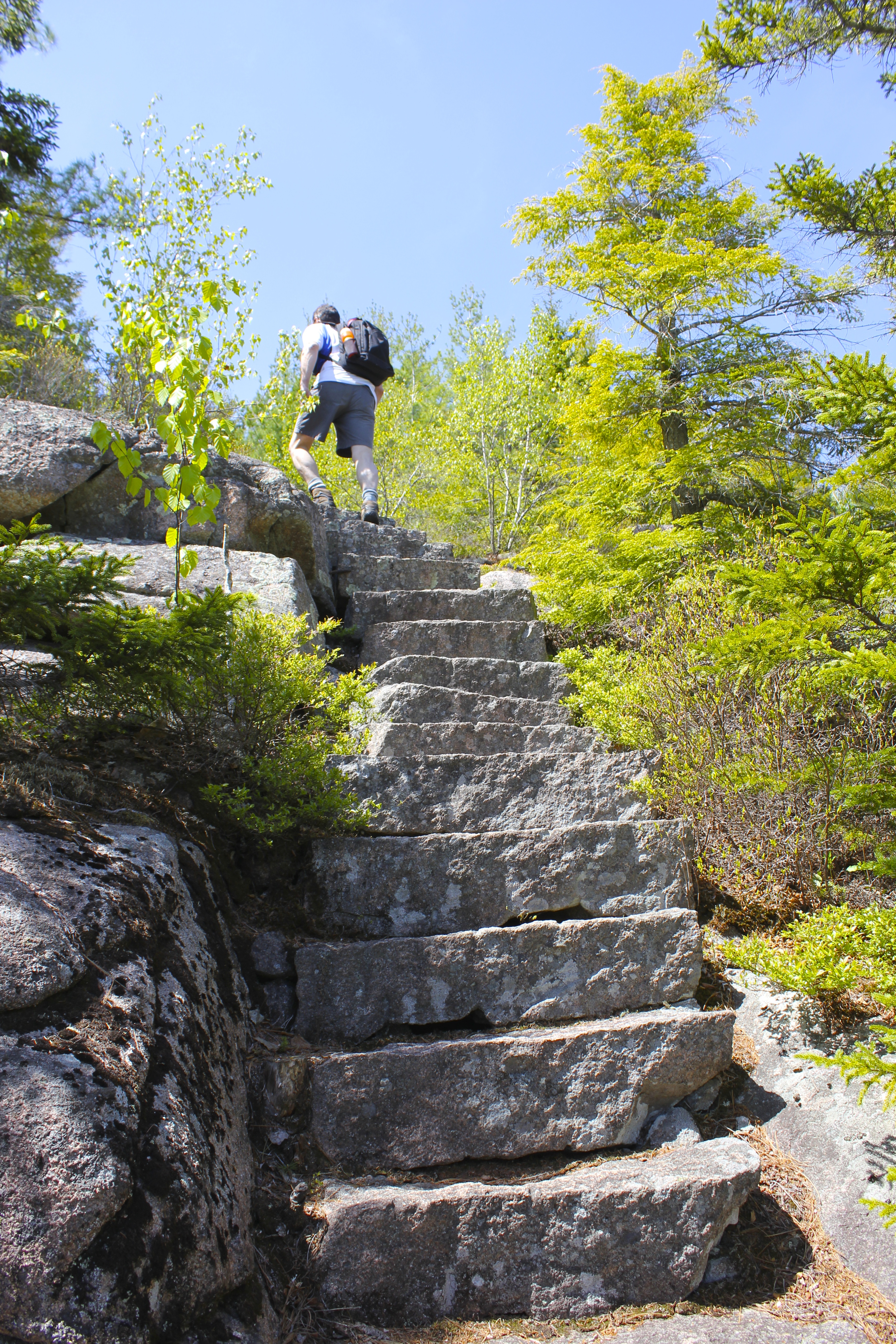
Climb to the top of Dorr Mountain via the newly-restored historic trail, Homan’s Path. The trail features hundreds of stone steps with a few alleyways that pass under stone blocks. Lean in. Some of the ascents are very vertical. The Earth loves you so much, it is constantly pulling you down as you are constantly hauling yourself up to new summits. Pray for the wind—to cool your sweat and to move the black flies out to sea. If you ever wonder what people did before they were tethered to email and instagrain pixels of nonsense, consider the jolly challenges of shoving big rocks into nice compositions on steep trails. Follow and admire the historic cairns and never assume that just because Acadia was created by Gilded Age rich people, you won’t get lost.

IMG_1728

IMG_1710

IMG_1773

IMG_1751

When you arrive at the top of Dorr Mountain, the second highest in Acadia, you’ll get the feeling you are being watched. Look one mountain over to Cadillac—the highest mountain on the East Coast. On the ridge, a line of people will be staring down at you like a gathering of angry Indians in a John Ford western.

IMG_1769

Lay down on the rocky surface of the summit. Trap all of your brain activity in the tension of gravity, tides, winds, bogus black flies and the blazing energy of the sun. Now let it go.

IMG_1778

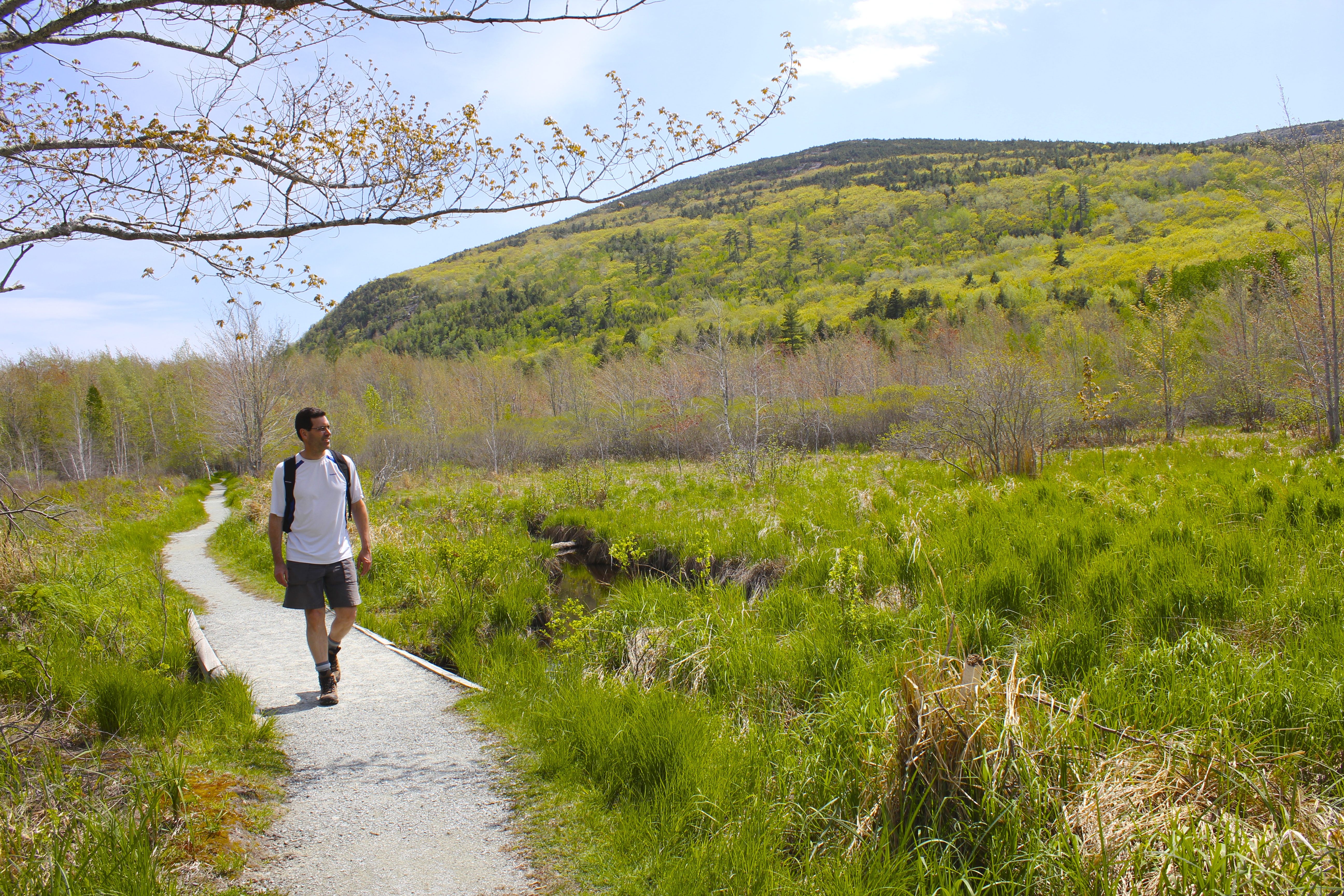
Walk from the top of Dorr Mountain all the way to Bar Harbor, via the Jessup Trail, passing through the quiet colors of spring and into the busy collections of human beings doing exactly everything you want to do. The designs of the paths in Acadia were inspired by European walking paths and gardens. There are junctions with signposts, but I’ve yet to find kissing gates like the ones in England’s way-too-wicked-charming countrysides. Not everything is perfectly marked, but at least there aren’t any bears to worry about.

IMG_1811

IMG_1807

After the crush of festive humanity and a powerful boost of ice cream in Bar Harbor, go to Cooksey Drive in Seal Harbor, where a sort of secret little path, leads to the edges of jagged cliffs that drop directly into the Atlantic.

On the last day:

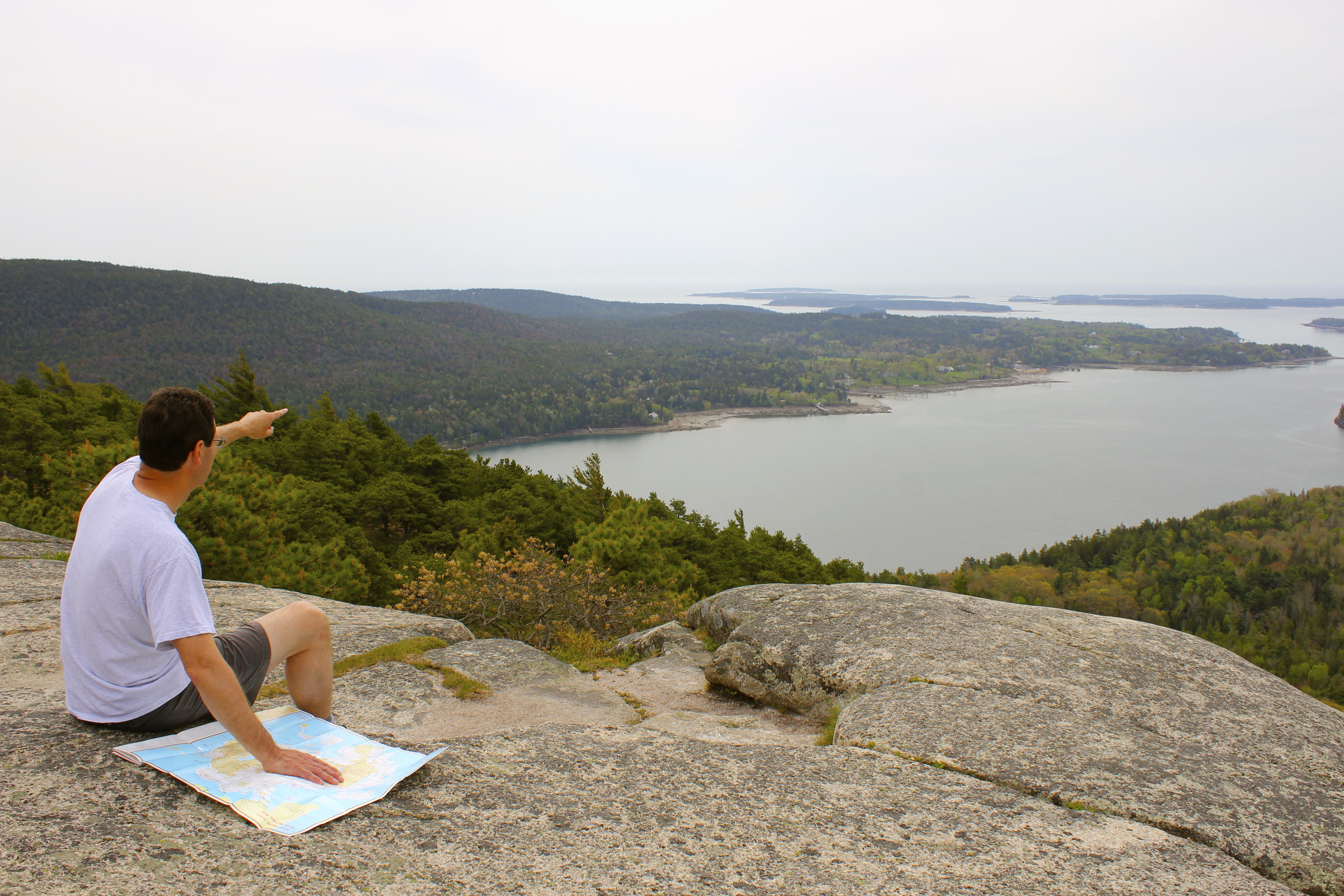
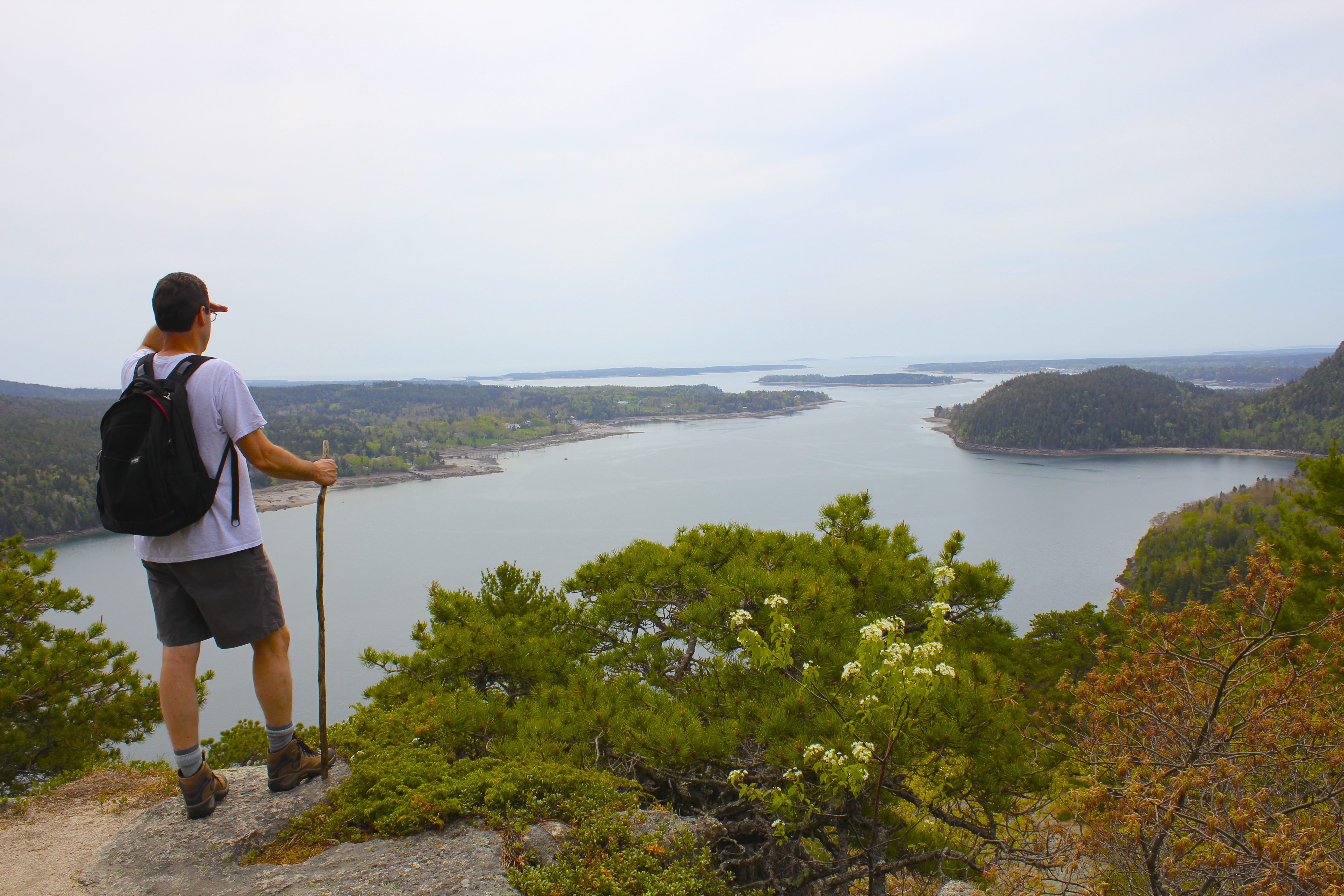
Hike Acadia Mountain, near Echo Lake. Scramble over cobbled steps; shimmy up and down rock crevices. At the summit, you will walk through some of God’s most perfectly designed wild gardens and bathe in what are perhaps the most gorgeous views of Somes Sound. Spring leaves unfurl in flowery shapes on the trees. Blueberry bushes bloom. Take out a map and find out where you are, where you’ve been, and all the places you still want to go.

IMG_1891

IMG_1864

IMG_1852

IMG_1828

IMG_1743

IMG_1886

*****

It was time to go home.

We headed for Mother’s Kitchen for the best meatloaf sandwich in New England. (Made only in Maine with grass-fed, free-range beef lobsters.) But it was closed. So we tried Trenton Bridge and sat outside eating crab sandwiches and lobster sandwiches.

All was good.

*****

IMG_1702

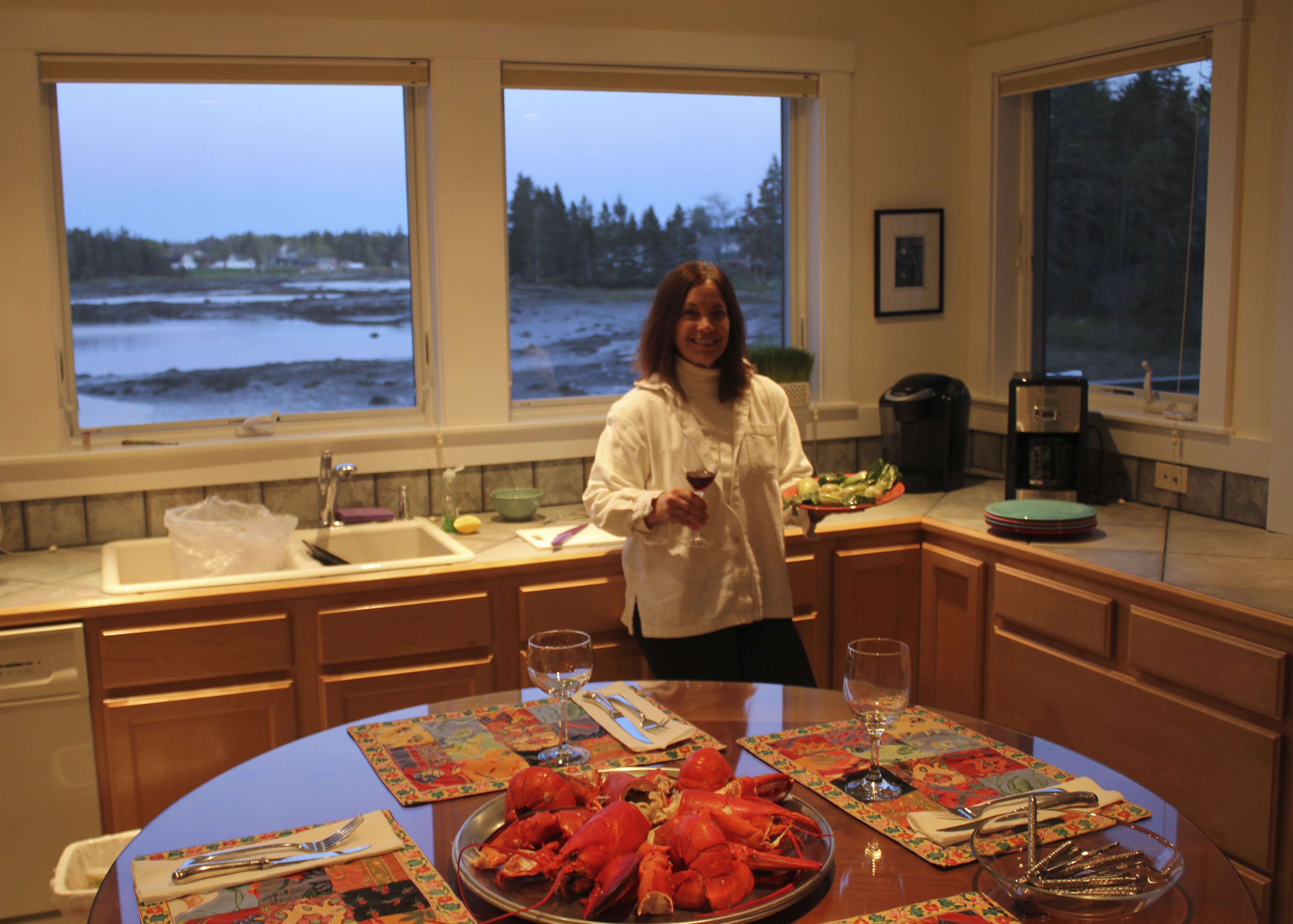
Lobster bake with grilled baby bokchoy.

IMG_1831

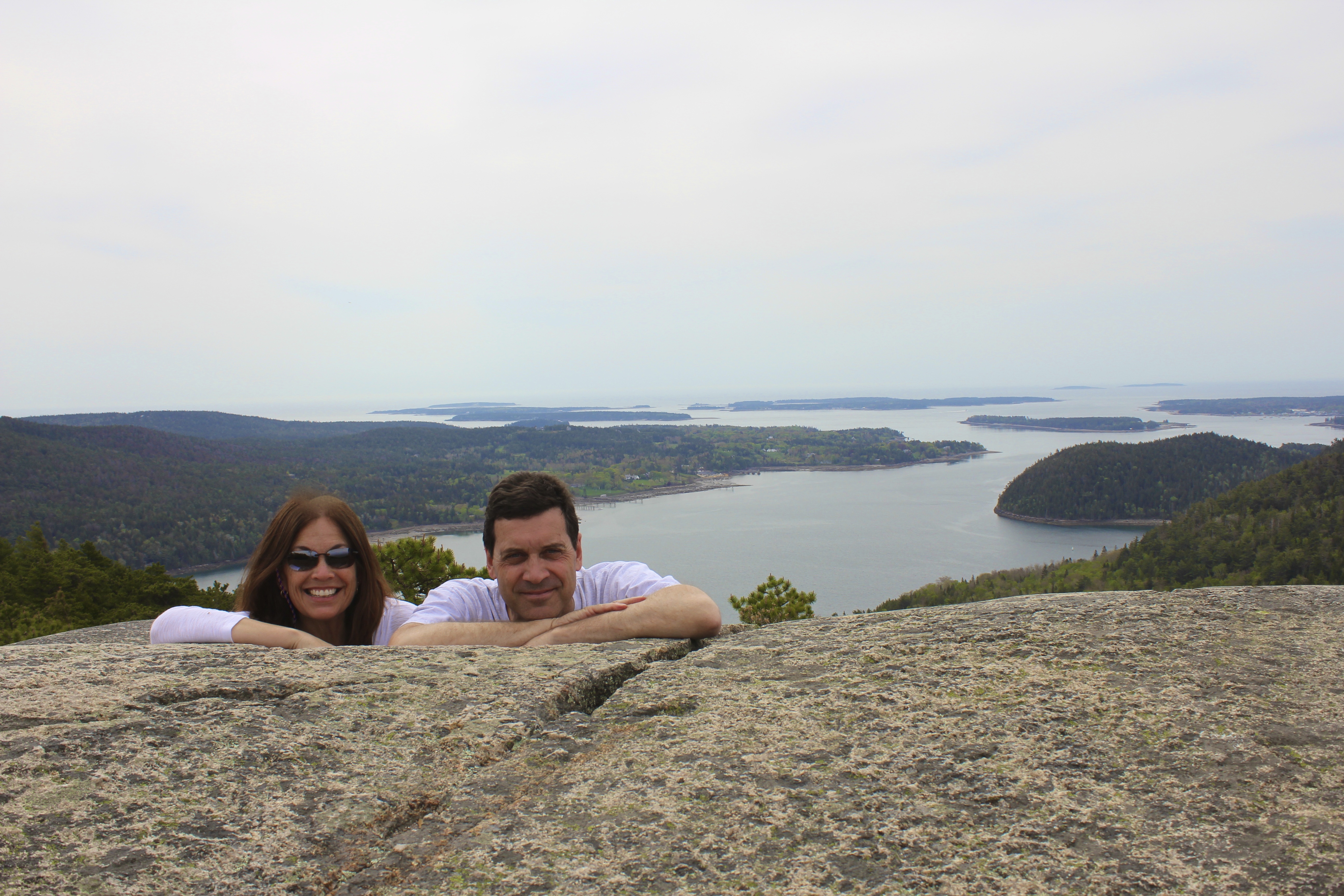
An old-fashioned self-timer of the old timers.

IMG_1910

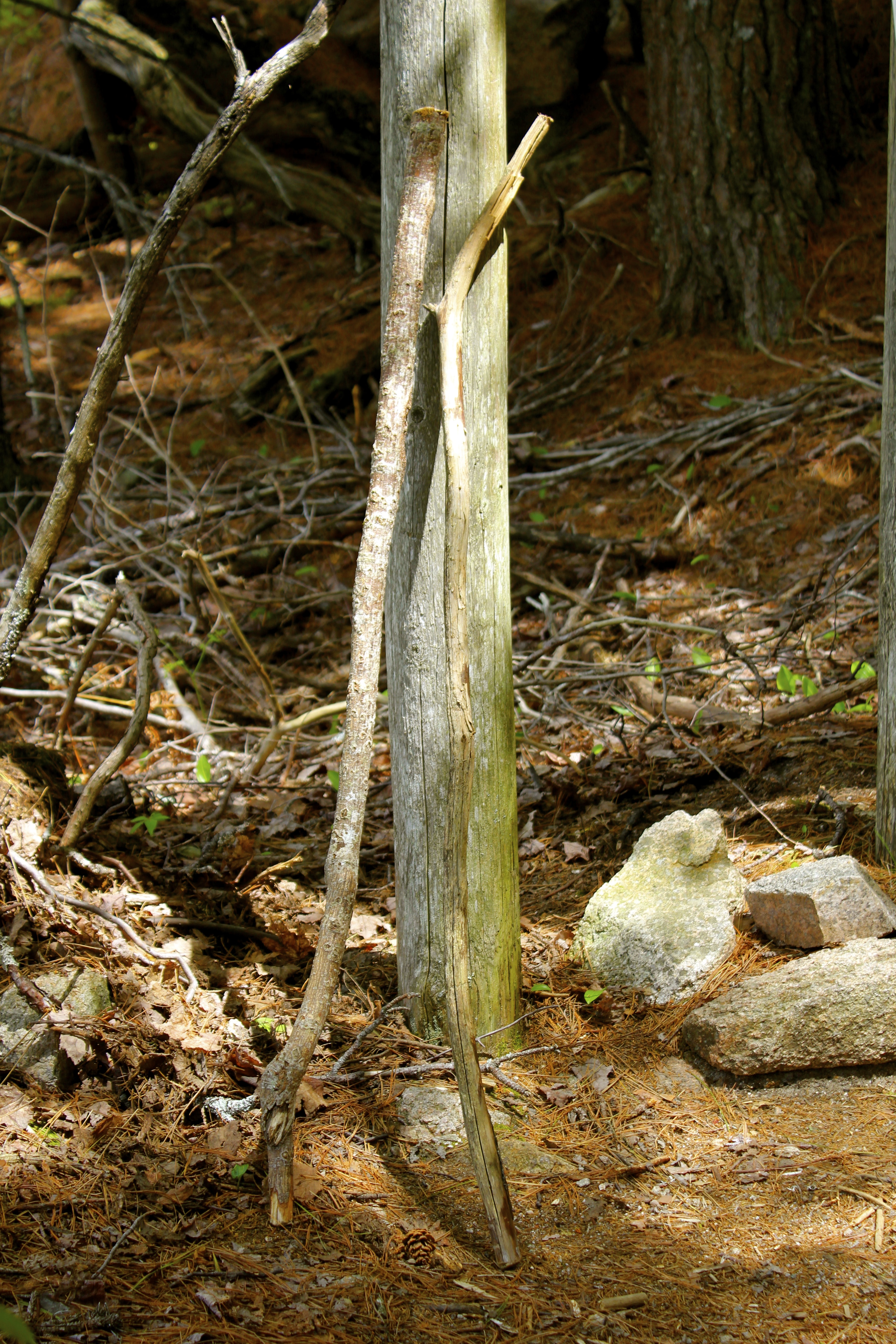
We left our walking sticks on the trail for you.

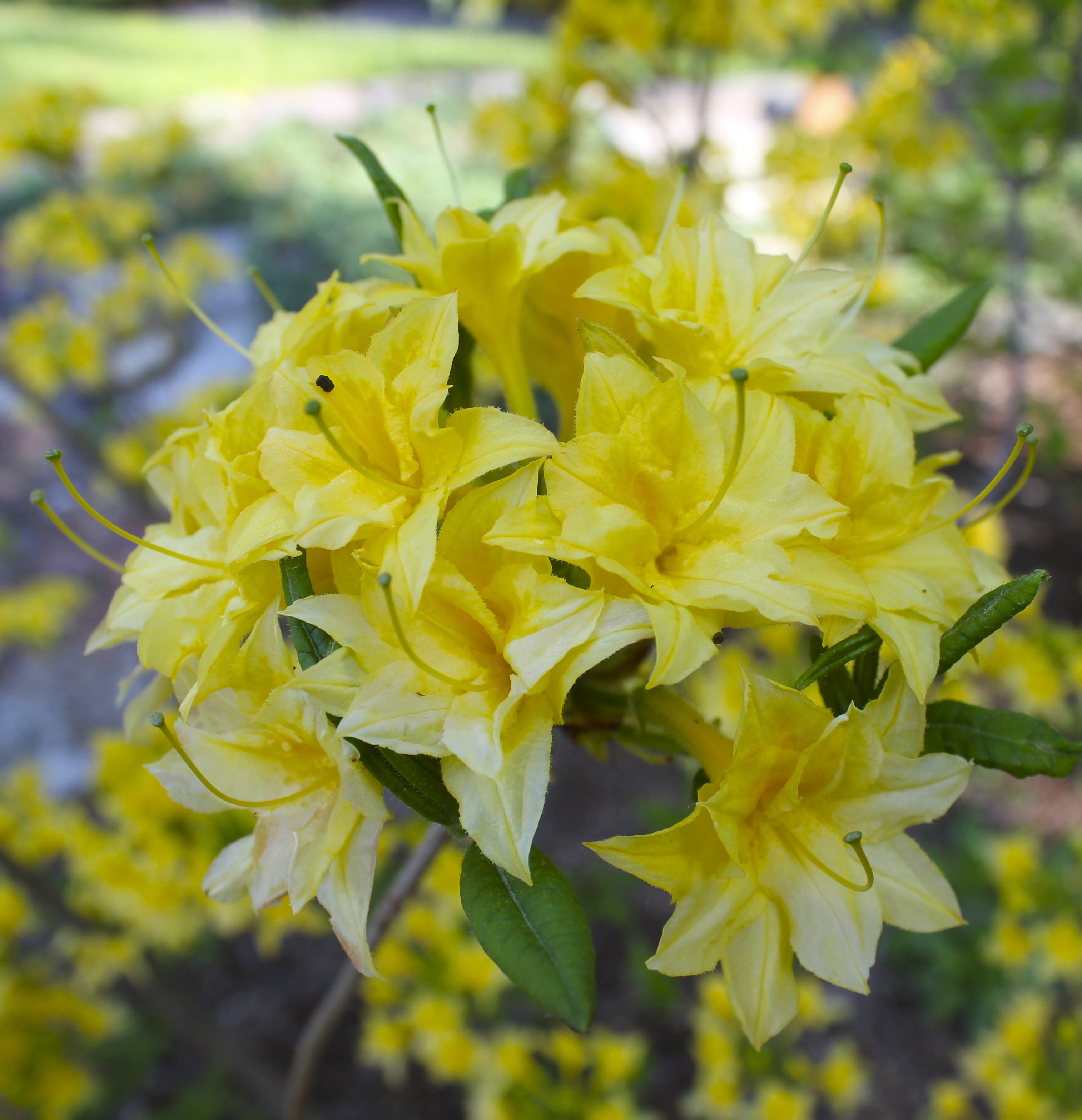
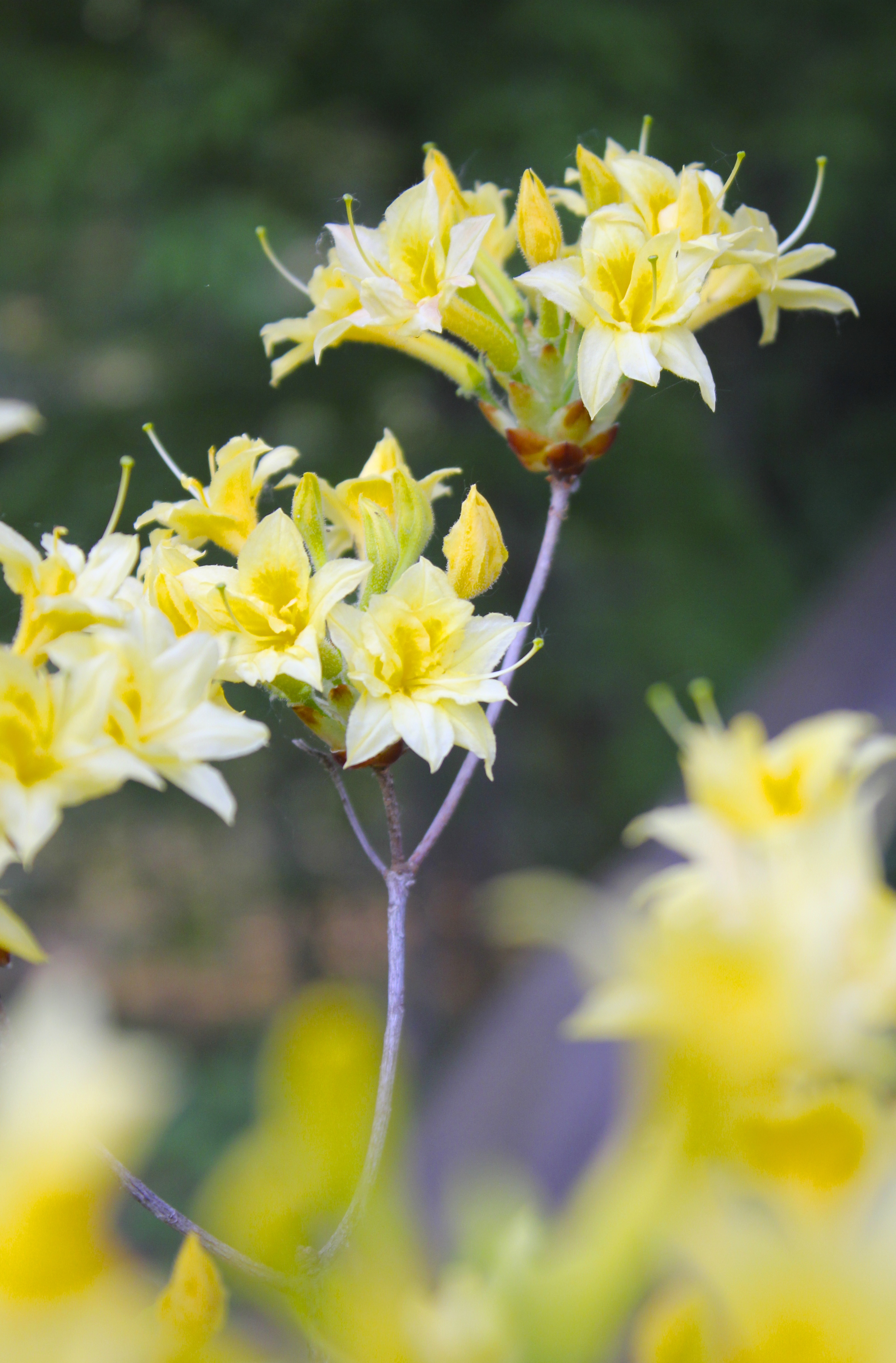
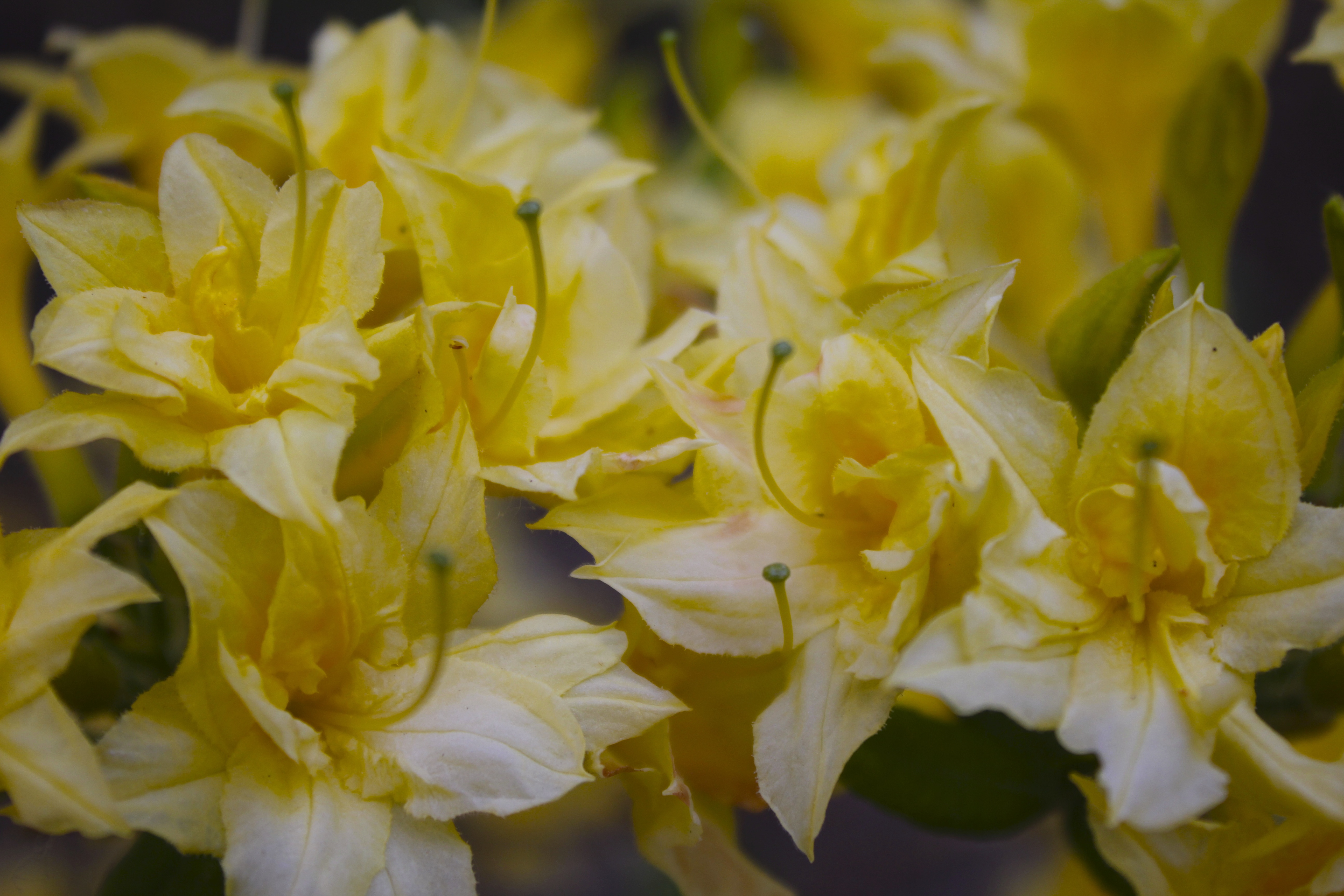
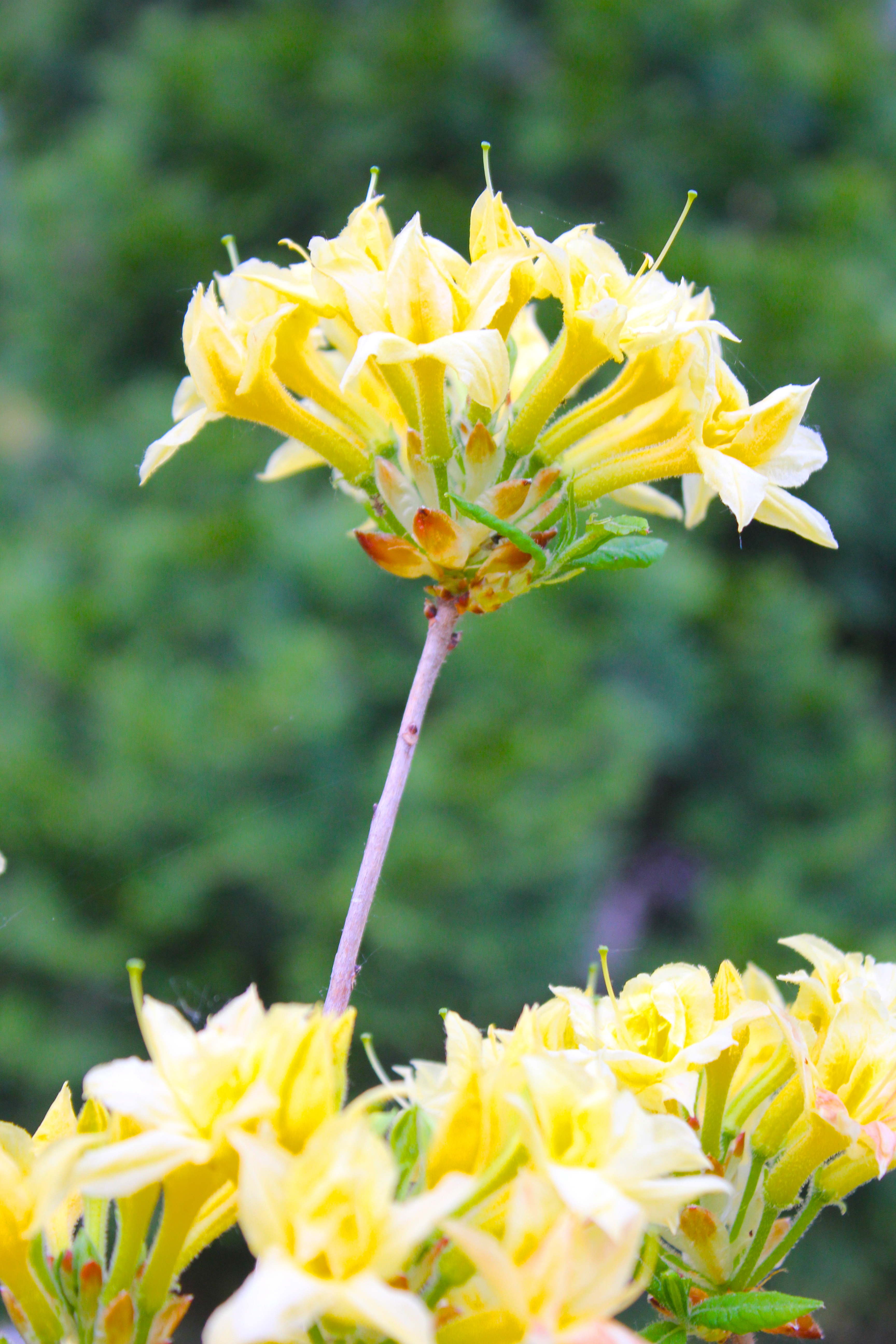
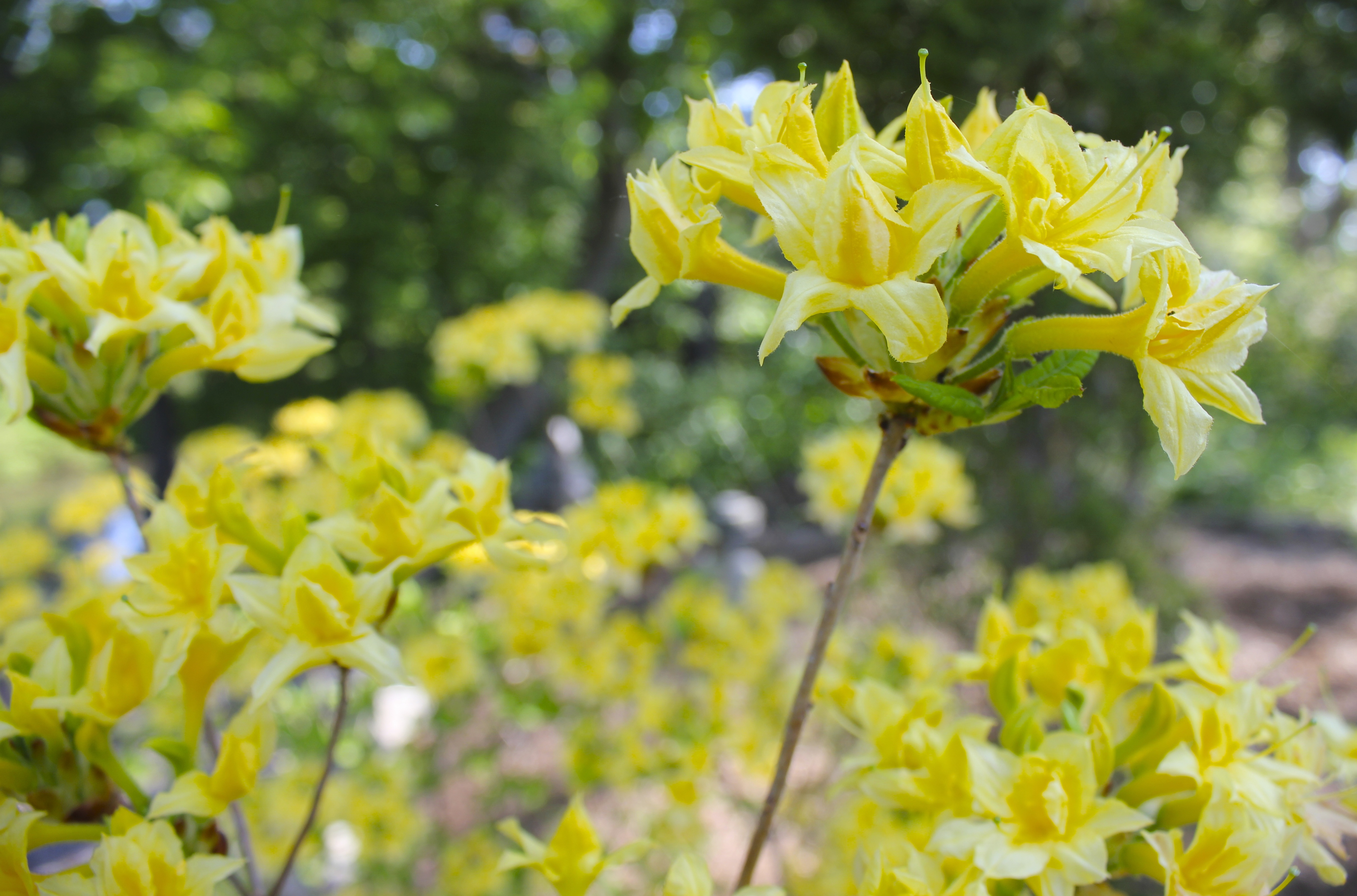
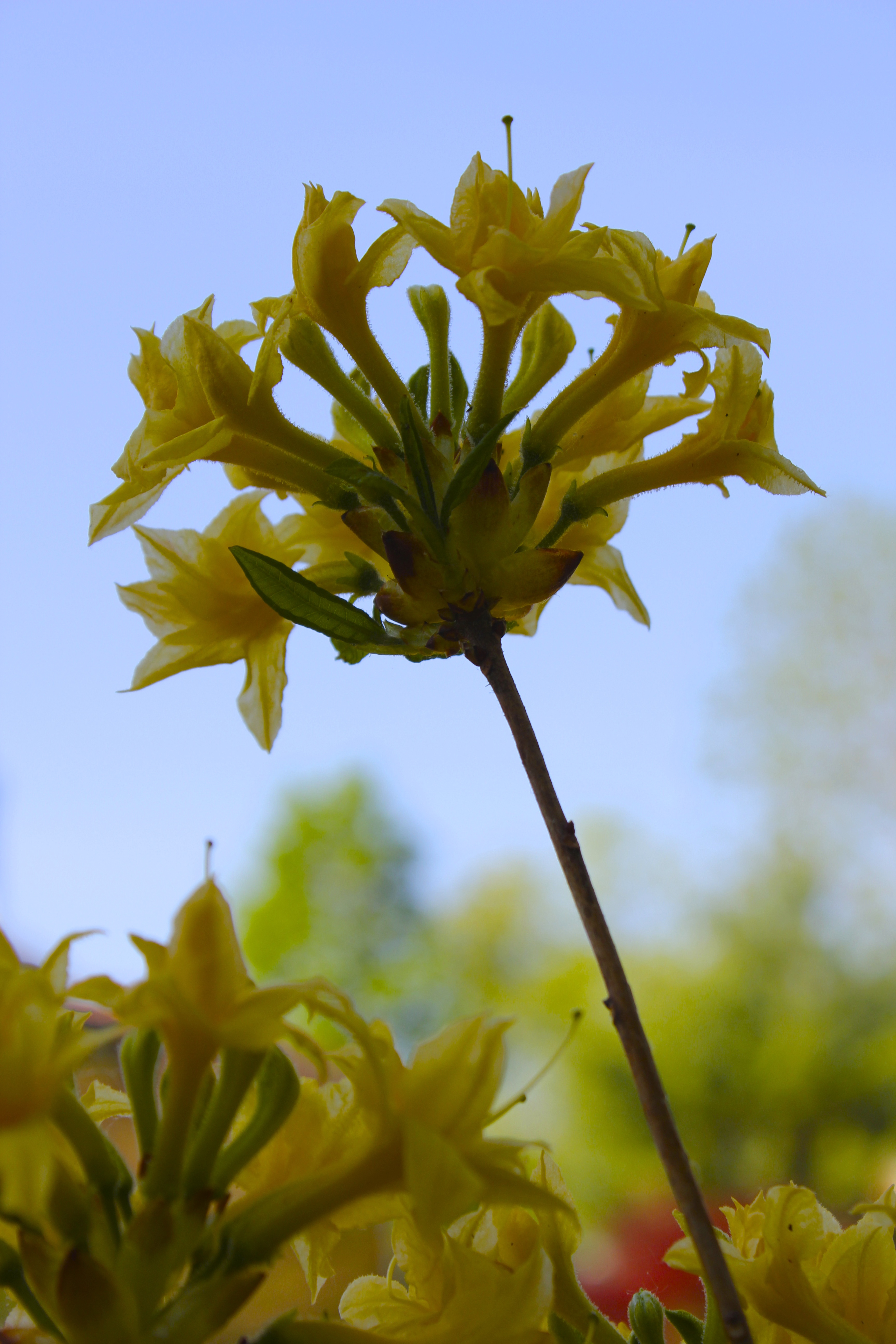
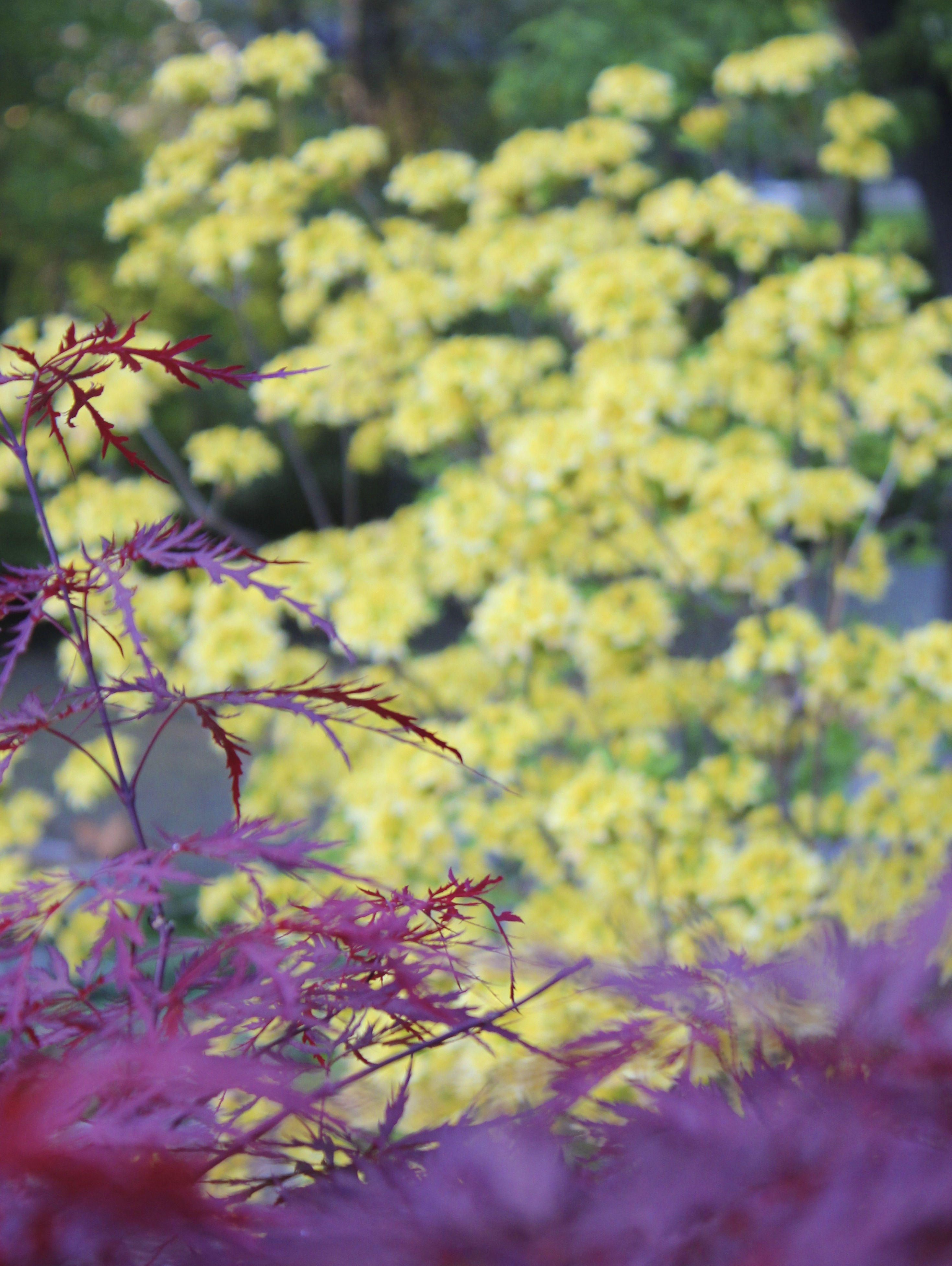
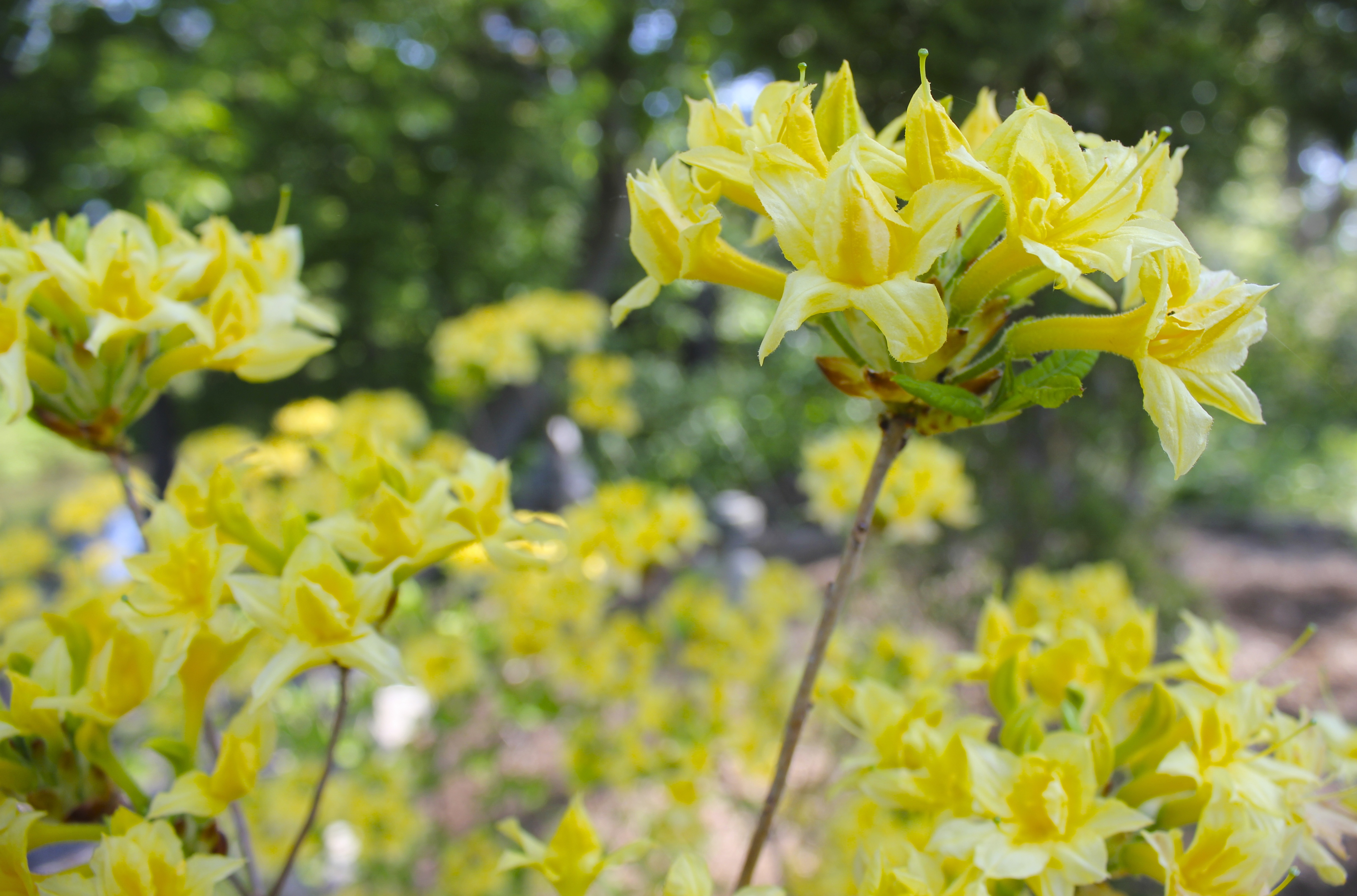
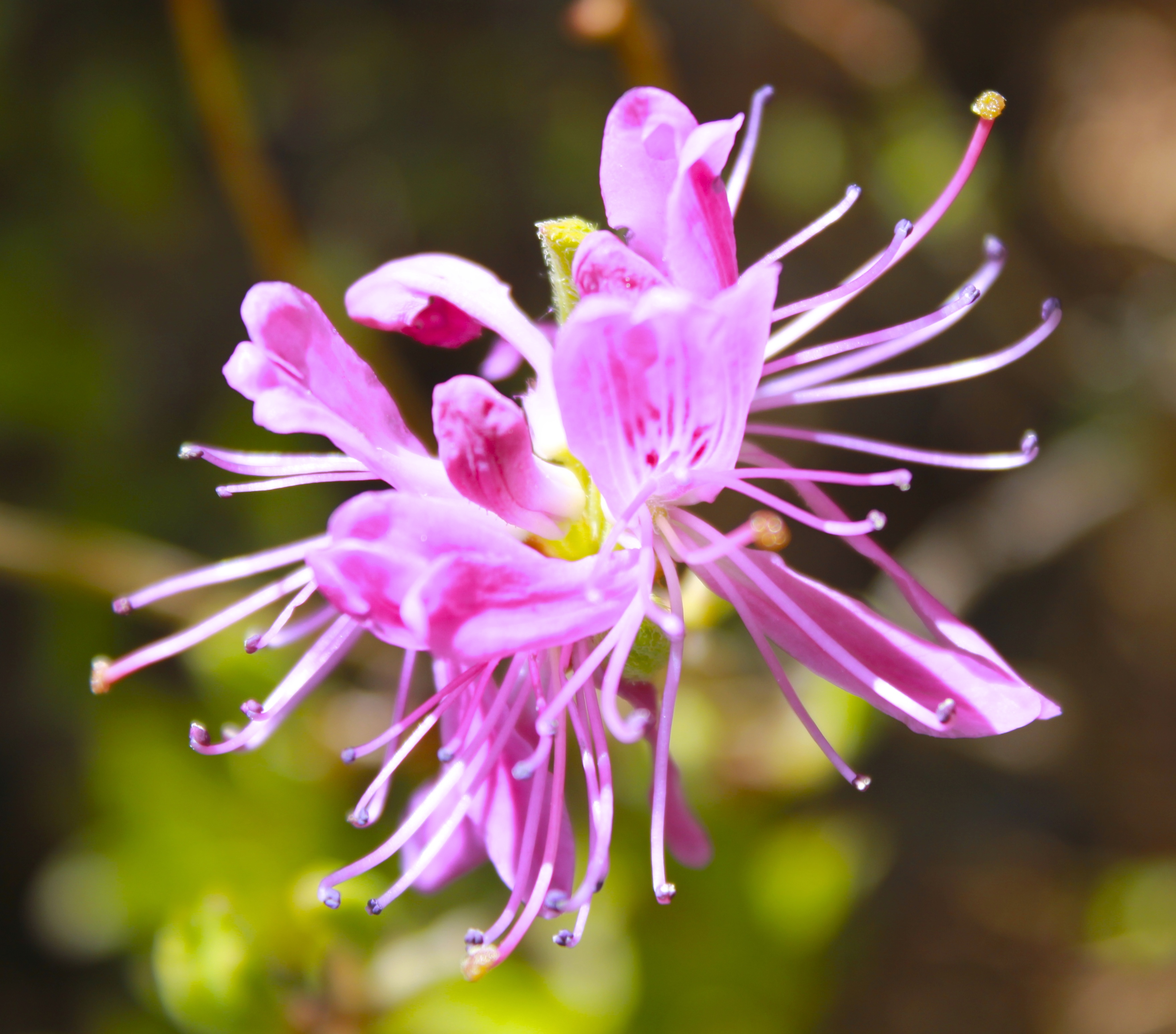
The Yellow Azalea in Bloom.

IMG_1410

Yellow is—

is golden.

Is the color insects like best.

Yellow is sexy happy.

Is glory, wisdom, and harmony.

Yellow is noble,

is fun,

is brilliance.

Yellow is—

is the angel’s hair.

Is the breeze of the new baby’s breath.

IMG_1412

Yellow is—

wine, glistening,

cooled to creek water temperature.

Yellow is my daughter’s favorite color,

my son’s truck love days.

IMG_1435


Yellow is—

friendship,

and patience.

IMG_1232IMG_1234 (1)

Yellow is memory’s concert hall

sun-flowered,

and sun-shined.

IMG_1431

Yellow is

the azalea’s fragrance

Coloring my world in long swallows through my nose,

gold, dusting my eyelashes.

IMG_1408

Yellow is—

Alchemy.

Heaven’s songs,

performed in peace,

on Earth.
IMG_1415
IMG_1443

For My Children, after Mother’s Day.

IMG_1164

Now the early mornings are warm and the grass is soft again.

I wear every leaf on the garden paths, woven together with all the others, for garden slippers.

No pair is perfectly matched. All are left behind with every step.

Earthy dew zaps my feet, washes them, startles the heart and composes a hymn.

*****

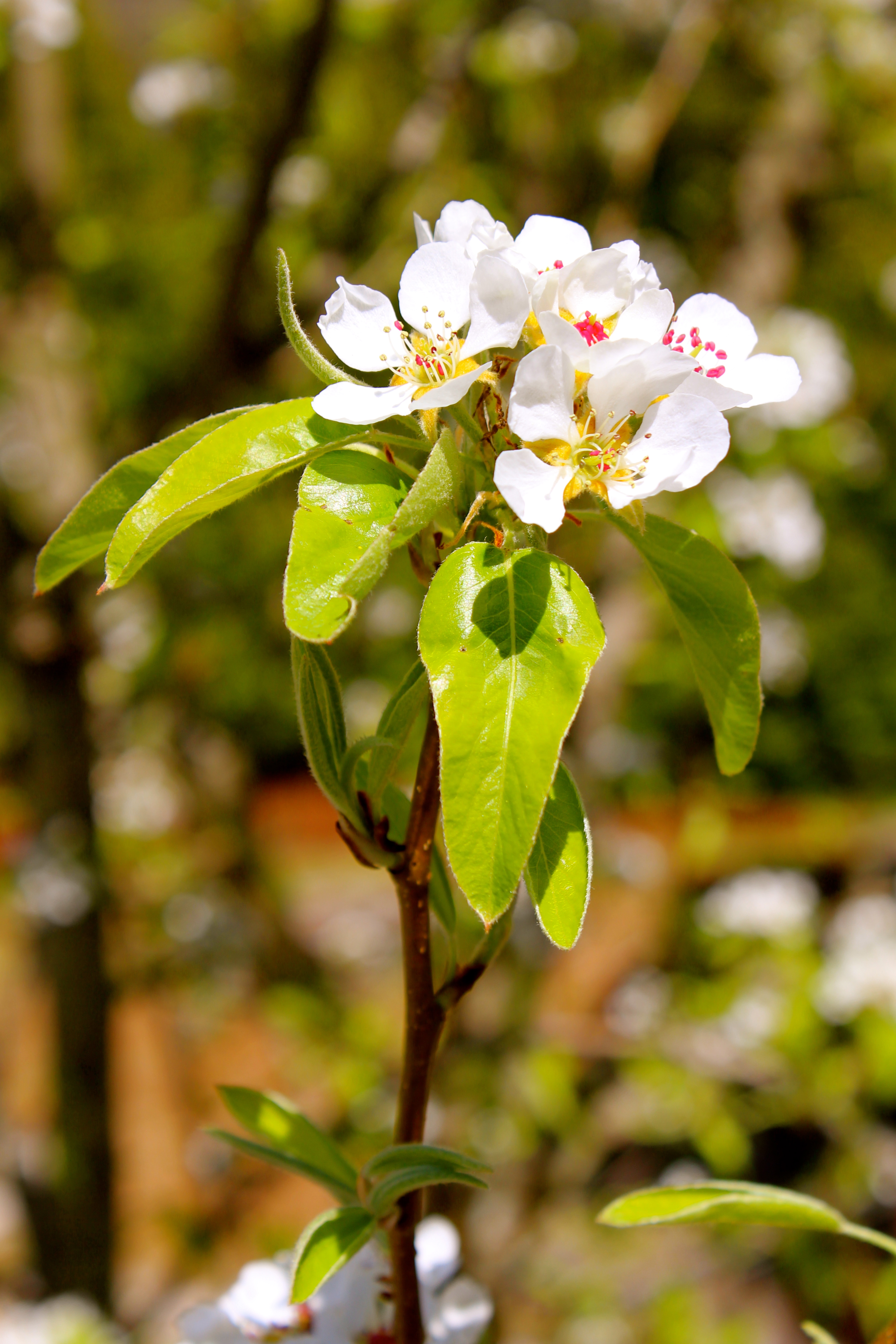
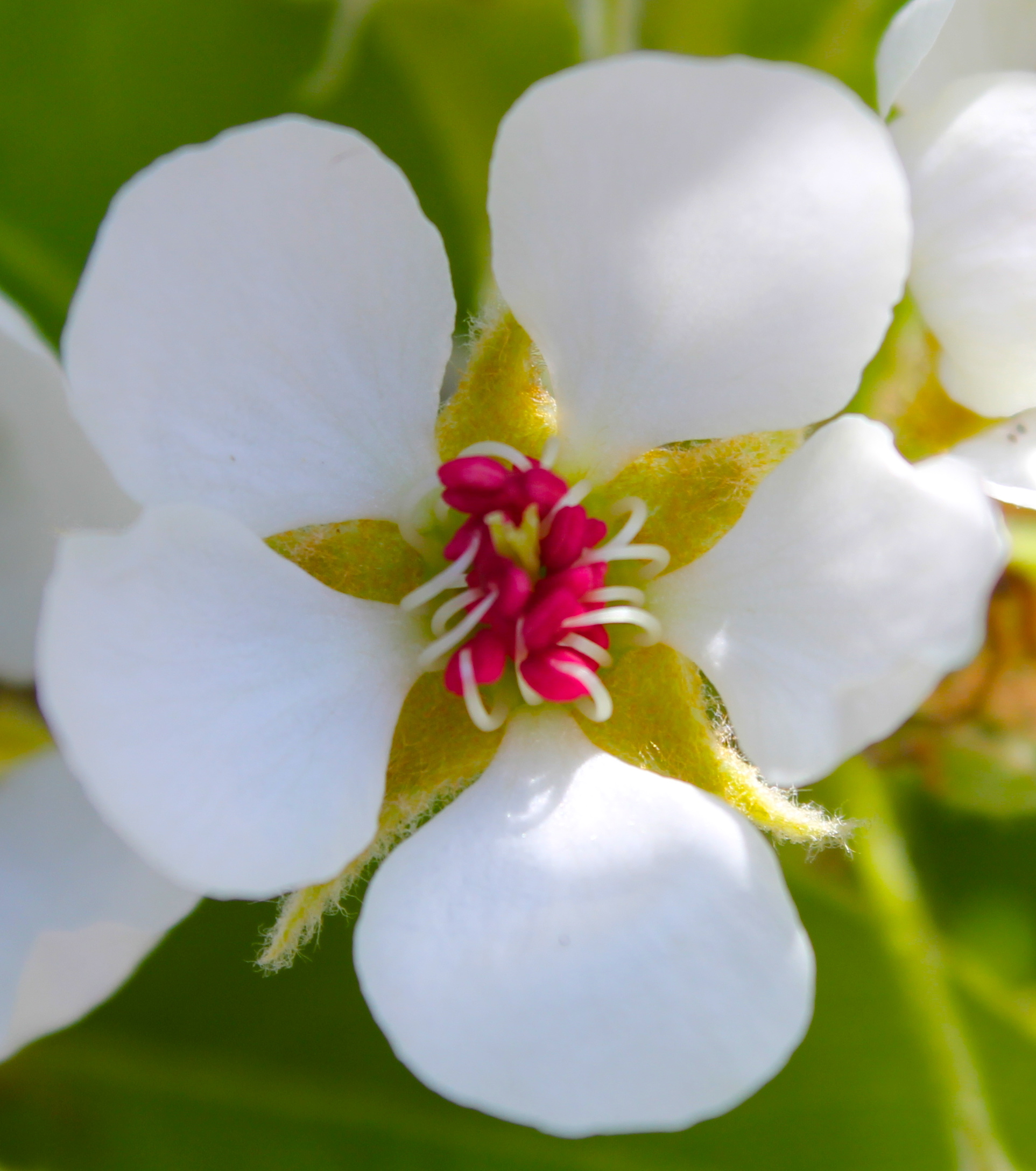
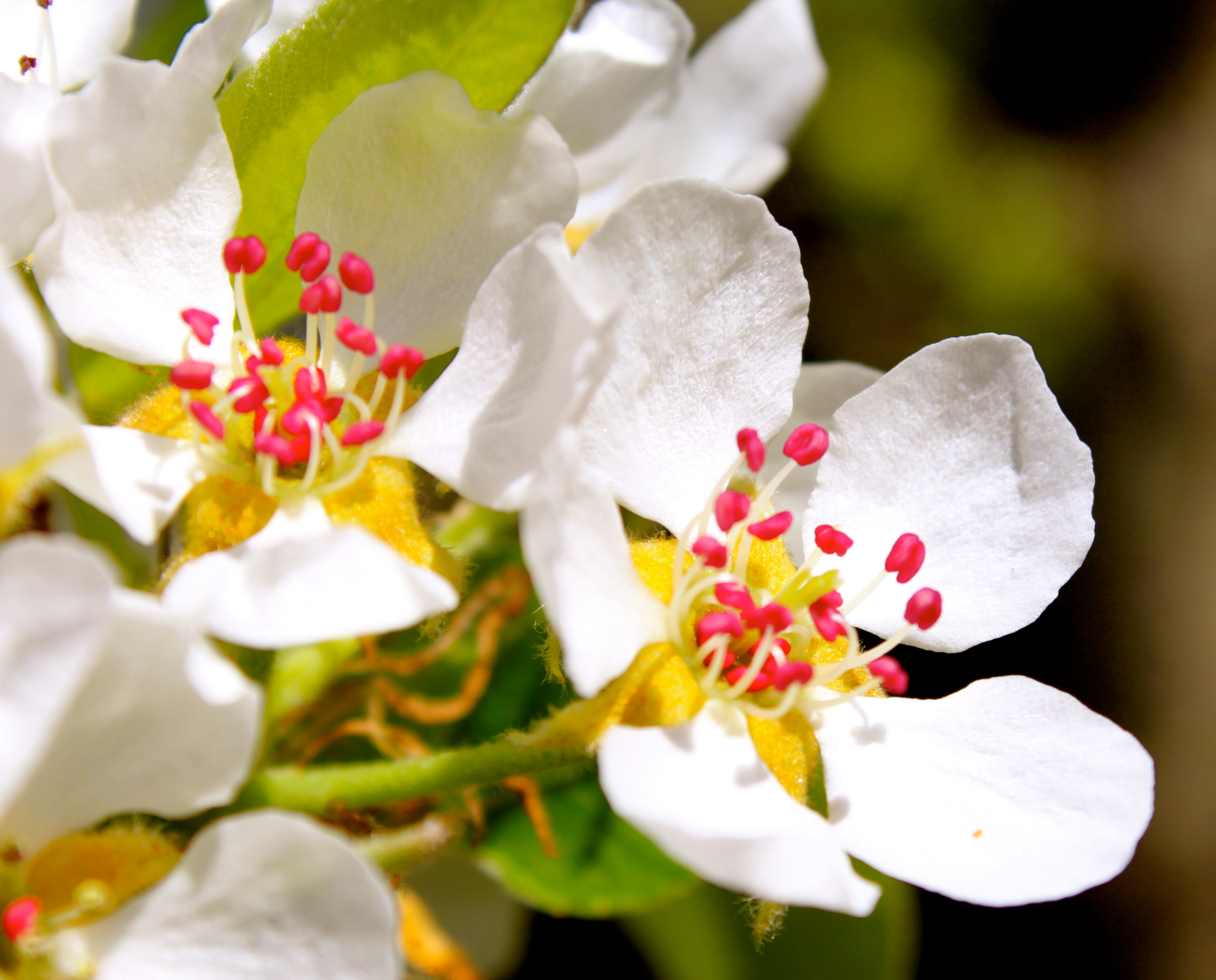
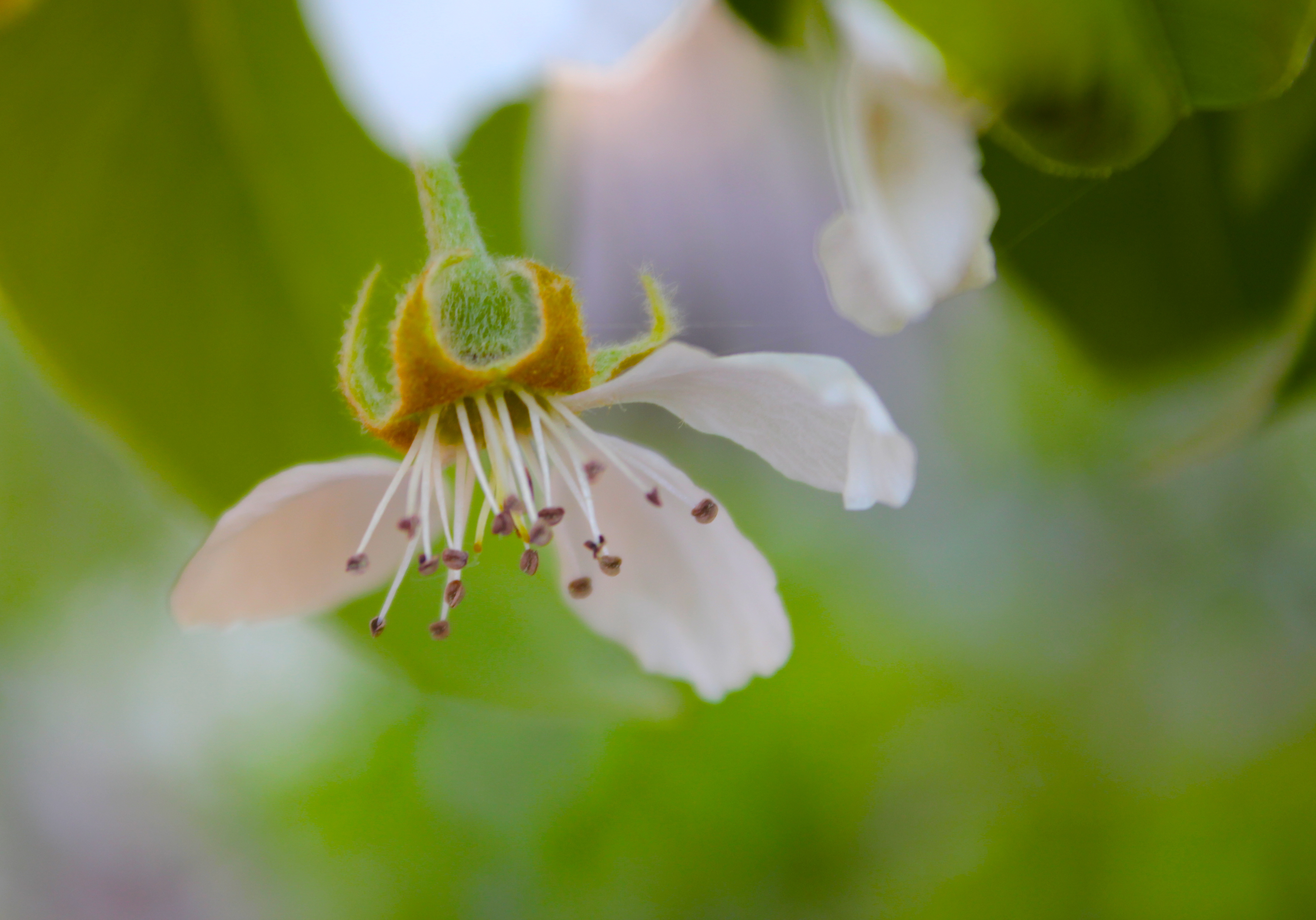
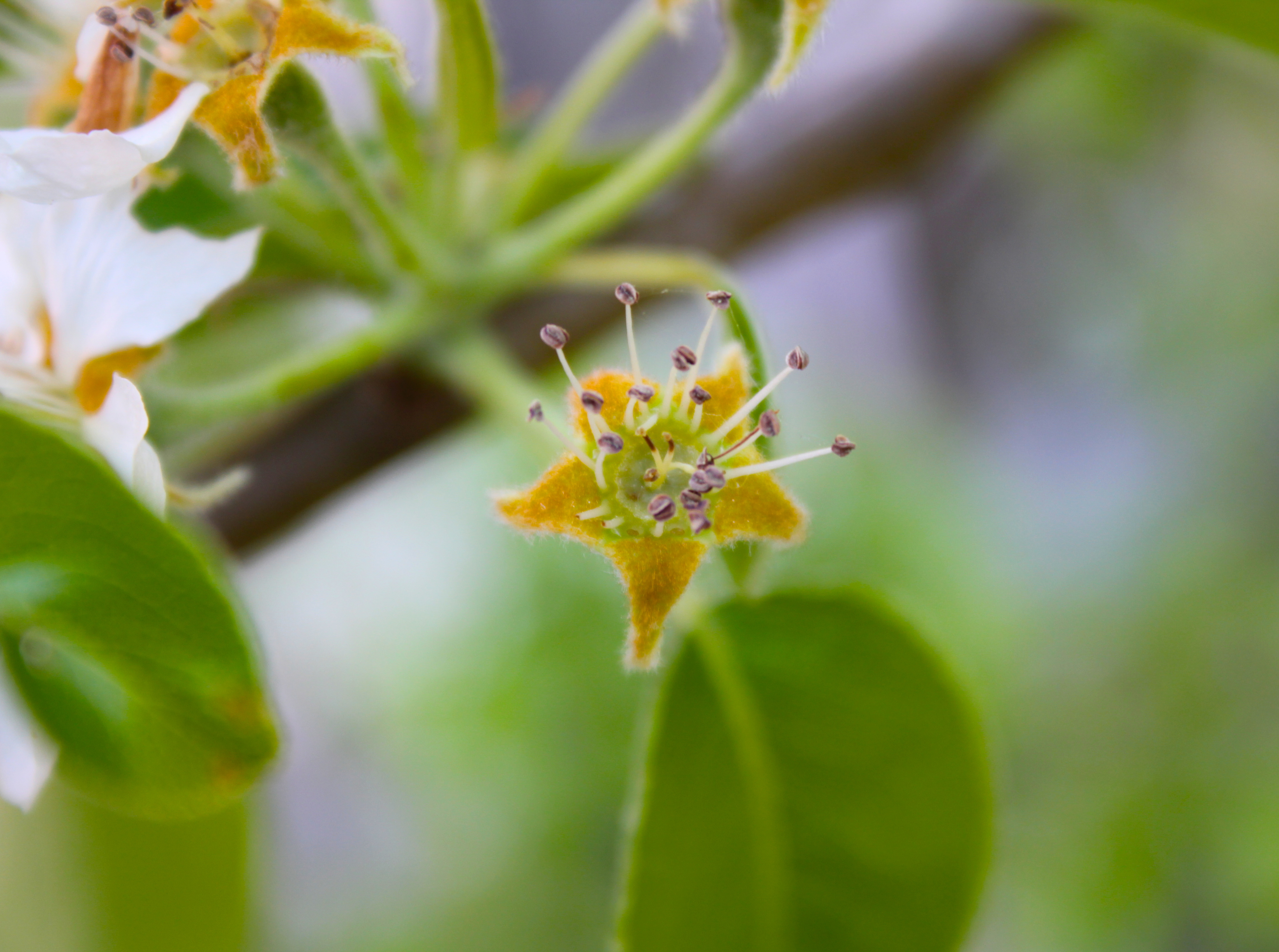
The sun rose a long distance east of the pear tree,

warming the Earth and waking up the air

which took flight from the still night

like invisible wings, gliding out of sync on unmapped airways.

The breathless sighs blew soft as fluttering eyelashes on sleepy schoolchildren

who wished to be out of doors on this day

out of classrooms.

IMG_1158

IMG_1159

The kingdom should set children free on such a day as today

when invisible magic carpets will steal them away

when the petals of the pear tree blossoms will fly into their ears and onto their tongues

and leave stars on the tree.

When the children will run

or gather into tribes around the lilacs

and look down to find ants,

look up to the bee, with pollen stored into travel packs on minuscule legs.

When everywhere, the breeze says nothing

and the robin stands next to my cup of tea showing off a beak filled with nest-building materials

all foraged from Earth.

It is all fiction when we talk about it in the classroom.

*****

Remember when you were unafraid of your dreams!

Remember climbing into the tree and watching how the twig grew a flower

and the flower grew a fruit

and the bee made honey!

IMG_1162

Remember spending all day building nests, using your mouths

how you stood at the edge of the nest

and I watched you fall

my tears concealed underneath the stars on the pear tree, ripe.

And when you returned, eyes bigger, bellies full,

brains buzzing, chirping, and brave–

I fed you pear bread, with a dollop of pear jam.

IMG_1218IMG_1219

All the things I made,

from the tree I grew,

because your father was once a little boy who lived on Pear Tree Drive

And after I loved him,

I had you.

That Recurring Nightmare About Final Exams.

music-graphics-rockstar-110897

Everyone has their own, unique “worst nightmares.” Here’s one:

“I meet Rock Star Hunk on a romantic beach in the South Pacific. He talks to me. I smile. He says, ‘You have a leaf of lettuce dangling from the tip of your tongue and a poppyseed stuck between your two front teeth.’ He reaches into my mouth and plucks away the lettuce, then goes after the poppyseed, loosening the caps on my two front teeth. Drool drips from my tongue. Rock Star Hunk cleans his hand in the surf and while he’s not looking, I rearrange the caps I bought at the Dollar Store onto my teeth. There’s a shark. It strikes, taking off Rock Star Hunk’s hand in one chomp. Rock Star Hunk bleeds to death and when the shark smiles, there are poppyseeds stuck between every blood-stained tooth.”

Here’s some more worst nightmares, but these ones are not unique. If you attended college or university, chances are these bad dreams have revisited you through the years that have come to pass since those halcyon days of your youthful education. The nightmares are souvenirs of stress. They remind us that higher education wasn’t always idyllic. It was often frantic:

“I dreamed I showed up for my final exam and it was the wrong exam because I never attended the class.”

“I dreamed I slept through my final exam because I was taking speed the night before to study.”

“I dreamed I never got my college degree because I forgot my name, my social security number, and my purpose in life and I was so hungry, (because I’d been chewing on coffee grounds for days and days), that I ate my exam blue book and my #2 pencil, which I forgot to sharpen.”

*****

It’s final exam season again. It’s also springtime. America’s best and brightest students are under the guillotine. The blade is menacing—reflecting cruel combinations of warm sunshine mixed up with disheartening distress. This ritual of brain growth—study, pass, or hand over your head—has been happening for a long time. But every generation is convinced the pressure has never been so intense, so unreasonable, and so unmanageable.

Stress can lead to some serious mental breakdowns. Most of us can laugh–now–at the recurring final exam nightmares that harass us. But hopefully we haven’t forgotten how it felt to believe we were about to ruin our entire lives, because we weren’t prepared mentally and physically to endure the pressure of finals. For a lot of students, stress must be managed in tandem with other mental, physical, and social challenges.

It has never been easy to be a college or university student.

*****

Our daughter, who is midway through the brain and body torture of final exams, needed a lifeline. So we visited and brought a picnic.

She attends a land-grant university. Few places are more perfectly set up to offer the stressed-out coed some au natural comforts.

*****

Land grant universities evolved in America around the 1850’s, when a social movement that supported higher education for the public began to gain attention. America’s education system, at that time, copied European models. Those models largely served to educate elite members of society within a class system that groomed students to become sedentary members of the government, or the palace, or the private schools.

American thinkers appealed for a system of higher education that would be more accessible to all and serve the people. It would be funded through the sale of government land and it would focus on agriculture and the mechanic arts, as well as classical studies. In other words, the education would serve the people and the country by promoting knowledge of the sciences, industry, and home economics. This model for education for the working class is all the rage now. Though we think curriculums are shifting in response to the perceived brilliance of kids in Singapore, (STEM: Science, Technology, Engineering, and Math), I believe the core fundamentals for these kinds of studies were established at land-grand universities in America.

Every state in the union has at least one land-grant university. We are all beneficiaries of their existence.

Furthermore, the existence of schools throughout America—both public and private—that honor broad ranges of academic studies makes this country, by far, a land of dynamic educational opportunity and choice.

*****

The perfect break from the pressure of final exams should include exercise, sunshine, healthy food, a caring community of family and friends, restful peace, and

ANIMALS.

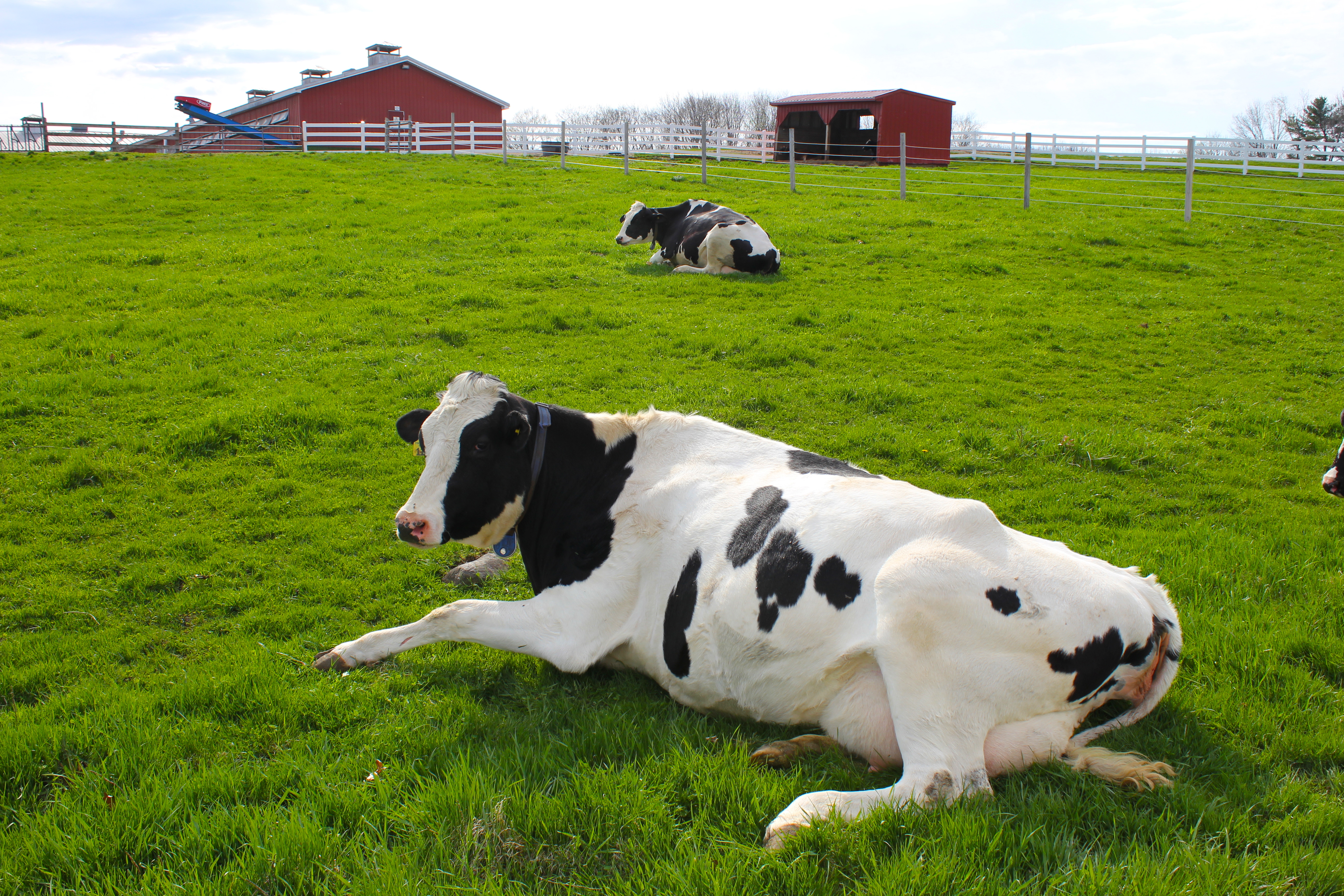
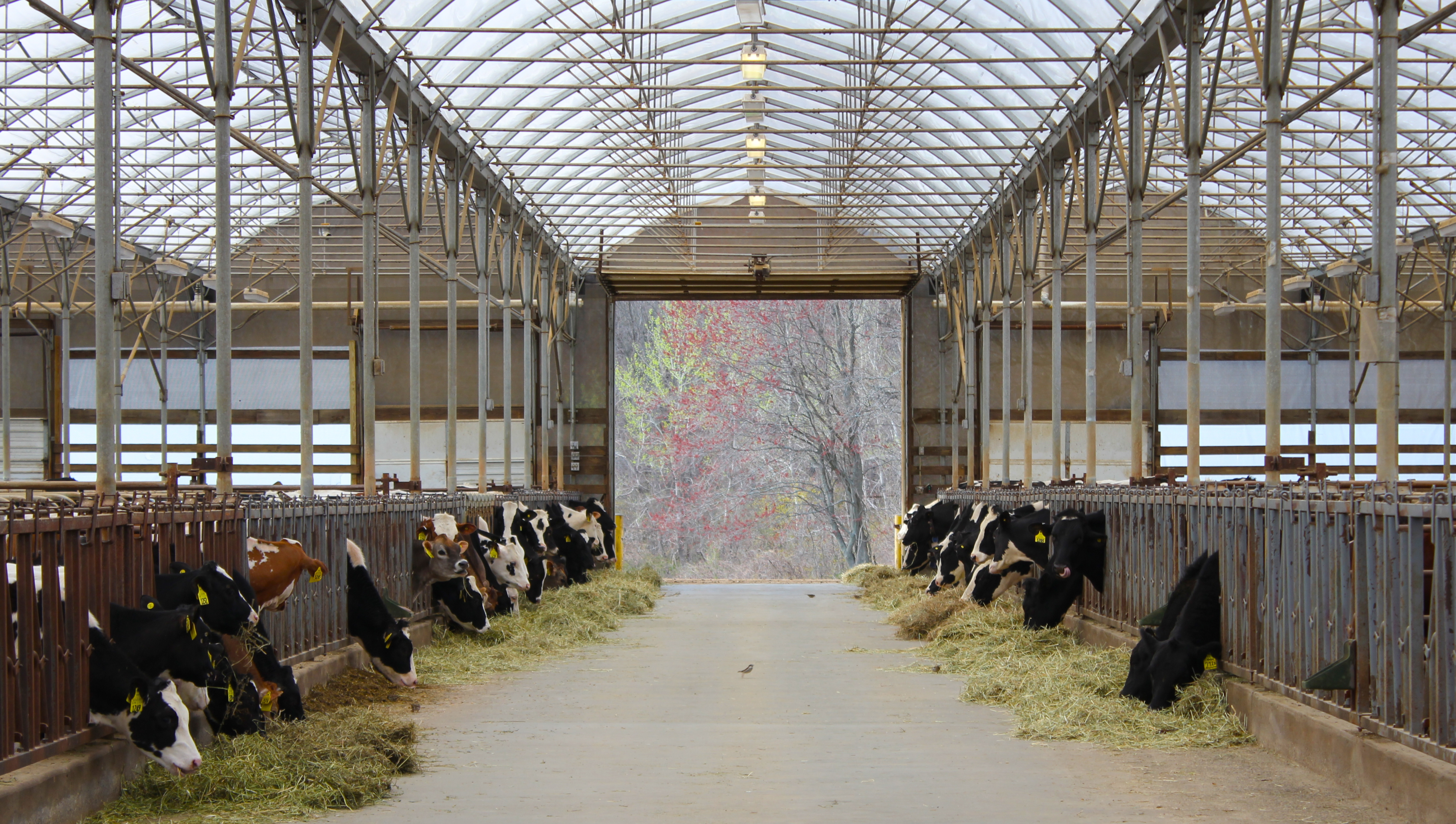
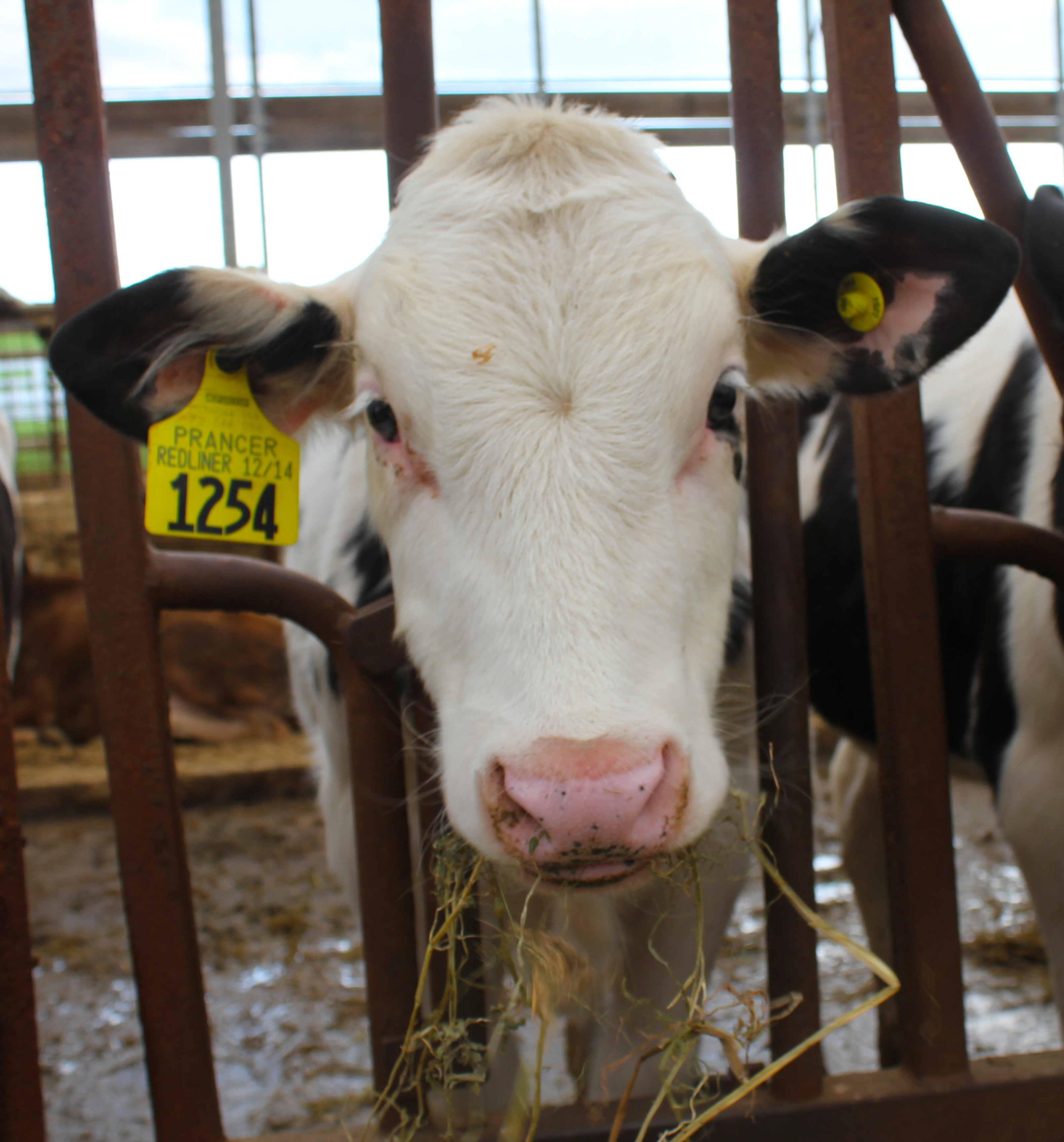
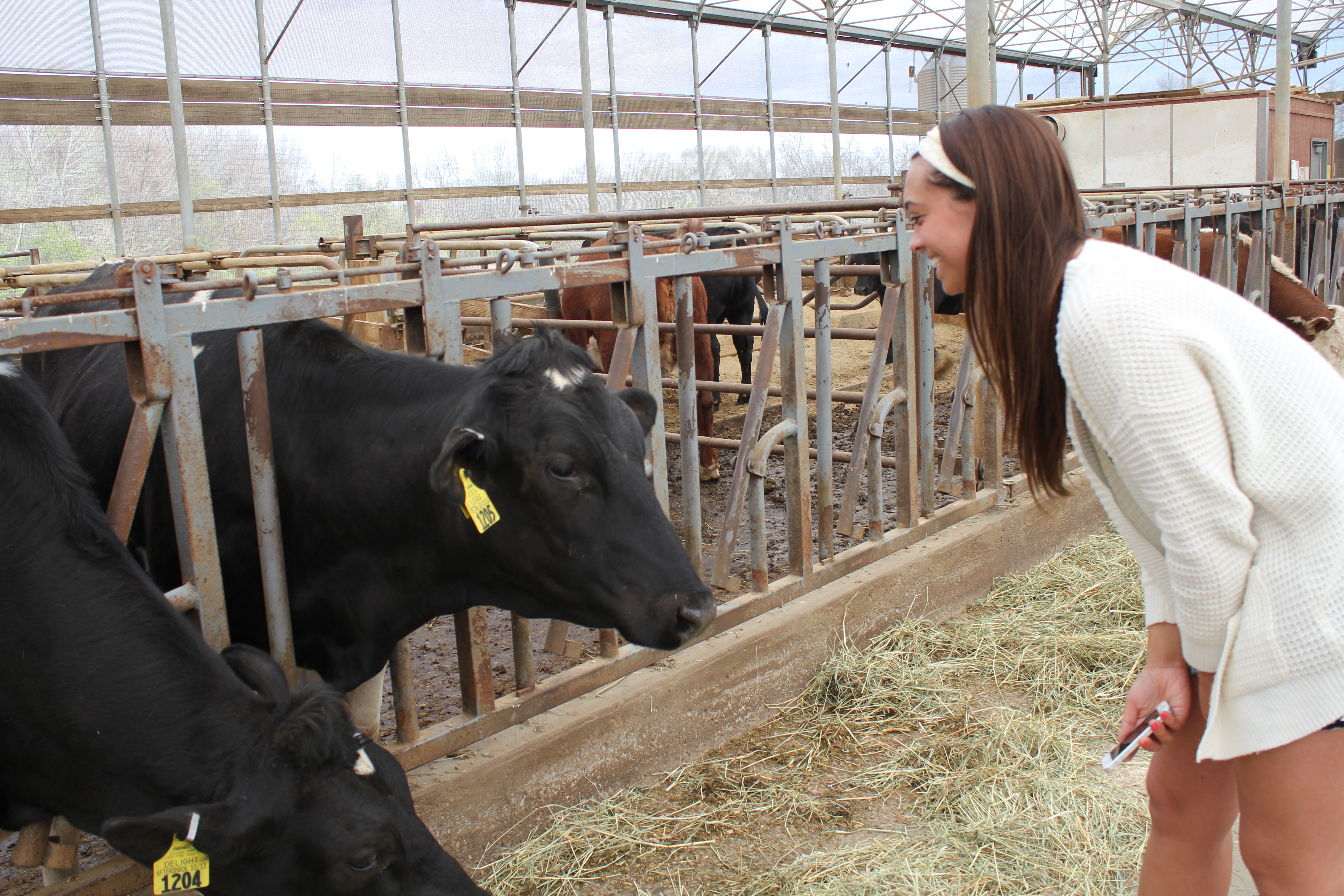
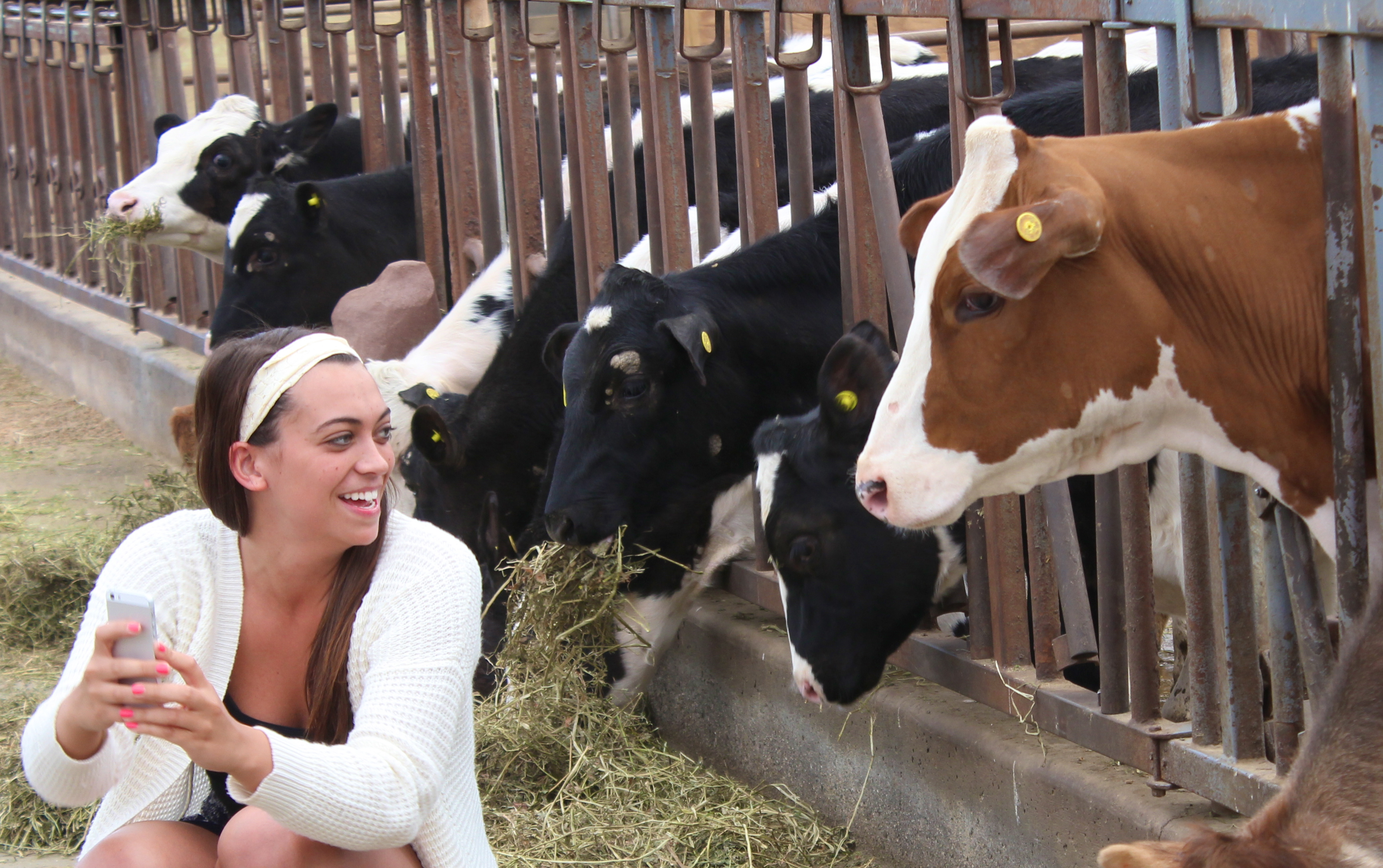
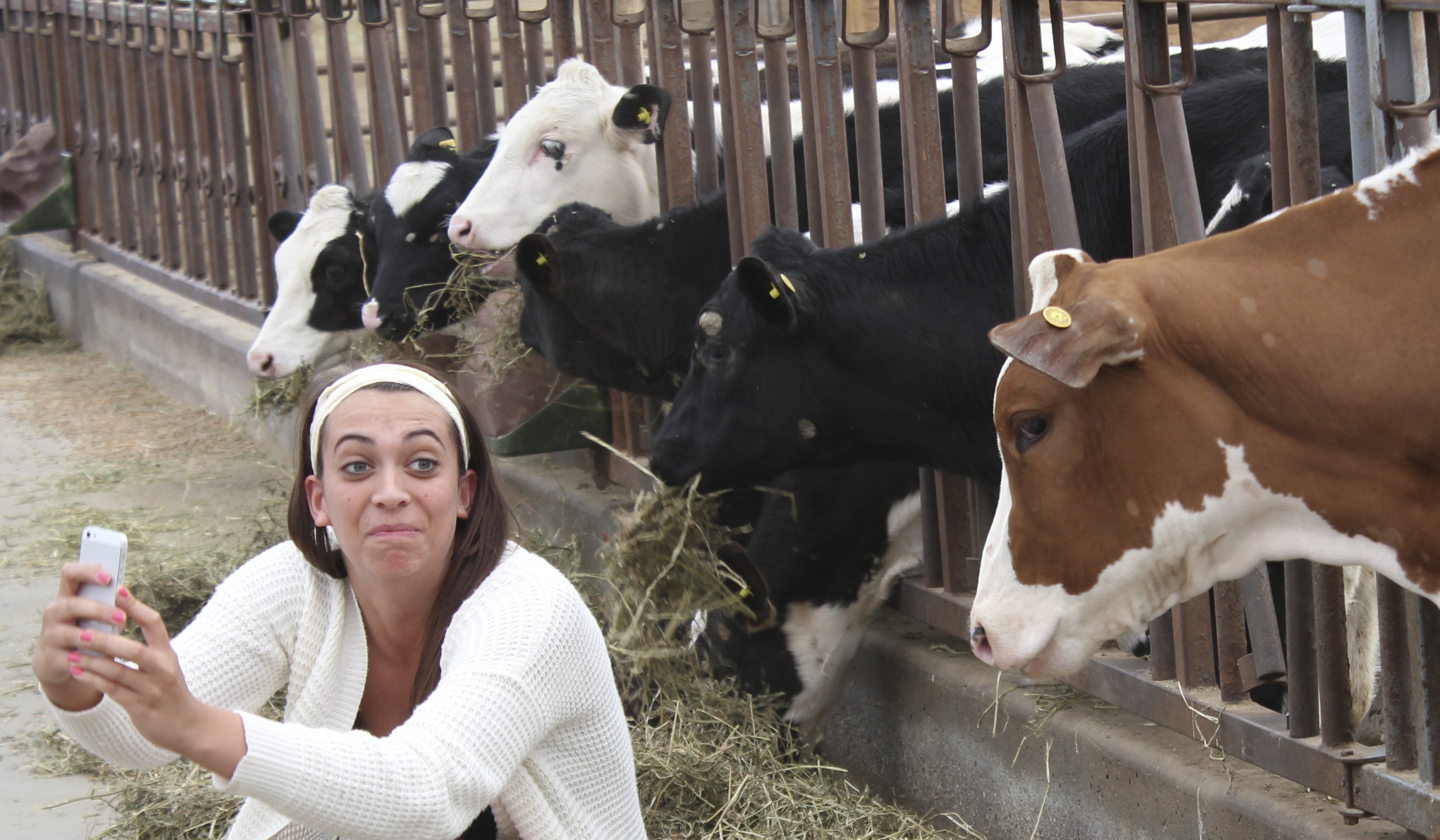
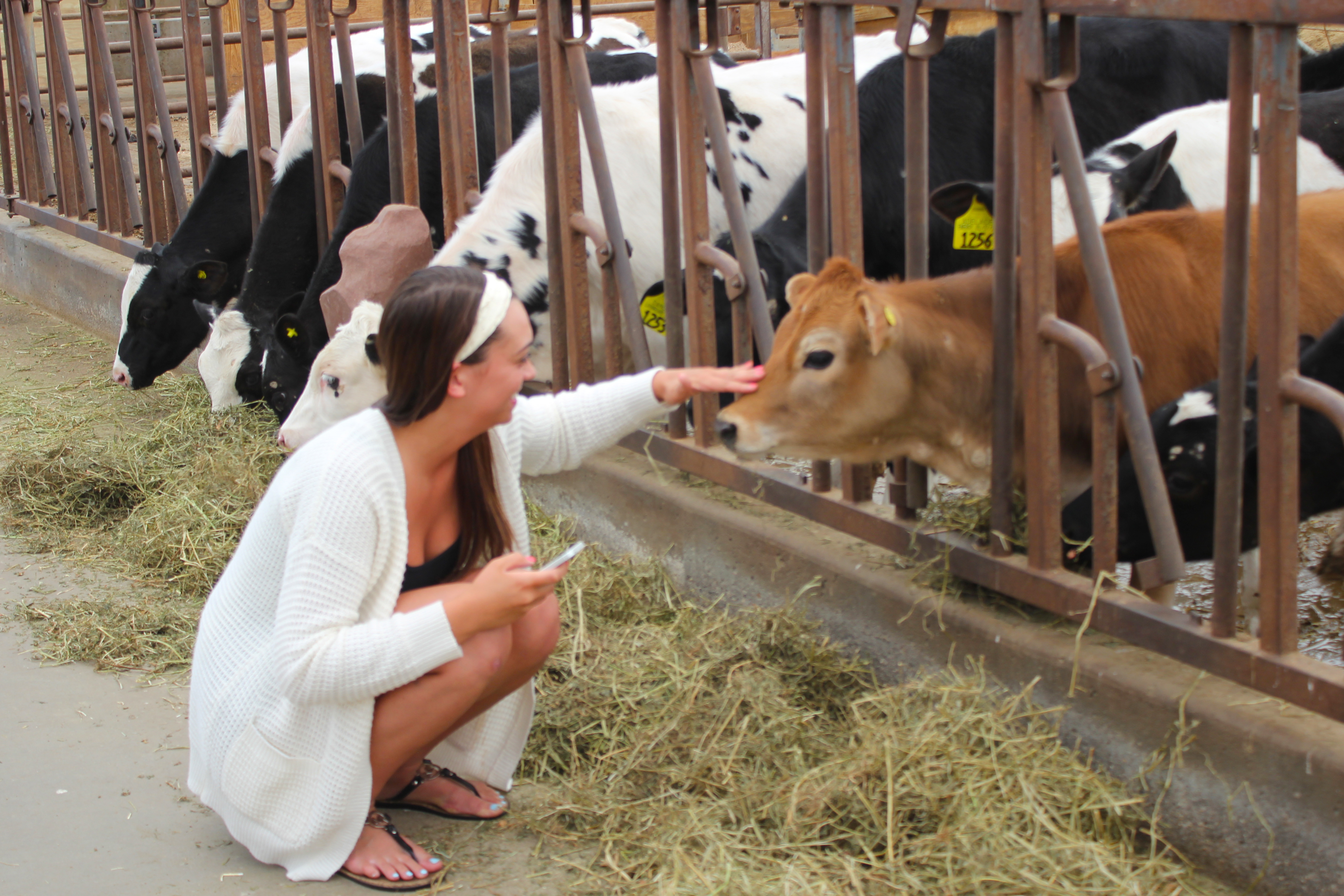
Many land grant universities are blessed with the natural resources to settle an out-of-control mind. Tapestries of agricultural fields and pastures roll away and up to the sky. Airy cow barns at my daughter’s university remain open to the public for delightful visits. Horses await visitors and will nod their heads over the fence. Sheep stand around acting bored. Dairy cows take a break from pumping out cartons of legendary ice creams. These are some of the original therapy pets of humankind and we never stop marveling at how big the animals can be, yet how gentle their dispositions are. The animals trigger memories of storybooks and childhood visits to farms all across America.

There might also be some gentle walking paths over hillsides leading to relaxing vistas where fresh-air breezes, tainted with the scents of newborn animals and freshly-planted flower beds, brush through your hair and keep the bugs away. Clouds and kites fly in unobstructed airspaces, sharing the sky with hidden stars waiting their turn to sparkle and ease tension after the sun sets.

*****

Getting close to family, friends, and animals, in a separate place of peace during times of stress, increases the output of happiness hormones.

Animals are the true rock stars—they never fail to lift our spirits and transport all of us back to the realities of what’s most important in life.

So here we are again. It’s springtime. It’s final exam season.

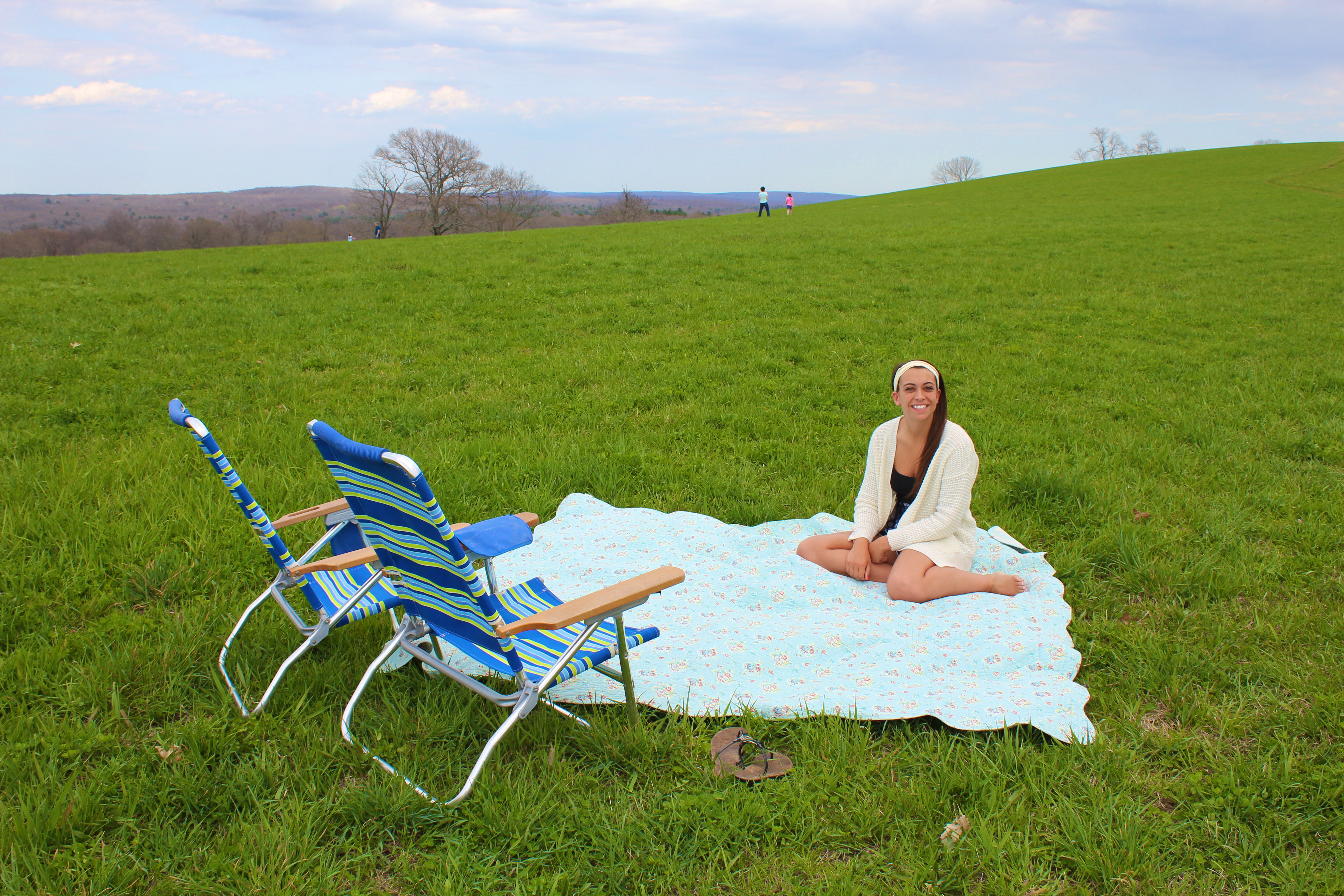
It’s also the time of year to start keeping a couple of chairs and a picnic blanket in the car.

I hope these pictures make you smile, because that was our goal when we visited our stressed-out daughter in the middle of her final exams. According to a study by psychologists at the University of Kansas, the nation’s first land grant university to be established under the Morrill Act of 1862, smiling lowers the heart rate, reduces stress, and increases well being.

Genuine smiles, that include using the eye muscles, are the best. The cows made our daughter smile the most, putting a nice twinkle back into her weary eyes.

Maybe there’s a land grant university near you. Consider taking a picnic over there the next time you need a dose of au natural therapy.

*****

IMG_1077

*****

IMG_1074

*****

IMG_1080

*****

IMG_1088

*****

IMG_1083*****

The fresh, clean, open-air cow barn.

IMG_1093

*****

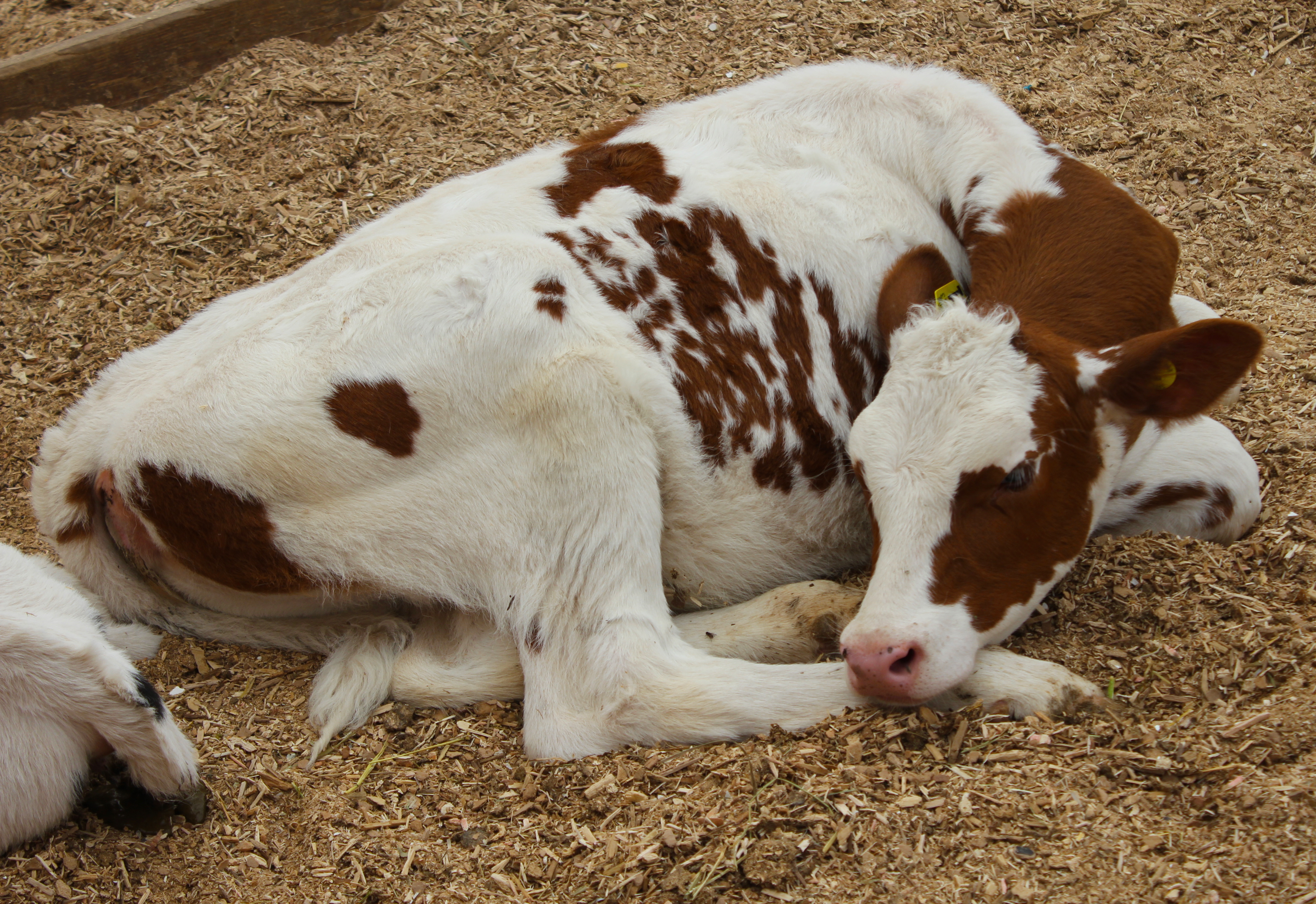
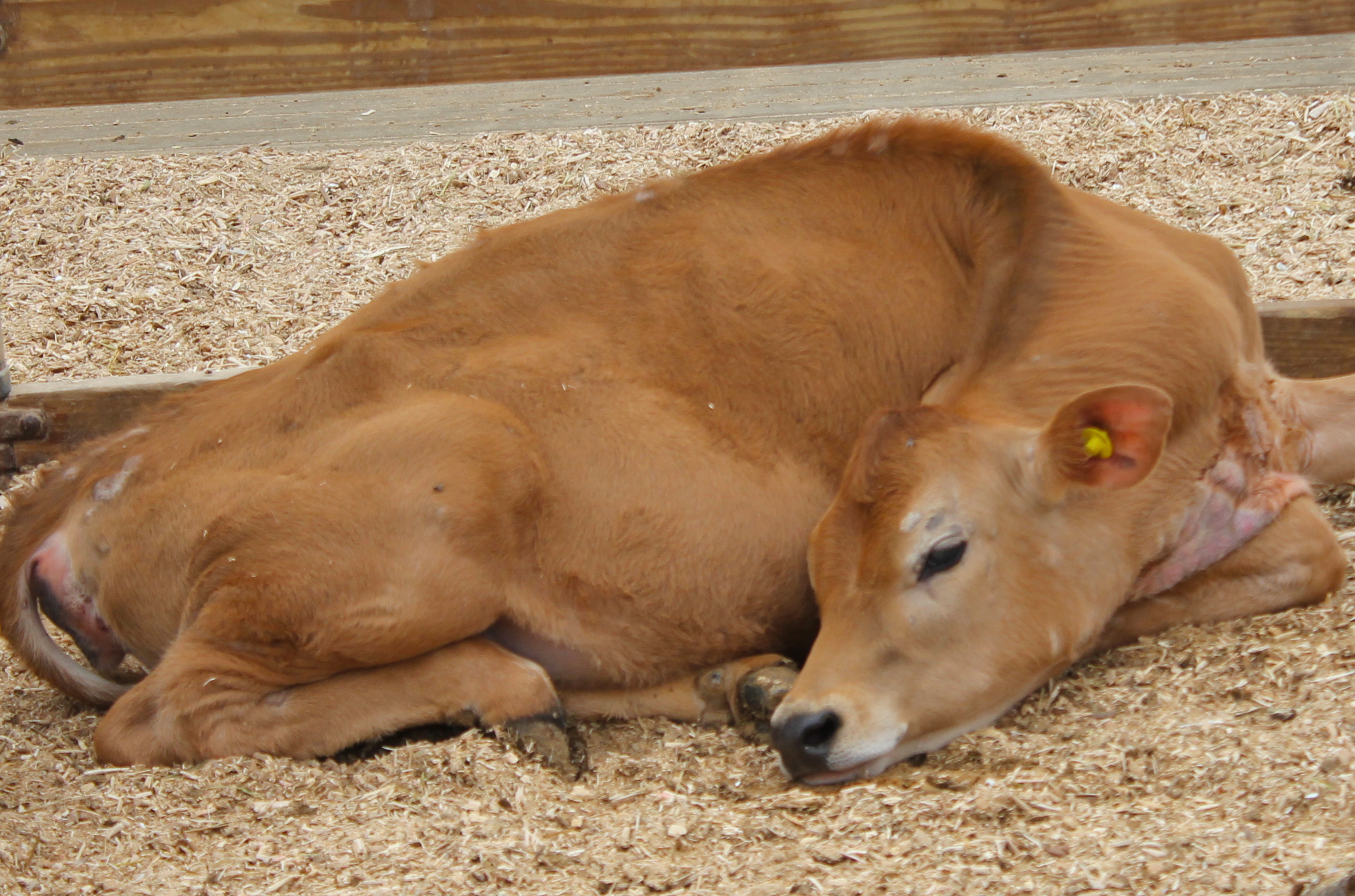
Newborns!

IMG_1120

*****

IMG_1095

*****

IMG_1100

*****
IMG_1099

*****

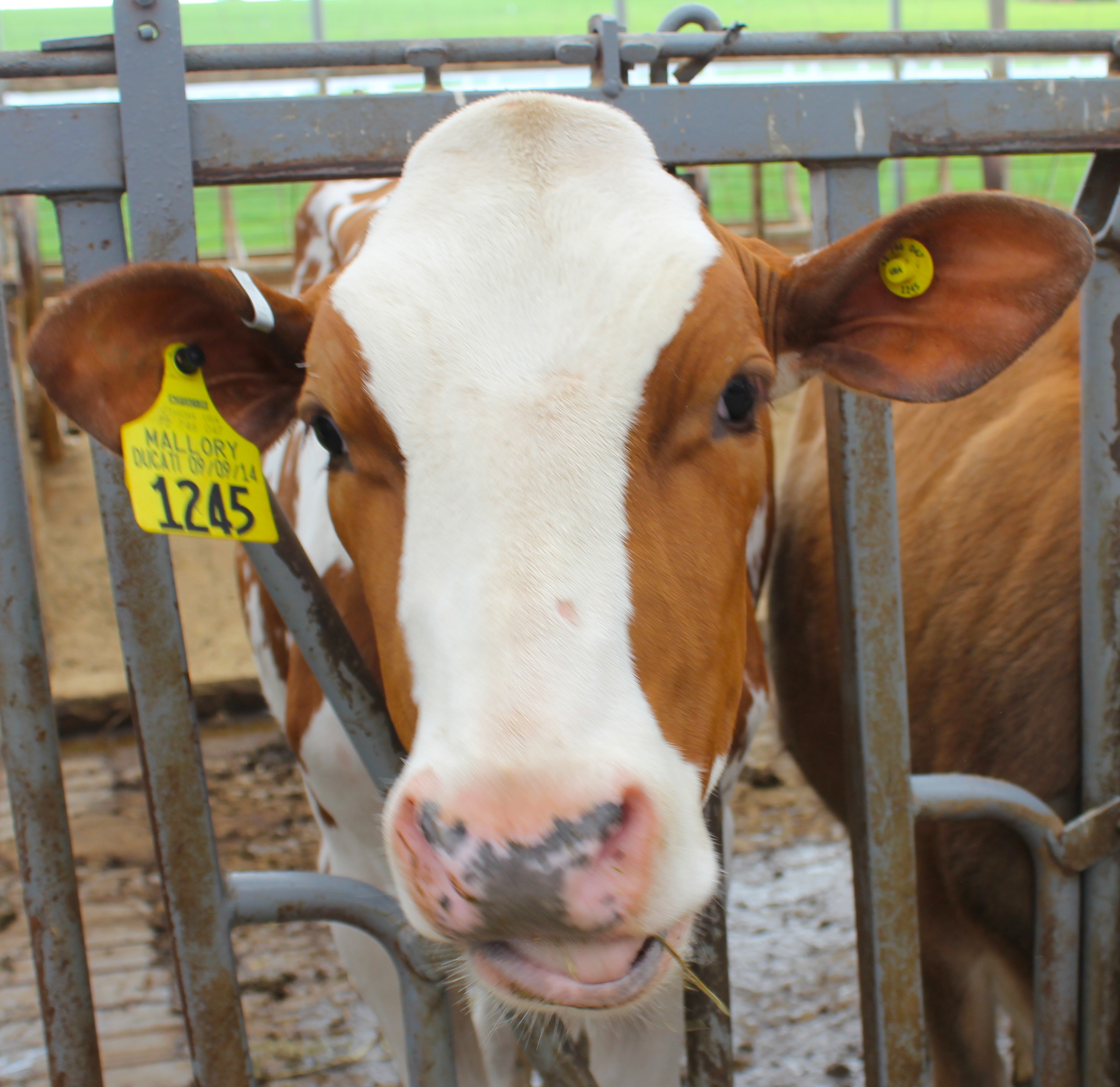
Rock star cows.

IMG_1117 2
IMG_1106

IMG_1105

IMG_1103IMG_1102

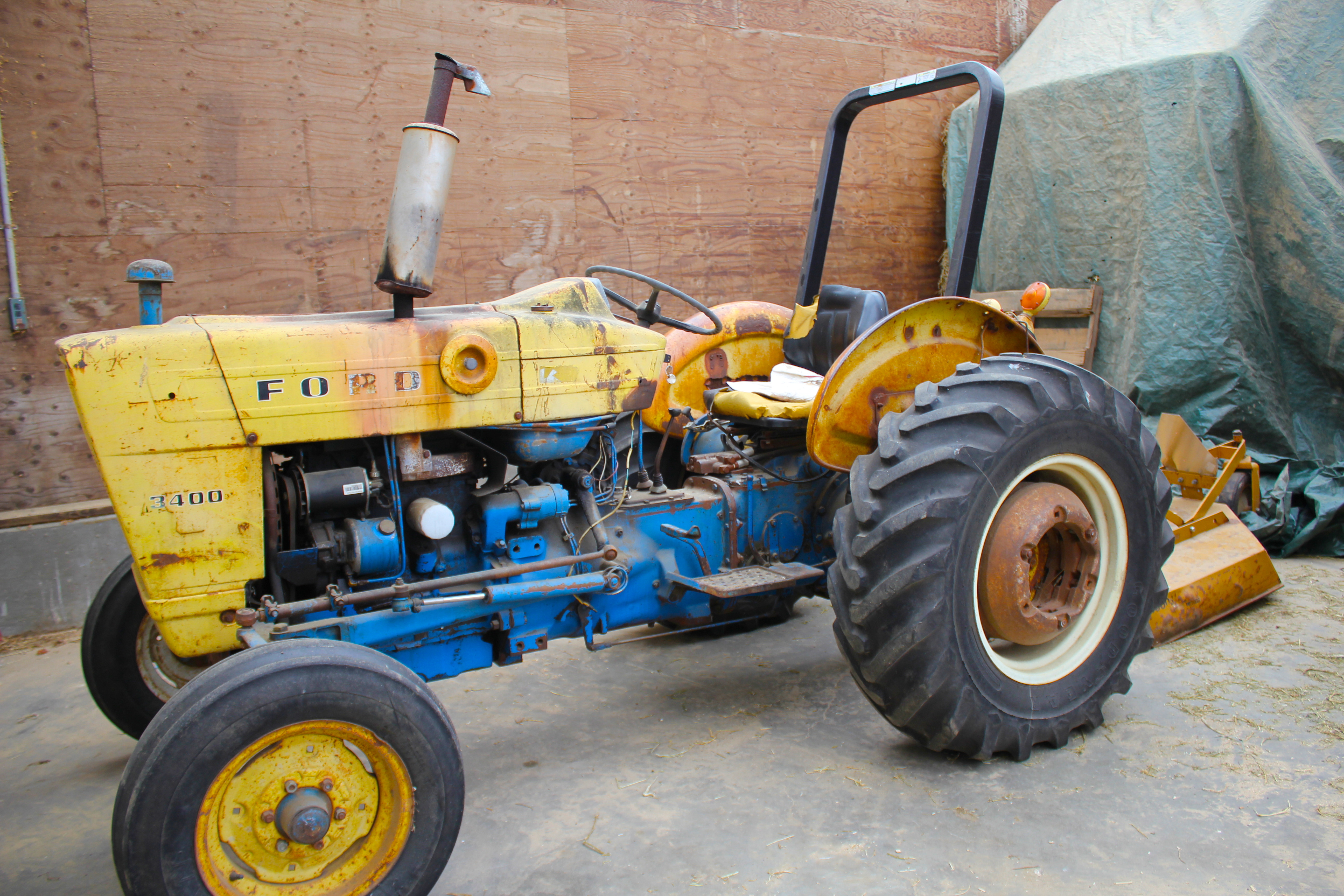
A tribute to our son who always loved the old tractors at farms and whose final exam days have become, probably,

recurring nightmares.

IMG_1123

*****

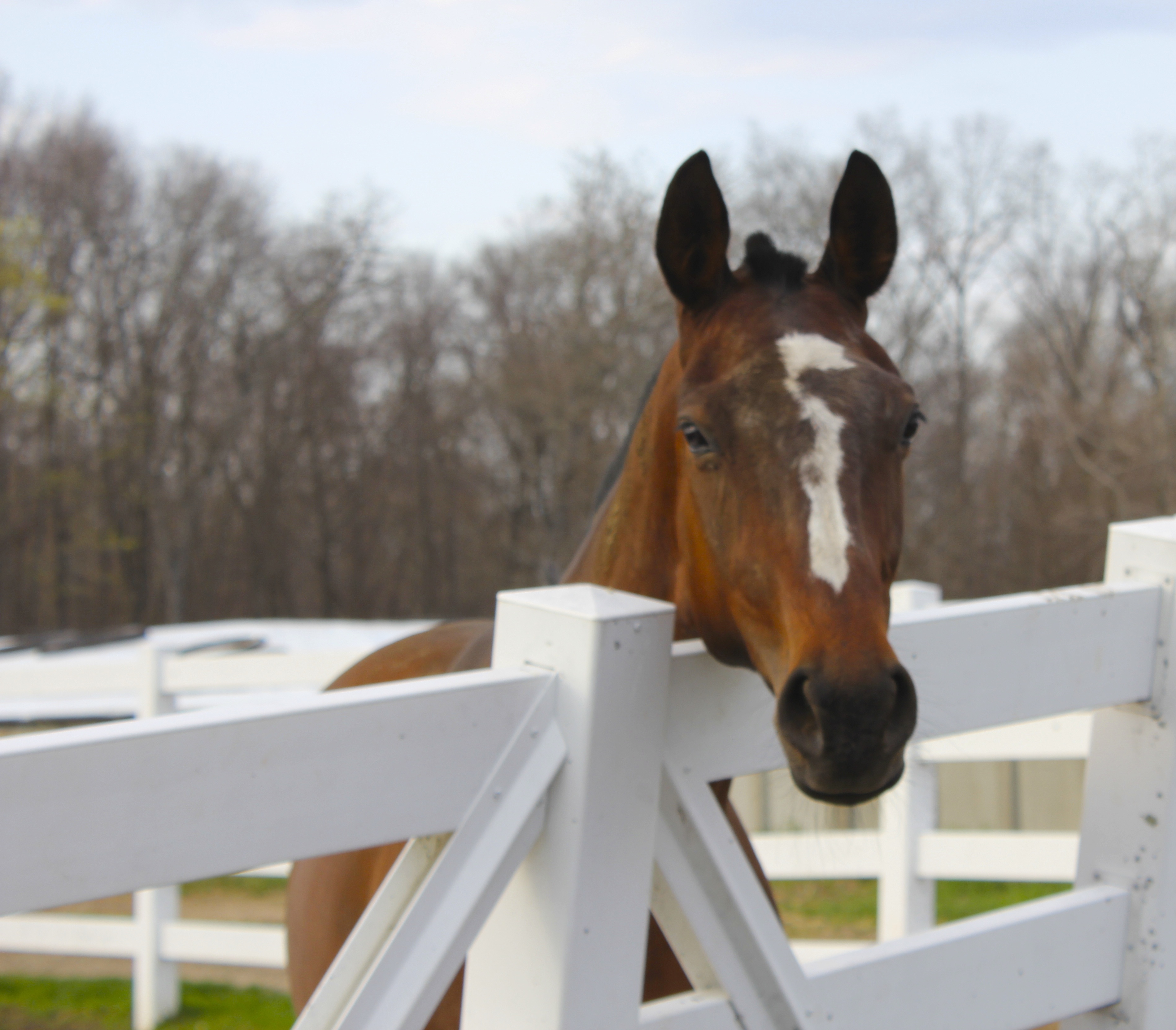
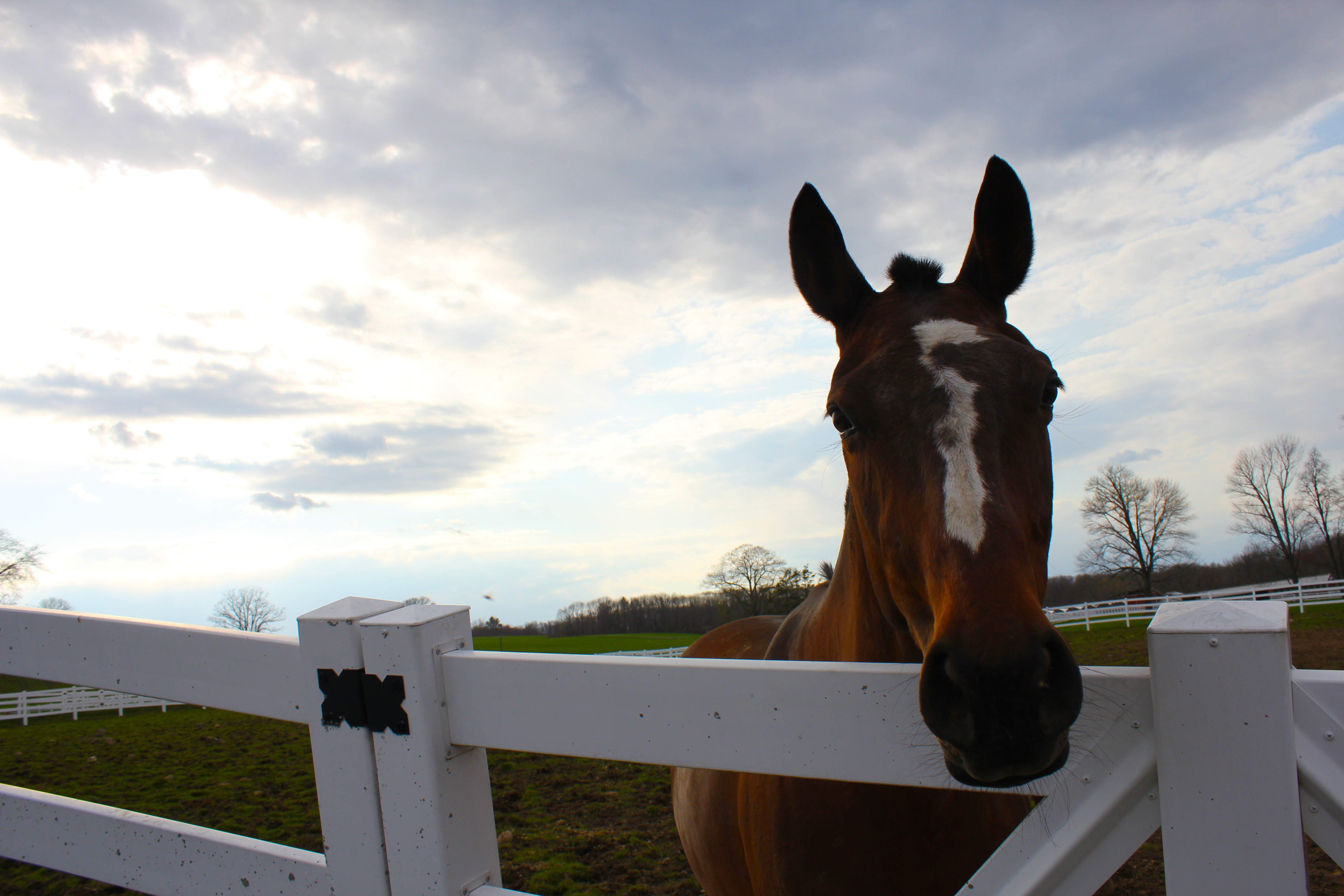
Friendly horses.

IMG_1126IMG_1129IMG_1134IMG_1137

*****

Good luck to all the students, (and their parents who worry about them), during this year’s

spring season of final exams!

Ordinary Goddess.

Master_Of_Flora_-_The_Triumph_of_Flora_-_WGA14441

HAPPY MAY DAY.

I propose a revolution. Our leader will be the goddess of flowers from Roman mythology, Flora, whose name is still used today to describe plants indigenous to a specific region of Earth.

Through the flora and fauna of a region, we discover Earth’s most diverse and defining differences. People are the same all over. But an ancient saguaro cactus thriving in the desert is quite unlike the primrose growing near a woodland stream.

We shall kick off the revolution with a revival of Flora’s Festival of Floralia.

Homes, temples, and hairdos will be adorned in flowers.

Any ordinary person will become a queen or a king or a princess or a prince. Or a forest spirit. Or a fortune teller.

There will be milk, honey, and flowers.

With vegetables, fruits, and fertility.

Everyone will wear brightly colored clothing. Or no clothing at all, just flowers.

IMG_1045

The festival should not be isolated to a hot and remote corner in the northlands of Nevada.

Like all good revolutions, the restoration of the Festival of Floralia will be about the ordinary people.

Us commoners. The usuals.

I had an ordinary great grandmother who grew an ordinary garden and lived an ordinary life.

All my life I’ve been ordinary, too.

And now arrives the month of May, in the year 2015, on the continent of North America in the region of New England.

The sun that shined upon the Goddess Flora, shines upon me.

And from my May-seasoned Earth springs daffodils, heathers and heaths, hyacinth, hellebores, magnolia blossoms, tulips, grape hyacinth, herbs, andromeda blossoms, peach tree blossoms, pear tree blossoms, skunk cabbage blossoms, and the Bethlehem sage, in pink and blue.

and other flowers I planted as bulbs, but forgot to label.

The leaves of grass grow in congregations of sun worshippers. They wave their green tips to the sky, occasionally taking a break to comb through the red feathers of a hungry Robin’s breast.

May. These ordinary days of outdoor work.

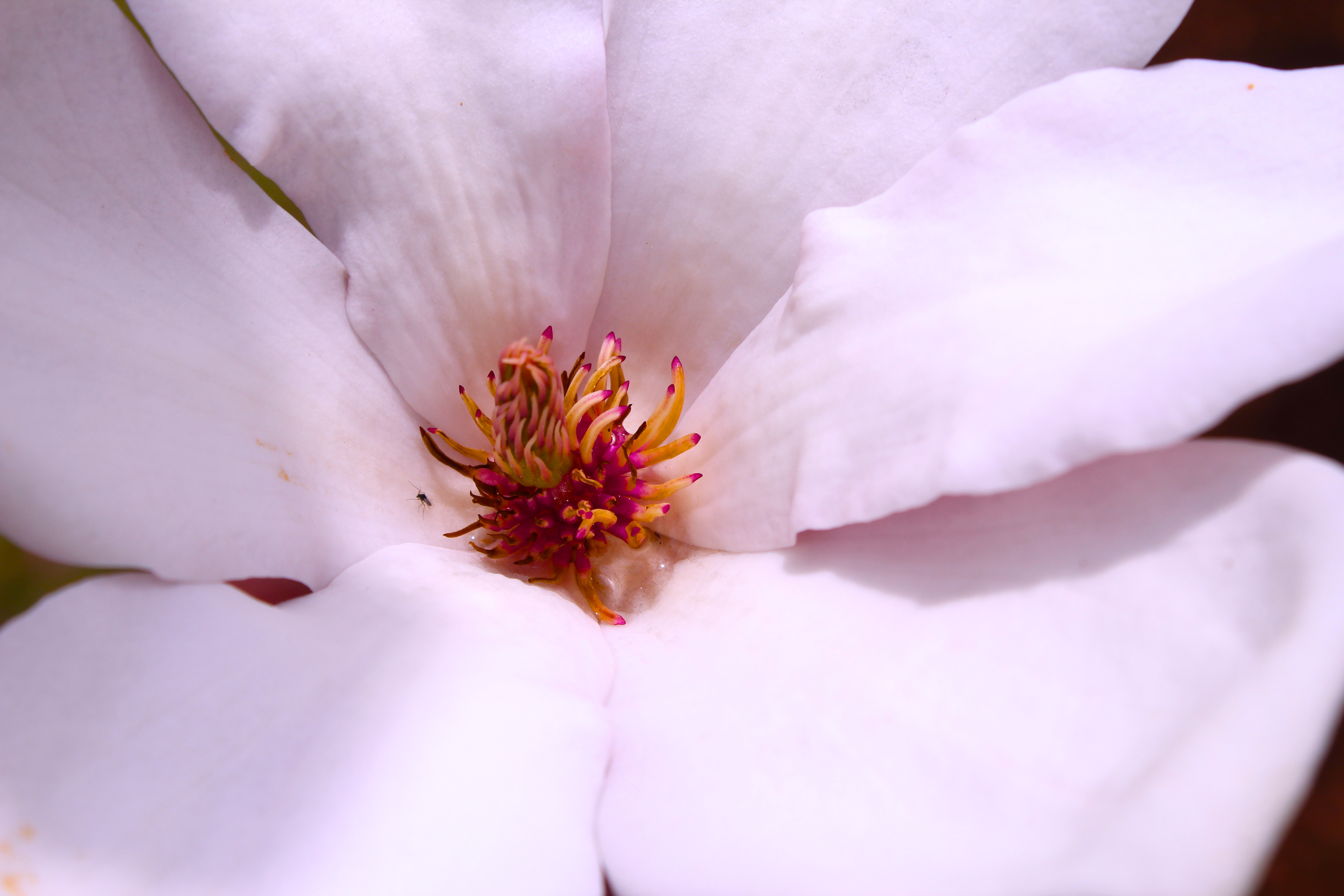
Of standing next to the magnolia tree, staring into the blossom.

IMG_1053

Of sniffing every flower. Touching all the petals.

Of stomping on anthills and slapping mosquitos.

Of tracing the flights of butterflies.

And awakening to birdsong.

The festival is upon us. The seasons of dopey drunken outdoor joys are here. Leaves and flowers and seeds and fruits will take over our pathways, drop onto our heads, infiltrate our sinuses,

and overflow from the plates on our dinner tables.

We shall write poetry, draw pictures, and make music.

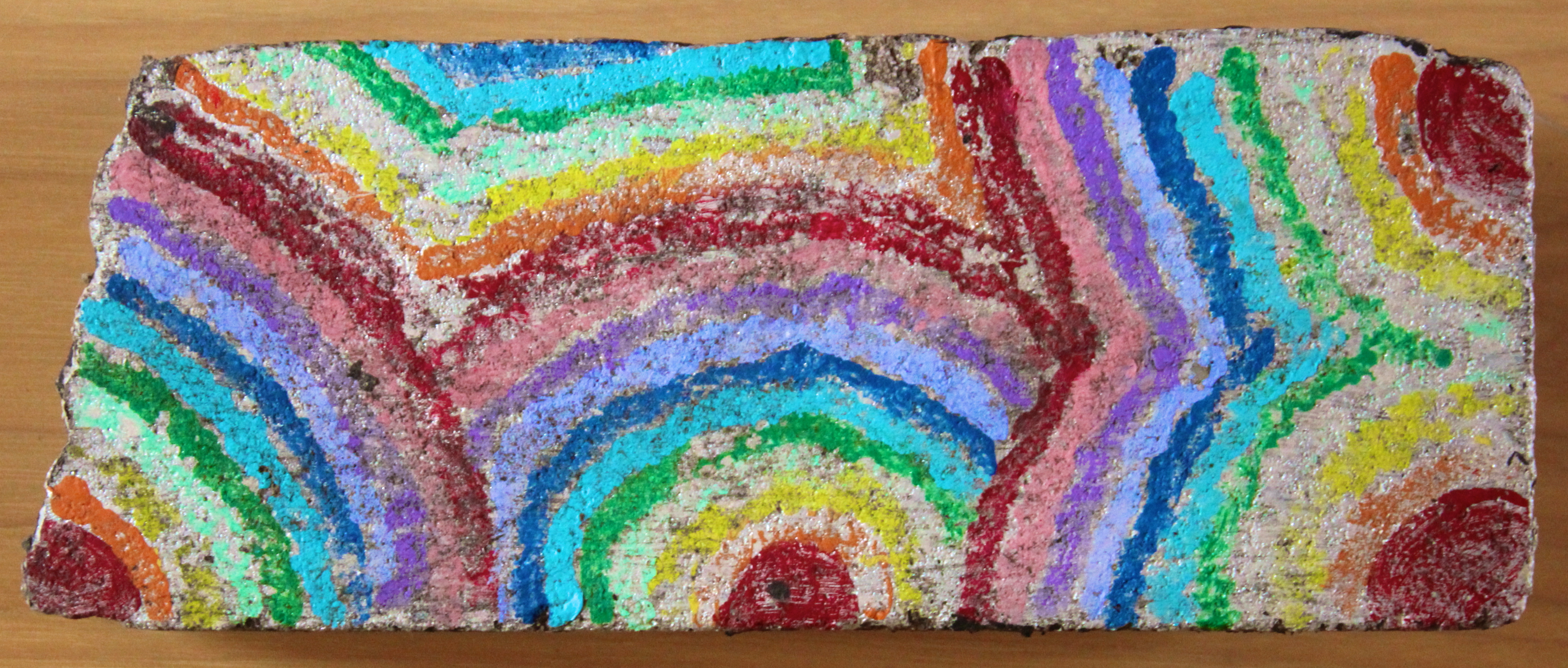
We shall paint rainbows on broken stones, following the instructions of the children.

IMG_1047

We shall ride bicycles.

Hike trails.

Paddle waterways.

Pitch tents.

Cultivate gardens.

And harvest goodness.

We shall not fret over our innocence, our incompetence, or our unabashed ecstasy.

IMG_1042

IMG_1044

This will be a good revolution

A festival of ever-blooming celebrations

When we find flowers in the compost pile

And make castles

Out of molehills.

IMG_0287

Where is God?

IMG_1835

*****

God did not make the earthquake happen.

He does not hand out suffering.

He does not answer prayers.

He doesn’t choose individual people to be the recipients of good fortune.

He doesn’t single out or mark groups of people to become victims of prejudice, racism, sexism, genocide, slavery, oppression, murder, poverty, illness, misfortune, personal tragedy, accidents, natural disasters.

God does not test us.

He doesn’t give the strongest people the most difficult challenges.

God does not talk to us.

What is God? Is God real?

*****

IMG_1375

*****

Intro to Philosophy. College. Up on the chalkboard:

Words exists. God is a word. God exists.

Teacher to class: “So. After reading this. What do you think? Have I proven the existence of God? Does God exist?”

Classroom entirely silent.

I raised my hand: “Yes. You have proven the existence of God. As a word.”

*****

IMG_1833

*****

Nun, years ago, at local Catholic school, in a conversation with me about whether or not I should enroll my young son: “You must ask God. He will give you an answer.”

I didn’t bother to tell her God doesn’t talk to me.

I decided I didn’t want to send my son to a school that might teach him to believe that if you asked God for something, you would get your answer, or your wish, or your great accomplishment, or your magical miracle, or what you’ve always been waiting for.

Life is not wonderful in that kind of way.

*****

The afore-written godstuff is only what I think, for now.

*****

The God I believe in…would never…

The God I believe in…is kind and loving…

The God I believe in…is joyful when we are joyful and suffers when we suffer…

The God I believe in…

*****

IMG_1836

*****

On this day in the history of my own life’s sufferings, my husband and I lost our second son. He was stillborn, full term.

The hospital gave me some things to keep. Pictures. A lock of his hair. The little knit cap they put on his head. The blanket he was wrapped in.

They also gave me a piece of paper, made to resemble something official. It was bordered with a stylized, document-type graphic and titled, “Certificate of Birth.” The rest of the paper read, “This is to acknowledge the life of — (Our second son’s name) — Born on 4/27/93 — Time 10:30 AM — Weight 7lbs. 3oz. — Length 21 inches.” At the bottom of the paper: “Unto us a child is born, a special child for a special reason. We don’t pretend to understand, only to accept.” Onto the paper were stamped, in black ink, our son’s footprints and handprints.

We didn’t understand what our son was and neither did our culture. The baby wasn’t really born—there was no birth certificate. And, officially, he didn’t really die, there was no death certificate. A holy person at the hospital blessed him. But the church wouldn’t hold a funeral.

*****

It wasn’t the first tragic thing that ever happened to me. But it was the experience that, as my husband says every year when we visit our son’s grave, “fucked us up.” It used to bother me when my husband would use that word at our baby’s grave.

“This is so fucked up. We were too young. This fucked us up.”

He was right. The suffering did fuck us up.

*****

The instant I understood that our son was dead, a terrifying doom strangled the life out of me. I knew my heart was so broken, it might not ever be healed. In the days, weeks, months, and years to follow, I would find myself balanced over crevasses descending into pits of desired surrender—the caves of Hell that promise to end all pain. When I fell in, sometimes I didn’t care if I ever climbed out.

I never looked at a homeless person the same way again. Many of them were me. Not everyone is able to survive the trials and tribulations of adversity.

I hated war more than ever. Each person killed in a war is someone else’s baby.

I feared the powers of natural disasters. Random, massive sufferings.

I snubbed my nose at people who believed they could entice the favors of the universe through carefully concocted thoughts, behaviors, and choices, or those that believed it was our fate to ride the waves of the universe no matter how they came crashing through our lives.

I had to teach myself to believe in a new kind of God, or accept that perhaps there was no God at all.

*****

IMG_1845

*****

I started to read a lot of books. Poetry, fiction, non-fiction, spiritual, self-help.

We had a friend in those days, someone my husband worked with, who gave us a book that helped me. The friend was a small, peaceful gentleman. He dressed impeccably and kept himself cheerful. He was an intellect, had attended Deerfield Academy and Dartmouth, and he appreciated antiques, classical music, history, and the coastlines of New England. My husband was very fond of him and so was I.

He gave us the book, When Bad Things Happen to Good People, with a note that read, “This book helped me at a time of similar need. I hope it will help you.”

The book was a good turning point for me. Though written in simple language about something so complex it will never be understood, I found the writings by Harold S. Kushner to be useful.

I especially liked these ideas from the book: That the primary purpose of religion and belief in God is not so much to put people in touch with a God they can talk to, but to put them in touch with each other. That the purpose of prayer is not to make a request and desperately hope that God will grant what we want, but to become a part of a community of others willing to pray with us, so that we won’t feel isolated or abandoned—“prayer doesn’t help us find God, (because it is easy to find God everywhere); prayer helps us find each other.”

One passage from the book: “That wonderful storyteller Harry Golden makes this point in one of his stories. When he was young, he once asked his father, ‘If you don’t believe in God, why do you go to synagogue so regularly?’ His father answered, ‘Jews go to synagogue for all sorts of reasons. My friend Garfinkle, who is Orthodox, goes to talk to God. I go to talk to Garfinkle.'”

I am like Harry Golden’s father when it comes to showing up at a church.

Kushner’s book emphasizes that it is love, in this life, here and now—genuine, imperfect love—not God’s generosity in answered prayers, which heals human suffering.

He describes a contemporary play, J.B., written by Archibald MacLeish, which re-tells the story of Job—the world’s most classic biblical tale of suffering. At the end of the play, the search for fairness and reasoning and a just God in a world of random heartache is abandoned. The last lines of the play read:

The candles in churches are out,

The stars have gone out in the sky.

Blow on the coal of the heart

And we’ll see by and by…

The main character, whose life has been an unending stream of personal tragedy, stops looking to God to save him and chooses, instead, to look inward and work hard on cultivating the available powers and healing resources of love.

*****

IMG_1914

*****

The good friend, and colleague of my husband, who gave us the book, When Bad Things Happen to Good People, did not escape more suffering in his life. In spite of the intentionally kind-hearted life he lived and the hard-work ethics he espoused, an unthinkable tragedy came to pass in the last years of his life. One of his sons, who had served in the Israeli Army, had been trained as a sniper. After his service, he went on to attend medical school. One day, he got into an argument with another man. A few days later, he killed the man.

I won’t ever forget the holiday season when our friend was enduring the anguish of his son’s criminal trial. He called to let us know that we would be unable to reach him for a couple of weeks. He knew his son was guilty and he also knew there was enough evidence to convict him. Our friend believed the law would hand over a just decision, and so, he could not bear to testify against his son whom he knew was already bound, most likely, to spend the rest of his life in jail. When called to the witness stand, our friend stood silent, in contempt of court. He was ordered to jail. His son went on to be punished with life in prison, no parole.

*****

IMG_1928

*****

There are so many beautiful people suffering in Nepal because of the random occurrence of a devastating earthquake. They don’t deserve this kind of suffering and for many of them, their lives have already been filled with more than anyone’s fair share of suffering. As soon as the earthquake stopped shifting and shearing the Earth to shreds, rain poured from the sky over the exposed survivors.

Why?

Where is God? 

I am praying, not for God to stop the suffering, but for all of humanity to blow on the coals of their hearts.

It is easiest for me to believe that God created the heart and it’s the muscle we have, here and now, with big power.

As imperfect as we are, as imperfect as the world is, the miracle is always that we choose to live in spite of wanting to die. We choose to do the hard work.

We do it because we sense there is love, somewhere, to give and to receive.

I want to believe love is that powerful.

*****

IMG_1764

*****

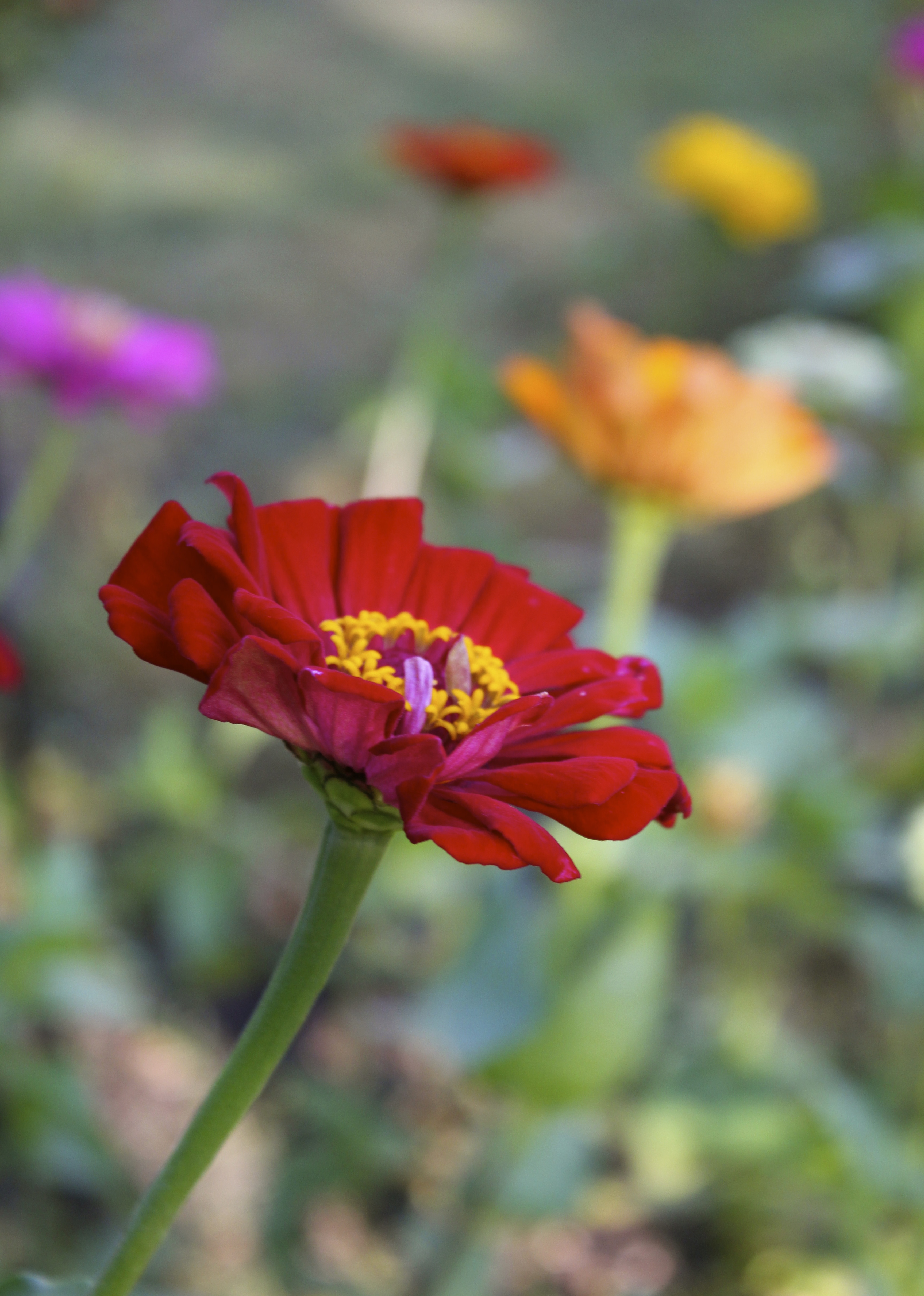
While I was pregnant with our second son, so long ago, I prepared several packages of zinnia seeds to send out as birth announcements. After he died, I planted all of the seeds in a huge bed of soil in front of an old chicken coop on the property where we lived at the time.

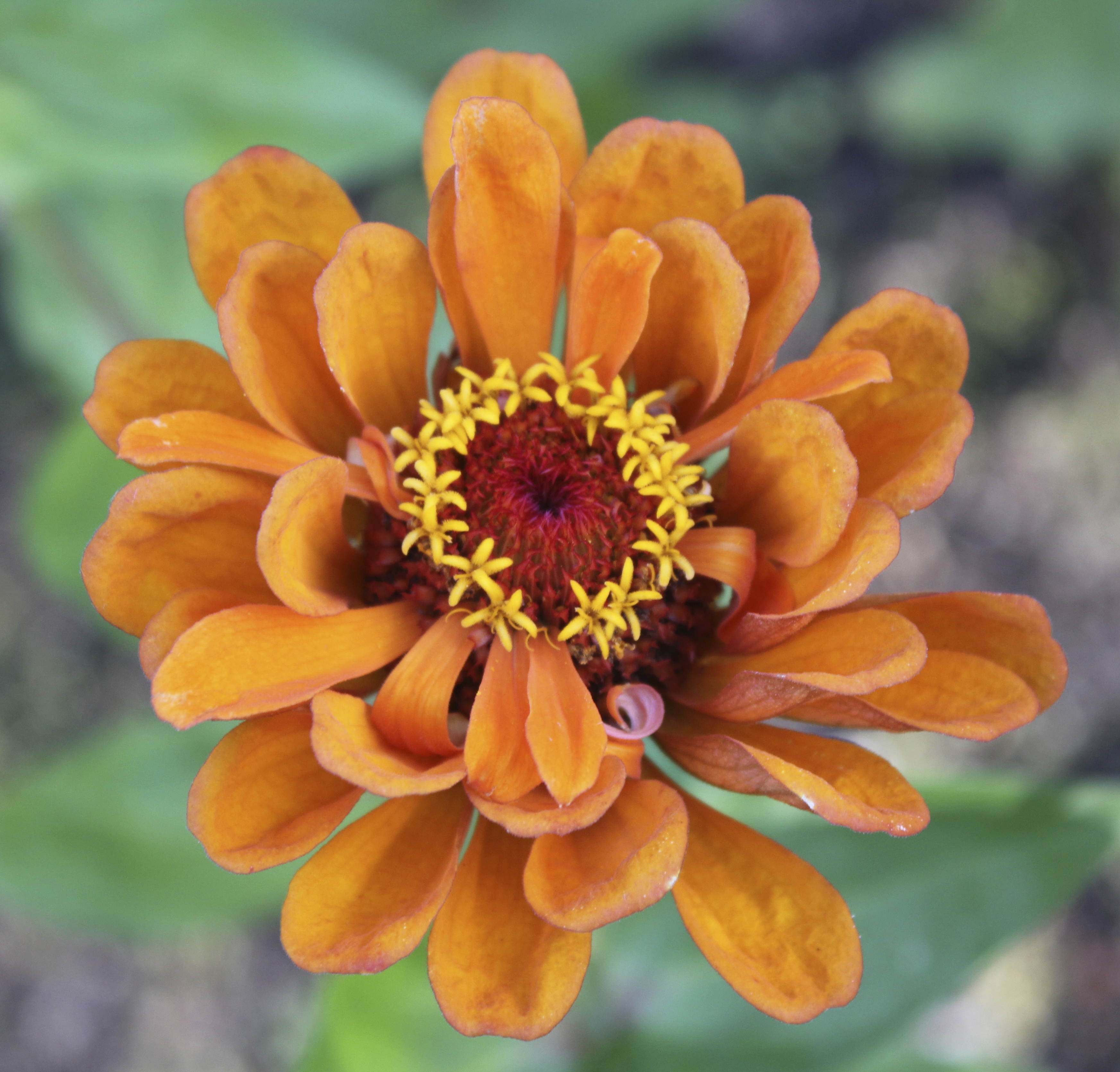
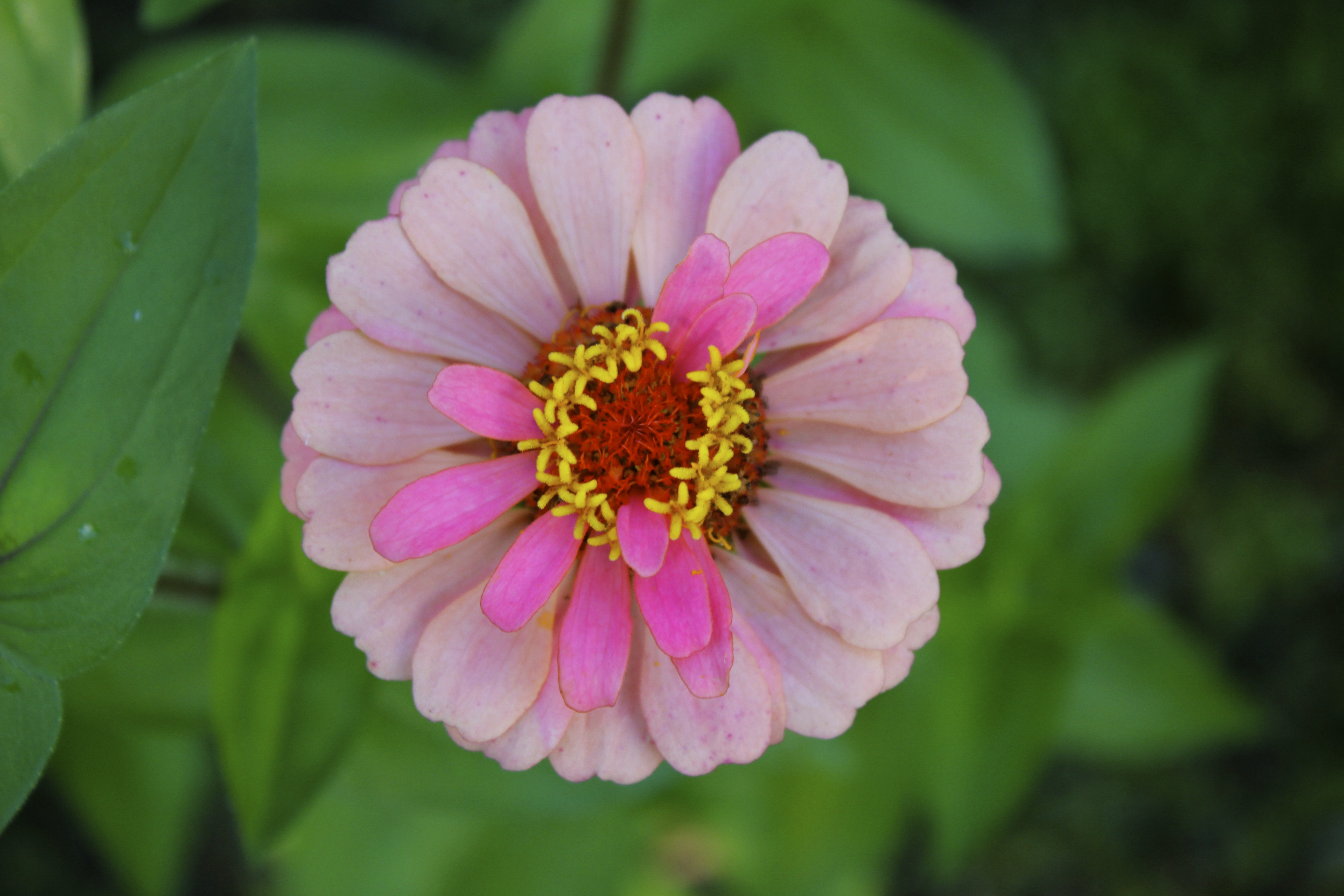
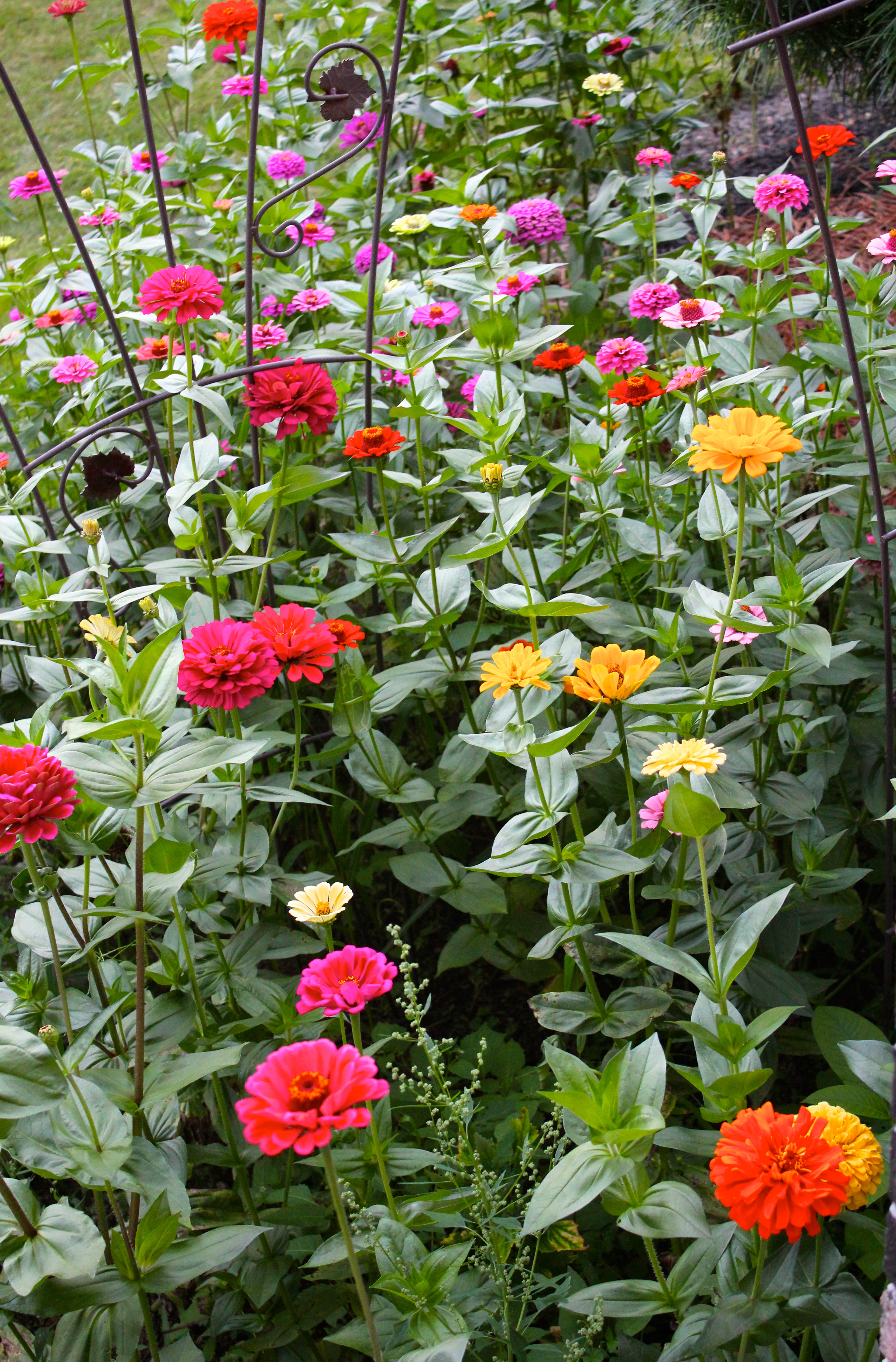
I have kept the tradition of planting zinnias every year.

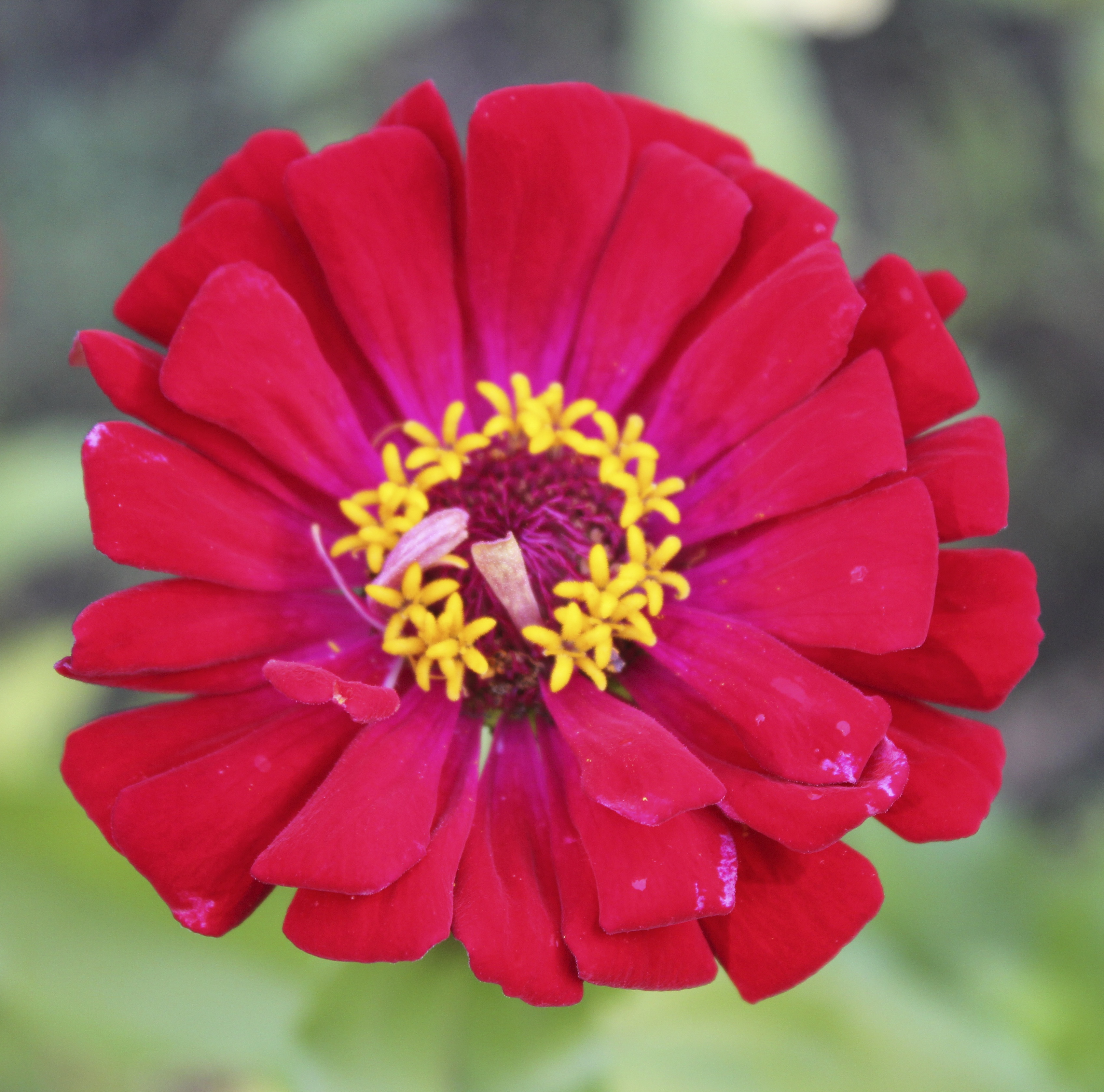
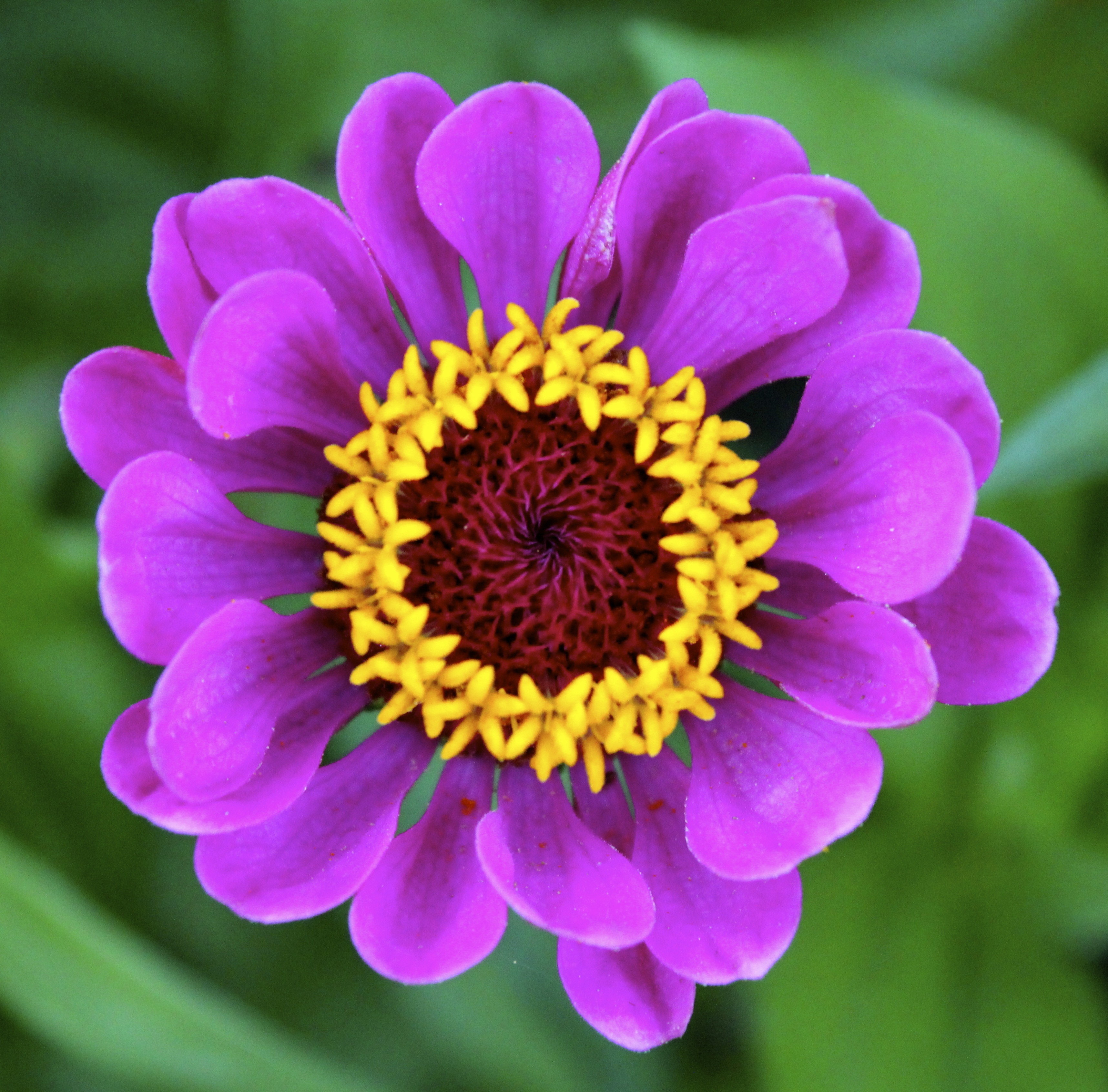
And every year, I photograph them as though I think they are more beautiful than they’ve ever been.

*****

Where is God?

God is everywhere.

Why do earthquakes happen?

Because Earth is an imperfect part of an imperfect universe.

So if God created Earth, God is not perfect?

Maybe He isn’t. Maybe none of us are, nor will any of us ever be, perfect.

God didn’t make everything perfect.

*****

IMG_1846

*****

The question becomes, as Harold Kushner leads us to consider:

Do we love God enough to forgive Him for not making everything perfect?

Or, maybe it is more comforting to choose to accept what we can’t understand about creation. Maybe there is no one God. We are on our own.

A sobering thought, but think of it. We have each other.

*****

“The ability to forgive and the ability to love are the weapons God has given us to enable us to live fully, bravely, and meaningfully in this less-than-perfect world.”  Harold. S. Kushner

*****

The Hand-Cut Garden and Earth Day

A lawn is a lovely thing, but having one is like trying to grow a crop of happiness in Eeyore’s garden. If a lawn is cultivated to be weed-free and lush, it will need a steady supply of water, harmful chemicals, and daily doses of manic obsession in order to thrive, unnaturally and falsely beautiful, in controlled areas.

(Makes me think of marriage and parenthood and human-ness and how perfect we think we can make our worlds.)

Lawns that are allowed to become their own blend of grass, weeds, and other kinds of plants are less of a strain on the environment and the psyche.

But I know a lot of people hate weeds like dandelions. That simple hate causes a lot of harm to the Earth. It doesn’t have to be that way…

*****

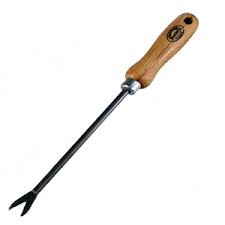
Here is the most useful and harmless tool for removing dandelions from a lawn. It is a hand tool:

Unknown-16

You push it deep into the soil near the center of the dandelion, wiggle it to and fro loosening the tenacious tap root, and then—with an “I’m the boss” kind of tug—you pull the plant out. This is quiet work. (You don’t shout out, “I’m the boss!” You say it softly, to yourself.)

This work involves no loud leaf-and-dirt blowing machines and no harsh chemicals. You take your body for a stroll around the garden. You bend that body over, you stoop it down, you crouch with it—stretching the backbone into curves, keeping the knees oiled—and the mind glides away, like a kite on a string tied to your heart.

What looks likes a mindless exercise in futility (how will I ever remove every dandelion? They will just come back!) is actually a mindful excursion into peace. You will not ever remove every dandelion. They will come back.

So will the sun, and all of its ways to light up the Earth—you’ll work in early morning’s hopeful light, late afternoon’s tea-time light, and early evening’s anxious light—another day is ending. Did I love my life?

The rain will come back, too. As will the quiet walk and the fresh air.

The gentle work you do that brings no harm to the Earth will continue to give you a cycle of calm, meditative motion for the body and the soul.

What do I see when I watch my husband walking around with the dandelion puller upper? I see a modern-day, part-time monk tending his place on Earth. There was a time when he wanted to use chemicals to annihilate the dandelions. But any man who works sinfully long hours most days and spends sinfully long hours commuting to Boston while hating dandelions, can either put his stress into the Earth by way of more harm—chemicals—or he can put it there by way of more peace and groovy love—the dandelion puller upper.

Collected dandelions can be tossed onto the compost pile or into a sauté pan. They go on the compost pile around here because my husband has memories of eating bitter, icky dandelions at his grandmother’s house when he was a boy. I should give them a second chance for him—maybe all his grandmother lacked was the benefit of the Internet to hunt down more memorable recipes.
Dandelions look as breathtaking as fresh sunshine glittering on calm seas when they bloom in upstate New York’s farm country and all over Vermont’s mountainside meadows. The bold yellow flowers make you love them all over again, (if you loved them as a youngster), or they cause you to love them for the first time. (It’s never too late to become a flower-hugger.)

******

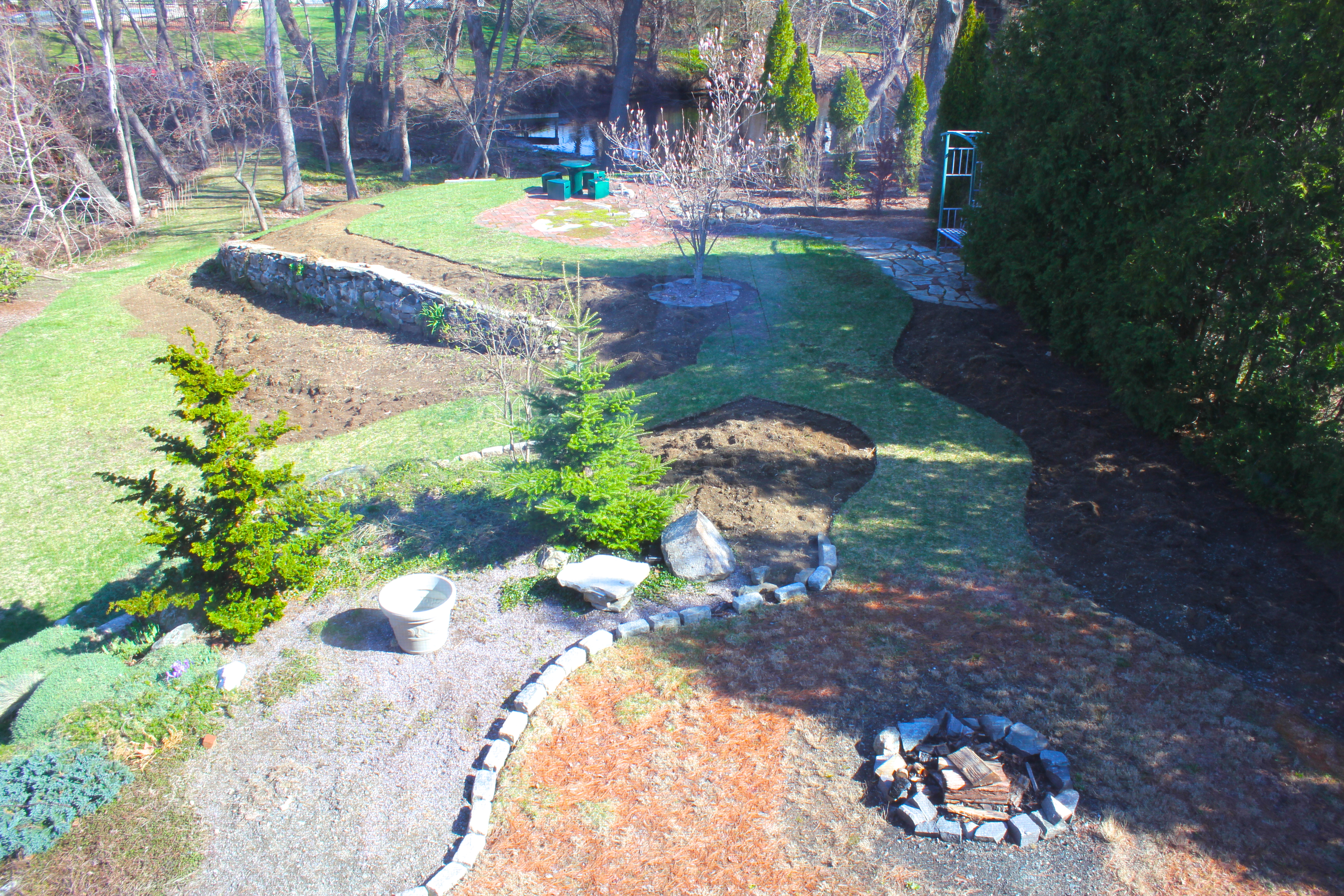
So for the past week, I’ve been hand cutting new paths and garden beds from the lawn on my one acre of uneven land in Massachusetts. The way I do this, with spade and body, is nuts. But it is good for the Earth and if I were to calculate my carbon footprint, I’d probably find that I’m tipping the scales on the wrong end because I drive a car, fly on airplanes, ride on trains, and I live in a house that has heat, hot water, and AC.

I know the hand-cut garden won’t save the world.

It is probably more artisan than activist.

More crazy lady than cool mama.

More secret to happiness than maddening masses yearning to keep breathing (and ingesting) chemical sadness.

Nevertheless, whenever I hear that yet more and more landscapers are out there advising folks to make new gardens in their lawns by dousing the grass with Round-up to kill it before planting the garden, I want to douse the landscapers with Round-up and shut them up. Round-up should be used only to douse poison ivy—a true hazard in the home garden.
Grass in a lawn, also known as sod, is a mighty chunk of nutrient-rich greenery and soil. (Of course, if it has been doped up for years, it’s not as good as the clean stuff. But it’s still good.) After I design new garden beds in existing parts of the lawn, I dig deep. I jump onto the spade and let it sink down, down, down. I lift the hunk of Earth out and flip it over.
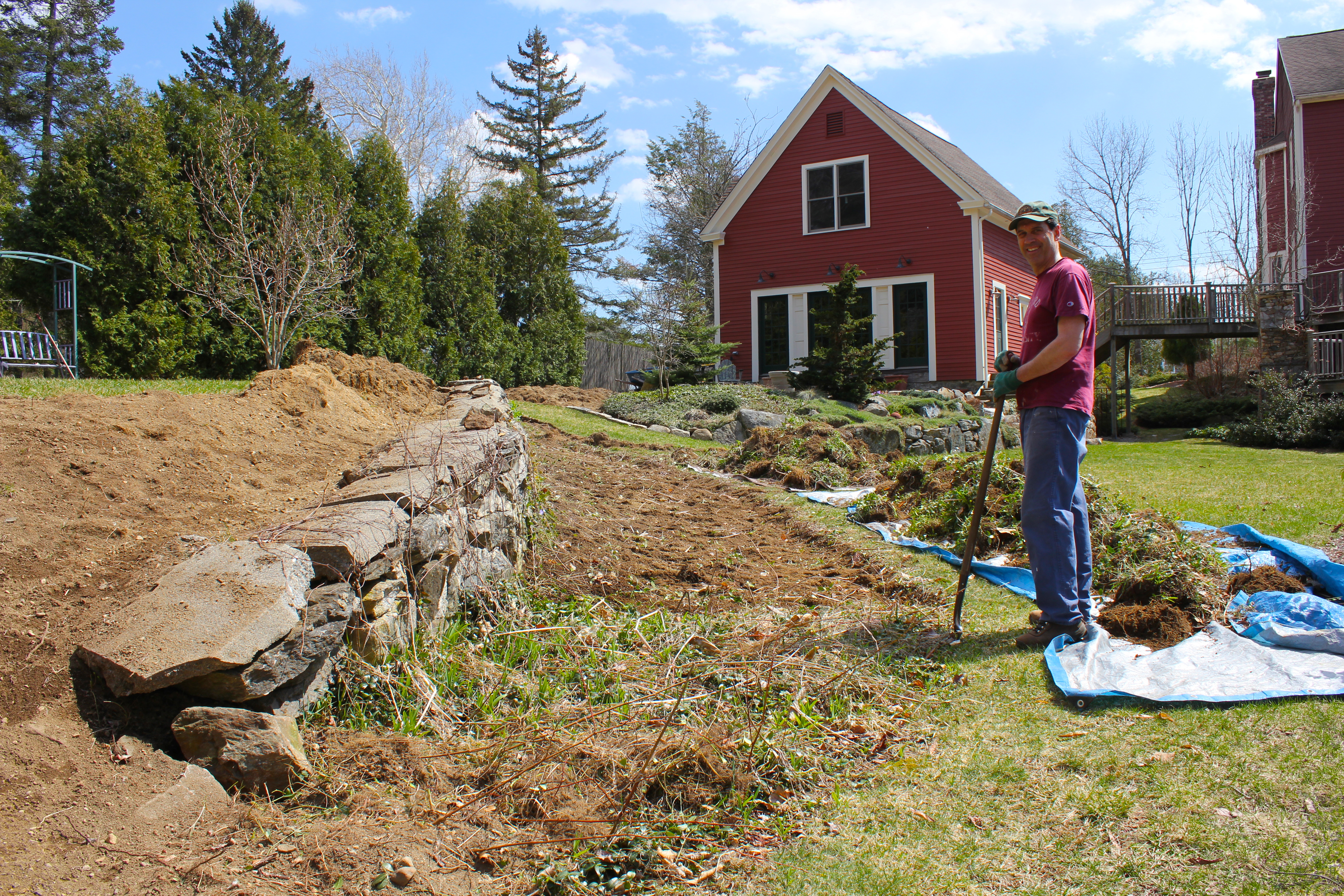
It’s hard work.

The Earth weighs about 1,000 trillion metric tons. A shovel-full of New England soil weighs more than a glass of wine, more than a spoonful of ice cream, and more than a handful of M&M’s. Heaving it up and out and over is more work than logging onto Facebook or tapping out a text message or chilling out to a TED Talk about how you can save yourself and the world and be all you can be.

The hand-cut garden is a solitary, quiet pursuit. No team. No sponsors. No fan club.

In the realm of that royal solitude, created while at work with the Earth, you get to fill the palace inside your head with anything you want. You can clean the palace out, rearrange it, or decorate it with lofty aspirations. You can study and think. You can feel curious—about how strong you are and how strong you are not. You can notice how filled with stuff—ancient stuff—the soil is. You can realize how noisy the birds are.

If you are fortunate, like me, maybe you live in a town where they still allow church bells to clang out the melodies of hymns from your childhood. The church is more than two miles away, as the crow flies, but when the bells ring and I am outside working, I am able to listen. Because my work is quiet work.

My garden is also downwind from the local coffee roasting business.

Church bells and the aroma of roasting coffee beans blended up with the rising scent of fresh, hand-tilled soil. Soon, the farm down the road will spread fresh manure over the fields. That’s a day when the air smells shockingly ripe.

*****

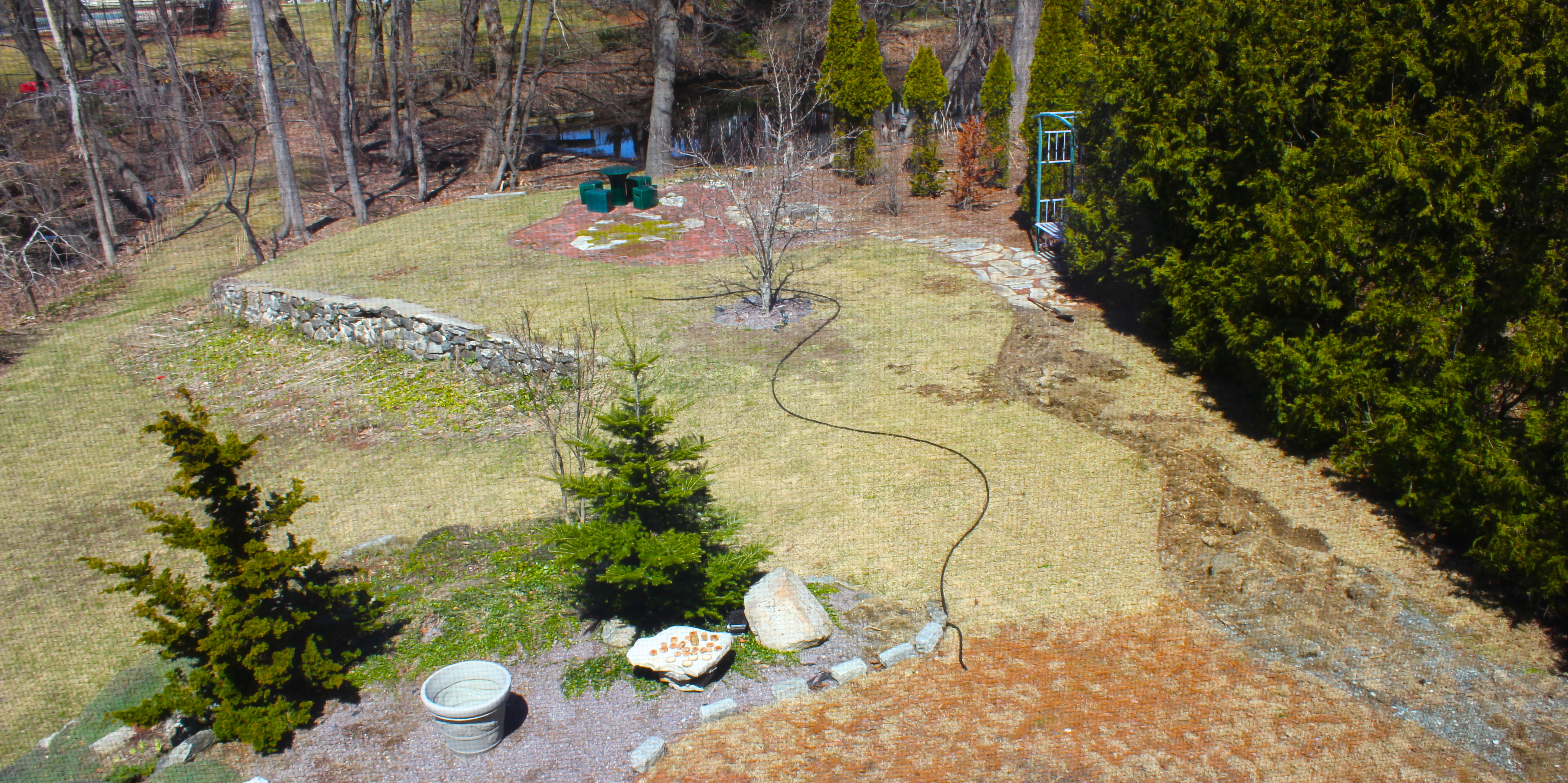
Hand-cut gardens need the magic rope—a pliable, long strand of woven fibers which becomes like a lasso when waved from the fingertips of a garden design guru. Every dream of Earthly, Eden-like beauty can be caught with the magic rope and drawn out onto the ground. There’s some sketching beforehand and immersion in garden books, but I’m an on-location designer. I have to feel how the land sways, drops, and hovers. Before and in progress:

IMG_0837

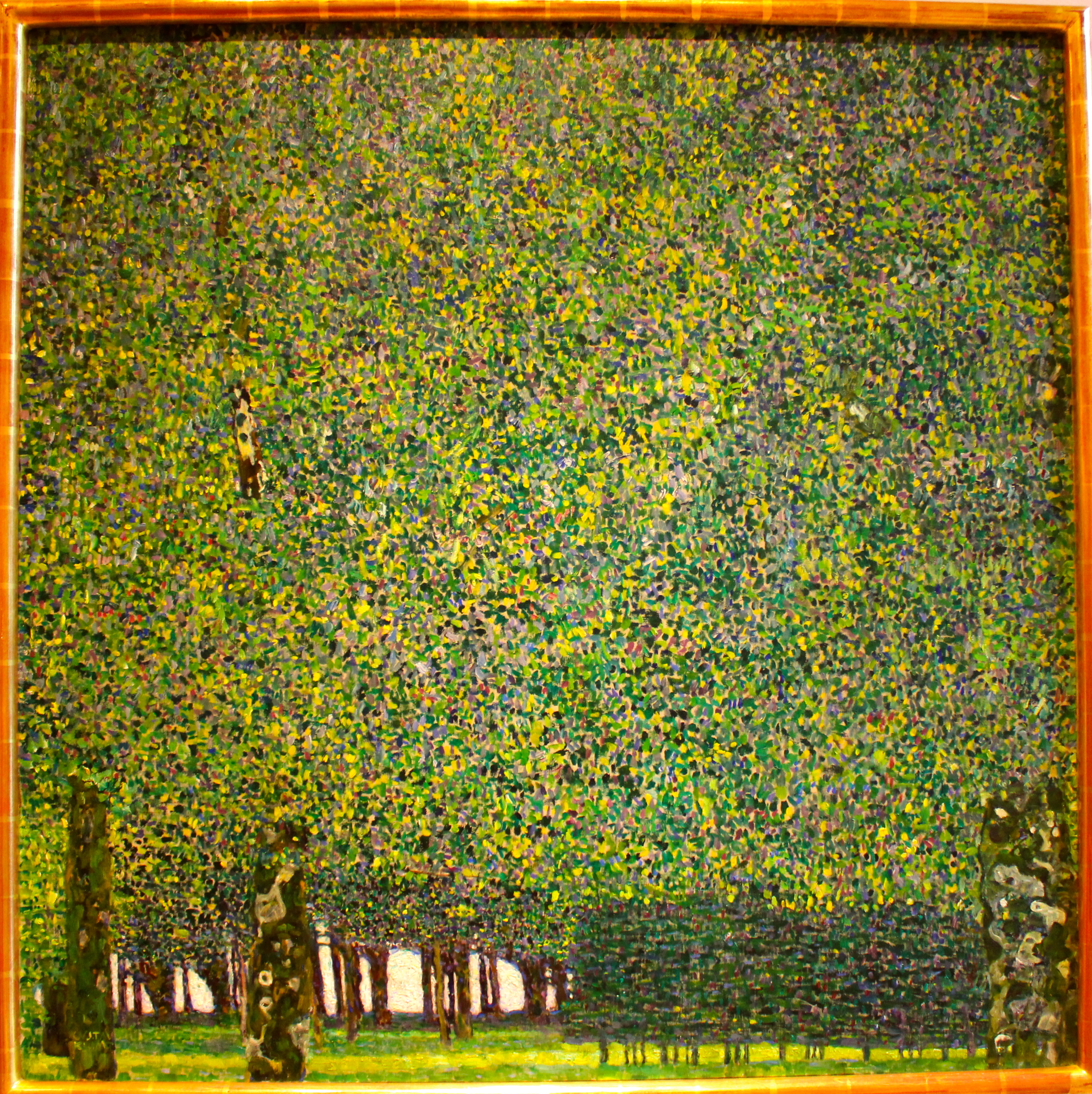
The magic rope abides by important design principles linked in with geometry, but it is also influenced by artistic visions that can’t be suppressed—like memories of Gustav Klimt at the Museum of Modern Art in NYC, during the dead of winter, when I was reminded that I’ve always wanted to figure out how to make the Earth’s trees laugh in flowers:

IMG_0096

*****

How I do it (sort of):

I draw the lines of garden beds and paths onto the Earth. Then I cut the edge into the lawn—using the rope as a guide—with a square-tipped spade. I return the good soil to the Earth where it will decompose and build up the soil for garden beds. I make sure to dig deep and flip over the sod, chopping it up here and there. Then, I cover the repurposed lawn with chemical-free, not-artificially-colored mulch to suppress weeds until the bed is fully planted up with trees, shrubs, flowers, ground covers.

I think of my hand-cutting-out-of-gardens as a secret process for sustainable gardening. Though the work is like taking baby steps to help heal the Earth, it’s better than not walking at all. I have hand cut every garden on my one acre, and I have planted every plant in the hand-cut beds.

All the plants survive within the soil, as it is.

And with the rain, as it comes or doesn’t come.

And with the wind, as it blows.

And with the sun, as it shines, or doesn’t shine.

The soil changes every season with decomposing fallen leaves and ever-present wandering worms and weeds.

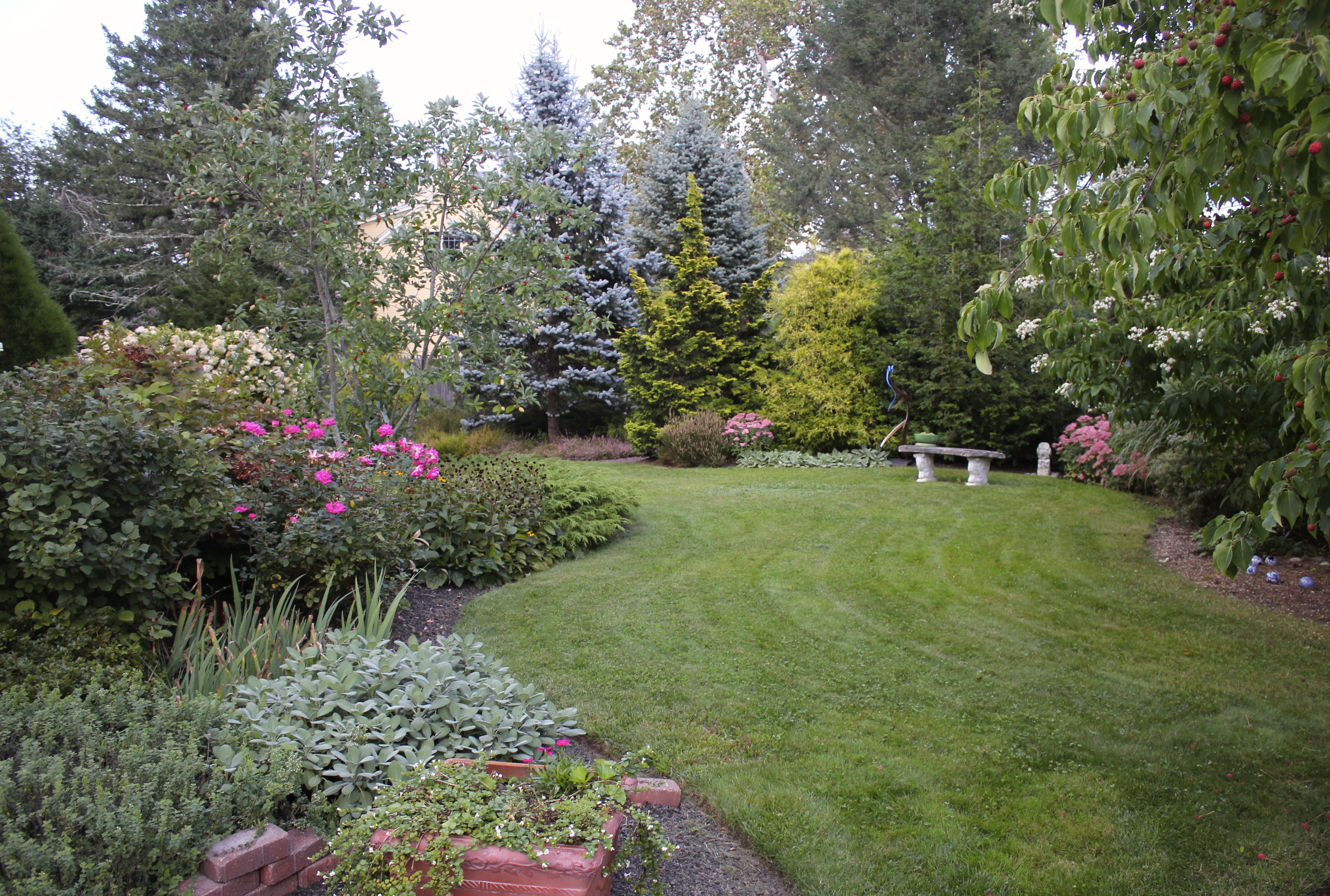
This is a nice picture of my front yard in September. I have never used an automatic watering system nor have chemicals or added fertilizers ever been dumped onto the garden beds. The lawn includes grass, clover, moss, bugleweed, crabgrass, dandelions, violets, and a lot of annoying ants and moles.

IMG_1918

*****

Late in the afternoon on last Saturday, after a full day of helping me hand work my gardens, my husband announced that it was quittin’ time for him. There was cold beer in the barn and our son was in there, too—he had come home for an overnight visit. The two of them, my husband and my son, are musicians and they wanted to play music.

But, my husband had dug up about half a trillion metric tons of Earth from a garden bed for me and he had piled it onto two tarps as long as the aisle in the church where we got married. The walk down that aisle was long. The walk out the door, together, as a married couple, happened in the blink of a spring Robin’s eye.

But I am not a spring Robin anymore. I suddenly realized that I had tried to feather too many new nests in one week. My wings were sore. Instead of crying, which is what my exhaustion wanted me to do, I yelled at my husband. I told him he did everything all wrong and now there was no way I could continue my work and finish it by the end of the day.

One of the rakes we were using had broken.

My husband walked away and when he returned, a little while later, he brought a new rake.

And then, together, we moved half a trillion metric tons of Earth, by hand and body before the sun set. Some went to make a nicer garden down by the pond, and some went back into the new garden bed.

IMG_0934

Dirty, sweaty, sunburned—our skin welted up with black-fly bites—we headed for the barn and cold beer and the company of our son, after folding up the tarps and putting the tools away. I made a toast to my husband. I thanked him for noticing that I was in over my chirpy head and was about to fall out of the tree without any wings to save me.

If I have a secret for saving the Earth while keeping a marriage going and trying to raise kids, maybe it’s the dandelion puller upper.

And a hand shovel.

And honored memories of the first time you walked down a long aisle, or road, or unbearable challenge—together—and knew it was a lot easier than doing it alone.

I think about that when I’m at work healing the Earth or helping others learn how to do it.

It’s nice to work alone.

It’s also nice to work together.

That’s when the Earth laughs in flowery bouquets and puts extra spring into our baby steps.

*****

The paths and gardens, beginning to take shape behind the barn:

IMG_0952

HAPPY EARTH DAY.

A Modern Sunday Morning Breakfast.

On Sundays in spring when a cheerful breeze can be felt bringing the sun’s warmth for an all-day stay to my country hideout, gratitude begins with breakfast. There are two of us up early and ready to get to work fussing over our little estate and our charmed lives. But first, we want something to eat.

The breakfast should be hearty enough to sustain us only through the morning’s work, because we don’t want to miss out on feeling hungry for a good lunch.

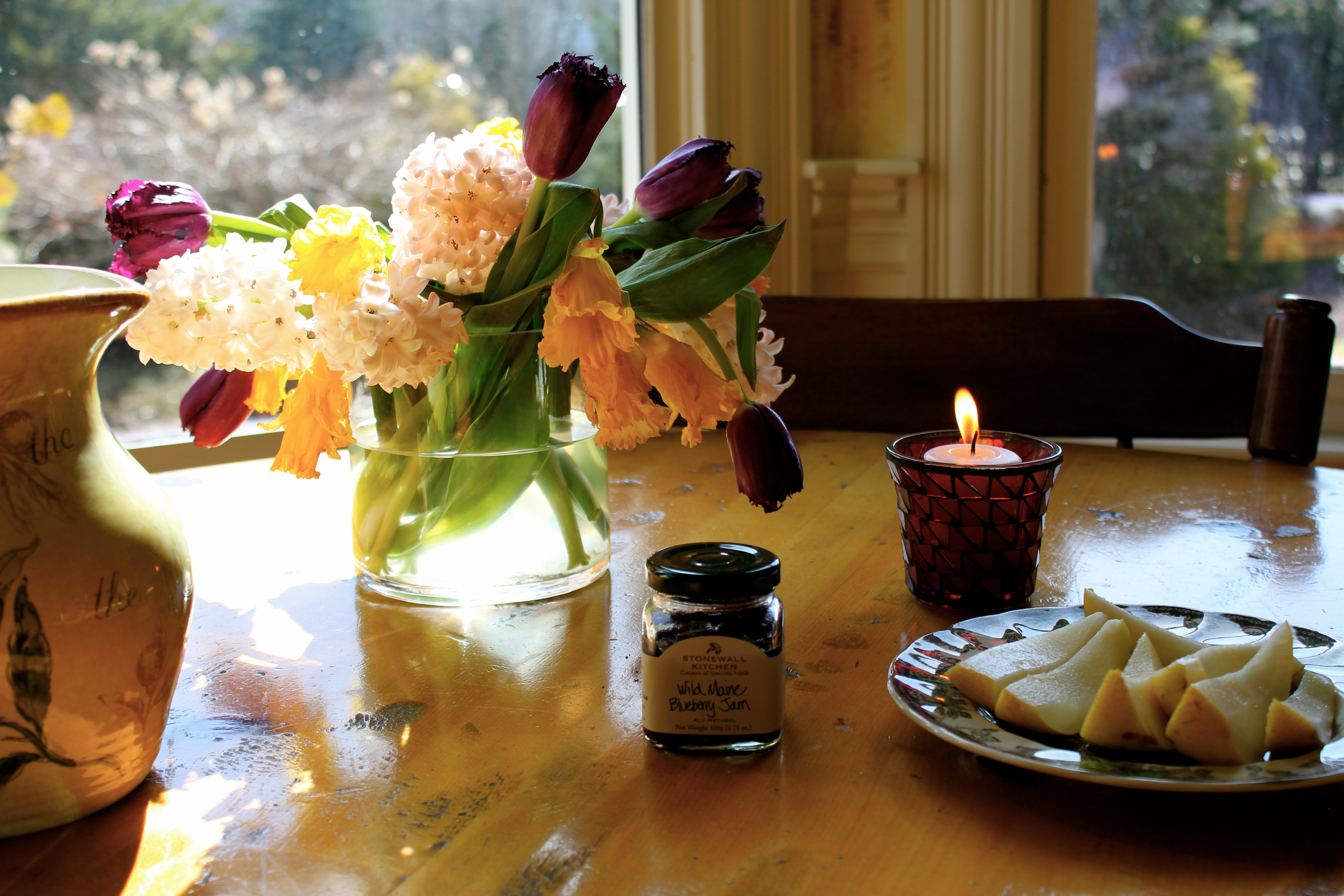
I set the table with spring flowers received from a friend and a small jar of Maine blueberry jam. (Meant to hold us over until I make fresh jams again when the strawberries bloom. And the blueberries, raspberries, peaches, and pears.) A stoneware pitcher contains stirred-up orange, pineapple, and strawberry juices.

IMG_0793

There is always a candle on the breakfast table, too. On this particular Sunday, a day when our breakfast conversation will be about planning a trip to France, the candlelight shines dreams of fairy tale escapes to small villages in the French countryside, where I am inside a stone church, because we have gone for a walk to find fresh bread, but have come upon a church on the way. The church is deserted, filled only with sunlight and the musk of centuries of fervent desires, damp, absorbed by the stone. No prayer is ever wasted.

The same friend bearing the bouquet of spring flowers, which smelled heavenly because of some sweet Hyacinth, delivered a collection of perfect eggs from her hens, in an egg carton she decorated just for me. The eggs will be the main course for our modern Sunday breakfast.

IMG_0770

IMG_0771

*****

These flowers and eggs were all part of a birthday gift to me and I immediately thought back to a day at the end of last summer when I sat with my friend on her grand back porch and watched the hens running around in her gardens, free as love at age 14, hiding, causing us to worry about them, then showing up again without any concern for our worries. We drove around my friend’s country estate on a garden tractor together—I was at the wheel (for my friend had a broken leg)—visiting all her gardens and stopping to admire a lush patch of beautiful gourds rambling, (free as love over age 55!), through her pig pen. She’d had some pigs, but they had gone to slaughter. I should have come to see them as cute baby pigs, but I think pigs are very smart and they would have seen their fate in my eyes. I chose a colorful collection of gourds from the vines that day and piled them into the garden tractor, but when it was time to go home, I forgot to fetch my treasures from the tractor. My friend was so pleased with her gourds, I am sure she will grow them again this year and I will get another chance to pick the ones I like. If my luck holds out, I won’t forget to bring them home.

*****

I was excited to have the fresh eggs from my friend because fresh eggs to me are forever York, England—a place where my true love and I drove after we abandoned our last baby at Oxford College for a summer study program. She was only fifteen years old and it all seemed so exciting until we arrived to drop her off and then had to leave her. She didn’t have a friend, nor was the study program connected to any familiar school with familiar teachers.

In York, we stayed at a bed and breakfast just beyond the magnificent medieval walls. The youthful innkeepers served eggs fresh from the countryside, delivered by a woman well past eighty years old, still working hard taking care of her hens and delivering eggs to her customers. The eggs had rich coloring to the yolks, not pale or faded. After we ate them, we embarked on charming walks into the city of York, through gardens well tended amid ancient Roman ruins. York, England was the outermost reach of the Roman empire. For a little girl living in the times of Rome’s expansive empires, there was little chance of ever finding out about foreign lands. And for her mother, little anxiety that her daughter might wish to leave home, at a young age, to test the limits of distant horizons and a mother’s fragile heart.

*****

For our Sunday morning breakfast: I sautéed chopped, sweet onion in olive oil to flavor the olive oil. I scooped out the onion and set it aside. Next, I slipped two eggs into the heated olive oil (one for each of us), careful to keep the yolks unbroken. Then, sea salt and cracked peppercorn medley. (Black peppercorns, coriander, pink peppercorns, white peppercorns, allspice, and green peppercorns.)

IMG_0810Then comes the gentle folding over of the eggs, easy. Fresh bread, or whatever is in the house, is toasted and olive oil is drizzled over the toast. The egg is layered on top of that with the onion and some capers. While preparing the eggs, I had strips of prosciutto cooking under the broiler in the oven, not for long, just enough to crisp it up like bacon.

IMG_0797

*****

After breakfast, I went to work in the garden. How my creative and hungry soul winced when I spied the parsley in the herb garden, barely making it up and out of the earth. Why didn’t I check for it sooner? And not far from the parsley spiked the chives, brilliant green! I could have placed the freshest, sweetest, teeniest brand new leaves of parsley on my exquisite eggs or fancied them up with a few circles of chopped chives! I remember, as I arranged the plate, feeling a restless urge to add some color, either the red of a tomato or a pepper, or the green of fresh herbs.

But, it was time for church in our little cathedral and my true love was bound for the airport and a business trip. I didn’t have all morning to obsess over the eggs. We sat down to share our Sunday breakfast and knew everything was perfect as it was. We had flowers and eggs from a friend, memories, new flavors, and, as always, our prayers of gratitude and one of hope—that the next time we sit down for a Sunday breakfast, we will be heading into the gardens, together, to work all day—building our appetites for dinner!