The Monster Inside That Will Never Be Crushed.

Today is my son’s birthday. He’s twenty four. He was, from the very beginning, a double-black-diamond child to parent. (Experts Only!) At birth, his forehead was marked with a bright yellow triangle. (Caution!) And when the hospital presented him to us, he came swaddled in a roped-off basinet labeled with a last-chance bailout. (Parent Area Boundary! Not Patrolled!)

Every morning when he was in high school—all four fucking ferocious years—I dragged my son from bed at least three times before he’d agree to wake up. After that, he would stand in the shower until fish in the Quabbin Reservoir cried uncle. Then he wasted 20-30 minutes arguing why anyone should have to wear shoes anywhere. I’d wrestle his shirttails into tucked-in positions while muttering a litany of ultimatums he never once regarded as threats to his life.

And then, we’d drive to school. I had already searched his backpack for contraband. I had already cleared my calendar for sure-to-come meetings with the Head of School, the Dean of Students, the Disciplinary Committee, and his advisor. And, best of all, I had already set aside some of his school work to read while enjoying a cup of tea.

A lot of my son’s artwork—his drawings, his writings, and his musical performances—ignited disciplinary discussions and punishments. The troubles began by third grade when he came out as a manic reader and writer, a manic car and truck freak, a manic artist and cartoonist, and a manic, multi-talented musician. He accepted himself as he was and that was that.

We took him to his first monster truck show when he was four.

Ten years later, as a 14-year-old sophomore in high school, he wrote an article for his school’s newspaper encouraging the elite community of his peers to consider attending MTU (Monster Truck University) instead of MIT. It was one of the few works of art that made it through to the public without the censors hauling him off to the gallows in the town square.

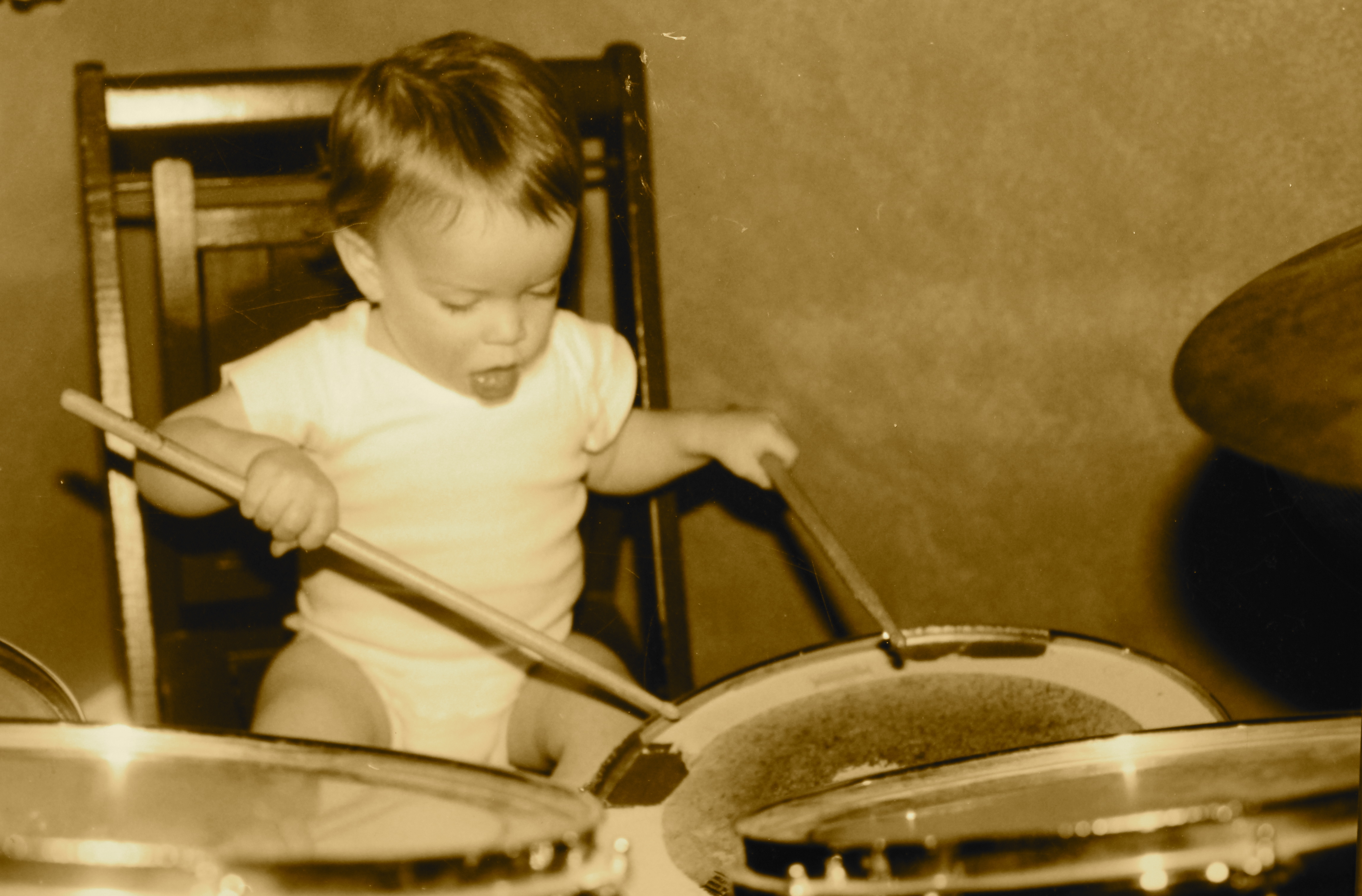
I still derive pleasure from reading my son’s school work. I saved everything. In honor of his birthday, here’s his monster truck story, just for fun.

********

IMG_0352

********

An Ex-Monster Truck Racer Speaks  By Anonymous

Few of the festering beings that populate the bubble we live in have ever been graced by the presence of an ominous, looming monster truck. I still remember that fateful day, back when I was six years old and went to my first monster truck show.

As a wee lad, I could actually walk under the yellow caution tape withholding the beastly, leviathan trucks from millions of screaming, frenzied spectators. I could easily sit myself in the massive, hollow rim of the truck’s tire. I remember the experience so vividly, how I felt like an unborn bear cub resting snugly deep within his mammoth mother’s womb. At that moment in time, the monster truck and I were one, and the entire future of my life was decided. Some people as adults still haven’t found their one true love, their one true calling, but I am proud to say I found mine sitting in the 66″ Terra Tire of a monster truck when I was seven years old.

When I was nine, I drew up blueprints for my own mini-scaled monster truck. I spent every waking hour of the summer of fourth grade drawing these plans, and, using only duct tape, some WD40, the wood from a grove of oak trees I chopped down, and some granite I mined from Mount Wachusett, I built my own little state-of-the-art monster truck and was soon terrorizing the neighborhood.

When I was twelve, I was driving the Bigfoot truck—(only the most infamous, the most revered of all monster trucks)—in the professional monster truck circuit, the USHRA (United States Hot Rod Association) Monster Truck Nationals. Unfortunately, in an incredible twist of fate, the truck I was driving blew out its right rear tire when I was driving over a few school buses in the finals of the competition. I lost the whole title, along with my entire life. I was shunned in school, publicly accosted by those millions of fervent monster truck fans—all of them let down by my loss—and I was almost exiled from my family.

That’s actually why I came to prep school under a different identity; I needed to escape the previous life I had ruined for myself.

I sometimes get lost within myself in history class and remember the good old days of my monster truck career; I can smell the pork rinds sizzling on the grills of the rednecks who attend the show. I can taste the fumes of nitrous oxide-charged gasoline that the engines guzzle. I can almost hear the almighty, godly roar from their tailpipes.

But those days are behind me now…

With that all being said, I ask you all to give monster trucks a second look, especially if you’ve always regarded them with ridicule and associated them with people who live in trailer parks and keep crocodiles for pets in their bathtubs. Check out the Speed Channel (channel 39 in the greater Boston area extended cable network) sporadically to see if a monster truck competition is on and I guarantee that you too will be captivated just as I was back when I was a wee lad. Monster trucks have greatly influenced the outcome of my life and made me the person I am today—I want to share the gift of monster trucks with you all.

********

Go ahead, walk past the caution tapes you have tied around your heart.

IMG_0367

Excalibur!

IMG_0366

Reptoid!

********

IMG_0360

IMG_0358

IMG_0363

IMG_0359 2

********

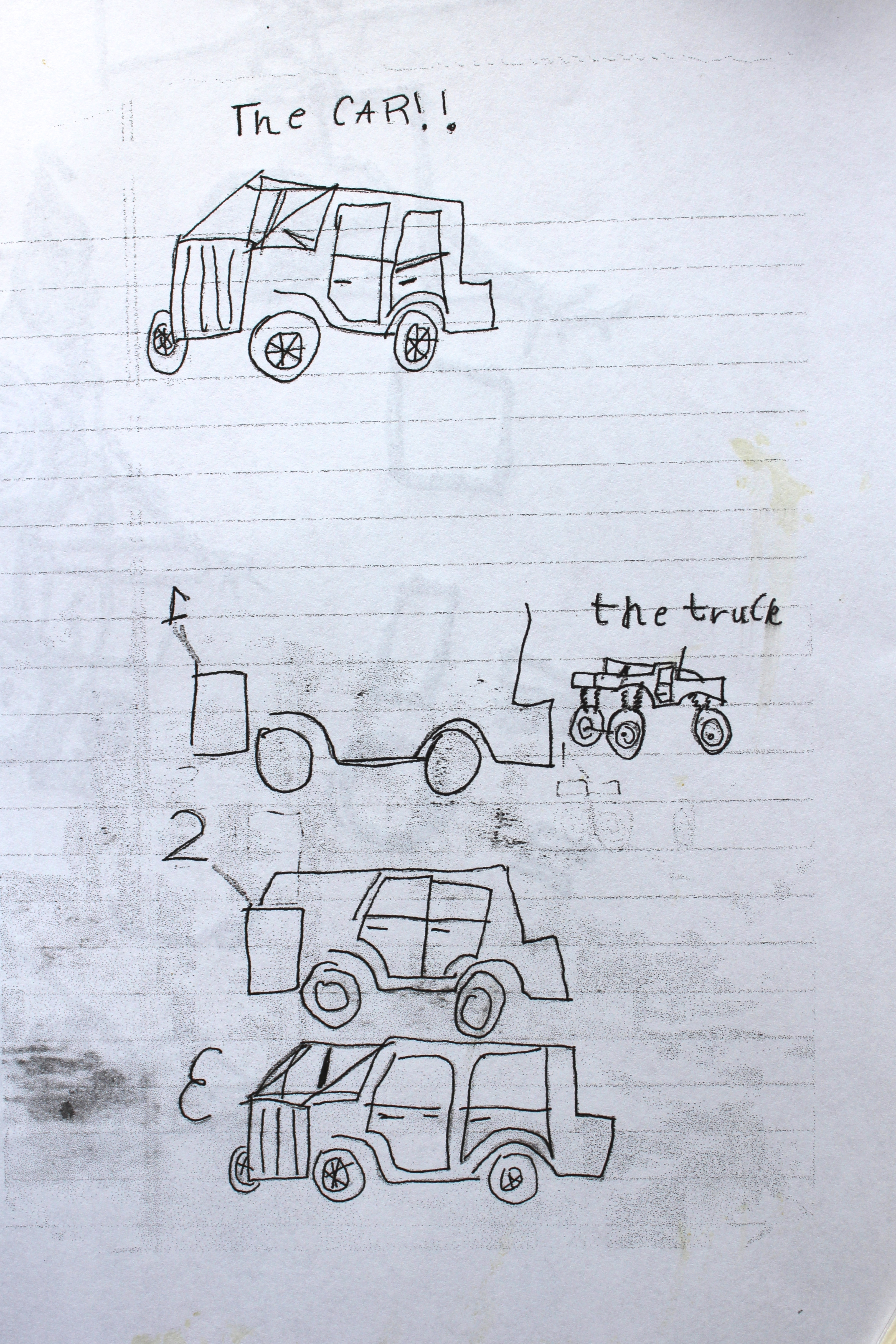
Before my son went off to kindergarten, I marveled at his drawings of cars and trucks.

“How do you know how to draw so well?” I would say. “I wish I could draw the way you do!”

And my son, taking my question to heart, would create “how to” drawings, with simple steps,

to help me (and anyone else) learn how to enjoy drawing cars and trucks!
IMG_0357

IMG_0356

By junior high, more and more elaborate trucks roared onto the pages of school notebooks.

IMG_0354

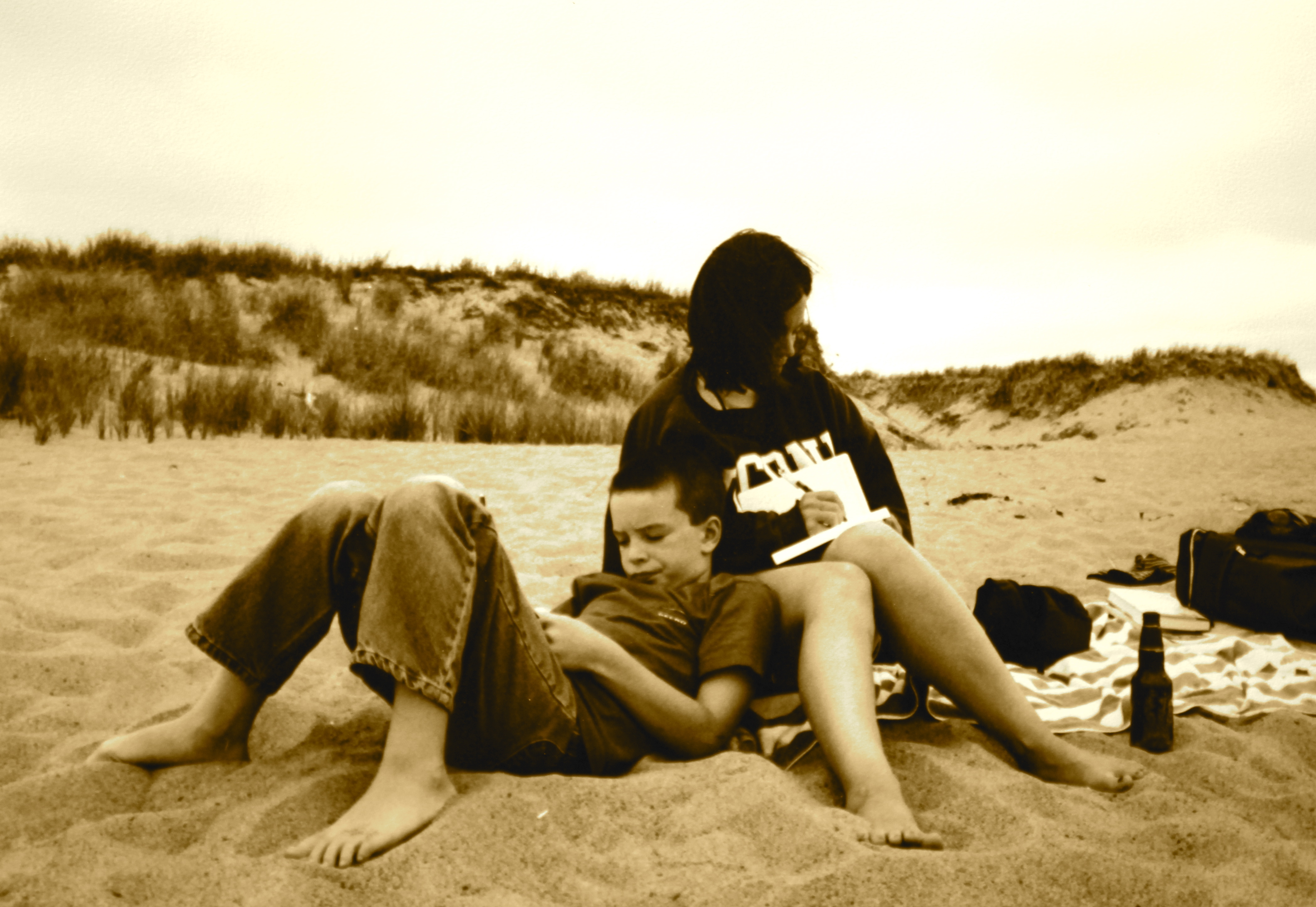
We always liked to read and write together.
IMG_0364 2

Happy Birthday to my son, a young man who has never abandoned his childhood passions.

IMG_4442

“We’re all going to die, all of us.

What a circus!

That alone should make us love each other, but it doesn’t.

We are terrorized and flattened by trivialities,

we are eaten up by nothing.”

A quote from Charles Bukowski, an unruly artist my son introduced to me.

********

Herzog For Halloween Week. Do You Have A Soul?

IMG_0038

One day, not too long ago, I posted feelings of love for a plant on Facebook. Here’s what I did. I wrote about the Montauk Daisy, (Nipponanthemum nipponicum), which grows in my dooryard and my gardens. I described the plant as a “happy late bloomer” thus identifying my own humanity with the plant and, furthermore, employing the plant’s bright white, daisy-like flowers as an arousal agent for human emotion.

This sentimental slash romantic behavior stirred up a cyberspace snake pit—that vale of venomous angst where contemporary culture gathers to unlock, and brutally judge, the mysteries of human existence. Before long I felt the sink of snarky fangs slicing through to my bones and calling me out—in the public theater of social media—for being a romanticized, sentimental dweeb. The pointy fangs punctured a few rowdy endorphins that flow like champagne bubbles through my blood whenever a shot of botanical bling makes my heart way too plump. Pop!

I considered that if I wanted to survive the bite and reduce the stings of humiliation, perhaps I ought to come up with a clever response or those fangs might sink as deep as the taproot on a bloom of winter depression. Alternatively, I could open a bottle of champagne and drink up. But a killing frost was in the forecast for New England and I still had more than 50 potted shrubs and perennials to settle into the soils of my pleasure grounds, aka My Gardensthe breeding environs, of course, for radical romanticism.

So instead of wrestling with snarky snakes, I escaped into the hours of the day’s late afternoon and went to work finding places in the garden for as many of the potted plants as I could. I also wrenched gnarly clumps of Lily of the Valley, Convallaria mojalis, out of the Earth for division and reinsertion into my little part of the Earth’s ecosystem. I did the polka with a nest of bumble bees, Bombus terrestris, while trying to place some Royal Ferns, Osmunda regalia, over those bumblers’ hideout. And when the setting sun lit up the colors of autumn on every growing thing wherever I looked, I halted my obsessive work and did my own kind of calling out:

Da mi basia mille, deinde centum, dein mille altera, dein secunda centum!

(Give me a thousand kisses, then another hundred, then another thousand, then a hundred more!)

Struck happy by a soulful rush of satisfaction with my own little world, I concluded there would be no rehab for my sentimentalism or my romanticism.  I carry the propensities for mush from at least an 8-year-old self. She is such an awkward self, yet remains a dependable friend. I see her again, (the delirium of my labors has done it), and she is hiding under a tree, reading a book. She is most likely in love with the tree and is sure the tree loves her too.

The book my 8-year-old self is reading, (under a tree I have decided to remember as an apple tree that must have been planted by the folk hero John Chapman), is entitled George Washington Carver, A Great American. It’s about an American-born slave—traded as an infant for a horse—who conquers adversity to become a botanist, scientist, inventor, artist, and teacher. Carver also believed that flowers planted in the dooryard and bright colors painted on the interior of an otherwise dreary cabin, could lift the spirits. (Both of these practices have become life habits for me. I plant flowers in my dooryard and I paint the walls and doors and ceilings of my home with bright colors and cheerful pictures.) After my young self is done reading about George Washington Carver, she climbs into the tree. (Surely it must have been an apple tree. They were the best for climbing.)

I had discovered the kiddy-lit biography about George Washington Carver on the shelves of a Bookmobile that visited my Indiana neighborhood during summertime. In those days I’d wake up early on Tuesday mornings and leave home to wait for the Bookmobile. I’d press my butt up against the butts of every other kid crouched onto the stubby curb of our cul-de-sac, where the Bookmobile parked and stayed for a few morning hours. We all wanted to be first on board the big white van and although we’d come to attention and stand in line politely when the Bookmobile arrived, it was only because we’d already scraped each other’s grimy faces over the pavement, in the gladiator arena of that cul-de-sac, for curb positions.

The Bookmobile days marked a time in American history when every butt on every kid was small, and summer reading was a free-choice act, (there were no required summer reading lists where I lived), that led to the fulfillment of at least one unalienable right: the pursuit of happiness.

I remember how the interior of the Bookmobile smelled as sweet as a Garden of Eden.

It was not a snake pit. It was a quiet sanctuary.

Nobody bothered anybody else in that mobile monastery.

The librarian was nice to romantic dweebs.

********

Alone at home, later, after the day of the Facebook snake bite, I turn on the television. I click into the movie, Almost Famous, about a young kid who wants to write about rock music. There’s Philip Seymour Hoffman as Lester Bangs (the legendary writer and critic) talking to his adolescent mentee, William, on the telephone. William is despairing about his life. Bangs breathes out a sobering declaration for William, but his voice drifts from TV land and fills the quiet chamber of my empty house:

“We. Are uncool,” he sighs.

William tells Lester Bangs how glad he is that Bangs is at home to take an SOS call.

Bangs smirks: “I’m always home. I’m uncool.”

The scene about “cool” in Almost Famous is a great one. It comes after William’s euphoric rise as a neophyte rock-and-roll journalist ends in profound heartbreak. And, let’s face it, if you’re home alone clicking into that scene—a scene featuring Philip Seymour Hoffman as the inimitable Lester Bangs—after examining your failures as a sentimentalist, you’re bound to experience a disturbing attack of dweeb doom, slamming like a rogue wave into your gut, and tossing you to the carpet into a pitiful heap of smoldering defeat.

I was so home alone listening to the character of Lester Bangs define cool on television, something I rarely watch, even though earlier in the evening I had gone out for a brief excursion. My excursion delivered me to a leftover bookstore because I wanted to buy Patti Smith’s newest book M Train. When I couldn’t find the book on any of the display tables, I asked a doe-eyed young woman standing behind the help desk about the book. The young woman had cool, long, blond hair. She wore cool boots. She had a cool scarf, cool jewelry, and cool make-up. Back when bookstores were cool, the people who worked in them could talk cool about books.

“Tell me the name of the book again?” The young woman said to me.

“M Train.”

“And tell me the author again?”

“Patti Smith.”

The young woman tapped her cool fingernails onto a computer, consulting cyberspace. She had cool painted fingernails. “It’s shelved in our music section,” she said.

We went to the music section.

“Tell me the author’s name once more,” she said.

“Smith. Patti Smith.”

I found the book. There were three copies.

“Here it is,” I said to her, “thanks for your help.”

The young woman told me she had never heard of Patti Smith.

Wow. I thought. That’s kind of cool.

********

Just about anyone can related to this line from the first pages of M Train:  “It’s not so easy writing about nothing.” (Word, Patti.)

And from Almost Famous I soon locked into another great line, delivered by the character of Lester Bangs, as acted out by Philip Seymour Hoffman, via the screenplay by Cameron Crowe: 

“The only true currency in this bankrupt world is what you share with someone else when you’re uncool.”

I thought: Sharing. In cyberspace. It’s what we do nowadays: Cats. Dogs. Bunnies. Horses. Food. Art. Kids. Lovers. Boozy late nights. Landscapes. Good times. Flowers. Music. Articles. Events. Epic trips. Holidays. Crafts. Births. Deaths. Illnesses. Fund raisers. Videos. Political bullshit. Tricks. Deep thoughts. Rants. Raves. Blog posts. Selfies.

********

Later, later, later into the night, I exchanged some text messages with my son about Werner Herzog, the filmmaker. My son told me to check out Herzog’s documentary Cave of Forgotten Dreams about the Chauvet Cave in France which contains the oldest known paintings created by human beings.

So I did.

It’s a romantic film. You might not believe in the human soul or the soul of flowers. You might not even be sure if you have a soul. Herzog will help you answer some of these questions. It is his goal to arouse your imaginings and seduce you into believing that about thirty-two thousand years ago, something magnificent happened in the history of evolution: The awakening of the modern human soul.

So since it’s Halloween week, why not watch Cave of Forgotten Dreams and consider the human soul? (It’s easy to watch online.) The music, composed and performed by Ernst Reijseger on cello with Harmen Fraanje on piano and the voices of the Kettwiger Bach-Ensemble, will evoke the hauntings of a Poe short story, the sleeping quarters of a dark, damp, and cold medieval cathedral, and the conjuring of the human soul from the great beyond!

Let Herzog guide you into the Chauvet Cave.

Allow your imagination to become unleashed. Free your rational mind.

You will find yourself in the spirit world—where trees can speak, man can become an animal, an animal can become a man, and the spirit world controls the hand of the artist.

You will believe the walls of the cave can talk, while killing you softly if you linger too long.

You will think of leaving this life to enter the world of the spirits and you will not doubt that the spirits exit their world to exist in ours. Indeed, even the scientific minds that have laser scanned every nook and cranny of the Chauvet Cave have admitted to being overcome by irrational feelings of “eyes upon us” when they have been inside the cave—eyes from humankind that lived more than thirty thousand years ago. And perhaps never died(A chilling historical point of reference: The last glaciers melted away just twelve thousand years ago.)

As Herzog guides the viewer on a strange pilgrimage into the lives of humans so vastly long gone, he asks: Did they dream? Did they cry at night? What were their hopes, their families?

The ending became, for me, deeply unsettling and spooky. I felt the familiar ghosts of romanticism and sentimentalism wrapping their arms around my shoulders and taking control of my hands and my heart, growing my soul.

For many viewers, the ending won’t be unsettling or spooky at all. They’ll think it’s mushy.

The film is only spooky, and wonderful, if you have a soul.

IMG_1725

********

A Midsummer Night’s Dream.

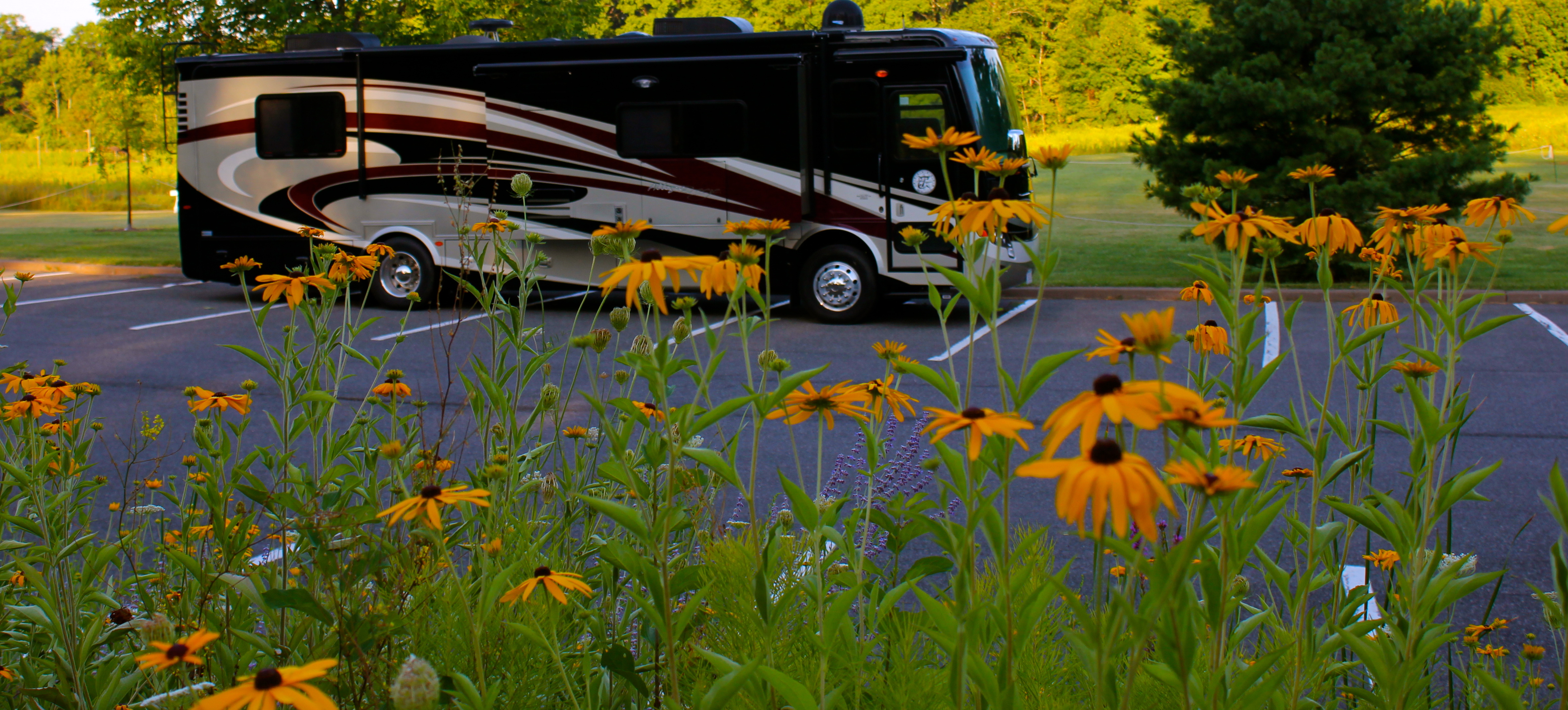
It was a hot August day, midsummer, when just before sunset a big bug (our motorhome) landed in a meadow at the edge of an enchanted forest somewhere along the Hudson River.

IMG_4509

The bug’s roomy belly contained sleeping quarters for human beings.

********

The big bug didn’t make a sound after landing, even as the insects in the meadow sang the loudest love song of all time,

Is Anybody Out There?

In spite of the noise going on in the meadow, and a dream that left me dancing with the saints, I fell fast asleep within the big bug’s belly.

The next morning, a brilliant sunrise awakened me.

IMG_4500

I put on a dress and went leaping into a field of flowers. Filled with wonder, I gathered up the edges of my dress and offered a prayerful bow to the Meadow Makers. It was a heartfelt, and—the deeper I dipped—dizzying curtsy. Oh! I winced—for I felt the world taking the curves a little too fast—my poor fragile mind! Perhaps I am still a little bit drunk! 

Upon righting myself among the flowers, and swatting away the stars flashing like fireflies over the surface of my eyeballs, a smile blossomed from the corners of my lips all the way up to where raindrops, no matter what the season, begin life as snowflakes. I pinched myself.

Methinks I’ve been bewitched, said I.

And after I said it, the flowers in the meadows swayed.

********

It all started at sunset the night before when a merry troupe of wandering musicians, summoned to tease and tantalize tango dancers of the Hudson Valley, sprang from behind the trees in the enchanted forest. Tadpoles in nearby ponds reacted to the fairy-dust-spangled revelry by tucking their tails inside their ears and covering their eyes with each the other’s tongue. Squirrels ran down rabbit holes and rabbits ate the beards off frightened hobbits. Roosters barked, birds honked, and plump woodchucks dangled upside down inside hickory nuts.

Tango dancers emerged from hideouts throughout the valley, ready to follow the merry wanderers to a tent in the heart of the enchanted forest. The tent sparkled with stained glass and gleaming chandeliers. Golden fringe hung from red velvet walls and ceilings. Glossy wooden dance floors shimmered.

Indeed, the shimmy to come would shatter the traditions of tango.

IMG_4400

IMG_4440

20150806_201731

The elite society of tango dancers donned their special shoes, lowered their sexy eyes, and parted their lips just enough to capture herds of forest dust mites, cast aswirl by the rising heat. Then, writhing around inside their sweaty bodies, the dancers slumped up against each other—squeezing the life out of their very own dreams—preparing to dance the way they’ve always danced, the way they were taught, the way everyone expected them to dribble their toes across the floor.

Until the troupe of merry wanderers began to play.

The goblins and elves and leprechauns on stage, snake charmed their harmonicas, pianos, violins, stand-up basses, guitars, and drums. Their joyful music-making answered all the insects, in all the meadows, in all the world.

Is anybody out there? 

The replies kept coming in melodious, mesmerizing doses. Hypnotic states of joy ensued and the dancers felt their hearts being rescued from sheltered cages. They watched as every willing heart was set afloat on the midsummer night’s breeze. Their spirits liberated, the dancers tangoed like freshly-kissed toads in the arms of legendary lovers.

The merry wanderers had done it.

IMG_4410

IMG_4418

IMG_4426

And when the merry wanderers flew from the stage, the dancers—a little boozed up and overly excited—tried to make the merry wanderers stay forever.

But it was all a dream.

The troupe had never played together before, some had never played tango, and they had only come upon each other that very night in the enchanted forest.

In fact, they barely had a moment to enjoy a bite to eat in the belly of the big bug before they disappeared into the woods.

IMG_4464

********

Later in the evening, a dancer discovered that I might have been the mother of one of the merry wanderers. She said, “You must have been a wonderful mother! They are all so talented and they play so well together and I hear they didn’t even have a chance to rehearse!”

Sometimes I was and sometimes I wasn’t a wonderful mother.

But if there’s one thing all wonderful mothers know, it is this: when you have a child, you give birth to dreams. But your dreams aren’t the ones that come to life.

Wonderful mothers learn that trying to trap lightning in a jar is a waste of energy.

IMG_4449

Once, my merry wandering child dreamed that he could make people feel happy, inspired, and brand new by playing music. He dedicated his heart and soul and body and mind to the quest.

On a midsummer’s night, I experienced his dreams coming true.

It felt wonderful to be his mother.

IMG_4445

The Slow Art of Finding Peace and True North.

Sebastian Smee is an art critic. He writes for the Boston Globe and he has been awarded a Pulitzer Prize for Criticism.

In the Boston Globe this week, there was an article written by Smee about the Maine Art Museum Trail. I looked forward to reading it, but by the end of the opening paragraph, I found myself terribly concerned for all the people who might read the same first lines and decide to anchor themselves forever to southerly, and most-convenient-to-Boston, regions of New England.

Smee had written: “There are two museums on the Maine Art Museum Trail that have so far eluded me: The University of Maine Museum of Art in Bangor and the Monhegan Museum of Art and History. The first—sorry Bangor—is too far north of Boston. The second is on an island—and that’s just inconvenient.”

********

THROW OFF THE BOWLINES!    SAIL AWAY FROM THE SAFE HARBOR!    (Mark Twain, I think.)

********

Bangor is not too far north. I promise. There is, as mentioned in Smee’s article, The University of Maine Art Museum to see up there. But there’s more. For instance, if you want to visit many of the places that inspired the art all along The Maine Art Museum Trail, keep driving down east to the coastline beyond Bangor.  You’ll find Acadia National Park plus a culturally distinct region of the world.

All you have to do is turn off the GPS and follow your nose. The scent of the sea, or at least the marvelous stink of a dramatically displaced low tide, will lead you to unexpected life-changing experiences such as the pleasures of being a spectator for the Women’s Skillet Toss at the Blue Hill Fair. This rowdy event fills the grandstands and it’s authentic Maine through and through, so even though you risk getting walloped upside the head by an errant iron skillet, you are not required to wear a helmet in order to attend the show. Women competitors are classified as Kittens and Cougars. They fling iron skillets as far, and as straight, as possible. Some of them can send those old iron workhorses sailing further than a soldier’s dream for a home-cooked meal! The Blue Hill Fair pleased E.B. White so much, it inspired many of the story lines and settings for one of the world’s (and my family’s) all-time favorite books, Charlotte’s Web.

As for Smee claiming Monhegan Island is just too inconvenient to visit, allow me to transform the idea of such a journey into something desirable, convenient, and perhaps necessary to your passage through life here on Earth.

IMG_3819

********

Let’s start with a time warp…the year is 2007…Labor Day weekend…I am Mother to a 15-year-old son beginning his junior year in high school and a 12-year-old daughter ready for college instead of middle school…both children are willful, independent rapscallions…we are bound for a campout on the coast of Maine and plan to take a day trip to Monhegan Island…Raffi music in the camper has been taken over by Hendrix…it is painfully inconvenient for my husband and me to travel with our teenagers…it is more painfully inconvenient for said teenagers to travel with us.

Places like Monhegan Island help counterbalance the laws of nature and the laws of technology in our tense and complicated modern world. You might not be suffering through the throes of parenting (or any other situation of nature-determined, unconditional love), but perhaps you are afflicted with the side effects of Blindsided-TechAlien Abduction. In other words, there’s a chance you’ve been abducted by technology aliens and don’t know it. The aliens are so charming and so invisible, you haven’t noticed how conveniently they have settled into your life. They eat with you, sleep with you, make decisions for you, and then they steal your identity, your attention span, your creative impulses, your freedom, and your ability to look UP and OUT.

Monhegan Island is small—only about one mile from end to end and side to side. There are no paved roads and not many cars. You ride a ferry boat to get there. Travel by foot prevails once you are upon the island.

Here’s what happened when our modern family went to Monhegan Island, as recorded–by hand–in my unedited travel journals:

Sunday, September 2, 2007. En route to Monhegan Island. At last. We won’t have a lot of time there. Two porpoises leapt along our port side as we left Boothbay Harbor. Best snack in the pack today was made by the kids: graham crackers with nutella, peanut butter, and 2 squares of Hershey’s. I read Checkhov’s short story, The Lady with the Dog, during the ferry cruise.

We made landfall at 11:05. Our crossing cut through calm seas under outrageous summery-blue skies. Stopped at The Barnacle after getting off the boat to find out what the local shop had to eat. We got two cups of clam chowder (with extra crackers) and one blueberry scone.

We sat under a stand of sunflowers to eat the chowder while bees flew orbital patterns around and around and around.

We set out walking. Burnthead Trail to Cliff Trail and then lost our way a bit to Cathedral Pines. Breathtaking views. You can see all the way out to where the water falls off the edge of the earth. The perches on this little island’s cliffs are not so little. I don’t know how high up we were, but it was high enough–rugged and rocky–and I didn’t like when the kids chose to stand close to the edges. They are hiking barefooted. I read the warning in the Visitor’s Guide out loud to my family. It sounded more like a work of dramatic fiction or an ancient myth, though. Rather than encouraging caution, I think my reading inspired a heroic contest of becoming a sole survivor:

     “Don’t try to swim or wade at Lobster Cove or any area on the back side of the island. Undertows there are unpredictable and dangerous, and high surf can sweep you away if you’re too close to the seas. No one has been saved who has gone overboard on the south or east sides of the island. Always keep a bulwark between you and the sea whenever viewing the surf.”

Picnicked in a stunning setting where the world could not be more scenic, nor life more idyllic. This is true even for a family filled with angst that can barely talk to each other.

I was happy to move away from the cliffs and enter the safe and soundless pretty moss woods at the Cathedral Pines trail. The moss must have felt dreamy to my barefooted hikers. Christmas trees adorn the trail as do the infamous neighborhoods of fairy houses constructed throughout the woodlands. We stopped to admire the imaginative handwork. Some houses had tables set with dinner in acorn bowls.

We walked on and on until we found ourselves busily pressing little sticks into the ground and balancing dried leaves atop them. My daughter built a fairy house next to a stream. My son built a fairy house perched perfectly in the crooks of roots at the base of a big tree. I built a small hut in between the two. My husband traveled from house to house to help with the fun.  We concentrated intently and quietly at our works of art for a long time in the cool and bug-free forest. 

After we were satisfied with our fairylands, we walked back to the wharf, passing the island schoolhouse where there is a peace pole with the words, May Peace Prevail on Earth, written in several languages. A big wish from such a small island.

Before the loud blast from the ferry sounded a warning for departure, we had time for one more stop at The Barnacle. We got root beer, ice cream, and a fruit smoothie.

Returned to camp by 7PM. Both kids were good and dirty from hiking barefoot all day. Everyone cleaned up for the campfire. My husband and my son played guitar. Before bed, another camper stopped by our site to thank us for the music. She said it reminded her of her father and how he used to play guitar during her childhood campouts.

IMG_3820

********

One way to get to Monhegan Island is to take the ferry from Boothbay Harbor, Maine. A great place to stay is Southport Island, which is just beyond Boothbay Harbor, over a swing bridge. If you want to camp, there’s a campground there called Gray Homestead. If you want to rent a cottage, I recommend “An Tigin”, which you can find on VRBO or HomeAway. “Cheerful Southport Island Waterfront Cottage” might come up in an Internet search for “An Tigin.” The cottage is quaint and clean with good vibes of hard-working history and devoted love.

The Coastal Maine Botanical Gardens are nearby for another day trip. The best children’s garden is there–it is designed to encourage fascinating and fabulous fun. It succeeds famously.

Just down the road from the Coastal Maine Botanical Gardens, there is another swing bridge at the Trevett Country Store and Post Office. This swing bridge is operated by hand! According to my husband, the Trevett Country Store has the best lobster rolls. Southport Island has a country store, too, and their lobster rolls are good. So are their cupcakes! They also have a good selection of wine.

The Southport Public Library has a pretty cool butterfly collection. And the Hendrick’s House Museum has a letter written in perfect penmanship by a woman to her husband while he was serving in the Civil War. Not only did he receive the letter, but the letter survived the war. The survival of perfect penmanship has not fared so well.

Nevertheless, the slow art of finding peace does survive in places like Monhegan Island where leaving behind the conveniences of life—the car, the technology, the scheduled activities—isn’t inconvenient at all.

In fact, it’s restorative.

Slow days bring us one step closer to finding, and believing in, our own true norths

********

IMG_3821

Shining Island Nights.

I am alone in a cottage on Southport Island, Maine.

The tide is up, the sun has gone down, and the moon is growing full.

I arrived a day ago amid surly, stormy winds that pushed my car into drunken-man swaggers making it impossible for me to drive a straight line along the center lane of the Maine turnpike. Though the wind came in bold bursts, the rain did not. It fell with vertical and horizontal determination, saturating the airspace between Heaven and Earth in the surround sound of snapping patter that was never accompanied by pitter. Temperatures stayed in the 50’s—chilly enough to get a fire going in the wood stove of the little cottage I’ve rented for one week.

I am here to immerse myself in the studies of Myth, Magic, and Medicinals at the Coastal Maine Botanical Gardens. My one-week course is entitled: Drawing and Painting Medicinal Plants of the Physic Garden. Every summer, I pack up my books, pencils, pens, paintbrushes and pads of paper, and retreat to summer school, somewhere. This year, I am pretending to be a monk with a little stall in a cathedral that overlooks gardens I am in charge of tending, studying, and drawing for the rest of my life.

On my way to this summer’s brain and body summer camp, I stopped in Brunswick, Maine to view the Bowdoin Art Museum’s new show, Night Vision: Nocturnes in American Art 1860-1960. The show opened as I was driving by and runs through October. Such indulgent moodiness possessed me as I dashed through the gloomy rain, descended into the basement of the museum, and commenced falling under the spells of American artists who were crazy, brilliant, multi-talented, hard working, and passionate.

Night Vision is superb. It leads the psyche, via art, through darkness, illumination, electricity, romance, and altered perceptions. The range of featured artists and media is stellar. The history is broadly and surprisingly revelatory. This will probably be my favorite art show of the year and for anyone motoring back and forth on Coastal Route 1 in Maine this summer, a stop to see the show will be a highlight (or bright nightlight!) of summer. Free admission for non-stop thrills and chills and fainting spells.

********

It is now twilight, as I write, after my first day of summer school and I should have studied and practiced what I learned in class today. But summer’s sun composed symphonies upon the sea and inside the forests all around me, and I found myself out walking instead.

There was a wooden bridge at the end of my street beckoning me.

There were charming gardens beside the cottage begging for admiration.

And, of course, I noticed how well suited I am for sitting still in the final light of summer’s last Monday in June. There was something else on my mind, too—three years ago on this date, my beloved father-in-law died. Thirty years ago, he would have awakened us at dawn, filled the thermos with hot coffee, revved up the motorboats, and off we would have gone to prowl the lakes of Maine for fish. I didn’t care so much about catching fish. It was enough to catch the break of day, and the quiet that ushers it in, with him and my husband and Uncle Herb and cousin Mark. We liked letting the first thoughts of the day commingle with the soft lapping of lake water rocking up against our boats. Aunt Margie and Mom Bertz welcomed us back to shore and the rest of the day was given over to talk about how great it was to be together, in Maine.

********

Moonlit tranquility is arising at last to finish off day one of my summer school. The gentle drones of a distant foghorn sound like sighs of romance as I prepare to go to bed and sink my head into the pillow. But for anyone sleeping alone in a small cottage by the sea in Maine, a foghorn, before long, takes on the sounds of a moaning madman. The neighborhood, soon after, becomes Stephen King’s. And the doors—are they locked?

And the sweet little cottage, does it have a basement?

Louder, louder, louder groans the foghorn. Redrum. Redrum. REDRUM.

And the gardens around the cottage—the hedges—is the moon bright enough?

For the art-class-lady to ever find her way out?

Will she ever learn to draw and paint and name every plant on Earth?

I already like my teacher. She told me that if all I do, all week, is spend time learning how to draw a leaf, then that’s just fine. I can be a crazy leaf lady. She also said that when you are drawing, both hands must be at work advancing the cause of art—as soon as she sees one hand being used to cradle a slumping head, she comes in for a rescue.

And before we can begin to draw any plant, we have to write about the plant’s history and its healing properties. We have to write about how and where the plant grows. We have to write and write and write, using any words at all that come to our own minds, about every part of the plant, in every possible way.

I am so bewitched by the shine of my midsummer night’s dreams.

My cauldron boil-eth over.

********

Views from my cottage and a wooden bridge.

IMG_3107

IMG_3109

IMG_3111

********

Ralph Albert Blakelock’s A Waterfall, Moonlight 1886

On display in the show at the Bowdoin Art Museum, Night Vision

Blakelock was a self-taught original. He studied the styles of the Hudson River School. A madman, a genius—some saw him as a prophet of the styles of abstraction to come. This painting was one of my favorites in the show, borrowed from the MET in New York.

Unknown-1

AND LOOK WHAT HAPPENED in my very own little cove of the world the next night!!!

IMG_3117

Myth, magic, and the medicinal madness of island nights.

Rich Man.

Plan: Depart after chores on Saturday morning, motoring 160-ish miles southwest for an overnight in the Hudson River Valley.

Chosen villages: Sleepy Hollow and Tarrytown, New York.

Opt for one afternoon activity on Saturday, agreeable to all two of us.

Sunday already figured out: First to the Bronx, for the New York Botanical Garden’s show, Frida Kahlo – Art. Garden. Life. After that: A Sunday afternoon street fair in Soho where our son would be performing with a band.

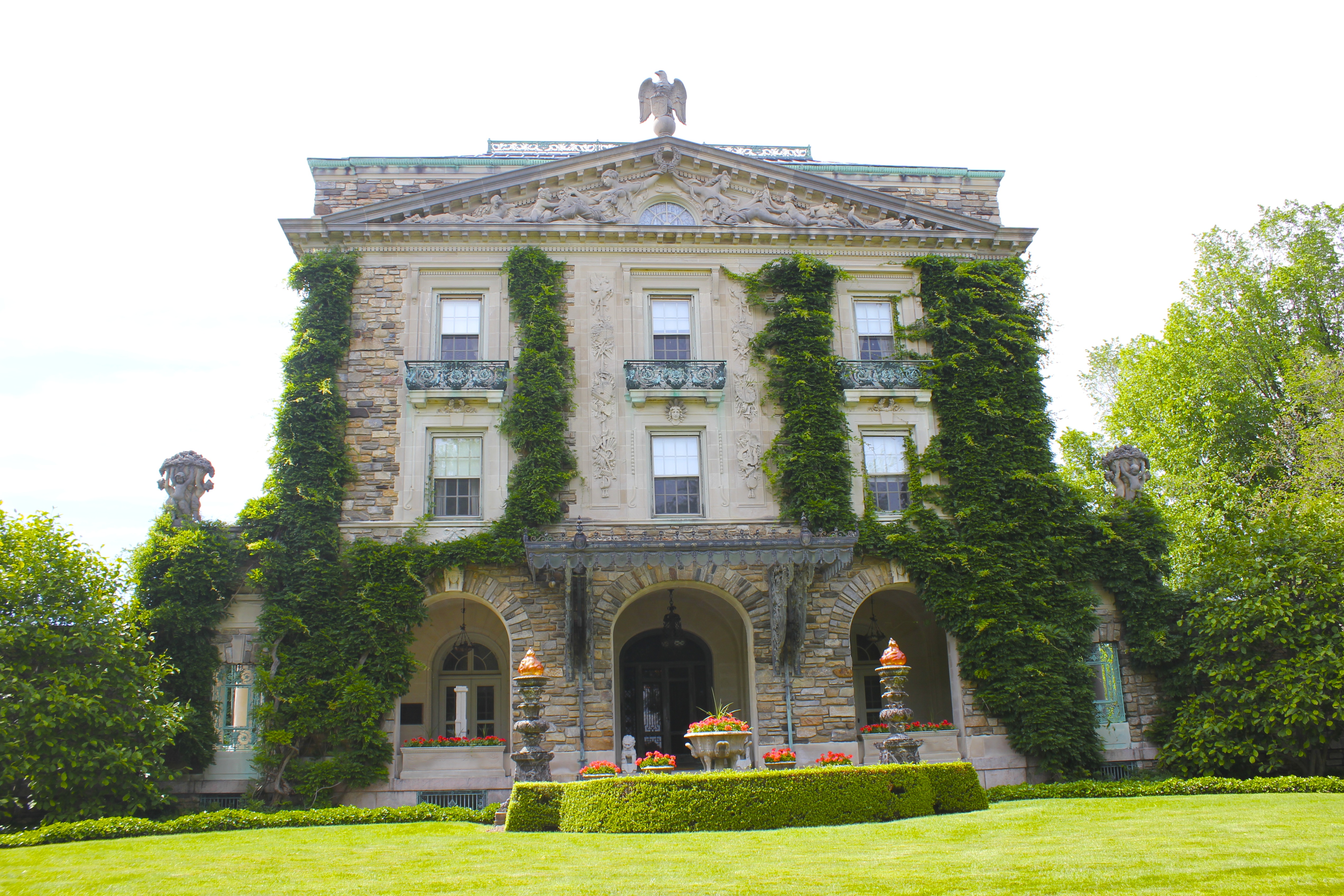
Since the Frida Kahlo excursion was something I wanted to do, it was only fair to balance Saturday with a visit to something my husband would want to see. We chose the Beaux-Arts bling of John D. Rockefeller’s estate Kykuit. Pronounced, “Kye-cut”, as in cut a check.

At Kykuit, our tour guide, (a perky opera singer), directed us through the interior living spaces, the art galleries, the carriage barn, and the grand gardens. She told neat and tidy stories about the Rockefeller family. Everyone was polite and listened well, but many of us had read or heard other stories about the family, too. Soon, whispered remarks with smirks and sighs spiced up the lonely settings of JDR’s Gilded Age otherworld—now at rest like an unblemished ghost town, encased in a crystal bubble. The gardens are so meticulously manicured and carefully preserved, that not even with a worthy breeze blowing in from the shores of one of the most romantic rivers, would one leaf or one fragrant flower petal dare to take flight.

Nor would one weed dare to trespass.

Nor were there any pathways for a visitor to choose, instead.

Walking the grounds, I felt as though I’d slipped between the covers of a sumptuous art history book, without marginalia or dog-eared pages, where everything came to life off the pages.

How famously our culture preserves the legends of wealth and legacy.

As an enthusiast of the phenomenons of human nature, I like traveling to the monuments, museums, and palaces where the booty of human fortunes is displayed. It’s thought provoking and interesting to visit the fairylands of rich Americans because many of them used their wealth to hire rockstar architects, designers, and artists to create their utopias.

When rich people die, they leave a trail of art history, decorative arts history, and garden design history loaded with ideas for us do-it-yourselfers whose garages are cluttered with monuments to frustration—like the drill with as much power as a hamster’s electric toothbrush or the bags of Grub-B-Gone that were as useful as the empty wallet they drained dry.

Whatever stories have been silenced by time in the empty interiors of historic homes or buried in the gardens surrounding them, the settings that remain still tap the imagination. It’s one thing to view a painting in a typical museum. It’s quite another charming thing to walk through gardens and landscapes growing more and more palatial, long past the days when their first admirers sat with a cup of tea underneath a newly-planted allee, without a computer, or a cell phone, or an income tax.

I journey to the sites, primed to be inspired with ideas and prepared to fall under the spells of several emotional extremes: I am convinced I could have been a happy tycoon. I am convinced I could have been a happy, married-to-wealth, lady of the manor. I am convinced I could have been a happy caretaker of noble gardens, living in a stone cottage nearby, writing poetry. I am convinced I could have been the go-to designer of the times, hired to create the most impressive works of art for the most insatiable rich people in the world. I am convinced I could have been the darling first born, given over to the greatest educators in the greatest schools, coddled and cuddled and mentored by the most ruthless businessmen and women. I am convinced I could have been the beloved philanthropist who saves the world.

All the money in the world, whether it is controlled by one person or one family or one government, will never save the world.

I came to a couple of conclusions after touring Kykuit. First, I have lived my life without ever having a brand new car, and, after walking through the carriage barn at Kykuit, I realized I have never wanted a brand new car. I want horse-drawn carriages and I want the rest of the world to want them, too. Gas-powered, horseless carriages have wrecked the world. Secondly, if I had an art collection like Nelson Rockefeller’s—including the Picasso Tapestries he commissioned a woman in France to weave by hand, in cahoots with Pablo himself—I would never display my collection in a cramped, subterranean man cave on some of the most prime real estate in New York State.

Thanks to Nelson Rockefeller, the art and cultural history of Kykuit has been preserved. Up until his storied reign over the Rockefeller kingdoms, all Rockefeller residences had been demolished, by family decree. For instance, in Maine, you can tour the Abby Aldrich Rockefeller Gardens in Seal Harbor (by reservation only), but the house where she summered with her husband, JDR, Jr., is gone with the Atlantic winds. After touring Kykuit, a second-hand store shopaholic can only wince at thoughts of what became of the contents and components of all other Rockefeller residences.

*****

We had dinner later in the evening, after our Kykuit Grand Tour, in Tarrytown at Bistro 12. The restaurant is run by the artful energy of the owners, who are from Madeira, Portugal. I think the chef is from Italy. Therefore, European dining reigns. The owners work the floor and the bar. Just when we were sad to sense that the evening was coming to a end, the owner arrived with a complimentary cordial. He also revealed himself as the painter of all the artwork hanging on the walls. There was a ukulele on the bar. We asked about it. The owner played it for us. He proudly, and gently, told us that we were all wrong about the ukulele. Though it might have stolen our hearts in Hawaii, the instrument arrived there in the late 1800’s, and was brought by immigrants from Madeira, Portugal who had gone to Hawaii to work in the sugar cane fields.

*****

On Sunday we went to Frida Kahlo’s Casa Azul, her home with gardens in Mexico, as interpreted by the New York Botanical Gardens. It’s not the first time New York City has hosted stories from the life of Frida Kahlo. In 1934, her husband Diego Rivera experienced a bitter battle of ideals with Nelson Rockefeller who had commissioned Rivera to paint a mural at Rockefeller Center. The mural included the face of Lenin and Rivera refused to change the artwork he was commissioned to create. Rivera was dismissed, his artwork destroyed.

Our visits to Kykuit and the New York Botanical Gardens stimulated plenty of conversations:

The designers of Kykuit were guided by European artistic styles.

—Frida Kahlo wanted to rid herself and her culture of the trappings of European culture.

Kykuit was loaded with copies of existing art.

—Frida Kahlo was an original.

Kykuit represented comfort and joyful excess, with heartbreak and adversity subdued.

—Casa Azul housed a lifetime of physical and mental suffering, documented through Kahlo’s works of art.

Nelson Rockefeller’s art collection is squished into a musty underground corridor.

—And at the New York Botanical Gardens, original, rarely exhibited Frida Kahlo paintings were squished into a small gallery in a huge building that required a cramped elevator ride in order to view the wonderful work.

Both excursions to view art and study art history wended us through stunning late-spring gardens.

Our final excursion to Soho, on the other hand, to see our son perform in a band at a street fair was not as calming—we got stuck in horseless carriage gridlock, New York City style, all the way from the Bronx.

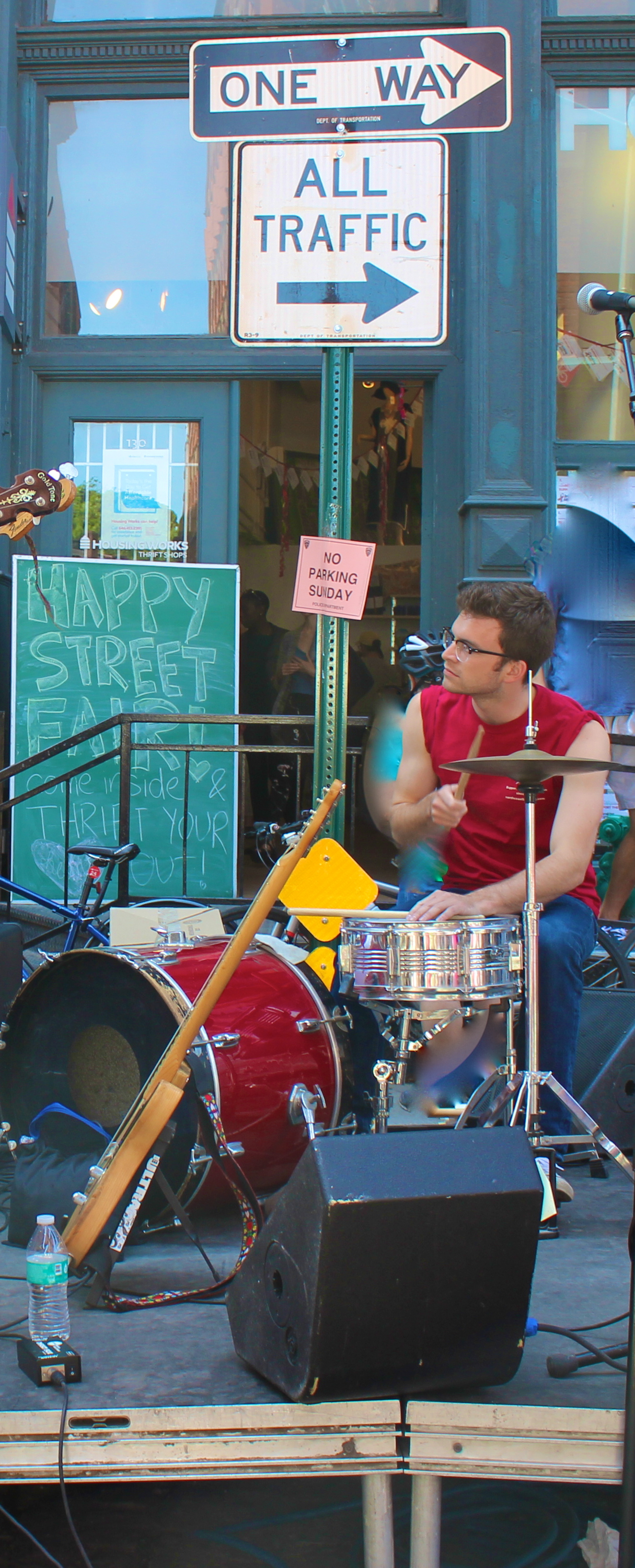
After the street fair, we had time for one beer with our son and his band mates out on the patio at his place in Greenpoint, Brooklyn. While my husband and the devoted musicians passed around a guitar, I noticed Morning Glories, Nasturtiums, and Zinnias, all planted by my son, growing in his urban gardens—the richest green legacies from his youthful summertime days out in the country.

Here’s where to go to find original art NOW: It’s happening TONIGHT, June 10th, at Cake Shop in NYC. (As in, “Let them eat cake.”) One of NYC’s best venues for music. My son and his band mates are putting on a show FOR THE PEOPLE!

http://www.teethpeople.bandcamp.com

Find the Rich Man disc under discography—

First song on the link: RICH MAN.

*****

IMG_2415

IMG_2463IMG_2493IMG_2510IMG_2515

**********
IMG_2568IMG_2555IMG_2545IMG_2550IMG_2551

**********

Rich art. Original. For the people. Happening now.

IMG_2610

Rich Man disc @

http://www.teethpeople.bandcamp.com

If you’re looking for a rich man.

Ordinary Goddess.

Master_Of_Flora_-_The_Triumph_of_Flora_-_WGA14441

HAPPY MAY DAY.

I propose a revolution. Our leader will be the goddess of flowers from Roman mythology, Flora, whose name is still used today to describe plants indigenous to a specific region of Earth.

Through the flora and fauna of a region, we discover Earth’s most diverse and defining differences. People are the same all over. But an ancient saguaro cactus thriving in the desert is quite unlike the primrose growing near a woodland stream.

We shall kick off the revolution with a revival of Flora’s Festival of Floralia.

Homes, temples, and hairdos will be adorned in flowers.

Any ordinary person will become a queen or a king or a princess or a prince. Or a forest spirit. Or a fortune teller.

There will be milk, honey, and flowers.

With vegetables, fruits, and fertility.

Everyone will wear brightly colored clothing. Or no clothing at all, just flowers.

IMG_1045

The festival should not be isolated to a hot and remote corner in the northlands of Nevada.

Like all good revolutions, the restoration of the Festival of Floralia will be about the ordinary people.

Us commoners. The usuals.

I had an ordinary great grandmother who grew an ordinary garden and lived an ordinary life.

All my life I’ve been ordinary, too.

And now arrives the month of May, in the year 2015, on the continent of North America in the region of New England.

The sun that shined upon the Goddess Flora, shines upon me.

And from my May-seasoned Earth springs daffodils, heathers and heaths, hyacinth, hellebores, magnolia blossoms, tulips, grape hyacinth, herbs, andromeda blossoms, peach tree blossoms, pear tree blossoms, skunk cabbage blossoms, and the Bethlehem sage, in pink and blue.

and other flowers I planted as bulbs, but forgot to label.

The leaves of grass grow in congregations of sun worshippers. They wave their green tips to the sky, occasionally taking a break to comb through the red feathers of a hungry Robin’s breast.

May. These ordinary days of outdoor work.

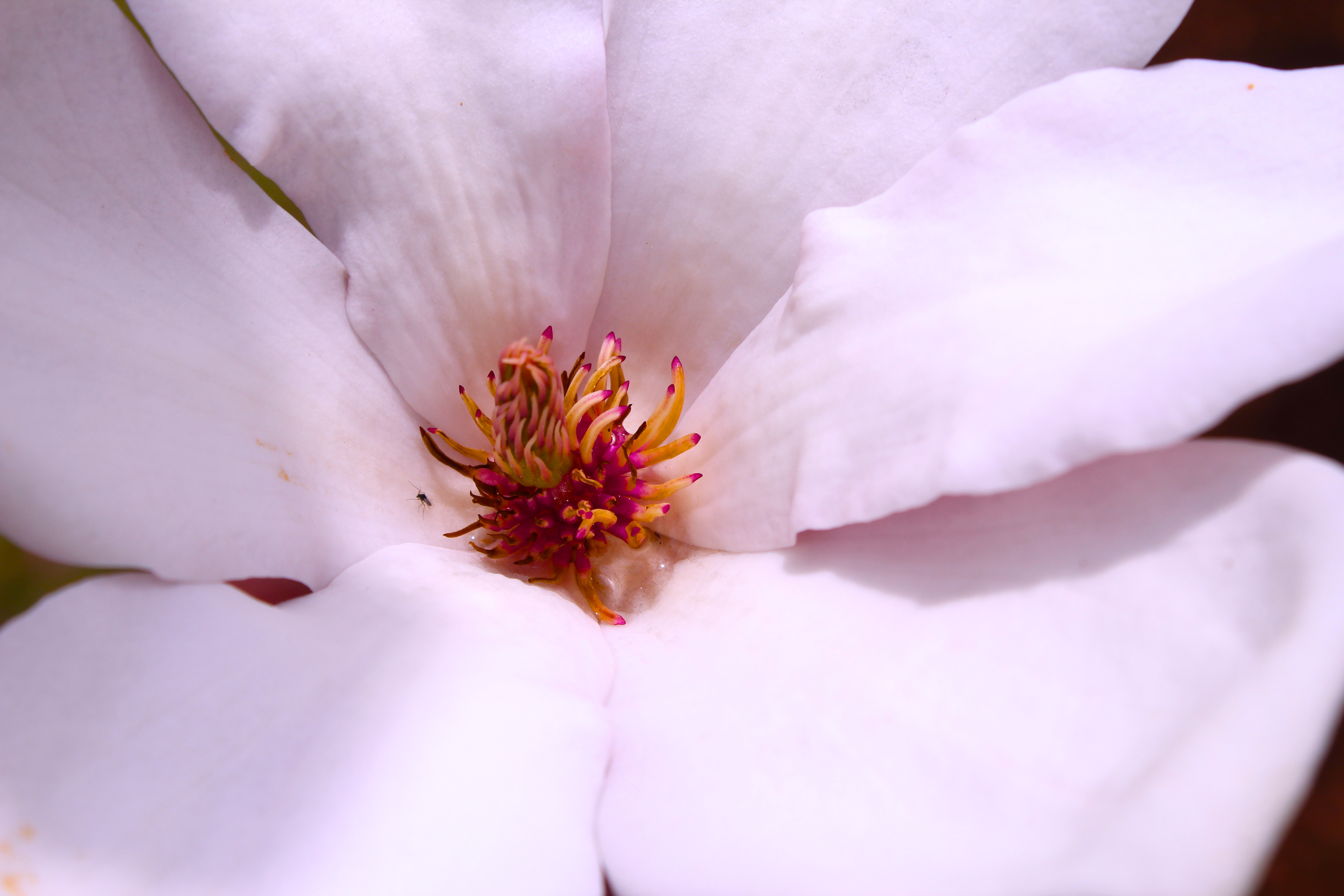
Of standing next to the magnolia tree, staring into the blossom.

IMG_1053

Of sniffing every flower. Touching all the petals.

Of stomping on anthills and slapping mosquitos.

Of tracing the flights of butterflies.

And awakening to birdsong.

The festival is upon us. The seasons of dopey drunken outdoor joys are here. Leaves and flowers and seeds and fruits will take over our pathways, drop onto our heads, infiltrate our sinuses,

and overflow from the plates on our dinner tables.

We shall write poetry, draw pictures, and make music.

We shall paint rainbows on broken stones, following the instructions of the children.

IMG_1047

We shall ride bicycles.

Hike trails.

Paddle waterways.

Pitch tents.

Cultivate gardens.

And harvest goodness.

We shall not fret over our innocence, our incompetence, or our unabashed ecstasy.

IMG_1042

IMG_1044

This will be a good revolution

A festival of ever-blooming celebrations

When we find flowers in the compost pile

And make castles

Out of molehills.

IMG_0287

The Hand-Cut Garden and Earth Day

A lawn is a lovely thing, but having one is like trying to grow a crop of happiness in Eeyore’s garden. If a lawn is cultivated to be weed-free and lush, it will need a steady supply of water, harmful chemicals, and daily doses of manic obsession in order to thrive, unnaturally and falsely beautiful, in controlled areas.

(Makes me think of marriage and parenthood and human-ness and how perfect we think we can make our worlds.)

Lawns that are allowed to become their own blend of grass, weeds, and other kinds of plants are less of a strain on the environment and the psyche.

But I know a lot of people hate weeds like dandelions. That simple hate causes a lot of harm to the Earth. It doesn’t have to be that way…

*****

Here is the most useful and harmless tool for removing dandelions from a lawn. It is a hand tool:

Unknown-16

You push it deep into the soil near the center of the dandelion, wiggle it to and fro loosening the tenacious tap root, and then—with an “I’m the boss” kind of tug—you pull the plant out. This is quiet work. (You don’t shout out, “I’m the boss!” You say it softly, to yourself.)

This work involves no loud leaf-and-dirt blowing machines and no harsh chemicals. You take your body for a stroll around the garden. You bend that body over, you stoop it down, you crouch with it—stretching the backbone into curves, keeping the knees oiled—and the mind glides away, like a kite on a string tied to your heart.

What looks likes a mindless exercise in futility (how will I ever remove every dandelion? They will just come back!) is actually a mindful excursion into peace. You will not ever remove every dandelion. They will come back.

So will the sun, and all of its ways to light up the Earth—you’ll work in early morning’s hopeful light, late afternoon’s tea-time light, and early evening’s anxious light—another day is ending. Did I love my life?

The rain will come back, too. As will the quiet walk and the fresh air.

The gentle work you do that brings no harm to the Earth will continue to give you a cycle of calm, meditative motion for the body and the soul.

What do I see when I watch my husband walking around with the dandelion puller upper? I see a modern-day, part-time monk tending his place on Earth. There was a time when he wanted to use chemicals to annihilate the dandelions. But any man who works sinfully long hours most days and spends sinfully long hours commuting to Boston while hating dandelions, can either put his stress into the Earth by way of more harm—chemicals—or he can put it there by way of more peace and groovy love—the dandelion puller upper.

Collected dandelions can be tossed onto the compost pile or into a sauté pan. They go on the compost pile around here because my husband has memories of eating bitter, icky dandelions at his grandmother’s house when he was a boy. I should give them a second chance for him—maybe all his grandmother lacked was the benefit of the Internet to hunt down more memorable recipes.

Dandelions look as breathtaking as fresh sunshine glittering on calm seas when they bloom in upstate New York’s farm country and all over Vermont’s mountainside meadows. The bold yellow flowers make you love them all over again, (if you loved them as a youngster), or they cause you to love them for the first time. (It’s never too late to become a flower-hugger.)

******
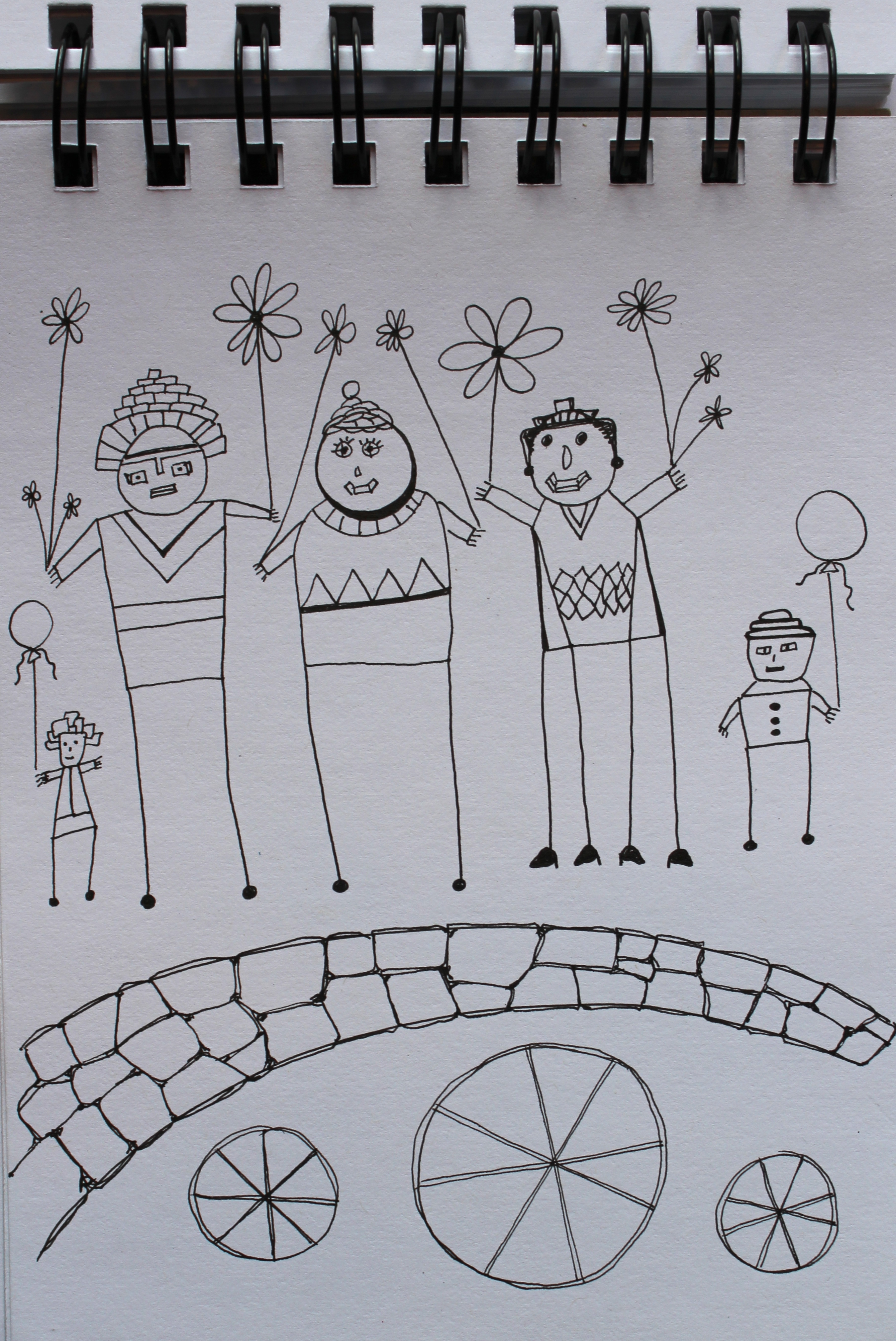
So for the past week, I’ve been hand cutting new paths and garden beds from the lawn on my one acre of uneven land in Massachusetts. The way I do this, with spade and body, is nuts. But it is good for the Earth and if I were to calculate my carbon footprint, I’d probably find that I’m tipping the scales on the wrong end because I drive a car, fly on airplanes, ride on trains, and I live in a house that has heat, hot water, and AC.

I know the hand-cut garden won’t save the world.

It is probably more artisan than activist.

More crazy lady than cool mama.

More secret to happiness than maddening masses yearning to keep breathing (and ingesting) chemical sadness.

Nevertheless, whenever I hear that yet more and more landscapers are out there advising folks to make new gardens in their lawns by dousing the grass with Round-up to kill it before planting the garden, I want to douse the landscapers with Round-up and shut them up. Round-up should be used only to douse poison ivy—a true hazard in the home garden.

Grass in a lawn, also known as sod, is a mighty chunk of nutrient-rich greenery and soil. (Of course, if it has been doped up for years, it’s not as good as the clean stuff. But it’s still good.) After I design new garden beds in existing parts of the lawn, I dig deep. I jump onto the spade and let it sink down, down, down. I lift the hunk of Earth out and flip it over.

It’s hard work.

The Earth weighs about 1,000 trillion metric tons. A shovel-full of New England soil weighs more than a glass of wine, more than a spoonful of ice cream, and more than a handful of M&M’s. Heaving it up and out and over is more work than logging onto Facebook or tapping out a text message or chilling out to a TED Talk about how you can save yourself and the world and be all you can be.

The hand-cut garden is a solitary, quiet pursuit. No team. No sponsors. No fan club.

In the realm of that royal solitude, created while at work with the Earth, you get to fill the palace inside your head with anything you want. You can clean the palace out, rearrange it, or decorate it with lofty aspirations. You can study and think. You can feel curious—about how strong you are and how strong you are not. You can notice how filled with stuff—ancient stuff—the soil is. You can realize how noisy the birds are.

If you are fortunate, like me, maybe you live in a town where they still allow church bells to clang out the melodies of hymns from your childhood. The church is more than two miles away, as the crow flies, but when the bells ring and I am outside working, I am able to listen. Because my work is quiet work.

My garden is also downwind from the local coffee roasting business.

Church bells and the aroma of roasting coffee beans blended up with the rising scent of fresh, hand-tilled soil. Soon, the farm down the road will spread fresh manure over the fields. That’s a day when the air smells shockingly ripe.

*****
Hand-cut gardens need the magic rope—a pliable, long strand of woven fibers which becomes like a lasso when waved from the fingertips of a garden design guru. Every dream of Earthly, Eden-like beauty can be caught with the magic rope and drawn out onto the ground. There’s some sketching beforehand and immersion in garden books, but I’m an on-location designer. I have to feel how the land sways, drops, and hovers. Before and in progress:

IMG_0837

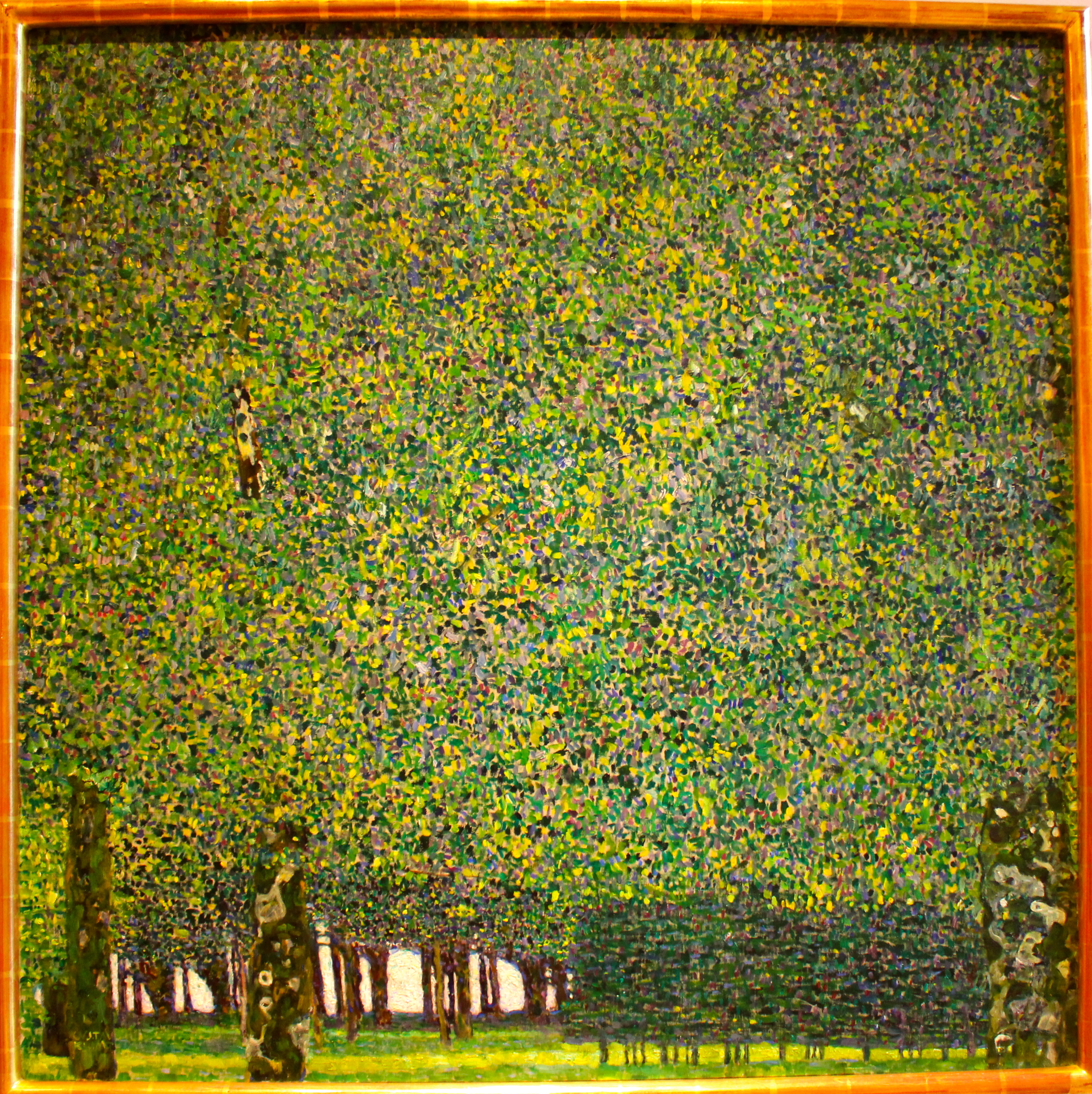
The magic rope abides by important design principles linked in with geometry, but it is also influenced by artistic visions that can’t be suppressed—like memories of Gustav Klimt at the Museum of Modern Art in NYC, during the dead of winter, when I was reminded that I’ve always wanted to figure out how to make the Earth’s trees laugh in flowers:

IMG_0096

*****

How I do it (sort of):

I draw the lines of garden beds and paths onto the Earth. Then I cut the edge into the lawn—using the rope as a guide—with a square-tipped spade. I return the good soil to the Earth where it will decompose and build up the soil for garden beds. I make sure to dig deep and flip over the sod, chopping it up here and there. Then, I cover the repurposed lawn with chemical-free, not-artificially-colored mulch to suppress weeds until the bed is fully planted up with trees, shrubs, flowers, ground covers.

I think of my hand-cutting-out-of-gardens as a secret process for sustainable gardening. Though the work is like taking baby steps to help heal the Earth, it’s better than not walking at all. I have hand cut every garden on my one acre, and I have planted every plant in the hand-cut beds.

All the plants survive within the soil, as it is.

And with the rain, as it comes or doesn’t come.

And with the wind, as it blows.

And with the sun, as it shines, or doesn’t shine.

The soil changes every season with decomposing fallen leaves and ever-present wandering worms and weeds.

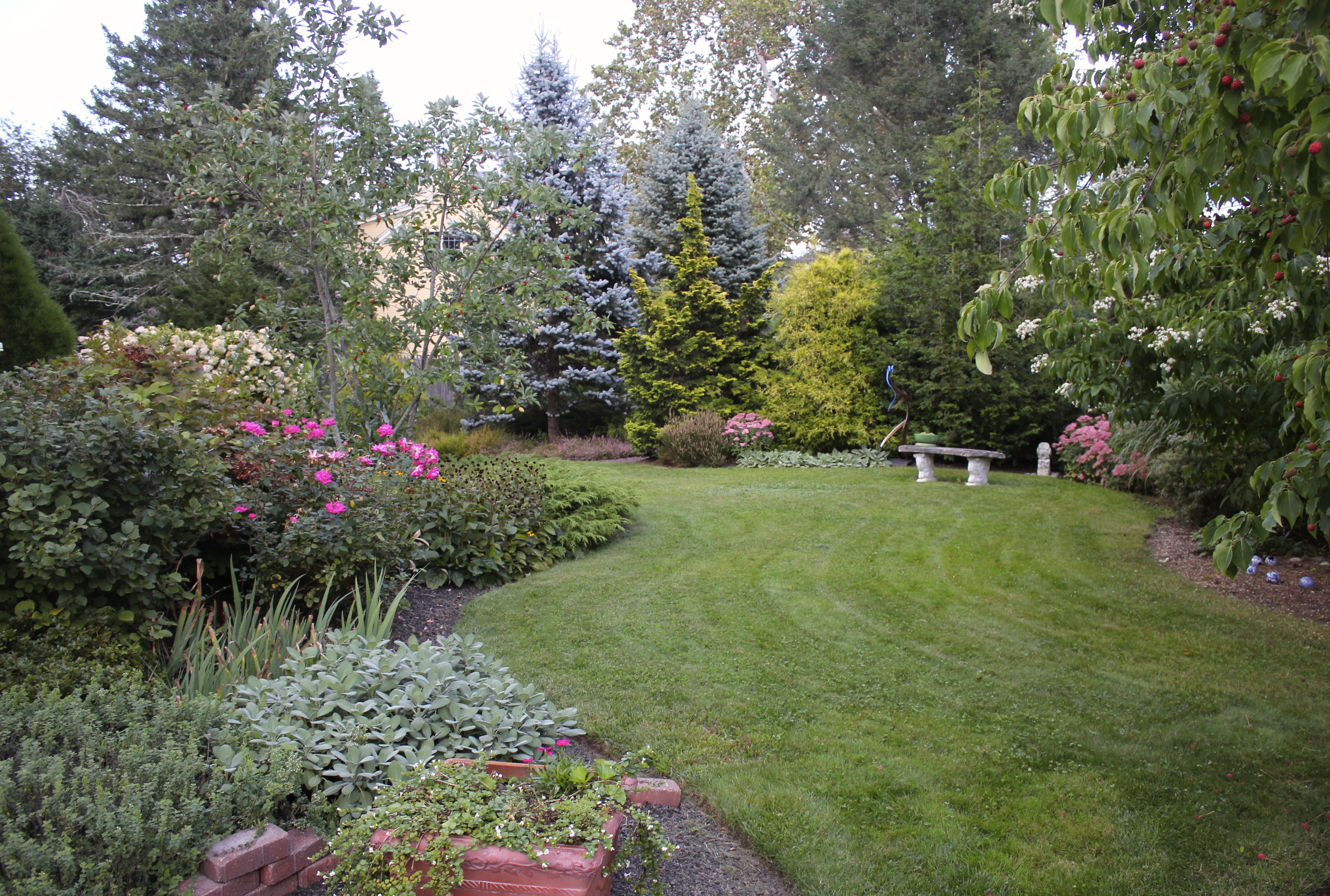
This is a nice picture of my front yard in September. I have never used an automatic watering system nor have chemicals or added fertilizers ever been dumped onto the garden beds. The lawn includes grass, clover, moss, bugleweed, crabgrass, dandelions, violets, and a lot of annoying ants and moles.

IMG_1918

*****
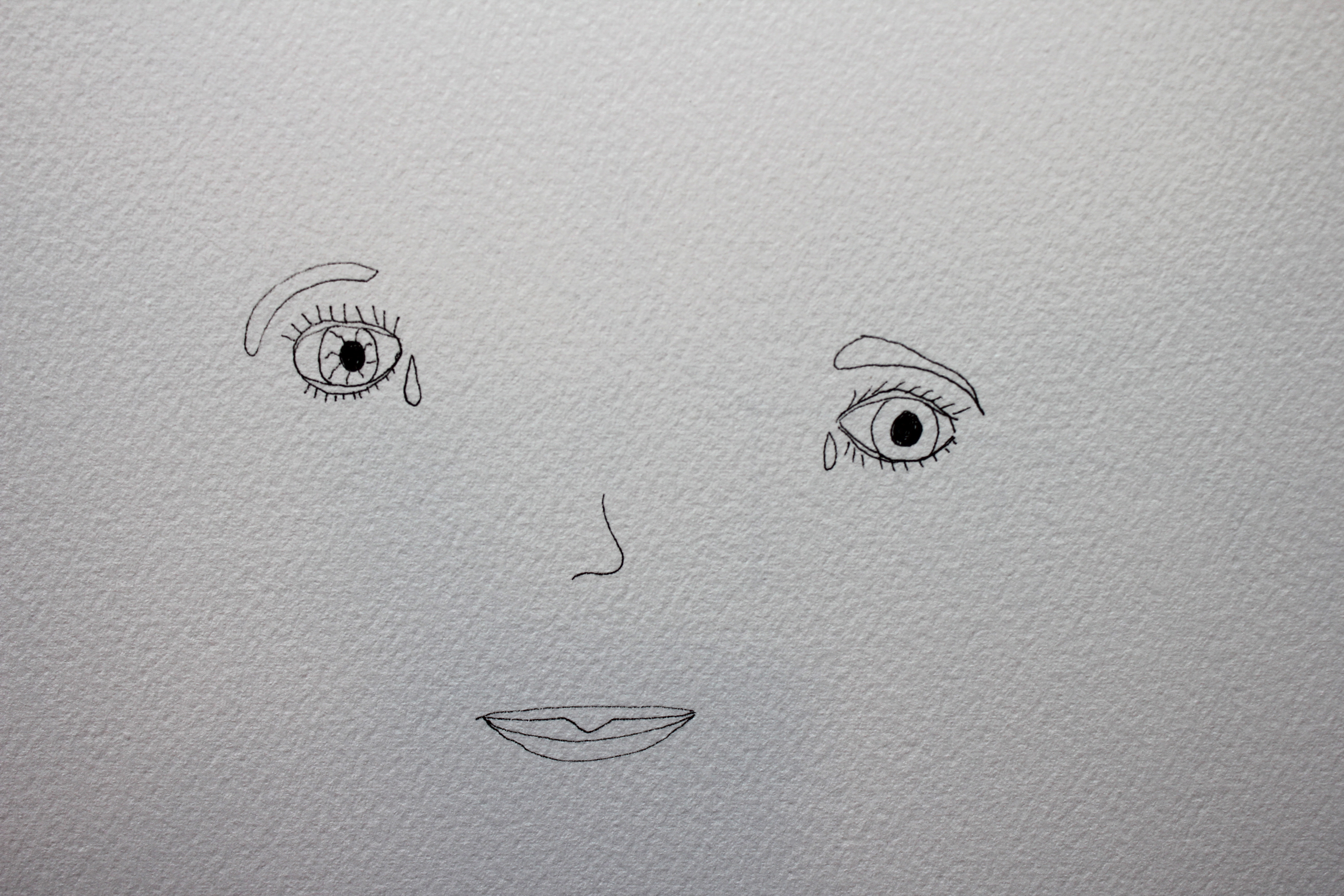
Late in the afternoon on last Saturday, after a full day of helping me hand work my gardens, my husband announced that it was quittin’ time for him. There was cold beer in the barn and our son was in there, too—he had come home for an overnight visit. The two of them, my husband and my son, are musicians and they wanted to play music.

But, my husband had dug up about half a trillion metric tons of Earth from a garden bed for me and he had piled it onto two tarps as long as the aisle in the church where we got married. The walk down that aisle was long. The walk out the door, together, as a married couple, happened in the blink of a spring Robin’s eye.

But I am not a spring Robin anymore. I suddenly realized that I had tried to feather too many new nests in one week. My wings were sore. Instead of crying, which is what my exhaustion wanted me to do, I yelled at my husband. I told him he did everything all wrong and now there was no way I could continue my work and finish it by the end of the day.

One of the rakes we were using had broken.

My husband walked away and when he returned, a little while later, he brought a new rake.

And then, together, we moved half a trillion metric tons of Earth, by hand and body before the sun set. Some went to make a nicer garden down by the pond, and some went back into the new garden bed.

IMG_0934

Dirty, sweaty, sunburned—our skin welted up with black-fly bites—we headed for the barn and cold beer and the company of our son, after folding up the tarps and putting the tools away. I made a toast to my husband. I thanked him for noticing that I was in over my chirpy head and was about to fall out of the tree without any wings to save me.

If I have a secret for saving the Earth while keeping a marriage going and trying to raise kids, maybe it’s the dandelion puller upper.

And a hand shovel.

And honored memories of the first time you walked down a long aisle, or road, or unbearable challenge—together—and knew it was a lot easier than doing it alone.

I think about that when I’m at work healing the Earth or helping others learn how to do it.

It’s nice to work alone.

It’s also nice to work together.

That’s when the Earth laughs in flowery bouquets and puts extra spring into our baby steps.

*****

The paths and gardens, beginning to take shape behind the barn:

IMG_0952

HAPPY EARTH DAY.

Hellebores and Hell’s a Bore.

In the year 1958, Katharine S. White, an amateur gardener, began to write a gardening column, Onward and Upward in the GardenShe was an editor at The New Yorker and she was married to E.B. White.

She also tended her own garden in Maine and nurtured a fun little hobby she was sure was not hers alone–the pleasurable escape of reading garden catalogues.

Thank goodness she had enough time left over in her life, in those days, to begin writing about what she read in the flimsy pages of the catalogues. She joined in with the community of quirky, and seriously devoted, garden-writing stylists whose work existed in an exclusive, sumptuous, and untrammeled green forum.

It didn’t hurt that the garden catalogues, composed with fantastical flower, fruit, and veggie pictures, were delivered though the U.S. mail at a time of the year when Katharine S. White was probably cold, tired of snow, and, at times, weary of her job as an editor with its attendant frustrations over the puzzling art of poetry.

E.B. White documented one of his wife’s earnest pleas, directed at poets, in his essay, Poetry, from his book One Man’s Meat:

“I wish poets could be clearer,” shouted my wife angrily from the next room. Hers is a universal longing. We would all like it if the bards would make themselves plain, or we think we would. The poets however, are not easily diverted from their high mysterious ways. A poet dares be just so clear and no clearer; he approaches lucid ground warily, like a mariner who is determined not to scrape his bottom on anything solid. A poet’s pleasure is to withhold a little of his meaning, to intensify by mystification. He unzips the veil from beauty but does not remove it. A poet utterly clear is a trifle glaring.

White’s essay continues to ruminate about poetry. He injects a little humor: “I think Americans, perhaps more than any other people, are impressed by what they don’t understand and poets take advantage of this.” He also writes that he is jealous of poets and wishes, more than anything else, to be a poet.

Well, harumph to the days of sitting around dazed and confused about poetry, thumbs available for twiddling. Haha freakin harumph. How I long for them! I think Americans, nowadays, are impressed by how busy and preoccupied and stupendous their multiple electronic gadgets make them appear to be. Or, at least it started out that way. Now, now, they seem willfully seduced by all things glowing Google. They are so smitten, they claim they can’t help it. They’ve devoured every marshmallow of self-restraint on the researcher’s table and slept with every sexy plate of pasta tweeted by the Food Gurus. They are busier than Sheryl Sandberg leaning up against my front door, while giving birth, and running a meeting on her laptop, and having a happy marriage, and trying to sell me her book.

I think I am supposed to be feeling sorry for the busy people, because it’s not their fault. I watch them raise their syrupy eyes every now and then to make sure everyone else is wearing their favorite pair of fat busypants. Oooh. They’re so comfortable. The electronic wizards croon. I make a note to find out where I can purchase a pair.

But. The truth is. I drink alone.

Because there’s no one in the bar anymore. First, they took away the cigarettes. Then, they took away the band. They allowed phones on every table, computers too, and all other kinds of screens and toys that I am urged to swipe my fingers over. That’s gross.

I am drowning in mugs of beer gone stale because no one could sit still long enough to finish theirs.

God knows I am depending on Him to reserve a place in paradise for the poets and garden writers.

Because this hellish fad of busy buzzings is a damn bore. Or maybe I am just a big bore. And, I’m not even sure God exists or that the poets and gardeners will make it to His paradise if He does.

What if this is it?

I head for the woods.

*****
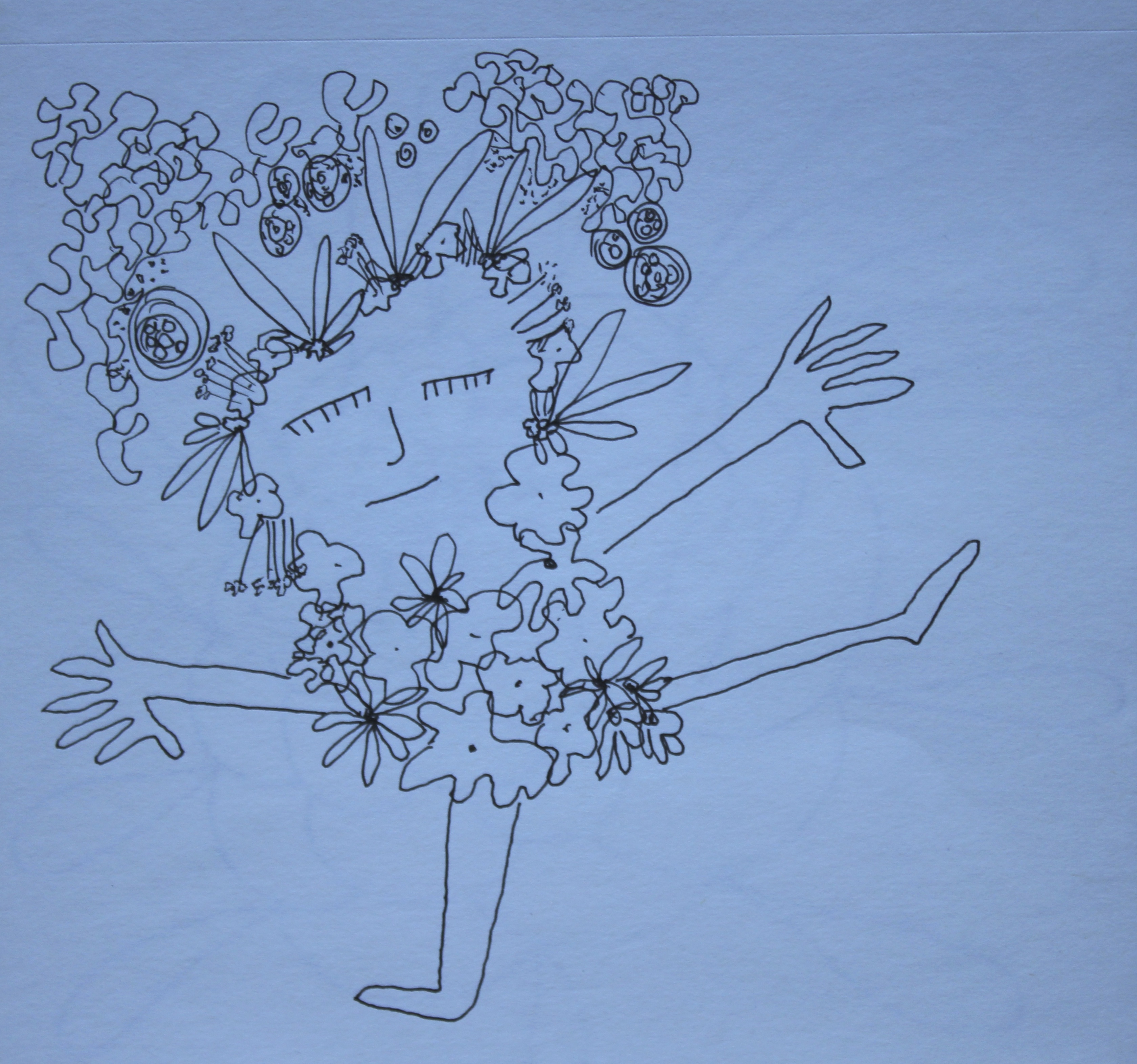
It’s springtime.

Upon the surface of the forest’s vernal pools floats the reflection of the cloud--an ugly crust of emails, downloaded photos, saved documents. I step in, sloshing about—sinking—getting all muddy and slicked over. It scares the salamanders, at work breeding the old-fashioned way, but ending up with extra toes, tails, and spots. And too many emails.

If you go to Starbucks, you can’t buy CD’s with your coffee anymore. I should have taken better care of mine. I have only been inside a Starbucks once in my life.

Someday, they’ll say we have to do everything we can to save the strange-spotted, toeful, double-tailed salamander. And the researchers will ask for donations to the Salve the Salamanders Project, which will fund safe, water-soluble forms of Xanax for vernal pools so the creatures can deal, gently, with all those emails, extra toes, tails, and spots.

I don’t understand literature or poetry. Or French. Or Russian. Or Chinese. Not even Spanish.

I don’t know how to use punctuation and I don’t know grammatical parts of speech. When I write, in English, which is the language of my youth, I am wriggling around, panting, laughing.

I will never catch up! I wasted my childhood playing, when I might-should-have-been reading and studying and obsessing over something I could do–and do like a champion–forever.

It snowed so much this winter, I wondered about the plants in my garden instead of my periods and commas and quotation marks.

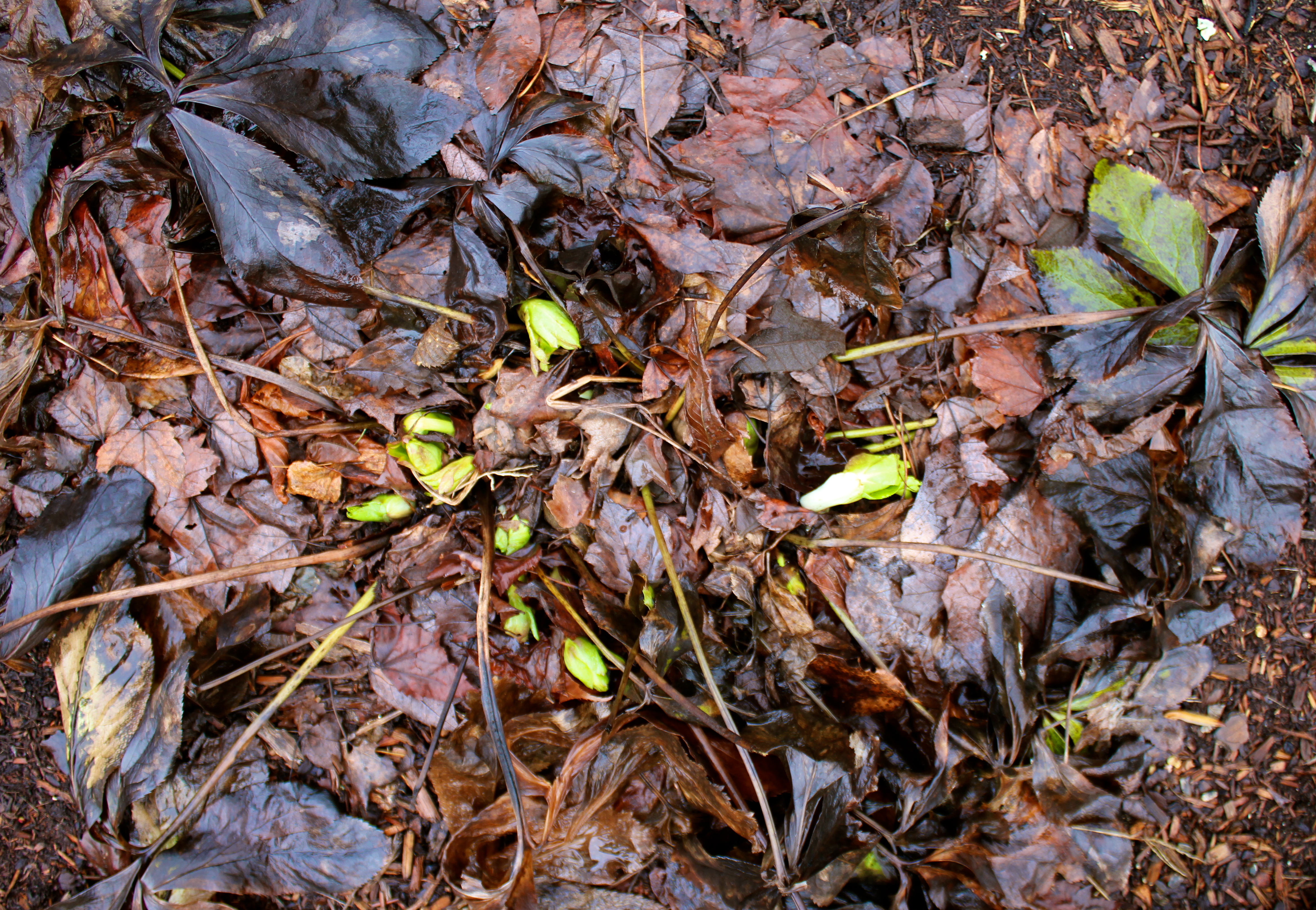
The snow has melted and my Hellebores look wasted. They’re a colorless, dull black and they are limp–splayed flat out in the garden. But there’s some hope in there. The little green buds.

IMG_0777

The Hellebores look like I feel because after I read about Starbuck’s, I read that the Apple watch will soon be strapped around the wrists of my countrymen. They will strap them around their chests and foreheads, too. Boomp, pa, boom. Boomp, pa, boom. Click. Click. Hummm.

What keeps you alive?

After a long walk in the woods, I stroll my garden. It looks like hell alright. There are cracked and dropped branches. Lots of prostrate, spent, plant debris begging me to bend over and get to work. A woodpile still needs to be stacked. It’s a security blanket. I’ll wrap myself up in that work on a day when I think about something else I read in the newspaper–that no one wants a garden anymore. It’s too much work and everyone is too busy. I know it’s true.

I only received three garden catalogues in the mail this year. I don’t want to look at them on line. I want to read them and hold them in my hands and smell them. Like my Weekly Reader back in grade school. Something fun, delivered. I want to dog-ear the pages that have all my dreams four-color-separated onto them.

*****

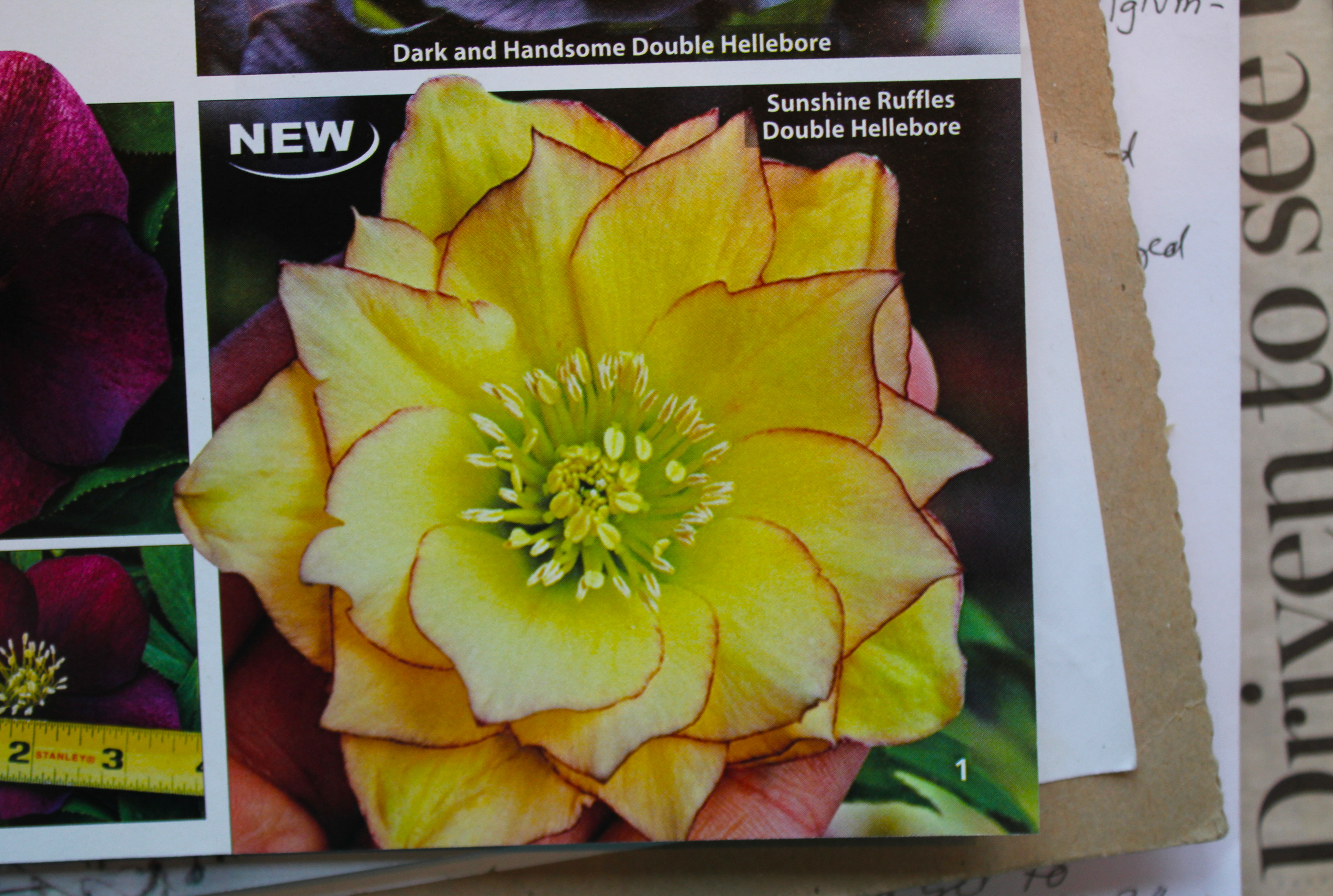
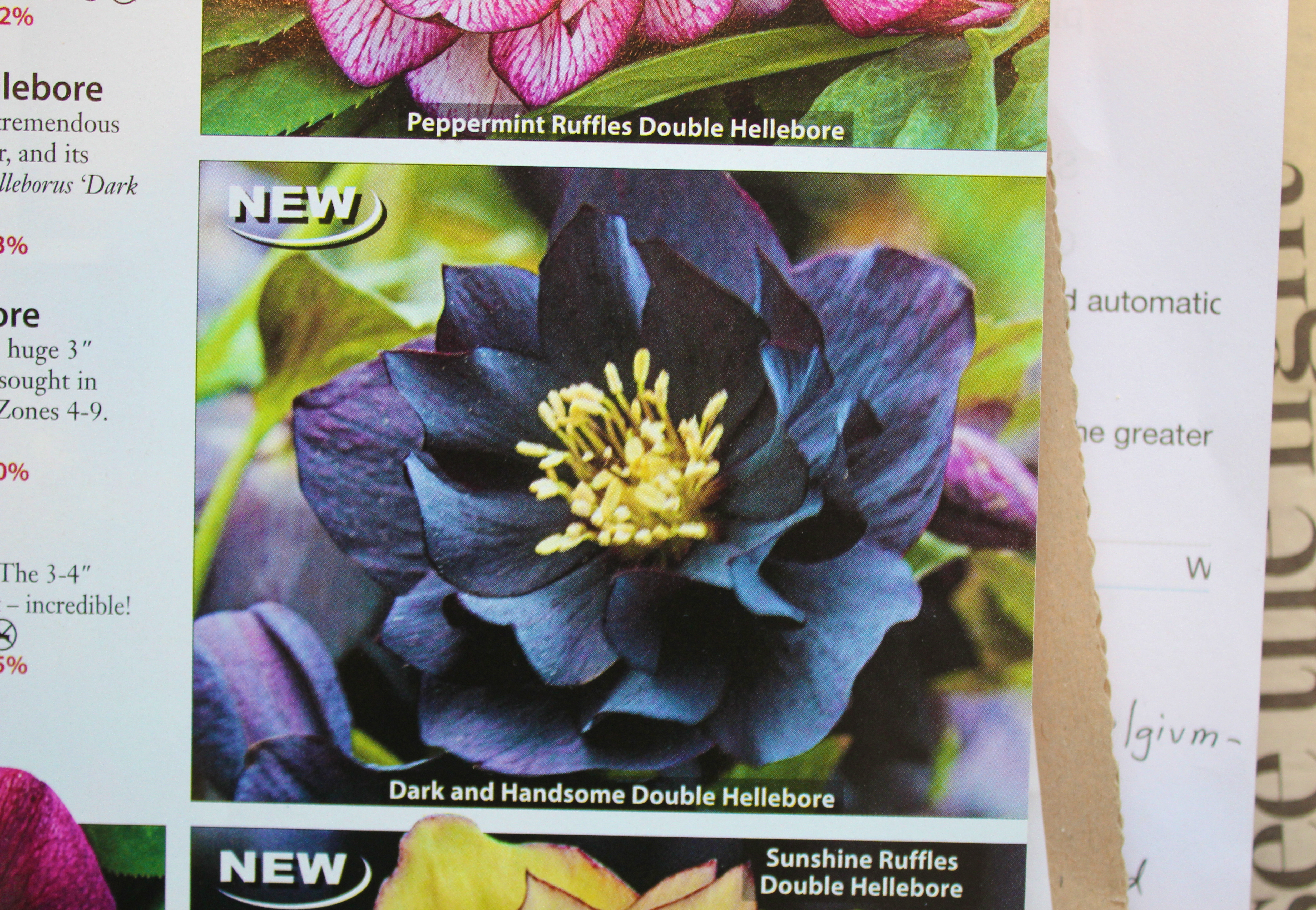
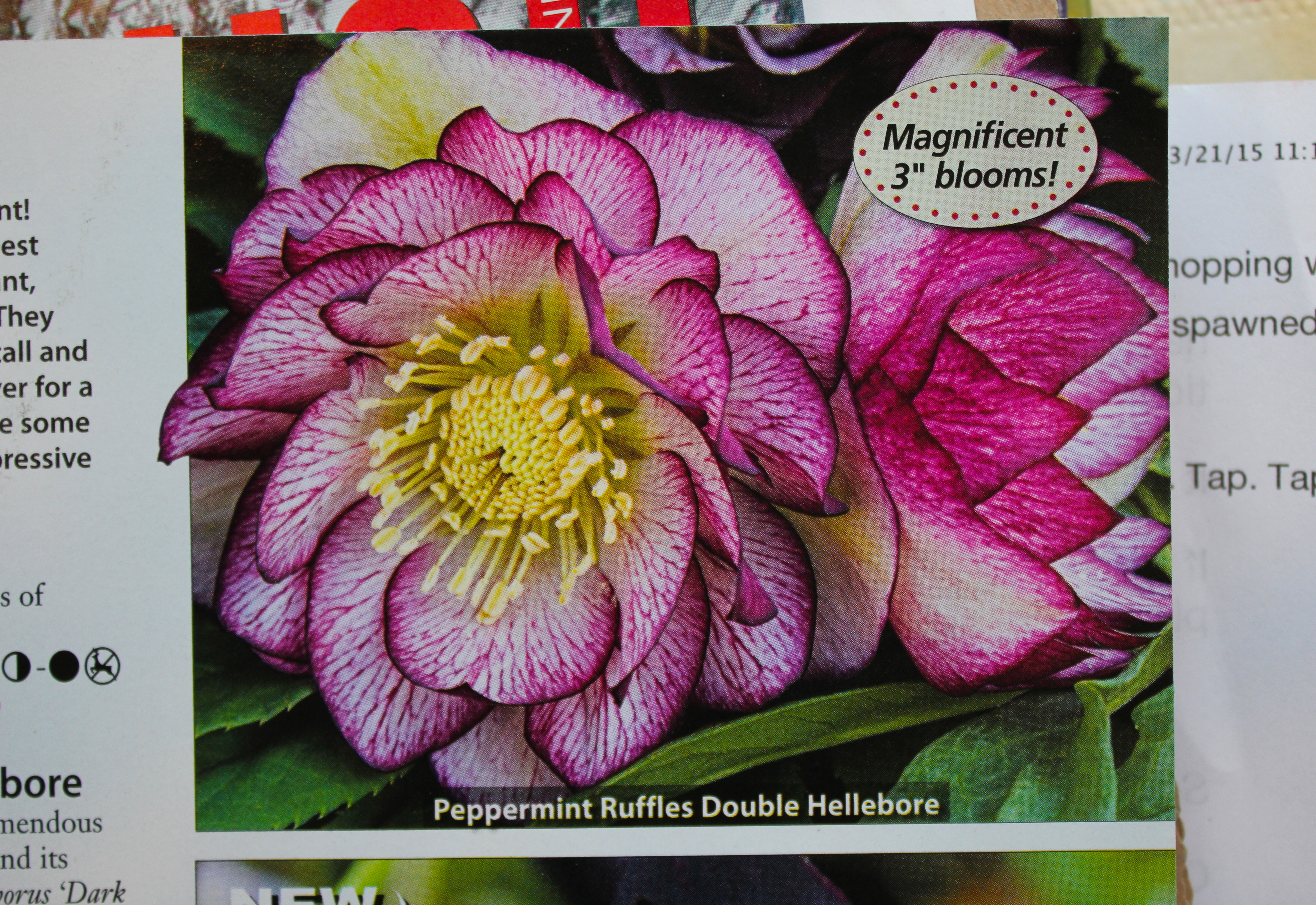
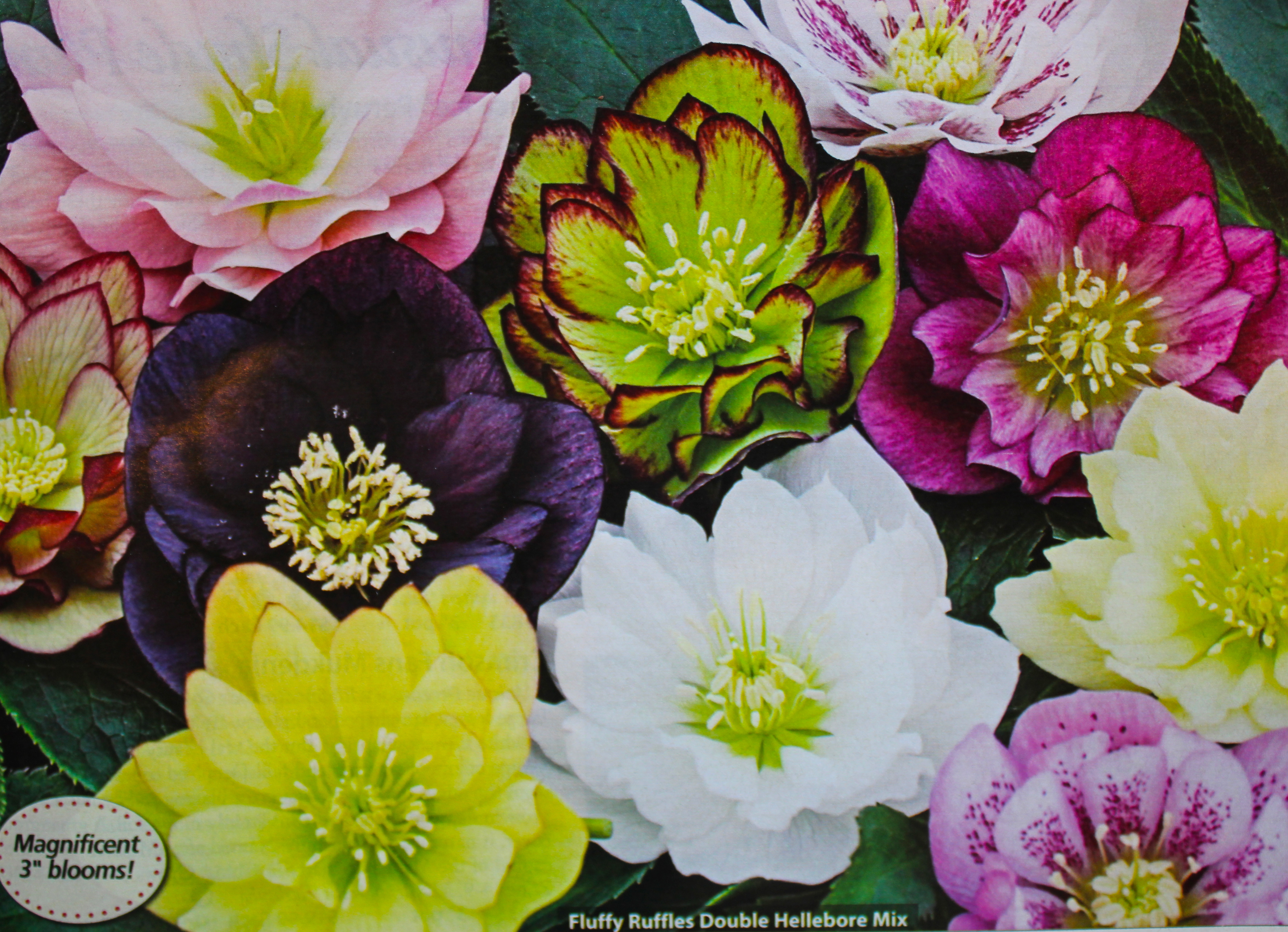
I’m going to wait for my Hellebores to get it together. But I saw some pictures in one garden catalogue that got me all two-stepping about ordering new ones. The pictures have been spread out across my desk for many days now. I’ve never ordered a plant nor seeds from any garden catalogue.

IMG_0756

IMG_0757

IMG_0758

IMG_0759

They look like so much fun! Next follows a picture of something I might buy from another catalogue I got from a place called Logee’s in Danielson, Connecticut. I took an excursion to their greenhouses in wintertime. It was like walking through the hollow of a tree, in a hidden forest, into a flowerscape of foliage and blooming weirdness. I felt like a bug, crawling around, smelling, dodging, getting lost, not caring if anything stepped on me or ate me.

IMG_0786

What will happen if I grow this tropical freak-out in my New England garden! It will remind me of the first time I went to Hawaii. My children were so little. We didn’t allow electronic games in our household. Not much television, either.

My babies in Hawaii!

IMG_0785

*****

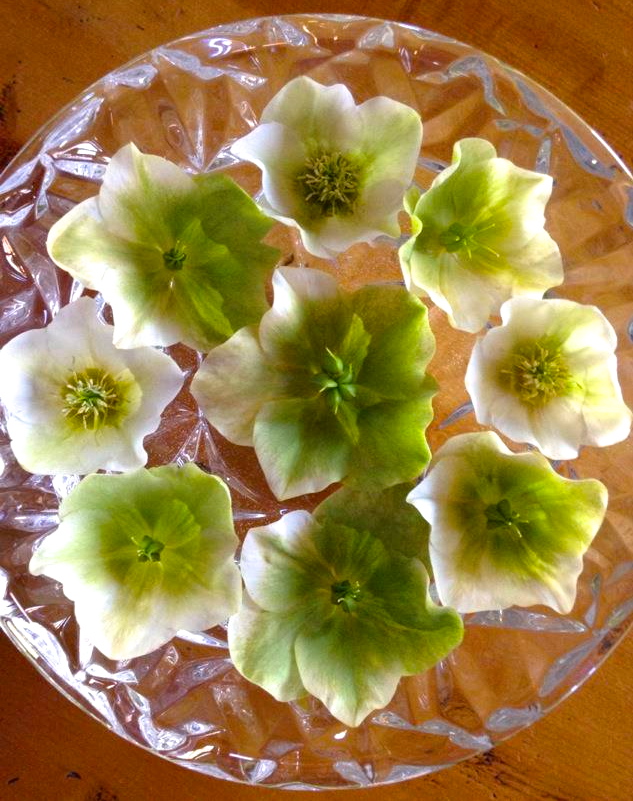
Come May, my Hellebores will be thriving again. I will float them in crystal bowls filled with water.

IMG_3054

603862_10151421171296915_1870869754_n

*****

Katharine S. White’s garden writing included recommendations for hand-held, real books. She wrote about The World of the Japanese Garden, from Chinese Origins to Modern Landscape Art, by Loraine Kuck: “This unusual book is my nomination for the most beautiful of the big, expensive garden books…”

She goes on to make a claim about the book’s photographs: “Takeji Iwamiya is Japan’s leading color photographer and his color plates are bright and airy, or cool and dark, and all of them are haunting.”

I bought the book. Seduced by all things Eden–I can’t help it–I have already begun to swipe my tongue across the pages.

I’m going to order Elephant Ear, “Thai Giant”, Colocasia gigantic, too.

I have some seed packages and I hope to get more for Mother’s Day.

My green thumbs are twitching like crazy.

But I’m a garden geek.

No matter how busy I get,

I will always long to remain immersed,

in this poetry of confusion called life.


An Eccentric Easter Excursion.

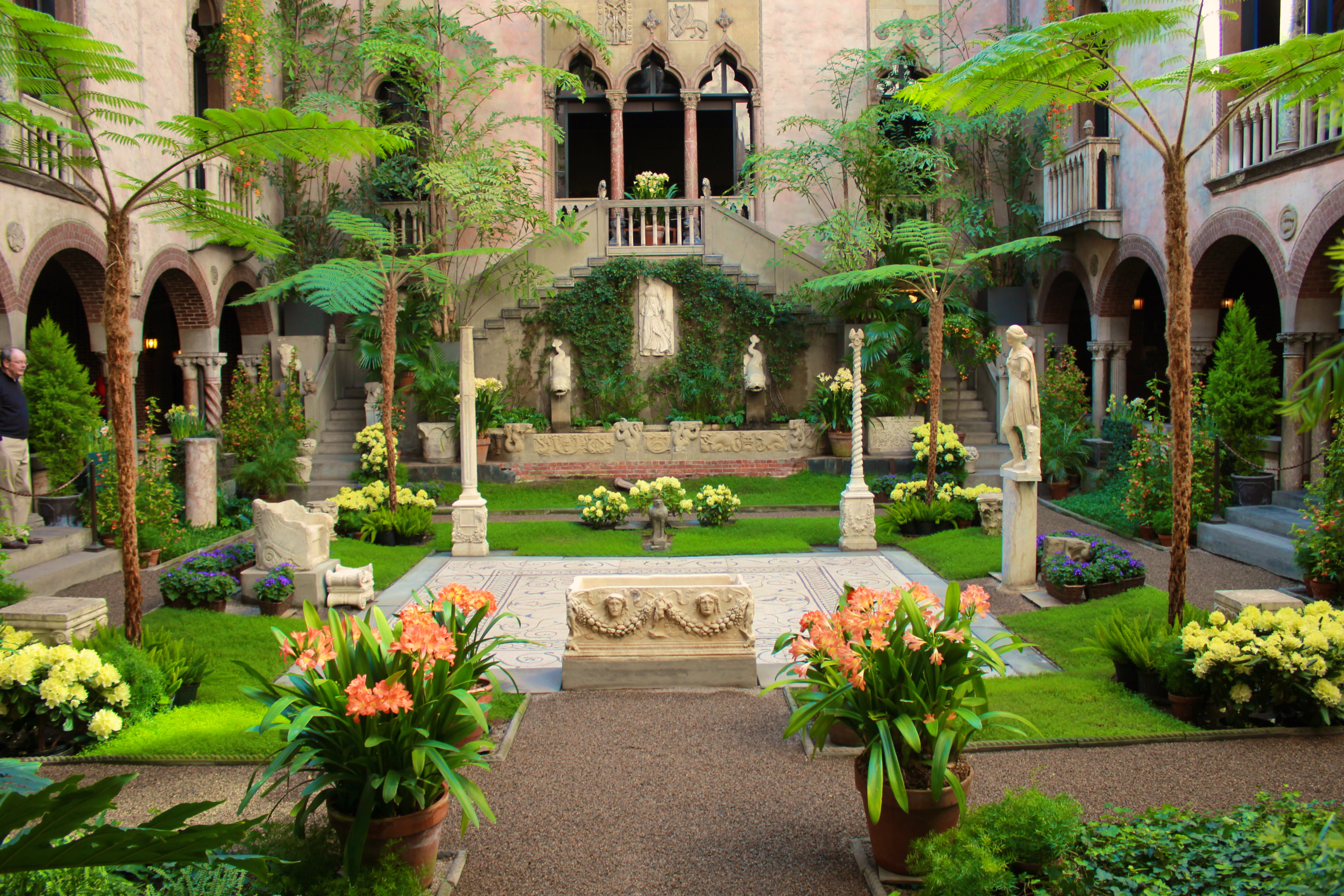
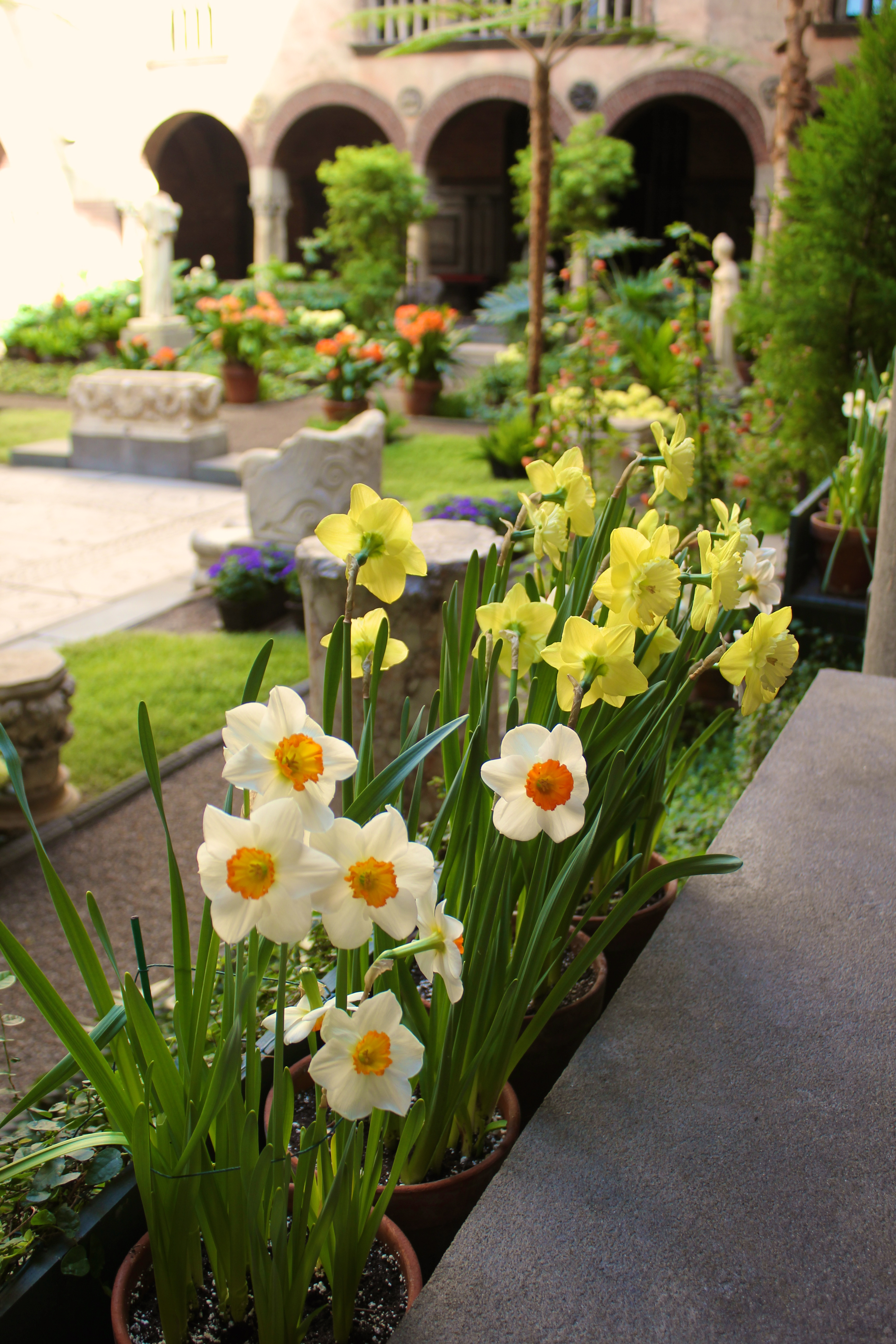
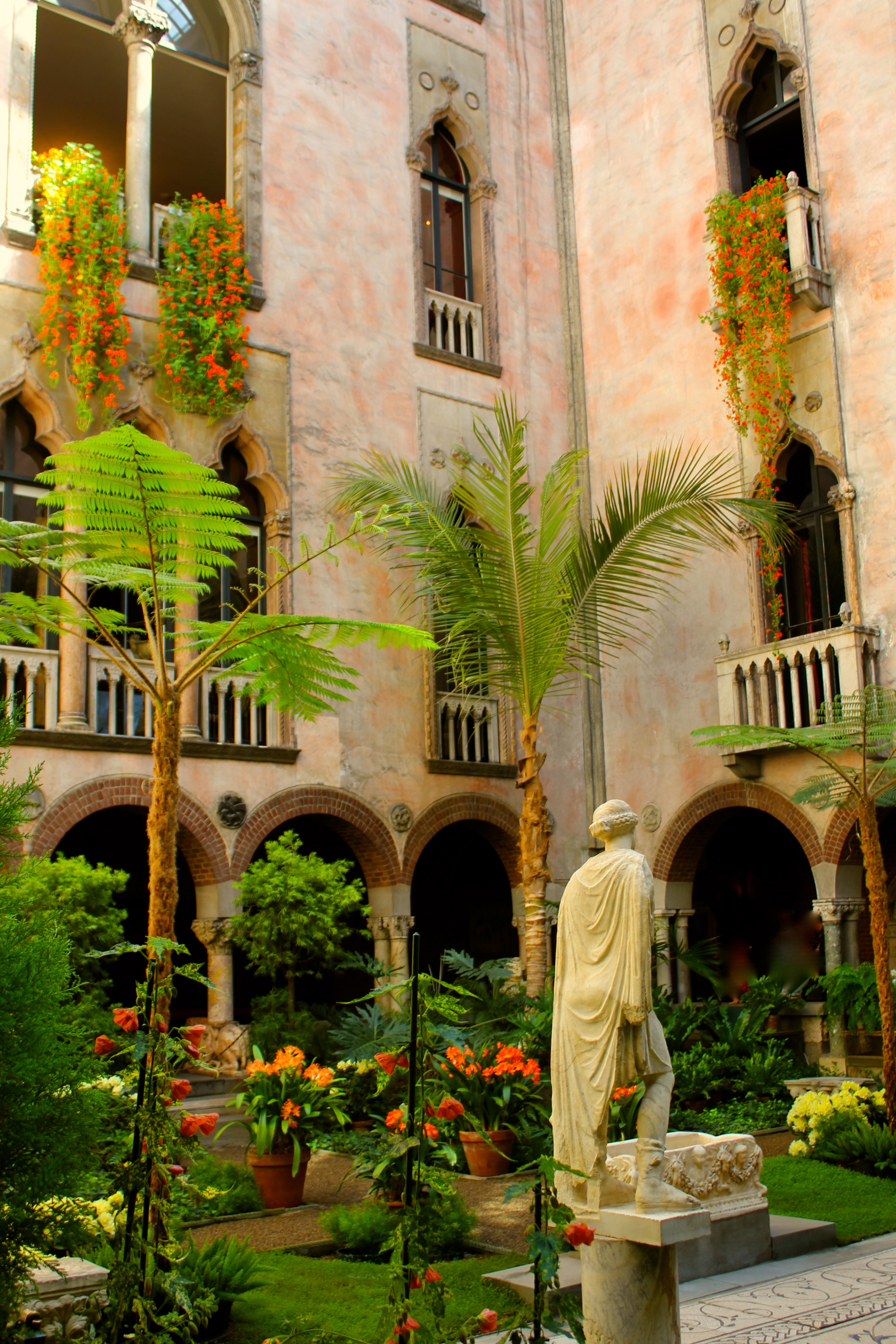
For a brief time in spring, beginning with the week before Easter, a sentimental tradition of floral joy appears at what is now known as the Isabella Stewart Gardner Museum in Boston.

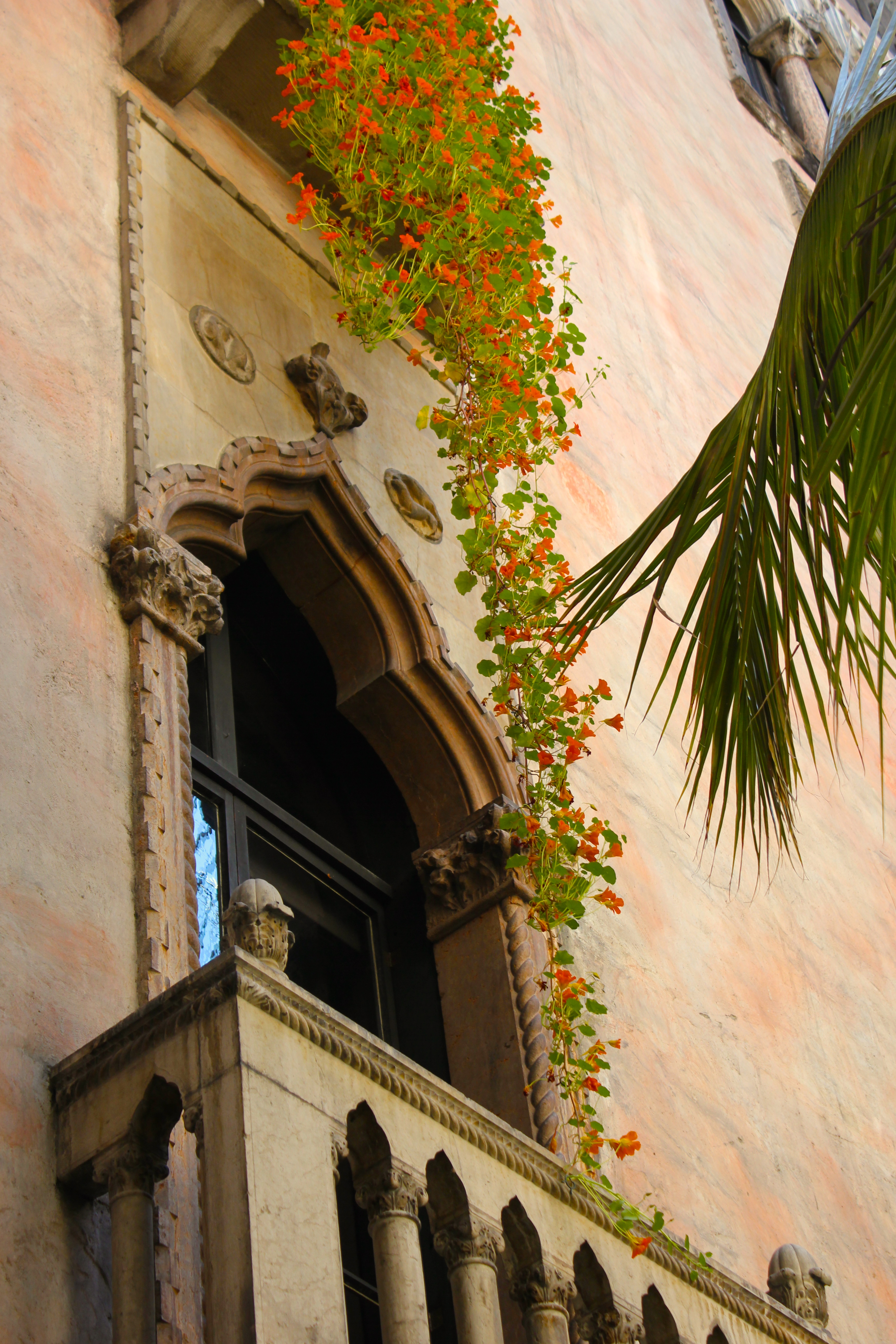
Nasturtium vines spill from third floor balconies, draping the walls of an interior courtyard with jeweled, painterly impressions of summer. The Venetian palace that hosts this happy display, known as Fenway Court when Mrs. Gardner built it in 1903, is a sanctuary for romantics. Gallery after gallery keeps precious the treasures of art that comforted one woman’s grieving soul. The treasures were arranged by that very soul. Think whatever you want to think about them. There are no labels or titles accompanying the art. Decide for yourself if you like it. Or not.

Sitting under archways in cloisters surrounding the courtyard, gentle, percussive patterings of garden fountains are meant to relax the visitor. Yet there is no rest for anyone who likes to grow things. The mind leaps, onto several paths, every one of them bound for another dream garden waiting to be realized. One season, I planted Nasturtiums in flower boxes so that they would cascade from one level of our deck, down to the next level, a la Isabella G. The simple plants, grown from fat seeds, accomplished so much in just a few months!

*****

IMG_0635 IMG_0665IMG_0650IMG_0660

*****

Isabella Stewart Gardner had a reputation—an easy thing for any unconventional woman in Boston to acquire. Gossip girls and boys followed her relentlessly, trying to figure her out and judge her. They still do. She is an intriguing personality.

I have always zeroed in on the defining tragedy of her life—the death of her only son, from pneumonia, when he was not yet two years old. After his death, Mrs. Gardner suffered a miscarriage. For two years, grief, depression, and illness consumed her. In a state of despair, she and her husband retreated for a year to travel the lands of Europe where she was encouraged to pursue her passions for art. Mrs. Gardner returned to America when her husband’s brother, a widower, died. He left three sons. Mr. and Mrs. Gardner adopted their nephews. History speculates that the beloved boys were gay, and that the oldest committed suicide at age 25 when he fell in love with another man who rejected his amorous affection.

Mrs. Gardner, to me, was a woman on a quest to fill the voids in her life. Voids that could never be filled.

She sought solace for relentless heartache.

*****

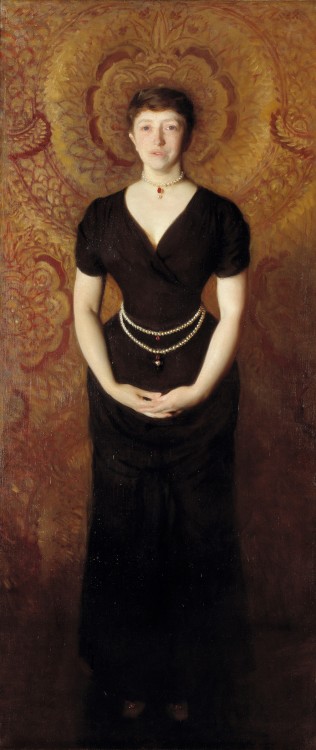
In the Spanish Cloister gallery on the first floor, a painting by John Singer Sargent, El Jaleo, gives moody homage to the human quest to feel happiness, without reservation or guilt. The painting depicts the experience of escaping into the music, dance, and dress of idealized Gypsy freedoms. The year it was painted, 1882, was a time when Gypsies were scorned by polite society because polite society judged the nomadic, exotic culture as one that believed in false magic and superstitions. Polite society honored magic and superstition only if it was wrapped up in the confines of organized religion—and called such things by other names: miracles, prayers, devotionals, sacraments.

From El Jaleo, Mrs. Gardner leads us into deeply intimate and personal journeys. Religious art abounds. The quest for faith, the search for happiness, and the desire for immortality are human struggles we are never sure of. The soul never stops seeking communion with the spirit of a true, supreme being.

*****

Since it is Easter season, I take interest in the Stations of the Cross, carved into stone, displayed near the tranquil courtyard.

I want the story of the resurrection to be true.

I want to be reunited with all the loved ones I’ve lost.

I seek a triumphant end to all the suffering my fellow human beings have endured.

I like Mrs. Gardner. She left all the doors, to all the rooms of her own, open. Her rooms are churches, sanctuaries, galleries, studios, dance halls, performance halls, dinner halls, salons, and quiet study halls.

She is the high priestess of the collection and she wants to share how art saved her.

She inscribed, upon a plaque for the museum: “C’est mon plaisir.”

It is my pleasure.

She wants art to save us, too.

*****

I walk upstairs from the courtyard and enter the Raphael Room. There, a little painting facing a chair and a desk, near a window, perpendicular to the room, captivates me. The painting is delicate in size. It is Raphael’s bittersweet Pieta. And, I have breezed past it on every other visit to the museum.

Mary and Saint John cradle the body of her dead son, Jesus, as Joseph of Arimathea and Nicodemus, who removed him from the cross, are present, prepared to assist in his final burial. Mary Magdalene kneels and kisses the feet of the adored Jesus.

Next to the painting, on the desk, is a vase holding stems of dried Teasel. The Teasel’s sharp points evoke the Crown of Thorns used to humiliate Jesus.

I think of how Mrs. Gardner must have chosen to sit, in the little chair near the window with this painting, during intense experiences of mourning. The painting might have soothed her into hoping for an afterlife. On other days, perhaps the painting assuaged her own despair, as she transferred some of her pain to Mary, another woman bearing the unfathomable pain of losing a beloved child.

Unknown-17

*****

From the Raphael Room, I walked into the Tapestry Room and stood in the darkened, atmospheric space near a painting of the Assumption of Mary and a horrid sculpture of painted lindenwold representing the head of Christ, crucified. The backlit greens and oranges of Nasturtium flowers and their circular leaves, hung past an open balcony, like a veil I wished to wrap all around me. I live in a modern world, where the savage torture of human beings continues. My shoulders slumped at the thought of a contemporary Christ, how his crucifixion would be broadcast through social media.

I left the Tapestry Room and walked through the elevator passage, stopping to admire the Asian art within it, and ascended the stairs to the third floor. One of my favorite rooms, the dark and sexy, leathery and lacy, Veronese Room led to the Titian Room where you can study the simple set up for the bountiful Nasturtiums. Pots with carefully-tended, planted vines are elevated on overturned pots and arranged in rows of three on wooden benches. Light streams into this room.

I have reached a pinnacle.

This is the gallery featuring Titian’s grand Europa. The painting is powerful and I engage in a spiritual conversation with Mrs. Gardner about her placement of the painting, in line with another small desk and chair, near a window, with a vase of fresh flowers, with another painting on the desk, Christ Carrying the Cross. I sit in the chair (in my mind), and consider the line up.

Human passion, ecstasy, seduction, loss, transformation, control, surrender, cruelty, deliverance, redemption, tragedy, triumph. Resurrection. Peace.

Where—and to whom—or to what—do we commend our spirit?

How do we fill the voids?

I am sure Mrs. Gardner sat here, numb, many hours. Never coming away with any answers.

Grateful for art.

What is more true than art?

*****

My impromptu Easter excursion continued as I stepped from the Titian Room into the Long Gallery. This is a fun part of the museum where cases filled with memorabilia are covered with cloths that can be lifted for personal exploration. There is a case with James McNeill Whistler’s walking stick, also known as his wand, which he gave to Mrs. Gardner in 1886. Underneath the walking stick is a letter he wrote to her, including wonderfully incorrect spelling and punctuation:

“The masterpiece should appear as the flower to the painter—perfect in it’s bud as in it’s bloom. With no reason to explain it’s presence—no mission to fulfil—a joy to the artist—a delusion to the philanthropist—a puzzle to the botanist—an accident of sentiment and alliteration to the literary man.”

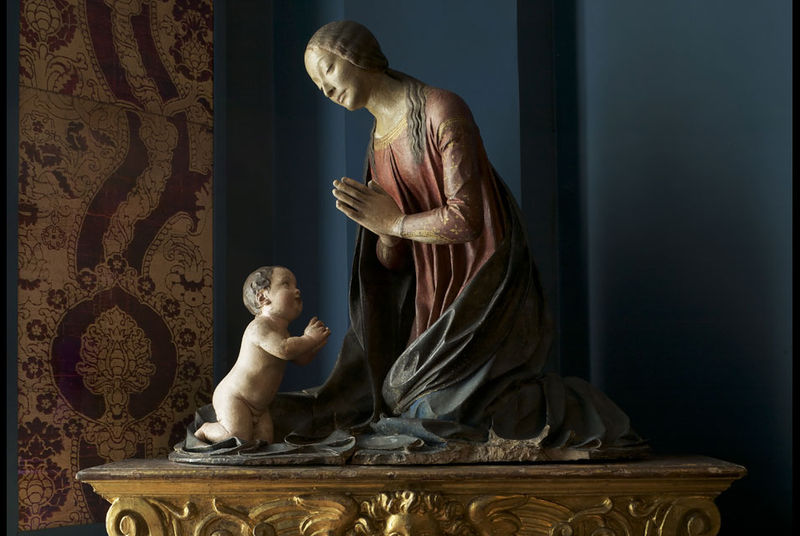
At one end of the Long Gallery there is a charming terra-cotta sculpture, Virgin Adoring Child. But I think it looks more like Mary teaching her little son Jesus how to pray.

50187706The other end of the Long Gallery is anchored by Mrs. Gardner’s personal chapel with French Gothic stained glass, carved saints, Italian choir stalls from the 16th century, and a prayer desk I wish I owned. There are two places to kneel here, facing the stained glass, and after walking all through the museum, this becomes a perfect respite. Kneeling, there is time to tip the eyes up and all around, admiring all of Mrs. Gardner’s spiritual nook. The stained glass transported me to Sainte Chapelle in Paris, the most beautiful and magical cathedral, built to house the Passion Relics, especially the Crown of Thorns.

*****

Before leaving the Gardner Museum, I stop into the MacKnight Room, a most intimate room of Mrs. Gardner’s own. There’s a bottle of collected sand from a trip to see the pyramids in Egypt. And, there is a reproduction of a watercolor, Mrs. Gardner in White, painted by her friend John Singer Sargent after she suffered a stroke. The iconic, scandalous portrait of a more youthful Isabella Stewart Gardner that hangs in the Gothic Room—the one that caused a great deal of vicious gossip in Boston— 1371 (and was never again exhibited until after her death), gives way to an intensely personal portrait of a woman who seems to have arrived at a state of peaceful acceptance with her own life. Unknown-18

*****

In the end, Mrs. Gardner was not ashamed of how she had lived, nor how she looked. Art sustained her and helped her recapture a dramatic zest for life. She wraps herself up in a white shroud and sits for a final portrait.

She was buried between her husband and her son at Mount Auburn Cemetery in Cambridge.

Because it is Easter, I prefer to believe she is with her husband and all of her lost children, including her nephews, in a paradise where there is no suffering,

in a kingdom without end.

*****