Emerging From Covid

Family Letter #16, during a time of writing letters to my family when the Coronavirus Pandemic dominated our lives.

Mid-April, 2021

Hello to all from the other side. Yes, it happened; an evil variant of the coronavirus got me. It got my son, too. The two of us are now mutant Pokemon ninjas after high fevers melted our brain to mush; and, we have inside info on a common new disease no one knows much about, but all of us thought we knew plenty about. My precious son became my light through the brain fog after his four days of fevers broke. He said: “Don’t read anything about the virus on the internet Mom! It’s just going to freak you out!” Alas, his warnings came too late; I had already freaked myself out over and over, googling everything I could about a vicious contagion that excels at being unpredictable. My fevers lasted six days and I don’t know where I was transported to during those days, nor do I know how to manage the altered brain that continues to slosh around inside my aching skull. At times, while in the depths of my fevers, a persistent craving for homemade cake with buttercream frosting hovered on the edges of reality; yet if a piece would have been presented to me, I wouldn’t have touched it. Food just doesn’t taste the way I dream it should. The saddest lingering effect of my bout with the coronavirus has been the discovery that I’m no longer a chocoholic nor can I drink much wine and beer. I hope this cruel joke reverses itself someday soon, and I’ve even created my own version of a chocolate rehab routine: I try to eat a small piece of chocolate each day, or a half-dozen chocolate chips. This ought to get me in shape for a campfire-roasted s’more, stuffed with an exquisite square of classic Hershey’s chocolate, by summertime. As for the wine and beer, my head remains too sensitive to headaches to relax and enjoy liquor.

About two weeks after I got sick, I set off on my first substantial walk. My husband agreed to accompany me into my favorite woodlands down the road since I wasn’t feeling as perky as I’d hoped. Although a pair of house finches had distracted me during the darkest days of my fevers by choosing to build a nest in the Japanese Umbrella Pine just outside my bedroom window (and I was so grateful to watch them flying back and forth hard at work), I missed my daily rambles to catch the spring arrivals of wood ducks and other birds in places beyond my gardens. I’ll admit, as soon as I arrived at my familiar trailhead, it seemed I’d gone too far from the security of home (it’s only a quarter mile away), and as soon as I began walking, it felt like I was trying to climb Everest without an oxygen tank.

However, I made it to my favorite beaver pond and got all excited about tramping across the sturdy dam those industrious, plump rodents had sculpted from locally-sourced mud. It’s so  fascinating to marvel, close up, at the construction work of beavers and, to me, it’s amusing and endearing to spy hand-like paw prints pressed into the mud.  My feelings of elation at being in the great outdoors soared into the stratosphere and knocked me right off my feet. When it happened, I fell (as expected), into a pungent glop of New England springtime mud, but only because I tipped to the right as I went down; had I faked right and gone left, I would have landed in the cold pond. No drama or excitement added pizazz to the fall; I simply wobbled and toppled, like a rag doll who for a brief moment believed she had bones and muscles. One week beyond my mud-thud flopover, I returned to visit the beaver pond again—this time all by myself—and tried navigating, one step at a time, that balance beam of gorgeous mud. Success!

And so, I write my Sixteenth Letter of the Pandemic as a walking-wounded survivor of the sinister disease that has crushed every level of human life on Planet Earth for more than a year, with no signs of letting up in too many parts of the world. For our family, March came in like a lamb and went out like an angry, restless, pissed-off lion (as opposed to sticking with the script, and coming in like a lion and going out like a lamb). We had watched the last piles of snow melt away; had swept up the debris of nearly two cords of wood which kept the fires in our hearth going throughout a long, cold winter; and, we’d set off to greet spring by searching for wood frogs, peeper frogs, pussy willows and migrating birds. A crazed, competitive, and somewhat humorous chase for vaccines had ensued all around us. At the same time—and unbeknownst to us—a dangerous line of cruel thunderstorms were about to wallop the shores of what we had long believed were our own safe harbors. 

In fact, because I was so sure we’d weathered the pandemic as best we could and were about to sail forth into our new lives on calm seas, I’d spent the last weeks before our vaccine appointments re-reading a book one sister gave me a long time ago on how to change my life by tidying up my household. (Maybe you all have already read the book:The Life-Changing Magic of Tidying Up. It’s good!) I was revisiting the book in response to America’s impressive vaccination campaigns, which were gaining steam and causing serious feelings of pandemic peer pressure to torment me. I wanted to emerge from lock down—post-vaccine—as a new and improved version of my pre-pandemic self. To me, it really did feel like the pandemic was going to end soon, yet my house (and brain, in the opinion of the book), was still a mess. According to the book, I needed to put my past in order, reset my life, and take the next step forward by getting rid of all the useless bric-a-brac cluttering up my house and my head.  The pandemic had already refashioned us into a one-car household when I gave my car to the kids in Brooklyn after theirs broke down forever back in August. (With a work-from-home lifestyle, it was obvious we only needed one car.) All I had left to do, before getting vaccinated, was to focus in on a plan, a process, and a deadline for tidying up everything. If I did, my fresh and improved self would be in a great position to thrive in the weird new world. I was doing a pretty good job at following the advice in the book! And then, wham-o, the virus interrupted my momentum and crushed my aspirations. 

It will come as no surprise to hear that being so sick for so long gave me a lot of time (probably too much time), to think about all the things I’ve gotten right and all the things I’ve gotten wrong in my life. I couldn’t focus on reading or watching movies—even listening to music was difficult—so as I languished in silence, I promised myself that if I survived one of the world’s most terrible diseases, I would never worry again about what I got wrong in life! I would only celebrate my triumphs. 🙂 I know my son and I are beyond fortunate.

* * * * * * *

More than ten years ago, I planted a pear tree near my deck. It’s about to burst into bloom. When I sit in my house looking at it on this late April day, I notice that at any one moment, there can be more than seven different kinds of birds foraging for insects and/or sweet blossoms on that one tree. Do the birds know they are different from one another? I hear them compete for—and establish—territories, with their songs and unusual behaviors, but on my pear tree, each avian appears unhurried and quiet as they concentrate on searching for food. Beyond the pear tree, two magnolia trees are blooming; a yellow one and a pink one. My Yoshino cherry tree is blooming, too. The Yoshino’s fleeting and dazzling blossoms are one of nature’s truest, ephemeral heart stoppers; I love standing under the tree when the flower petals are falling in a breeze.  Out in my front kitchen garden, the Bonfire Peach tree is ablaze with its showy, vibrant pink flowers. Soon to pop, after all these early spring bloomers, are the wonderful redbuds and crabapples. Meanwhile, the old birdbath nestled in the garden near my unique Sourwood tree crumbled into ruins this winter after relentless loads of snow and ice were too much to bear, at last. I remember how the birds used to show up for bath time in previous garden seasons by taking turns while waiting on the branches of surrounding bushes and trees. They never shared the bath the way they share the pear tree. 

* * * * * * *

A week ago, I opened up the motorhome to get it ready for a new travel season and soon heard a phoebe singing from a branch in one of the white pines nearby. It boosted my spirits to notice they’d returned to my gardens for another spring and summer. On the same day, I realized the juncos had flown north until next fall. Later in the evening, I looked up at the night sky and caught the constellation Orion slipping further and further away. It’s a good sign that my life is  getting back on track when I feel a specific sort of regret—not for what went wrong in days gone by or for what will never be—but for what I might be missing out on, in real time, if I don’t stop to smell the flowers and partake in the seasonal joys of my own unique and special life here on Planet Earth; the only place, for all we know, where life has ever—and will ever—exist. 

I don’t know what my new “normal” will be as I heal from my bout with the coronavirus. What I do know is this: As long as Mother Nature’s enchantments are still making my heart skip a beat, it’s because my soul, at least, remains afloat and ready to set sail.

And as long as my soul is alive and well, so am I.

This pandemic letter was completed on May 3rd, 2021, at Skidaway Island State Park, Georgia. We arrived here after a week camping on the North Carolina side of Great Smoky Mountains National Park. Writing is more difficult for meta complete at the present time. It’s tiring to concentrate. I’m on the road with my husband for a month, traveling and working through the south. Now, more than ever, I look at the craft of writing as a way to heal from Covid 19. It forces me to keep concentrating, thinking, and multi-tasking. As usual, it’s the arts that can be so healing. Included with this letter is a star-shaped leaf from the American Sweetgum Tree. (Liquidamber styraciflua.) The tree is native to the southeastern United States. They tower all around my outdoor writing spot at Campsite Lucky #13, along the coast of Georgia where historic islands of many kinds are woven together with vast marshlands and rivers.


Enzo Ferraris Aren’t Just For Dudes.

Let’s go on a road trip with a Young Dude I used to know and become our 9-year-old selves. It’s May. Temperatures in New England are rising, so we’ll take the Enzo Ferrari out of storage.

Young Dude will be our driver; we are placing him in command of the super sexy cockpit. Our Enzo Ferrari is red. SO RED. (Believe it or not, Young Dude and his dad know the owner of this dream machine—one of only 400 to ever be created on Earth.)

IMG_5934

Blessedly, it’s 2018 and roadways still exist for the classic pleasures of motorcar cruising. We won’t be alone on the roads because as soon as the fruit trees are blooming and the honeybees are zooming in the northeast—upsy daisy go the garage doors of car enthusiasts everywhere and from those protective chambers emerge some of springtime’s most beautiful babies—born when art, design, and beauty feathers a nest with power, speed, and technology.

Young Dude plans to catch frogs, turtles, and snakes along our routes. If we drive past rock shops he’ll pull over so we can all take a look, though we all prefer finding rocks and fossils on our own. As for snacks, we’ll be totally bummed if seasonal ice cream shops aren’t open yet.

Our driver Young Dude is an Uber Dreamster. He dreams all the time. He dreams unconsciously and deliberately and, some would say, irresponsibly. Young Dude is driven more by his dreams than his grades and it appears he is on track to flunk out of fourth-grade. If that happens, we are down with blasting into the sunrise with him. In fact, we’ve hatched a plan to drive our Enzo off the cliffs of Schafer Canyon Road in Canyonlands National Park, which would be more like a runway for the Enzo because everyone knows our Enzo can fly.

(Note to driving enthusiasts everywhere: Schafer Canyon Road in Canyonlands National Park in Moab, Utah is a still-surviving terrifying roadway. If you haven’t already done so, drive it before they pave it, put up guard rails, and install a toll booth. Our family did it in a big Yukon. A complete and memorable white-knuckle frightfest.)

* * * * * * * * *

After our road trip, Young Dude drives the Enzo Ferrari to school where he glides the work of art into a conspicuous parking place in the center of the playground.

IMG_5940 2

He gets us to school just in time for English class.

The teacher hands out a writing assignment.

Ready? Remember, we are nine years old and we are trapped in the fourth grade.

Here’s the prompt: Write about a magic stone that when you skip it across a pond, it comes skipping back to you. 

* * * * * * * * * *

Here’s Young Dude’s unedited story, penned when he really was nine years old (a long time ago) and he was my happily-obsessed-with-all-things-cars-trucks-planes-and-trains son.

Dude and the Awesome Pebble

     Once in a strange time, there was a weird place called Dudeland. Everyone wore sunglasses, Hawaiian T’s, and shorts and greased back hair. And there was a curious little 9-year-old called Dude McDude. He loved Lamborghini’s and Porsche’s and Ferrari’s and any other kind of sports car. He had a friend called Dudical O’Dude. One of their favorite things to do was to swim and skip pebbles. So here is the radical story about Dude and the awesome pebble!

One day, Dude and Dudical went for a ride in Mr. McDude’s radical Baja Beast. They were headed for a lake in Lamborghini Land. After about fifty billion light years, they were at the stoked lake. They immediately put on their Hawaiian-designed swim shorts and jumped in to play a game of “Lamborghini Diablo.”

They saw all kinds of fish: the Dudefish, Dudish Idol, Picasso Dude, HammerDude Shark, AngelDude, and the Puffing Dudey.

When they were done swimming, they started to skip pebbles. Dude skipped two, then Dudical skipped two. Dude skipped his third. It did three skips—but then began to skip backwards! He pondered. Stumped, he put the stone in his pocket, walked up the sandy beach, and left.

That night, he remembered the stone. Did it really mean something? Yes! He knew it did! He pulled the pebble out of his pocket. Whoa! It was glowing silver in the shape of a Diablo SV! He passed out and fell asleep.

The following morning, he woke up and looked out the window. The sky was blue, the grass was green, the driveway was filled with Diablos…wha…Diablos?! He took the pebble out of his pocket again. But it was now glowing red in a Porsche shape! He looked out into the backyard and saw…Oh Boy…

* * * * * * * * *

Oh Boy is right.

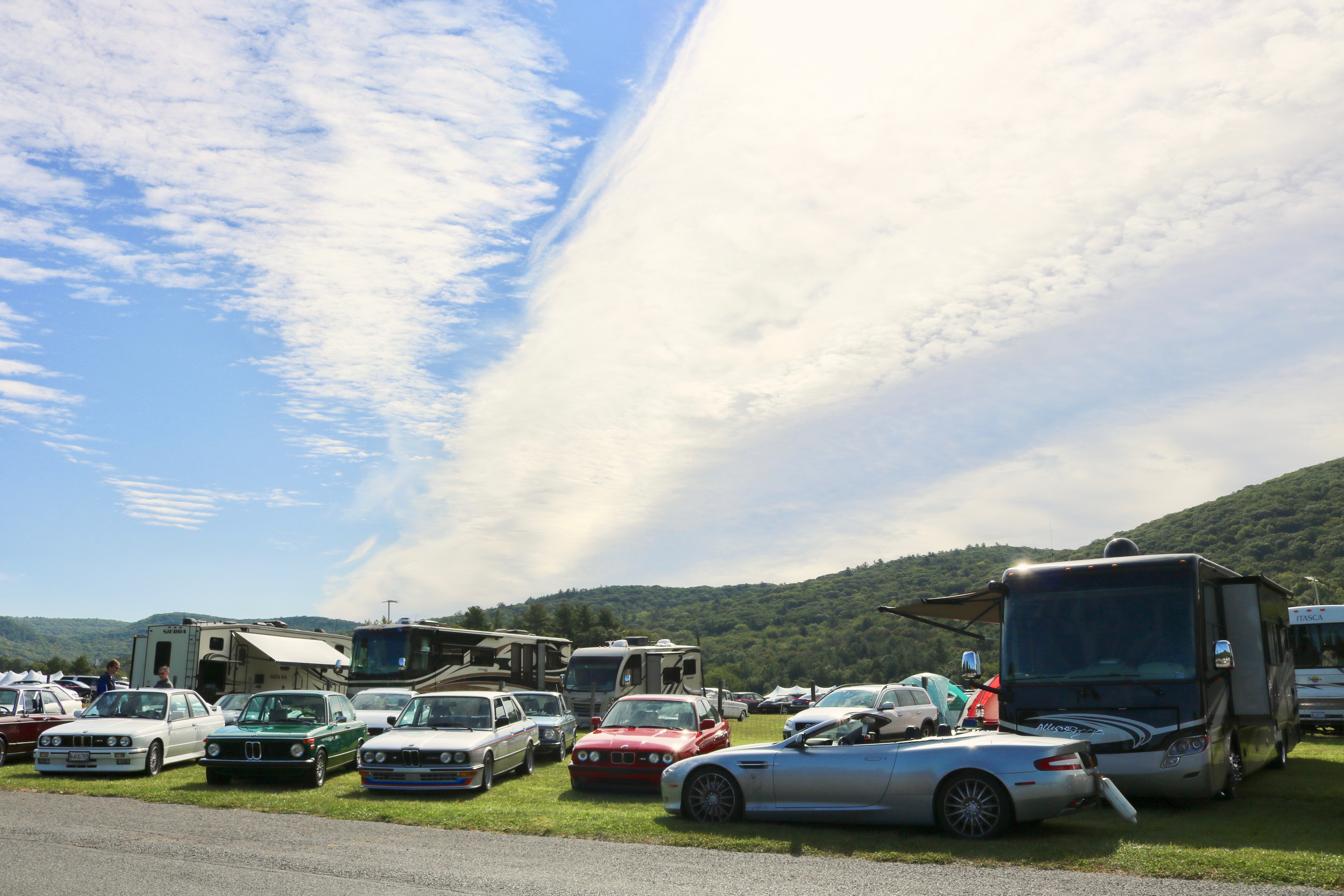
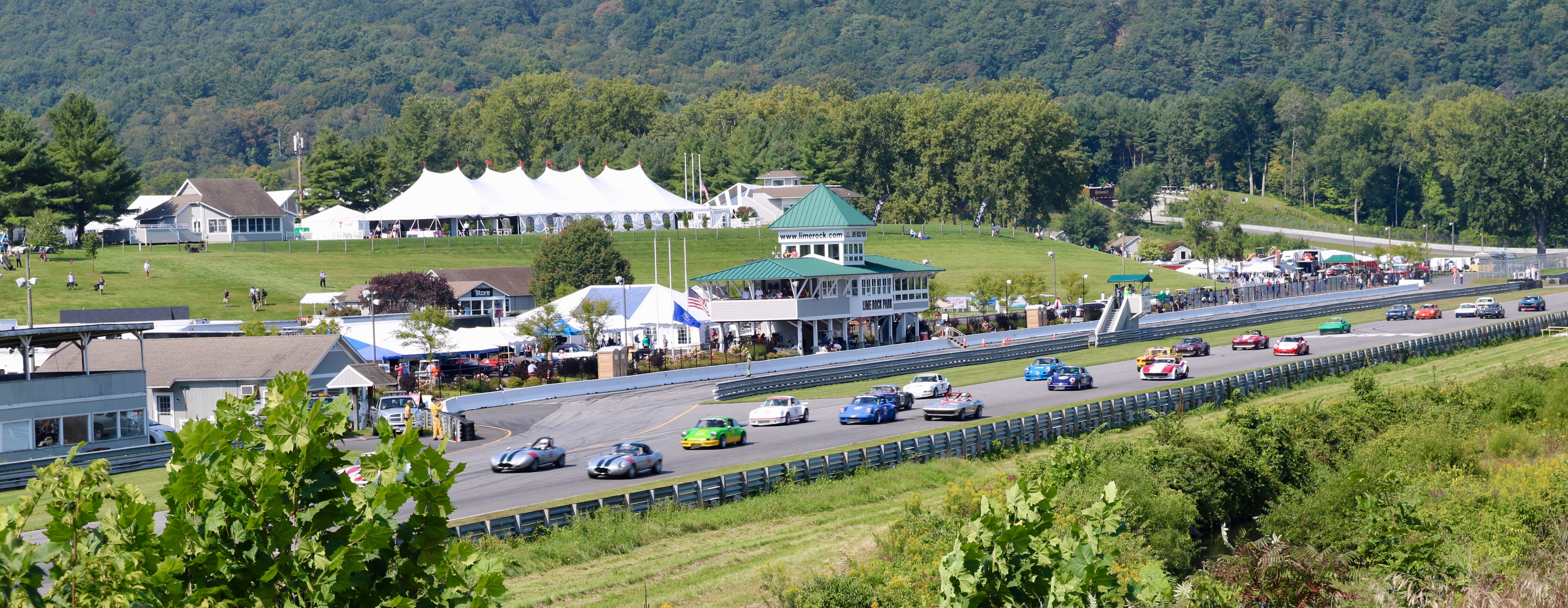
My life as mom to a natural born automobile enthusiast has been enriched by my son’s quests for speed, gorgeous design, and history as told through the stories of people affected by similar, lifelong passionate pursuits. Therefore, last year my husband and I finally reserved a patch of lush green grass on the infield of the race track at Lime Rock Park in Connecticut for three days of camping with some of the most beautiful cars still being driven—physically and mentally—by Uber Dreamsters fast around a race track. We set up our gypsy glam wagon while our son set up a tent amid BMW’s, Porsches, and exotic British Sports Cars. It was Labor Day Weekend when Lime Rock Park hosts Historic Festival and although we’ve been going to Lime Rock Park since my son was a little boy, we’d never attended Historic Festival.

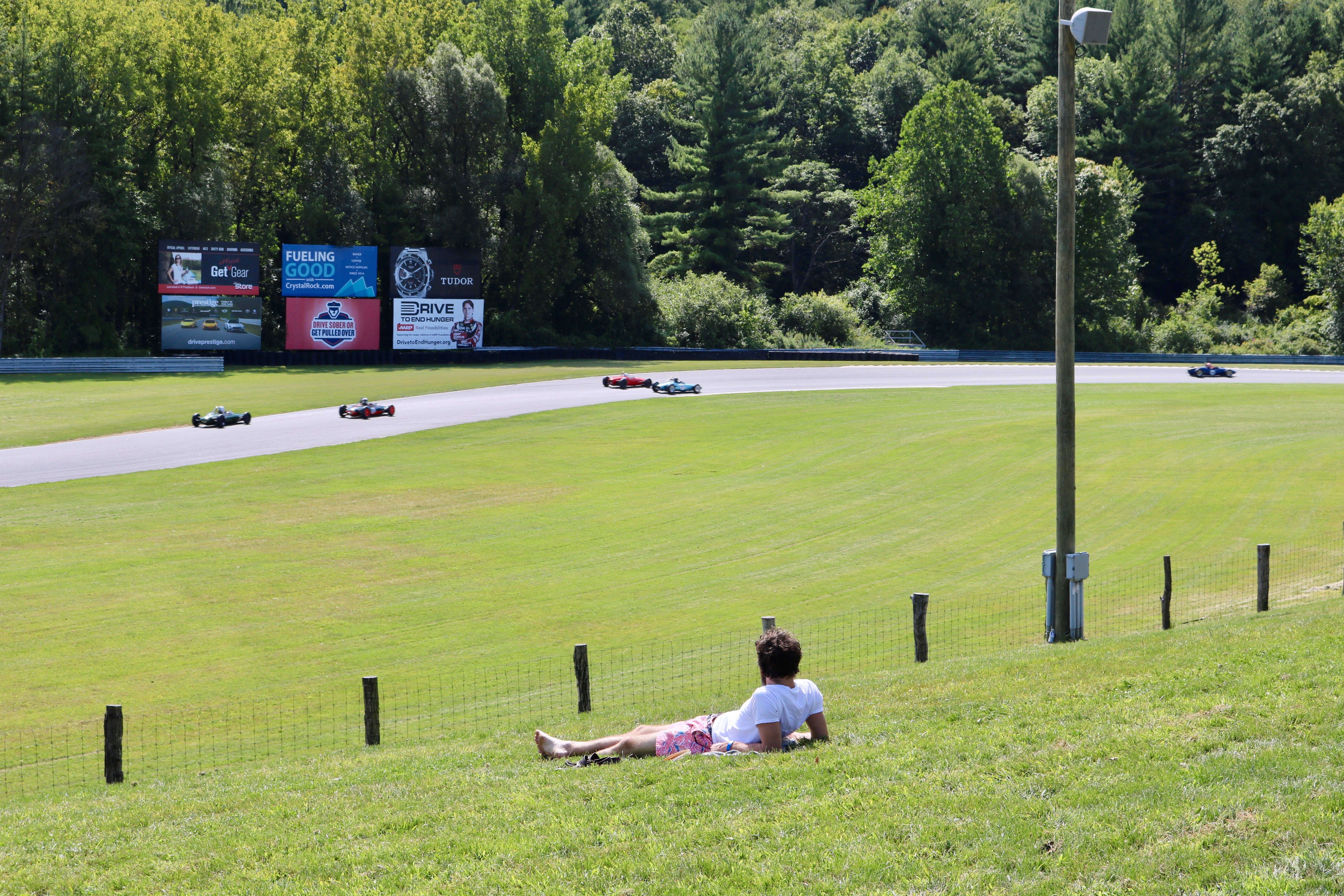
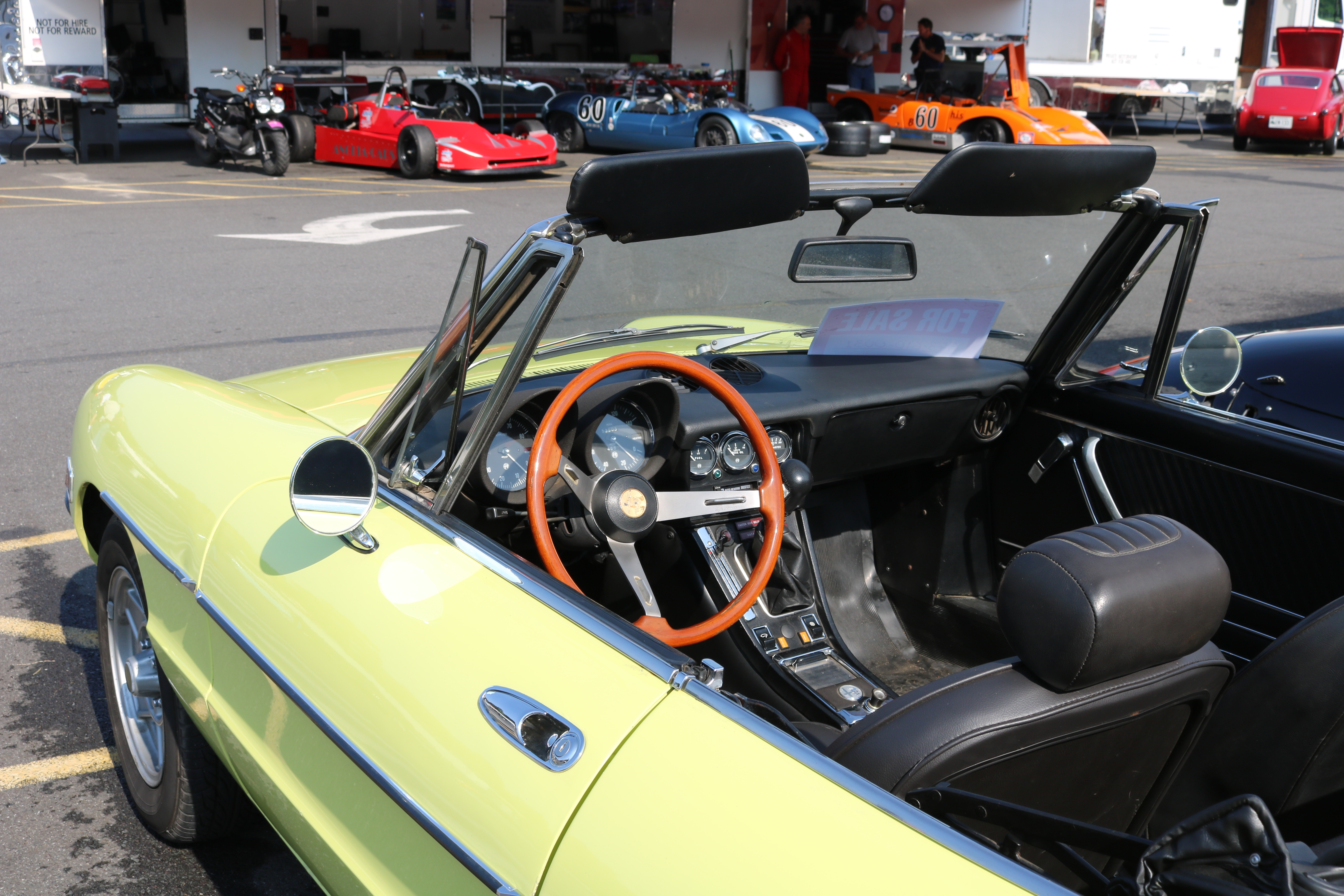
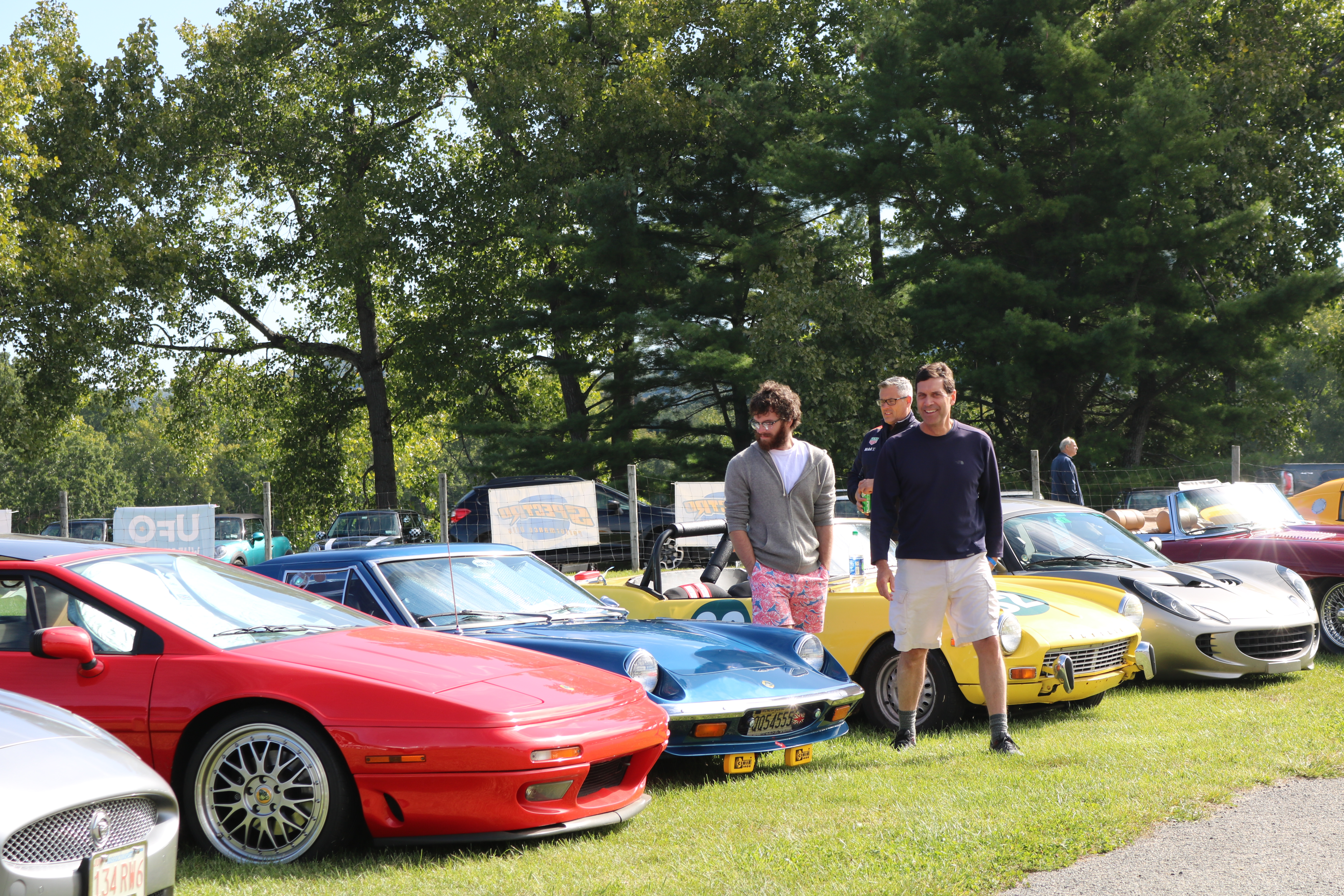
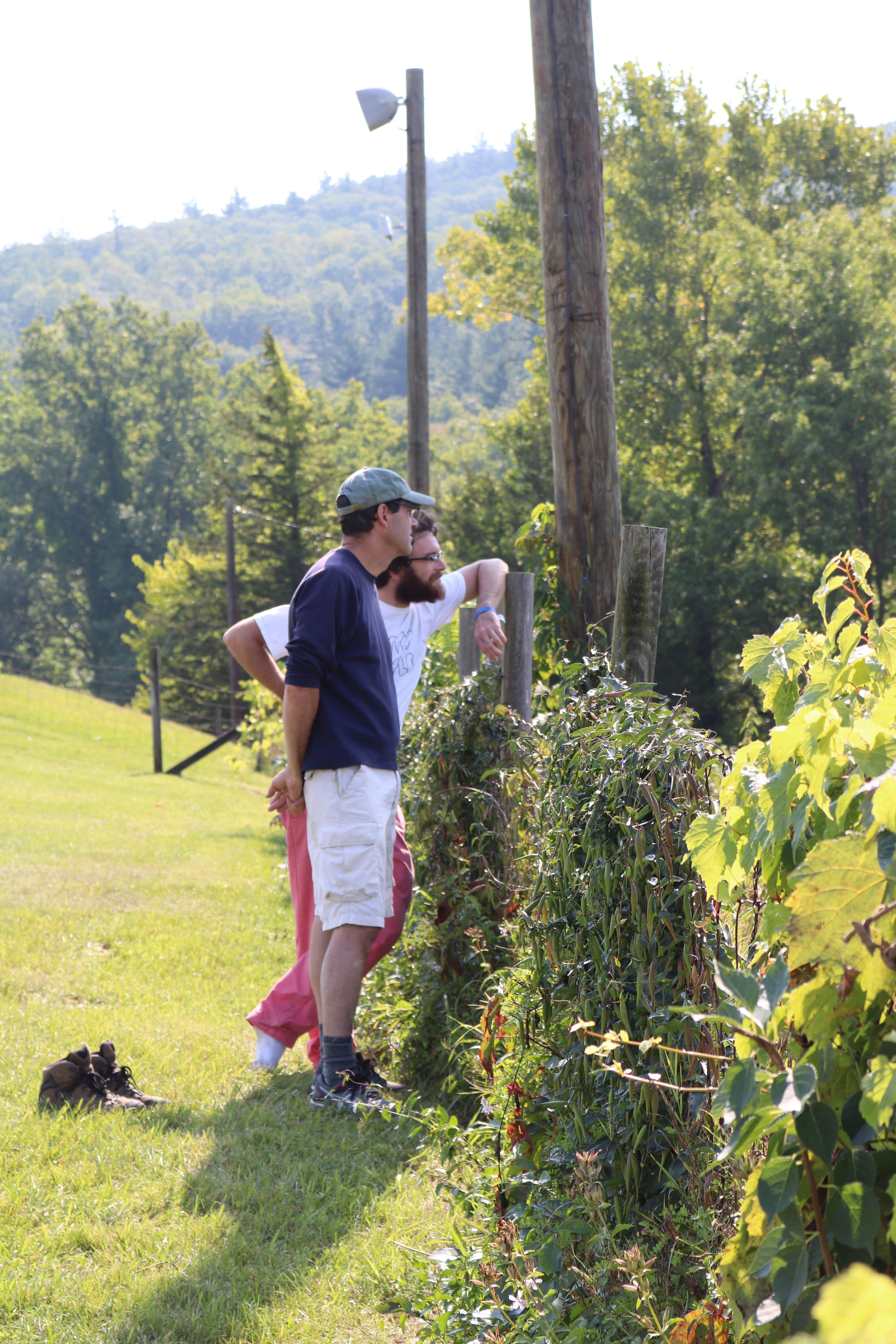
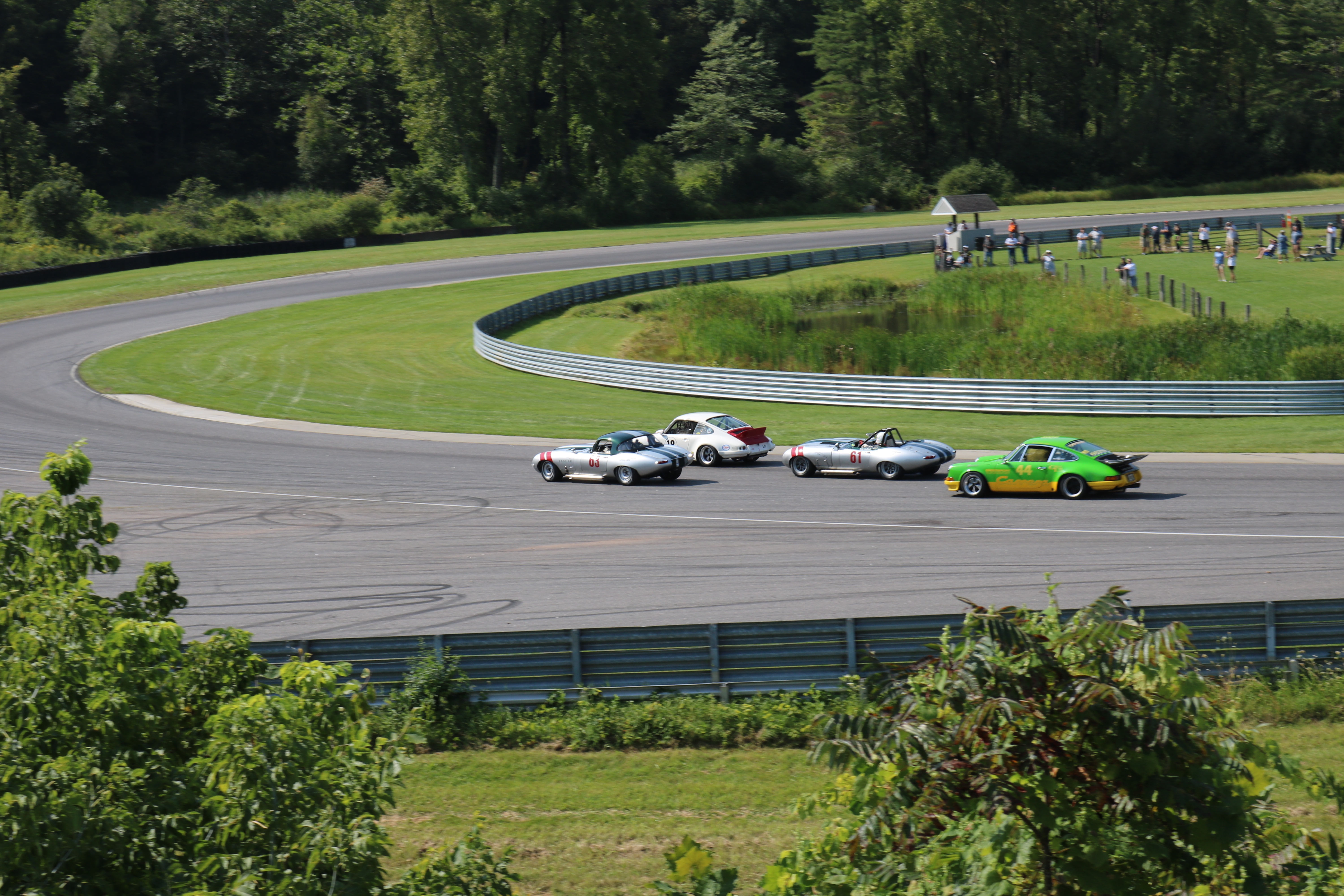
The festival is jammed with vintage car races, vintage race car and sports car parades, car auctions, and an event I recommend to all: Sunday in the Park—Concours d’Elegance and Gathering of the Marques. This is a special experience where more than 300 vintage automobiles along with their histories (as told by their devoted owners) are on display around the racetrack in a setting that becomes an interactive outdoor concert of story telling, wishing out loud, and gratitude—because it is always restorative to my soul to meet other  people who are willing to share their passions. It is also always fascinating to have history revealed through the front windshields and rearview mirrors of vintage cars and the goggles of devoted drivers. It rained hard for Sunday in the Park so I couldn’t use my camera to photograph the magnificent motorcars. But I did take some random pics during racing events on the sunnier days of the weekend.

If you or someone you love is an automobile enthusiast, you will understand how much I have enjoyed my newfound car-influenced experiences, all of which enhanced my life when I had a boy who loved cars and, through his undying obsessions, inspired me to become a bit cuckoo for them too. (Full disclosure, Matchbox cars and Hotwheels were some of my favorite toys when I was a little girl.)

It is indeed finally springtime in the northeast. As I notice flowering trees and shrubs, I am also smiling at the blooming of pretty cars zipping around on the roadways. As I listen to the spring peepers and wood frogs, I am also tuning in to the wistful conversations of winter-weary folk dreaming up plans for summertime road trips with unknown destinations.

Yet I can’t help but sense that there are, in our super-speedy modern world, spring breezes blowing in new directions. I wonder…how many more seasons will we hear the rumbling engines of drivers venturing out and about for breathtaking exhilaration on the open road? Or the calm cruise of country drives? Or the excitement of life-changing road trips that puts them in the cockpit of a motorcar where they take control over journeys that don’t need predetermined finish lines?

It’s true, self-driving cars hum on our horizons, ready to transport lazy minds and worn-out souls to nowheres. All I can think is this: How could such a machine ever know that as soon as life says you need to put the brakes on those dreams, it’s time to step on the gas?

* * * * * * * * *

Labor Day Weekend Historic Festival.

Bucolic Lime Rock Park, Connecticut. Trackside camping.

IMG_5837

Our campsite.

IMG_5833 2

IMG_5834


IMG_5891

IMG_5830

My son and I trackside.

IMG_5832

IMG_5829

IMG_5900

IMG_5917

IMG_5914 2


In the evenings, we rode our bikes around the racetrack as the local fauna made brave crossings on the now-quiet track.

IMG_5840


The legendary, super elite Enzo Ferrari.

IMG_5937

IMG_5936


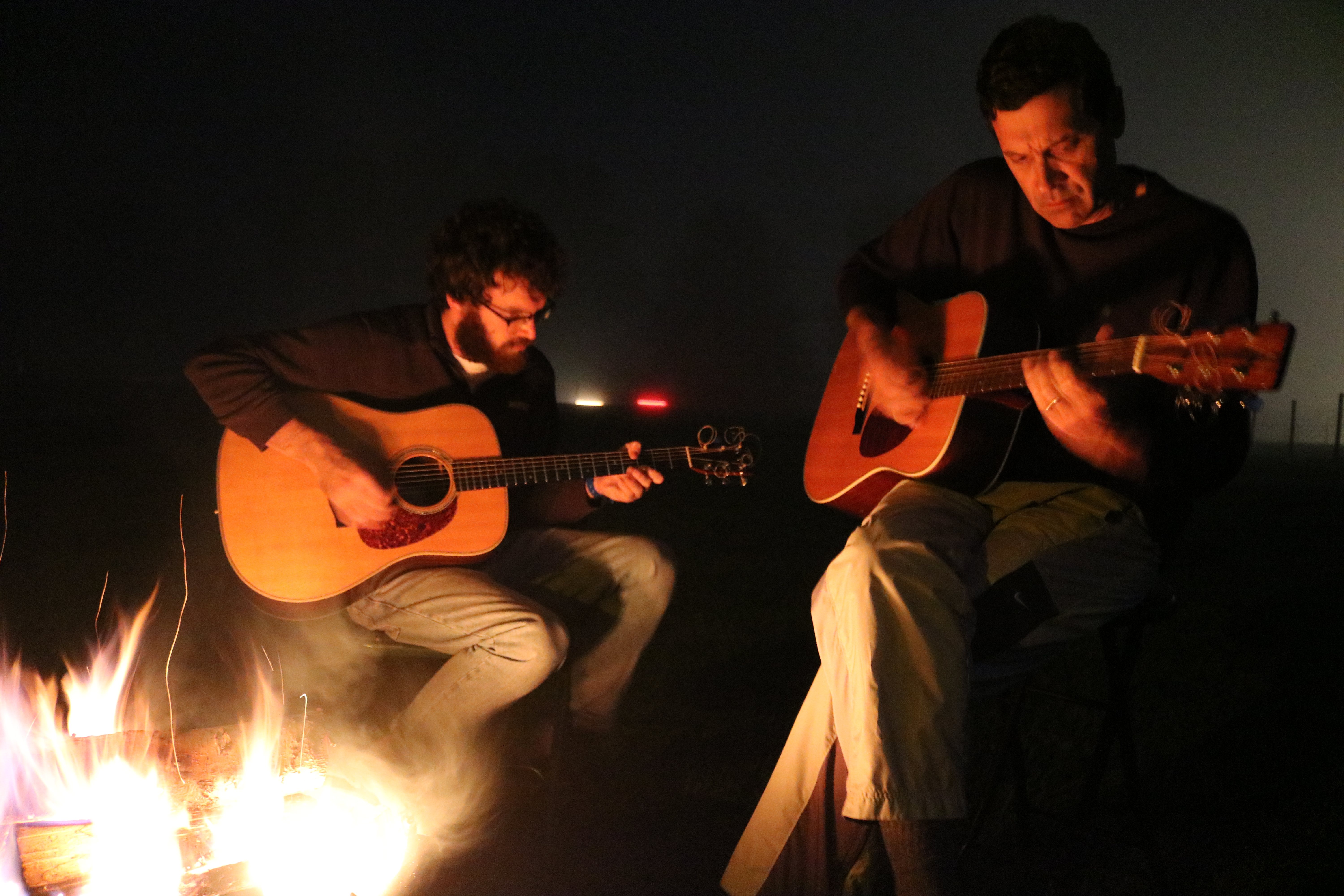
In the evenings, after dinner, music other than the sounds of tuned engines by my son and his dad.

IMG_5864


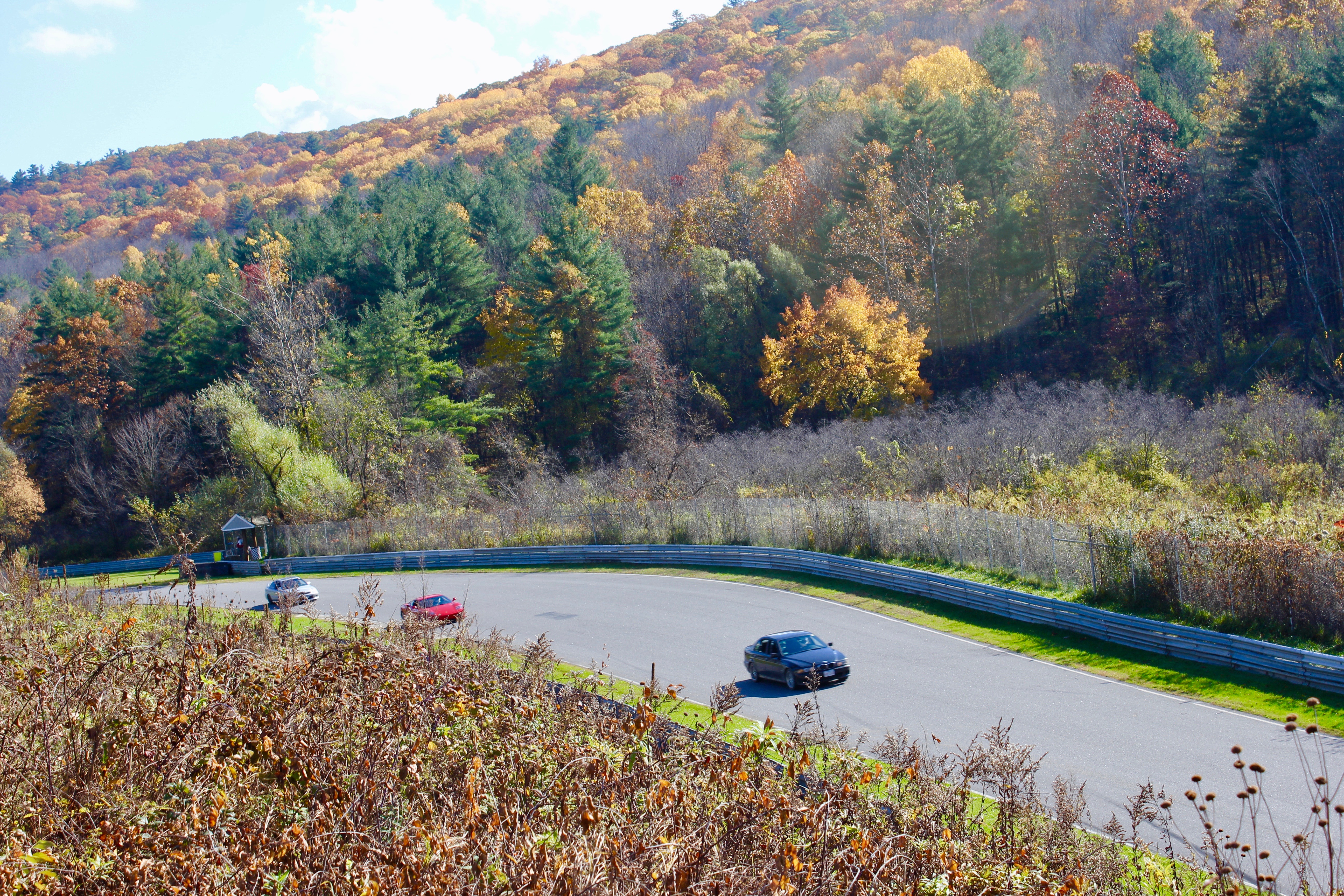
When my son was not yet 12 years old, everyone looked the other way at Lime Rock and allowed him to try Endurance Karting for the first time in a field of racers much older and more experienced. The race was faster and more serious than I thought it would be.  The newbie racer finished fourth to his father’s and his father’s friend’s second-to-last and last place finishes. I was glad when that ended well.


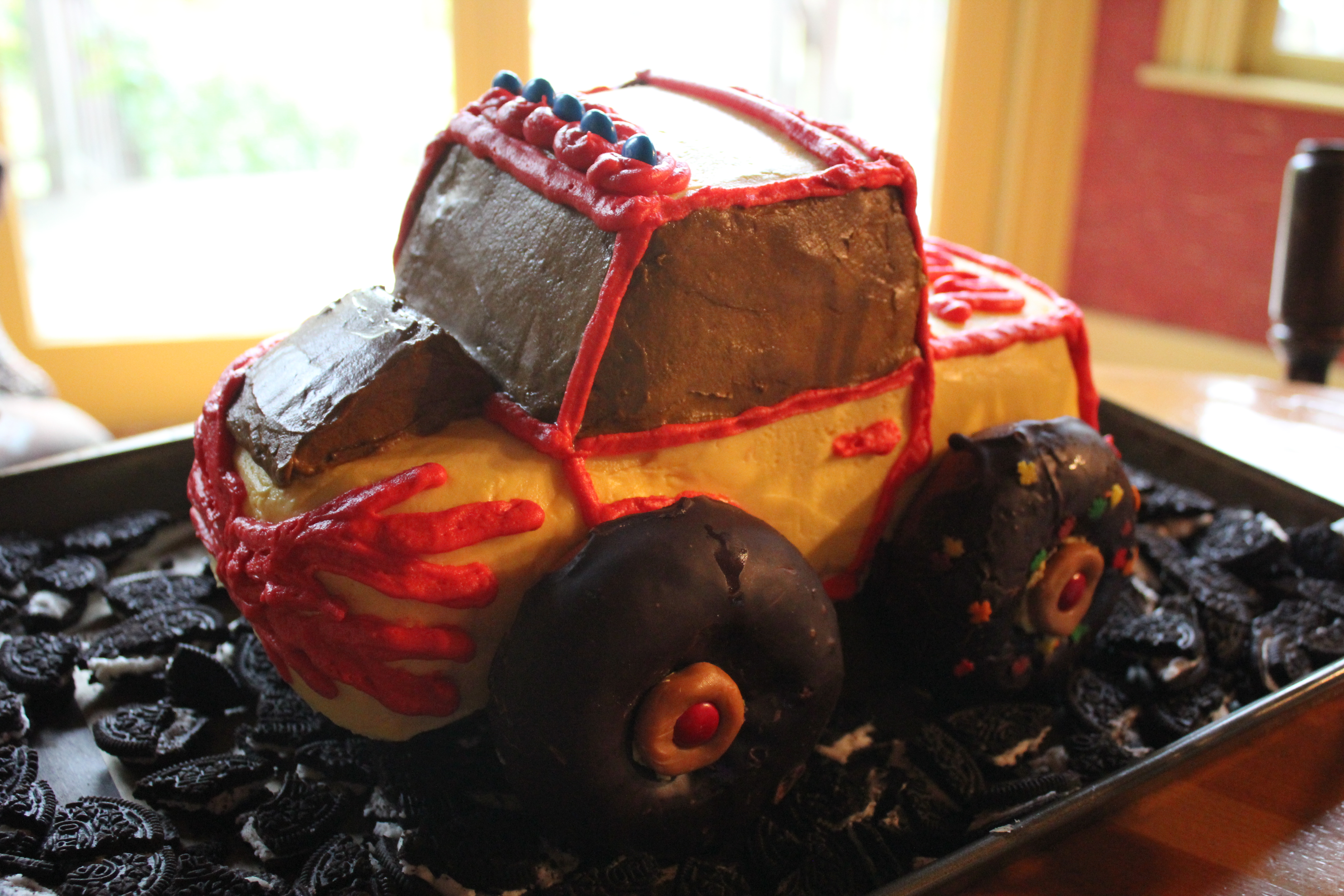
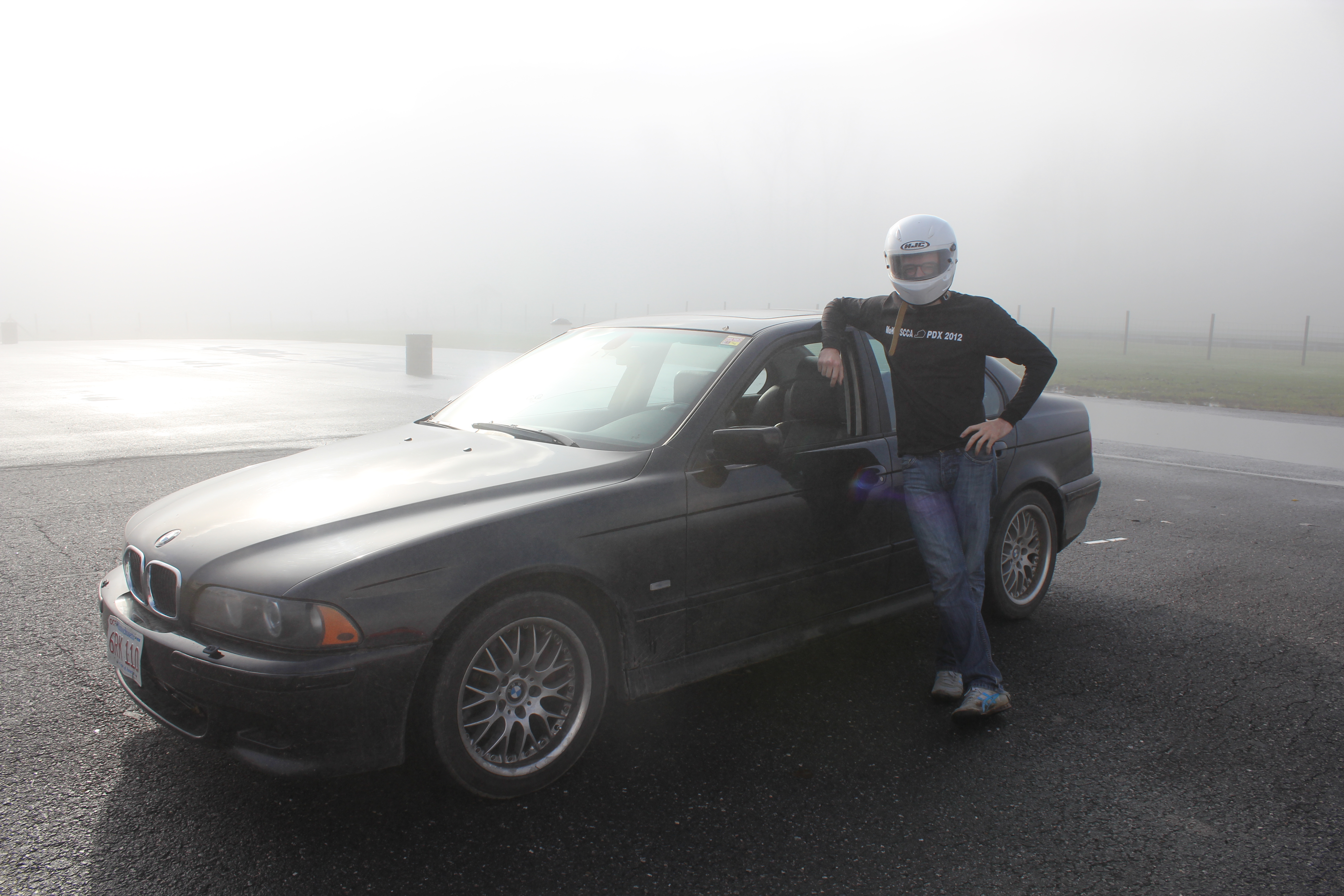
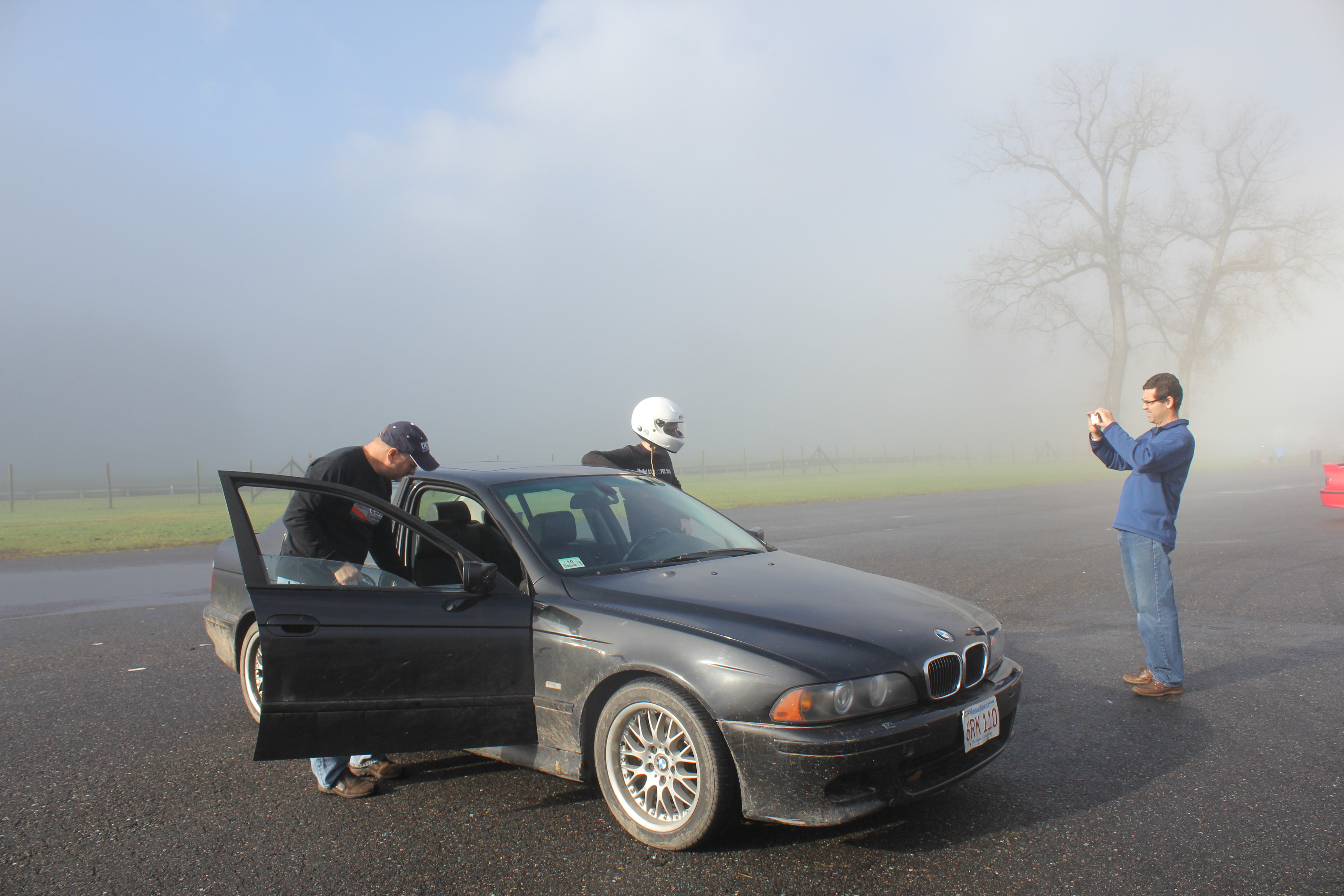
For his 21st birthday, I made my son a monster truck cake. (Donuts for the wheels.) We gave him a day of racing instruction at Lime Rock Park with professional drivers. He had to get his car track ready and show up before the sun was up and the fog had lifted for inspection. Then, he spent the day alternating class room instruction with on-the-track fast and intensive racing. He had one spin out which probably scared only me. Curious, I asked his driver to take me as a passenger during one of the professionals only races. The ride, without a doubt, was the most terrifying experience I have ever had. I didn’t like it at all. Nevertheless, I gained awareness and appreciation for the focused mind and intensely-skilled reflexes of a race car driver and the unbelievable heat a race car’s tires produce after speeding around a track!

IMG_1713

Ready to learn how to race.

IMG_1177

IMG_1178

Leading the pack.

IMG_1246

Sun setting over Lime Rock Park. Another day with cars when all ended well.

IMG_1512

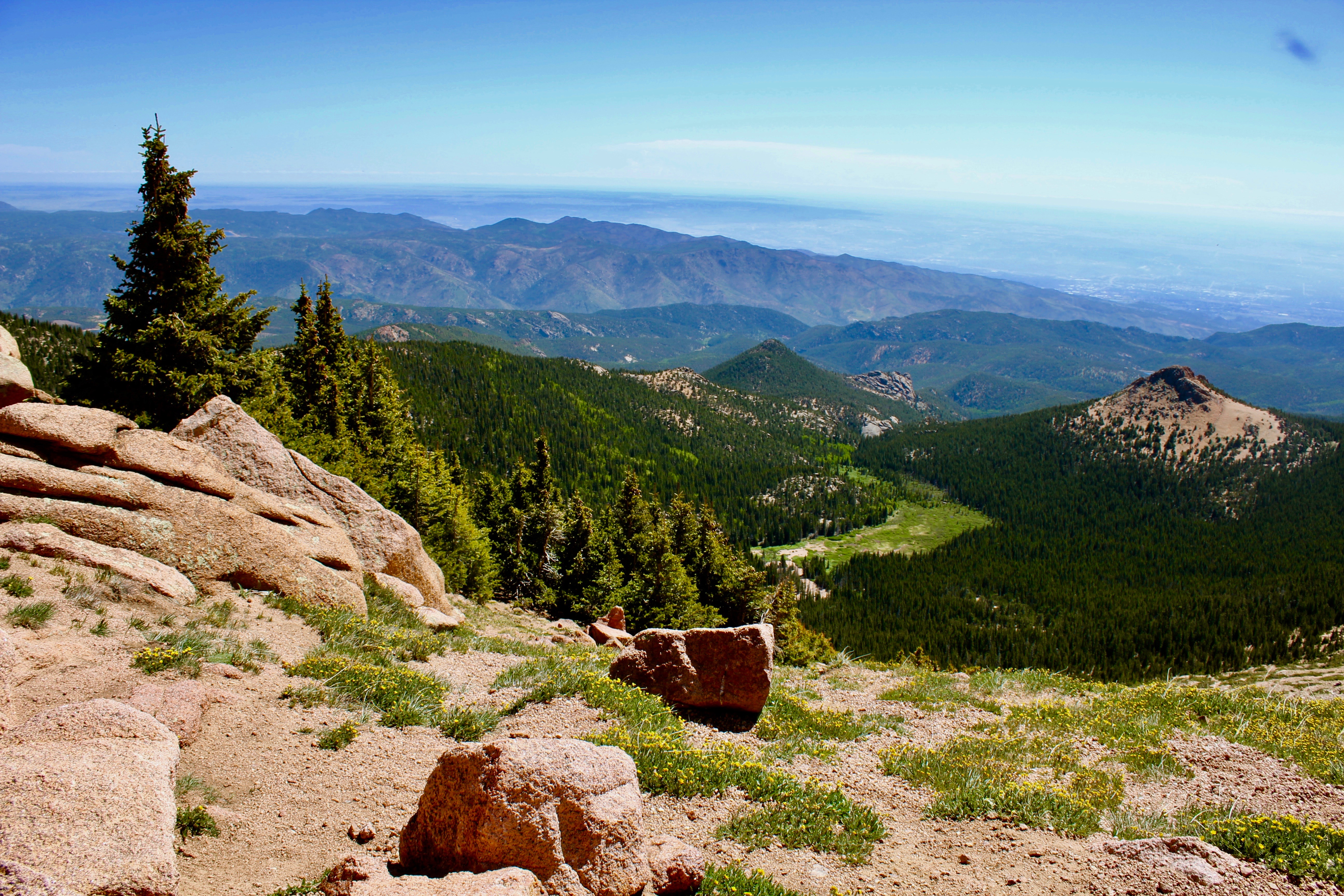
Another experience of car racing lore which taught me respect for a race car driver’s necessary combinations of healthy body, healthy mind, speed, skill, and intelligence came my way on top of “America’s Mountain” in Colorado. Pike’s Peak is known for inspiring Katharine Lee Bates to write “America the Beautiful.”  It is also where the Broadmoor Pikes Peak International Hill Climb (“Race to the Clouds”) takes place offering all drivers climbs to 14, 110′ in little over 12 miles with 156 serious curves. The tales of this race enticed me to ride bikes down the historic roadway with my husband. Even on a bike, the hairpin turns were nerve-wracking for me. I would love to watch someone drive a car up this road, fast. (The speeds at which they do it are beyond impressive.)

IMG_0145

IMG_0141

Electric race cars already conquer the Pike’s Peak International Hill Climb. The EV’s (Electric Vehicles) can make the climb without concern for the altitude changes, which had always been a factor throughout history due to the loss of power as internal combustion engines react to diminishing oxygen in higher altitudes. (I think. Or something like that.)

IMG_0148


I gave my son’s first car, a Cozy Coupe, a new name for him: the Crazy Coupe. He could drive it without snow tires through New England’s most challenging snowstorms until spring.

IMG_1797


* * * * * * * * *


O! Canada. And a Recipe for Relief.

America keeps coming undone. We act so shocked, but, honestly, what would America do without the drama of dysfunction? It’s as though a plague of uncivilized humanity has escaped from Hater’s Anonymous rehab to indulge in PDR’s: Public Displays of Relapse. They dream of reestablishing a culture of coddled cads who think PDBB’s—Public Displays of Boorish Behavior—should be acceptable forms of discourse.

It’s utterly repulsive. I don’t like America right now. I’m not feeling the love and I loathe what is becoming of my country. America—with its farce of an election—is being dominated by a cesspool of withered minds and floppy mouths belching forth a stench so foul, I can’t breathe without gagging. This does not mean I’ve lost faith in America. But still—my broken heart!

The good news is, there are some bright horizons—like the one to our north, and downeast from Maine. If any Americans out there, (like me), are seeking some relief, stop for a minute and say a prayer of gratitude for our position on the planet next to Canada.

Because across the border and into the Maritime Provinces, my husband and I have always found kindness, resplendent scenery, powerful tides, rejuvenating hikes and bike rides, nurturing food and drink, and wonderful music. These maritime—“of the sea”—lands include Nova Scotia and Cape Breton Island, Prince Edward Island, and New Brunswick. I’ve traveled to all of Canada’s Maritime Provinces, though not as often as I’d like. From where I live, Halifax is an easy flight out of Boston. Prince Edward Island and New Brunswick are road trip excursions. At the end of those road trips, a soulful and quiet peace awaits. It’s a welcomed type of slow travel that rarely moves beyond first gear, especially if you travel late into autumn which is what my husband and I just did.

On one hand, the Canadian Maritimes-style peace is so slow and so quiet that I don’t want to tell anyone about it. On the other hand, I’m not so sure people are interested in true peace anymore.

—Or their own souls.

—Or the souls of others.


Upon arrival in Canada, we stayed in a campground overlooking the Bay of Fundy from the town of St. Andrews, New Brunswick. The date was Canada’s Thanksgiving holiday weekend. We cooked dinner outside, the sun set, and soon a fellow camper stopped by our campsite to invite us over to his campsite for an evening of music. Thus passed our first night away from America as we found ourselves taken in—and taken away—by a fiddle player, guitar players, and singers performing songs and hymns in the distinctive, Celtic-derived traditions one looks forward to hearing in the Canadian Maritimes.

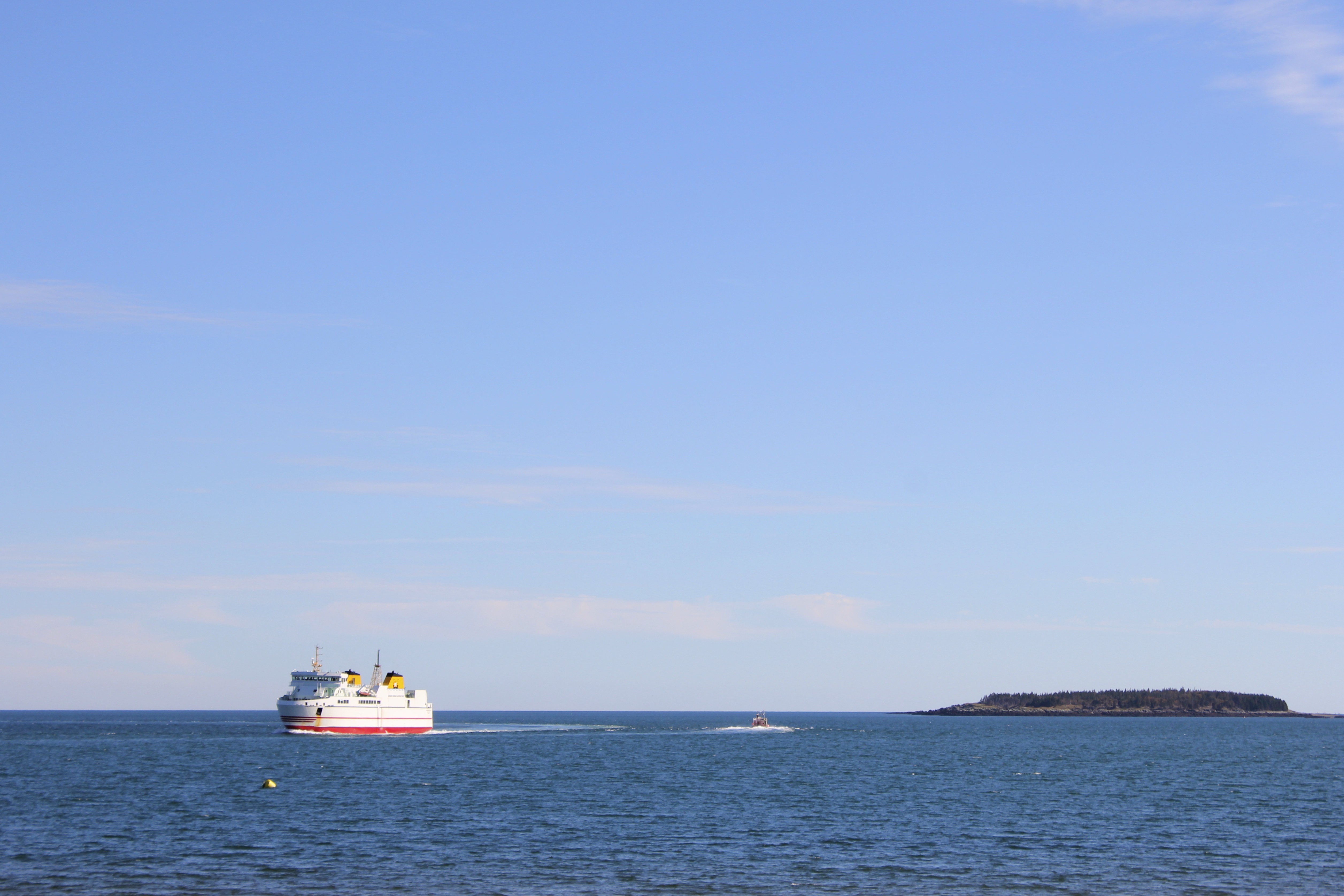
A few days later, my husband steered our motorhome into the belly of a ferry bound for Grand Manan Island—part of an archipelago of islands afloat in the mouth of the Bay of Fundy. The great American woman and writer, Willa Cather, spent many peaceful summers on Grand Manan, which is how I first learned about the island.

img_2238

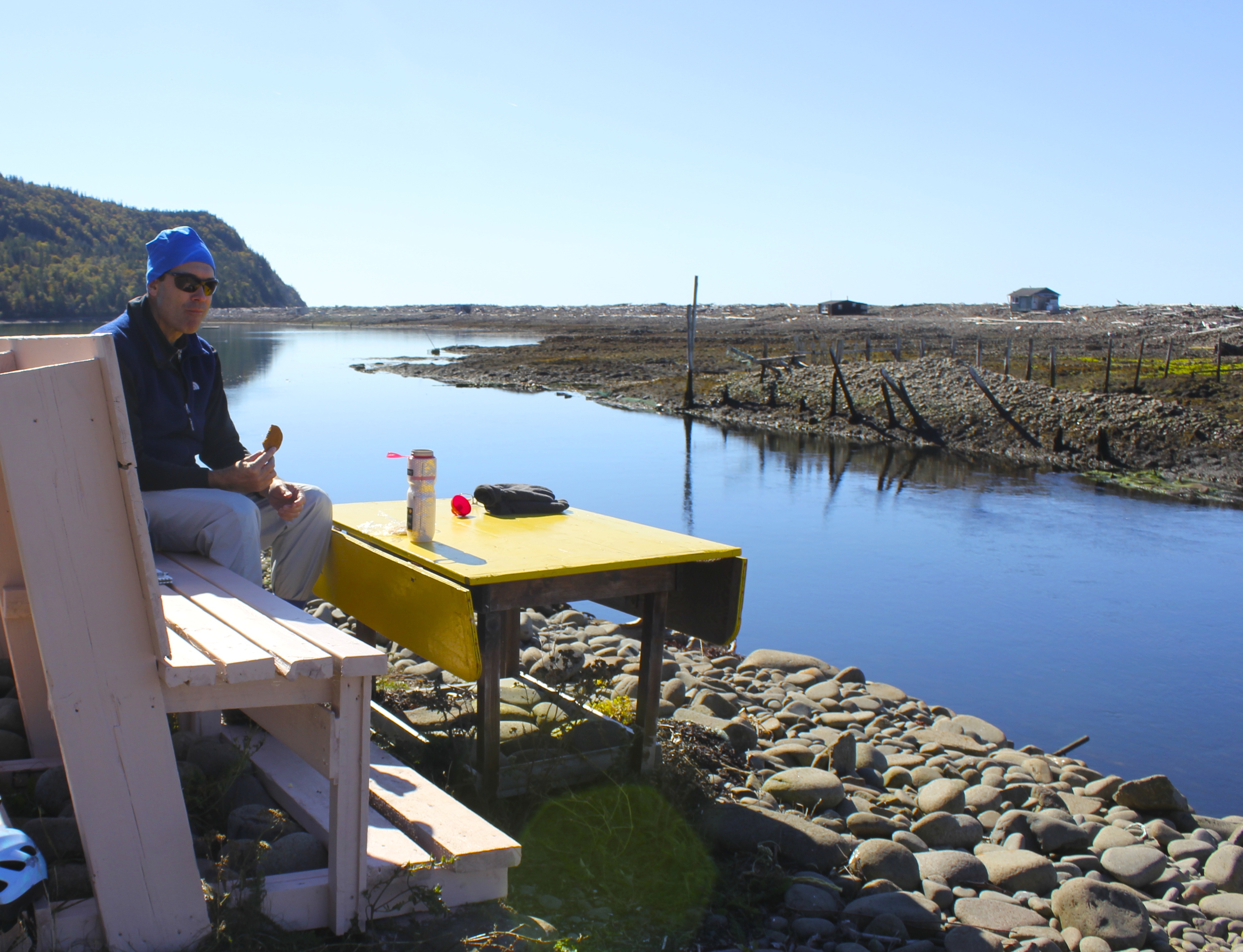
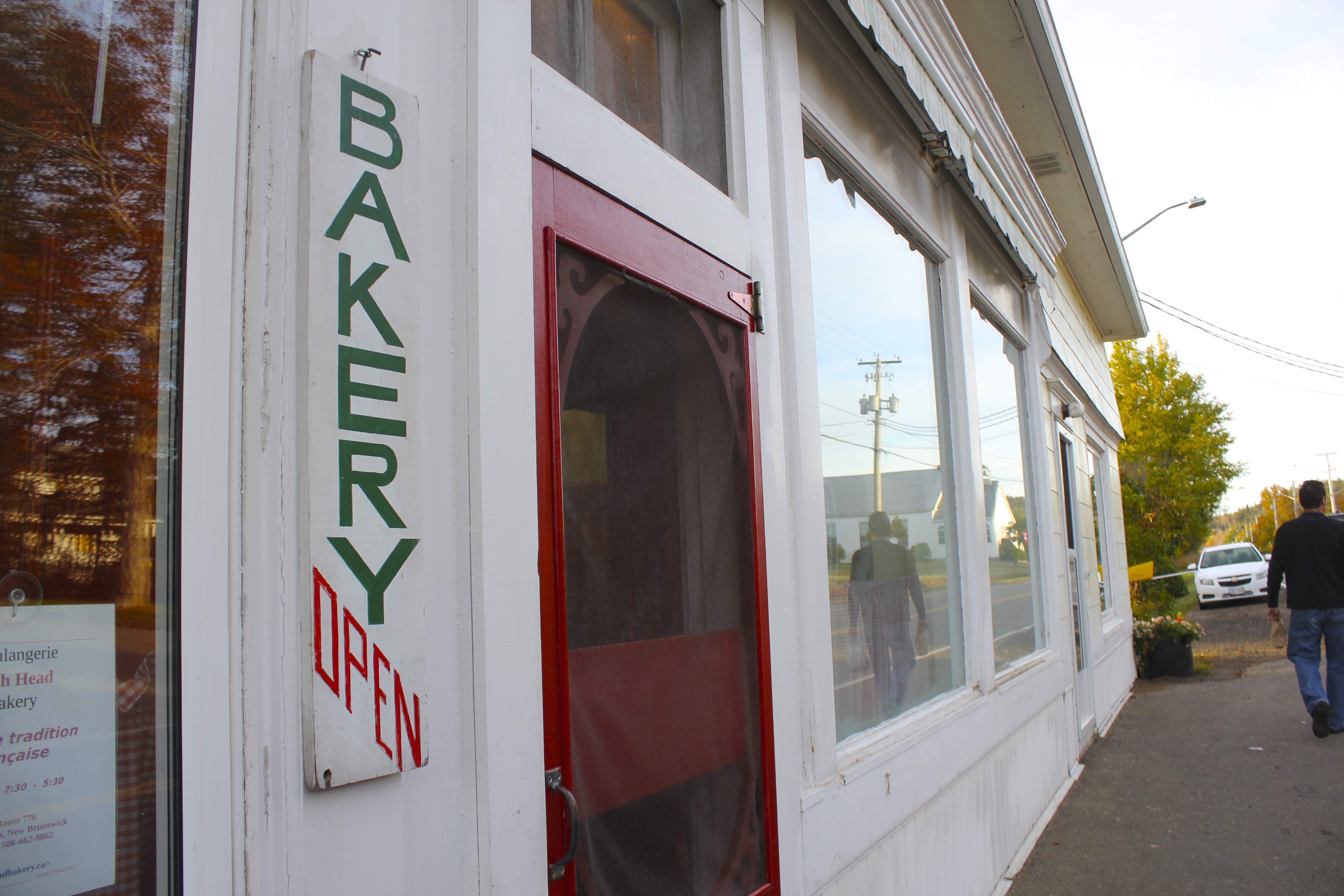
On Grand Manan, we found North Head Bakery and bought ginger molasses cookies, macaroons, warm baguette, sugar donuts, and still-steaming raisin bread. We found walking trails at the very edge of majestic cliffs with only fresh air to steady our wobbling legs. We found islanders that waved hello whether we were driving our huge motorhome on their narrow roads or riding our mountain bikes up and down their hilly routes.

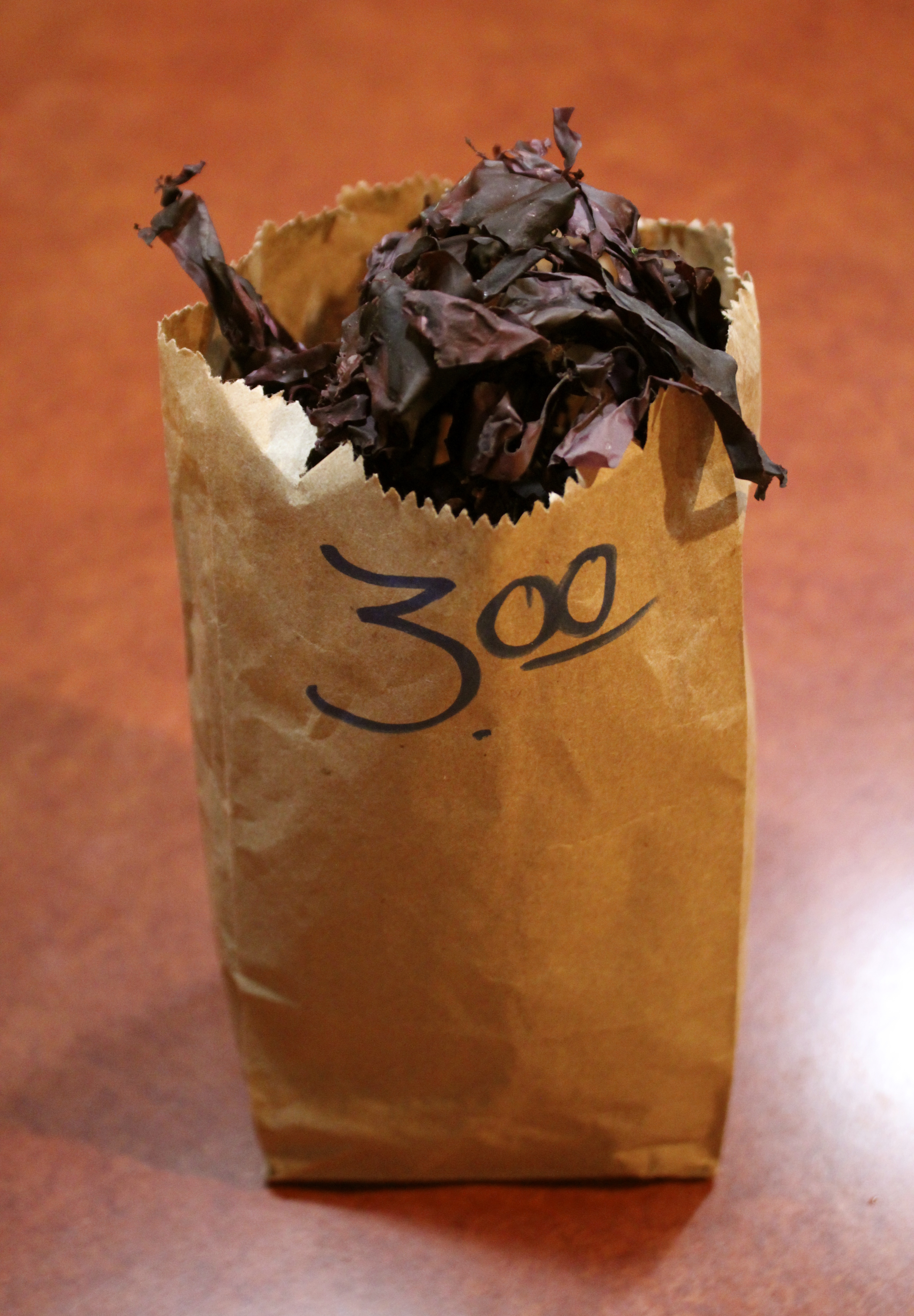
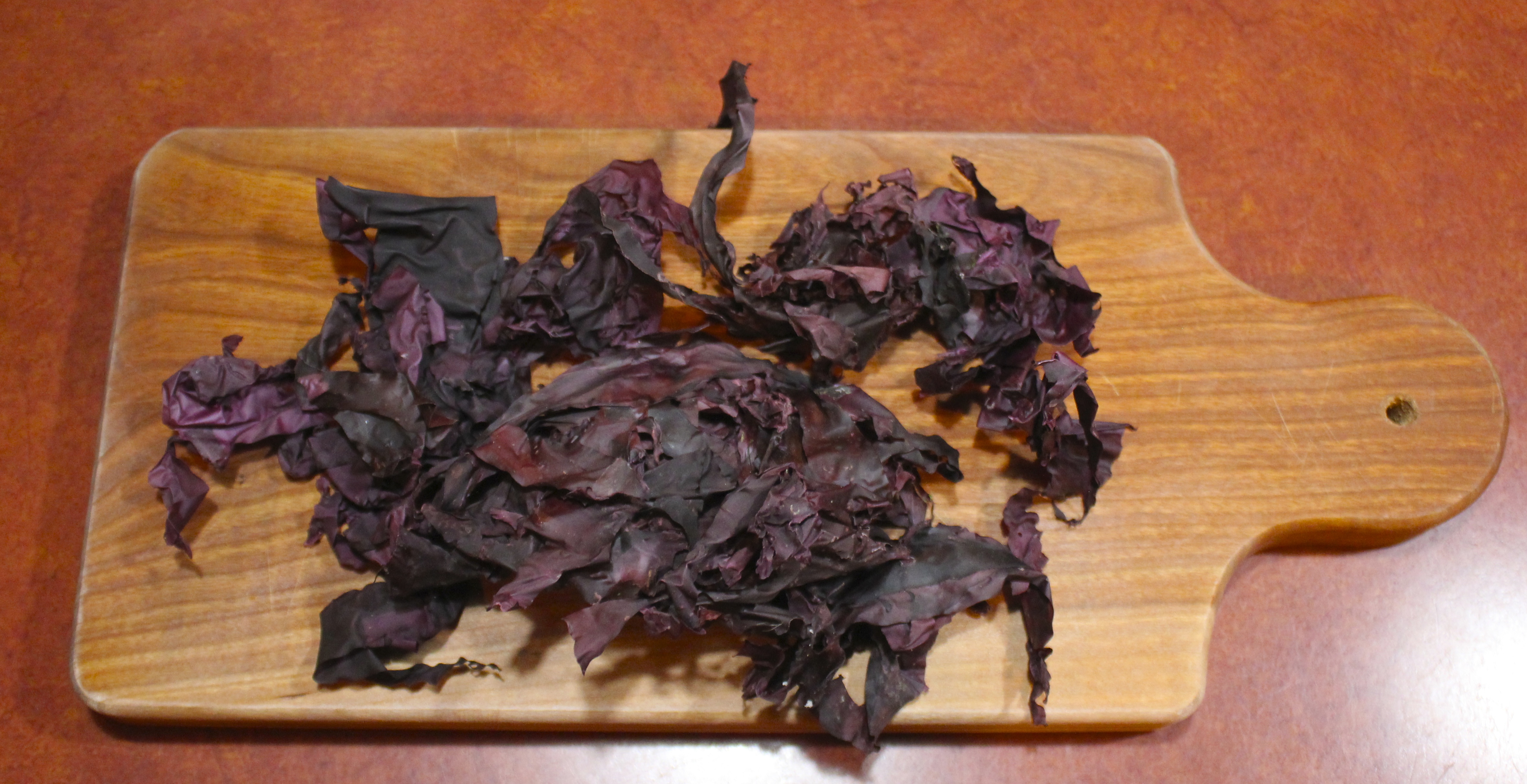
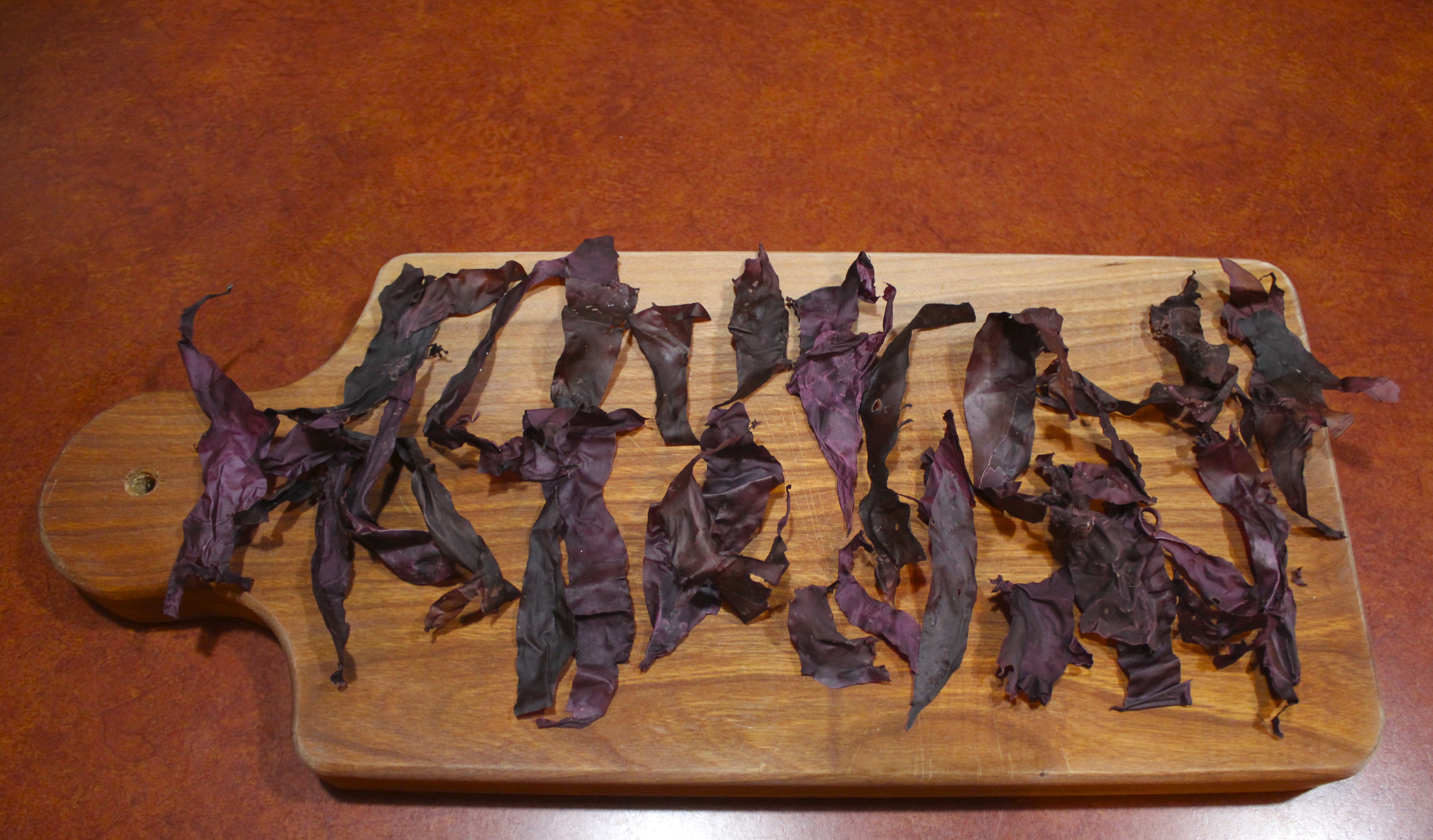
We biked to the infamous island outpost of Dark Harbour where we enjoyed a unique place to have a picnic. We discovered dulse, a superfood sea vegetable (aka seaweed) harvested by hand from the ocean and dried on rocks under the summer’s sun.

img_2107

img_2146

img_2152

img_2136

img_2142

img_2156

img_2163

img_2141

img_2160

img_2164

Willa Cather wrote: When kindness has left people, even for a few moments, we become afraid of them as if their reason had left them. When it has left a place where we have always found it, it is like shipwreck; we drop from security into something malevolent and bottomless.

America is shipwrecked. It has been sunk by malevolent and bottomless madding crowds.

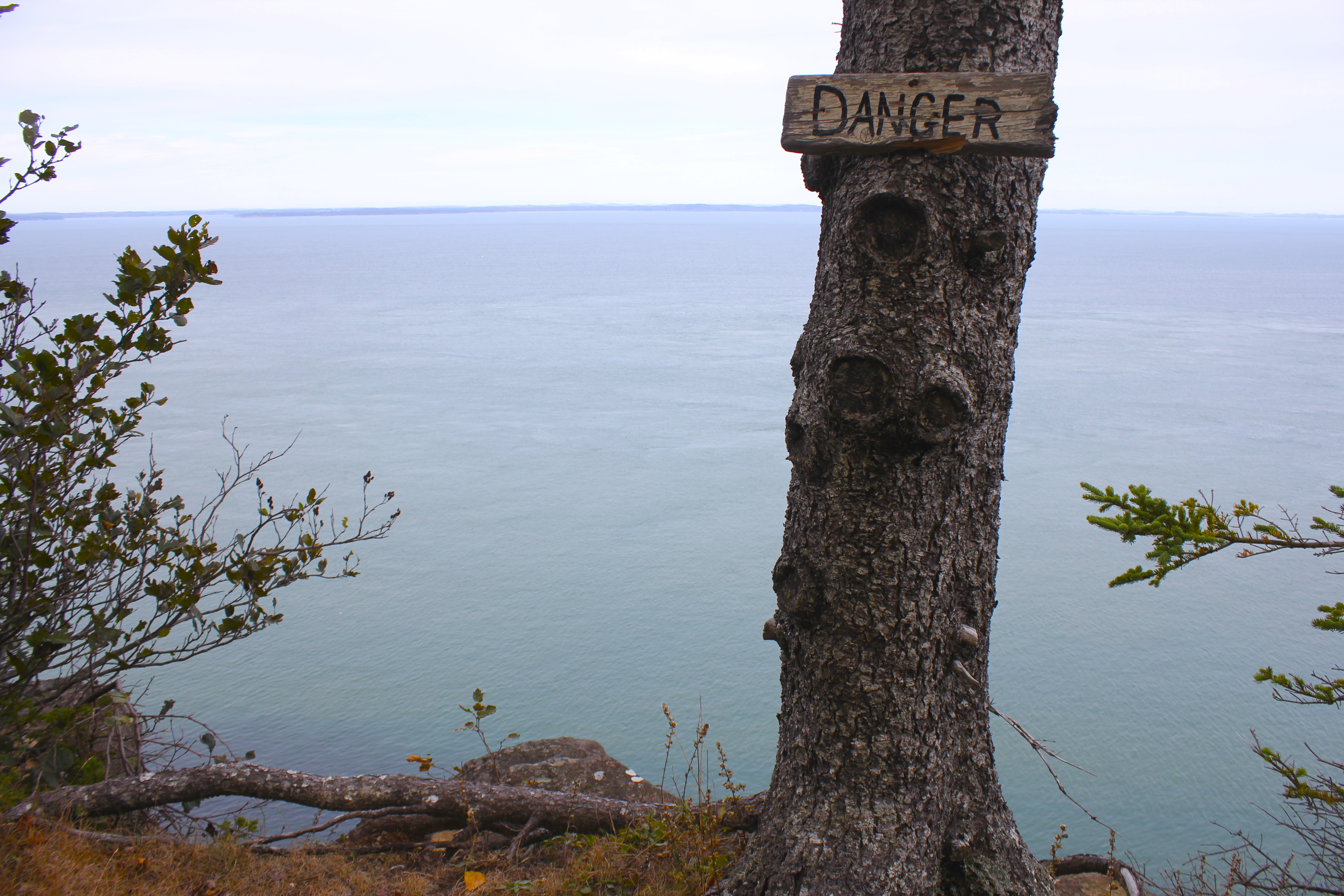
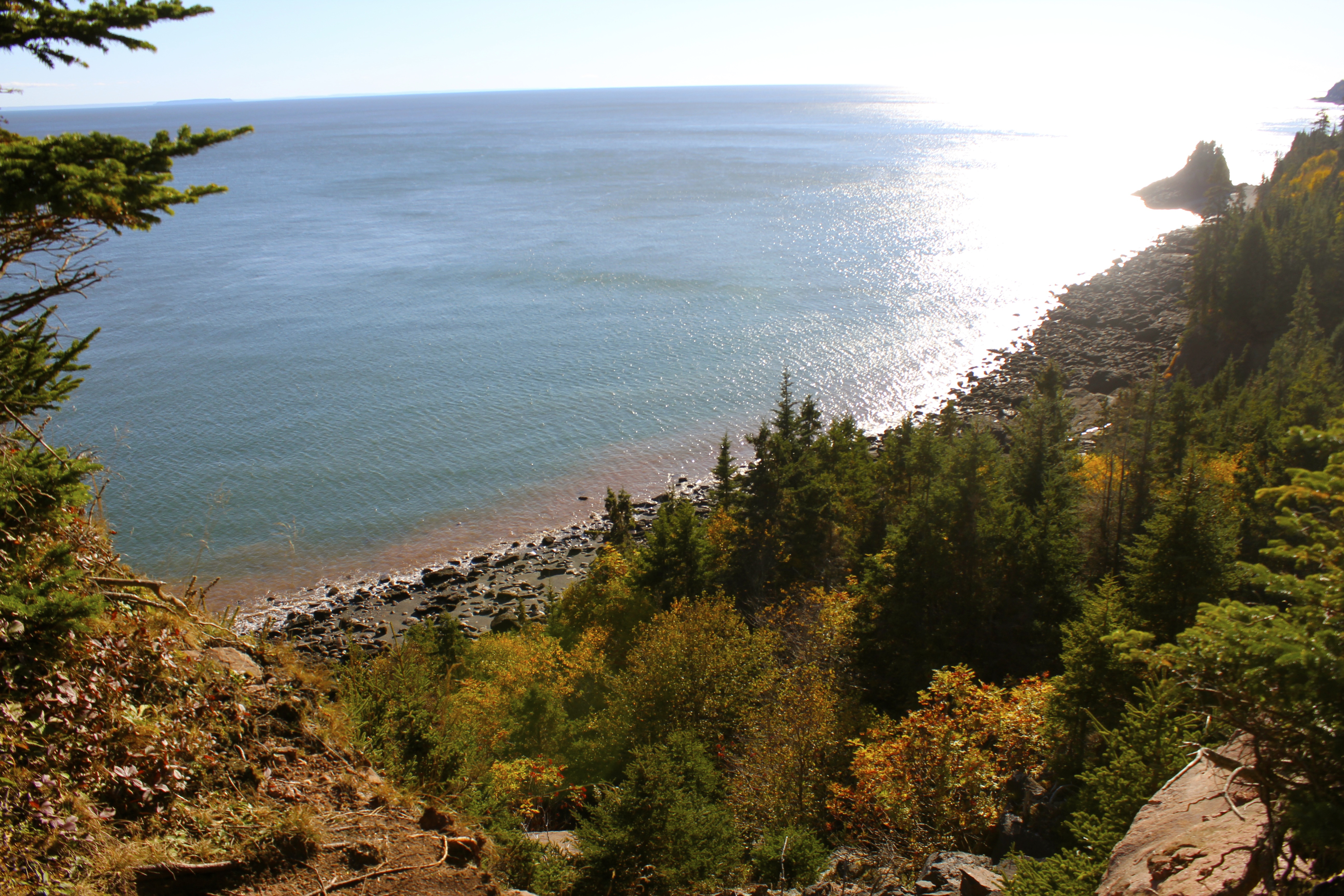
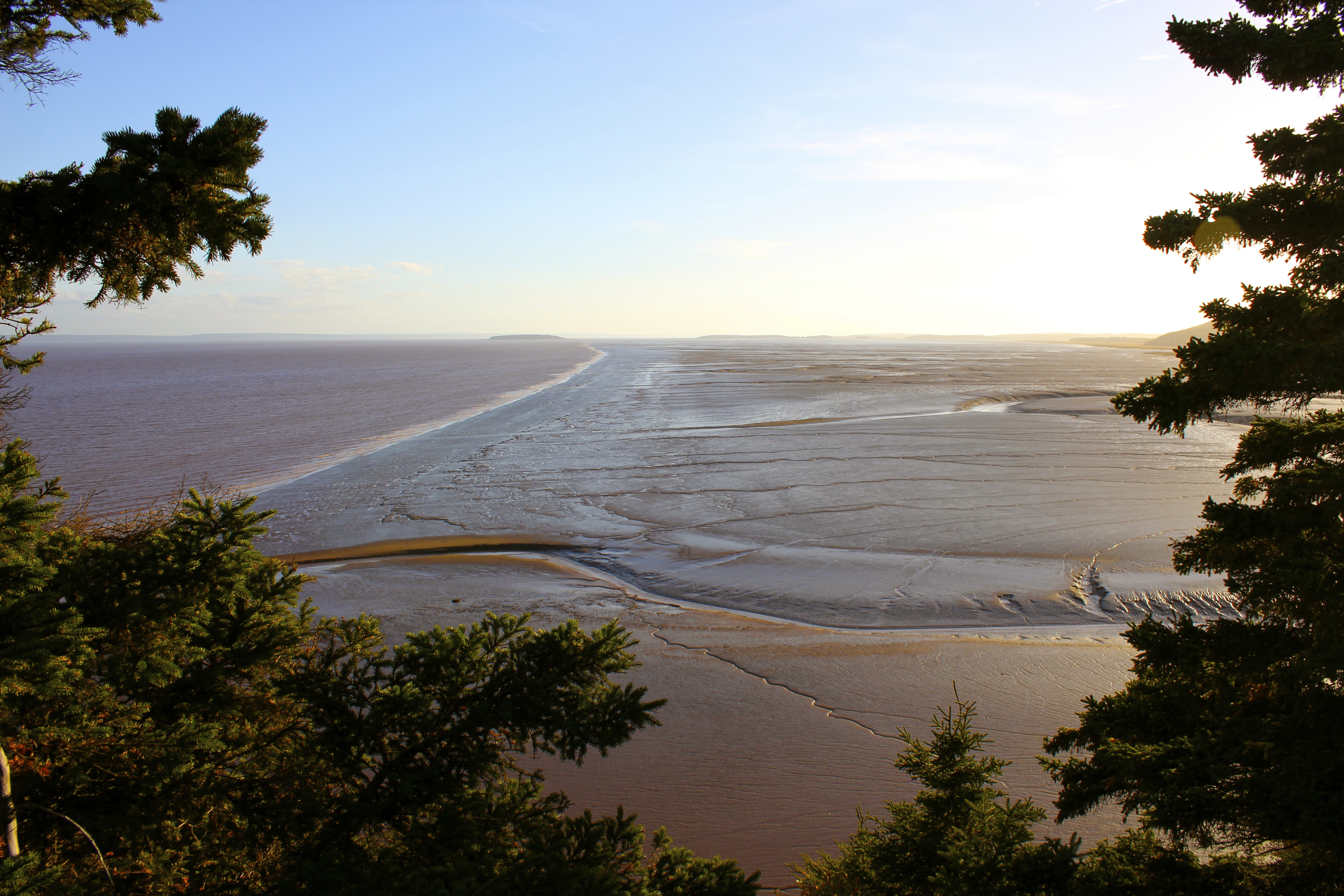
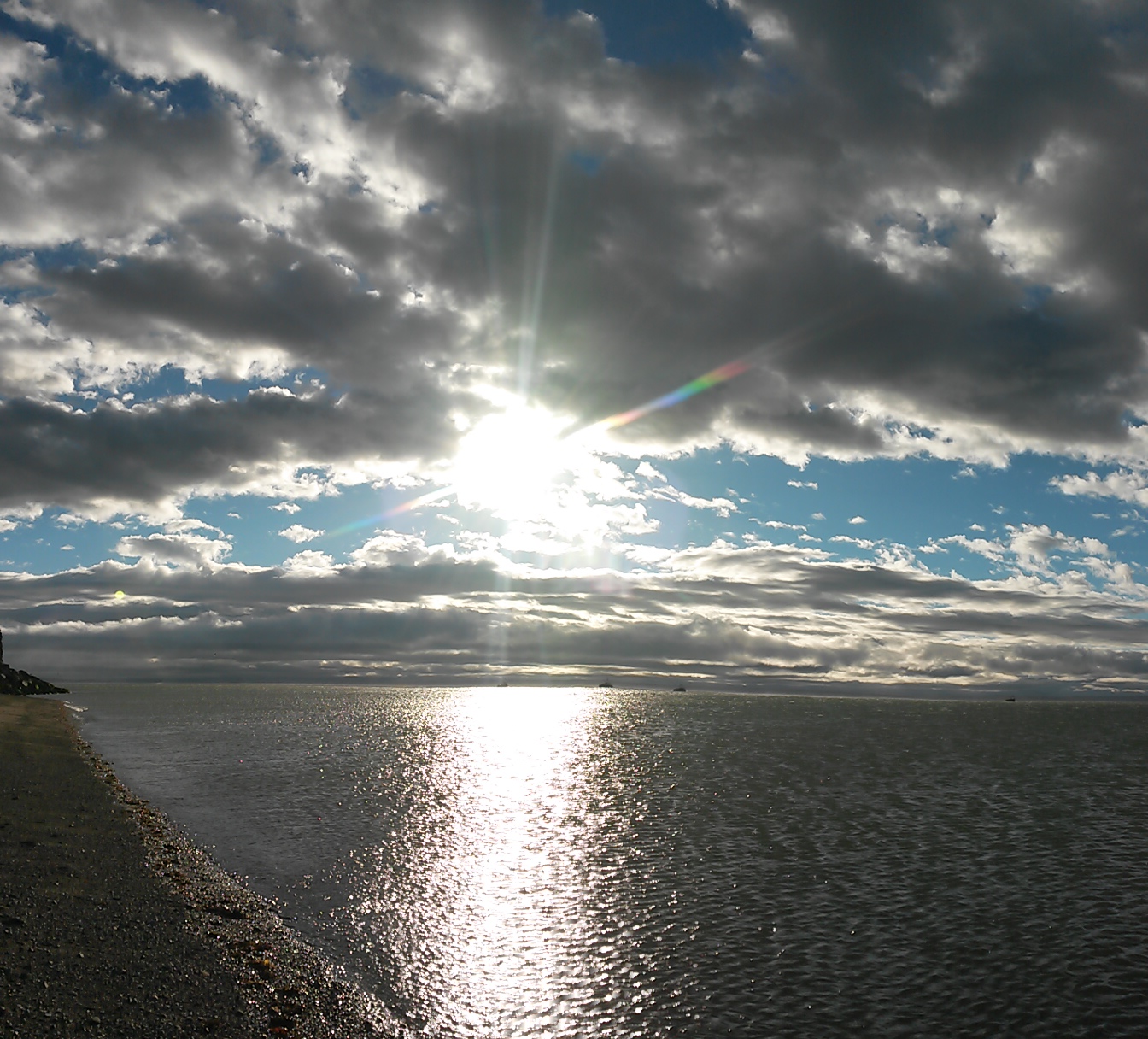
A history of shipwrecks surrounds Grand Manan Island. Her cliffs are dangerous, wild, and windswept. One stands on the edges of the island in the year 2016 and considers the consistent tug of Earth’s greatest tides, those forces always at work eroding the truths we no longer seem to value and uphold as self evident. Indeed, a faraway island can leave a traveler like me, a woman unmoored from her own country, feeling hopeless and stranded. I found myself wishing the tides of the sea could take me away. Then I wanted them to promise to bring me back. I wanted to present the Bay of Fundy tides to the rest of the world, so everyone could notice how powerful and precious and vast they were, and how small each and every one of us becomes when we stand facing the phenomenon of Earth’s relentless waters.
img_2229-2

img_2231

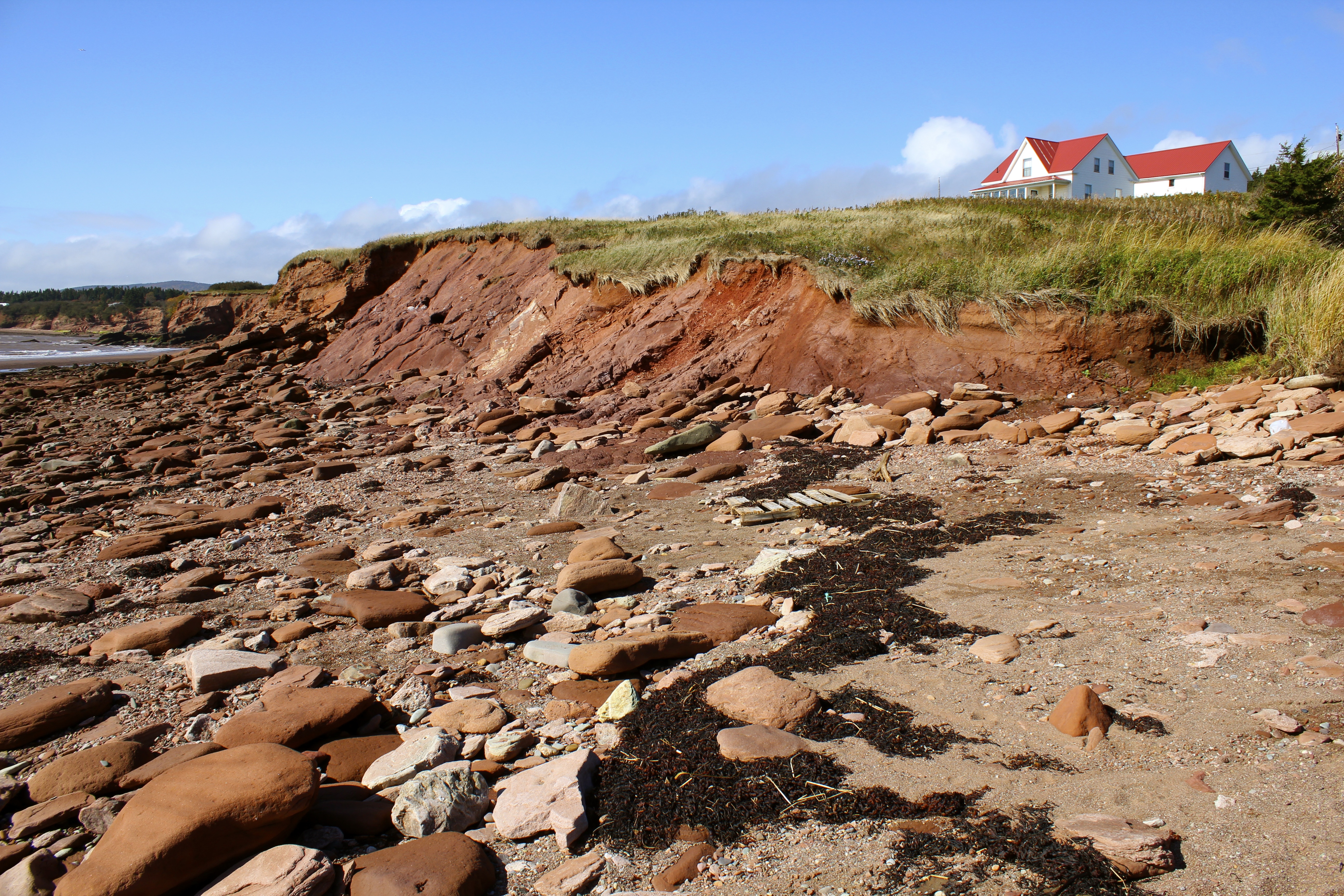
I asked the tide to bring me sand dollars—

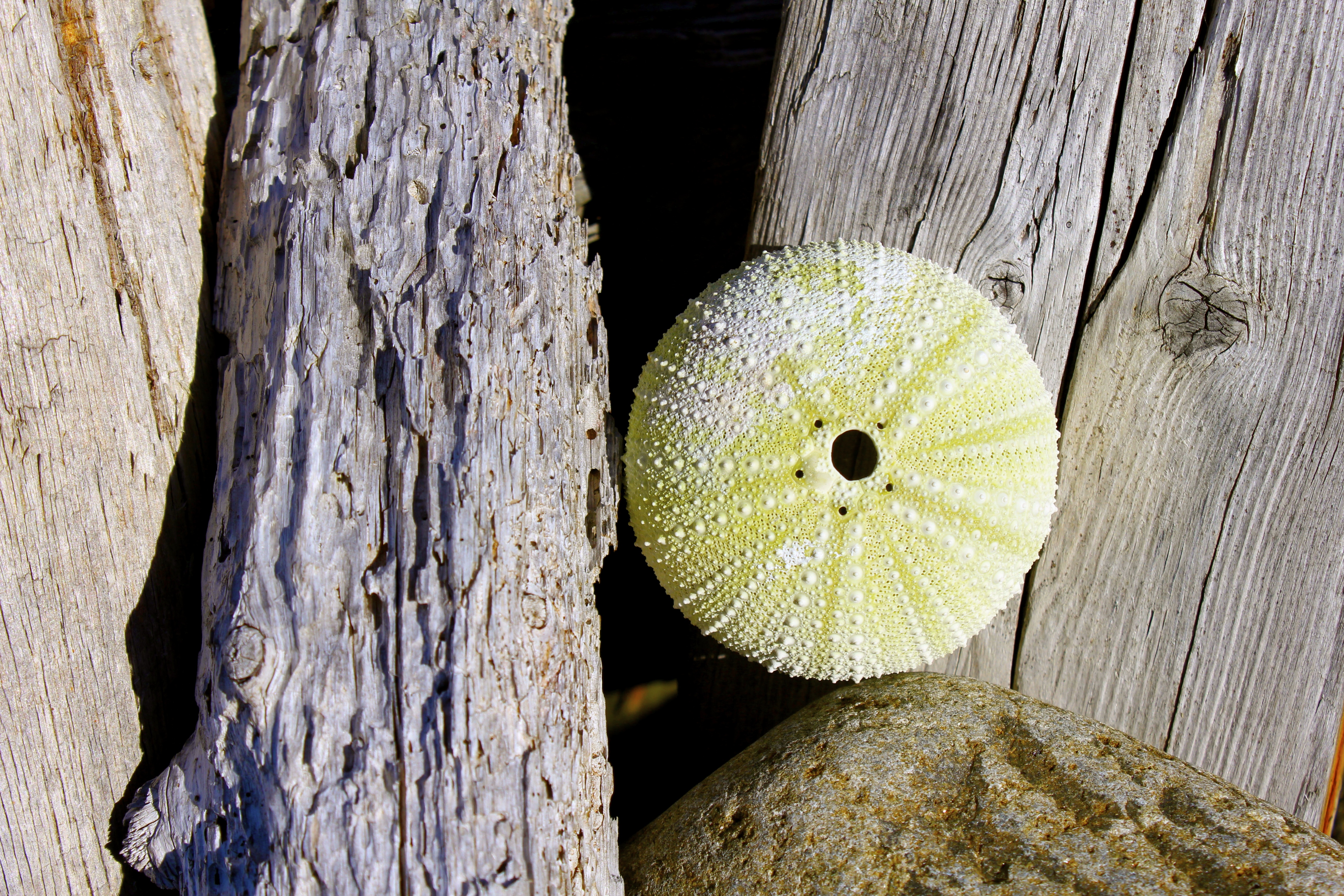
Intact sea urchins—

Pretty sea shells—

Fossils from a time when the Earth was not yet ravaged by the egos of men and women.

img_2172

img_2187

img_2167

img_2177

img_1962

img_2224

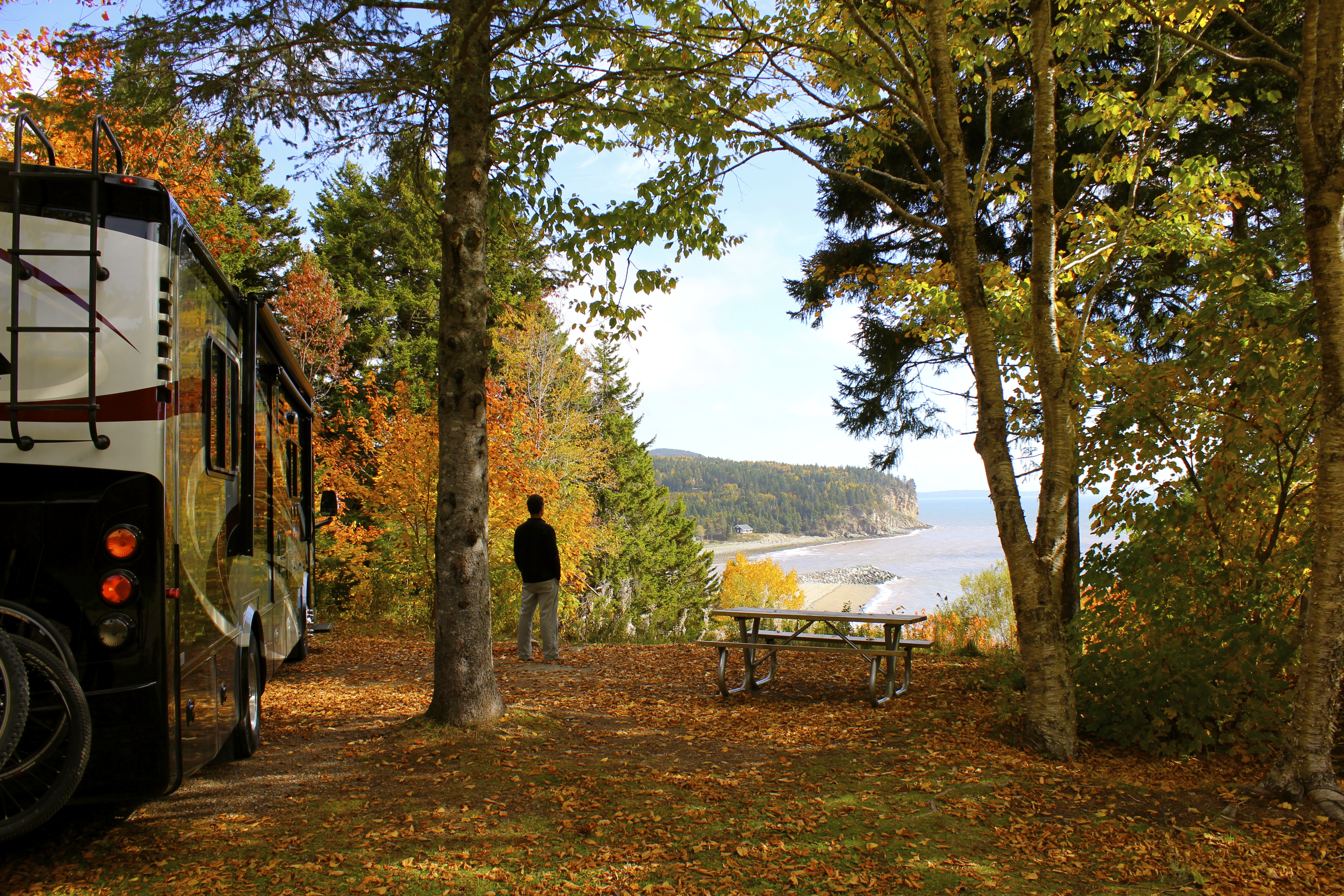
The tide took me from the island of Grand Manan to Fundy National Park where one of the most stunning campsites, Site 59, overlooked the whole wide world, in peace.

img_2257

2016-10-13-10-57-38

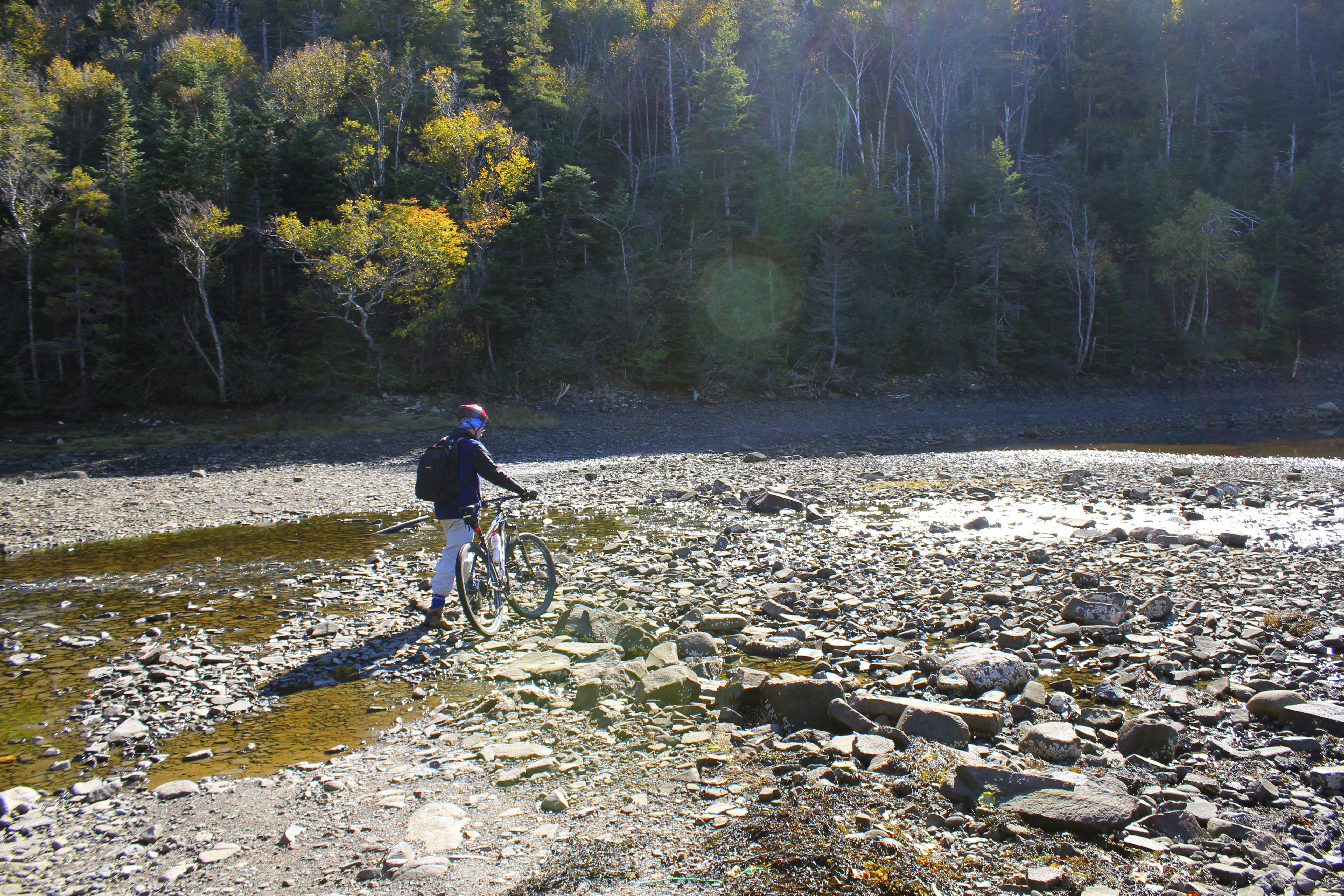
Our hikes there included premier trails through coastal forests, good doses of satisfying physical exertion, and solitude. Our bike rides and walks upon the ocean’s exposed floors elevated our spirits to our most grateful selves while pastoral settings inspired us to believe romantic thoughts about life. Cliffside picnics made our egg salad sandwiches taste royal enough to be served on golden paper plates.

img_2391

img_2264

img_2314

img_2382

img_2376

img_2417

img_2299

img_2310

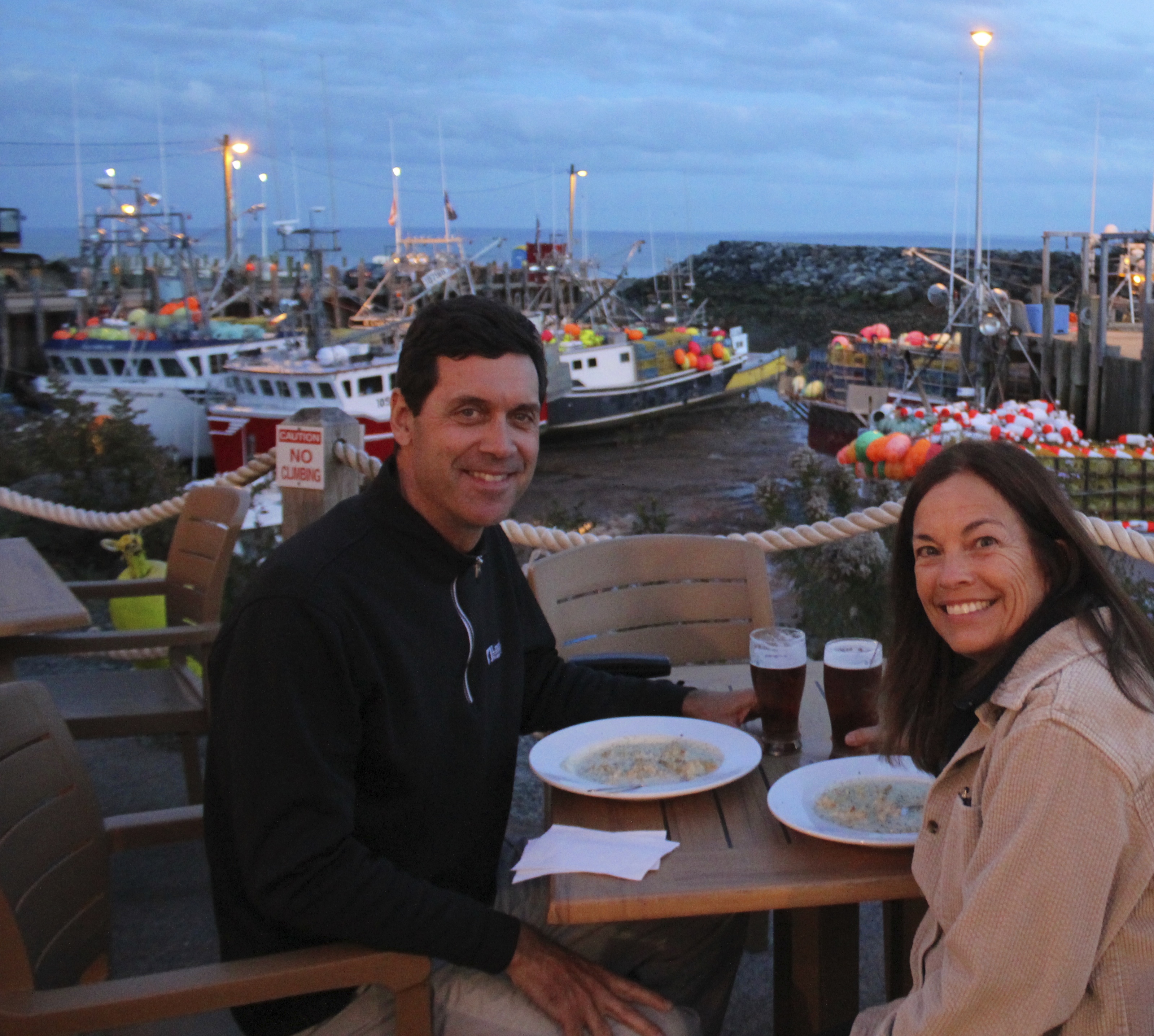
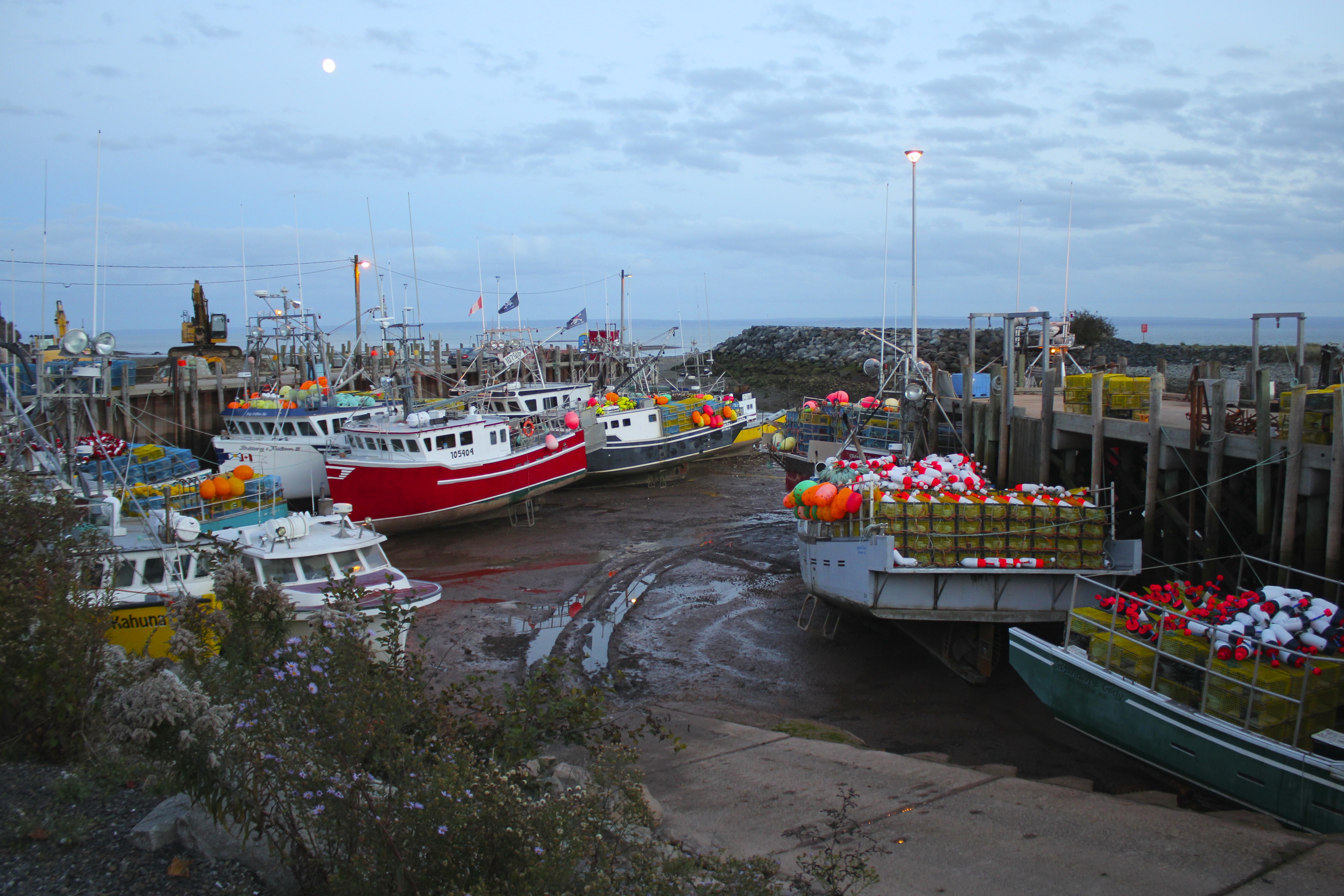
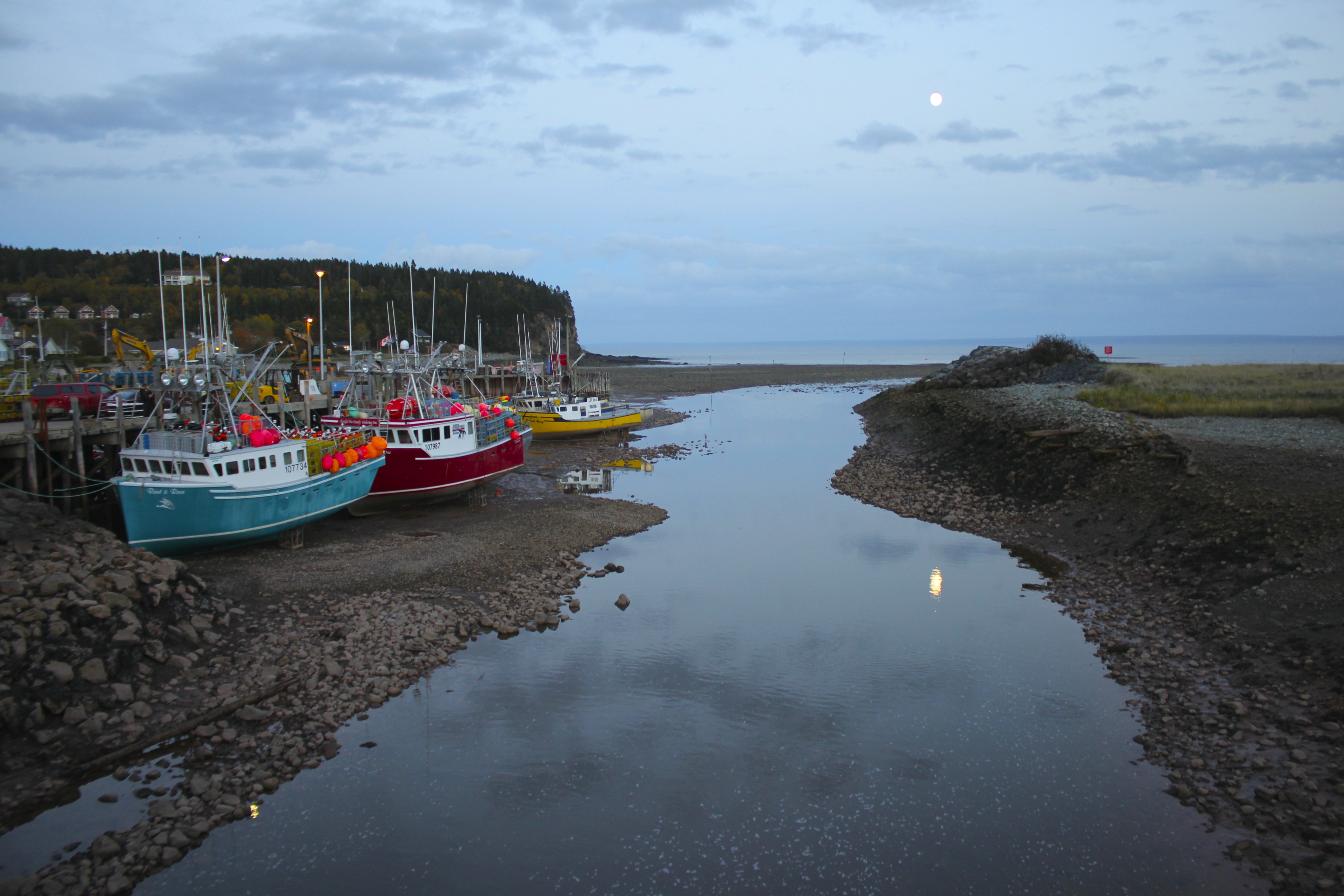
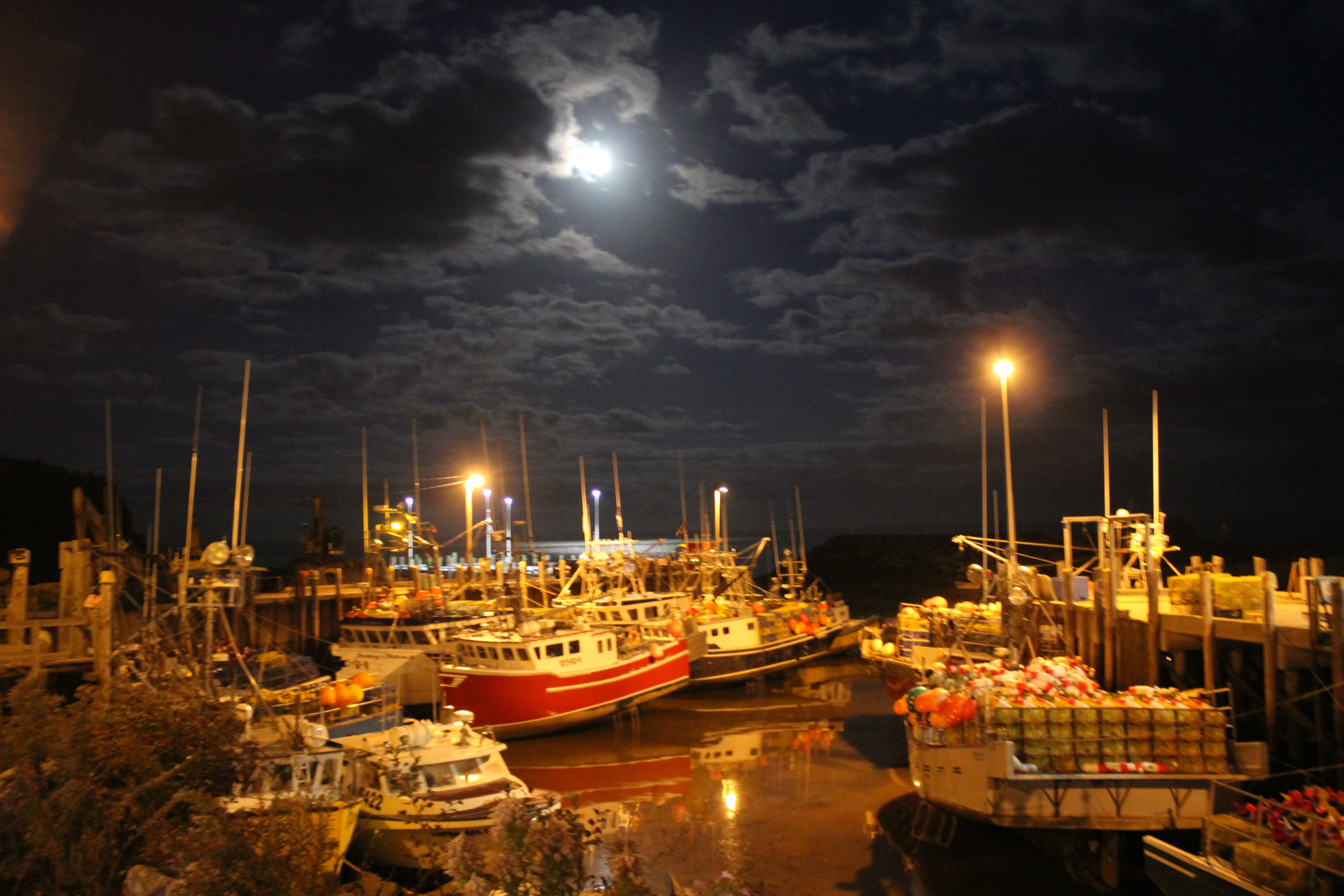
We found friendship in the small, small village of Alma at the base of Fundy National Park where we were given the last of the season’s fish chowder on an outside deck at Tipsy Tails as the weather began to turn. Our server said: “Two bowls of chowder, two beers, and two blankets?” then she invited us to join in with the town later that night to celebrate the morning’s anticipated launch of the lobster fishing fleets when the tide would be high enough to float all boats. From our campsite, perched over the village, we heard the music commence as the moon was rising. We bundled up and walked into town using a sturdy, cliffside staircase comprised of more than 100 steps. Sea ballads, Scottish and Irish folk songs, and more hymns filled the night. The next morning, a bagpiper played as gale winds and dark clouds cast shadows over the faces of babies snuggled in the arms of mothers and grandmothers and aunties. Young men clung to boats jammed with lobster traps and before long, the boats sailed through the winds and out of sight. All of the fishermen faced long, hard, hopeful days at sea.

img_2323

img_2319

img_2317img_2329

IMG_2349.jpg

img_2366

20161014_080727


Upon re-entry into the United States, a guard asked us if we had any plants, fruits, or vegetables from Canada in our motorhome. We said no. He said he was going to have to come on board and see for himself. He opened our fridge, seemed satisfied, handed us our passports and said, “Welcome home.”

We did have one vegetable on board and I’m glad it wasn’t confiscated. It was the dulse, which hid itself well in spite of smelling like the boldest of low tides. The taste of it, right out of the bag, is just as strong and gamey as the aroma. But it is a legendary superfood with phantasmagoric health benefits and I was determined to learn how to cook with it.

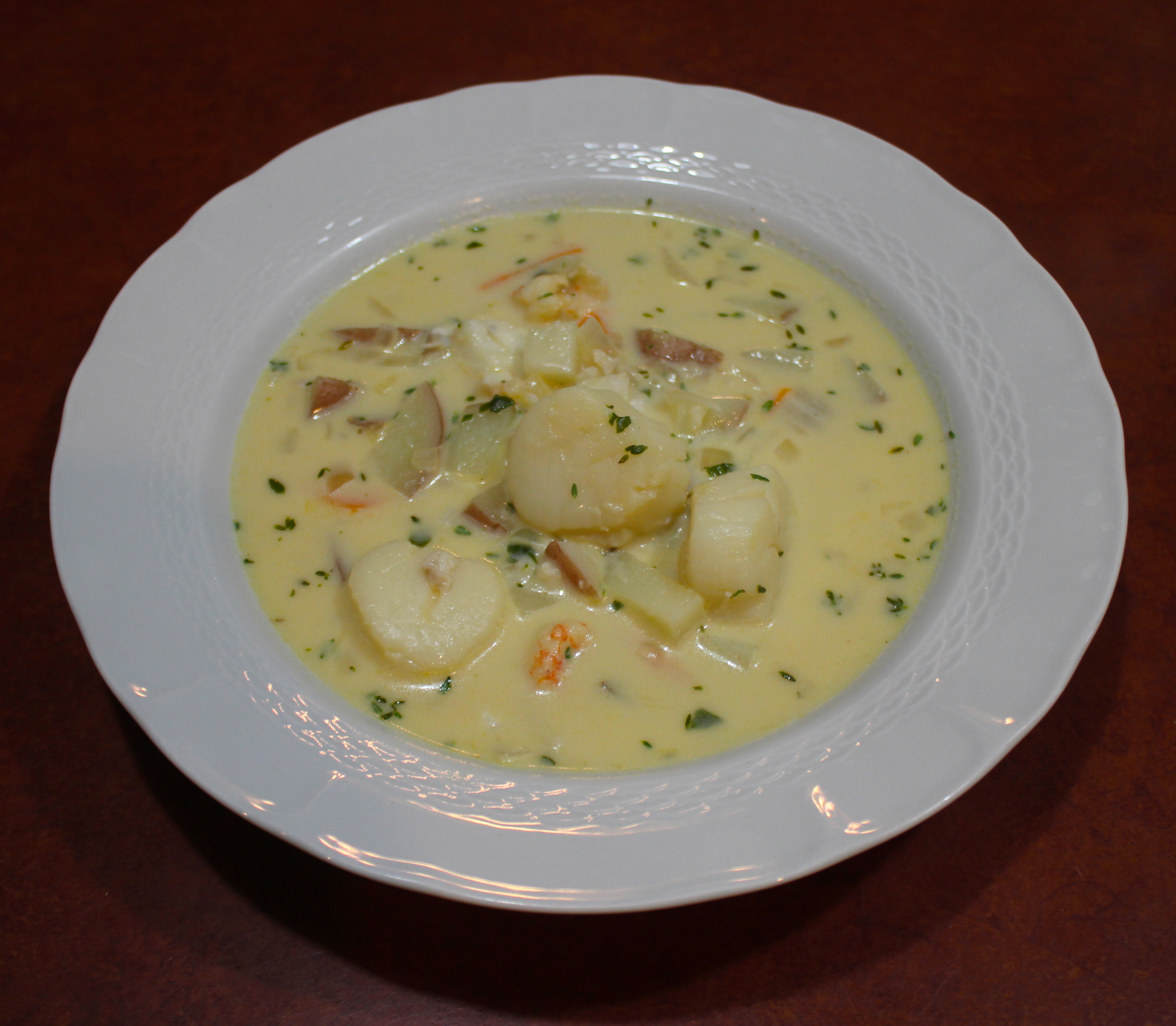
Within a day of our return, I created my own version of fish chowder inspired by travels through the Canadian Maritimes and our discovery of the world-renowned dulse harvested in Dark Harbour, on Grand Manan Island. I used simple ingredients kept stocked in our kitchen. As I cooked, I reminded myself of how kind the people in Canada had been to us. When speaking about America’s sordid election, the Canadians we met didn’t hesitate to express their faith in America and many showed compassion for the unfortunate relapse into dinosaur-brained recklessness going on throughout every state. One man assured me, “America will do the right thing.”

But I don’t know…Willa Cather’s peaceful visits to Grand Manan ended in 1940 when safe passage to the island was threatened by German submarine activity in the Bay of Fundy.

If America wants to be great again, it must become kind first. Where there is kindness, there is reason. Where there is reason, there is peace.


COMFORT AND KINDNESS FISH CHOWDER

4 cups chicken stock (I used a 32 oz. store-bought carton)

2 cups chopped onion

1 T butter

1 T flour

1 cup half and half

1 big carrot, peeled and cut into half moons

6 red potatoes chopped into half inch squares

8 scallops (I keep a bag of Trader Joe’s jumbo frozen scallops handy)

1 handful of langostino tails (also a Trader Joe’s frozen seafood product—tastes like a combo of lobster, shrimp, crayfish)

3/4 lb. of fresh cod, cut into one inch pieces

Chopped thyme, chives, and parsley from the garden

2 T chopped dulse 

2 handfuls of dulse, cut into strips for frying in olive oil

Slices of baguette bread

Saute the onion in the butter until soft, but not brown. Blend in the flour, cook slowly and remove from heat. Slowly pour and stir in two cups of the broth. (This is a Julia Child all-purpose chowder base.) Add the carrots, add the rest of the broth and cook until just before the carrots are tender. Cook the potatoes in a separate pot of water until just before they are tender. Drain them and add them to the broth and carrots. Heat on low. Add spices, salt and pepper, and chopped dulse to taste. Pour in the half and half and gently heat up without boiling. Place all of the seafood into the chowder and let cook for ten minutes. The fish will break up, adding texture and flavor to the broth.

Heat olive oil in a pan. Working quickly, fry the strips of dulse, turning them once and draining them on paper towels. Toast a few slices of baguette in the olive oil. Fried dulse is tasty! It’s good dipped in salsa, too.

Serve the chowder hot with fried dulse on top and on the side.


Dulse from the market in Canada.

img_2462

A handful of dulse.

img_2468

Dulse separated into strips for frying.

img_2469

Fried to a crisp, glossy green.

img_2470

img_2471

Baguette dulse-flavored by toasting in the remaining olive oil.

img_2473

The chowder only needs some pepper and fried dulse on top.

img_2477


I set our table with a small arrangement of buttercups I found on the edge of our last mountain biking trail in Fundy National Park and some thyme and lavender still blooming in my garden went we came home. I found the vase at NovaScotian Crystal in Halifax when we traveled through on our way to Cape Breton two summers ago. The vase is perfect for small and sweet bouquets from the garden.

img_2464

Believe in kindness.

Tools for Sustainable Loneliness.

What do you have to show for all of your loneliness? Destructive addictions? Obsessive behaviors? Too many hours spent staring at the cobwebs cluttering up your vast funks? You ask the spiders: Are you depressed? Or are you lonely? They bite you.

Same.

One of the most pleasurable obsessions I have to show for all of my loneliness is an attraction for tools. I especially love hand tools and have loved them since my own days of yore when we young ones were neglected and allowed to play with really cool, authentic things that didn’t come to us road-blocked behind rules, regulations, age restrictions, or trigger warnings.

On any given summer’s day in the times of yore, I’d take a few slow laps around the family garage before setting out to wander through the fading frontiers of America’s un-gentrified, suburban free ranges. Many family garages displayed a good selection of random tools and mine was one of the best being managed, as it was, by my dad, the United States Air Force man who grew up as the oldest boy on a farm. I went for Dad’s hammers, saws, shovels, maybe some pliers, and an ax. I’d load my wagon with Dad’s tools and leave home. Texting Dad in order to ask permission for engaging in the behavior of helping myself to his tools was, blessedly, not possible. Besides, I was following orders from Mom: Go outside and play.

On my way to the ancient childhood hinterlands, I’d stop at new-home construction sites, peruse their junk piles for lumber and add choice finds to my wagon. I planned to repurpose everything into an outpost. My outposts were repeatedly attacked, sacked, and plundered. I repeatedly rebuilt and reinforced. Dad would ask, whenever one of his carefully maintained tools went missing: Why? Why can’t you remember to bring the tools home? Why can’t you put them back where they belong? Why can’t you return them in the same condition you found them? Where are they?

They are somewhere in the woods of Indiana and/or the foothills of the Sonoran Desert in Arizona. It was in those places where I learned, on my own, how to love being lonely. A lot of children discover how to love their loneliness within the pages of books. For me, it was tools. If you take a hammer and hold it like you mean it, it becomes like a divining rod—leading you on to worlds of creative possibilities and sustainable satisfaction. Pounding a nail true, hits the spot every time. Success. Pleasure. Purpose.

I’m still a lonely girl, and I’m still loving—and losing—tools. Recently I lost one of my favorite gardening tools—my soil knife. She is a substantial hunk of steel fastened onto a sturdy handle. Her hunk-of-steel blade has one sharp edge and one serrated edge, making her a champ for slicing into the soil to lift out weeds and/or for sawing apart the gnarly root balls of plants. There’s also a handy v-notch cut out of her blade for ripping through twine. The handle of this tool, BTW, is neon orange—designed especially to help lonely wanderers, afflicted with an array of distraction disorders, find their tools when they lose track of life. My gardening tool will come back to me when my prayers to Saint Anthony make it though the queue. Until then, I’ve distracted myself with the old pitchfork, an outstanding hand tool for the quiet work of digging out unsustainable turf in order to replace it with beautiful, and more sustainable, gardens.

********

So it should come as no biggie surprise that when a lonely girl like me lands, in her luxury gypsy motorhome, in the parking lot of a truck stop near Gardiner, Maine, late at night, with the husband she met when she was too lonely to care about boys, and that husband says what do you want to do tomorrow—Lonely Girl looks at a map, opens a couple of cold beers, and can’t wait to answer the question. I open the windows, too, and speak to the hum of idling truck engines, all at rest after long days on the road. I keep romantic ideals about what I want to do and what I hope to find tucked in, and simply suggest a list of options for the next day’s adventures:

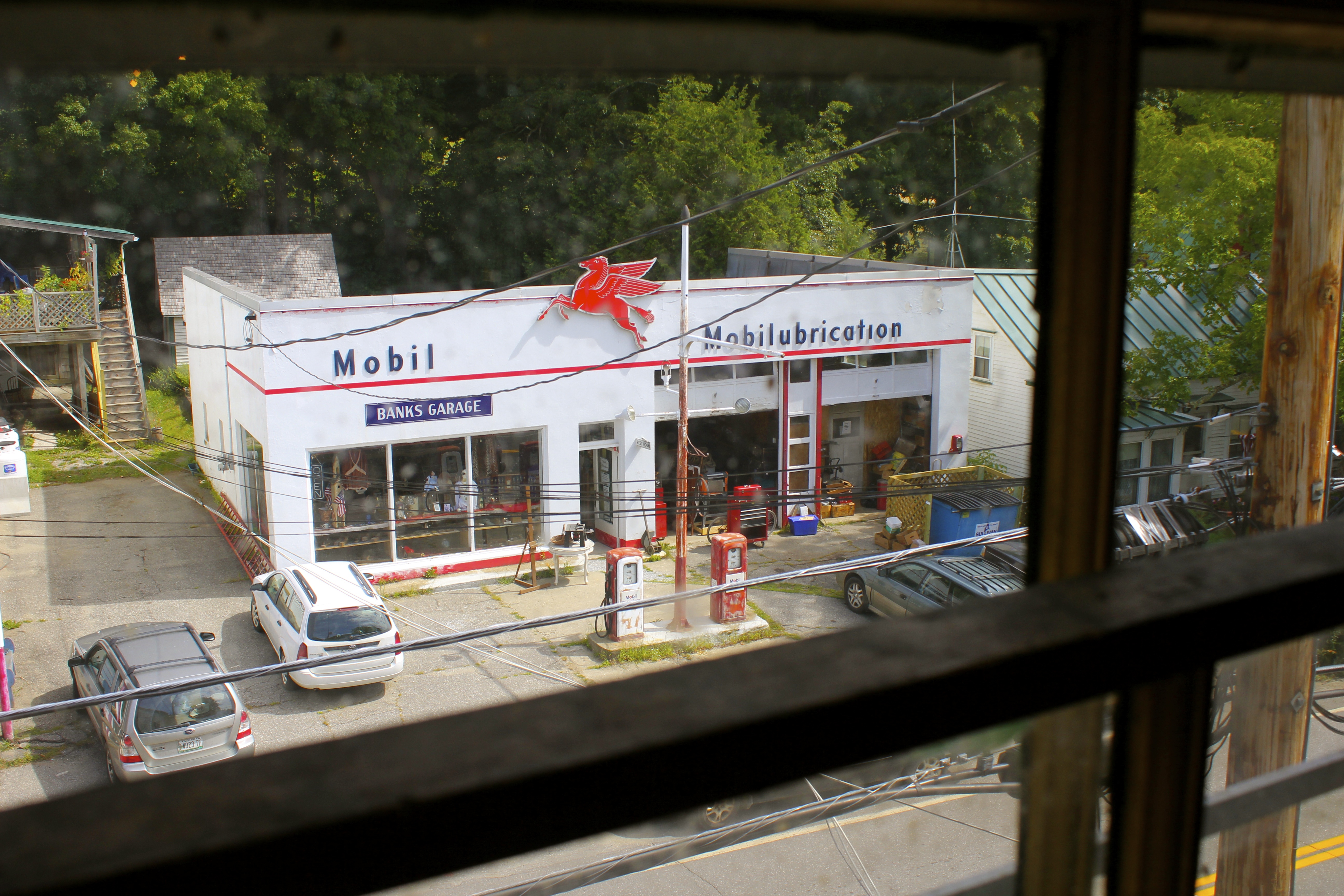
The Liberty Tool Company in Liberty, Maine. The Davistown Museum, across the street from Liberty Tool. And Morse’s Sauerkraut Euro Deli in the middle of one-of-the-best nowheres, which just happens to be on our route to Camden, Maine, the next day’s destination.

To lonely people everywhere, I say go to where lively spirits live their obsessions. You might discover that what you thought was loneliness might only be a longing—for what’s real and what’s cool and what’s peace and what’s good.

There are a lot of places in Maine where scholars, intellectuals, and classic passionate folks maintain playgrounds for those of us who choose to sustain our most lovely lonelinesses through the practice of learning all we can about what we like. For those of us who aren’t lonely at all, unexpected excursions and serendipitous discoveries are just plain fun. Liberty, Maine is an amusement park for the brain. (Go before the bourgeoisie litter the sidewalks with their Starbuck’s cups.) Even just watching the following video, about The Liberty Tool Company, offers the viewer a restful excursion:


********

If you go to Liberty, remember to pace yourself. The Tool Company will take you far, far away. I found a prayer card for fifty cents, a book by William Trevor for a buck, (The Day We Got Drunk On Cake), a chisel engraved S. J. Addis from London (late 1800’s?) for $2.50, an L.S. Starrett Co. divider for $3.00, and two Road and Track Magazines for $3.00 each. My husband found tools to keep in the motorhome for random repair work.

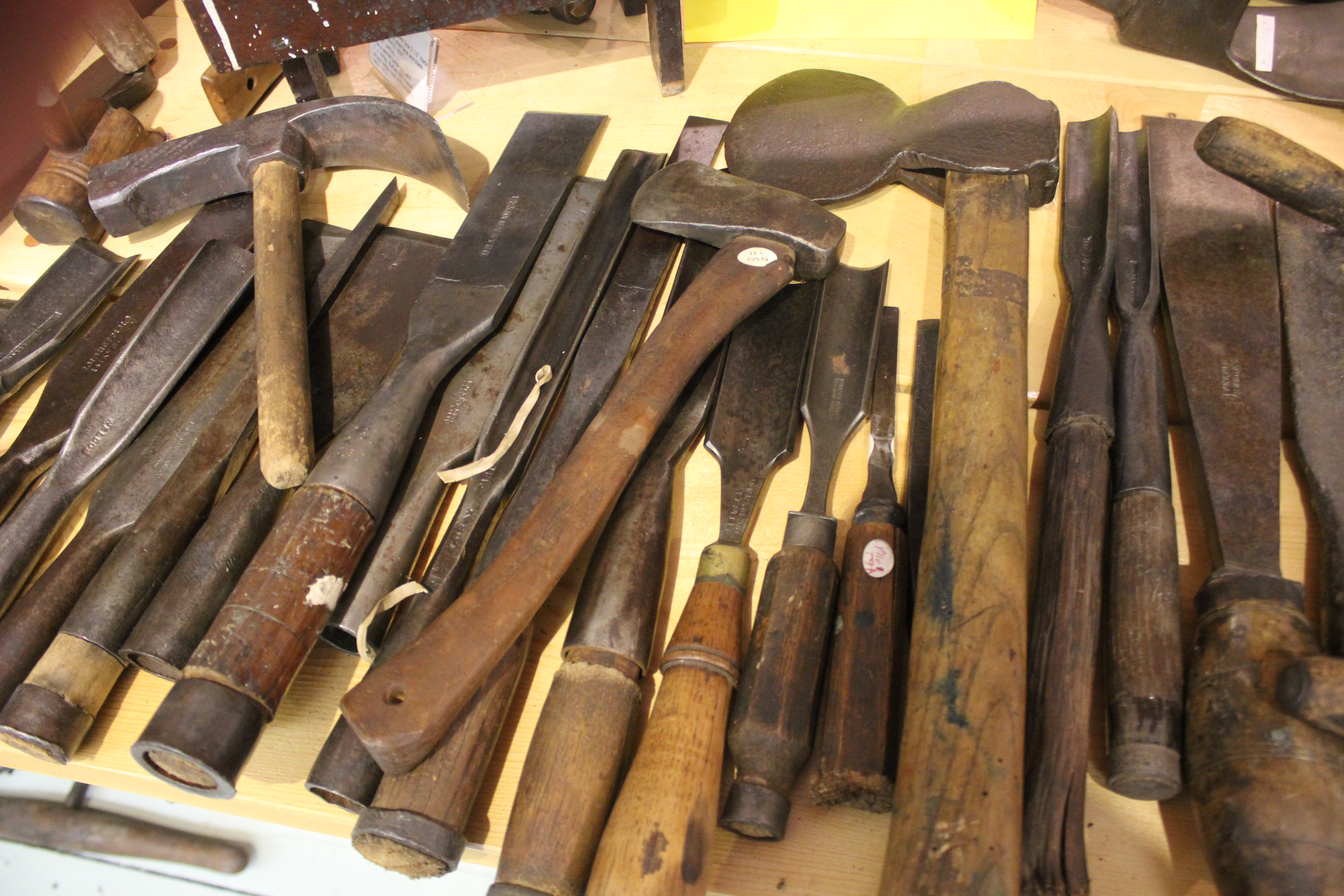
Hopefully you’ll reserve some brain power after your excursions through the tool store, because a trip across the street to the Davistown Museum will pretty much set your brain on fire. It’s a hands-on experience. You can touch and hold tools from a long time ago. Like a pitchfork from the days of the Revolutionary War, procured from Concord, MA. Slip your hands through the wooden handle and think about the work you might have performed, while keeping three day’s worth of provisions and weaponry strapped onto your body. You were an elite Minuteman, one of the Sons of Liberty in Massachusetts and, as such, you lived your life ever ready to enter into battle at a moment’s notice.

Or kneel beside the cobbler’s bench and examine its piles of tools. All of those tools and one artisan needed to fashion shoes, by hand.

Peer through a hazy glass case at a curious collection of wampum, one of the largest in New England on public display.

There’s a historic Wantage Rule—used to measure the volume of beer—it’s one of the earliest examples of American colonist’s Robert Merchant’s fine workmanship which came to equal the quality of work being produced in England long before the Revolutionary War.

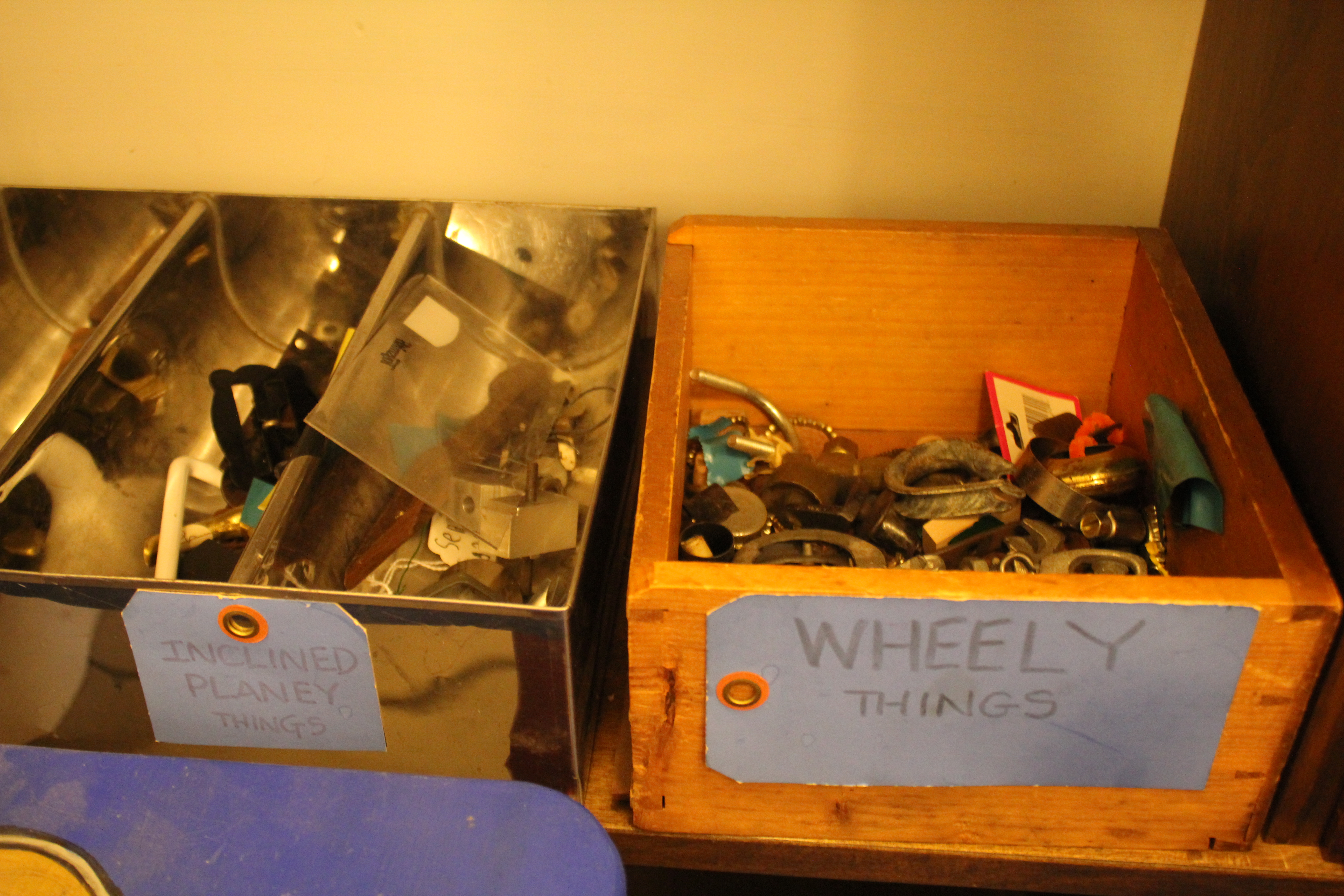
There’s a fabulous children’s corner. Children can invent and build tools. Adults can gain access to research and resources supporting the value of studying the art and history of toolmaking.

There’s art—a lot of great art by contemporary artists at work in Maine.

There are so many tools, from so many chapters in history, to admire.

There’s a Civil War crutch.

There’s a chilling display of prison tools—made to be used as weapons by prisoners.
Some things are for sale. I bought a painting and two hammers. One of the hammers is completely hand made.
If you need to take a rest, there’s a nice porch where you can sit awhile.

********

After our time in Liberty, we hit the road for Camden State Park where we planned to set up camp for the next several nights. En route we had no choice but to stop at Morse’s Sauerkraut Euro Deli as per a recommendation from our son. He goes to Union, Maine with his comrade-in-drumming arms and fellow Slow Roasters musician, Freedom, to mine stone from ancient quarries for building percussion instruments. They also study drumming and percussion practices from secret sources. Upon hearing that we would be rolling through Union on our way to Camden, our son alerted us to the existence of a gastronomic outpost known for serving and supplying all comers with the most flavorful German food in the universe.
As it turns out, Morse’s wasn’t the only unexpected German-themed thing that happened to me as a result of my road trip via Liberty, Maine to Camden. There was a surprise literary excursion into one of those Road and Track magazines I’d acquired…an issue dated May 1972…which I thumbed through before packing them up to be sent away to my son in Brooklyn.

That part of my adventures and special finds in Liberty, Maine must remain secret until my son receives the magazines. He is the most passionate automobile enthusiast I’ve ever known—and Maine has plenty of places where that kind of lovely loneliness is sustained, too. Like the Owl’s Head Transportation Museum in Owl’s Head, Maine, (not far from Camden), where we went a few times when he was a little boy. There, his lovely, often lonely, attraction to automobiles and cool airplanes was sustained. We enjoyed car shows and once, we flipped out over the super-exciting experience of watching—and listening to—a GeeBee Racer airplane fly.

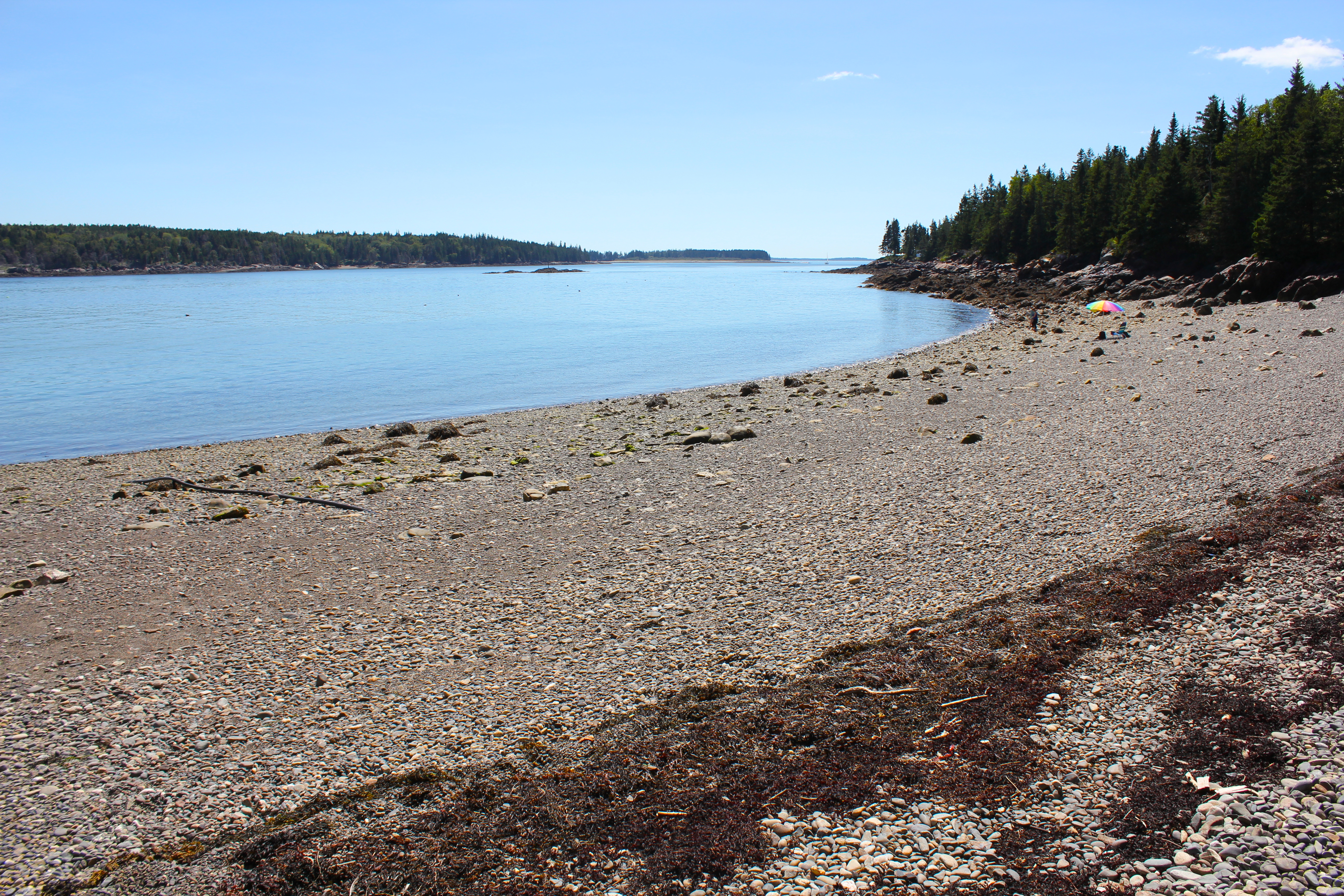
The state park at Owl’s Head is free. The rock beach there still rocks.

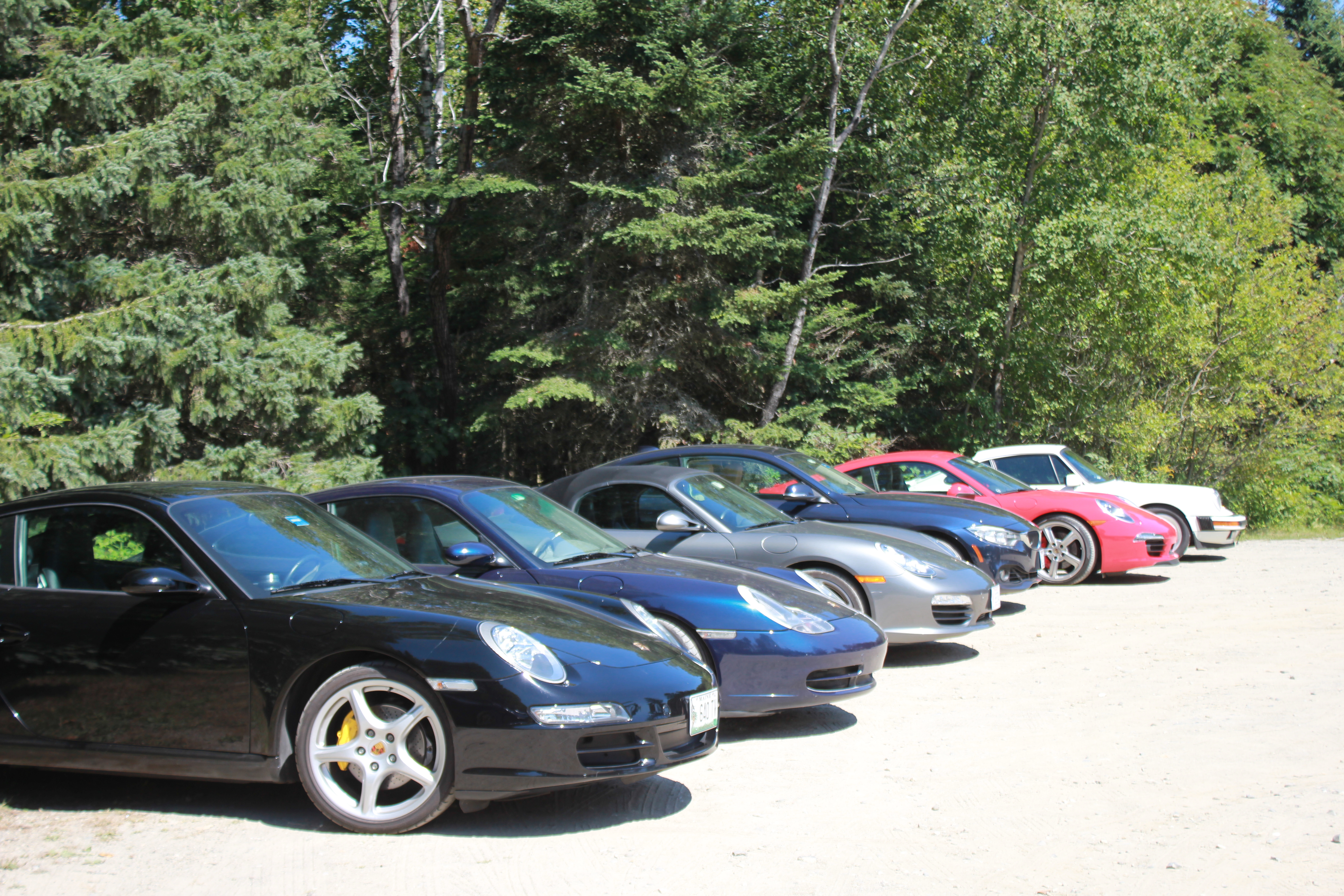
Random collections of Porsches were sunbathing in the parking lot of Owl’s Head State Park when we made our most recent journey there while camped in Camden.

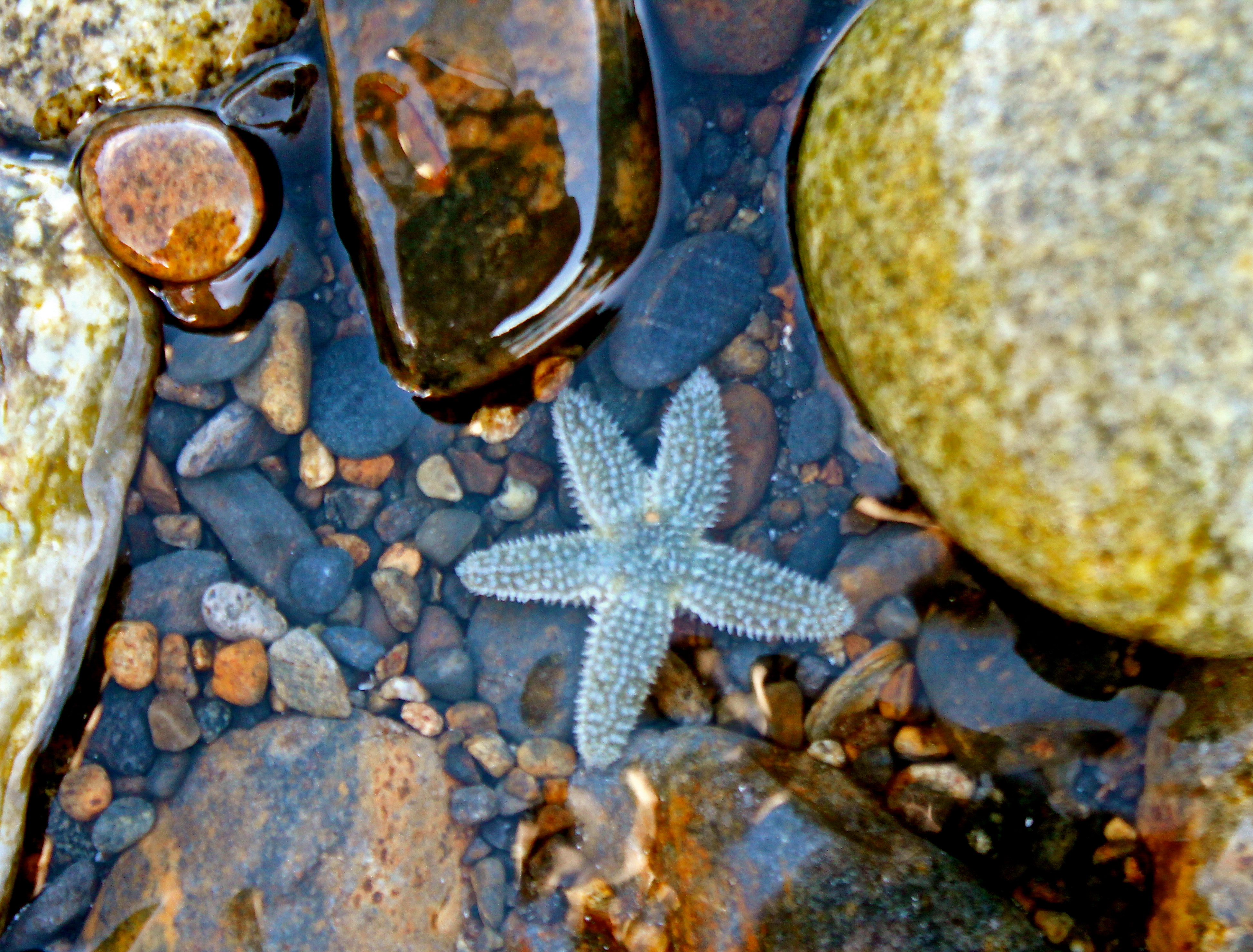
And the tide pools…

It all makes me want to get lonely.

********

Liberty, Maine.

IMG_0297

IMG_0300


IMG_0307

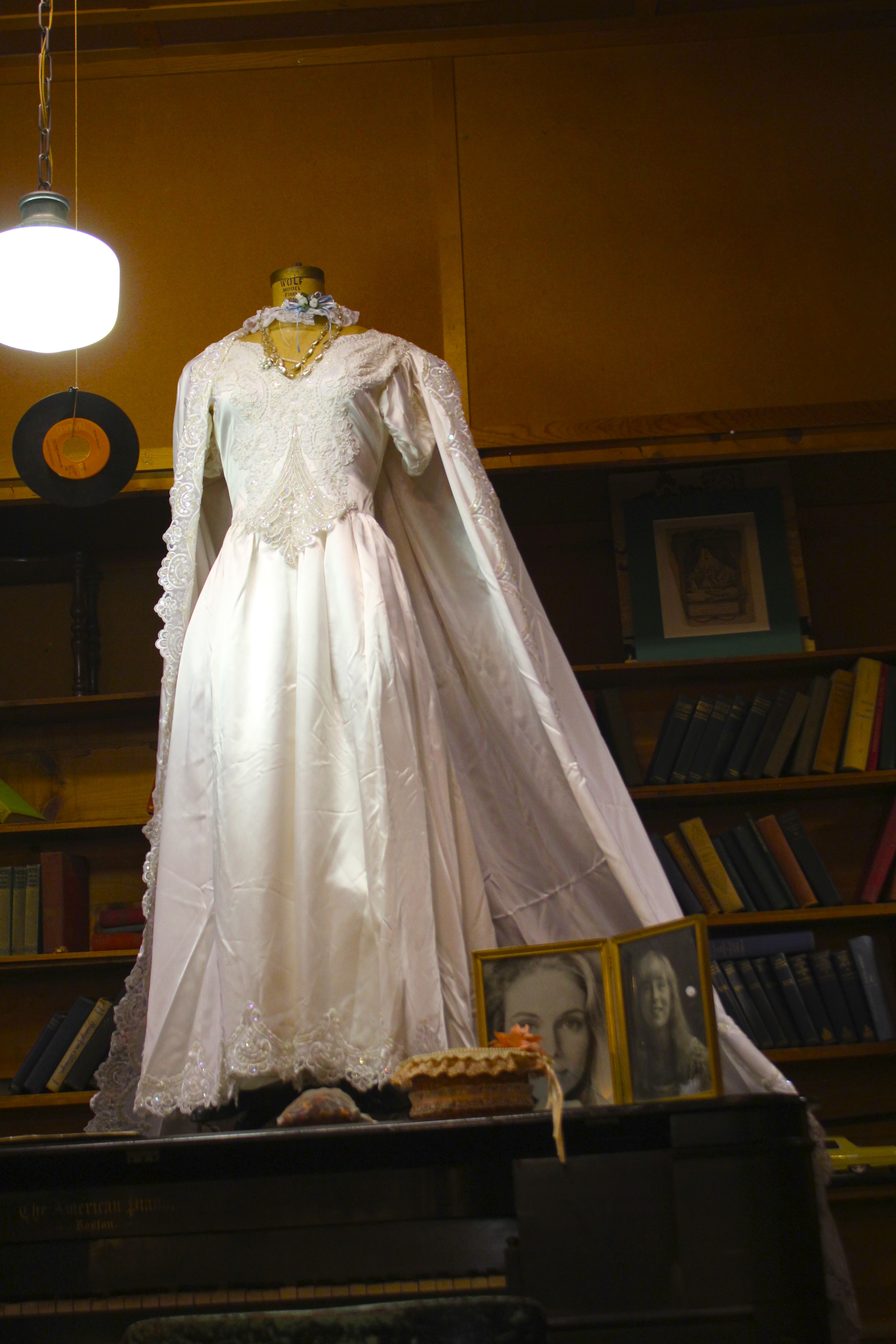
You can buy books and a wedding dress.

IMG_0304


Children’s Corner at Davistown Museum.

IMG_0316

IMG_0313

IMG_0311.JPG

IMG_0315


Cobbler’s Bench.

IMG_0338


Historic tools.

IMG_0321

IMG_0327


The hand-carved handle on a pitch fork from Concord, MA

Revolutionary War period.

IMG_0324

Creepy weapons made by prisoners.

IMG_0336


Always-welcome Maine humor.

IMG_0343


On the road to Morse’s Euro Deli in Maine.

IMG_0357

IMG_0373


It’s no secret. You might have to wait a while.

IMG_0368

Sunny day display at Owl’s Head State Park.

A group of enthusiasts, no doubt, cruising the coast.

IMG_0442


Our rainbow beach umbrella, propped up with rocks.

Lovely loneliness.


IMG_0453

Along the tide’s edge, there is an underwater world to obsess over

as you stand in Penobscot Bay

and never notice how cold the water is.

IMG_0451

IMG_0471


Twenty Fun.

Do you remember when you believed reindeer could fly?

Close your eyes.

It’s nighttime.

The night is so big. The cold is so warm. The snow falls and falls and falls.

Every snowflake is smiling.

The reindeer appear in rainbowed arcs from another side of the nighttime, flying forth on a trail of shining stars that look as though they are bursting and popping, yet they are as quiet as the gentle swish of a salamander’s tail.

The reindeer land in your backyard. Their coats of brown fur glisten in moonshine that smells like fresh honey and tastes like bright yellow.

Shiny-belled harnesses ring—winter’s own music—a thousand joyful nightingales singing Christmas carols.

Majestic antlers reach almost as high as your bedroom window where you are watching from the second floor of your home. Everyone else is fast asleep.

The reindeer stamp their hooves deep into the snow, jingle their bells, and—looking up—find you in your bedroom window, believing.

This gives them the courage to keep flying.

********

IMG_1197

(Photo by Aunt Heidi.)

********

Today is my daughter’s 21st birthday. Twenty Fun she says.

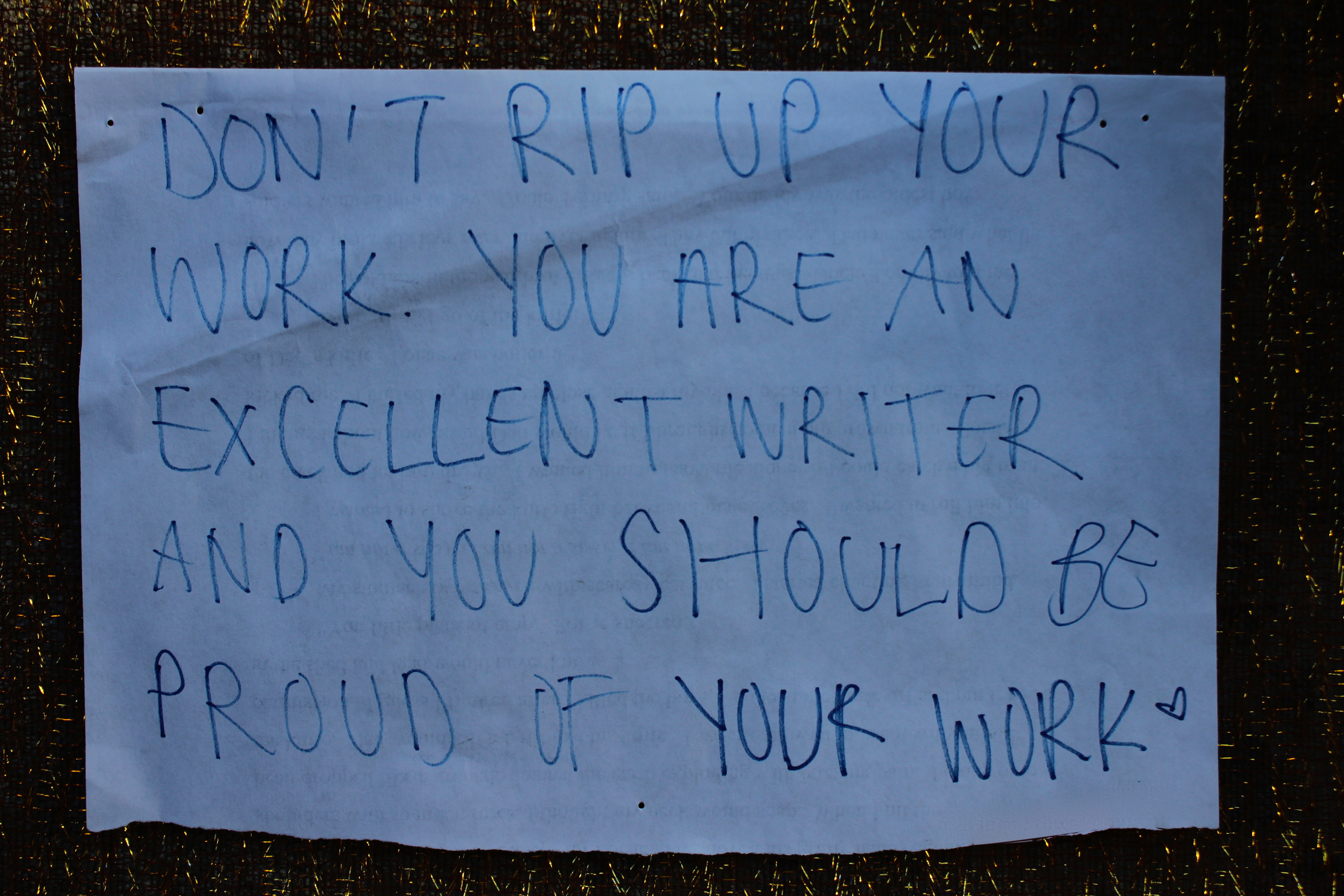
She was born to forever honor and keep special the expansive worlds of childhood play and creativity. She wrote her first manifesto as a toddler and has never doubted her words and all they can accomplish:

IMG_1186

She believes reindeer can fly and she believes in you, too. If you’re having trouble finding your wings, or calming an aching heart, she might cook you an unforgettable meal or leave a note under your pillow or on your desk.

IMG_1187

IMG_1198

She’ll pick a posy of wildflowers and arrange them just so in a paper cup and place them in the middle of a picnic table. She’ll bring you a butterfly.

IMG_1188

She’ll catch the biggest fish for you. Or the cutest creature colored orange.

IMG_1190

She’ll hike all day in the rain with you. She’ll bake for you. She’ll paint hearts and rainbows.

IMG_1610

She cheers for the home teams. She plays Christmas carols on the piano. She plays love songs, too, with her boyfriend.

IMG_0925

She’ll play board games and watch Disney movies, over and over again until everyone feels like going out for a night on the town, flying around, dressed in princess garb or mermaid skirts or cool boots. Get on your boots. Cowgirl boots. Hunting boots. Ski boots. Big city girl boots.

IMG_1194IMG_1195

IMG_1199IMG_3124

The spirit of party reigns in my daughter’s world. In fact, she has taught me that Party Spirit is the best remedy for the doldrums and the sads. It’s also a necessary component to most every day. When she was a toddler, she would awaken on random days and declare Dress Days. We had to wear dresses all day. You could choose different dresses throughout the day. I was a tomboy mother without dresses in my closet, but I became one fair lady on Dress Days.

The rules for Dress Day were simple. Wear what you want, in whatever combinations you like, all the way down to your shoes, which don’t have to go on a “right” foot.

IMG_1191

********

My daughter taught me to Fling a Little Festive into Everything You Do.

********

Joyce Carol Oates wrote in her essay, “Beginnings,” that the impulse to create is utterly mysterious. “…’art’—originates in play…it remains forever, in its deepest impulse…a celebration of the (child’s?) imagination…”

Oates headlines her essay with a quote from Andre Gide: “I will maintain that the artist needs only this; a special world of which he alone has the key.”

And Charles Baudelaire said: “Genius is no more than childhood captured at will.”

—And one day, recently, when I asked my daughter if she had had a happy childhood, she said:

“I don’t know. It’s not over yet.”

********

Is your childhood over yet? Have you stopped believing reindeer can fly?

Do you love your birthday?

—Or is age something that takes you further and further away from your youth and its attendant genius, instead of delivering you deeper and deeper into those special worlds where only your heart can unlock your own unique perspectives on what’s so wonderful about being alive—and then share them with the rest of us.

My daughter loves her birthday. It’s the one day every year when the party is about the arrival of her world into this world.

Everyone has a birthday. It’s a day better than New Year’s Day for beginnings and celebrations and the sharing of you with all of us.

Do you remember when your lungs drank up that first breath of air before you were plunged into childhood?

Close your eyes. Take a deep breath.

“There is a fountain of youth: It’s your mind, your talents, the creativity you bring to your life and the lives of the people you love. When you learn to tap this source, you will truly have defeated age.” Sophia Loren

Let the breath go. Follow it!

********

Happy Twenty Fun to my daughter! Drink up that first breath again. Keep drinking that energy. Keep playing. Keep sharing the creative genius of your youth.

It never gets old!

IMG_0212

********


Summer Shorts.

A worn paperback discovered

leaning against the dusty window of a used-book store on Vinalhaven Island, Maine.

One of my favorite personal artifacts.

Purchased after a day of hiking and biking on the island, 

and swimming in the island’s abandoned quarries.

The year was 2004.

My children were young. Base camp was Camden Hills State Park.

IMG_5879

********

I am driving. It is late September and it comes to my attention that summer is officially over.

I stare into the rear view mirror and notice the setting sun. Badlands (Springsteen) is playing on an ancient CD in my dash. The CD is partially cracked—sliced clean through—but Badlands still works. A sports car rockets from the edge of the horizon, like a spark leaping off the sun. It is closer than it appears, aimed for my road space. The car is white and after it dusts all 160,000 lumbering miles of my old volvo tank, its hind end sneers back at me—like a mean monster’s face. Red taillights with beady red eyeballs. Frowning mouth with gaping, thin lips. Shiny, loud teeth—inhaling my exhausted sighs and getting me high. It’s an F-Type Jaguar. I want to be the driver of that car. The one living that life. Somewhere in the repertoire of all the lives I dreamed of living, I never thought to envision myself as the owner of a fast, well-engineered, beautifully-designed car.

********

In August, my mother survived the ravages of a stroke. She remains hospitalized, paralyzed on her left side. In fact, anything to the left of her field of vision is a total blank. She has no concept of a world beyond that zone. We are supposed to speak to her and visit with her from the left side, so that she will learn to scan the world “from all the way left.” When I am in her zero zone, I am not of her world.

I remember the early days after Mom’s stroke, when it seemed she could not possibly live another morning, or afternoon, or evening. My husband arrived for a visit. “Hi Mom,” he said, bringing a fresh smile into her somber world, “don’t get up.”

Mom slurred out two words, “I won’t.” And then she tried to smile, too.

Now, Mom can smile a real smile almost all the way through both cheeks and she can laugh. She can sit in a wheelchair. It is so wonderful, one almost feels as greedy as a self-proclaimed king when one continues to pray that she will soon walk into her own kitchen and have the use of her left arm to make an ice cream cake, while checking in on the stock market.

Not long after my mother was struck down, my husband’s mother slipped on the floor where she lives alone near Syracuse, New York. She broke her arm and her hip.

I drive back and forth to Connecticut.

My husband drives back and forth to Syracuse.

We drive back and forth to Connecticut and Syracuse.

We drive back and forth to places where we pretend the world can never find us.

********

There are stories and films and theater productions, and songs and poems, and drunken rants, and perfectly lucid rants,

about hitting the roads of America—summer being the preferred season for taking on the gypsy life.

Maybe the road wanderer is going in search of a worthy cliff over which every parasitic load of grief that has ever chewed venom into the heart can be cast away. (A never-ending quest.)

Or maybe the wanderer wants to find America and the meanings of life. (The meanings are all out there.)

Or maybe the wanderer needs to escape the confines of adulthood. (For a gypsy, life is better on the road.)

Or maybe the wanderer seeks to connect with their one true self. (You meet a lot of true selfs on the road.)

Or maybe the wanderer hates their one true self and wants to frankenstein a new self,

or fabricate a branded self,

or become reborn as some other self they can present to the community for applause and a prize

and for membership in the kinds of contemporary cultural groupings that promise the security of lifelong enrichment

through network friendships. (The road can be so under appreciated if you need to be connected to a network.)

If the road is good to you, and you find yourself freed

—beyond the menacing tentacles of any network—

don’t be a stranger to yourself. (My son said this to me recently when I was feeling bereft and unable to excite the pleasure centers of my brain.)

Learn to believe it when you think life is short.

Summers are even shorter.

********

Summers, indeed, are too short for finding the time to read all the road-trip stories and watch all the movies and play out all the dream excursions, driving fast—or slow—over paths well traveled. I have been finding the time, though, to listen to a lot of the road-trip songs while heading out to visit my mom. I drive parallel patterns running north and south, on roads that are perpetually under construction and increasingly under siege. Trucks, hauling road trains of useless stuff from faraway places to nearby shopping centers, knead road surfaces into landscapes of the moon—cratered and rutted and barren of life.

Plasticity bears in on me.

I know there isn’t one thing, aboard any truck, on any route gouged into American soil, that I need.

But I do need the road.

I am dazed and disarrayed. Glossy-eyed, not sleepy. Annoyed by every little thing. Hurtling my old car 75 mph over paved highways, lane to lane, sun rising, sun setting, stars throbbing.

I am thinking. Over thinking. Using up blank space. Never getting it back. Wishing the leaves would stop changing colors.

My husband and I rendezvous at home and look at each other over the dinner table. We start out sharing a beer. Then we drink wine. Then we sit around pretending we aren’t waiting for the telephone to blow up. Then we rumble the roads again somewhere between Syracuse and Connecticut.

If you set personal-life drama to music—folk songs, rock songs, lullaby songs—you can become your dreamer self again. Especially if you were born during the 60’s and had a pair of headphones and a turntable and a babysitting job and a lawn mowing job, (to fund the purchase of albums), and an established dominion in the corner of an overcrowded bedroom where you could tip your head back, stare up at the ceiling, and listen to the noise.

Louder plays the music, in your memory and in your car. You don’t just love the groove, you love the lyrics. You love the rock stars. You are going to be free forever someday. Still. You will be your own true self and you will never need anyone else except for all the other people who are their own true selves, too.

My mother is her own true self.

********

En route to home after visiting Mom on the day I noticed summer was over, the road delivered me into the parking lot of a New England farm stand near my house. I got out, all grown up, cooing Badlands, using it as a lullaby salve for my shaky little soul, which I prefer to keep protected behind a hard-working heart.

Artfully stacked pyramids of fresh-picked apples and haphazard piles of just-harvested pumpkins stroked longings for the spirit of the Great Pumpkin to carve me up into a happy face. The summer’s long days and nights were being woven into the shorter days of autumn. They hung like a tattered curtain, shredded by the rush of remembering a full summer of road trips that shook me up from Alabama and through the southern states, bound for the north to everywhere in New England to Ohio to Canada to New York State and to still trying to find home. The curtain is lowering over the stage of one set and preparing to rise from the stage of another. Its parts and pieces flap in that in-between space of life like this and the shift. 

When the winds grow calm, I can’t breathe.

Time slows to the length of one, precious, prayed-for heartbeat.

One, precious, flutter of an eyelid.

One, precious, electric particle of the universe, to connect the brain to the body,

And a prayer to a promise.

********

At the farm stand, I want one true apple.

But I choose three—a ginger gold, a macintosh, and a golden delicious.

I slice off a taste of each. The ginger gold tastes best. But the macintosh will part the dark clouds when I slice it into wedges and zap it in the microwave with cinnamon on top. The golden delicious, meh.

I resolve to take a road trip to Scott Farm, Kipling Road in Dummerston, Vermont. There, they display their collection of orchard-grown apples like great wine in a wine shop, like cigars in a cigar shop. Wooden boxes, filled with fruits in varying shapes, sizes, and colors, are arranged together, like shelves in a library. Little descriptive phrasings on labels describe how each apple tastes, what kinds of fragrances they emit, and how they will save your tongue and your inner being from the sadness of plasticity arriving on big trucks from Timbuktu and wifi networks infiltrating the Peace of The Road.

********

It was a short summer. It always is. But there was enough sunshine to grow the apples and the pumpkins for sale along the roadsides of New England. Maybe the fall season will be a glorious one.

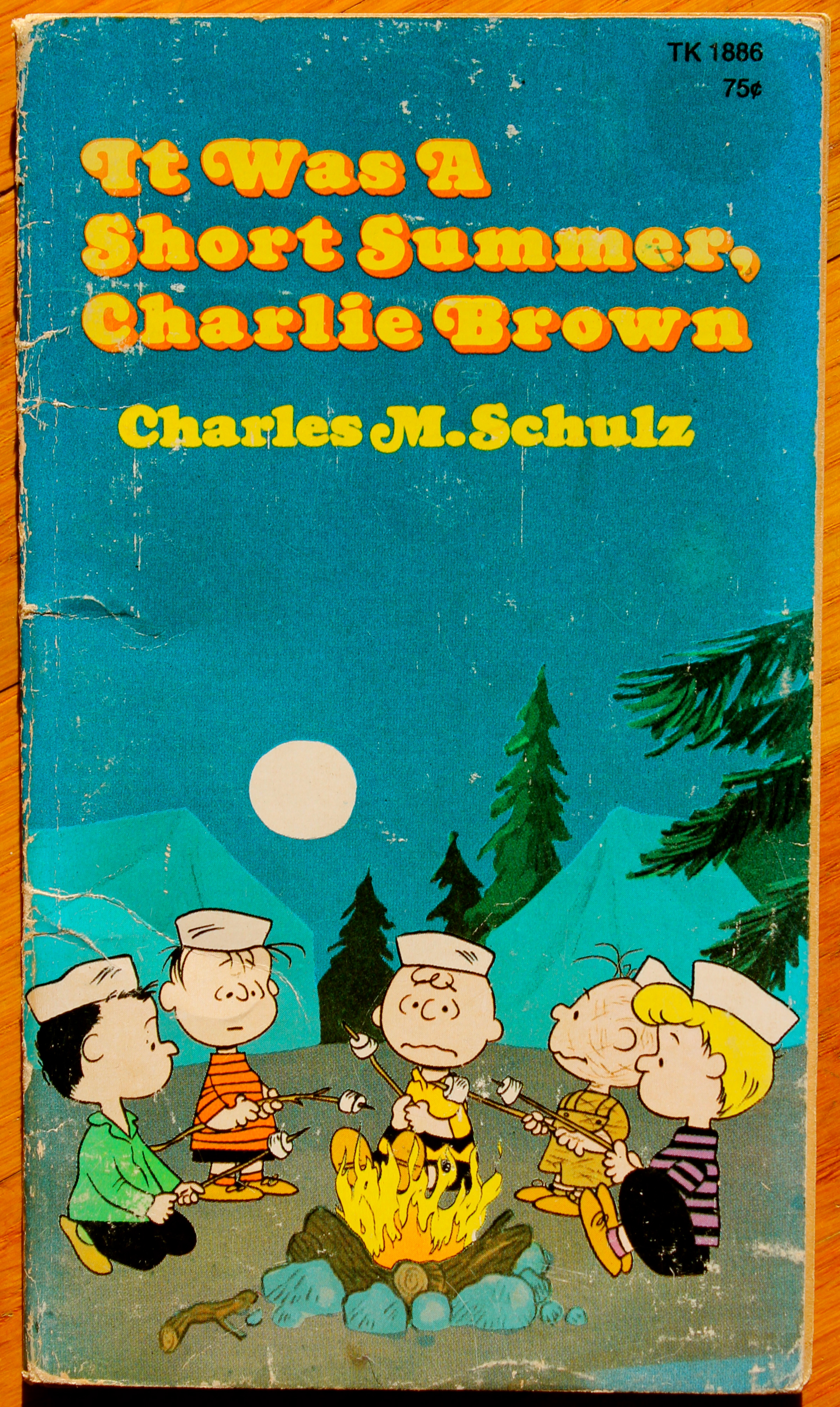
Maybe the Great Pumpkin will, at last, rise from the pumpkin patch. Maybe Lucy will let Charlie Brown kick the football. Maybe Charlie Brown will get some candy in his Tricks or Treats bag, instead of rocks.

I never expected any of those things would ever happen.

But I always dream, whenever I become my dreamer self, that they might.

The Slow Art of Finding Peace and True North.

Sebastian Smee is an art critic. He writes for the Boston Globe and he has been awarded a Pulitzer Prize for Criticism.

In the Boston Globe this week, there was an article written by Smee about the Maine Art Museum Trail. I looked forward to reading it, but by the end of the opening paragraph, I found myself terribly concerned for all the people who might read the same first lines and decide to anchor themselves forever to southerly, and most-convenient-to-Boston, regions of New England.

Smee had written: “There are two museums on the Maine Art Museum Trail that have so far eluded me: The University of Maine Museum of Art in Bangor and the Monhegan Museum of Art and History. The first—sorry Bangor—is too far north of Boston. The second is on an island—and that’s just inconvenient.”

********

THROW OFF THE BOWLINES!    SAIL AWAY FROM THE SAFE HARBOR!    (Mark Twain, I think.)

********

Bangor is not too far north. I promise. There is, as mentioned in Smee’s article, The University of Maine Art Museum to see up there. But there’s more. For instance, if you want to visit many of the places that inspired the art all along The Maine Art Museum Trail, keep driving down east to the coastline beyond Bangor.  You’ll find Acadia National Park plus a culturally distinct region of the world.

All you have to do is turn off the GPS and follow your nose. The scent of the sea, or at least the marvelous stink of a dramatically displaced low tide, will lead you to unexpected life-changing experiences such as the pleasures of being a spectator for the Women’s Skillet Toss at the Blue Hill Fair. This rowdy event fills the grandstands and it’s authentic Maine through and through, so even though you risk getting walloped upside the head by an errant iron skillet, you are not required to wear a helmet in order to attend the show. Women competitors are classified as Kittens and Cougars. They fling iron skillets as far, and as straight, as possible. Some of them can send those old iron workhorses sailing further than a soldier’s dream for a home-cooked meal! The Blue Hill Fair pleased E.B. White so much, it inspired many of the story lines and settings for one of the world’s (and my family’s) all-time favorite books, Charlotte’s Web.

As for Smee claiming Monhegan Island is just too inconvenient to visit, allow me to transform the idea of such a journey into something desirable, convenient, and perhaps necessary to your passage through life here on Earth.

IMG_3819

********

Let’s start with a time warp…the year is 2007…Labor Day weekend…I am Mother to a 15-year-old son beginning his junior year in high school and a 12-year-old daughter ready for college instead of middle school…both children are willful, independent rapscallions…we are bound for a campout on the coast of Maine and plan to take a day trip to Monhegan Island…Raffi music in the camper has been taken over by Hendrix…it is painfully inconvenient for my husband and me to travel with our teenagers…it is more painfully inconvenient for said teenagers to travel with us.

Places like Monhegan Island help counterbalance the laws of nature and the laws of technology in our tense and complicated modern world. You might not be suffering through the throes of parenting (or any other situation of nature-determined, unconditional love), but perhaps you are afflicted with the side effects of Blindsided-TechAlien Abduction. In other words, there’s a chance you’ve been abducted by technology aliens and don’t know it. The aliens are so charming and so invisible, you haven’t noticed how conveniently they have settled into your life. They eat with you, sleep with you, make decisions for you, and then they steal your identity, your attention span, your creative impulses, your freedom, and your ability to look UP and OUT.

Monhegan Island is small—only about one mile from end to end and side to side. There are no paved roads and not many cars. You ride a ferry boat to get there. Travel by foot prevails once you are upon the island.

Here’s what happened when our modern family went to Monhegan Island, as recorded–by hand–in my unedited travel journals:

Sunday, September 2, 2007. En route to Monhegan Island. At last. We won’t have a lot of time there. Two porpoises leapt along our port side as we left Boothbay Harbor. Best snack in the pack today was made by the kids: graham crackers with nutella, peanut butter, and 2 squares of Hershey’s. I read Checkhov’s short story, The Lady with the Dog, during the ferry cruise.

We made landfall at 11:05. Our crossing cut through calm seas under outrageous summery-blue skies. Stopped at The Barnacle after getting off the boat to find out what the local shop had to eat. We got two cups of clam chowder (with extra crackers) and one blueberry scone.

We sat under a stand of sunflowers to eat the chowder while bees flew orbital patterns around and around and around.

We set out walking. Burnthead Trail to Cliff Trail and then lost our way a bit to Cathedral Pines. Breathtaking views. You can see all the way out to where the water falls off the edge of the earth. The perches on this little island’s cliffs are not so little. I don’t know how high up we were, but it was high enough–rugged and rocky–and I didn’t like when the kids chose to stand close to the edges. They are hiking barefooted. I read the warning in the Visitor’s Guide out loud to my family. It sounded more like a work of dramatic fiction or an ancient myth, though. Rather than encouraging caution, I think my reading inspired a heroic contest of becoming a sole survivor:

     “Don’t try to swim or wade at Lobster Cove or any area on the back side of the island. Undertows there are unpredictable and dangerous, and high surf can sweep you away if you’re too close to the seas. No one has been saved who has gone overboard on the south or east sides of the island. Always keep a bulwark between you and the sea whenever viewing the surf.”

Picnicked in a stunning setting where the world could not be more scenic, nor life more idyllic. This is true even for a family filled with angst that can barely talk to each other.

I was happy to move away from the cliffs and enter the safe and soundless pretty moss woods at the Cathedral Pines trail. The moss must have felt dreamy to my barefooted hikers. Christmas trees adorn the trail as do the infamous neighborhoods of fairy houses constructed throughout the woodlands. We stopped to admire the imaginative handwork. Some houses had tables set with dinner in acorn bowls.

We walked on and on until we found ourselves busily pressing little sticks into the ground and balancing dried leaves atop them. My daughter built a fairy house next to a stream. My son built a fairy house perched perfectly in the crooks of roots at the base of a big tree. I built a small hut in between the two. My husband traveled from house to house to help with the fun.  We concentrated intently and quietly at our works of art for a long time in the cool and bug-free forest. 

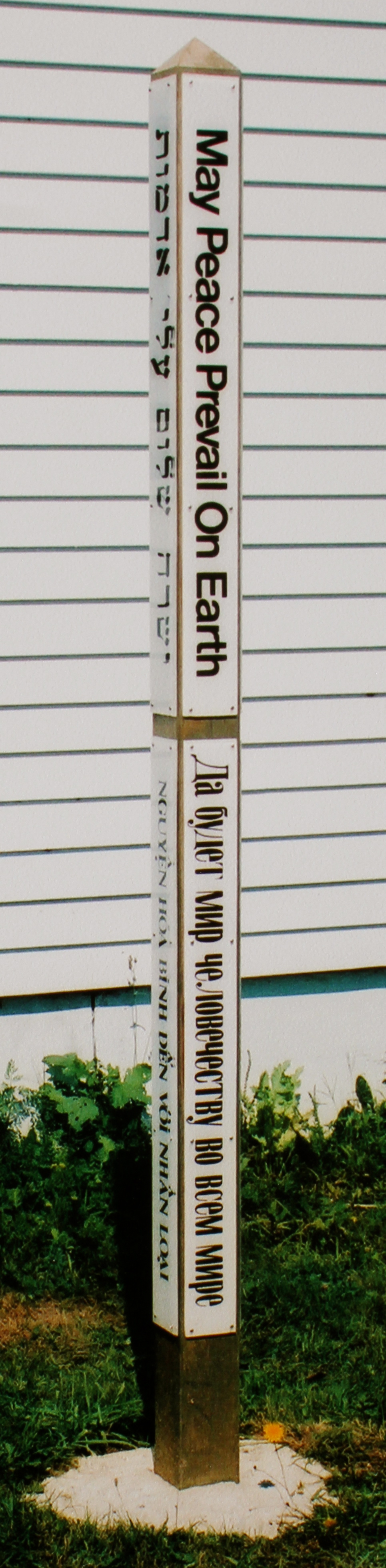
After we were satisfied with our fairylands, we walked back to the wharf, passing the island schoolhouse where there is a peace pole with the words, May Peace Prevail on Earth, written in several languages. A big wish from such a small island.

Before the loud blast from the ferry sounded a warning for departure, we had time for one more stop at The Barnacle. We got root beer, ice cream, and a fruit smoothie.

Returned to camp by 7PM. Both kids were good and dirty from hiking barefoot all day. Everyone cleaned up for the campfire. My husband and my son played guitar. Before bed, another camper stopped by our site to thank us for the music. She said it reminded her of her father and how he used to play guitar during her childhood campouts.

IMG_3820

********

One way to get to Monhegan Island is to take the ferry from Boothbay Harbor, Maine. A great place to stay is Southport Island, which is just beyond Boothbay Harbor, over a swing bridge. If you want to camp, there’s a campground there called Gray Homestead. If you want to rent a cottage, I recommend “An Tigin”, which you can find on VRBO or HomeAway. “Cheerful Southport Island Waterfront Cottage” might come up in an Internet search for “An Tigin.” The cottage is quaint and clean with good vibes of hard-working history and devoted love.

The Coastal Maine Botanical Gardens are nearby for another day trip. The best children’s garden is there–it is designed to encourage fascinating and fabulous fun. It succeeds famously.

Just down the road from the Coastal Maine Botanical Gardens, there is another swing bridge at the Trevett Country Store and Post Office. This swing bridge is operated by hand! According to my husband, the Trevett Country Store has the best lobster rolls. Southport Island has a country store, too, and their lobster rolls are good. So are their cupcakes! They also have a good selection of wine.

The Southport Public Library has a pretty cool butterfly collection. And the Hendrick’s House Museum has a letter written in perfect penmanship by a woman to her husband while he was serving in the Civil War. Not only did he receive the letter, but the letter survived the war. The survival of perfect penmanship has not fared so well.

Nevertheless, the slow art of finding peace does survive in places like Monhegan Island where leaving behind the conveniences of life—the car, the technology, the scheduled activities—isn’t inconvenient at all.

In fact, it’s restorative.

Slow days bring us one step closer to finding, and believing in, our own true norths

********

IMG_3821

Gypsy.

I am going to Alabama. My husband has sent a deposit of faith and cash to a man in Montgomery who is selling a used motor home we would like to buy. We’ll arrive by airplane, exchange pleasantries, and then, if everything is as it should be, we’ll toss our bags into that particular recreational vehicle, climb aboard, and drive home to New England.

We plan to stop in Atlanta to see friends. Then mosey on down the road to Asheville, to see Asheville. And after that, we’ll share 900 miles of come what may.

I texted my son and daughter: We are going to Alabama. Dad bought a luxury motor home. An adventure! Like the first time we got one. I’m sure there will be room in the compartments for your tents and boogie boards. The road is my home.

*****

When I was a ninth-grader in Arizona, I took a school bus Monday through Friday from the foothills of the Santa Rita Mountains, just north of the Mexican border, to my regional high school, just south of Tucson. The commute was one hour, each way, no AC. On a typical non-winter’s day in the Sonoran Desert, the interior temp of the bus, at rest under the unobstructed rays of the sun, could rise to over 120 degrees. Once we got going, though, hot air blasted through the open windows and cooled our ride to a blessed 115 degrees. It was one, big, yellow convection oven.

Our bus driver was a large Italian man, who learned about patience in New York City where he had lived until he retired with his family to the borderland boondocks of Arizona. No funny stuff on his bus. After the godfather of bus drivers delivered us to school and drove out of sight, I’d walk with a few friends back to the highway—a major trucking route. There, we’d space ourselves out along the breakdown lane, and hitchhike to Tucson. We didn’t have cell phones in our pockets, only our doled out lunch money which we used to buy Big Gulps all day, chasing them back with strips of beef jerky.

We’d hitchhike back to school in time to ride the school bus to nowheresville again, our bodily fluids replenished for the sweltering journey home.

Once, a big truck stopped to give me a ride. I felt all Janis Joplin, as if my once-in-a-lifetime chance to light out for the territories had arrived. I was ready to put flowers in my hair, embroider peace signs onto my bell-bottomed hip huggers, learn how to sing the blues, and proclaim the road as my home.

I was fourteen. Old enough.

Eventually, I got nabbed for chronic truancy and was sentenced to the wastelands of after-school detention where my drifter/dreamer habits of mind were to begin the long process of reformation.

It was too late. I’d arrived in Arizona from Indiana in a convoy of two station wagons with one break down in Truth or Consequences, New Mexico.

I loved America and I wanted to be a cowboy.

******

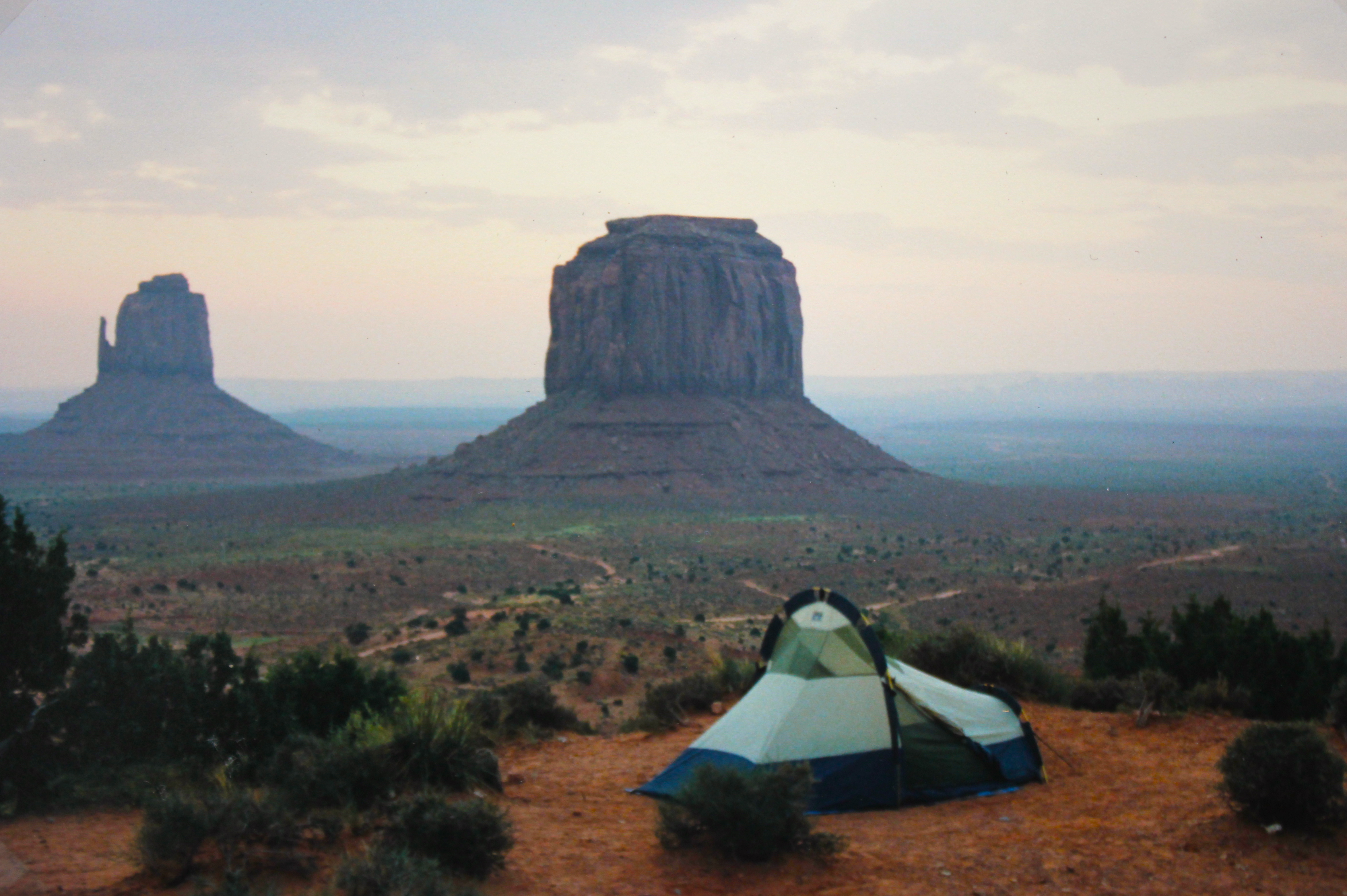
I’m supposed to be packing up some things we might need for our road trip from Alabama to New England and it’s making me think about my honeymoon almost 30 years ago. We packed some things back then—a tent and sleeping bags at least—and flew to New Mexico where we got a car and drove around Colorado, Utah, Arizona and back to New Mexico. Everything we needed fit into the trunk of our rental car.

Monument Valley, circa 1988, and our first road house.

IMG_2771

This time we don’t need the tent, or the compact backpack stove. And it’s rattling my brain—the way driving on a pot-holed, frost-heaved highway rattles my brain—to know we need cell phones, computers, chargers, and some money.

So far, I’ve purchased a brand new, big, clumsy-paged Rand-McNally Road Atlas. Published and printed in the U.S.A.

Every page in that grand picture book looks to me like a slice of my brain.

*******

The motor home lifestyle was always my husband’s big idea. He presented the plan to me when our children were toddlers and they used to crawl all over us in our tent, all night long, on every camping trip.

I didn’t really know anything about motor homes.

But after we got one, our weekends together as a family began to last forever. Time slowed down. There was live music and storytelling and great food and crackling campfires. Life smelled like fresh-cooked bacon and damp books and bug spray.

American and Canadian blacktops became strewn with flower petals,

as our windshield got smattered with bug guts.

We called our rig the family camper and gave the kids their own tents when they could throw an axe, with precision, while blindfolded, through the center of a television screen.

Indeed, after I texted the kids about the motor home, my son sent a text: That’s badass! Hopefully you got one with a lot of exterior tvs.

My reply: Of course. And the satellite dish converts to a hot tub.

This one looks to me like it might be a Las Vegas Lounge Glamper.

But I am crazy for the driver because he is fun, so I’m on board with whatever he wants to do

and wherever we end up going.

********

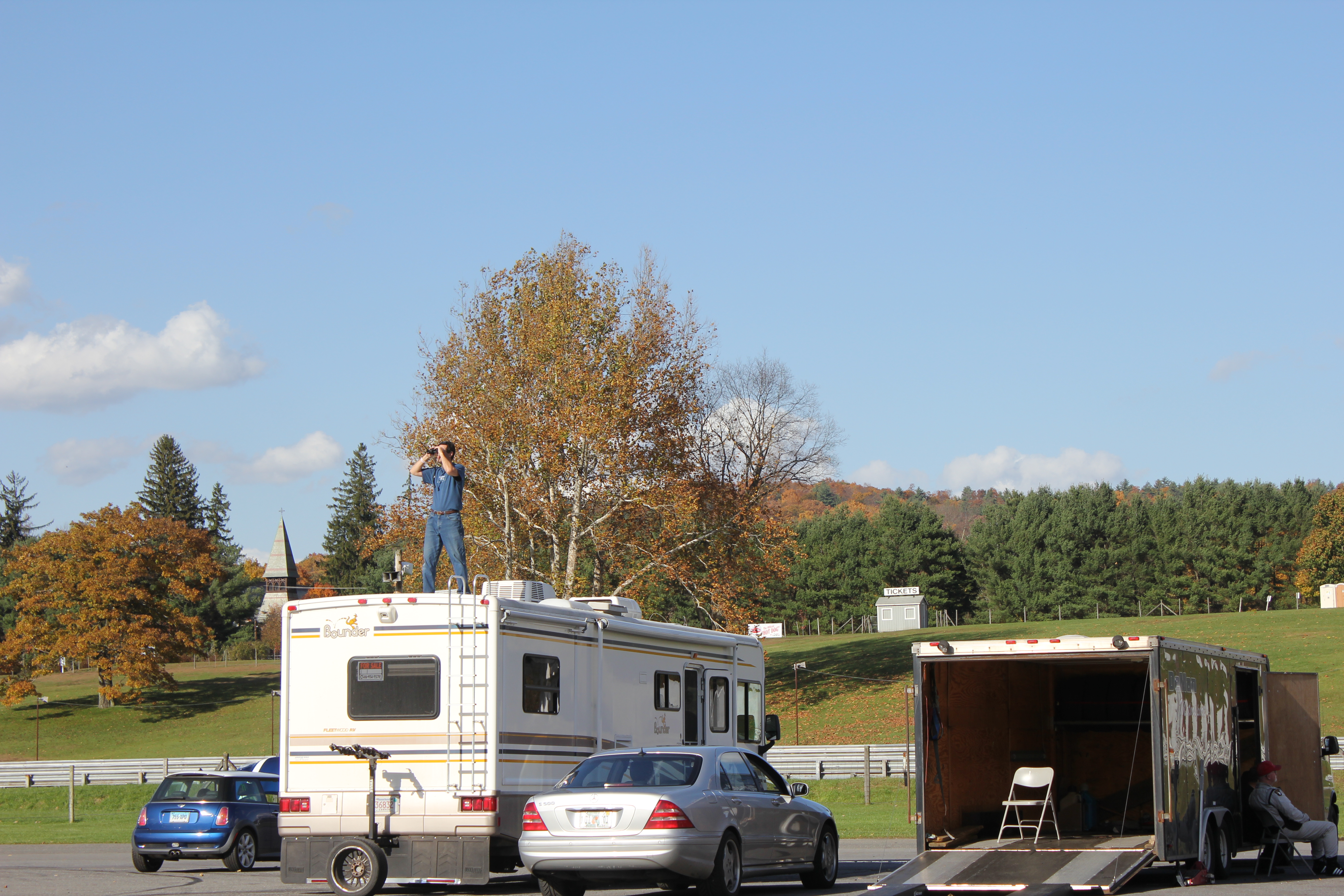
The last family road house, circa 2012, Lime Rock Race Park

The dad on the roof, watching the son learn how to be a race car driver.

IMG_1383

Ten Books to Read Before You Die.

IMG_1953

1. The ones your son gives you.

2. The ones your daughter reads over and over again.

3. The ones your son and daughter were assigned in high school and college.

4. The ones your son and daughter write.

5. The ones your husband reads, even if they’re about industrialists, capitalists, and how to achieve your dreams. Because he always reads the ones you give him to read about artists, dreamers, lovers, and rainbows.

6. The ones your mom and dad are reading and have read.

7. The ones your mom studied so she could master financial independence.

8. The ones your mom and dad give you.

9. The ones your sisters give you.

10. The ones your sisters write.

11. The ones your brothers and sisters give to your son and daughter.

12. The Bible. King James Version. (Might not finish before you die. But there will be versions of these stories wherever you end up.)

13. The Dictionary. (Hahahahaha)

14. The ones your friends, teachers, and spirit guides recommend.

15. The ones your friends write.

16. The one your sister-in-law suggests.

17. The ones you took from “take a book, leave a book” shelves in campgrounds. And the ones you bought from people you met in the gypsy camps–the ones they read aloud on the gypsy stages. Those precious pages of self-published souls.

18. The ones in the homes of your brothers and sisters.

19. The ones your nieces and nephews are reading. And writing.

20. The one your uncle mailed.

21. The ones your cousin gives you.

22. The ones your cousins write.

23. The ones that were dropped off for you when you were lost to grief and couldn’t think, or concentrate, or enjoy anything.

24. Every single one written, by every single one of your favorite authors.

25. Every single one written, by every single unappreciated woman.

26. The ones that protect the art of poetry within their pages.

27. The surprise ones you find in random bookstores in your travels.

28. The ones you read a zillion times to your children, and to other children, out loud.

29.  Read those ones a zillion times more.

30. The ones about love.

31. This is all about love.

Chocolate Covered Marshmallows. Cold Roasted.

My daughter had a roasted marshmallow collection. I liked it the best of all her collections. But it’s a tough call.

Her feather collection was neat, too. I remember one tiny feather, and the way her small fingers pincer gripped it in a meadow where it hid, trying to pretend to be a blade of grass. We were out hiking. As soon as my daughter spied the feather; she captured it.

She organized her collection of feathers by sticking them into a repurposed block of styrofoam. We knew the blue jay’s feather, but everything else was known as biggest, smallest, tiniest, prettiest, coolest, best polka dots, best stripes. The collection is still on display in the library upstairs.

Her roasted marshmallow collection, though, was unique. She started it when she was in third or fourth grade because by then she was a champion marshmallow roaster.

Marshmallow roasting–real marshmallow roasting–inspires a life-long appreciation for patience. The fire has to be just right. (Use glowing coals, not flames.) The stick has to be just right. (Au natural, native to the campfire location, tip nicely cleaned with a few swipes of a jackknife.) And the marshmallows can’t be knock offs. (Jet-Puffed.)

At our campsites, the kids chopped the wood and built the fires. It was a wild thrill for them to be able to swing the axe, especially if they brought friends who never got to go camping. We had some good competitions setting logs up on a stump and waiting to see who could split them with one slam. There were a lot of strikes, but that just made the kids more determined to figure it out. Wood chopping uses the same tricks as baseball and golf–you gotta keep your eye on the ball–and, you have to keep your grip tight on the axe. We never lost any fingers or toes or arms or legs. Or noses. No eyes ever got poked out with the marshmallow sticks. No one’s hair ever went up in flames once the campfire started to roar. I’ll always be grateful to the gypsy winds for blowing fair through our camps.

So, my daughter’s Perfectly Roasted Marshmallow Collection was dedicated to preserving marshmallows that had been slow turned over the campfire coals just right–until a brown as soft as my daughter’s sun-tanned skin appeared–and then–ever so carefully–only for a few more turns beyond, in order to form a coating of delicate crunch. All gypsies admire excellence in the campfire arts.

Marshmallow roasting is a many-splendored thing. During one excursion to find the perfect stick, my daughter was led astray into a thicket on the shores of Lake Champlain in Vermont. She claims a flash of light distracted her and seduced her curiosity. Into the thicket she went as the sun set. I thought she was lost, but before panic stopped my heart, I heard her gleeful shouts and, soon after, I saw the silhouette of my little girl, back lit by the last glows of the day, leaping up and down. She had come upon the nearly-complete skeleton of a deer and when she showed me where it was, I couldn’t figure out how in the world she had ever crawled into such a tangled hedgerow. We braided the vertebrae onto a rope and marveled at how precisely they connected, one to the other. You can read all about how the world was made, but when your daughter finds a deer skeleton and you play around with it like a puzzle, suddenly the hand of God strokes your soul.

Here’s a simple way to make chocolate-covered marshmallows, sans the fuss of a campout. They are surprisingly fun to eat and there’s no waste–you eat the stick, too.

1. Put sturdy pretzel sticks into big marshmallows and line them up on parchment on a tray. I used Snyder’s pretzel sticks–not the skinny ones. You want some heft.

IMG_3049

IMG_3048

2. Set up bowls of decorating bling.

IMG_3052

3. Rig up a double boiler. (I put a stainless steel bowl over a pot of water.) Break up a bar of dark chocolate–I used 70% dark, but you could use semi-sweet, too. I used one bar and it coated about twenty marshmallows.

IMG_3054

4. Melt the chocolate and dip the marshmallows. You can dunk them or dip them.

IMG_3058

5. Dab and dress the marshmallows up with chosen accessories. Here’s my version of desirable food porn:

IMG_3059

6. Let the chocolate set outside if it’s wintertime and you live in a wonderfully wintry place. Keep a close eye out for bandits! Only takes a few minutes for the cold to roast the chocolate and create that perfect coating of crunch.

IMG_30607. Check them out!

IMG_3076

IMG_3071

IMG_3073

IMG_3074

8. Wrap them up. I use butcher’s string to tie the sandwich bags. I cut off the zip-loc tops.

IMG_3079

IMG_3081ONE TASTE HITS THE SPOT.