French Entrance. French Exit.

Come and sit in a Parisian cafe with your friends close to me. I want to write, but writing is a lonely way of making art and when I sit near other people, I feel some comfort. I want to sort things out on the page, entering and exiting trains of thought. If you ask the waiter to take a drink over to me, I know you won’t mind how I keep at my work. My smile for you is one of deep gratitude. And if we are blown to bits, we will agree it was only because we practiced and believed in, freely-chosen, broadly encompassing, and generously-shared education.

********

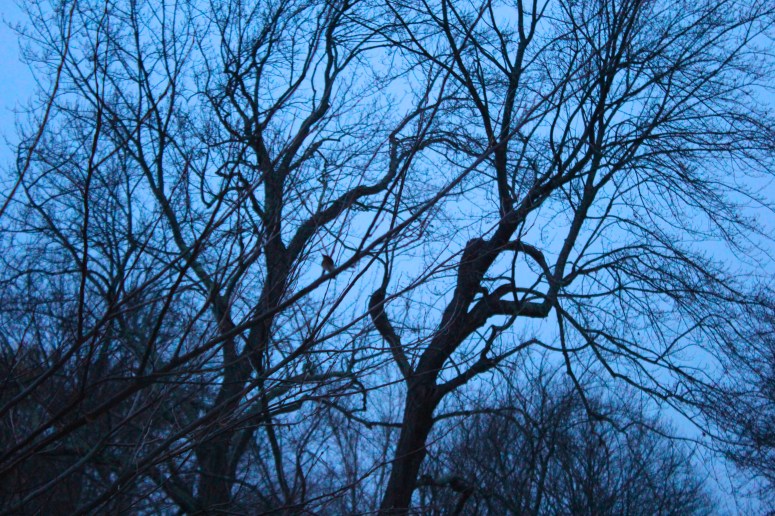
At dusk a week ago, in my peaceful garden far from Paris, a lingering leaf on the Japanese Snowbell Tree partied on like a plump house wren—the silhouette of its petiole became the distinct image of a delicate beak aimed for the heavens, ready to sing, and the curved edges of the leaf’s blade had softened into smoothed feathers. One last pear dangled lopsided at the top of the Pear Tree with a squirrel bite carved into it. Other flowers, leaves, twigs, fruits, and birds had already made their French exits—sparing my feelings, avoiding the unpleasantries of long goodbyes—by falling, blowing away, withering, packing up and moving on when I wasn’t watching.

The surface waters of the old garden pond rippled in slow motion, like the calm beat of a heart enchanted by poetry.

It was the news of more terrorist attacks—this time throughout the city of Paris—that had caused me to stop and appreciate the peacefulness surrounding me. I sought consolation, too, in Charles Baudelaire’s Paris Spleen, his book of prose poetry that never seems to get shelved in our house. Some days, Baudelaire’s writings make perfect sense to me and when that happens it is as though I have found a companion who will sit and write with me in a cafe on the streets of Paris for a long, long time. We drink and smoke and talk of how depraved humanity is. After we agree that mankind is the most evil beast, Baudelaire convinces me we must get more and more drunk, Drunk with what? With wine, with poetry, or with virtue, as you please. But get drunk. Which we do until our amplified laughter is shattered by dark discussions of our own deplorable and habitually sinful shortcomings. When it’s time for us to take our broken hearts home, or into bed together, we leave our small table crammed with empty glasses, smoldering cigarettes, and torn apart journals. (Though I save every page of what CB has abandoned.)  And then we go, hoping our chairs will stay warm for anyone else who needs to sit and think and talk and write as you please. In Paris.

********

While gazing at what was left of my gardens and thumbing through Paris Spleen, I was also expecting the arrival of five boys in a rock band from Brooklyn. The boys (one of them my son) had a scheduled gig nearby the next day.  Their journey would become a many-houred, several-moving-parts adventure beginning in Manhattan, with a detour to New Jersey before they circled north again. All of it led to one kitchen—mine—in New England’s safe and sound countryside, in the deep hours of a seasonably cold November night.

Dinner was set for midnight, and that’s when the boys showed up.

We decompressed over a candlelit repast that began with oysters before the next course was served, which was an offering of what I called jampalaeya—chicken, sausage, and fresh mussels from Prince Edward Island afloat in a spiced-up tomato broth with rice.  The drinking started with beer and wine and advanced to whiskey.

All of us tapped our glasses together. “To Paris!”

And then I said that it will never be enough for me to believe we will always have Paris which, if you’ve ever watched the movie Casablanca, was just a remark murmured between lovers in homage to the salve of fond memories.

The truth is, we might not always have Paris. Furthermore, any memories we have of our lovely selves in Paris will never serve to console us if we were to lose Paris.

The world cannot do without Paris.

Paris is not just about food and wine and champagne and hand-wrought loaves of bread and cute dogs prancing through a city with the most wonderful twinkling lights!

Paris is about the civilized world. And the civilized world includes any of us who have ever had our hearts broken, shredded, ravaged, persecuted, oppressed, and/or disregarded while, at the same time, we chose to madly believe that in the same world where endless evils and sadnesses exist, we will never tire of figuring out how to love and be loved.

We will always need Paris!

I notified the boys in the band—because I am a woman and I am a mother—that they cannot make a French exit in this life. They all have to do something, throughout their lives, to tip the heart of humankind toward its good side. They must stay at the party and never leave without saying goodbye. They can only say goodbye with a kiss to each side on the face of the good gods, one for gratitude and one for promises.

Yes, for sure. They agreed.

The most obvious thing everyone can do to tip the heart of humankind toward its good side, is to become educated.

I am standing up on a chair now, swinging my arms around in the air, trying to type. Education is under fire in my own country. We aren’t so sure how important it is to have a Liberal Arts education. We can’t seem to link such an education to making big bucks. When my son showed up for his Liberal Arts education at Bard College, the first thing they did was ask whether or not he was registered to vote. He was not yet 18. No problem, they said, if you’ll be 18 before the next election, we can register you now. Bard College makes a direct link to the crucial importance of becoming liberally educated, learning how to think, and employing your knowledge and skills to become a responsible citizen and voter. Education in the Liberal Arts is the most important process we have for preserving and continuing to create a functional and fair democratic society. Is it too expensive to become educated? We spend an enormous amount of money on weapons and jails to fight the consequences of ignorance, hate, and poverty. The value of education can’t be argued away. Furthermore, one doesn’t have to go to college for a Liberal Arts education. We are a nation that takes great pride in our free libraries. It’s hard to find a cafe in America that will allow you to sit and think and read and write for as long as you want, but not so hard to find a library.

We are, whether we like or not, a part of the battles to create a more peaceful world. It means we must do the hard work of learning how to think and how to become aware. We must continually go through the growing pains of intellectual evolution. We have to read—including work we don’t want to read. We have to look at art—including art we don’t get. We have to listen to music—including music we’re unfamiliar with.

We ought to walk through gardens. Admire architecture. Explore history. In our travels, it’s important to sit and talk to people we don’t know.

Most of all, we have to learn to listen.

********

At 1:30 AM, apres dinner and discussions with the boys in the band, I brew a pot of coffee. The boys charge up, then file out to the barn to begin rehearsing for their gig. They are all tired. It has been a long week of day jobs colliding with night jobs as artists and a lot of driving. Sleep is what they want most of all. But it has also been a week of their new record release called, “Let’s Go!”

On the release is a song that made me dance the first time I heard it in a vast warehouse-district, underground bar in Bushwick. Syrian landlords keep the urban campfires burning, on the sidewalk across the street. Artists come and go, free to perform and put their art out there.

The song is called French Entrance and it’s about coming out as a gay man. It makes one think of what it might be like to be a man suffering about his own real and true and normal self and how simple it would be for him to be able to tell a friend and have the friend say it’s okay fuck the people who can’t deal with it. The drumming and percussion pound out intricate rhythms of harmonious chaos with bass beats and guitar strumming that culminate in one fine blend of celebratory desperation. The vocals are casually Lou Reedish. Sexy casual. The song is a call to arms and legs and jumping up and down bodies—it’s time to get up and start dancing about the people at work making the world a place where everyone can live their own best life.

We can never settle ourselves into lives of comfort and complacency.

Abdellah Taia, an openly gay Arab writer and filmmaker, wrote an editorial for the New York Times after the attacks in Paris entitled, “Is Any Place Safe?” He writes of how much he needs Paris, yet how concerned he is for the future of the city:

“I came to Paris 16 years ago as a young, gay Muslim…”

“I made my life in Paris because I believe in its values: rationalist, humanist, universalist…”

“I left Morocco as a young and desperate gay man. In Paris, I found a place where I could fight for myself and for my dreams. But I know now that nowhere is totally free or safe.”

“But Paris is a city that has, in losing its borders, lost certain values as well. The neglect of a segment of our youth (especially those of Maghrebi origin, from countries like Morocco or Algeria) is an undeniable reality. This neglect has produced an environment conducive to radicalization, joyous nihilism and, now, carnage. Racist attitudes, ever more frequently espoused by certain politicians and intellectuals, have become the stuff of daily life.”

After I read Taia’s editorial, I was inspired to read something else he wrote: Homosexuality Explained to My Mother. The essay is completely astounding and grew my brain into new evolutionary worlds.

After listening to the new song by Teeth People called French Entrance, I resolved to move a book on my list of “must reads” to a more urgent position: Jean Genet’s A Thief’s Journal. 

I do these things because I want to think about and learn about and try to understand the ways we might be neglecting youth in this world and why they seek to join communities of evil or become increasingly evil as lone gunmen throughout the world, especially in my own country.

********

We will, indeed, always need Paris. It is a city where brave artists and freedom fighters (like the French Resistance during World War II) have found, and continue to find, their voices. I am grateful to them. The legacy of their work changes how I perceive the world and inspires me to join the battles for love and peace.

In that way, Paris keeps us alive through the darkest days of our lives. We are encouraged to get to work. To keep thinking and educating ourselves. To be brave and to Smash the Televisions. (Another great song on the new “Let’s Go!” record. The whole record is outstanding.)

 ********

Here’s a link to the new song by Teeth People called French Entrance. Promise that if you listen, and read the lyrics, you’ll never opt for the French exit when life asks you to tip the heart of humankind toward its good side. Actually—don’t wait to be asked. Get out there and start dancing.

https://teethpeople.bandcamp.com/track/french-entrance

Here is a picture of one last leaf playing the part of a house wren on the Snowbell Tree in my garden:
IMG_0905

********
Lemon Sweet Sunshine.

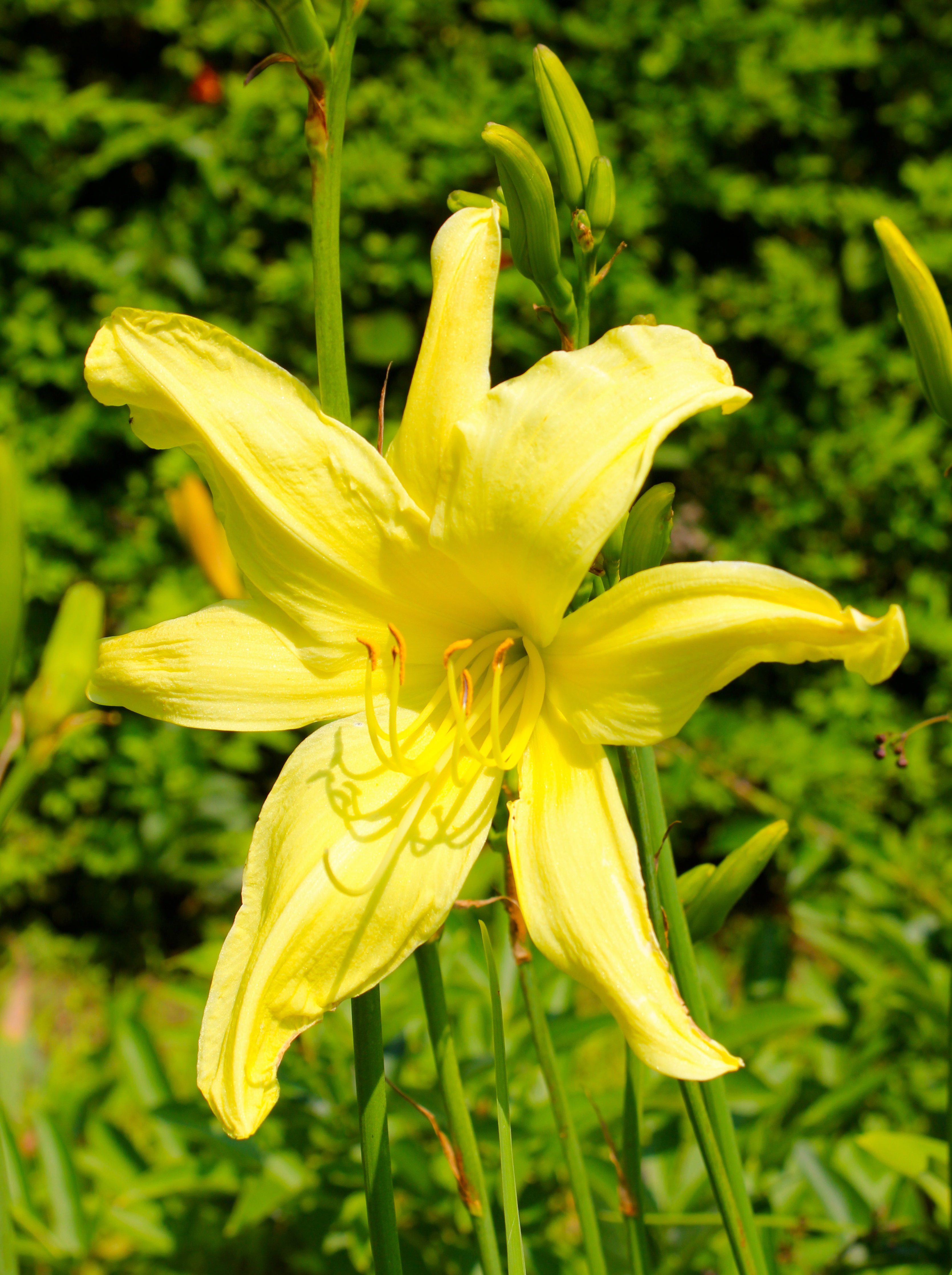
IMG_3803Daylily Days!

Squish a lime into an ice-cold bottle of Corona beer.

Cut fresh flowers for a vase in the guest room.

What’s for dessert?

My daughter was home for a few days and we had company coming. She enjoys baking and we all enjoy preparing the house for company. I showed her my dog-eared pages in the new magazine Sift I bought back in early spring. We couldn’t decide what to make! She chose Lemon Meringue Bars. A great choice—refreshing and light, colored yellow and white.

There’s a quote from Julia Child in the magazine: A party without cake is just a meeting.

And dinner without dessert is just no fun.

********
LEMON MERINGUE BARS:   (From the premier issue of Sift, a King Arthur Flour publication.)

CRUST:

1 1/2 c. King Arthur Unbleached All Purpose Flour

1/4 t. salt

1/4 t. baking powder

1/2 c. (1 stick) unsalted butter

1/2 c. sugar

3 large egg yolks (save the whites for the meringue)

FILLING:

1 can sweetened condensed milk

Grated zest from 2 lemons

1/2 c. fresh-squeezed lemon juice (We needed 4-5 lemons)

TOPPING:

3 large egg whites

1/2 t. fresh lemon juice

1/2 c. sugar

Preheat the oven to 350 degrees. Lightly grease 9″x13″ pan; line with parchment paper—the edges going up the sides.

For the crust:  Whisk together the flour, salt, and baking powder. Cream the butter and sugar together in a separate bowl. Mix half of the dry ingredients into the butter/sugar mixture, then add the egg yolks. Blend gently, then add the remaining dry ingredients, mixing only until the dough comes together. Pat dough into the prepared pan. Bake for 15 minutes, until golden. Remove from oven to let cool.

For the filling:  Blend condensed milk, lemon zest, and lemon juice until the mixture thickens slightly. Spread over the cooled crust and set aside.

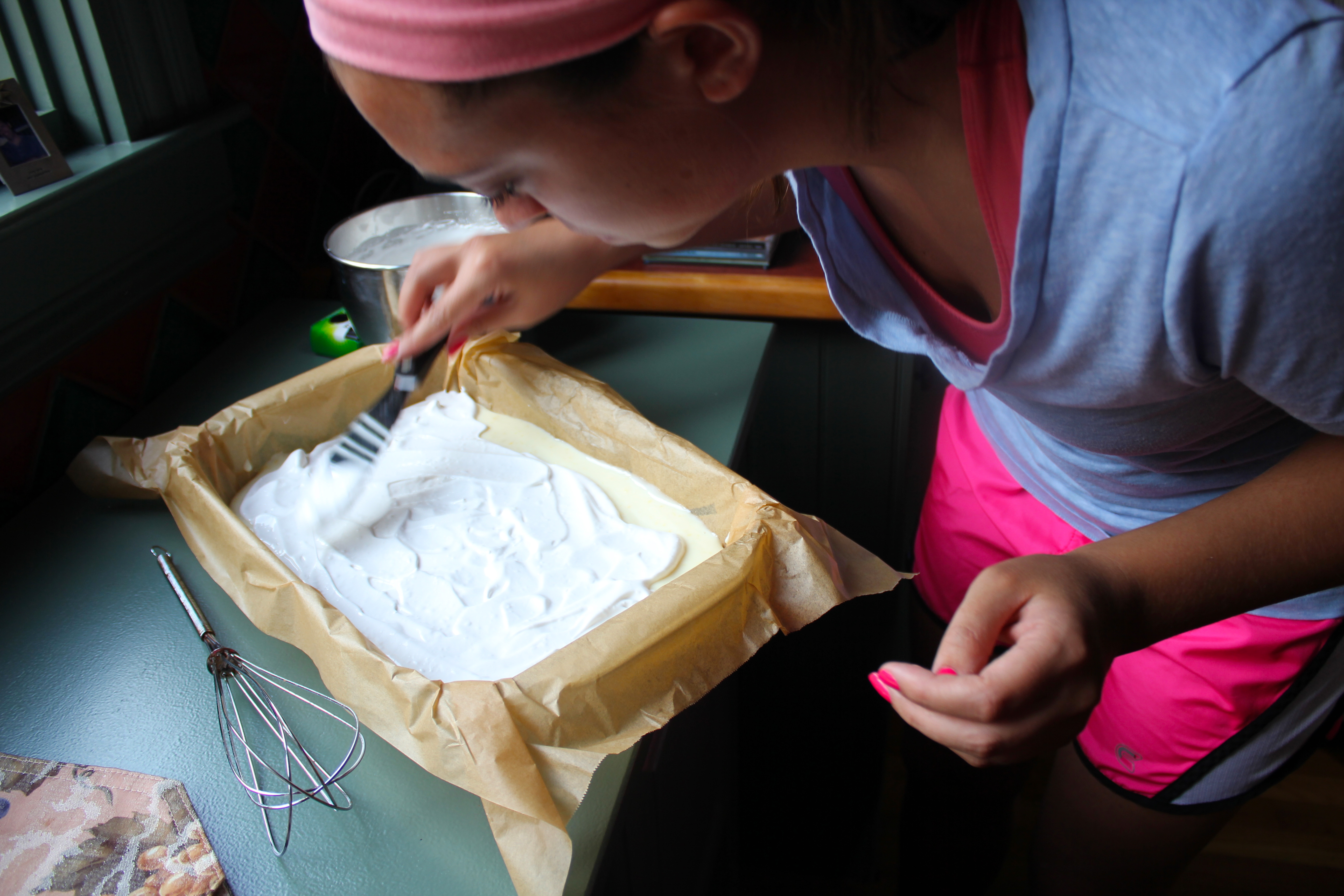
For the meringue topping: In a clean bowl with clean beaters, beat the egg whites with the lemon juice until foamy. As the mixer is running, sprinkle in the sugar and beat until thick enough to hold a medium peak. Spread the meringue over the filling—pulling up little peaks. Return the dessert to the oven to bake for another 15 minutes, or until the meringue is golden brown. Remove from oven and let cool for half an hour.

Use the parchment lining to gently pull the dessert straight up and out of the pan and onto a cutting surface. Cut into squares.

IMG_3649

IMG_3651

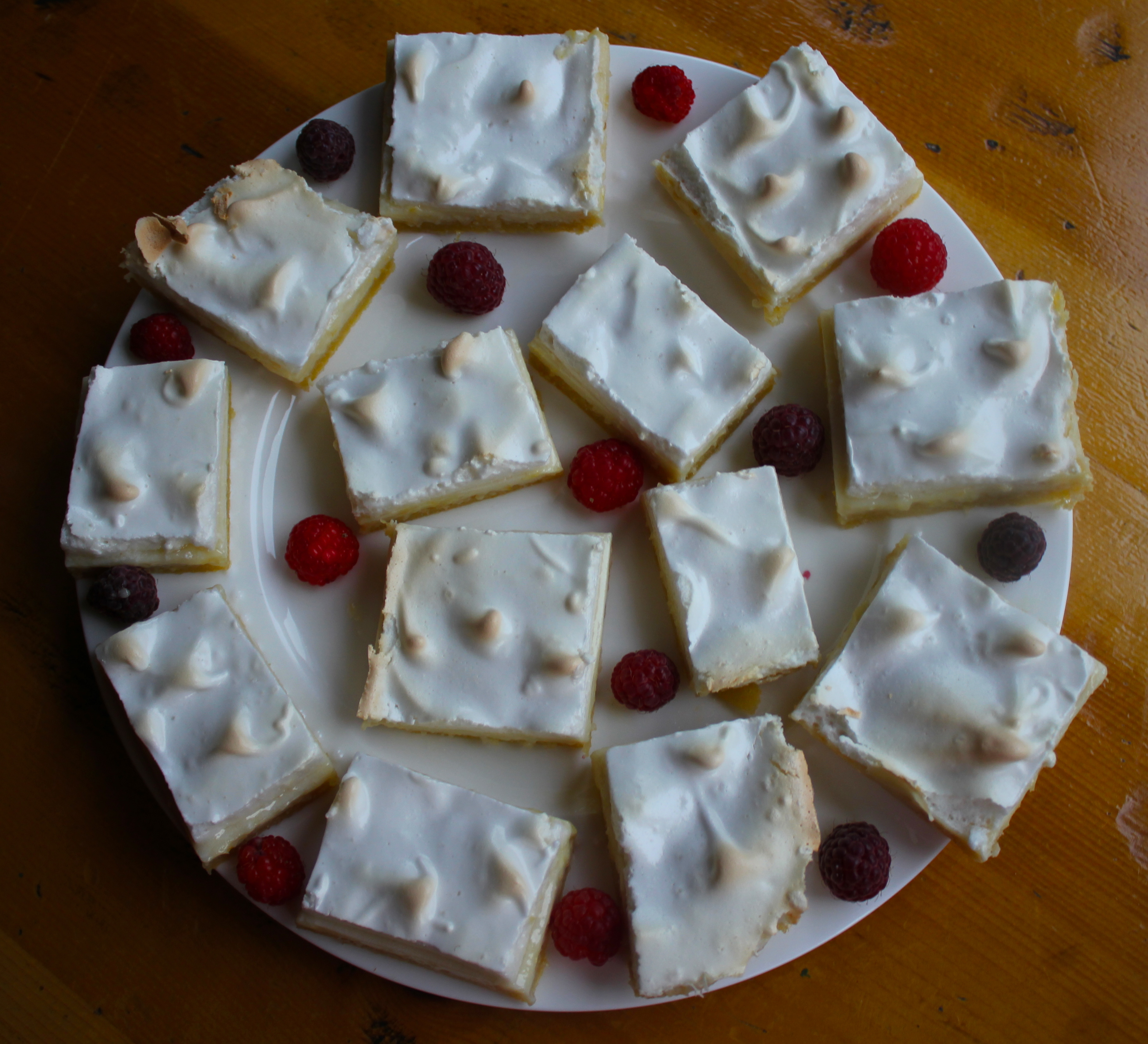
One of my friends delivered fresh-picked berries from her gardens

on the same afternoon my daughter was baking. My daughter arranged them with

the lemon squares on a simple white plate.

IMG_3655

********
Rich Man.

Plan: Depart after chores on Saturday morning, motoring 160-ish miles southwest for an overnight in the Hudson River Valley.

Chosen villages: Sleepy Hollow and Tarrytown, New York.

Opt for one afternoon activity on Saturday, agreeable to all two of us.

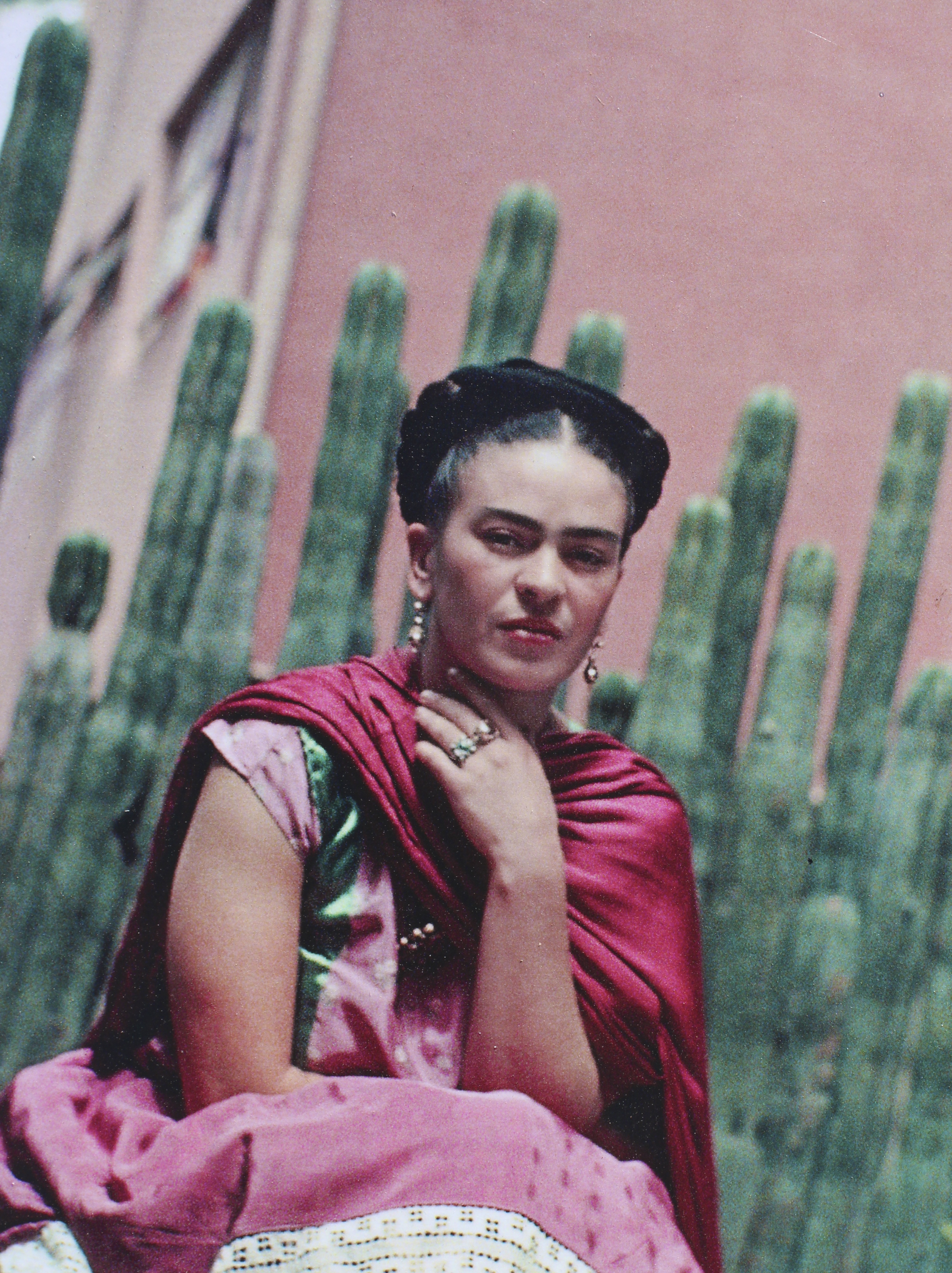
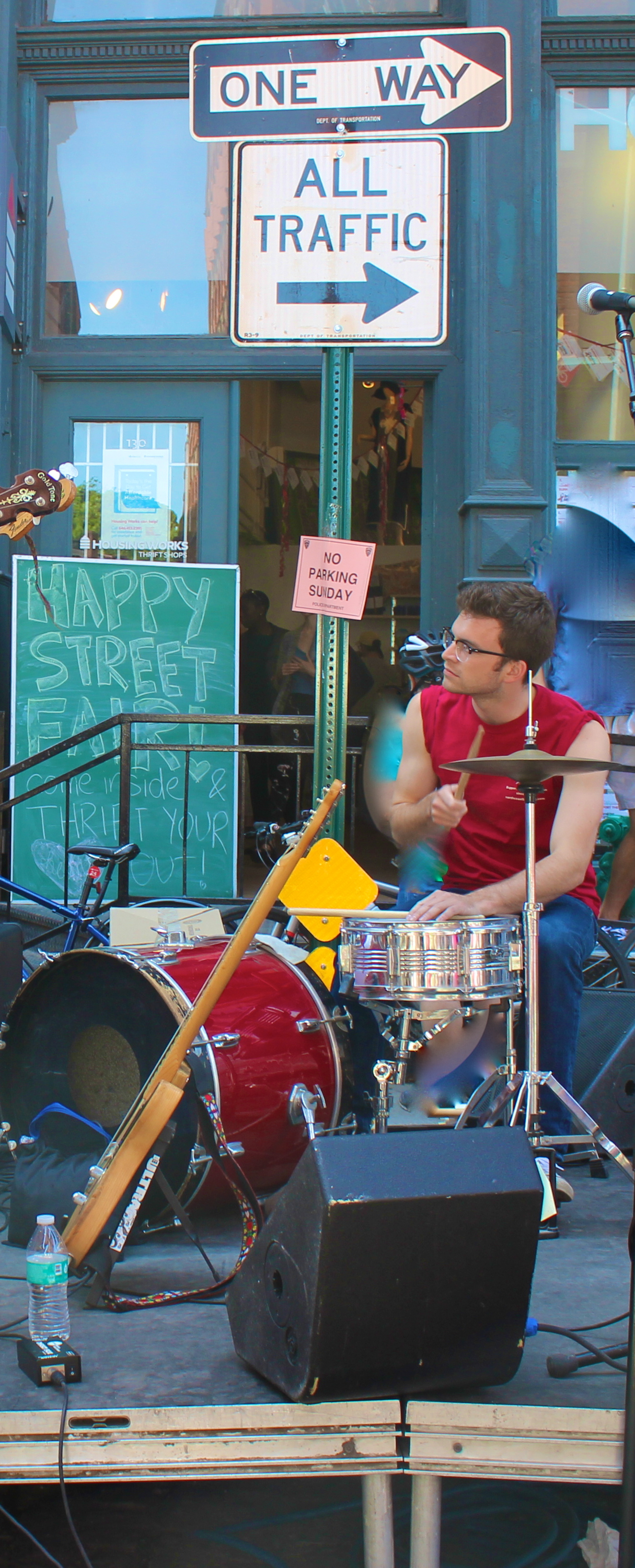
Sunday already figured out: First to the Bronx, for the New York Botanical Garden’s show, Frida Kahlo – Art. Garden. Life. After that: A Sunday afternoon street fair in Soho where our son would be performing with a band.

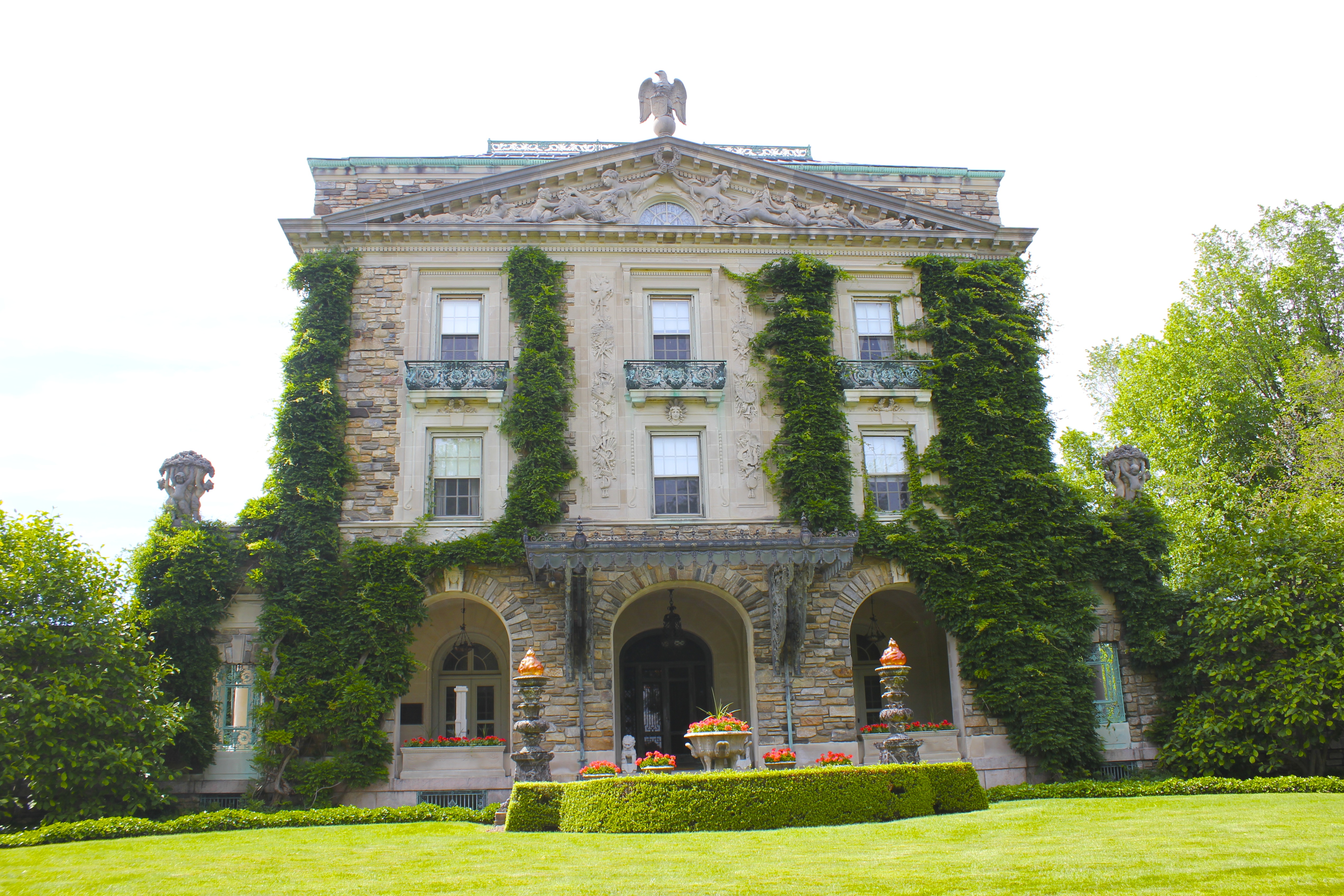
Since the Frida Kahlo excursion was something I wanted to do, it was only fair to balance Saturday with a visit to something my husband would want to see. We chose the Beaux-Arts bling of John D. Rockefeller’s estate Kykuit. Pronounced, “Kye-cut”, as in cut a check.

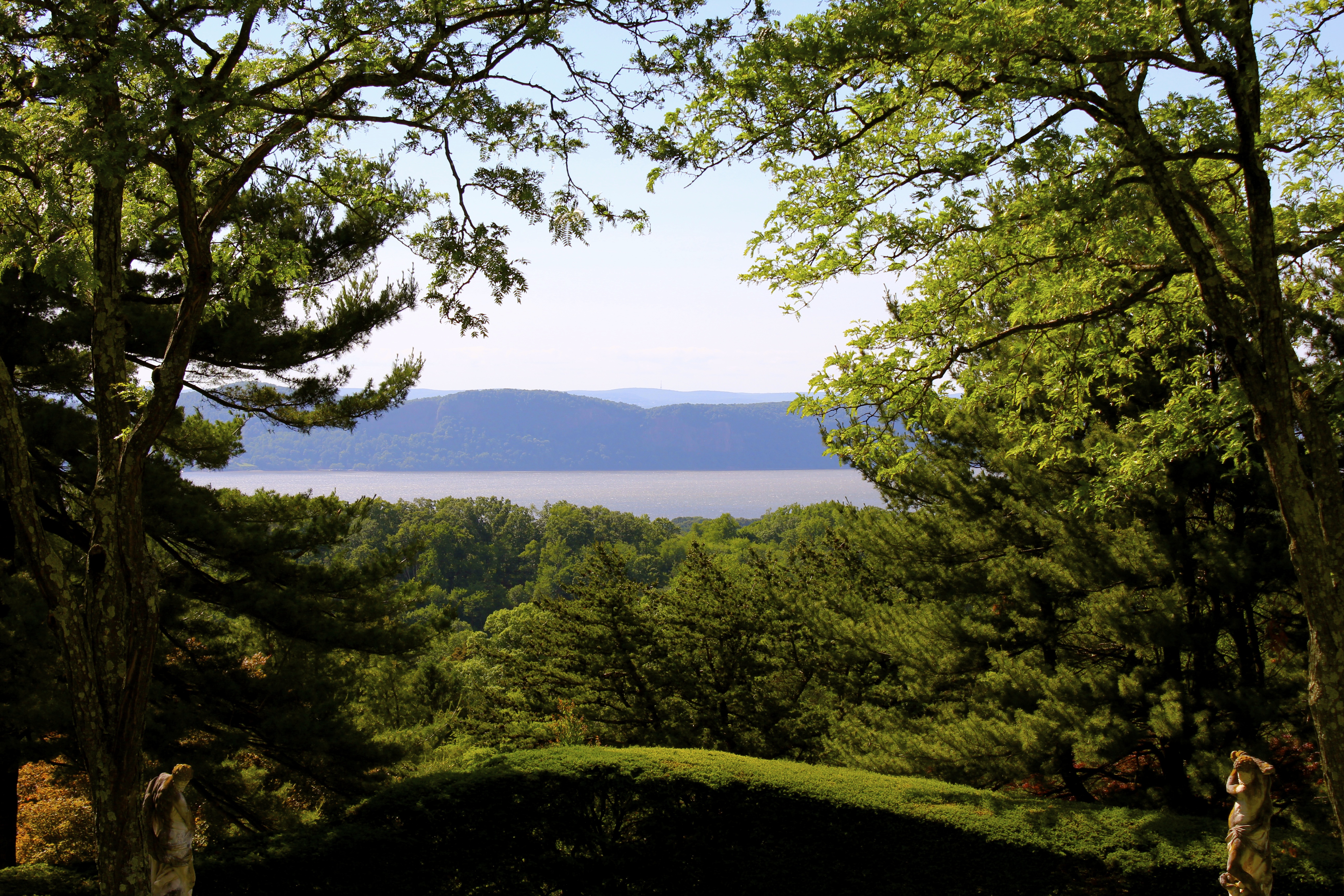
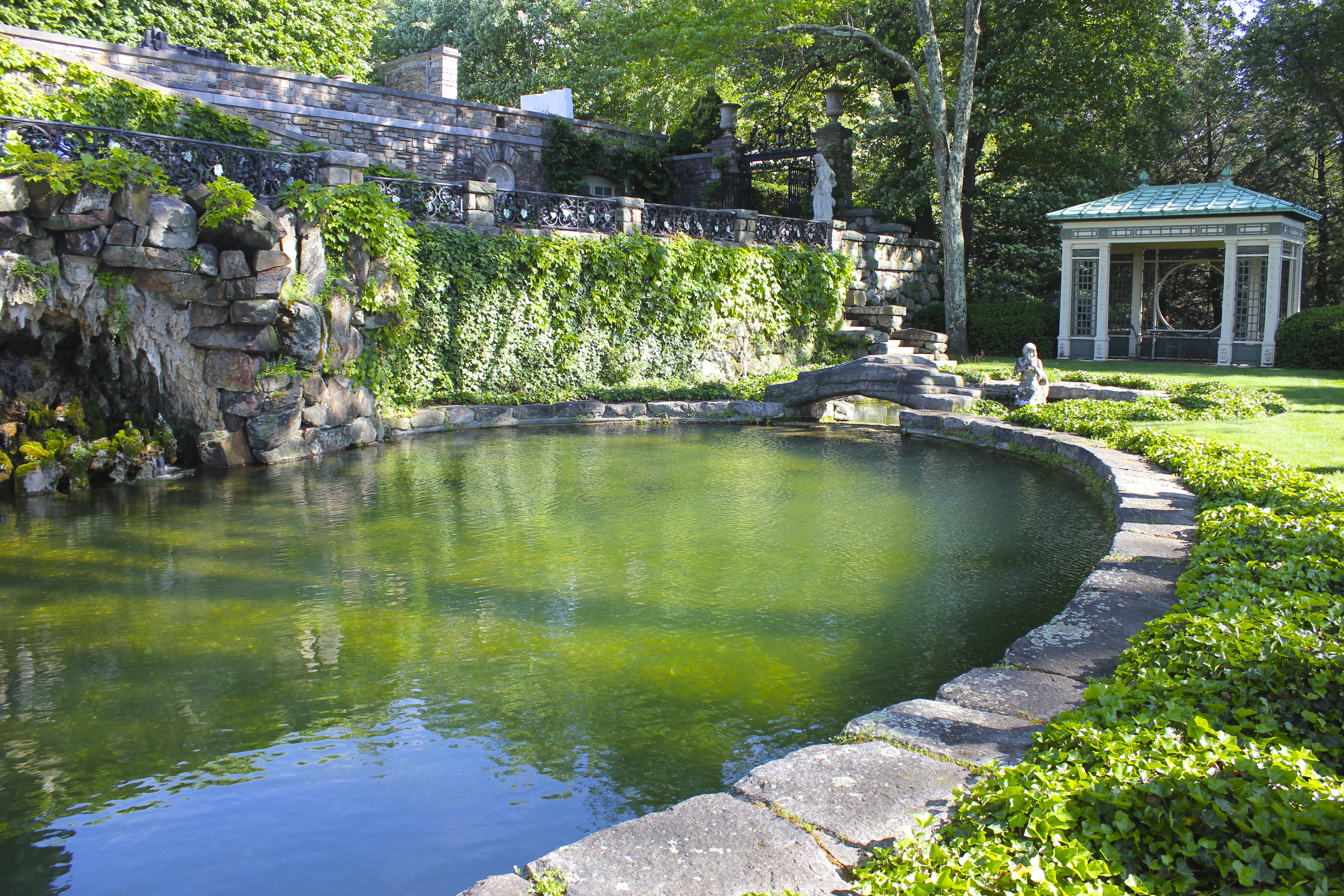
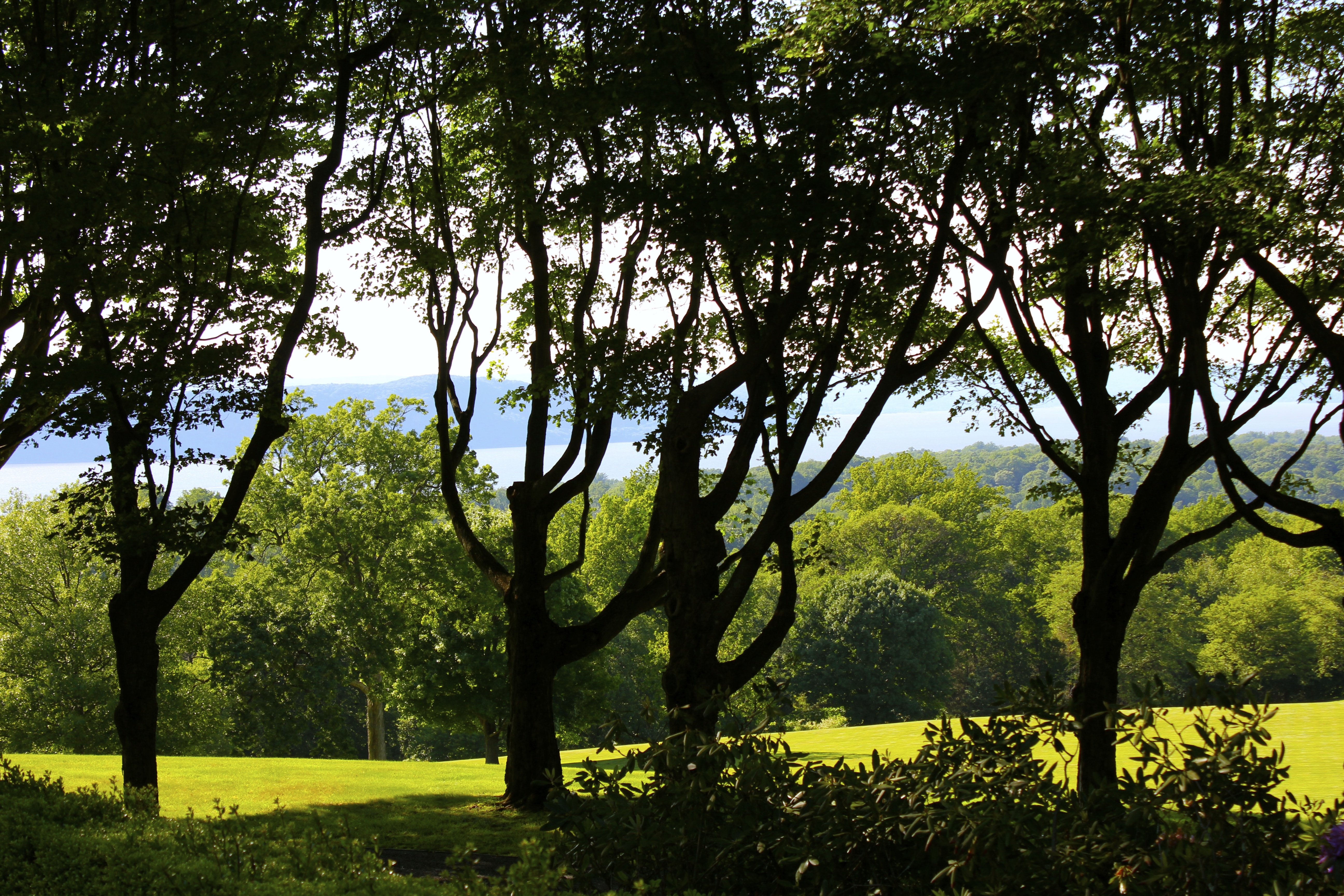
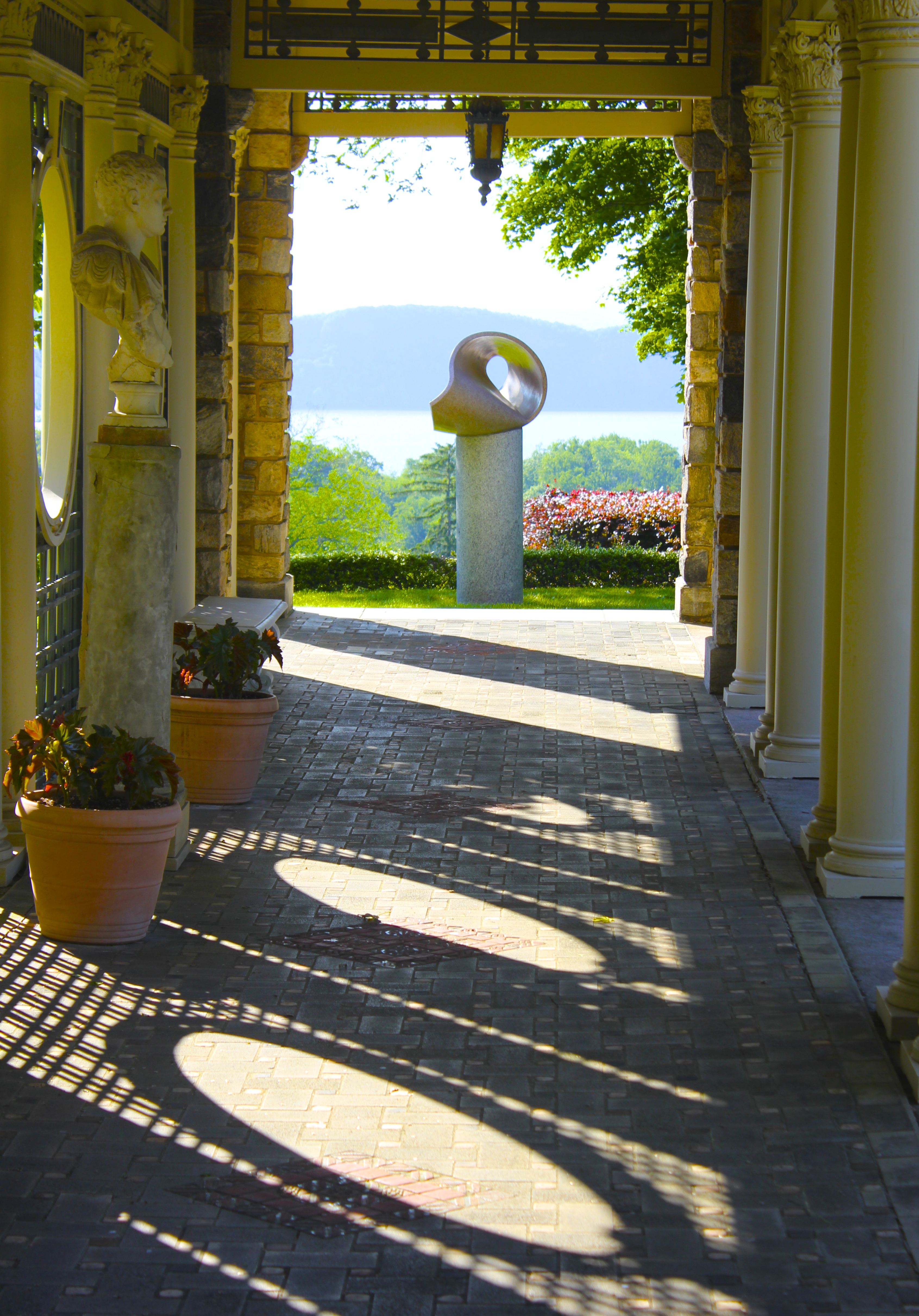
At Kykuit, our tour guide, (a perky opera singer), directed us through the interior living spaces, the art galleries, the carriage barn, and the grand gardens. She told neat and tidy stories about the Rockefeller family. Everyone was polite and listened well, but many of us had read or heard other stories about the family, too. Soon, whispered remarks with smirks and sighs spiced up the lonely settings of JDR’s Gilded Age otherworld—now at rest like an unblemished ghost town, encased in a crystal bubble. The gardens are so meticulously manicured and carefully preserved, that not even with a worthy breeze blowing in from the shores of one of the most romantic rivers, would one leaf or one fragrant flower petal dare to take flight.

Nor would one weed dare to trespass.

Nor were there any pathways for a visitor to choose, instead.

Walking the grounds, I felt as though I’d slipped between the covers of a sumptuous art history book, without marginalia or dog-eared pages, where everything came to life off the pages.

How famously our culture preserves the legends of wealth and legacy.

As an enthusiast of the phenomenons of human nature, I like traveling to the monuments, museums, and palaces where the booty of human fortunes is displayed. It’s thought provoking and interesting to visit the fairylands of rich Americans because many of them used their wealth to hire rockstar architects, designers, and artists to create their utopias.

When rich people die, they leave a trail of art history, decorative arts history, and garden design history loaded with ideas for us do-it-yourselfers whose garages are cluttered with monuments to frustration—like the drill with as much power as a hamster’s electric toothbrush or the bags of Grub-B-Gone that were as useful as the empty wallet they drained dry.

Whatever stories have been silenced by time in the empty interiors of historic homes or buried in the gardens surrounding them, the settings that remain still tap the imagination. It’s one thing to view a painting in a typical museum. It’s quite another charming thing to walk through gardens and landscapes growing more and more palatial, long past the days when their first admirers sat with a cup of tea underneath a newly-planted allee, without a computer, or a cell phone, or an income tax.

I journey to the sites, primed to be inspired with ideas and prepared to fall under the spells of several emotional extremes: I am convinced I could have been a happy tycoon. I am convinced I could have been a happy, married-to-wealth, lady of the manor. I am convinced I could have been a happy caretaker of noble gardens, living in a stone cottage nearby, writing poetry. I am convinced I could have been the go-to designer of the times, hired to create the most impressive works of art for the most insatiable rich people in the world. I am convinced I could have been the darling first born, given over to the greatest educators in the greatest schools, coddled and cuddled and mentored by the most ruthless businessmen and women. I am convinced I could have been the beloved philanthropist who saves the world.

All the money in the world, whether it is controlled by one person or one family or one government, will never save the world.

I came to a couple of conclusions after touring Kykuit. First, I have lived my life without ever having a brand new car, and, after walking through the carriage barn at Kykuit, I realized I have never wanted a brand new car. I want horse-drawn carriages and I want the rest of the world to want them, too. Gas-powered, horseless carriages have wrecked the world. Secondly, if I had an art collection like Nelson Rockefeller’s—including the Picasso Tapestries he commissioned a woman in France to weave by hand, in cahoots with Pablo himself—I would never display my collection in a cramped, subterranean man cave on some of the most prime real estate in New York State.

Thanks to Nelson Rockefeller, the art and cultural history of Kykuit has been preserved. Up until his storied reign over the Rockefeller kingdoms, all Rockefeller residences had been demolished, by family decree. For instance, in Maine, you can tour the Abby Aldrich Rockefeller Gardens in Seal Harbor (by reservation only), but the house where she summered with her husband, JDR, Jr., is gone with the Atlantic winds. After touring Kykuit, a second-hand store shopaholic can only wince at thoughts of what became of the contents and components of all other Rockefeller residences.

*****

We had dinner later in the evening, after our Kykuit Grand Tour, in Tarrytown at Bistro 12. The restaurant is run by the artful energy of the owners, who are from Madeira, Portugal. I think the chef is from Italy. Therefore, European dining reigns. The owners work the floor and the bar. Just when we were sad to sense that the evening was coming to a end, the owner arrived with a complimentary cordial. He also revealed himself as the painter of all the artwork hanging on the walls. There was a ukulele on the bar. We asked about it. The owner played it for us. He proudly, and gently, told us that we were all wrong about the ukulele. Though it might have stolen our hearts in Hawaii, the instrument arrived there in the late 1800’s, and was brought by immigrants from Madeira, Portugal who had gone to Hawaii to work in the sugar cane fields.

*****

On Sunday we went to Frida Kahlo’s Casa Azul, her home with gardens in Mexico, as interpreted by the New York Botanical Gardens. It’s not the first time New York City has hosted stories from the life of Frida Kahlo. In 1934, her husband Diego Rivera experienced a bitter battle of ideals with Nelson Rockefeller who had commissioned Rivera to paint a mural at Rockefeller Center. The mural included the face of Lenin and Rivera refused to change the artwork he was commissioned to create. Rivera was dismissed, his artwork destroyed.

Our visits to Kykuit and the New York Botanical Gardens stimulated plenty of conversations:

The designers of Kykuit were guided by European artistic styles.

—Frida Kahlo wanted to rid herself and her culture of the trappings of European culture.

Kykuit was loaded with copies of existing art.

—Frida Kahlo was an original.

Kykuit represented comfort and joyful excess, with heartbreak and adversity subdued.

—Casa Azul housed a lifetime of physical and mental suffering, documented through Kahlo’s works of art.

Nelson Rockefeller’s art collection is squished into a musty underground corridor.

—And at the New York Botanical Gardens, original, rarely exhibited Frida Kahlo paintings were squished into a small gallery in a huge building that required a cramped elevator ride in order to view the wonderful work.

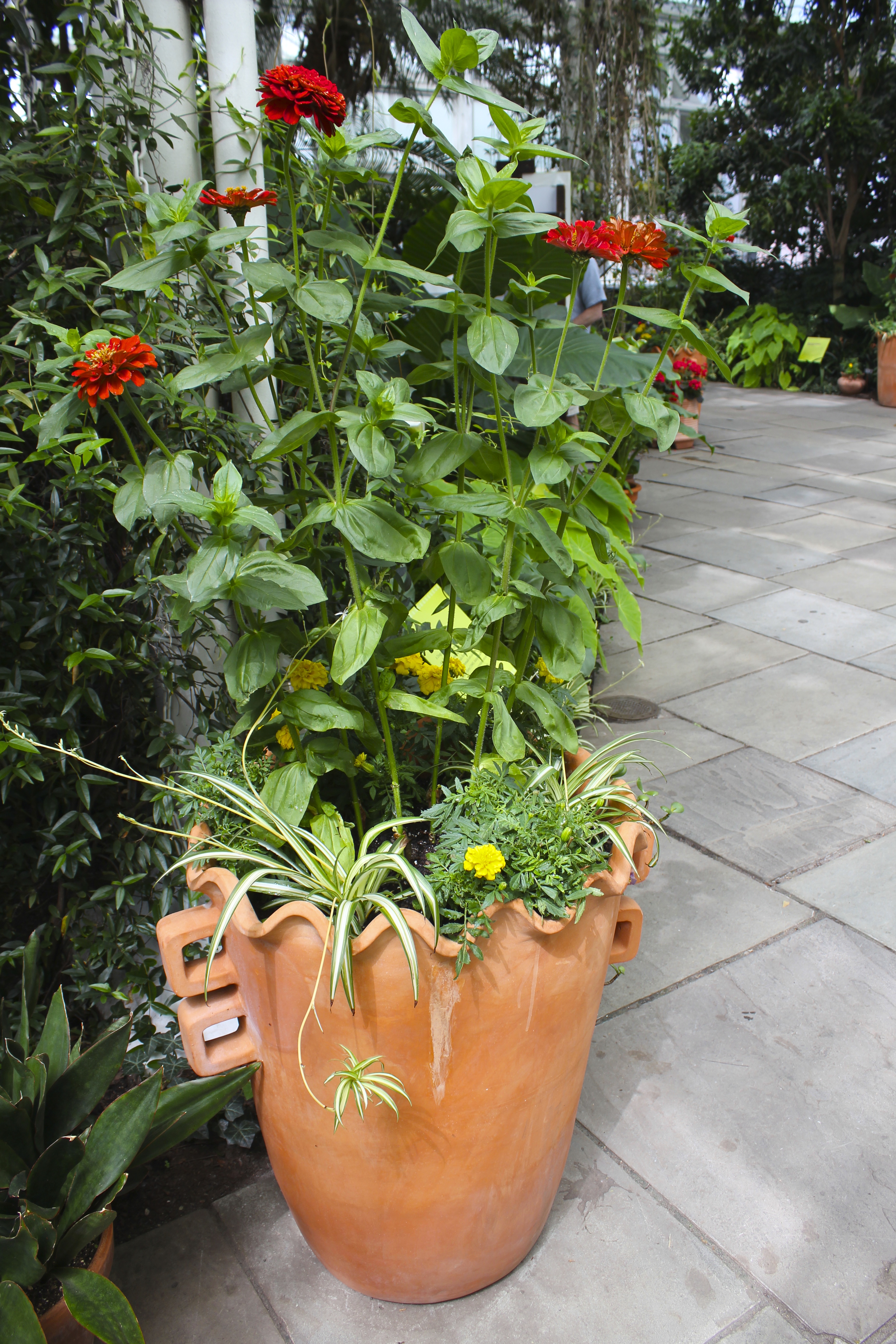
Both excursions to view art and study art history wended us through stunning late-spring gardens.

Our final excursion to Soho, on the other hand, to see our son perform in a band at a street fair was not as calming—we got stuck in horseless carriage gridlock, New York City style, all the way from the Bronx.

After the street fair, we had time for one beer with our son and his band mates out on the patio at his place in Greenpoint, Brooklyn. While my husband and the devoted musicians passed around a guitar, I noticed Morning Glories, Nasturtiums, and Zinnias, all planted by my son, growing in his urban gardens—the richest green legacies from his youthful summertime days out in the country.

Here’s where to go to find original art NOW: It’s happening TONIGHT, June 10th, at Cake Shop in NYC. (As in, “Let them eat cake.”) One of NYC’s best venues for music. My son and his band mates are putting on a show FOR THE PEOPLE!

http://www.teethpeople.bandcamp.com

Find the Rich Man disc under discography—

First song on the link: RICH MAN.

*****

IMG_2415

IMG_2463IMG_2493IMG_2510IMG_2515

**********
IMG_2568IMG_2555IMG_2545IMG_2550IMG_2551

**********
Rich art. Original. For the people. Happening now.

IMG_2610

Rich Man disc @

http://www.teethpeople.bandcamp.com

If you’re looking for a rich man.

That Recurring Nightmare About Final Exams.

music-graphics-rockstar-110897

Everyone has their own, unique “worst nightmares.” Here’s one:

“I meet Rock Star Hunk on a romantic beach in the South Pacific. He talks to me. I smile. He says, ‘You have a leaf of lettuce dangling from the tip of your tongue and a poppyseed stuck between your two front teeth.’ He reaches into my mouth and plucks away the lettuce, then goes after the poppyseed, loosening the caps on my two front teeth. Drool drips from my tongue. Rock Star Hunk cleans his hand in the surf and while he’s not looking, I rearrange the caps I bought at the Dollar Store onto my teeth. There’s a shark. It strikes, taking off Rock Star Hunk’s hand in one chomp. Rock Star Hunk bleeds to death and when the shark smiles, there are poppyseeds stuck between every blood-stained tooth.”

Here’s some more worst nightmares, but these ones are not unique. If you attended college or university, chances are these bad dreams have revisited you through the years that have come to pass since those halcyon days of your youthful education. The nightmares are souvenirs of stress. They remind us that higher education wasn’t always idyllic. It was often frantic:

“I dreamed I showed up for my final exam and it was the wrong exam because I never attended the class.”

“I dreamed I slept through my final exam because I was taking speed the night before to study.”

“I dreamed I never got my college degree because I forgot my name, my social security number, and my purpose in life and I was so hungry, (because I’d been chewing on coffee grounds for days and days), that I ate my exam blue book and my #2 pencil, which I forgot to sharpen.”

*****

It’s final exam season again. It’s also springtime. America’s best and brightest students are under the guillotine. The blade is menacing—reflecting cruel combinations of warm sunshine mixed up with disheartening distress. This ritual of brain growth—study, pass, or hand over your head—has been happening for a long time. But every generation is convinced the pressure has never been so intense, so unreasonable, and so unmanageable.

Stress can lead to some serious mental breakdowns. Most of us can laugh–now–at the recurring final exam nightmares that harass us. But hopefully we haven’t forgotten how it felt to believe we were about to ruin our entire lives, because we weren’t prepared mentally and physically to endure the pressure of finals. For a lot of students, stress must be managed in tandem with other mental, physical, and social challenges.

It has never been easy to be a college or university student.

*****
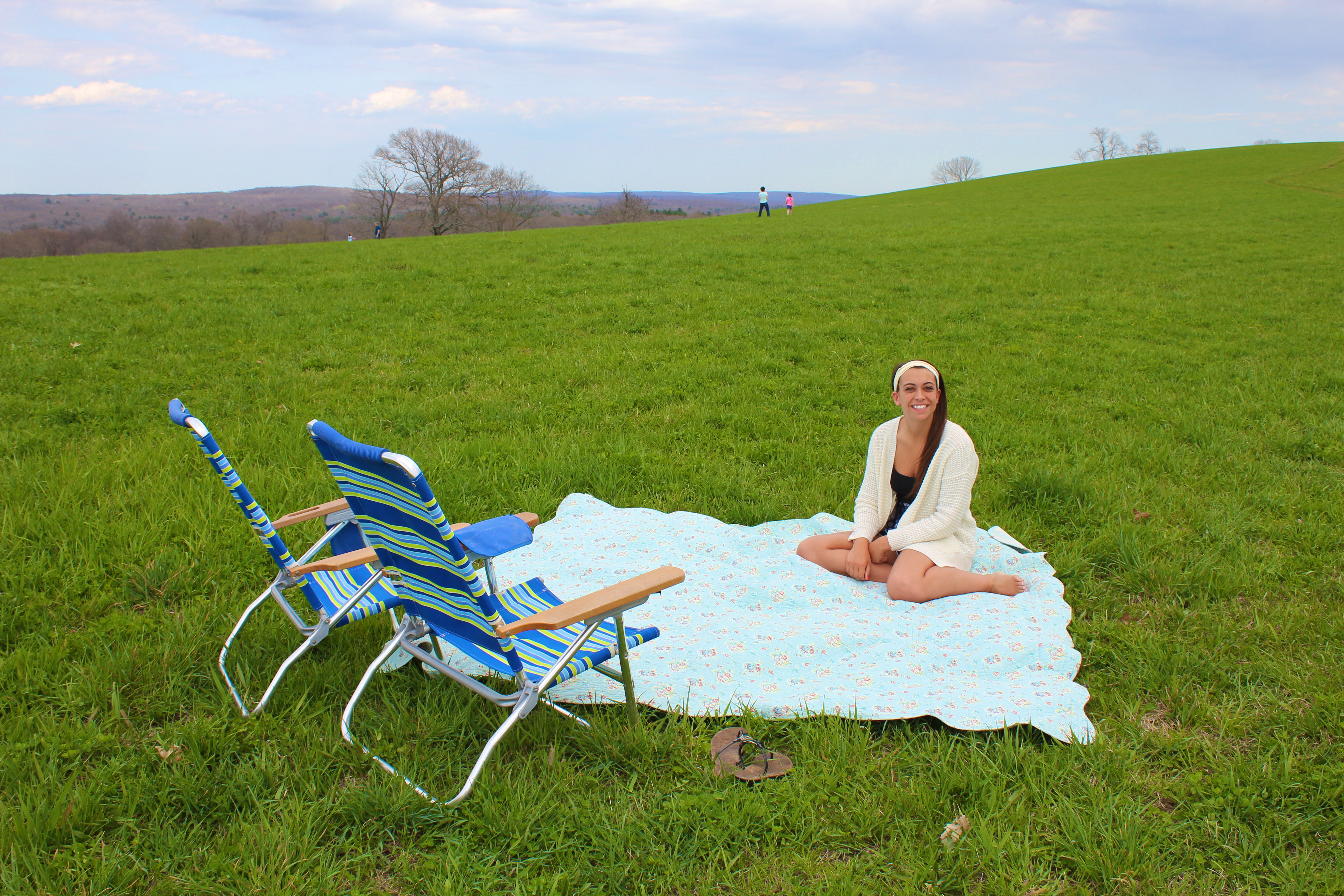
Our daughter, who is midway through the brain and body torture of final exams, needed a lifeline. So we visited and brought a picnic.

She attends a land-grant university. Few places are more perfectly set up to offer the stressed-out coed some au natural comforts.

*****
Land grant universities evolved in America around the 1850’s, when a social movement that supported higher education for the public began to gain attention. America’s education system, at that time, copied European models. Those models largely served to educate elite members of society within a class system that groomed students to become sedentary members of the government, or the palace, or the private schools.

American thinkers appealed for a system of higher education that would be more accessible to all and serve the people. It would be funded through the sale of government land and it would focus on agriculture and the mechanic arts, as well as classical studies. In other words, the education would serve the people and the country by promoting knowledge of the sciences, industry, and home economics. This model for education for the working class is all the rage now. Though we think curriculums are shifting in response to the perceived brilliance of kids in Singapore, (STEM: Science, Technology, Engineering, and Math), I believe the core fundamentals for these kinds of studies were established at land-grand universities in America.

Every state in the union has at least one land-grant university. We are all beneficiaries of their existence.

Furthermore, the existence of schools throughout America—both public and private—that honor broad ranges of academic studies makes this country, by far, a land of dynamic educational opportunity and choice.

*****
The perfect break from the pressure of final exams should include exercise, sunshine, healthy food, a caring community of family and friends, restful peace, and

ANIMALS.

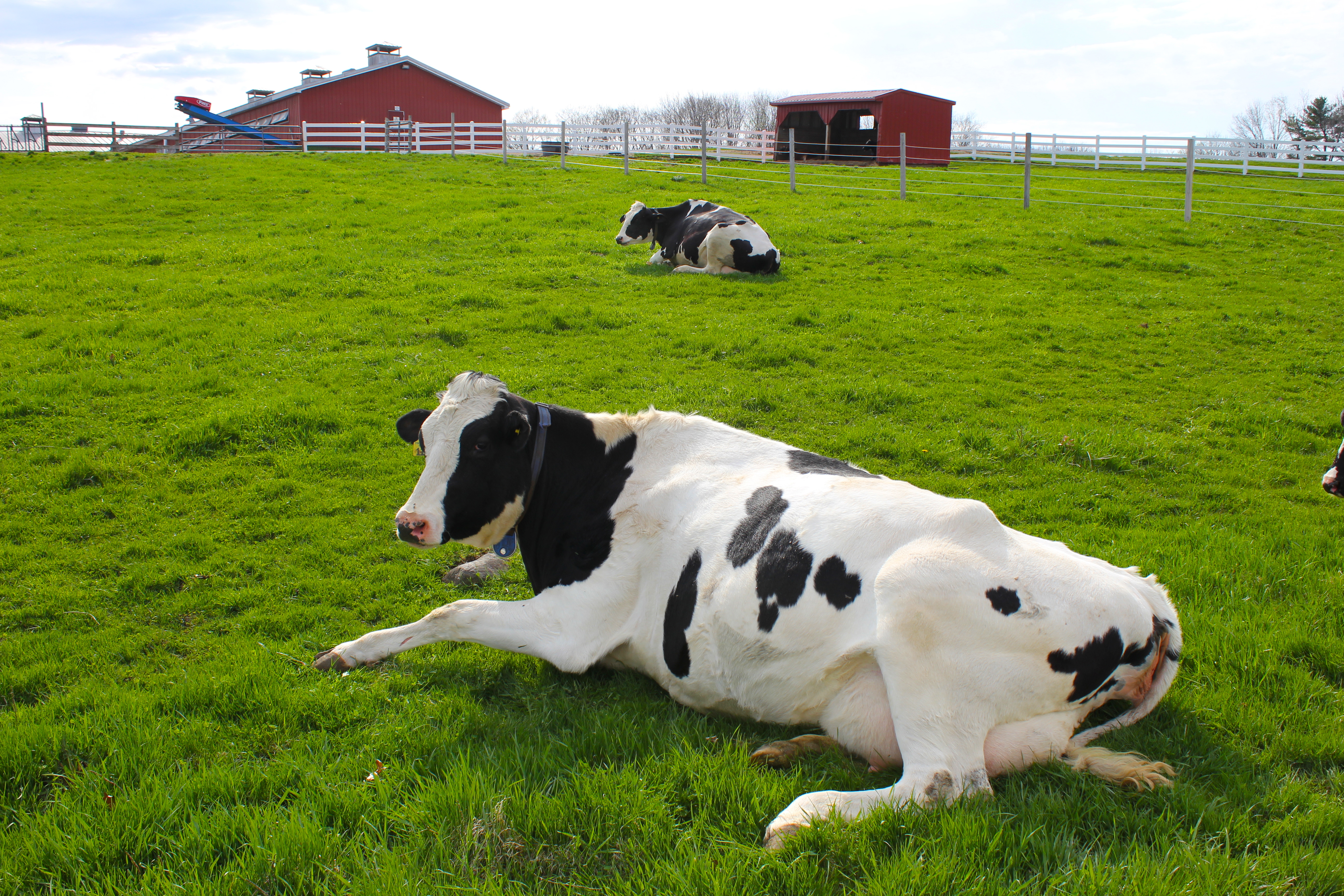
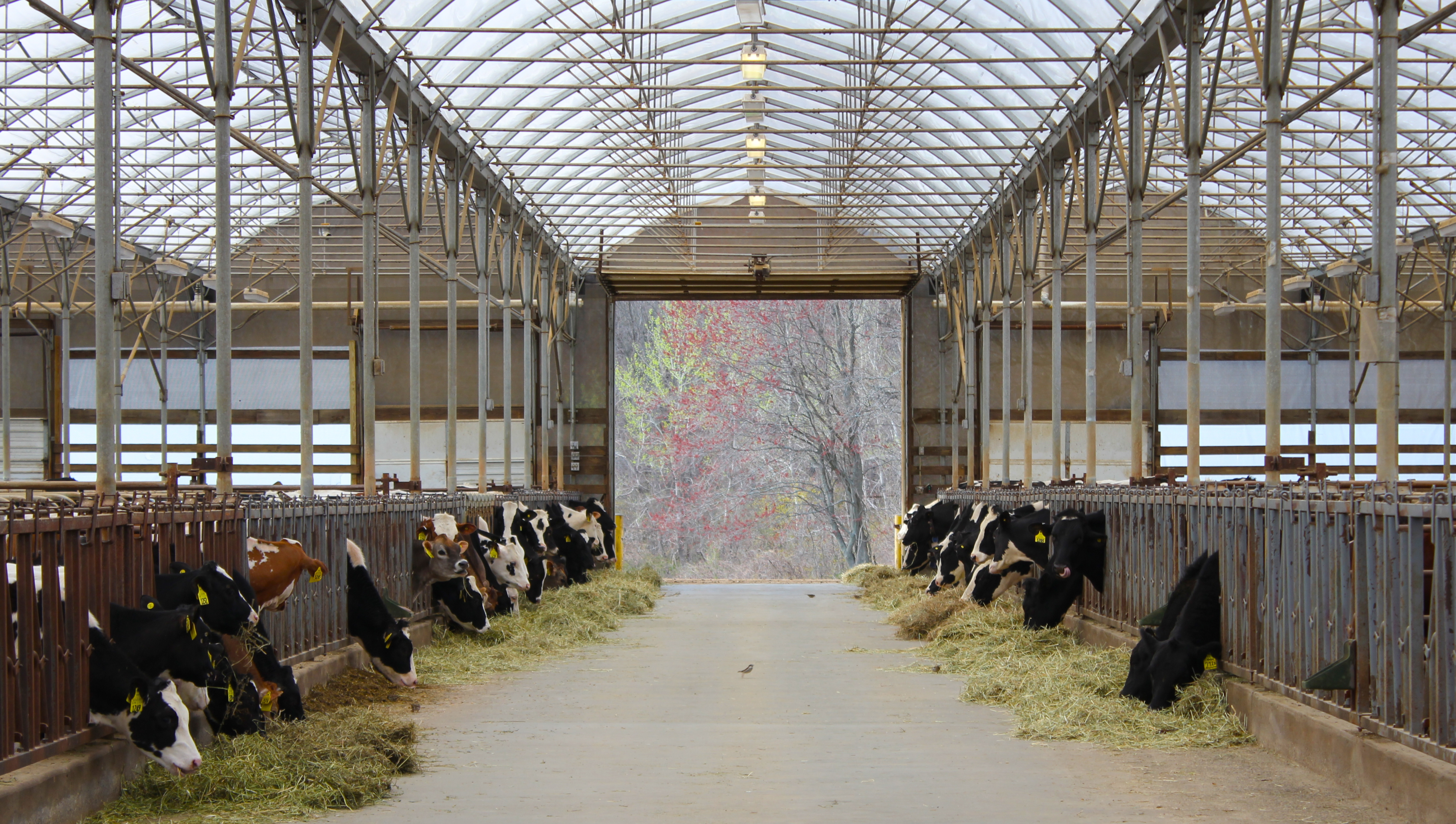
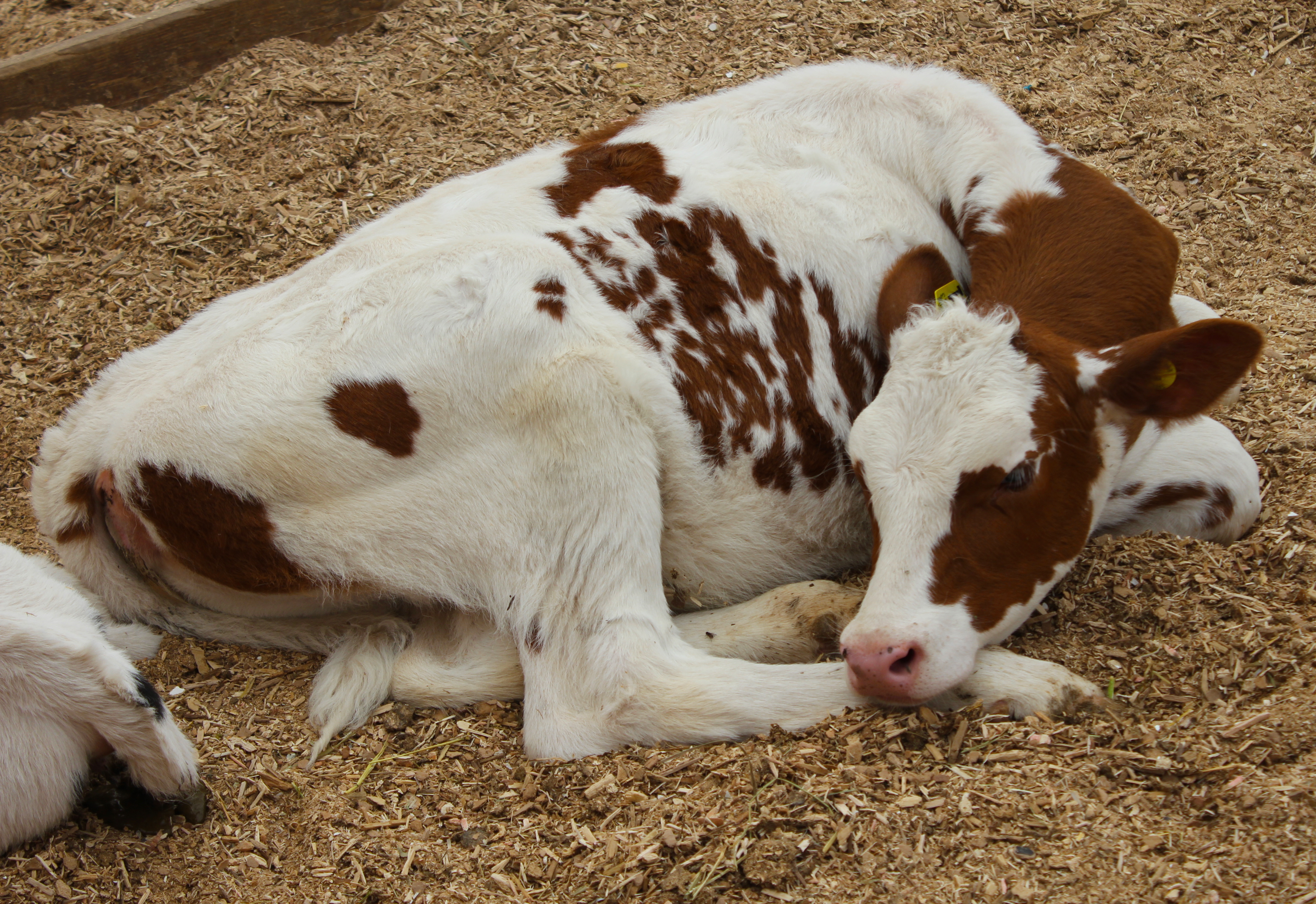
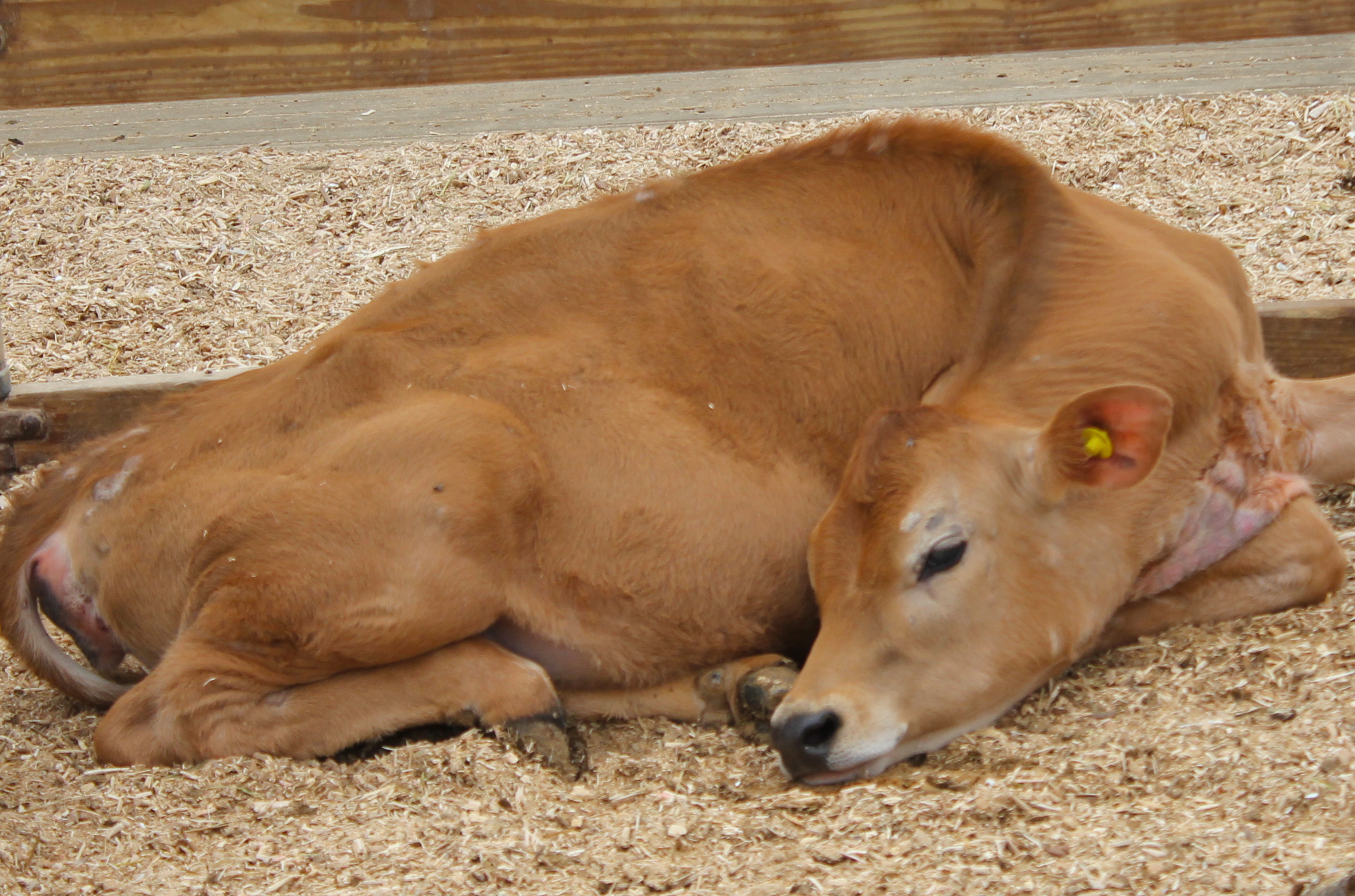
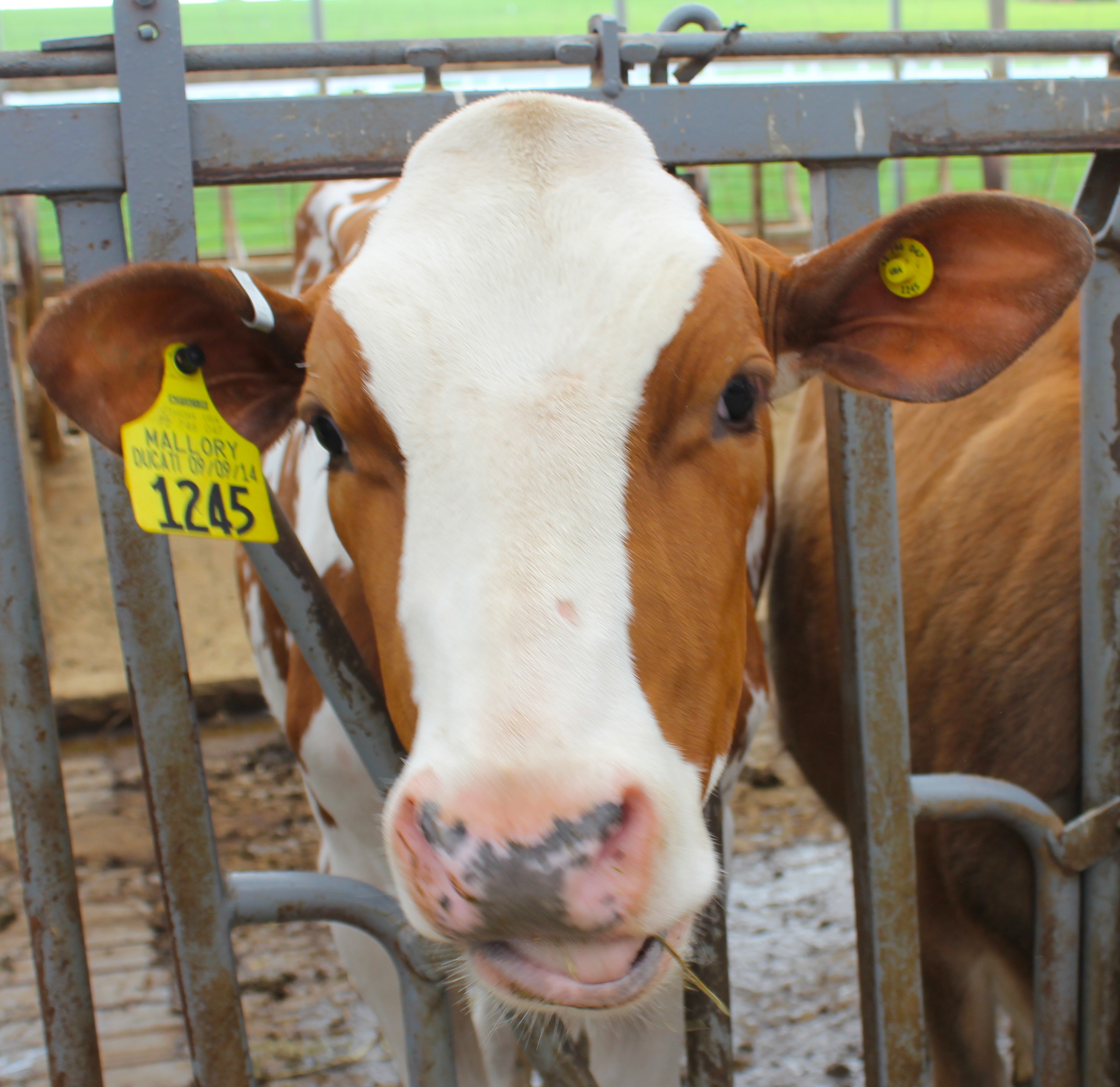
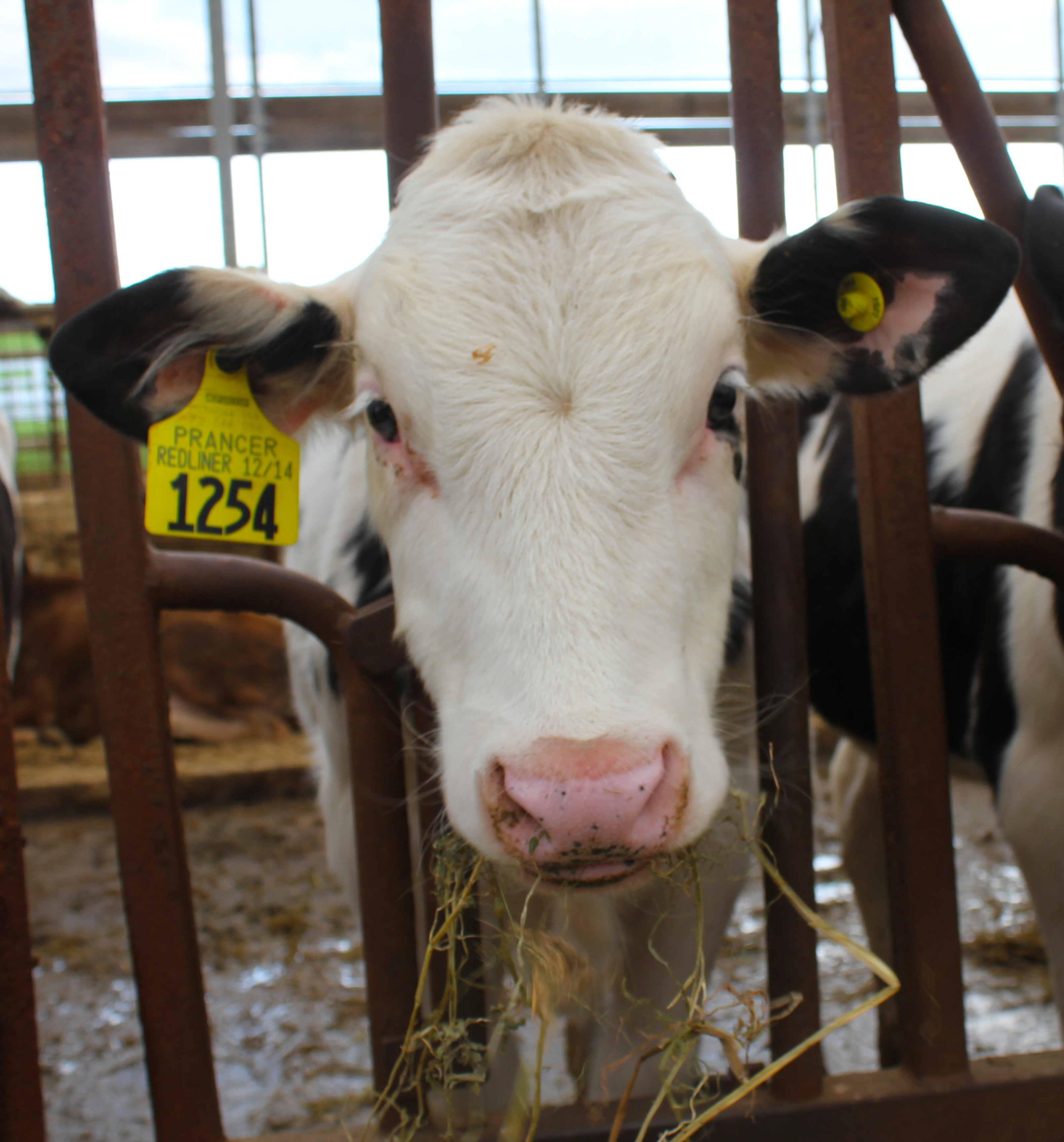
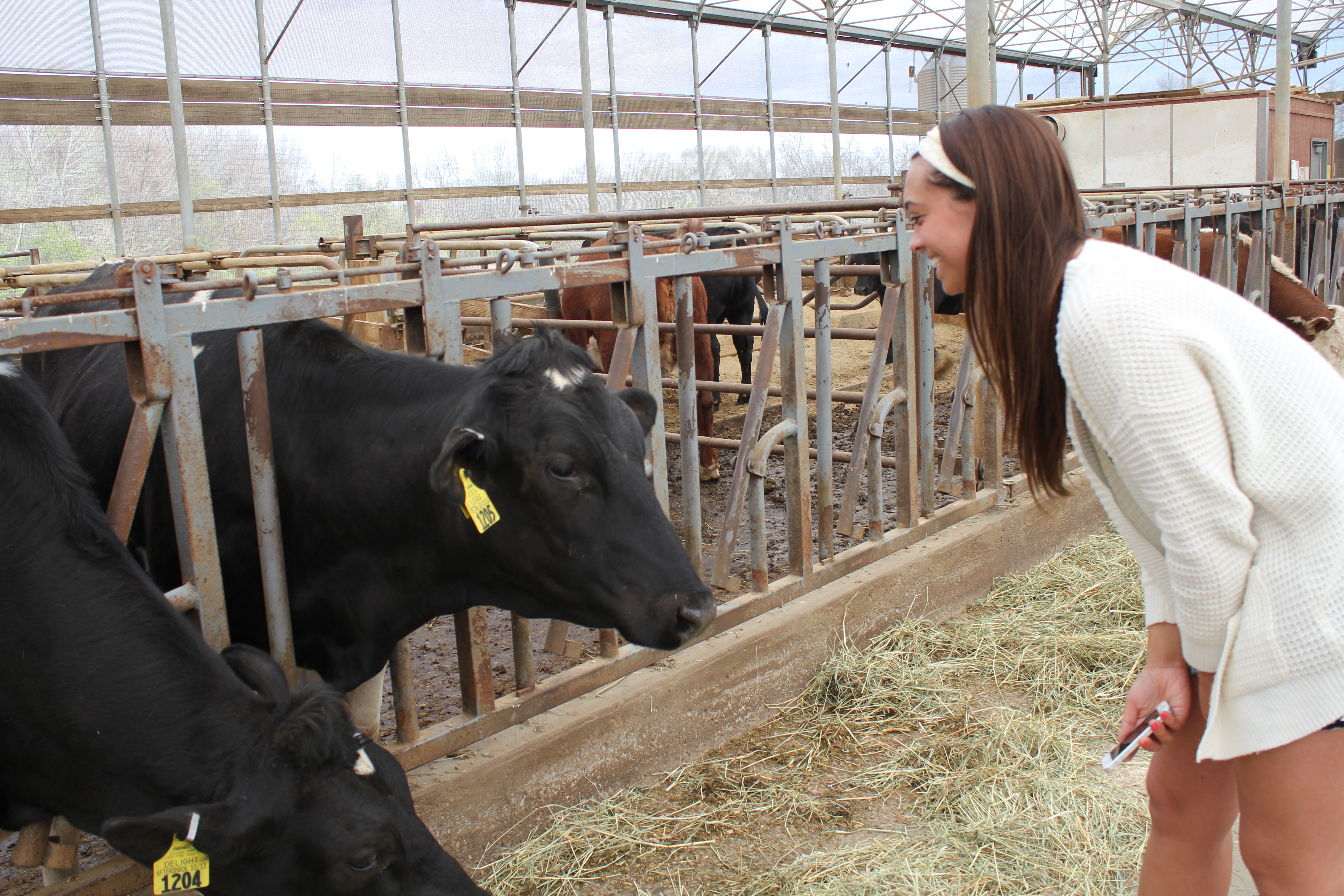
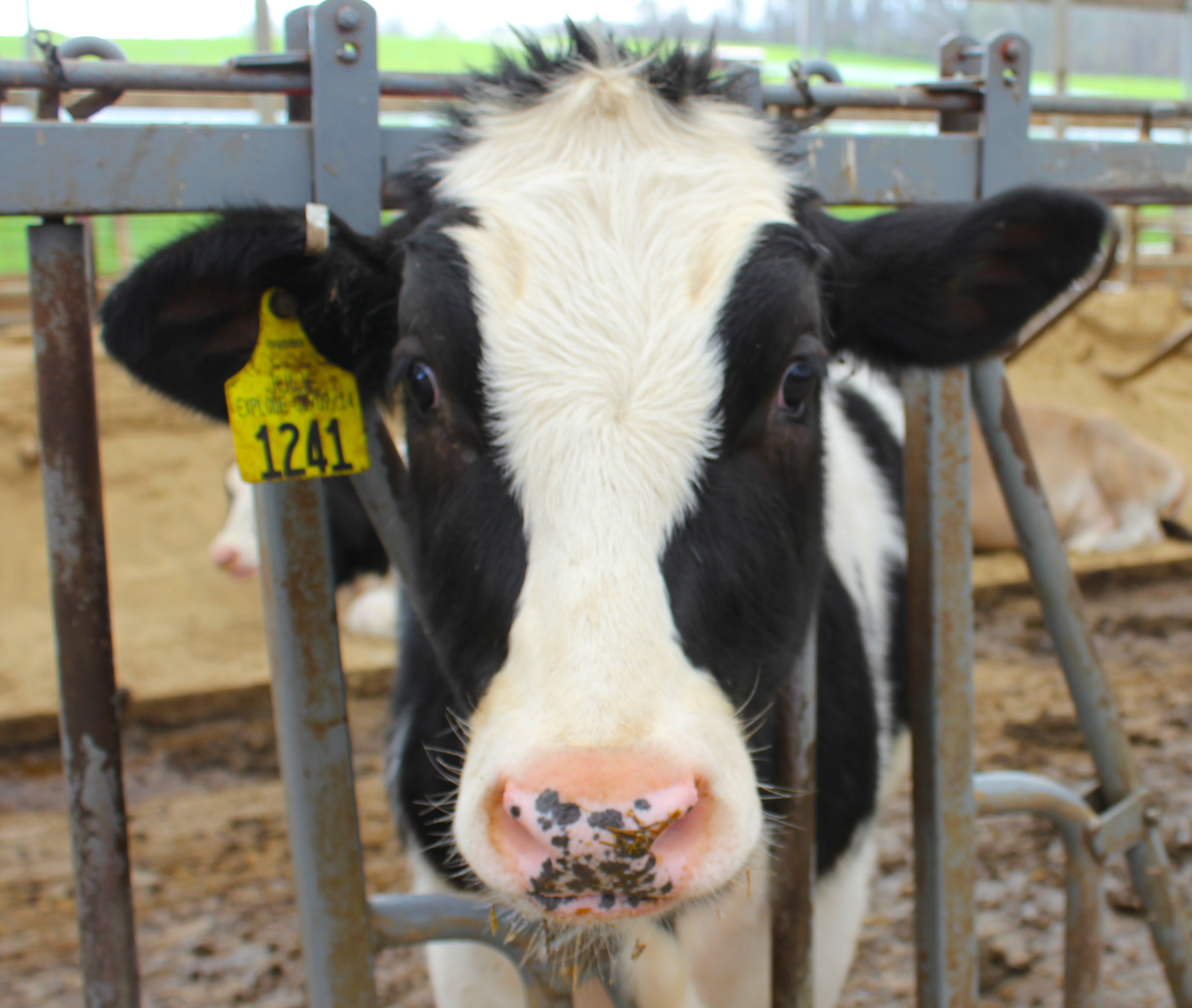
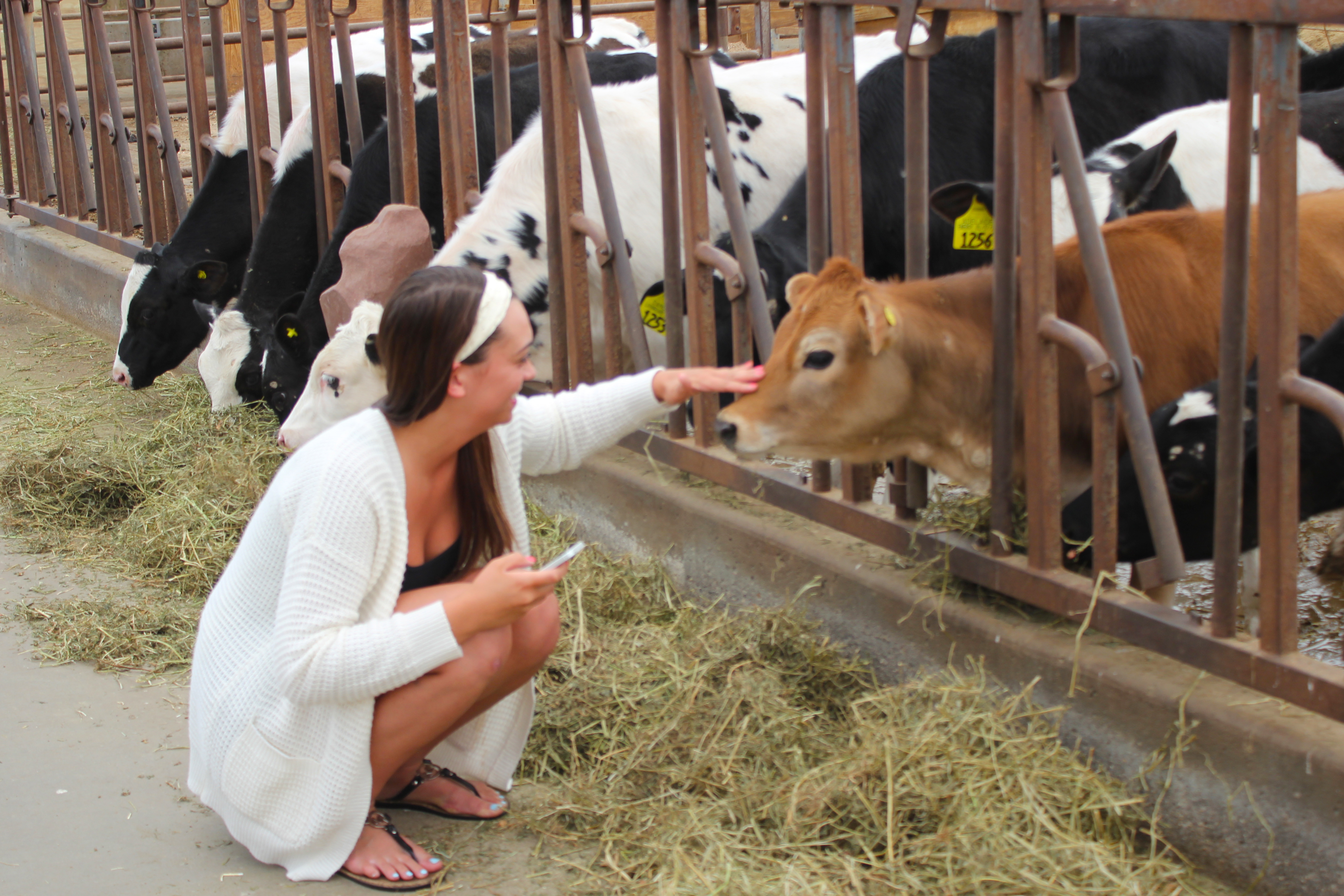
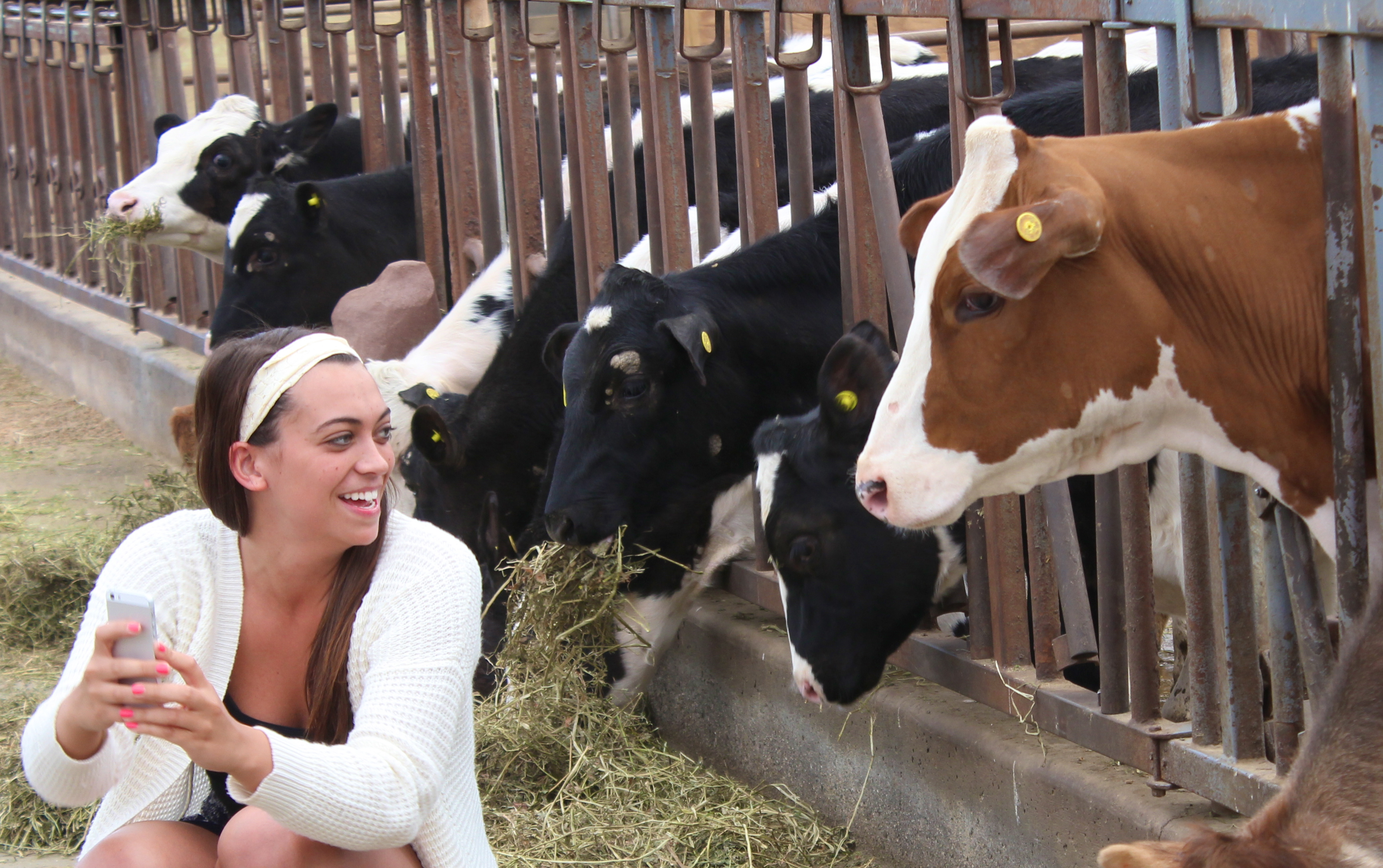
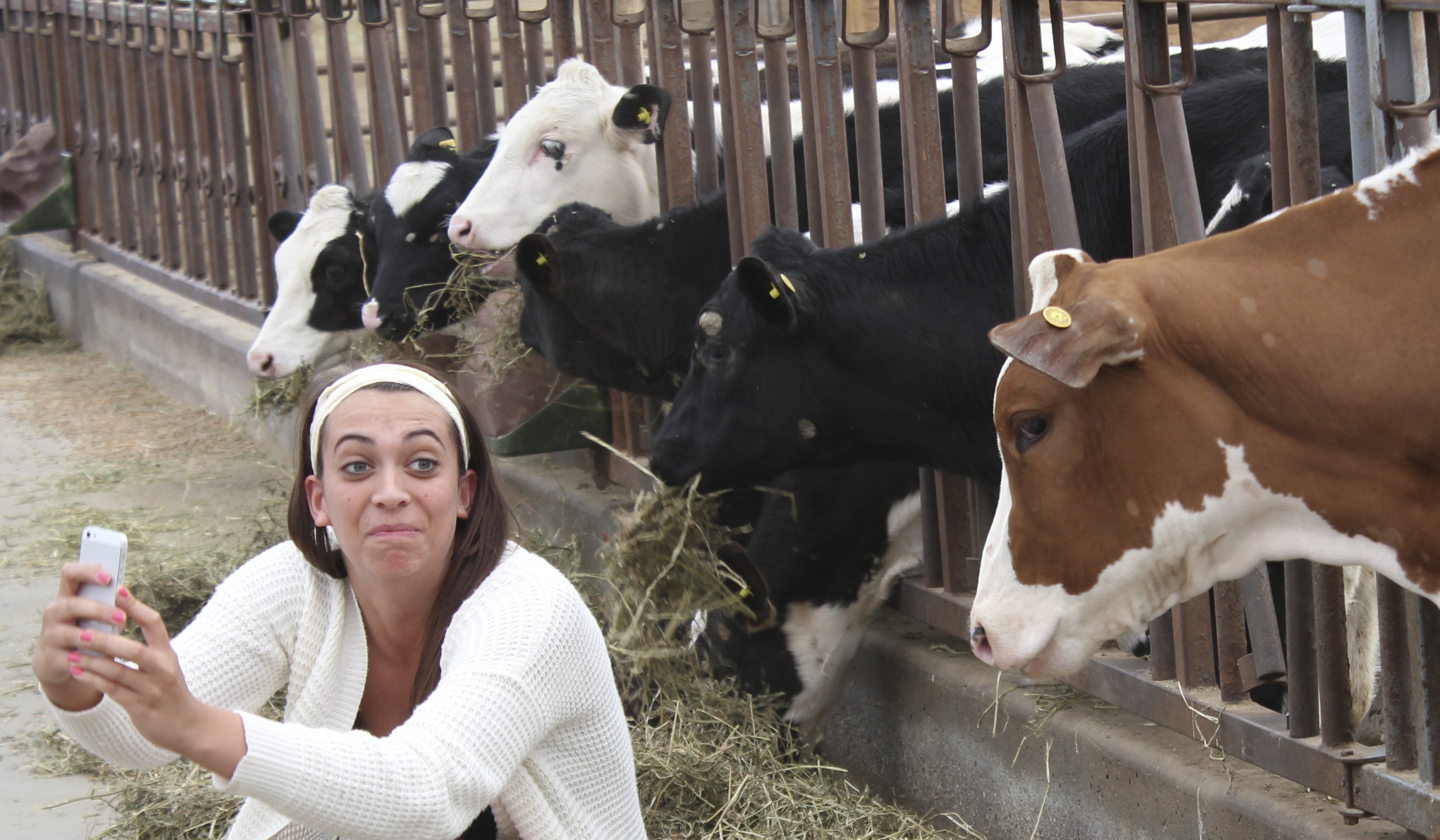
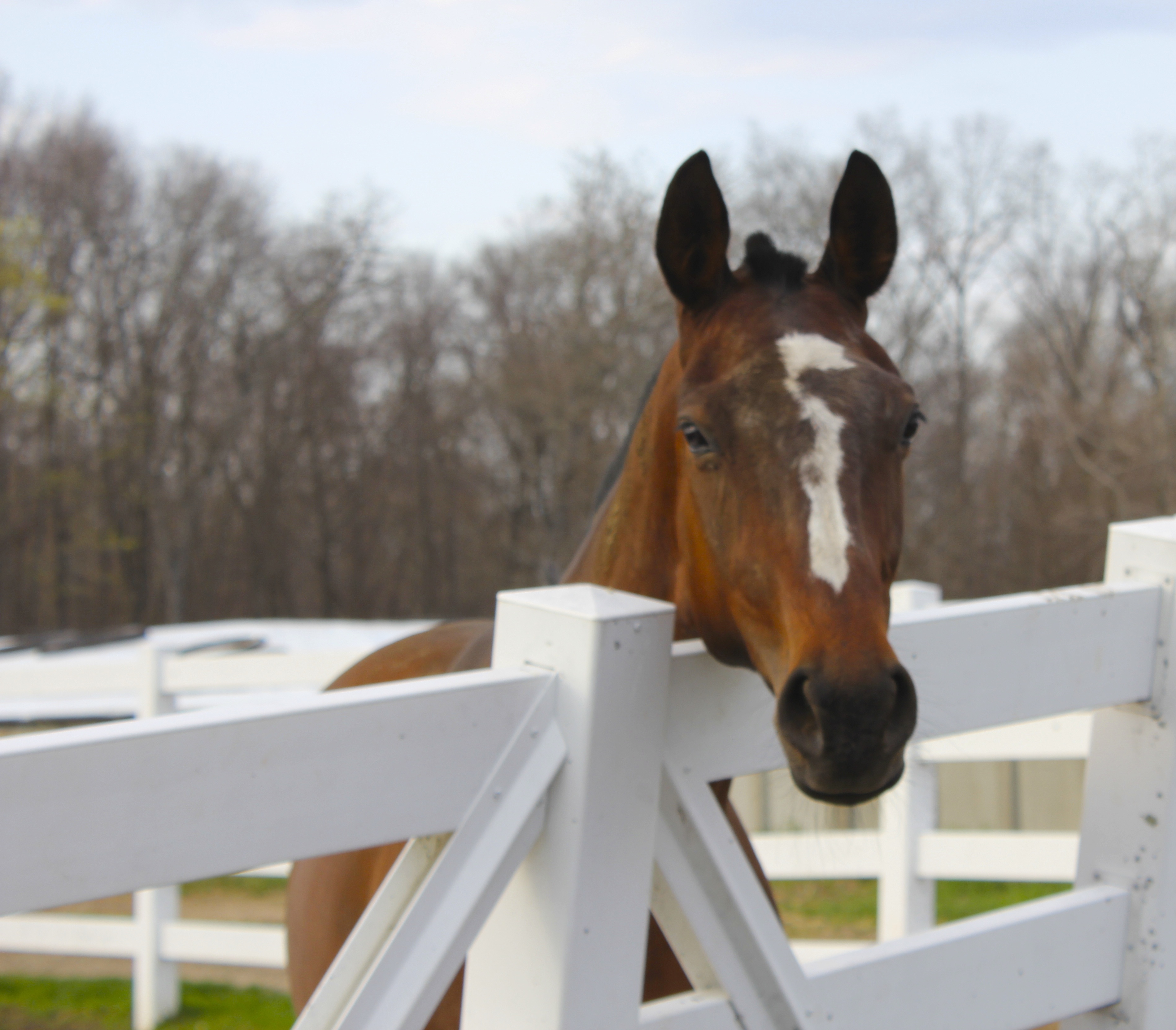
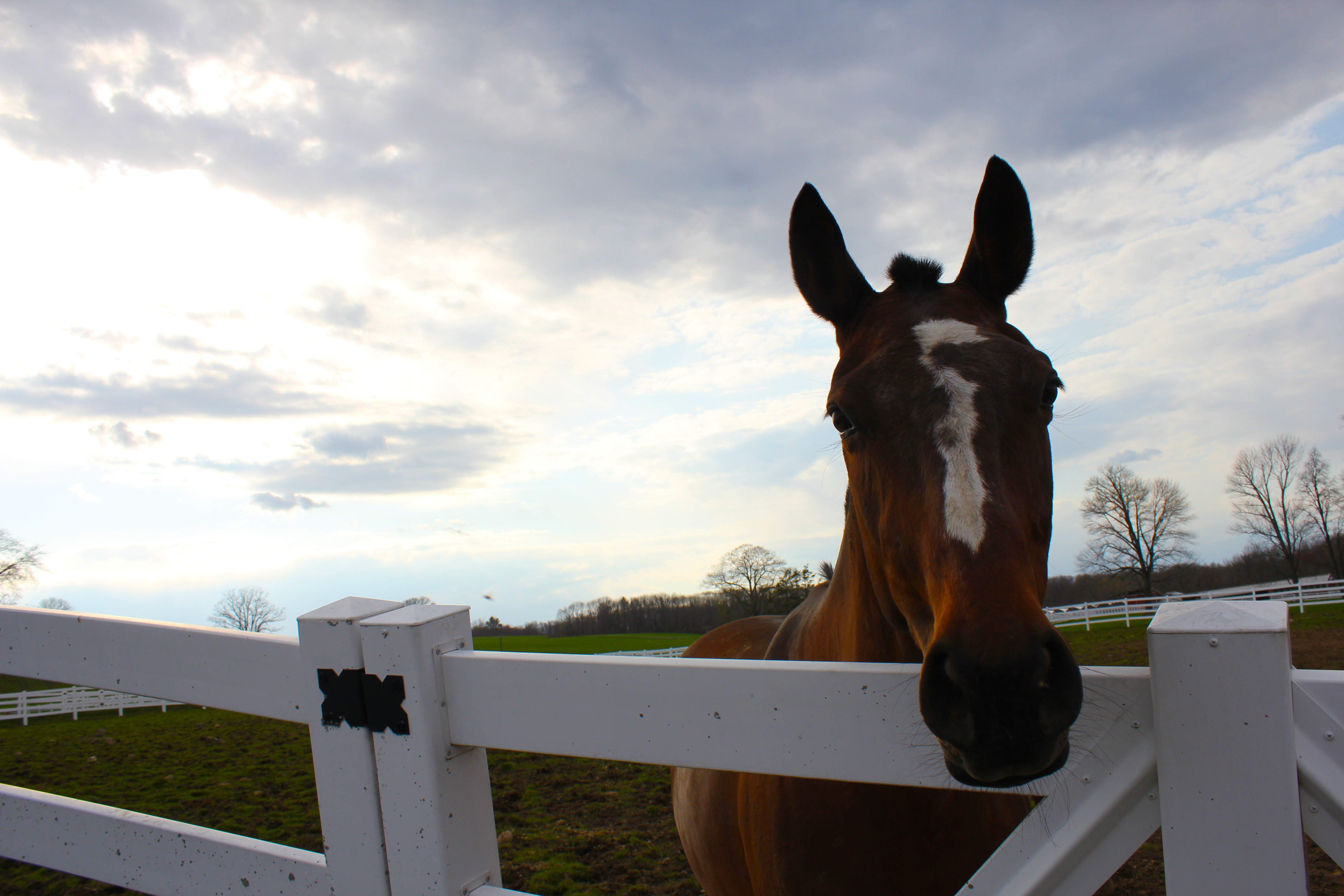
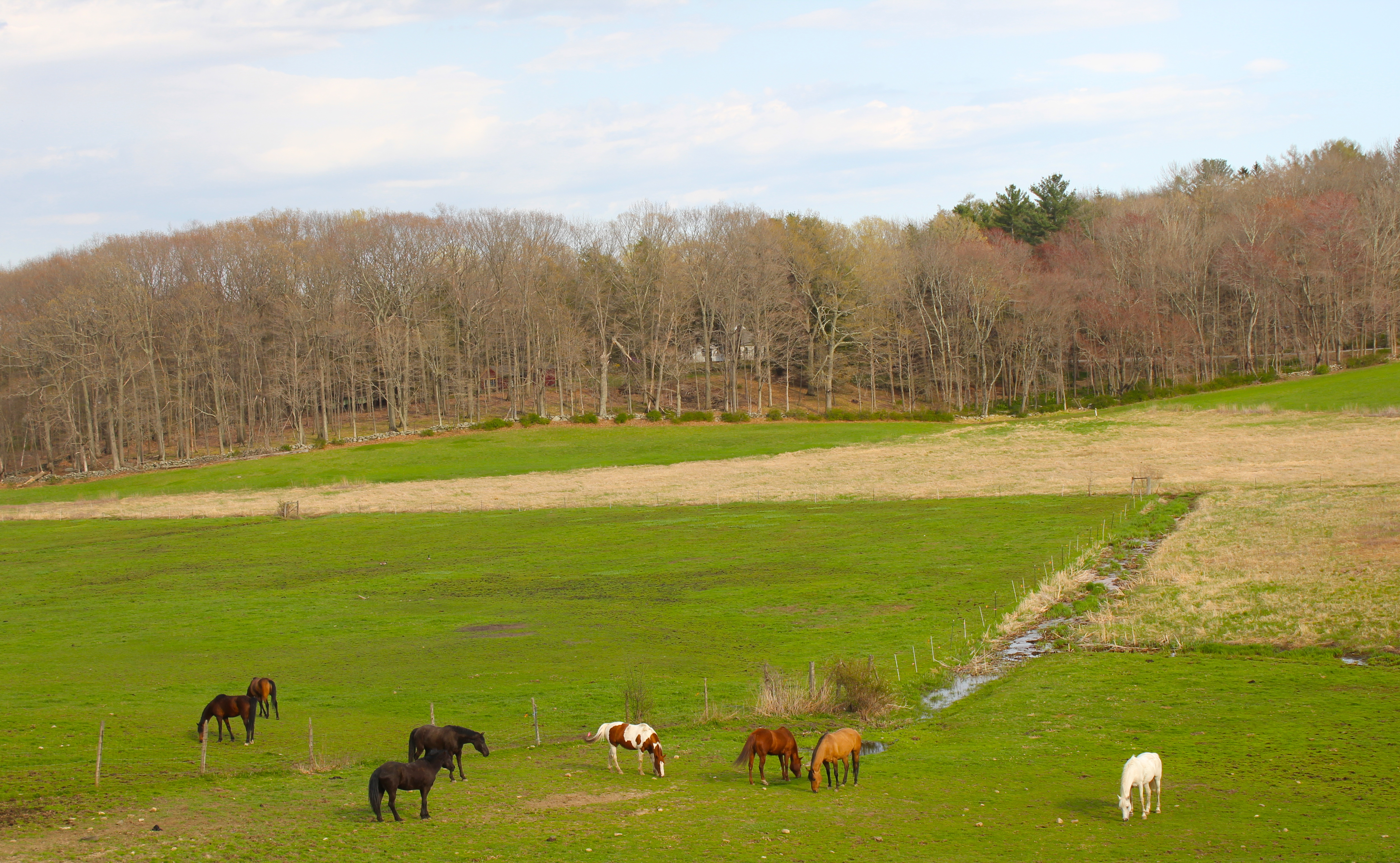
Many land grant universities are blessed with the natural resources to settle an out-of-control mind. Tapestries of agricultural fields and pastures roll away and up to the sky. Airy cow barns at my daughter’s university remain open to the public for delightful visits. Horses await visitors and will nod their heads over the fence. Sheep stand around acting bored. Dairy cows take a break from pumping out cartons of legendary ice creams. These are some of the original therapy pets of humankind and we never stop marveling at how big the animals can be, yet how gentle their dispositions are. The animals trigger memories of storybooks and childhood visits to farms all across America.

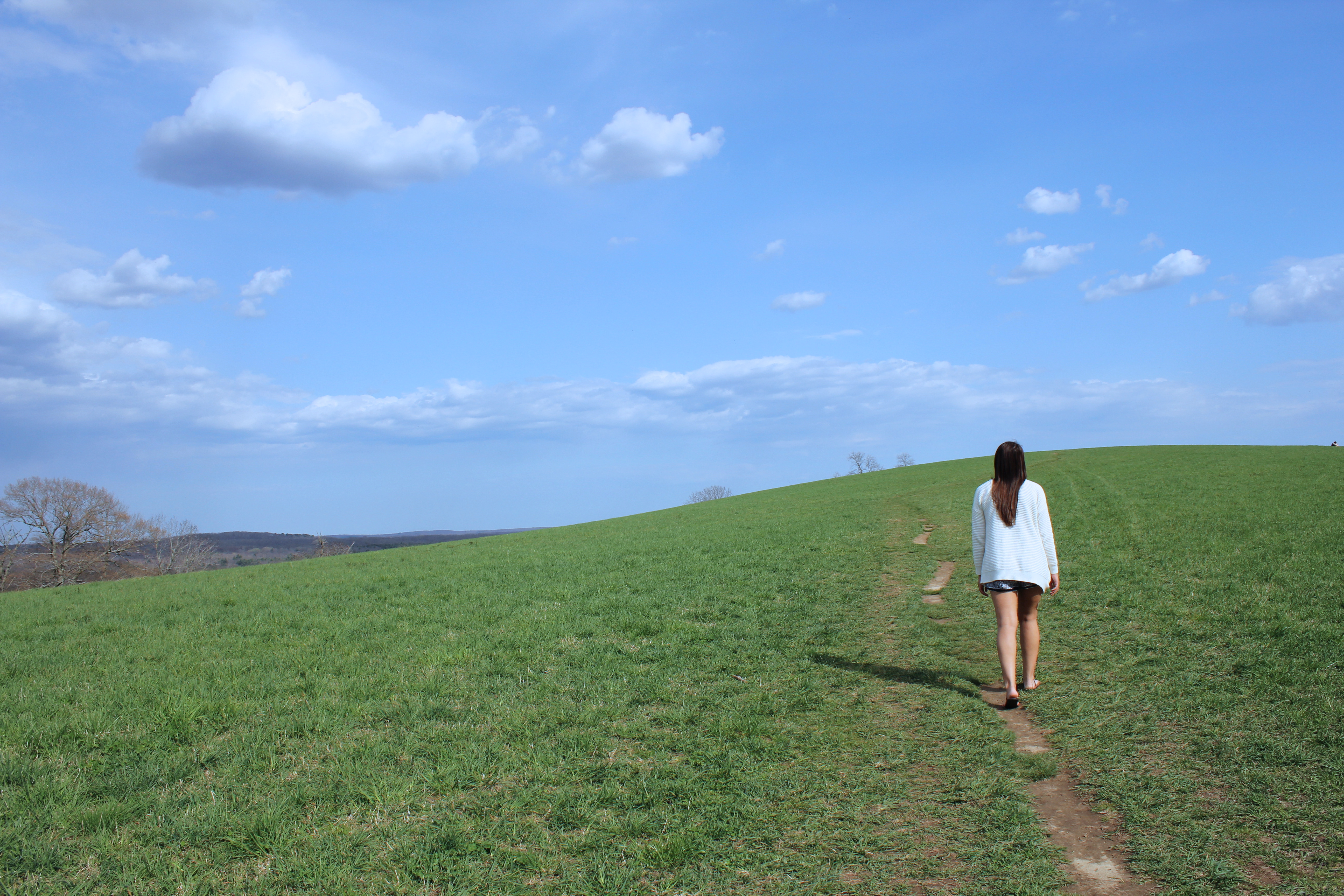
There might also be some gentle walking paths over hillsides leading to relaxing vistas where fresh-air breezes, tainted with the scents of newborn animals and freshly-planted flower beds, brush through your hair and keep the bugs away. Clouds and kites fly in unobstructed airspaces, sharing the sky with hidden stars waiting their turn to sparkle and ease tension after the sun sets.

*****
Getting close to family, friends, and animals, in a separate place of peace during times of stress, increases the output of happiness hormones.

Animals are the true rock stars—they never fail to lift our spirits and transport all of us back to the realities of what’s most important in life.

So here we are again. It’s springtime. It’s final exam season.

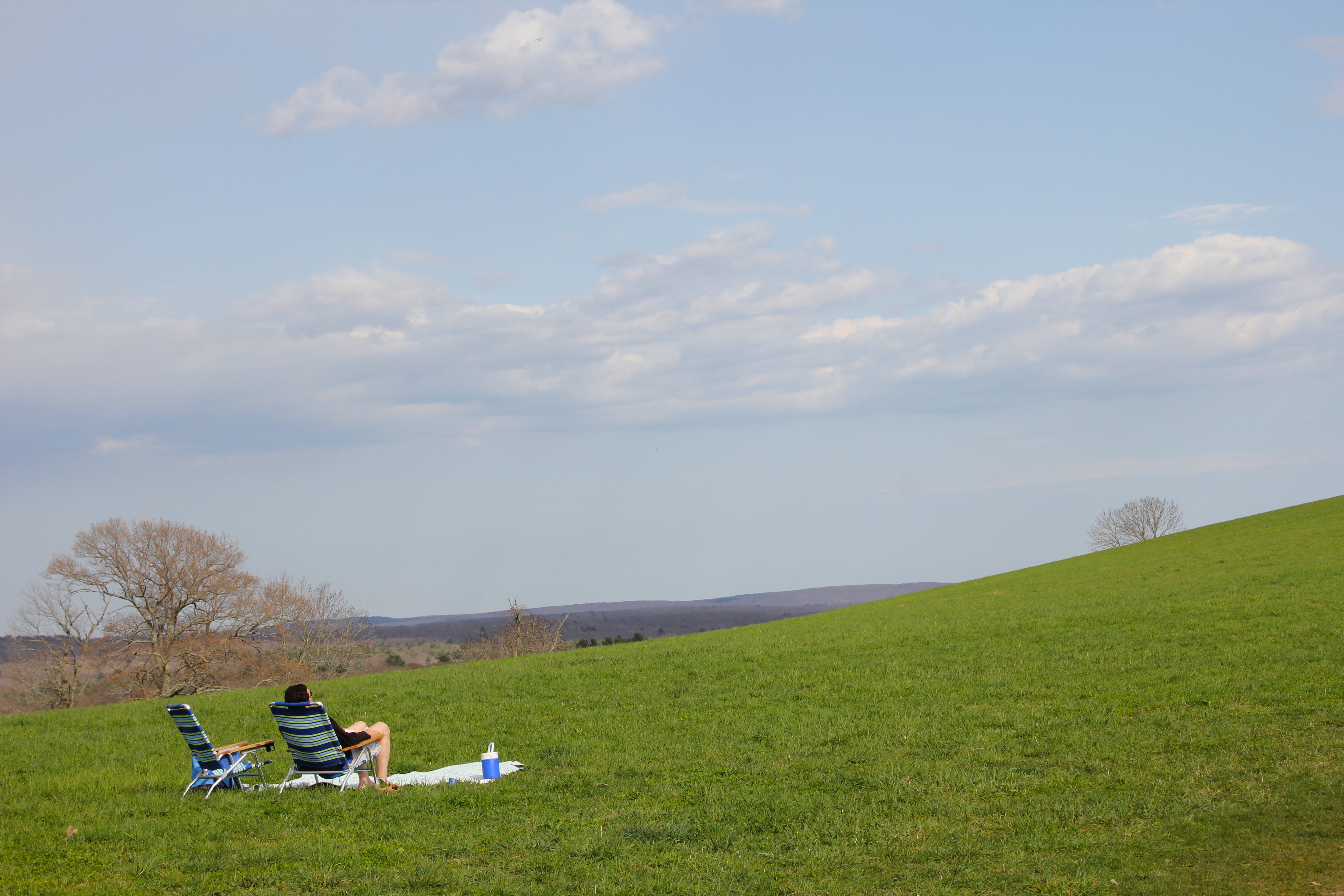
It’s also the time of year to start keeping a couple of chairs and a picnic blanket in the car.

I hope these pictures make you smile, because that was our goal when we visited our stressed-out daughter in the middle of her final exams. According to a study by psychologists at the University of Kansas, the nation’s first land grant university to be established under the Morrill Act of 1862, smiling lowers the heart rate, reduces stress, and increases well being.

Genuine smiles, that include using the eye muscles, are the best. The cows made our daughter smile the most, putting a nice twinkle back into her weary eyes.

Maybe there’s a land grant university near you. Consider taking a picnic over there the next time you need a dose of au natural therapy.

*****

IMG_1077

*****

IMG_1074

*****

IMG_1080

*****

IMG_1088

*****

IMG_1083*****

The fresh, clean, open-air cow barn.

IMG_1093

*****

Newborns!

IMG_1120

*****

IMG_1095

*****

IMG_1100

*****
IMG_1099

*****

Rock star cows.

IMG_1117 2
IMG_1106

IMG_1105

IMG_1103IMG_1102

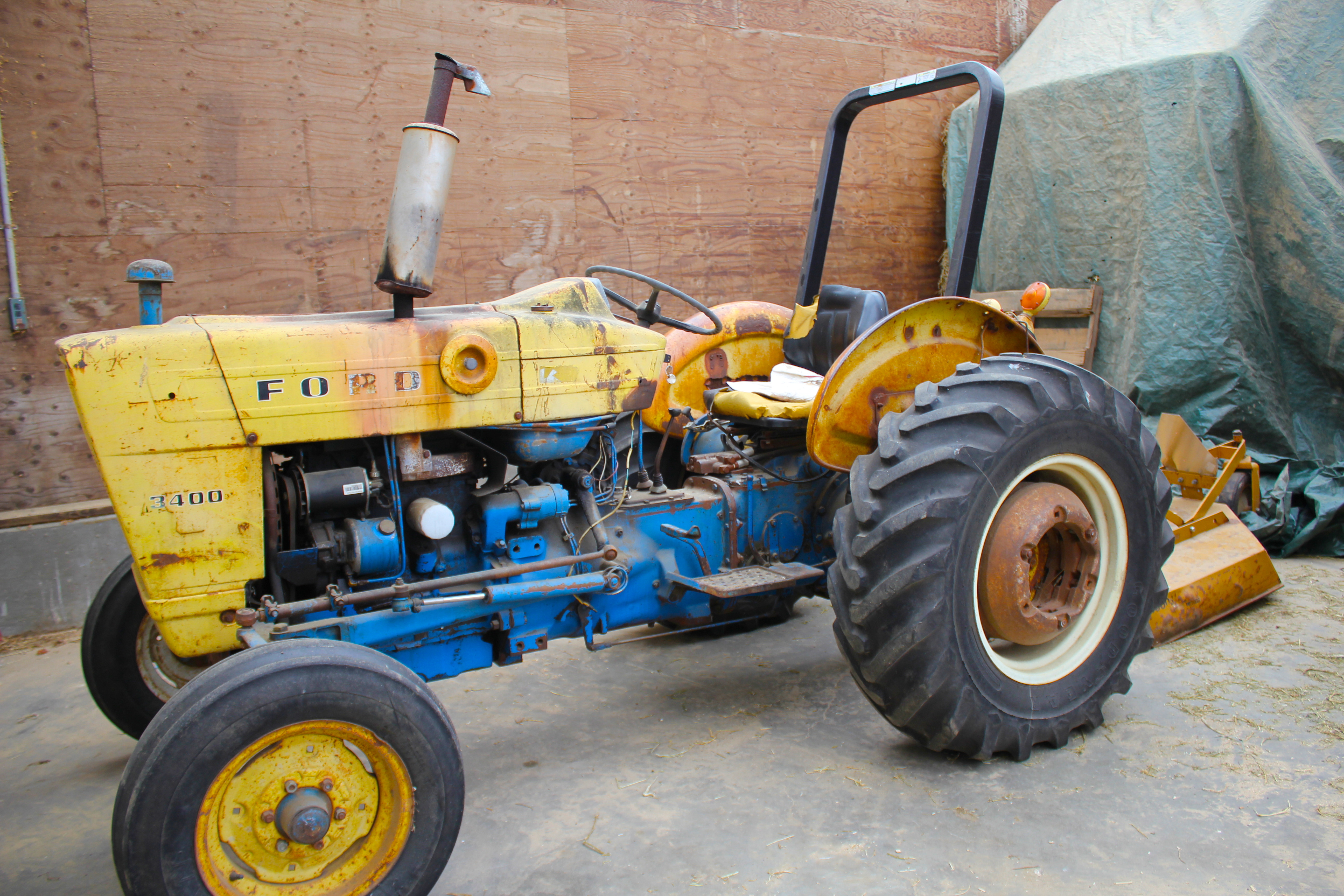
A tribute to our son who always loved the old tractors at farms and whose final exam days have become, probably,

recurring nightmares.

IMG_1123

*****

Friendly horses.

IMG_1126IMG_1129IMG_1134IMG_1137

*****

Good luck to all the students, (and their parents who worry about them), during this year’s

spring season of final exams!

A Modern Sunday Morning Breakfast.

On Sundays in spring when a cheerful breeze can be felt bringing the sun’s warmth for an all-day stay to my country hideout, gratitude begins with breakfast. There are two of us up early and ready to get to work fussing over our little estate and our charmed lives. But first, we want something to eat.

The breakfast should be hearty enough to sustain us only through the morning’s work, because we don’t want to miss out on feeling hungry for a good lunch.

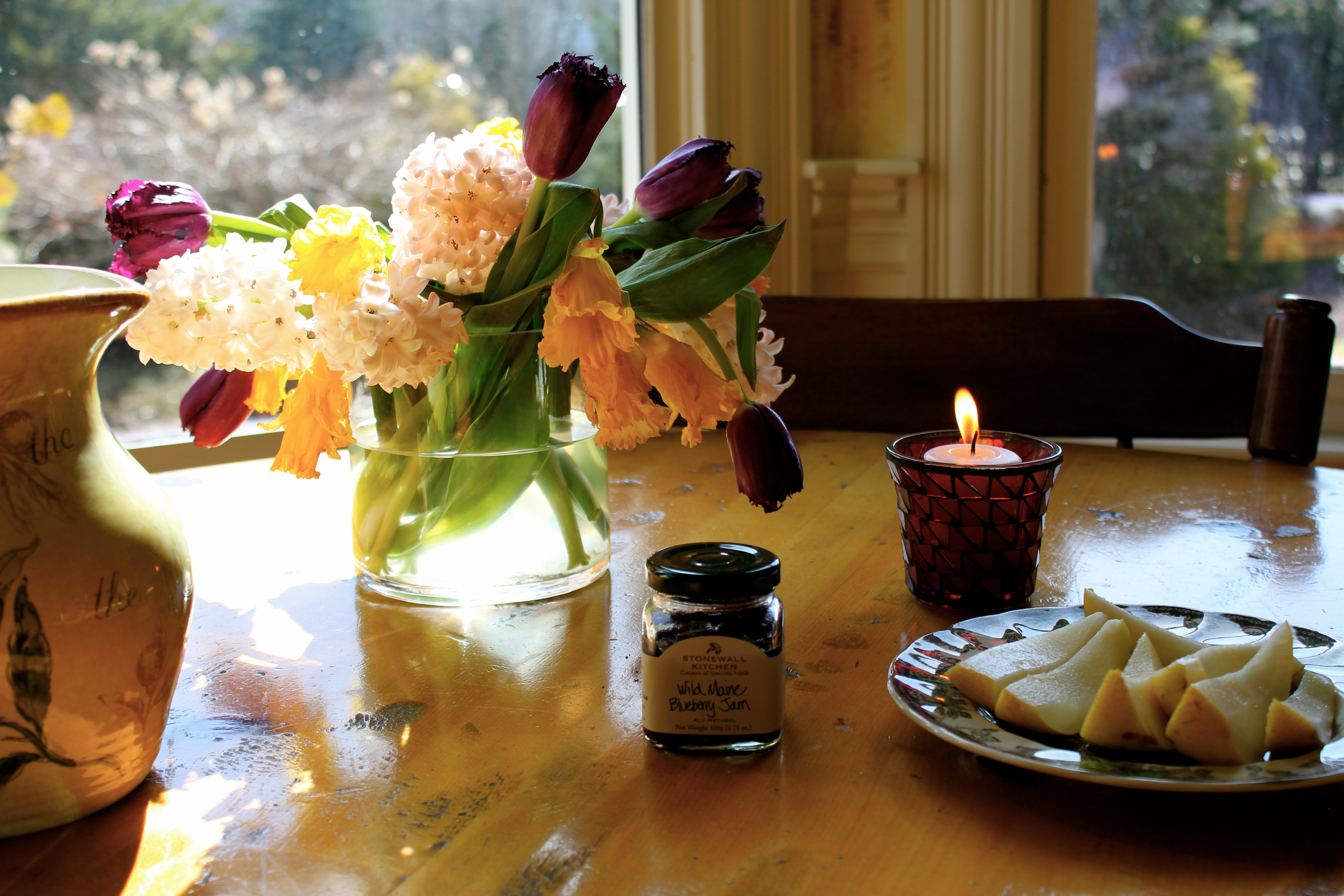
I set the table with spring flowers received from a friend and a small jar of Maine blueberry jam. (Meant to hold us over until I make fresh jams again when the strawberries bloom. And the blueberries, raspberries, peaches, and pears.) A stoneware pitcher contains stirred-up orange, pineapple, and strawberry juices.

IMG_0793

There is always a candle on the breakfast table, too. On this particular Sunday, a day when our breakfast conversation will be about planning a trip to France, the candlelight shines dreams of fairy tale escapes to small villages in the French countryside, where I am inside a stone church, because we have gone for a walk to find fresh bread, but have come upon a church on the way. The church is deserted, filled only with sunlight and the musk of centuries of fervent desires, damp, absorbed by the stone. No prayer is ever wasted.

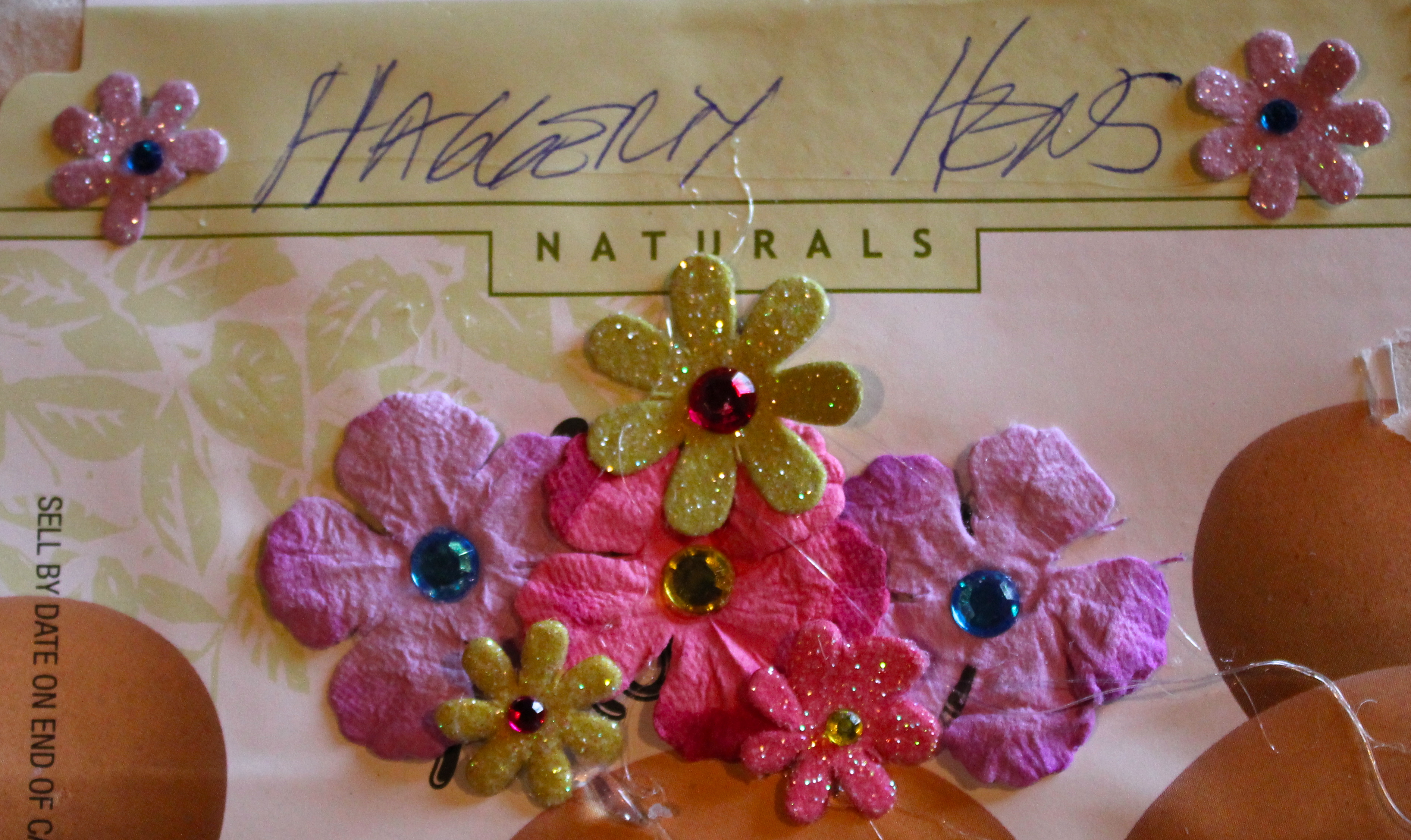
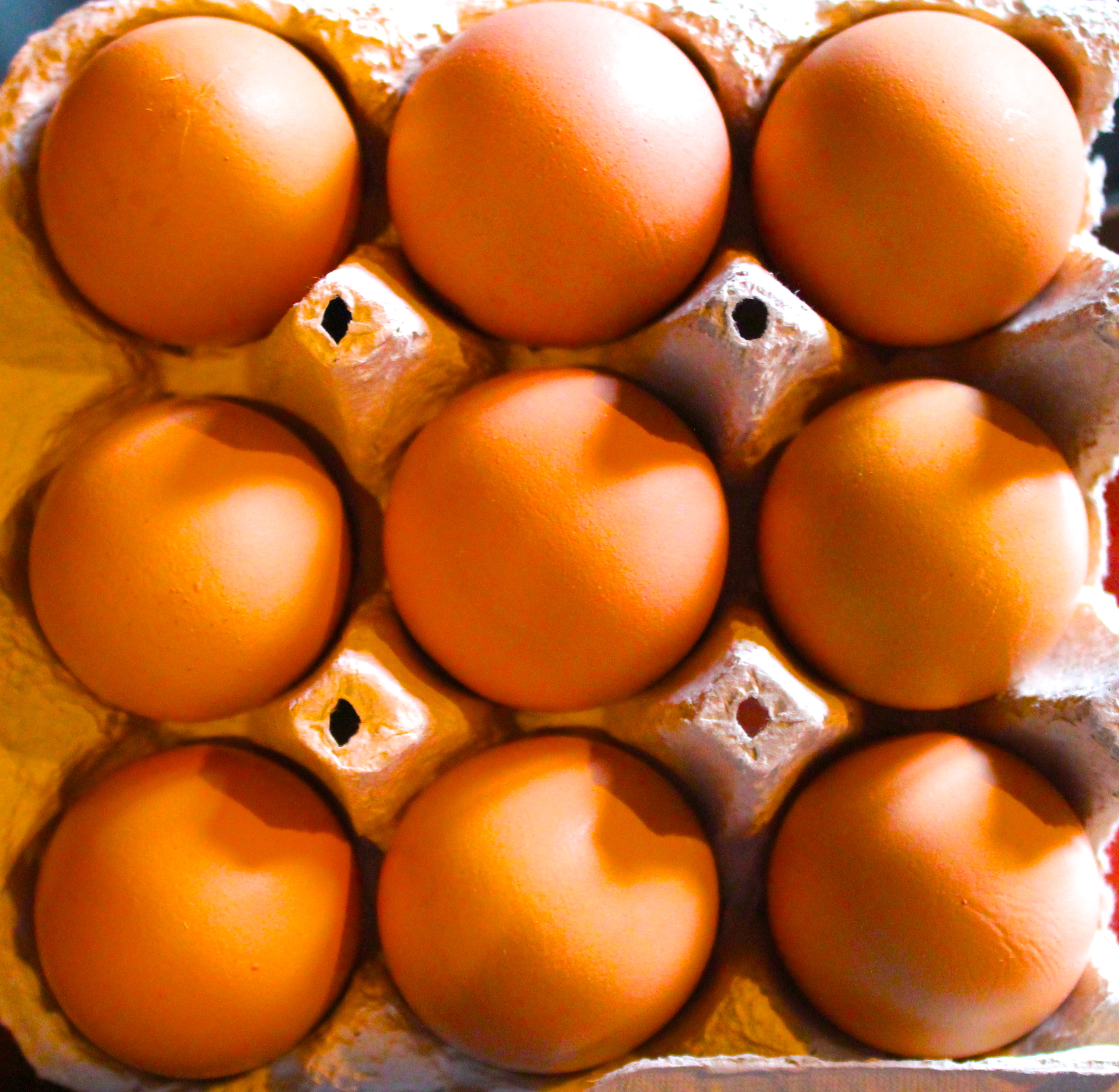
The same friend bearing the bouquet of spring flowers, which smelled heavenly because of some sweet Hyacinth, delivered a collection of perfect eggs from her hens, in an egg carton she decorated just for me. The eggs will be the main course for our modern Sunday breakfast.

IMG_0770

IMG_0771

*****

These flowers and eggs were all part of a birthday gift to me and I immediately thought back to a day at the end of last summer when I sat with my friend on her grand back porch and watched the hens running around in her gardens, free as love at age 14, hiding, causing us to worry about them, then showing up again without any concern for our worries. We drove around my friend’s country estate on a garden tractor together—I was at the wheel (for my friend had a broken leg)—visiting all her gardens and stopping to admire a lush patch of beautiful gourds rambling, (free as love over age 55!), through her pig pen. She’d had some pigs, but they had gone to slaughter. I should have come to see them as cute baby pigs, but I think pigs are very smart and they would have seen their fate in my eyes. I chose a colorful collection of gourds from the vines that day and piled them into the garden tractor, but when it was time to go home, I forgot to fetch my treasures from the tractor. My friend was so pleased with her gourds, I am sure she will grow them again this year and I will get another chance to pick the ones I like. If my luck holds out, I won’t forget to bring them home.

*****

I was excited to have the fresh eggs from my friend because fresh eggs to me are forever York, England—a place where my true love and I drove after we abandoned our last baby at Oxford College for a summer study program. She was only fifteen years old and it all seemed so exciting until we arrived to drop her off and then had to leave her. She didn’t have a friend, nor was the study program connected to any familiar school with familiar teachers.

In York, we stayed at a bed and breakfast just beyond the magnificent medieval walls. The youthful innkeepers served eggs fresh from the countryside, delivered by a woman well past eighty years old, still working hard taking care of her hens and delivering eggs to her customers. The eggs had rich coloring to the yolks, not pale or faded. After we ate them, we embarked on charming walks into the city of York, through gardens well tended amid ancient Roman ruins. York, England was the outermost reach of the Roman empire. For a little girl living in the times of Rome’s expansive empires, there was little chance of ever finding out about foreign lands. And for her mother, little anxiety that her daughter might wish to leave home, at a young age, to test the limits of distant horizons and a mother’s fragile heart.

*****

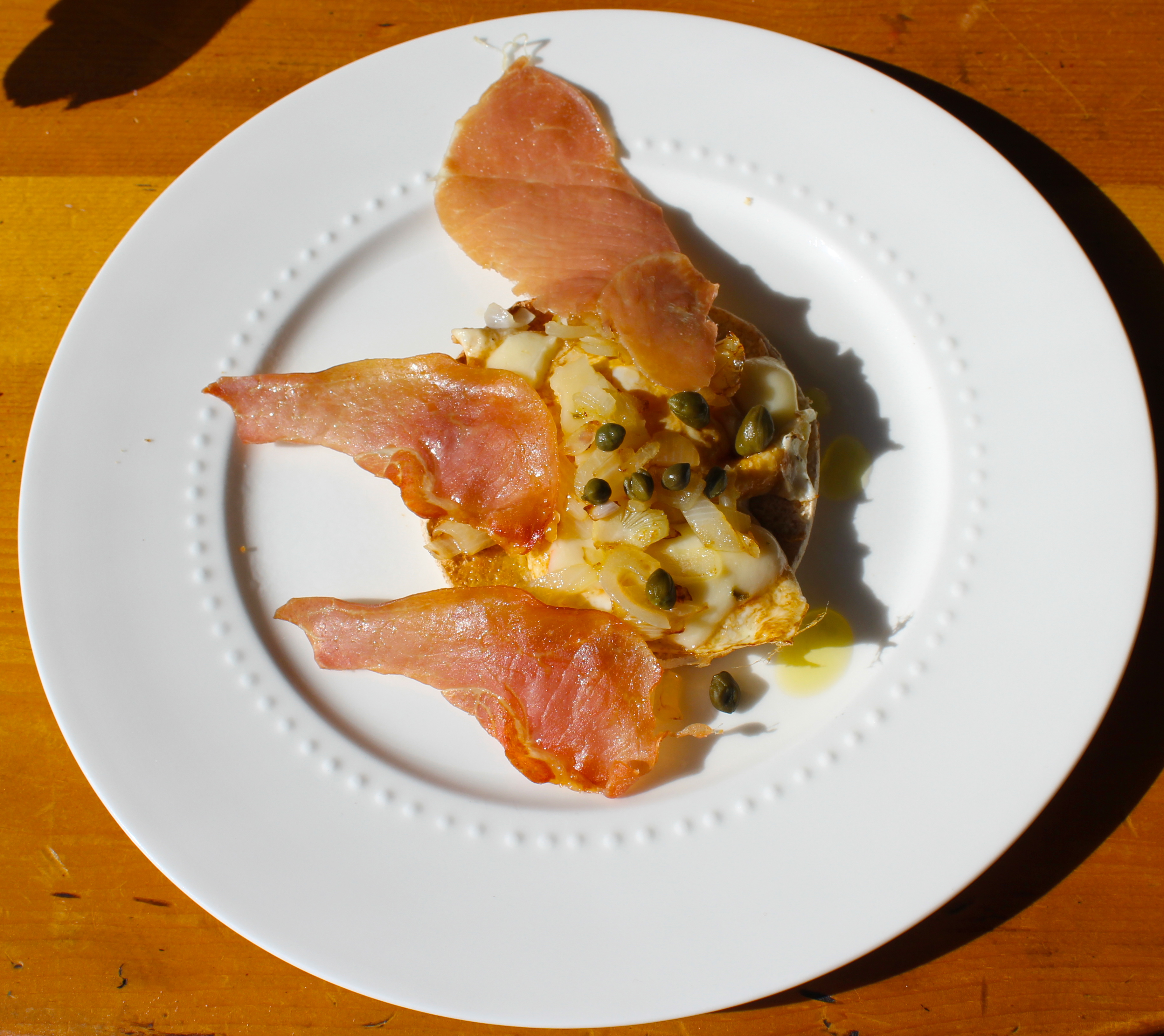
For our Sunday morning breakfast: I sautéed chopped, sweet onion in olive oil to flavor the olive oil. I scooped out the onion and set it aside. Next, I slipped two eggs into the heated olive oil (one for each of us), careful to keep the yolks unbroken. Then, sea salt and cracked peppercorn medley. (Black peppercorns, coriander, pink peppercorns, white peppercorns, allspice, and green peppercorns.)

IMG_0810Then comes the gentle folding over of the eggs, easy. Fresh bread, or whatever is in the house, is toasted and olive oil is drizzled over the toast. The egg is layered on top of that with the onion and some capers. While preparing the eggs, I had strips of prosciutto cooking under the broiler in the oven, not for long, just enough to crisp it up like bacon.

IMG_0797

*****

After breakfast, I went to work in the garden. How my creative and hungry soul winced when I spied the parsley in the herb garden, barely making it up and out of the earth. Why didn’t I check for it sooner? And not far from the parsley spiked the chives, brilliant green! I could have placed the freshest, sweetest, teeniest brand new leaves of parsley on my exquisite eggs or fancied them up with a few circles of chopped chives! I remember, as I arranged the plate, feeling a restless urge to add some color, either the red of a tomato or a pepper, or the green of fresh herbs.

But, it was time for church in our little cathedral and my true love was bound for the airport and a business trip. I didn’t have all morning to obsess over the eggs. We sat down to share our Sunday breakfast and knew everything was perfect as it was. We had flowers and eggs from a friend, memories, new flavors, and, as always, our prayers of gratitude and one of hope—that the next time we sit down for a Sunday breakfast, we will be heading into the gardens, together, to work all day—building our appetites for dinner!

Gypsy Picnic. Gypsy Zing Sauce.

I have a new favorite salon and it’s in the drab and under-appreciated city of Worcester, Massachusetts. I’ve never been a spa or salon girl—in fact, if I could cut and color my own hair, as nicely as I cut the lawn and color the garden with flowers, I would do it.

Drab hip is what’s cool about Worcester—there’s a fragmented grunginess about the city that leaves itself alone. Not much legacy or nouveau riche, dreadfully fine* money polishes its urban edges. Go in search of somewhere to hang out, and you’ll feel yourself pulled into a pause. Disoriented, you could be right, you could be wrong about where you’re standing. Something creeps underneath the radar, maybe. There are no crowds to follow and no painted lines to a tourist kiosk. No costumed, smiling docents. The art museum is superb. The array of educational institutions is world class. There are great places to eat and drink. And there are businesses, like Barney’s Bike Shop, with an excellent link on their website about where to hit the road, or the trail, with a bike.

*Dreadfully Fine: I learned this from my son and his friends in college—it means you are depressed due to the fact that everything about your life is so dreadfully fine.

The beauty salon I found in Worcester is Tu Moda Spa and Salon on Pleasant Street. Their decor is American slash European-Hill-Town slash Almost-Chic, and the music piped in, at least during my last several visits, has been tres hip. (Important.)

The European thing lured me to this salon when I went looking for a place to take my daughter for her birthday. She is a spa girl. She is also a lucky charm and I ended up finding a hairstylist at Tu Moda I like a lot. My new hairstylist is tres tres tres tres tres hip. Five-star hip.

First of all, she loves Acadia National Park. So do I. She loves it through and through. She loves how she can go there with a group of friends, and there’s something for everyone. She loves how it’s hidden, but not really, in New England.

She loves to cook. Me too.

She loves to bake, but thinks it’s more challenging than cooking. Same.

She traveled to visit family, as a child, into the summertime countrysides near Amsterdam. The beauty formed within her while spending time with her family, (for she talks of it with joy), has not faded.

Today, when I sat in my hairstylist’s chair, I told her about the recipes I cut out of the Boston Globe and the New York Times. We gushed on and on about radishes fresh from the farm in summertime. There was a recipe in the paper for Butter-Stewed Radishes. I told her I think everyone should get a hard-copy of the newspaper, at least on the days featuring Food. You can tear out the recipes, and keep them. After reading through the newspaper food sections, first thing in the morning, right off the bat you’re ready to saddle up the horse and ride to a farmer’s market.

My hairstylist loves music festivals and following favorite bands.

She loves her dog. I don’t know her dog, but if I did, I am sure I would love her dog, too.

She likes to wander around Worcester and find great bakeries, great places to drink coffee, great bars to share beers with friends.

She tells me about unknown bakeries and funky shops and where to eat the best brunch.

She loves gardens and is helping her friend make a garden at her friend’s new house in Providence. I told her about the Beacon Hill Garden Tour. I said she and her friend should go on the tour together to find ideas for small, delicious, dreamy, urban gardens. She said spending money to go to Boston for a day with a friend to look at gardens, would be worth every penny.

She was an artist in high school, applied to art schools, was accepted, but couldn’t afford to attend any of them. So, she became a hairstylist, because it was something else she thought she would enjoy doing.

She is a cheerful artist who is a hairstylist—perhaps it’s a little bit like being a happy poet who is a therapist. But way more fun.

She lives with, and takes care of, her father. He had a stroke a few years ago.

She told me her father had always admired Bob Dylan, so she took him to a concert several years ago. Elvis Costello was the opening act. Dylan was horrible, she said, and she felt awful for her father. I told her we went to the same show and thought, thank goodness for Elvis Costello, because Dylan was lost in a caricature of his many selves, all of them muddied into one unappealing performance. We both said it can’t be easy to be an artist who is expected to perform, and live up to, great expectations.

I especially like when my hairstylist tells me gentle stories about her father. He used to enjoy cooking. So, she will ask him what he might want for dinners, they will talk about recipes, and then she will assemble the ingredients and orchestrate the process–making sure to allow him to cook as much as he can.

I tell her how much my husband loves to cook and how he will artfully arrange the food just so, taking his time to arrange perfect sprays of fresh herbs, perfect brush strokes of secret sauces, and perfect garnishes of fruit, flowers, or veggies. She says her father wants to do all of that, too. She said he used to work in the garden so she recently bought him small, terrarium gardens to tend, after she found them at an eclectic and strange shop in Worcester called Seed to Stem.

She told me I would probably like Seed to Stem.

I told her my husband’s father loved to cook, too, but he suffered a massive stroke almost three years ago and didn’t survive. He liked to garden, too, and used to grow pleasing varieties of tomatoes for all of his children, from seed, in a unique set-up of lights and growing trays down in his basement. I looked forward to his special deliveries every spring, and his concentrated instructions for transferring the plants into the Earth. After I situated the tomato plants into the garden, my father-in-law never ceased to check in on how they were doing. I made sure to give him frequent updates on the details of our flavorful excursions through the ripe skins of those precious tomatoes.

*****

Today, my appointment was early, so my hairstylist asked if I had any plans for the rest of the day. I said that after reading all the foodie pages in the newspaper, I wanted to design a picnic because my husband and I were going to Vermont to ski and I wanted to pack something new for our lunch.

So far this season, I told her, I’d made homemade chicken salad sandwiches and outrageous homemade meatloaf sandwiches for our ski trip lunch picnics. The meatloaf was an experiment using leftover beef, veal, and pork after my husband made bolognese.

I said I planned to stop at BirchTree Bread, (drab hip warehouse space), over in the Blackstone Canal District to have a cup of soup and check out the breads. The chef there is no hobbyist. He’s focused on food. The morning’s newspaper had included some press about his hideout in Worcester.

Then I hoped to stop at Trader Joe’s.

But now, I said to my hairstylist, I would add her recommended detour to the funky shop—Seed to Stem.

*****

When I got to BirchTree Bread, I tried a killer cup of celery root soup. Great music played on the sound system. (Important.) I slurped the soup surrounded by gray-toned scales of urban decay, blending old warehouse and mill buildings into a sturdy mid-day wash of melting snow, mud, and wet fog. The restaurant space is vast. Computers glowed. One little boy, wearing a bright yellow slicker, laughed. A man conducted business on his phone. People socialized. I was alone, anonymous, content. The pace of my breath slowed to imaginative thoughts. Efforts to preserve history loitered on city streets so deserted, I could make a U-turn on them, in a tandem-tractor trailer, in one fell swooping turn.

God bless BirchTree Bread for bringing some faith to the city. I bought a fresh loaf of their rosemary ciabatta and commenced hunting for the rest of a designer picnic lunch.

Next, I stopped at Seed to Stem. Good music playing! My hairstylist didn’t divulge details about the shop, so when I arrived, surprises were well appreciated. I took some pictures of things that were not for sale.

20150326_124822

20150326_124738

20150326_130033-1

I found something that was for sale, about another city I like a lot:

IMG_0537

At Trader Joe’s, I bought flowers. (Best flowers, best prices, best displays.)

I bought Trader Joe’s thick slices of cooked and salted turkey.

I bought Italian dry salami and pepper jack cheese.

Ideas for sandwich designs began rising and falling in my mind.

For the picnic side dish, I selected a bag of sweet-potato snack chips.

And for dessert, I bought Trader Joe’s dark-chocolate peanut butter cups.

I drove home, unloaded the groceries, and rummaged through the fridge for sandwich start-ups and add-ons.

There was a half can of tomato paste calling out to be rescued.

*****

Final design:

GYPSY SKI PICNIC ZINGWICH

Trader Joe’s cooked, sliced turkey.

Italian dry salami.

Pepper jack cheese.

Lettuce. Tomato.

Fresh cilantro.

Gypsy Zing Sauce.

BirchTree rosemary ciabatta bread.

(Sweet bread and butter pickles—optional.)

Gypsy Zing Sauce: 1/4 c. mayonnaise—3 or so tablespoons of tomato paste—a teaspoon and a dash more of Worcestershire sauce (Worcester!)—half a lemon squeezed out (probably about a tablespoon)—sea salt—coarse ground pepper.

The sandwich contains multitudinous flavors of drab hip, gypsy grit—with zing.

Bon appétit, picnic lovers!

Work. Skiing. Roses.

IMG_0451

The Aloha Rose. Fragrant. Velvety petals. Blooms all summer, till frost.

*****

Two weeks ago, I wrote about weather in the Mad River Valley of Vermont. This past weekend, we skied through some of the toughest weather in years—a lively combination of snow, wind, pea-soup fog, and dangerously cold temperatures. It’s a lot of work to arrive at the summit of a mountain being battered by weather and to ski back to Earth from that summit. The work is worth it—you get the trails all to yourself, you get to exist as part of a storm, and you get to collapse, later, brand new.

We went to dinner with a nice group of old and new friends. Some are still working, others are retired. The question What do you do for work? blessedly, never made it all the way around the table to where I sat, with my glass of wine and my ideas for an answer. There are so many things I do for work.

I love work.

*****

Oh, work—if thou were a rose, indeed, thou would grow the sharpest, most plentiful thorns along lengthy, overarching, invasive, multi-branched stems. Beneath thy bowers would accumulate the crumpled forms of bloodied, harassed little beings, hissing and cursing and writhing about. Trapped in your web of jammed and twisted traffic routes, ladders to the top, and paths to recognition, the hard workers would brag about how bloody you caused them to become, how unfairly you paid them, and how cruelly you blocked the ways to, and beyond, the summits of joy.

Furthermore, though your rosebuds unfurl, casting heavenly scents to sweeten neglected happiness—your brambles, it seems, remain consistently smeared with the bloodied bodies, plugged up noses and blinded eyes of grumblers.

They were never able to stop and notice the soft touch of your rose petals, falling to the ground, brushing away tears and smoothing out wounds.

******

I grow roses.

I planted them in my gardens without knowing much about them. They stabbed me. Ensnared my hair. Bloodied my days with wounds that throbbed to the pulse of my heart muscle.

I like to collect rose petals and arrange them into luxurious shapes.

IMG_0852

I cook the rose petals until they are transformed into botanical clay and then I roll the clay into beads.

I make tea with rose hips. I dry the rose hips and save them to study or to use in fairy house construction.

I make sure to leave rose hips on the plants for wildlife treats in wintertime.

I make rose water, distilling the fragrance from the petals. It makes my entire house smell rosy.

Roses are a lot of work.

I’m not paid to work with roses. I’ll never become famous because I like roses in my gardens, or because I like to visit them in other gardens of the world, or because I love to read about them and hear songs about them and see artwork that honors them.

Roses can be a bad-boy kind of thing to fall in love with.

*****

I work hard to grow rosebushes near the front porch where I keep a small bistro table with two chairs. You can place onto that table the nicest glasses of wine from the most prestigious vineyards of the world. Next to the wine, you can set out a plate of artisan-baked bread, with cheese—artfully produced in Vermont or France or Italy. The wine maker, the bread baker, and the cheese maker will all be there—in spirit—their hard work appreciated, revered, savored.

I can rely on the promise that a breeze, religiously drifting forth into this romantic setting, will find my roses and rustle them gently. The breeze will rise up, travel some more, and push away the bouquet of the wine, the musk of the bread, and the stink of the cheese. All dressed up in the sensational perfume formed by a once-in-a-lifetime blend of faraway winds, swirled up with sunshine, soil, and my roses—that genteel, sweet breeze will make anyone feel brand new.

One of my roses grew like a heart.

IMG_0969

*****

Graham Rose, who was a gardener and a writer, and a correspondent for the London Sunday Times, wrote that the gardener “contrives to make us ignore the world outside and believe that the impossible is readily attainable. The very best of them can take a miserable yard and, by clever construction and planting, lead us down an enchanting track to the idyllic corner of Arcadia, while blinding us to eyesores beyond and suppressing our awareness of noisy neighbors or the rumbling trucks that throng the road outside its walls.”

Graham Rose also wrote that gardeners are romantics and romancers who enjoy connecting themselves to extravagant fictions—remote from ordinary life.

Skiing inside a raging snowstorm feels, to me, like existing inside an extravagant fiction, remote from ordinary life.

Gardening and growing roses, too, is work I do to find and create fantasy lands where anyone can go to escape what is ordinary and become inspired to believe in what might be impossible.

I’ve worked to grow gardens on a miserable acre of land in Massachusetts for a long time. Trucks rumble by every day.

What do I do for work?

I was glad the question never made it around the apres-ski table to where I was sitting—

with my glass of wine

and a bouquet of roses

in the middle of a raging snowstorm.

Chocolate Covered Marshmallows. Cold Roasted.

My daughter had a roasted marshmallow collection. I liked it the best of all her collections. But it’s a tough call.

Her feather collection was neat, too. I remember one tiny feather, and the way her small fingers pincer gripped it in a meadow where it hid, trying to pretend to be a blade of grass. We were out hiking. As soon as my daughter spied the feather; she captured it.

She organized her collection of feathers by sticking them into a repurposed block of styrofoam. We knew the blue jay’s feather, but everything else was known as biggest, smallest, tiniest, prettiest, coolest, best polka dots, best stripes. The collection is still on display in the library upstairs.

Her roasted marshmallow collection, though, was unique. She started it when she was in third or fourth grade because by then she was a champion marshmallow roaster.

Marshmallow roasting–real marshmallow roasting–inspires a life-long appreciation for patience. The fire has to be just right. (Use glowing coals, not flames.) The stick has to be just right. (Au natural, native to the campfire location, tip nicely cleaned with a few swipes of a jackknife.) And the marshmallows can’t be knock offs. (Jet-Puffed.)

At our campsites, the kids chopped the wood and built the fires. It was a wild thrill for them to be able to swing the axe, especially if they brought friends who never got to go camping. We had some good competitions setting logs up on a stump and waiting to see who could split them with one slam. There were a lot of strikes, but that just made the kids more determined to figure it out. Wood chopping uses the same tricks as baseball and golf–you gotta keep your eye on the ball–and, you have to keep your grip tight on the axe. We never lost any fingers or toes or arms or legs. Or noses. No eyes ever got poked out with the marshmallow sticks. No one’s hair ever went up in flames once the campfire started to roar. I’ll always be grateful to the gypsy winds for blowing fair through our camps.

So, my daughter’s Perfectly Roasted Marshmallow Collection was dedicated to preserving marshmallows that had been slow turned over the campfire coals just right–until a brown as soft as my daughter’s sun-tanned skin appeared–and then–ever so carefully–only for a few more turns beyond, in order to form a coating of delicate crunch. All gypsies admire excellence in the campfire arts.

Marshmallow roasting is a many-splendored thing. During one excursion to find the perfect stick, my daughter was led astray into a thicket on the shores of Lake Champlain in Vermont. She claims a flash of light distracted her and seduced her curiosity. Into the thicket she went as the sun set. I thought she was lost, but before panic stopped my heart, I heard her gleeful shouts and, soon after, I saw the silhouette of my little girl, back lit by the last glows of the day, leaping up and down. She had come upon the nearly-complete skeleton of a deer and when she showed me where it was, I couldn’t figure out how in the world she had ever crawled into such a tangled hedgerow. We braided the vertebrae onto a rope and marveled at how precisely they connected, one to the other. You can read all about how the world was made, but when your daughter finds a deer skeleton and you play around with it like a puzzle, suddenly the hand of God strokes your soul.

Here’s a simple way to make chocolate-covered marshmallows, sans the fuss of a campout. They are surprisingly fun to eat and there’s no waste–you eat the stick, too.

1. Put sturdy pretzel sticks into big marshmallows and line them up on parchment on a tray. I used Snyder’s pretzel sticks–not the skinny ones. You want some heft.

IMG_3049

IMG_3048

2. Set up bowls of decorating bling.

IMG_3052

3. Rig up a double boiler. (I put a stainless steel bowl over a pot of water.) Break up a bar of dark chocolate–I used 70% dark, but you could use semi-sweet, too. I used one bar and it coated about twenty marshmallows.

IMG_3054

4. Melt the chocolate and dip the marshmallows. You can dunk them or dip them.

IMG_3058

5. Dab and dress the marshmallows up with chosen accessories. Here’s my version of desirable food porn:

IMG_3059

6. Let the chocolate set outside if it’s wintertime and you live in a wonderfully wintry place. Keep a close eye out for bandits! Only takes a few minutes for the cold to roast the chocolate and create that perfect coating of crunch.

IMG_30607. Check them out!

IMG_3076

IMG_3071

IMG_3073

IMG_3074

8. Wrap them up. I use butcher’s string to tie the sandwich bags. I cut off the zip-loc tops.

IMG_3079

IMG_3081ONE TASTE HITS THE SPOT.