Emerging From Covid

Family Letter #16, during a time of writing letters to my family when the Coronavirus Pandemic dominated our lives.

Mid-April, 2021

Hello to all from the other side. Yes, it happened; an evil variant of the coronavirus got me. It got my son, too. The two of us are now mutant Pokemon ninjas after high fevers melted our brain to mush; and, we have inside info on a common new disease no one knows much about, but all of us thought we knew plenty about. My precious son became my light through the brain fog after his four days of fevers broke. He said: “Don’t read anything about the virus on the internet Mom! It’s just going to freak you out!” Alas, his warnings came too late; I had already freaked myself out over and over, googling everything I could about a vicious contagion that excels at being unpredictable. My fevers lasted six days and I don’t know where I was transported to during those days, nor do I know how to manage the altered brain that continues to slosh around inside my aching skull. At times, while in the depths of my fevers, a persistent craving for homemade cake with buttercream frosting hovered on the edges of reality; yet if a piece would have been presented to me, I wouldn’t have touched it. Food just doesn’t taste the way I dream it should. The saddest lingering effect of my bout with the coronavirus has been the discovery that I’m no longer a chocoholic nor can I drink much wine and beer. I hope this cruel joke reverses itself someday soon, and I’ve even created my own version of a chocolate rehab routine: I try to eat a small piece of chocolate each day, or a half-dozen chocolate chips. This ought to get me in shape for a campfire-roasted s’more, stuffed with an exquisite square of classic Hershey’s chocolate, by summertime. As for the wine and beer, my head remains too sensitive to headaches to relax and enjoy liquor.

About two weeks after I got sick, I set off on my first substantial walk. My husband agreed to accompany me into my favorite woodlands down the road since I wasn’t feeling as perky as I’d hoped. Although a pair of house finches had distracted me during the darkest days of my fevers by choosing to build a nest in the Japanese Umbrella Pine just outside my bedroom window (and I was so grateful to watch them flying back and forth hard at work), I missed my daily rambles to catch the spring arrivals of wood ducks and other birds in places beyond my gardens. I’ll admit, as soon as I arrived at my familiar trailhead, it seemed I’d gone too far from the security of home (it’s only a quarter mile away), and as soon as I began walking, it felt like I was trying to climb Everest without an oxygen tank.

However, I made it to my favorite beaver pond and got all excited about tramping across the sturdy dam those industrious, plump rodents had sculpted from locally-sourced mud. It’s so  fascinating to marvel, close up, at the construction work of beavers and, to me, it’s amusing and endearing to spy hand-like paw prints pressed into the mud.  My feelings of elation at being in the great outdoors soared into the stratosphere and knocked me right off my feet. When it happened, I fell (as expected), into a pungent glop of New England springtime mud, but only because I tipped to the right as I went down; had I faked right and gone left, I would have landed in the cold pond. No drama or excitement added pizazz to the fall; I simply wobbled and toppled, like a rag doll who for a brief moment believed she had bones and muscles. One week beyond my mud-thud flopover, I returned to visit the beaver pond again—this time all by myself—and tried navigating, one step at a time, that balance beam of gorgeous mud. Success!

And so, I write my Sixteenth Letter of the Pandemic as a walking-wounded survivor of the sinister disease that has crushed every level of human life on Planet Earth for more than a year, with no signs of letting up in too many parts of the world. For our family, March came in like a lamb and went out like an angry, restless, pissed-off lion (as opposed to sticking with the script, and coming in like a lion and going out like a lamb). We had watched the last piles of snow melt away; had swept up the debris of nearly two cords of wood which kept the fires in our hearth going throughout a long, cold winter; and, we’d set off to greet spring by searching for wood frogs, peeper frogs, pussy willows and migrating birds. A crazed, competitive, and somewhat humorous chase for vaccines had ensued all around us. At the same time—and unbeknownst to us—a dangerous line of cruel thunderstorms were about to wallop the shores of what we had long believed were our own safe harbors. 

In fact, because I was so sure we’d weathered the pandemic as best we could and were about to sail forth into our new lives on calm seas, I’d spent the last weeks before our vaccine appointments re-reading a book one sister gave me a long time ago on how to change my life by tidying up my household. (Maybe you all have already read the book:The Life-Changing Magic of Tidying Up. It’s good!) I was revisiting the book in response to America’s impressive vaccination campaigns, which were gaining steam and causing serious feelings of pandemic peer pressure to torment me. I wanted to emerge from lock down—post-vaccine—as a new and improved version of my pre-pandemic self. To me, it really did feel like the pandemic was going to end soon, yet my house (and brain, in the opinion of the book), was still a mess. According to the book, I needed to put my past in order, reset my life, and take the next step forward by getting rid of all the useless bric-a-brac cluttering up my house and my head.  The pandemic had already refashioned us into a one-car household when I gave my car to the kids in Brooklyn after theirs broke down forever back in August. (With a work-from-home lifestyle, it was obvious we only needed one car.) All I had left to do, before getting vaccinated, was to focus in on a plan, a process, and a deadline for tidying up everything. If I did, my fresh and improved self would be in a great position to thrive in the weird new world. I was doing a pretty good job at following the advice in the book! And then, wham-o, the virus interrupted my momentum and crushed my aspirations. 

It will come as no surprise to hear that being so sick for so long gave me a lot of time (probably too much time), to think about all the things I’ve gotten right and all the things I’ve gotten wrong in my life. I couldn’t focus on reading or watching movies—even listening to music was difficult—so as I languished in silence, I promised myself that if I survived one of the world’s most terrible diseases, I would never worry again about what I got wrong in life! I would only celebrate my triumphs. 🙂 I know my son and I are beyond fortunate.

* * * * * * *

More than ten years ago, I planted a pear tree near my deck. It’s about to burst into bloom. When I sit in my house looking at it on this late April day, I notice that at any one moment, there can be more than seven different kinds of birds foraging for insects and/or sweet blossoms on that one tree. Do the birds know they are different from one another? I hear them compete for—and establish—territories, with their songs and unusual behaviors, but on my pear tree, each avian appears unhurried and quiet as they concentrate on searching for food. Beyond the pear tree, two magnolia trees are blooming; a yellow one and a pink one. My Yoshino cherry tree is blooming, too. The Yoshino’s fleeting and dazzling blossoms are one of nature’s truest, ephemeral heart stoppers; I love standing under the tree when the flower petals are falling in a breeze.  Out in my front kitchen garden, the Bonfire Peach tree is ablaze with its showy, vibrant pink flowers. Soon to pop, after all these early spring bloomers, are the wonderful redbuds and crabapples. Meanwhile, the old birdbath nestled in the garden near my unique Sourwood tree crumbled into ruins this winter after relentless loads of snow and ice were too much to bear, at last. I remember how the birds used to show up for bath time in previous garden seasons by taking turns while waiting on the branches of surrounding bushes and trees. They never shared the bath the way they share the pear tree. 

* * * * * * *

A week ago, I opened up the motorhome to get it ready for a new travel season and soon heard a phoebe singing from a branch in one of the white pines nearby. It boosted my spirits to notice they’d returned to my gardens for another spring and summer. On the same day, I realized the juncos had flown north until next fall. Later in the evening, I looked up at the night sky and caught the constellation Orion slipping further and further away. It’s a good sign that my life is  getting back on track when I feel a specific sort of regret—not for what went wrong in days gone by or for what will never be—but for what I might be missing out on, in real time, if I don’t stop to smell the flowers and partake in the seasonal joys of my own unique and special life here on Planet Earth; the only place, for all we know, where life has ever—and will ever—exist. 

I don’t know what my new “normal” will be as I heal from my bout with the coronavirus. What I do know is this: As long as Mother Nature’s enchantments are still making my heart skip a beat, it’s because my soul, at least, remains afloat and ready to set sail.

And as long as my soul is alive and well, so am I.

This pandemic letter was completed on May 3rd, 2021, at Skidaway Island State Park, Georgia. We arrived here after a week camping on the North Carolina side of Great Smoky Mountains National Park. Writing is more difficult for meta complete at the present time. It’s tiring to concentrate. I’m on the road with my husband for a month, traveling and working through the south. Now, more than ever, I look at the craft of writing as a way to heal from Covid 19. It forces me to keep concentrating, thinking, and multi-tasking. As usual, it’s the arts that can be so healing. Included with this letter is a star-shaped leaf from the American Sweetgum Tree. (Liquidamber styraciflua.) The tree is native to the southeastern United States. They tower all around my outdoor writing spot at Campsite Lucky #13, along the coast of Georgia where historic islands of many kinds are woven together with vast marshlands and rivers.
Good Mourning After A Long Winter.

IMG_9003

I know springtime is glowing behind a fresh crop of New England snow clouds, even though another blizzard bears down on us. It’s March, but winter drags on in our household. My mother-in-law died last week, joining my father-in-law, I hope, in a heavenly paradise. She took to her grave the end of a grand era in my life—almost 40 years of perfect-world love and life defined by hot summer days on a Cape Cod beach or carriage-road bike rides on the coast of Maine or feasts, fun, and celebrations throughout the years for every good reason we could think of.

When I flip through photos and memories of bygone days, emotional blizzards roar forth, burying everything we did in the blink of a snowflake’s fast flight to Earth. I find myself feeling adrift, tumbling through gusts of tearful sobs it seems shouldn’t come so frequently because my mother-in-law’s life was a long and wonderful one. Her heart was warm, not cold. In fact, she excelled at thawing the most bitter conflicts, the most chilling glares of disappointment, and the snarkiest comments of criticism and displeasure. Her determination to find ways through the misunderstandings of human imperfections usually triumphed because my mother-in-law was blessed with a gorgeous superpower: Faith in Love. There is a big-hearted difference between believing in love and having faith in love. The former is often a hopeful, romantic thing while the latter requires hard work and great patience.

* * * * * * *

The snow will rise to irresistible depths in the Massachusetts countryside when this newest, big blizzard winds down and I will go out walking or skiing through it. Last week, a storm blasted us just as we were creating a homemade service for my mother-in-law’s funeral.

I had gone walking through my gardens before that first storm, both to calm my sorrow and to search for plants I might want to put together into a seasonal bouquet for my mother-in-law’s service.

The Witch Hazel was blooming—I’d been painting a twig of it onto genuine vellum in watercolor through winter’s final days.

I found fragrant sprigs of Lavender, Sage, and Thyme and picked five sprays of the Sage, one for each of my mother-in-law’s five children.

I pruned branches from my Pear Tree. My mother-in-law had raised her family and lived her happiest years in a home on Pear Tree Drive in upstate New York.

I chose a branch from the Kousa Dogwood remembering how I had suggested that my in-laws should select a Kousa Dogwood for their last, new home. We drove all around town after they bought their final love nest, looking at Kousa Dogwoods growing in the gardens of neighboring houses.

I added branches from my Saucer Magnolia, a tree I grow in a memorial garden I designed for the memory of my baby son who died twenty-five years ago. The Saucer Magnolia was the one tree blooming in the gardens of the home where I lived when he died. My mother-in-law faithfully visited and decorated her grandson’s little grave every time she stopped to stay with us. Standing in my garden near the Magnolia tree, I had a sudden realization: When I became a mother for the first time, my mother-in-law became a grandmother for the first time. We were never the same after that day. Another memory, of something my mother-in-law said, came to me: “If you think you are beside yourself with happiness about your new baby, just wait until you have a grandchild.” My mother-in-law’s other superpower: Grandmother.

Blueberry branches, Redbud branches, Fothergilla branches, and Crabapple branches—I gathered a little bit of all of them.

I carefully selected a few branches from the Bonfire Peach Tree I planted in my garden when my father-in-law died almost six years ago. The Bonfire Peach is a showy, ornamental beauty for the garden because the pink spring blossoms are fluffy and profuse. Every year I pick the (usually neglected by most gardeners) little peaches and make one pie. The peaches are tart and it’s labor-intensive to make a pie from so many little fruits, but the pie is always a savory exclamation point to summer’s end.

Finally, I clipped branches from the Swamp Maple, a tree I fell in love with one year ago when I began to study it in springtime. The escape into my studies became a worthy distraction as my mother-in-law’s health continued to decline and she slipped further and further away into the mysterious and cruel afflictions of dementia. I felt gratitude for the Swamp Maples throughout that sad growing season. I know it sounds so corny to a lot of people to express love and appreciation for a tree, but people who believe such emotions are silly obviously have never had a tree come to their rescue.

The twigs, stems, and sprigs I gathered throughout my gardens before they were buried under the snowflakes of an epic New England nor-easter, were plunged into jars of warm water on a countertop in front of a window in my kitchen. I hoped to coax the buds to blossom early and make me happy by doing so.

Now I am watching as today’s snowflakes become lighter and more powdery. I love to trace their flights throughout my gardens, outside the windows of my home as I sit typing on my computer—a device my mother-in-law never learned to use.

The gardens, of course, are buried again.

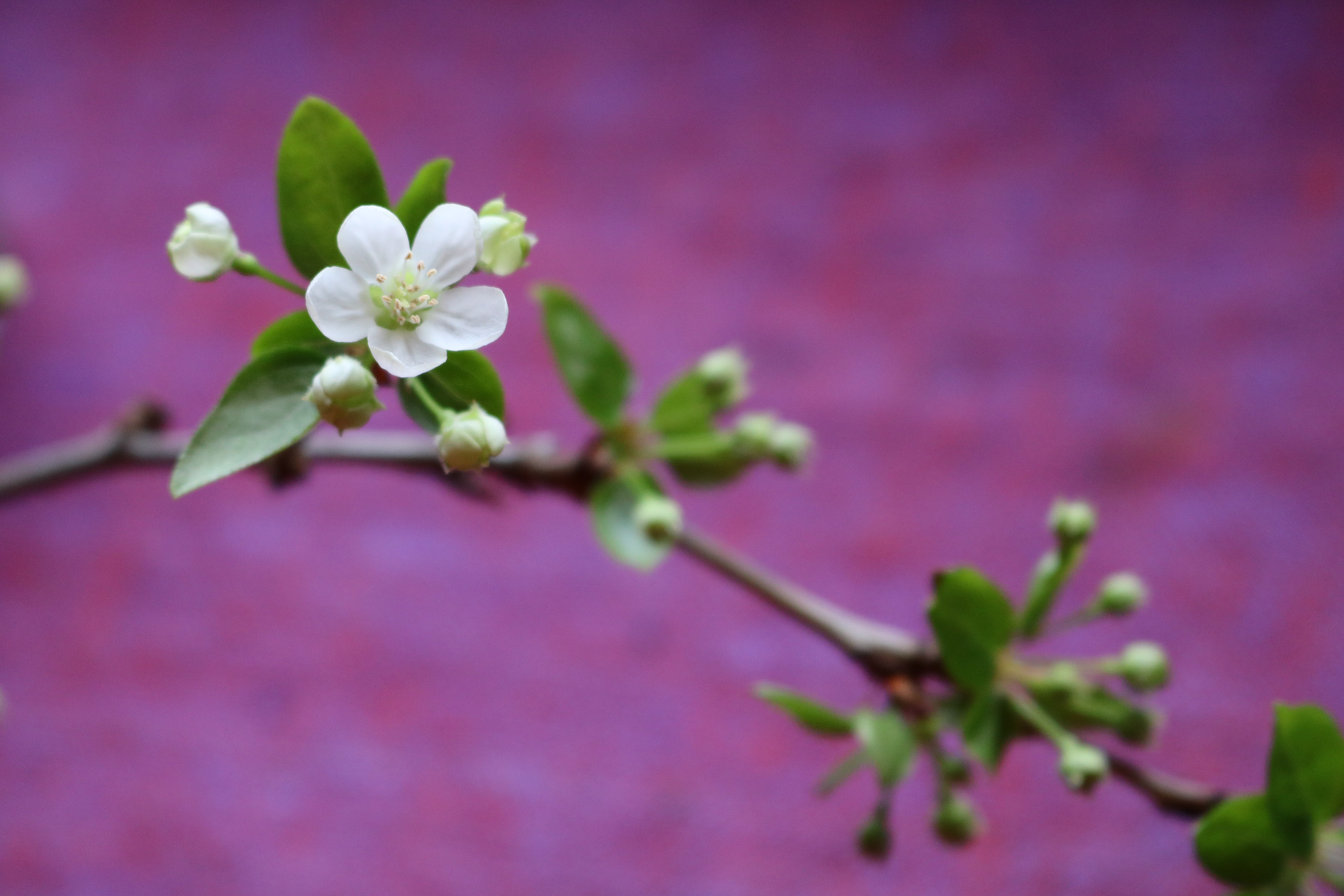
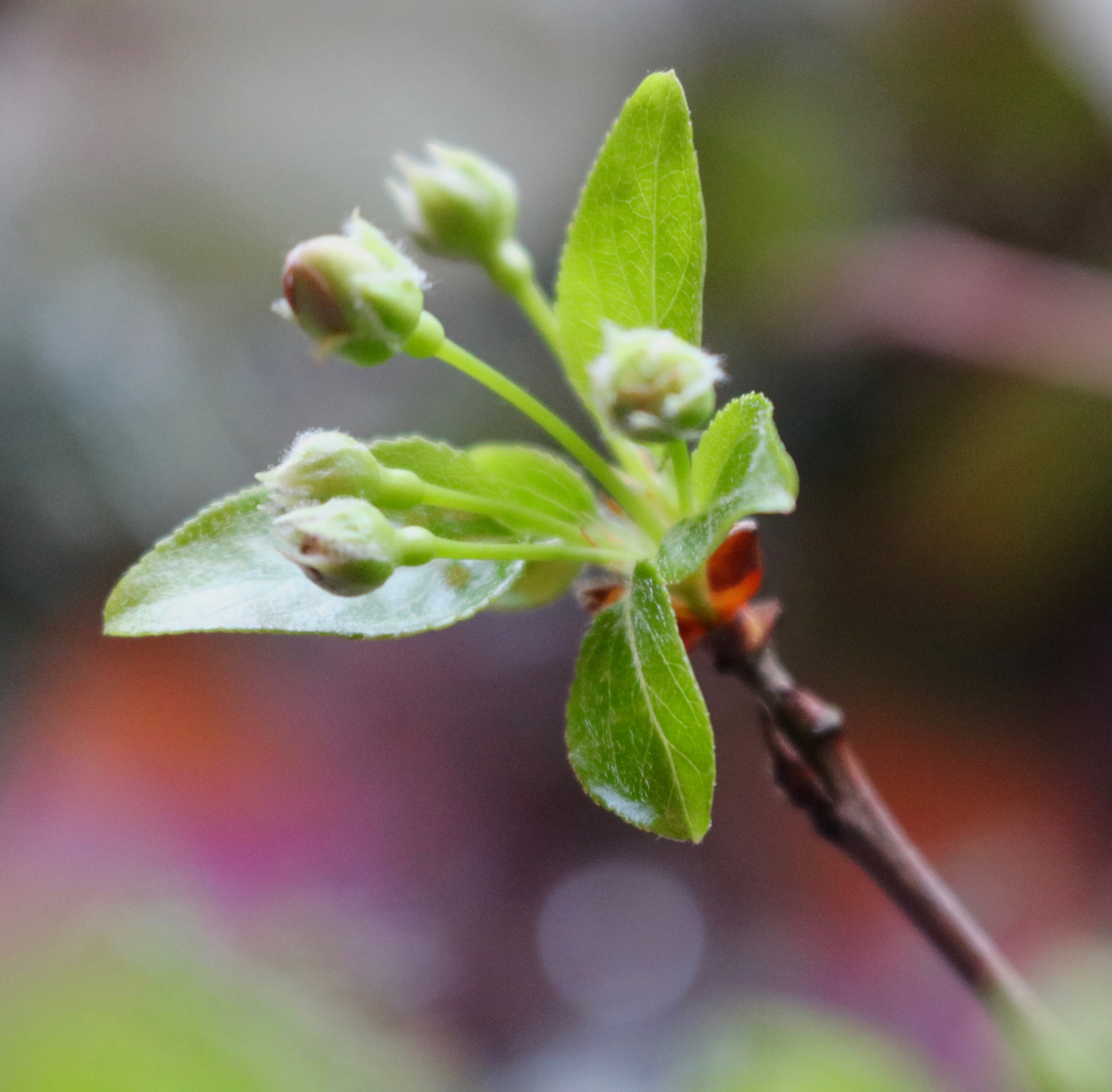
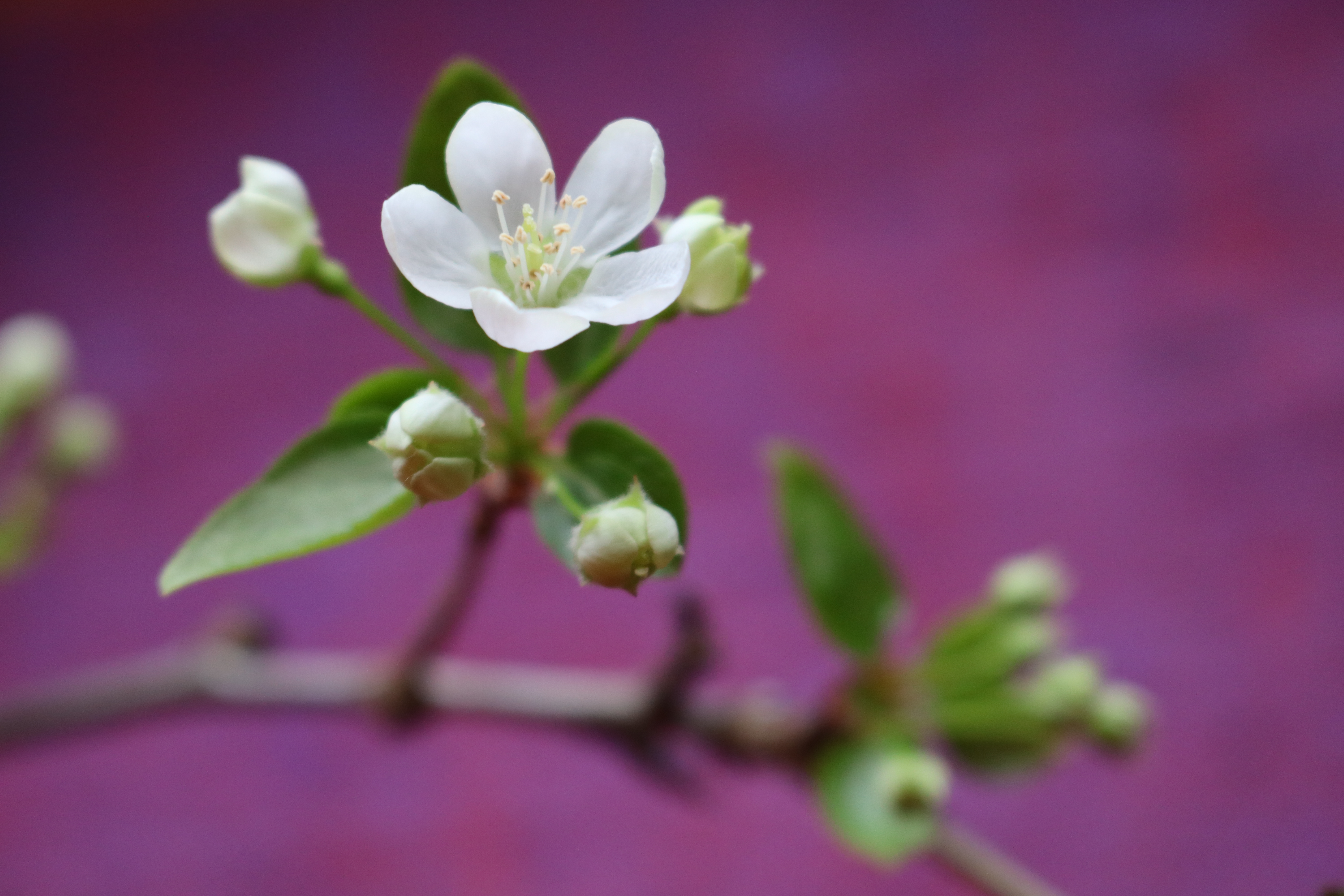
Yet one of the crabapple buds upon a twig I clipped just last week has one flower beginning to unfurl. So I blow on it, as gently as a spring breeze, and watch as the dainty, precious flower blossoms. 🙂

Surely, these are the final snowstorms of our long winter. Soon, I will be taking my wounded heart onto favorite hiking trails and into local garden centers in search of something special to plant in my gardens for the memory of my mother-in-law.

A springtime sun will come shining through and I will get to work, healing my heart again and keeping the faith, in love.

❤ ❤ ❤

IMG_9036.jpg


IMG_9035

❤ ❤ ❤


Climate Change. Orgasms. Essential Sex.

A spring fever came over me. I slipped away and found myself surrounded by trees in an airship drifting under the command of its captain—Earth’s Climate. Horizon lines blurred behind a vibrant mist tinted ruby red. My neck extended. My head grew bigger and bigger. My eyes widened into bulging beads. Then, my airship wobbled and tipped. I fell out and landed in the canopy of a tree. Upon every branch, bouquets of mini red flowers unfurled. 

It all happened after I decided to deactivate my brain and social habits from Facebook for a little while.

There were fucking flowers everywhere. Everywhere. Some of the flowers had male reproductive parts and some of the flowers flaunted female reproductive parts. The sexually active botanical doohickies came in one size: teensy. 

I have a microscope. So I righted the airship, loaded it with some of the flowers, and brought them to my laboratory. There was no time to waste announcing these good vibrations of newfound joys on Facebook, or Twitter, or Instagram, or Snapchat.

Thank goodness, because springtime comes and goes before you know it—like all good orgasms. There was fucking flower power and fucking fast breeding going on in the trees and within the growing things hiding out in my favorite romantic forests and valleys and gardens. It was all happening without the use of nuclear power, batteries, engines, or viagra.

The red flowers casting a ruby mist over all of New England bloomed upon branches of the Swamp Maple—Acer rubrum—and an intense curiosity about the Acer rubrum launched my airship at the same time I deflated my social media networks.              .

The facts were simply these: After years of partaking in a slow and awkward cruise on social media, my brain had regressed and atrophied. Even though I had tried to believe the hype that social media was the wave of the future and a necessary learned behavior for creating connections and essential networks—the truth is, (for some of us), social media can be as vast a colossal failure as pesticides and nuclear weapons and heroin.

I went to my laboratories and decided to start repairing my brain by encouraging it to re-build new networks and connections.

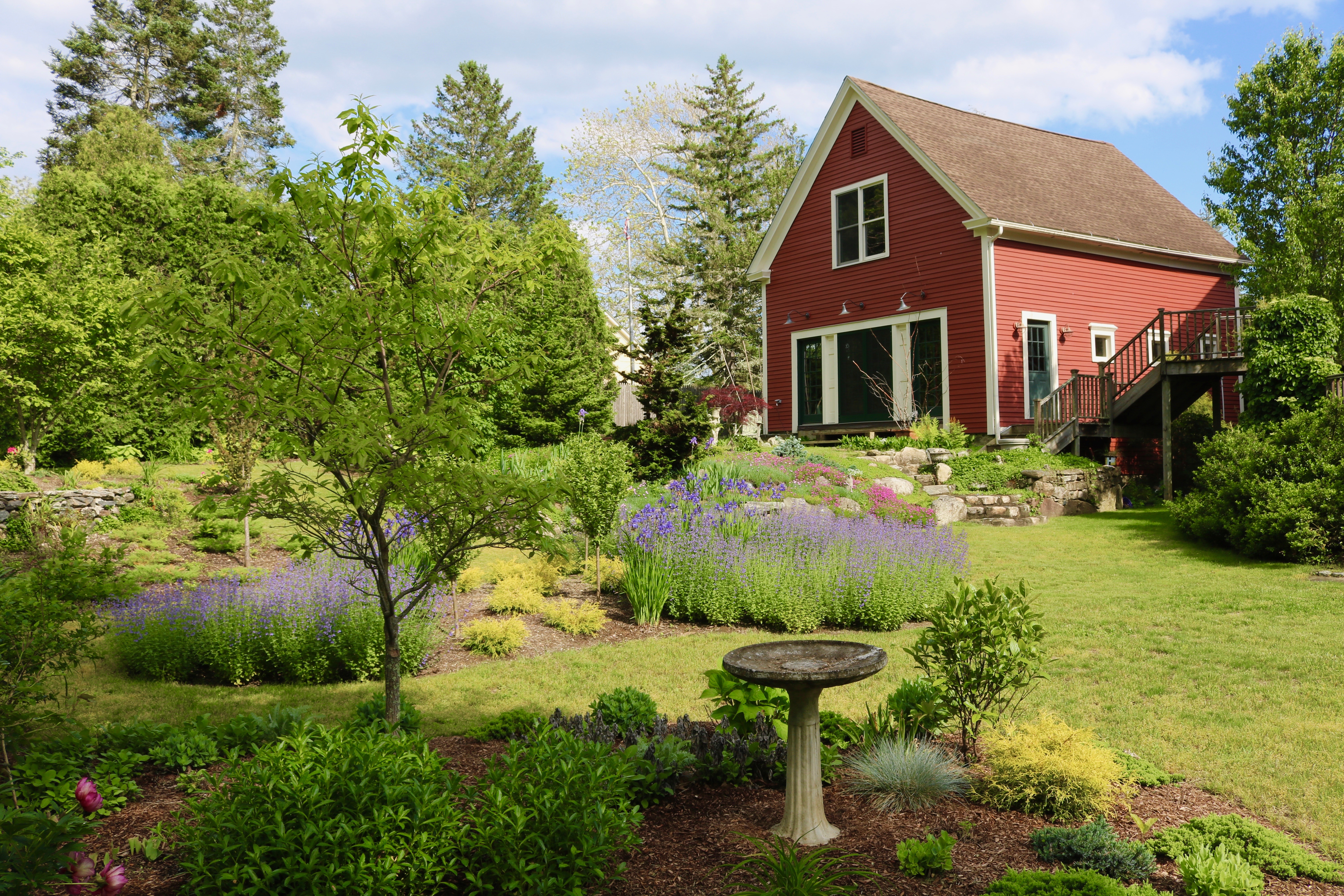
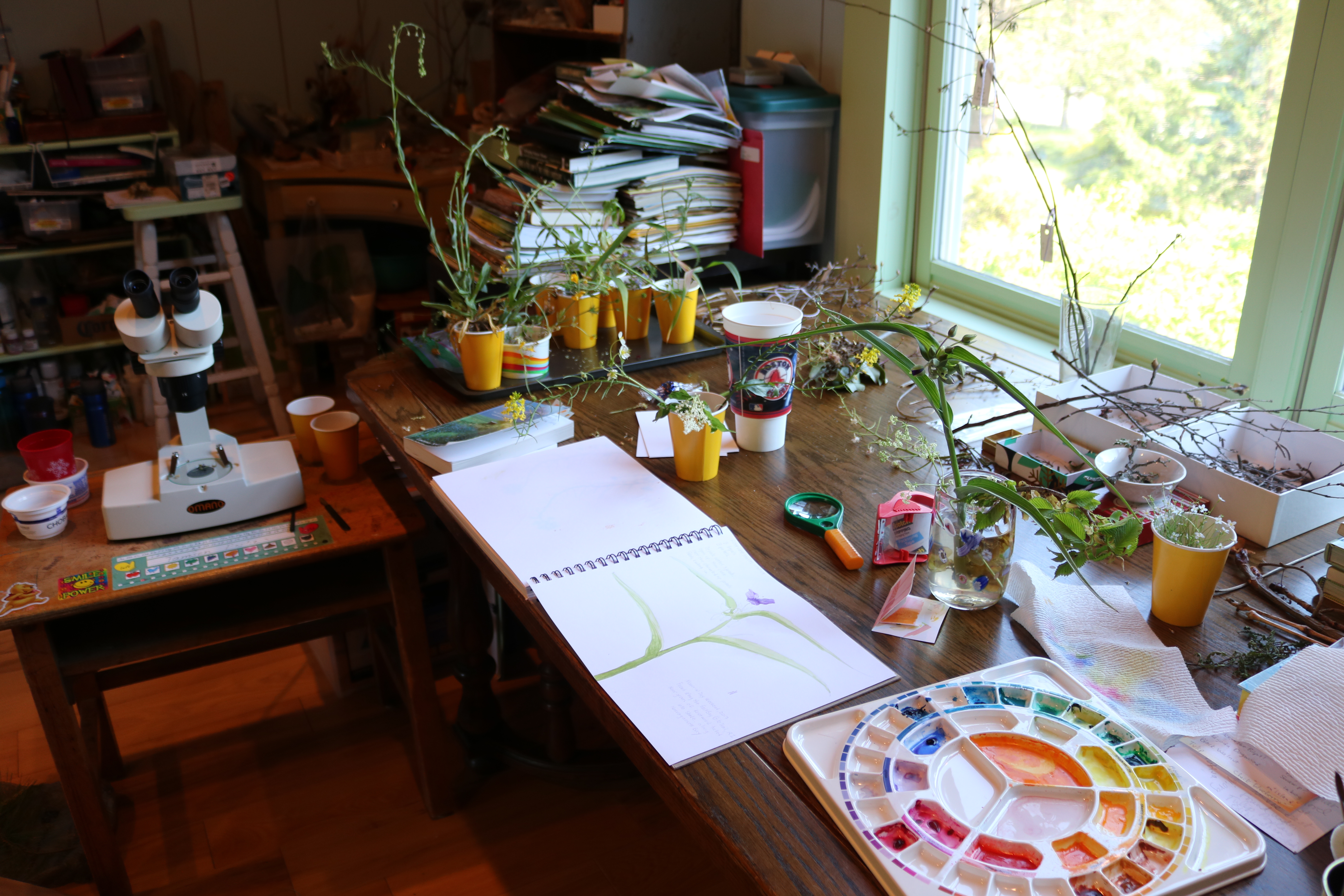
My laboratories are inside of this restored and renovated old barn (on the second floor) and outside of it too (gardens created and tended by me):

IMG_3830

IMG_3837

I surrounded myself with twigs, branches, buds, flowers, nuts, leaves, galls, bugs—all of it collected during regular walking treks or bike riding jaunts or dreamy meditative strolls through my gardens and through wildlife conservation land near home.

Studying the little flowers of a common maple tree tossed me into adventure-lands booby trapped with rabbit holes into which I fell. Disorientation and fascination ensued. During one morning’s tumbles, I underlined the following passages inside eight random books on my quest to find out how the Swamp Maple was invented, how it works to make more Swamp Maples, and how its LEAVES are capable of manufacturing oxygen for all living beings. (Without ever using batteries, engines, or viagra.)

Here are some written passages I underlined:

“This process is based on the “doctrine of uniformitarianism,” which states simply, “The present is the key to the past.” 

“However, I have never clogged myself with the praises of pastoral life, not with nostalgia for an innocent past of perverted acts in pastures. No. One need never leave the confines of New York to get all the greenery one wishes—I can’t even enjoy a blade of grass unless I know there’s a subway handy, or a record store or some other sign that people do not totally regret life. It is more important to affirm the least sincere; the clouds get enough attention as it is and even they continue to pass. Do they know what they’re missing? Uh huh.”

“Follow your genius closely enough, and it will not fail to show you a fresh prospect every hour. Housework was a pleasant pastime. When my floor was dirty, I rose early, and, setting all my furniture out of doors on the grass, bed and bedstead making but one budget, dashed water on the floor, and sprinkled white sand from the pond on it, and then with a broom scrubbed it clean and white….It was pleasant to see my whole household effects out on the grass, making a little pile like a gypsy’s pack, and my three-legged table, from which I did not remove the books and pen and ink, standing amid the pines and hickories.”

“I have often noticed that these things, which obsess me, neither bother nor impress other people even slightly.”

“…shambles….elegant experiments….The oxygen in the atmosphere is the exhalation of the chloroplasts living in plants….most of the associations between the living things we know about are essentially cooperative ones….symbiotic to one degree or another….Every creature is, in some sense, connected to and dependent on the rest.”

“Seeds are extraordinary objects.”

“Here, away from the pleasant, unintentional, fatal seductions and unplanned blackmail of friends and acquaintances, away from the facade I had built over the years to impress a world with the self I wished I were—a false front that I was obliged continually to reinforce—perhaps I could find my real self, whether it be good or bad.”

***************************************

Will the real Earth last long enough? For embarking on our own magical mystery tours? Tours that lead us to discover the stunning essential existence of leaves, the crazy sex life of flowers, the undeniable links, connections, and networks our lives depend on through the generosities of Mother Earth?

***************************************

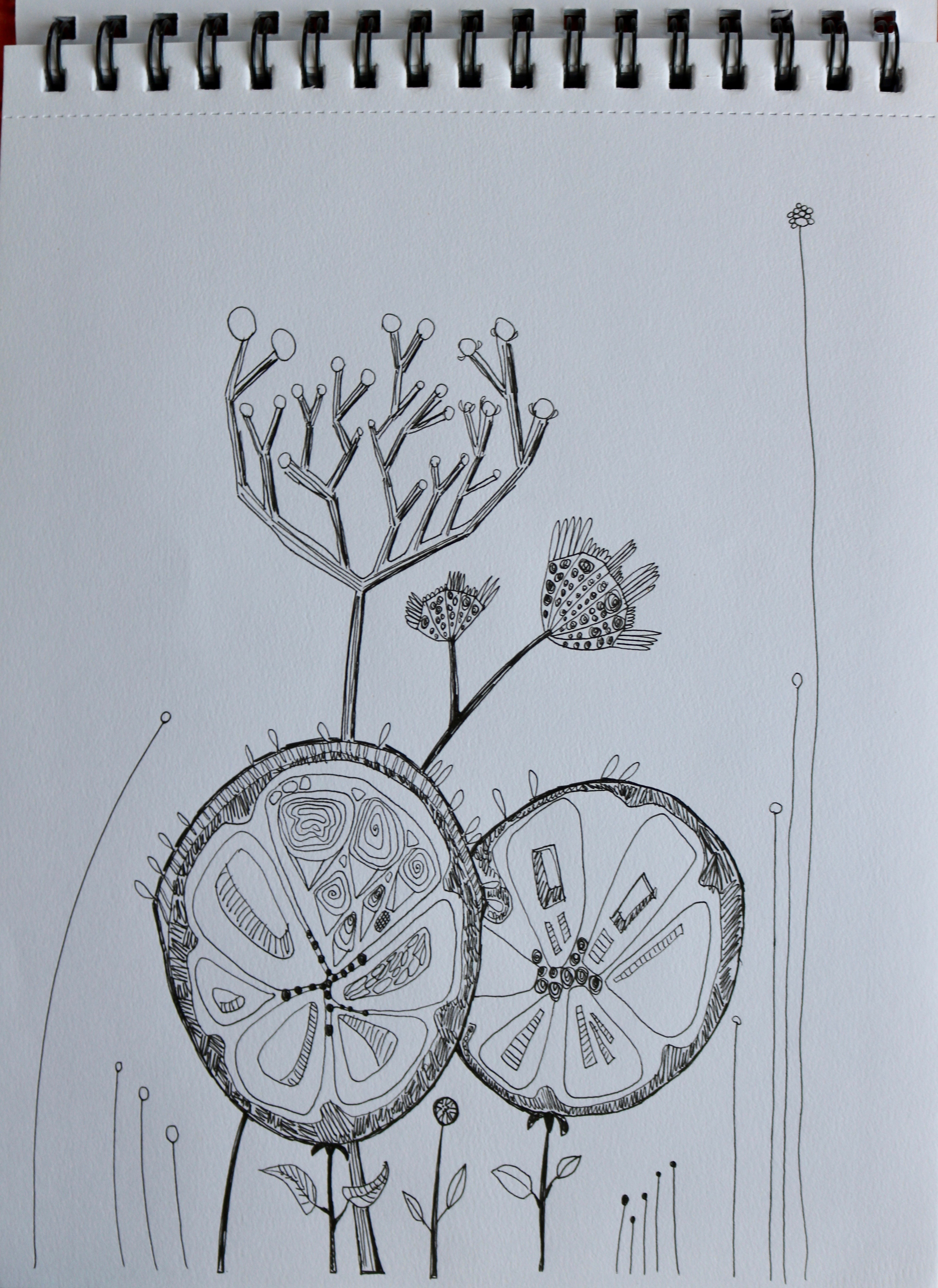
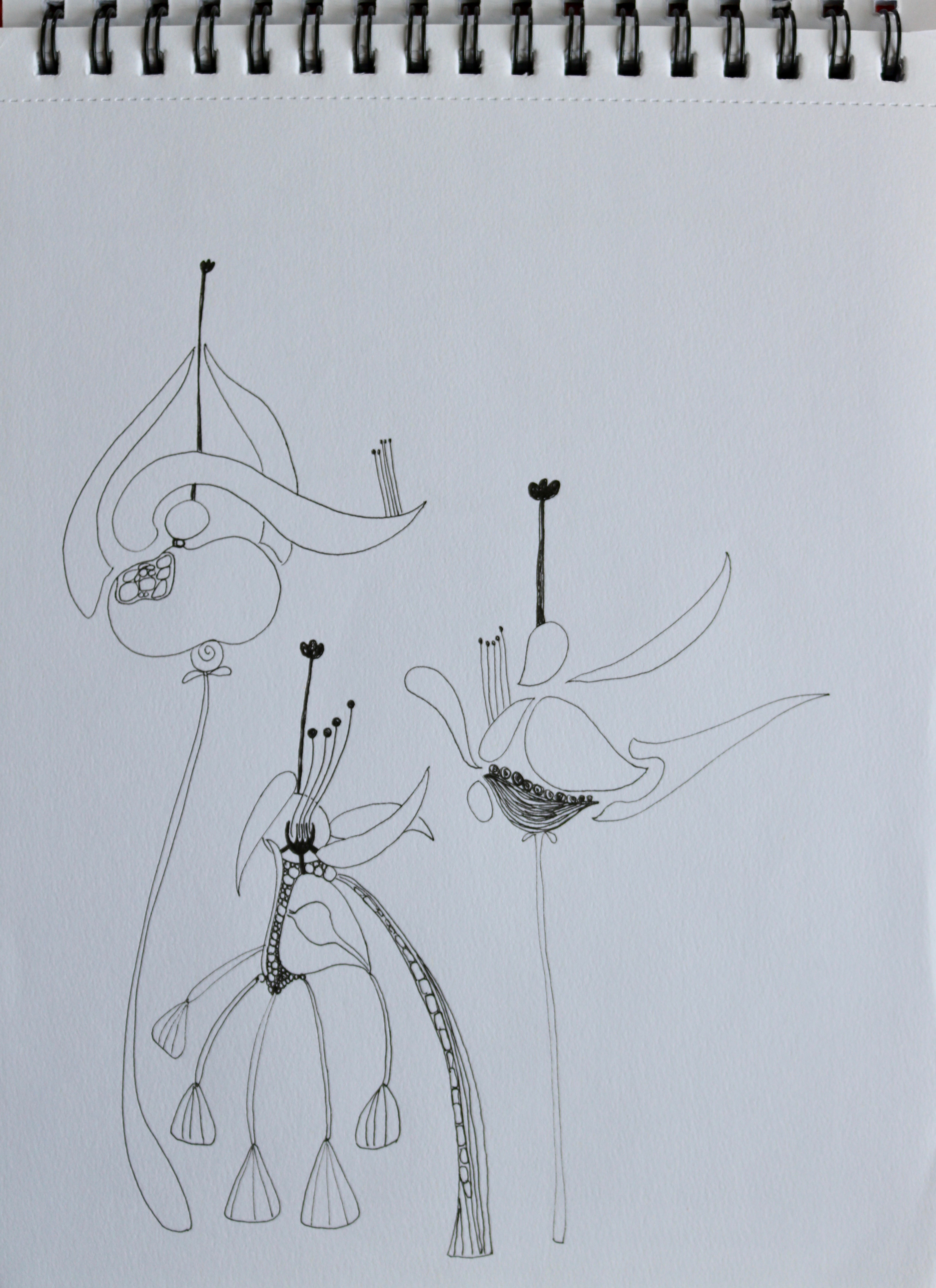
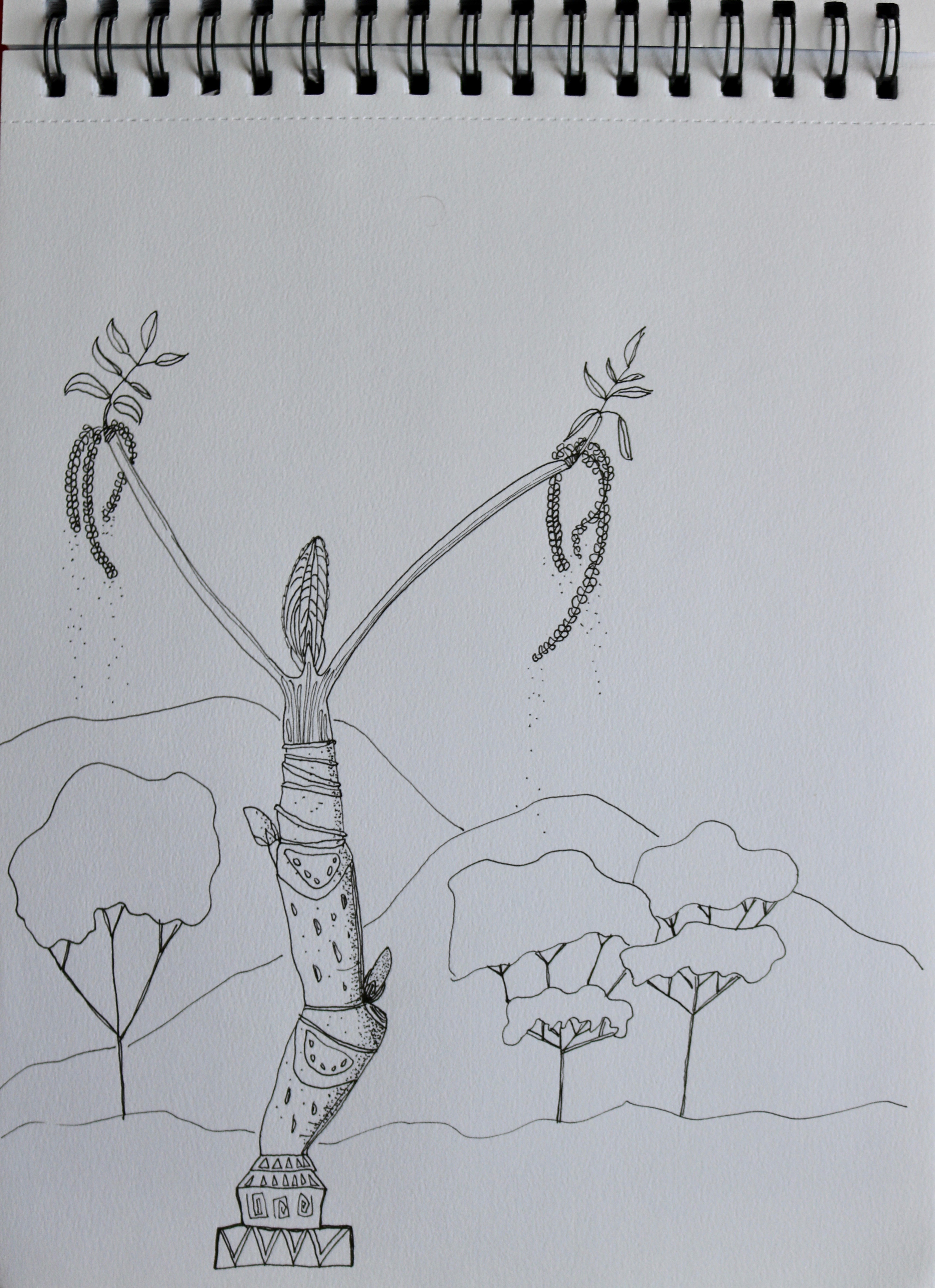
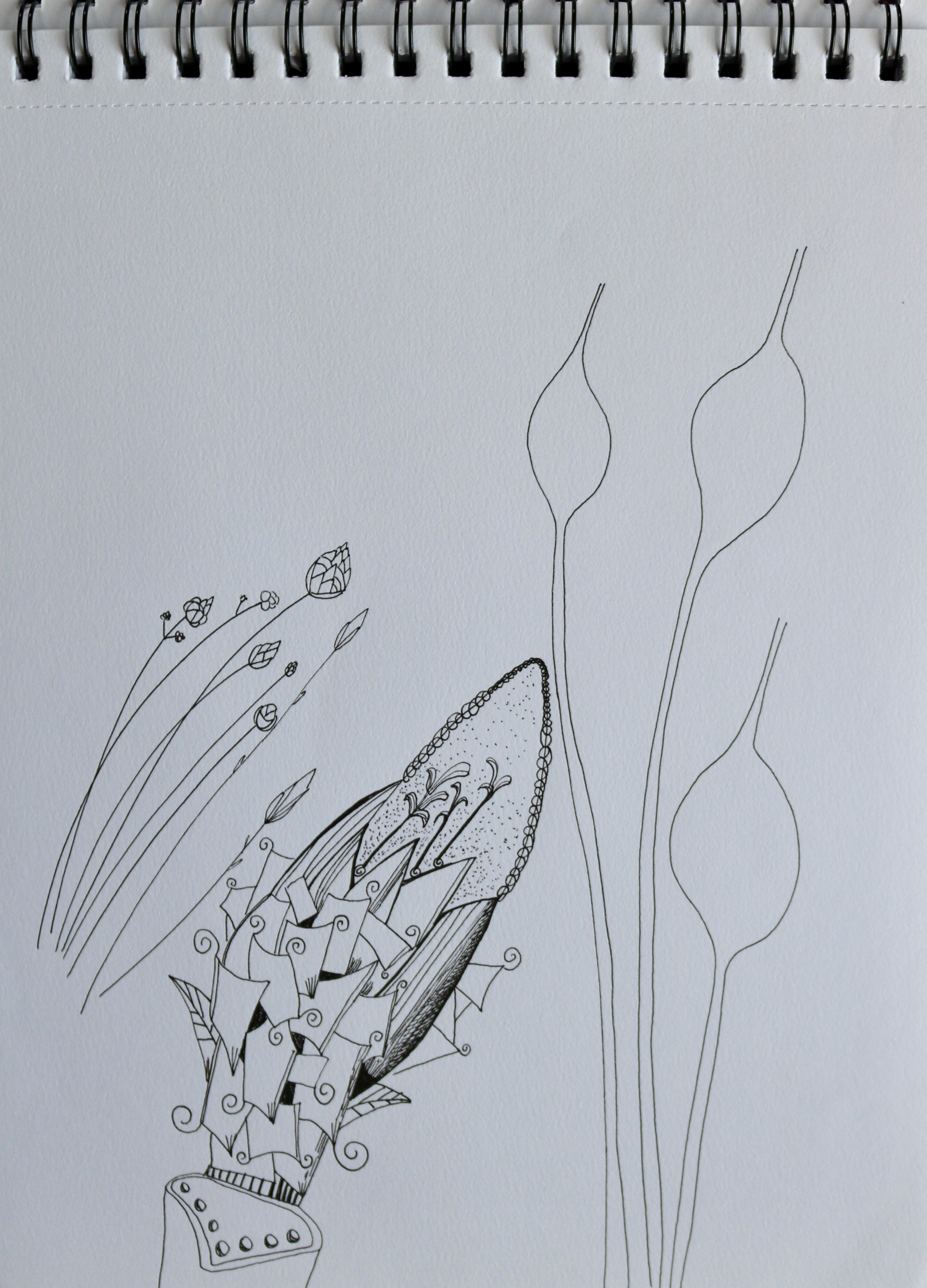
Here are some sketchbook drawings of my brain establishing new connections:

IMG_3787

IMG_3788

IMG_3790

IMG_3791

IMG_3789

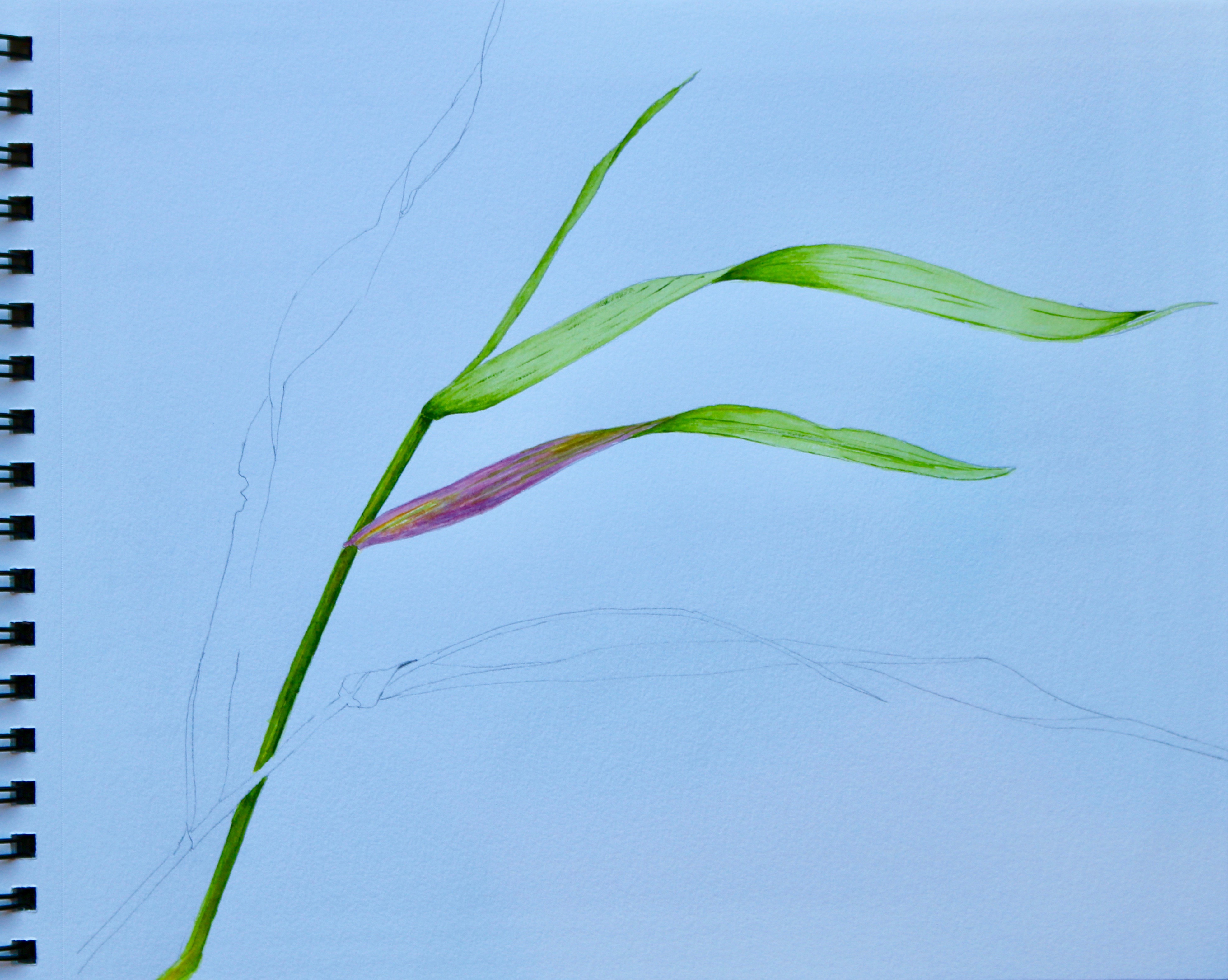
I found grass growing under one Swamp Maple with red tints running through the graceful blades. What caused the colorations?

IMG_3844

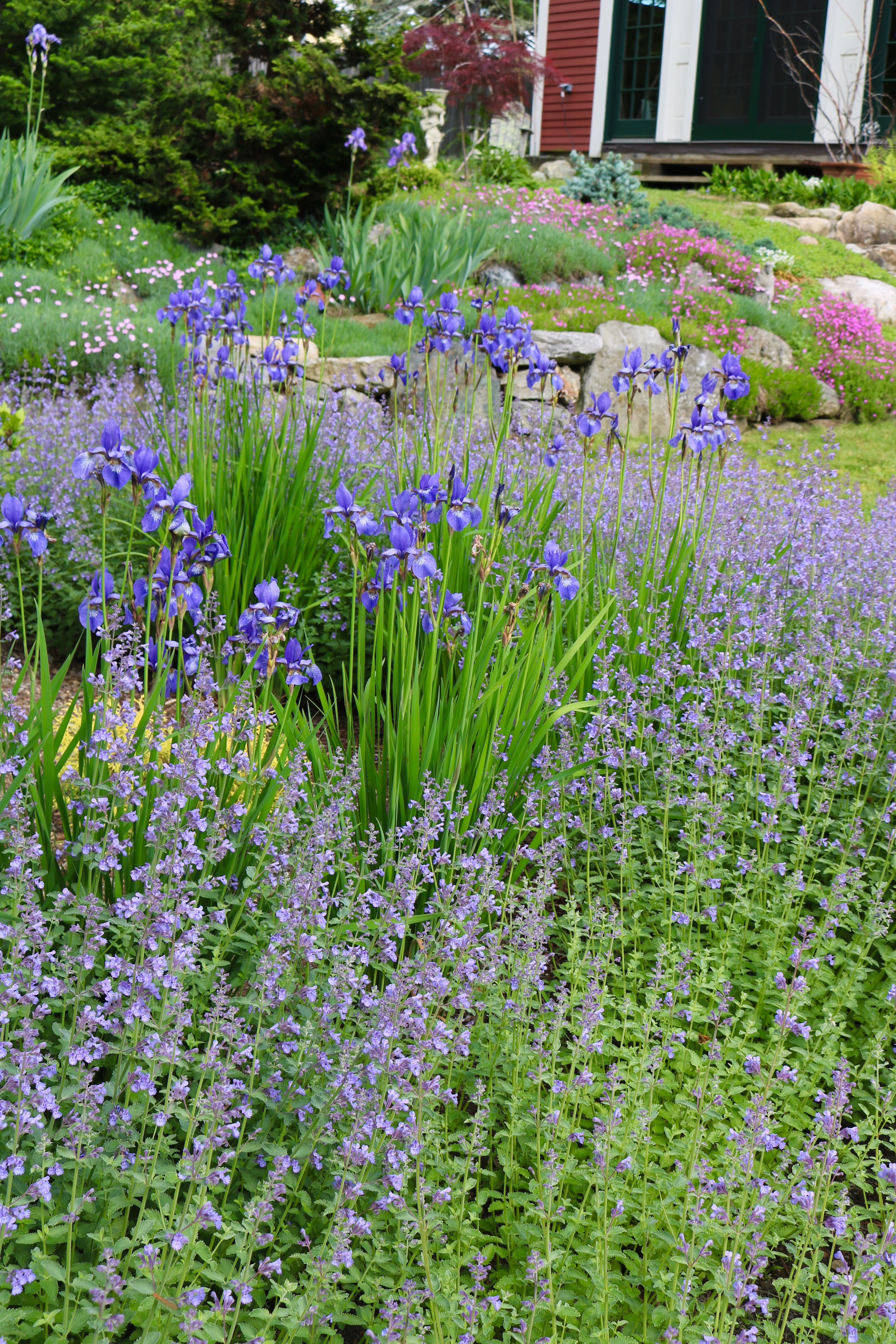
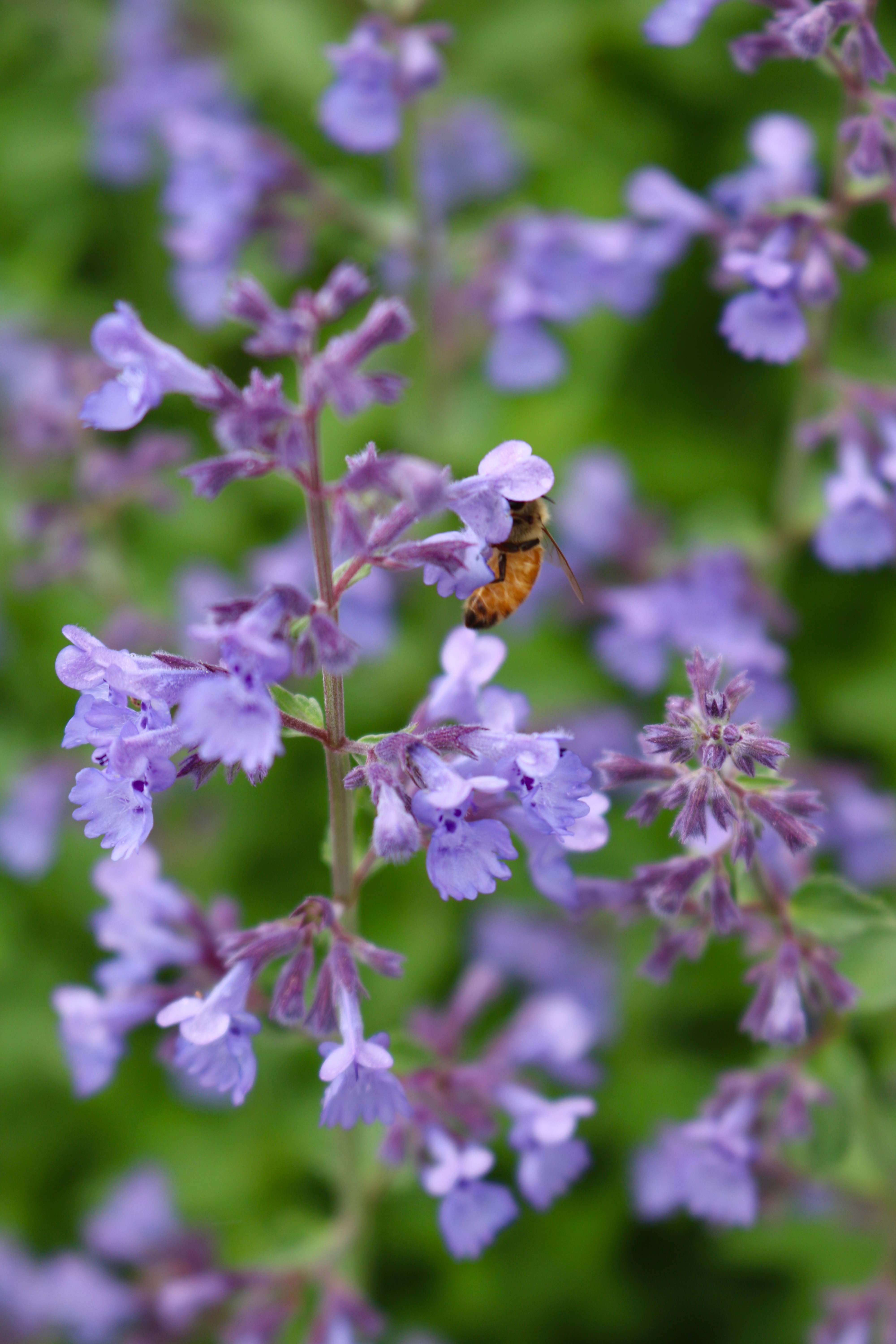
My gardens. Catmint. Iris. Pinks. Phlox.

IMG_3831

I stand with the Paris Climate Agreement and France’s vow with all who do, to—

“Make The Planet Great Again.”

We need to save the birds and the bees.

IMG_3807

******************************************

Tools for Sustainable Loneliness.

What do you have to show for all of your loneliness? Destructive addictions? Obsessive behaviors? Too many hours spent staring at the cobwebs cluttering up your vast funks? You ask the spiders: Are you depressed? Or are you lonely? They bite you.

Same.

One of the most pleasurable obsessions I have to show for all of my loneliness is an attraction for tools. I especially love hand tools and have loved them since my own days of yore when we young ones were neglected and allowed to play with really cool, authentic things that didn’t come to us road-blocked behind rules, regulations, age restrictions, or trigger warnings.

On any given summer’s day in the times of yore, I’d take a few slow laps around the family garage before setting out to wander through the fading frontiers of America’s un-gentrified, suburban free ranges. Many family garages displayed a good selection of random tools and mine was one of the best being managed, as it was, by my dad, the United States Air Force man who grew up as the oldest boy on a farm. I went for Dad’s hammers, saws, shovels, maybe some pliers, and an ax. I’d load my wagon with Dad’s tools and leave home. Texting Dad in order to ask permission for engaging in the behavior of helping myself to his tools was, blessedly, not possible. Besides, I was following orders from Mom: Go outside and play.

On my way to the ancient childhood hinterlands, I’d stop at new-home construction sites, peruse their junk piles for lumber and add choice finds to my wagon. I planned to repurpose everything into an outpost. My outposts were repeatedly attacked, sacked, and plundered. I repeatedly rebuilt and reinforced. Dad would ask, whenever one of his carefully maintained tools went missing: Why? Why can’t you remember to bring the tools home? Why can’t you put them back where they belong? Why can’t you return them in the same condition you found them? Where are they?

They are somewhere in the woods of Indiana and/or the foothills of the Sonoran Desert in Arizona. It was in those places where I learned, on my own, how to love being lonely. A lot of children discover how to love their loneliness within the pages of books. For me, it was tools. If you take a hammer and hold it like you mean it, it becomes like a divining rod—leading you on to worlds of creative possibilities and sustainable satisfaction. Pounding a nail true, hits the spot every time. Success. Pleasure. Purpose.

I’m still a lonely girl, and I’m still loving—and losing—tools. Recently I lost one of my favorite gardening tools—my soil knife. She is a substantial hunk of steel fastened onto a sturdy handle. Her hunk-of-steel blade has one sharp edge and one serrated edge, making her a champ for slicing into the soil to lift out weeds and/or for sawing apart the gnarly root balls of plants. There’s also a handy v-notch cut out of her blade for ripping through twine. The handle of this tool, BTW, is neon orange—designed especially to help lonely wanderers, afflicted with an array of distraction disorders, find their tools when they lose track of life. My gardening tool will come back to me when my prayers to Saint Anthony make it though the queue. Until then, I’ve distracted myself with the old pitchfork, an outstanding hand tool for the quiet work of digging out unsustainable turf in order to replace it with beautiful, and more sustainable, gardens.

********

So it should come as no biggie surprise that when a lonely girl like me lands, in her luxury gypsy motorhome, in the parking lot of a truck stop near Gardiner, Maine, late at night, with the husband she met when she was too lonely to care about boys, and that husband says what do you want to do tomorrow—Lonely Girl looks at a map, opens a couple of cold beers, and can’t wait to answer the question. I open the windows, too, and speak to the hum of idling truck engines, all at rest after long days on the road. I keep romantic ideals about what I want to do and what I hope to find tucked in, and simply suggest a list of options for the next day’s adventures:

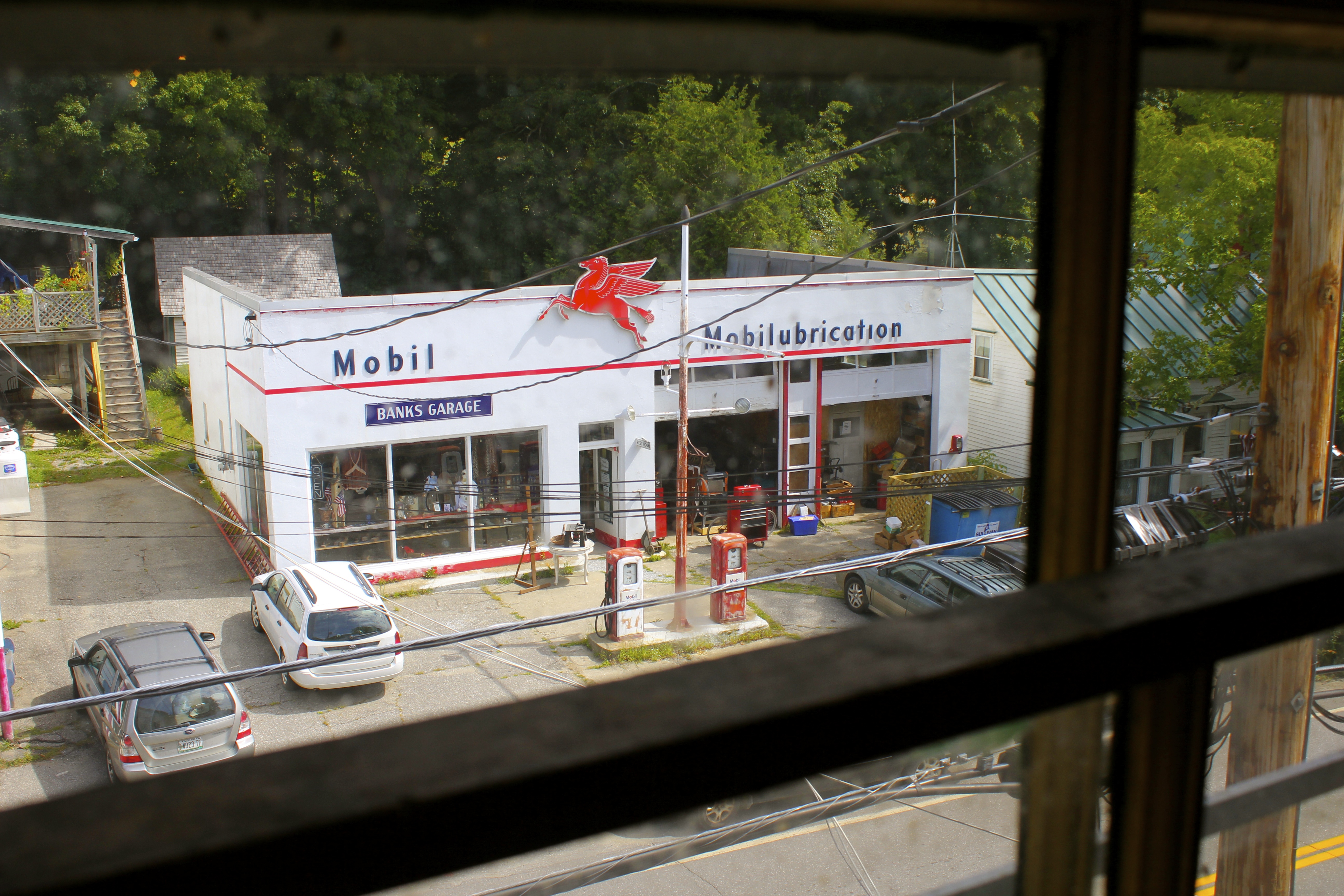
The Liberty Tool Company in Liberty, Maine. The Davistown Museum, across the street from Liberty Tool. And Morse’s Sauerkraut Euro Deli in the middle of one-of-the-best nowheres, which just happens to be on our route to Camden, Maine, the next day’s destination.

To lonely people everywhere, I say go to where lively spirits live their obsessions. You might discover that what you thought was loneliness might only be a longing—for what’s real and what’s cool and what’s peace and what’s good.

There are a lot of places in Maine where scholars, intellectuals, and classic passionate folks maintain playgrounds for those of us who choose to sustain our most lovely lonelinesses through the practice of learning all we can about what we like. For those of us who aren’t lonely at all, unexpected excursions and serendipitous discoveries are just plain fun. Liberty, Maine is an amusement park for the brain. (Go before the bourgeoisie litter the sidewalks with their Starbuck’s cups.) Even just watching the following video, about The Liberty Tool Company, offers the viewer a restful excursion:


********

If you go to Liberty, remember to pace yourself. The Tool Company will take you far, far away. I found a prayer card for fifty cents, a book by William Trevor for a buck, (The Day We Got Drunk On Cake), a chisel engraved S. J. Addis from London (late 1800’s?) for $2.50, an L.S. Starrett Co. divider for $3.00, and two Road and Track Magazines for $3.00 each. My husband found tools to keep in the motorhome for random repair work.

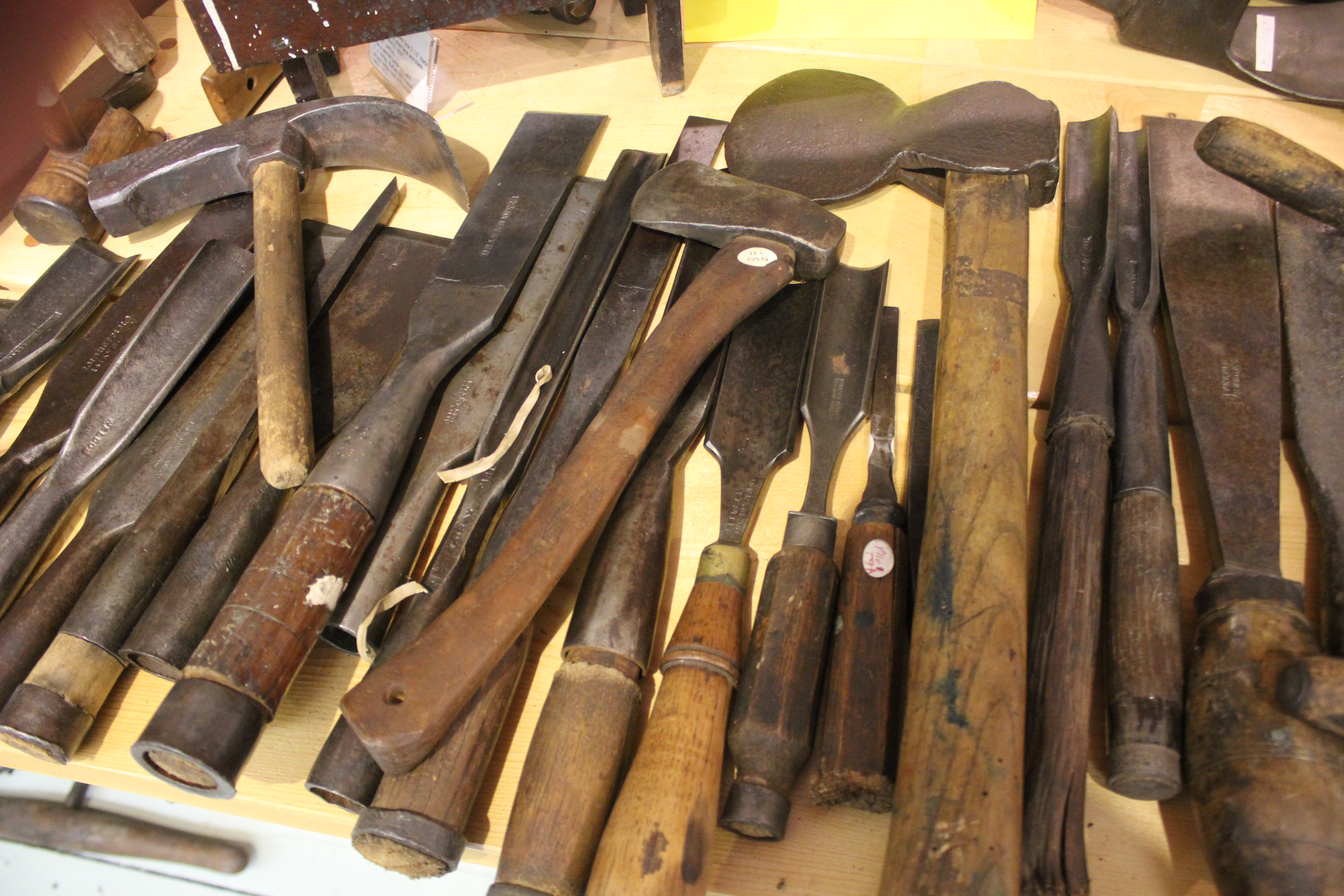
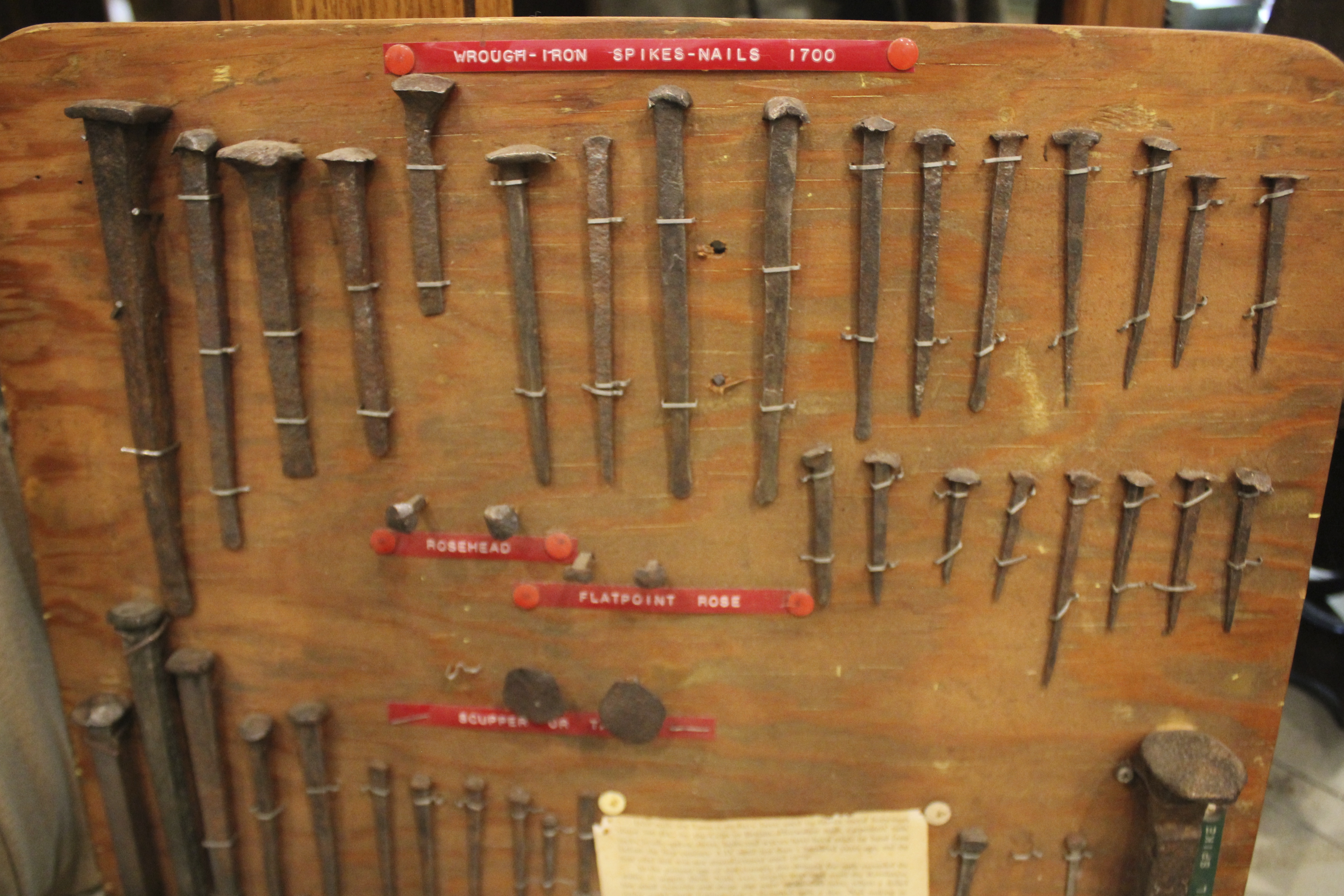
Hopefully you’ll reserve some brain power after your excursions through the tool store, because a trip across the street to the Davistown Museum will pretty much set your brain on fire. It’s a hands-on experience. You can touch and hold tools from a long time ago. Like a pitchfork from the days of the Revolutionary War, procured from Concord, MA. Slip your hands through the wooden handle and think about the work you might have performed, while keeping three day’s worth of provisions and weaponry strapped onto your body. You were an elite Minuteman, one of the Sons of Liberty in Massachusetts and, as such, you lived your life ever ready to enter into battle at a moment’s notice.

Or kneel beside the cobbler’s bench and examine its piles of tools. All of those tools and one artisan needed to fashion shoes, by hand.

Peer through a hazy glass case at a curious collection of wampum, one of the largest in New England on public display.

There’s a historic Wantage Rule—used to measure the volume of beer—it’s one of the earliest examples of American colonist’s Robert Merchant’s fine workmanship which came to equal the quality of work being produced in England long before the Revolutionary War.

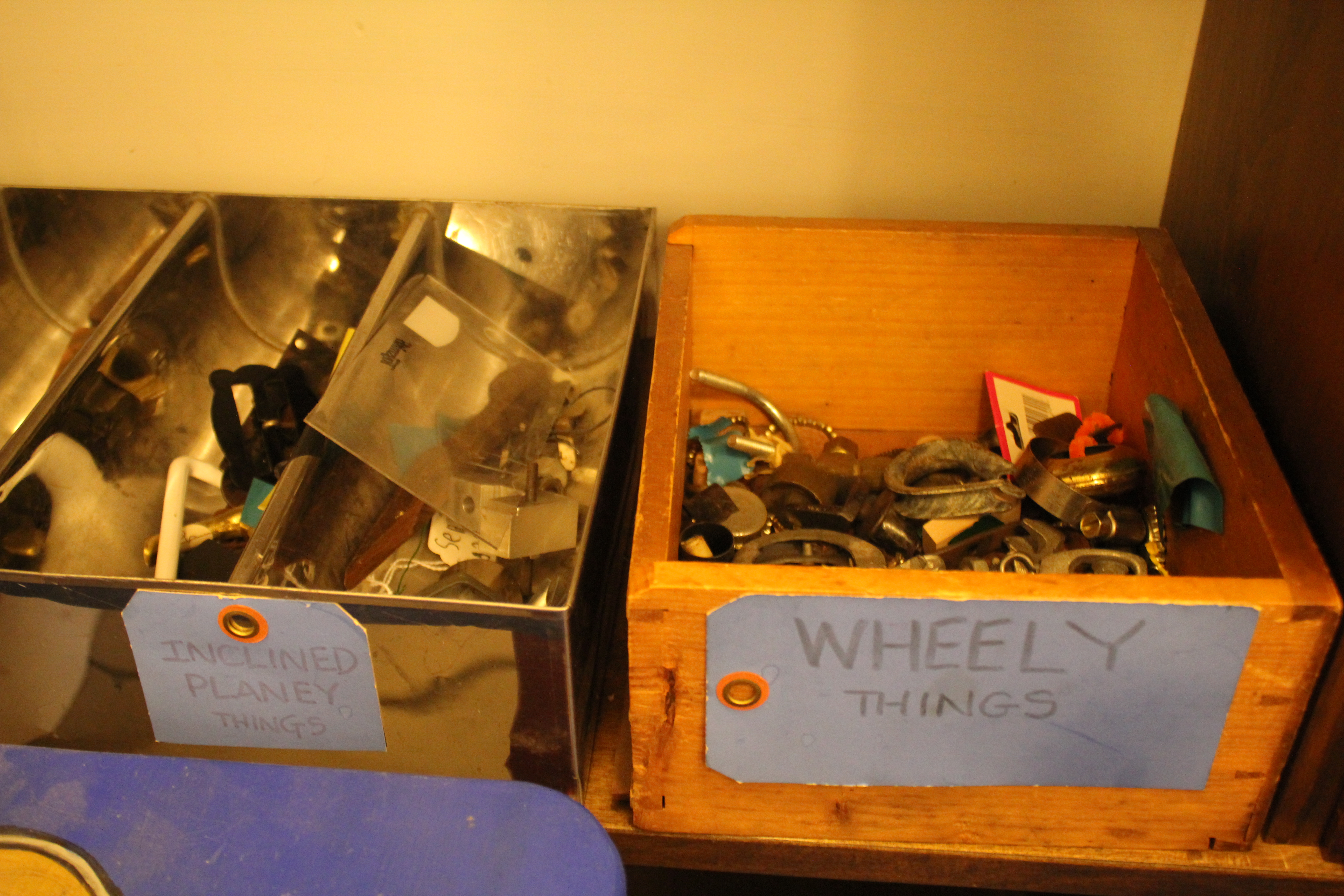
There’s a fabulous children’s corner. Children can invent and build tools. Adults can gain access to research and resources supporting the value of studying the art and history of toolmaking.

There’s art—a lot of great art by contemporary artists at work in Maine.

There are so many tools, from so many chapters in history, to admire.

There’s a Civil War crutch.

There’s a chilling display of prison tools—made to be used as weapons by prisoners.

Some things are for sale. I bought a painting and two hammers. One of the hammers is completely hand made.
If you need to take a rest, there’s a nice porch where you can sit awhile.

********

After our time in Liberty, we hit the road for Camden State Park where we planned to set up camp for the next several nights. En route we had no choice but to stop at Morse’s Sauerkraut Euro Deli as per a recommendation from our son. He goes to Union, Maine with his comrade-in-drumming arms and fellow Slow Roasters musician, Freedom, to mine stone from ancient quarries for building percussion instruments. They also study drumming and percussion practices from secret sources. Upon hearing that we would be rolling through Union on our way to Camden, our son alerted us to the existence of a gastronomic outpost known for serving and supplying all comers with the most flavorful German food in the universe.
As it turns out, Morse’s wasn’t the only unexpected German-themed thing that happened to me as a result of my road trip via Liberty, Maine to Camden. There was a surprise literary excursion into one of those Road and Track magazines I’d acquired…an issue dated May 1972…which I thumbed through before packing them up to be sent away to my son in Brooklyn.

That part of my adventures and special finds in Liberty, Maine must remain secret until my son receives the magazines. He is the most passionate automobile enthusiast I’ve ever known—and Maine has plenty of places where that kind of lovely loneliness is sustained, too. Like the Owl’s Head Transportation Museum in Owl’s Head, Maine, (not far from Camden), where we went a few times when he was a little boy. There, his lovely, often lonely, attraction to automobiles and cool airplanes was sustained. We enjoyed car shows and once, we flipped out over the super-exciting experience of watching—and listening to—a GeeBee Racer airplane fly.

The state park at Owl’s Head is free. The rock beach there still rocks.

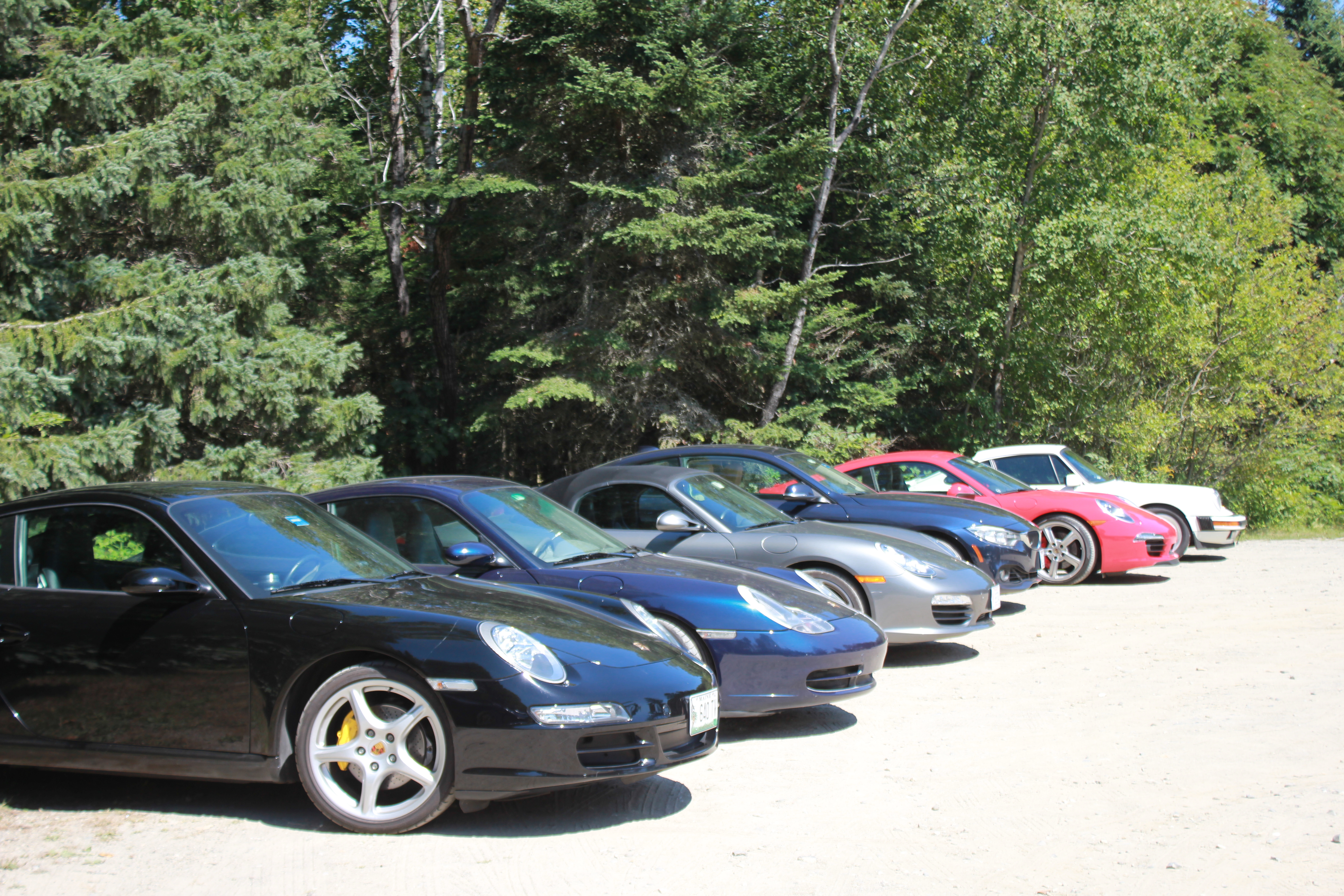
Random collections of Porsches were sunbathing in the parking lot of Owl’s Head State Park when we made our most recent journey there while camped in Camden.

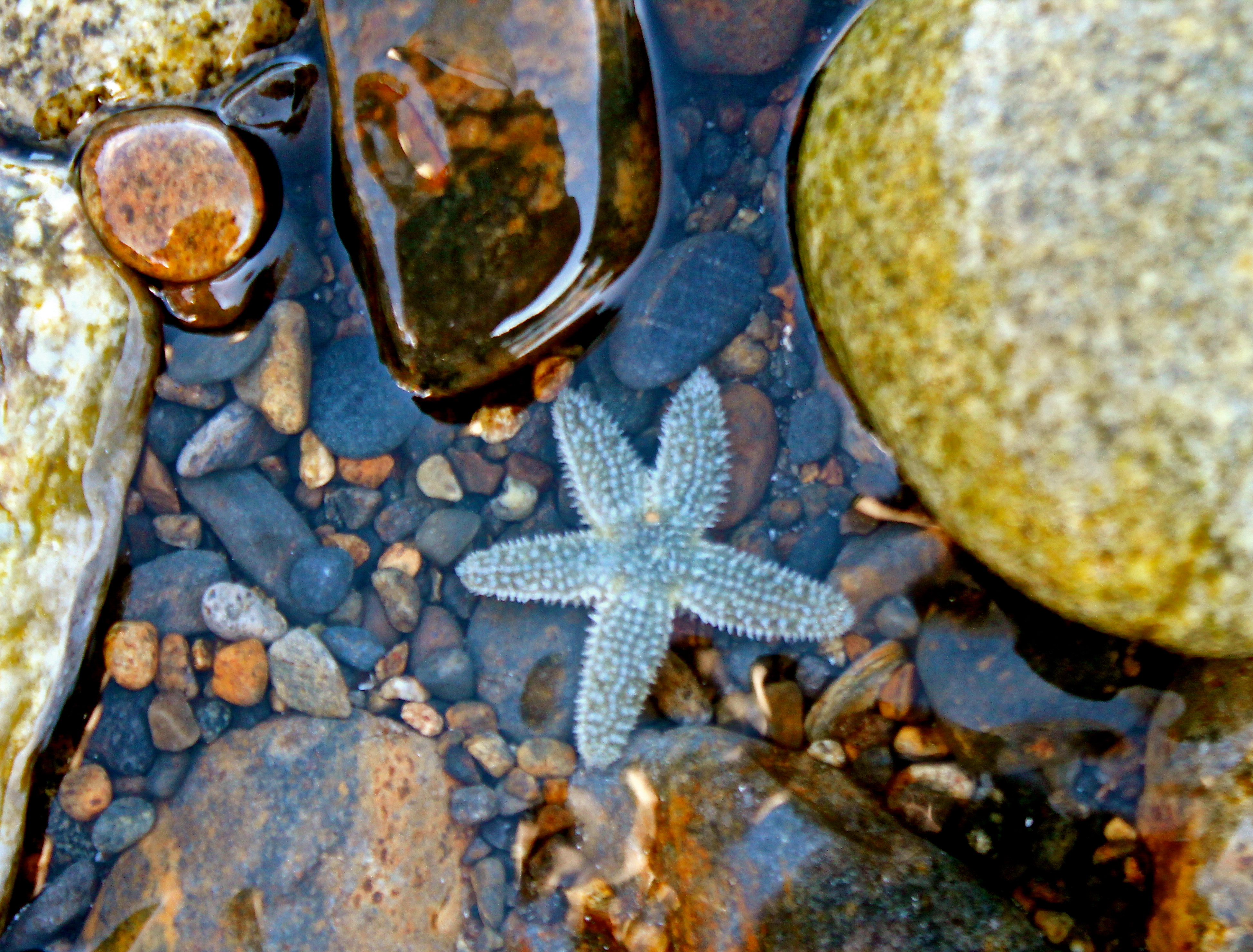
And the tide pools…

It all makes me want to get lonely.

********

Liberty, Maine.

IMG_0297

IMG_0300


IMG_0307

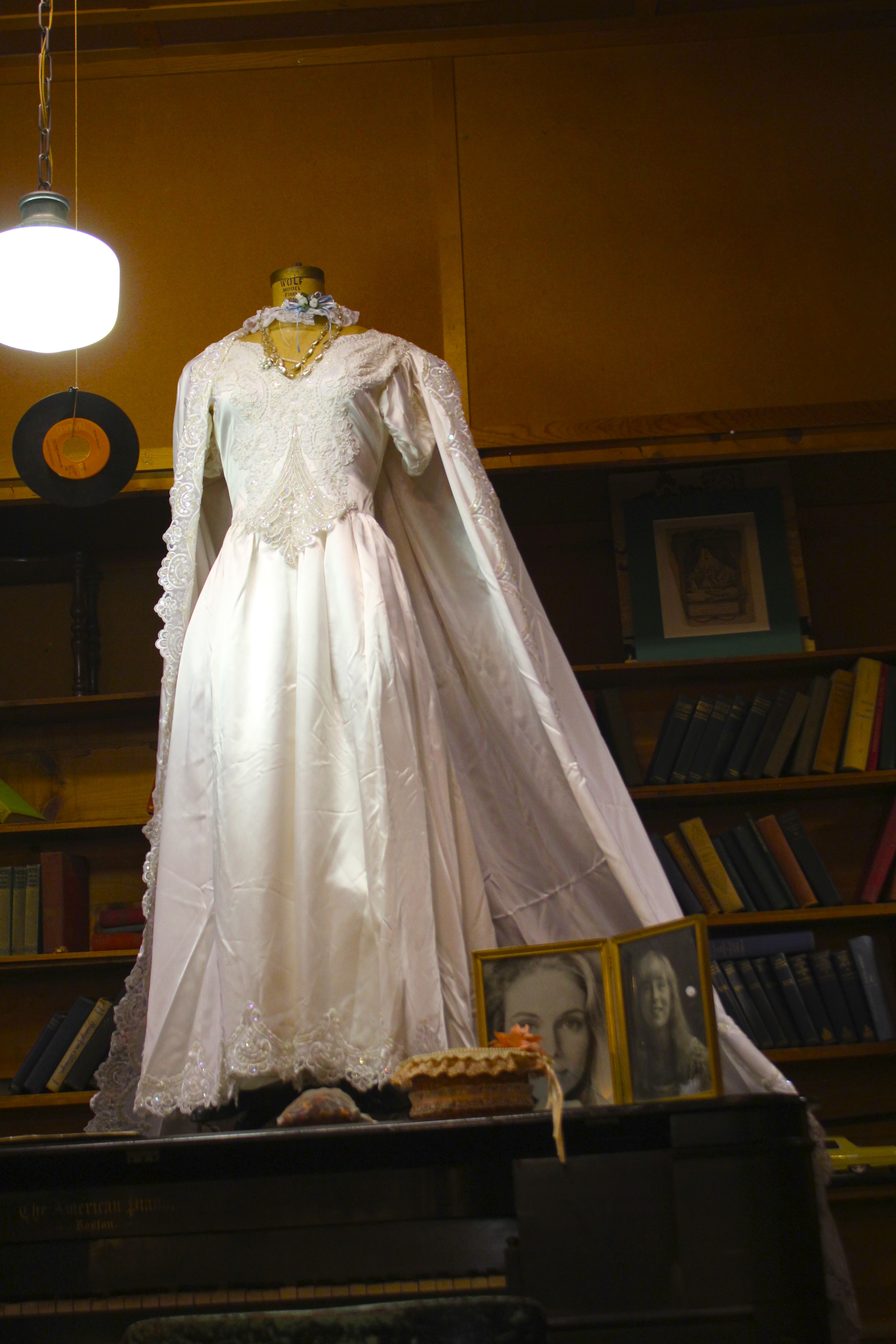
You can buy books and a wedding dress.

IMG_0304


Children’s Corner at Davistown Museum.

IMG_0316

IMG_0313

IMG_0311.JPG

IMG_0315


Cobbler’s Bench.

IMG_0338


Historic tools.

IMG_0321

IMG_0327


The hand-carved handle on a pitch fork from Concord, MA

Revolutionary War period.

IMG_0324

Creepy weapons made by prisoners.
IMG_0336


Always-welcome Maine humor.

IMG_0343


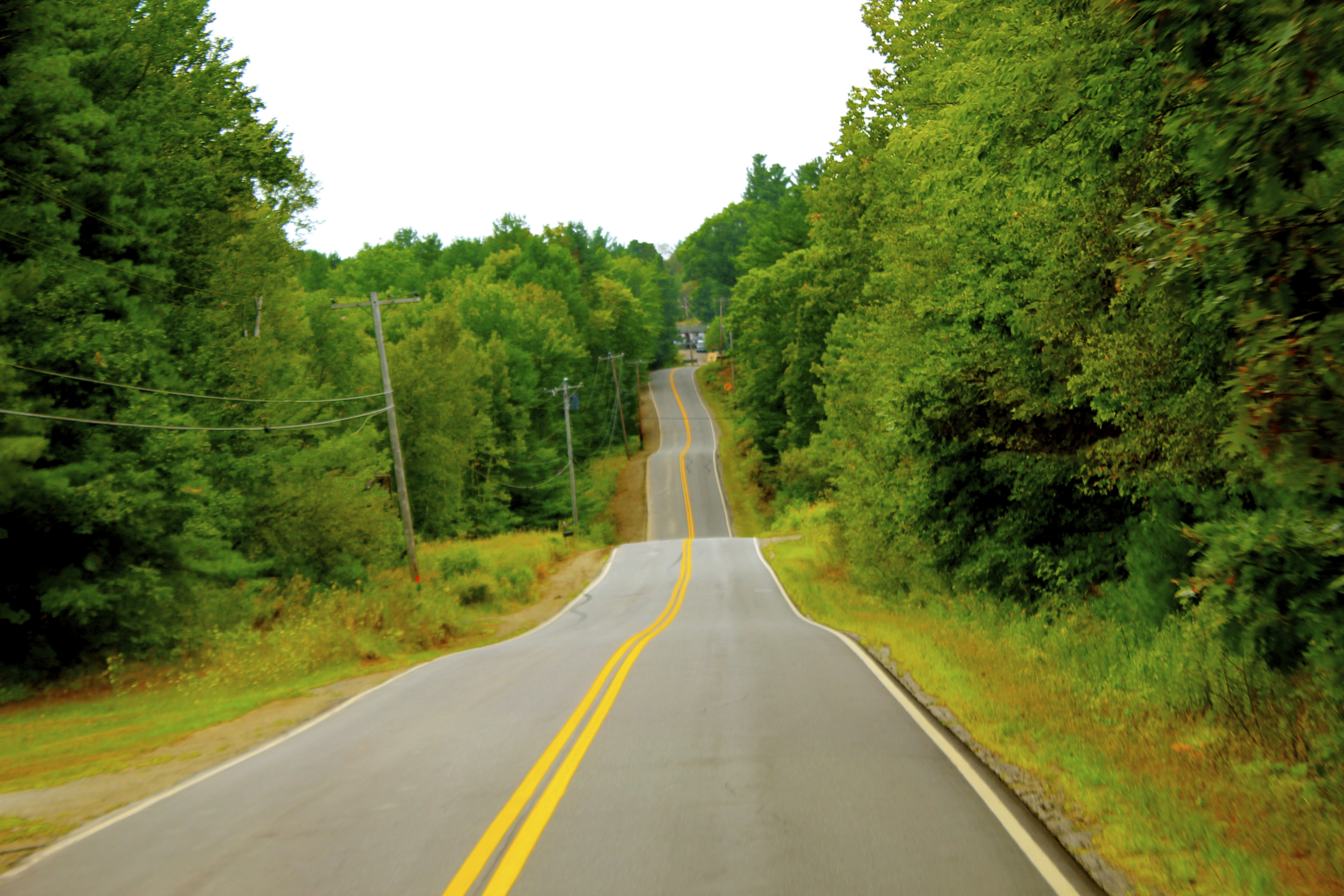
On the road to Morse’s Euro Deli in Maine.

IMG_0357

IMG_0373


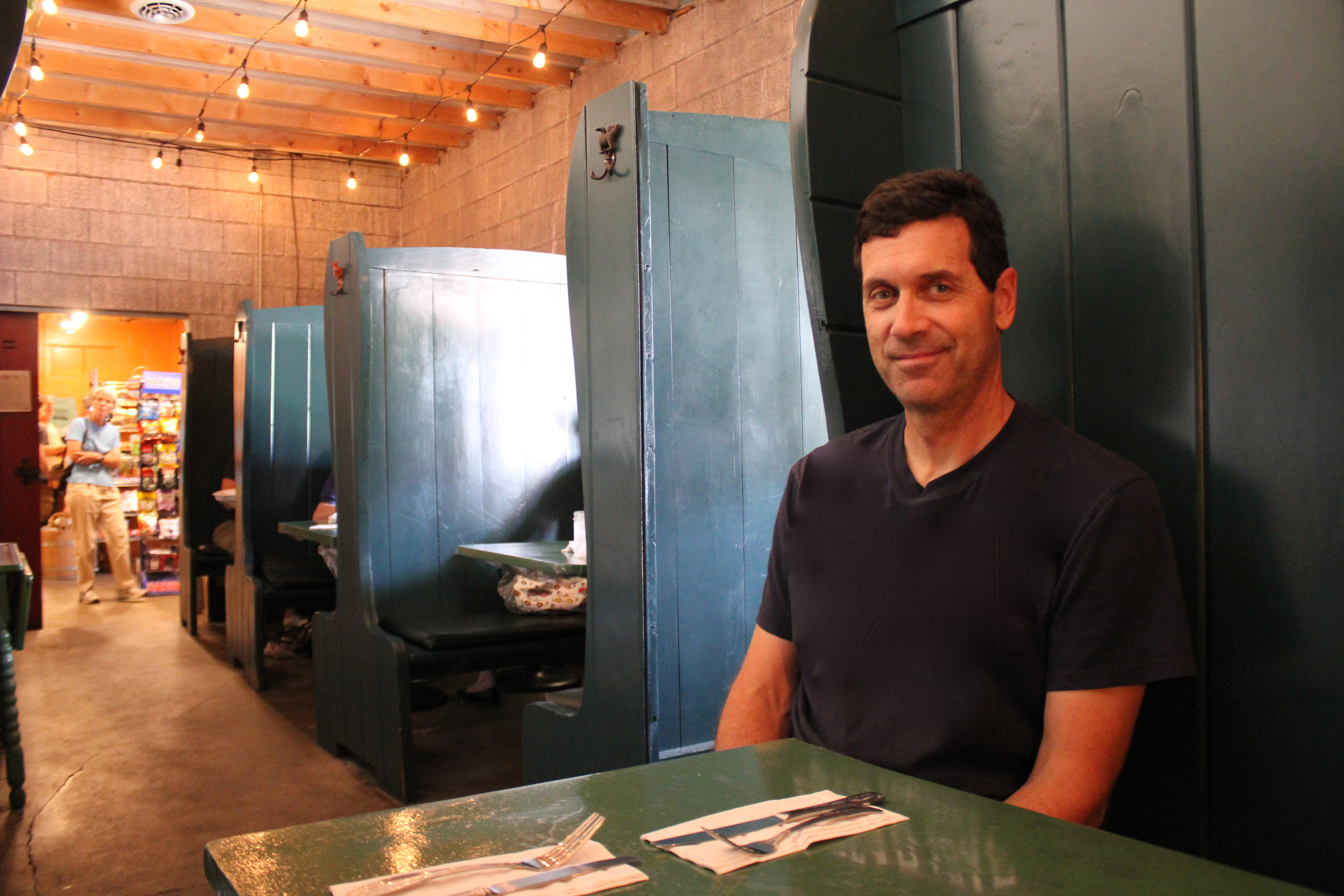
It’s no secret. You might have to wait a while.

IMG_0368

Sunny day display at Owl’s Head State Park.

A group of enthusiasts, no doubt, cruising the coast.

IMG_0442


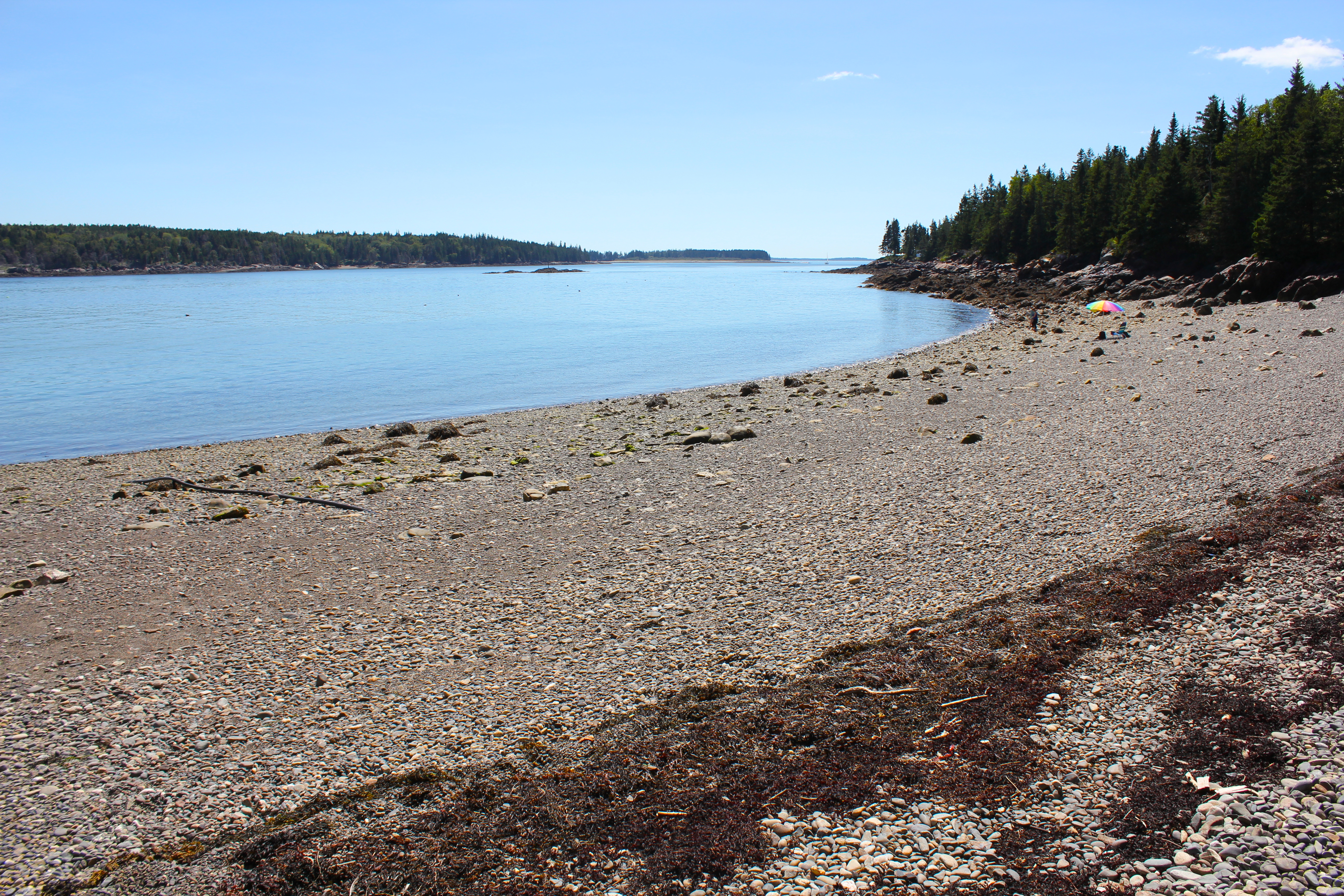
Our rainbow beach umbrella, propped up with rocks.

Lovely loneliness.


IMG_0453

Along the tide’s edge, there is an underwater world to obsess over

as you stand in Penobscot Bay

and never notice how cold the water is.

IMG_0451

IMG_0471


The Princess and the Pea*ce.

If you’ve ever wondered whether or not royal blood pumps through your veins, try this: wander the earth for days and days in the rain until you find a castle where a prince and/or a princess lives with a dad (the king) and/or a mom (the queen). Or two dads as kings or two queens as moms. Or the dads can be moms and the queens can be kings.

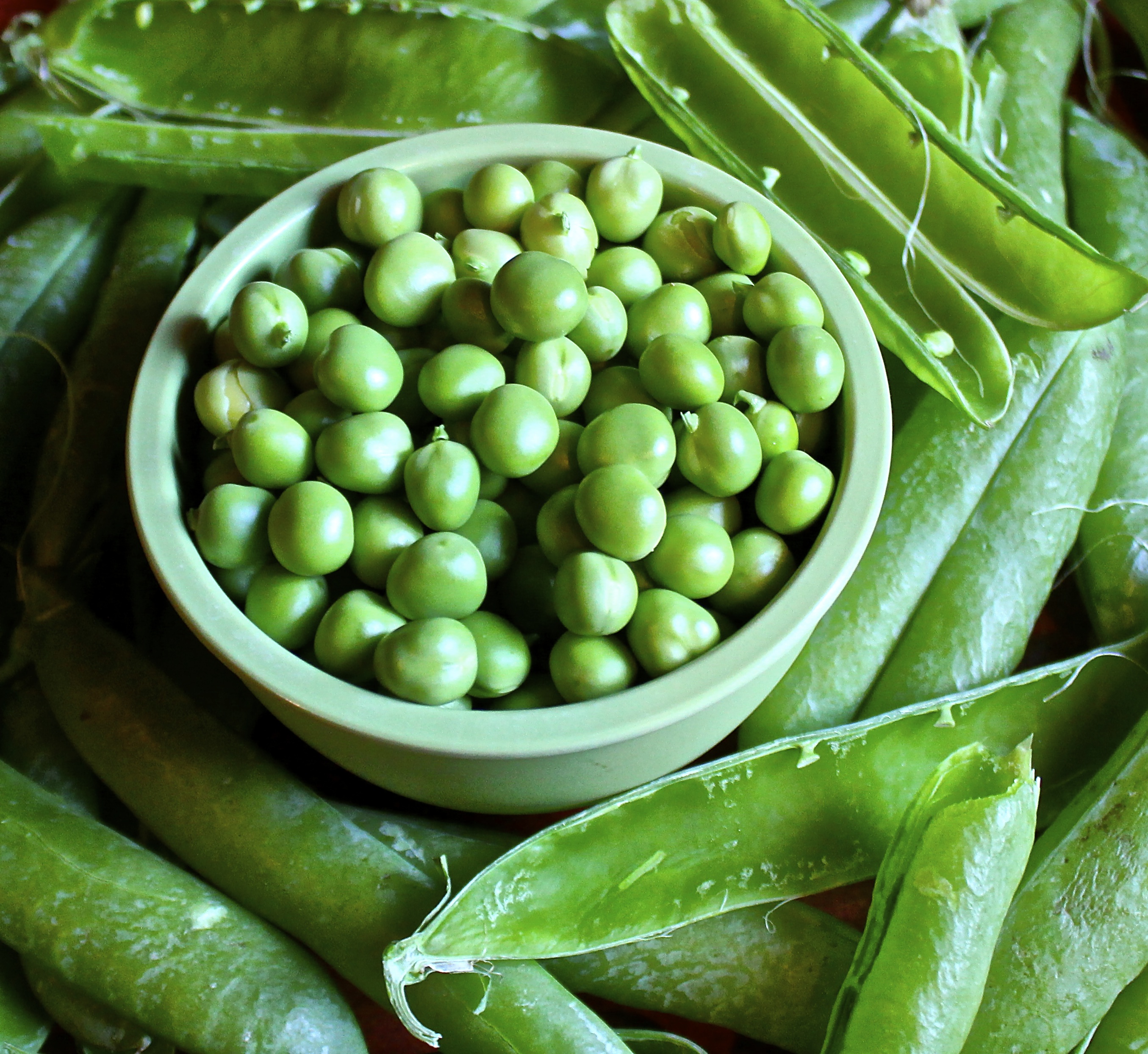
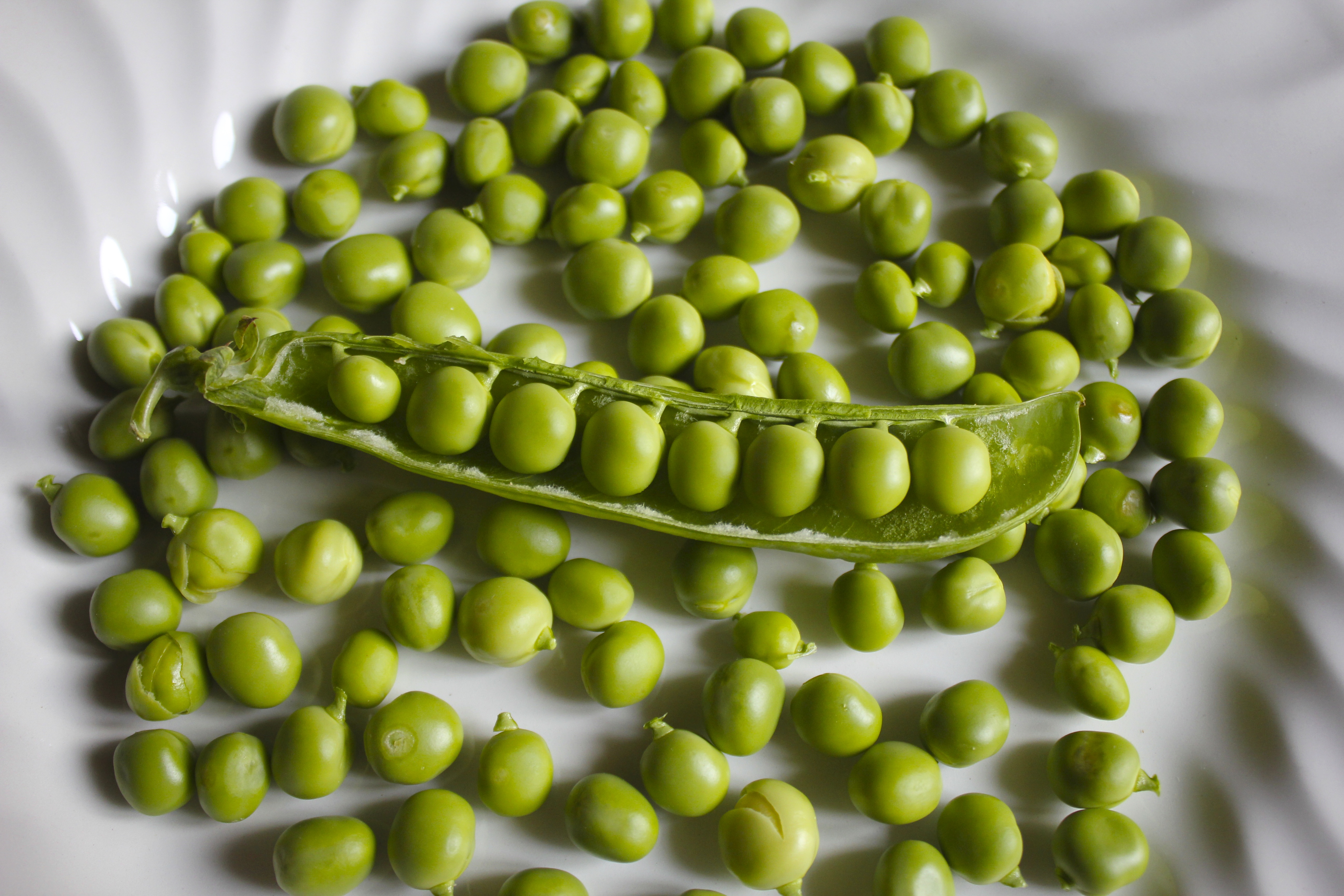
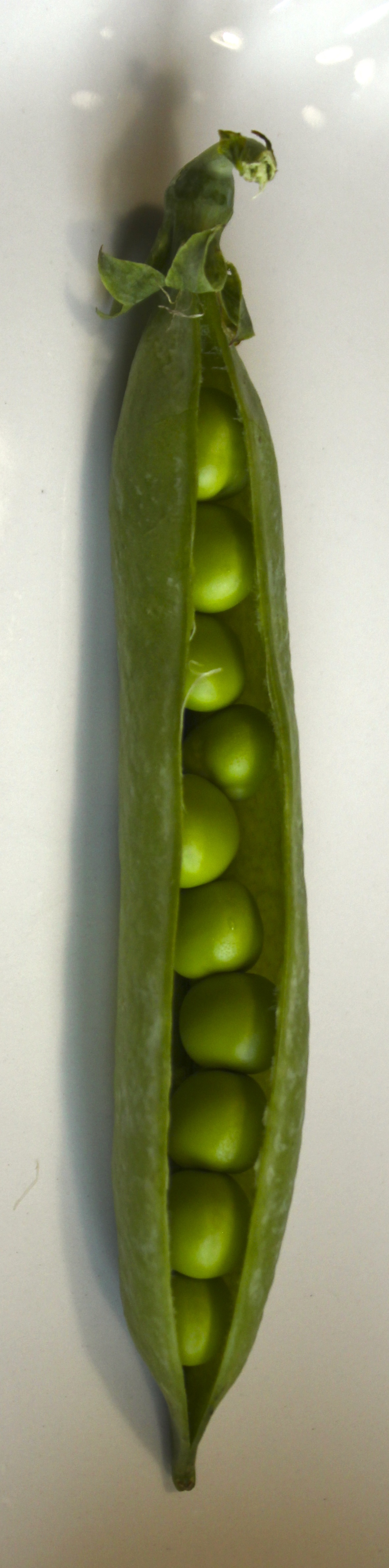
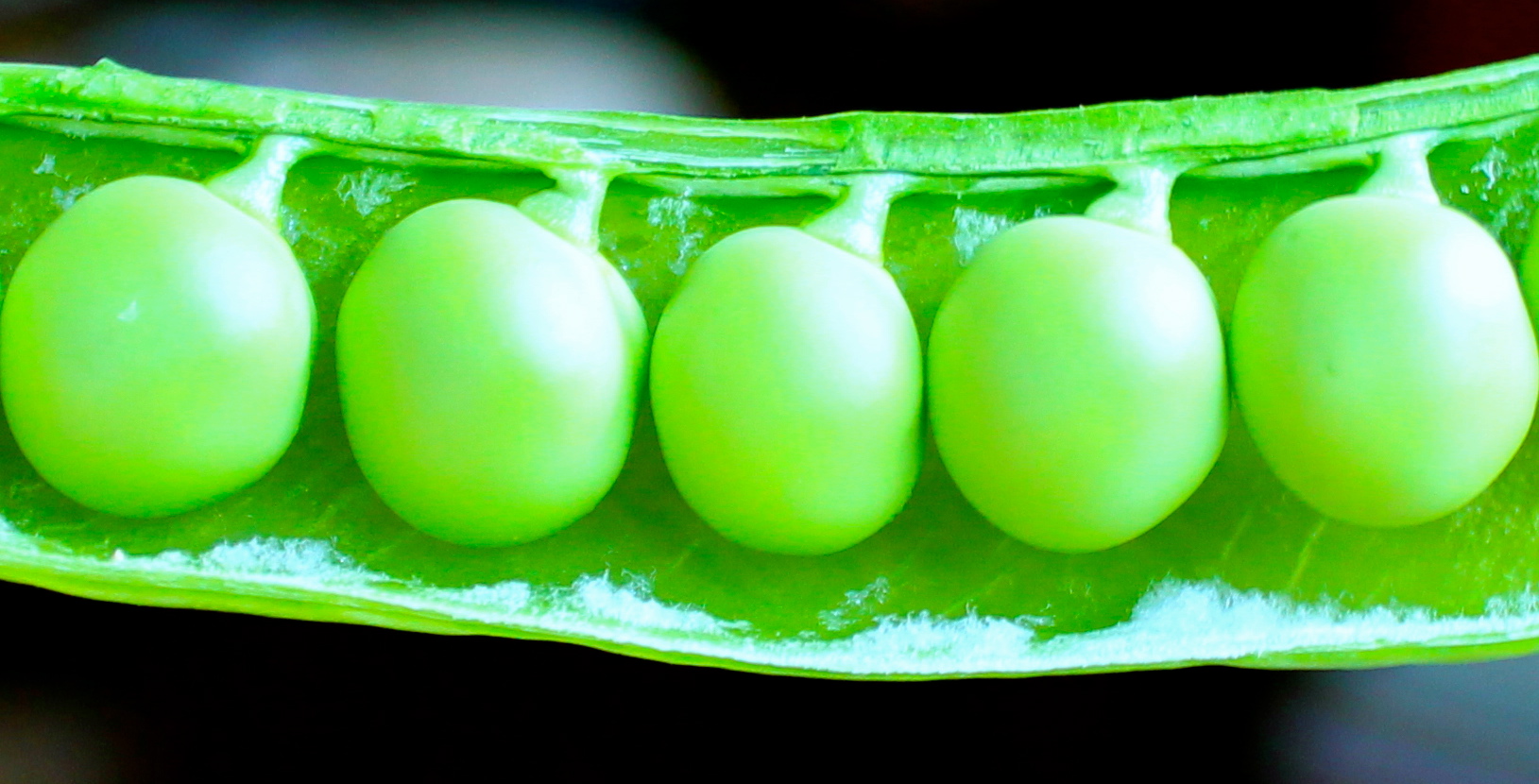
Knock on the door, introduce yourself, and say that you are so exhausted you’d appreciate a warm, dry bed with a fresh pea under the pillow. If you wake up the next morning with a pounding headache, chances are someone in the castle put a frozen pea under your pillow, not a fresh one.

IMG_5845

At the breakfast table, ask a simple question. Did someone put a frozen pea under my pillow last night?

If this question causes the castle dwellers to drop their tea cups onto their eyefones and crack the selfie screens they use to put their pictures on the app Cinder, (which helps people find a real prince and/or a real princess), brace yourself. Someone is going to pop a gasket and say: How dare you suggest we believe in frozen peas in this castle!

Ask the next question. I woke up with a wicked bad headache and that never happens when I sleep with a fresh pea under my pillow. Did someone put a stone under my pillow?

Now you’ve done it. Hold up a piece of toast to shield your face from the spray of saliva aimed right for you when they sputter, collectively: Are you calling us stoners?

Keep your composure and say: Okay then. Does anyone know the answer to this question: Is a pea a vegetable or a fruit?

If everyone starts to laugh, offer to prepare a peas-ful dinner for later in the day.

********

IMG_5843

This blog post and the recipe that follows were inspired by a dull day of wandering around all the way over to the local farm where a pile of fat pea pods looked really good. I bought about 30 of the plumpest pods. I bought two ears of fresh corn. I bought some okra. I bought tomatoes from Maine.

IMG_5852

I took everything back to my castle. (And really wished it would rain. We need rain!)

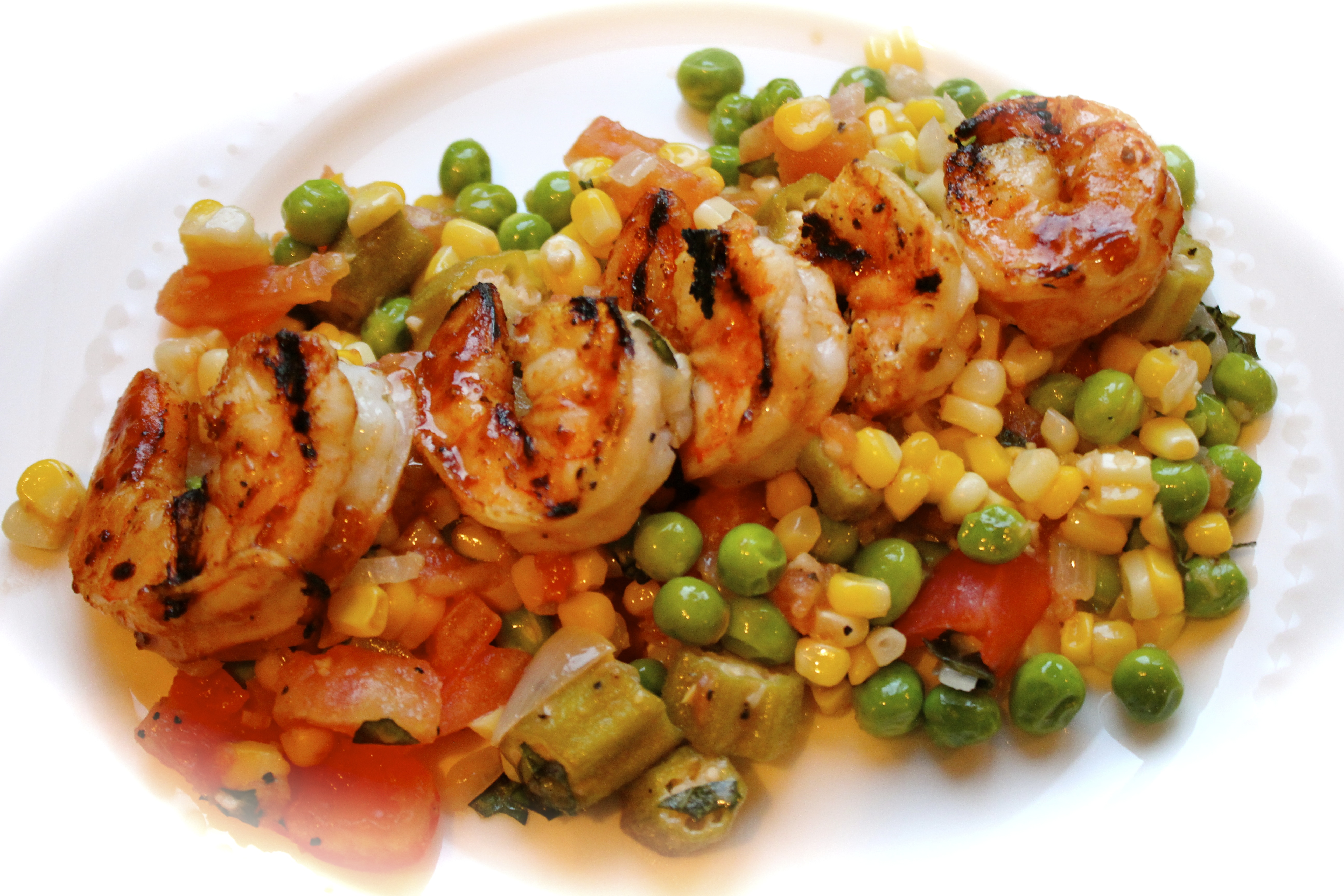
The plan: Cook some form of succotash. Pile it onto a plate. Rest a skewer of barbecued shrimp on top. (Using Dinosaur Bar-B-Que Wango Tango Habanero HOT Bar-B-Que Sauce.)

Here’s the recipe, for use during the season of FRESH peas:

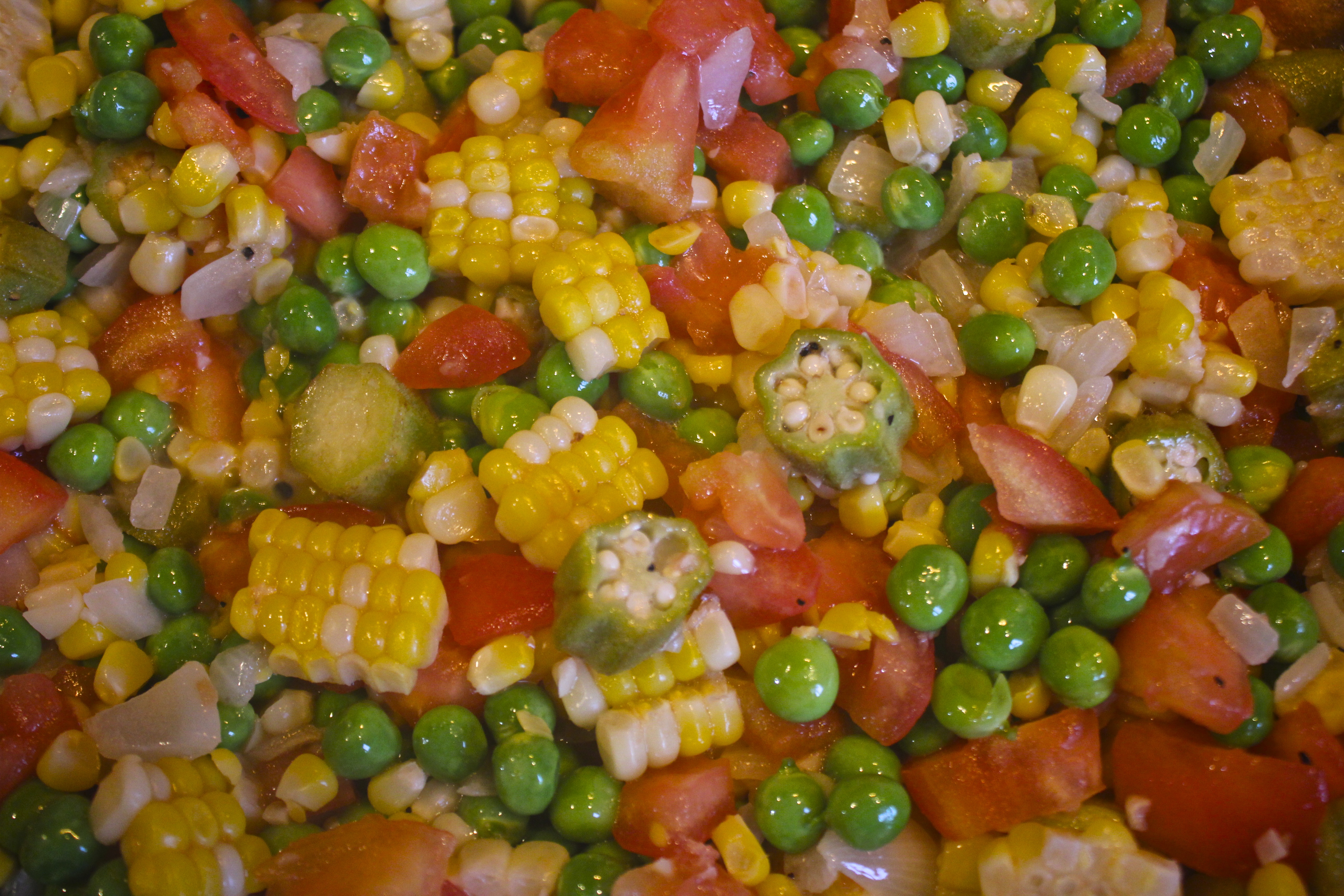
SUFFERIN’ SUCCOTASH

Saute FRESH peas in butter or olive oil with chopped onions and garlic.

Saute fresh peeled and chopped tomato with okra sliced into half inch pieces. (Drop tomatoes in boiling water for a few seconds to get the skins to peel off easily.)

Cook fresh corn, then slice the corn off the cob.

Mix all the vegetables together and add seasonings of salt and pepper and a teaspoon of sugar with a tablespoon of cider vinegar. (Or something like that or other seasonings you like.)

Add fresh chopped or hand-torn basil.

Barbecue some shrimp. Put the shrimp on the succotash.

My husband and I loved the meal. It was a great alternative to serving fish over rice. (We ate the leftovers the next day with grilled salmon on top.) My husband had never tasted a fresh pea, raw or cooked, in his life!

********

IMG_5859

IMG_5860

IMG_5840

IMG_5848

IMG_5837

********PEAS BE WITH YOU********

Twenty Fun.

Do you remember when you believed reindeer could fly?

Close your eyes.

It’s nighttime.

The night is so big. The cold is so warm. The snow falls and falls and falls.

Every snowflake is smiling.

The reindeer appear in rainbowed arcs from another side of the nighttime, flying forth on a trail of shining stars that look as though they are bursting and popping, yet they are as quiet as the gentle swish of a salamander’s tail.

The reindeer land in your backyard. Their coats of brown fur glisten in moonshine that smells like fresh honey and tastes like bright yellow.

Shiny-belled harnesses ring—winter’s own music—a thousand joyful nightingales singing Christmas carols.

Majestic antlers reach almost as high as your bedroom window where you are watching from the second floor of your home. Everyone else is fast asleep.

The reindeer stamp their hooves deep into the snow, jingle their bells, and—looking up—find you in your bedroom window, believing.

This gives them the courage to keep flying.

********

IMG_1197

(Photo by Aunt Heidi.)

********

Today is my daughter’s 21st birthday. Twenty Fun she says.

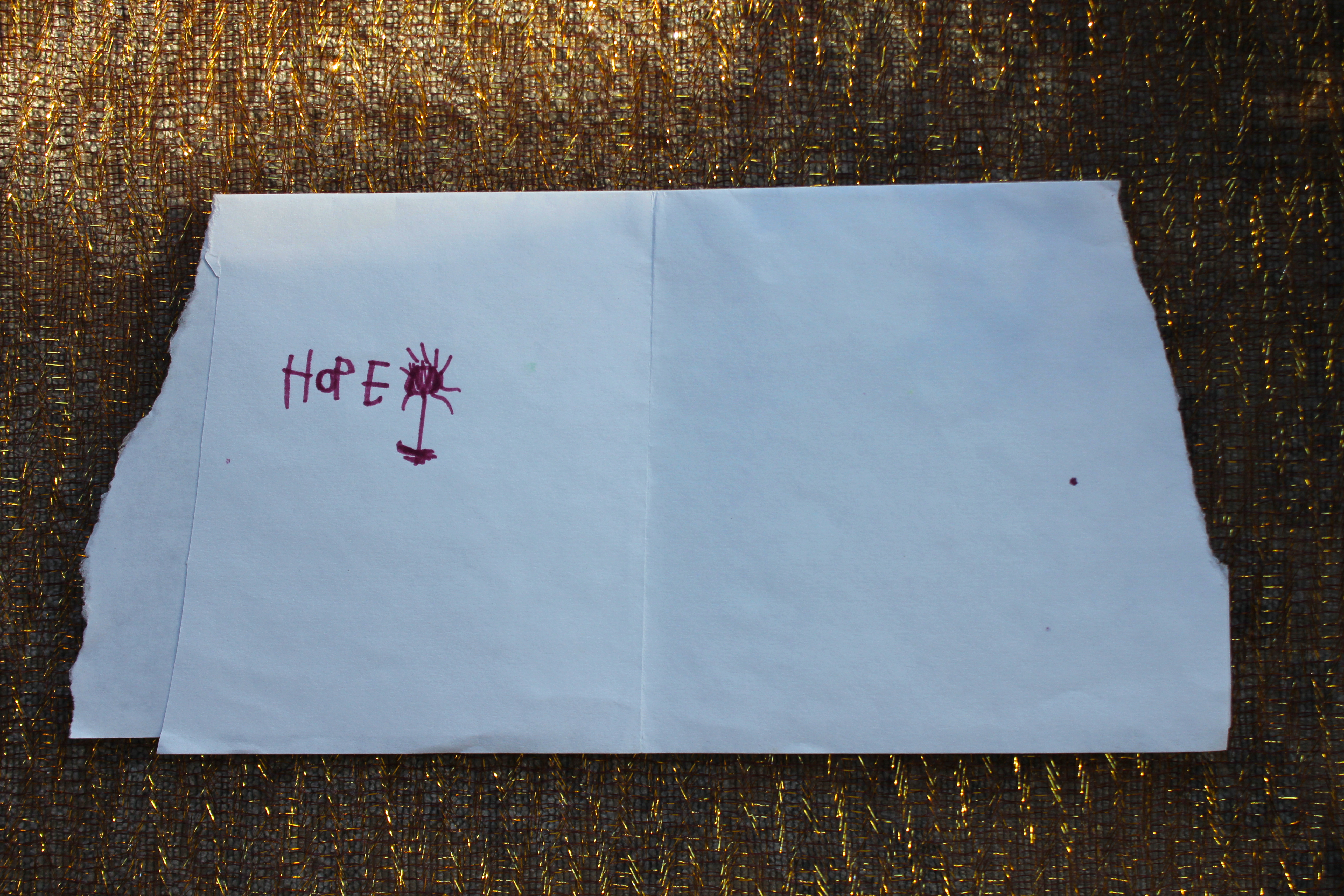
She was born to forever honor and keep special the expansive worlds of childhood play and creativity. She wrote her first manifesto as a toddler and has never doubted her words and all they can accomplish:

IMG_1186

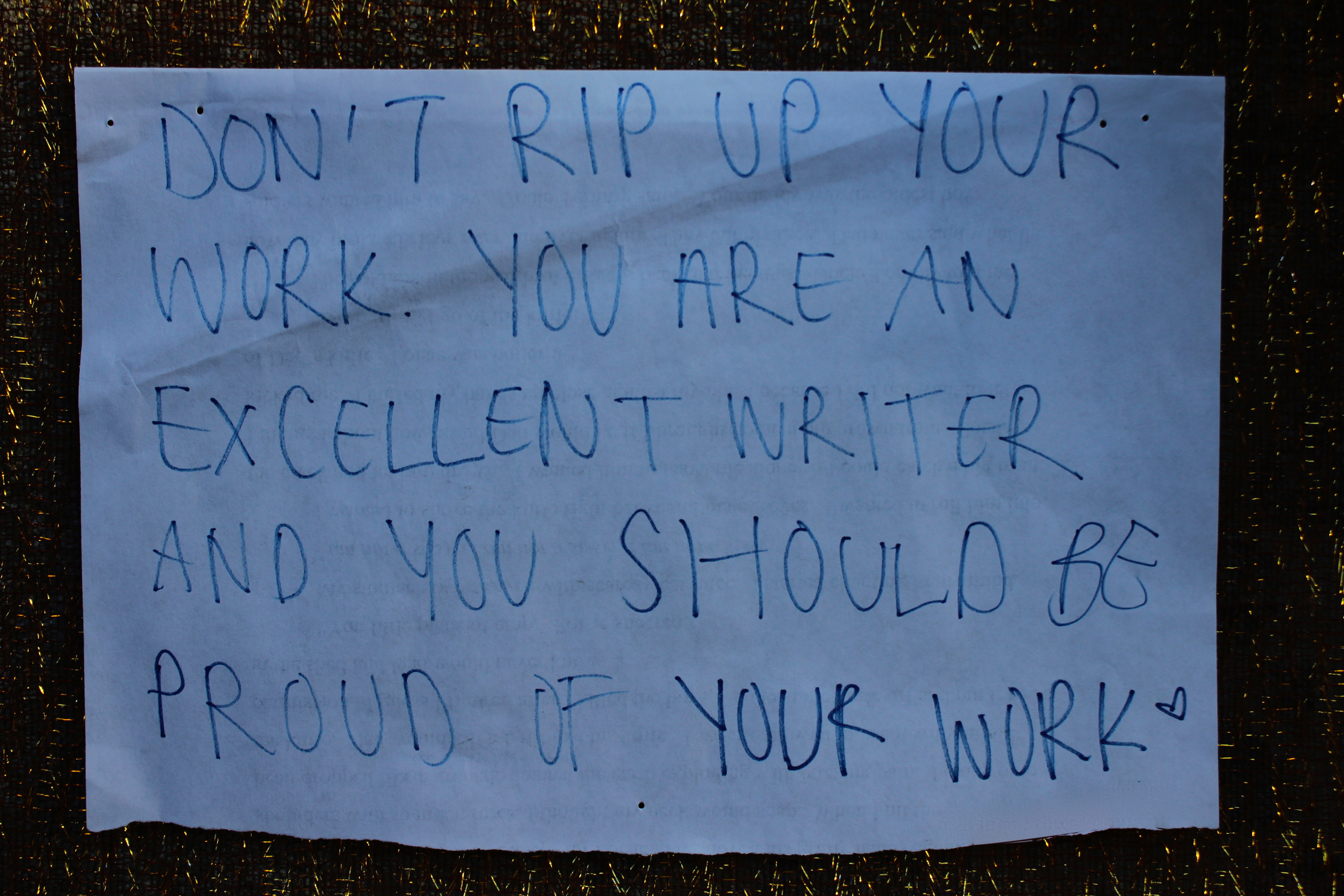
She believes reindeer can fly and she believes in you, too. If you’re having trouble finding your wings, or calming an aching heart, she might cook you an unforgettable meal or leave a note under your pillow or on your desk.

IMG_1187

IMG_1198

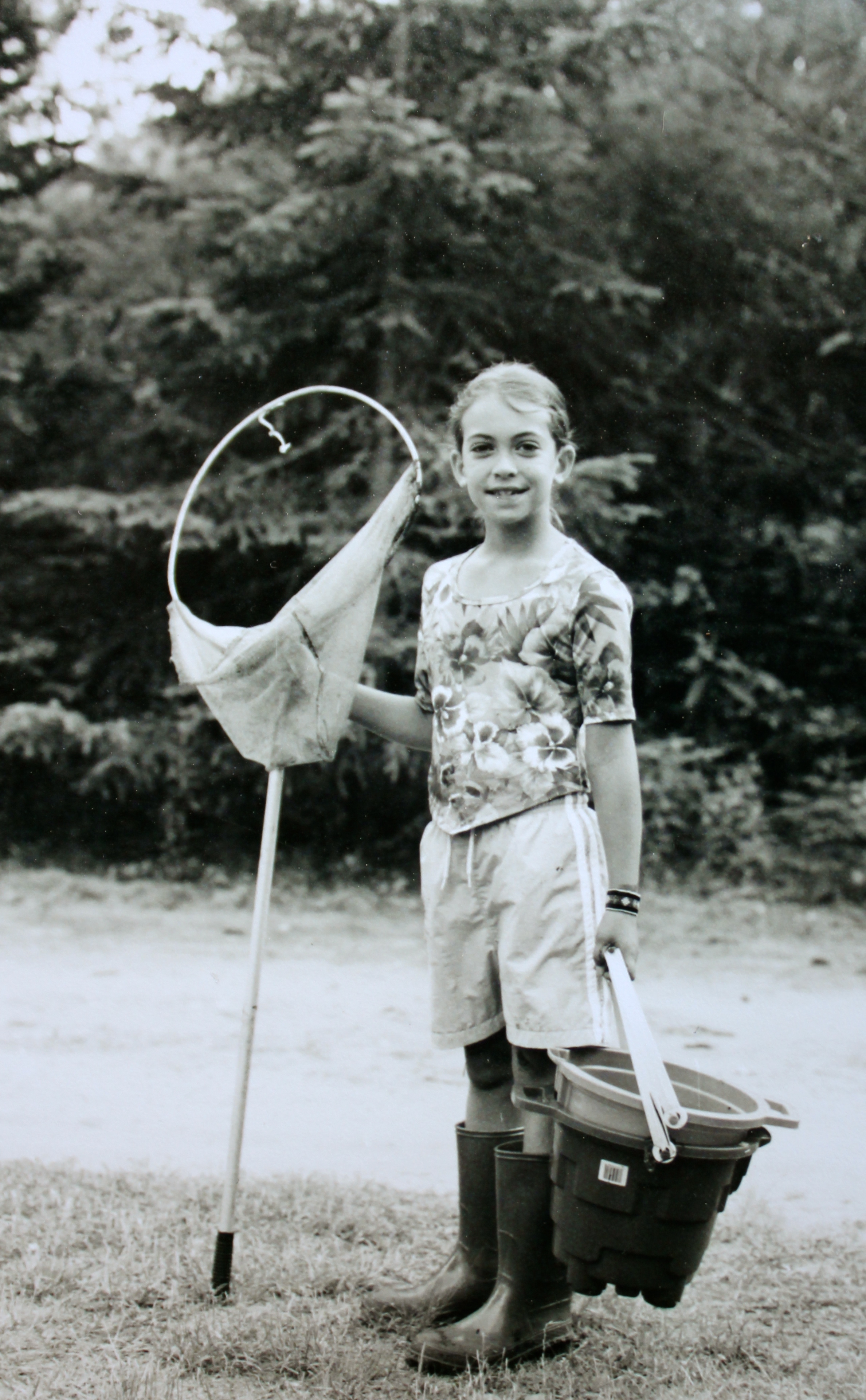
She’ll pick a posy of wildflowers and arrange them just so in a paper cup and place them in the middle of a picnic table. She’ll bring you a butterfly.

IMG_1188

She’ll catch the biggest fish for you. Or the cutest creature colored orange.

IMG_1190

She’ll hike all day in the rain with you. She’ll bake for you. She’ll paint hearts and rainbows.

IMG_1610

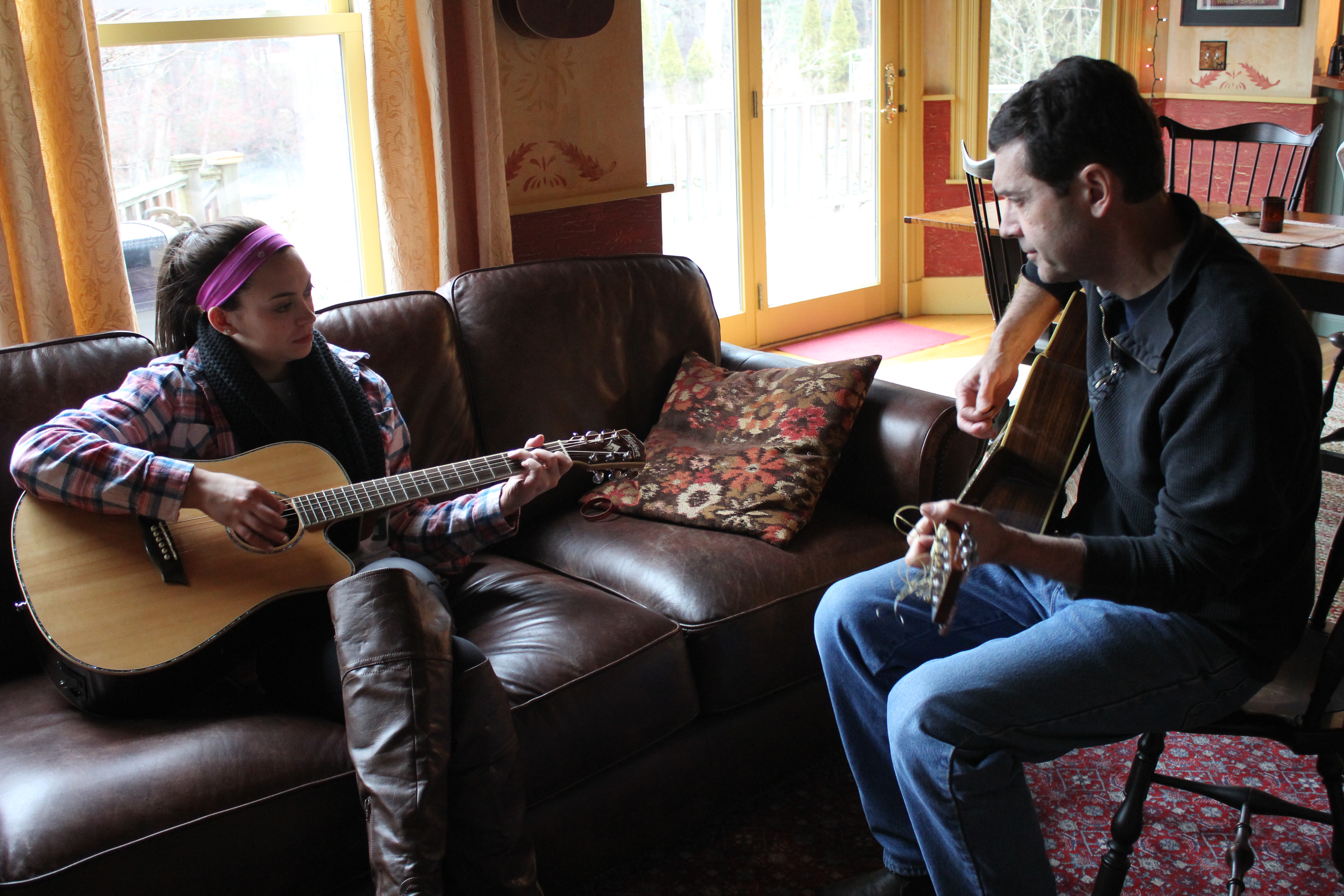
She cheers for the home teams. She plays Christmas carols on the piano. She plays love songs, too, with her boyfriend.

IMG_0925

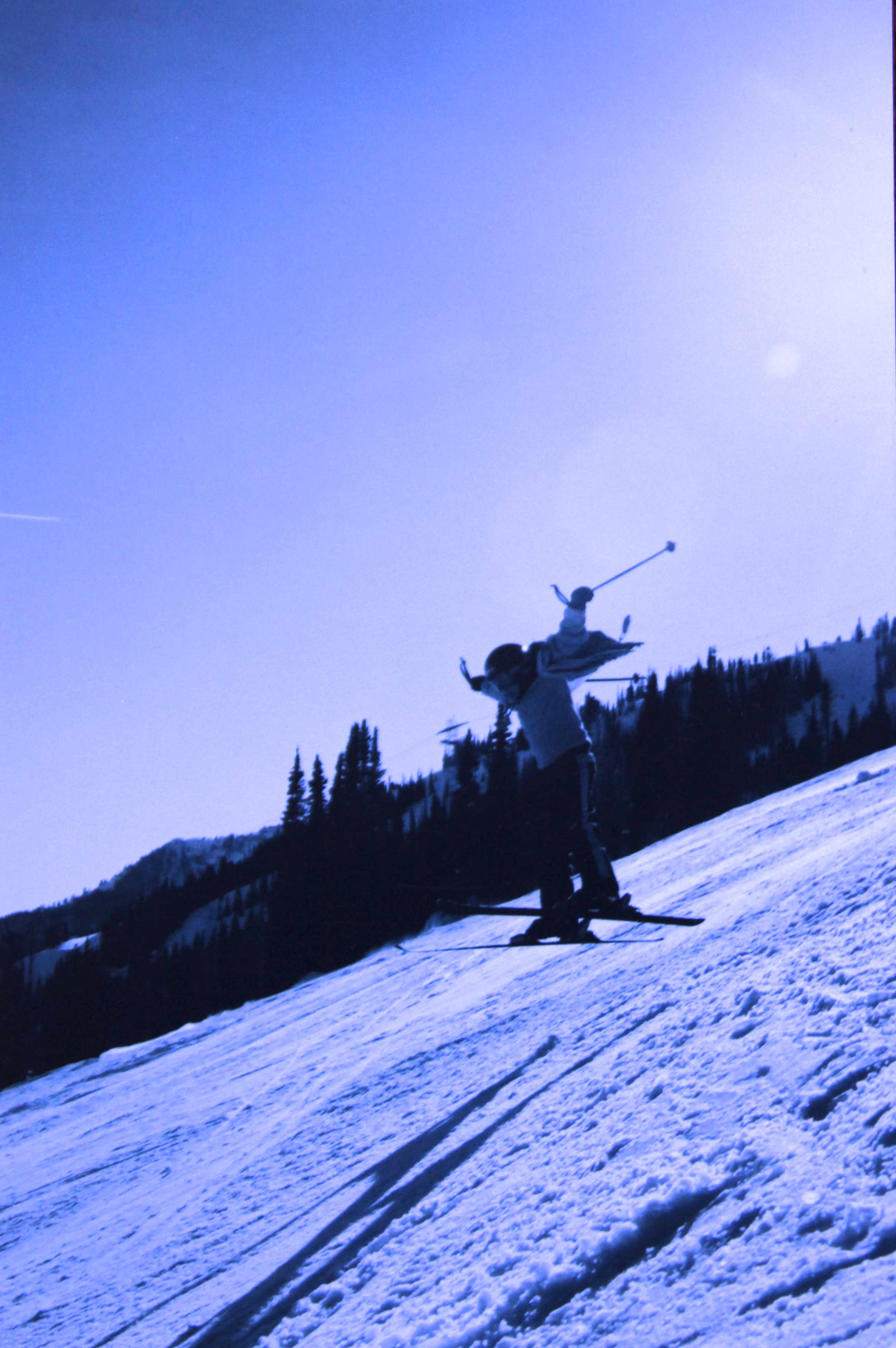
She’ll play board games and watch Disney movies, over and over again until everyone feels like going out for a night on the town, flying around, dressed in princess garb or mermaid skirts or cool boots. Get on your boots. Cowgirl boots. Hunting boots. Ski boots. Big city girl boots.

IMG_1194IMG_1195

IMG_1199IMG_3124

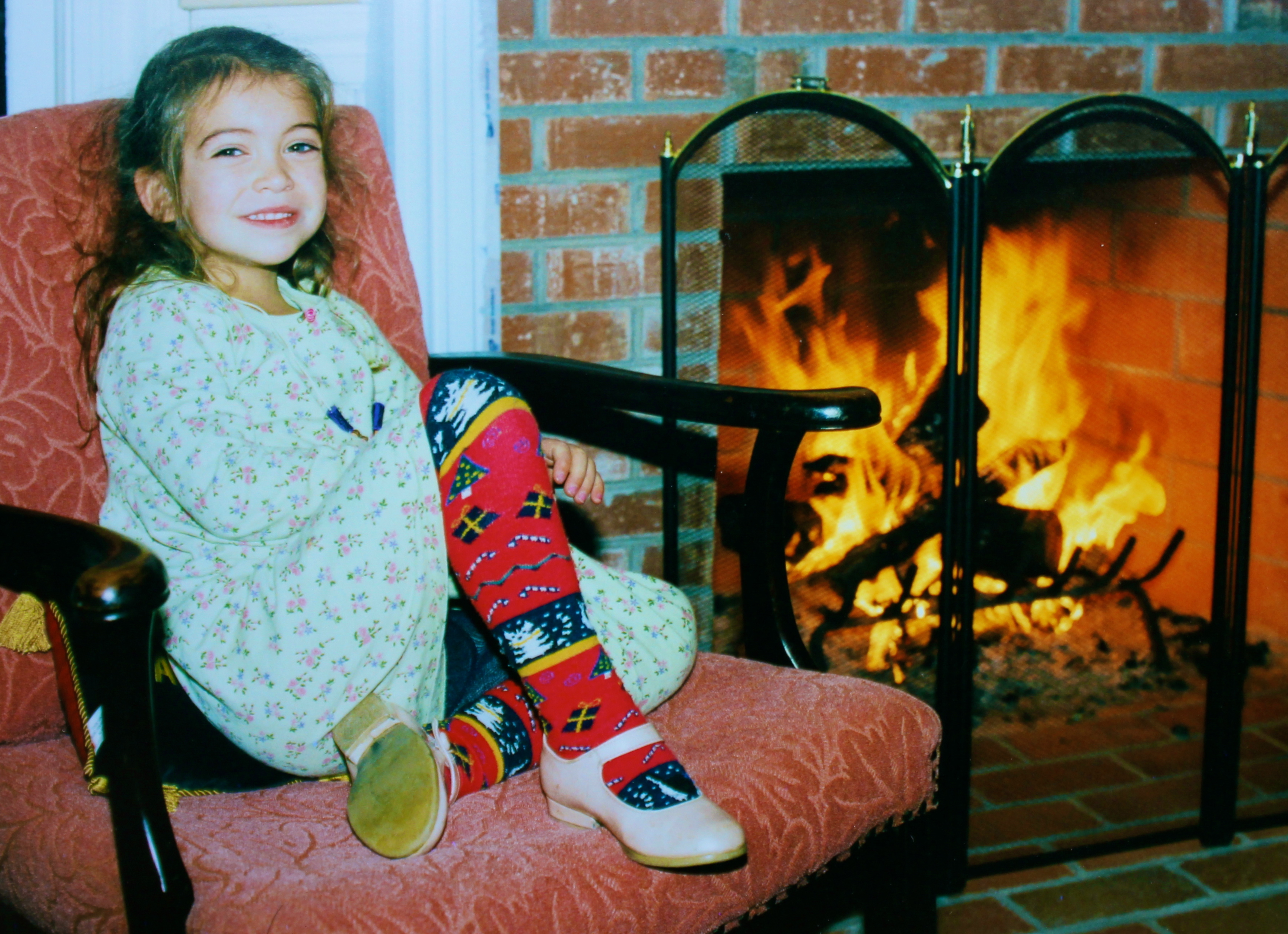
The spirit of party reigns in my daughter’s world. In fact, she has taught me that Party Spirit is the best remedy for the doldrums and the sads. It’s also a necessary component to most every day. When she was a toddler, she would awaken on random days and declare Dress Days. We had to wear dresses all day. You could choose different dresses throughout the day. I was a tomboy mother without dresses in my closet, but I became one fair lady on Dress Days.

The rules for Dress Day were simple. Wear what you want, in whatever combinations you like, all the way down to your shoes, which don’t have to go on a “right” foot.

IMG_1191

********

My daughter taught me to Fling a Little Festive into Everything You Do.

********

Joyce Carol Oates wrote in her essay, “Beginnings,” that the impulse to create is utterly mysterious. “…’art’—originates in play…it remains forever, in its deepest impulse…a celebration of the (child’s?) imagination…”

Oates headlines her essay with a quote from Andre Gide: “I will maintain that the artist needs only this; a special world of which he alone has the key.”

And Charles Baudelaire said: “Genius is no more than childhood captured at will.”

—And one day, recently, when I asked my daughter if she had had a happy childhood, she said:

“I don’t know. It’s not over yet.”

********

Is your childhood over yet? Have you stopped believing reindeer can fly?

Do you love your birthday?

—Or is age something that takes you further and further away from your youth and its attendant genius, instead of delivering you deeper and deeper into those special worlds where only your heart can unlock your own unique perspectives on what’s so wonderful about being alive—and then share them with the rest of us.

My daughter loves her birthday. It’s the one day every year when the party is about the arrival of her world into this world.

Everyone has a birthday. It’s a day better than New Year’s Day for beginnings and celebrations and the sharing of you with all of us.

Do you remember when your lungs drank up that first breath of air before you were plunged into childhood?

Close your eyes. Take a deep breath.

“There is a fountain of youth: It’s your mind, your talents, the creativity you bring to your life and the lives of the people you love. When you learn to tap this source, you will truly have defeated age.” Sophia Loren

Let the breath go. Follow it!

********

Happy Twenty Fun to my daughter! Drink up that first breath again. Keep drinking that energy. Keep playing. Keep sharing the creative genius of your youth.

It never gets old!

IMG_0212

********


Reach Out. Touch.

When my daughter attended preschool, she became friends with a lively classmate from Japan. The friendship was a brief one because her friend’s family moved back to Japan too soon. But what wonderful days our families shared during the time we had together.

The girls were possessed by a happy energy that caused them to leap into each other’s arms over every beautiful little thing that swirled around them. For instance, there was the precious thrill of cute! when my daughter’s pet rabbit gave birth. How carefully the girls snuggled those seven bunnies in their own eager preschool paws, giggling as though the kingdom of childhood and animals had finally come to rule the world.

And what a good time we had whenever my daughter’s friend invited us for lunch at her house. She would greet us at the door and properly instruct us on how to remove our shoes before entering her home. Next, she guided us through customary table manners, none of which restrained the girls from engaging in silly conversations throughout the meal.

When a large group of relatives visited from Japan just before Halloween, my daughter’s friend asked if she could bring them to our house to see our Halloween decorations. It became the first (and only) time I hosted a tourist event in my home. I wasn’t prepared to explain ghouls, tombstones, and spider webs, but polite bows, gentle nods, and cheerful smiles assured me it didn’t matter.

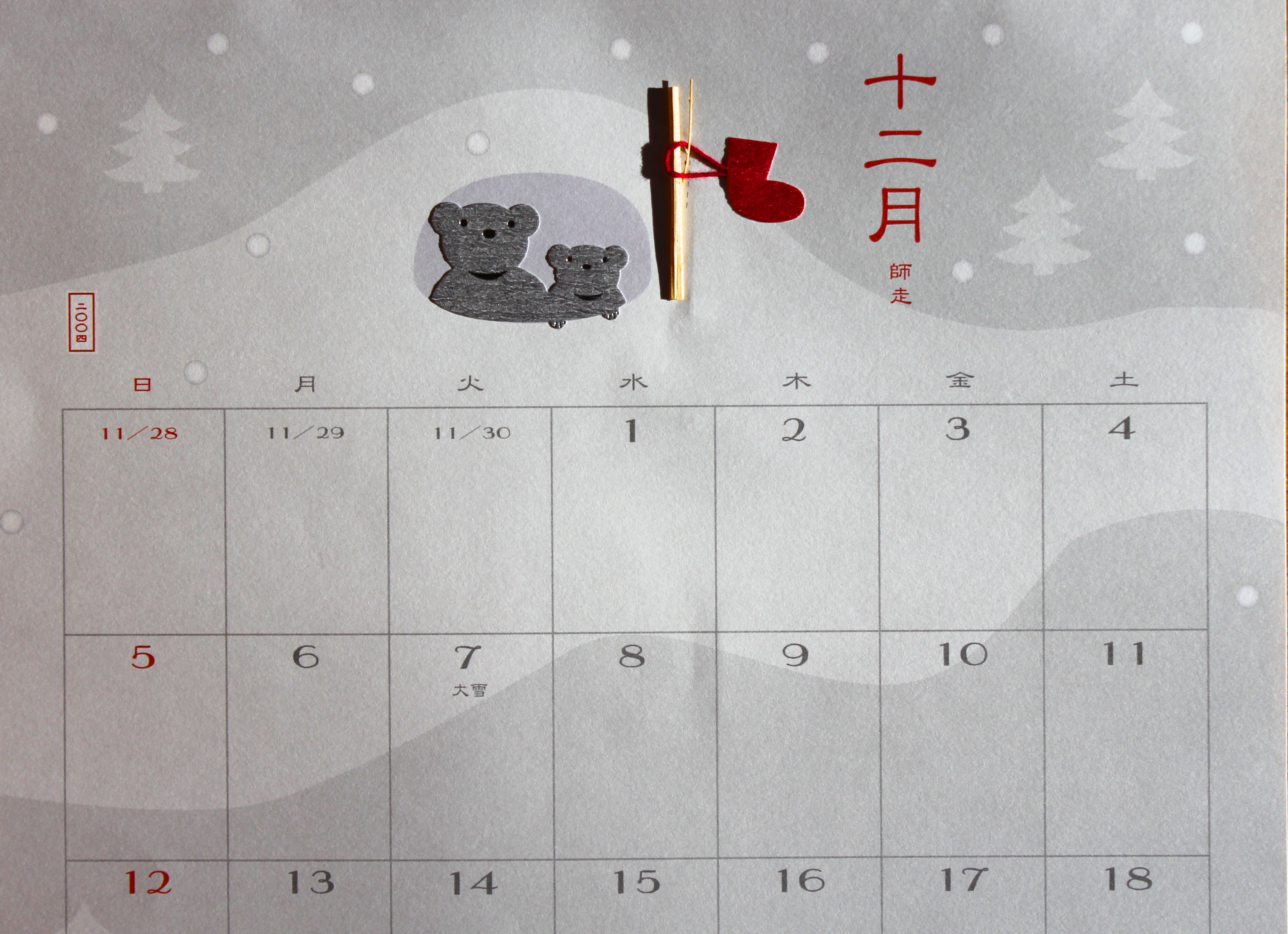
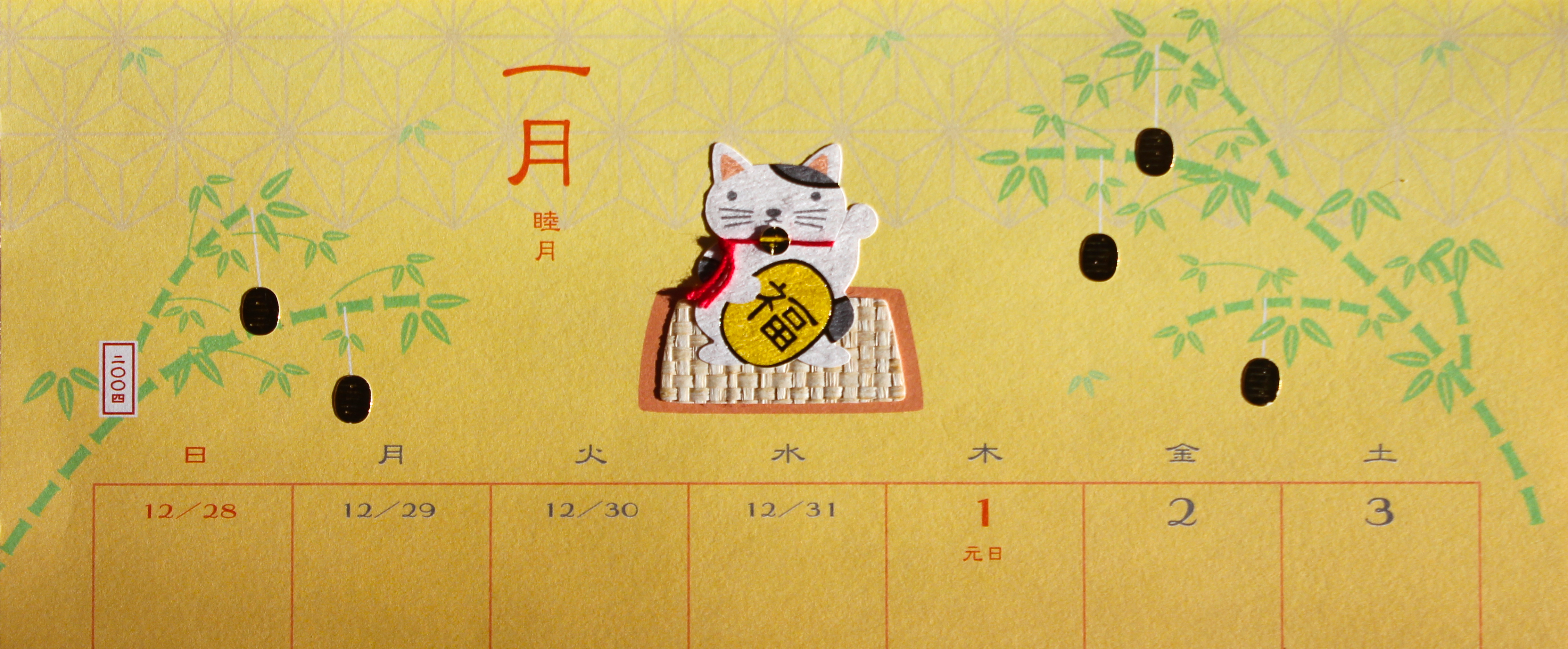
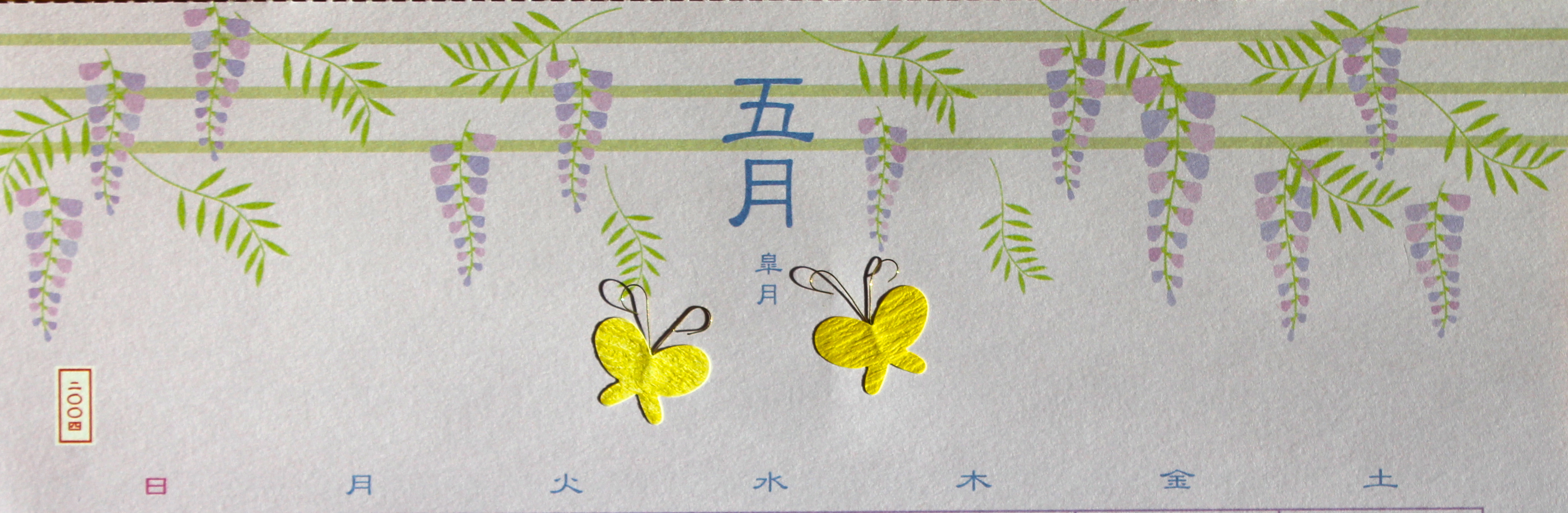
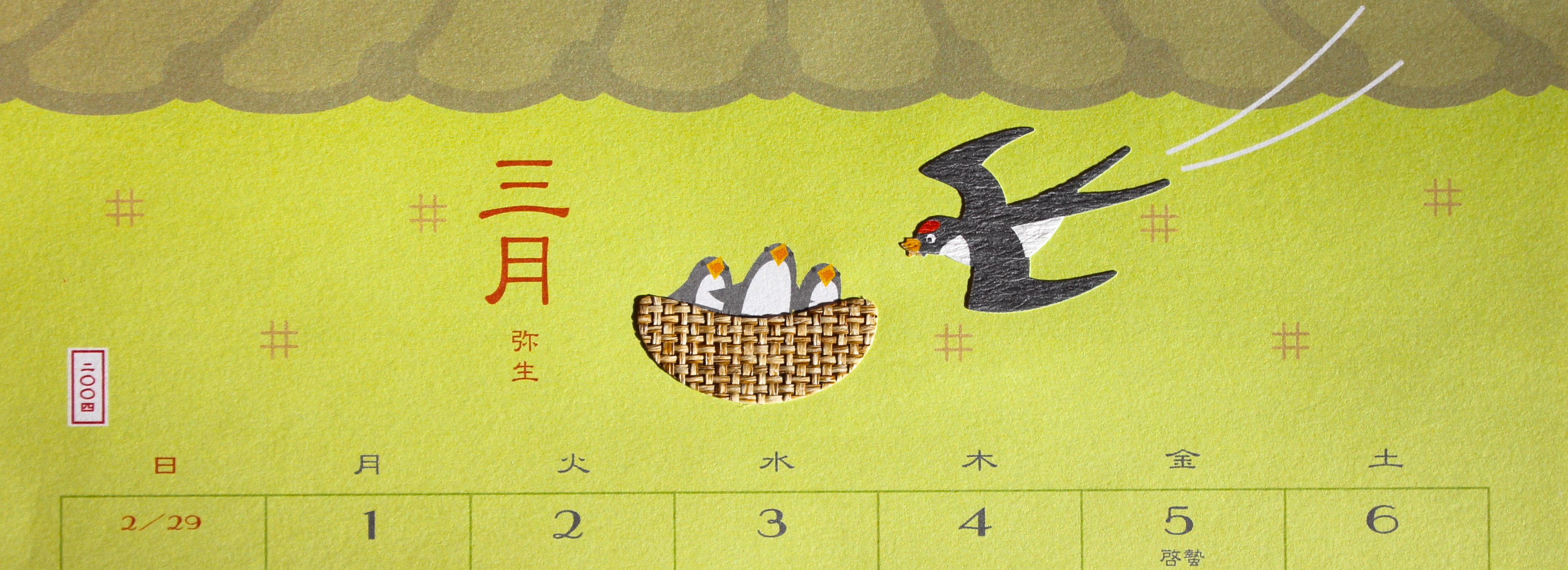
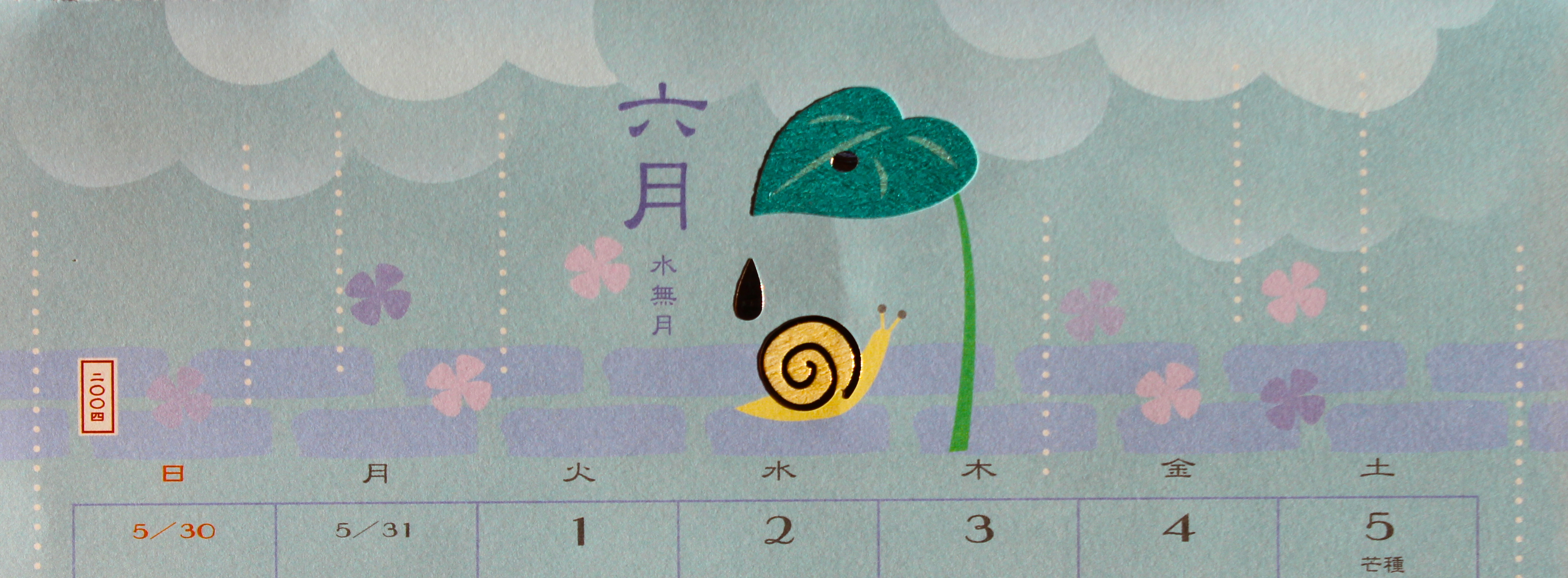
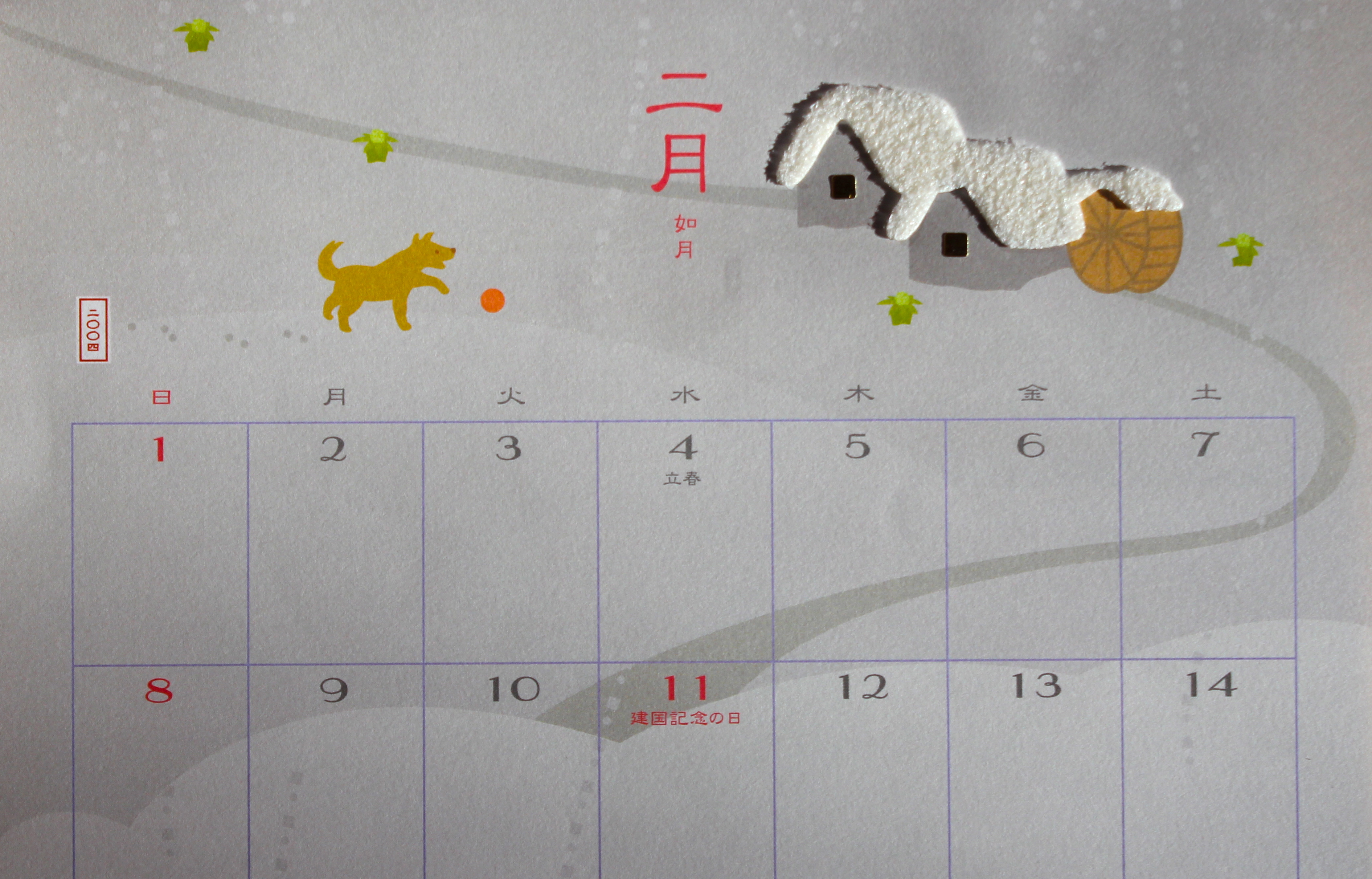
After my daughter’s friend returned to Japan, we received a simple gift at Christmastime. It was a Japanese calendar decorated with enchanting artwork on lovely paper along with some Japanese Christmas treats. I made the treats into ornaments and saved the calendar as a treasured artifact of a special friendship. Photos of my daughter’s friend showed her settled into a new school lined up with her Japanese classmates—all of them dressed in uniform, with matching shoes and socks and hats and backpacks.

********

Through my Filipino maternal grandfather, my family tree branches back into a landscape of Chinese ancestors I am only beginning to discover. I have trained in Korean martial arts, learned how to hand quilt with Japanese women, practiced Sumi-e brush painting with a German master, studied Chinese language, history, anthropology, and politics, and, I have immersed myself in learning the theories and practices of Japanese and Chinese garden design.

For me, Asian art and culture inspires devotions to finding and achieving precious.

I am a disciple of wabi-sabi, which is hard to explain, but you know it when you come upon it or create it. Although wabi-sabi considers the sublime beauty of perfect imperfection, there can be no fooling oneself that Asian art and culture often perfectly presents an illusion of simplicity that has only been achieved after arduous ritual, study, and lifelong practice.

Life is so complicated. And nowadays, due to the vast systems of connectedness that bear in on all of us, we are presented with a steady feed of tragic events as they happen in real time throughout the world. We are never left unaffected, and often forget how the simple act of making friends can lead to more and more good in the world, too.

Art can provide respite, too. And a chance to connect.

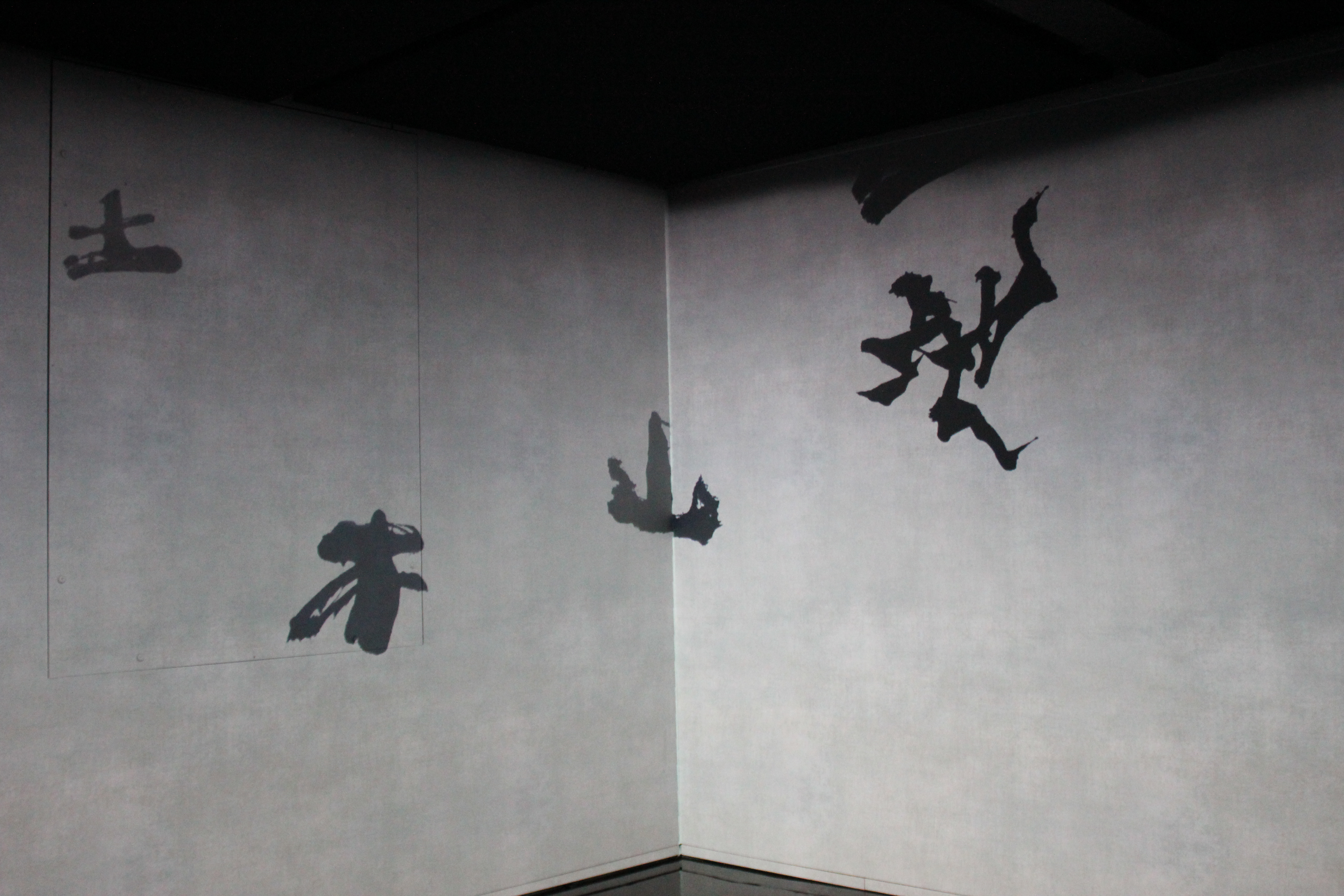
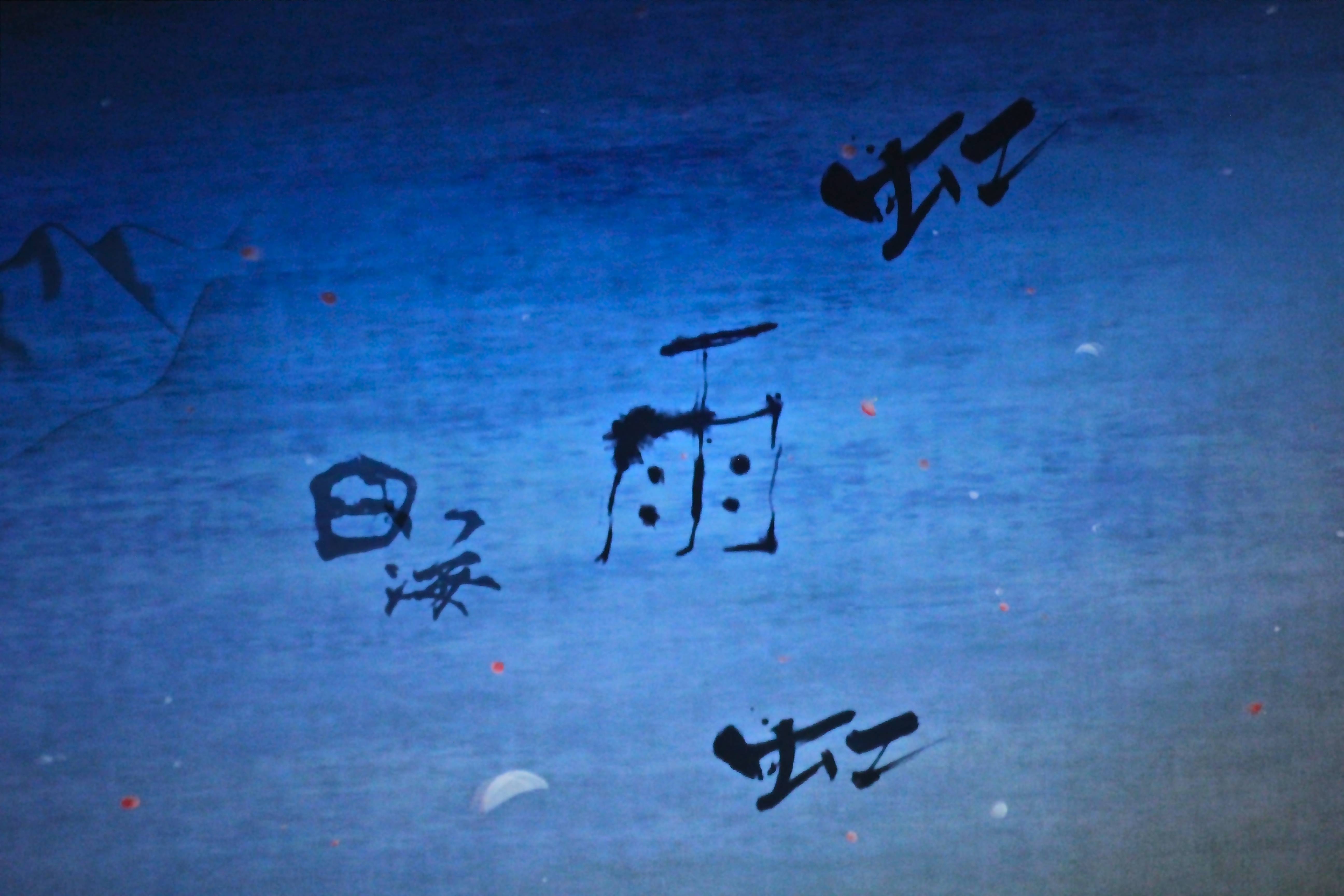
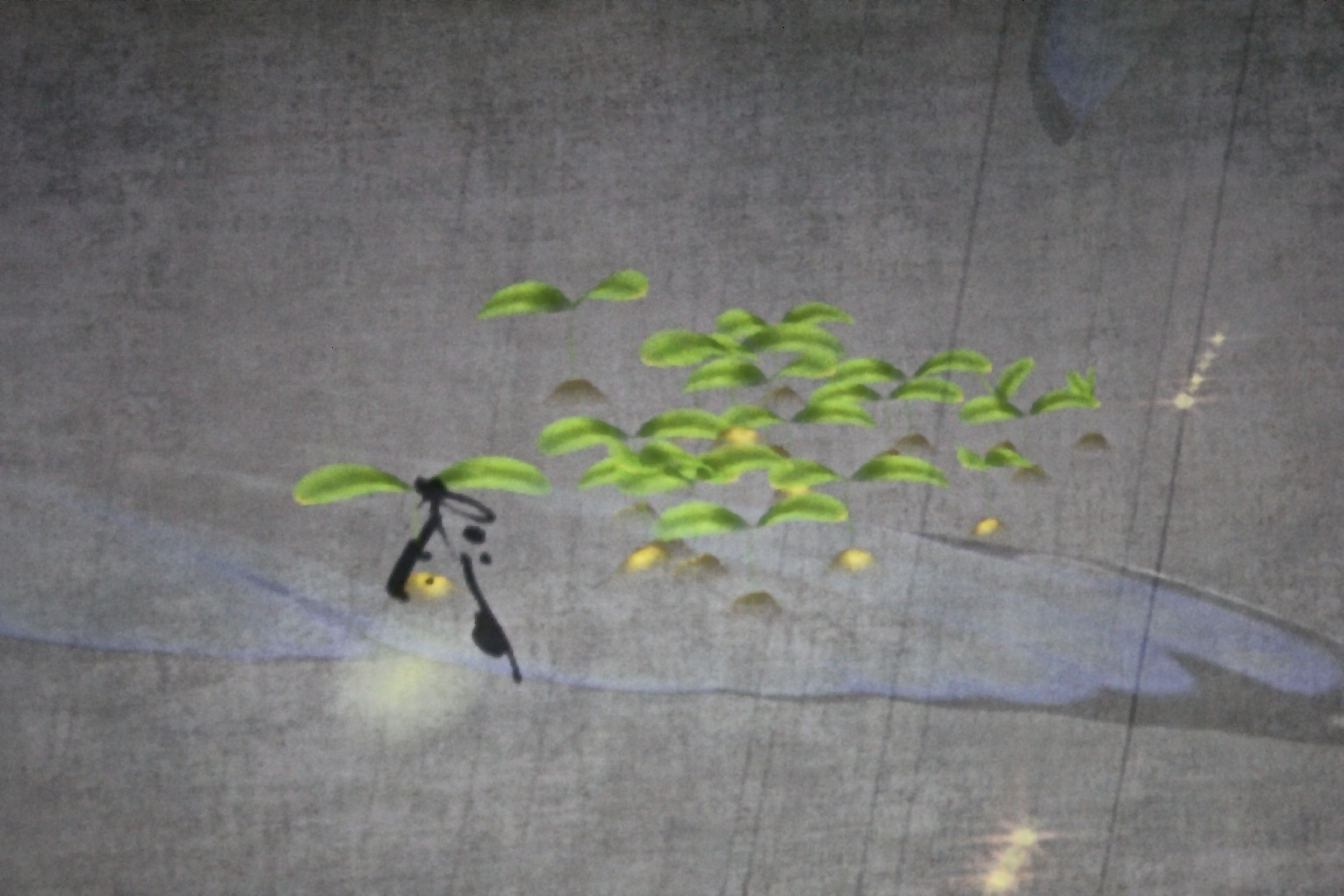
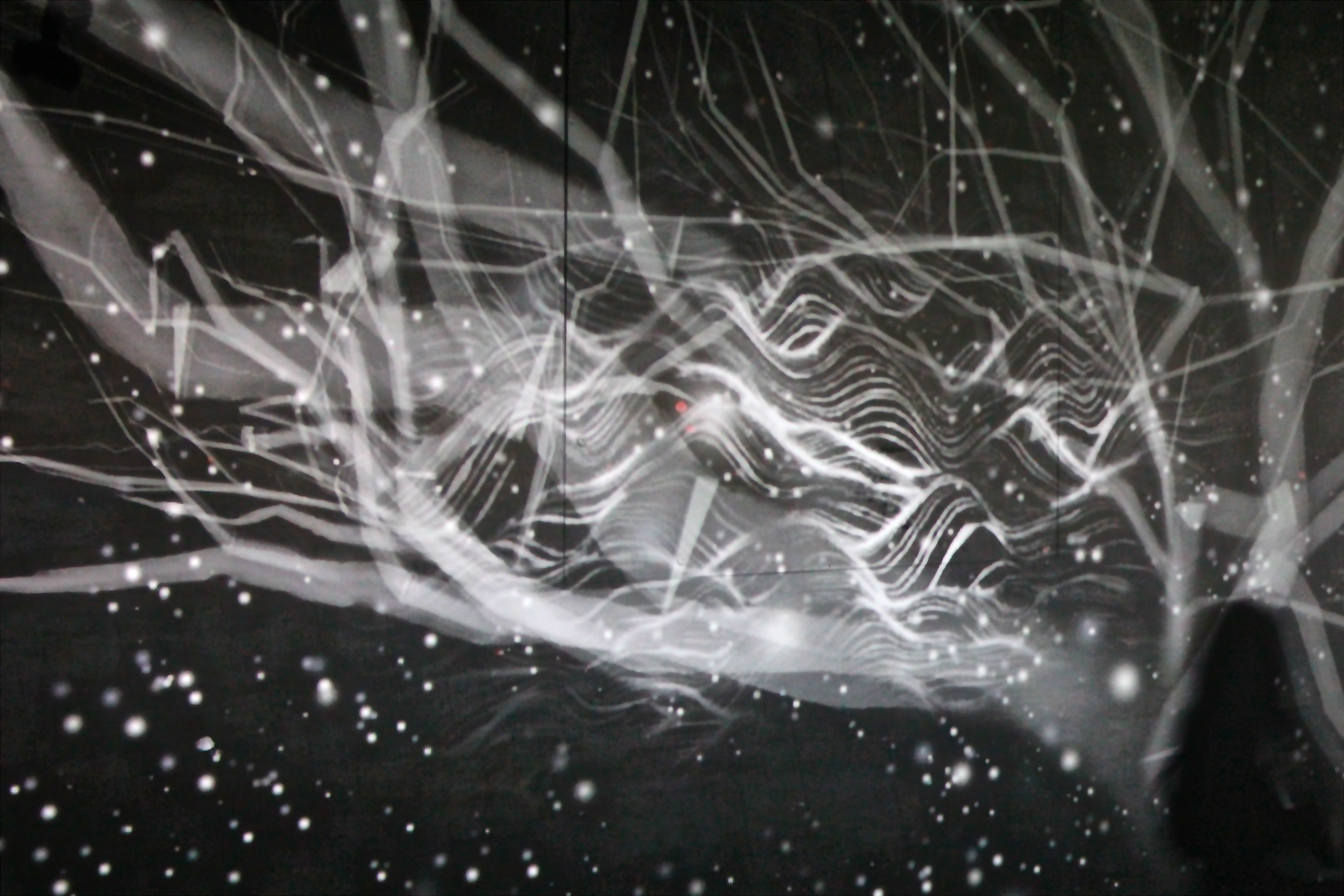
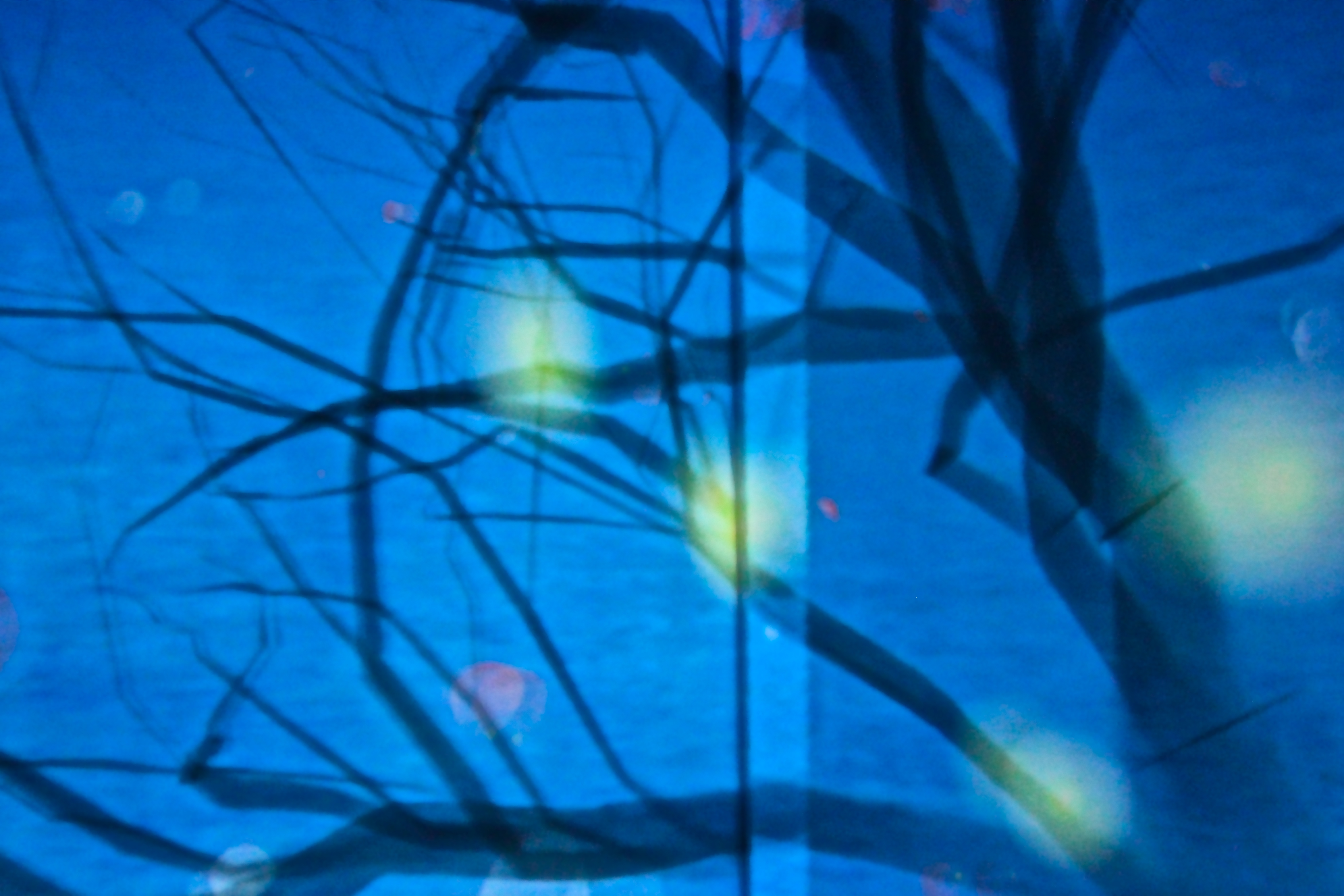
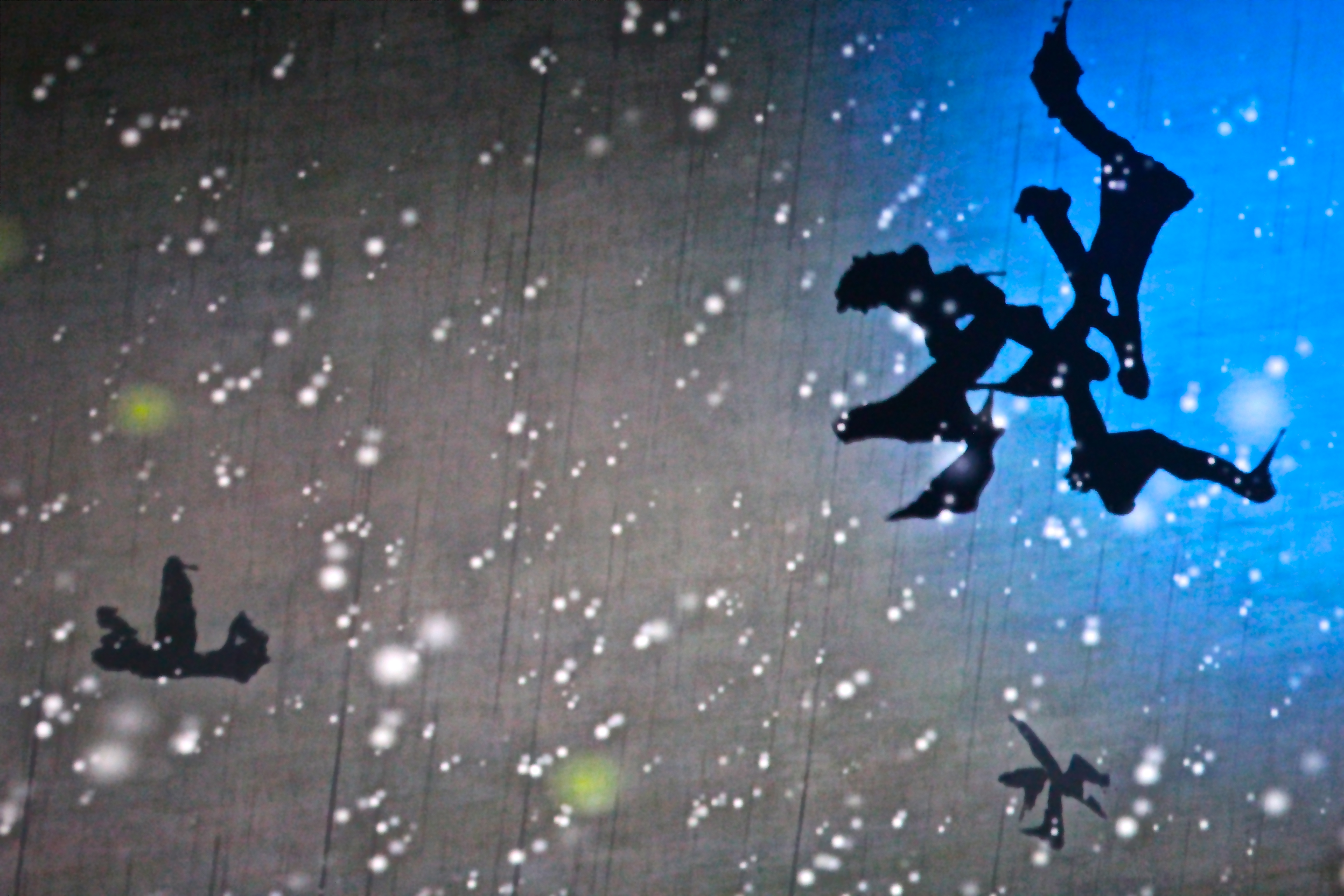
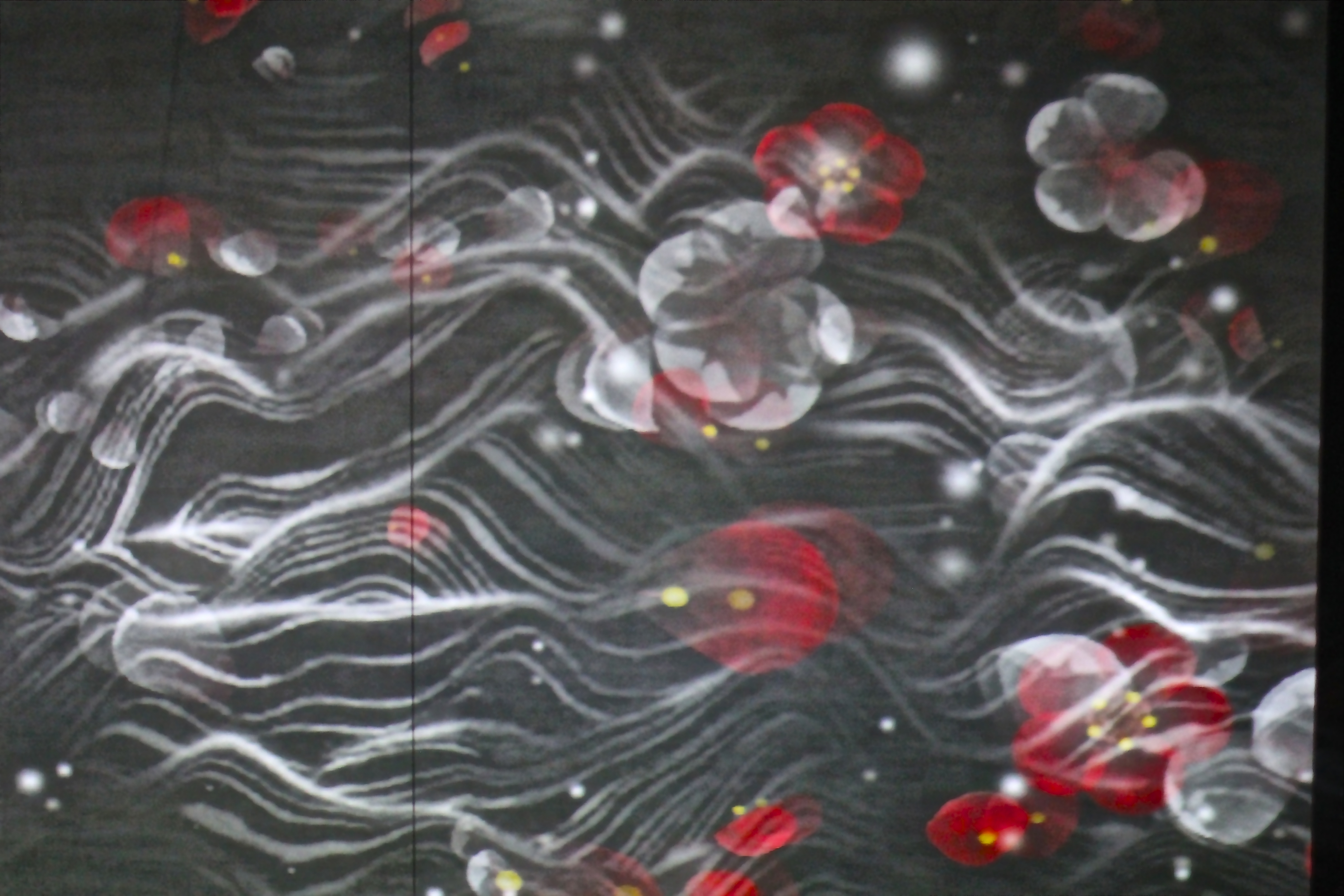
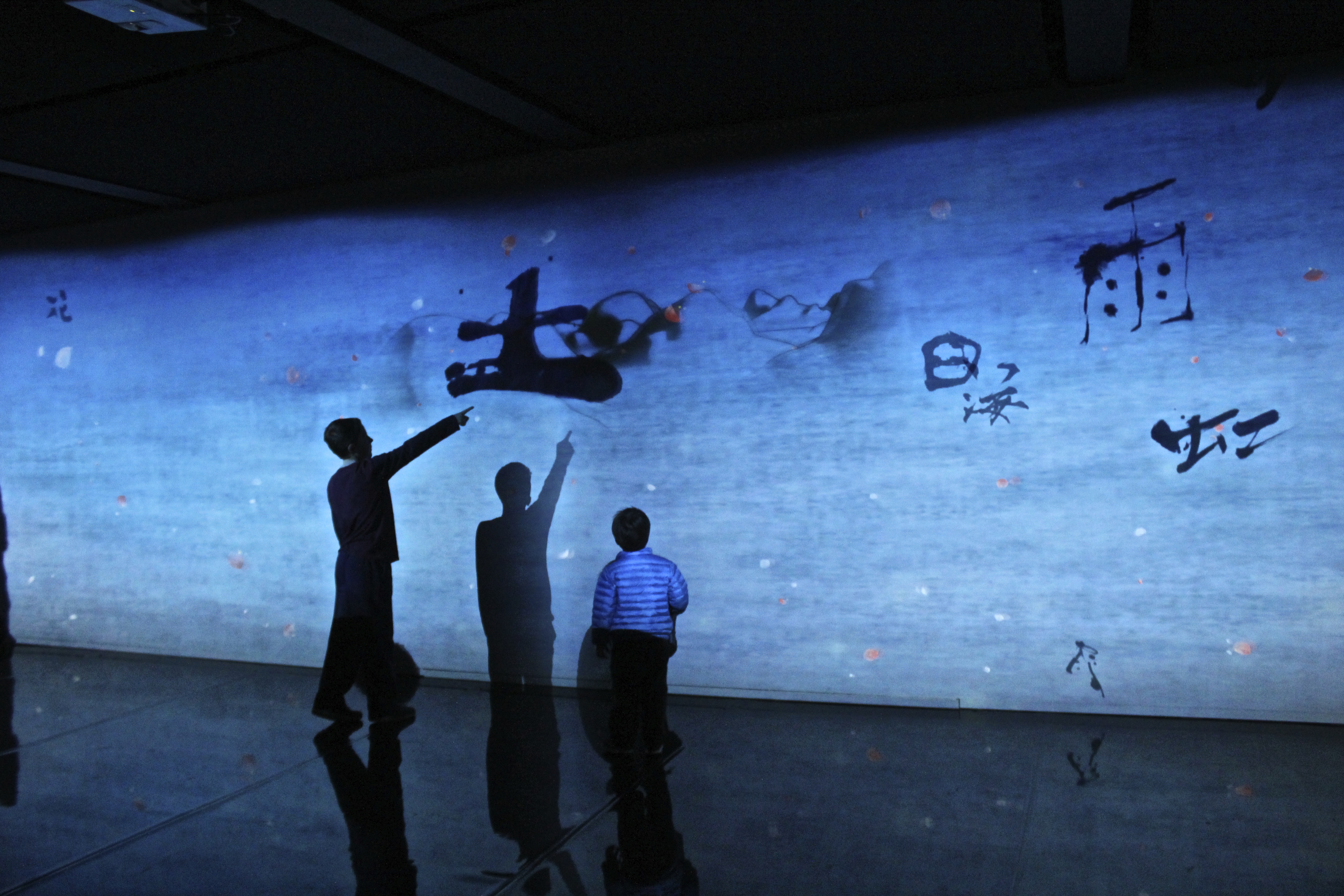
Right now, and for only a few more days, there is a multimedia, contemporary art installation created by a consortium of artists, engineers, mathematicians, and computer scientists based in Japan, on display at the Johnson-Kulukundis Family Gallery, Byerly Hall, Radcliffe Yard, Cambridge, MA.

The exhibition is called: What a Loving and Beautiful World.

It’s free and open to the public.

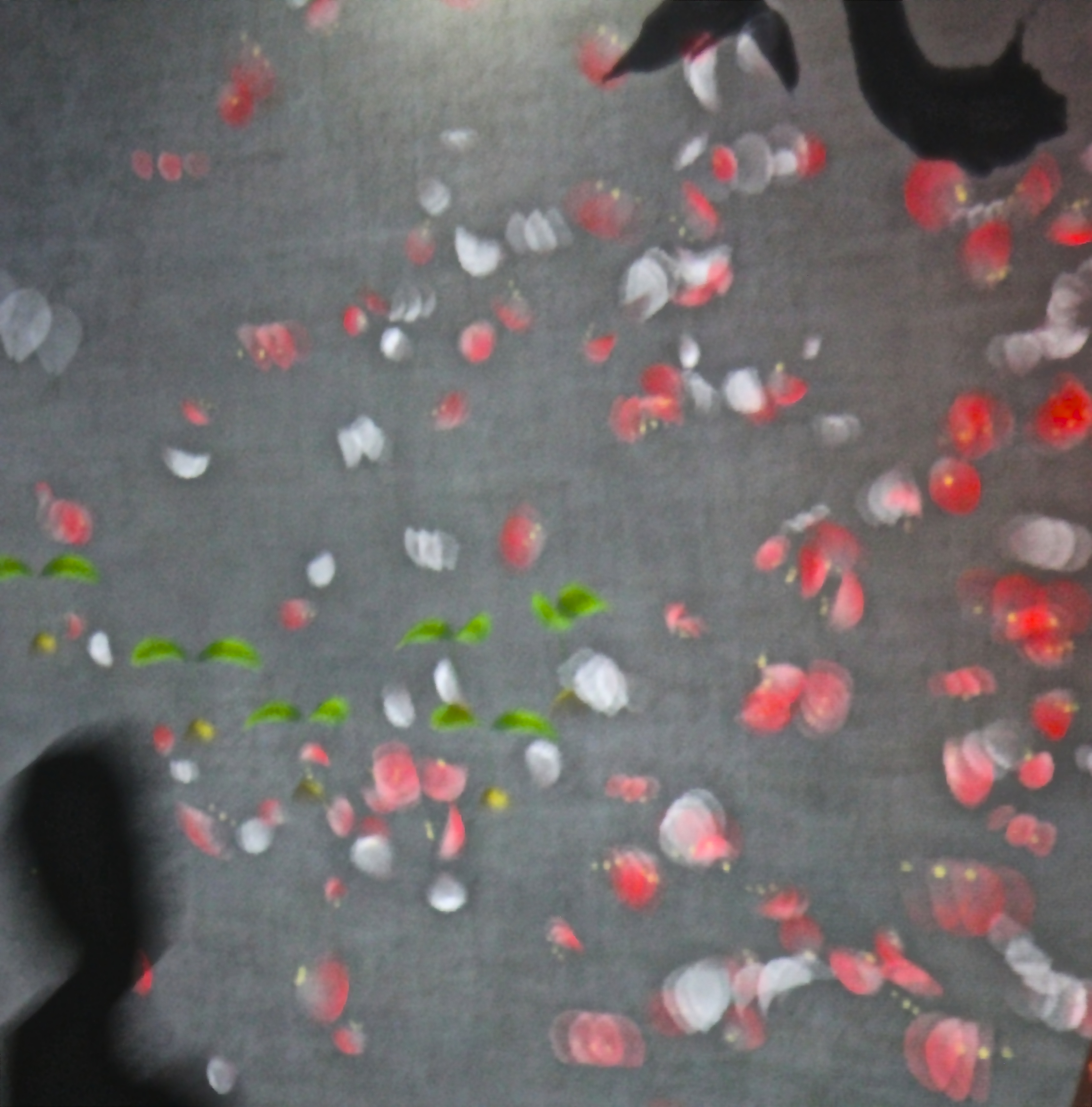
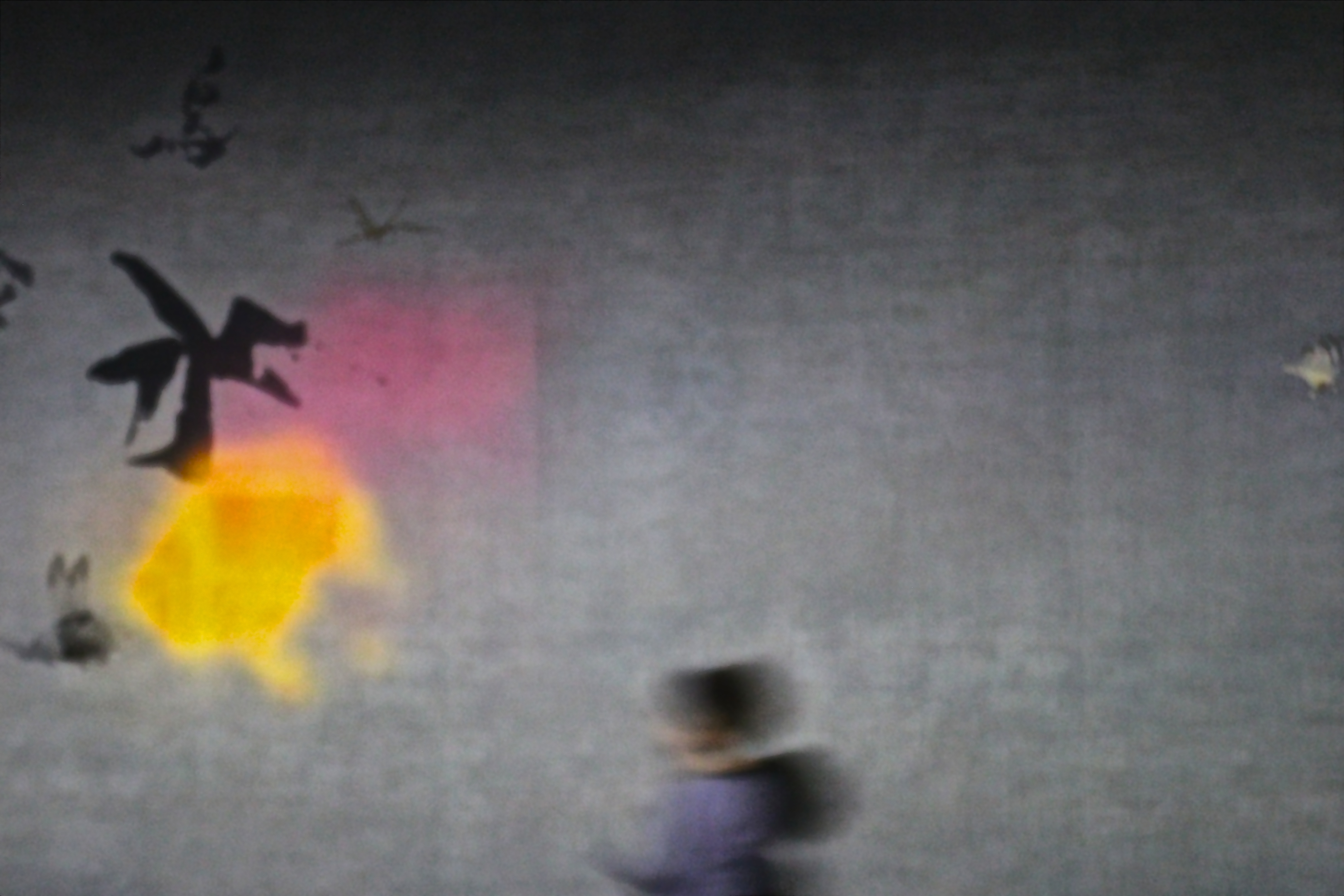
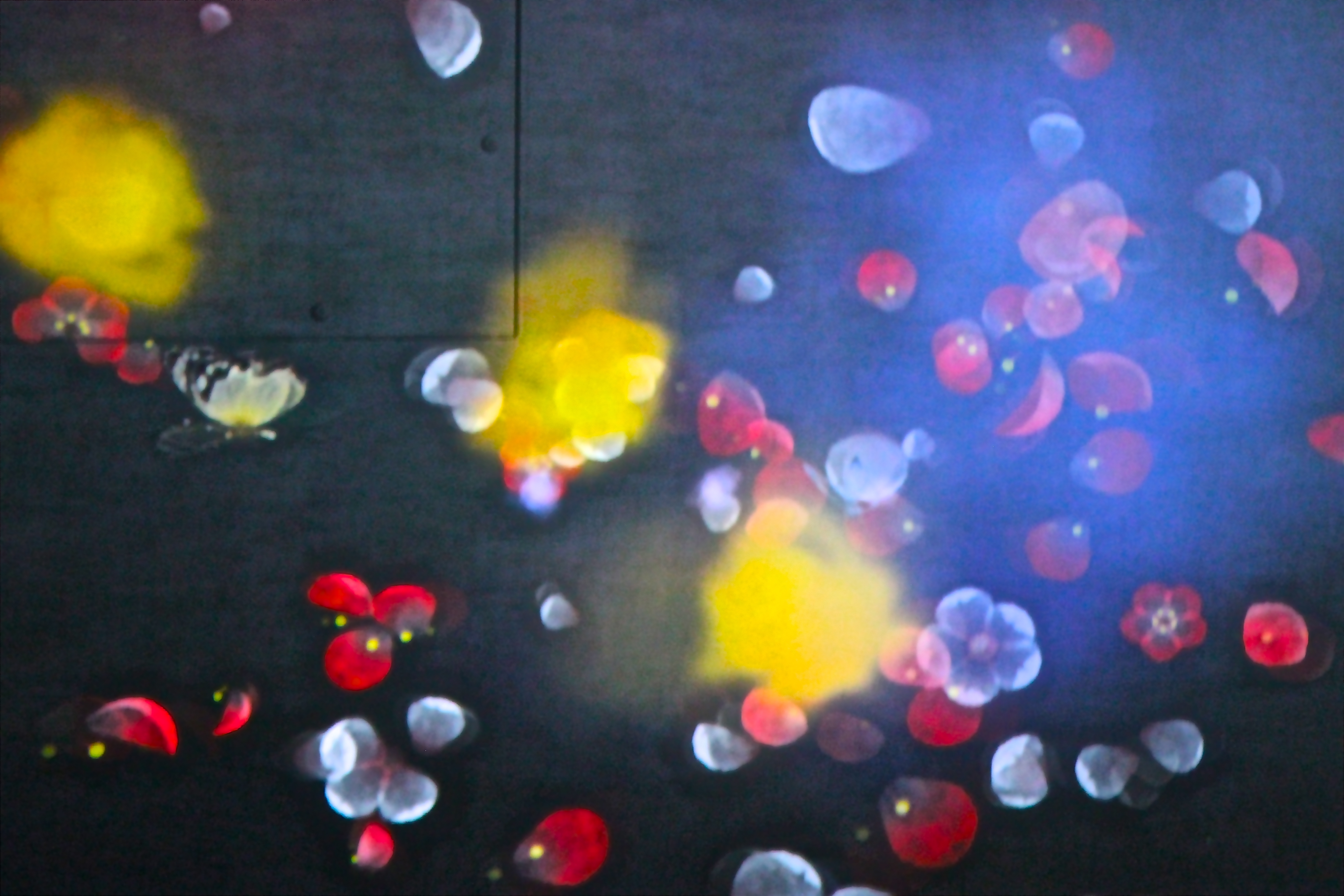
—You go into a room. Chinese and Japanese characters come floating down the walls. You reach out and touch them or wave your hand close to them. Dreamy things happen.

I was alone in the room at first. Then some children showed up. We reached out and touched the art, together. We started laughing. Your hand becomes like a magic wand. Birds. Butterflies. Rainbows. Snow. Sun. Moon. Fire. Trees. Mountains. Flowers.

I think we were creating new visual worlds through causes and effects, through the influences of collisions, of fear, of wind, of the laws of attraction, computer science, technology and music—all combined with the radical acts of passing through each other’s lives, in real time, in real space. In Peace. After taking an excursion into a real city on a real train and a real subway.

It’s all really cool.


IMG_1035

IMG_1036


IMG_1044

IMG_1056

IMG_1042

IMG_1058

IMG_1054

IMG_1057

IMG_1062

IMG_1043

IMG_1064

IMG_1051IMG_1060IMG_1059

********

***********

********

More Asian artwork from my prized gift of a Japanese calendar sent from long-ago friends.
Sublime simplicity.
IMG_1103

IMG_1109

IMG_1106

IMG_1107

IMG_1104

IMG_1101

IMG_1102IMG_1108

********

*****I WISH YOU A HAPPY END TO YOUR WEEK*****

********

Giving Thanks.

“Thanksgiving, after all, is a word of action.”

This quote, by W. J. Cameron, showed up in my Friends of Acadia newsletter. I agree that giving thanks is probably the best action we can take to honor our own place in the world and to be mindful of all the people and all the serendipitous good fortunes—here now, happening now and/or gone before, happening in the past—that have made our lives the best they can be and inspired us to continue to live joyful lives with meaning and purpose.

Thanksgiving is the one day of rest created for and celebrated by all. It is a day of rest with the kind of work, thanksgiving, that is good for everyone’s well-being.

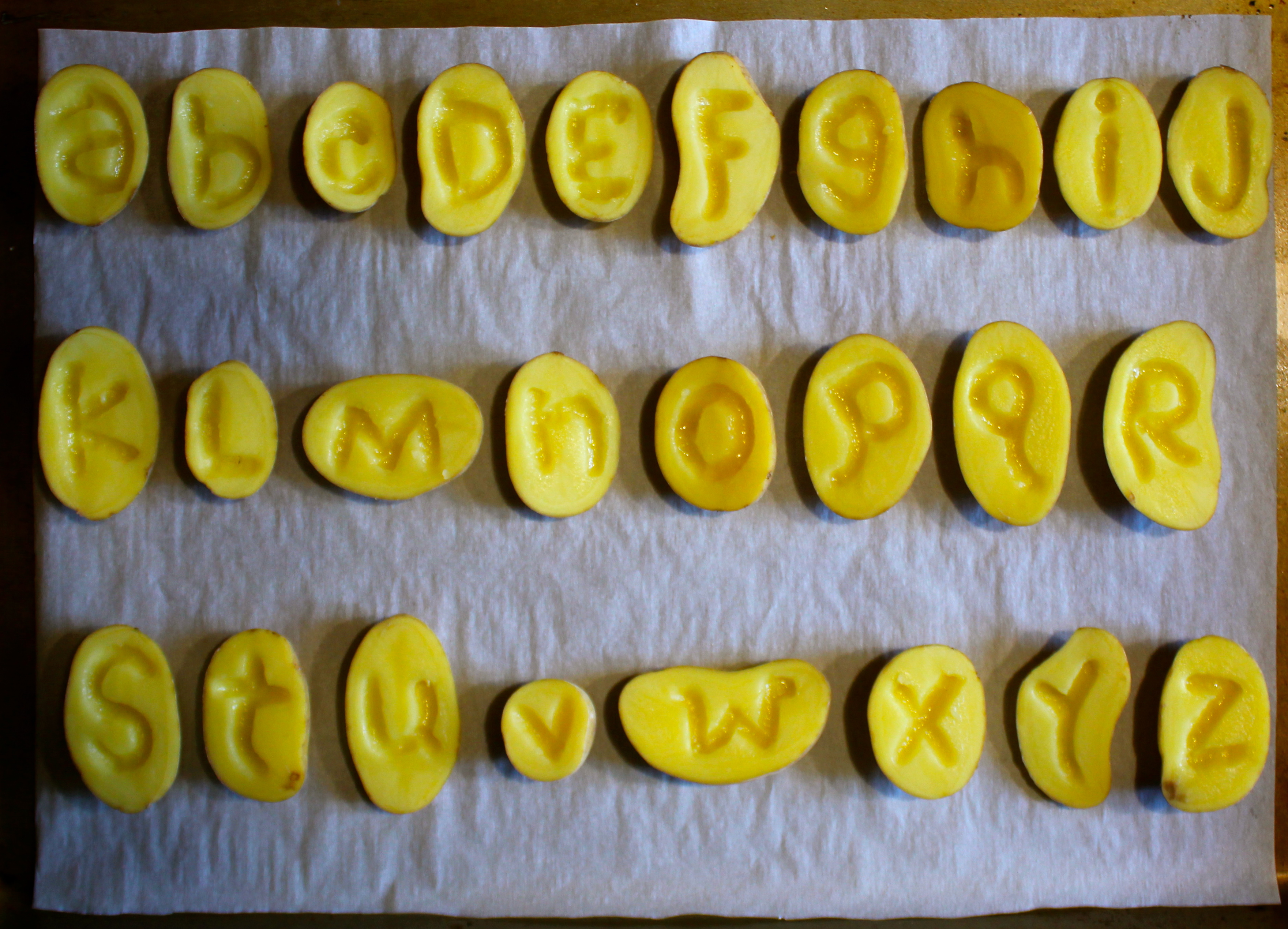
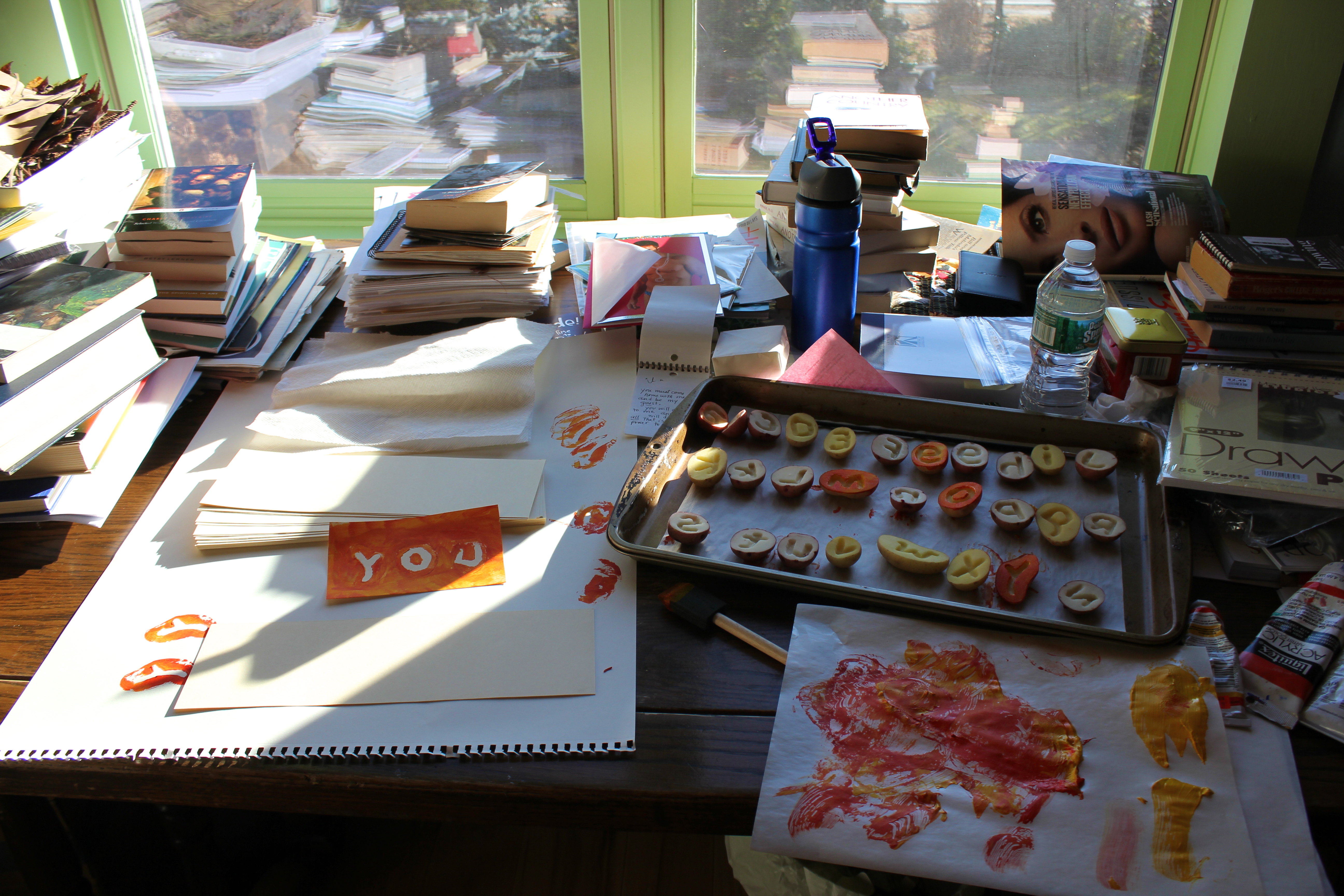
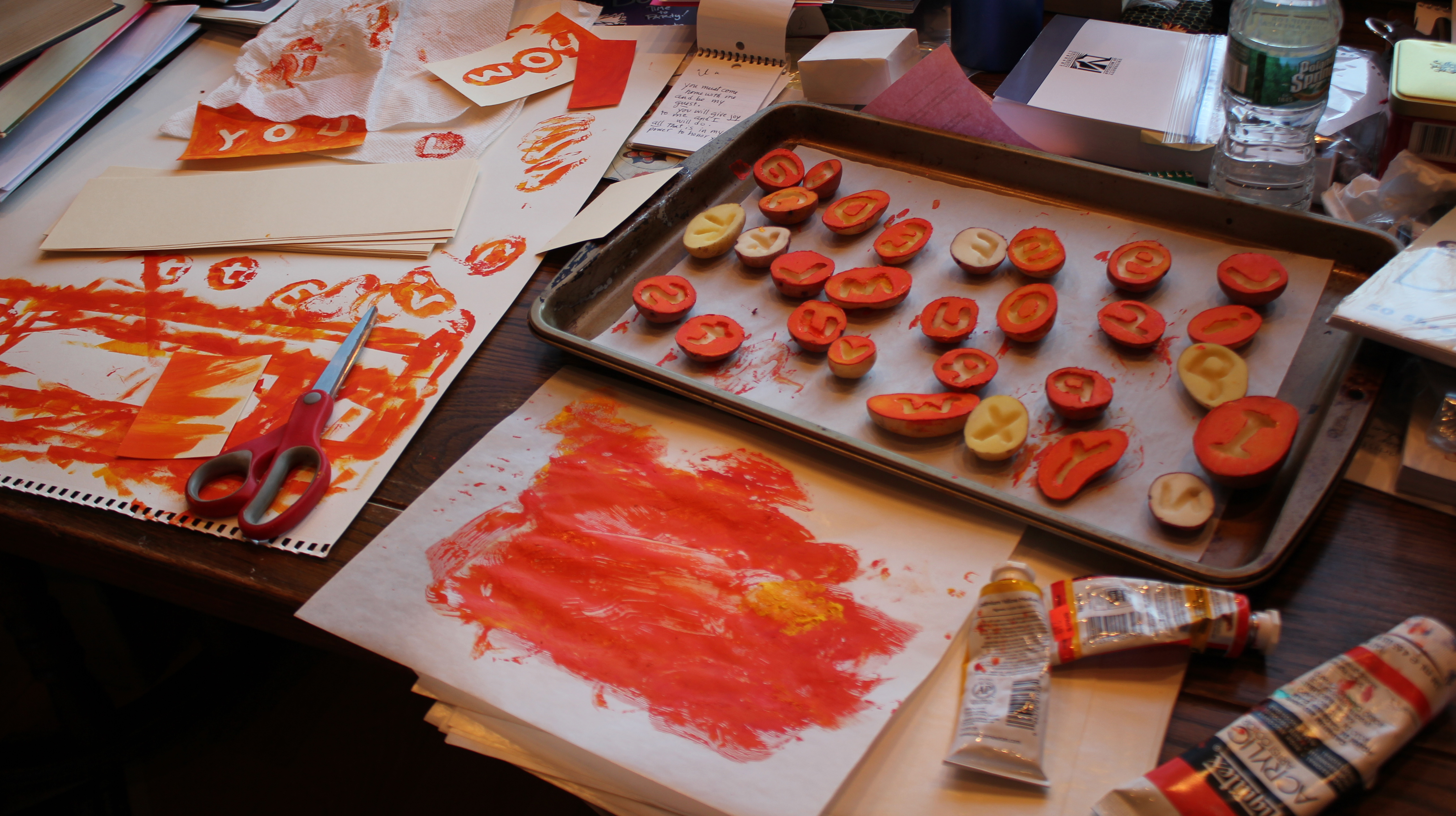
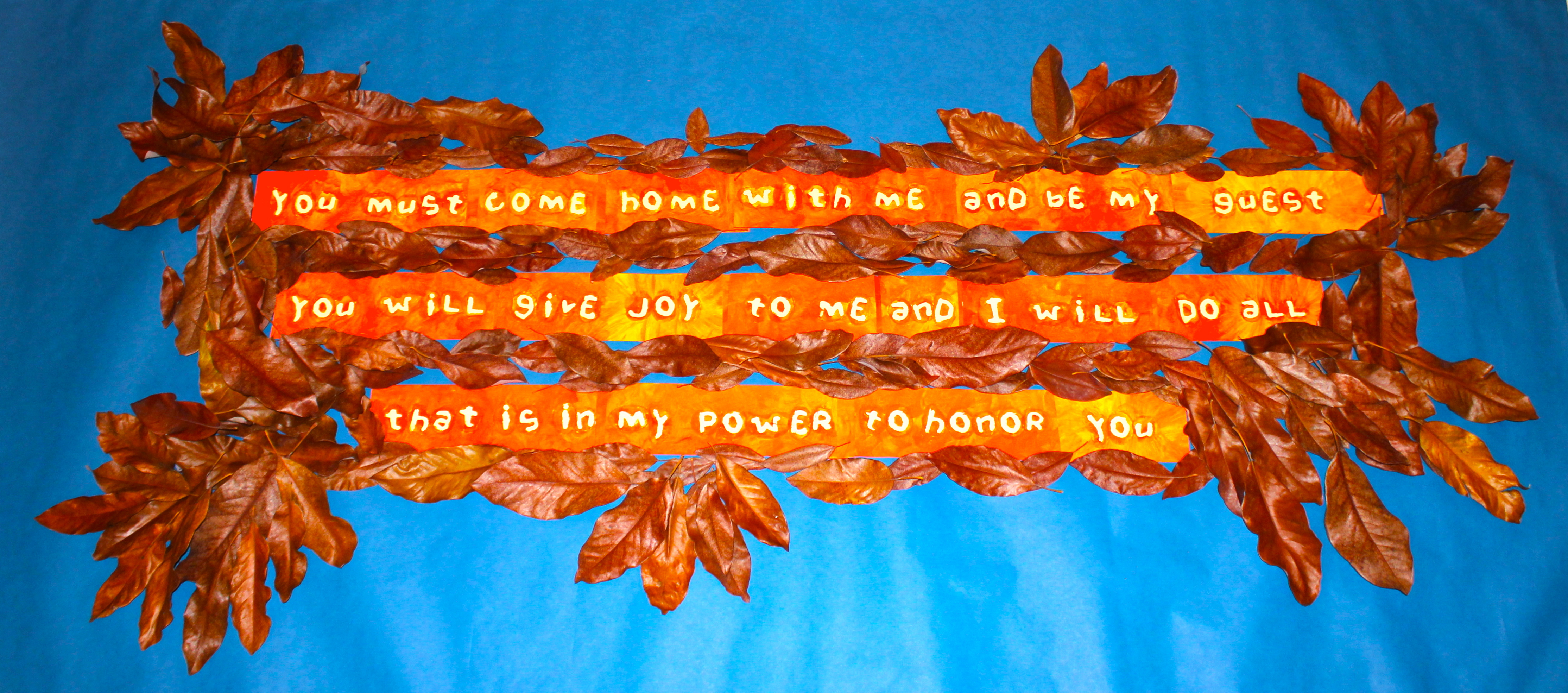
As a sincere expression of my gratitude toward the readers who read my blog this year, I decided to use the Thanksgiving potatoes to make a set of letters with which to create a note of happiness.

IMG_0927

IMG_0929

IMG_0931


********

You, Reader, are special to me. I think about you, with good cheer, when I am at work in my “blog studio” practicing how to write. I care very much about how my art is cyber-delivered into, and cyber-received by, the whole wide world.

Thank you for visiting my site this year. I hope you enjoy celebrating the heartwarming spirit of giving thanks with all of your favorite families and friends. And I hope the day’s work returns to you all varieties of  heartwarming goodness.

********

IMG_0936

********

This ephemeral work of art, created especially for my readers, is bordered with leaves I saved from my Sweetbay Magnolia Tree. It measures seven and a half feet by three and a half feet. The quote is from Percy Bysshe Shelley. I saw the quote painted into the elaborate crown molding of a grand room, opening onto a grand stone porch, overlooking America’s Hudson River Valley.


French Entrance. French Exit.

Come and sit in a Parisian cafe with your friends close to me. I want to write, but writing is a lonely way of making art and when I sit near other people, I feel some comfort. I want to sort things out on the page, entering and exiting trains of thought. If you ask the waiter to take a drink over to me, I know you won’t mind how I keep at my work. My smile for you is one of deep gratitude. And if we are blown to bits, we will agree it was only because we practiced and believed in, freely-chosen, broadly encompassing, and generously-shared education.

********

At dusk a week ago, in my peaceful garden far from Paris, a lingering leaf on the Japanese Snowbell Tree partied on like a plump house wren—the silhouette of its petiole became the distinct image of a delicate beak aimed for the heavens, ready to sing, and the curved edges of the leaf’s blade had softened into smoothed feathers. One last pear dangled lopsided at the top of the Pear Tree with a squirrel bite carved into it. Other flowers, leaves, twigs, fruits, and birds had already made their French exits—sparing my feelings, avoiding the unpleasantries of long goodbyes—by falling, blowing away, withering, packing up and moving on when I wasn’t watching.

The surface waters of the old garden pond rippled in slow motion, like the calm beat of a heart enchanted by poetry.

It was the news of more terrorist attacks—this time throughout the city of Paris—that had caused me to stop and appreciate the peacefulness surrounding me. I sought consolation, too, in Charles Baudelaire’s Paris Spleen, his book of prose poetry that never seems to get shelved in our house. Some days, Baudelaire’s writings make perfect sense to me and when that happens it is as though I have found a companion who will sit and write with me in a cafe on the streets of Paris for a long, long time. We drink and smoke and talk of how depraved humanity is. After we agree that mankind is the most evil beast, Baudelaire convinces me we must get more and more drunk, Drunk with what? With wine, with poetry, or with virtue, as you please. But get drunk. Which we do until our amplified laughter is shattered by dark discussions of our own deplorable and habitually sinful shortcomings. When it’s time for us to take our broken hearts home, or into bed together, we leave our small table crammed with empty glasses, smoldering cigarettes, and torn apart journals. (Though I save every page of what CB has abandoned.)  And then we go, hoping our chairs will stay warm for anyone else who needs to sit and think and talk and write as you please. In Paris.

********

While gazing at what was left of my gardens and thumbing through Paris Spleen, I was also expecting the arrival of five boys in a rock band from Brooklyn. The boys (one of them my son) had a scheduled gig nearby the next day.  Their journey would become a many-houred, several-moving-parts adventure beginning in Manhattan, with a detour to New Jersey before they circled north again. All of it led to one kitchen—mine—in New England’s safe and sound countryside, in the deep hours of a seasonably cold November night.

Dinner was set for midnight, and that’s when the boys showed up.

We decompressed over a candlelit repast that began with oysters before the next course was served, which was an offering of what I called jampalaeya—chicken, sausage, and fresh mussels from Prince Edward Island afloat in a spiced-up tomato broth with rice.  The drinking started with beer and wine and advanced to whiskey.

All of us tapped our glasses together. “To Paris!”

And then I said that it will never be enough for me to believe we will always have Paris which, if you’ve ever watched the movie Casablanca, was just a remark murmured between lovers in homage to the salve of fond memories.

The truth is, we might not always have Paris. Furthermore, any memories we have of our lovely selves in Paris will never serve to console us if we were to lose Paris.

The world cannot do without Paris.

Paris is not just about food and wine and champagne and hand-wrought loaves of bread and cute dogs prancing through a city with the most wonderful twinkling lights!

Paris is about the civilized world. And the civilized world includes any of us who have ever had our hearts broken, shredded, ravaged, persecuted, oppressed, and/or disregarded while, at the same time, we chose to madly believe that in the same world where endless evils and sadnesses exist, we will never tire of figuring out how to love and be loved.

We will always need Paris!

I notified the boys in the band—because I am a woman and I am a mother—that they cannot make a French exit in this life. They all have to do something, throughout their lives, to tip the heart of humankind toward its good side. They must stay at the party and never leave without saying goodbye. They can only say goodbye with a kiss to each side on the face of the good gods, one for gratitude and one for promises.

Yes, for sure. They agreed.

The most obvious thing everyone can do to tip the heart of humankind toward its good side, is to become educated.

I am standing up on a chair now, swinging my arms around in the air, trying to type. Education is under fire in my own country. We aren’t so sure how important it is to have a Liberal Arts education. We can’t seem to link such an education to making big bucks. When my son showed up for his Liberal Arts education at Bard College, the first thing they did was ask whether or not he was registered to vote. He was not yet 18. No problem, they said, if you’ll be 18 before the next election, we can register you now. Bard College makes a direct link to the crucial importance of becoming liberally educated, learning how to think, and employing your knowledge and skills to become a responsible citizen and voter. Education in the Liberal Arts is the most important process we have for preserving and continuing to create a functional and fair democratic society. Is it too expensive to become educated? We spend an enormous amount of money on weapons and jails to fight the consequences of ignorance, hate, and poverty. The value of education can’t be argued away. Furthermore, one doesn’t have to go to college for a Liberal Arts education. We are a nation that takes great pride in our free libraries. It’s hard to find a cafe in America that will allow you to sit and think and read and write for as long as you want, but not so hard to find a library.

We are, whether we like or not, a part of the battles to create a more peaceful world. It means we must do the hard work of learning how to think and how to become aware. We must continually go through the growing pains of intellectual evolution. We have to read—including work we don’t want to read. We have to look at art—including art we don’t get. We have to listen to music—including music we’re unfamiliar with.

We ought to walk through gardens. Admire architecture. Explore history. In our travels, it’s important to sit and talk to people we don’t know.

Most of all, we have to learn to listen.

********

At 1:30 AM, apres dinner and discussions with the boys in the band, I brew a pot of coffee. The boys charge up, then file out to the barn to begin rehearsing for their gig. They are all tired. It has been a long week of day jobs colliding with night jobs as artists and a lot of driving. Sleep is what they want most of all. But it has also been a week of their new record release called, “Let’s Go!”

On the release is a song that made me dance the first time I heard it in a vast warehouse-district, underground bar in Bushwick. Syrian landlords keep the urban campfires burning, on the sidewalk across the street. Artists come and go, free to perform and put their art out there.

The song is called French Entrance and it’s about coming out as a gay man. It makes one think of what it might be like to be a man suffering about his own real and true and normal self and how simple it would be for him to be able to tell a friend and have the friend say it’s okay fuck the people who can’t deal with it. The drumming and percussion pound out intricate rhythms of harmonious chaos with bass beats and guitar strumming that culminate in one fine blend of celebratory desperation. The vocals are casually Lou Reedish. Sexy casual. The song is a call to arms and legs and jumping up and down bodies—it’s time to get up and start dancing about the people at work making the world a place where everyone can live their own best life.

We can never settle ourselves into lives of comfort and complacency.

Abdellah Taia, an openly gay Arab writer and filmmaker, wrote an editorial for the New York Times after the attacks in Paris entitled, “Is Any Place Safe?” He writes of how much he needs Paris, yet how concerned he is for the future of the city:

“I came to Paris 16 years ago as a young, gay Muslim…”

“I made my life in Paris because I believe in its values: rationalist, humanist, universalist…”

“I left Morocco as a young and desperate gay man. In Paris, I found a place where I could fight for myself and for my dreams. But I know now that nowhere is totally free or safe.”

“But Paris is a city that has, in losing its borders, lost certain values as well. The neglect of a segment of our youth (especially those of Maghrebi origin, from countries like Morocco or Algeria) is an undeniable reality. This neglect has produced an environment conducive to radicalization, joyous nihilism and, now, carnage. Racist attitudes, ever more frequently espoused by certain politicians and intellectuals, have become the stuff of daily life.”

After I read Taia’s editorial, I was inspired to read something else he wrote: Homosexuality Explained to My Mother. The essay is completely astounding and grew my brain into new evolutionary worlds.

After listening to the new song by Teeth People called French Entrance, I resolved to move a book on my list of “must reads” to a more urgent position: Jean Genet’s A Thief’s Journal. 

I do these things because I want to think about and learn about and try to understand the ways we might be neglecting youth in this world and why they seek to join communities of evil or become increasingly evil as lone gunmen throughout the world, especially in my own country.

********

We will, indeed, always need Paris. It is a city where brave artists and freedom fighters (like the French Resistance during World War II) have found, and continue to find, their voices. I am grateful to them. The legacy of their work changes how I perceive the world and inspires me to join the battles for love and peace.

In that way, Paris keeps us alive through the darkest days of our lives. We are encouraged to get to work. To keep thinking and educating ourselves. To be brave and to Smash the Televisions. (Another great song on the new “Let’s Go!” record. The whole record is outstanding.)

 ********

Here’s a link to the new song by Teeth People called French Entrance. Promise that if you listen, and read the lyrics, you’ll never opt for the French exit when life asks you to tip the heart of humankind toward its good side. Actually—don’t wait to be asked. Get out there and start dancing.

https://teethpeople.bandcamp.com/track/french-entrance

Here is a picture of one last leaf playing the part of a house wren on the Snowbell Tree in my garden:

IMG_0905

********

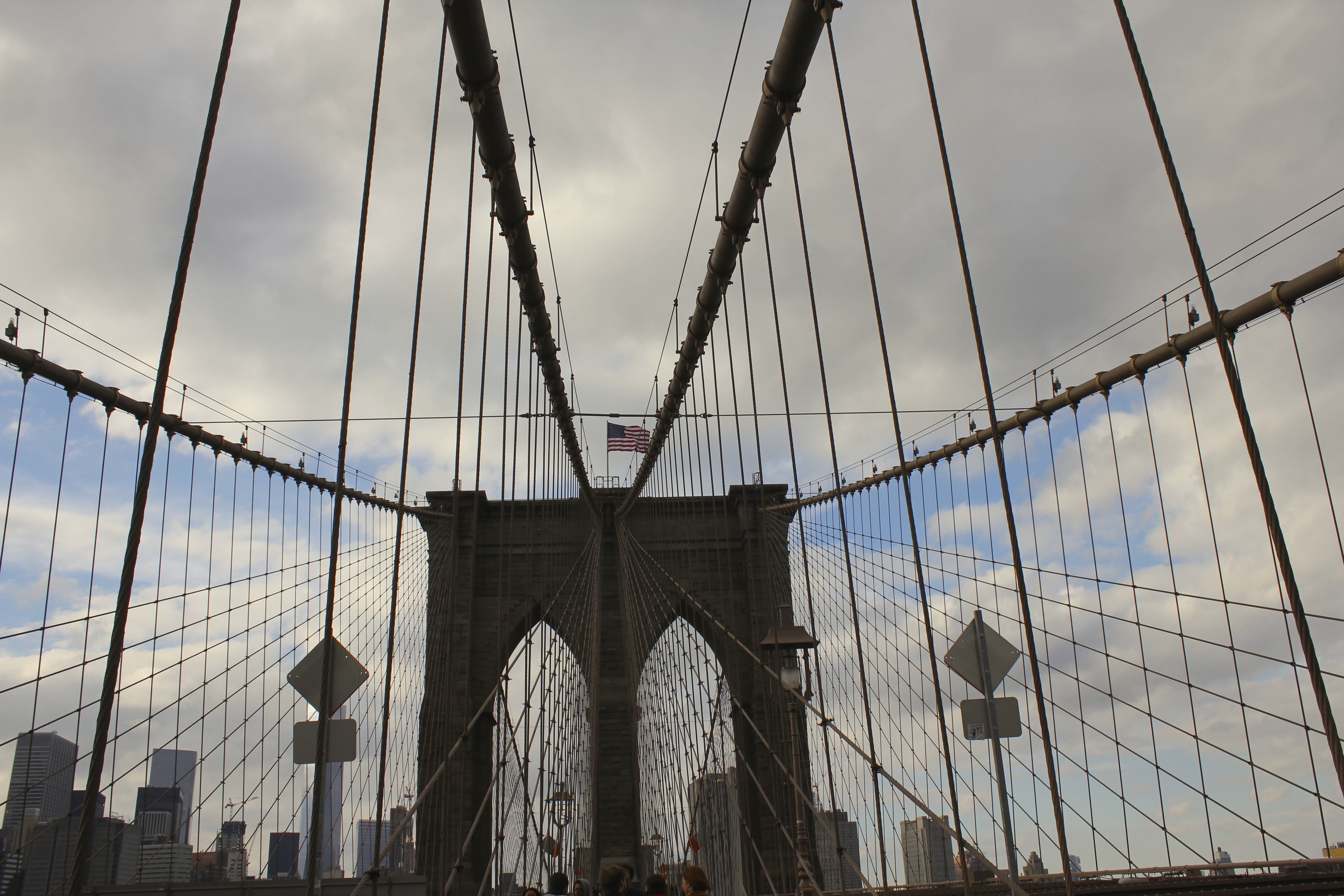
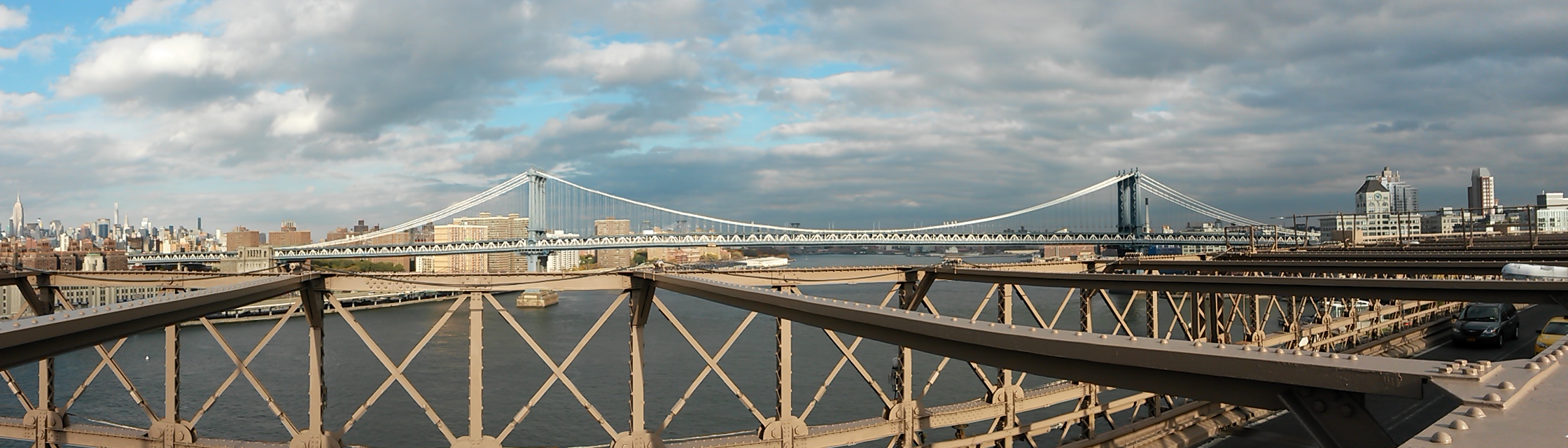
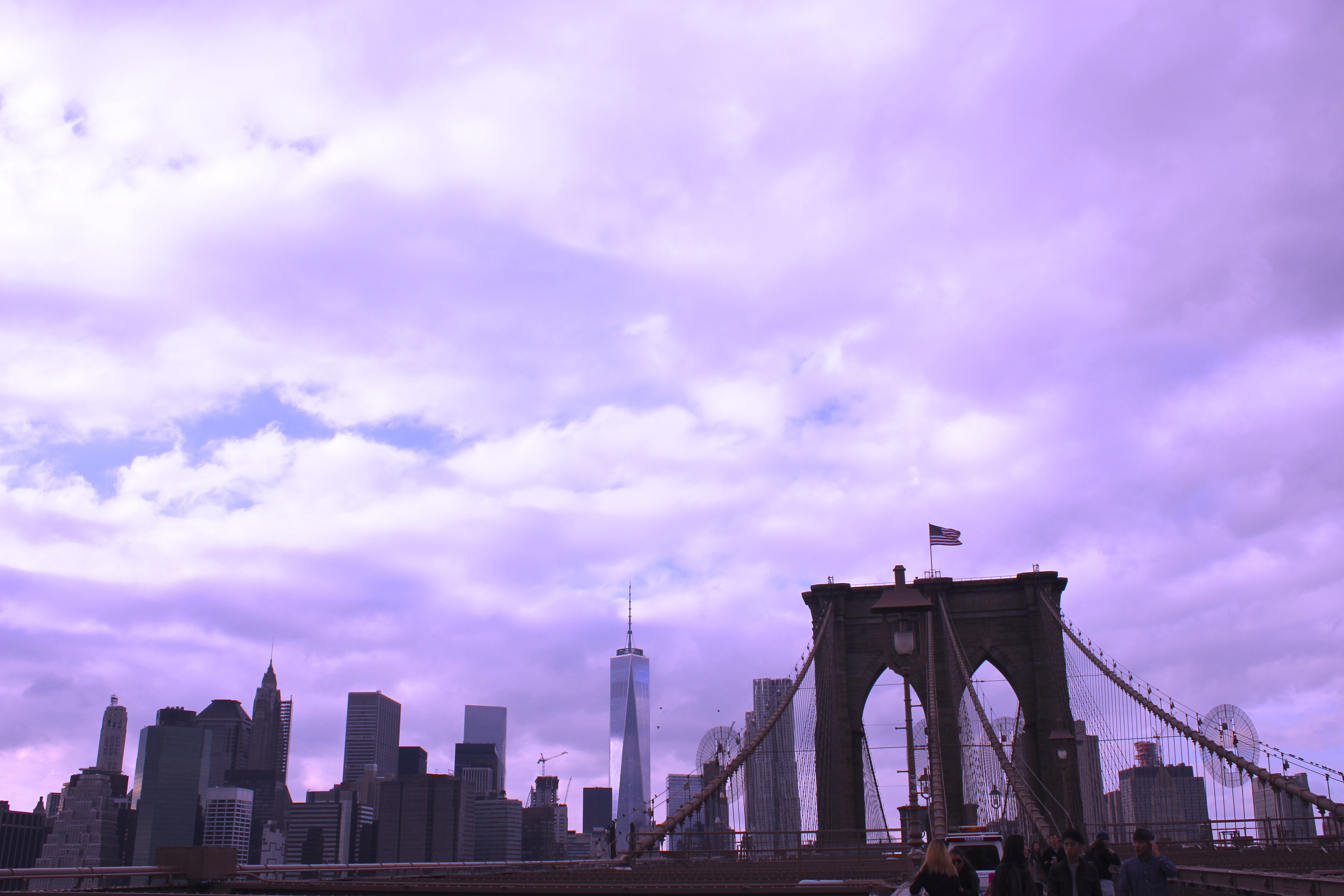
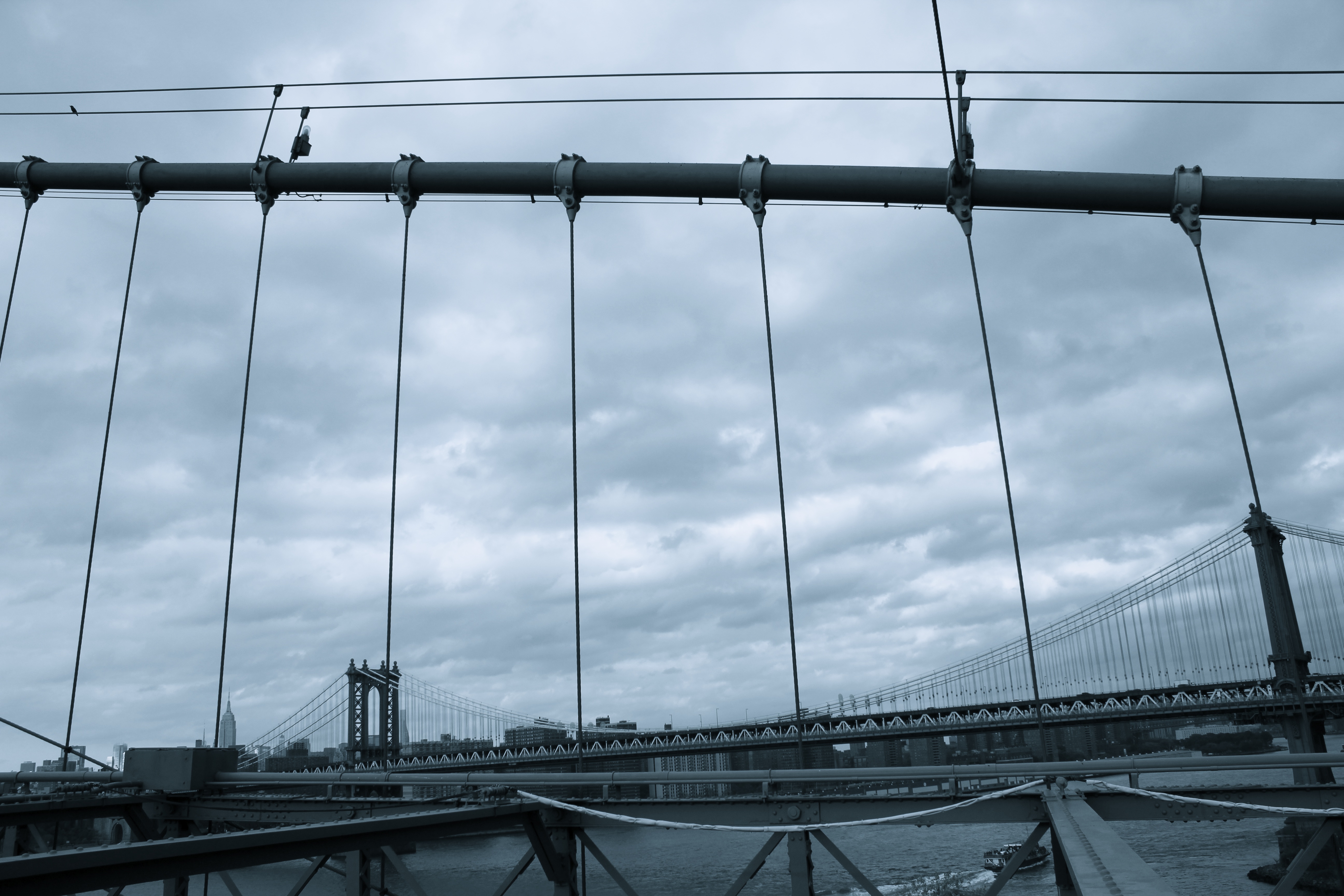
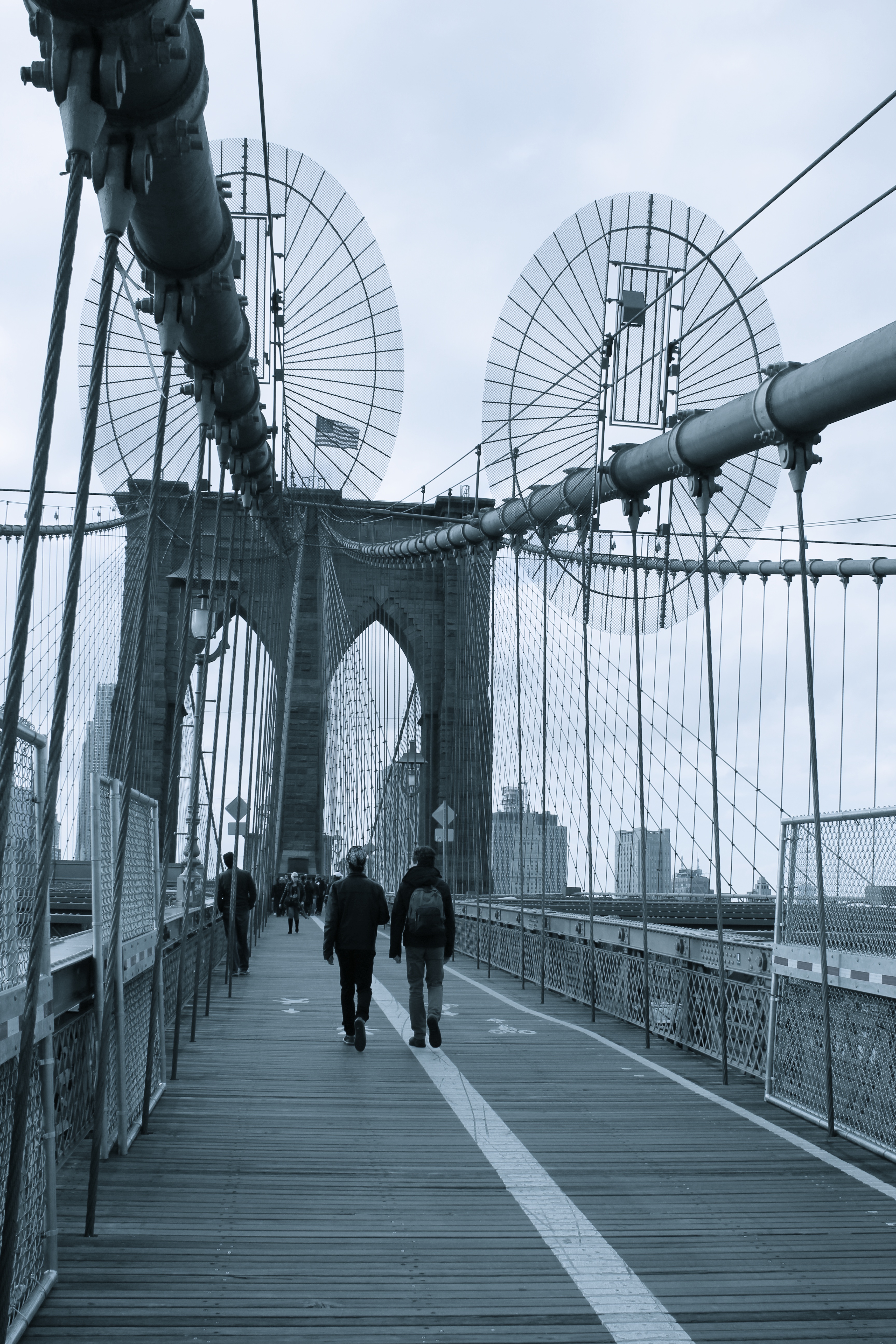
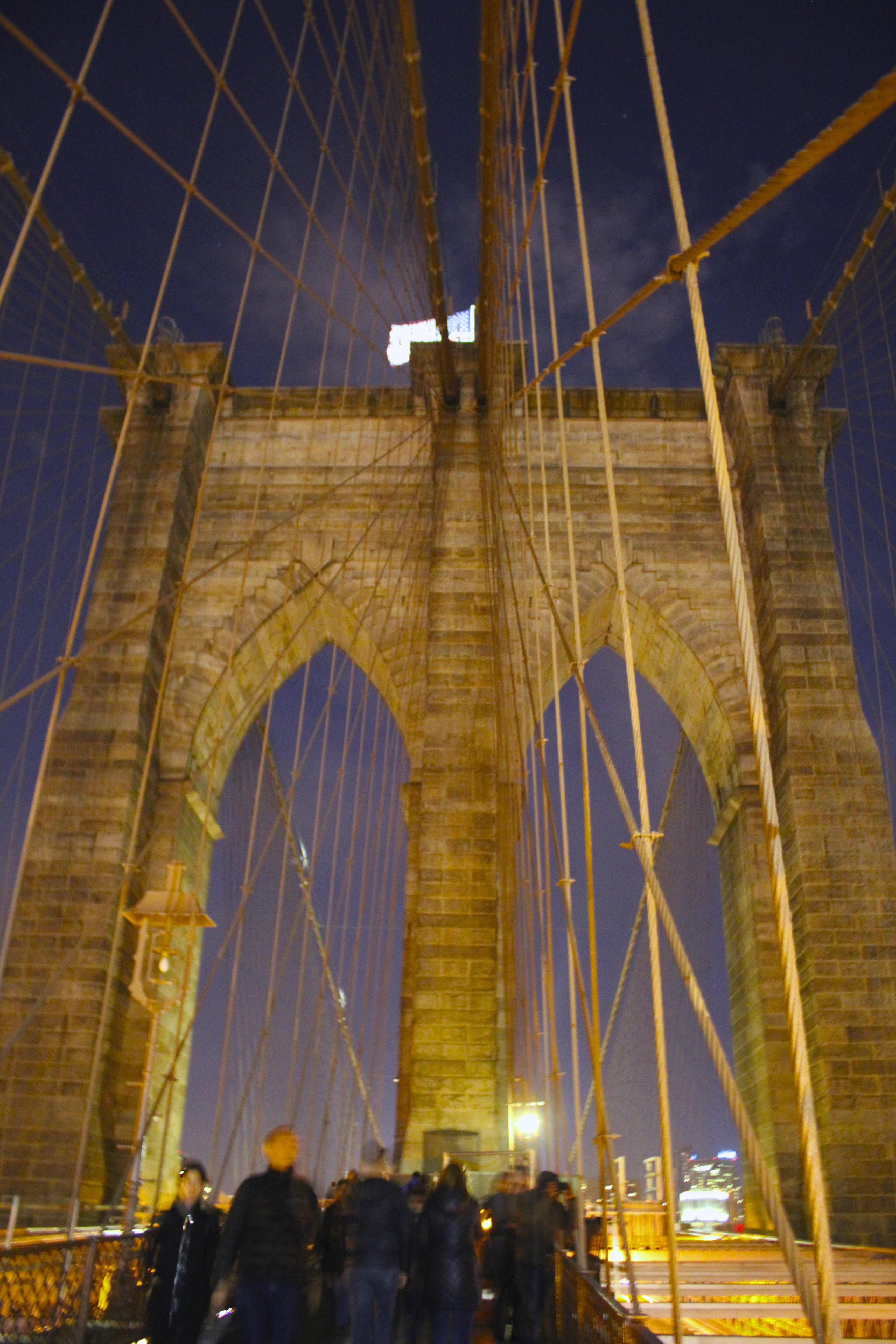
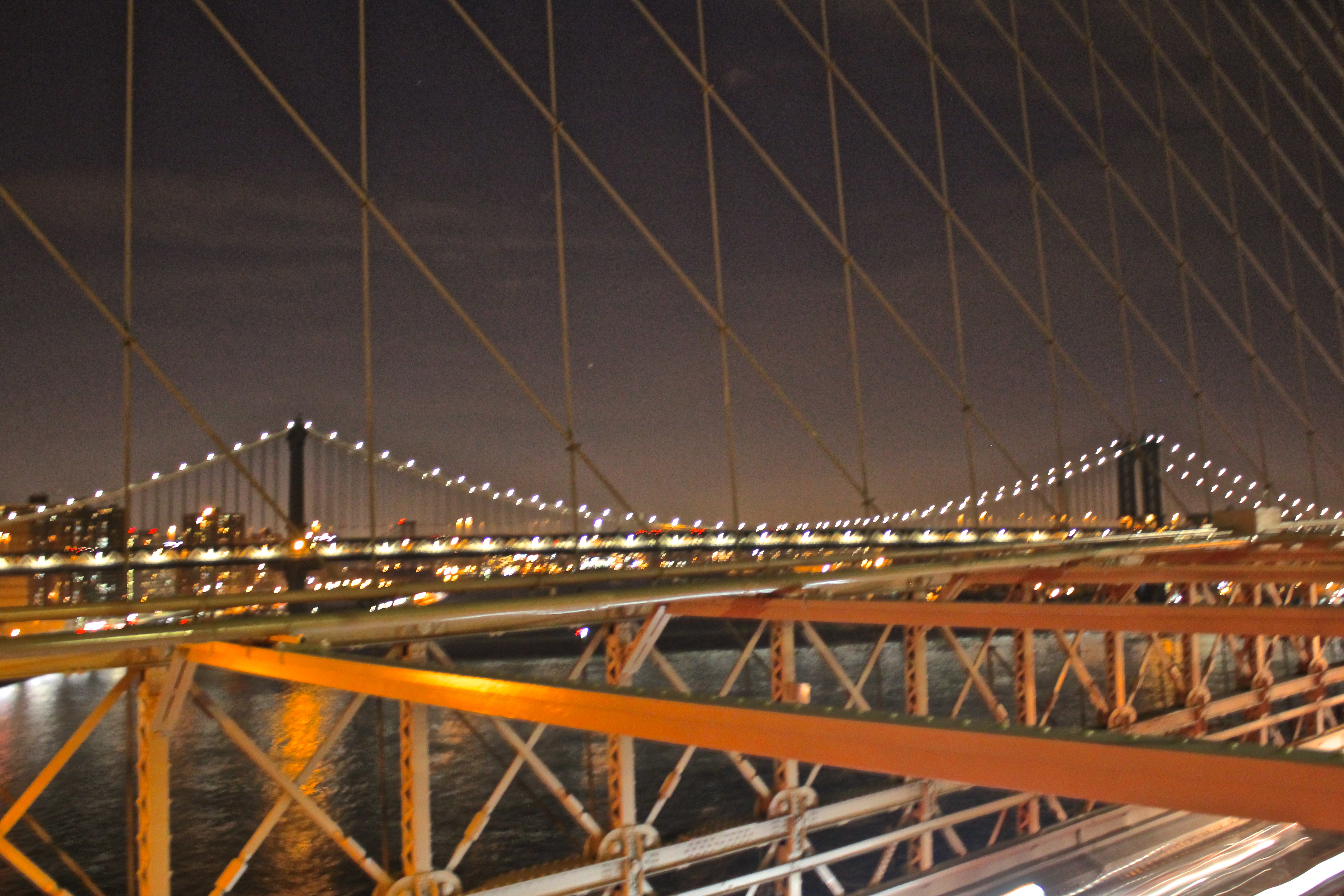
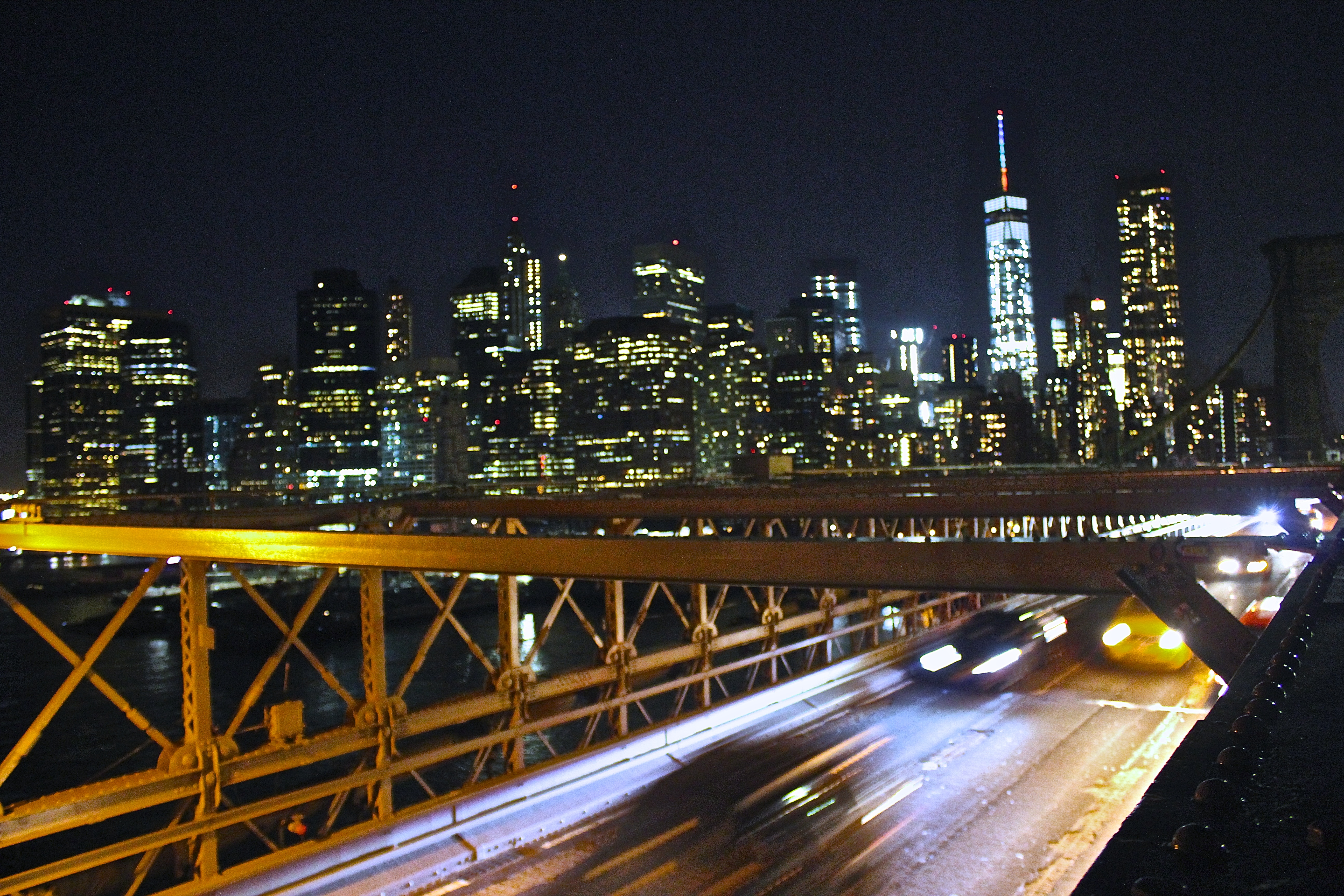
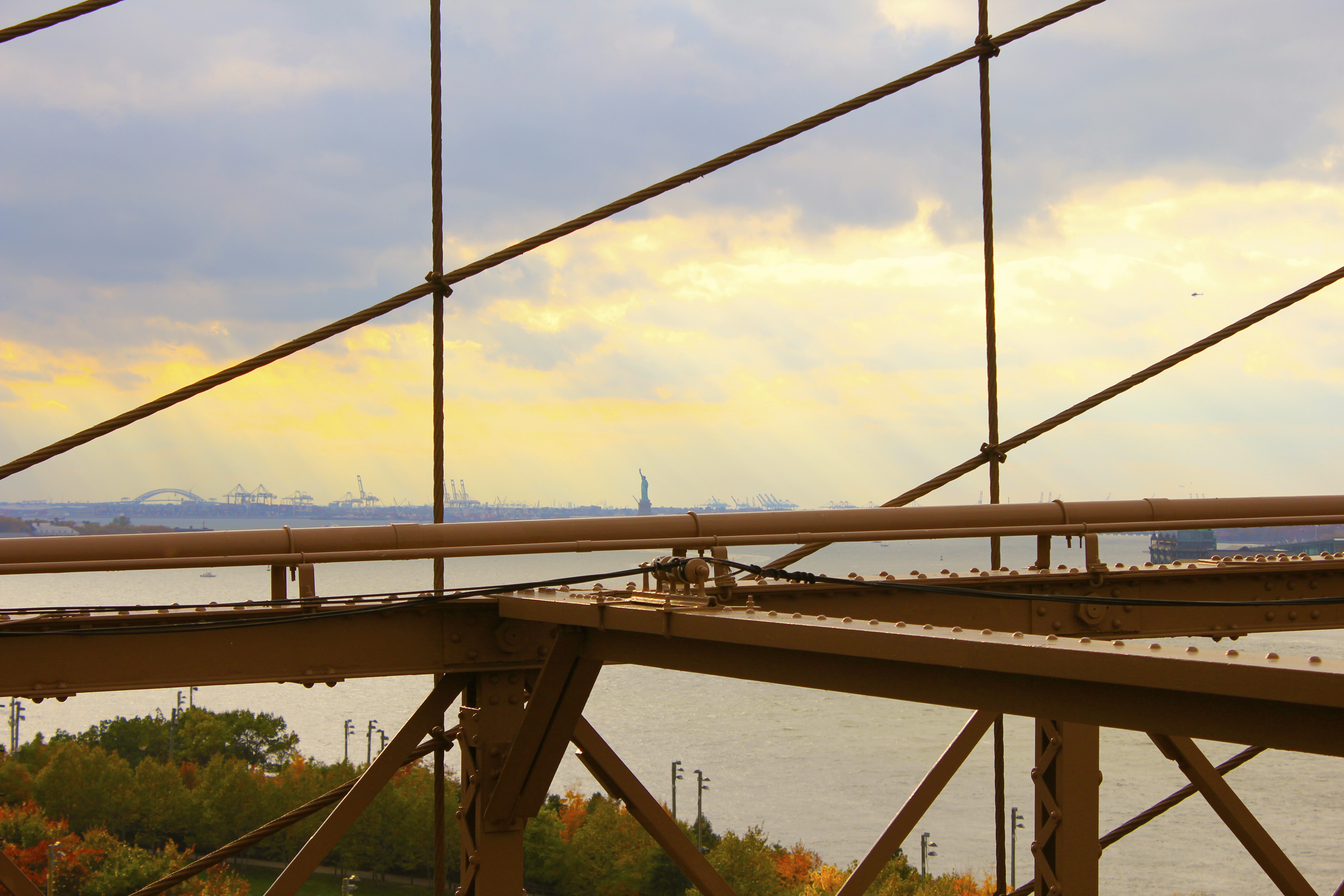
Doing Lines in NYC.

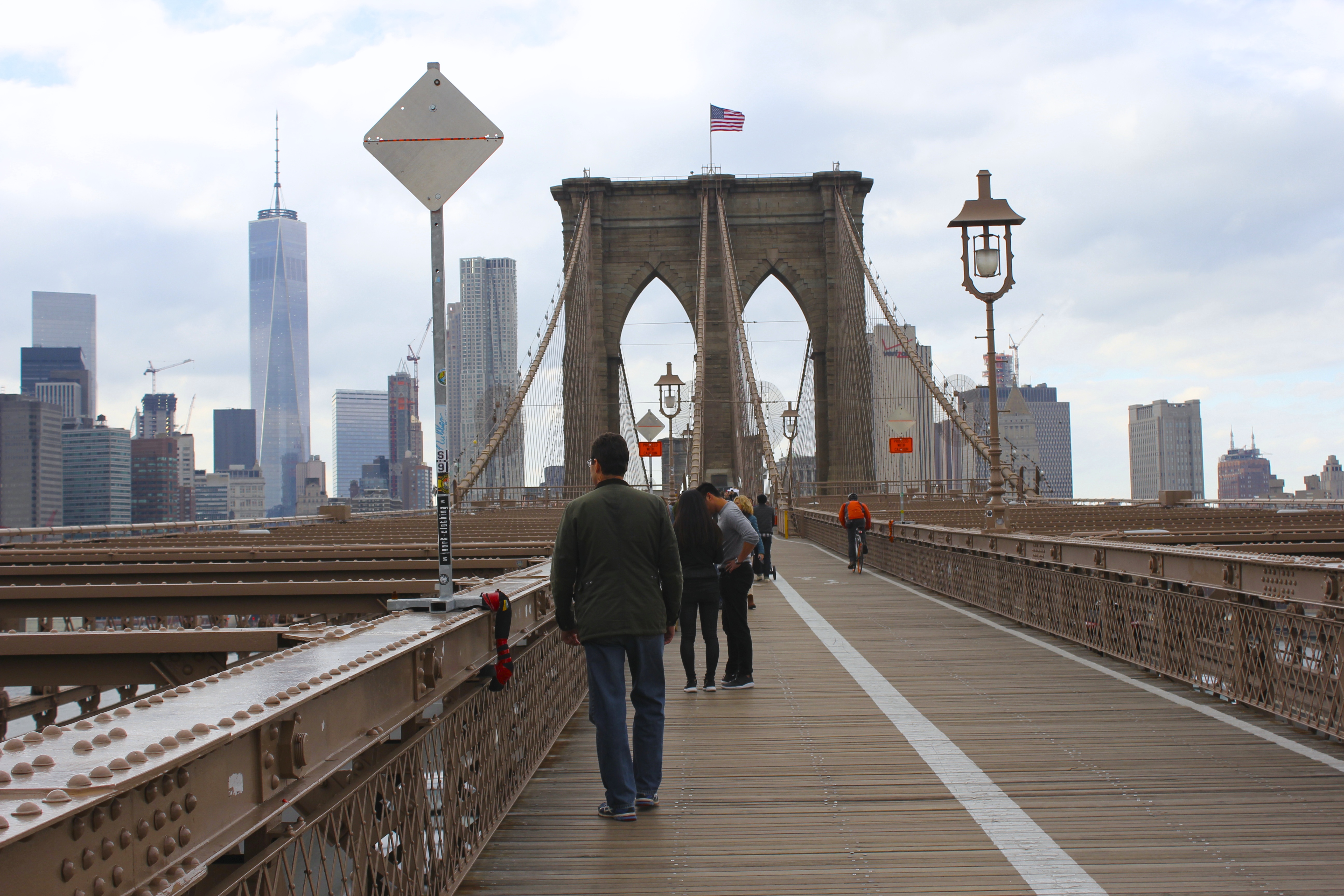
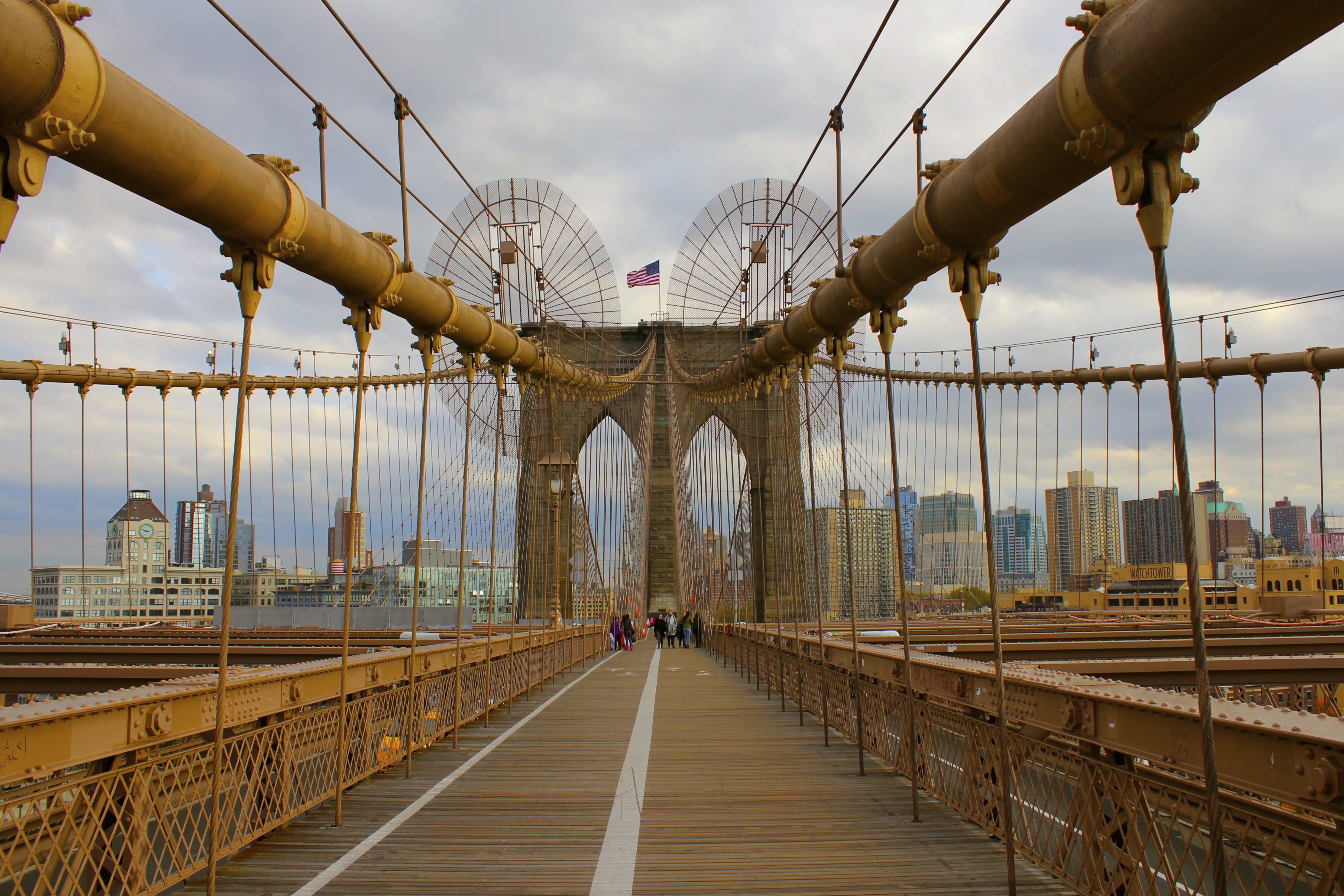
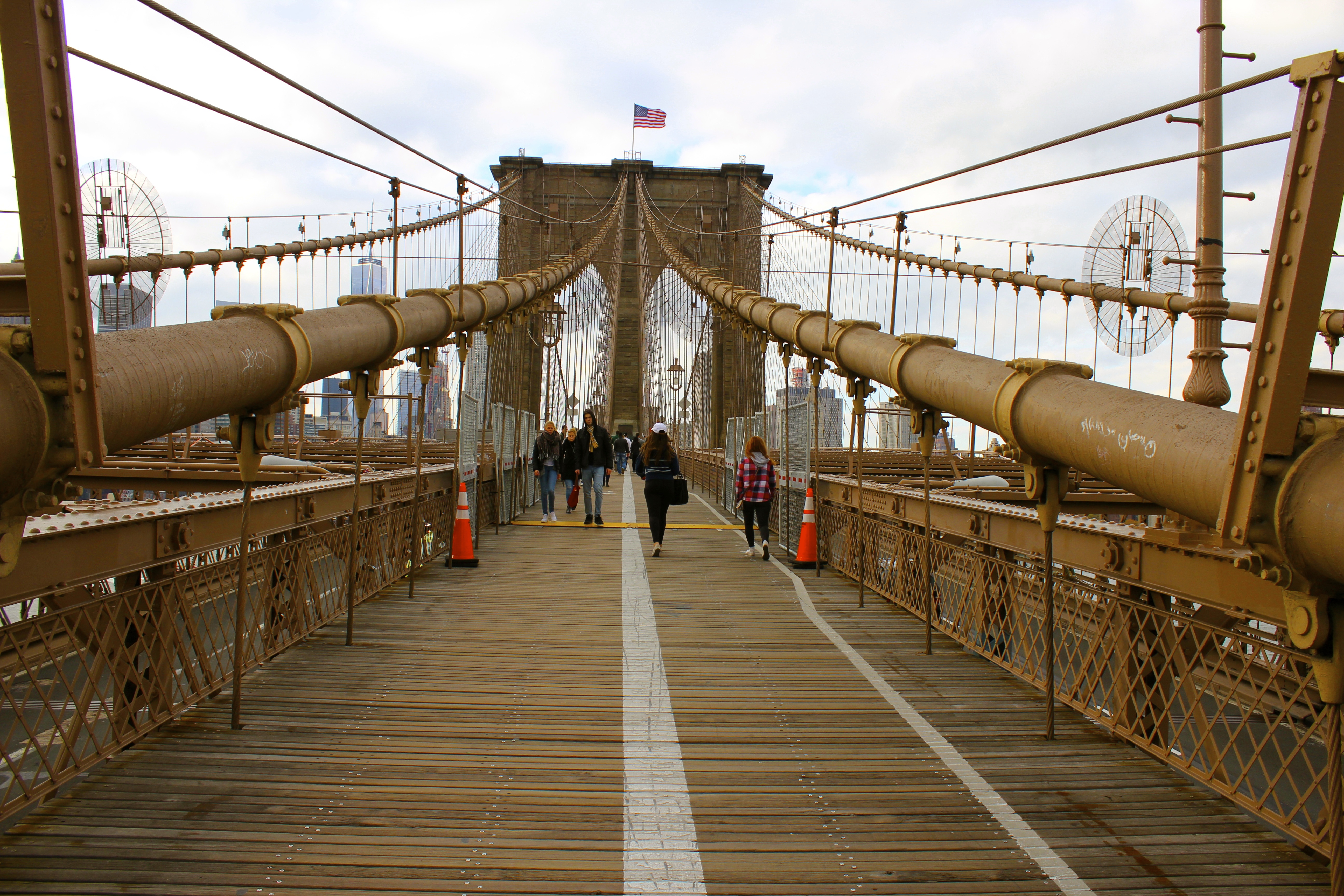
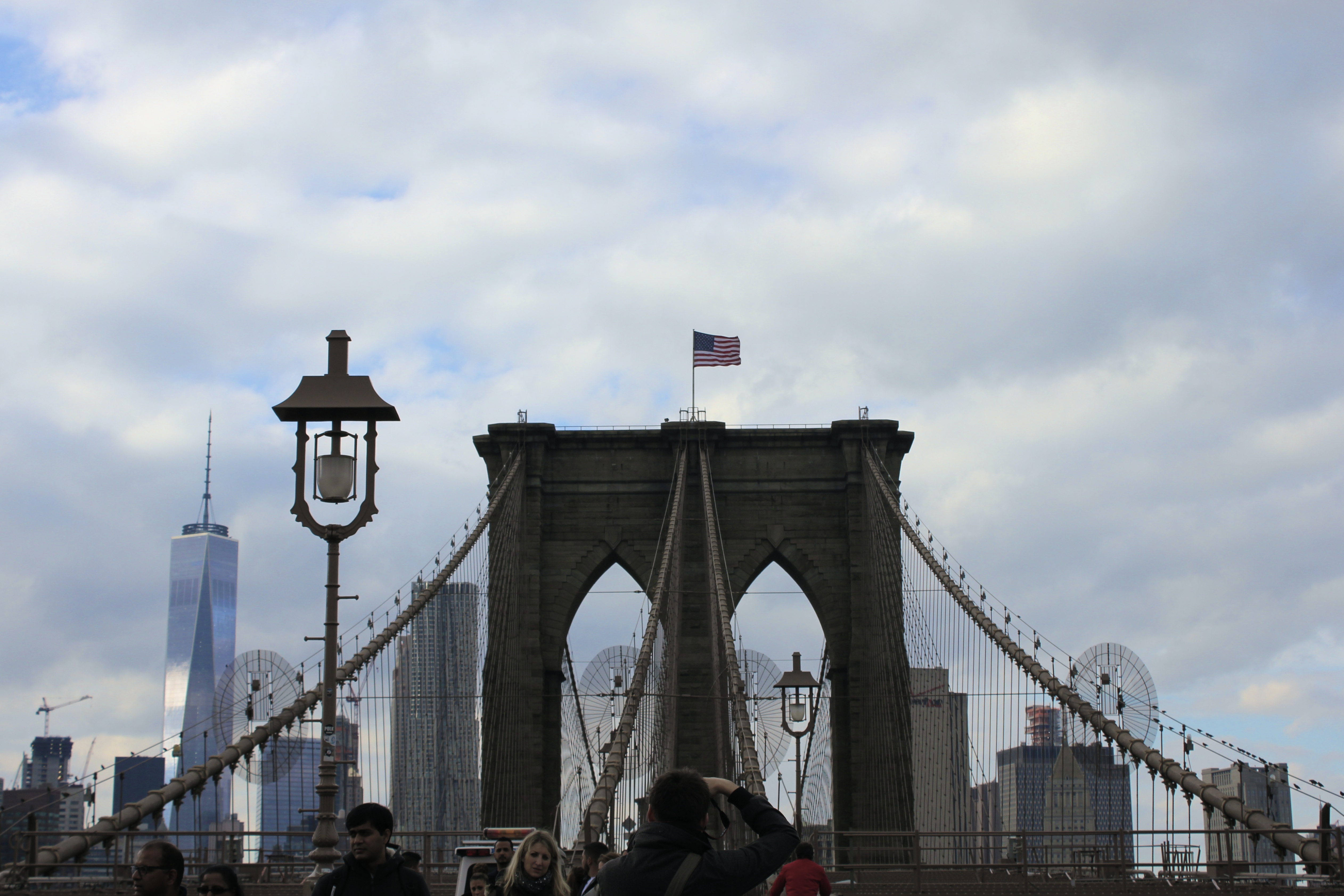
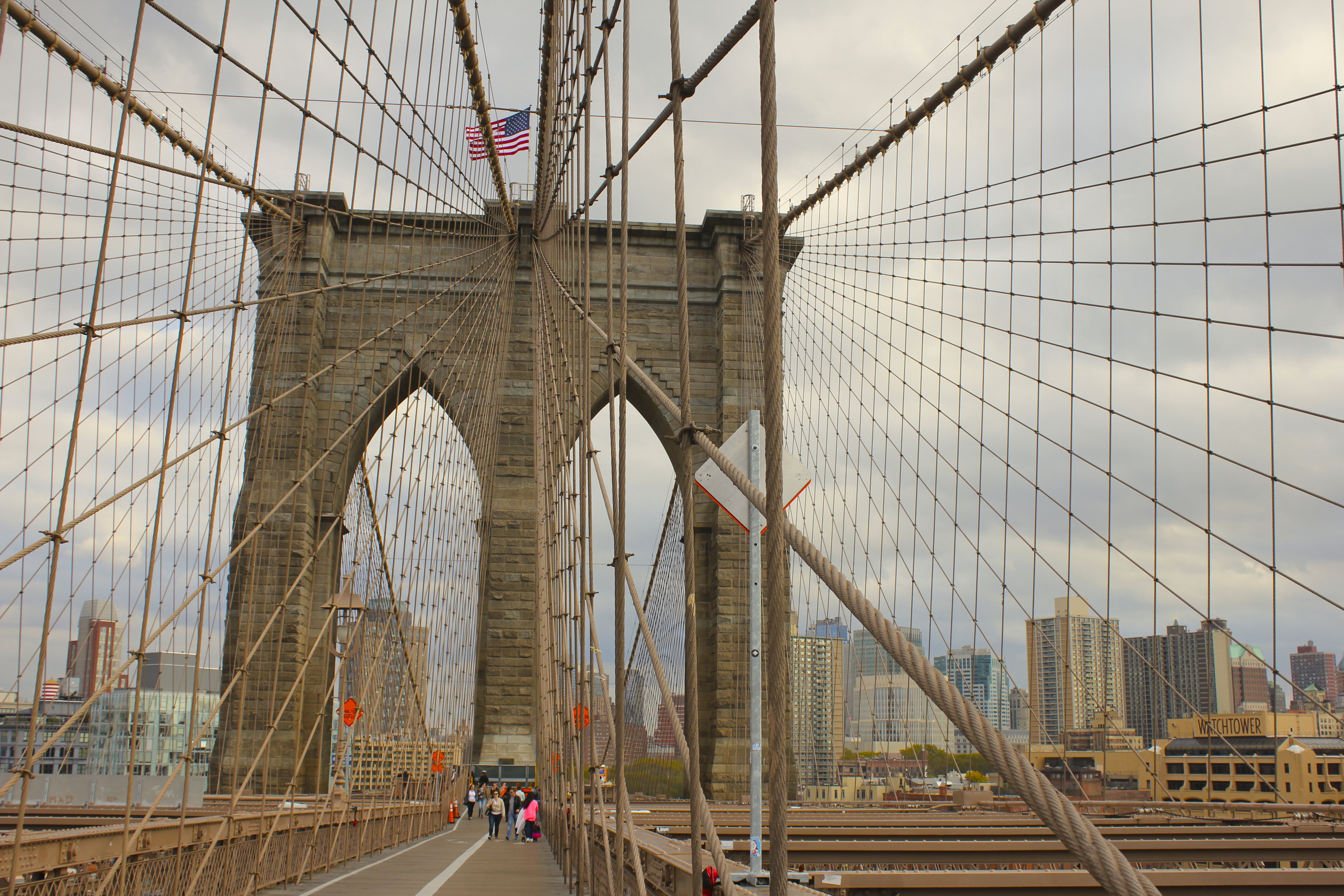
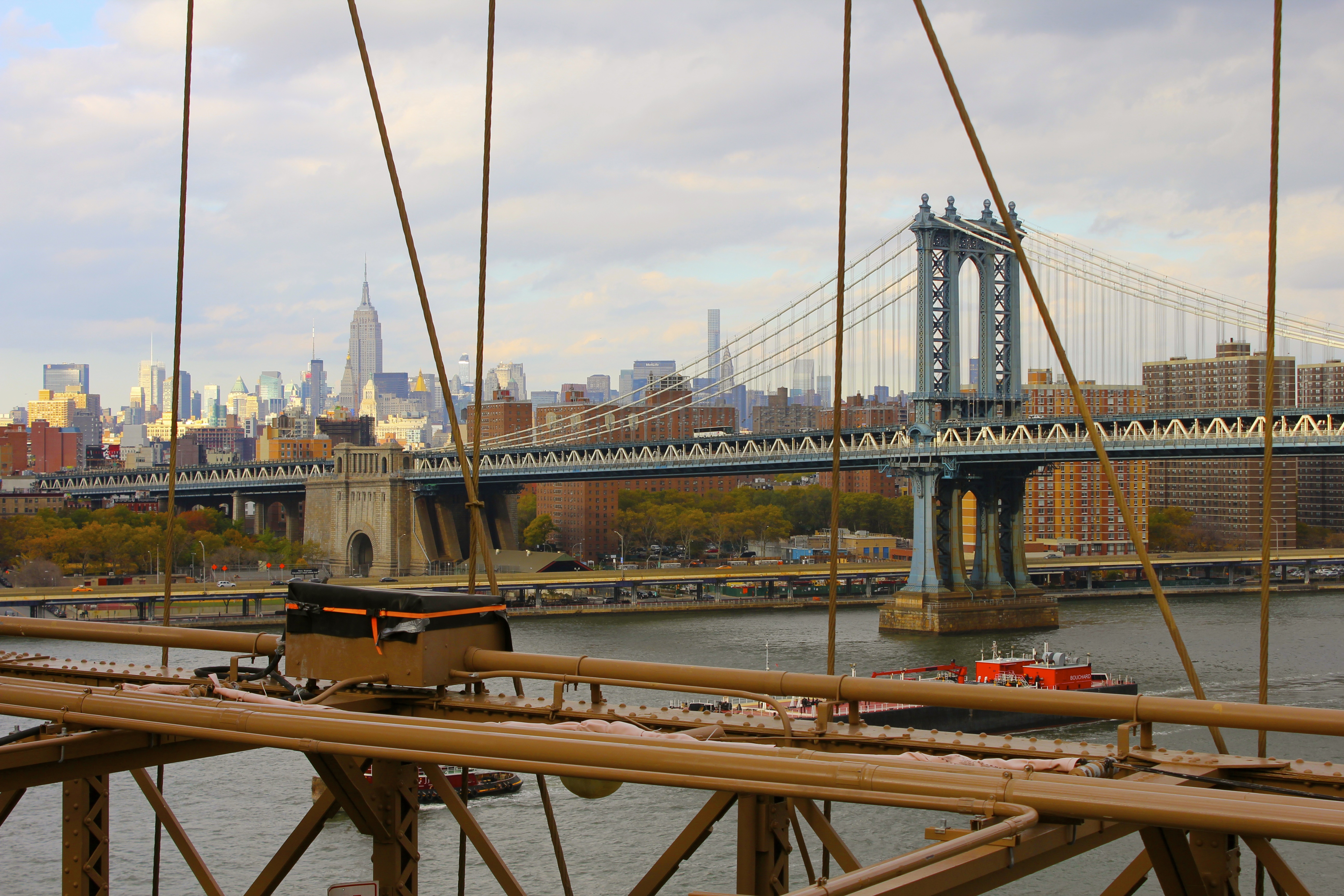
Walking to Manhattan Island, sun setting

over the Brooklyn Bridge west

then back again, night rising

over the Brooklyn Bridge east

suspended in loud skyways

afloat with turbulent tides

never becoming the future

never settling the past

splashing uptown and downtown

east and west

dropping

dumbstruck

down to the bedrock where a gamble feels like a sure bet

and shoots out a line from one gothic tower to another

anchors it

reads it, sings it, speaks it

takes it striding into the tangled tension of lives from everywhere and all times

sniffing oooh and ah and

why and oh no and I give up and I believe and—

Let’s just kiss.

Let’s kiss like the bridge is falling down!

Yes! Yes! Yes! Oh Yes!

********

IMG_0485

IMG_0486IMG_0493

IMG_0512IMG_0504IMG_0495

IMG_0491

IMG_0490

IMG_0501

IMG_0503

IMG_0513

IMG_0509

IMG_0507

20151101_144753

IMG_0489

IMG_0499

IMG_0496

IMG_0538

IMG_0541

IMG_0546 (1)

********

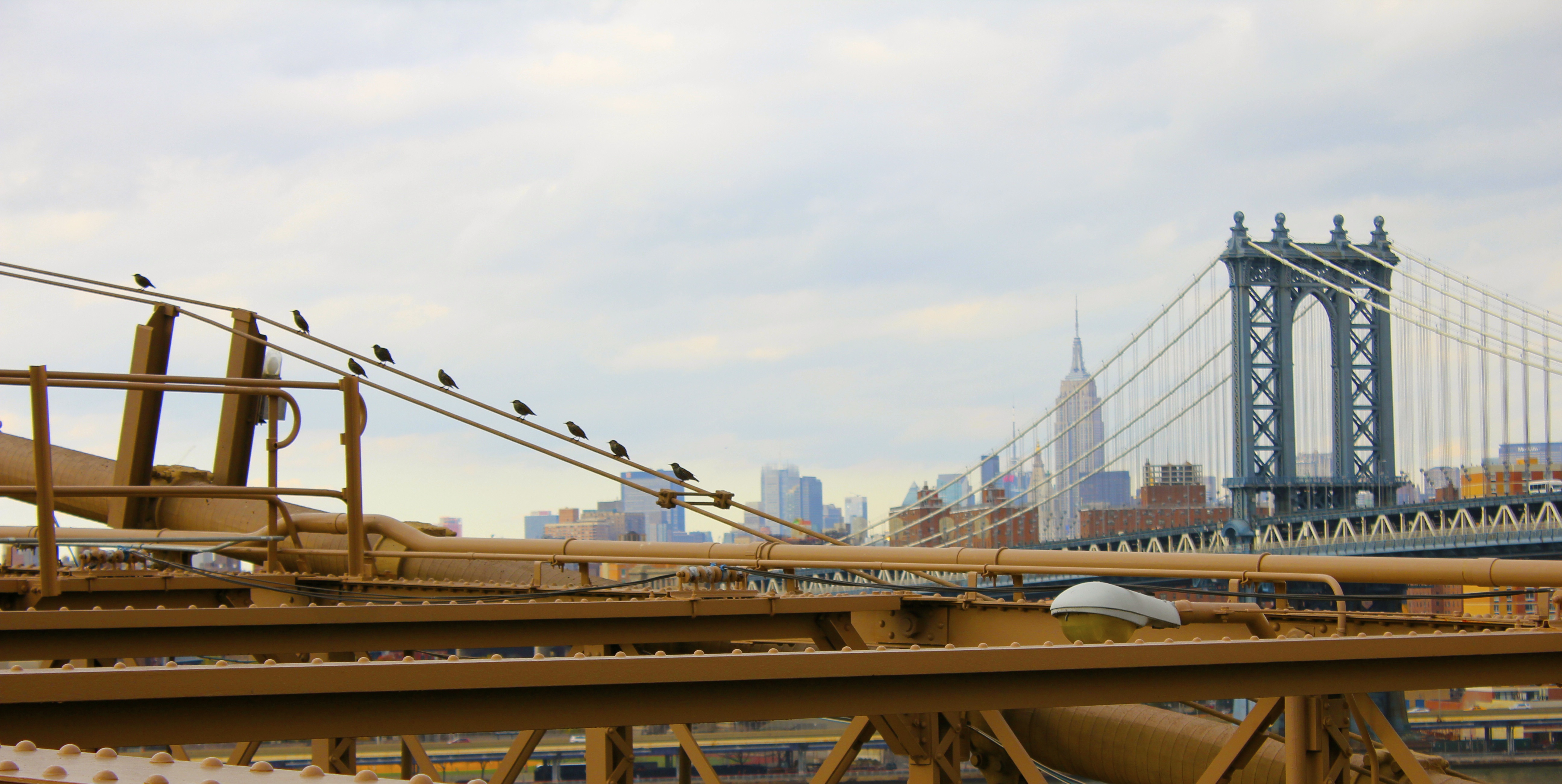
My favorite shot coming up next. Birds on a wire. City on the edge.

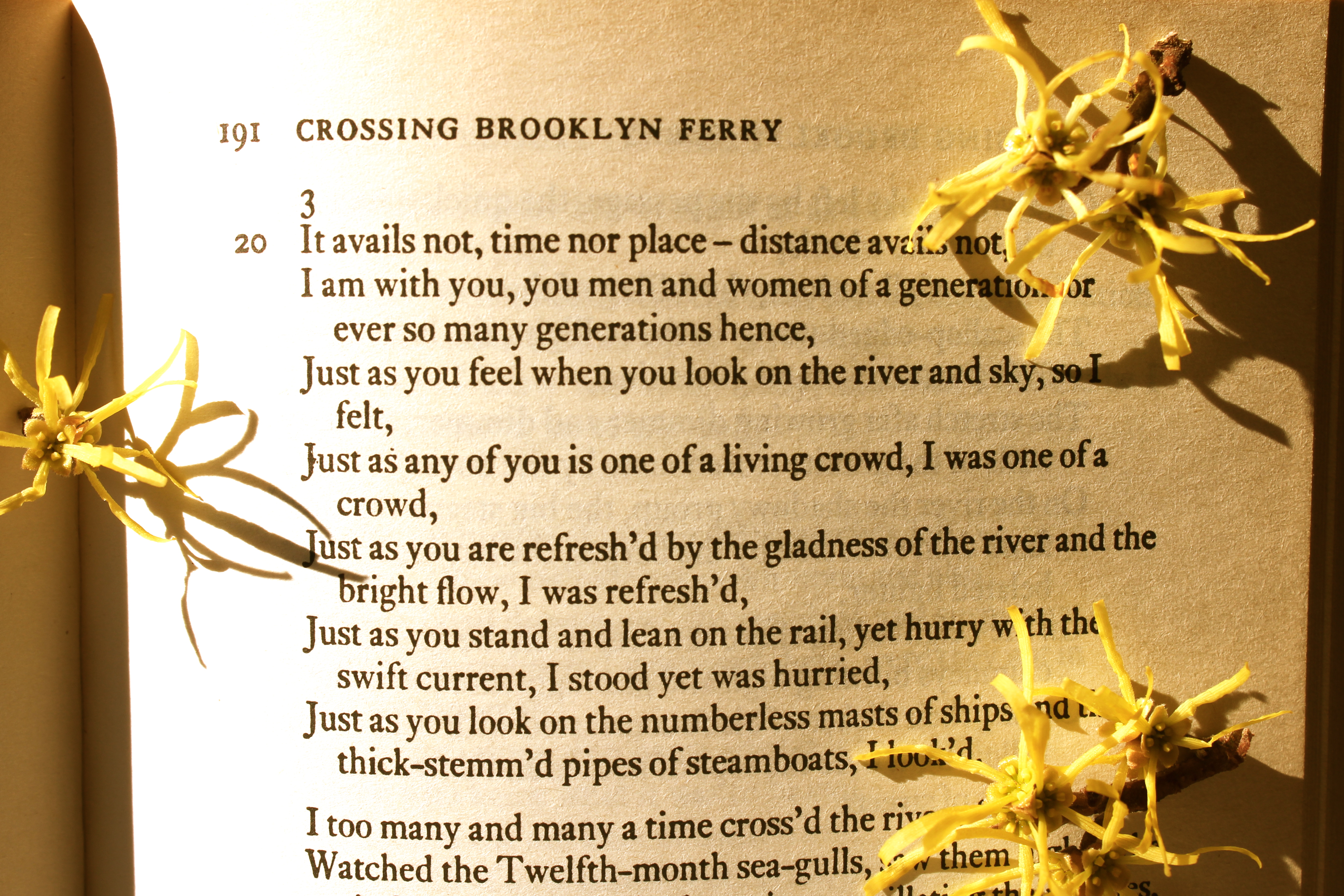
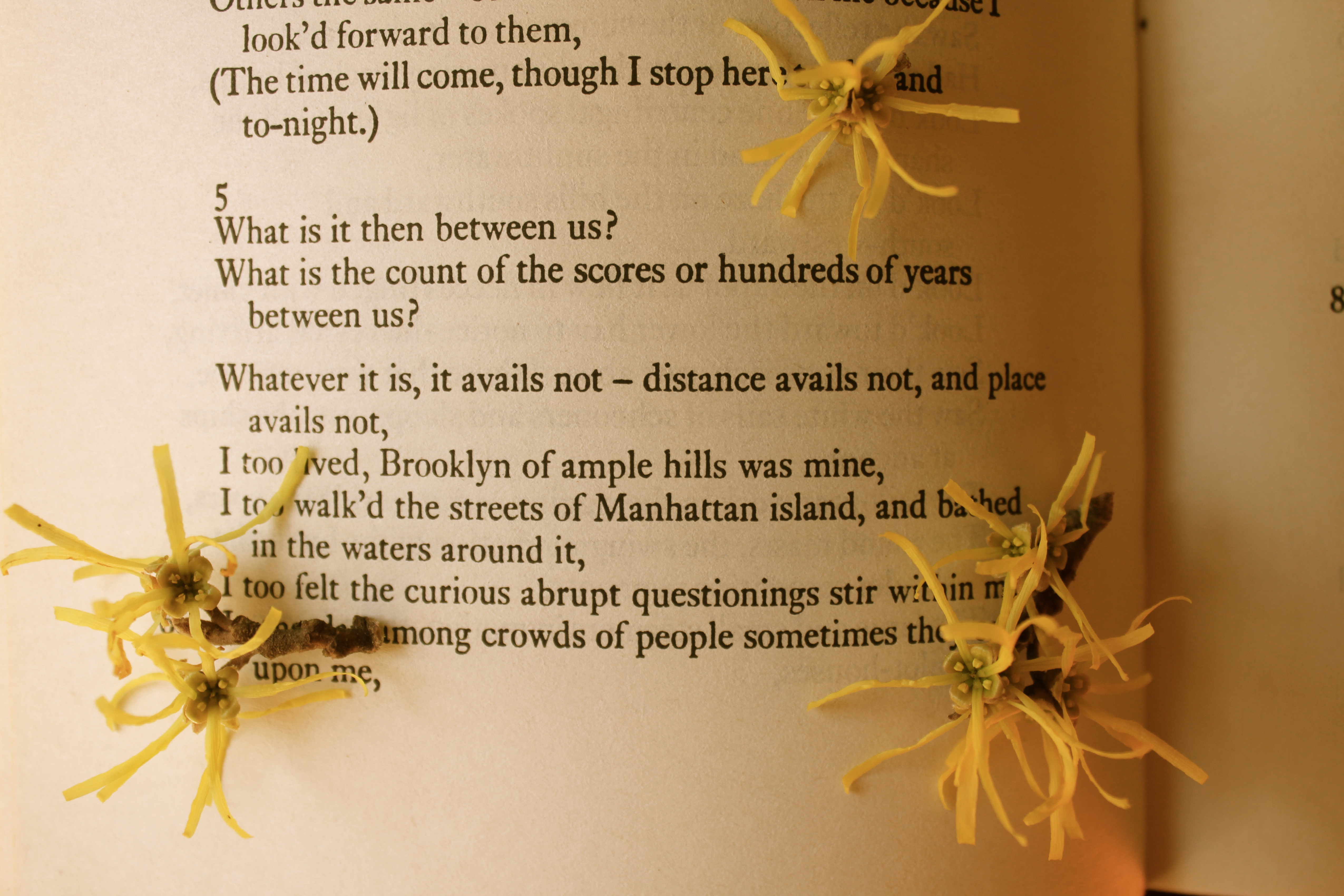
Followed by lines from the not-so-long-ago Bard of Brooklyn.

And Witch Hazel flowers I picked fresh just for you. They bloom in the November sun of my gardens.

Don’t jump.

IMG_0494

IMG_0609

IMG_0610

IMG_0613

********