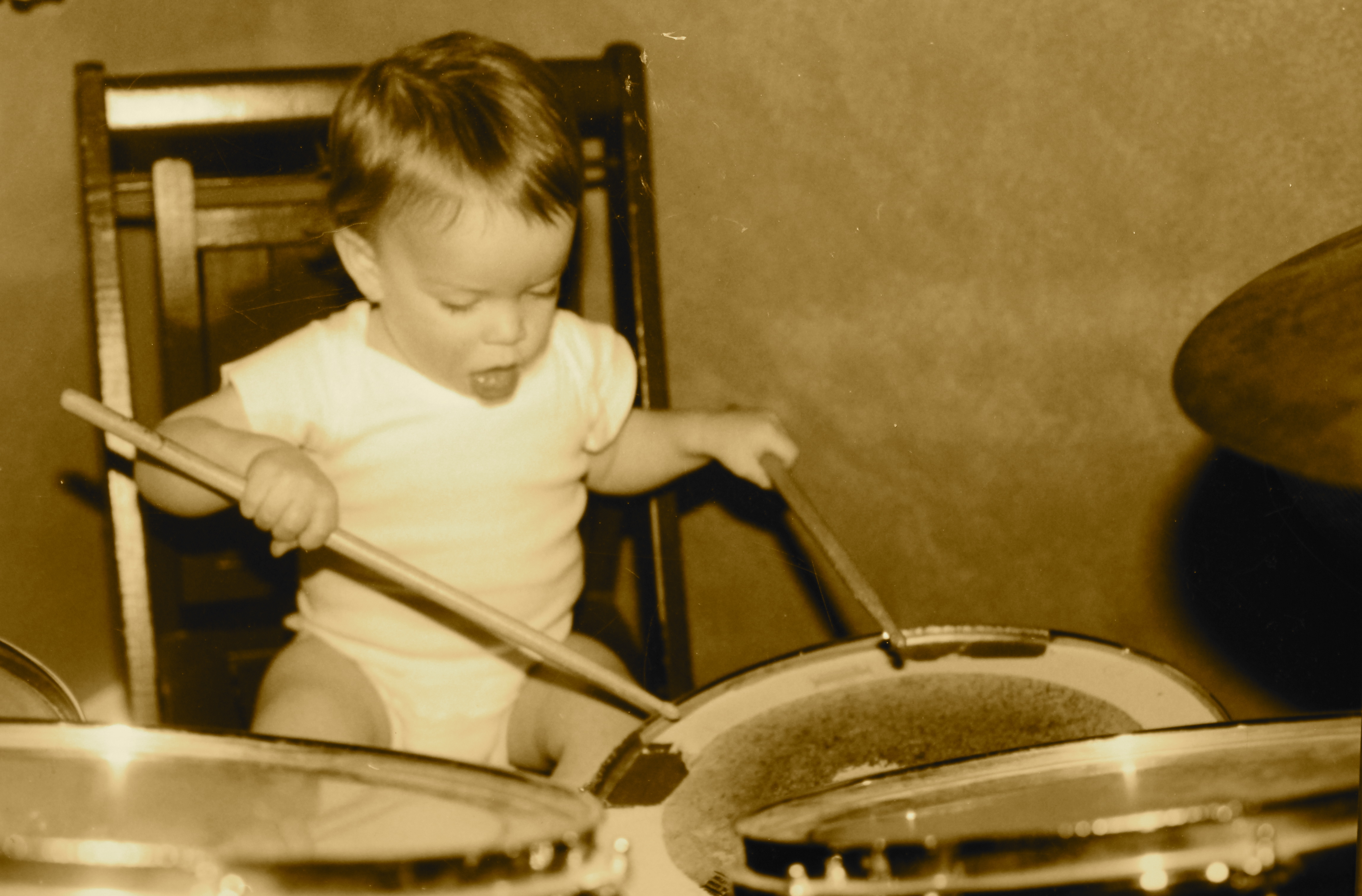
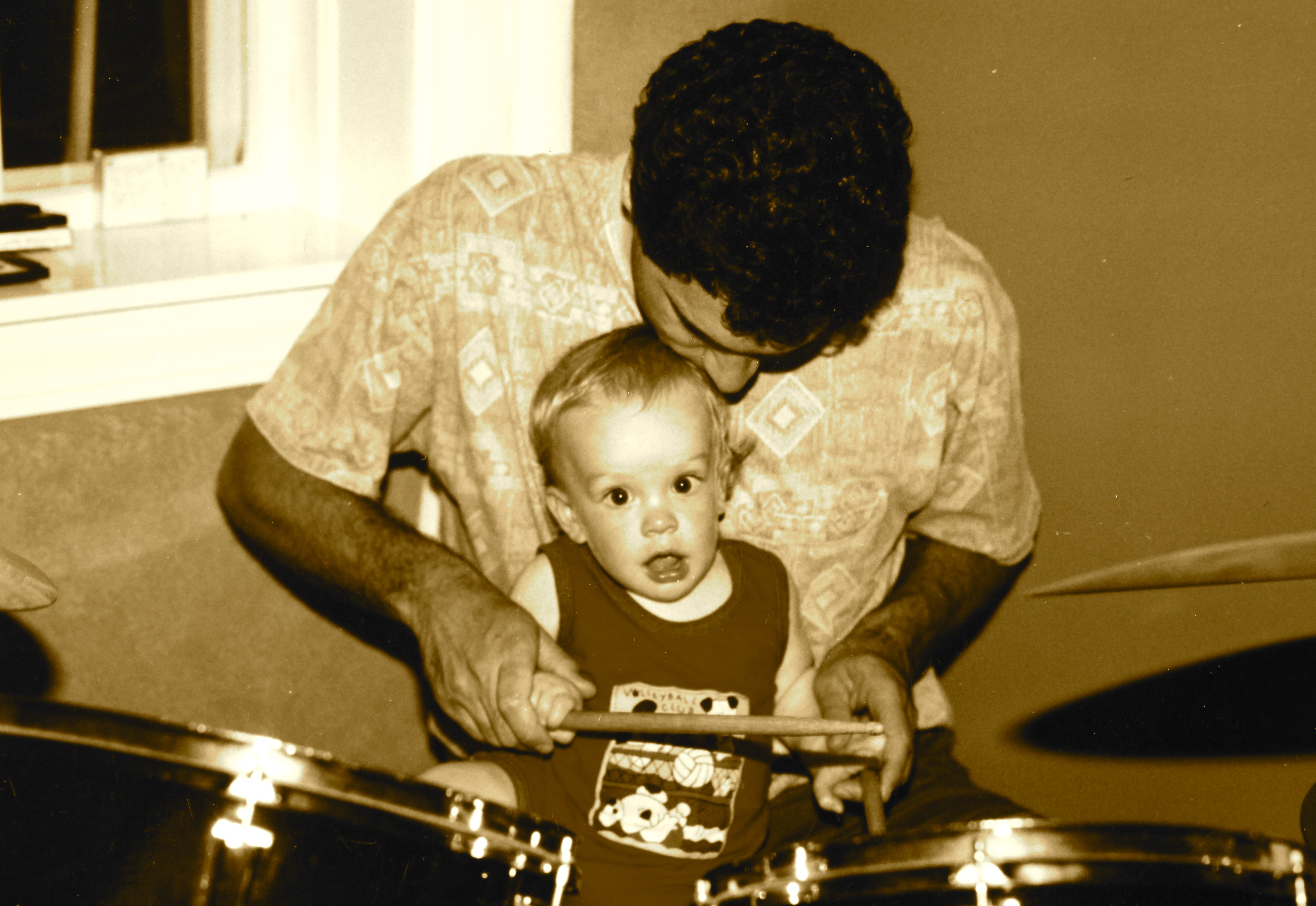
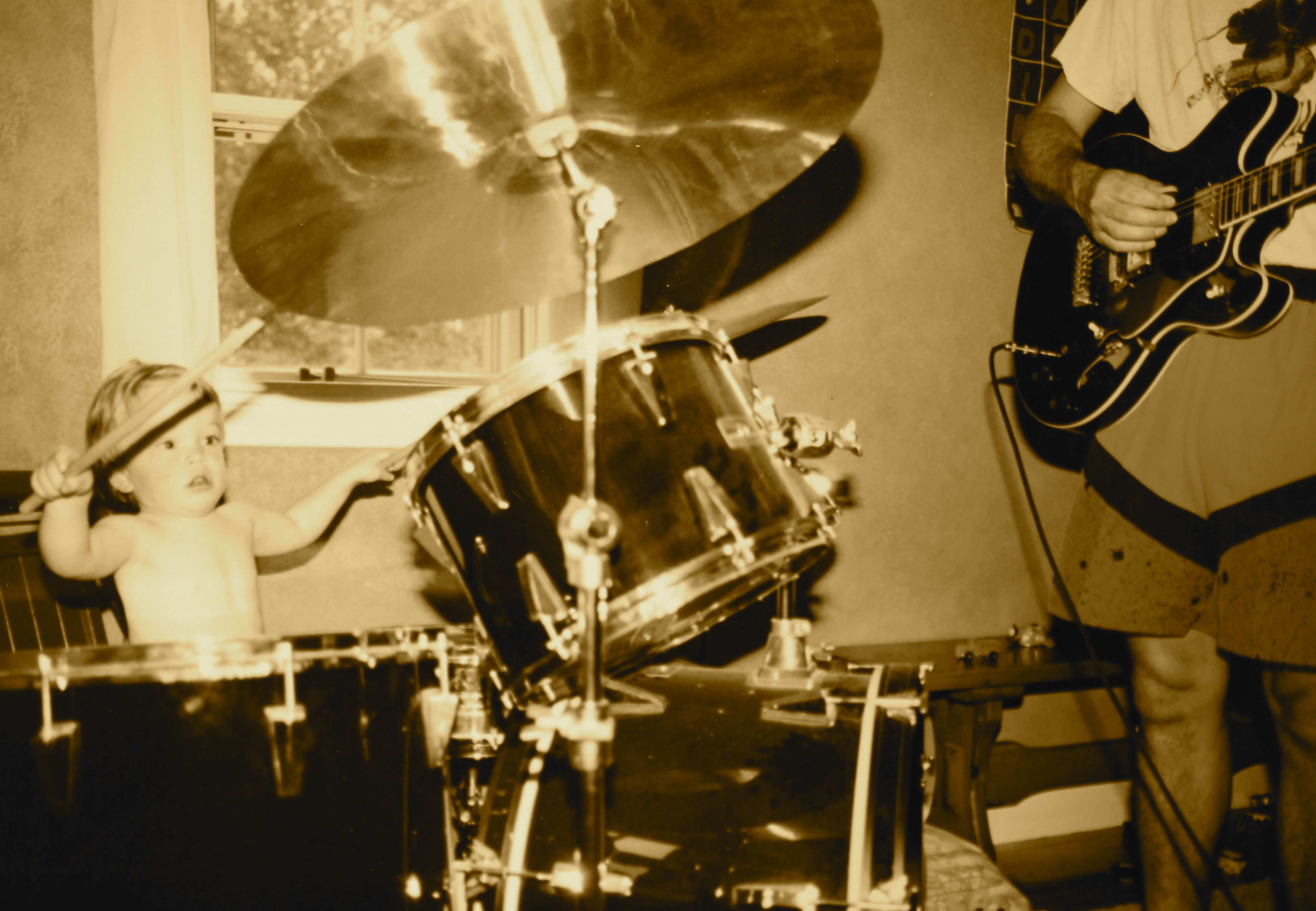
Bah Freakin Humbug.

There won’t be any snow for Christmas where I live in America’s northeastern Currier and Ivesville. The grass is green and supple, flowers are blooming, and the birds are taking baths without chattering beaks.

For some of us, 2015 has been the best of years and the worst of years. Worst of all, best didn’t do such a great job of overcoming worst. Sometimes, worst is worst—maybe the worst—and even if you were to fill the cathedrals of the world with every bit of your best from one year, your worst might still hum a mournful wail over the happy-ending high notes we all hope to hit at year end.

And then what!

Well, 2015 was one of the worst years for me. But not the worst. It was, however, the worst year for too many of the people I know and too many of the people I don’t know all around the world.

There is one tried and true practice that, in my humbug opinion, never fails to create notes of grace through times of troubles. It is simply this: Think of others.

Last night, my husband came home from work hauling his collection of briefcases and his guitar. “Why do you have your guitar?” I asked him. Had he auditioned for a rock band? Were we going to sell everything and return to the halcyon days of worry-free living in rent control with bold cockroaches? The days when happiness was stored one block away at the local dive, where we’d go to drink cheap beers and watch Larry Bird show Magic Johnson how Indiana comes to Boston to shoot hoops? Pre-craft-beer glory times! When we used to donate blood to the lab rats at Boston U Med every week or so—on our way to work—for twenty five bucks which was the price of one lift ticket at posh Sugarbush or a couple of lift tickets at wicked uber-rad Mad River Glen, and a whole season of tickets at forlorn Hogback, which is now just a ghost mountain.

No. My husband was not planning to abandon our troubles. We’ve been in this place before. Things have been worse for us. And they have been better. And so it goes. (Vonnegut, with a long face.) And it’s a wonderful thing to be married to a dude who is steady and sensible, because if he had loaded that guitar into our motorhome and stuffed every dollar we’ve ever earned into the overhead cabinets and said to me something like Baby we were born to run I would have clipped a blinking Rudolph nose above my Grinchy frown, harnessed myself to the front of that leviathan rig, and yanked it high into the sky. Far, far away. As far away as far can go.

“I took my guitar to a client meeting today,” my husband said. He told me who the clients were—a lovely couple he enjoys very much—and I remembered that 2015 hasn’t been the best of years for them. One of their daughters has been seriously ill and one grandchild continues to battle heroin addiction.

“What was it like when you brought your guitar in?” I asked.

“I didn’t bring it in right away,” my husband said. “I wanted to see how the meeting went first. But after we got through their financial reviews, I said I wanted to do something different for them and that I’d be right back. Then I went and got the guitar. I said that I was sorry they had had such a heart-breaking year and that I wanted to give them a few minutes to sit, relax, and listen to music.”

“Did you feel awkward?” I said.

“Kind of,” my husband said. “At first. But then, it was just—nice.”

He played: Do You See What I See? Silent Night. And, Angels We Have Heard on High for his clients. A private and intimate performance, unexpected, all in the comfort of their quiet home, on a warm winter’s evening. I know how sweetly beautiful he plays those songs and I am sure his clients were touched.

My husband asked how my day had been. “Well,” I said, “I cried a little bit in the morning. Talked to my sister. Talked to your sister. Went for a walk in the early evening. You know. Did some work. Cleaned up.”

He opened a beer. We split it. He took a hot dog out of the freezer and cooked it on the grill. We split the last scoops of ice cream.

Another night of beer and ice cream for dinner.

********

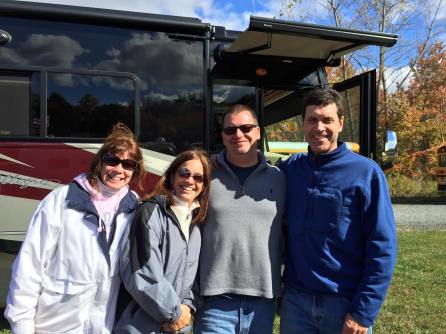
One day, during the recent fall season, we had a lot of fun tailgating at a UConn football game. My husband’s favorite cousin and his wife joined us for a day of sun, fun, food, and Left, Right & Center—which my husband’s cousin rallied a large group of my daughter’s friends to play. It was a happy day when my husband’s cousin and his wife showed up to care about us during the most stressful days of our 2015, and everyone had a great time.

Only a few weeks later, on the Sunday before Thanksgiving, this favorite cousin died unexpectedly the morning after his birthday—one of the best birthdays he had ever celebrated.

When we went to the funeral, the day after Thanksgiving, I wandered away from the crowd at the funeral home and found a small bookshelf in a private sitting area. The collection of books covered all kinds of grief, all kinds of death, all kinds of life’s challenges. I reached for Viktor Frankl’s Man’s Search For Meaning and settled down to read it. The book is filled with shocking passages about the depths of human cruelty, human suffering, and human triumph. There are pages and pages of wisdom, philosophy, psychology, and suggested life practices.

I don’t imagine it was a book my husband’s cousin ever read, though he was an avid reader. He just didn’t need such books. He was content with his life, including all of its attendant heartaches and joys, and accepted, without too much judgement, the ways of the world. All families need a cousin like him, more than they need books by people they will never know. We will always miss him, and will always be grateful to have his spirit to see us through.
12109969_10206730075881908_4042360677964198636_o

********

For those of us who are, no matter what, in need of books like Frankl’s Man Search for Meaning, and find ourselves often tormented during the holidays by the joys and sorrows of lives as layered as an enormous vat of figgy pudding prepared to feed the hordes of revelers whooshing around on the ice at Rockefeller Center, there are ways to enjoy navigating the emotional minefields of Christmastime.

Of course there are.

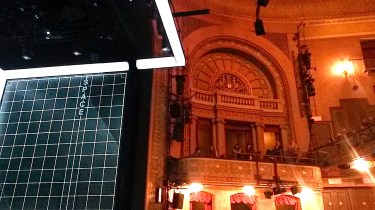
First of all, take your family and friends and Internet bloggers up on some of those out-of-the-ordinary suggestions for holiday-season entertainment. My sister recommended my husband and I go see “The Curious Incident of the Dog in the Nighttime” during a visit to New York City. Neither of us had read the book. We woke up early on a Saturday morning, dressed up, drove a fast three hours to our favorite cheap (but nice enough!) hotel in Long Island City, Queens, (written about in my first blog post when 2015 was just getting underway), took the 7 Train directly to the theater district and settled in for a matinee performance. We thoroughly enjoyed the inventive and exciting play.
20151212_135652

Afterwards, we let a pedicab rip us off for a thrilling ride through the insane crowds and tightly-packed vehicles of Times Square. (It was so warm out! We feared for our lives!)

20151212_165336

We were on the way to the Morgan Library Museum, where we met our son and rushed through exhibits on Matisse and Hemingway. After that, we strolled in the tropical temps to the lounge at The Bowery Hotel for a quiet place to have drinks before dinner at Upstate Beer and Oyster Bar in the East Village—a place recommended by one of our son’s good friends. We ordered oysters, sea urchin, smoked trout, crab cakes, clams and fettucine, all served small-plate style in an intimate, dark space that’s lucious with crazy-loud happy eaters.

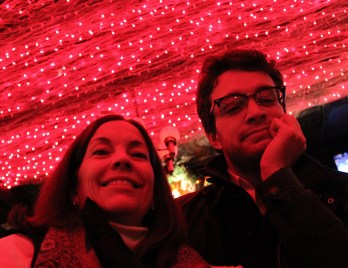
Another fun place for drinks with festive decorations: Pete’s Tavern near Gramercy Park. O Henry lived nearby, but did not pen The Gift of the Magi while drinking craft beers at Pete’s.
IMG_2877

Another suggestion: Listen to Patrick Stewart’s A Christmas Carol on the CD player in your car if you have to drive long distances alone. So superb.

20151215_123708(0)-1

Another suggestion: Bake cookies that require a lot of time and effort. Lose yourself in the long moments required to make a big mess and clean it up. Don’t get all Martha Stewart about how to decorate them. Hand the job over to the kids. Even if they’re big kids.
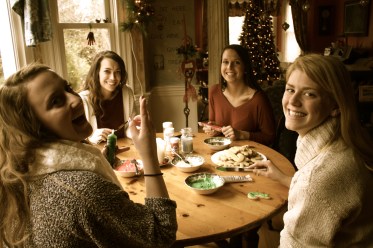
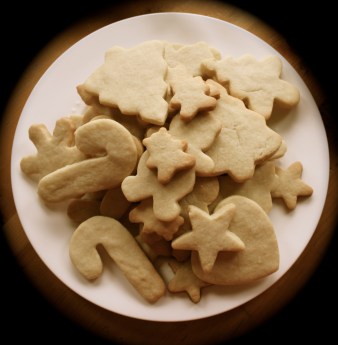
IMG_2774

IMG_2775

IMG_2778

IMG_2783

IMG_2782

And the old stand-bys: WALK through the woods! Early mornings and late afternoons are lovely. Later, drive around and look at Christmas lights. Professional displays are nice:

IMG_2623

But neighborhoods are the best, by far. Here’s the best band of 2015, Teeth People, out and about enjoying the bling of Dyker Heights, Brooklyn.
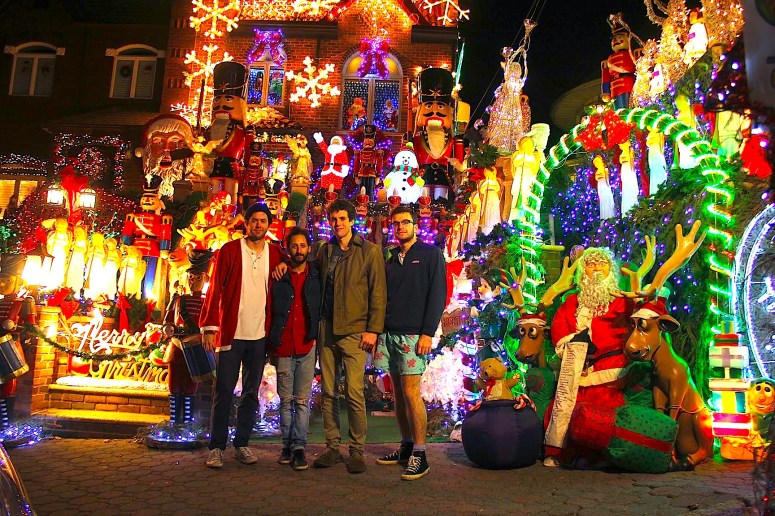
Unknown

********

And now for some of my favorite words from A Christmas Carol by Charles Dickens. The book is so good.

“Bah!” said Scrooge. “Humbug!”

“Christmas a humbug, Uncle!” said Scrooge’s nephew.  “You don’t mean that I’m sure.”

“I do,” said Scrooge. “Merry Christmas! What right have you to be merry? What reason have you to be merry? You’re poor enough.”

“Come then,” returned the nephew gaily. “What right have you to be dismal? What reason have you to be morose? You’re rich enough.”

“Bah! Humbug!”

“Don’t be cross, Uncle!” said the nephew.

“What else can I be,” returned the uncle, “when I live in such a world of fools as this? Merry Christmas! Every idiot who goes about with ‘Merry Christmas’ on his lips should be boiled with his own pudding, and buried with a stake of holly through his heart. He should!”

“Uncle!” pleaded the nephew.

“Nephew!” returned the uncle, sternly, “keep Christmas in your own way, and let me keep it in mine.”

“Keep it!” repeated Scrooge’s nephew. “But you don’t keep it.”

“Let me leave it alone, then,” said Scrooge. “Much good may it do you! Much good it has ever done you!”

“There are many things from which I might have derived good, by which I have not profited, I dare say,” returned the nephew. “Christmas among the rest. But I am sure I have always thought of Christmas time, when it has come round—apart from the veneration due to its sacred name and origin, if anything belonging to it can be apart from that—as a good time; a kind, forgiving, charitable, pleasant time; the only time I know of, in the long calendar of the year when men and women seem by one consent to open their shut-up hearts freely, and to think of people below them as if they really were fellow-passengers to the grave, and not another race of creatures bound on other journeys. And therefore, Uncle, though it has never put a scrap of gold or silver in my pocket, I believe that it has done me good, and will do me good; and I say, God Bless it!”

********

I say, God Bless the Keeping of Christmas, too, however it is you choose to do it. Keeping Christmas has always done me good and sustained me, even when I’ve been called upon to bear the worst of years. And if this has been a worst of years for you, I am thinking of you, and hoping the best of Christmas will find you, and see you through.

IMG_2750

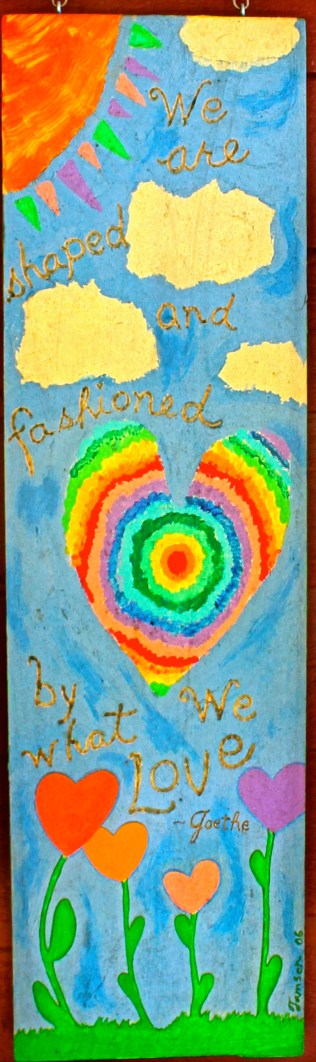
From a painting given to me by my daughter one Christmas.

********
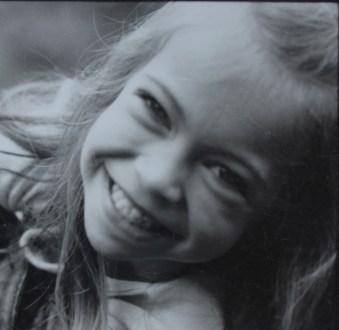
 

Twenty Fun.

Do you remember when you believed reindeer could fly?

Close your eyes.

It’s nighttime.

The night is so big. The cold is so warm. The snow falls and falls and falls.

Every snowflake is smiling.

The reindeer appear in rainbowed arcs from another side of the nighttime, flying forth on a trail of shining stars that look as though they are bursting and popping, yet they are as quiet as the gentle swish of a salamander’s tail.

The reindeer land in your backyard. Their coats of brown fur glisten in moonshine that smells like fresh honey and tastes like bright yellow.

Shiny-belled harnesses ring—winter’s own music—a thousand joyful nightingales singing Christmas carols.

Majestic antlers reach almost as high as your bedroom window where you are watching from the second floor of your home. Everyone else is fast asleep.

The reindeer stamp their hooves deep into the snow, jingle their bells, and—looking up—find you in your bedroom window, believing.

This gives them the courage to keep flying.

********

IMG_1197

(Photo by Aunt Heidi.)

********

Today is my daughter’s 21st birthday. Twenty Fun she says.

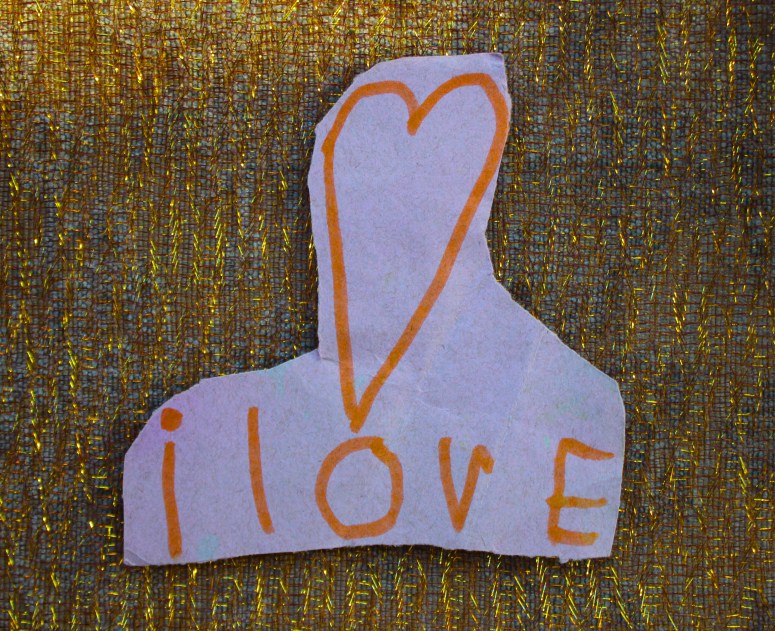
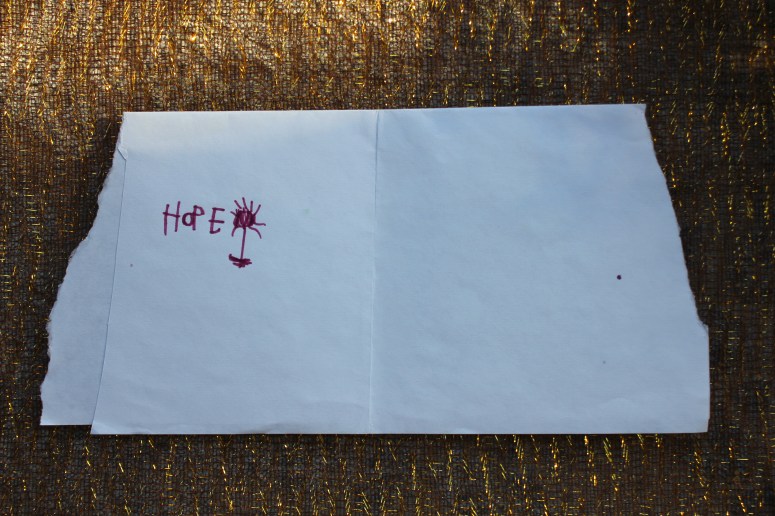
She was born to forever honor and keep special the expansive worlds of childhood play and creativity. She wrote her first manifesto as a toddler and has never doubted her words and all they can accomplish:

IMG_1186

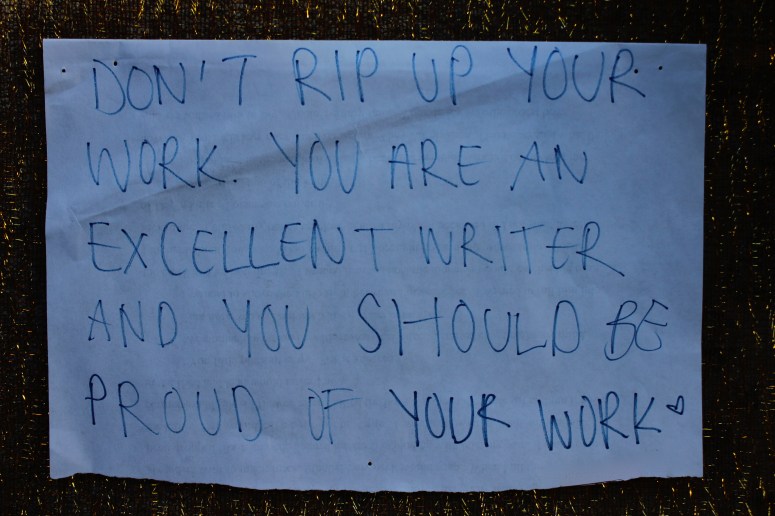
She believes reindeer can fly and she believes in you, too. If you’re having trouble finding your wings, or calming an aching heart, she might cook you an unforgettable meal or leave a note under your pillow or on your desk.

IMG_1187

IMG_1198

She’ll pick a posy of wildflowers and arrange them just so in a paper cup and place them in the middle of a picnic table. She’ll bring you a butterfly.

IMG_1188

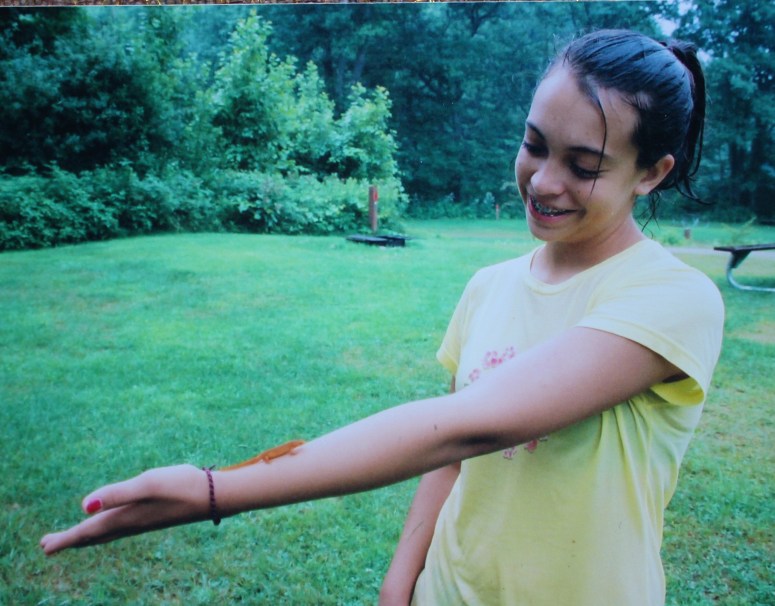
She’ll catch the biggest fish for you. Or the cutest creature colored orange.

IMG_1190

She’ll hike all day in the rain with you. She’ll bake for you. She’ll paint hearts and rainbows.

IMG_1610

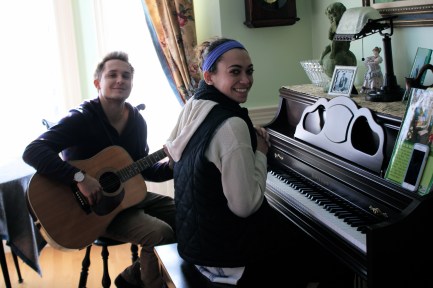
She cheers for the home teams. She plays Christmas carols on the piano. She plays love songs, too, with her boyfriend.

IMG_0925

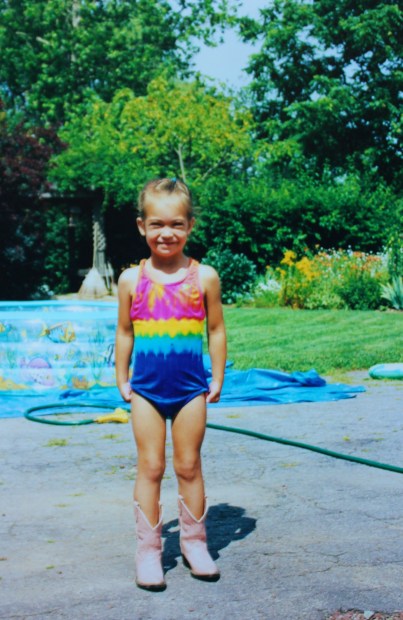
She’ll play board games and watch Disney movies, over and over again until everyone feels like going out for a night on the town, flying around, dressed in princess garb or mermaid skirts or cool boots. Get on your boots. Cowgirl boots. Hunting boots. Ski boots. Big city girl boots.

IMG_1194IMG_1195

IMG_1199IMG_3124

The spirit of party reigns in my daughter’s world. In fact, she has taught me that Party Spirit is the best remedy for the doldrums and the sads. It’s also a necessary component to most every day. When she was a toddler, she would awaken on random days and declare Dress Days. We had to wear dresses all day. You could choose different dresses throughout the day. I was a tomboy mother without dresses in my closet, but I became one fair lady on Dress Days.

The rules for Dress Day were simple. Wear what you want, in whatever combinations you like, all the way down to your shoes, which don’t have to go on a “right” foot.

IMG_1191

********

My daughter taught me to Fling a Little Festive into Everything You Do.

********

Joyce Carol Oates wrote in her essay, “Beginnings,” that the impulse to create is utterly mysterious. “…’art’—originates in play…it remains forever, in its deepest impulse…a celebration of the (child’s?) imagination…”

Oates headlines her essay with a quote from Andre Gide: “I will maintain that the artist needs only this; a special world of which he alone has the key.”

And Charles Baudelaire said: “Genius is no more than childhood captured at will.”

—And one day, recently, when I asked my daughter if she had had a happy childhood, she said:

“I don’t know. It’s not over yet.”

********

Is your childhood over yet? Have you stopped believing reindeer can fly?

Do you love your birthday?

—Or is age something that takes you further and further away from your youth and its attendant genius, instead of delivering you deeper and deeper into those special worlds where only your heart can unlock your own unique perspectives on what’s so wonderful about being alive—and then share them with the rest of us.

My daughter loves her birthday. It’s the one day every year when the party is about the arrival of her world into this world.

Everyone has a birthday. It’s a day better than New Year’s Day for beginnings and celebrations and the sharing of you with all of us.

Do you remember when your lungs drank up that first breath of air before you were plunged into childhood?

Close your eyes. Take a deep breath.

“There is a fountain of youth: It’s your mind, your talents, the creativity you bring to your life and the lives of the people you love. When you learn to tap this source, you will truly have defeated age.” Sophia Loren

Let the breath go. Follow it!

********

Happy Twenty Fun to my daughter! Drink up that first breath again. Keep drinking that energy. Keep playing. Keep sharing the creative genius of your youth.

It never gets old!

IMG_0212

********


Reach Out. Touch.

When my daughter attended preschool, she became friends with a lively classmate from Japan. The friendship was a brief one because her friend’s family moved back to Japan too soon. But what wonderful days our families shared during the time we had together.

The girls were possessed by a happy energy that caused them to leap into each other’s arms over every beautiful little thing that swirled around them. For instance, there was the precious thrill of cute! when my daughter’s pet rabbit gave birth. How carefully the girls snuggled those seven bunnies in their own eager preschool paws, giggling as though the kingdom of childhood and animals had finally come to rule the world.

And what a good time we had whenever my daughter’s friend invited us for lunch at her house. She would greet us at the door and properly instruct us on how to remove our shoes before entering her home. Next, she guided us through customary table manners, none of which restrained the girls from engaging in silly conversations throughout the meal.

When a large group of relatives visited from Japan just before Halloween, my daughter’s friend asked if she could bring them to our house to see our Halloween decorations. It became the first (and only) time I hosted a tourist event in my home. I wasn’t prepared to explain ghouls, tombstones, and spider webs, but polite bows, gentle nods, and cheerful smiles assured me it didn’t matter.

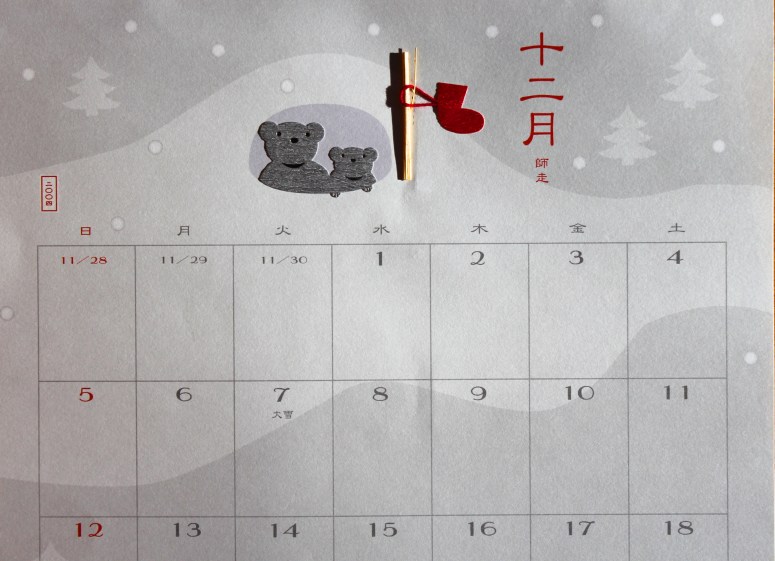
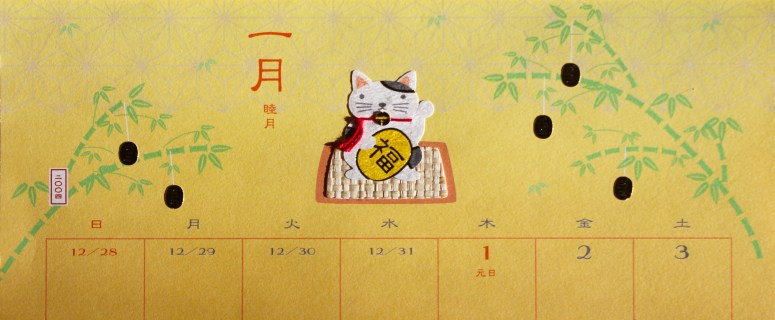
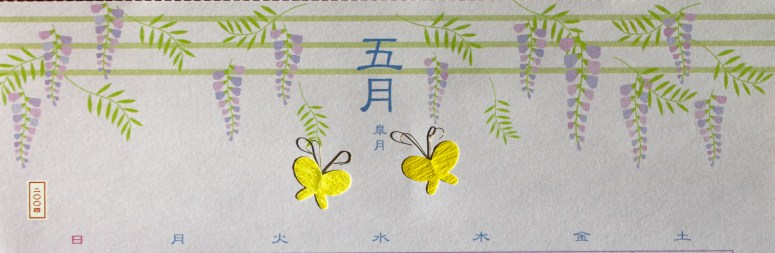
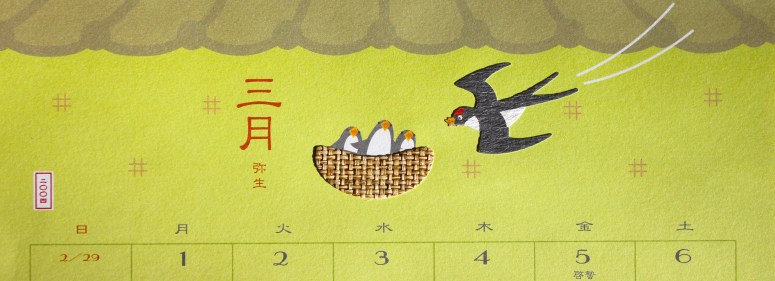
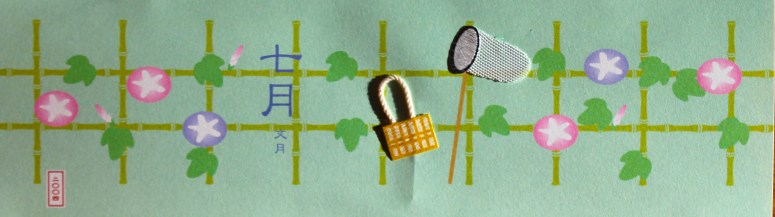
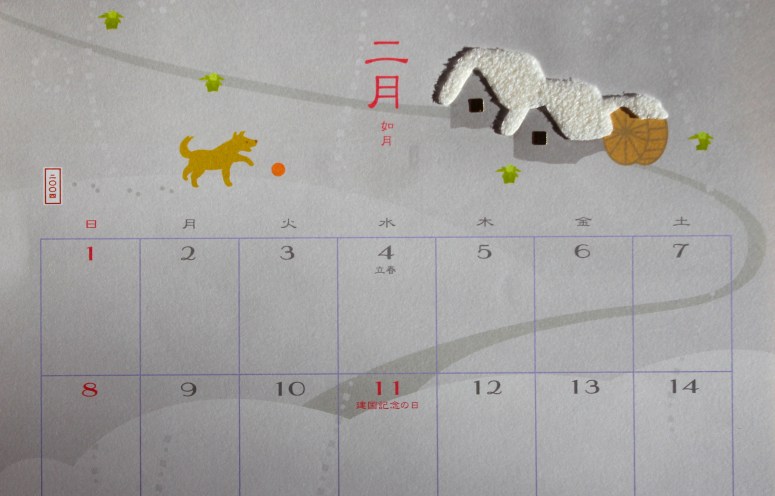
After my daughter’s friend returned to Japan, we received a simple gift at Christmastime. It was a Japanese calendar decorated with enchanting artwork on lovely paper along with some Japanese Christmas treats. I made the treats into ornaments and saved the calendar as a treasured artifact of a special friendship. Photos of my daughter’s friend showed her settled into a new school lined up with her Japanese classmates—all of them dressed in uniform, with matching shoes and socks and hats and backpacks.

********
Through my Filipino maternal grandfather, my family tree branches back into a landscape of Chinese ancestors I am only beginning to discover. I have trained in Korean martial arts, learned how to hand quilt with Japanese women, practiced Sumi-e brush painting with a German master, studied Chinese language, history, anthropology, and politics, and, I have immersed myself in learning the theories and practices of Japanese and Chinese garden design.

For me, Asian art and culture inspires devotions to finding and achieving precious.

I am a disciple of wabi-sabi, which is hard to explain, but you know it when you come upon it or create it. Although wabi-sabi considers the sublime beauty of perfect imperfection, there can be no fooling oneself that Asian art and culture often perfectly presents an illusion of simplicity that has only been achieved after arduous ritual, study, and lifelong practice.

Life is so complicated. And nowadays, due to the vast systems of connectedness that bear in on all of us, we are presented with a steady feed of tragic events as they happen in real time throughout the world. We are never left unaffected, and often forget how the simple act of making friends can lead to more and more good in the world, too.

Art can provide respite, too. And a chance to connect.

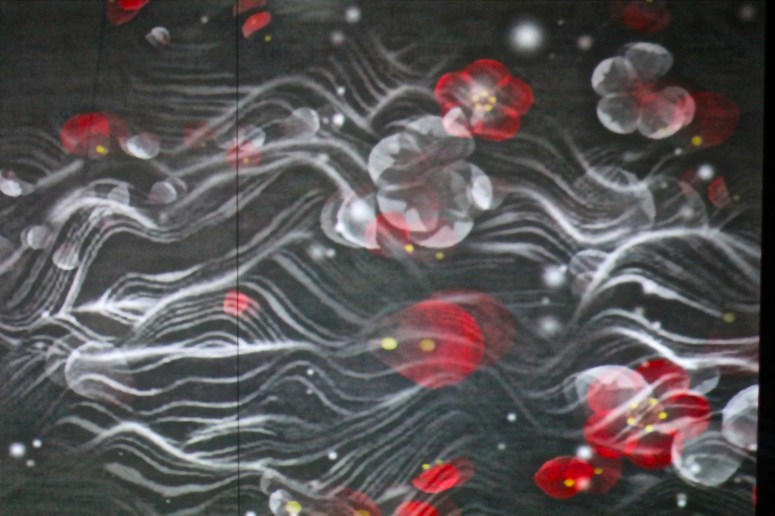
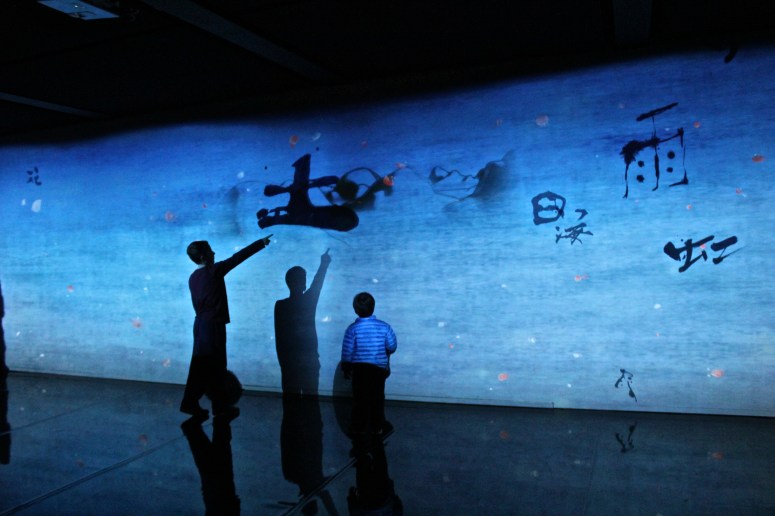
Right now, and for only a few more days, there is a multimedia, contemporary art installation created by a consortium of artists, engineers, mathematicians, and computer scientists based in Japan, on display at the Johnson-Kulukundis Family Gallery, Byerly Hall, Radcliffe Yard, Cambridge, MA.

The exhibition is called: What a Loving and Beautiful World.

It’s free and open to the public.

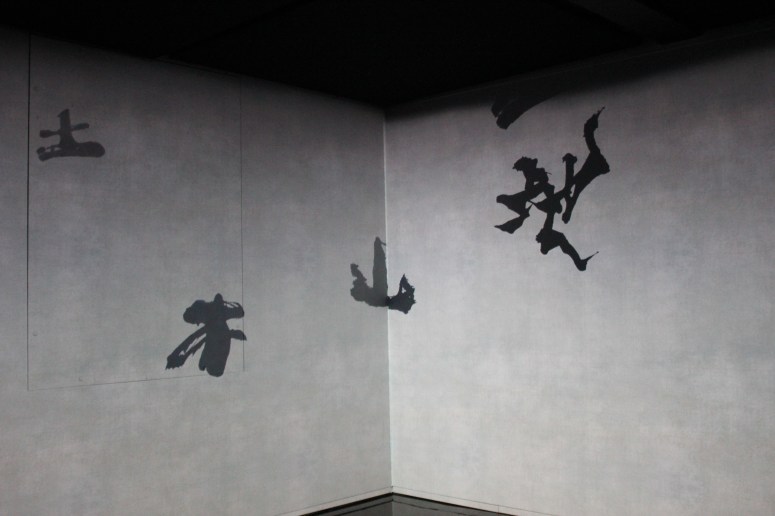
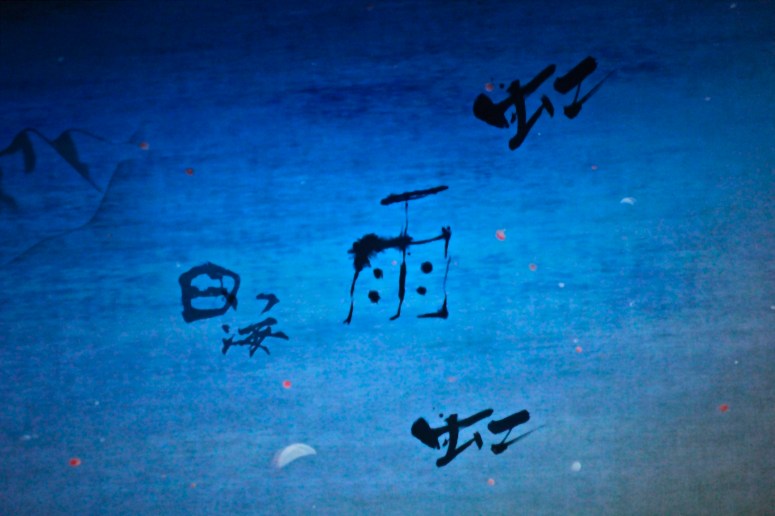
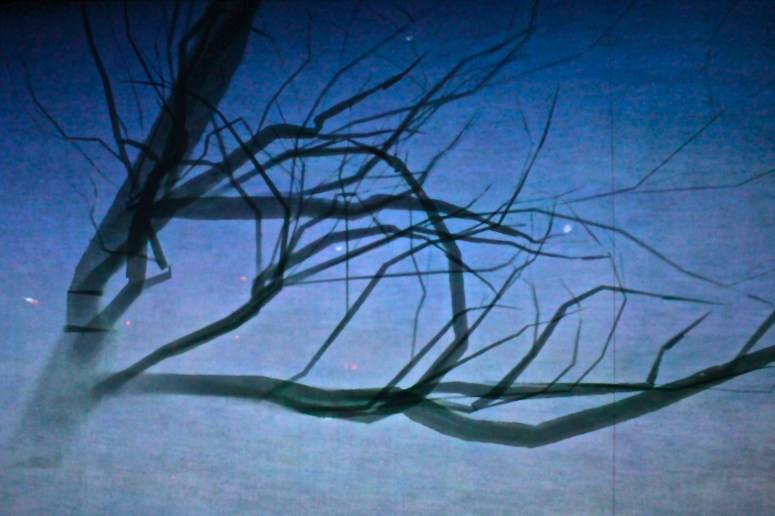
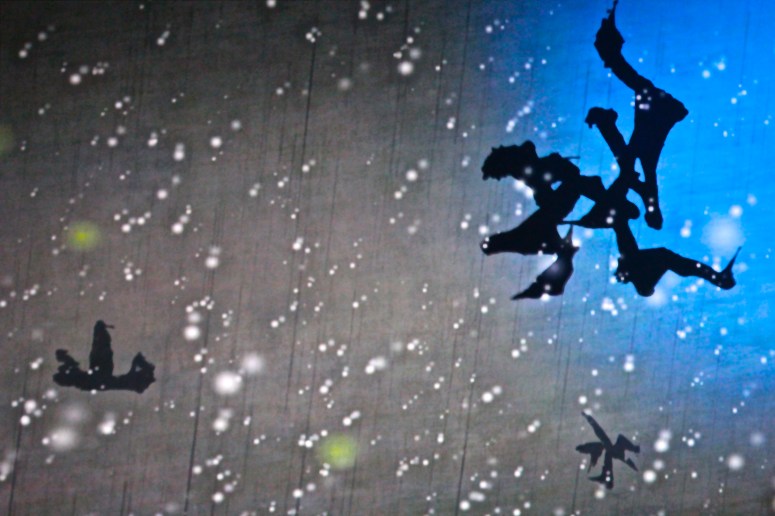
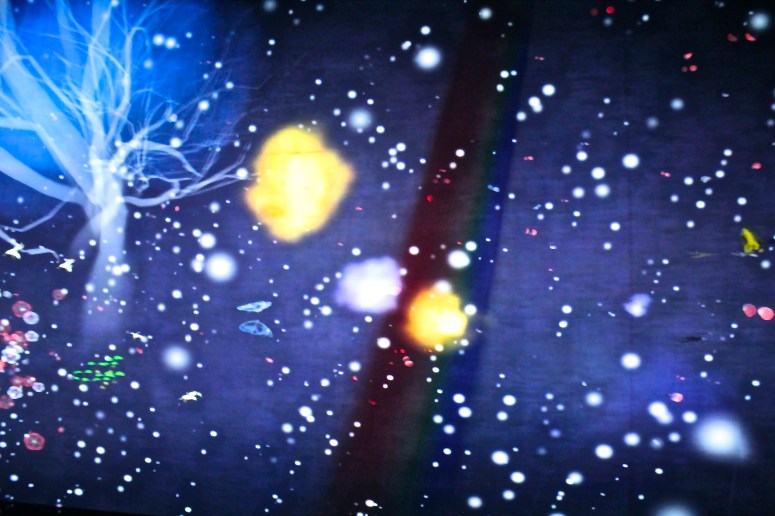
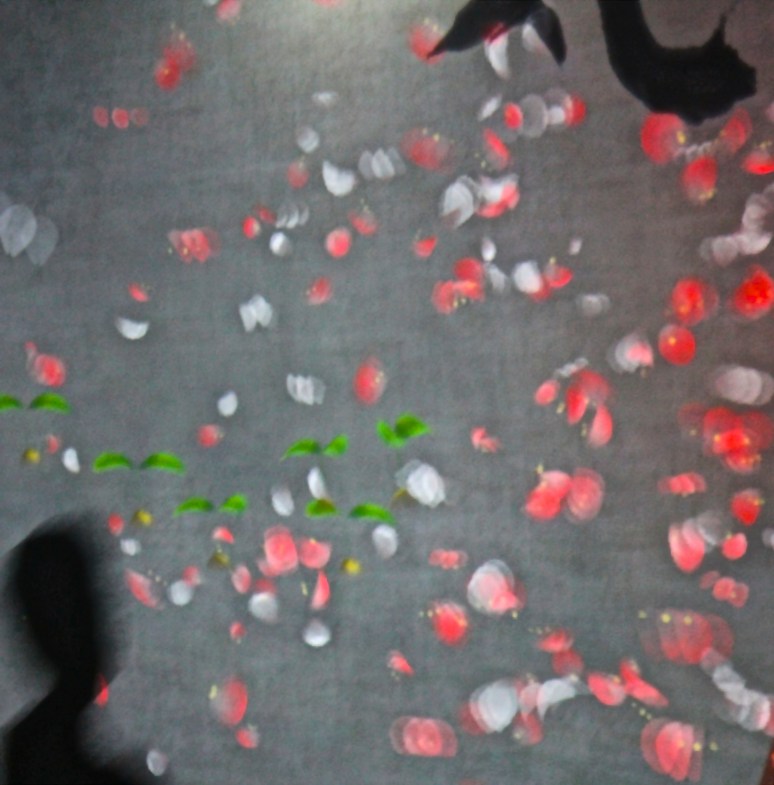
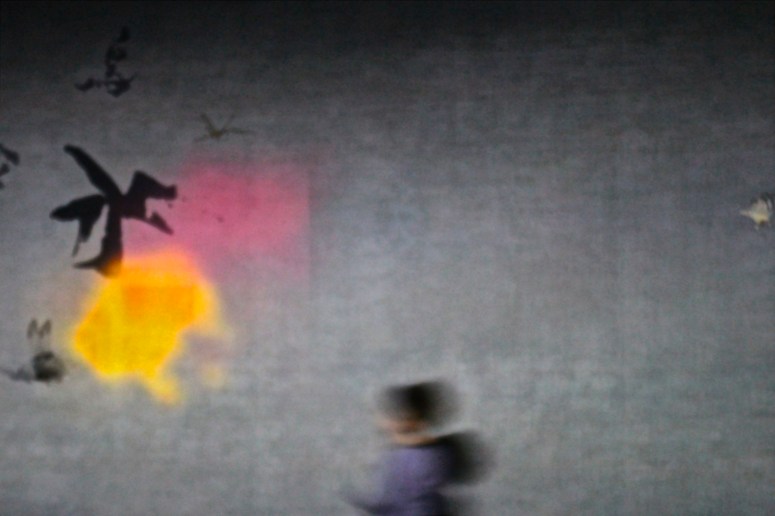
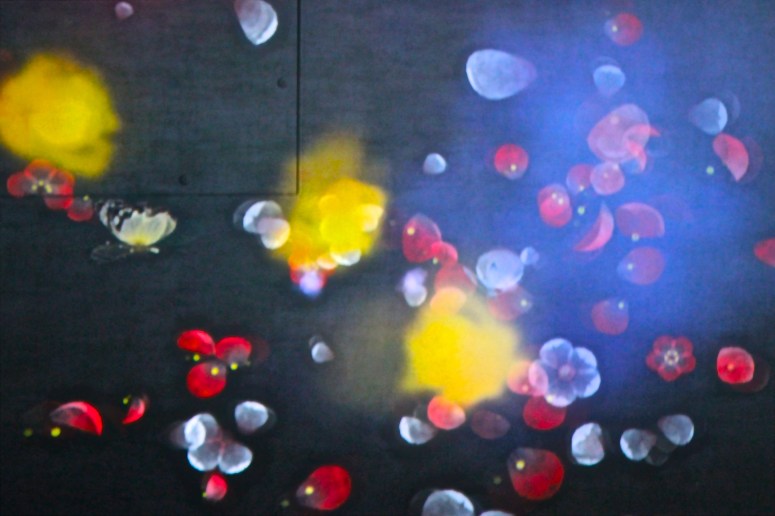
—You go into a room. Chinese and Japanese characters come floating down the walls. You reach out and touch them or wave your hand close to them. Dreamy things happen.

I was alone in the room at first. Then some children showed up. We reached out and touched the art, together. We started laughing. Your hand becomes like a magic wand. Birds. Butterflies. Rainbows. Snow. Sun. Moon. Fire. Trees. Mountains. Flowers.

I think we were creating new visual worlds through causes and effects, through the influences of collisions, of fear, of wind, of the laws of attraction, computer science, technology and music—all combined with the radical acts of passing through each other’s lives, in real time, in real space. In Peace. After taking an excursion into a real city on a real train and a real subway.

It’s all really cool.


IMG_1035

IMG_1036


IMG_1044

IMG_1056

IMG_1042

IMG_1058

IMG_1054

IMG_1057

IMG_1062

IMG_1043

IMG_1064

IMG_1051IMG_1060IMG_1059

********

***********

********

More Asian artwork from my prized gift of a Japanese calendar sent from long-ago friends.

Sublime simplicity.

IMG_1103

IMG_1109

IMG_1106

IMG_1107

IMG_1104

IMG_1101

IMG_1102IMG_1108

********

*****I WISH YOU A HAPPY END TO YOUR WEEK*****

********

Giving Thanks.

“Thanksgiving, after all, is a word of action.”

This quote, by W. J. Cameron, showed up in my Friends of Acadia newsletter. I agree that giving thanks is probably the best action we can take to honor our own place in the world and to be mindful of all the people and all the serendipitous good fortunes—here now, happening now and/or gone before, happening in the past—that have made our lives the best they can be and inspired us to continue to live joyful lives with meaning and purpose.

Thanksgiving is the one day of rest created for and celebrated by all. It is a day of rest with the kind of work, thanksgiving, that is good for everyone’s well-being.

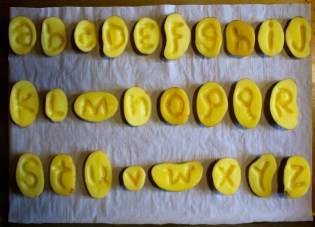
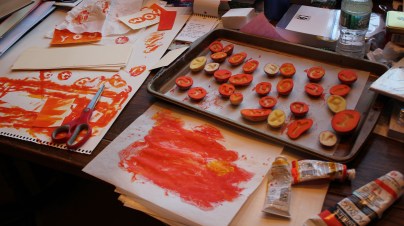
As a sincere expression of my gratitude toward the readers who read my blog this year, I decided to use the Thanksgiving potatoes to make a set of letters with which to create a note of happiness.

IMG_0927

IMG_0929

IMG_0931


********

You, Reader, are special to me. I think about you, with good cheer, when I am at work in my “blog studio” practicing how to write. I care very much about how my art is cyber-delivered into, and cyber-received by, the whole wide world.

Thank you for visiting my site this year. I hope you enjoy celebrating the heartwarming spirit of giving thanks with all of your favorite families and friends. And I hope the day’s work returns to you all varieties of  heartwarming goodness.

********
IMG_0936

********
This ephemeral work of art, created especially for my readers, is bordered with leaves I saved from my Sweetbay Magnolia Tree. It measures seven and a half feet by three and a half feet. The quote is from Percy Bysshe Shelley. I saw the quote painted into the elaborate crown molding of a grand room, opening onto a grand stone porch, overlooking America’s Hudson River Valley.


French Entrance. French Exit.

Come and sit in a Parisian cafe with your friends close to me. I want to write, but writing is a lonely way of making art and when I sit near other people, I feel some comfort. I want to sort things out on the page, entering and exiting trains of thought. If you ask the waiter to take a drink over to me, I know you won’t mind how I keep at my work. My smile for you is one of deep gratitude. And if we are blown to bits, we will agree it was only because we practiced and believed in, freely-chosen, broadly encompassing, and generously-shared education.

********
At dusk a week ago, in my peaceful garden far from Paris, a lingering leaf on the Japanese Snowbell Tree partied on like a plump house wren—the silhouette of its petiole became the distinct image of a delicate beak aimed for the heavens, ready to sing, and the curved edges of the leaf’s blade had softened into smoothed feathers. One last pear dangled lopsided at the top of the Pear Tree with a squirrel bite carved into it. Other flowers, leaves, twigs, fruits, and birds had already made their French exits—sparing my feelings, avoiding the unpleasantries of long goodbyes—by falling, blowing away, withering, packing up and moving on when I wasn’t watching.

The surface waters of the old garden pond rippled in slow motion, like the calm beat of a heart enchanted by poetry.

It was the news of more terrorist attacks—this time throughout the city of Paris—that had caused me to stop and appreciate the peacefulness surrounding me. I sought consolation, too, in Charles Baudelaire’s Paris Spleen, his book of prose poetry that never seems to get shelved in our house. Some days, Baudelaire’s writings make perfect sense to me and when that happens it is as though I have found a companion who will sit and write with me in a cafe on the streets of Paris for a long, long time. We drink and smoke and talk of how depraved humanity is. After we agree that mankind is the most evil beast, Baudelaire convinces me we must get more and more drunk, Drunk with what? With wine, with poetry, or with virtue, as you please. But get drunk. Which we do until our amplified laughter is shattered by dark discussions of our own deplorable and habitually sinful shortcomings. When it’s time for us to take our broken hearts home, or into bed together, we leave our small table crammed with empty glasses, smoldering cigarettes, and torn apart journals. (Though I save every page of what CB has abandoned.)  And then we go, hoping our chairs will stay warm for anyone else who needs to sit and think and talk and write as you please. In Paris.

********

While gazing at what was left of my gardens and thumbing through Paris Spleen, I was also expecting the arrival of five boys in a rock band from Brooklyn. The boys (one of them my son) had a scheduled gig nearby the next day.  Their journey would become a many-houred, several-moving-parts adventure beginning in Manhattan, with a detour to New Jersey before they circled north again. All of it led to one kitchen—mine—in New England’s safe and sound countryside, in the deep hours of a seasonably cold November night.

Dinner was set for midnight, and that’s when the boys showed up.

We decompressed over a candlelit repast that began with oysters before the next course was served, which was an offering of what I called jampalaeya—chicken, sausage, and fresh mussels from Prince Edward Island afloat in a spiced-up tomato broth with rice.  The drinking started with beer and wine and advanced to whiskey.

All of us tapped our glasses together. “To Paris!”

And then I said that it will never be enough for me to believe we will always have Paris which, if you’ve ever watched the movie Casablanca, was just a remark murmured between lovers in homage to the salve of fond memories.

The truth is, we might not always have Paris. Furthermore, any memories we have of our lovely selves in Paris will never serve to console us if we were to lose Paris.

The world cannot do without Paris.

Paris is not just about food and wine and champagne and hand-wrought loaves of bread and cute dogs prancing through a city with the most wonderful twinkling lights!

Paris is about the civilized world. And the civilized world includes any of us who have ever had our hearts broken, shredded, ravaged, persecuted, oppressed, and/or disregarded while, at the same time, we chose to madly believe that in the same world where endless evils and sadnesses exist, we will never tire of figuring out how to love and be loved.

We will always need Paris!

I notified the boys in the band—because I am a woman and I am a mother—that they cannot make a French exit in this life. They all have to do something, throughout their lives, to tip the heart of humankind toward its good side. They must stay at the party and never leave without saying goodbye. They can only say goodbye with a kiss to each side on the face of the good gods, one for gratitude and one for promises.

Yes, for sure. They agreed.

The most obvious thing everyone can do to tip the heart of humankind toward its good side, is to become educated.

I am standing up on a chair now, swinging my arms around in the air, trying to type. Education is under fire in my own country. We aren’t so sure how important it is to have a Liberal Arts education. We can’t seem to link such an education to making big bucks. When my son showed up for his Liberal Arts education at Bard College, the first thing they did was ask whether or not he was registered to vote. He was not yet 18. No problem, they said, if you’ll be 18 before the next election, we can register you now. Bard College makes a direct link to the crucial importance of becoming liberally educated, learning how to think, and employing your knowledge and skills to become a responsible citizen and voter. Education in the Liberal Arts is the most important process we have for preserving and continuing to create a functional and fair democratic society. Is it too expensive to become educated? We spend an enormous amount of money on weapons and jails to fight the consequences of ignorance, hate, and poverty. The value of education can’t be argued away. Furthermore, one doesn’t have to go to college for a Liberal Arts education. We are a nation that takes great pride in our free libraries. It’s hard to find a cafe in America that will allow you to sit and think and read and write for as long as you want, but not so hard to find a library.

We are, whether we like or not, a part of the battles to create a more peaceful world. It means we must do the hard work of learning how to think and how to become aware. We must continually go through the growing pains of intellectual evolution. We have to read—including work we don’t want to read. We have to look at art—including art we don’t get. We have to listen to music—including music we’re unfamiliar with.

We ought to walk through gardens. Admire architecture. Explore history. In our travels, it’s important to sit and talk to people we don’t know.

Most of all, we have to learn to listen.

********

At 1:30 AM, apres dinner and discussions with the boys in the band, I brew a pot of coffee. The boys charge up, then file out to the barn to begin rehearsing for their gig. They are all tired. It has been a long week of day jobs colliding with night jobs as artists and a lot of driving. Sleep is what they want most of all. But it has also been a week of their new record release called, “Let’s Go!”

On the release is a song that made me dance the first time I heard it in a vast warehouse-district, underground bar in Bushwick. Syrian landlords keep the urban campfires burning, on the sidewalk across the street. Artists come and go, free to perform and put their art out there.

The song is called French Entrance and it’s about coming out as a gay man. It makes one think of what it might be like to be a man suffering about his own real and true and normal self and how simple it would be for him to be able to tell a friend and have the friend say it’s okay fuck the people who can’t deal with it. The drumming and percussion pound out intricate rhythms of harmonious chaos with bass beats and guitar strumming that culminate in one fine blend of celebratory desperation. The vocals are casually Lou Reedish. Sexy casual. The song is a call to arms and legs and jumping up and down bodies—it’s time to get up and start dancing about the people at work making the world a place where everyone can live their own best life.

We can never settle ourselves into lives of comfort and complacency.

Abdellah Taia, an openly gay Arab writer and filmmaker, wrote an editorial for the New York Times after the attacks in Paris entitled, “Is Any Place Safe?” He writes of how much he needs Paris, yet how concerned he is for the future of the city:

“I came to Paris 16 years ago as a young, gay Muslim…”

“I made my life in Paris because I believe in its values: rationalist, humanist, universalist…”

“I left Morocco as a young and desperate gay man. In Paris, I found a place where I could fight for myself and for my dreams. But I know now that nowhere is totally free or safe.”

“But Paris is a city that has, in losing its borders, lost certain values as well. The neglect of a segment of our youth (especially those of Maghrebi origin, from countries like Morocco or Algeria) is an undeniable reality. This neglect has produced an environment conducive to radicalization, joyous nihilism and, now, carnage. Racist attitudes, ever more frequently espoused by certain politicians and intellectuals, have become the stuff of daily life.”

After I read Taia’s editorial, I was inspired to read something else he wrote: Homosexuality Explained to My Mother. The essay is completely astounding and grew my brain into new evolutionary worlds.

After listening to the new song by Teeth People called French Entrance, I resolved to move a book on my list of “must reads” to a more urgent position: Jean Genet’s A Thief’s Journal. 

I do these things because I want to think about and learn about and try to understand the ways we might be neglecting youth in this world and why they seek to join communities of evil or become increasingly evil as lone gunmen throughout the world, especially in my own country.

********
We will, indeed, always need Paris. It is a city where brave artists and freedom fighters (like the French Resistance during World War II) have found, and continue to find, their voices. I am grateful to them. The legacy of their work changes how I perceive the world and inspires me to join the battles for love and peace.

In that way, Paris keeps us alive through the darkest days of our lives. We are encouraged to get to work. To keep thinking and educating ourselves. To be brave and to Smash the Televisions. (Another great song on the new “Let’s Go!” record. The whole record is outstanding.)

 ********
Here’s a link to the new song by Teeth People called French Entrance. Promise that if you listen, and read the lyrics, you’ll never opt for the French exit when life asks you to tip the heart of humankind toward its good side. Actually—don’t wait to be asked. Get out there and start dancing.

https://teethpeople.bandcamp.com/track/french-entrance

Here is a picture of one last leaf playing the part of a house wren on the Snowbell Tree in my garden:

IMG_0905

********
Doing Lines in NYC.

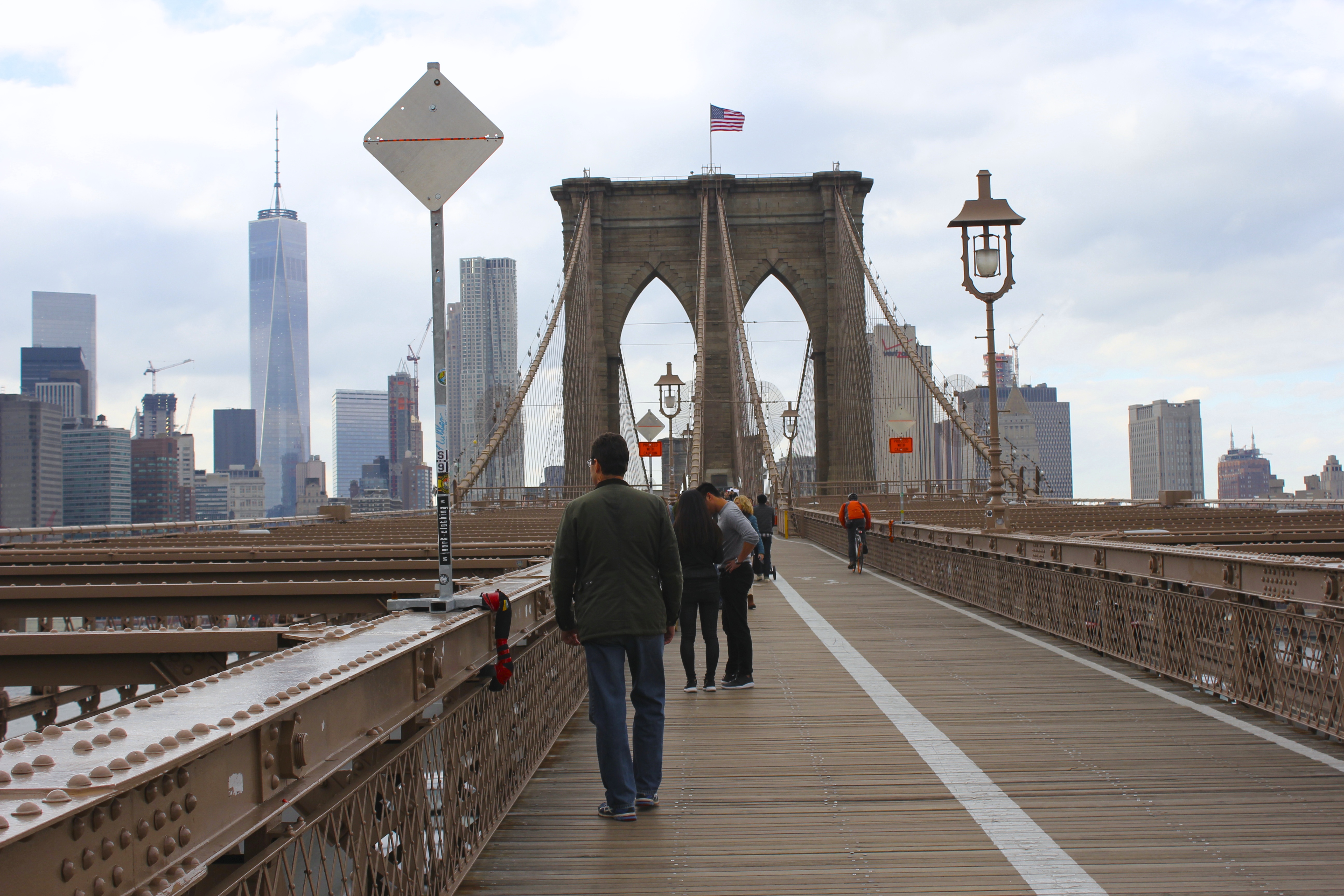
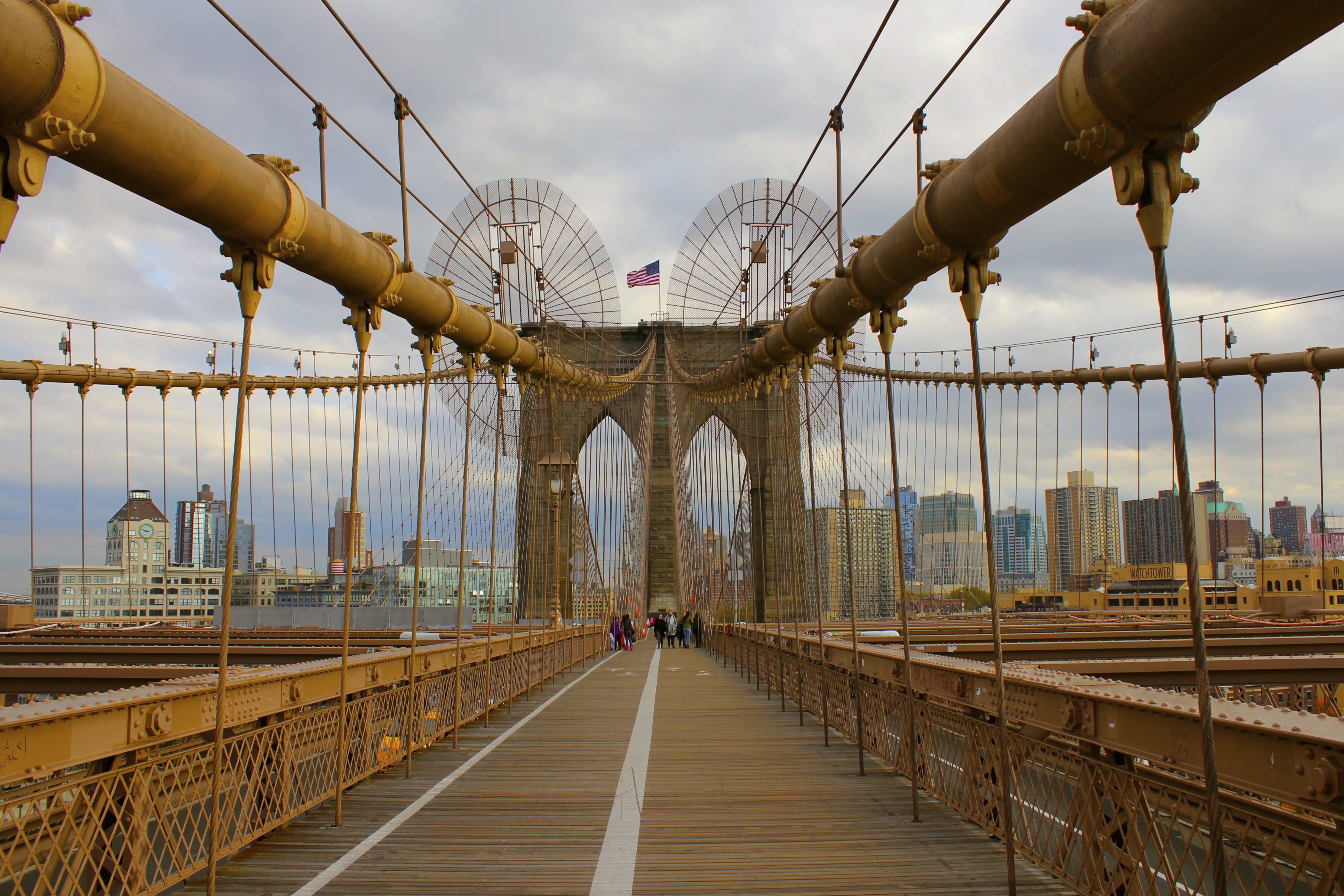
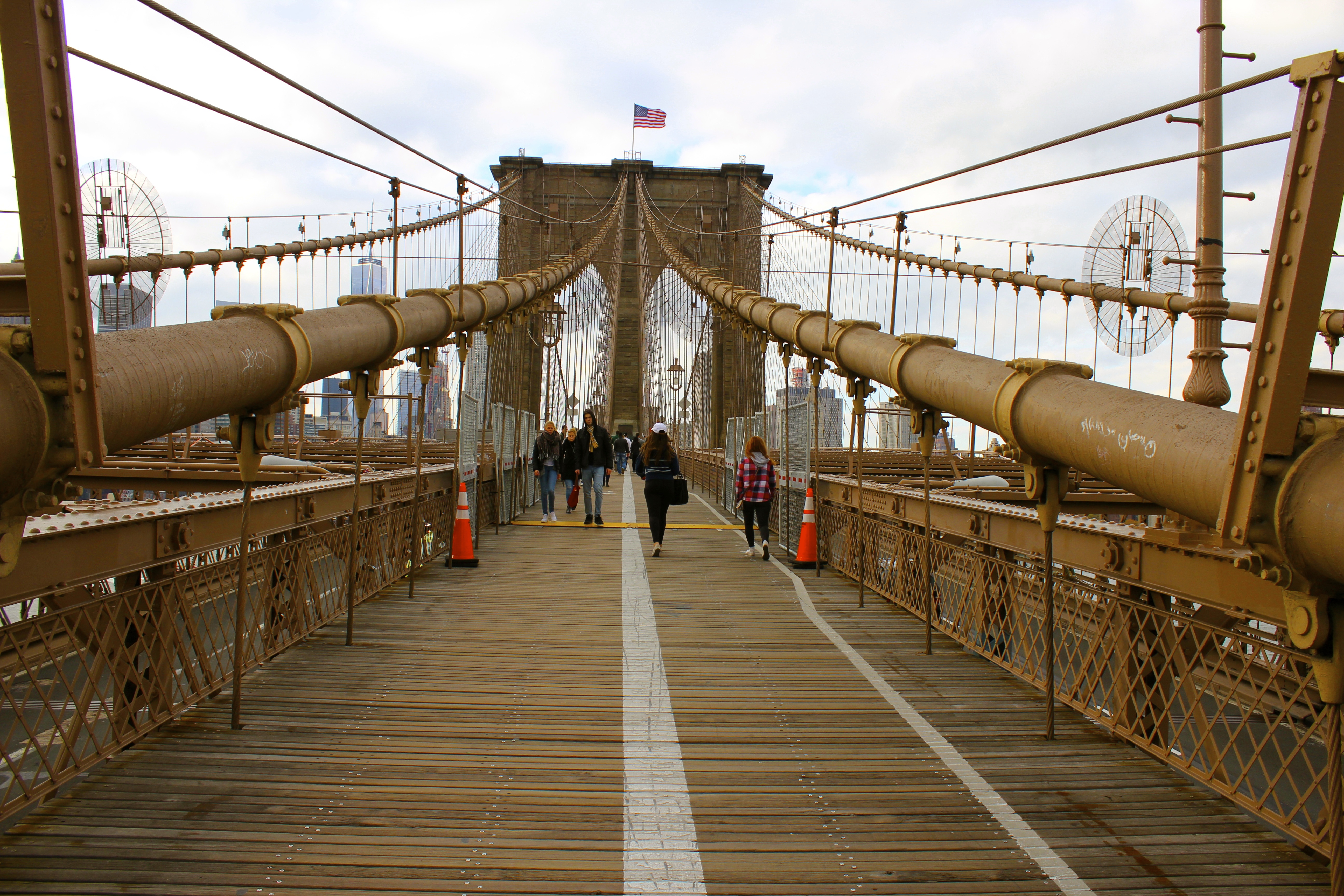
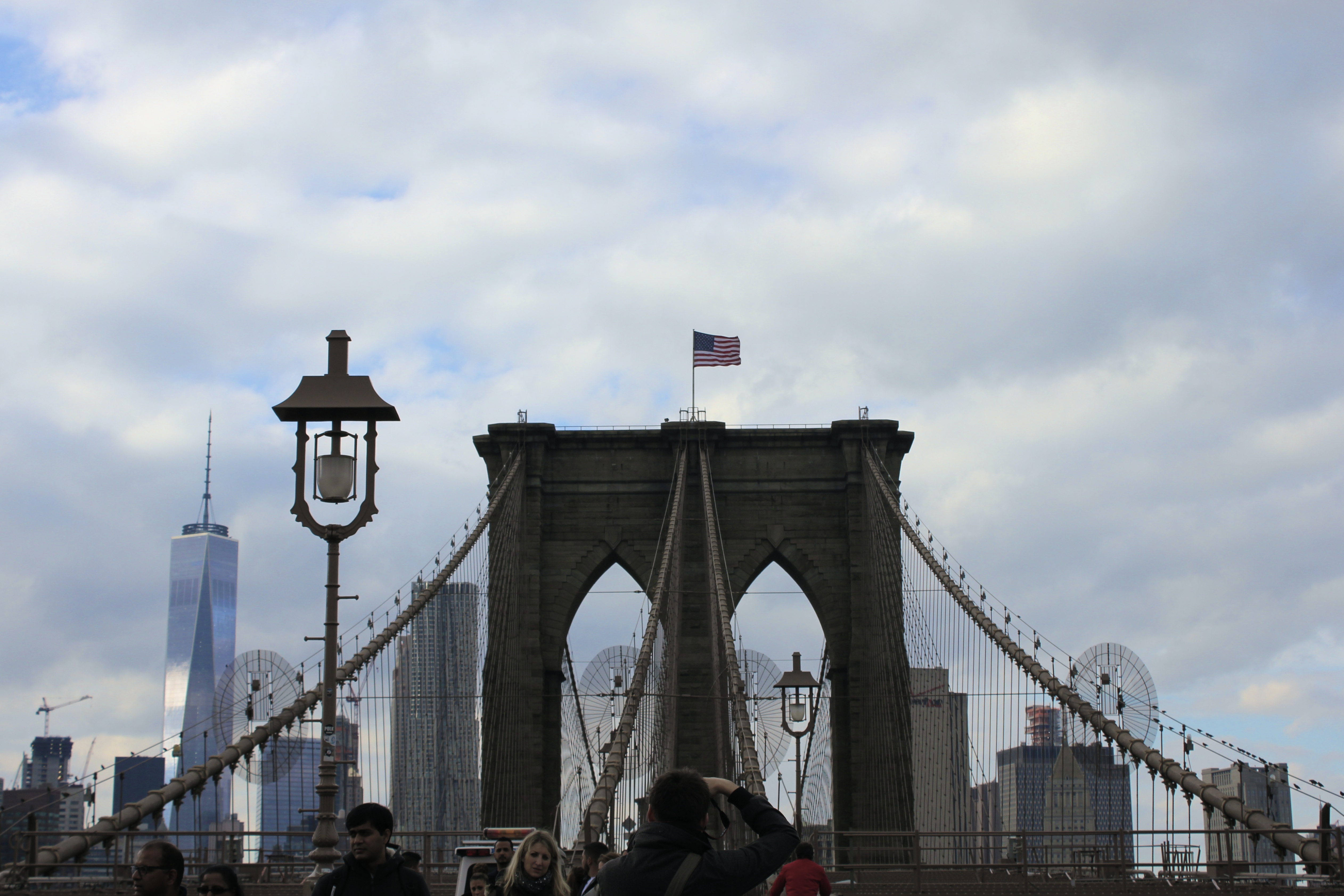
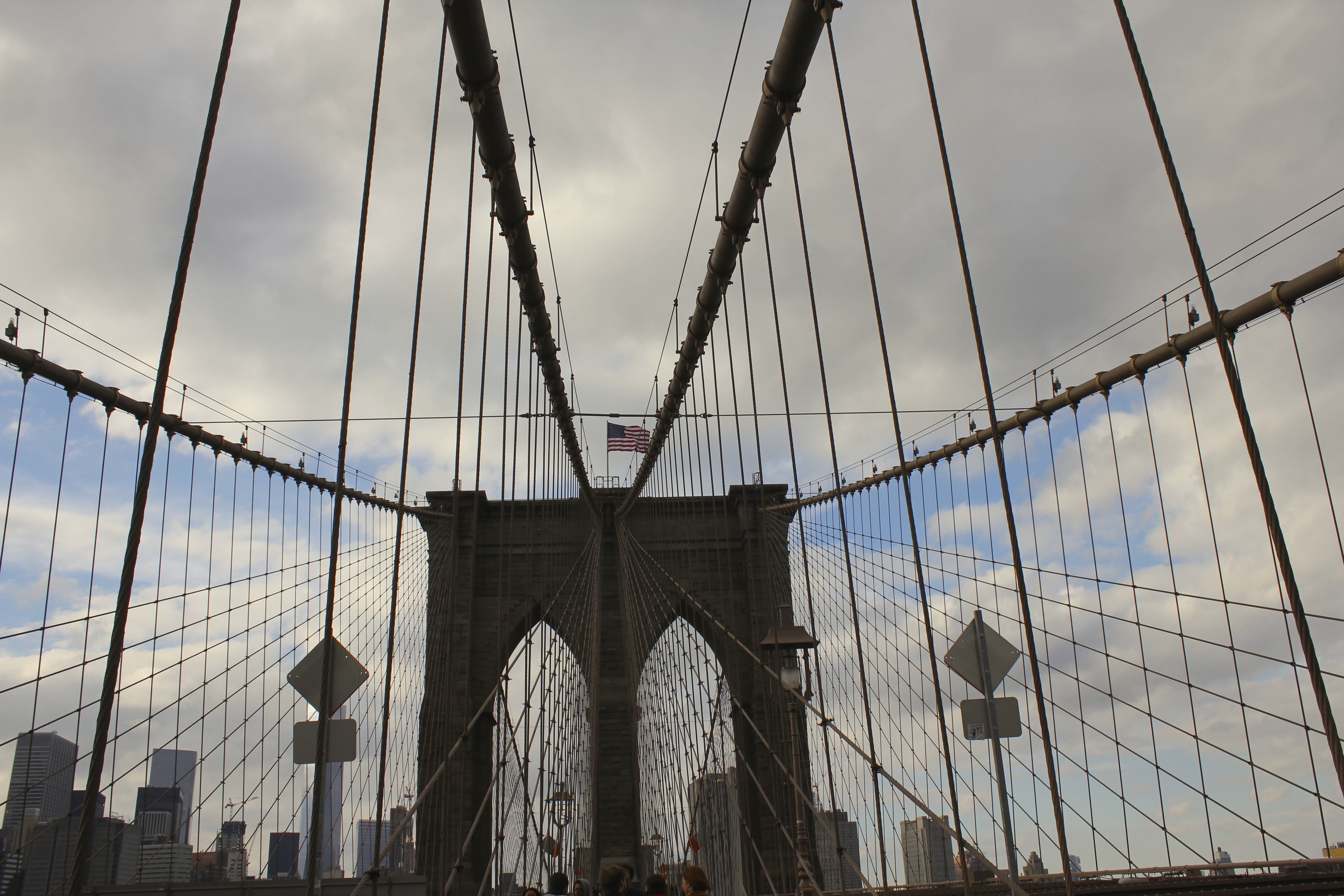
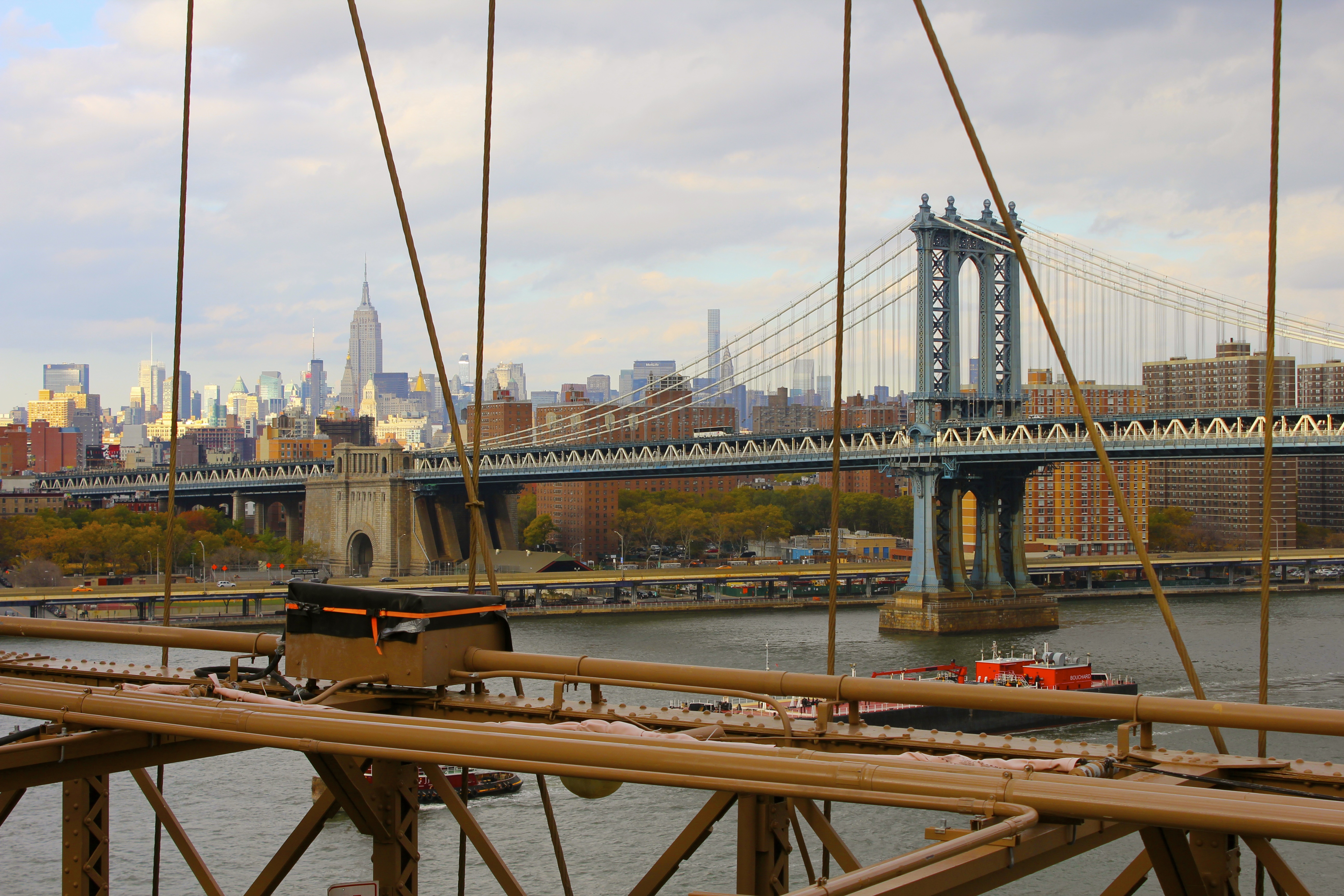
Walking to Manhattan Island, sun setting

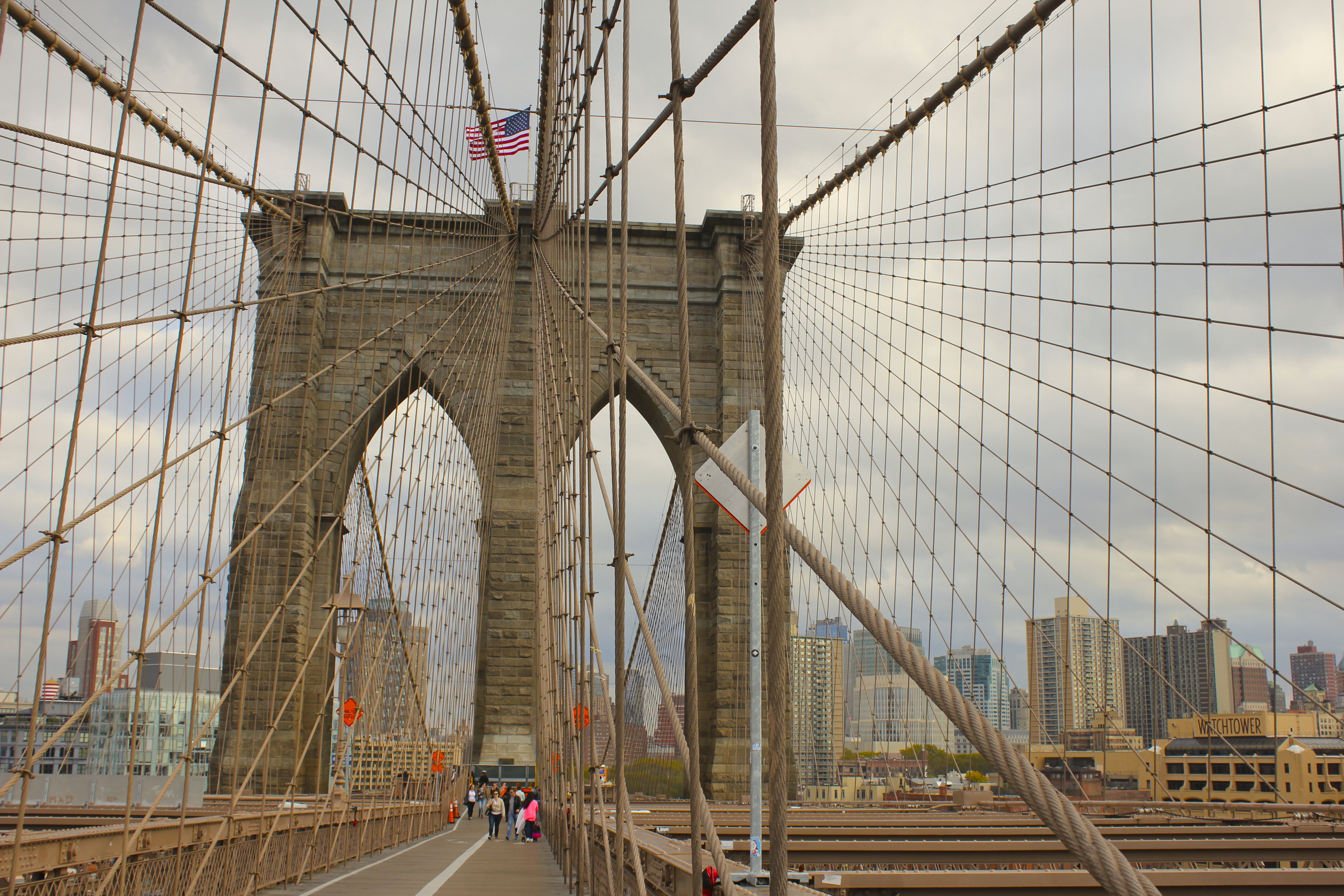
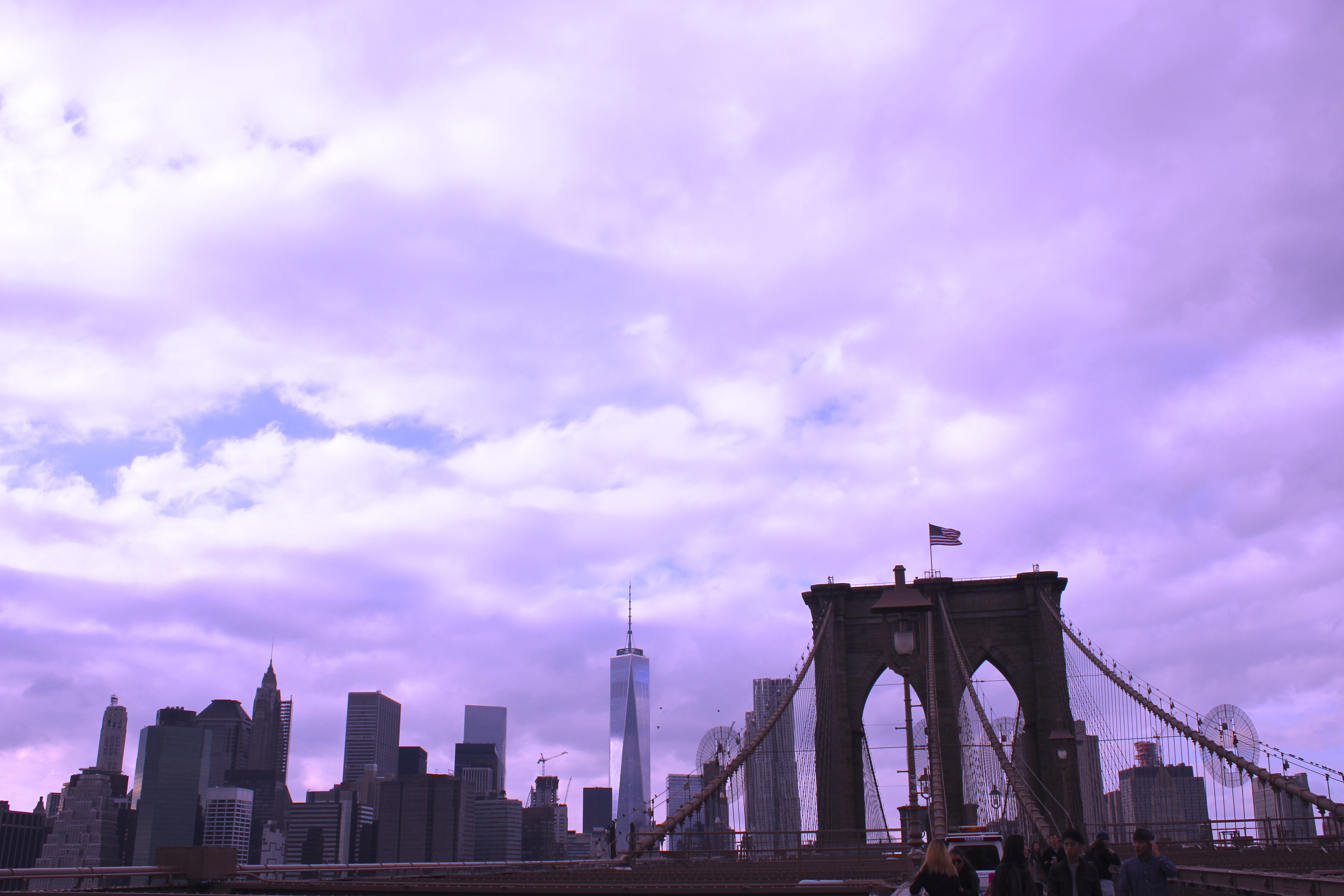
over the Brooklyn Bridge west

then back again, night rising

over the Brooklyn Bridge east

suspended in loud skyways

afloat with turbulent tides

never becoming the future

never settling the past

splashing uptown and downtown

east and west

dropping

dumbstruck

down to the bedrock where a gamble feels like a sure bet

and shoots out a line from one gothic tower to another

anchors it

reads it, sings it, speaks it

takes it striding into the tangled tension of lives from everywhere and all times

sniffing oooh and ah and

why and oh no and I give up and I believe and—

Let’s just kiss.

Let’s kiss like the bridge is falling down!

Yes! Yes! Yes! Oh Yes!

********
IMG_0485

IMG_0486IMG_0493

IMG_0512IMG_0504IMG_0495

IMG_0491

IMG_0490

IMG_0501

IMG_0503

IMG_0513

IMG_0509

IMG_0507

20151101_144753

IMG_0489

IMG_0499

IMG_0496

IMG_0538

IMG_0541

IMG_0546 (1)

********
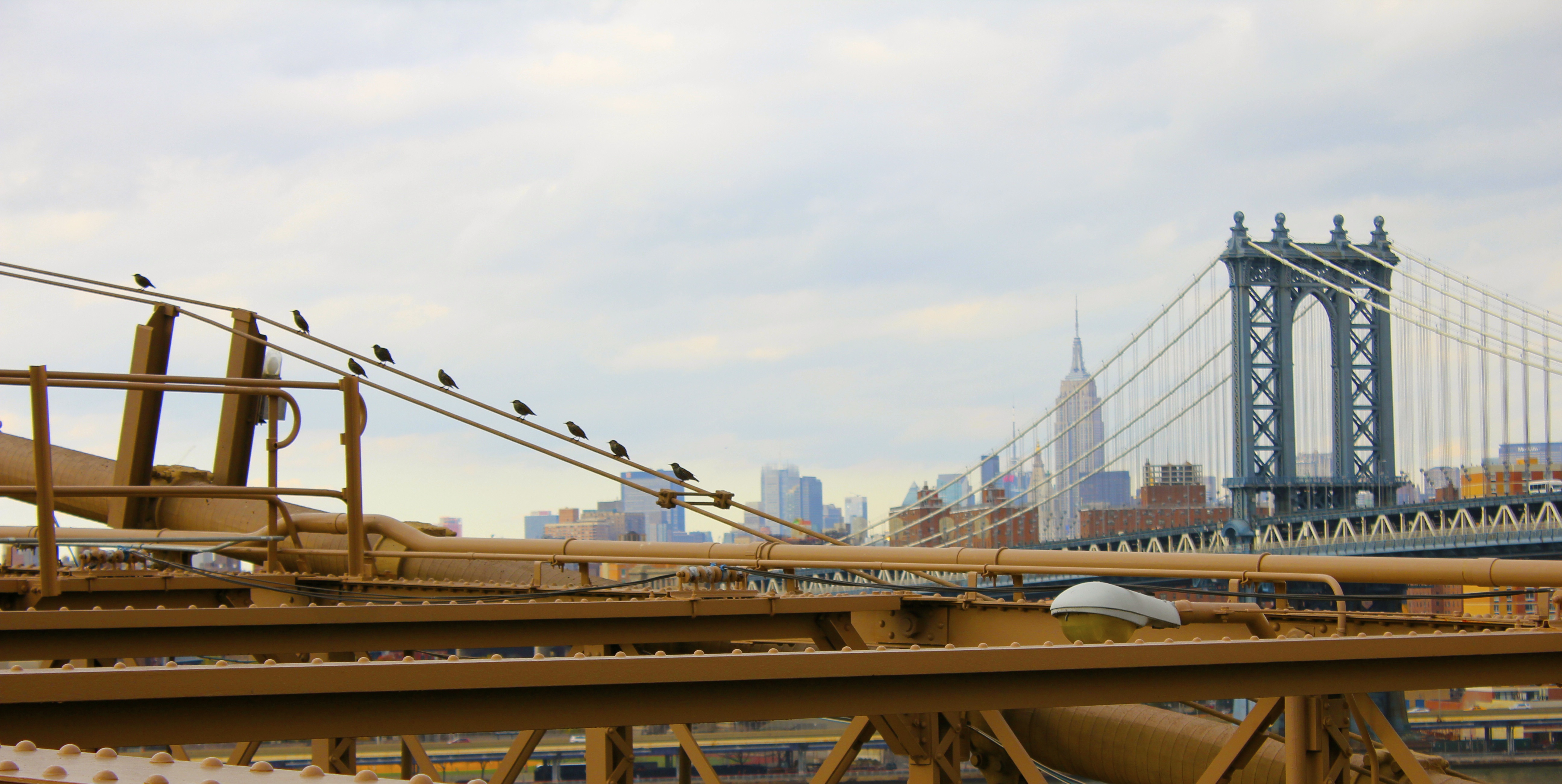
My favorite shot coming up next. Birds on a wire. City on the edge.

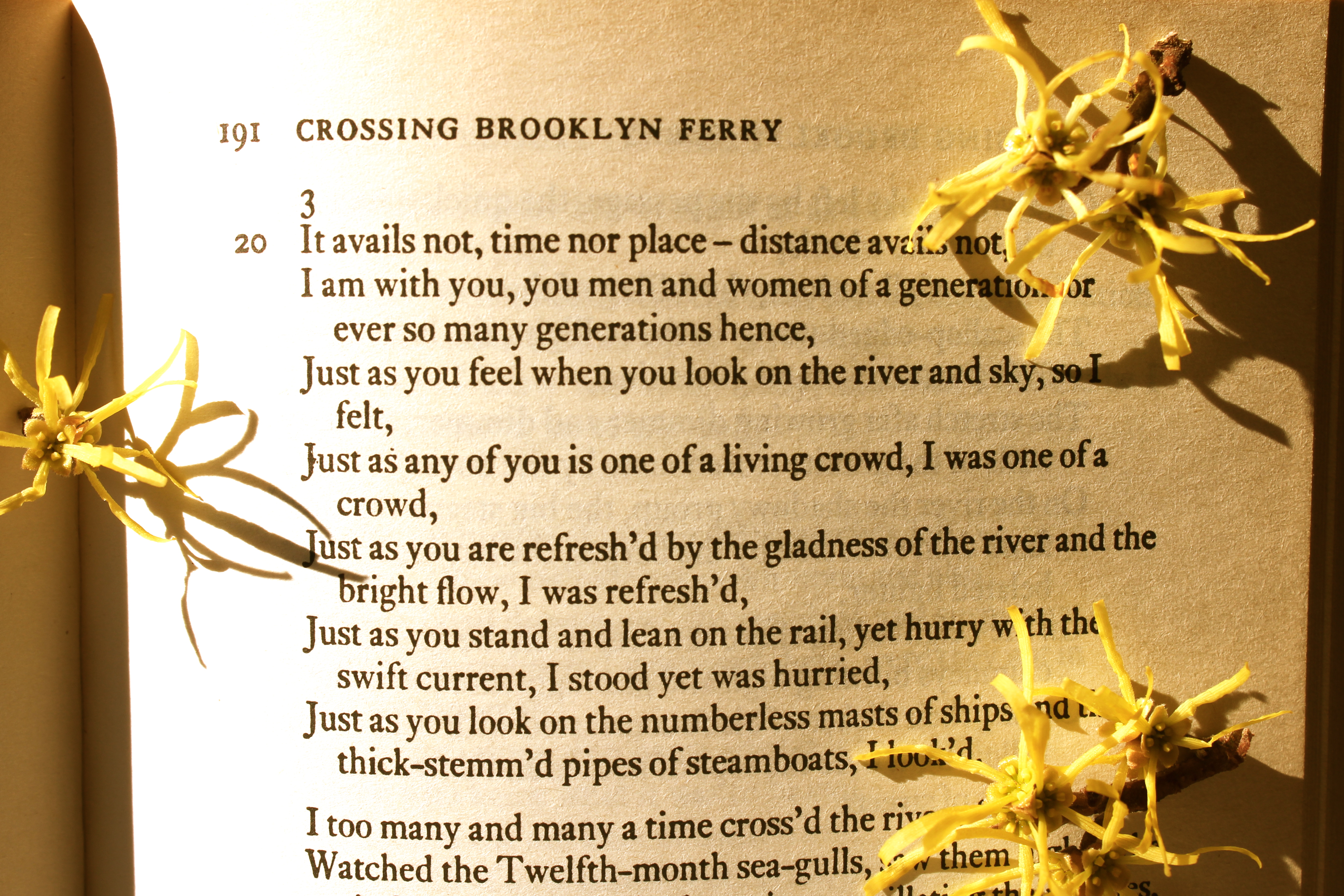
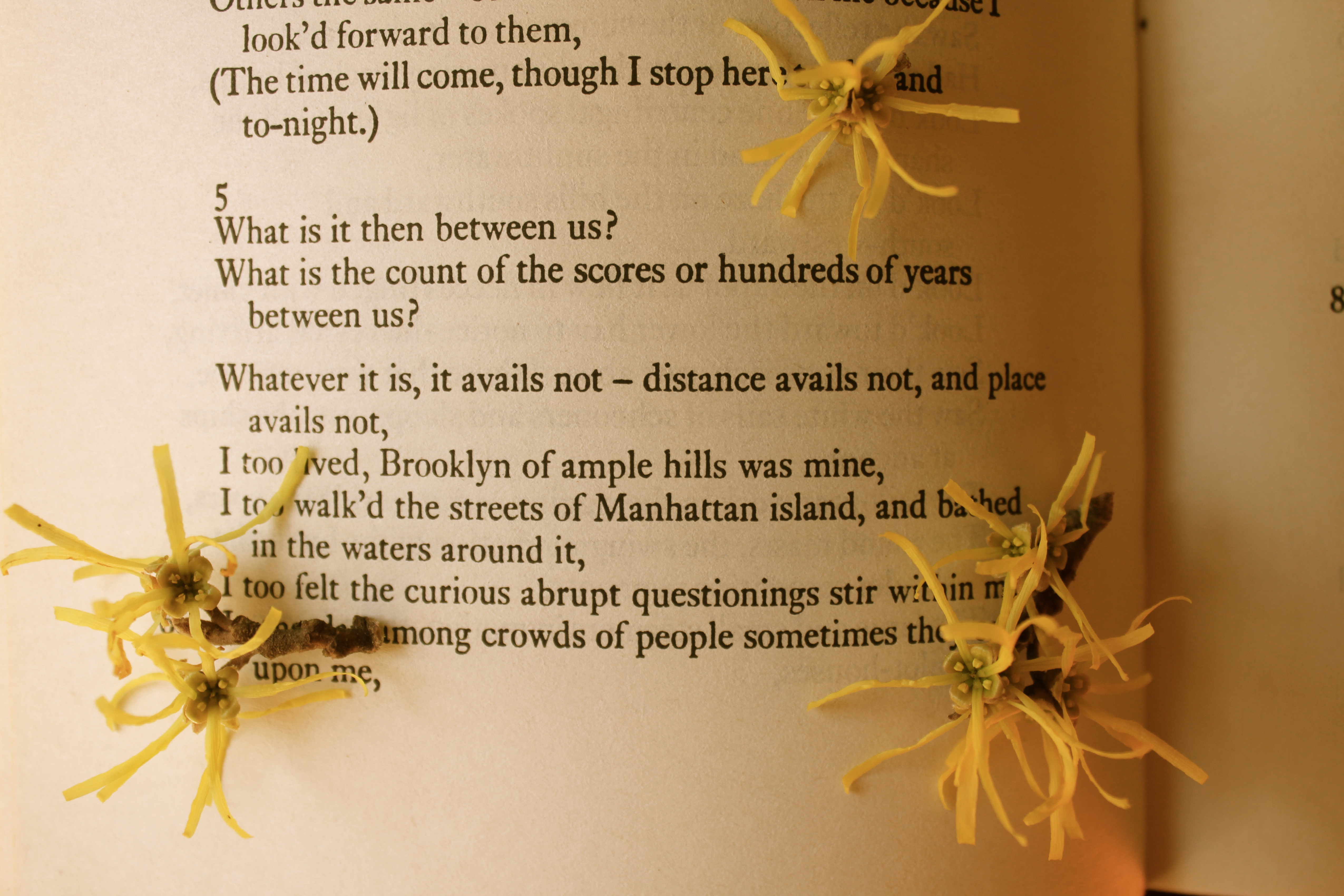
Followed by lines from the not-so-long-ago Bard of Brooklyn.

And Witch Hazel flowers I picked fresh just for you. They bloom in the November sun of my gardens.

Don’t jump.

IMG_0494

IMG_0609

IMG_0610

IMG_0613

********

The Monster Inside That Will Never Be Crushed.

Today is my son’s birthday. He’s twenty four. He was, from the very beginning, a double-black-diamond child to parent. (Experts Only!) At birth, his forehead was marked with a bright yellow triangle. (Caution!) And when the hospital presented him to us, he came swaddled in a roped-off basinet labeled with a last-chance bailout. (Parent Area Boundary! Not Patrolled!)

Every morning when he was in high school—all four fucking ferocious years—I dragged my son from bed at least three times before he’d agree to wake up. After that, he would stand in the shower until fish in the Quabbin Reservoir cried uncle. Then he wasted 20-30 minutes arguing why anyone should have to wear shoes anywhere. I’d wrestle his shirttails into tucked-in positions while muttering a litany of ultimatums he never once regarded as threats to his life.

And then, we’d drive to school. I had already searched his backpack for contraband. I had already cleared my calendar for sure-to-come meetings with the Head of School, the Dean of Students, the Disciplinary Committee, and his advisor. And, best of all, I had already set aside some of his school work to read while enjoying a cup of tea.

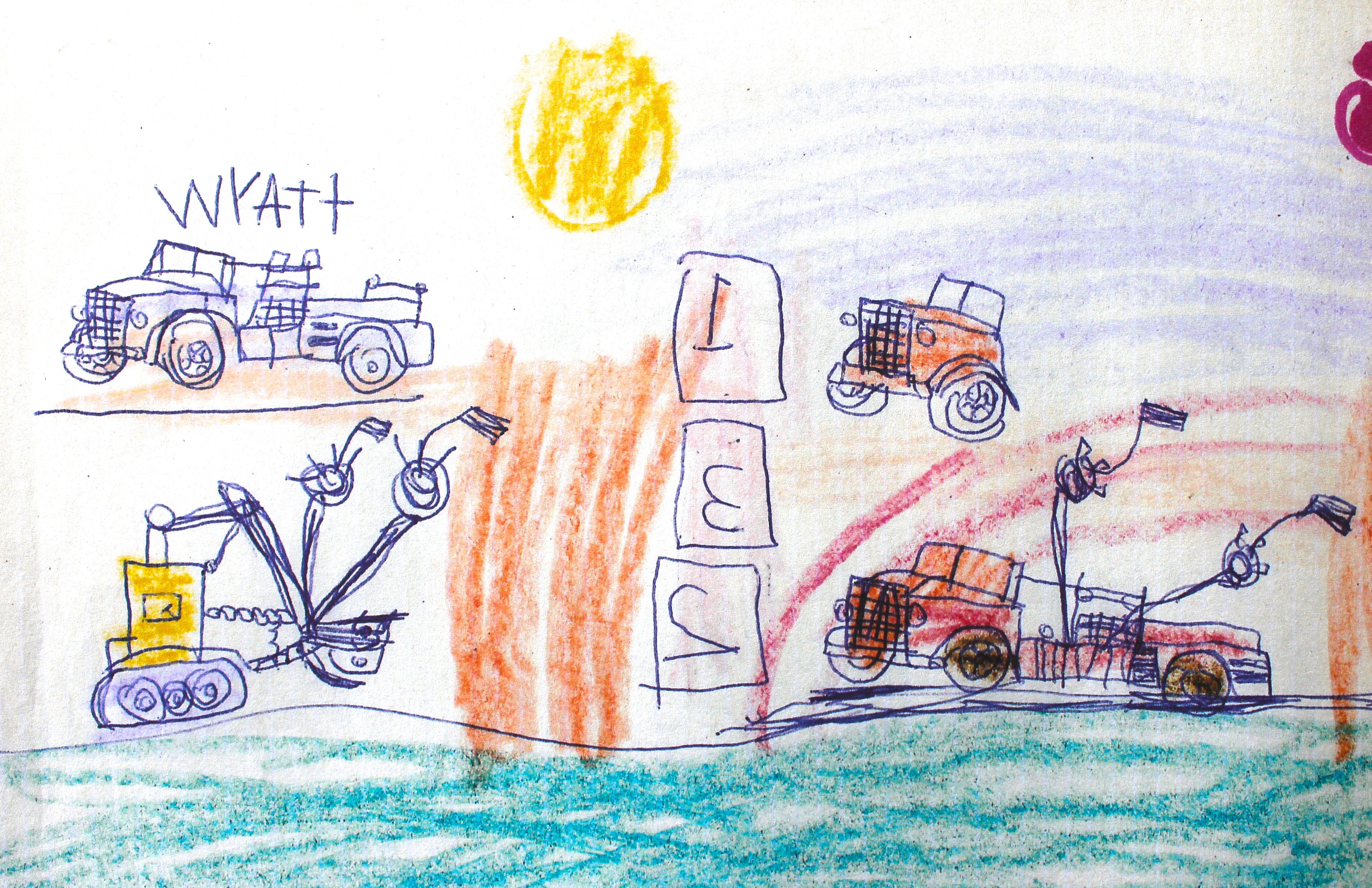
A lot of my son’s artwork—his drawings, his writings, and his musical performances—ignited disciplinary discussions and punishments. The troubles began by third grade when he came out as a manic reader and writer, a manic car and truck freak, a manic artist and cartoonist, and a manic, multi-talented musician. He accepted himself as he was and that was that.

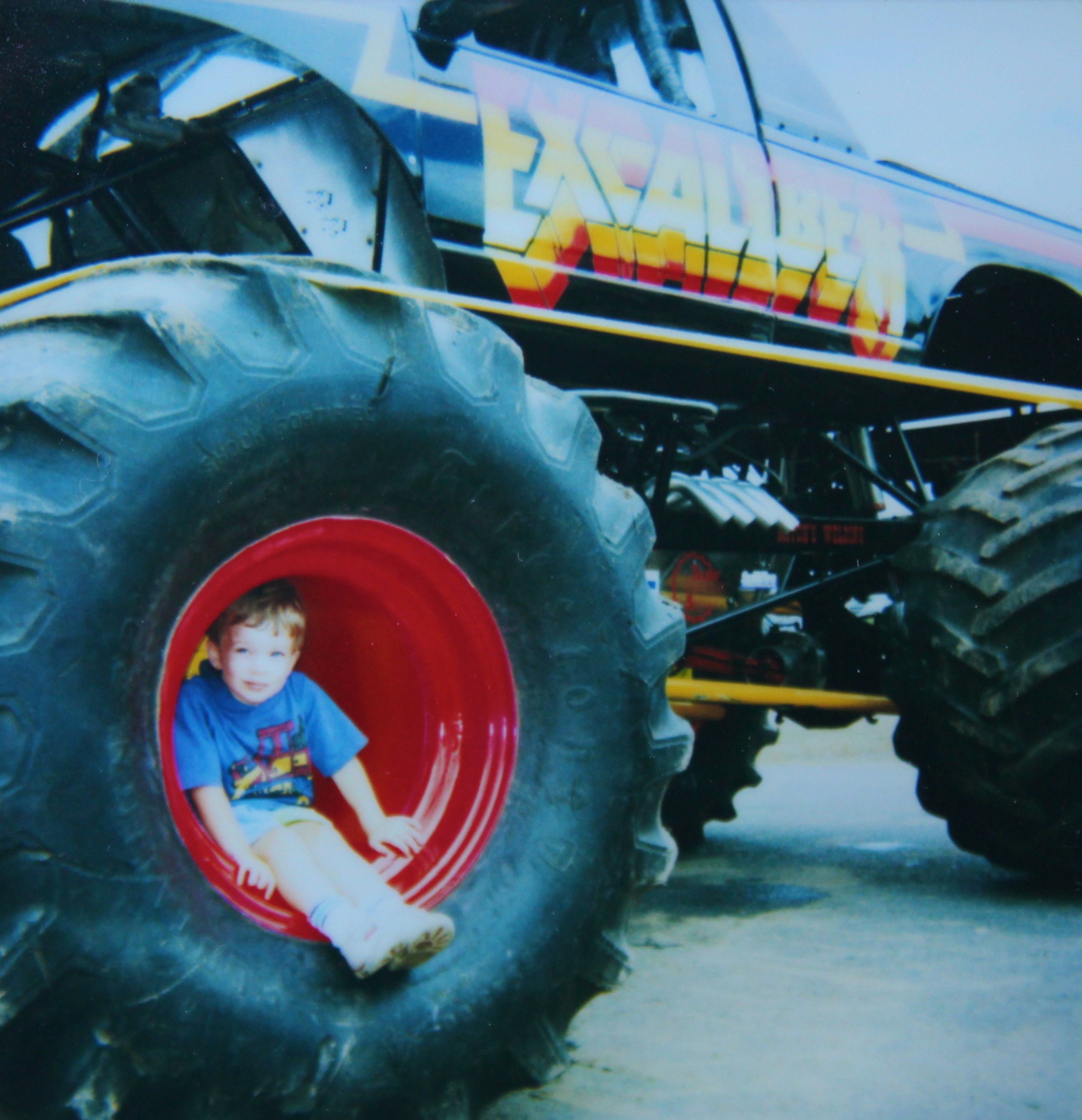
We took him to his first monster truck show when he was four.

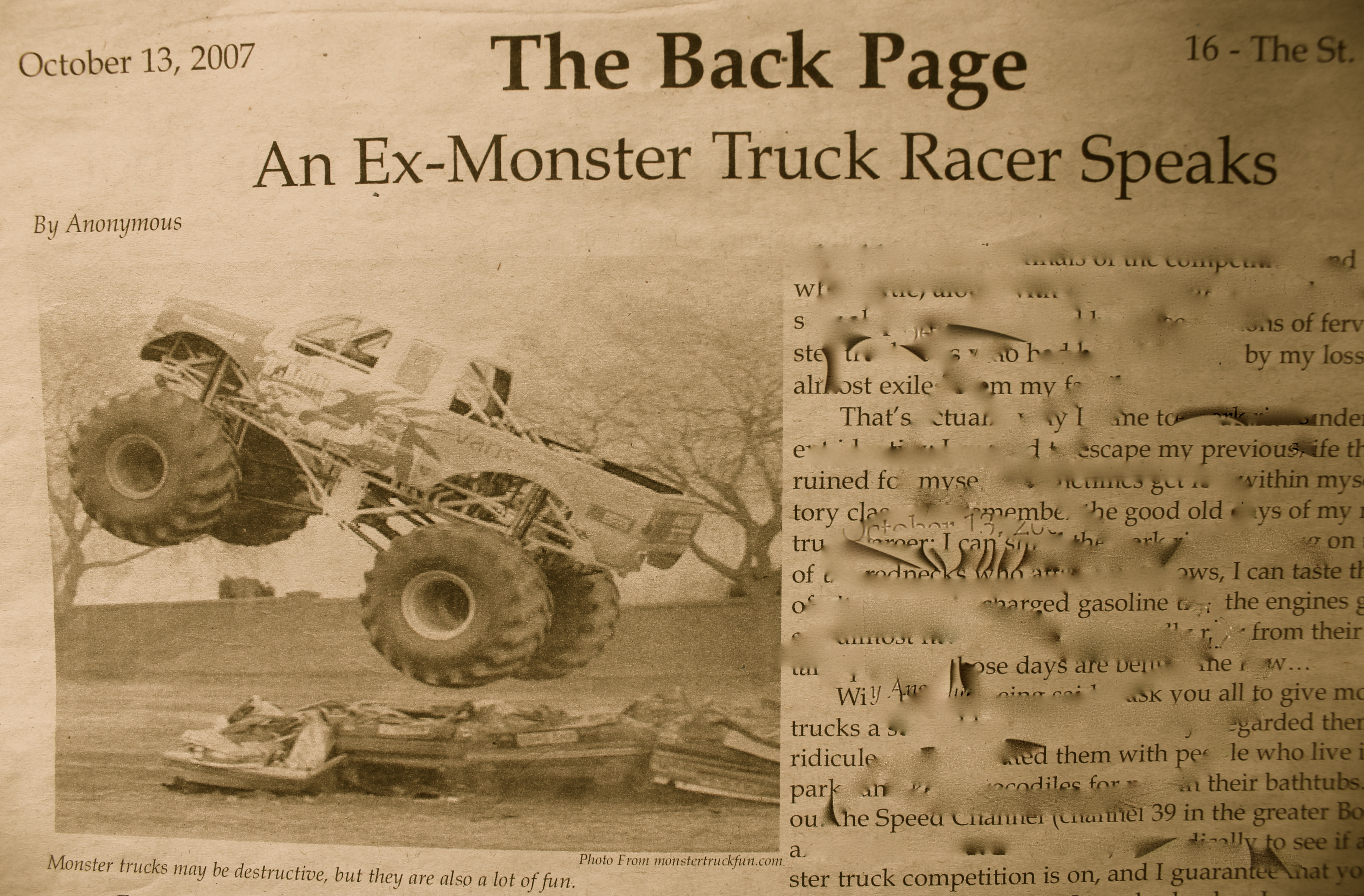
Ten years later, as a 14-year-old sophomore in high school, he wrote an article for his school’s newspaper encouraging the elite community of his peers to consider attending MTU (Monster Truck University) instead of MIT. It was one of the few works of art that made it through to the public without the censors hauling him off to the gallows in the town square.

I still derive pleasure from reading my son’s school work. I saved everything. In honor of his birthday, here’s his monster truck story, just for fun.

********

IMG_0352

********

An Ex-Monster Truck Racer Speaks  By Anonymous

Few of the festering beings that populate the bubble we live in have ever been graced by the presence of an ominous, looming monster truck. I still remember that fateful day, back when I was six years old and went to my first monster truck show.

As a wee lad, I could actually walk under the yellow caution tape withholding the beastly, leviathan trucks from millions of screaming, frenzied spectators. I could easily sit myself in the massive, hollow rim of the truck’s tire. I remember the experience so vividly, how I felt like an unborn bear cub resting snugly deep within his mammoth mother’s womb. At that moment in time, the monster truck and I were one, and the entire future of my life was decided. Some people as adults still haven’t found their one true love, their one true calling, but I am proud to say I found mine sitting in the 66″ Terra Tire of a monster truck when I was seven years old.

When I was nine, I drew up blueprints for my own mini-scaled monster truck. I spent every waking hour of the summer of fourth grade drawing these plans, and, using only duct tape, some WD40, the wood from a grove of oak trees I chopped down, and some granite I mined from Mount Wachusett, I built my own little state-of-the-art monster truck and was soon terrorizing the neighborhood.

When I was twelve, I was driving the Bigfoot truck—(only the most infamous, the most revered of all monster trucks)—in the professional monster truck circuit, the USHRA (United States Hot Rod Association) Monster Truck Nationals. Unfortunately, in an incredible twist of fate, the truck I was driving blew out its right rear tire when I was driving over a few school buses in the finals of the competition. I lost the whole title, along with my entire life. I was shunned in school, publicly accosted by those millions of fervent monster truck fans—all of them let down by my loss—and I was almost exiled from my family.

That’s actually why I came to prep school under a different identity; I needed to escape the previous life I had ruined for myself.

I sometimes get lost within myself in history class and remember the good old days of my monster truck career; I can smell the pork rinds sizzling on the grills of the rednecks who attend the show. I can taste the fumes of nitrous oxide-charged gasoline that the engines guzzle. I can almost hear the almighty, godly roar from their tailpipes.

But those days are behind me now…

With that all being said, I ask you all to give monster trucks a second look, especially if you’ve always regarded them with ridicule and associated them with people who live in trailer parks and keep crocodiles for pets in their bathtubs. Check out the Speed Channel (channel 39 in the greater Boston area extended cable network) sporadically to see if a monster truck competition is on and I guarantee that you too will be captivated just as I was back when I was a wee lad. Monster trucks have greatly influenced the outcome of my life and made me the person I am today—I want to share the gift of monster trucks with you all.

********

Go ahead, walk past the caution tapes you have tied around your heart.

IMG_0367

Excalibur!

IMG_0366

Reptoid!

********

IMG_0360

IMG_0358

IMG_0363

IMG_0359 2

********

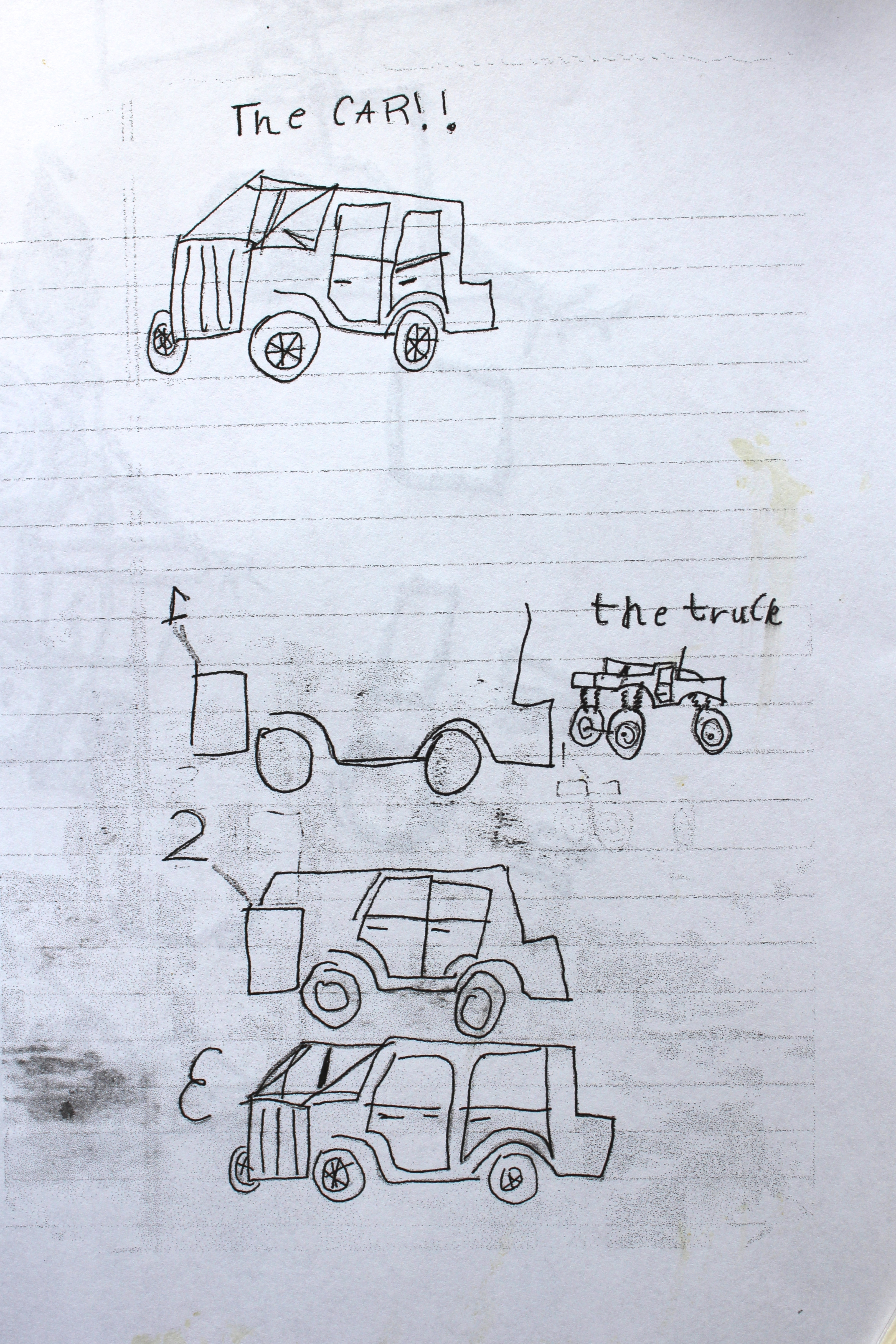
Before my son went off to kindergarten, I marveled at his drawings of cars and trucks.

“How do you know how to draw so well?” I would say. “I wish I could draw the way you do!”

And my son, taking my question to heart, would create “how to” drawings, with simple steps,

to help me (and anyone else) learn how to enjoy drawing cars and trucks!

IMG_0357

IMG_0356

By junior high, more and more elaborate trucks roared onto the pages of school notebooks.

IMG_0354

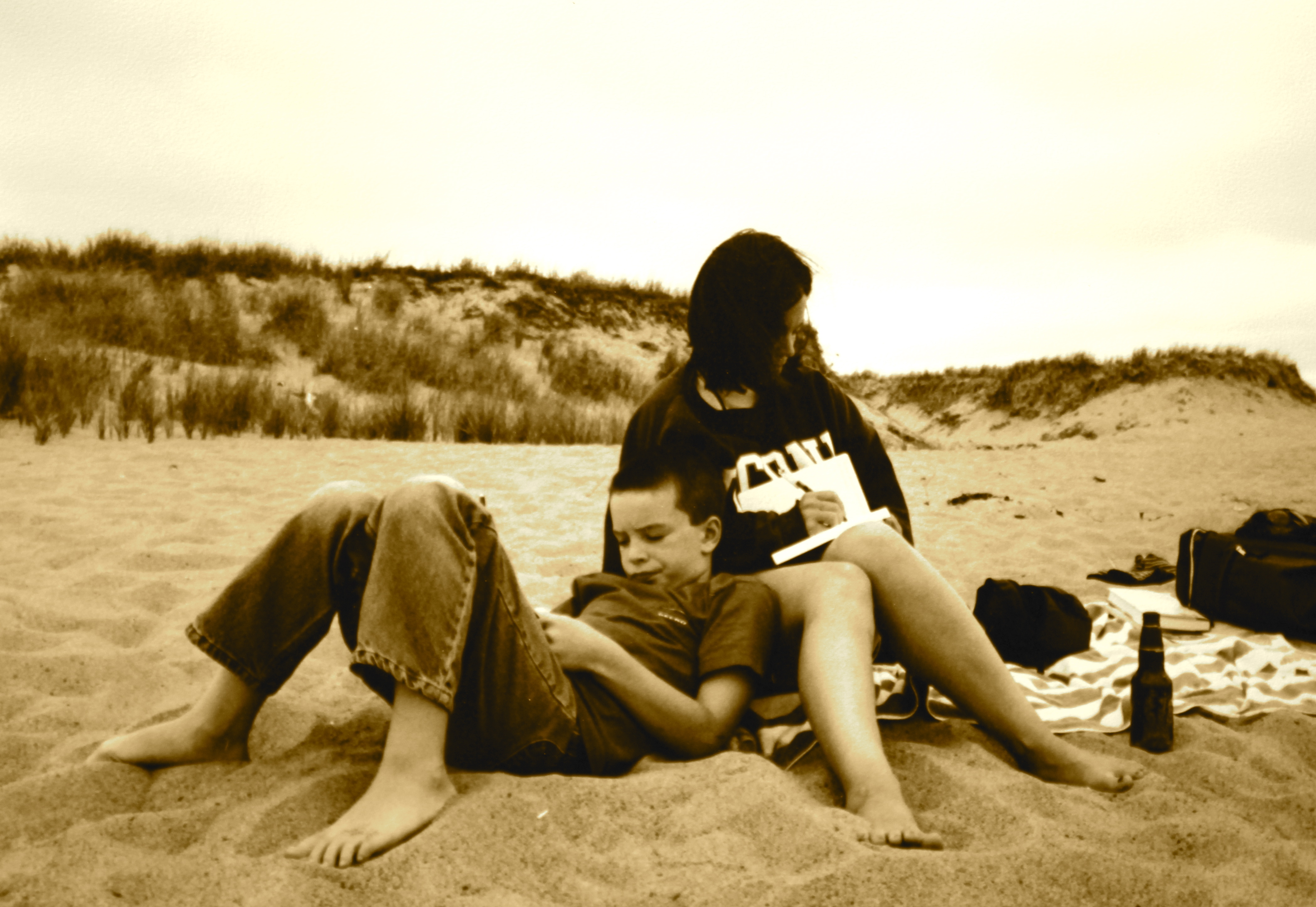
We always liked to read and write together.

IMG_0364 2

Happy Birthday to my son, a young man who has never abandoned his childhood passions.

IMG_4442

“We’re all going to die, all of us.

What a circus!

That alone should make us love each other, but it doesn’t.

We are terrorized and flattened by trivialities,

we are eaten up by nothing.”

A quote from Charles Bukowski, an unruly artist my son introduced to me.

********

Herzog For Halloween Week. Do You Have A Soul?

IMG_0038

One day, not too long ago, I posted feelings of love for a plant on Facebook. Here’s what I did. I wrote about the Montauk Daisy, (Nipponanthemum nipponicum), which grows in my dooryard and my gardens. I described the plant as a “happy late bloomer” thus identifying my own humanity with the plant and, furthermore, employing the plant’s bright white, daisy-like flowers as an arousal agent for human emotion.

This sentimental slash romantic behavior stirred up a cyberspace snake pit—that vale of venomous angst where contemporary culture gathers to unlock, and brutally judge, the mysteries of human existence. Before long I felt the sink of snarky fangs slicing through to my bones and calling me out—in the public theater of social media—for being a romanticized, sentimental dweeb. The pointy fangs punctured a few rowdy endorphins that flow like champagne bubbles through my blood whenever a shot of botanical bling makes my heart way too plump. Pop!

I considered that if I wanted to survive the bite and reduce the stings of humiliation, perhaps I ought to come up with a clever response or those fangs might sink as deep as the taproot on a bloom of winter depression. Alternatively, I could open a bottle of champagne and drink up. But a killing frost was in the forecast for New England and I still had more than 50 potted shrubs and perennials to settle into the soils of my pleasure grounds, aka My Gardensthe breeding environs, of course, for radical romanticism.

So instead of wrestling with snarky snakes, I escaped into the hours of the day’s late afternoon and went to work finding places in the garden for as many of the potted plants as I could. I also wrenched gnarly clumps of Lily of the Valley, Convallaria mojalis, out of the Earth for division and reinsertion into my little part of the Earth’s ecosystem. I did the polka with a nest of bumble bees, Bombus terrestris, while trying to place some Royal Ferns, Osmunda regalia, over those bumblers’ hideout. And when the setting sun lit up the colors of autumn on every growing thing wherever I looked, I halted my obsessive work and did my own kind of calling out:

Da mi basia mille, deinde centum, dein mille altera, dein secunda centum!

(Give me a thousand kisses, then another hundred, then another thousand, then a hundred more!)

Struck happy by a soulful rush of satisfaction with my own little world, I concluded there would be no rehab for my sentimentalism or my romanticism.  I carry the propensities for mush from at least an 8-year-old self. She is such an awkward self, yet remains a dependable friend. I see her again, (the delirium of my labors has done it), and she is hiding under a tree, reading a book. She is most likely in love with the tree and is sure the tree loves her too.

The book my 8-year-old self is reading, (under a tree I have decided to remember as an apple tree that must have been planted by the folk hero John Chapman), is entitled George Washington Carver, A Great American. It’s about an American-born slave—traded as an infant for a horse—who conquers adversity to become a botanist, scientist, inventor, artist, and teacher. Carver also believed that flowers planted in the dooryard and bright colors painted on the interior of an otherwise dreary cabin, could lift the spirits. (Both of these practices have become life habits for me. I plant flowers in my dooryard and I paint the walls and doors and ceilings of my home with bright colors and cheerful pictures.) After my young self is done reading about George Washington Carver, she climbs into the tree. (Surely it must have been an apple tree. They were the best for climbing.)

I had discovered the kiddy-lit biography about George Washington Carver on the shelves of a Bookmobile that visited my Indiana neighborhood during summertime. In those days I’d wake up early on Tuesday mornings and leave home to wait for the Bookmobile. I’d press my butt up against the butts of every other kid crouched onto the stubby curb of our cul-de-sac, where the Bookmobile parked and stayed for a few morning hours. We all wanted to be first on board the big white van and although we’d come to attention and stand in line politely when the Bookmobile arrived, it was only because we’d already scraped each other’s grimy faces over the pavement, in the gladiator arena of that cul-de-sac, for curb positions.

The Bookmobile days marked a time in American history when every butt on every kid was small, and summer reading was a free-choice act, (there were no required summer reading lists where I lived), that led to the fulfillment of at least one unalienable right: the pursuit of happiness.

I remember how the interior of the Bookmobile smelled as sweet as a Garden of Eden.

It was not a snake pit. It was a quiet sanctuary.

Nobody bothered anybody else in that mobile monastery.

The librarian was nice to romantic dweebs.

********
Alone at home, later, after the day of the Facebook snake bite, I turn on the television. I click into the movie, Almost Famous, about a young kid who wants to write about rock music. There’s Philip Seymour Hoffman as Lester Bangs (the legendary writer and critic) talking to his adolescent mentee, William, on the telephone. William is despairing about his life. Bangs breathes out a sobering declaration for William, but his voice drifts from TV land and fills the quiet chamber of my empty house:

“We. Are uncool,” he sighs.

William tells Lester Bangs how glad he is that Bangs is at home to take an SOS call.

Bangs smirks: “I’m always home. I’m uncool.”

The scene about “cool” in Almost Famous is a great one. It comes after William’s euphoric rise as a neophyte rock-and-roll journalist ends in profound heartbreak. And, let’s face it, if you’re home alone clicking into that scene—a scene featuring Philip Seymour Hoffman as the inimitable Lester Bangs—after examining your failures as a sentimentalist, you’re bound to experience a disturbing attack of dweeb doom, slamming like a rogue wave into your gut, and tossing you to the carpet into a pitiful heap of smoldering defeat.

I was so home alone listening to the character of Lester Bangs define cool on television, something I rarely watch, even though earlier in the evening I had gone out for a brief excursion. My excursion delivered me to a leftover bookstore because I wanted to buy Patti Smith’s newest book M Train. When I couldn’t find the book on any of the display tables, I asked a doe-eyed young woman standing behind the help desk about the book. The young woman had cool, long, blond hair. She wore cool boots. She had a cool scarf, cool jewelry, and cool make-up. Back when bookstores were cool, the people who worked in them could talk cool about books.

“Tell me the name of the book again?” The young woman said to me.

“M Train.”

“And tell me the author again?”

“Patti Smith.”

The young woman tapped her cool fingernails onto a computer, consulting cyberspace. She had cool painted fingernails. “It’s shelved in our music section,” she said.

We went to the music section.

“Tell me the author’s name once more,” she said.

“Smith. Patti Smith.”

I found the book. There were three copies.

“Here it is,” I said to her, “thanks for your help.”

The young woman told me she had never heard of Patti Smith.

Wow. I thought. That’s kind of cool.

********
Just about anyone can related to this line from the first pages of M Train:  “It’s not so easy writing about nothing.” (Word, Patti.)

And from Almost Famous I soon locked into another great line, delivered by the character of Lester Bangs, as acted out by Philip Seymour Hoffman, via the screenplay by Cameron Crowe: 

“The only true currency in this bankrupt world is what you share with someone else when you’re uncool.”

I thought: Sharing. In cyberspace. It’s what we do nowadays: Cats. Dogs. Bunnies. Horses. Food. Art. Kids. Lovers. Boozy late nights. Landscapes. Good times. Flowers. Music. Articles. Events. Epic trips. Holidays. Crafts. Births. Deaths. Illnesses. Fund raisers. Videos. Political bullshit. Tricks. Deep thoughts. Rants. Raves. Blog posts. Selfies.

********

Later, later, later into the night, I exchanged some text messages with my son about Werner Herzog, the filmmaker. My son told me to check out Herzog’s documentary Cave of Forgotten Dreams about the Chauvet Cave in France which contains the oldest known paintings created by human beings.

So I did.

It’s a romantic film. You might not believe in the human soul or the soul of flowers. You might not even be sure if you have a soul. Herzog will help you answer some of these questions. It is his goal to arouse your imaginings and seduce you into believing that about thirty-two thousand years ago, something magnificent happened in the history of evolution: The awakening of the modern human soul.

So since it’s Halloween week, why not watch Cave of Forgotten Dreams and consider the human soul? (It’s easy to watch online.) The music, composed and performed by Ernst Reijseger on cello with Harmen Fraanje on piano and the voices of the Kettwiger Bach-Ensemble, will evoke the hauntings of a Poe short story, the sleeping quarters of a dark, damp, and cold medieval cathedral, and the conjuring of the human soul from the great beyond!

Let Herzog guide you into the Chauvet Cave.

Allow your imagination to become unleashed. Free your rational mind.

You will find yourself in the spirit world—where trees can speak, man can become an animal, an animal can become a man, and the spirit world controls the hand of the artist.

You will believe the walls of the cave can talk, while killing you softly if you linger too long.

You will think of leaving this life to enter the world of the spirits and you will not doubt that the spirits exit their world to exist in ours. Indeed, even the scientific minds that have laser scanned every nook and cranny of the Chauvet Cave have admitted to being overcome by irrational feelings of “eyes upon us” when they have been inside the cave—eyes from humankind that lived more than thirty thousand years ago. And perhaps never died(A chilling historical point of reference: The last glaciers melted away just twelve thousand years ago.)

As Herzog guides the viewer on a strange pilgrimage into the lives of humans so vastly long gone, he asks: Did they dream? Did they cry at night? What were their hopes, their families?

The ending became, for me, deeply unsettling and spooky. I felt the familiar ghosts of romanticism and sentimentalism wrapping their arms around my shoulders and taking control of my hands and my heart, growing my soul.

For many viewers, the ending won’t be unsettling or spooky at all. They’ll think it’s mushy.

The film is only spooky, and wonderful, if you have a soul.

IMG_1725

********

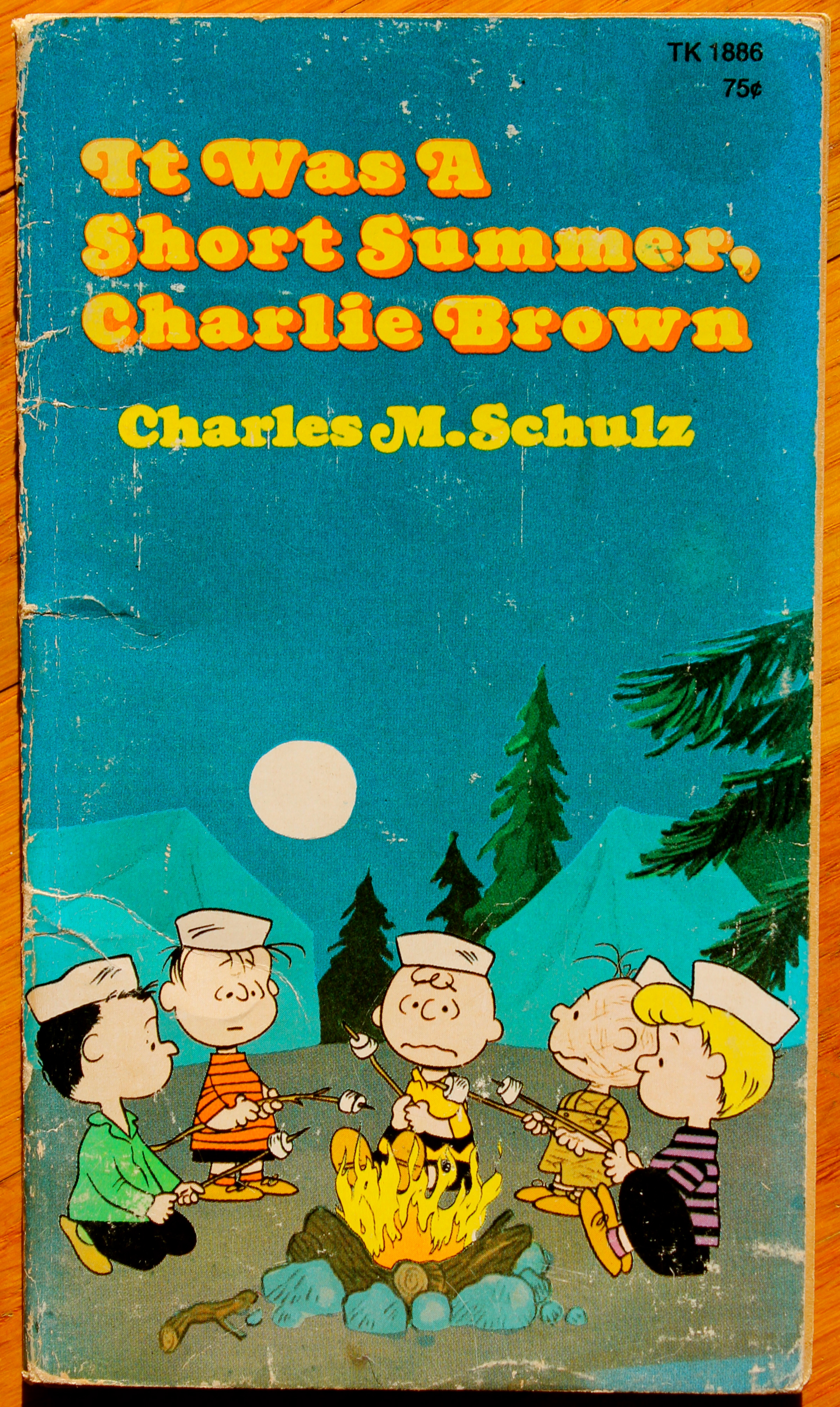
Summer Shorts.

A worn paperback discovered

leaning against the dusty window of a used-book store on Vinalhaven Island, Maine.

One of my favorite personal artifacts.

Purchased after a day of hiking and biking on the island, 

and swimming in the island’s abandoned quarries.

The year was 2004.

My children were young. Base camp was Camden Hills State Park.

IMG_5879

********

I am driving. It is late September and it comes to my attention that summer is officially over.

I stare into the rear view mirror and notice the setting sun. Badlands (Springsteen) is playing on an ancient CD in my dash. The CD is partially cracked—sliced clean through—but Badlands still works. A sports car rockets from the edge of the horizon, like a spark leaping off the sun. It is closer than it appears, aimed for my road space. The car is white and after it dusts all 160,000 lumbering miles of my old volvo tank, its hind end sneers back at me—like a mean monster’s face. Red taillights with beady red eyeballs. Frowning mouth with gaping, thin lips. Shiny, loud teeth—inhaling my exhausted sighs and getting me high. It’s an F-Type Jaguar. I want to be the driver of that car. The one living that life. Somewhere in the repertoire of all the lives I dreamed of living, I never thought to envision myself as the owner of a fast, well-engineered, beautifully-designed car.

********

In August, my mother survived the ravages of a stroke. She remains hospitalized, paralyzed on her left side. In fact, anything to the left of her field of vision is a total blank. She has no concept of a world beyond that zone. We are supposed to speak to her and visit with her from the left side, so that she will learn to scan the world “from all the way left.” When I am in her zero zone, I am not of her world.

I remember the early days after Mom’s stroke, when it seemed she could not possibly live another morning, or afternoon, or evening. My husband arrived for a visit. “Hi Mom,” he said, bringing a fresh smile into her somber world, “don’t get up.”

Mom slurred out two words, “I won’t.” And then she tried to smile, too.

Now, Mom can smile a real smile almost all the way through both cheeks and she can laugh. She can sit in a wheelchair. It is so wonderful, one almost feels as greedy as a self-proclaimed king when one continues to pray that she will soon walk into her own kitchen and have the use of her left arm to make an ice cream cake, while checking in on the stock market.

Not long after my mother was struck down, my husband’s mother slipped on the floor where she lives alone near Syracuse, New York. She broke her arm and her hip.

I drive back and forth to Connecticut.

My husband drives back and forth to Syracuse.

We drive back and forth to Connecticut and Syracuse.

We drive back and forth to places where we pretend the world can never find us.

********

There are stories and films and theater productions, and songs and poems, and drunken rants, and perfectly lucid rants,

about hitting the roads of America—summer being the preferred season for taking on the gypsy life.

Maybe the road wanderer is going in search of a worthy cliff over which every parasitic load of grief that has ever chewed venom into the heart can be cast away. (A never-ending quest.)

Or maybe the wanderer wants to find America and the meanings of life. (The meanings are all out there.)

Or maybe the wanderer needs to escape the confines of adulthood. (For a gypsy, life is better on the road.)

Or maybe the wanderer seeks to connect with their one true self. (You meet a lot of true selfs on the road.)

Or maybe the wanderer hates their one true self and wants to frankenstein a new self,

or fabricate a branded self,

or become reborn as some other self they can present to the community for applause and a prize

and for membership in the kinds of contemporary cultural groupings that promise the security of lifelong enrichment

through network friendships. (The road can be so under appreciated if you need to be connected to a network.)

If the road is good to you, and you find yourself freed

—beyond the menacing tentacles of any network—

don’t be a stranger to yourself. (My son said this to me recently when I was feeling bereft and unable to excite the pleasure centers of my brain.)

Learn to believe it when you think life is short.

Summers are even shorter.

********

Summers, indeed, are too short for finding the time to read all the road-trip stories and watch all the movies and play out all the dream excursions, driving fast—or slow—over paths well traveled. I have been finding the time, though, to listen to a lot of the road-trip songs while heading out to visit my mom. I drive parallel patterns running north and south, on roads that are perpetually under construction and increasingly under siege. Trucks, hauling road trains of useless stuff from faraway places to nearby shopping centers, knead road surfaces into landscapes of the moon—cratered and rutted and barren of life.

Plasticity bears in on me.

I know there isn’t one thing, aboard any truck, on any route gouged into American soil, that I need.

But I do need the road.

I am dazed and disarrayed. Glossy-eyed, not sleepy. Annoyed by every little thing. Hurtling my old car 75 mph over paved highways, lane to lane, sun rising, sun setting, stars throbbing.

I am thinking. Over thinking. Using up blank space. Never getting it back. Wishing the leaves would stop changing colors.

My husband and I rendezvous at home and look at each other over the dinner table. We start out sharing a beer. Then we drink wine. Then we sit around pretending we aren’t waiting for the telephone to blow up. Then we rumble the roads again somewhere between Syracuse and Connecticut.

If you set personal-life drama to music—folk songs, rock songs, lullaby songs—you can become your dreamer self again. Especially if you were born during the 60’s and had a pair of headphones and a turntable and a babysitting job and a lawn mowing job, (to fund the purchase of albums), and an established dominion in the corner of an overcrowded bedroom where you could tip your head back, stare up at the ceiling, and listen to the noise.

Louder plays the music, in your memory and in your car. You don’t just love the groove, you love the lyrics. You love the rock stars. You are going to be free forever someday. Still. You will be your own true self and you will never need anyone else except for all the other people who are their own true selves, too.

My mother is her own true self.

********

En route to home after visiting Mom on the day I noticed summer was over, the road delivered me into the parking lot of a New England farm stand near my house. I got out, all grown up, cooing Badlands, using it as a lullaby salve for my shaky little soul, which I prefer to keep protected behind a hard-working heart.

Artfully stacked pyramids of fresh-picked apples and haphazard piles of just-harvested pumpkins stroked longings for the spirit of the Great Pumpkin to carve me up into a happy face. The summer’s long days and nights were being woven into the shorter days of autumn. They hung like a tattered curtain, shredded by the rush of remembering a full summer of road trips that shook me up from Alabama and through the southern states, bound for the north to everywhere in New England to Ohio to Canada to New York State and to still trying to find home. The curtain is lowering over the stage of one set and preparing to rise from the stage of another. Its parts and pieces flap in that in-between space of life like this and the shift. 

When the winds grow calm, I can’t breathe.

Time slows to the length of one, precious, prayed-for heartbeat.

One, precious, flutter of an eyelid.

One, precious, electric particle of the universe, to connect the brain to the body,

And a prayer to a promise.

********

At the farm stand, I want one true apple.

But I choose three—a ginger gold, a macintosh, and a golden delicious.

I slice off a taste of each. The ginger gold tastes best. But the macintosh will part the dark clouds when I slice it into wedges and zap it in the microwave with cinnamon on top. The golden delicious, meh.

I resolve to take a road trip to Scott Farm, Kipling Road in Dummerston, Vermont. There, they display their collection of orchard-grown apples like great wine in a wine shop, like cigars in a cigar shop. Wooden boxes, filled with fruits in varying shapes, sizes, and colors, are arranged together, like shelves in a library. Little descriptive phrasings on labels describe how each apple tastes, what kinds of fragrances they emit, and how they will save your tongue and your inner being from the sadness of plasticity arriving on big trucks from Timbuktu and wifi networks infiltrating the Peace of The Road.

********

It was a short summer. It always is. But there was enough sunshine to grow the apples and the pumpkins for sale along the roadsides of New England. Maybe the fall season will be a glorious one.

Maybe the Great Pumpkin will, at last, rise from the pumpkin patch. Maybe Lucy will let Charlie Brown kick the football. Maybe Charlie Brown will get some candy in his Tricks or Treats bag, instead of rocks.

I never expected any of those things would ever happen.

But I always dream, whenever I become my dreamer self, that they might.

A Midsummer Night’s Dream.

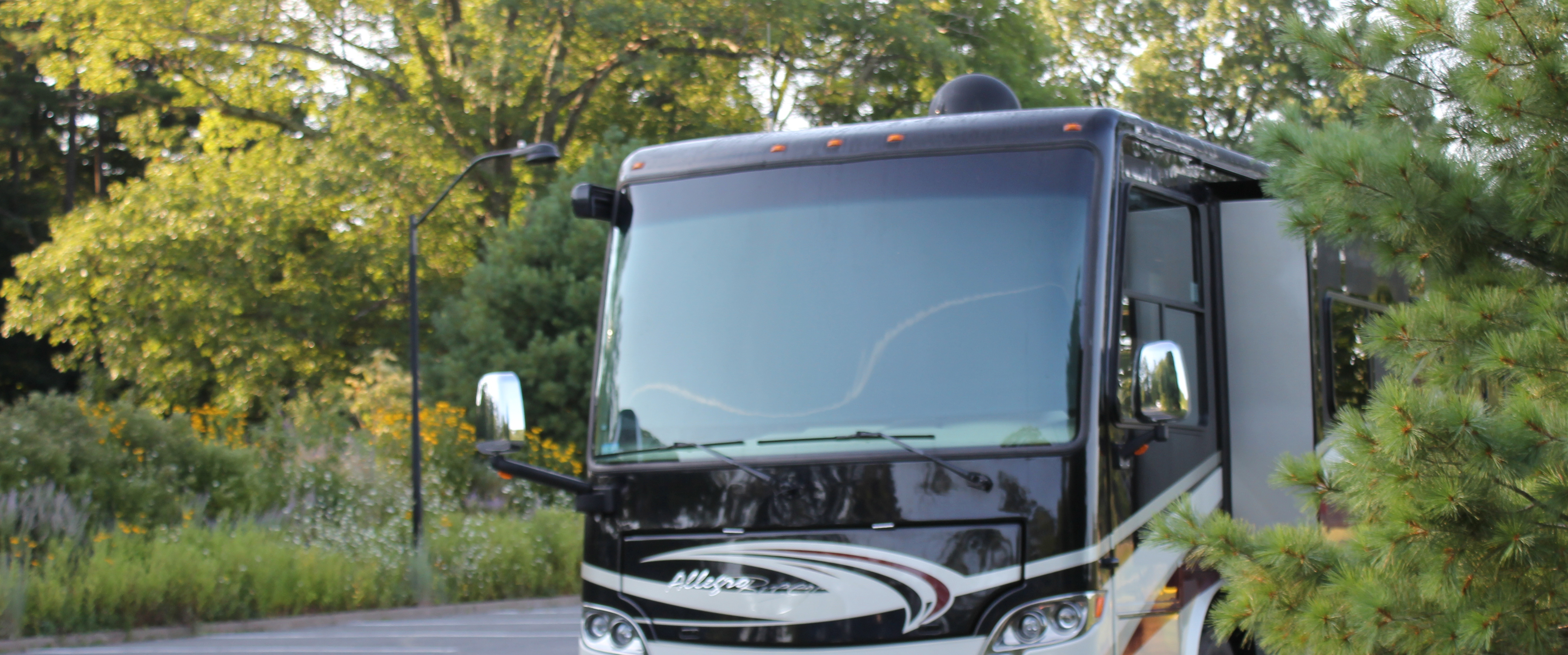
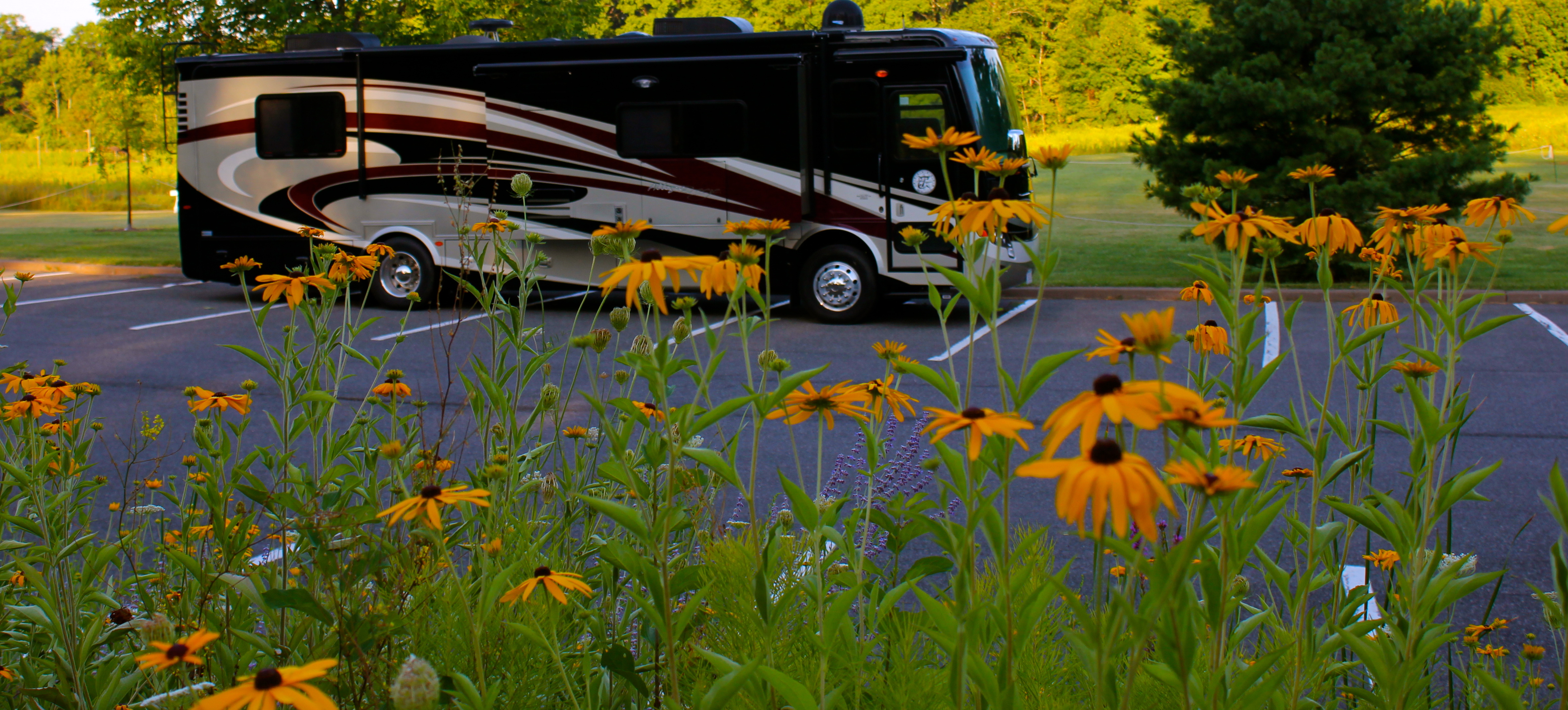
It was a hot August day, midsummer, when just before sunset a big bug (our motorhome) landed in a meadow at the edge of an enchanted forest somewhere along the Hudson River.

IMG_4509

The bug’s roomy belly contained sleeping quarters for human beings.

********

The big bug didn’t make a sound after landing, even as the insects in the meadow sang the loudest love song of all time,

Is Anybody Out There?

In spite of the noise going on in the meadow, and a dream that left me dancing with the saints, I fell fast asleep within the big bug’s belly.

The next morning, a brilliant sunrise awakened me.

IMG_4500

I put on a dress and went leaping into a field of flowers. Filled with wonder, I gathered up the edges of my dress and offered a prayerful bow to the Meadow Makers. It was a heartfelt, and—the deeper I dipped—dizzying curtsy. Oh! I winced—for I felt the world taking the curves a little too fast—my poor fragile mind! Perhaps I am still a little bit drunk! 

Upon righting myself among the flowers, and swatting away the stars flashing like fireflies over the surface of my eyeballs, a smile blossomed from the corners of my lips all the way up to where raindrops, no matter what the season, begin life as snowflakes. I pinched myself.

Methinks I’ve been bewitched, said I.

And after I said it, the flowers in the meadows swayed.

********

It all started at sunset the night before when a merry troupe of wandering musicians, summoned to tease and tantalize tango dancers of the Hudson Valley, sprang from behind the trees in the enchanted forest. Tadpoles in nearby ponds reacted to the fairy-dust-spangled revelry by tucking their tails inside their ears and covering their eyes with each the other’s tongue. Squirrels ran down rabbit holes and rabbits ate the beards off frightened hobbits. Roosters barked, birds honked, and plump woodchucks dangled upside down inside hickory nuts.

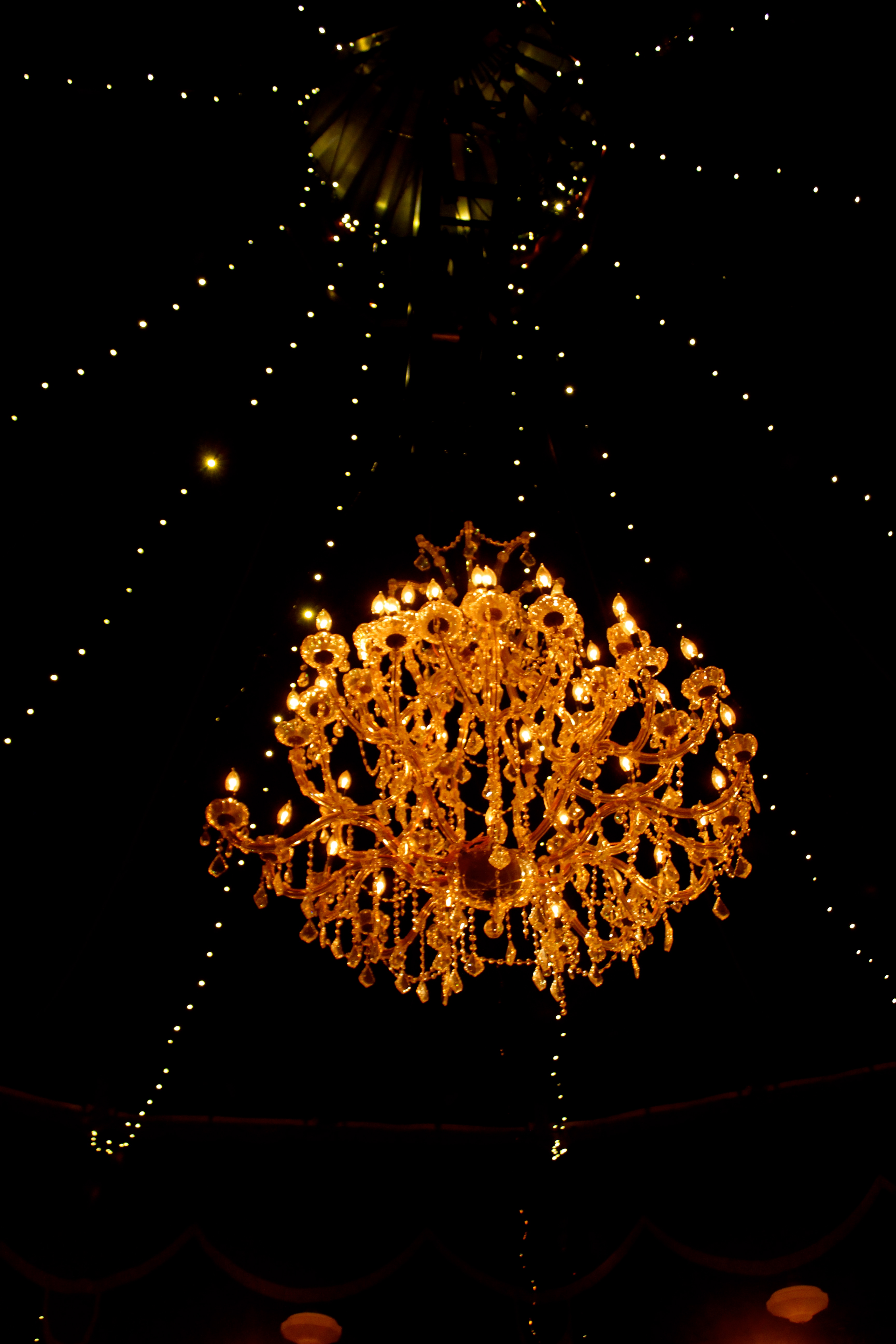
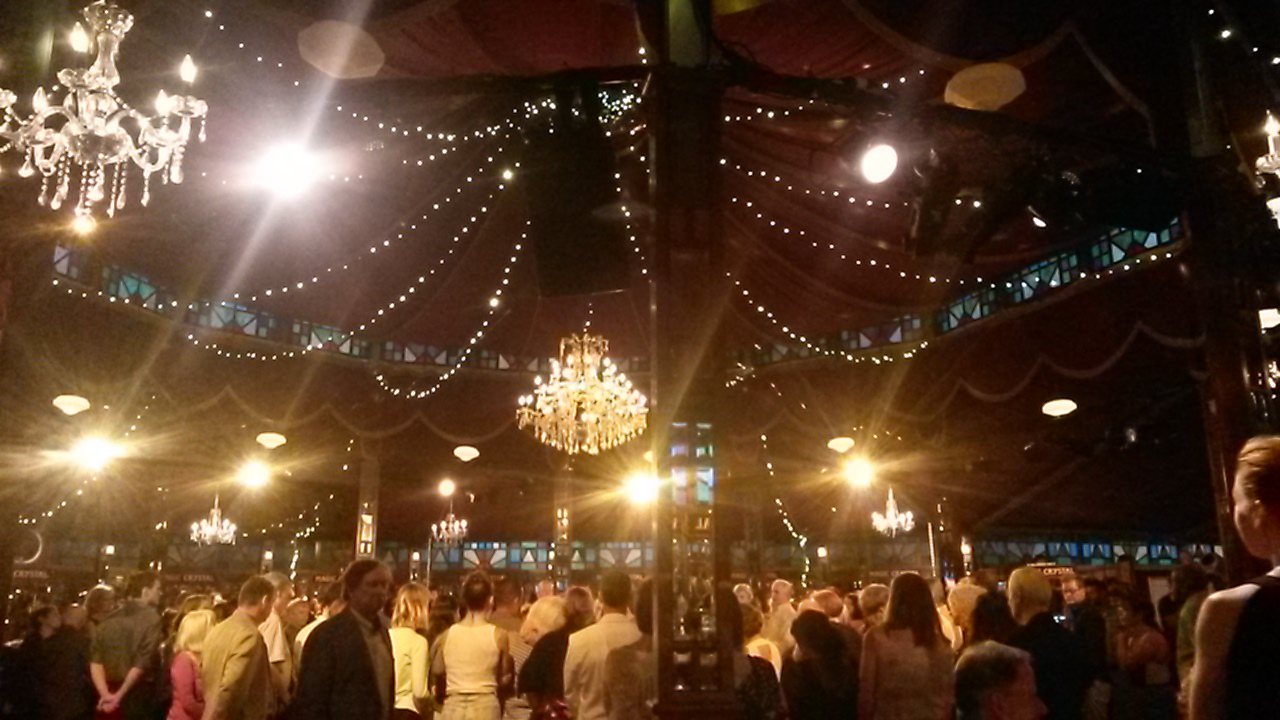
Tango dancers emerged from hideouts throughout the valley, ready to follow the merry wanderers to a tent in the heart of the enchanted forest. The tent sparkled with stained glass and gleaming chandeliers. Golden fringe hung from red velvet walls and ceilings. Glossy wooden dance floors shimmered.

Indeed, the shimmy to come would shatter the traditions of tango.

IMG_4400

IMG_4440

20150806_201731

The elite society of tango dancers donned their special shoes, lowered their sexy eyes, and parted their lips just enough to capture herds of forest dust mites, cast aswirl by the rising heat. Then, writhing around inside their sweaty bodies, the dancers slumped up against each other—squeezing the life out of their very own dreams—preparing to dance the way they’ve always danced, the way they were taught, the way everyone expected them to dribble their toes across the floor.

Until the troupe of merry wanderers began to play.

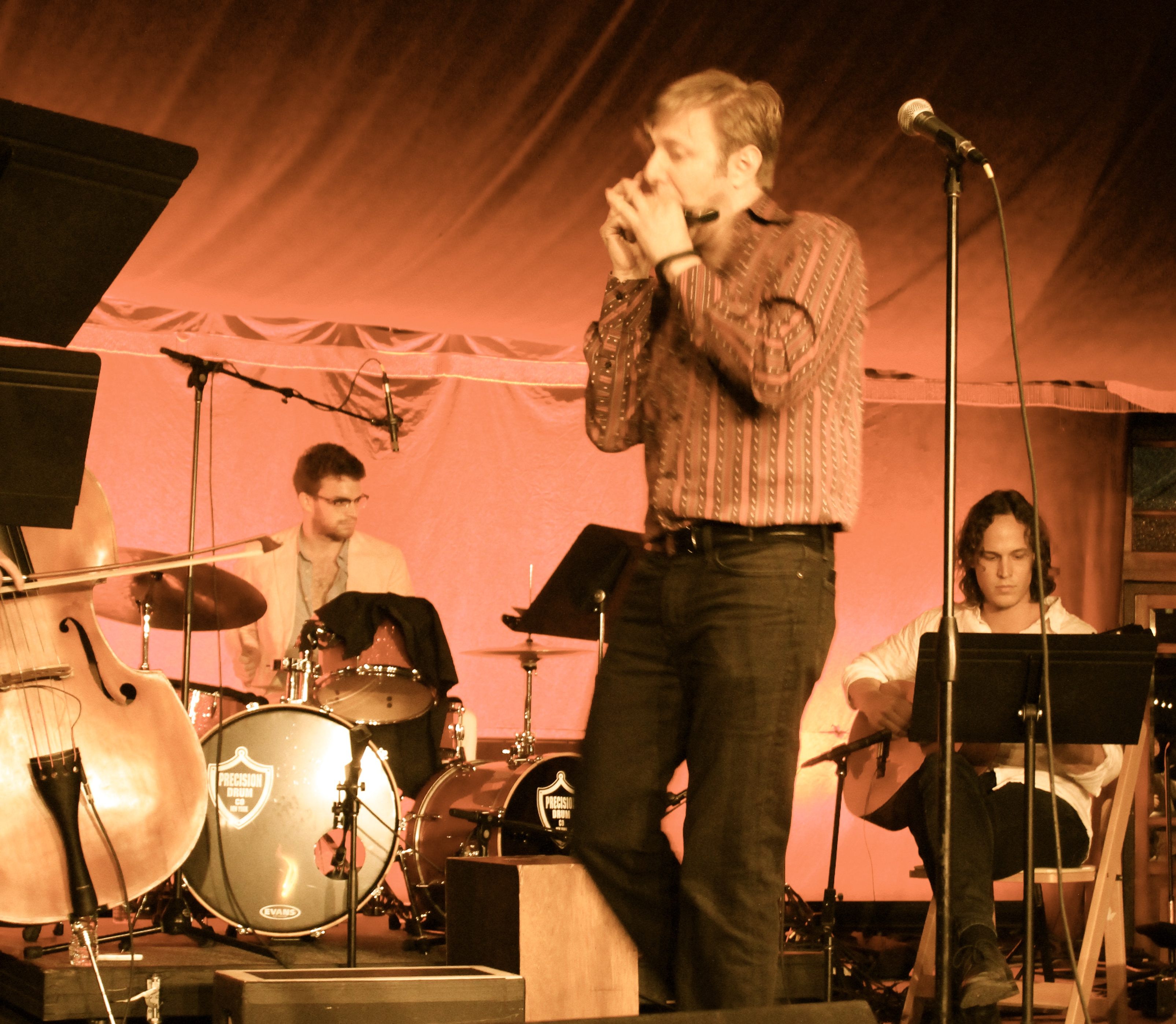
The goblins and elves and leprechauns on stage, snake charmed their harmonicas, pianos, violins, stand-up basses, guitars, and drums. Their joyful music-making answered all the insects, in all the meadows, in all the world.

Is anybody out there? 

The replies kept coming in melodious, mesmerizing doses. Hypnotic states of joy ensued and the dancers felt their hearts being rescued from sheltered cages. They watched as every willing heart was set afloat on the midsummer night’s breeze. Their spirits liberated, the dancers tangoed like freshly-kissed toads in the arms of legendary lovers.

The merry wanderers had done it.

IMG_4410

IMG_4418

IMG_4426

And when the merry wanderers flew from the stage, the dancers—a little boozed up and overly excited—tried to make the merry wanderers stay forever.

But it was all a dream.

The troupe had never played together before, some had never played tango, and they had only come upon each other that very night in the enchanted forest.

In fact, they barely had a moment to enjoy a bite to eat in the belly of the big bug before they disappeared into the woods.

IMG_4464

********

Later in the evening, a dancer discovered that I might have been the mother of one of the merry wanderers. She said, “You must have been a wonderful mother! They are all so talented and they play so well together and I hear they didn’t even have a chance to rehearse!”

Sometimes I was and sometimes I wasn’t a wonderful mother.

But if there’s one thing all wonderful mothers know, it is this: when you have a child, you give birth to dreams. But your dreams aren’t the ones that come to life.

Wonderful mothers learn that trying to trap lightning in a jar is a waste of energy.

IMG_4449

Once, my merry wandering child dreamed that he could make people feel happy, inspired, and brand new by playing music. He dedicated his heart and soul and body and mind to the quest.

On a midsummer’s night, I experienced his dreams coming true.

It felt wonderful to be his mother.

IMG_4445