An Earnest Request.

One week ago on Wednesday evening.

It was July the 29th.

On a day the sun burned hot enough to melt the heart of every cold-blooded, icy-veined, cruel god that ever schemed to wreck the world.

********

When summer was deep into the days of joy.

********

This does not make any sense.

********

Tell me, what is it you plan to do with your one wild and precious life?

********

On Thursday morning, last week.

I did not answer calls from my sister.

I typed, instead, a what’s up is everything okay? text message to her. I was on a Habitat for Humanity job site—installing gardens, unloading heavy bags of mulch, plants, tools. Coaching volunteers.

I did not hit the send button for the what’s up text before I noticed my sister calling again.

Something is up. I took the call.

********

I’m going to try to write about this.

********

Here’s a texted image I got from my son a few days before my sister’s call last week:
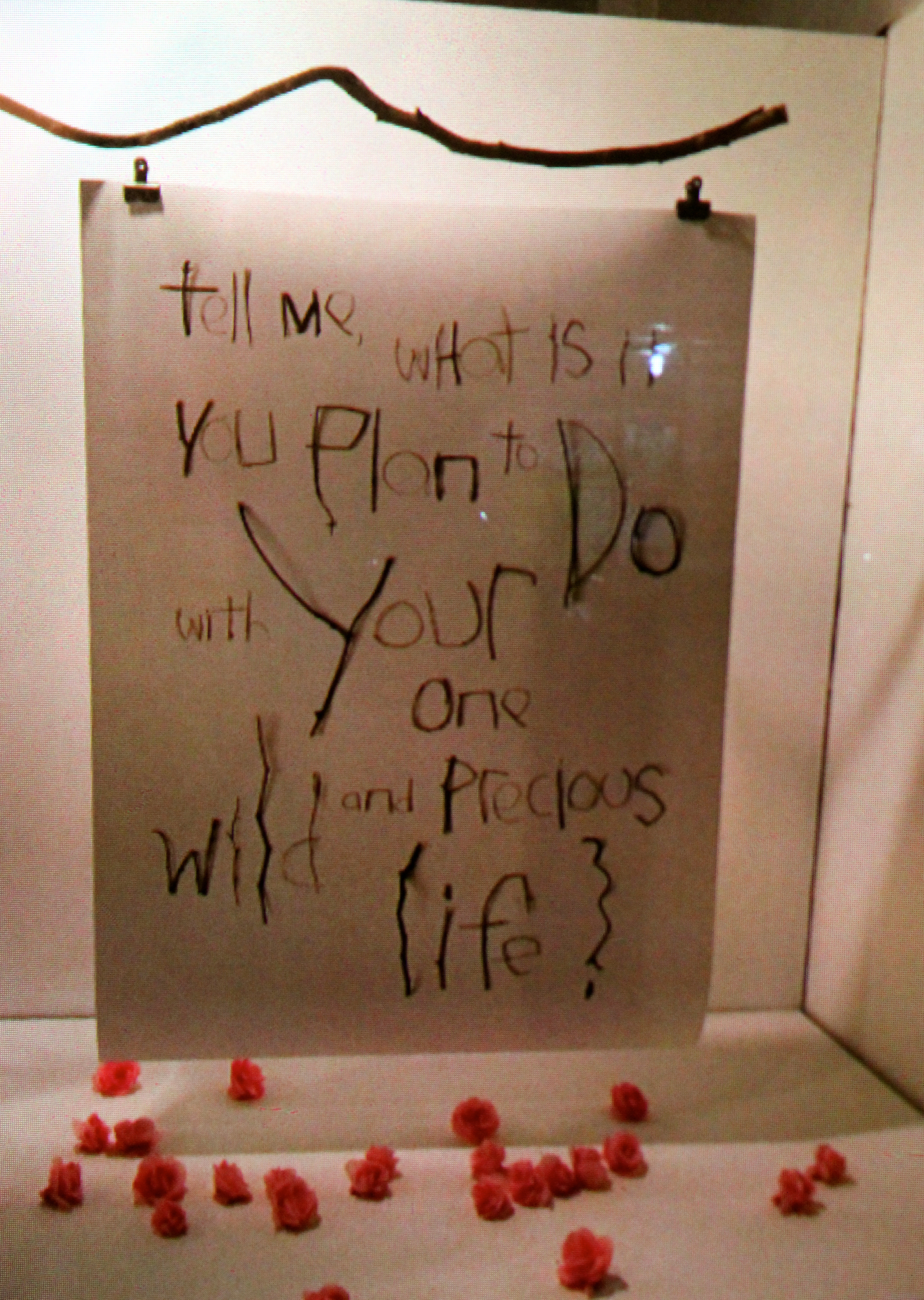
IMG_4380

He saw it somewhere in New York City and sent it to me. It’s the last line from the poem, The Summer Day, by Mary Oliver, which is wood burned into our bathroom door. Whenever my son or his sister or his dad or anyone else, uses the small bathroom on our first floor, (so small that I painted it to look like an outhouse), they are confronted with the poem.

It took me a long time to wood burn that poem into the door.
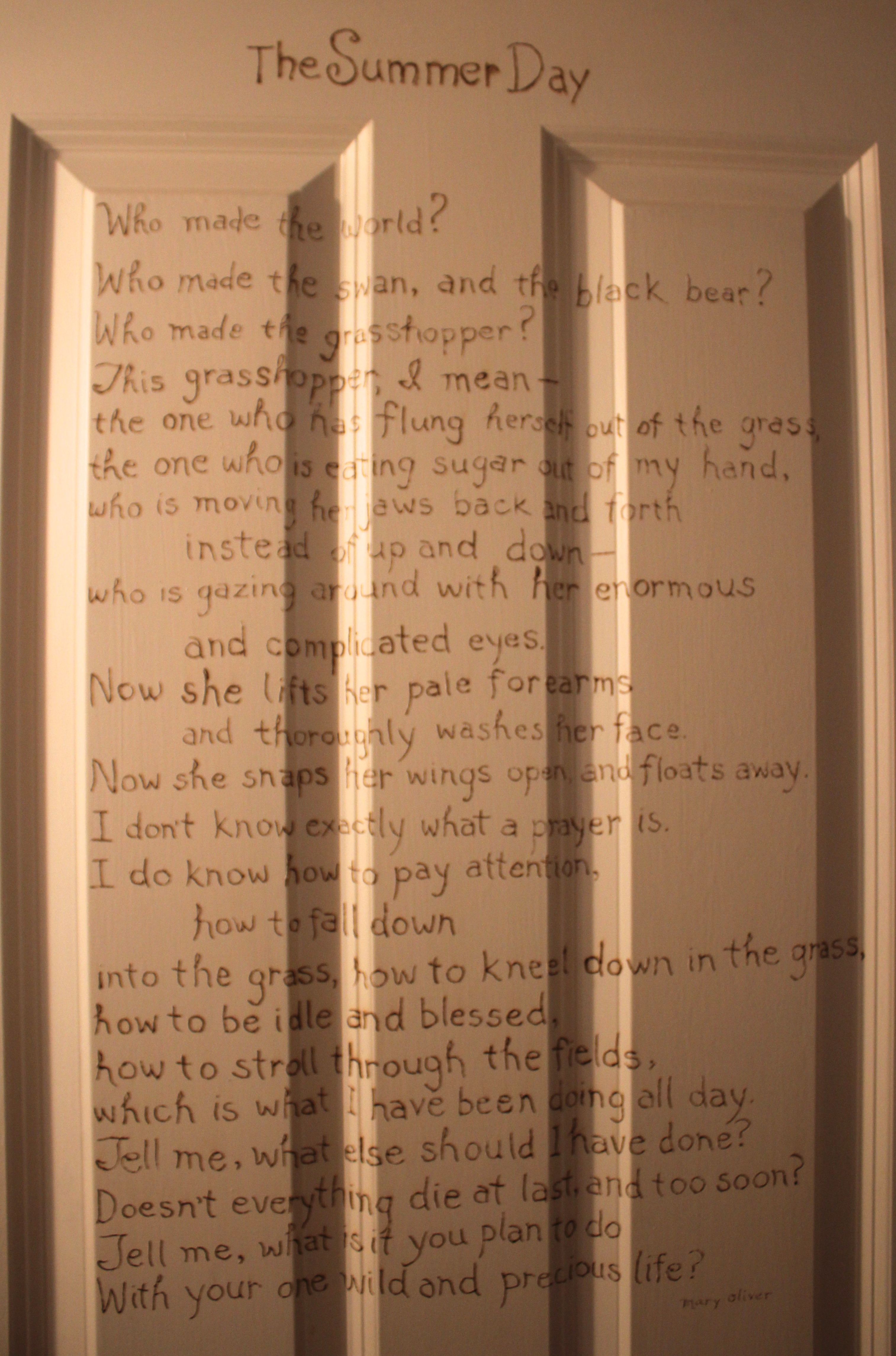
IMG_4379

Sorta, kinda, goofy, girlie mom art.

I love being a mom more than I ever thought I could love being a mom mom art.

I love being married and devoted to my family mom art.

Let’s love and live like there’s no tomorrow mom art.

********

On Thursday morning, last week—A DAY THE MERCILESS SUN BURNED HOT ENOUGH TO MELT THE HEART OF EVERY STONE-COLD-CRUEL GOD THAT EVER WRECKED THE WORLD—my sister called to tell me that her friend, Joe Trustey, and his daughter, Anna, had been killed in a fiery plane crash. They were traveling together to look at colleges.

Less than a year ago, the family had buried their only son and brother, AJ.

********

Last winter, my sister and her husband and a group of friends had flown on the Trustey’s private jet to their house in Utah for a ski weekend. The group has shared a special bond ever since they attended Harvard Business School together a long time ago.

As the years went by, I ran into this group of friends at gatherings at my sister’s house. Small talk kept me updated about each family’s milestones, challenges, and accomplishments. They’re a lively bunch, defined by hard work, unlimited ambition, and upbeat dreams. They are, like many of us, blessed with bright spirits.

Undoubtedly, the biggest personality in the group was Joe Trustey, the man killed with his daughter, Anna, when his plane went down one week ago, on Wednesday.

Tributes to his life and his daughter’s promising future abound on the Internet.

How is it that one man accomplished so much in his life? I think for Joe Trustey, much of the answer had to do with his remarkable religious faith—he and his entire family were devout Catholics. He extended the powers of faith into his own being and had a strong faith in himself. He believed God had blessed him and, with God as his strength, he never let fear disrupt his aspirations.

********

Today Joe Trustey and his daughter Anna will be buried. If all they believed about God is true, then they have joined their son and brother, AJ, in a better place.

********

More than twenty years ago, my husband and I showed up at my sister’s house to celebrate a baptism for her firstborn daughter. I had been asked to be my neice’s godmother. The grand day arrived only a few weeks after our second son had been stillborn, full term. My husband and I must have been transported to that party on the wings of angels, because in those days, we could not find our way anywhere, nor could we remember how to speak or how to appear happy.

I recall how we dreaded that party because we knew the gathering would include my sister’s Harvard Business School friends. I didn’t know how I would make it through the day. I was self-conscious of the fact that others would prefer to avoid us because our baby had died and worse than that were my conflicted fears about my own emotions of envy for the young families I knew would be in attendance—all of them with wonderful futures before them. I hated the feelings of bitterness that might exhaust me on a day of joy for my sister, her husband, and my precious niece.

The morning before the baptism, I remember helping my husband get dressed.

And thinking how lonely it is for a man to lose a newborn.

Joe Trustey was the one man at the party that day who bravely and kindly entered into the private world of our grief. He greeted my husband with generous friendship. He did not turn away; he did not pretend all was well. He simply spoke from his heart and expressed his sincere sympathy for what had happened to us. “I am so sorry to hear about your loss…” He said.

And he spoke of our son by his name. He remembered our son’s name.

********

We think of Joe Trustey as quite the high achiever. We hear tales of his great humor and endless acts of philanthropy. Long before his own life turned dark when his firstborn son, AJ, died less than a year ago, he felt a calling to care about others. Joe honored his Catholic faith by being brave, and kind, and generous.

Today will be excruciating for the Trustey’s and all of their family and friends. I am so sorry they have all lost their beloved Joe and Anna.

From The Book of Revelation, King James Bible, 14:13—

And I heard a voice from heaven saying unto me, Write, Blessed are the dead which die in the Lord from henceforth: Yea, saith the Spirit, that they may rest from their labors; and their works so follow them.

********

Tell me, what is it you plan to do with your one wild and precious life?

In the spirit of Joe Trustey, and his beautiful daughter, may your great good works—the big ones and the small ones—follow and nurture you all the days of your life,

and may they live on to inspire others, from far beyond the grave, when your life on Earth is ended.
20150804_141422-1

Lemon Sweet Sunshine.

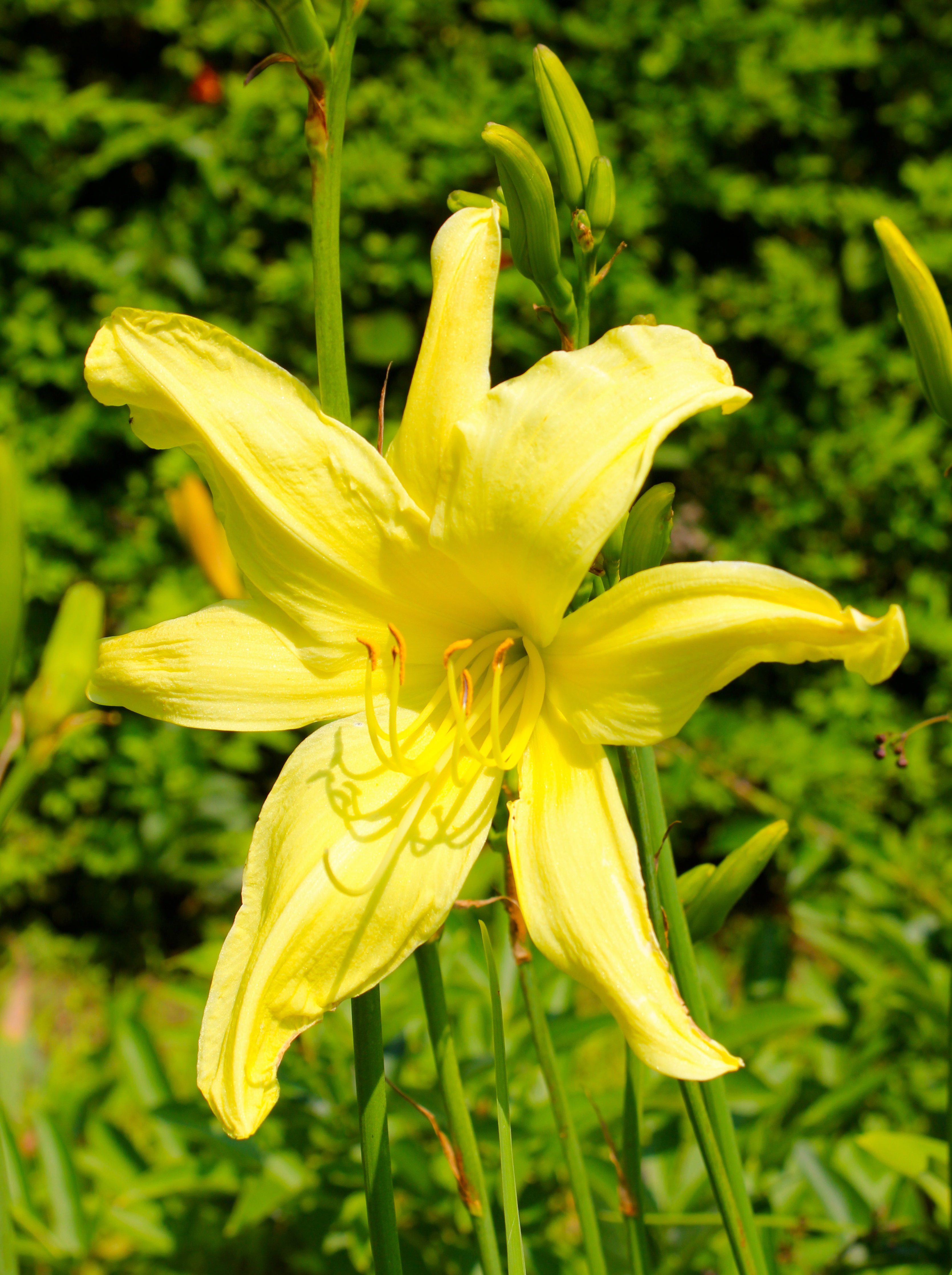
IMG_3803Daylily Days!

Squish a lime into an ice-cold bottle of Corona beer.

Cut fresh flowers for a vase in the guest room.

What’s for dessert?

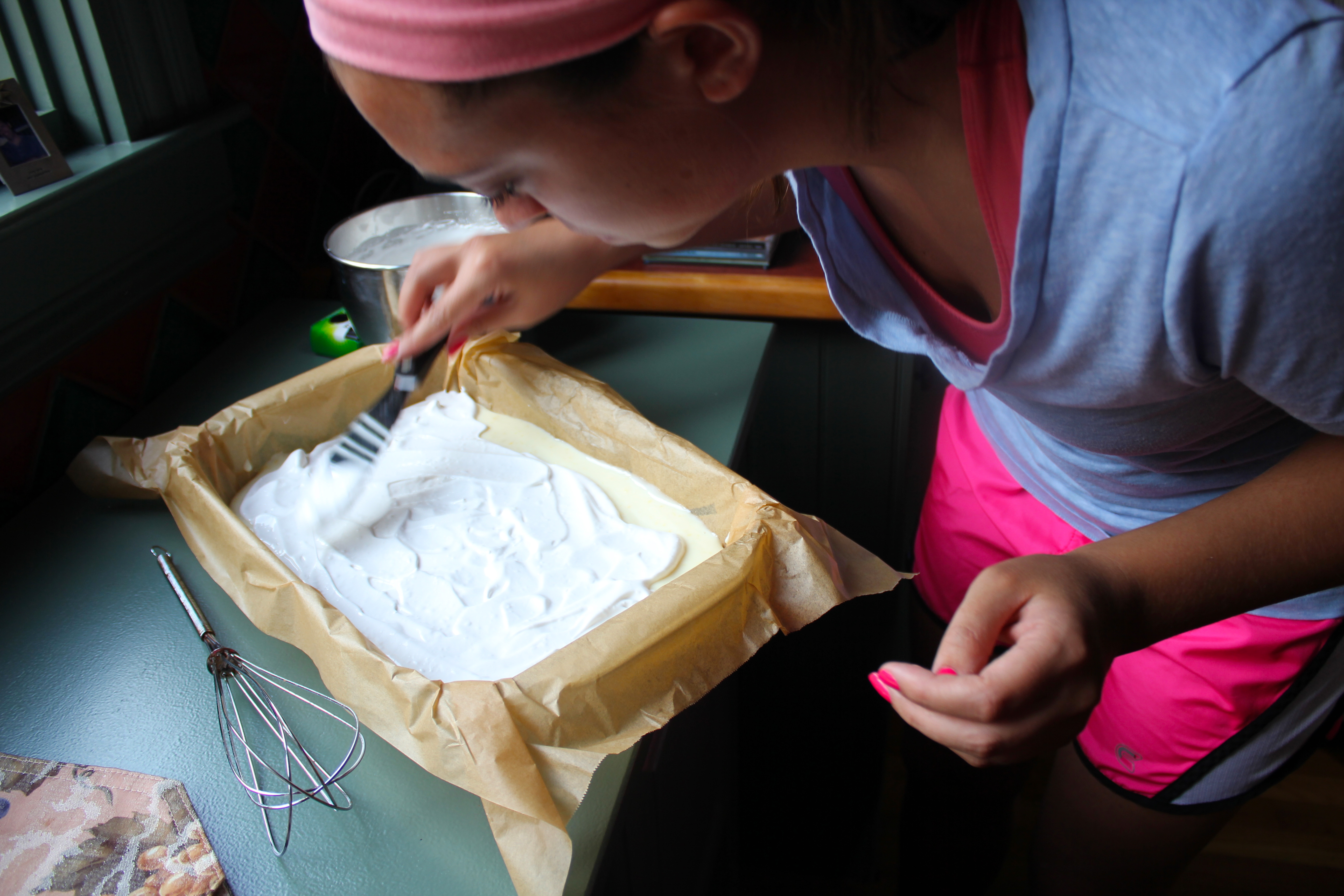
My daughter was home for a few days and we had company coming. She enjoys baking and we all enjoy preparing the house for company. I showed her my dog-eared pages in the new magazine Sift I bought back in early spring. We couldn’t decide what to make! She chose Lemon Meringue Bars. A great choice—refreshing and light, colored yellow and white.

There’s a quote from Julia Child in the magazine: A party without cake is just a meeting.

And dinner without dessert is just no fun.

********

LEMON MERINGUE BARS:   (From the premier issue of Sift, a King Arthur Flour publication.)

CRUST:

1 1/2 c. King Arthur Unbleached All Purpose Flour

1/4 t. salt

1/4 t. baking powder

1/2 c. (1 stick) unsalted butter

1/2 c. sugar

3 large egg yolks (save the whites for the meringue)

FILLING:

1 can sweetened condensed milk

Grated zest from 2 lemons

1/2 c. fresh-squeezed lemon juice (We needed 4-5 lemons)

TOPPING:

3 large egg whites

1/2 t. fresh lemon juice

1/2 c. sugar

Preheat the oven to 350 degrees. Lightly grease 9″x13″ pan; line with parchment paper—the edges going up the sides.

For the crust:  Whisk together the flour, salt, and baking powder. Cream the butter and sugar together in a separate bowl. Mix half of the dry ingredients into the butter/sugar mixture, then add the egg yolks. Blend gently, then add the remaining dry ingredients, mixing only until the dough comes together. Pat dough into the prepared pan. Bake for 15 minutes, until golden. Remove from oven to let cool.

For the filling:  Blend condensed milk, lemon zest, and lemon juice until the mixture thickens slightly. Spread over the cooled crust and set aside.

For the meringue topping: In a clean bowl with clean beaters, beat the egg whites with the lemon juice until foamy. As the mixer is running, sprinkle in the sugar and beat until thick enough to hold a medium peak. Spread the meringue over the filling—pulling up little peaks. Return the dessert to the oven to bake for another 15 minutes, or until the meringue is golden brown. Remove from oven and let cool for half an hour.

Use the parchment lining to gently pull the dessert straight up and out of the pan and onto a cutting surface. Cut into squares.

IMG_3649

IMG_3651

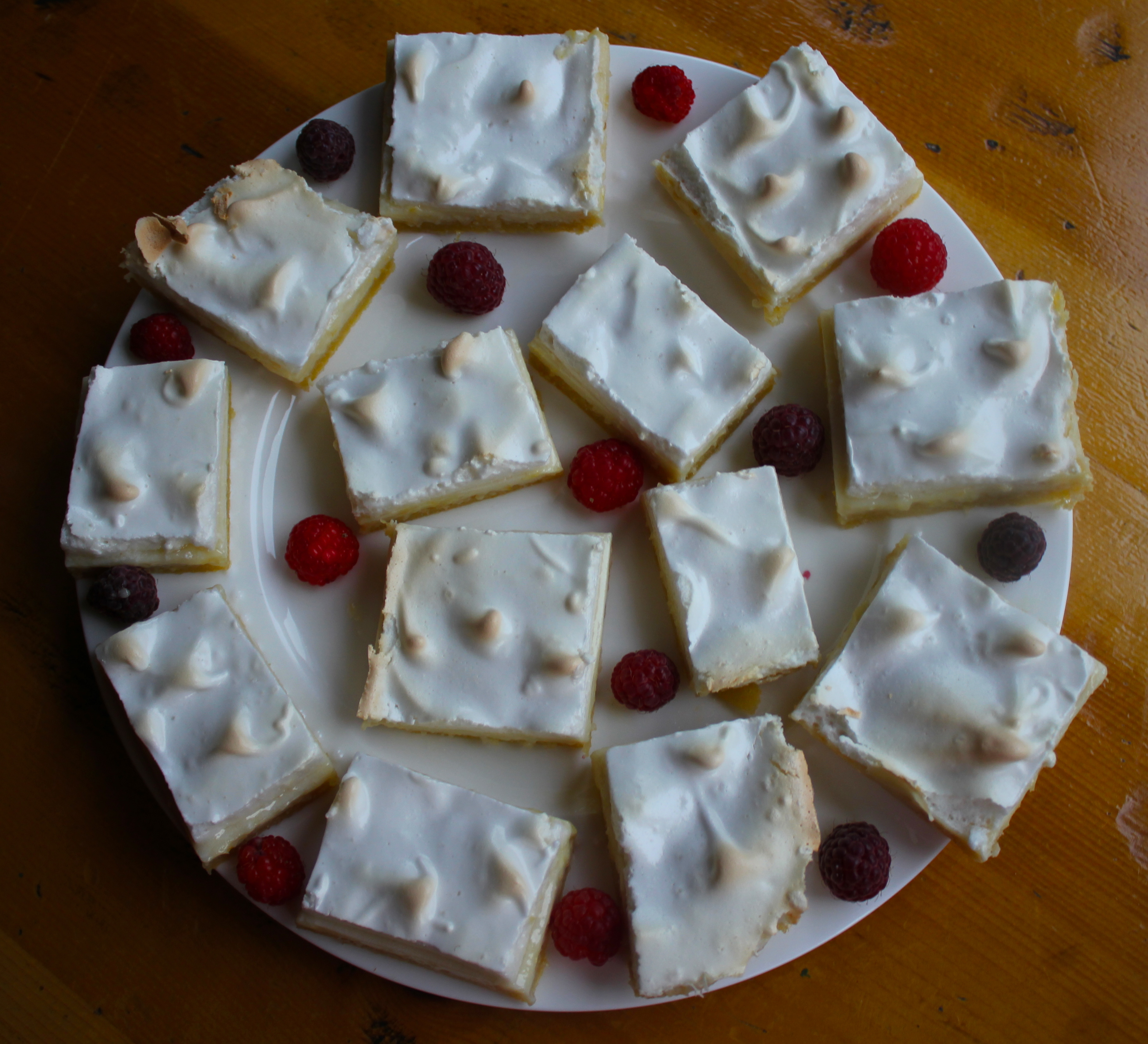
One of my friends delivered fresh-picked berries from her gardens

on the same afternoon my daughter was baking. My daughter arranged them with

the lemon squares on a simple white plate.

IMG_3655

********

The Slow Art of Finding Peace and True North.

Sebastian Smee is an art critic. He writes for the Boston Globe and he has been awarded a Pulitzer Prize for Criticism.

In the Boston Globe this week, there was an article written by Smee about the Maine Art Museum Trail. I looked forward to reading it, but by the end of the opening paragraph, I found myself terribly concerned for all the people who might read the same first lines and decide to anchor themselves forever to southerly, and most-convenient-to-Boston, regions of New England.

Smee had written: “There are two museums on the Maine Art Museum Trail that have so far eluded me: The University of Maine Museum of Art in Bangor and the Monhegan Museum of Art and History. The first—sorry Bangor—is too far north of Boston. The second is on an island—and that’s just inconvenient.”

********

THROW OFF THE BOWLINES!    SAIL AWAY FROM THE SAFE HARBOR!    (Mark Twain, I think.)

********

Bangor is not too far north. I promise. There is, as mentioned in Smee’s article, The University of Maine Art Museum to see up there. But there’s more. For instance, if you want to visit many of the places that inspired the art all along The Maine Art Museum Trail, keep driving down east to the coastline beyond Bangor.  You’ll find Acadia National Park plus a culturally distinct region of the world.

All you have to do is turn off the GPS and follow your nose. The scent of the sea, or at least the marvelous stink of a dramatically displaced low tide, will lead you to unexpected life-changing experiences such as the pleasures of being a spectator for the Women’s Skillet Toss at the Blue Hill Fair. This rowdy event fills the grandstands and it’s authentic Maine through and through, so even though you risk getting walloped upside the head by an errant iron skillet, you are not required to wear a helmet in order to attend the show. Women competitors are classified as Kittens and Cougars. They fling iron skillets as far, and as straight, as possible. Some of them can send those old iron workhorses sailing further than a soldier’s dream for a home-cooked meal! The Blue Hill Fair pleased E.B. White so much, it inspired many of the story lines and settings for one of the world’s (and my family’s) all-time favorite books, Charlotte’s Web.

As for Smee claiming Monhegan Island is just too inconvenient to visit, allow me to transform the idea of such a journey into something desirable, convenient, and perhaps necessary to your passage through life here on Earth.

IMG_3819

********

Let’s start with a time warp…the year is 2007…Labor Day weekend…I am Mother to a 15-year-old son beginning his junior year in high school and a 12-year-old daughter ready for college instead of middle school…both children are willful, independent rapscallions…we are bound for a campout on the coast of Maine and plan to take a day trip to Monhegan Island…Raffi music in the camper has been taken over by Hendrix…it is painfully inconvenient for my husband and me to travel with our teenagers…it is more painfully inconvenient for said teenagers to travel with us.

Places like Monhegan Island help counterbalance the laws of nature and the laws of technology in our tense and complicated modern world. You might not be suffering through the throes of parenting (or any other situation of nature-determined, unconditional love), but perhaps you are afflicted with the side effects of Blindsided-TechAlien Abduction. In other words, there’s a chance you’ve been abducted by technology aliens and don’t know it. The aliens are so charming and so invisible, you haven’t noticed how conveniently they have settled into your life. They eat with you, sleep with you, make decisions for you, and then they steal your identity, your attention span, your creative impulses, your freedom, and your ability to look UP and OUT.

Monhegan Island is small—only about one mile from end to end and side to side. There are no paved roads and not many cars. You ride a ferry boat to get there. Travel by foot prevails once you are upon the island.

Here’s what happened when our modern family went to Monhegan Island, as recorded–by hand–in my unedited travel journals:

Sunday, September 2, 2007. En route to Monhegan Island. At last. We won’t have a lot of time there. Two porpoises leapt along our port side as we left Boothbay Harbor. Best snack in the pack today was made by the kids: graham crackers with nutella, peanut butter, and 2 squares of Hershey’s. I read Checkhov’s short story, The Lady with the Dog, during the ferry cruise.

We made landfall at 11:05. Our crossing cut through calm seas under outrageous summery-blue skies. Stopped at The Barnacle after getting off the boat to find out what the local shop had to eat. We got two cups of clam chowder (with extra crackers) and one blueberry scone.

We sat under a stand of sunflowers to eat the chowder while bees flew orbital patterns around and around and around.

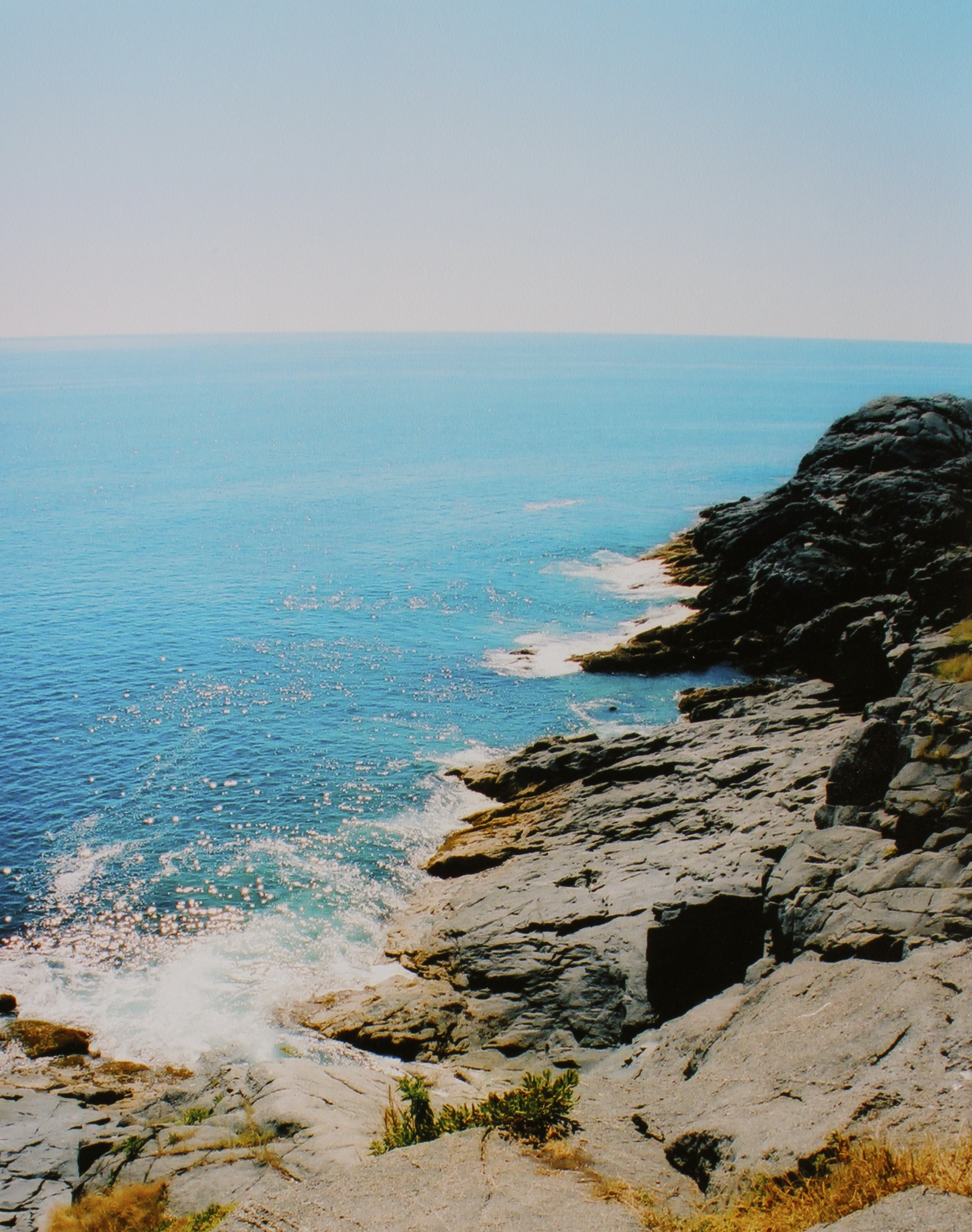
We set out walking. Burnthead Trail to Cliff Trail and then lost our way a bit to Cathedral Pines. Breathtaking views. You can see all the way out to where the water falls off the edge of the earth. The perches on this little island’s cliffs are not so little. I don’t know how high up we were, but it was high enough–rugged and rocky–and I didn’t like when the kids chose to stand close to the edges. They are hiking barefooted. I read the warning in the Visitor’s Guide out loud to my family. It sounded more like a work of dramatic fiction or an ancient myth, though. Rather than encouraging caution, I think my reading inspired a heroic contest of becoming a sole survivor:
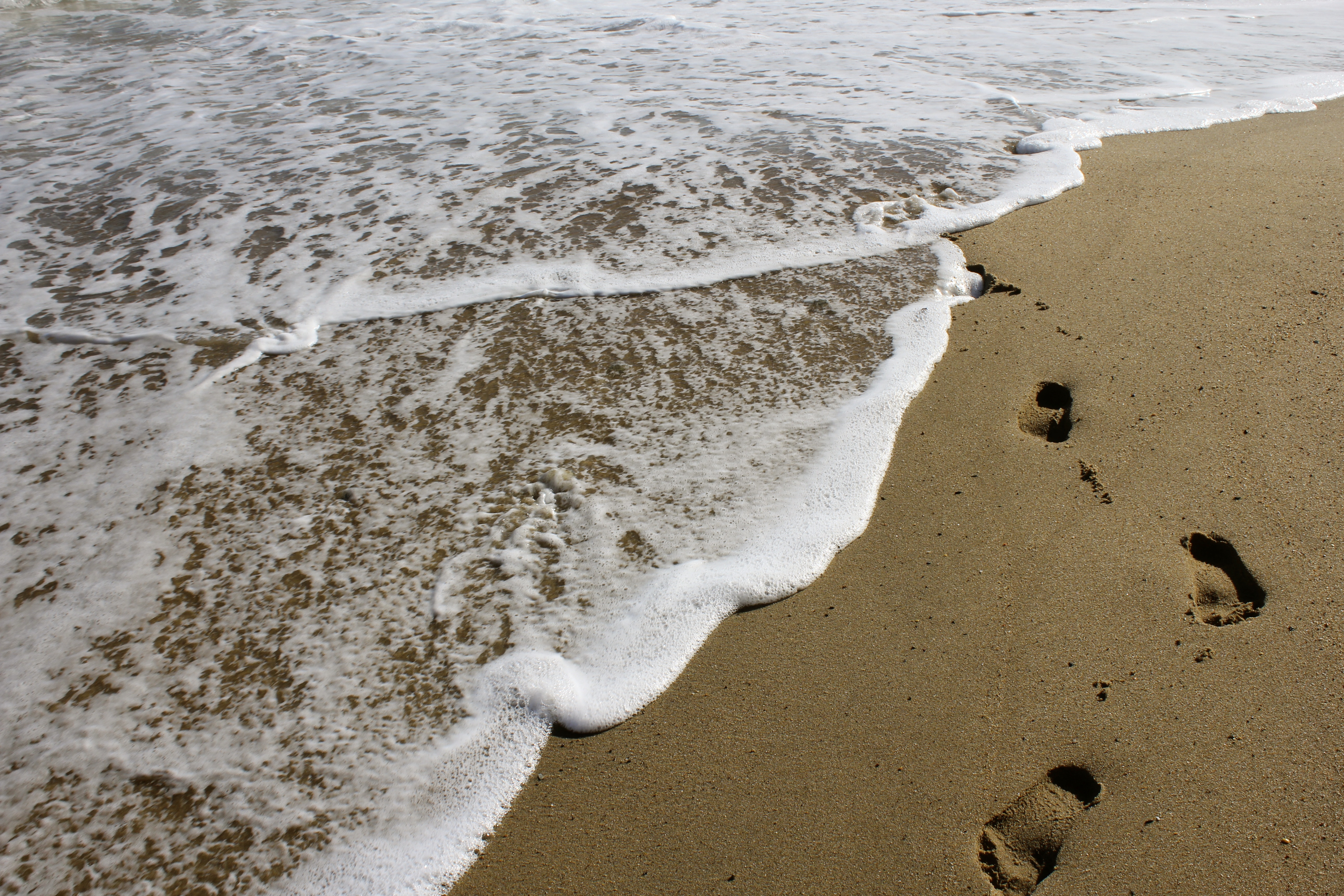
     “Don’t try to swim or wade at Lobster Cove or any area on the back side of the island. Undertows there are unpredictable and dangerous, and high surf can sweep you away if you’re too close to the seas. No one has been saved who has gone overboard on the south or east sides of the island. Always keep a bulwark between you and the sea whenever viewing the surf.”
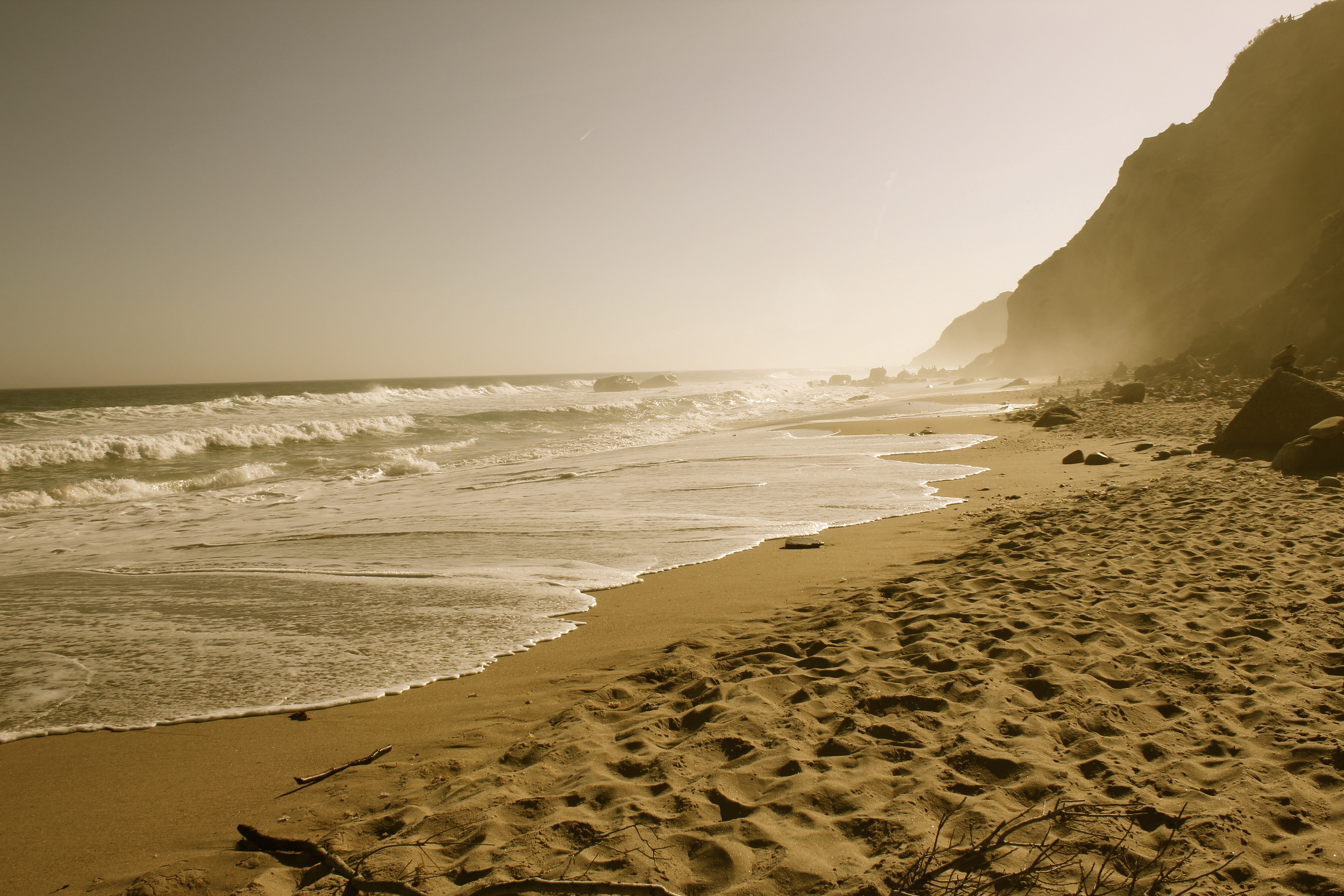
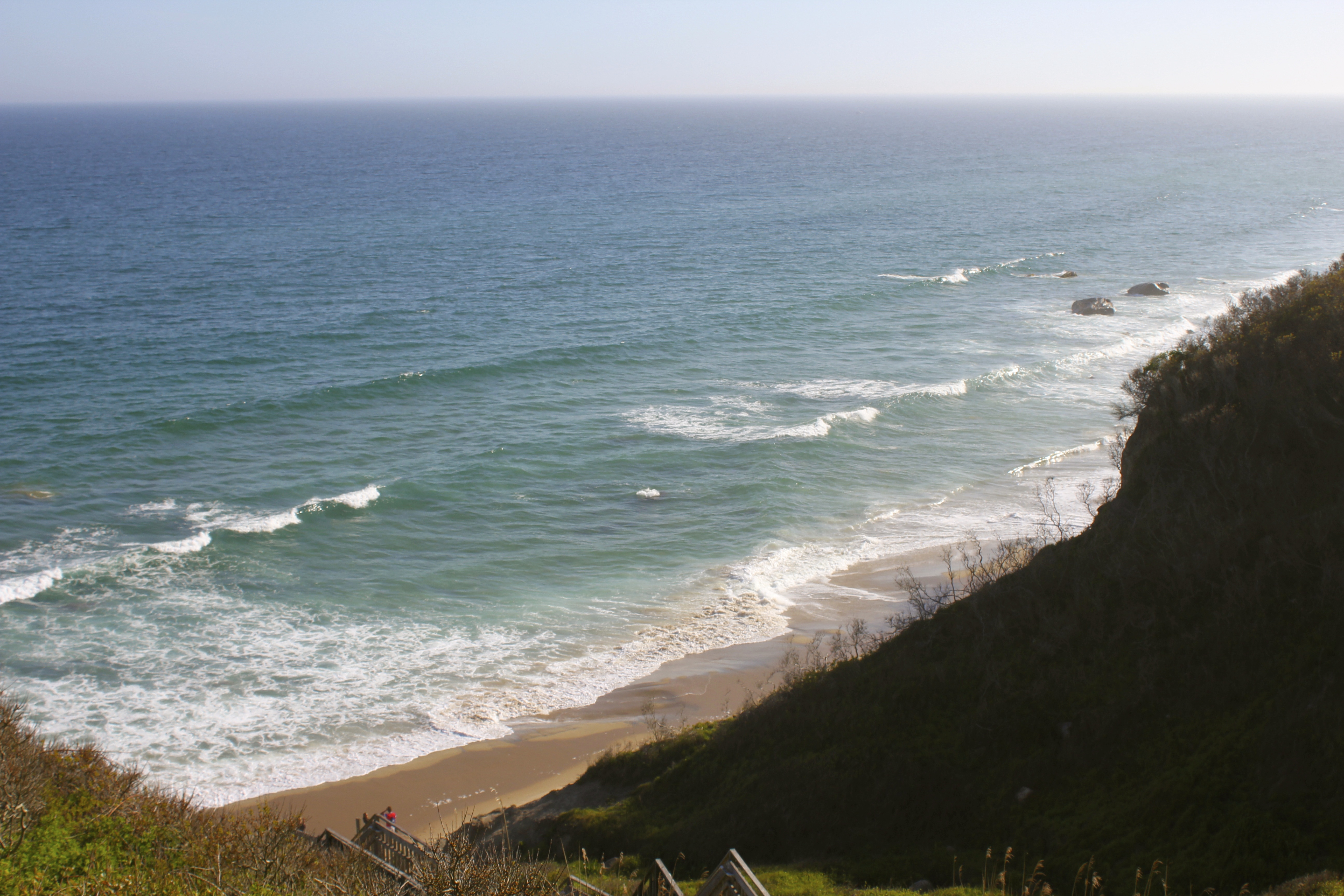
Picnicked in a stunning setting where the world could not be more scenic, nor life more idyllic. This is true even for a family filled with angst that can barely talk to each other.

I was happy to move away from the cliffs and enter the safe and soundless pretty moss woods at the Cathedral Pines trail. The moss must have felt dreamy to my barefooted hikers. Christmas trees adorn the trail as do the infamous neighborhoods of fairy houses constructed throughout the woodlands. We stopped to admire the imaginative handwork. Some houses had tables set with dinner in acorn bowls.

We walked on and on until we found ourselves busily pressing little sticks into the ground and balancing dried leaves atop them. My daughter built a fairy house next to a stream. My son built a fairy house perched perfectly in the crooks of roots at the base of a big tree. I built a small hut in between the two. My husband traveled from house to house to help with the fun.  We concentrated intently and quietly at our works of art for a long time in the cool and bug-free forest. 

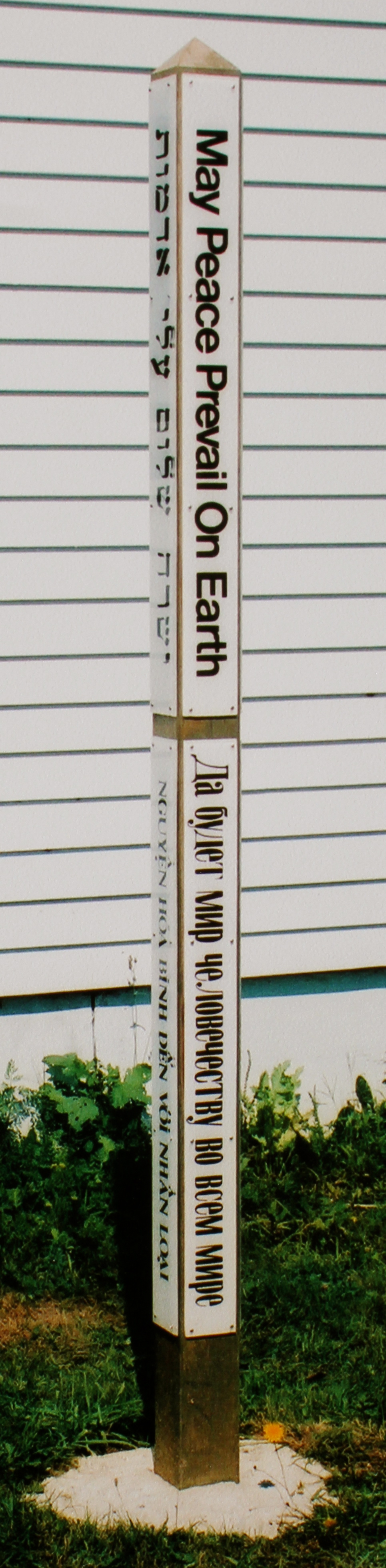
After we were satisfied with our fairylands, we walked back to the wharf, passing the island schoolhouse where there is a peace pole with the words, May Peace Prevail on Earth, written in several languages. A big wish from such a small island.

Before the loud blast from the ferry sounded a warning for departure, we had time for one more stop at The Barnacle. We got root beer, ice cream, and a fruit smoothie.

Returned to camp by 7PM. Both kids were good and dirty from hiking barefoot all day. Everyone cleaned up for the campfire. My husband and my son played guitar. Before bed, another camper stopped by our site to thank us for the music. She said it reminded her of her father and how he used to play guitar during her childhood campouts.

IMG_3820

********

One way to get to Monhegan Island is to take the ferry from Boothbay Harbor, Maine. A great place to stay is Southport Island, which is just beyond Boothbay Harbor, over a swing bridge. If you want to camp, there’s a campground there called Gray Homestead. If you want to rent a cottage, I recommend “An Tigin”, which you can find on VRBO or HomeAway. “Cheerful Southport Island Waterfront Cottage” might come up in an Internet search for “An Tigin.” The cottage is quaint and clean with good vibes of hard-working history and devoted love.

The Coastal Maine Botanical Gardens are nearby for another day trip. The best children’s garden is there–it is designed to encourage fascinating and fabulous fun. It succeeds famously.

Just down the road from the Coastal Maine Botanical Gardens, there is another swing bridge at the Trevett Country Store and Post Office. This swing bridge is operated by hand! According to my husband, the Trevett Country Store has the best lobster rolls. Southport Island has a country store, too, and their lobster rolls are good. So are their cupcakes! They also have a good selection of wine.

The Southport Public Library has a pretty cool butterfly collection. And the Hendrick’s House Museum has a letter written in perfect penmanship by a woman to her husband while he was serving in the Civil War. Not only did he receive the letter, but the letter survived the war. The survival of perfect penmanship has not fared so well.

Nevertheless, the slow art of finding peace does survive in places like Monhegan Island where leaving behind the conveniences of life—the car, the technology, the scheduled activities—isn’t inconvenient at all.

In fact, it’s restorative.

Slow days bring us one step closer to finding, and believing in, our own true norths

********

IMG_3821

July’s Garden and the Feast of the First Tomato.

IMG_3611

Now grows July’s garden like a wild child. She is ten years old. She exists in the trance of summer’s ancient charms. She leaves home for the day and goes everywhere—into the meadows, the forests, over to the creekside, up into the trees. She returns home wild with superpowers. She can bloom, fruit, set seed, and seek love. All through the wild days, the birds follow her. She runs barefoot through clover fields and, alas, disturbs a very busy honey bee. The honey bee drills its barbed-edge stinger into her foot, then dies. The wild child limps home, weeping. Her mother concocts a salve with baking soda and water, paints it onto her wounded foot, and reminds the wild child to keep her shoes on whenever she is running away from home.

July’s garden resurrects the wild child.

She is older now, but nevertheless dons her play clothes early in the morning and leaves home for the day, slipping yonder out the old back door and into the garden. She begins with a plan, but then her shoes come off. She knows her superpowers are no match for the Eden she has muscled out of the dirt.

July’s garden remembers love at first sight.

July’s garden persuades recklessness to overrule order.

July’s garden teases, with perfume-scented dangers. If the wild gardener survives her broken back, poisoned skin, and woodchuck-tattered will, serenity seeps in—so sympathetic—and replenishes the rain barrels, the bird baths, and the wine cellar.

July’s garden blinds the wild gardener with full-on sunshine.

Flowery aromas, suspended in the steamy heat, wait for the beat of a butterfly’s wings to disperse memories of heaven to wherever the gardener is at work heaving and hoeing. This is real aromatherapy. Fragrances penetrate the wild gardener’s weak sensibilities, reducing them to a soothing salve of unfettered romantic longings. The gardener paints her world with the sweetly-scented cure, healing loneliness, failures, sorrows, and fear.

July’s garden sings only love songs, and the gardener, barefoot and pregnant with too many dreams, closes her eyes to listen. Her fingertips replace her eyes as she reaches out, finding her way using her hands and her tongue and her nose. The gardener stumbles to the melodies of love—hands a-sway, her nose in the air. Such a snob indeed she has become, expecting her garden to attract the favor of the gods.

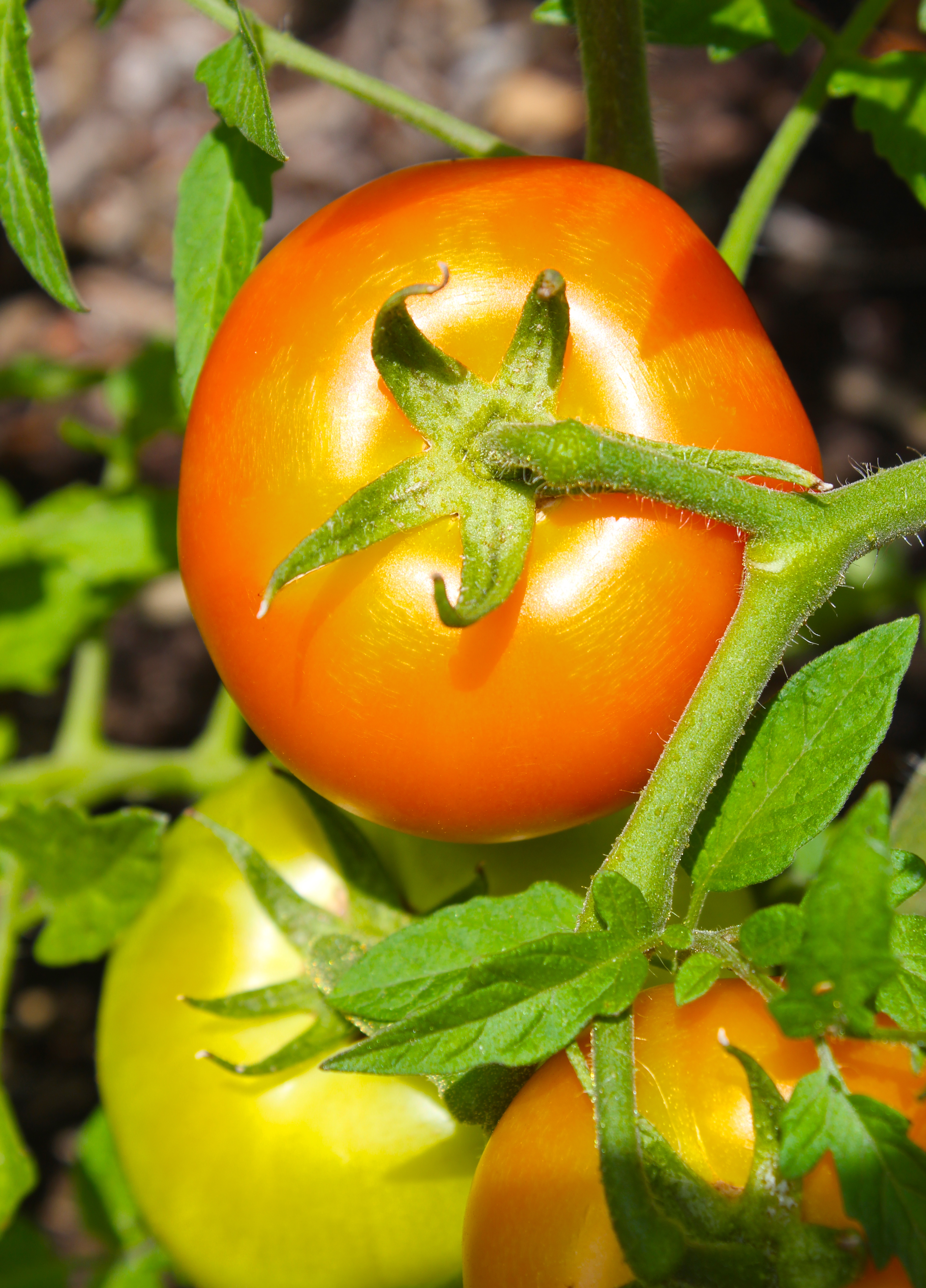
July’s garden calls the devoted gardener to kneel next to the tomatoes and keep a vigil—for it is bad luck to grow them and not be the first to eat them. The Feast of the First Tomato is never scheduled. When the time comes, the wild gardener plucks the chosen fruit, adores it, and then eats it.

The Feast of the First Tomato unravels the wild gardener’s soul.

She builds a blueberry-beaded rosary, anoints every berry with her sweat, and prays for everlasting sunshine. Then she collects the blueberry prayer beads into a bowl and feeds them to her family.

July’s garden responds to the wild gardener, emoting and inspiring more primal desires through performances of sultry, blooming, botanical ballets. The show won’t go on forever. But the wild gardener is smitten and chooses to spend the rest of her life believing it might.

This is how the gardener ended up married.

This is how she ended up with children.

This is how she learned she would never find the inside passage to Eden,

without first running around outside—barefoot—

through clover fields, buzzing with bees.

IMG_3610

Shining Island Nights.

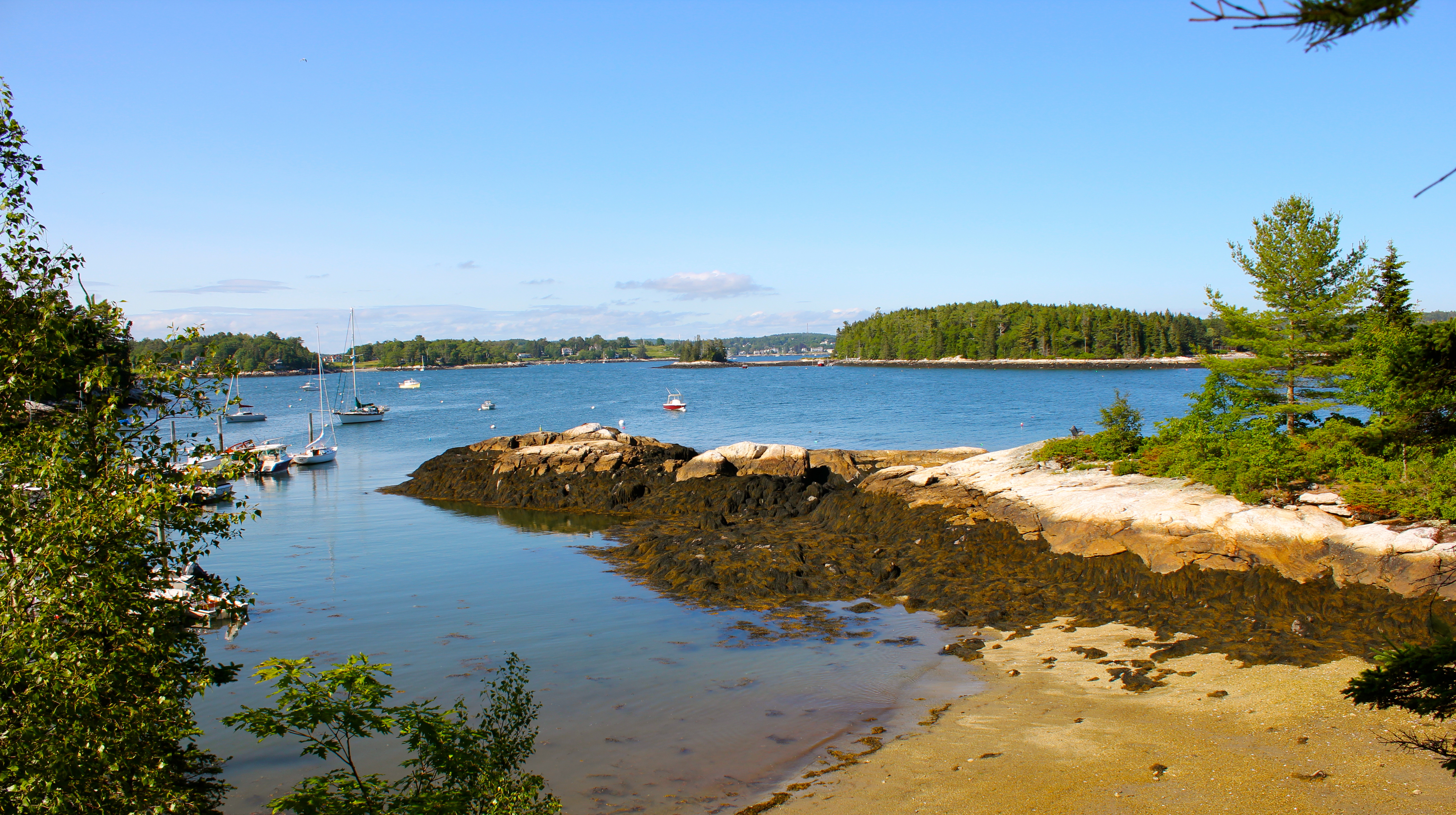
I am alone in a cottage on Southport Island, Maine.

The tide is up, the sun has gone down, and the moon is growing full.

I arrived a day ago amid surly, stormy winds that pushed my car into drunken-man swaggers making it impossible for me to drive a straight line along the center lane of the Maine turnpike. Though the wind came in bold bursts, the rain did not. It fell with vertical and horizontal determination, saturating the airspace between Heaven and Earth in the surround sound of snapping patter that was never accompanied by pitter. Temperatures stayed in the 50’s—chilly enough to get a fire going in the wood stove of the little cottage I’ve rented for one week.

I am here to immerse myself in the studies of Myth, Magic, and Medicinals at the Coastal Maine Botanical Gardens. My one-week course is entitled: Drawing and Painting Medicinal Plants of the Physic Garden. Every summer, I pack up my books, pencils, pens, paintbrushes and pads of paper, and retreat to summer school, somewhere. This year, I am pretending to be a monk with a little stall in a cathedral that overlooks gardens I am in charge of tending, studying, and drawing for the rest of my life.

On my way to this summer’s brain and body summer camp, I stopped in Brunswick, Maine to view the Bowdoin Art Museum’s new show, Night Vision: Nocturnes in American Art 1860-1960. The show opened as I was driving by and runs through October. Such indulgent moodiness possessed me as I dashed through the gloomy rain, descended into the basement of the museum, and commenced falling under the spells of American artists who were crazy, brilliant, multi-talented, hard working, and passionate.

Night Vision is superb. It leads the psyche, via art, through darkness, illumination, electricity, romance, and altered perceptions. The range of featured artists and media is stellar. The history is broadly and surprisingly revelatory. This will probably be my favorite art show of the year and for anyone motoring back and forth on Coastal Route 1 in Maine this summer, a stop to see the show will be a highlight (or bright nightlight!) of summer. Free admission for non-stop thrills and chills and fainting spells.

********

It is now twilight, as I write, after my first day of summer school and I should have studied and practiced what I learned in class today. But summer’s sun composed symphonies upon the sea and inside the forests all around me, and I found myself out walking instead.

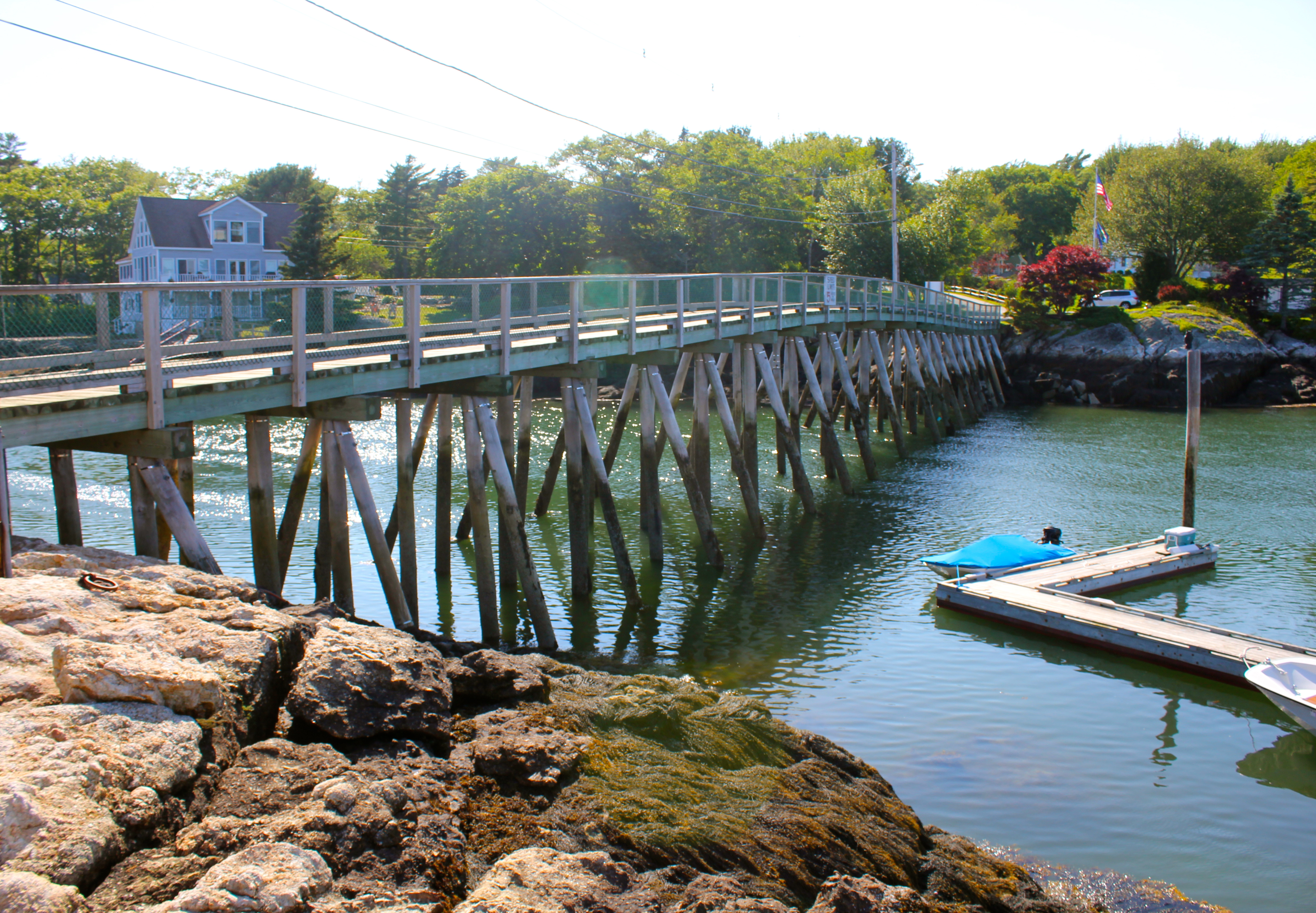
There was a wooden bridge at the end of my street beckoning me.

There were charming gardens beside the cottage begging for admiration.

And, of course, I noticed how well suited I am for sitting still in the final light of summer’s last Monday in June. There was something else on my mind, too—three years ago on this date, my beloved father-in-law died. Thirty years ago, he would have awakened us at dawn, filled the thermos with hot coffee, revved up the motorboats, and off we would have gone to prowl the lakes of Maine for fish. I didn’t care so much about catching fish. It was enough to catch the break of day, and the quiet that ushers it in, with him and my husband and Uncle Herb and cousin Mark. We liked letting the first thoughts of the day commingle with the soft lapping of lake water rocking up against our boats. Aunt Margie and Mom Bertz welcomed us back to shore and the rest of the day was given over to talk about how great it was to be together, in Maine.

********

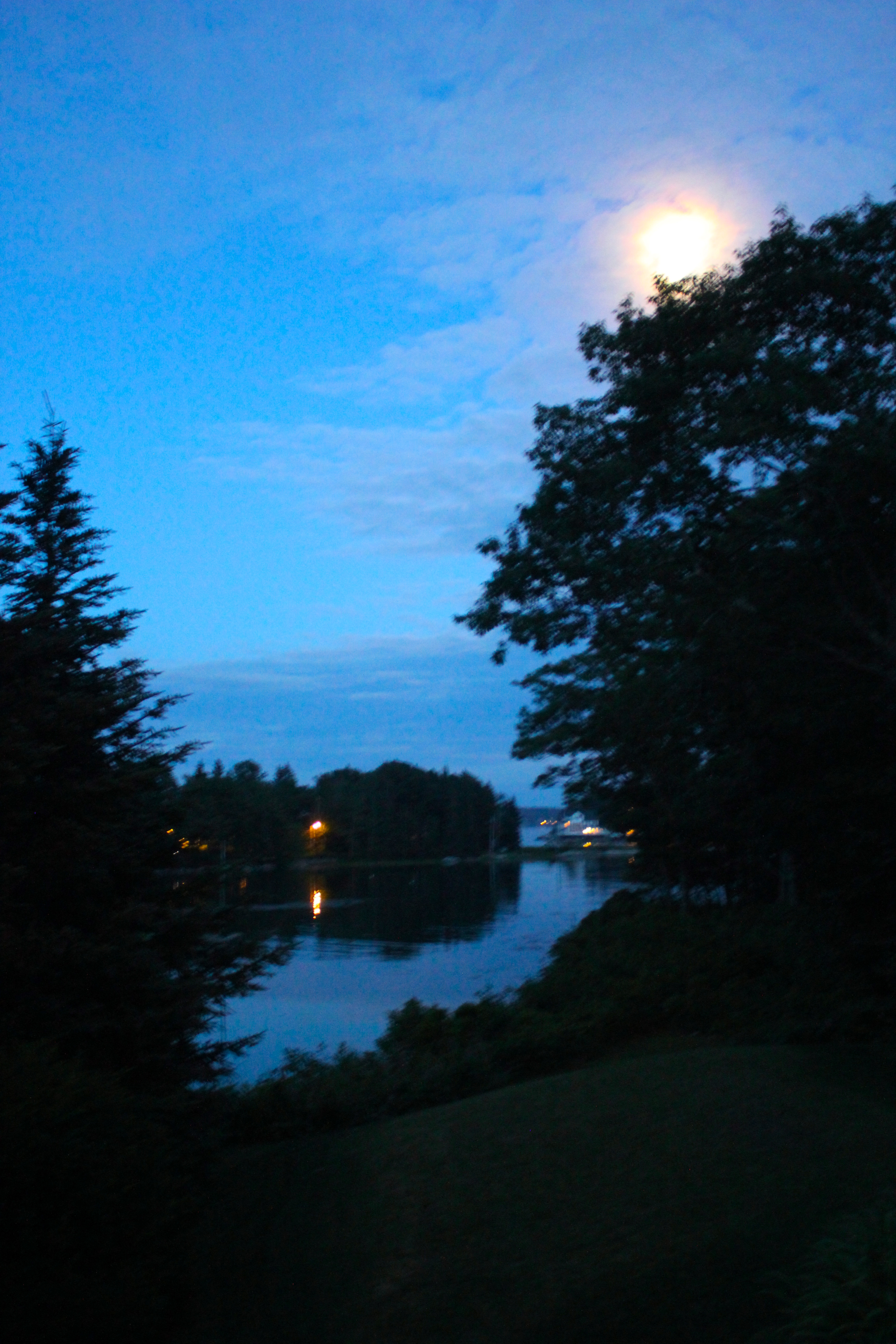
Moonlit tranquility is arising at last to finish off day one of my summer school. The gentle drones of a distant foghorn sound like sighs of romance as I prepare to go to bed and sink my head into the pillow. But for anyone sleeping alone in a small cottage by the sea in Maine, a foghorn, before long, takes on the sounds of a moaning madman. The neighborhood, soon after, becomes Stephen King’s. And the doors—are they locked?

And the sweet little cottage, does it have a basement?

Louder, louder, louder groans the foghorn. Redrum. Redrum. REDRUM.

And the gardens around the cottage—the hedges—is the moon bright enough?

For the art-class-lady to ever find her way out?

Will she ever learn to draw and paint and name every plant on Earth?

I already like my teacher. She told me that if all I do, all week, is spend time learning how to draw a leaf, then that’s just fine. I can be a crazy leaf lady. She also said that when you are drawing, both hands must be at work advancing the cause of art—as soon as she sees one hand being used to cradle a slumping head, she comes in for a rescue.

And before we can begin to draw any plant, we have to write about the plant’s history and its healing properties. We have to write about how and where the plant grows. We have to write and write and write, using any words at all that come to our own minds, about every part of the plant, in every possible way.

I am so bewitched by the shine of my midsummer night’s dreams.

My cauldron boil-eth over.

********

Views from my cottage and a wooden bridge.

IMG_3107

IMG_3109

IMG_3111

********

Ralph Albert Blakelock’s A Waterfall, Moonlight 1886

On display in the show at the Bowdoin Art Museum, Night Vision

Blakelock was a self-taught original. He studied the styles of the Hudson River School. A madman, a genius—some saw him as a prophet of the styles of abstraction to come. This painting was one of my favorites in the show, borrowed from the MET in New York.

Unknown-1

AND LOOK WHAT HAPPENED in my very own little cove of the world the next night!!!

IMG_3117

Myth, magic, and the medicinal madness of island nights.

Gypsy.

I am going to Alabama. My husband has sent a deposit of faith and cash to a man in Montgomery who is selling a used motor home we would like to buy. We’ll arrive by airplane, exchange pleasantries, and then, if everything is as it should be, we’ll toss our bags into that particular recreational vehicle, climb aboard, and drive home to New England.

We plan to stop in Atlanta to see friends. Then mosey on down the road to Asheville, to see Asheville. And after that, we’ll share 900 miles of come what may.

I texted my son and daughter: We are going to Alabama. Dad bought a luxury motor home. An adventure! Like the first time we got one. I’m sure there will be room in the compartments for your tents and boogie boards. The road is my home.

*****

When I was a ninth-grader in Arizona, I took a school bus Monday through Friday from the foothills of the Santa Rita Mountains, just north of the Mexican border, to my regional high school, just south of Tucson. The commute was one hour, each way, no AC. On a typical non-winter’s day in the Sonoran Desert, the interior temp of the bus, at rest under the unobstructed rays of the sun, could rise to over 120 degrees. Once we got going, though, hot air blasted through the open windows and cooled our ride to a blessed 115 degrees. It was one, big, yellow convection oven.

Our bus driver was a large Italian man, who learned about patience in New York City where he had lived until he retired with his family to the borderland boondocks of Arizona. No funny stuff on his bus. After the godfather of bus drivers delivered us to school and drove out of sight, I’d walk with a few friends back to the highway—a major trucking route. There, we’d space ourselves out along the breakdown lane, and hitchhike to Tucson. We didn’t have cell phones in our pockets, only our doled out lunch money which we used to buy Big Gulps all day, chasing them back with strips of beef jerky.

We’d hitchhike back to school in time to ride the school bus to nowheresville again, our bodily fluids replenished for the sweltering journey home.

Once, a big truck stopped to give me a ride. I felt all Janis Joplin, as if my once-in-a-lifetime chance to light out for the territories had arrived. I was ready to put flowers in my hair, embroider peace signs onto my bell-bottomed hip huggers, learn how to sing the blues, and proclaim the road as my home.

I was fourteen. Old enough.

Eventually, I got nabbed for chronic truancy and was sentenced to the wastelands of after-school detention where my drifter/dreamer habits of mind were to begin the long process of reformation.

It was too late. I’d arrived in Arizona from Indiana in a convoy of two station wagons with one break down in Truth or Consequences, New Mexico.

I loved America and I wanted to be a cowboy.

******

I’m supposed to be packing up some things we might need for our road trip from Alabama to New England and it’s making me think about my honeymoon almost 30 years ago. We packed some things back then—a tent and sleeping bags at least—and flew to New Mexico where we got a car and drove around Colorado, Utah, Arizona and back to New Mexico. Everything we needed fit into the trunk of our rental car.

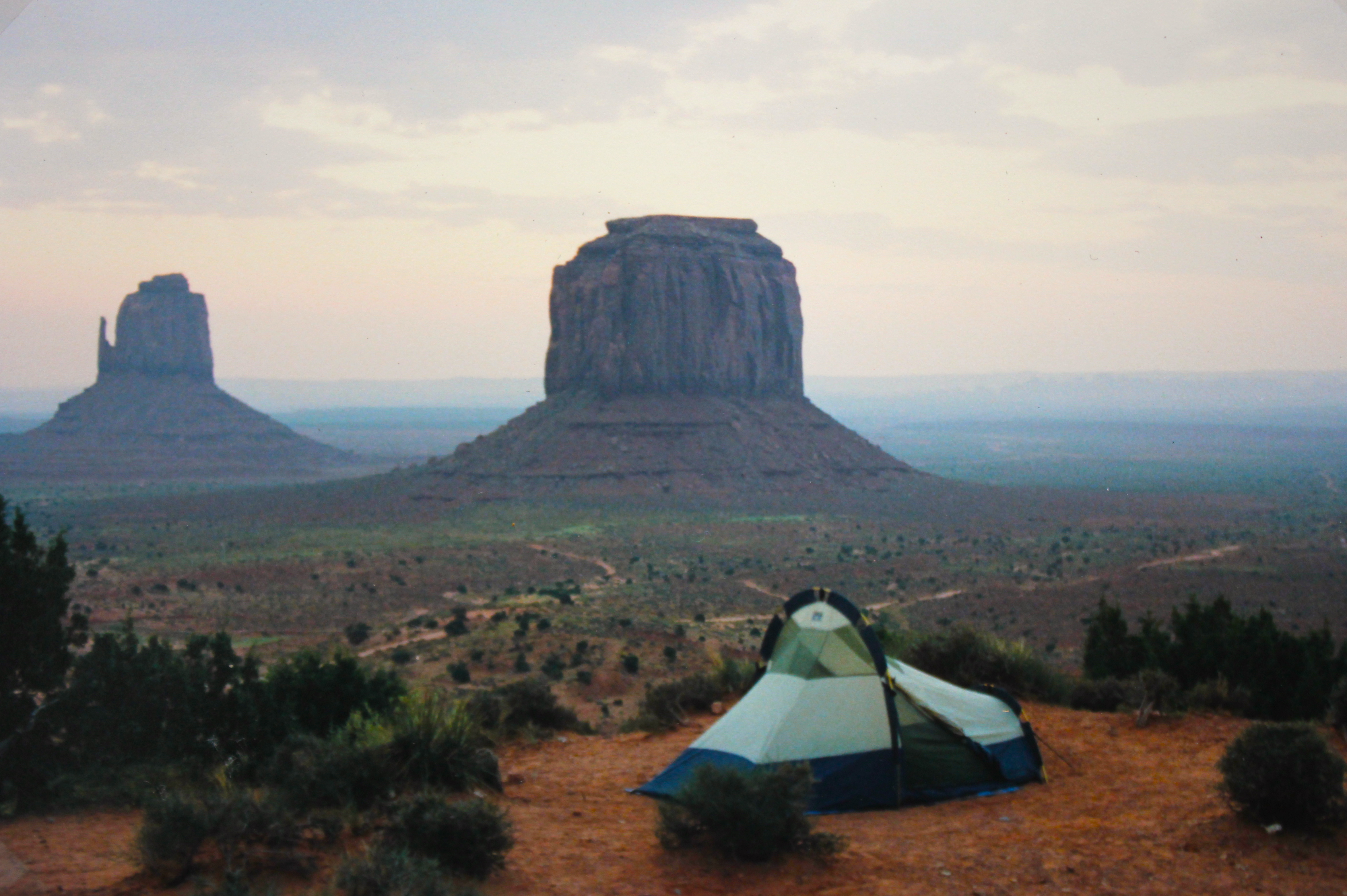
Monument Valley, circa 1988, and our first road house.

IMG_2771

This time we don’t need the tent, or the compact backpack stove. And it’s rattling my brain—the way driving on a pot-holed, frost-heaved highway rattles my brain—to know we need cell phones, computers, chargers, and some money.

So far, I’ve purchased a brand new, big, clumsy-paged Rand-McNally Road Atlas. Published and printed in the U.S.A.

Every page in that grand picture book looks to me like a slice of my brain.

*******

The motor home lifestyle was always my husband’s big idea. He presented the plan to me when our children were toddlers and they used to crawl all over us in our tent, all night long, on every camping trip.

I didn’t really know anything about motor homes.

But after we got one, our weekends together as a family began to last forever. Time slowed down. There was live music and storytelling and great food and crackling campfires. Life smelled like fresh-cooked bacon and damp books and bug spray.

American and Canadian blacktops became strewn with flower petals,

as our windshield got smattered with bug guts.

We called our rig the family camper and gave the kids their own tents when they could throw an axe, with precision, while blindfolded, through the center of a television screen.

Indeed, after I texted the kids about the motor home, my son sent a text: That’s badass! Hopefully you got one with a lot of exterior tvs.

My reply: Of course. And the satellite dish converts to a hot tub.

This one looks to me like it might be a Las Vegas Lounge Glamper.

But I am crazy for the driver because he is fun, so I’m on board with whatever he wants to do

and wherever we end up going.

********

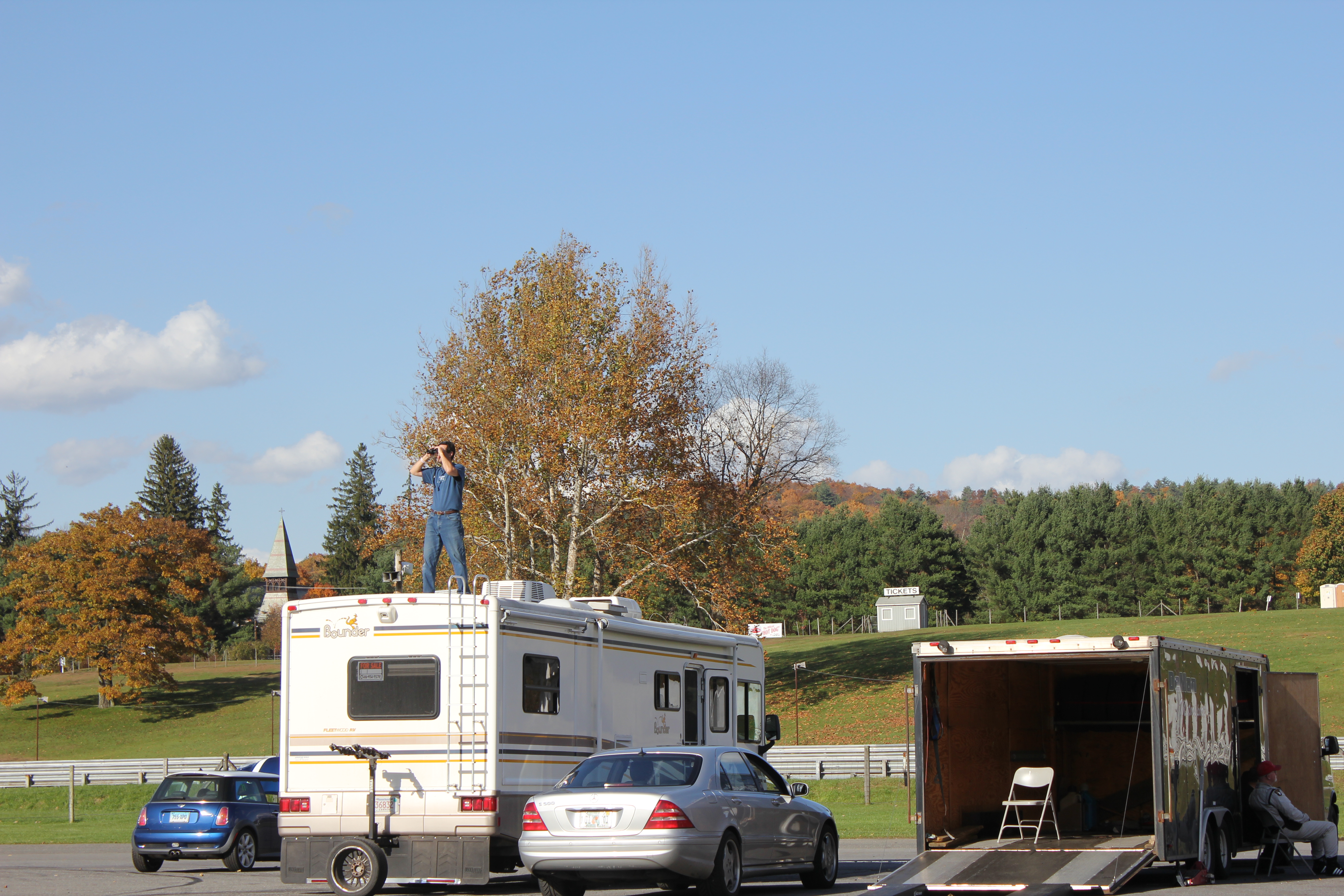
The last family road house, circa 2012, Lime Rock Race Park

The dad on the roof, watching the son learn how to be a race car driver.

IMG_1383

Block Island Day Trip. From Here to Eternity.

We sailed on the early ferry

crossing through bright fog

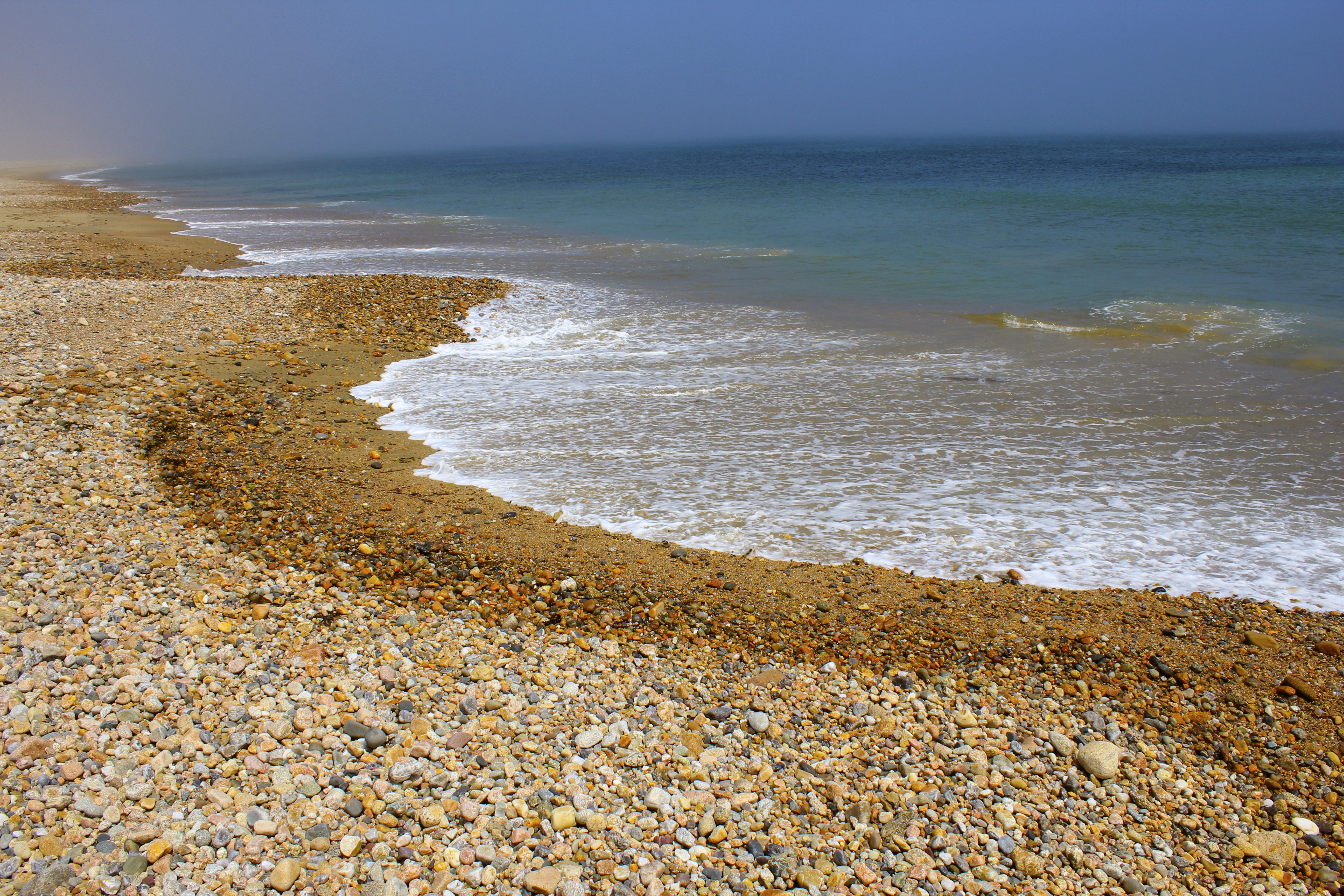
to glacial remnants of cobble stones and sand.

We rode our bicycles to a beach where seagulls sat on their nests

watching us arrive.

I didn’t bring anything to read.

Fabled seascapes,

—the settings from thirty-five years of our yesterdays—

glowed in the haze.

Guess where we are, I said to my husband,

pretend we’re shipwrecked.

He guessed Hawaiian waters

rocky Maine coast

Tahitian princess.

Then he closed his eyes for a long rest.

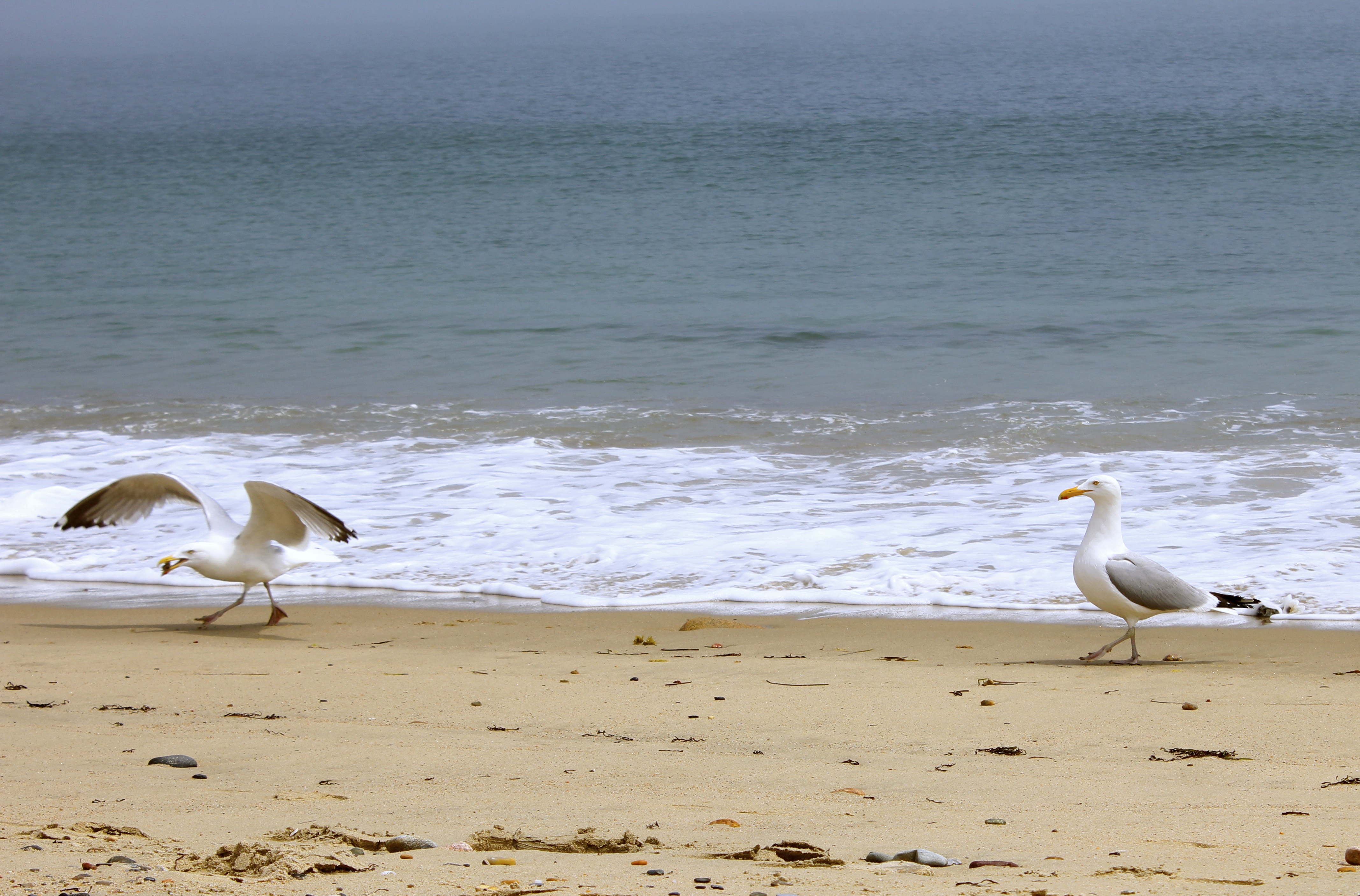
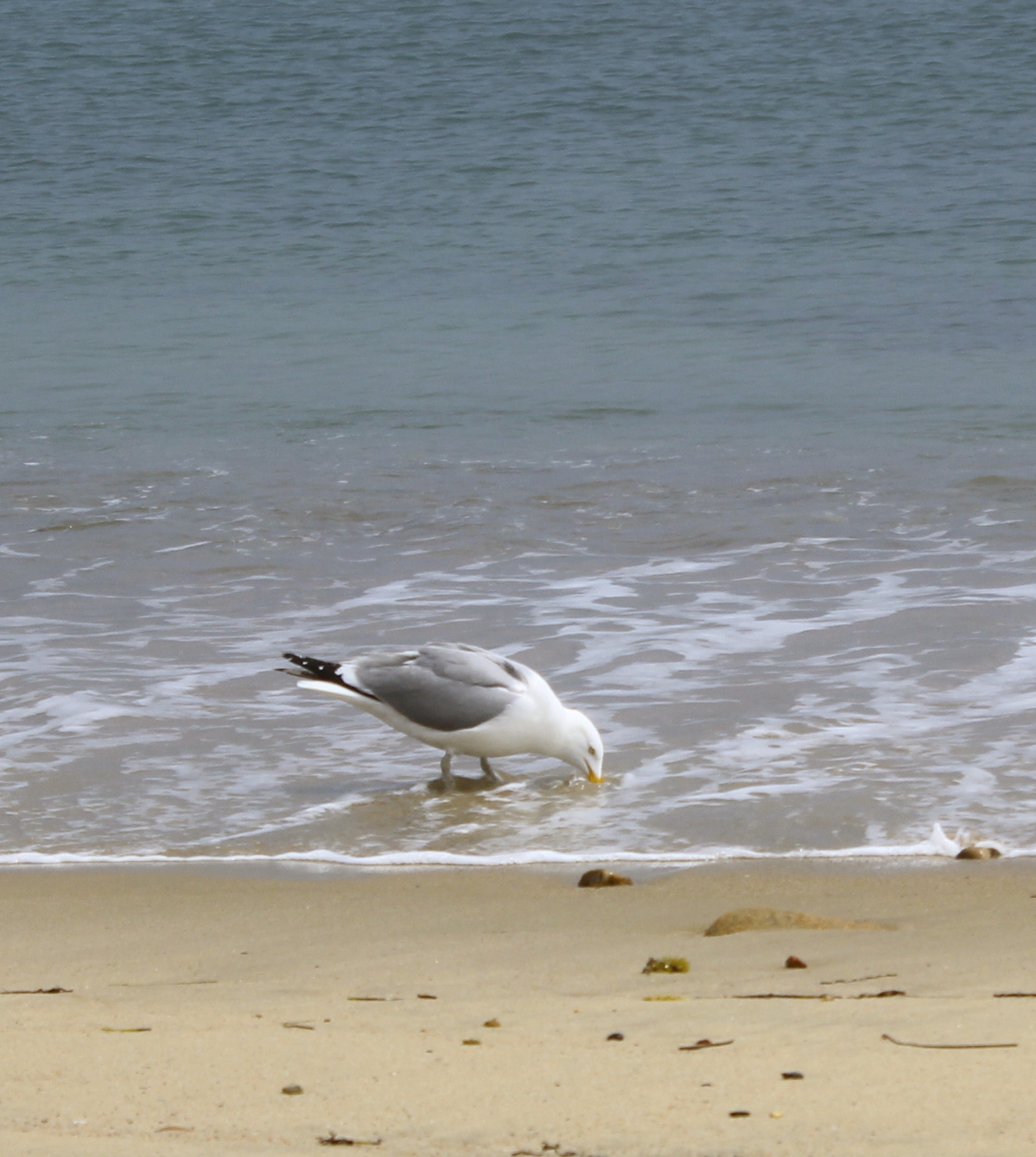
I watched a seagull snap a stranded crab from the foam at the edge of the sea.

It hammered at the wriggling crustacean, drilled into it

until another seagull swooped down, to battle for leftovers

and won.

Satisfied, the intruder cleaned up in the surf.

We rode our bicycles through pasturelands, to walking trails, and found more beaches

where the ocean rolled onto the shore and over the rocks

Eternity’s loudest lullaby!

At the end of the day, a downhill dash

on a curvy road

spilled us back into the harbor town.

We cruised full speed—

sunburned, sunbathed, and sunstruck,

then stopped for frozen margaritas on a summertime porch.

I said,

When I was riding down the hill so fast, I felt twenty years old.

He said,

You look eighteen.

Long live the salty love story!

Adrift, in the mists of memory.

*****

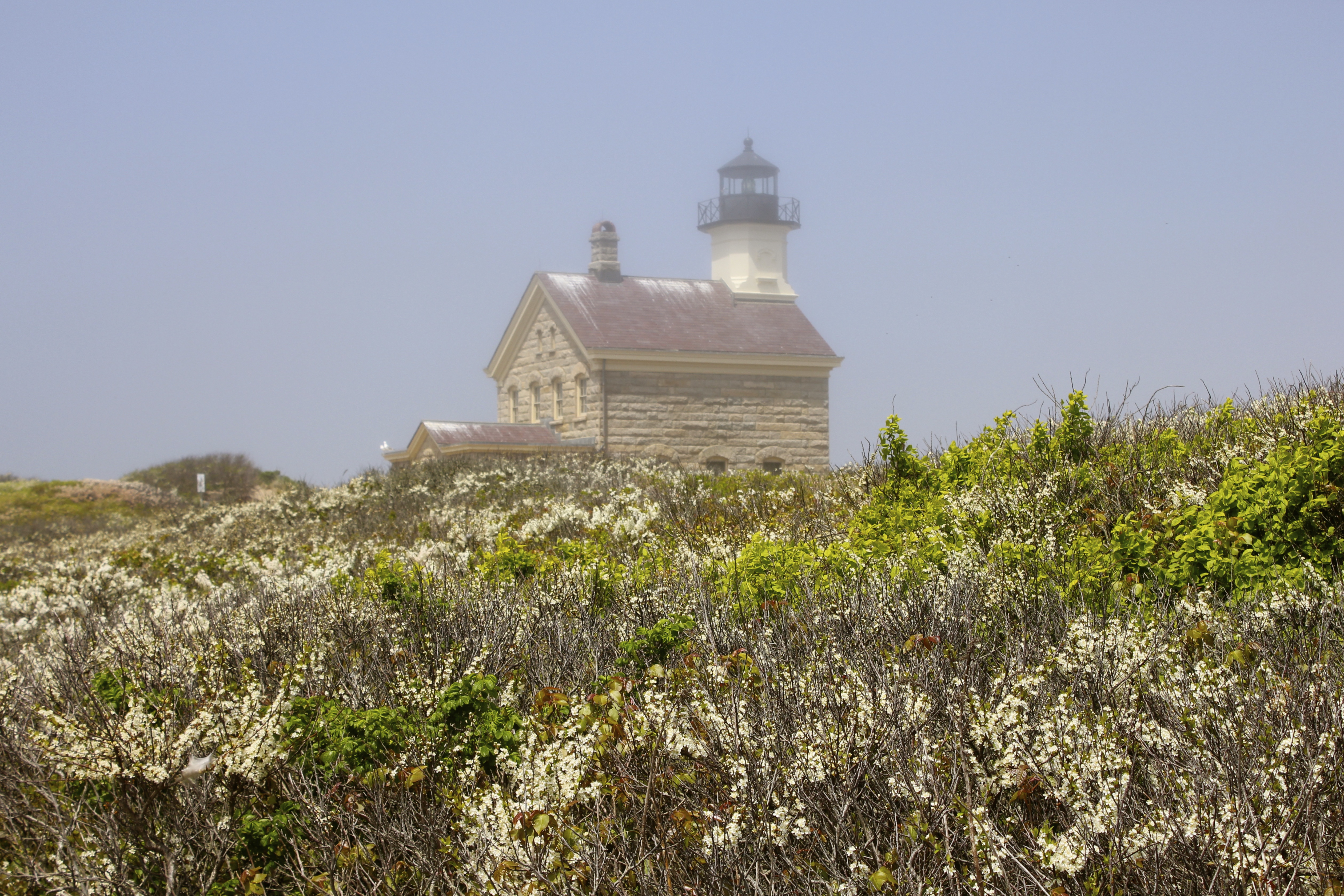
Corn Neck Road to the end and a walk from Settler’s Rock out to the North Lighthouse and beach before later ferries, with more people, arrive on the island.

IMG_2029

IMG_2062

IMG_2050

IMG_2054

*****

The drama of everyday heartbreak in the gull-nesting areas.

IMG_1970

IMG_1978IMG_1979

IMG_1980IMG_1981IMG_1984

*****

Clay Head Trail on bluffs with a rope-assisted climb down to the beach.

IMG_2082IMG_2117

*****

The infamous Mohegan Bluffs.

IMG_2121IMG_2125IMG_2128IMG_2151

IMG_2157IMG_2149
IMG_2134IMG_2224IMG_2267IMG_2272

Last bikes on the racks.

IMG_2273

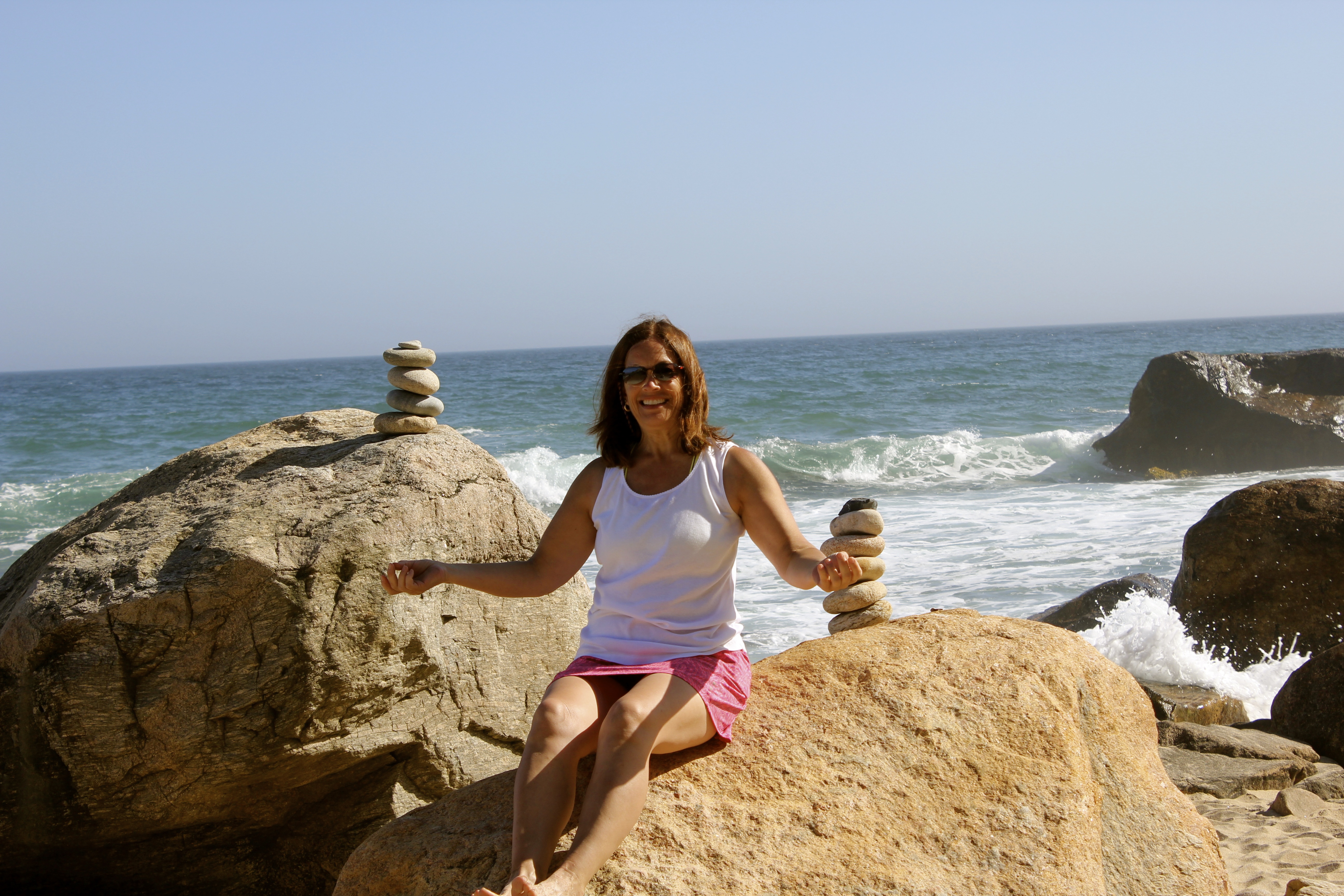
The Analyst’s Couch is My Rock.

IMG_1883

A traveler scans the horizon, sees an island, and says to the wind, take me there. The wind loops a breeze through the traveler’s wish and then the wind does what the wind has been doing since the first falling stars soared from the heavens and through the solar systems, lighting up all the storms of life.

The wind sways; it bends; it flutters. It enlivens the traveler’s lungs with oxygen and sucks away sighs of the moody blues. Sometimes the wind lifts the traveler onto swooning heaps of happiness. Sometimes, terrible howlings shred the harmonies of all good dreams.

The traveler calls to the wind that she is feeling so done with the insane world. She has been made so crazy by the insame-ity of humanity. Take me there, she says again, her eyes fixed on the distant horizon where an island she needs is floating in the Atlantic Ocean.

The wind spirits the traveler ashore, delivering her, (with three companions), to a notable nowhere in the civilized world—Mount Desert Island, Maine—where the traveler notices her cell phone has no signal. She ignites a bonfire, in celebration, and dances all around it. The traveler flings her cell phone to a hungry seagull passing overhead. The bird snags it out of thin air and the traveler watches as the bird flies up, up, up and lets the cell phone go, go, go. It drops from the bird’s beak, like an unfortunate clam, and cracks apart on a salted, granite boulder nestled in mounds of slippery seaweed.

Both the bird and the traveler see that the cell phone has no meat.

The gull glides away, laughing.

*****

The traveler and her companions, (husband, daughter, daughter’s boyfriend), settle into their island cottage and begin preparing the arrival dinner, a feast of fish that will be paired with wines and vegetables and fresh breads.

The tide recedes, the table is set.

A sandpiper prances along exposed seabeds, probing the muck for sustenance. The animal moves to rhythms of the hunt played out in an orchestra of beautifully-evolved long legs attached to a feathered body where a lean neck with a beady-eyed head controls the stealth baton of a stabbing beak.

Everyone watches the sandpiper.

Thus passes the early evening’s happy hours.

It is late in the month of May. The travelers will depart for their first sleep on the island into a cold night.

The moon is a crescent; the stars are bright.

When morning comes, the sea will still be present, swaying over the edge of every horizon.

*****

Mount Desert Island and Acadia National Park float in the Atlantic Ocean three hundred driving miles away from where I live.  I keep a pass to the park in my car. If I need a session with my island-spirit analysts, or if I just want to give my heart a romantic work out, I take the road trip down east to one of Maine’s most treasured islands where exposed granite cliffs and mountaintops rise out of Christmastree-scented forests. Heart stopping views put everything in its place—the sky, the sea, and the mountain. The molecule of oxygen, the droplet of water, the grain of sand. The winners, the losers. The lovers, the haters. The jiggle-butts, the hard bodies. The brilliant idiots, the dumb-dumb suckers. The sorry fools, the happy fools. The found, the lost. I am all of it and none of it and when my brain short circuits over some human-scaled source of anxiety, or my gypsy head won’t stop spinning around on my shoulders—I head for the hills.

By the time I’m splayed out on rock, I don’t have anything left to say to my quiet analyst. The granite has heard it all before, so have the heavens and the seas. Indeed, the permanent record of deep thoughts and lousy secrets that bang around inside my hiking boots, remain on the trails which, over all the years of human existence, have become worn and worthy places of pilgrimage—

leading to the most spectacular sites

for partaking in the holiest of all communion feasts—

the venerable and adorable, hand-prepared picnic.

*****

Here are some activities for a weekend excursion on Mount Desert Island, Maine in springtime:

On one day:

Bike the 11-mile Around the Mountain carriage road loop. Start at the Jordan Pond House and get there early or you won’t get a parking place. Stop along the ride to hike down and under the stone bridges and look back up at how little everyone is. Listen to the waterfalls, especially the one at the double-arched Deer Brook Bridge, which, if you are lucky enough to be there alone, will sound like a gentle rain.

IMG_1588

Pack lunch for a picnic overlooking Somes Sound. Bring water! At the conclusion of the ride, settle in for wine, beer, crabmeat dip with crackers, lobster stew, and popovers at the Jordan Pond House. It doesn’t all go together, but be sure to only order the popovers with butter and jam–that goes together. The Jordan Pond House lemonade is good.

Take an early evening stroll through Asticou Terrace gardens and climb up to the Thuya Lodge and gardens—taking the route overlooking Northeast Harbor.  Thuya Lodge is my dream house.

On another day:

Hike The Beehive. This perilous climb will clear your head and turn your stomach inside out. Go early or you will be seared to the side of the cliff by the sun and slimed by the sweat of a million other over-cooked hikers. You will need a wingspan from fingertip to toe tip of about seven feet and those toes and fingers should be strong enough to yank your body type and BMI up and over narrow ledges without safety nets or bungee cords attached to your earlobes. The views are worth your life. If you are like me, you will climb The Beehive once, completely satisfied with how tremendously you scared yourself. You will call what you’ve done one of your life’s greatest success stories. If you are like my daughter, you will hike The Beehive over and over again in spite of your fears, whenever you bring people to Acadia, because authentic person to person contact with cliffs and death-drop airspaces, creates the mental and physical thrills of bonding with other human beings and nature in real time. Such experiences are endangered—the habitats where they are nurtured are being destroyed by the invasive technologies of social media.

Climb down to The Bowl after The Beehive and go for a swim. Keep moving in the water and stay away from the shore—there are leeches. Last summer, I spied an eagle perched on a log.

What to do if you don’t want to hike The Beehive:

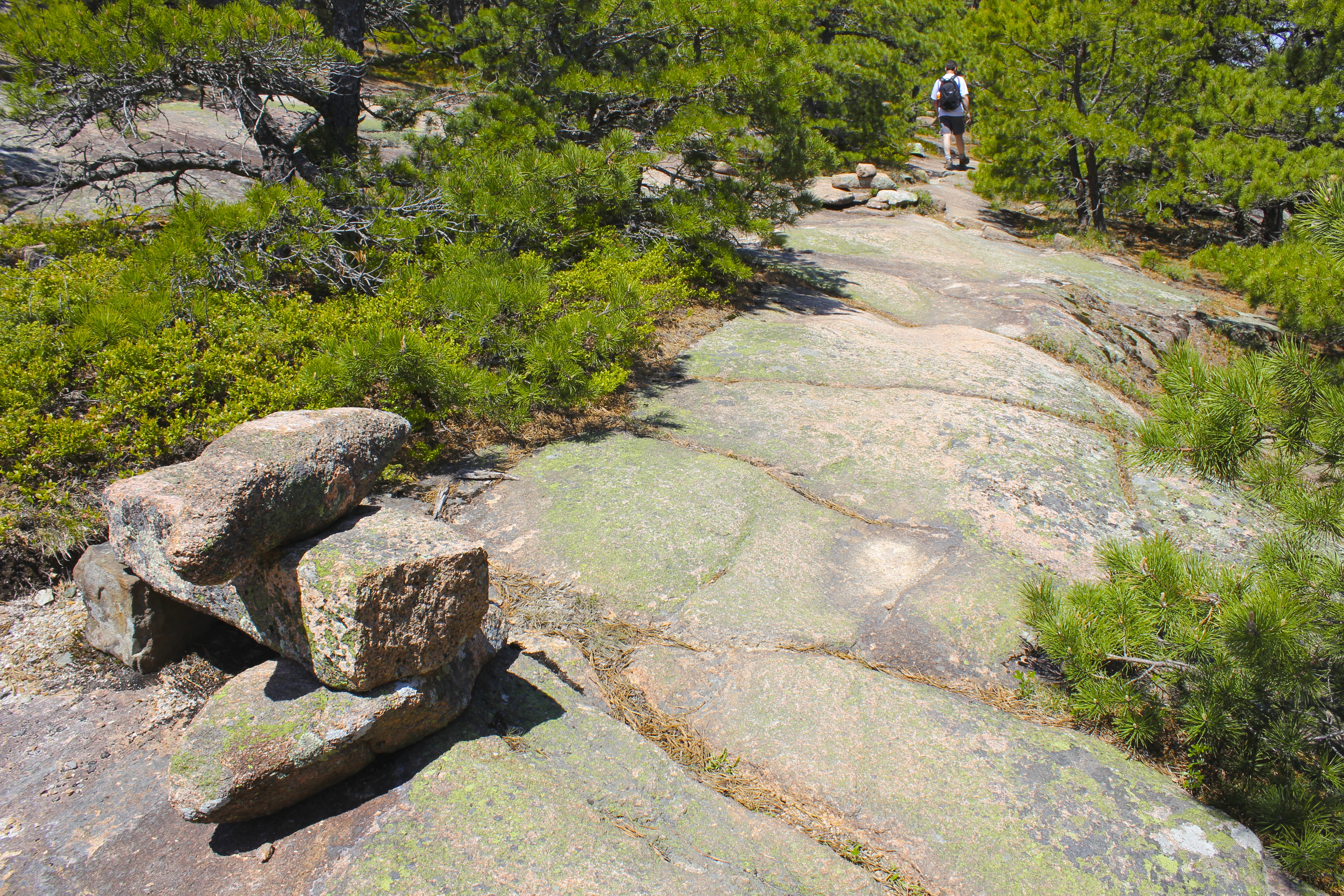
Climb to the top of Dorr Mountain via the newly-restored historic trail, Homan’s Path. The trail features hundreds of stone steps with a few alleyways that pass under stone blocks. Lean in. Some of the ascents are very vertical. The Earth loves you so much, it is constantly pulling you down as you are constantly hauling yourself up to new summits. Pray for the wind—to cool your sweat and to move the black flies out to sea. If you ever wonder what people did before they were tethered to email and instagrain pixels of nonsense, consider the jolly challenges of shoving big rocks into nice compositions on steep trails. Follow and admire the historic cairns and never assume that just because Acadia was created by Gilded Age rich people, you won’t get lost.

IMG_1728

IMG_1710

IMG_1773

IMG_1751

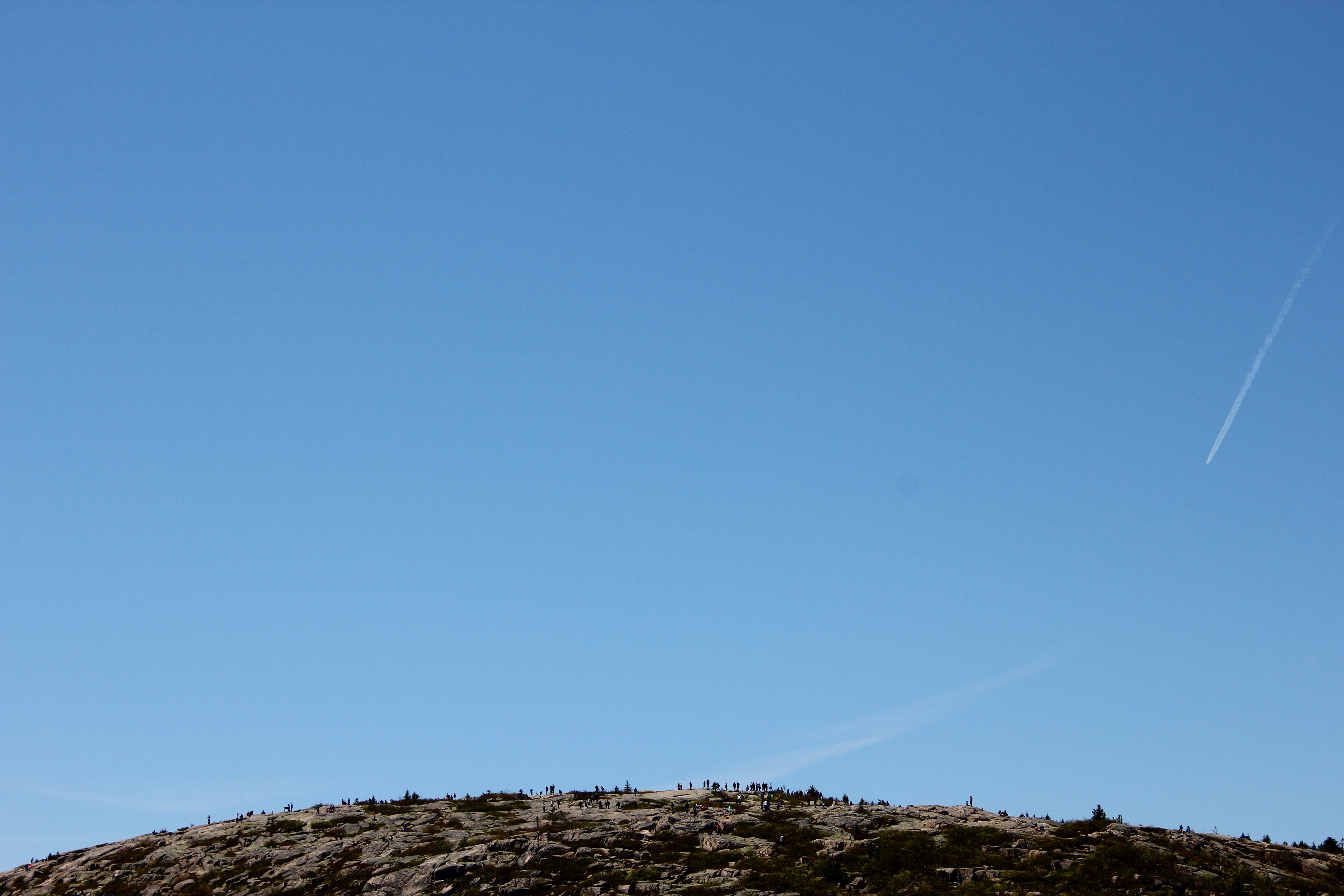
When you arrive at the top of Dorr Mountain, the second highest in Acadia, you’ll get the feeling you are being watched. Look one mountain over to Cadillac—the highest mountain on the East Coast. On the ridge, a line of people will be staring down at you like a gathering of angry Indians in a John Ford western.

IMG_1769

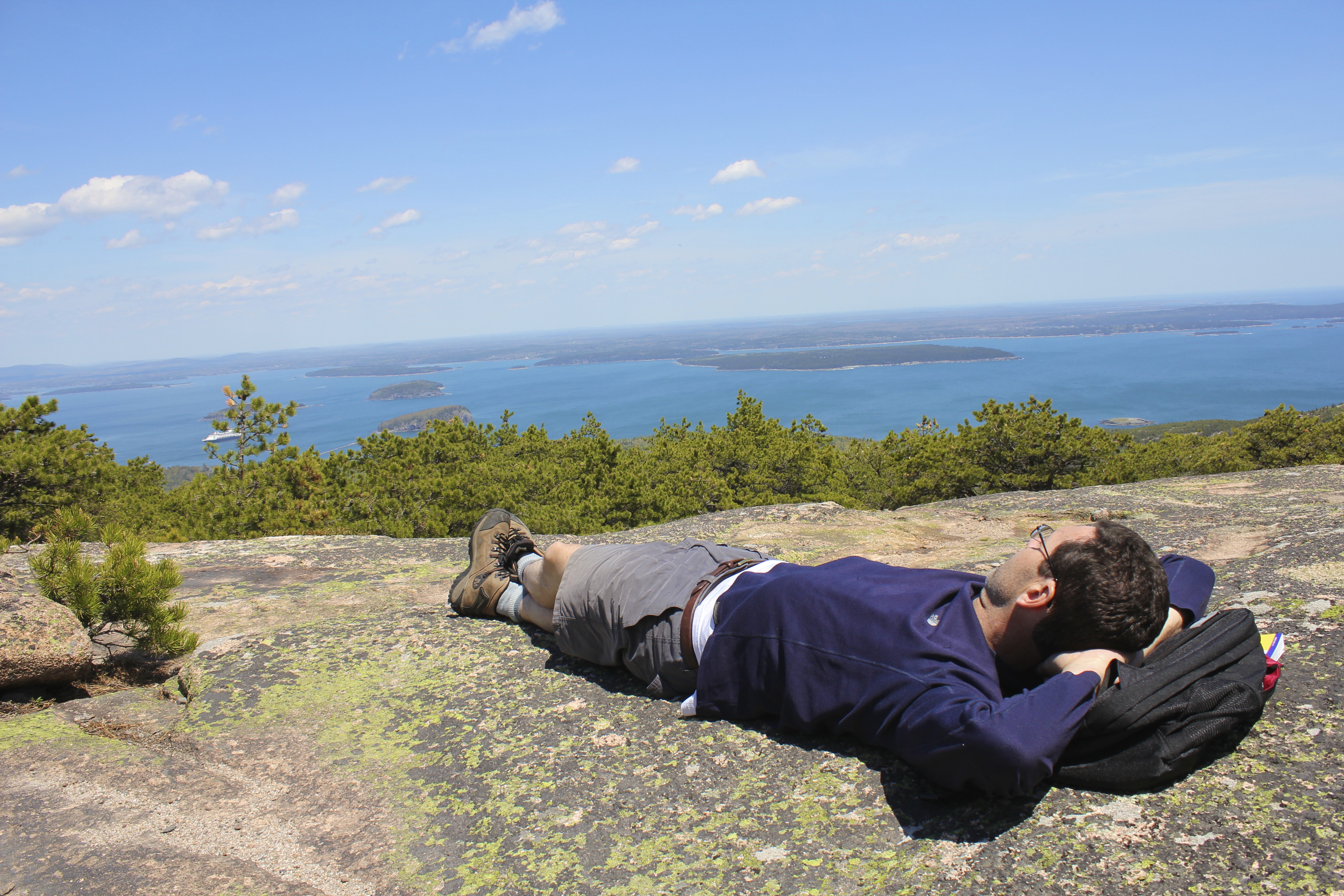
Lay down on the rocky surface of the summit. Trap all of your brain activity in the tension of gravity, tides, winds, bogus black flies and the blazing energy of the sun. Now let it go.

IMG_1778

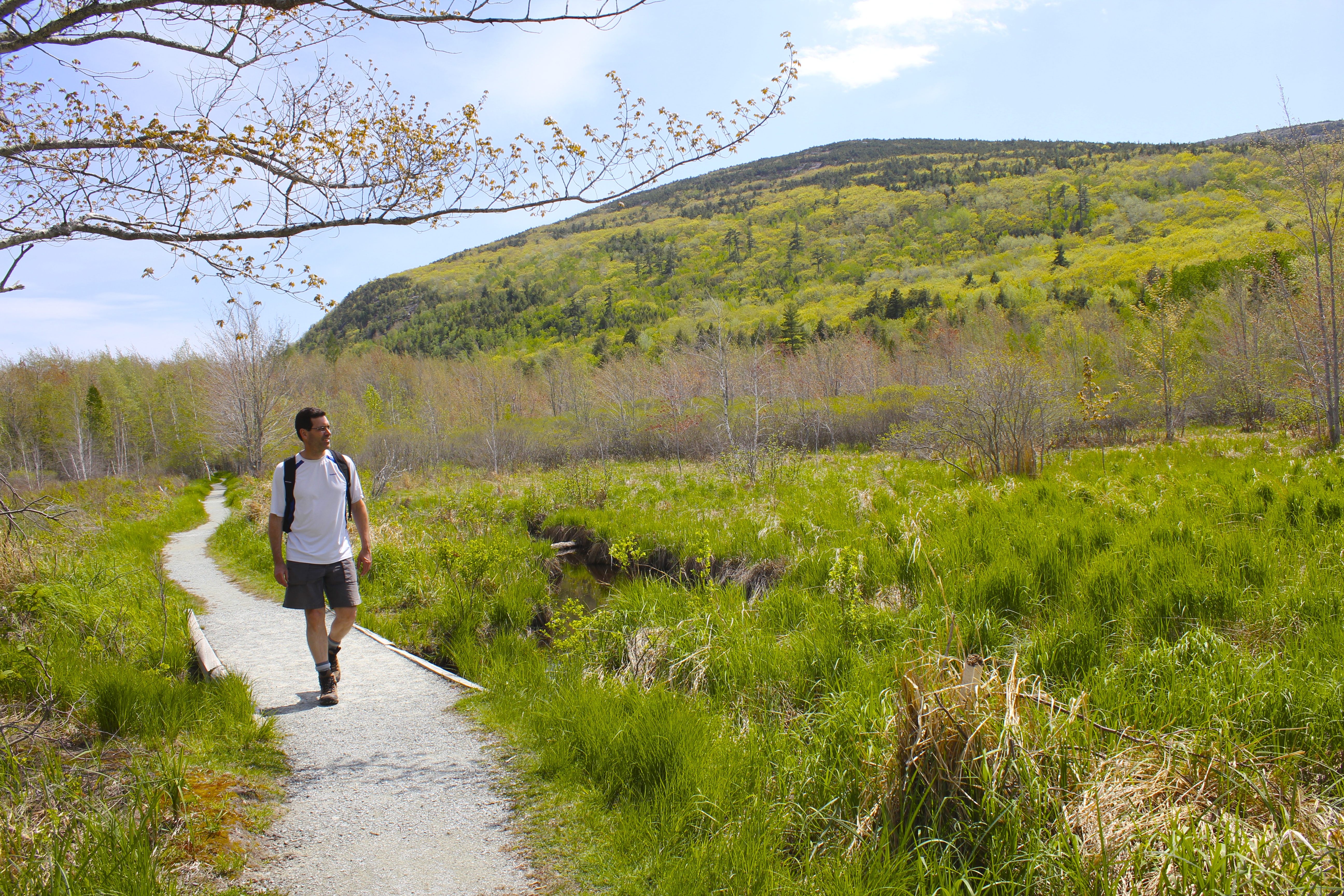
Walk from the top of Dorr Mountain all the way to Bar Harbor, via the Jessup Trail, passing through the quiet colors of spring and into the busy collections of human beings doing exactly everything you want to do. The designs of the paths in Acadia were inspired by European walking paths and gardens. There are junctions with signposts, but I’ve yet to find kissing gates like the ones in England’s way-too-wicked-charming countrysides. Not everything is perfectly marked, but at least there aren’t any bears to worry about.

IMG_1811

IMG_1807

After the crush of festive humanity and a powerful boost of ice cream in Bar Harbor, go to Cooksey Drive in Seal Harbor, where a sort of secret little path, leads to the edges of jagged cliffs that drop directly into the Atlantic.

On the last day:

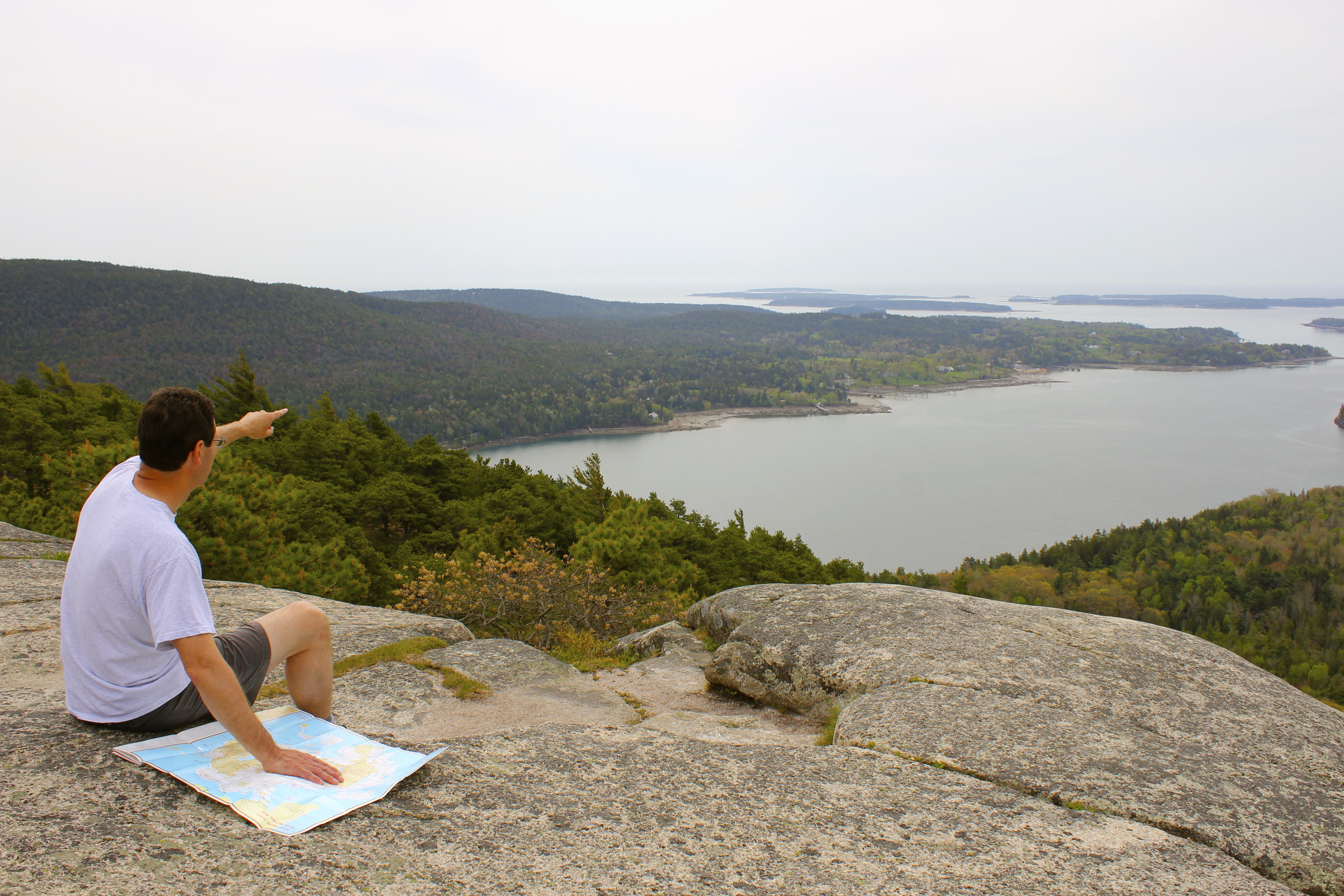
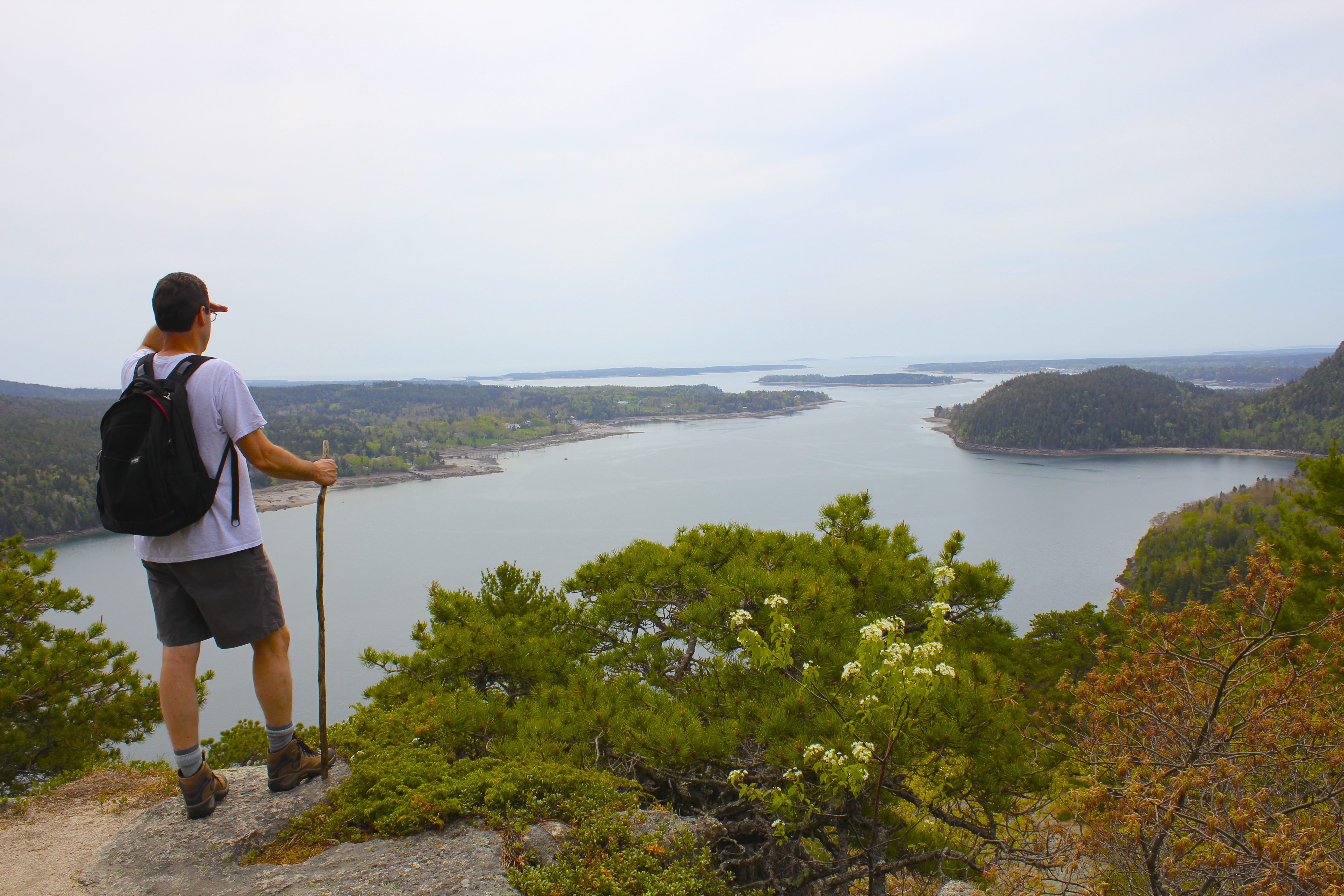
Hike Acadia Mountain, near Echo Lake. Scramble over cobbled steps; shimmy up and down rock crevices. At the summit, you will walk through some of God’s most perfectly designed wild gardens and bathe in what are perhaps the most gorgeous views of Somes Sound. Spring leaves unfurl in flowery shapes on the trees. Blueberry bushes bloom. Take out a map and find out where you are, where you’ve been, and all the places you still want to go.

IMG_1891

IMG_1864

IMG_1852

IMG_1828

IMG_1743

IMG_1886

*****

It was time to go home.

We headed for Mother’s Kitchen for the best meatloaf sandwich in New England. (Made only in Maine with grass-fed, free-range beef lobsters.) But it was closed. So we tried Trenton Bridge and sat outside eating crab sandwiches and lobster sandwiches.

All was good.

*****

IMG_1702

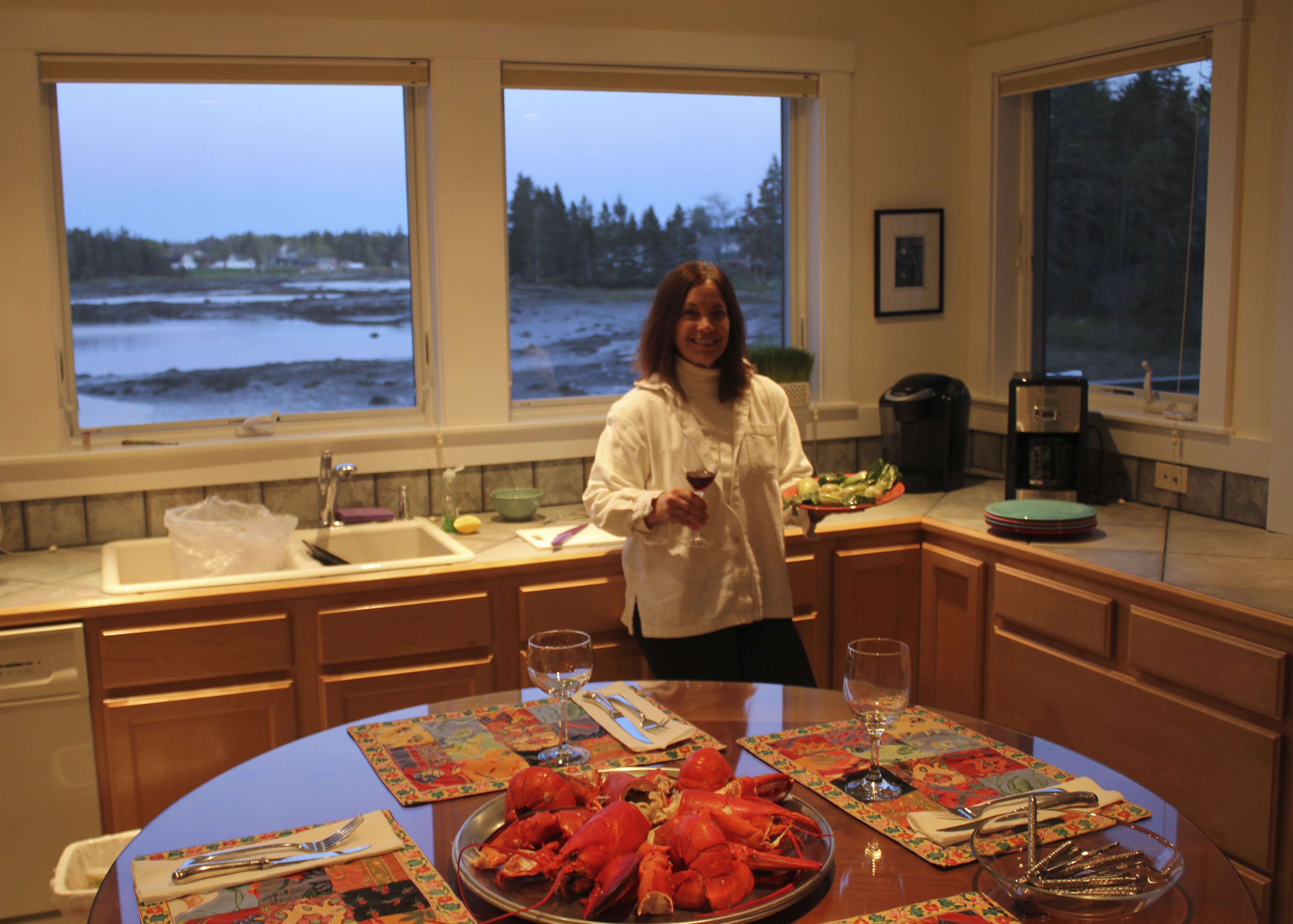
Lobster bake with grilled baby bokchoy.

IMG_1831

An old-fashioned self-timer of the old timers.

IMG_1910

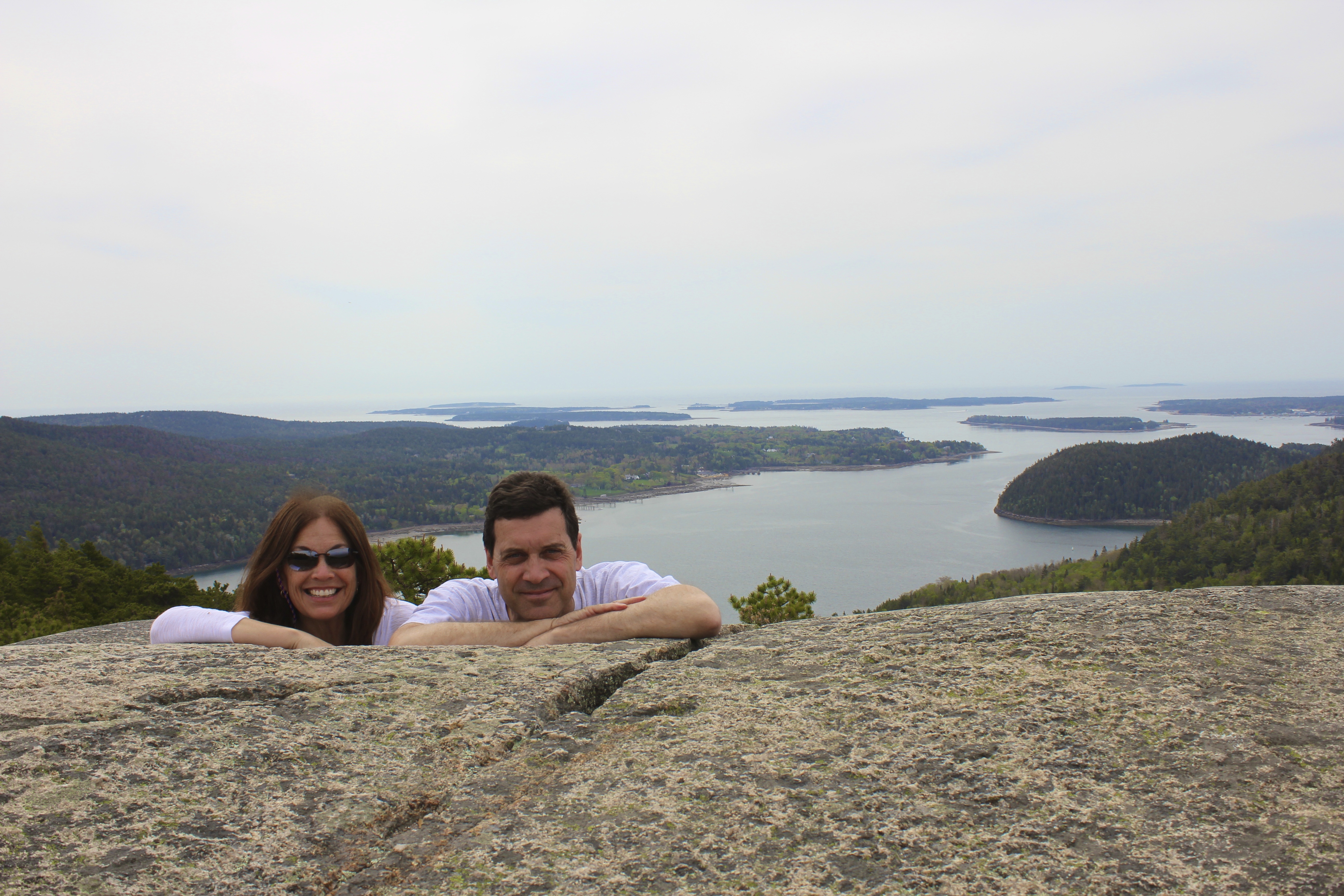
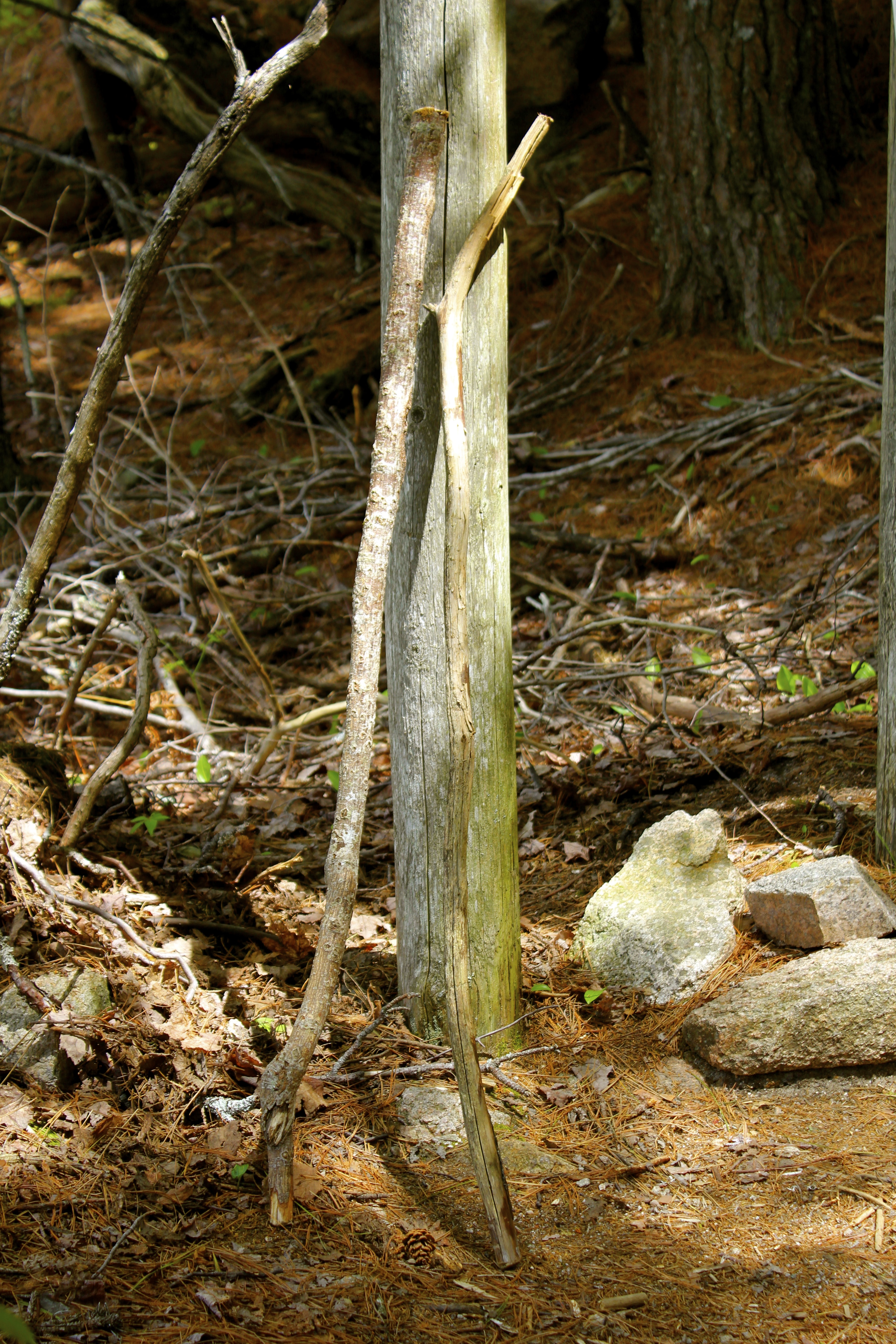
We left our walking sticks on the trail for you.

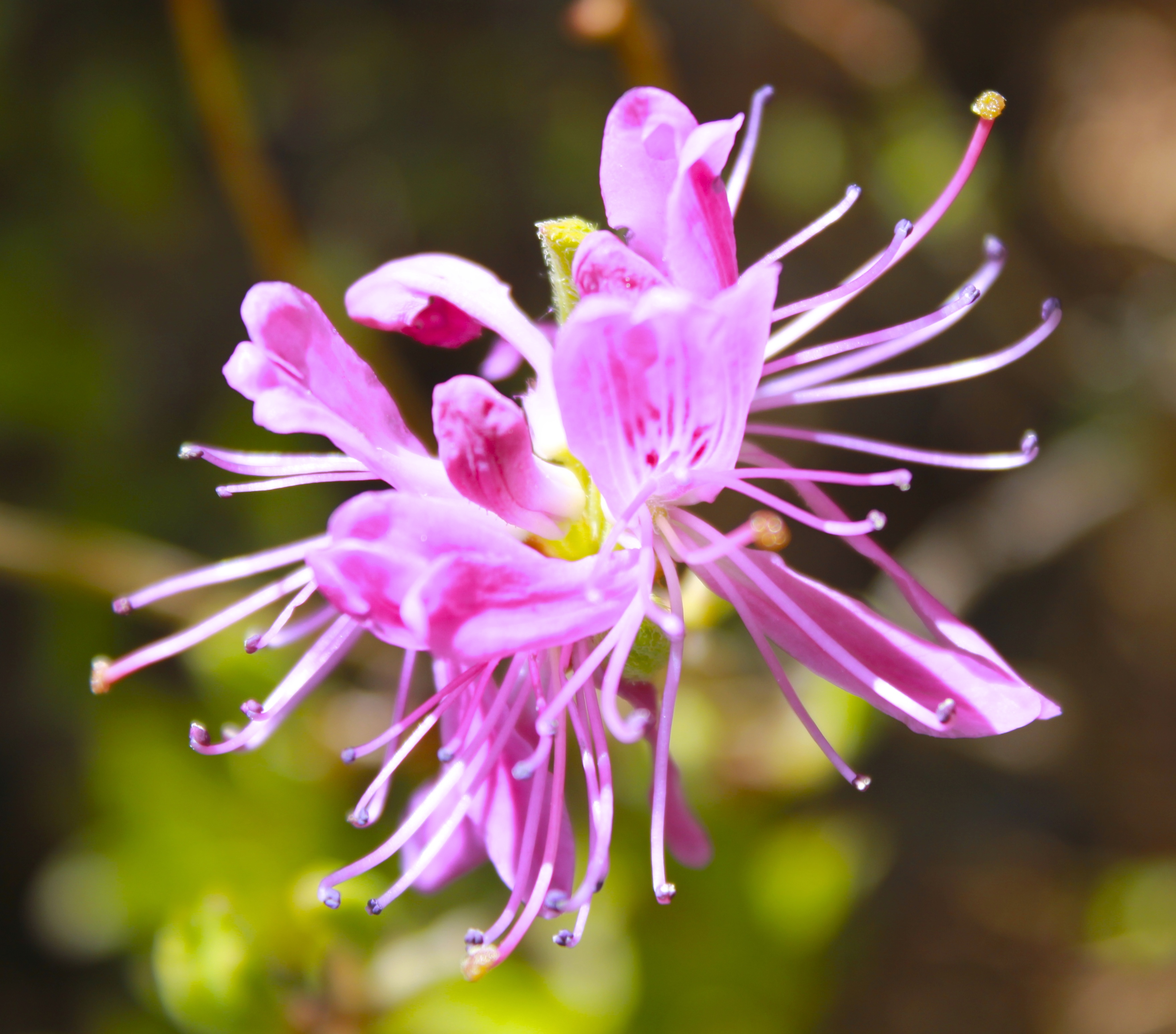
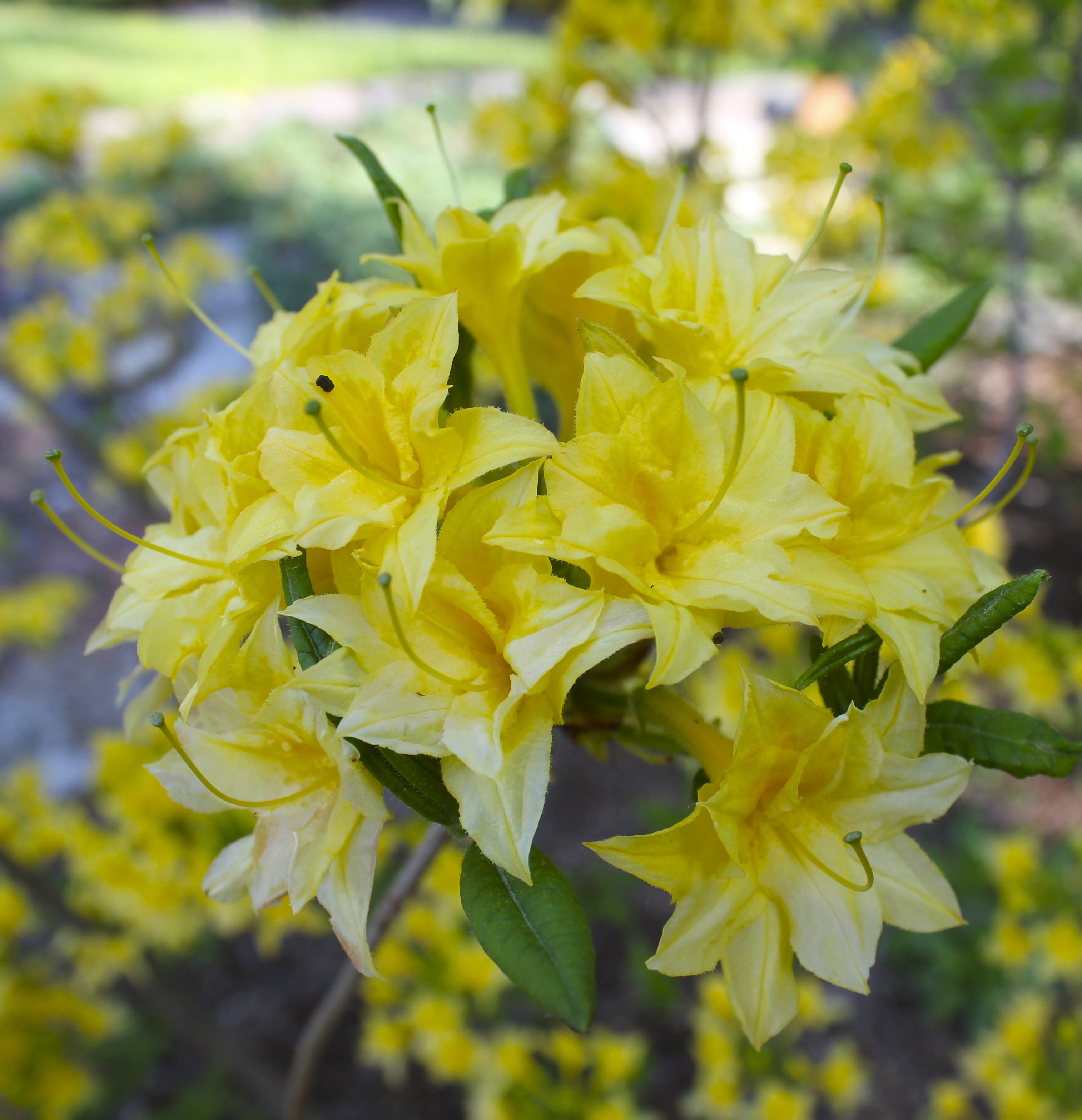
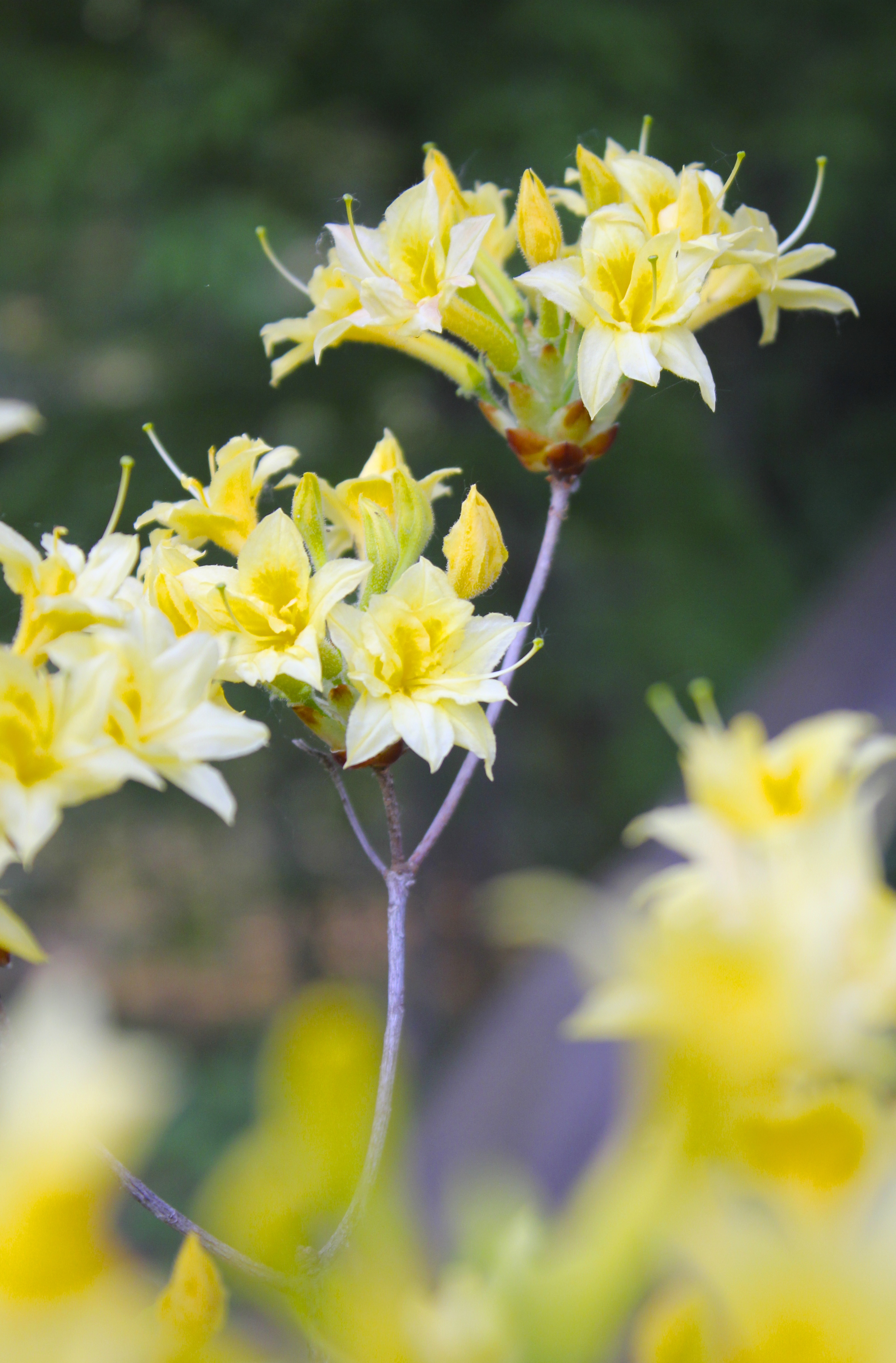
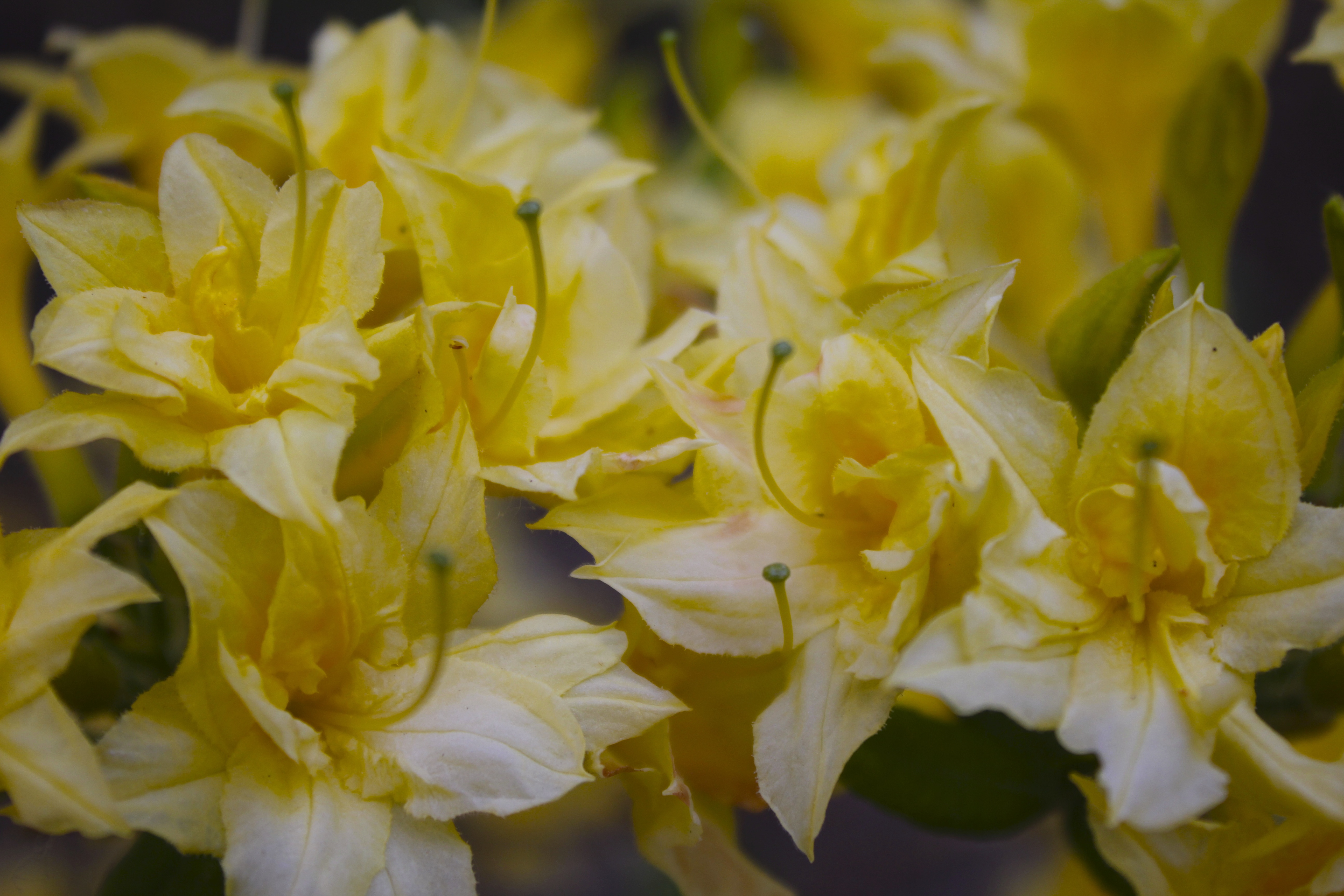
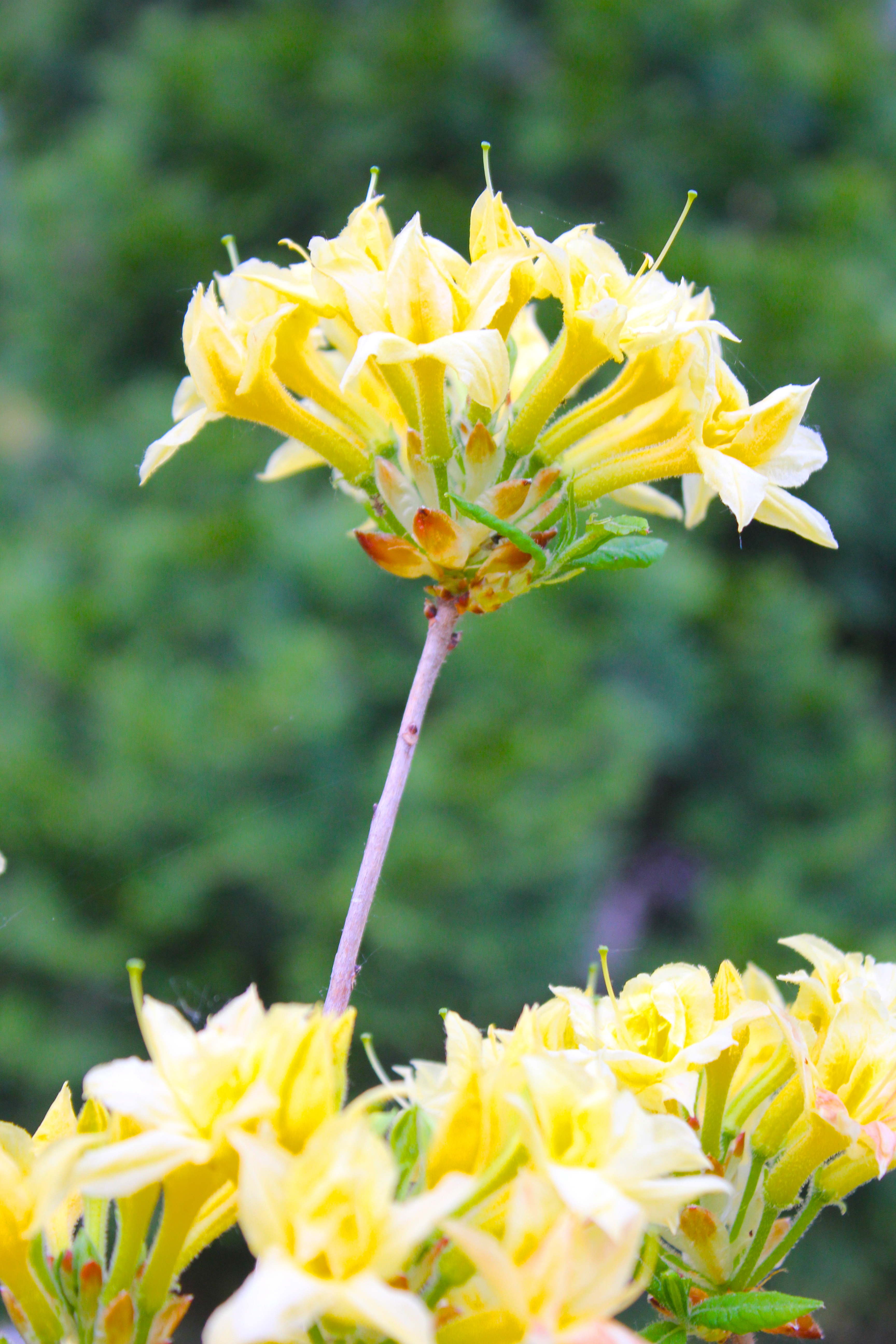
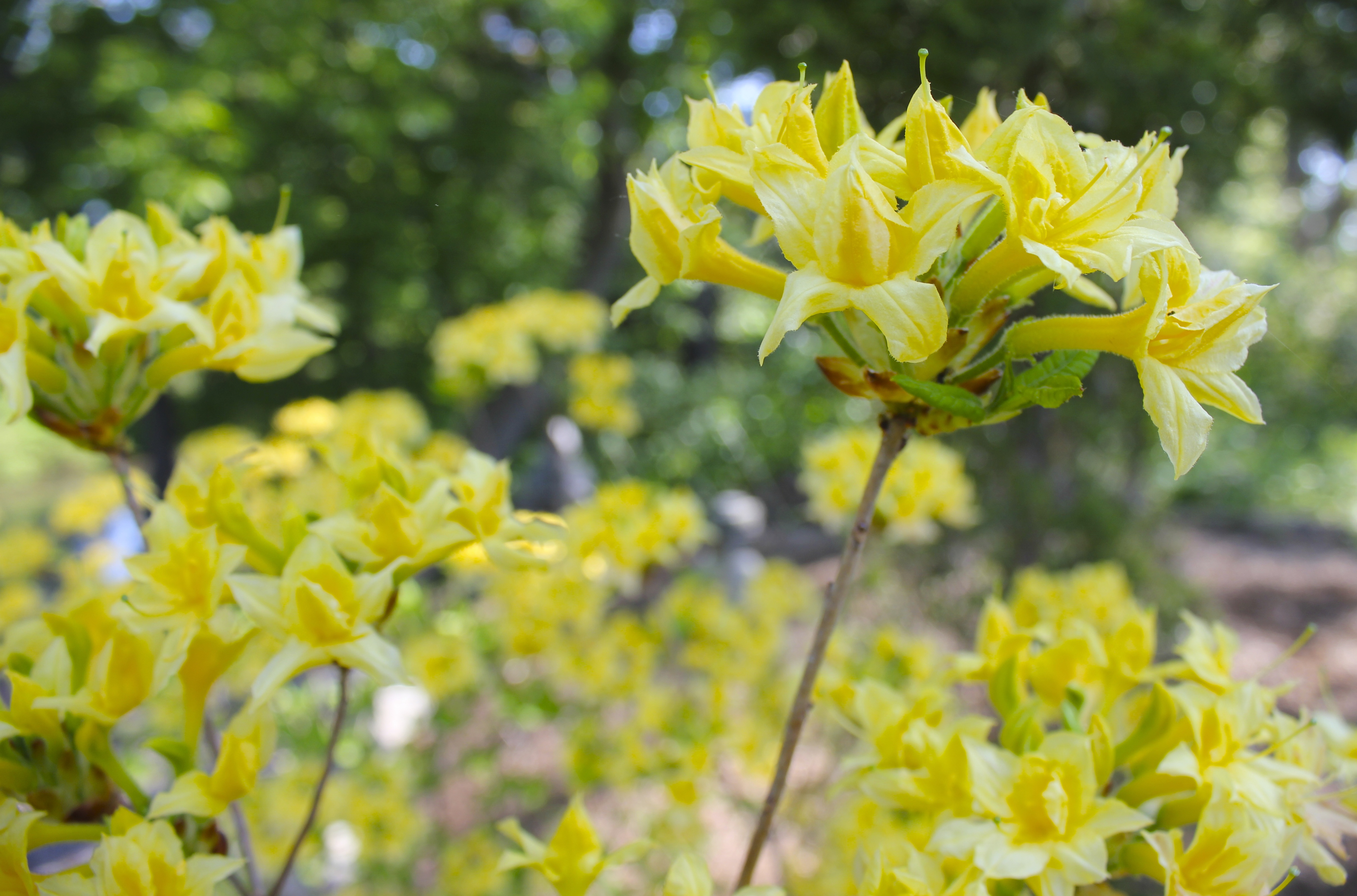
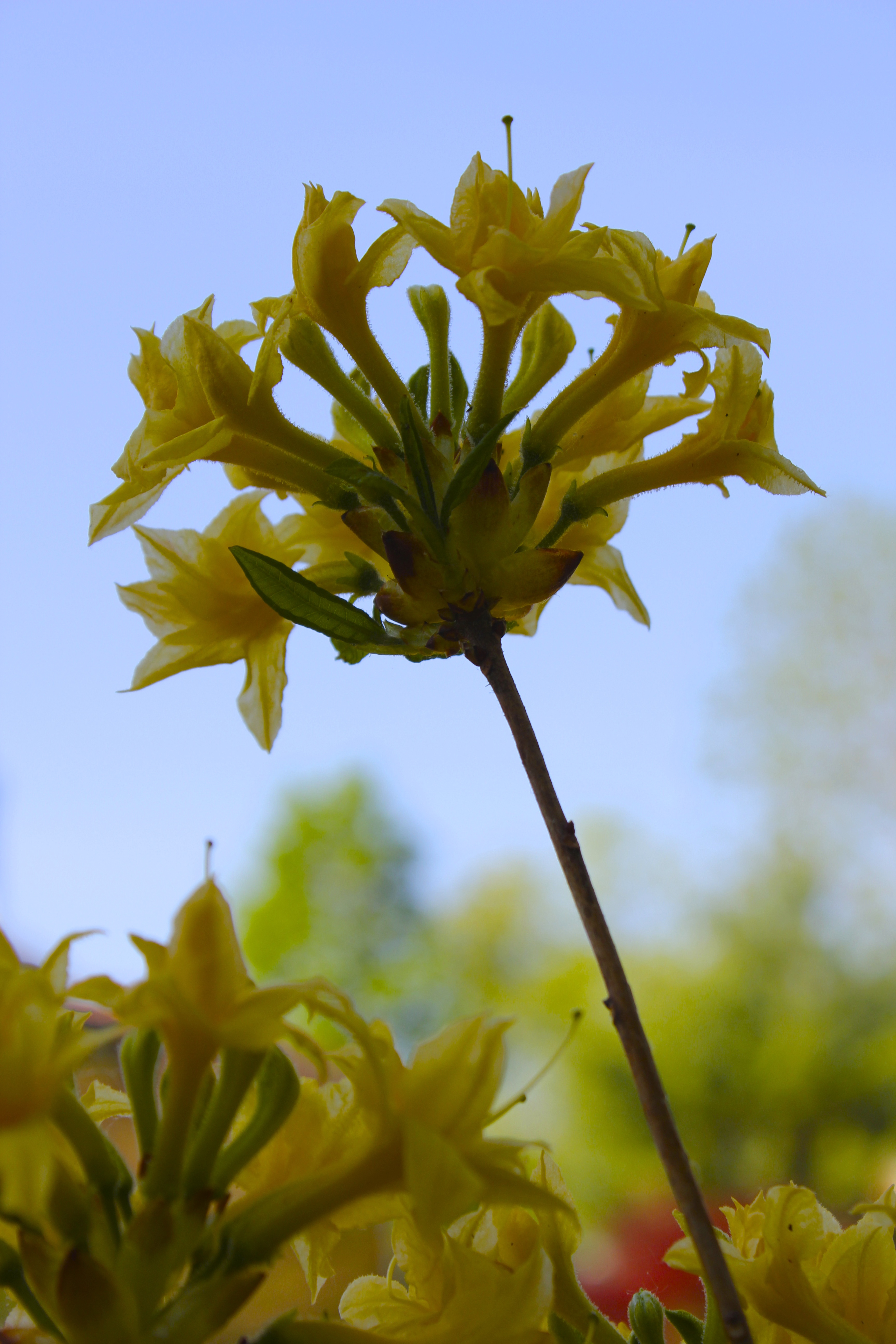
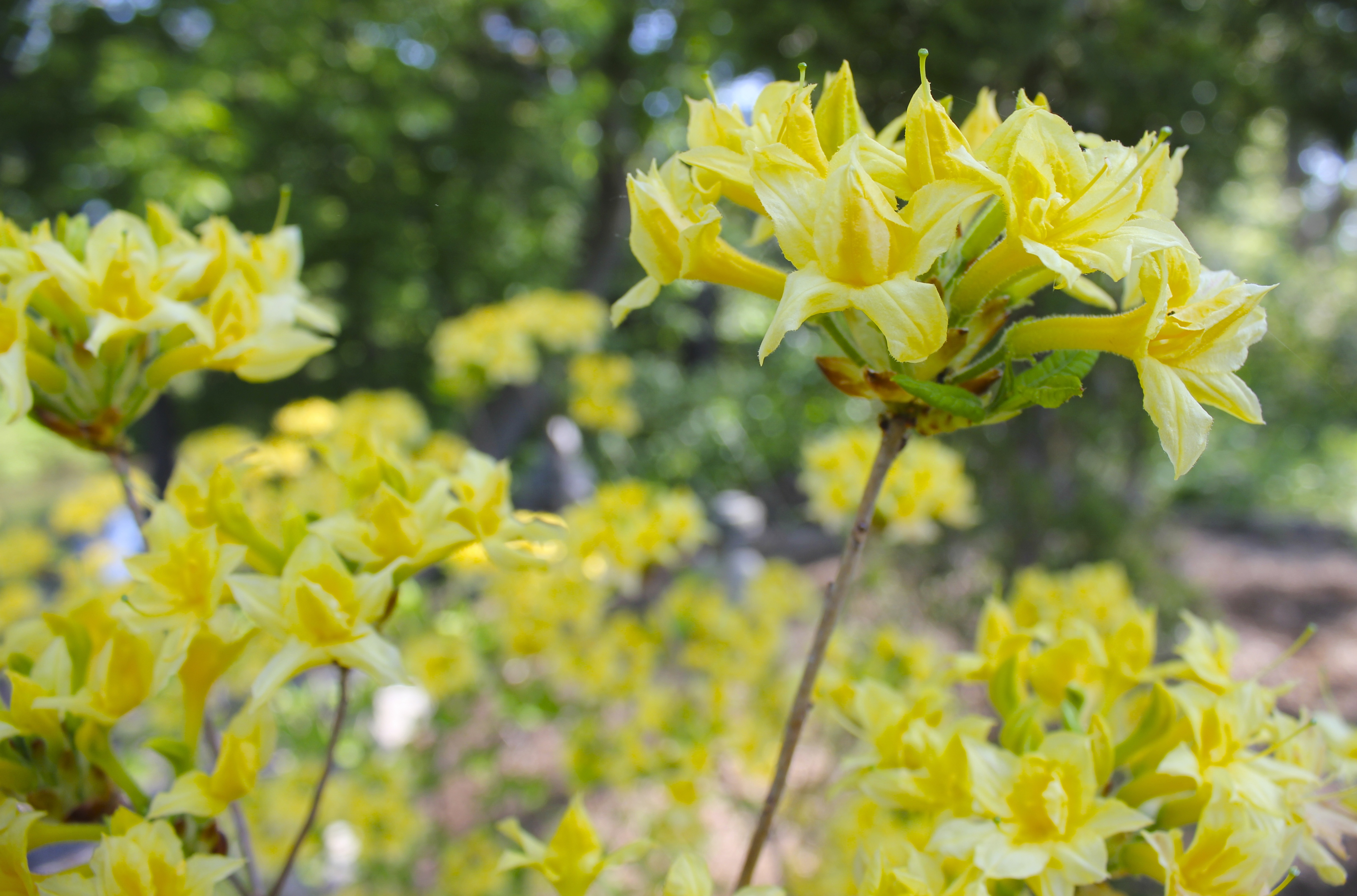
The Yellow Azalea in Bloom.

IMG_1410

Yellow is—

is golden.

Is the color insects like best.

Yellow is sexy happy.

Is glory, wisdom, and harmony.

Yellow is noble,

is fun,

is brilliance.

Yellow is—

is the angel’s hair.

Is the breeze of the new baby’s breath.

IMG_1412

Yellow is—

wine, glistening,

cooled to creek water temperature.

Yellow is my daughter’s favorite color,

my son’s truck love days.

IMG_1435


Yellow is—

friendship,

and patience.

IMG_1232IMG_1234 (1)

Yellow is memory’s concert hall

sun-flowered,

and sun-shined.

IMG_1431

Yellow is

the azalea’s fragrance

Coloring my world in long swallows through my nose,

gold, dusting my eyelashes.

IMG_1408

Yellow is—

Alchemy.

Heaven’s songs,

performed in peace,

on Earth.
IMG_1415
IMG_1443

For My Children, after Mother’s Day.

IMG_1164

Now the early mornings are warm and the grass is soft again.

I wear every leaf on the garden paths, woven together with all the others, for garden slippers.

No pair is perfectly matched. All are left behind with every step.

Earthy dew zaps my feet, washes them, startles the heart and composes a hymn.

*****

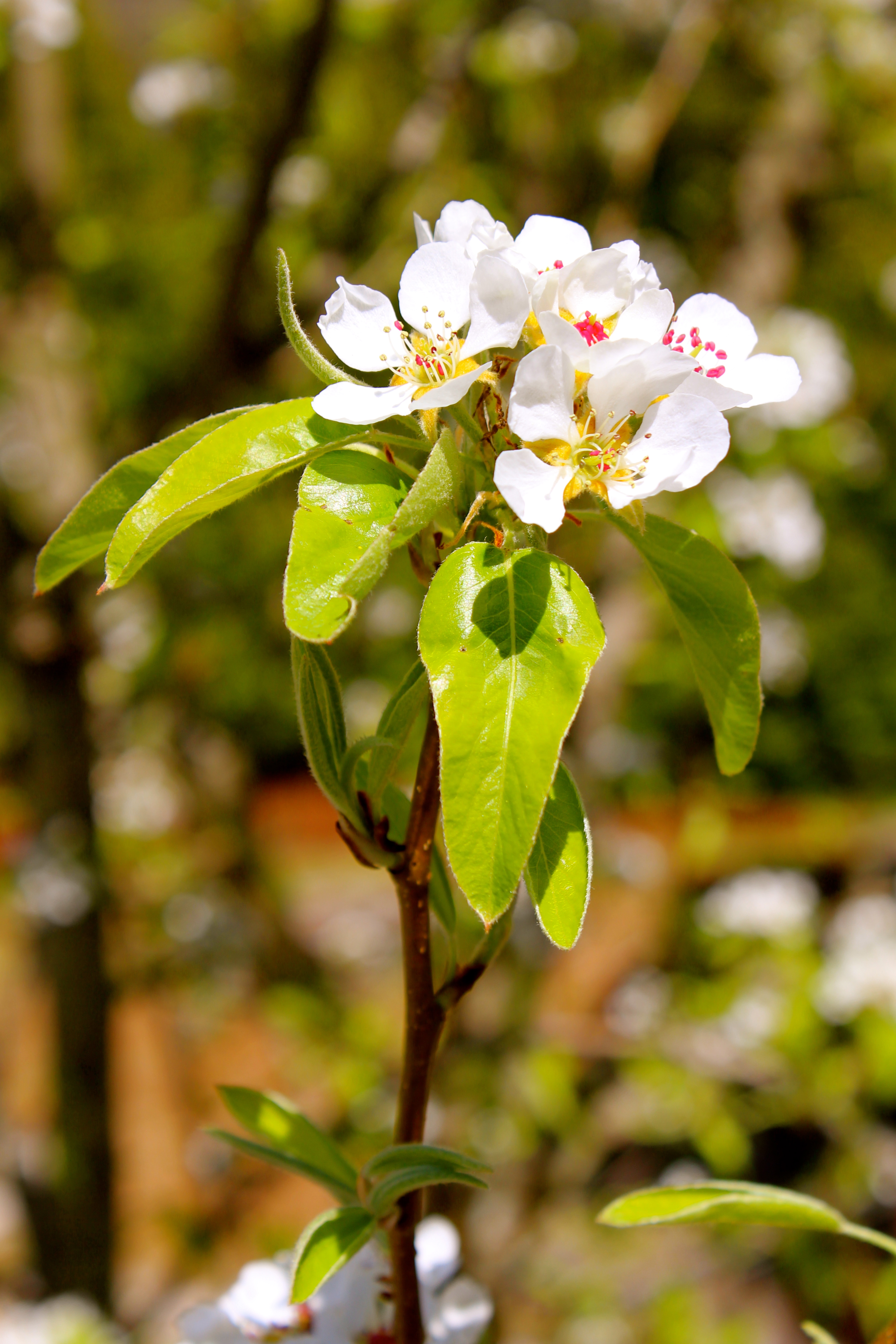
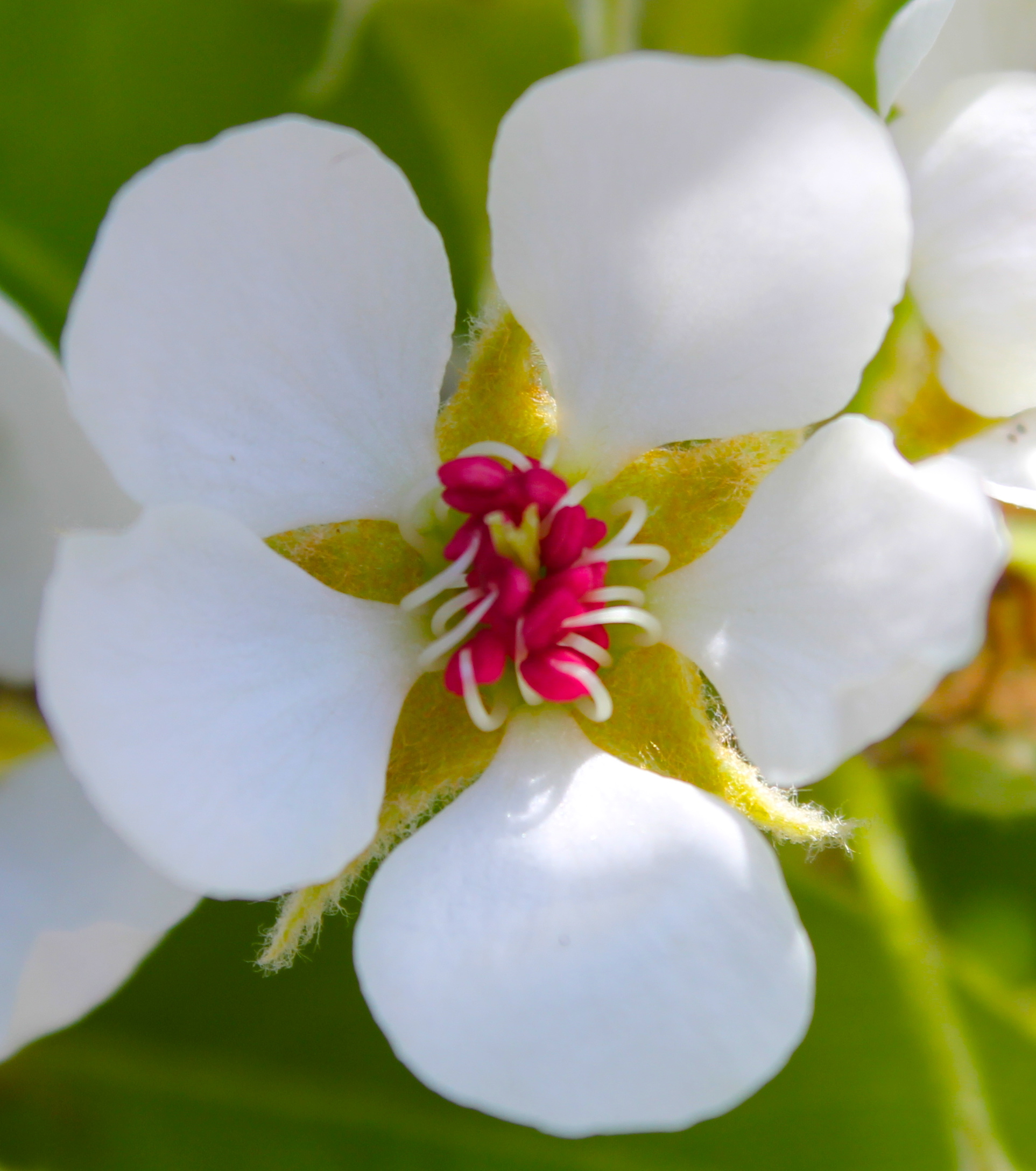
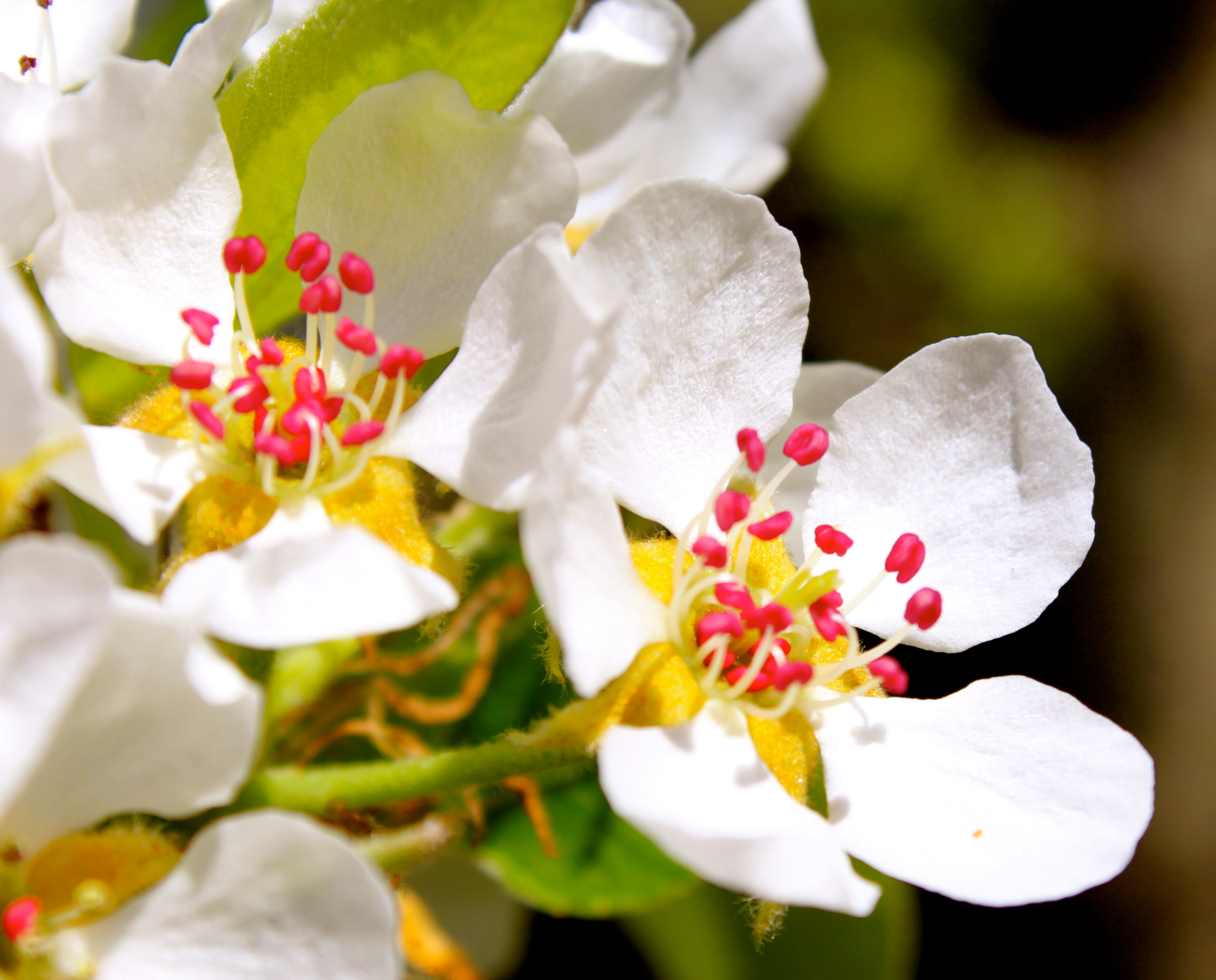
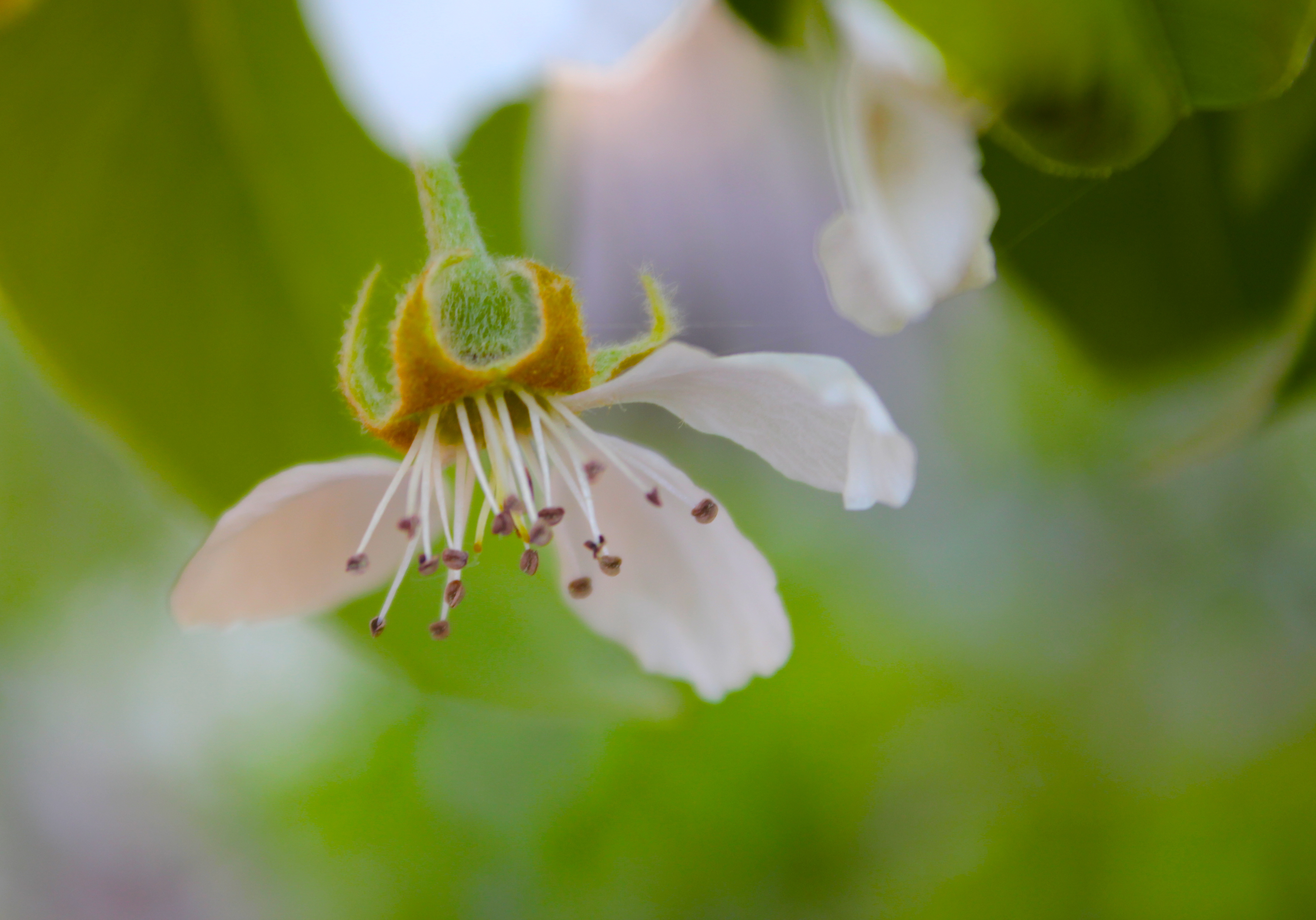
The sun rose a long distance east of the pear tree,

warming the Earth and waking up the air

which took flight from the still night

like invisible wings, gliding out of sync on unmapped airways.

The breathless sighs blew soft as fluttering eyelashes on sleepy schoolchildren

who wished to be out of doors on this day

out of classrooms.

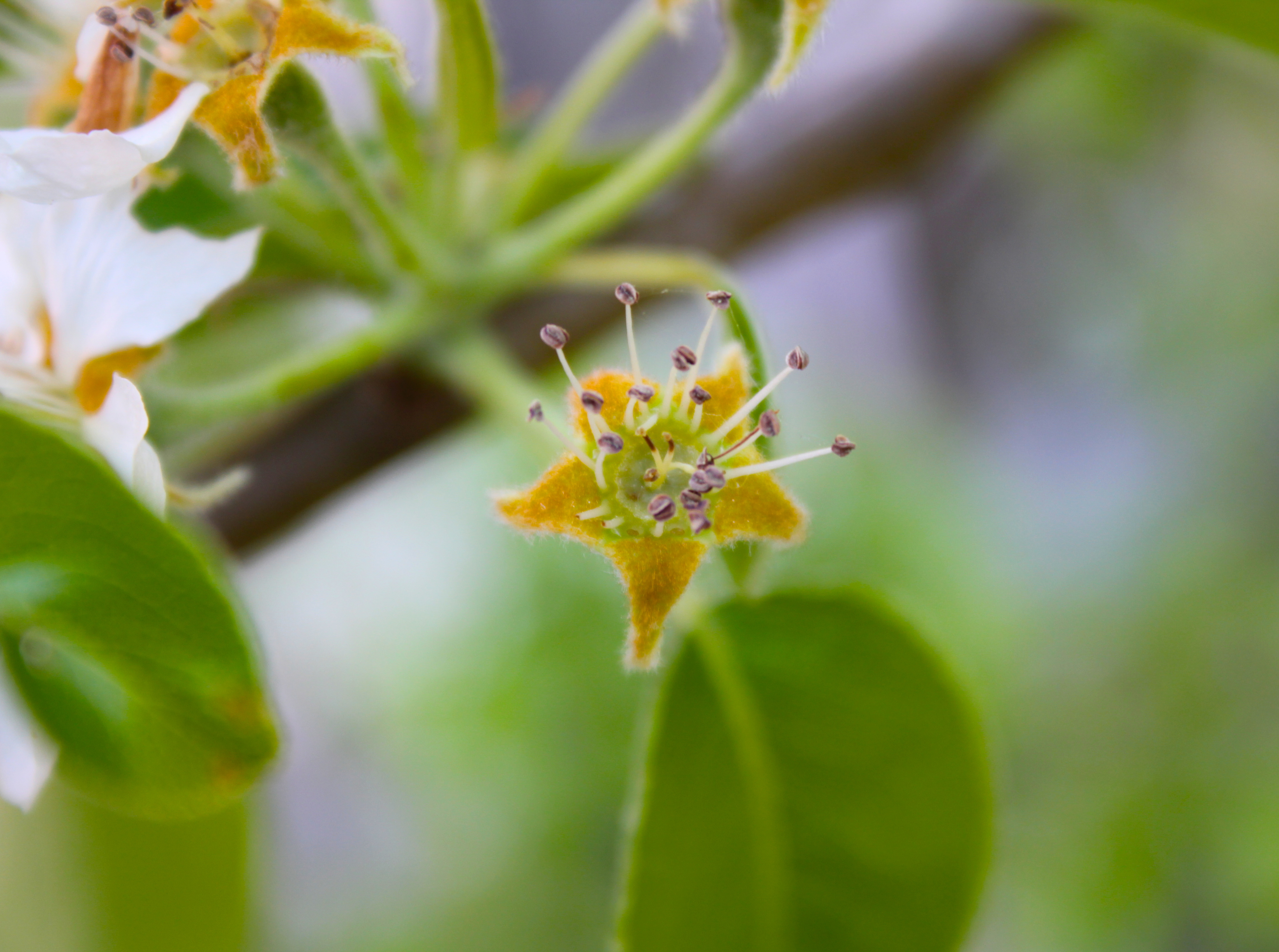
IMG_1158

IMG_1159

The kingdom should set children free on such a day as today

when invisible magic carpets will steal them away

when the petals of the pear tree blossoms will fly into their ears and onto their tongues

and leave stars on the tree.

When the children will run

or gather into tribes around the lilacs

and look down to find ants,

look up to the bee, with pollen stored into travel packs on minuscule legs.

When everywhere, the breeze says nothing

and the robin stands next to my cup of tea showing off a beak filled with nest-building materials

all foraged from Earth.

It is all fiction when we talk about it in the classroom.

*****

Remember when you were unafraid of your dreams!

Remember climbing into the tree and watching how the twig grew a flower

and the flower grew a fruit

and the bee made honey!

IMG_1162

Remember spending all day building nests, using your mouths

how you stood at the edge of the nest

and I watched you fall

my tears concealed underneath the stars on the pear tree, ripe.

And when you returned, eyes bigger, bellies full,

brains buzzing, chirping, and brave–

I fed you pear bread, with a dollop of pear jam.

IMG_1218IMG_1219

All the things I made,

from the tree I grew,

because your father was once a little boy who lived on Pear Tree Drive

And after I loved him,

I had you.