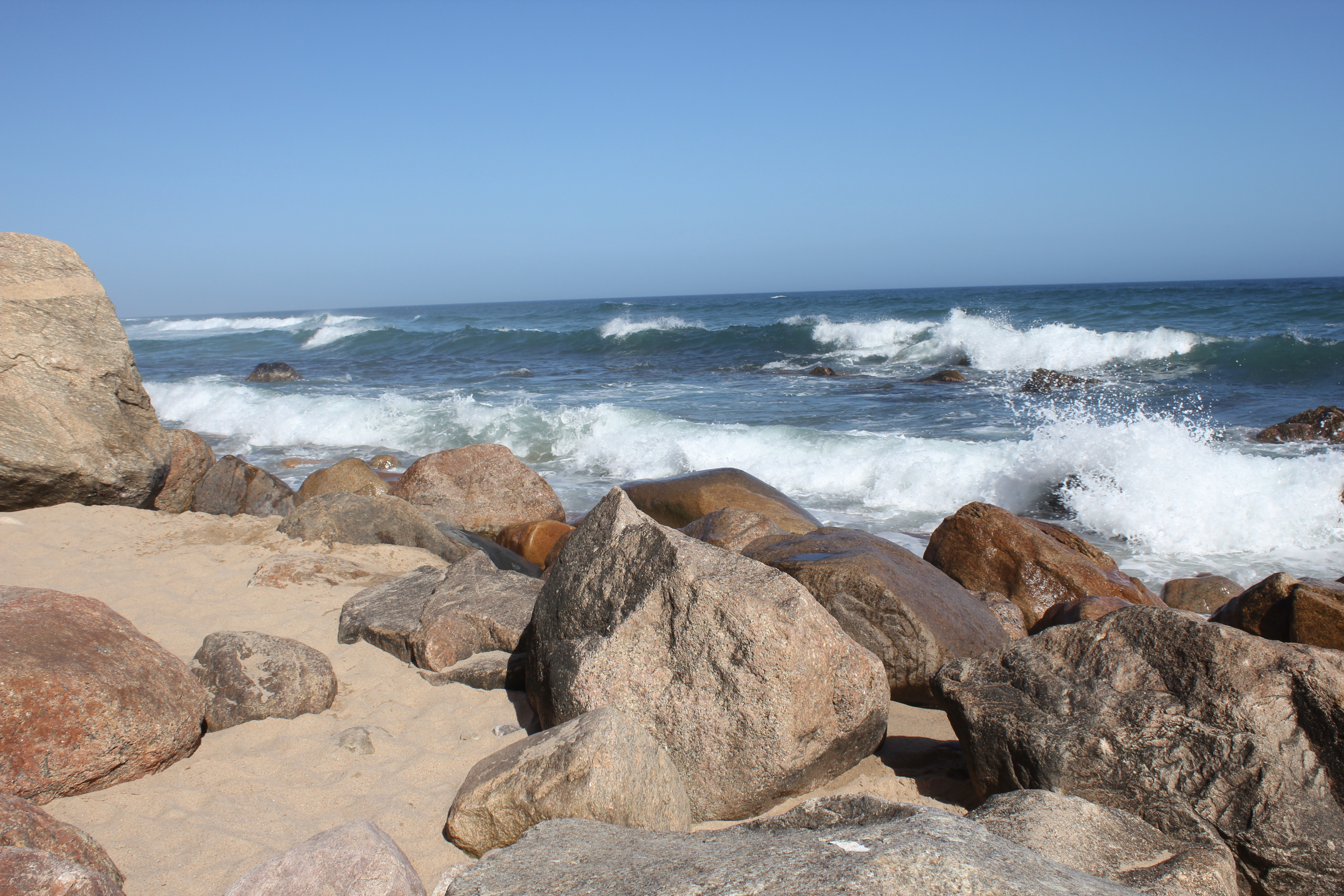
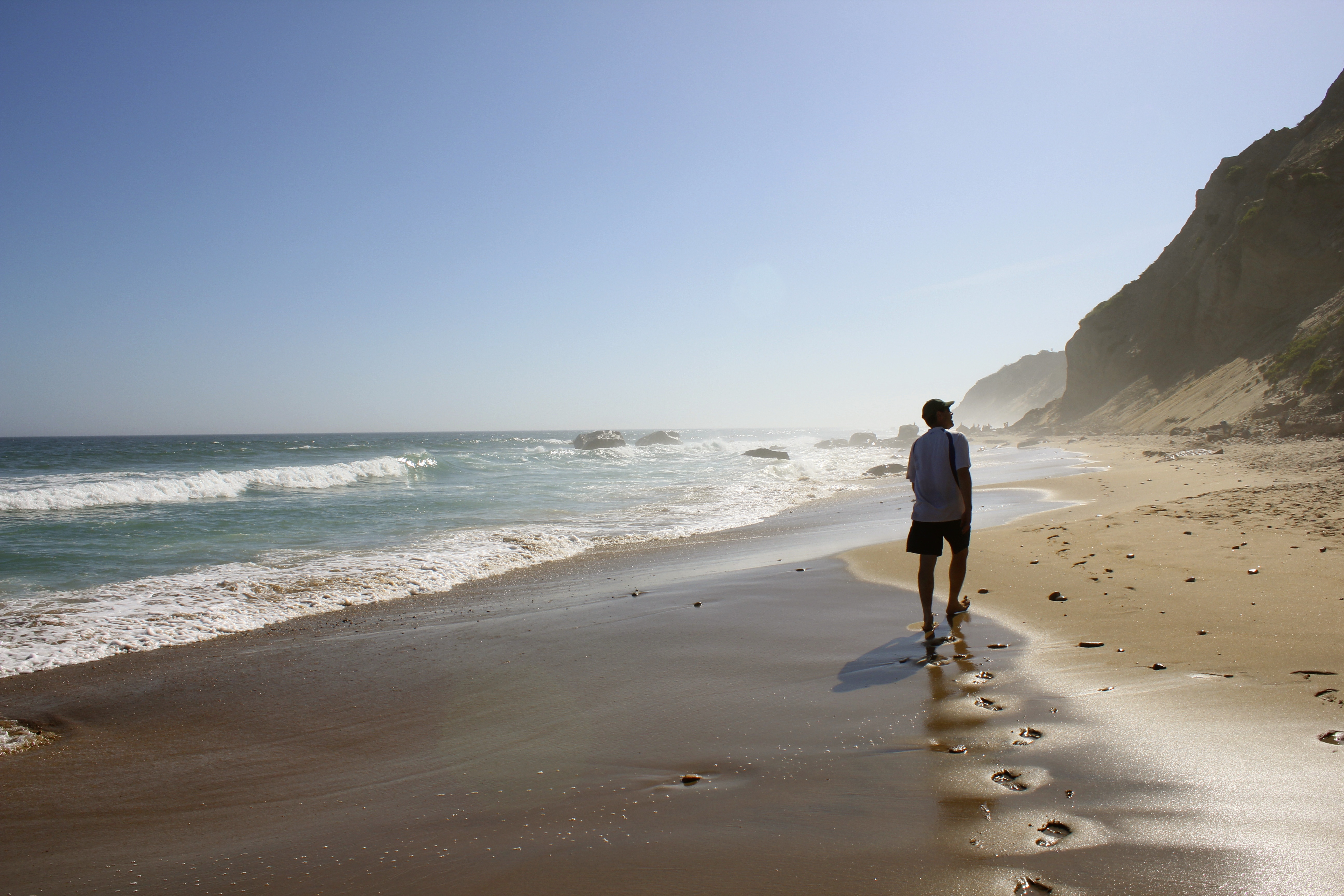
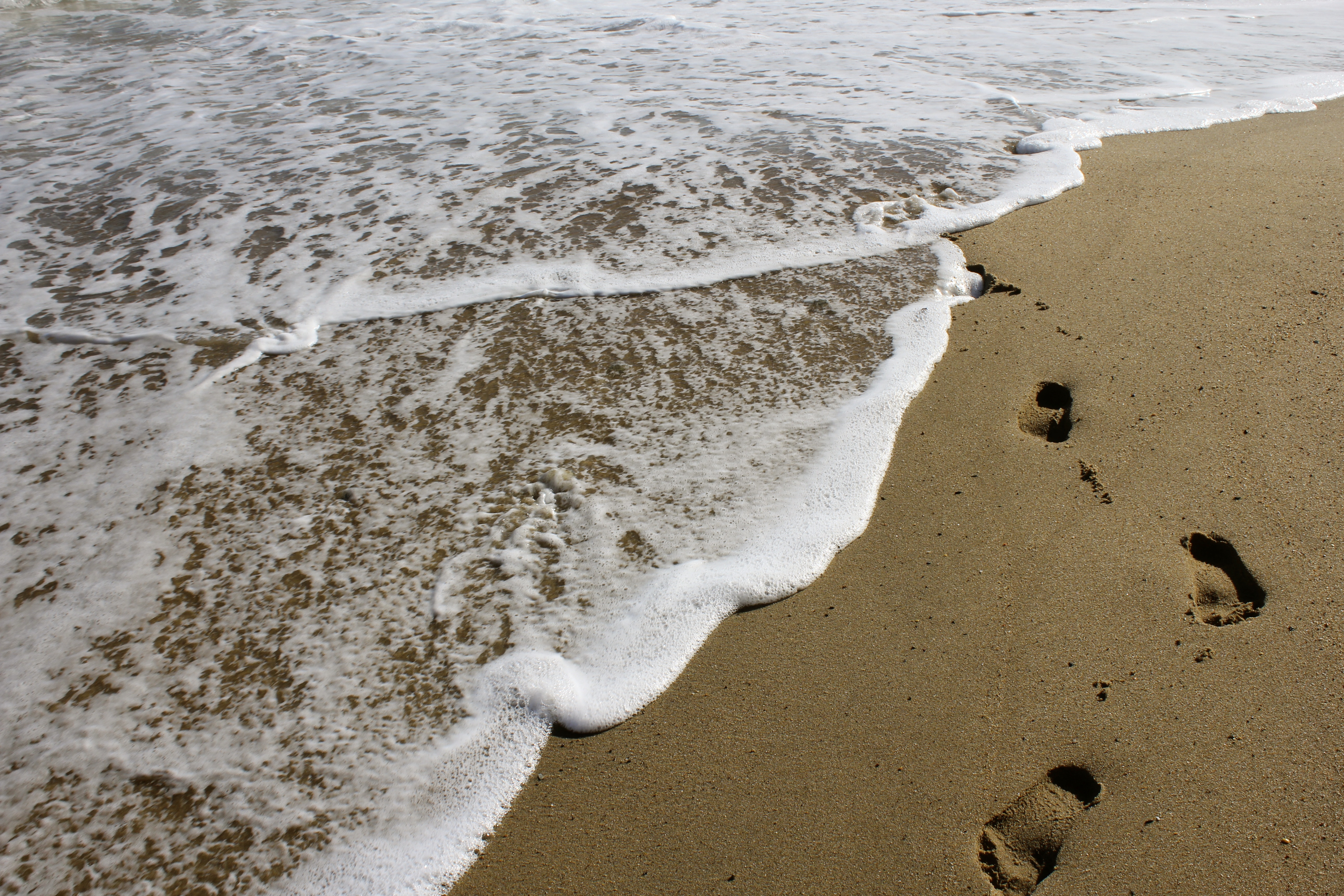
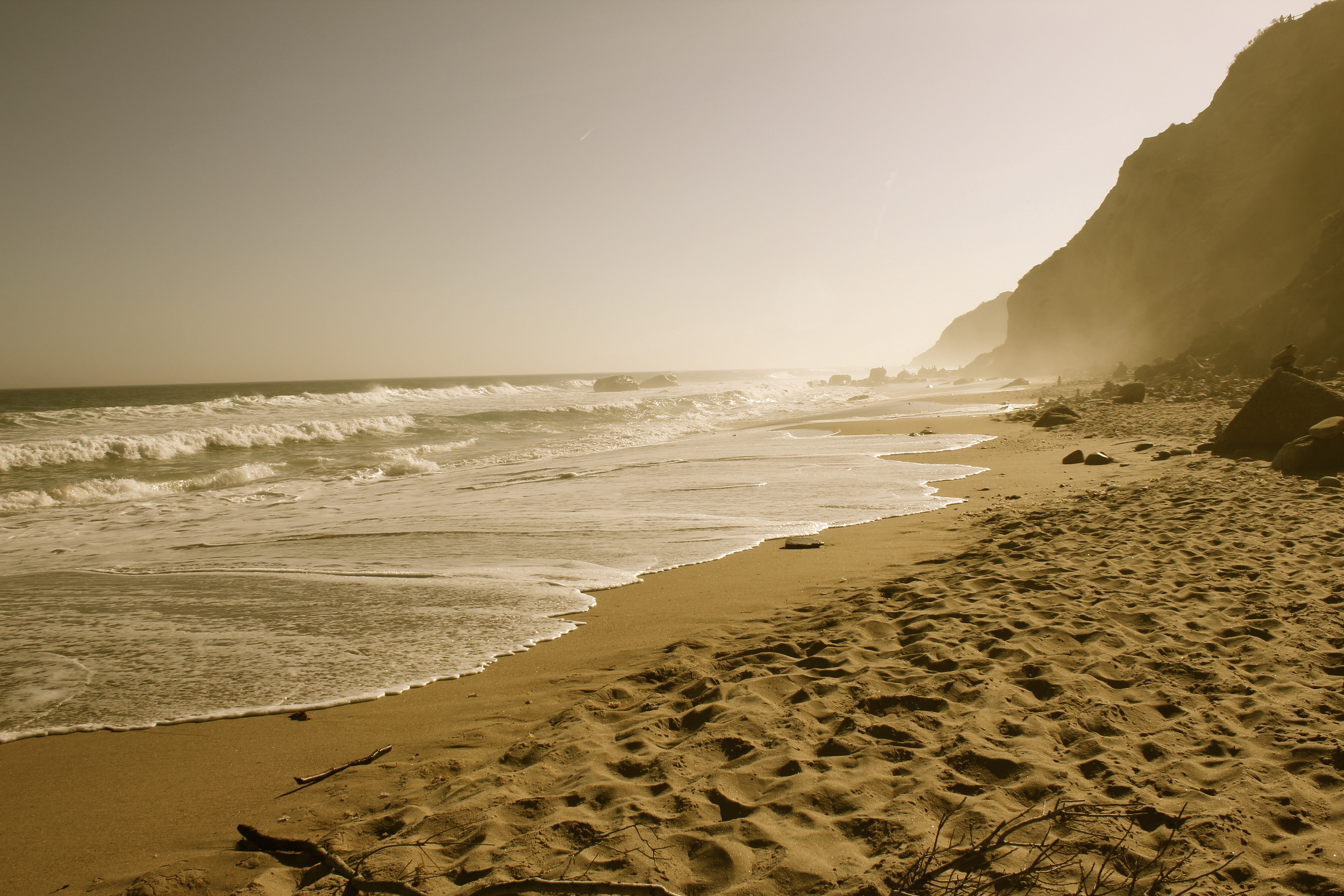
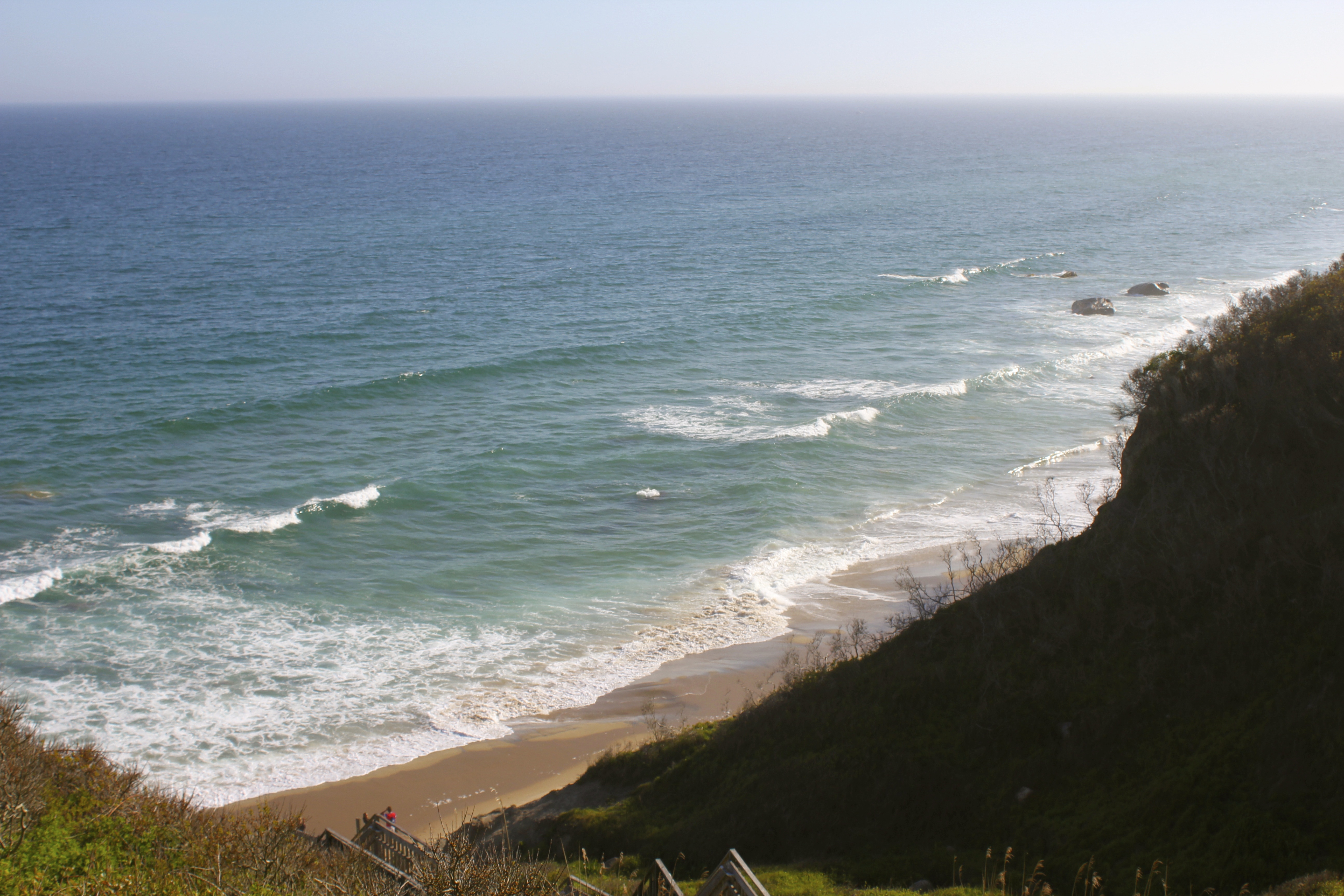
Block Island Day Trip. From Here to Eternity.

We sailed on the early ferry

crossing through bright fog

to glacial remnants of cobble stones and sand.

We rode our bicycles to a beach where seagulls sat on their nests

watching us arrive.

I didn’t bring anything to read.

Fabled seascapes,

—the settings from thirty-five years of our yesterdays—

glowed in the haze.

Guess where we are, I said to my husband,

pretend we’re shipwrecked.

He guessed Hawaiian waters

rocky Maine coast

Tahitian princess.

Then he closed his eyes for a long rest.

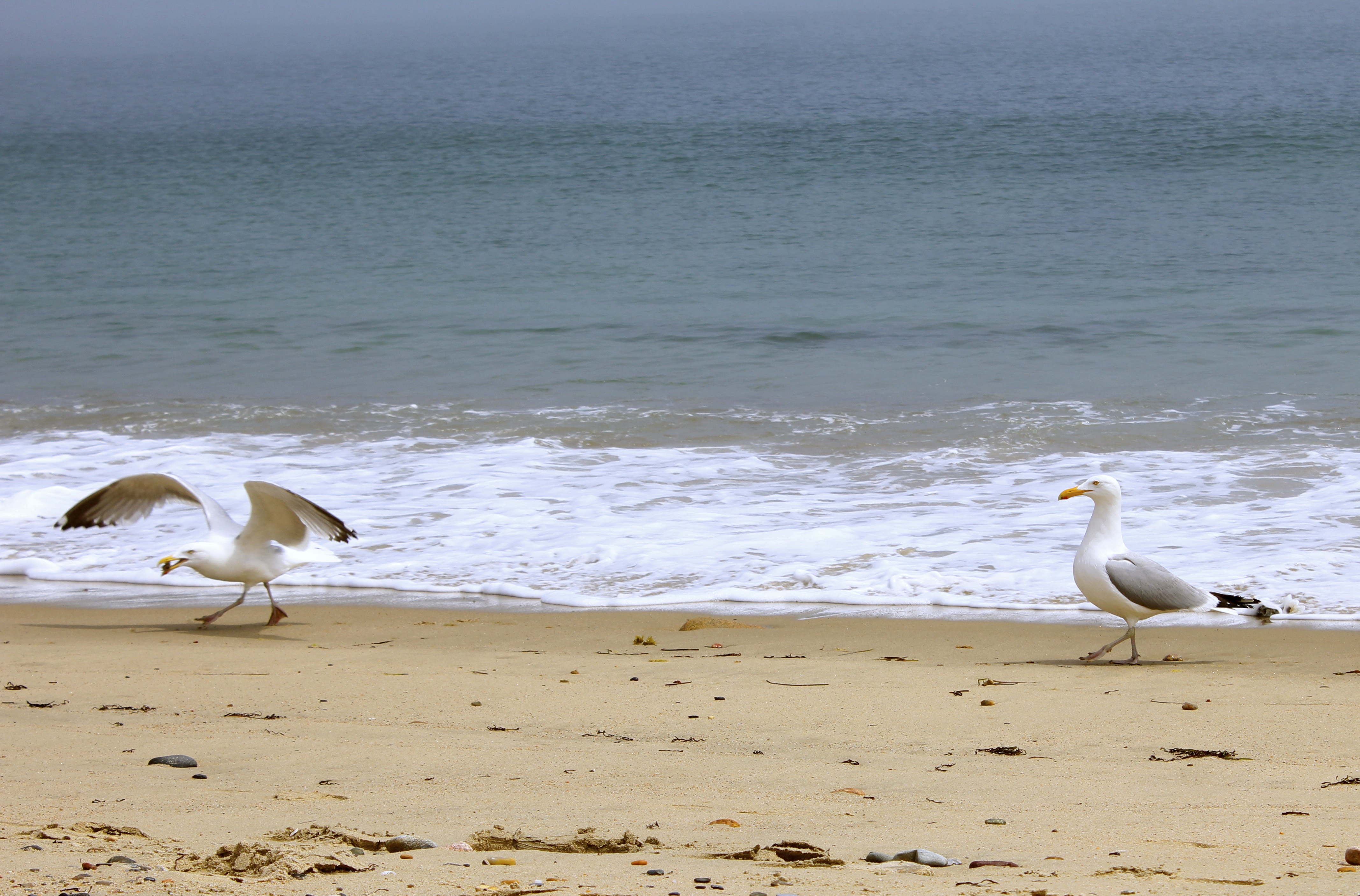
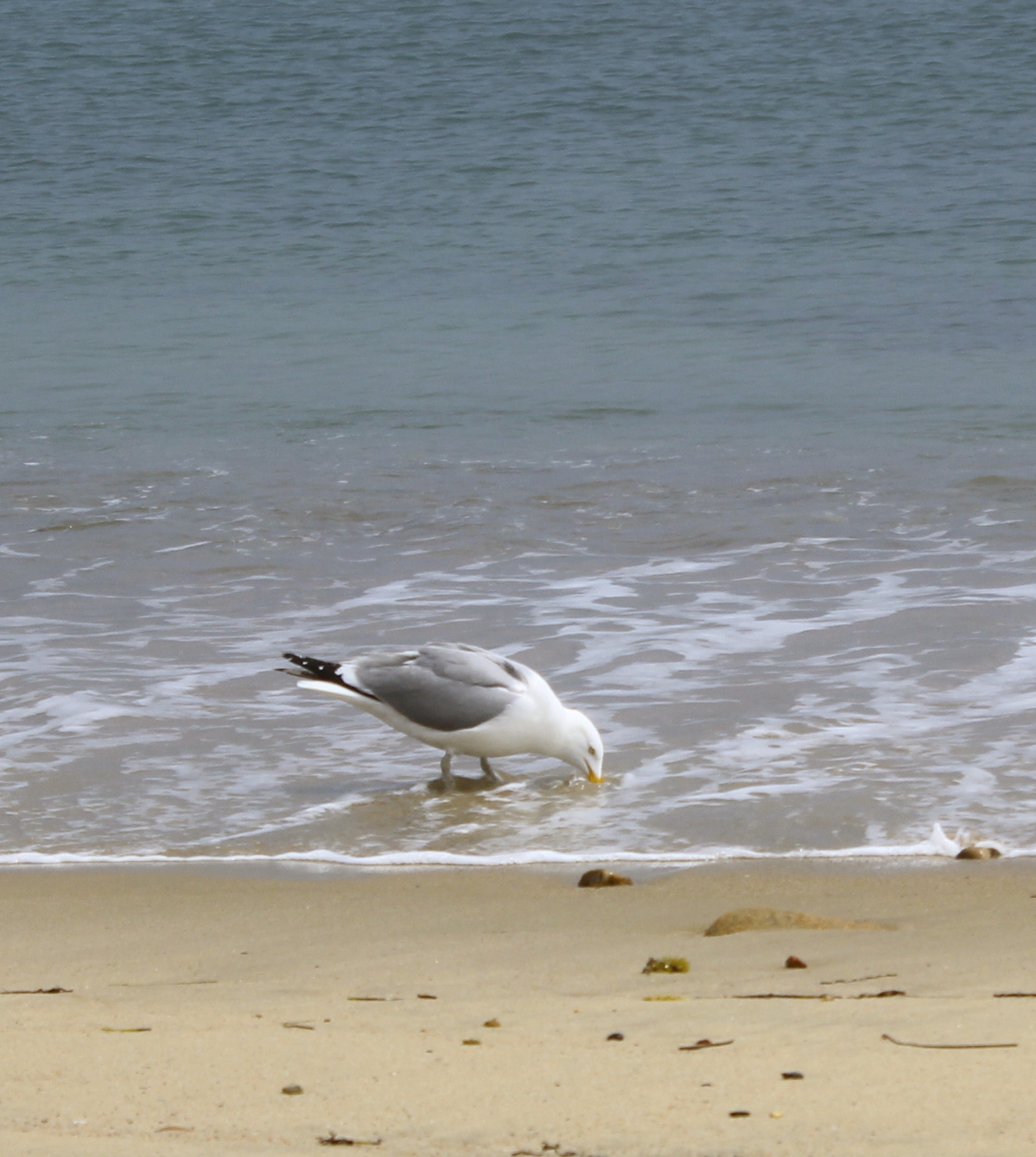
I watched a seagull snap a stranded crab from the foam at the edge of the sea.

It hammered at the wriggling crustacean, drilled into it

until another seagull swooped down, to battle for leftovers

and won.

Satisfied, the intruder cleaned up in the surf.

We rode our bicycles through pasturelands, to walking trails, and found more beaches

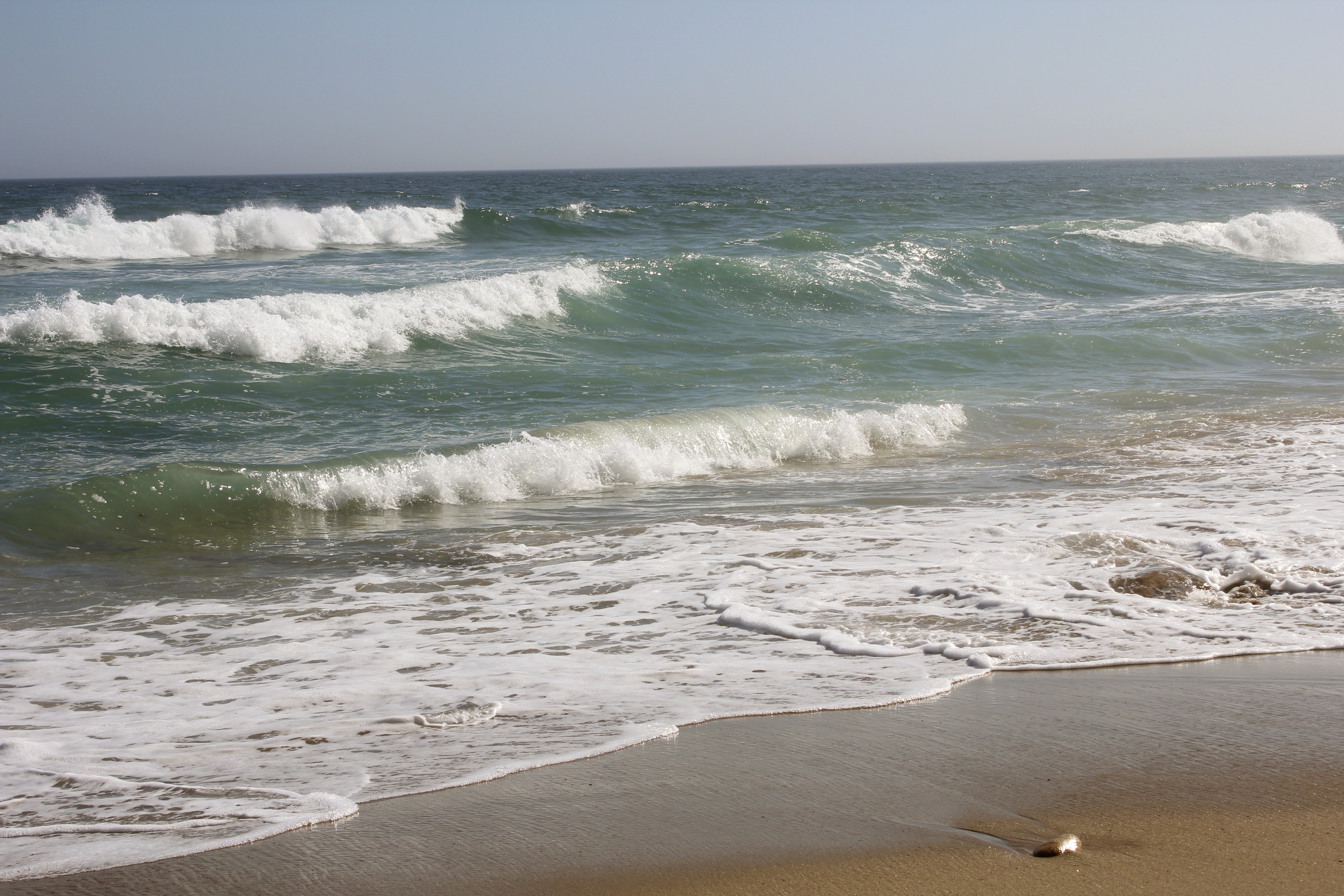
where the ocean rolled onto the shore and over the rocks

Eternity’s loudest lullaby!

At the end of the day, a downhill dash

on a curvy road

spilled us back into the harbor town.

We cruised full speed—

sunburned, sunbathed, and sunstruck,

then stopped for frozen margaritas on a summertime porch.

I said,

When I was riding down the hill so fast, I felt twenty years old.

He said,

You look eighteen.

Long live the salty love story!

Adrift, in the mists of memory.

*****

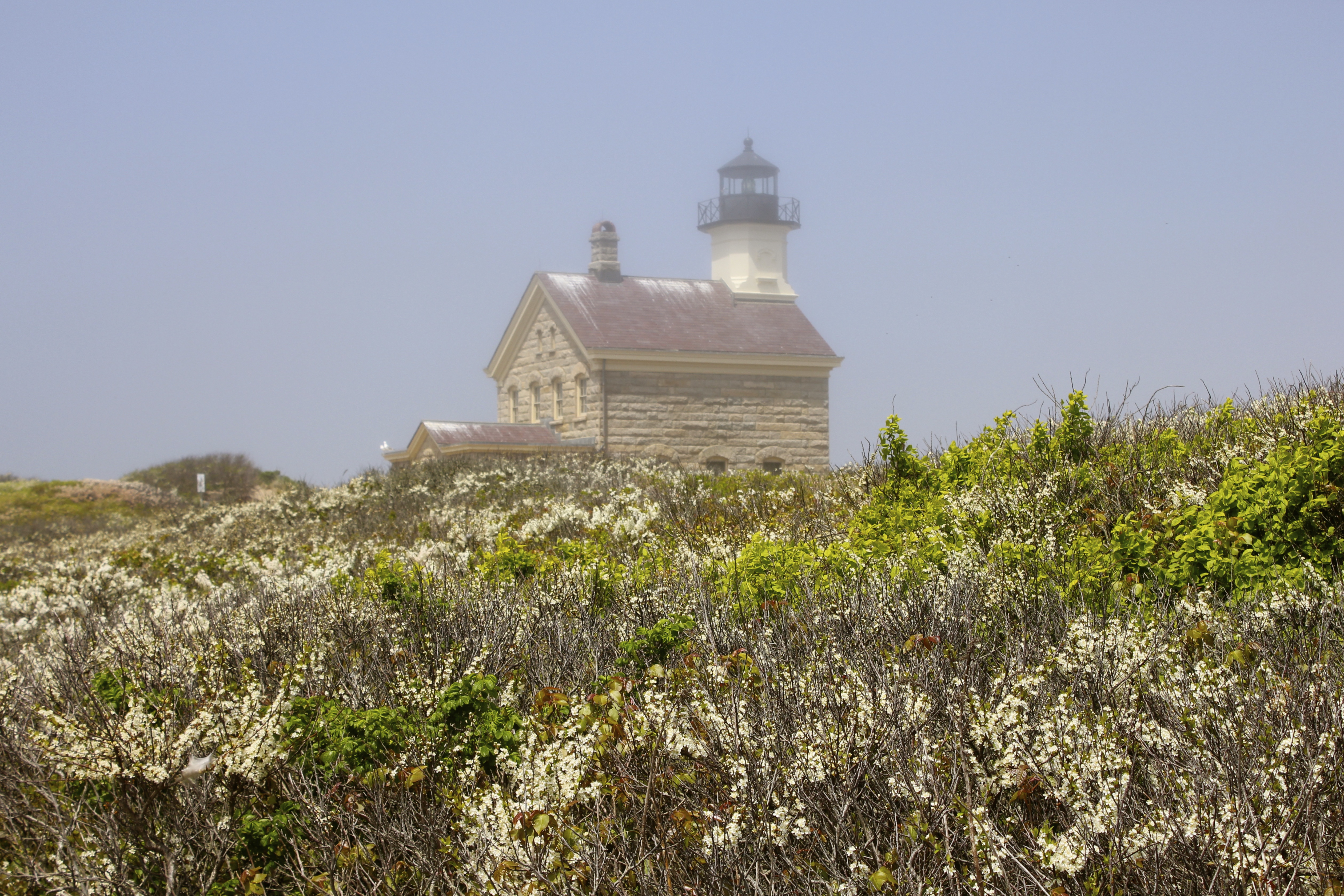
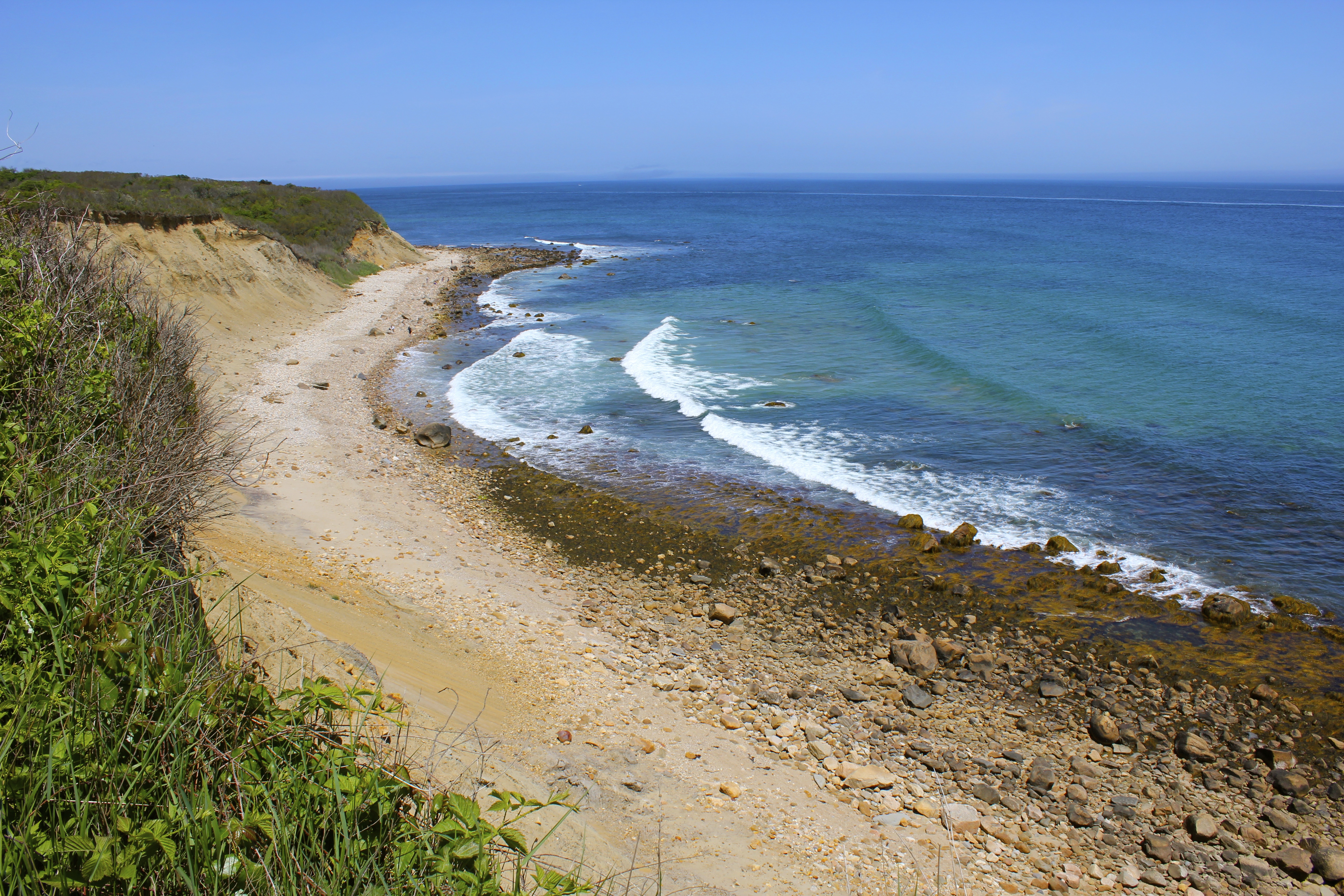
Corn Neck Road to the end and a walk from Settler’s Rock out to the North Lighthouse and beach before later ferries, with more people, arrive on the island.

IMG_2029

IMG_2062

IMG_2050

IMG_2054

*****

The drama of everyday heartbreak in the gull-nesting areas.

IMG_1970

IMG_1978IMG_1979

IMG_1980IMG_1981IMG_1984

*****

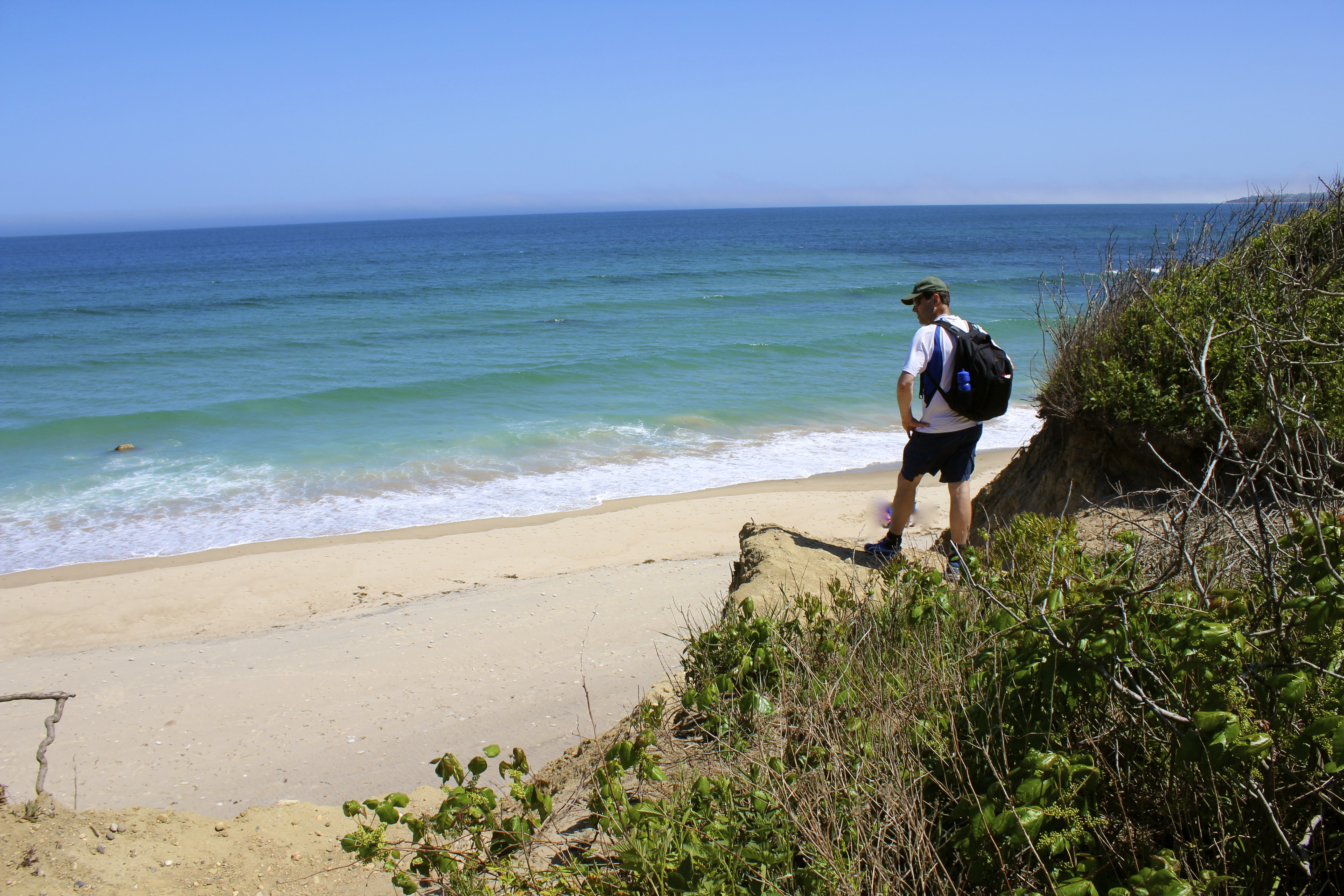
Clay Head Trail on bluffs with a rope-assisted climb down to the beach.

IMG_2082IMG_2117

*****

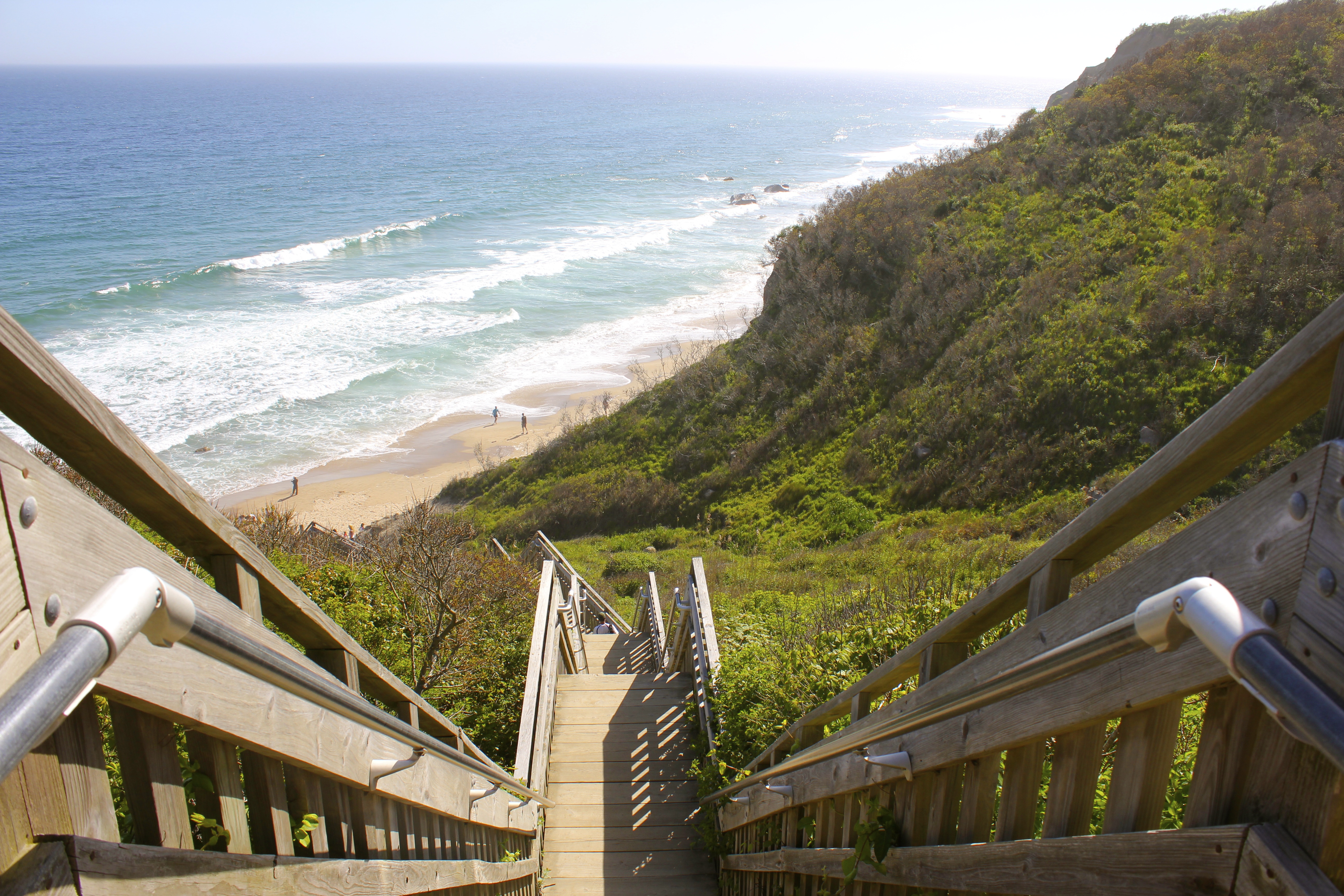
The infamous Mohegan Bluffs.

IMG_2121IMG_2125IMG_2128IMG_2151

IMG_2157IMG_2149
IMG_2134IMG_2224IMG_2267IMG_2272

Last bikes on the racks.

IMG_2273

For My Children, after Mother’s Day.

IMG_1164

Now the early mornings are warm and the grass is soft again.

I wear every leaf on the garden paths, woven together with all the others, for garden slippers.

No pair is perfectly matched. All are left behind with every step.

Earthy dew zaps my feet, washes them, startles the heart and composes a hymn.

*****

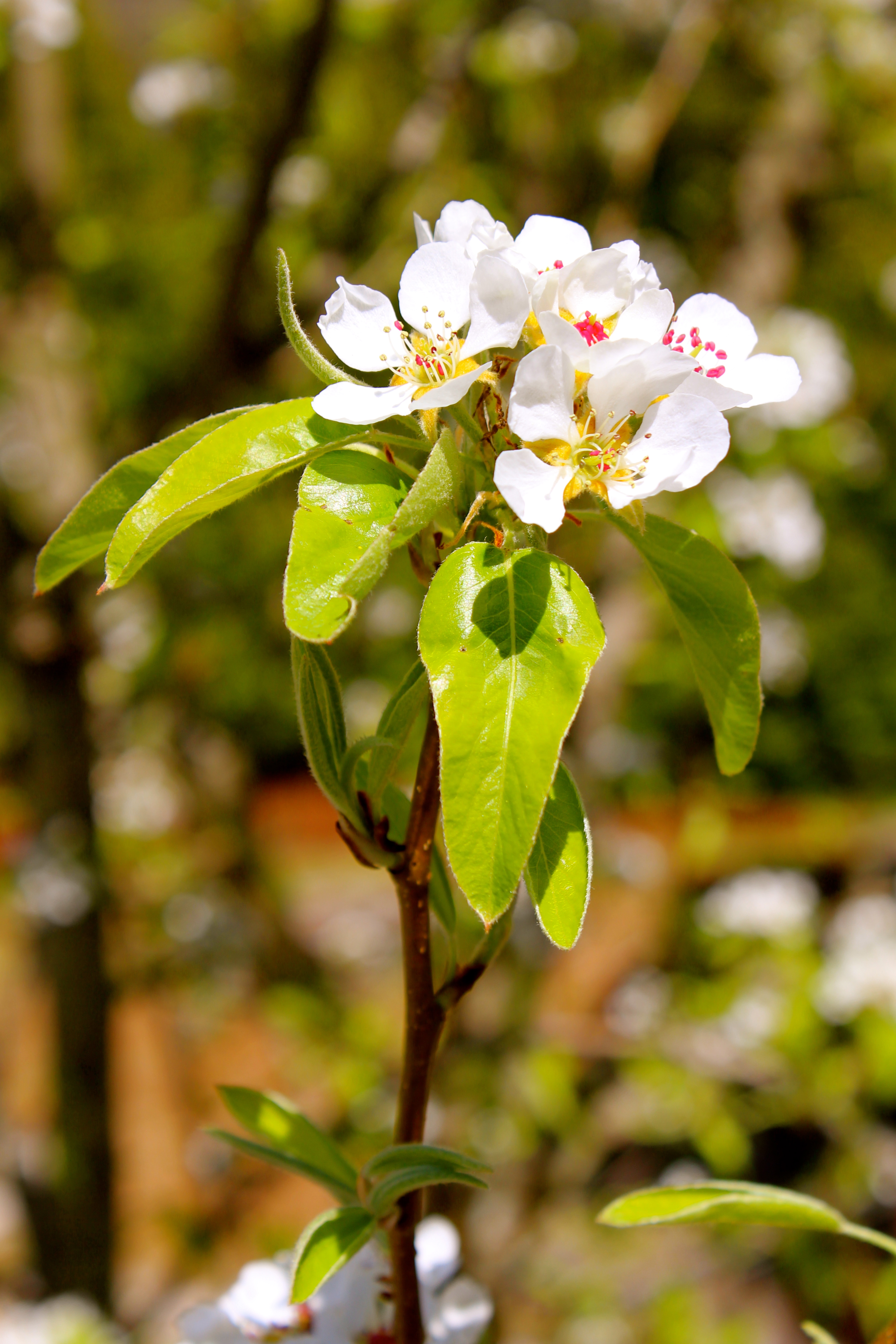
The sun rose a long distance east of the pear tree,

warming the Earth and waking up the air

which took flight from the still night

like invisible wings, gliding out of sync on unmapped airways.

The breathless sighs blew soft as fluttering eyelashes on sleepy schoolchildren

who wished to be out of doors on this day

out of classrooms.

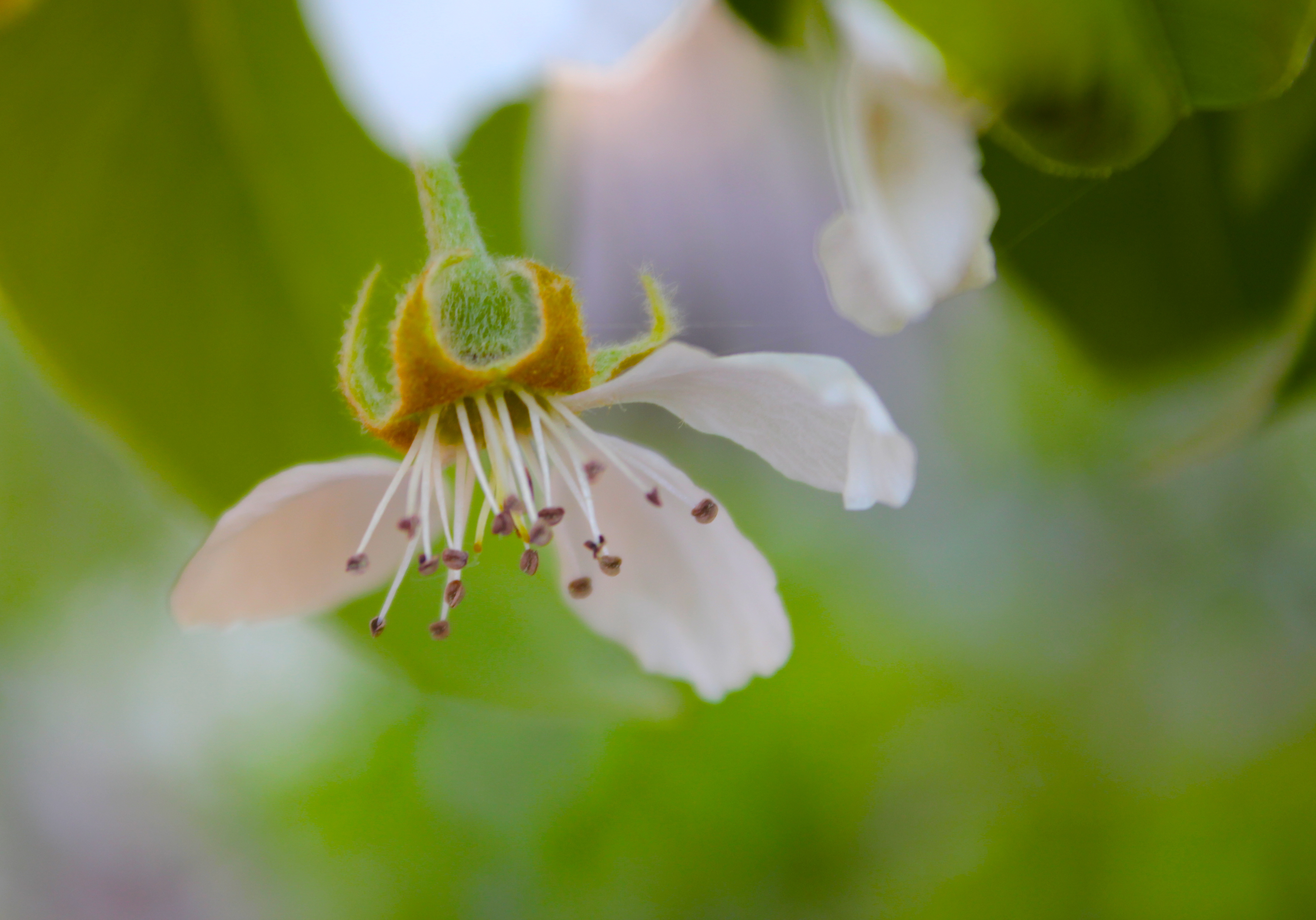
IMG_1158

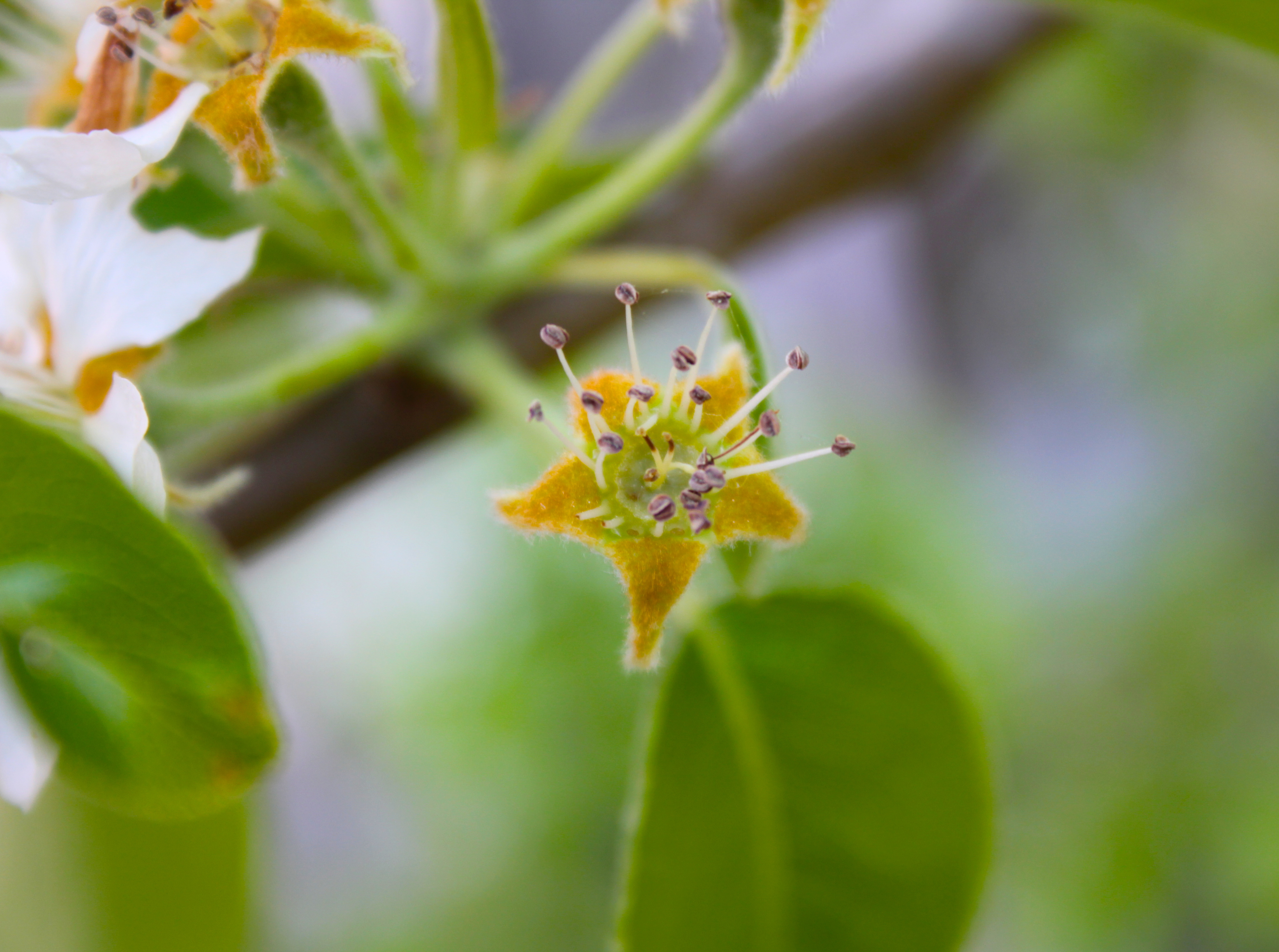
IMG_1159

The kingdom should set children free on such a day as today

when invisible magic carpets will steal them away

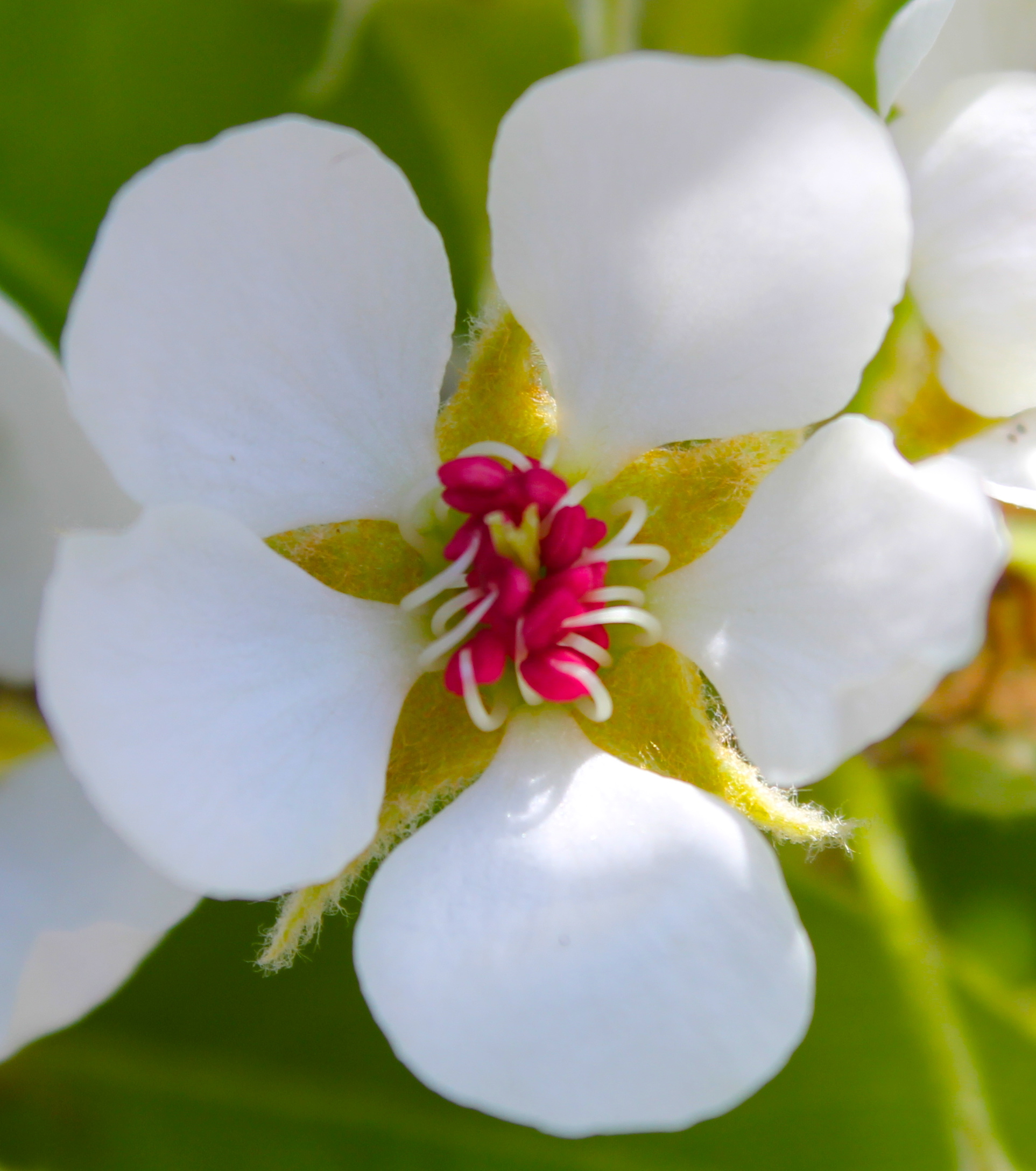
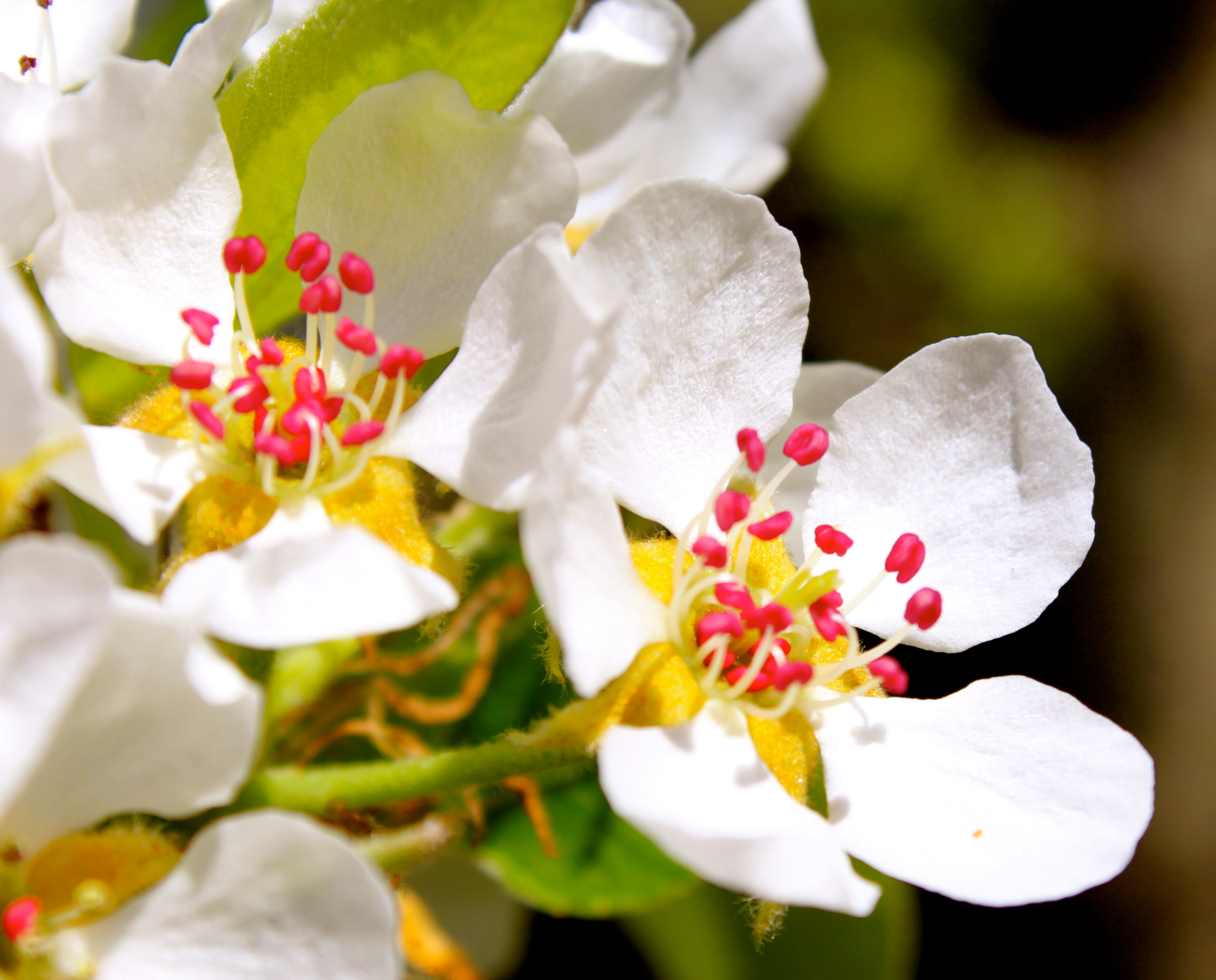
when the petals of the pear tree blossoms will fly into their ears and onto their tongues

and leave stars on the tree.

When the children will run

or gather into tribes around the lilacs

and look down to find ants,

look up to the bee, with pollen stored into travel packs on minuscule legs.

When everywhere, the breeze says nothing

and the robin stands next to my cup of tea showing off a beak filled with nest-building materials

all foraged from Earth.

It is all fiction when we talk about it in the classroom.

*****

Remember when you were unafraid of your dreams!

Remember climbing into the tree and watching how the twig grew a flower

and the flower grew a fruit

and the bee made honey!

IMG_1162

Remember spending all day building nests, using your mouths

how you stood at the edge of the nest

and I watched you fall

my tears concealed underneath the stars on the pear tree, ripe.

And when you returned, eyes bigger, bellies full,

brains buzzing, chirping, and brave–

I fed you pear bread, with a dollop of pear jam.

IMG_1218IMG_1219

All the things I made,

from the tree I grew,

because your father was once a little boy who lived on Pear Tree Drive

And after I loved him,

I had you.

Where is God?

IMG_1835

*****

God did not make the earthquake happen.

He does not hand out suffering.

He does not answer prayers.

He doesn’t choose individual people to be the recipients of good fortune.

He doesn’t single out or mark groups of people to become victims of prejudice, racism, sexism, genocide, slavery, oppression, murder, poverty, illness, misfortune, personal tragedy, accidents, natural disasters.

God does not test us.

He doesn’t give the strongest people the most difficult challenges.

God does not talk to us.

What is God? Is God real?

*****
IMG_1375

*****

Intro to Philosophy. College. Up on the chalkboard:

Words exists. God is a word. God exists.

Teacher to class: “So. After reading this. What do you think? Have I proven the existence of God? Does God exist?”

Classroom entirely silent.

I raised my hand: “Yes. You have proven the existence of God. As a word.”

*****
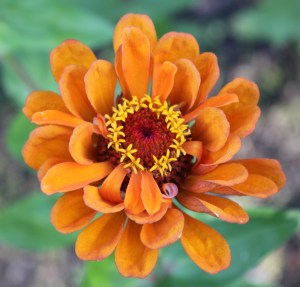
IMG_1833

*****

Nun, years ago, at local Catholic school, in a conversation with me about whether or not I should enroll my young son: “You must ask God. He will give you an answer.”

I didn’t bother to tell her God doesn’t talk to me.

I decided I didn’t want to send my son to a school that might teach him to believe that if you asked God for something, you would get your answer, or your wish, or your great accomplishment, or your magical miracle, or what you’ve always been waiting for.

Life is not wonderful in that kind of way.

*****

The afore-written godstuff is only what I think, for now.

*****

The God I believe in…would never…

The God I believe in…is kind and loving…

The God I believe in…is joyful when we are joyful and suffers when we suffer…

The God I believe in…

*****
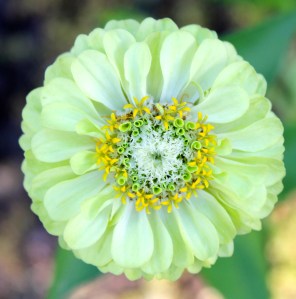
IMG_1836

*****

On this day in the history of my own life’s sufferings, my husband and I lost our second son. He was stillborn, full term.

The hospital gave me some things to keep. Pictures. A lock of his hair. The little knit cap they put on his head. The blanket he was wrapped in.

They also gave me a piece of paper, made to resemble something official. It was bordered with a stylized, document-type graphic and titled, “Certificate of Birth.” The rest of the paper read, “This is to acknowledge the life of — (Our second son’s name) — Born on 4/27/93 — Time 10:30 AM — Weight 7lbs. 3oz. — Length 21 inches.” At the bottom of the paper: “Unto us a child is born, a special child for a special reason. We don’t pretend to understand, only to accept.” Onto the paper were stamped, in black ink, our son’s footprints and handprints.

We didn’t understand what our son was and neither did our culture. The baby wasn’t really born—there was no birth certificate. And, officially, he didn’t really die, there was no death certificate. A holy person at the hospital blessed him. But the church wouldn’t hold a funeral.

*****

It wasn’t the first tragic thing that ever happened to me. But it was the experience that, as my husband says every year when we visit our son’s grave, “fucked us up.” It used to bother me when my husband would use that word at our baby’s grave.

“This is so fucked up. We were too young. This fucked us up.”

He was right. The suffering did fuck us up.

*****

The instant I understood that our son was dead, a terrifying doom strangled the life out of me. I knew my heart was so broken, it might not ever be healed. In the days, weeks, months, and years to follow, I would find myself balanced over crevasses descending into pits of desired surrender—the caves of Hell that promise to end all pain. When I fell in, sometimes I didn’t care if I ever climbed out.

I never looked at a homeless person the same way again. Many of them were me. Not everyone is able to survive the trials and tribulations of adversity.

I hated war more than ever. Each person killed in a war is someone else’s baby.

I feared the powers of natural disasters. Random, massive sufferings.

I snubbed my nose at people who believed they could entice the favors of the universe through carefully concocted thoughts, behaviors, and choices, or those that believed it was our fate to ride the waves of the universe no matter how they came crashing through our lives.

I had to teach myself to believe in a new kind of God, or accept that perhaps there was no God at all.

*****

IMG_1845

*****

I started to read a lot of books. Poetry, fiction, non-fiction, spiritual, self-help.

We had a friend in those days, someone my husband worked with, who gave us a book that helped me. The friend was a small, peaceful gentleman. He dressed impeccably and kept himself cheerful. He was an intellect, had attended Deerfield Academy and Dartmouth, and he appreciated antiques, classical music, history, and the coastlines of New England. My husband was very fond of him and so was I.

He gave us the book, When Bad Things Happen to Good People, with a note that read, “This book helped me at a time of similar need. I hope it will help you.”

The book was a good turning point for me. Though written in simple language about something so complex it will never be understood, I found the writings by Harold S. Kushner to be useful.

I especially liked these ideas from the book: That the primary purpose of religion and belief in God is not so much to put people in touch with a God they can talk to, but to put them in touch with each other. That the purpose of prayer is not to make a request and desperately hope that God will grant what we want, but to become a part of a community of others willing to pray with us, so that we won’t feel isolated or abandoned—“prayer doesn’t help us find God, (because it is easy to find God everywhere); prayer helps us find each other.”

One passage from the book: “That wonderful storyteller Harry Golden makes this point in one of his stories. When he was young, he once asked his father, ‘If you don’t believe in God, why do you go to synagogue so regularly?’ His father answered, ‘Jews go to synagogue for all sorts of reasons. My friend Garfinkle, who is Orthodox, goes to talk to God. I go to talk to Garfinkle.'”

I am like Harry Golden’s father when it comes to showing up at a church.

Kushner’s book emphasizes that it is love, in this life, here and now—genuine, imperfect love—not God’s generosity in answered prayers, which heals human suffering.

He describes a contemporary play, J.B., written by Archibald MacLeish, which re-tells the story of Job—the world’s most classic biblical tale of suffering. At the end of the play, the search for fairness and reasoning and a just God in a world of random heartache is abandoned. The last lines of the play read:

The candles in churches are out,

The stars have gone out in the sky.

Blow on the coal of the heart

And we’ll see by and by…

The main character, whose life has been an unending stream of personal tragedy, stops looking to God to save him and chooses, instead, to look inward and work hard on cultivating the available powers and healing resources of love.

*****
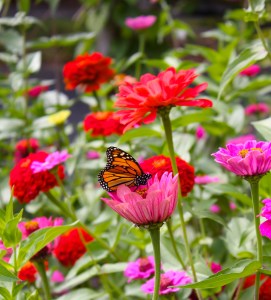
IMG_1914

*****

The good friend, and colleague of my husband, who gave us the book, When Bad Things Happen to Good People, did not escape more suffering in his life. In spite of the intentionally kind-hearted life he lived and the hard-work ethics he espoused, an unthinkable tragedy came to pass in the last years of his life. One of his sons, who had served in the Israeli Army, had been trained as a sniper. After his service, he went on to attend medical school. One day, he got into an argument with another man. A few days later, he killed the man.

I won’t ever forget the holiday season when our friend was enduring the anguish of his son’s criminal trial. He called to let us know that we would be unable to reach him for a couple of weeks. He knew his son was guilty and he also knew there was enough evidence to convict him. Our friend believed the law would hand over a just decision, and so, he could not bear to testify against his son whom he knew was already bound, most likely, to spend the rest of his life in jail. When called to the witness stand, our friend stood silent, in contempt of court. He was ordered to jail. His son went on to be punished with life in prison, no parole.

*****
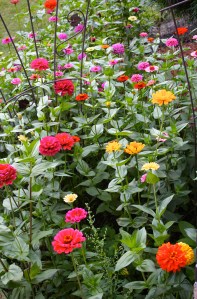
IMG_1928

*****

There are so many beautiful people suffering in Nepal because of the random occurrence of a devastating earthquake. They don’t deserve this kind of suffering and for many of them, their lives have already been filled with more than anyone’s fair share of suffering. As soon as the earthquake stopped shifting and shearing the Earth to shreds, rain poured from the sky over the exposed survivors.

Why?

Where is God? 

I am praying, not for God to stop the suffering, but for all of humanity to blow on the coals of their hearts.

It is easiest for me to believe that God created the heart and it’s the muscle we have, here and now, with big power.

As imperfect as we are, as imperfect as the world is, the miracle is always that we choose to live in spite of wanting to die. We choose to do the hard work.

We do it because we sense there is love, somewhere, to give and to receive.

I want to believe love is that powerful.

*****
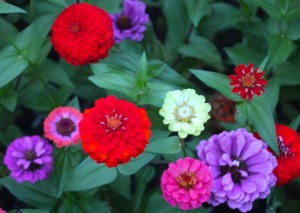
IMG_1764

*****

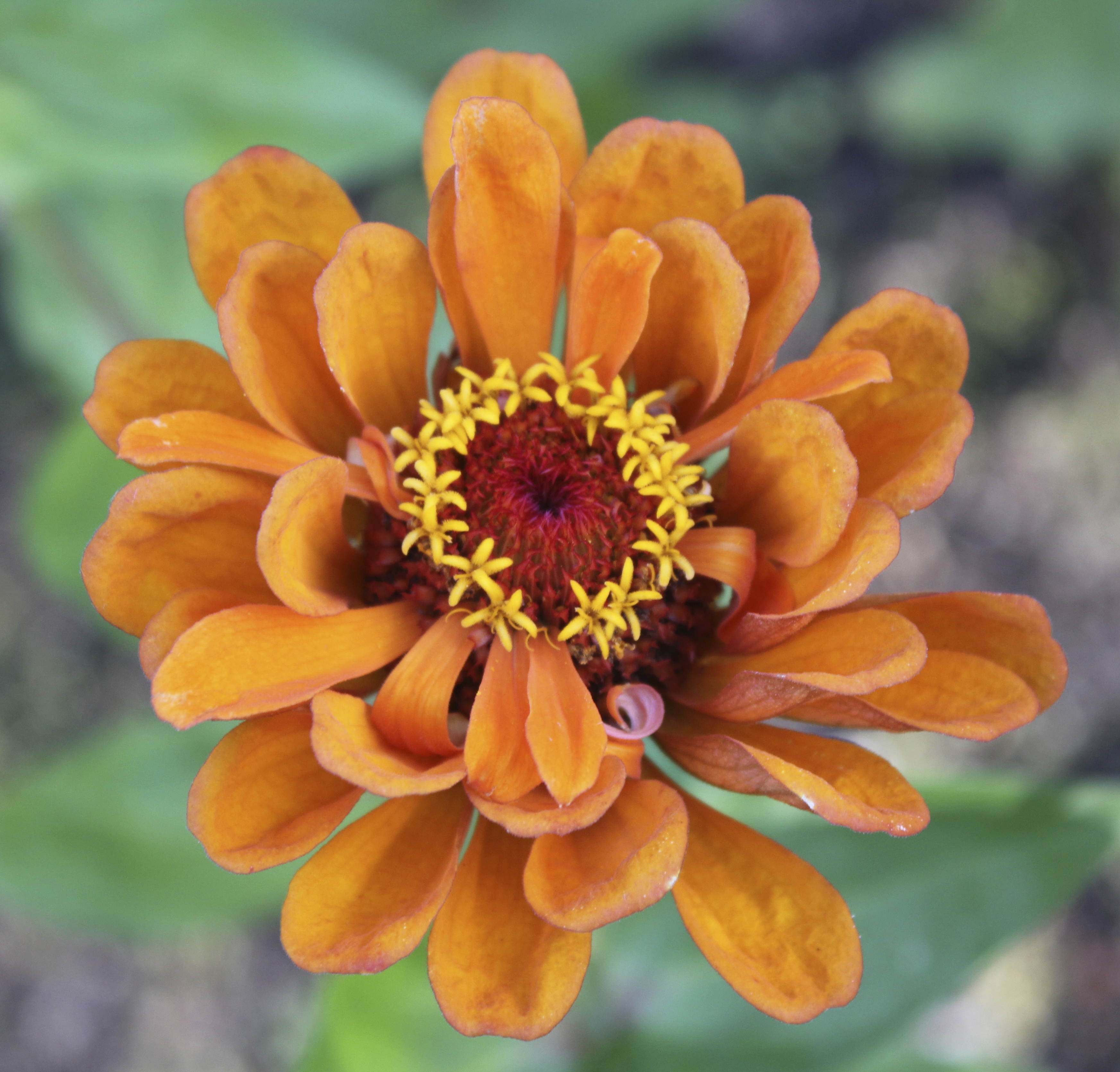
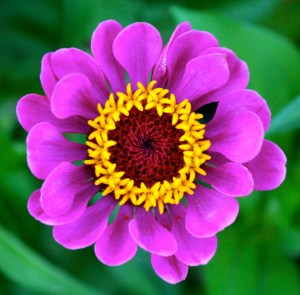
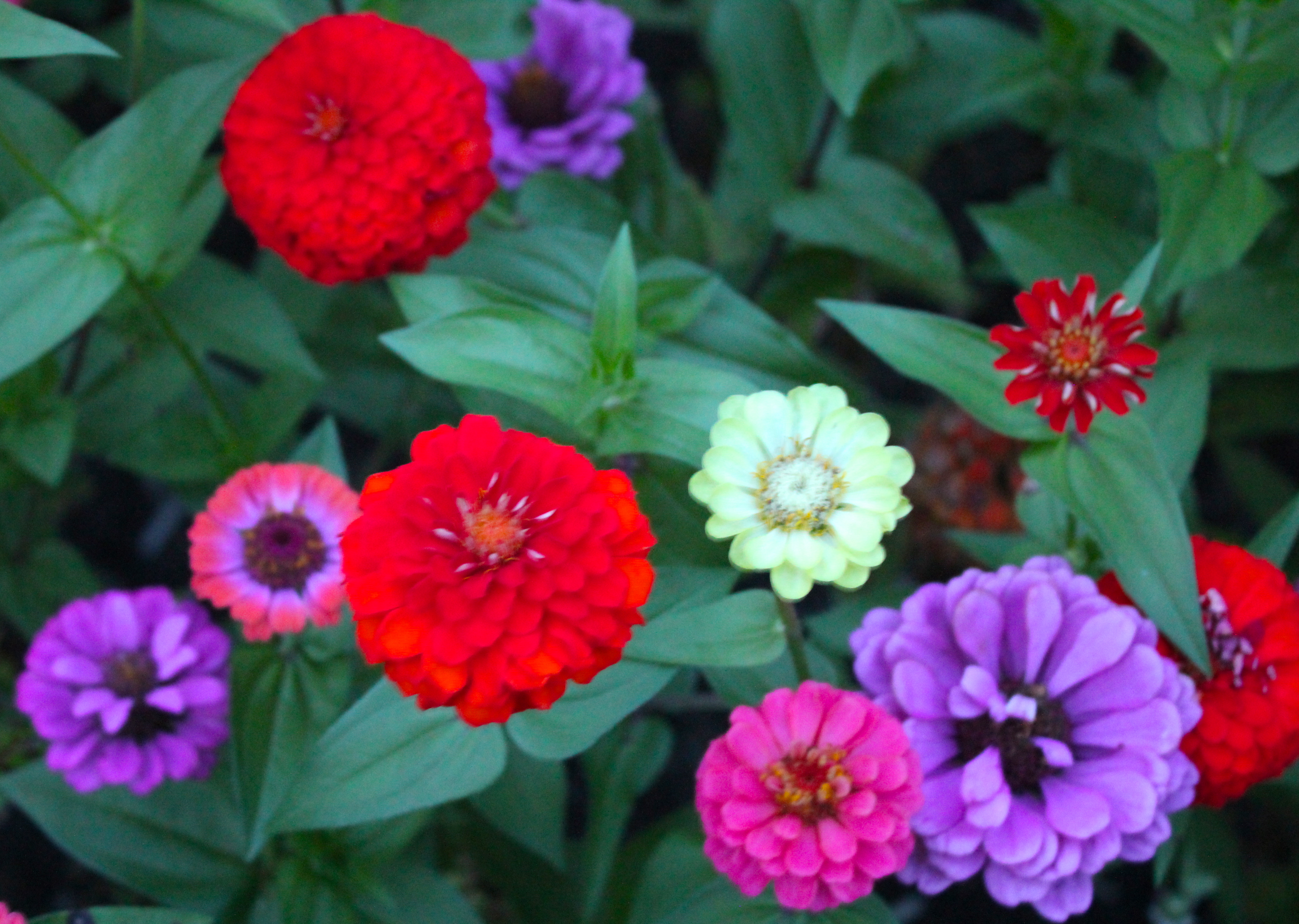
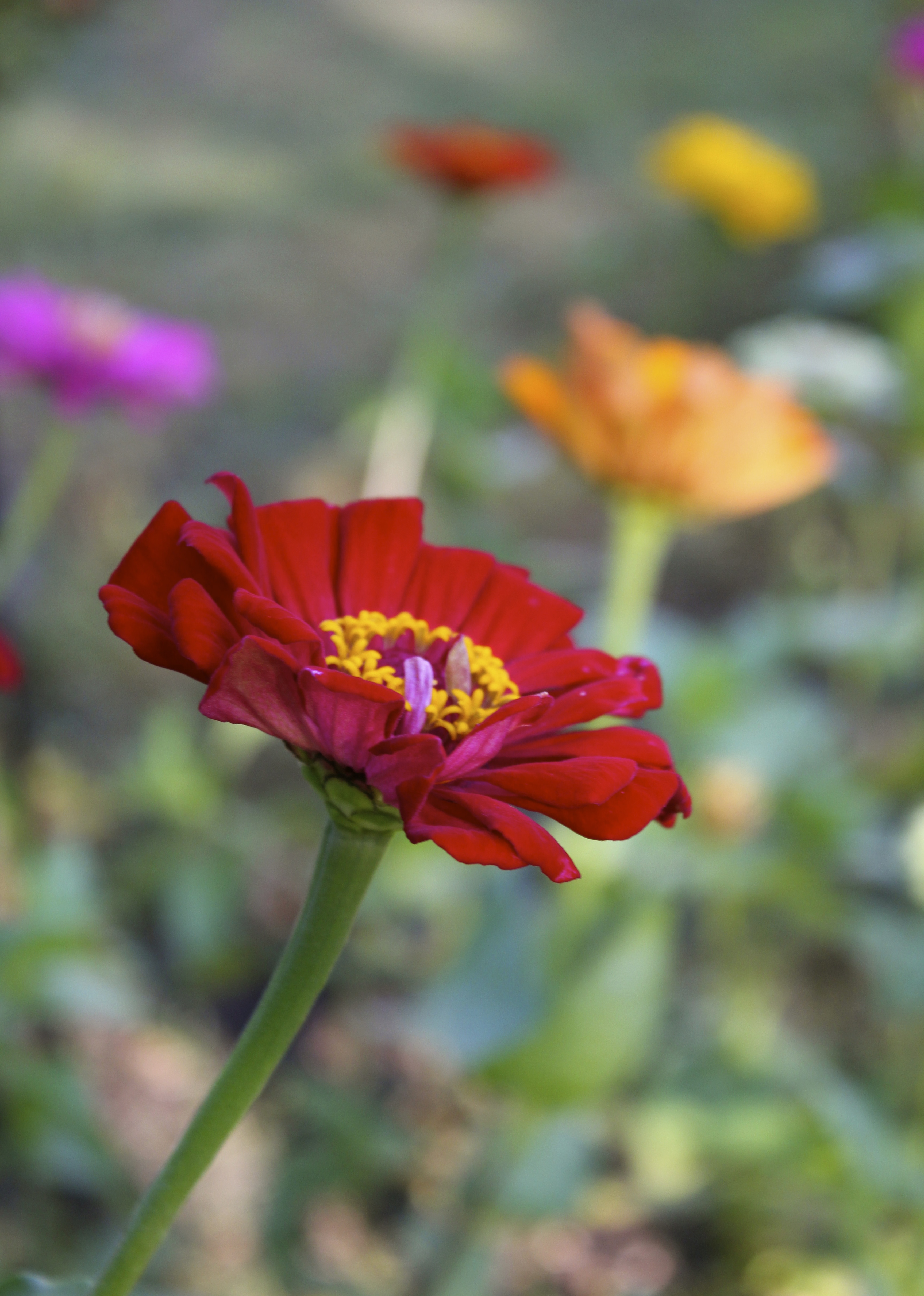
While I was pregnant with our second son, so long ago, I prepared several packages of zinnia seeds to send out as birth announcements. After he died, I planted all of the seeds in a huge bed of soil in front of an old chicken coop on the property where we lived at the time.

I have kept the tradition of planting zinnias every year.

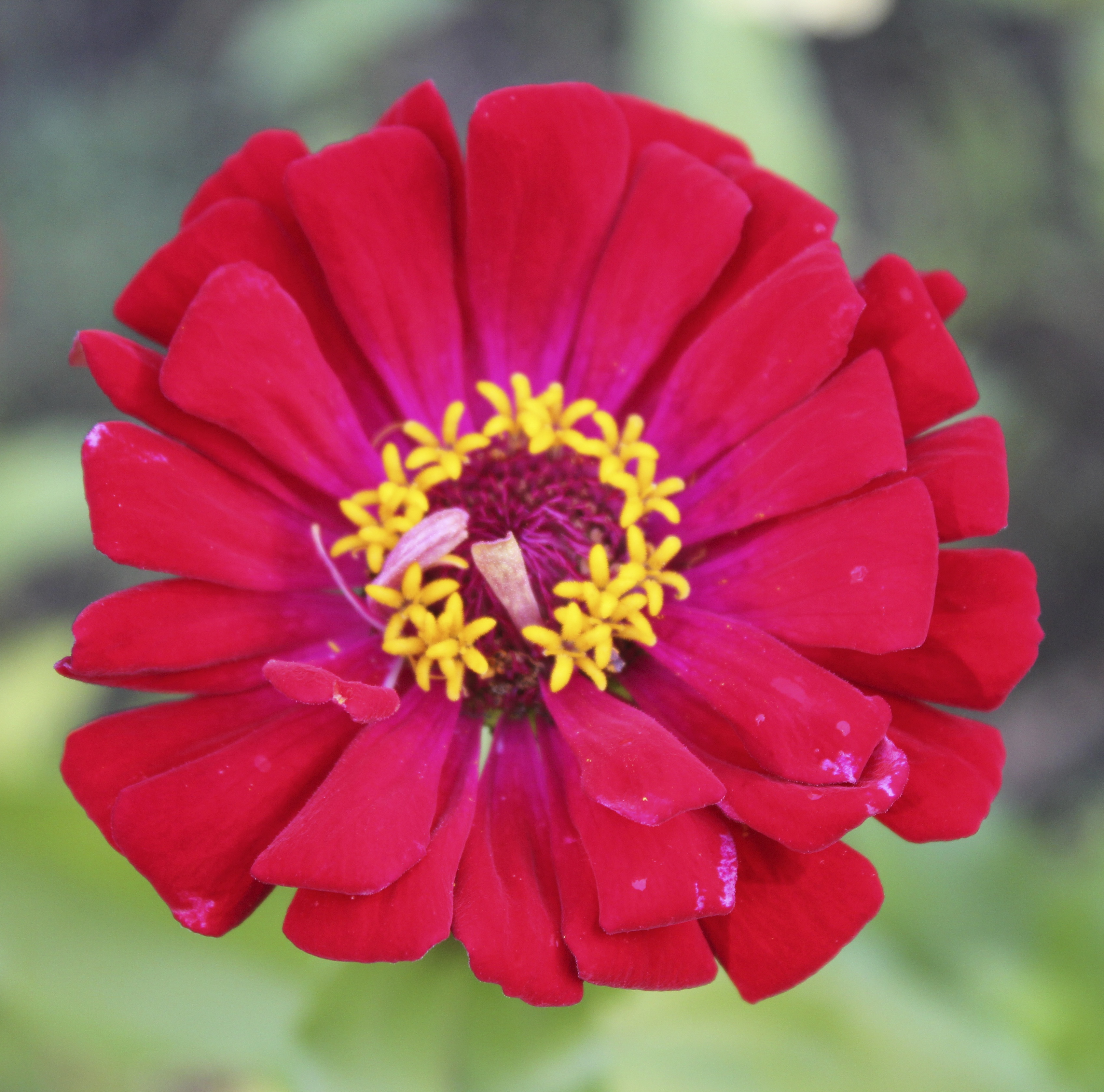
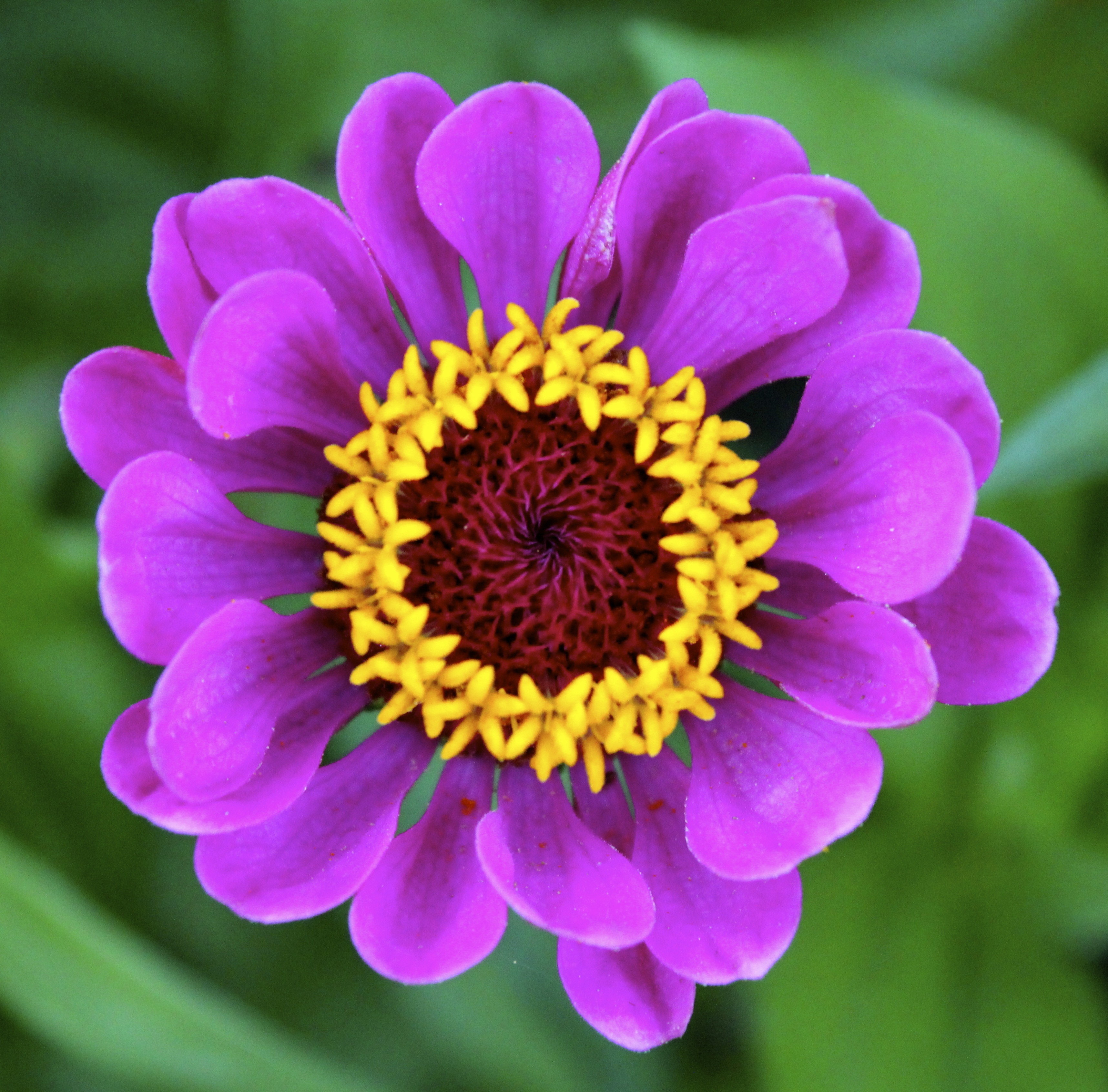
And every year, I photograph them as though I think they are more beautiful than they’ve ever been.

*****

Where is God?

God is everywhere.

Why do earthquakes happen?

Because Earth is an imperfect part of an imperfect universe.

So if God created Earth, God is not perfect?

Maybe He isn’t. Maybe none of us are, nor will any of us ever be, perfect.

God didn’t make everything perfect.

*****

IMG_1846

*****

The question becomes, as Harold Kushner leads us to consider:

Do we love God enough to forgive Him for not making everything perfect?

Or, maybe it is more comforting to choose to accept what we can’t understand about creation. Maybe there is no one God. We are on our own.

A sobering thought, but think of it. We have each other.

*****

“The ability to forgive and the ability to love are the weapons God has given us to enable us to live fully, bravely, and meaningfully in this less-than-perfect world.”  Harold. S. Kushner

*****
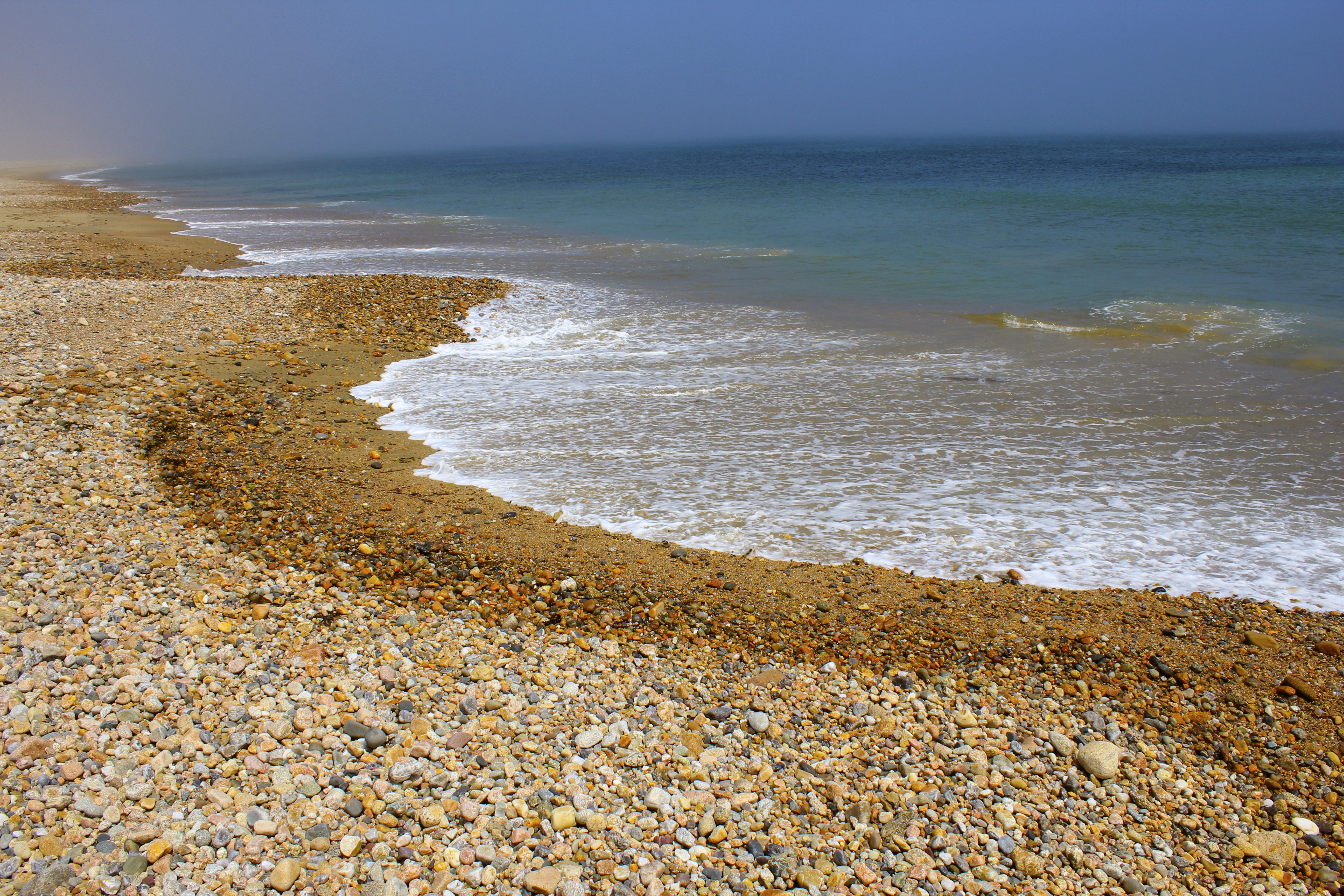
The Hand-Cut Garden and Earth Day

A lawn is a lovely thing, but having one is like trying to grow a crop of happiness in Eeyore’s garden. If a lawn is cultivated to be weed-free and lush, it will need a steady supply of water, harmful chemicals, and daily doses of manic obsession in order to thrive, unnaturally and falsely beautiful, in controlled areas.

(Makes me think of marriage and parenthood and human-ness and how perfect we think we can make our worlds.)

Lawns that are allowed to become their own blend of grass, weeds, and other kinds of plants are less of a strain on the environment and the psyche.

But I know a lot of people hate weeds like dandelions. That simple hate causes a lot of harm to the Earth. It doesn’t have to be that way…

*****
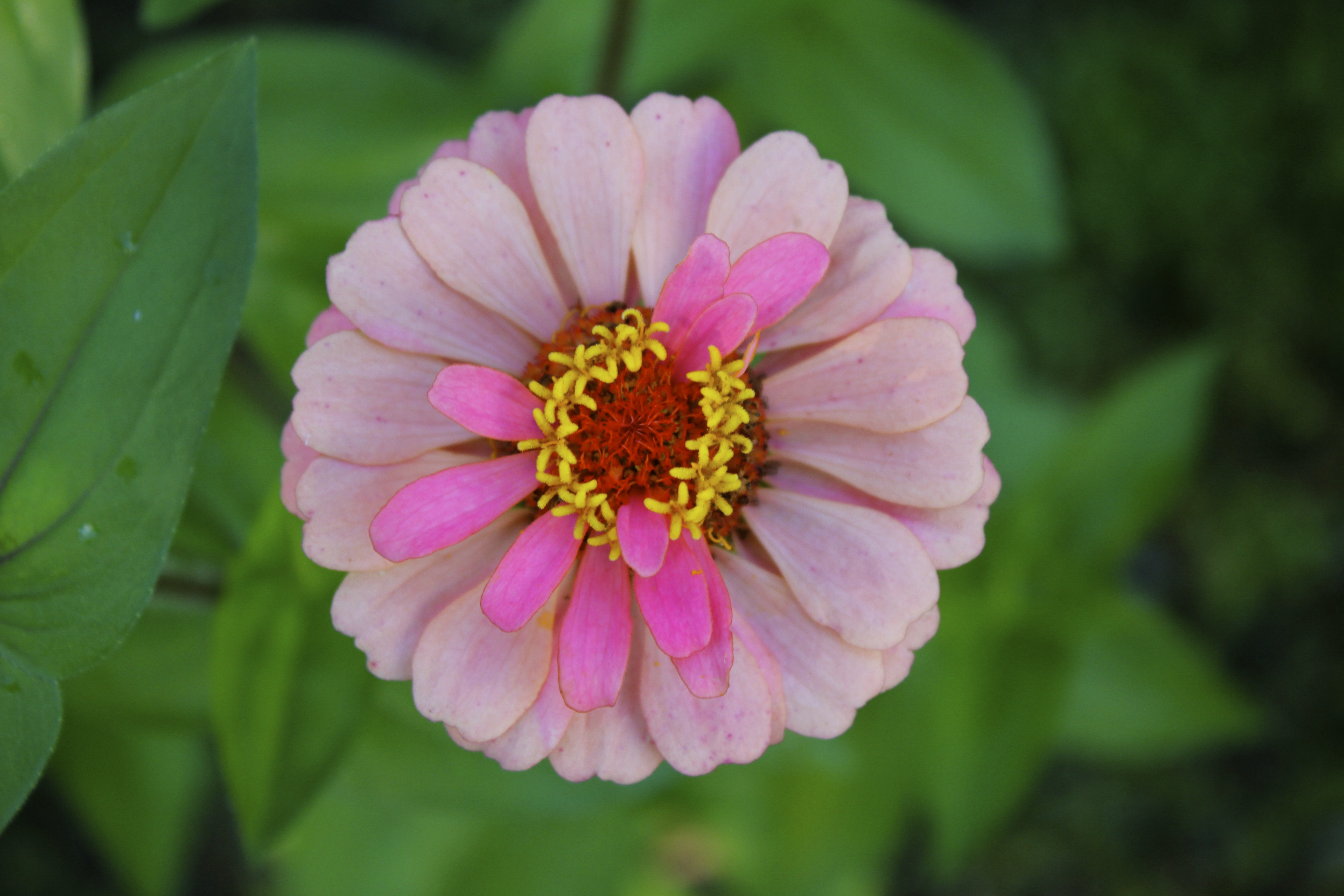
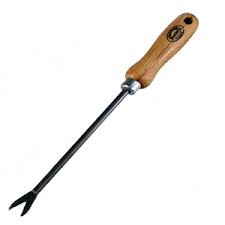
Here is the most useful and harmless tool for removing dandelions from a lawn. It is a hand tool:

Unknown-16

You push it deep into the soil near the center of the dandelion, wiggle it to and fro loosening the tenacious tap root, and then—with an “I’m the boss” kind of tug—you pull the plant out. This is quiet work. (You don’t shout out, “I’m the boss!” You say it softly, to yourself.)

This work involves no loud leaf-and-dirt blowing machines and no harsh chemicals. You take your body for a stroll around the garden. You bend that body over, you stoop it down, you crouch with it—stretching the backbone into curves, keeping the knees oiled—and the mind glides away, like a kite on a string tied to your heart.

What looks likes a mindless exercise in futility (how will I ever remove every dandelion? They will just come back!) is actually a mindful excursion into peace. You will not ever remove every dandelion. They will come back.

So will the sun, and all of its ways to light up the Earth—you’ll work in early morning’s hopeful light, late afternoon’s tea-time light, and early evening’s anxious light—another day is ending. Did I love my life?

The rain will come back, too. As will the quiet walk and the fresh air.

The gentle work you do that brings no harm to the Earth will continue to give you a cycle of calm, meditative motion for the body and the soul.

What do I see when I watch my husband walking around with the dandelion puller upper? I see a modern-day, part-time monk tending his place on Earth. There was a time when he wanted to use chemicals to annihilate the dandelions. But any man who works sinfully long hours most days and spends sinfully long hours commuting to Boston while hating dandelions, can either put his stress into the Earth by way of more harm—chemicals—or he can put it there by way of more peace and groovy love—the dandelion puller upper.

Collected dandelions can be tossed onto the compost pile or into a sauté pan. They go on the compost pile around here because my husband has memories of eating bitter, icky dandelions at his grandmother’s house when he was a boy. I should give them a second chance for him—maybe all his grandmother lacked was the benefit of the Internet to hunt down more memorable recipes.

Dandelions look as breathtaking as fresh sunshine glittering on calm seas when they bloom in upstate New York’s farm country and all over Vermont’s mountainside meadows. The bold yellow flowers make you love them all over again, (if you loved them as a youngster), or they cause you to love them for the first time. (It’s never too late to become a flower-hugger.)

******

So for the past week, I’ve been hand cutting new paths and garden beds from the lawn on my one acre of uneven land in Massachusetts. The way I do this, with spade and body, is nuts. But it is good for the Earth and if I were to calculate my carbon footprint, I’d probably find that I’m tipping the scales on the wrong end because I drive a car, fly on airplanes, ride on trains, and I live in a house that has heat, hot water, and AC.

I know the hand-cut garden won’t save the world.

It is probably more artisan than activist.

More crazy lady than cool mama.

More secret to happiness than maddening masses yearning to keep breathing (and ingesting) chemical sadness.

Nevertheless, whenever I hear that yet more and more landscapers are out there advising folks to make new gardens in their lawns by dousing the grass with Round-up to kill it before planting the garden, I want to douse the landscapers with Round-up and shut them up. Round-up should be used only to douse poison ivy—a true hazard in the home garden.

Grass in a lawn, also known as sod, is a mighty chunk of nutrient-rich greenery and soil. (Of course, if it has been doped up for years, it’s not as good as the clean stuff. But it’s still good.) After I design new garden beds in existing parts of the lawn, I dig deep. I jump onto the spade and let it sink down, down, down. I lift the hunk of Earth out and flip it over.

It’s hard work.

The Earth weighs about 1,000 trillion metric tons. A shovel-full of New England soil weighs more than a glass of wine, more than a spoonful of ice cream, and more than a handful of M&M’s. Heaving it up and out and over is more work than logging onto Facebook or tapping out a text message or chilling out to a TED Talk about how you can save yourself and the world and be all you can be.

The hand-cut garden is a solitary, quiet pursuit. No team. No sponsors. No fan club.

In the realm of that royal solitude, created while at work with the Earth, you get to fill the palace inside your head with anything you want. You can clean the palace out, rearrange it, or decorate it with lofty aspirations. You can study and think. You can feel curious—about how strong you are and how strong you are not. You can notice how filled with stuff—ancient stuff—the soil is. You can realize how noisy the birds are.

If you are fortunate, like me, maybe you live in a town where they still allow church bells to clang out the melodies of hymns from your childhood. The church is more than two miles away, as the crow flies, but when the bells ring and I am outside working, I am able to listen. Because my work is quiet work.

My garden is also downwind from the local coffee roasting business.

Church bells and the aroma of roasting coffee beans blended up with the rising scent of fresh, hand-tilled soil. Soon, the farm down the road will spread fresh manure over the fields. That’s a day when the air smells shockingly ripe.

*****
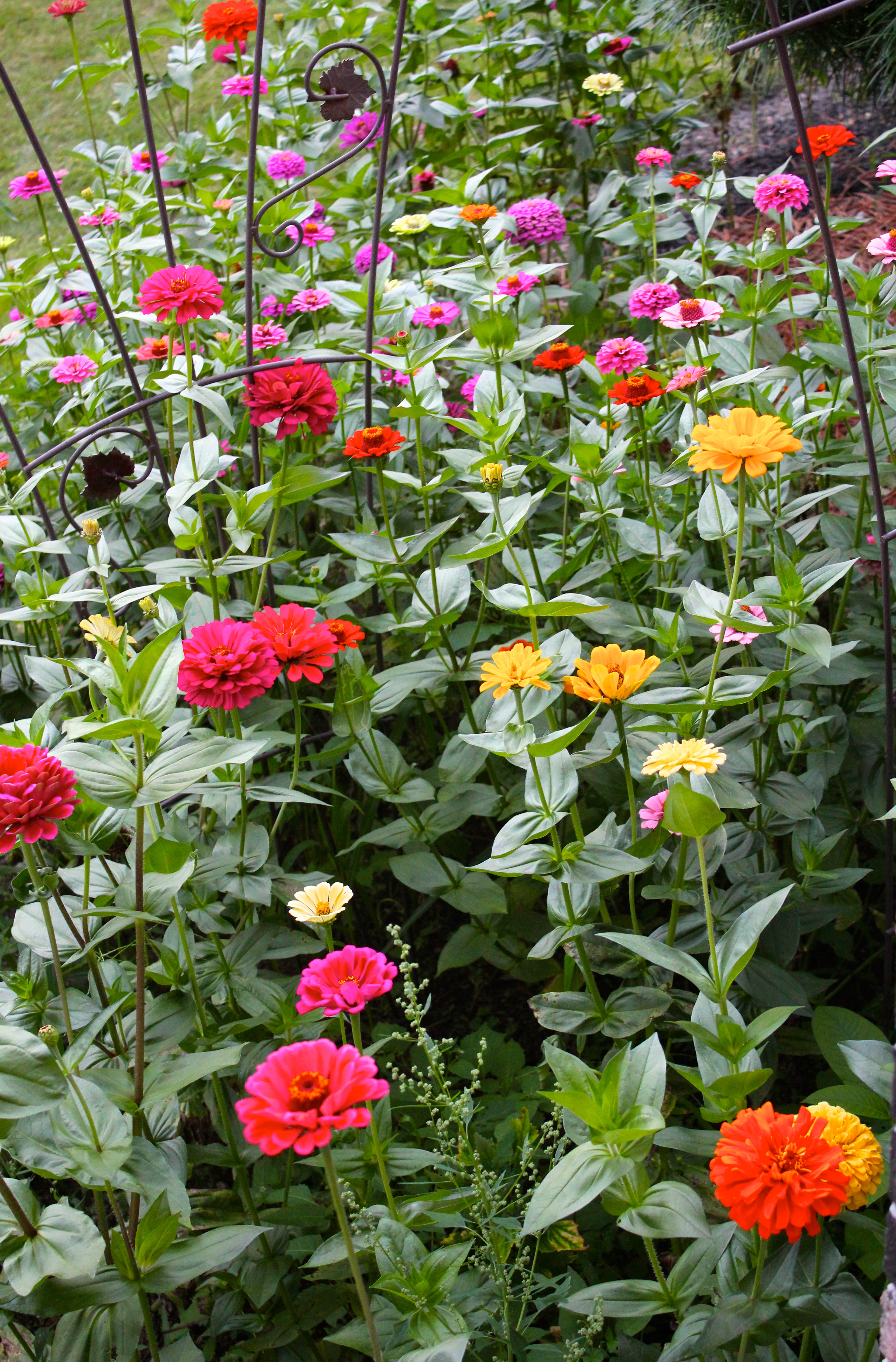
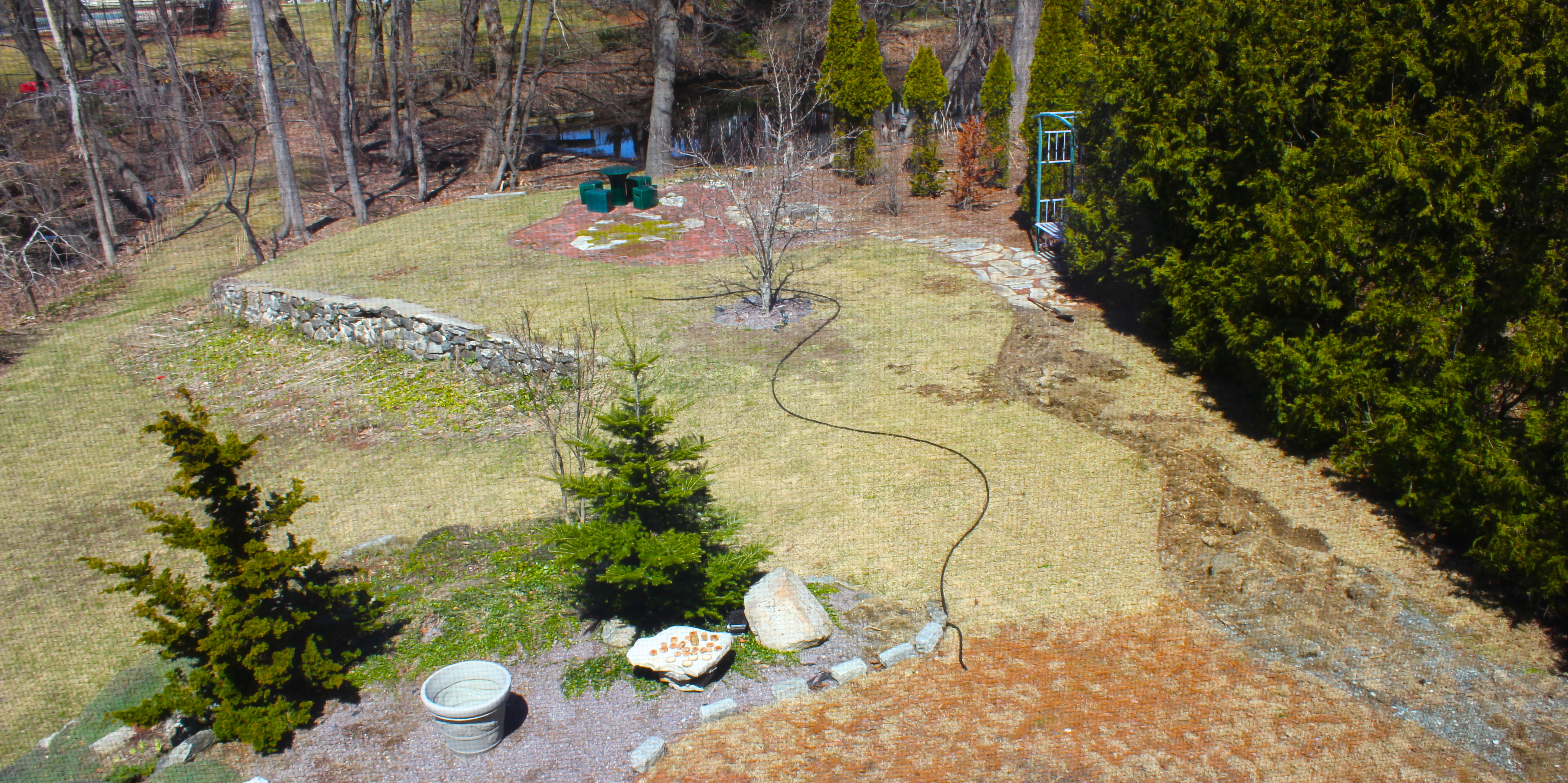
Hand-cut gardens need the magic rope—a pliable, long strand of woven fibers which becomes like a lasso when waved from the fingertips of a garden design guru. Every dream of Earthly, Eden-like beauty can be caught with the magic rope and drawn out onto the ground. There’s some sketching beforehand and immersion in garden books, but I’m an on-location designer. I have to feel how the land sways, drops, and hovers. Before and in progress:

IMG_0837

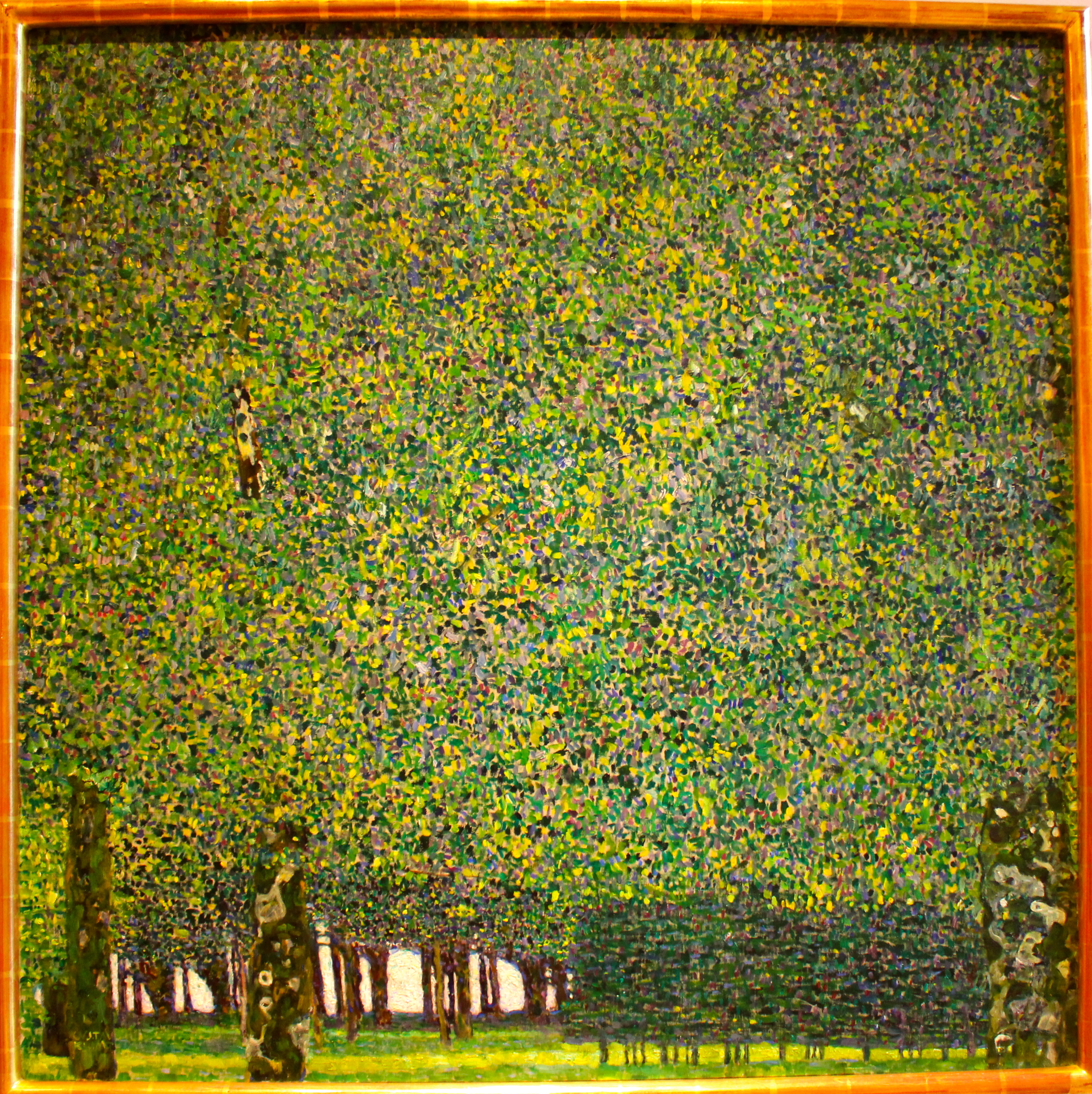
The magic rope abides by important design principles linked in with geometry, but it is also influenced by artistic visions that can’t be suppressed—like memories of Gustav Klimt at the Museum of Modern Art in NYC, during the dead of winter, when I was reminded that I’ve always wanted to figure out how to make the Earth’s trees laugh in flowers:

IMG_0096

*****
How I do it (sort of):

I draw the lines of garden beds and paths onto the Earth. Then I cut the edge into the lawn—using the rope as a guide—with a square-tipped spade. I return the good soil to the Earth where it will decompose and build up the soil for garden beds. I make sure to dig deep and flip over the sod, chopping it up here and there. Then, I cover the repurposed lawn with chemical-free, not-artificially-colored mulch to suppress weeds until the bed is fully planted up with trees, shrubs, flowers, ground covers.

I think of my hand-cutting-out-of-gardens as a secret process for sustainable gardening. Though the work is like taking baby steps to help heal the Earth, it’s better than not walking at all. I have hand cut every garden on my one acre, and I have planted every plant in the hand-cut beds.

All the plants survive within the soil, as it is.

And with the rain, as it comes or doesn’t come.

And with the wind, as it blows.

And with the sun, as it shines, or doesn’t shine.

The soil changes every season with decomposing fallen leaves and ever-present wandering worms and weeds.

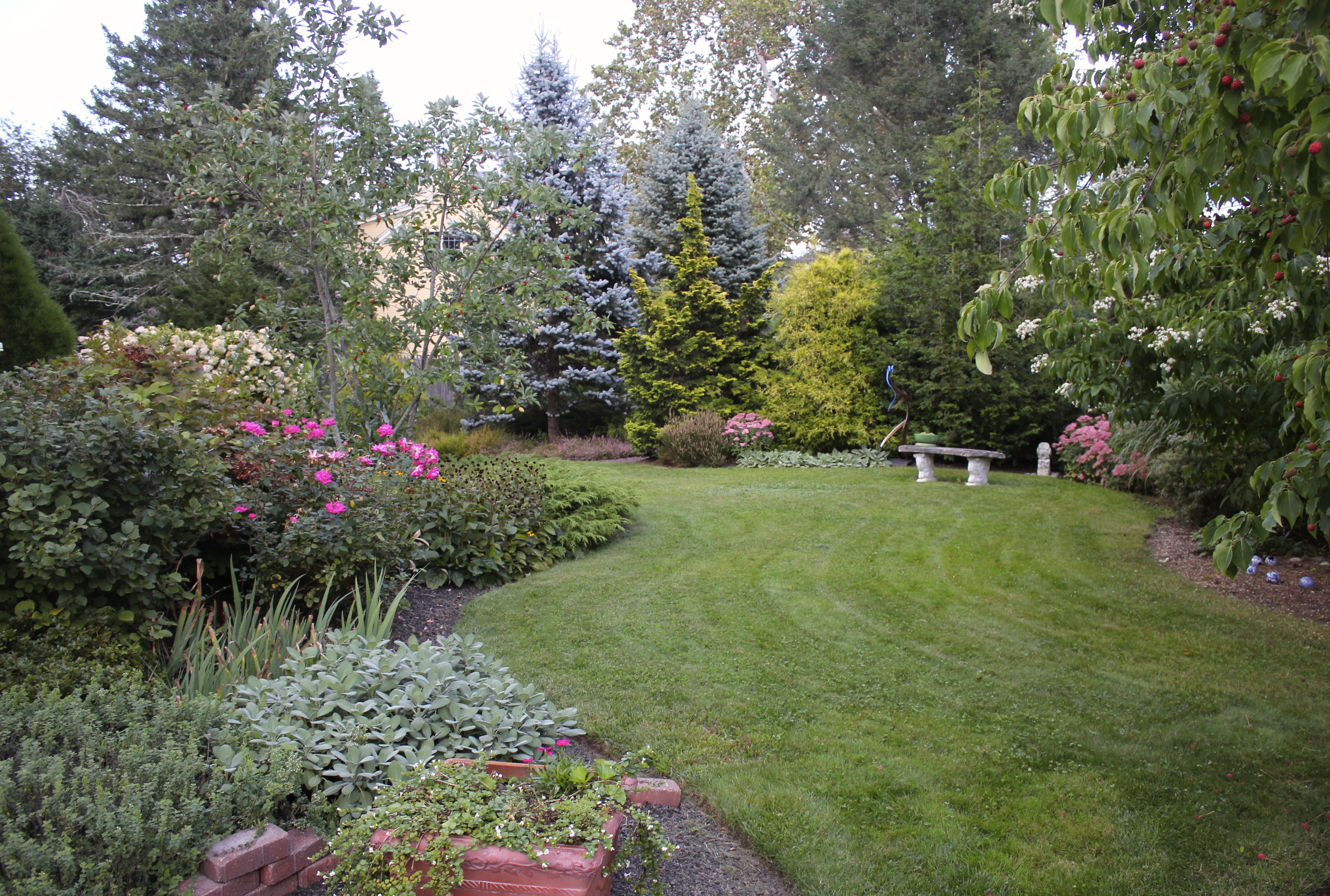
This is a nice picture of my front yard in September. I have never used an automatic watering system nor have chemicals or added fertilizers ever been dumped onto the garden beds. The lawn includes grass, clover, moss, bugleweed, crabgrass, dandelions, violets, and a lot of annoying ants and moles.

IMG_1918

*****
Late in the afternoon on last Saturday, after a full day of helping me hand work my gardens, my husband announced that it was quittin’ time for him. There was cold beer in the barn and our son was in there, too—he had come home for an overnight visit. The two of them, my husband and my son, are musicians and they wanted to play music.

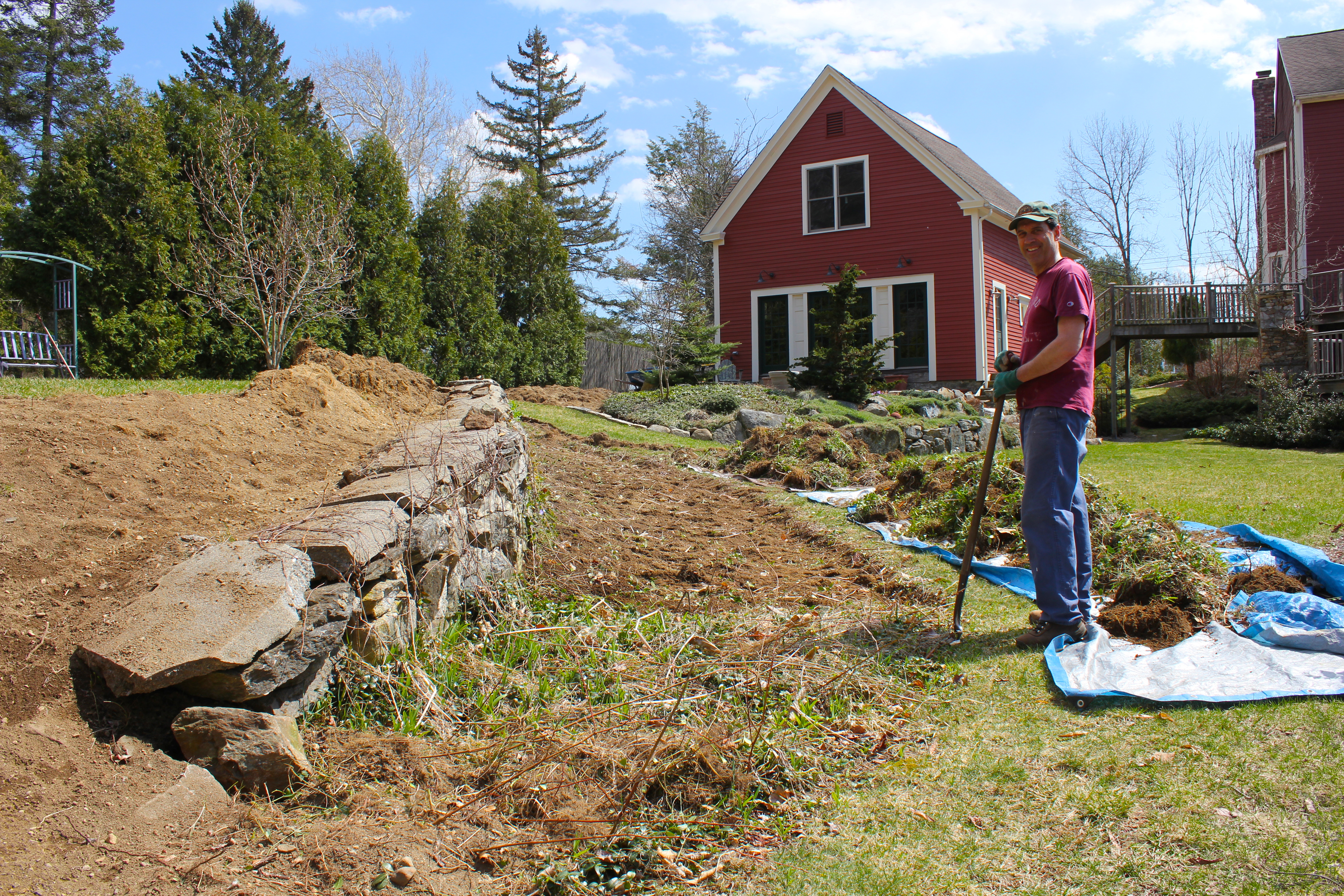
But, my husband had dug up about half a trillion metric tons of Earth from a garden bed for me and he had piled it onto two tarps as long as the aisle in the church where we got married. The walk down that aisle was long. The walk out the door, together, as a married couple, happened in the blink of a spring Robin’s eye.

But I am not a spring Robin anymore. I suddenly realized that I had tried to feather too many new nests in one week. My wings were sore. Instead of crying, which is what my exhaustion wanted me to do, I yelled at my husband. I told him he did everything all wrong and now there was no way I could continue my work and finish it by the end of the day.

One of the rakes we were using had broken.

My husband walked away and when he returned, a little while later, he brought a new rake.

And then, together, we moved half a trillion metric tons of Earth, by hand and body before the sun set. Some went to make a nicer garden down by the pond, and some went back into the new garden bed.

IMG_0934

Dirty, sweaty, sunburned—our skin welted up with black-fly bites—we headed for the barn and cold beer and the company of our son, after folding up the tarps and putting the tools away. I made a toast to my husband. I thanked him for noticing that I was in over my chirpy head and was about to fall out of the tree without any wings to save me.

If I have a secret for saving the Earth while keeping a marriage going and trying to raise kids, maybe it’s the dandelion puller upper.

And a hand shovel.

And honored memories of the first time you walked down a long aisle, or road, or unbearable challenge—together—and knew it was a lot easier than doing it alone.

I think about that when I’m at work healing the Earth or helping others learn how to do it.

It’s nice to work alone.

It’s also nice to work together.

That’s when the Earth laughs in flowery bouquets and puts extra spring into our baby steps.

*****
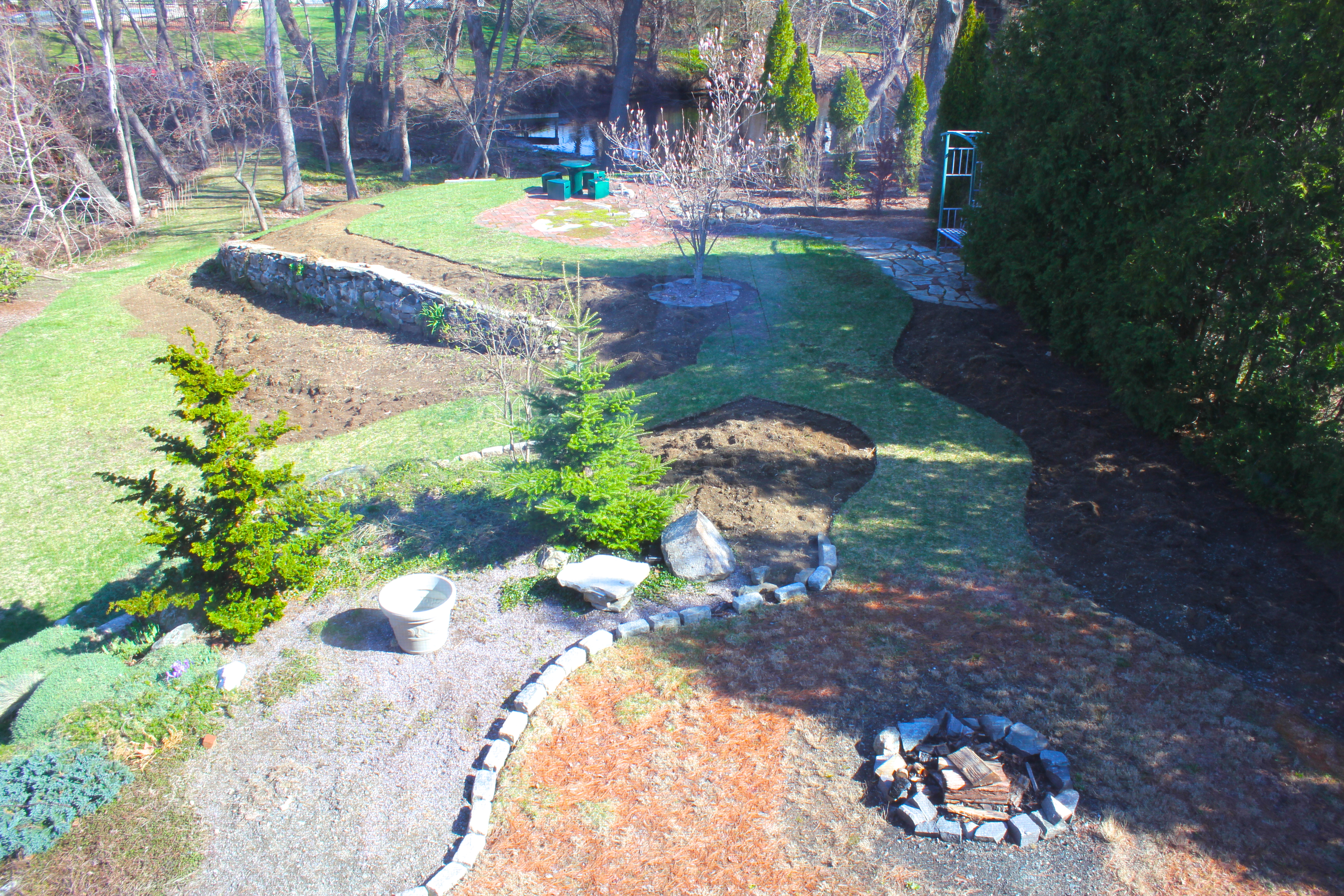
The paths and gardens, beginning to take shape behind the barn:

IMG_0952

HAPPY EARTH DAY.