Comfort Feast.

“Wise men forever have known that a nation lives on what its body
assimilates, as well as on what its mind acquires as knowledge.” MFK Fisher

One of my favorite December dinner parties takes place on the pages of the short story, “Babette’s Feast.” The year is 1885 (or so). Madame Babette Hersant, a French refugee from Paris, has lost her husband and her son to civil war and, for many years beyond, has been living in exile and working as a servant in Norway. She is, nevertheless, indomitable and when good fortune tracks her down, she resolves to bring transcendent joys to the devout sect of fussy eaters who took her in.

Whenever I indulge myself in the story of this feast, I travel to Berlevaag Fjord, Norway. It’s a snowy evening in the remote Norwegian village no matter what time of year I read the story, but it’s never bitter cold. As I advance toward the pages of the grand feast, I know twelve guests will arrive wearing black frocks with gold crosses. They will dine “in a low room, with bare floors and scanty furnishings” scented with smoldering juniper twigs. And, they will be resolute about one thing—-silence—-upon all matters of food and drink. Because although the villagers have agreed to a celebratory feast orchestrated and prepared by the refugee who has lived as a devoted, peaceful servant amongst them for many years, they have also allowed rumors about strange foods being delivered from odd places in the world for this very feast, to sway their sensibilities—-foods so unfamiliar, they must surely be harmful. Serpents. Turtles. Frogs. Snails. These kinds of foods, the devout sect at Berlevaag Fjord believes, could only be consumed by those who live one snowflake away from complete immoral seduction by “the flames of this world.”

On the December Sunday of Babette’s feast, a last-minute guest—-a traveler in low spirits—-arrives. This guest doesn’t know what he’s in for and as soon as his taste buds make contact with Babette’s first course—-and his first glass of wine—-his senses go berserk. This is when the party really gets going. The mysterious foods and wines are outed by the last-minute guest as the legendary dishes and drink pairings of “a person once known all over Paris as the greatest culinary genius of the age, and—-most surprisingly—-a woman!” Dinner conversations around the table simmer before rising to merry levels of humorous entertainment. Eventually, every guest surrenders to a festive holiday buzz and the reader (she has, by now, fetched her own goblet of good cheer) imagines herself far, far away having a wonderful time while sharing food with foreigners.

Babette’s feast goes on to reach a savory climax before boiling over with despair and heartbreak. I won’t give away what saves Babette, but I will say that her pious benefactors can hardly unwrap the complexity of their emotions. They comfort themselves with faith in a redemptive heaven filled with angels and second chances.

There’s a movie version of Babette’s Feast and it’s delicious entertainment. But the short story written by a writer I cherish—-the inimitable Isak Dinesen—-is best of all.

Like the unexpected guest at Babette’s feast, I often set out on my travels through the frightfully stormy year of 2017 in low spirits. I went in search of comfort feasts and dinner guests that wouldn’t knock me into monotonous stupors of gloom and doom. I was hungry. Hungry in the way MFK Fisher describes hunger in her book, The Gastronomical Me:

“….like most other humans, I am hungry. But there is more to it than that…We must eat. If, in the face of that dread fact, we can find other nourishment, and tolerance and compassion, we’ll be no less full of human dignity.”

And so, my husband and I took our children with us to taste Oaxaca (wah-HA-ka), Mexico. The choice to travel deep into the heart of Mexico was a deliberate one. I was on a mission to see Mexico from a new perspective and to rescue my family from the bombast of America’s president and his political supporters who blabbered on about Mexicans as “bad hombres.”

We found ourselves feeling woefully foreign and isolated in a place on the planet protected by four rugged mountain ranges. It was January. An earthquake shook our eyelids apart the first morning. Then it was mezcal, tasted all day long on a fascinating tour through the humble, artisanal outposts of authentic producers, which purified our tastebuds and bellies for more adventures to come. In Oaxaca, the languages, arts, customs, and cuisines of indigenous peoples have endured history’s continuous cycles of conquest, xenophobia, and modernization. We couldn’t speak the languages we heard in the vibrant markets nor could we seem to fully understand and translate the unfamiliar processes for creating the region’s cuisine within our own kitchen. Yet never have such cacophonous markets paired with a complicated cooking class felt so enchanting.

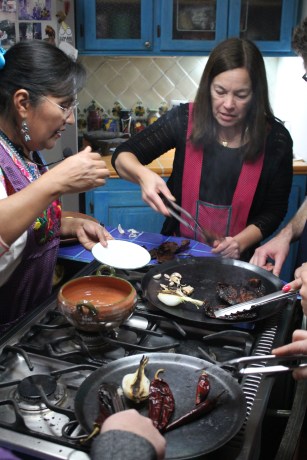
Perhaps it was the chili peppers. We learned from Nora Valencia, our cooking teacher, that the capsaicin in chilies guarantees fiery games of chance to everyone no matter where you come from. It’s not always possible to know how hot a pepper can be, so choosing to partake in their mysteries is like jumping into the heat of reckless love. Capsaicin in chilies is a stimulant and an analgesic with a reputation for triggering endorphins which means, of course, strange pleasures await. And, as with many peculiar amusements taken by mouth, chilies can be addicting.

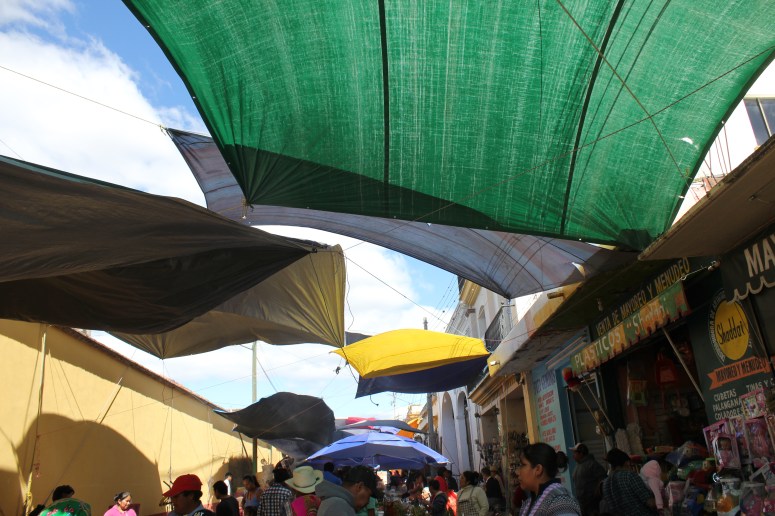
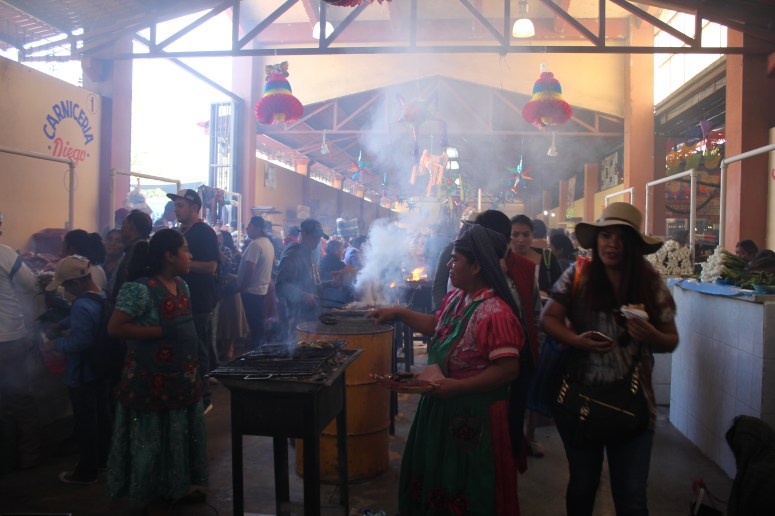
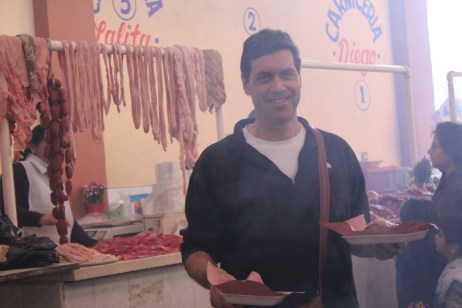
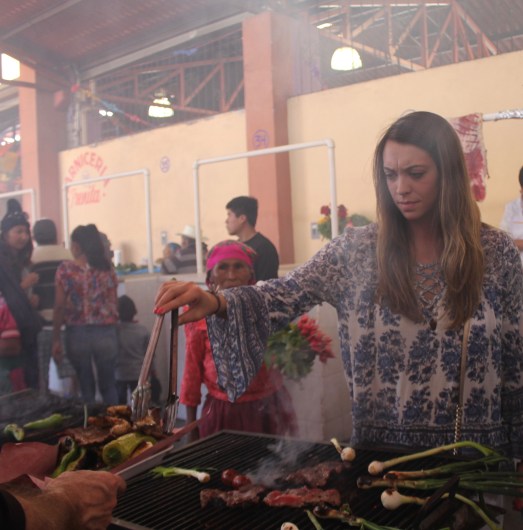
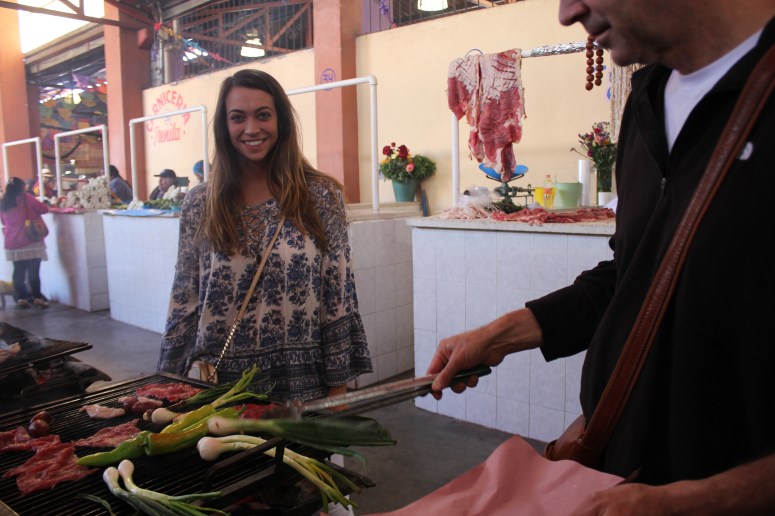
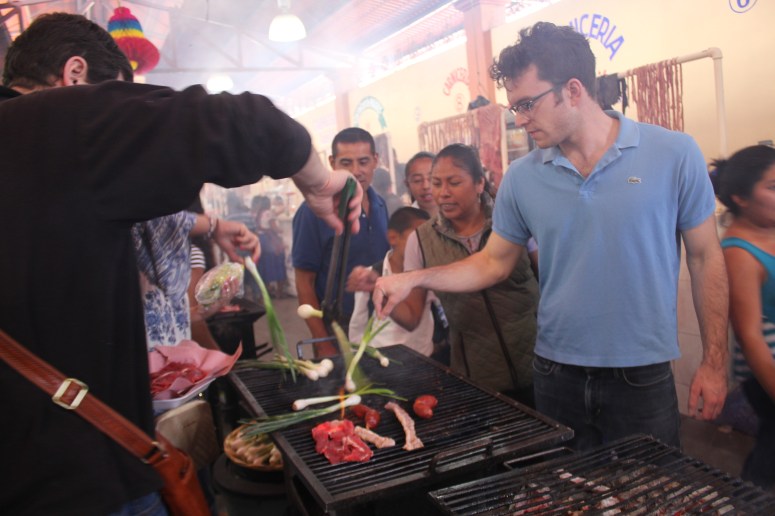
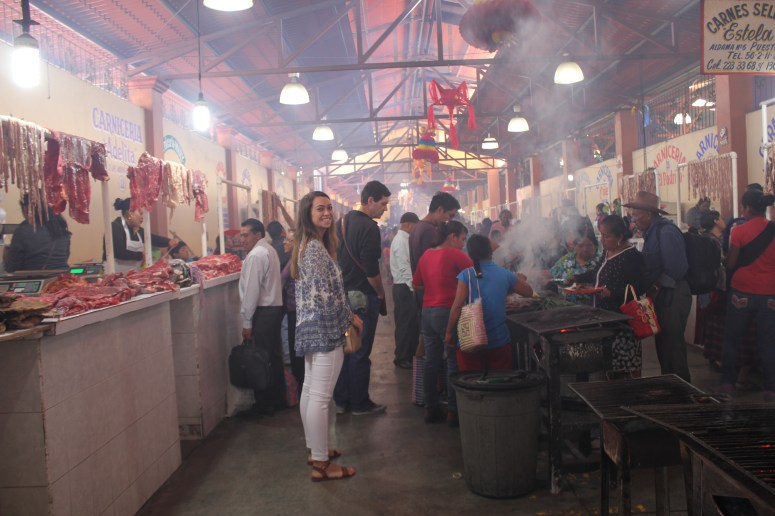
Perhaps, on the other hand, it might have been the markets. At the Tlacolula Sunday Market outside of Oaxaca City there were women dressed in traditional Zapotec garb (still authentic) pouring selections of locally sourced chapulines into our hands, gratis. You know what I’m talking about. Roasted grasshoppers. The bugs might have been flavored with garlic, lime juice, salt infused with the extract of agave worms, or plain chile. We remembered we were foreigners and graciously accepted the offerings. But then what? Throw them away? (So rude!) Store them in our pockets for later? Eat them? We smiled then followed our noses to the distractions of an exciting setup for brave foodies—-long rows of sturdy, communal barbecue grills, aflame and smoking up a storm inside a roofed market. The grills were flanked by market stalls strung with cuts of meat from all parts of (within and without) cows, goats, and pigs. I think. But I still don’t know for sure because we had never seen so much meat displayed, in so many unfamiliar ways, without refrigeration. We bought some of the meats using the point-and-hope method of selection. Copying the locals, we bought vegetables too. Then, it was time to cook our feast. We chose a random grill.

Right away, our onions slipped through the grate and onto the hot coals. A handsome Zapotec family strolling through the market stopped to share guidance. The children were dressed in crispy white Sunday clothes and everyone’s face sparkled with good spirits. All communication happened via smiles back and forth through veils of foodie-fragrant smoke. I couldn’t believe it, but another Zapotec man—-with his bare hands—-lifted our barbecue grate to rescue the onions from the coals, which must have been glowing since pre-Columbian times. When no one was looking, I touched the grate to see if it was hot. (Ay caramba!)

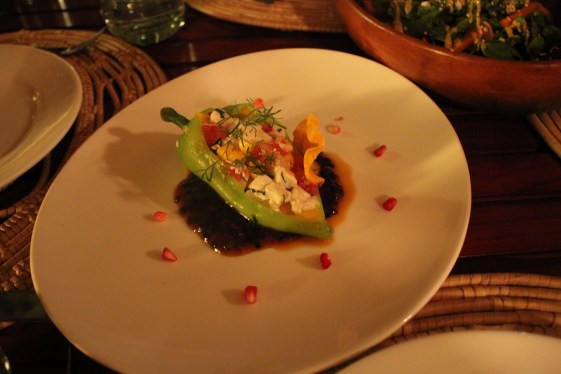
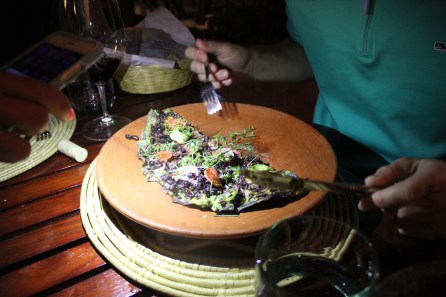
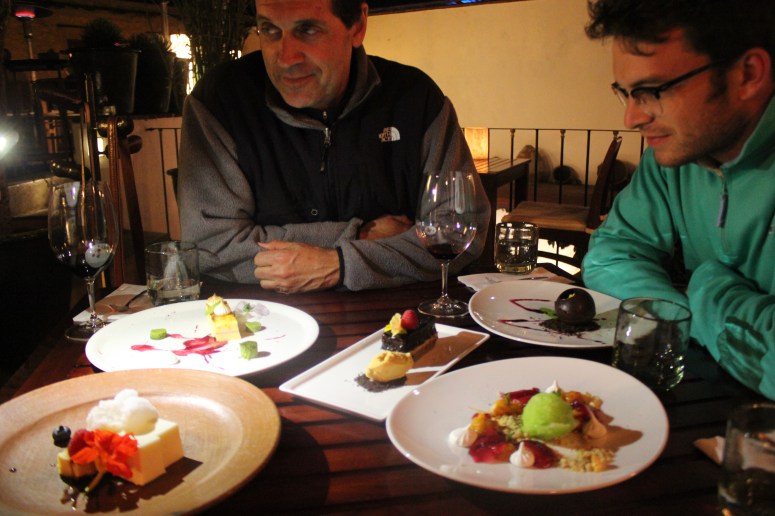
For our final meal in Oaxaca City (after several days tasting the best mojitos in the world at the Pacific Oaxacan coastal outpost of Mazunte) we chose to dine at Casa Oaxaca. The exotic, flavorful, foodie performance art of this fine restaurant in a foreign land made our senses go berserk. So consumed by the “flames of this world” did we become, that after our once-fussy eater Wyatt ordered, to start: Tostada de gusanos de maguey, chapulines, mayonesa de chicatanas, aguacate, cebolla, rábanos (Fried tostada with agave worms, grasshoppers, chicatanas ants, guacomole, onion, radish, and mayonnaise infused with chicatanas ants), and after our server created a fiery salsa before our eyes, and after our meals arrived drenched in the storied moles (moh-LAYS) of the region, we requested, in the end, every single dessert on the menu and passed them around without a note of silence. Our expressions of pleasure and joy joined in with the music of the evening’s outstanding trio of musicians and the sounds of a timeless city in the dark of night. I dream of our rooftop table now. A place of peace, comfort, and exciting adventure.

By the time we returned to America, we would know new truths about the foods that fuel our passions and how other peoples of the world need them as much as we do. The state of Oaxaca, we discovered, is and always has been, one of the world’s greatest culinary epicenters. Indeed, every holiday feast prepared in America owes the abundance of its variety and traditions to so much of the genius culinary heritages of Mexico. For instance, the tomato came from Mesoamerica. (Not Italy.) Maybe you already knew that. But did you know it was Mexican chefs, preparing their own grand banquets a long, long, long time ago, who bravely introduced the tomato into the cooking pot? When Europeans first encountered the tomato, they feared it. To them, a fruit so bright and beautiful…colored red…taken by mouth and swallowed so close to the soul…could only lead to misfortune “in the flames of this world.” Ah, the tomato. Fake classified and declared by the US Supreme Court in 1893 (for purposes of 1887 tariff laws) to be a vegetable—-even though science-based botanical knowledge classifies the true existence of tomatoes as one of Earth’s most desirable fruits. A berry no less!

We know our travels aren’t suited for everyone. In Oaxaca, we stayed in an inn where the doors were never locked. We consumed a bottle of Pepto-Bismol too, but also learned that it isn’t just foreigners who are sensitive to unsafe water because no one “builds up a resistance” to bad water, not even the people of third world countries.

Nevertheless, after returning home we were inspired to prepare and present some of our tastiest works of art to be shared in our own extraordinary settings. In these ways, we became most of all like Babette—honoring our greatest artistic selves while enjoying, as Babette says, “something of which other people know nothing.”

********************

Eric and Theresa’s On-The-Road Crab Cakes

1 1/2 cups Maine Rock Crab
1/2 cup crushed Trader Joe’s oyster crackers (about 1 cup before crushed)
Just enough mayo to moisten (about 1 heaping tablespoon)
Squeeze of 1/2 lemon
Thyme
Salt and Pepper
(If you have it, you can add an egg, beaten. We didn’t have any eggs.)
Canadian Dulse (Seaweed/algae) fried in olive oil.
Arugula
Your own favorite remoulade, boosted with smoked and dangerous hot chili peppers from Oaxaca.

Shape the crab mixture into four, lofty cakes about 1” thick. Cook in olive oil, 4 minutes a side creating
a nice crust on each side. Arrange on a bed of arugula, surrounded by fried dulse, with remoulade.
Serve accompanied by a mezcal cocktail upon an extraordinary picnic table.

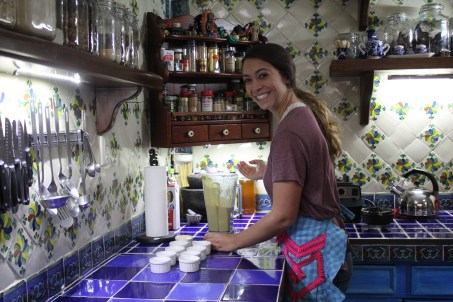
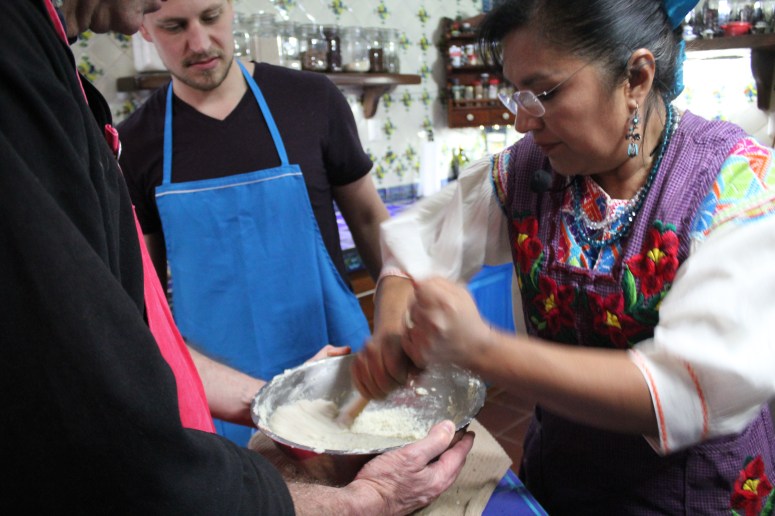
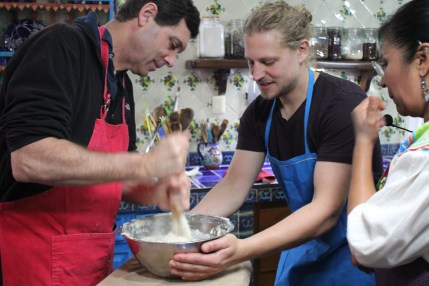
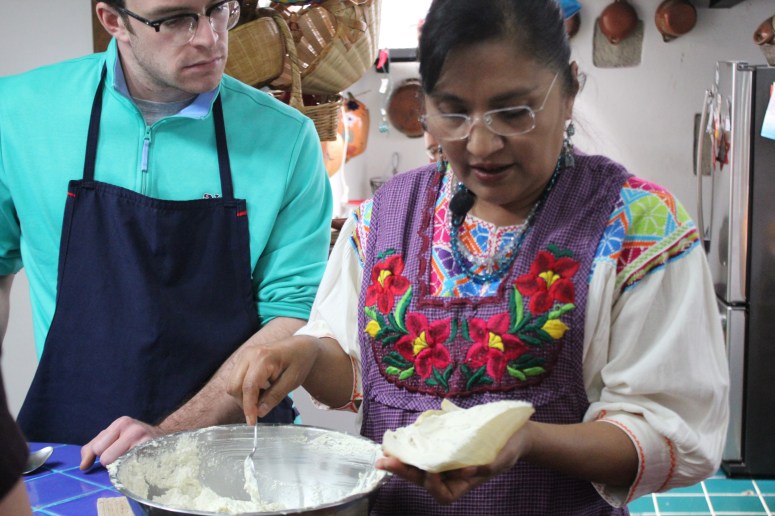
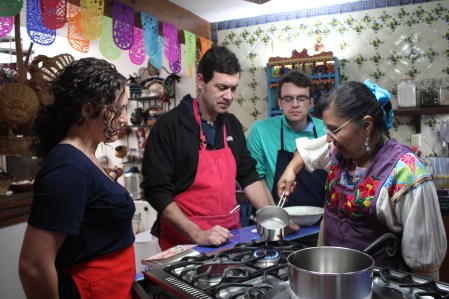
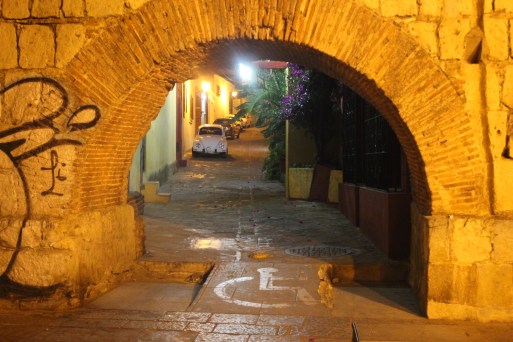
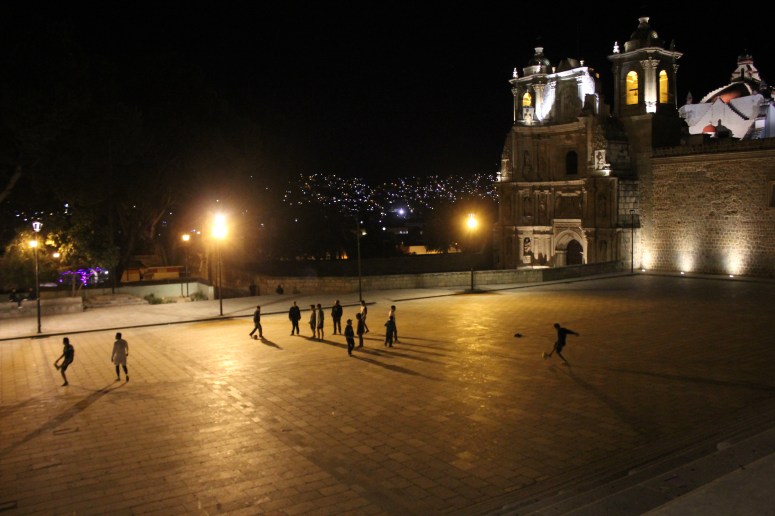
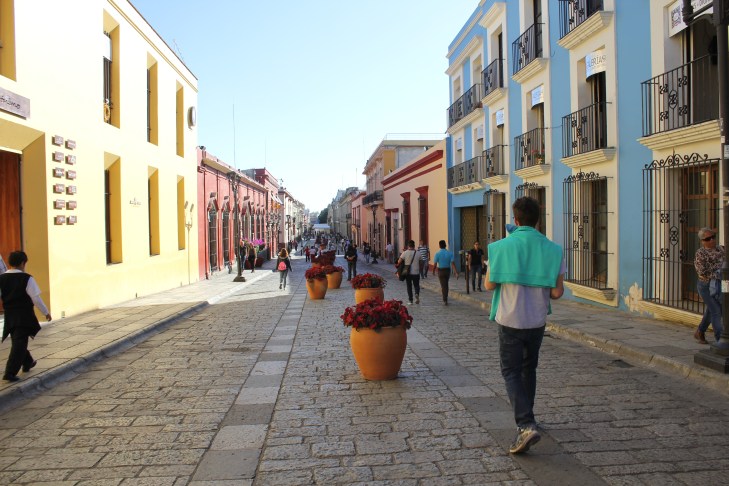
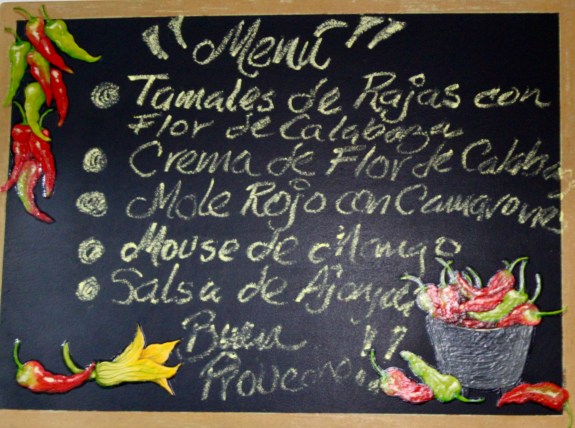
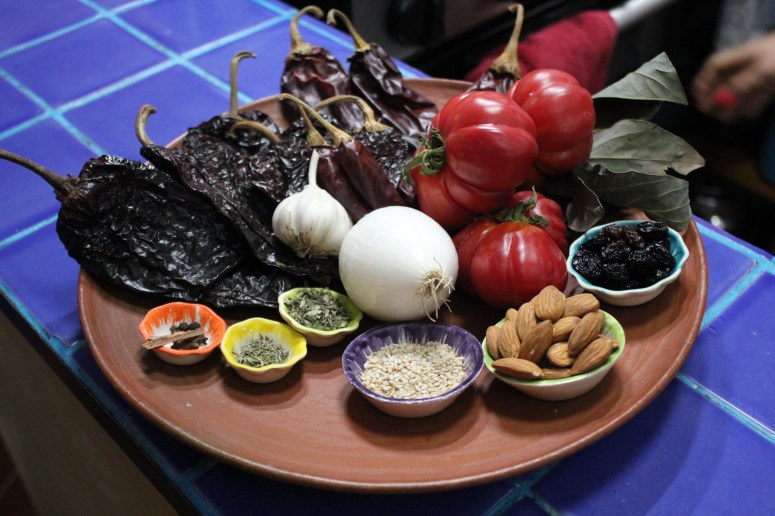
Markets and Cuisines of Oaxaca, Mexico—A Valley in the Sky at 5,102′ Deep in the Heart of Mexico. Cooking Class with Nora Valencia in Oaxaca City.

IMG_1076


IMG_1069


IMG_1063

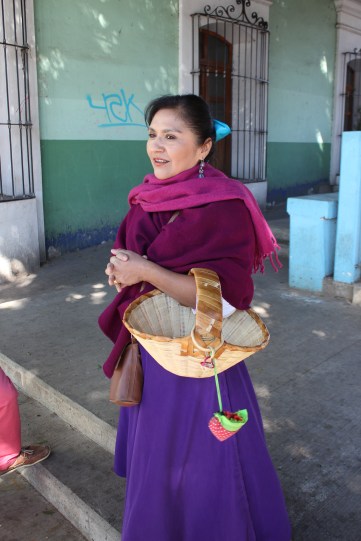
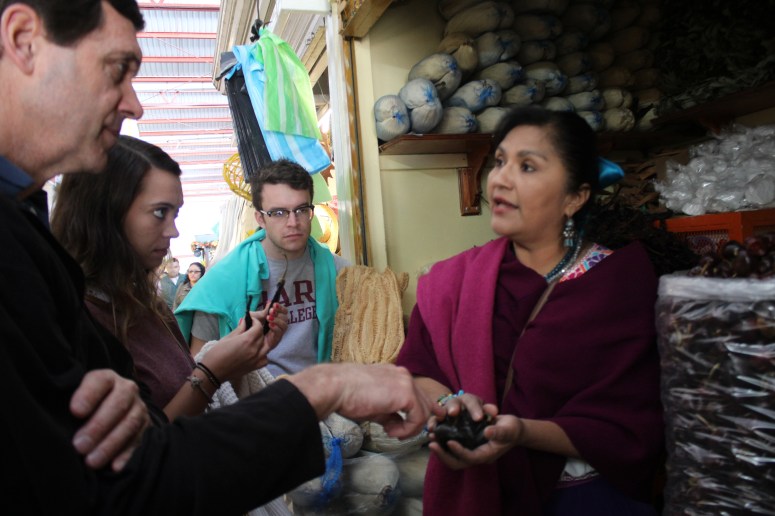
Nora Valencia, our cooking teacher. We toured the market near her home before learning how to cook!
IMG_1066


IMG_1081


IMG_1085


IMG_1089


IMG_1090 2

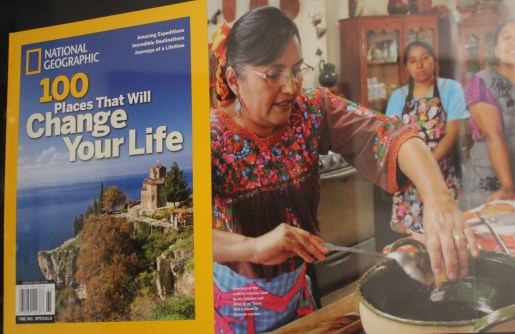
At Nora’s home, I saw this on the wall—we weren’t aware she’d been featured in National Geographic Magazine. Good luck for us! Did her cooking class in Oaxaca City change our lives? Yes. In so many ways.
 

IMG_1192


IMG_1114

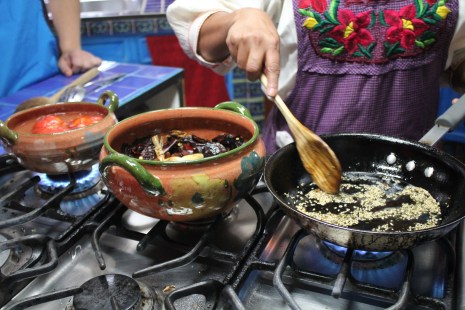
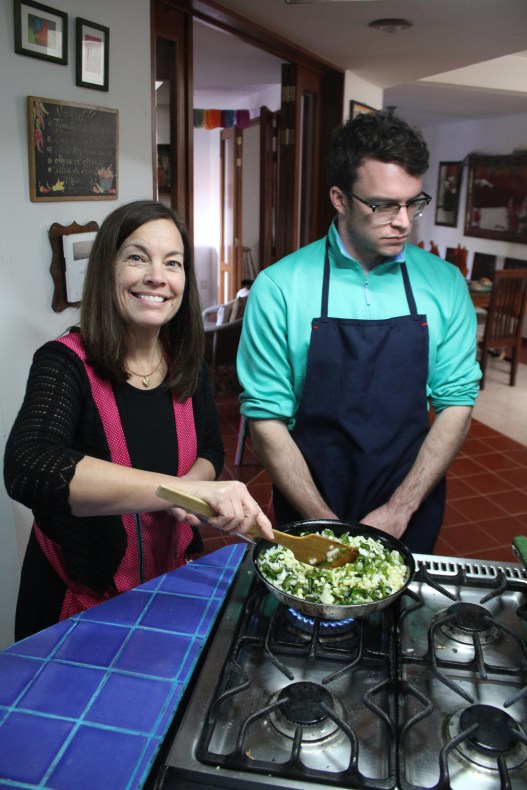
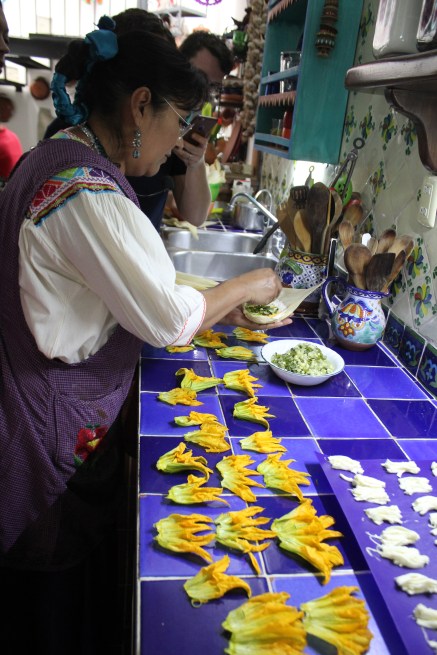
Like the cooking classes we have taken in Rome, Florence, and Paris, the kitchens of foreign chefs are often so small and yet the flavors and meals that are created in them are so big and wonderful!

 

IMG_1171


IMG_1189

IMG_1161

IMG_1175


IMG_1134

IMG_1070.JPG


IMG_1101

IMG_1152

IMG_1154


IMG_1167

IMG_1170

IMG_1185

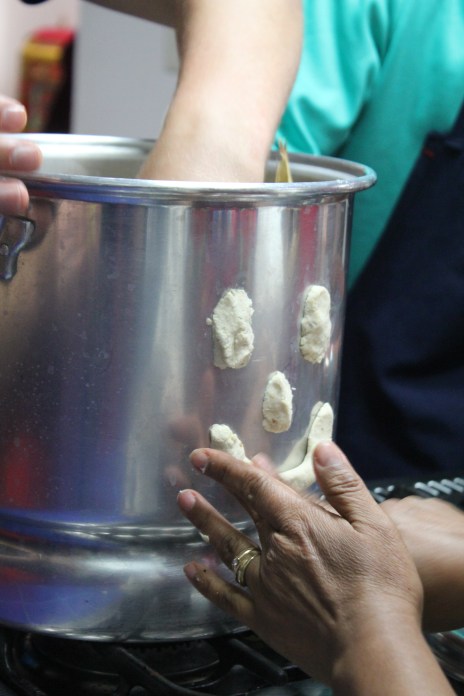
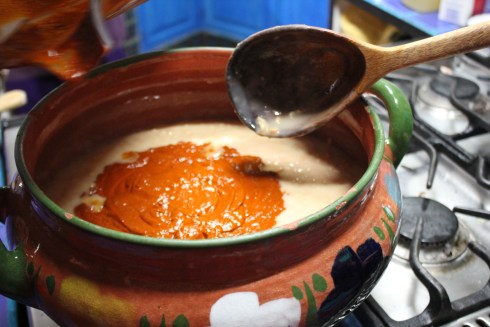
Nora sculpts a blessing onto the tamale pot.
 

IMG_1095


IMG_1099

IMG_1137

IMG_1136


IMG_1141

IMG_1104

IMG_1123

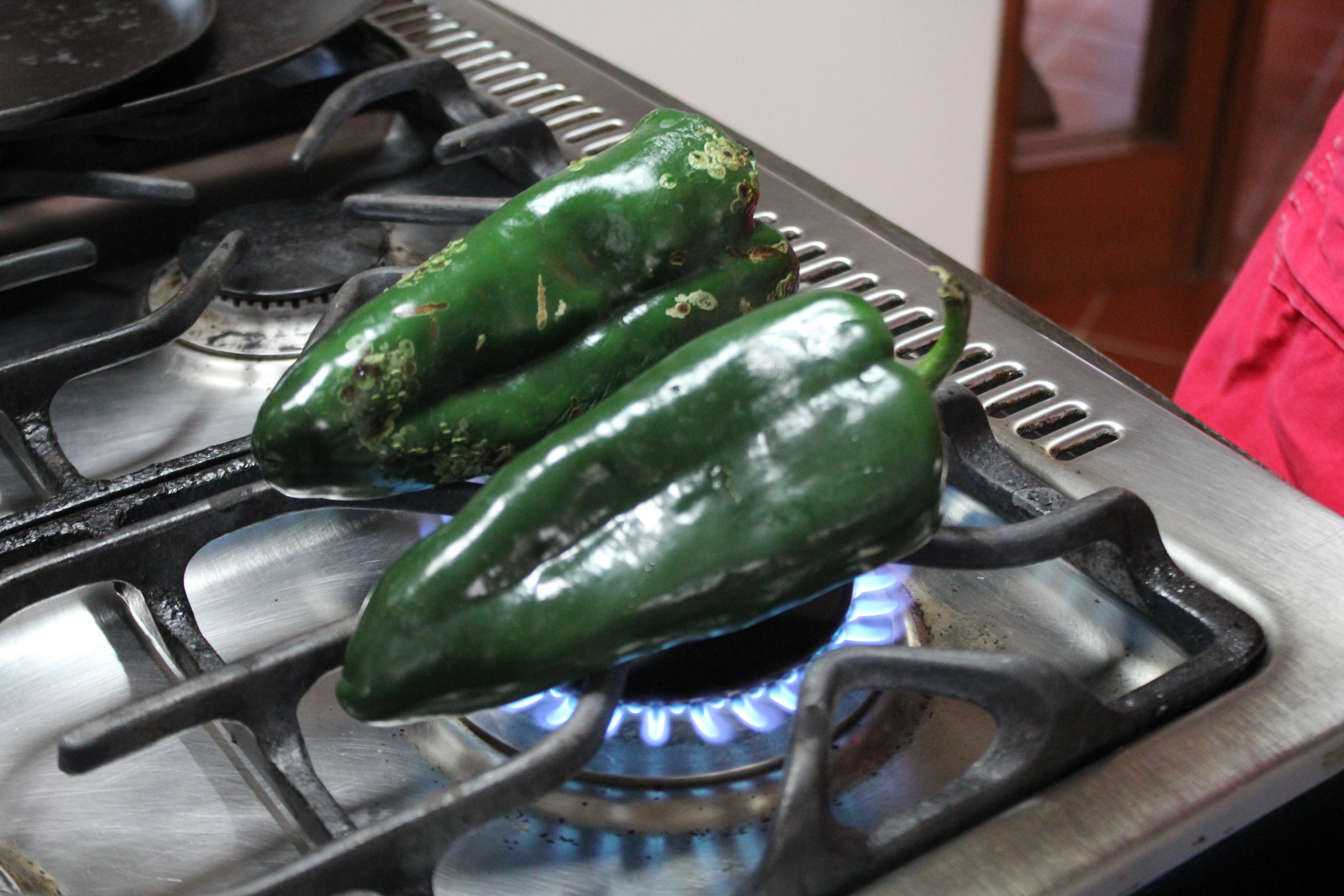
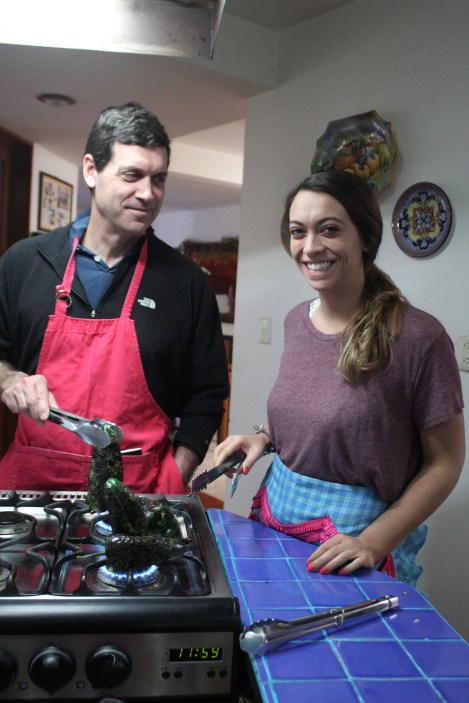
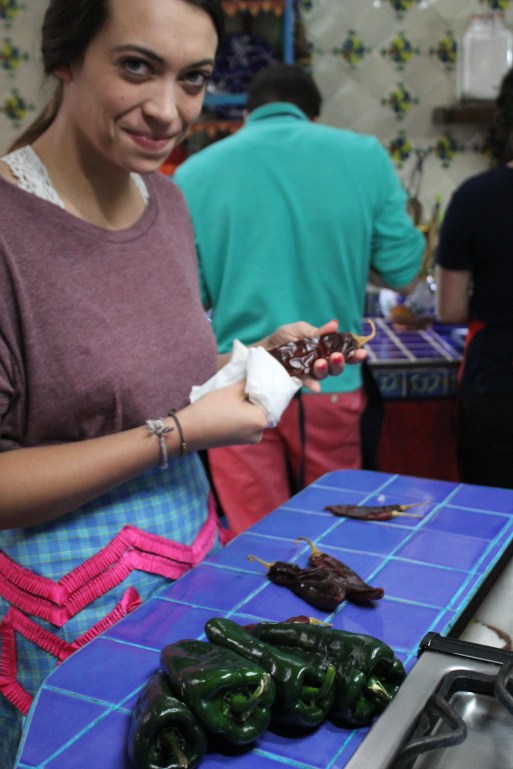
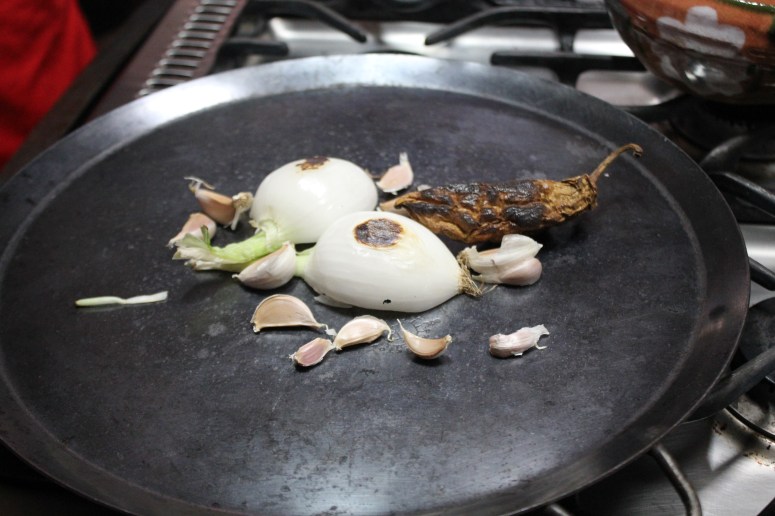
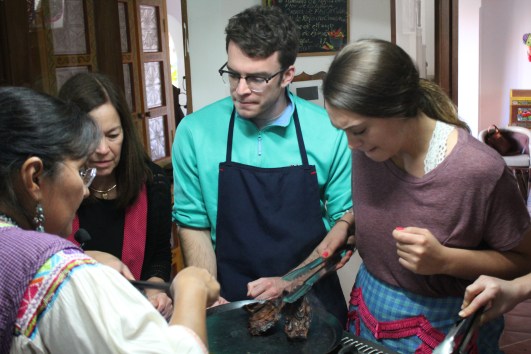
Nora gave us tongs for the delicate work of roasting peppers and vegetables just right. She,though, is able to use her hands to deal with the heat!
 

IMG_1118

IMG_1124


IMG_1130


IMG_1205

IMG_1109

IMG_1111

IMG_1106

IMG_1147

IMG_1168


IMG_1218


The Sunday Tlacolula Market

IMG_0969

IMG_0936

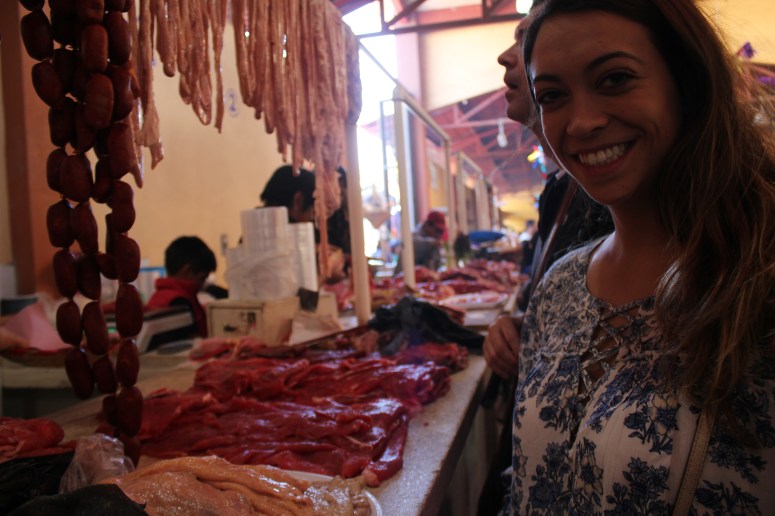
Taking our chances and buying peppers from random vendors.
 

IMG_0942


IMG_0943

The point-and-hope method of meat selection.
 

IMG_0939


IMG_0956


IMG_0945


IMG_0953

IMG_0951

IMG_0952


IMG_0950

A beautiful Zapotec family stops to guide us in the market.


IMG_0958

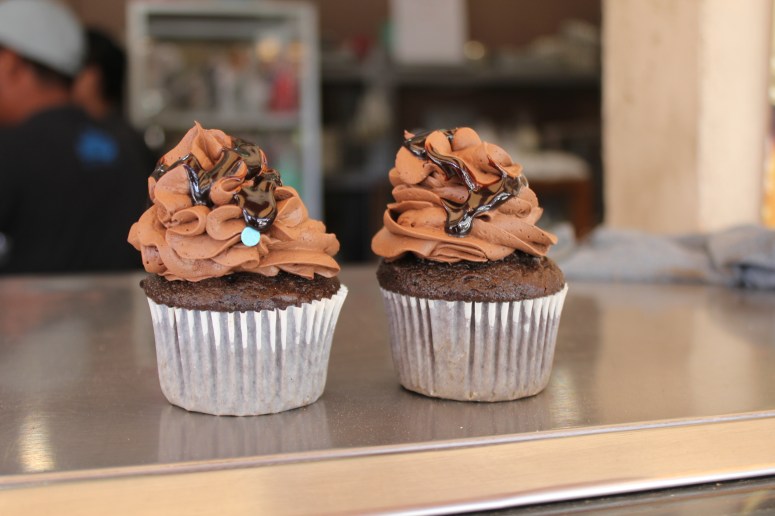
We ate our grilled lunch in the Zocalo near the market, then tried to find our way back to  Oaxaca City. We ate two chocolate cupcakes, too.
IMG_0970 2


Fine Dining at Casa Oaxaca

IMG_2076

IMG_2080

Tostada de gusanos de maguey, chapulines, mayonesa de chicatanas, aguacate, cebolla, rábanos (Fried tostada with agave worms, grasshoppers, chicatanas ants, guacamole, onion radish, and mayonnaise infused with chicatanas ants.)
IMG_2090

We ordered every dessert on the menu.


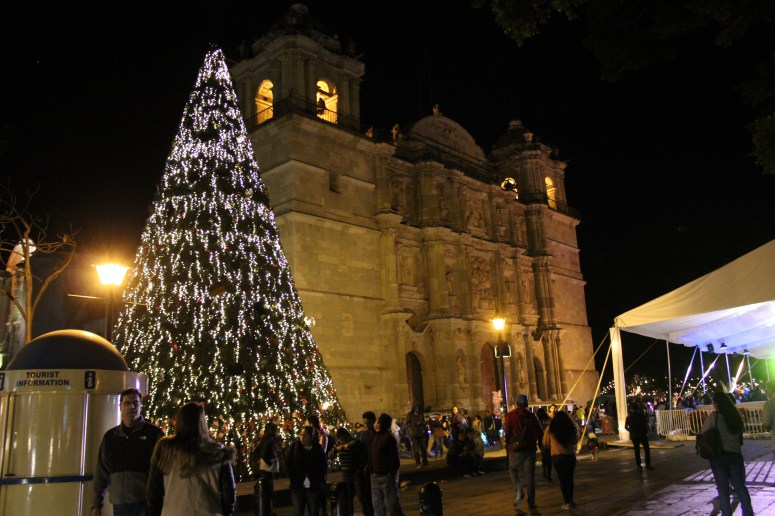
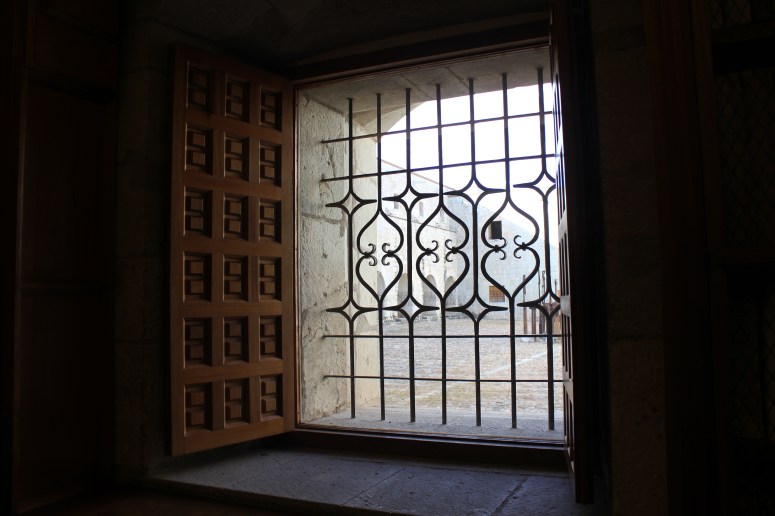
Scenes of Oaxaca City and Monte Alban
IMG_0910


IMG_1023

IMG_0972

IMG_2052

IMG_1965

IMG_0980

IMG_1020

IMG_0975 2

IMG_1255


IMG_0985IMG_1250

IMG_0990

IMG_1002

IMG_1249

IMG_1252

IMG_1021

IMG_1236

IMG_1243

IMG_1244


IMG_0984


IMG_1450


IMG_1233

IMG_1228

Long line at the art museum.
 

IMG_0999


IMG_2097

IMG_2057


IMG_1295


IMG_1458

IMG_1263


IMG_2050

IMG_2036

IMG_1226

IMG_1459

IMG_2028

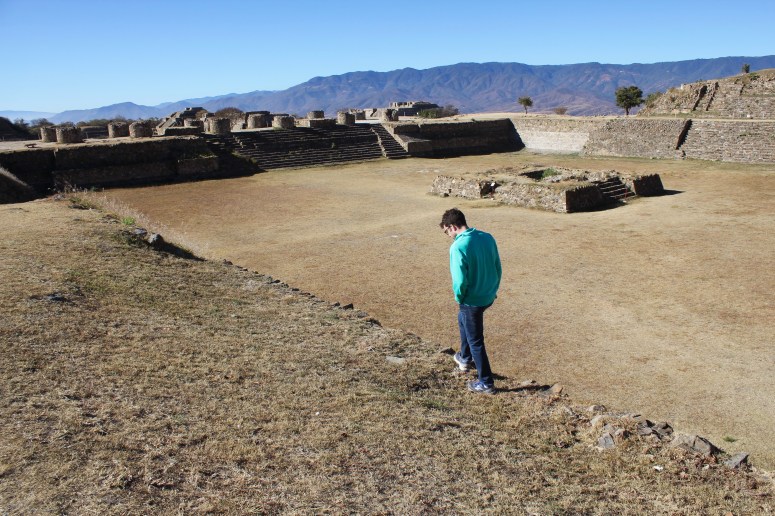
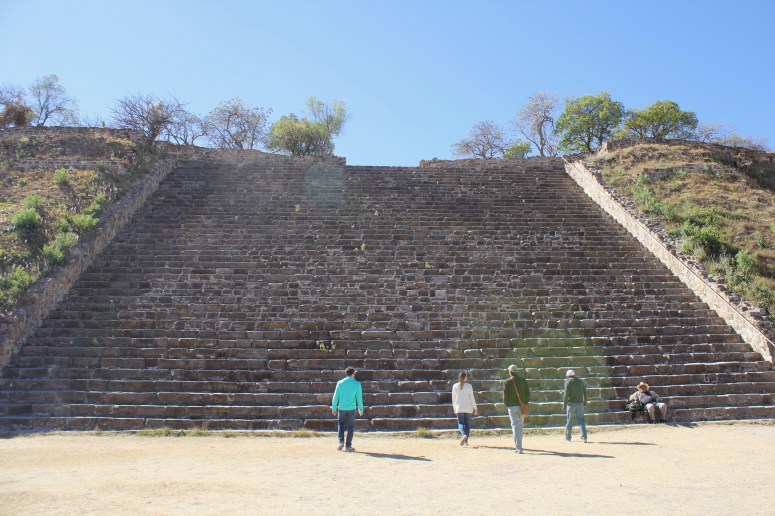
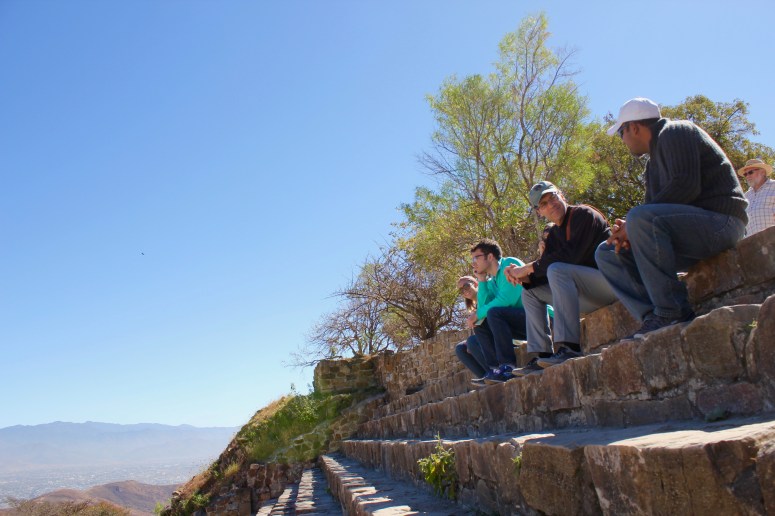
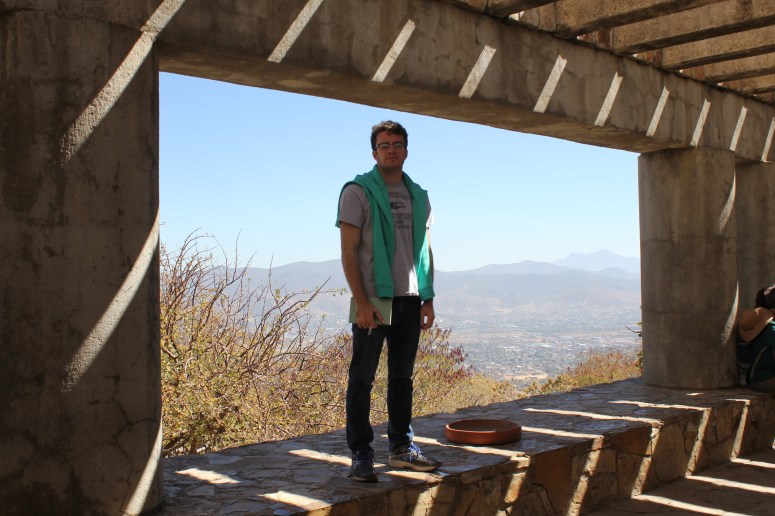
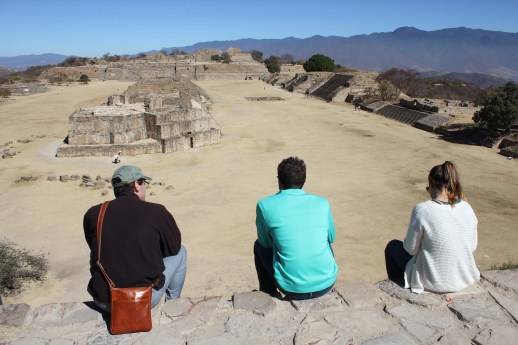
  Monte Alban—one of the earliest Mesoamerican cities and Zapotec center of political, economical, and cultural existence for 1,000 years. Pre-Columbian. Only partially excavated (80% of the site still hides from the modern world). The city which dates from at least 500BC was built on a mountaintop at 6,400′ which had been flattened. Zapotec Sacred Mountain of Life.
IMG_1358

IMG_1381

IMG_1393

IMG_1403

IMG_1366


IMG_1370

Resin of the Copal Tree used for incense in Mexican Churches. Used by the Mayans and Aztecs for ritual supplications and ancestral guidance.
 

IMG_1442

IMG_1376.JPG

IMG_1336

IMG_1427 2

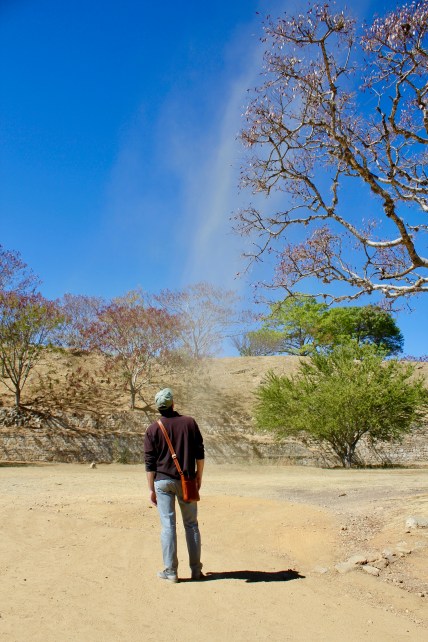
As we departed, a dust devil whirled up around us. Our guide told us it was a great sign—that the power of Monte Alban was removing evil spirits from our family.

IMG_1429


IMG_1444

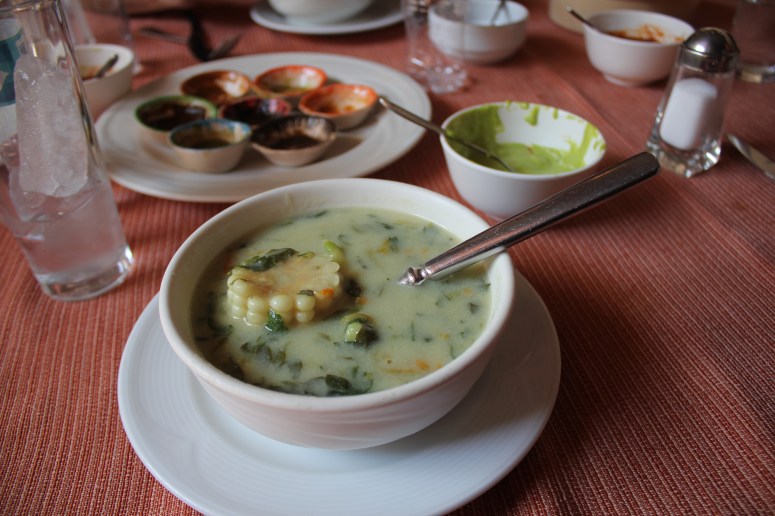
Our guide admired our son’s journal sketches, then recommended we try escamoles sautéed in butter and cilantro for lunch at a local restaurant. Ant larvae.

IMG_1448

IMG_1449

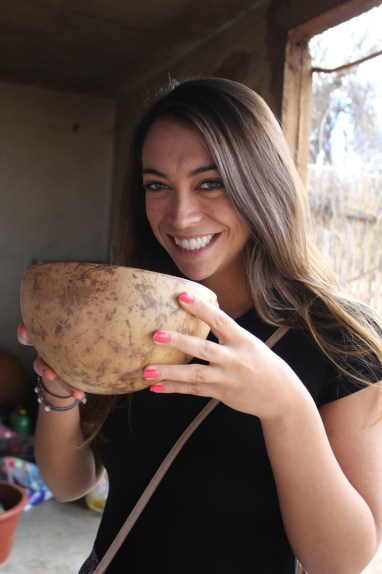
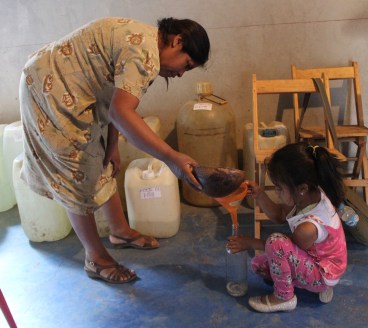
 Mezcal by Artisanal Producers

Private Guide Alvin Starkman’s Outstanding Educational Tours
IMG_0782.JPG


IMG_0744


IMG_0740

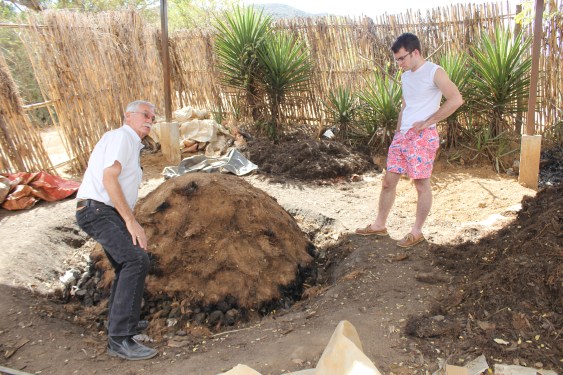
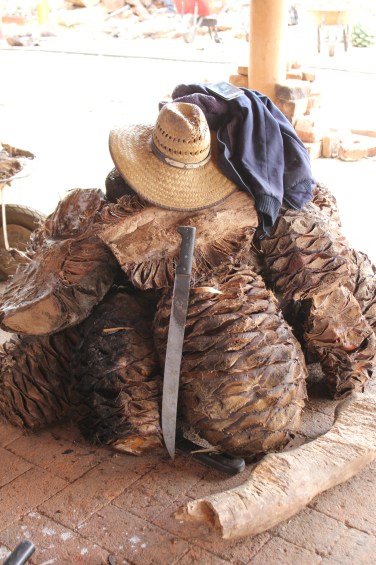
The pits where agave is roasted and from whence the rich, smoky flavors of mezcal are born.
 

IMG_0767


IMG_0797


IMG_0837

IMG_0787

IMG_0778

IMG_0851

IMG_0820

IMG_0824

IMG_0822

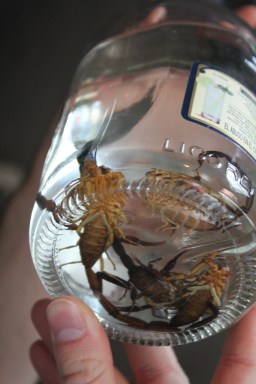
Scorpions in some bottles of mezcal.
 

IMG_0828

IMG_0815


IMG_0874


IMG_0879


Artisanal Chocolate Making and Weaving

IMG_0887

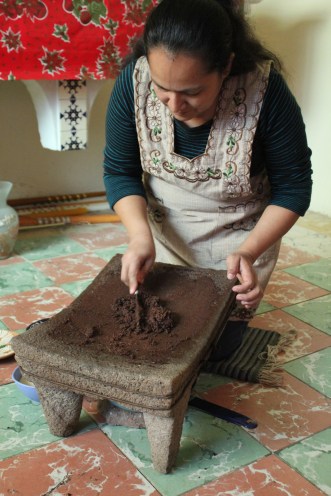
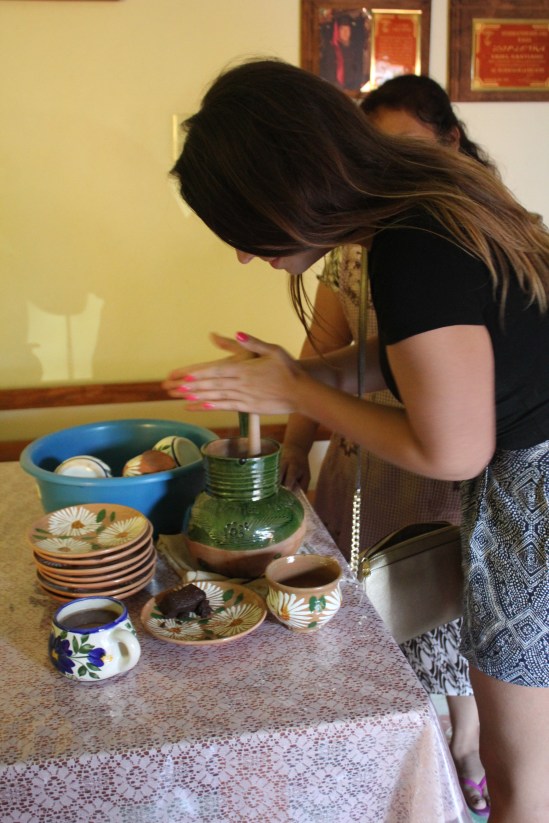
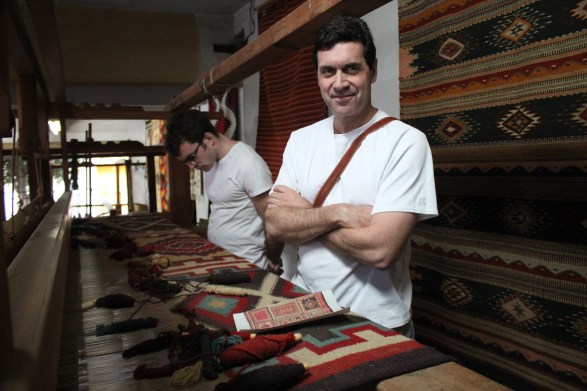
Stone grinding chocolate for hand-whipped hot chocolate. Note the abundant beauty of the family’s shrine. While sipping hot chocolate with them, we learned a lot about how one family continues to thrive, while living and working together, through the generations. Hint: Not only is it difficult to live with extended family members and their children, but even the family dogs can wreak havoc on relationships!
 

IMG_0893

IMG_0896

IMG_0897

IMG_0895.JPG


IMG_0900

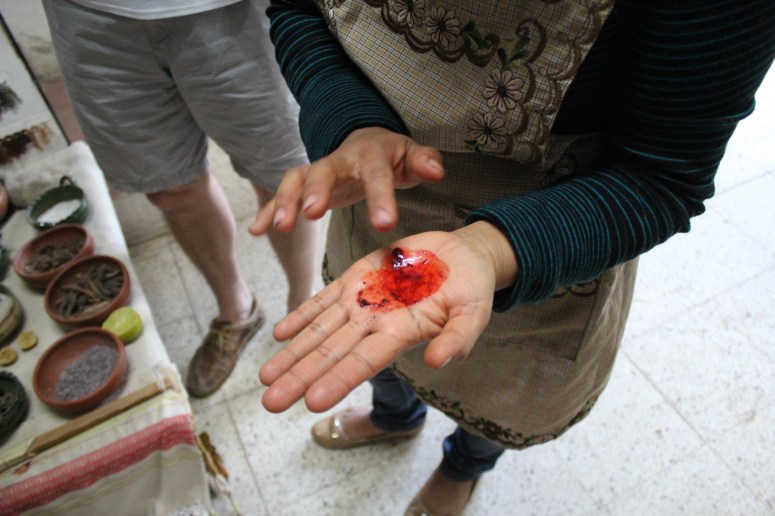
Crushed cochineal (scale insects on cactus) revealing the coveted red dye they produce. This little insect, native to Oaxaca, created a sensation that rocked Europe for three centuries and threatened to destroy the cultures of Mexico completely. Read all about it. A Perfect Red: Empire, Espionage, and the Quest for the Color of Desire.
IMG_0906

IMG_1264

IMG_0918


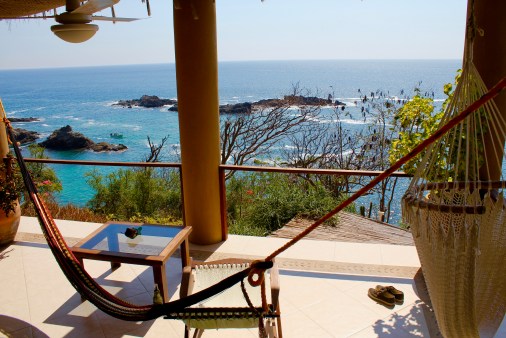
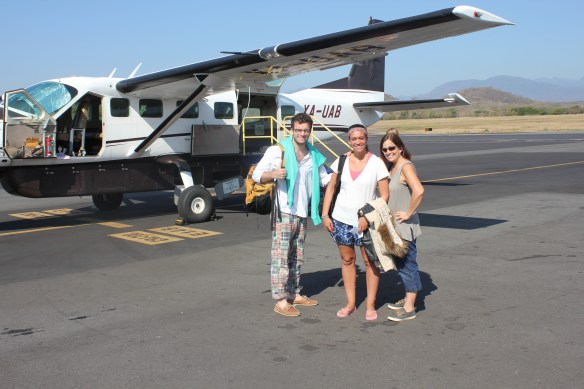
An escape over the mountains to Mazunte on the Oaxacan coast in a small plane. (Aerotoucan Airlines—no flight attendants, no locked pilots cabin.) We stayed at Casa Pan de Miel. A heavenly hideaway on the rugged Pacific Coast.

IMG_1947

IMG_1733

IMG_1870

IMG_1902

IMG_1544

Balcony porch of our room.


IMG_1730


IMG_1562


IMG_1876.JPG

IMG_1911


IMG_1635

Night walk on the beach and—yes—some pizza! Barefoot dinners.


IMG_1644

IMG_1817

IMG_1736

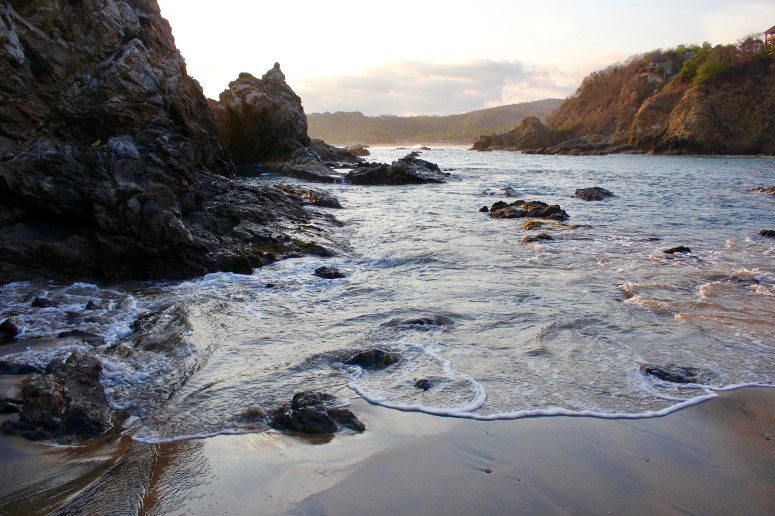
More than 100 steps from our inn down the cliffside, through the gate, past all the iguanas and on to an expansive beach for long walks through pounding surf.

 

IMG_1575


IMG_1701.jpg

Mazunte is a center for sea turtle preservation.


IMG_1775

Street festivals and street food in Mazunte and a lot of barefootin’.
 

IMG_1943


IMG_1888

Walk the beach and stop to drink and/or eat in cafes dug into the sand.


IMG_1738


IMG_1795

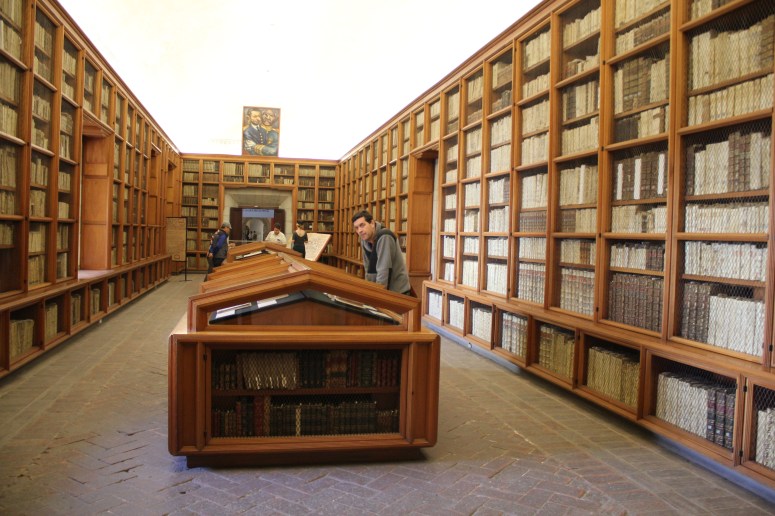
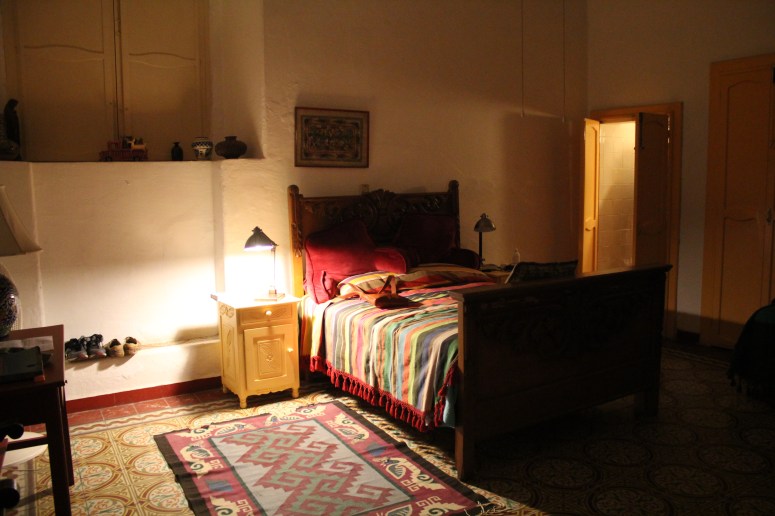
Our digs in Oaxaca City. Casa Colonial. With a library that made it tough to ever leave the gardens and grounds.

IMG_1476


IMG_1302

IMG_1489

IMG_1287

IMG_1286

IMG_1484

NE Patriots. Cheating. And WIN WINS.

This blog has a happy, hopeful, and fun ending. But first, true confessions:

I live in New England and the Patriots are my least favorite team. Why? Because they are cheaters and they have cheated more than once and they never even had to cheat in order to become champions. (Please note: By calling this a true confession, I am admitting to knowingly having committed a sin. I know it is a sin to doubt the integrity of the NE Patriots, especially if one lives in New England.)

Does this mean I think it’s okay to cheat sometimes if that’s the only way to become a champion? Yes. I think it’s okay to cheat sometimes. I will, in fact, look the other way if cheating allows you to achieve something you otherwise might not have achieved because you weren’t given a fair chance from the get go. For instance, I think it’s okay that some women have cheated by using a man’s name in place of their own name so that their writing would be considered for publication. I also thought it was okay for Gloria Steinem to cheat and became a Playboy Bunny (even though she never wanted to be a champion bunny) in order to investigate how women were being treated in Hugh Hefner’s clubs.

I’ve done some cheating in my life, too. And, of course, since I am the writer of this blog, I will choose to share one of my more charming cheating stories:

One sunny spring day, my fourth grade teacher made me skip recess so that I could administer a spelling test to students who were continually failing spelling tests. I was annoyed I had to miss recess. Soon, my pain was replaced by the pain of my classmates who not only had to miss recess, but would continue to miss recess until they learned how to spell. One doesn’t realize how one will handle positions of power until they are placed within such vainglorious places. I had been chosen by my teacher to stand as a leader (preferably an honest leader) before students in an American public school classroom and to administer a spelling test to those students. (My peers.) Indeed, in front of me sat a handful of bad spellers with papers, pencils, and wistful stares which never looked at me, but were bound instead for the world beyond the classroom windows where all the good spellers enjoyed the privileges of romping in sunshine and fresh air on a playground. Behind me loomed the chalkboard with beautiful, fresh, long white pieces of chalk. (All students, back then, lived for any opportunity to write upon the chalkboard.) So, I called the classroom to order and commenced announcing the spelling words. The students didn’t furiously begin writing the words onto their papers. So I said, “Raise your hand if you don’t know how to spell the words and I will write them on the chalkboard.” As you can imagine, this established me as a great leader. Everyone passed the test; we all returned to the regular schedules of recesses; and poor spellers were never denied equal access to recess again.

Fast rewind back to the true confessions beginning of this blog. If the Patriots aren’t my favorite team, which New England team is? That would be the UConn Huskies WOMEN’S Basketball team. They are not, as some male sportswriters claim, boring to watch. They play basketball with artistry, finesse, and athletic excellence in harmony with true teamwork. The universe will never again bring forth a greater organized group of women athletes. Soon to come—UConn’s 100th straight victory. After UConn, I like the Celtics (LOVED the Larry Bird era), the Red Sox, and then the Bruins. Sports are fun in the scrappy city of Boston and the fan base is wide ranging. The rivalries are energizing, too. Here’s a pic from the immigration line as my family was entering the US after traveling through Oaxaca, Mexico. I don’t know if these two hombres were good or bad or legal or just passing through, but they obviously could deal with their differences and probably enjoy one of the most enduring rivalries in American sports: (In case you can’t see, it’s a Red Sox cap chillin with a Yankees cap.)

20170115_072435

My differences with the New England Patriots have created a lot of great discussions with my family and friends. We all know that when it comes to cheating and being caught and being punished and being superstars, things can get unfair. But then—

The Trump thing landed in deeply blue New England. The leaders and the star quarterback of a team called the Patriots in New England were outed as fans of the new president. Ick. Ick. Ick! But not surprising.

What to do?

My daughter (a Trump disliker and total Boston sports fan and all-around awesome kid) reminded me: “Mom. Don’t judge a whole team by the political views of some. Don’t judge the entire NFL by the bad behavior of some. And don’t judge a person’s whole life by their political views.”  And then she did what I suppose I might have taught her to do—she expanded my consciousness by bringing to light something good.

“Martellus Bennett,” she said, “will not be going to the White House with the team to celebrate their Super Bowl victory.” That’s nothing unusual—Tom Brady didn’t go to Obama’s White House. Larry Bird refused a visit to the White House. So did many other sports superstars.

Nevertheless, I decided to see if I could find out why Bennett had chosen to protest Trump. What I found (via Internet postings, a Forbes article, and Bennett’s Twitter) was that Martellus Bennett appears to be a pretty cool and obviously fun man who doesn’t want to be defined as “just an athlete” or someone useful for promoting the products of other companies or someone without a strong moral base or someone without a voice.

Bennett wants to be the product he promotes and what he promotes is imagination.

WIN!

His company is The Imagination Agency (www.theimaginationagency.com) and he is the Creative Director of Awesomeness. Bennett was inspired by his love for his daughter to create a black female protagonist in picture books—a protagonist with all the freedoms to dream and imagine adventures the way many white kids grow up so freely imagining such things. When Bennett was young, he wanted to be Willy Wonka. He also wanted to go to Hogwarts. One of his favorite quotes is from author Ursula Le Guin: The creative adult is the kid who survived.

From Bennet’s website: The Imagination Agency is a wondrous group of monsters and imaginary friends tasked with creating, drawing, writing, and imagining fantastical adventures for kids all over the world.

According to the heartfelt beliefs of Martellus Bennett, you can have more than one dream. He has always been an artist—drawing, making films, animating, writing—and he claims that, “Every day I wake up a new me. I go to sleep in a cocoon and wake up a new beautiful butterfly.” Pretty fluttery sentiments for a man who is 6’6′ and weighs 270 pounds! Bennett wants his daughter and all children from all backgrounds to grow up learning how to let their imaginations run wild. He wants to inspire a sense for unlimited adventure.

It all sounds so wonderful doesn’t it? Lots of WINS!

Bennett’s Imagination Agency also features the HugFootballMartyPillow on their site and a campaign to “Spread the Hugs.” The pillows can be purchased for children undergoing heart surgery at Boston Children’s Hospital and are used to alleviate pain by giving the children something to hug when they have to cough after surgery in order to keep their lungs clear. For every ONE pillow purchased, ANOTHER pillow is donated to a child recovering from heart surgery. WIN WIN!

(BTW—when the scrappy Boston fans call Martellus, Mahty, it only makes him feel more at home.)

Imagination is a powerful, powerful, powerful attribute to respect, honor, and develop. We can use our imaginations in good and bad ways. It is always refreshing and restorative to discover the ways people are using their imaginations in positive ways to create a better world for ALL children from ALL backgrounds.

Bennett says, “Football is not something I can hand over to my kids. Creativity lasts forever.”

And now for some Friday Fun entertainment. Here’s Martellus Bennett in an animated story of the time he saved a fan falling over a railing. Bennett says he is just your friendly neighborhood superhero and he has actually saved several lives. “People need me. I am there for the people.”

If the video fails to work on this blog—just go to youtube and search for “Martellus Bennett saving a fan.” The video is funny, the animated art is great, and you might get inspired to awaken the adventures and superheroes inside your own imagination.

All wins.

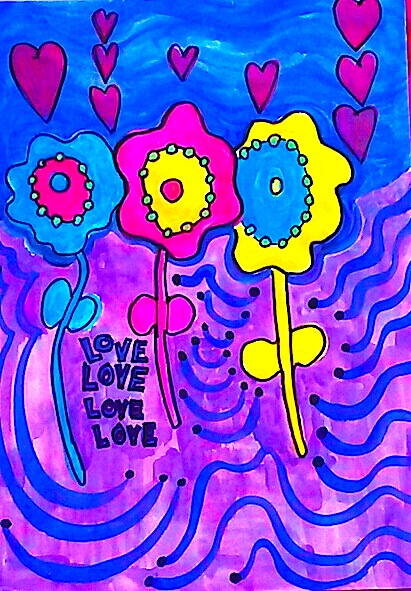
I dedicate this blog to my daughter. Thank you for keeping the conversations going. You have always been about LOVE and I was so proud to use your childhood artwork to make my sign for the Women’s March.

20170120_101455-1-1

Tools for Sustainable Loneliness.

What do you have to show for all of your loneliness? Destructive addictions? Obsessive behaviors? Too many hours spent staring at the cobwebs cluttering up your vast funks? You ask the spiders: Are you depressed? Or are you lonely? They bite you.

Same.

One of the most pleasurable obsessions I have to show for all of my loneliness is an attraction for tools. I especially love hand tools and have loved them since my own days of yore when we young ones were neglected and allowed to play with really cool, authentic things that didn’t come to us road-blocked behind rules, regulations, age restrictions, or trigger warnings.

On any given summer’s day in the times of yore, I’d take a few slow laps around the family garage before setting out to wander through the fading frontiers of America’s un-gentrified, suburban free ranges. Many family garages displayed a good selection of random tools and mine was one of the best being managed, as it was, by my dad, the United States Air Force man who grew up as the oldest boy on a farm. I went for Dad’s hammers, saws, shovels, maybe some pliers, and an ax. I’d load my wagon with Dad’s tools and leave home. Texting Dad in order to ask permission for engaging in the behavior of helping myself to his tools was, blessedly, not possible. Besides, I was following orders from Mom: Go outside and play.

On my way to the ancient childhood hinterlands, I’d stop at new-home construction sites, peruse their junk piles for lumber and add choice finds to my wagon. I planned to repurpose everything into an outpost. My outposts were repeatedly attacked, sacked, and plundered. I repeatedly rebuilt and reinforced. Dad would ask, whenever one of his carefully maintained tools went missing: Why? Why can’t you remember to bring the tools home? Why can’t you put them back where they belong? Why can’t you return them in the same condition you found them? Where are they?

They are somewhere in the woods of Indiana and/or the foothills of the Sonoran Desert in Arizona. It was in those places where I learned, on my own, how to love being lonely. A lot of children discover how to love their loneliness within the pages of books. For me, it was tools. If you take a hammer and hold it like you mean it, it becomes like a divining rod—leading you on to worlds of creative possibilities and sustainable satisfaction. Pounding a nail true, hits the spot every time. Success. Pleasure. Purpose.

I’m still a lonely girl, and I’m still loving—and losing—tools. Recently I lost one of my favorite gardening tools—my soil knife. She is a substantial hunk of steel fastened onto a sturdy handle. Her hunk-of-steel blade has one sharp edge and one serrated edge, making her a champ for slicing into the soil to lift out weeds and/or for sawing apart the gnarly root balls of plants. There’s also a handy v-notch cut out of her blade for ripping through twine. The handle of this tool, BTW, is neon orange—designed especially to help lonely wanderers, afflicted with an array of distraction disorders, find their tools when they lose track of life. My gardening tool will come back to me when my prayers to Saint Anthony make it though the queue. Until then, I’ve distracted myself with the old pitchfork, an outstanding hand tool for the quiet work of digging out unsustainable turf in order to replace it with beautiful, and more sustainable, gardens.

********

So it should come as no biggie surprise that when a lonely girl like me lands, in her luxury gypsy motorhome, in the parking lot of a truck stop near Gardiner, Maine, late at night, with the husband she met when she was too lonely to care about boys, and that husband says what do you want to do tomorrow—Lonely Girl looks at a map, opens a couple of cold beers, and can’t wait to answer the question. I open the windows, too, and speak to the hum of idling truck engines, all at rest after long days on the road. I keep romantic ideals about what I want to do and what I hope to find tucked in, and simply suggest a list of options for the next day’s adventures:

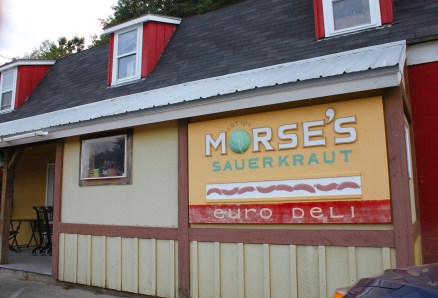
The Liberty Tool Company in Liberty, Maine. The Davistown Museum, across the street from Liberty Tool. And Morse’s Sauerkraut Euro Deli in the middle of one-of-the-best nowheres, which just happens to be on our route to Camden, Maine, the next day’s destination.

To lonely people everywhere, I say go to where lively spirits live their obsessions. You might discover that what you thought was loneliness might only be a longing—for what’s real and what’s cool and what’s peace and what’s good.

There are a lot of places in Maine where scholars, intellectuals, and classic passionate folks maintain playgrounds for those of us who choose to sustain our most lovely lonelinesses through the practice of learning all we can about what we like. For those of us who aren’t lonely at all, unexpected excursions and serendipitous discoveries are just plain fun. Liberty, Maine is an amusement park for the brain. (Go before the bourgeoisie litter the sidewalks with their Starbuck’s cups.) Even just watching the following video, about The Liberty Tool Company, offers the viewer a restful excursion:


********

If you go to Liberty, remember to pace yourself. The Tool Company will take you far, far away. I found a prayer card for fifty cents, a book by William Trevor for a buck, (The Day We Got Drunk On Cake), a chisel engraved S. J. Addis from London (late 1800’s?) for $2.50, an L.S. Starrett Co. divider for $3.00, and two Road and Track Magazines for $3.00 each. My husband found tools to keep in the motorhome for random repair work.

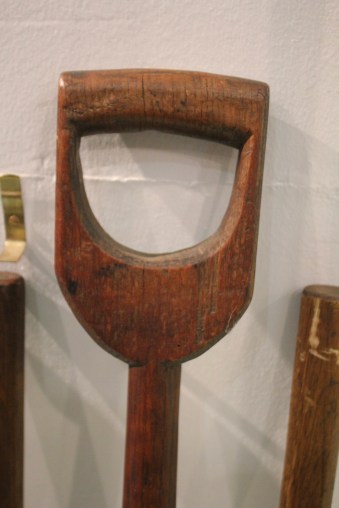
Hopefully you’ll reserve some brain power after your excursions through the tool store, because a trip across the street to the Davistown Museum will pretty much set your brain on fire. It’s a hands-on experience. You can touch and hold tools from a long time ago. Like a pitchfork from the days of the Revolutionary War, procured from Concord, MA. Slip your hands through the wooden handle and think about the work you might have performed, while keeping three day’s worth of provisions and weaponry strapped onto your body. You were an elite Minuteman, one of the Sons of Liberty in Massachusetts and, as such, you lived your life ever ready to enter into battle at a moment’s notice.

Or kneel beside the cobbler’s bench and examine its piles of tools. All of those tools and one artisan needed to fashion shoes, by hand.

Peer through a hazy glass case at a curious collection of wampum, one of the largest in New England on public display.

There’s a historic Wantage Rule—used to measure the volume of beer—it’s one of the earliest examples of American colonist’s Robert Merchant’s fine workmanship which came to equal the quality of work being produced in England long before the Revolutionary War.

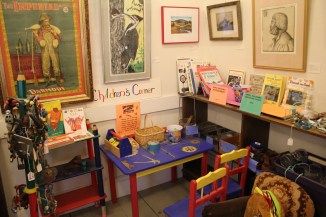
There’s a fabulous children’s corner. Children can invent and build tools. Adults can gain access to research and resources supporting the value of studying the art and history of toolmaking.

There’s art—a lot of great art by contemporary artists at work in Maine.

There are so many tools, from so many chapters in history, to admire.

There’s a Civil War crutch.

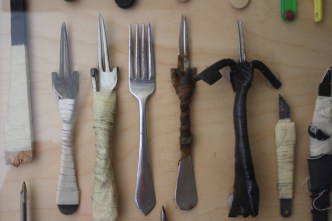
There’s a chilling display of prison tools—made to be used as weapons by prisoners.

Some things are for sale. I bought a painting and two hammers. One of the hammers is completely hand made.

If you need to take a rest, there’s a nice porch where you can sit awhile.

********

After our time in Liberty, we hit the road for Camden State Park where we planned to set up camp for the next several nights. En route we had no choice but to stop at Morse’s Sauerkraut Euro Deli as per a recommendation from our son. He goes to Union, Maine with his comrade-in-drumming arms and fellow Slow Roasters musician, Freedom, to mine stone from ancient quarries for building percussion instruments. They also study drumming and percussion practices from secret sources. Upon hearing that we would be rolling through Union on our way to Camden, our son alerted us to the existence of a gastronomic outpost known for serving and supplying all comers with the most flavorful German food in the universe.

As it turns out, Morse’s wasn’t the only unexpected German-themed thing that happened to me as a result of my road trip via Liberty, Maine to Camden. There was a surprise literary excursion into one of those Road and Track magazines I’d acquired…an issue dated May 1972…which I thumbed through before packing them up to be sent away to my son in Brooklyn.

That part of my adventures and special finds in Liberty, Maine must remain secret until my son receives the magazines. He is the most passionate automobile enthusiast I’ve ever known—and Maine has plenty of places where that kind of lovely loneliness is sustained, too. Like the Owl’s Head Transportation Museum in Owl’s Head, Maine, (not far from Camden), where we went a few times when he was a little boy. There, his lovely, often lonely, attraction to automobiles and cool airplanes was sustained. We enjoyed car shows and once, we flipped out over the super-exciting experience of watching—and listening to—a GeeBee Racer airplane fly.

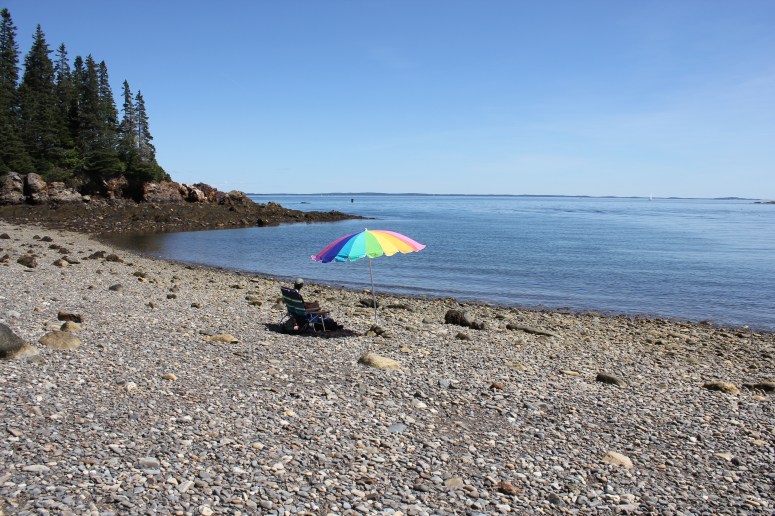
The state park at Owl’s Head is free. The rock beach there still rocks.

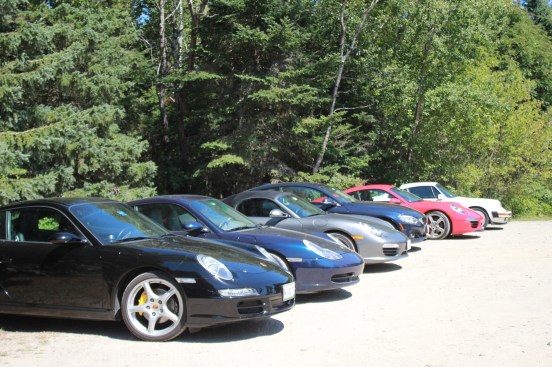
Random collections of Porsches were sunbathing in the parking lot of Owl’s Head State Park when we made our most recent journey there while camped in Camden.

And the tide pools…

It all makes me want to get lonely.

********

Liberty, Maine.

IMG_0297

IMG_0300


IMG_0307

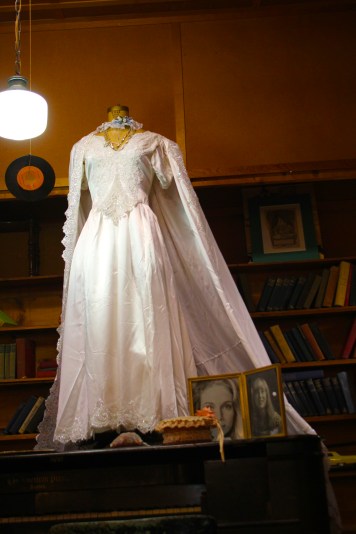
You can buy books and a wedding dress.

IMG_0304


Children’s Corner at Davistown Museum.

IMG_0316

IMG_0313

IMG_0311.JPG

IMG_0315


Cobbler’s Bench.

IMG_0338


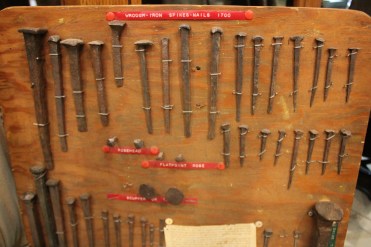
Historic tools.

IMG_0321

IMG_0327


The hand-carved handle on a pitch fork from Concord, MA

Revolutionary War period.

IMG_0324

Creepy weapons made by prisoners.

IMG_0336


Always-welcome Maine humor.

IMG_0343


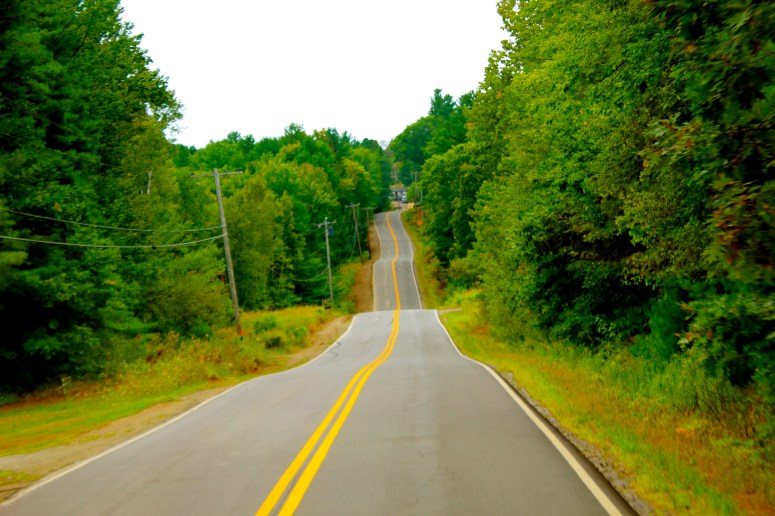
On the road to Morse’s Euro Deli in Maine.

IMG_0357

IMG_0373


It’s no secret. You might have to wait a while.

IMG_0368

Sunny day display at Owl’s Head State Park.

A group of enthusiasts, no doubt, cruising the coast.

IMG_0442


Our rainbow beach umbrella, propped up with rocks.

Lovely loneliness.


IMG_0453

Along the tide’s edge, there is an underwater world to obsess over

as you stand in Penobscot Bay

and never notice how cold the water is.

IMG_0451

IMG_0471


The Worm Moon.

Native Americans called the full moon in March: The Worm Moon. It was also known as the Crow Moon and the Sap Moon. In March, worms returned to the surface of Earth, the sounds of crows calling returned to the skies, and the flow of Maple tree sap returned to groves in the forests.

I have been watching crows chasing after hawks, high in the skies, the last several days. A-ha, it makes me think. The daredevil dive-bombing routine of defending nesting sites has returned to the skies! It’s Let’s-Find-Nesting-Sites season again!

The Worm Moon is winter’s last, bright, nightly glow. For Native Americans in historic New England, it was a light of hope. Many Algonquin Tribes roamed the New England territories: Mohican, Pequot, Narragansett, Wampanoag, Massachusetts, Penacook. They farmed, hunted, and fished. But once wintertime settled in, they relied on stored foods to see them through the months of February and March. For all who survived those coldest, darkest months, the Worm Moon was a welcomed arrival–as was the increase in sunlight and daily temperatures.

I began this week, on Monday, with an early evening excursion out to the woods to watch alpenglow give way to the waxing Worm Moon, which will be full tomorrow, March 5th. All day Monday, prior to my outing in the woods, wintry winds whipped through the trees and over the rooftops, herding loose snow into chaotic, blustery portents of woefully cold wind chills.

But Monday was also a day with few clouds and there was a fresh coating of snow from a storm the night before, so I knew the trails in the woods would be perfect for cross country skiing under Mother Nature’s shine of moonlight cool–wicked cool.

We hit the trail just before sunset, hoping to catch the sun dropping and the alpenglow rising. I’m drawn to this time of day in winter’s woods and fields. If cloud cover is spare, a performance of light ends the day and begins the night through a series of brief verses, sung in harmonies of prayerful color. It happens on a grand scale, but to the sounds of silence. Silence as special as a well-protected wish.

I have–many times–watched, as memories of my newborns’ first breaths have been manifested into soft tones of pinks and blues, onto eastern horizons where winter’s setting suns reflect every day’s last light. The colors–ethereal, soft, yet deeply hued–have struck me with such awe, that any winds battering my body as I watch, end up feeling, to me, like waves of childhood laughter. I recognize those colors. They are almost as perfect as the colors of newborn baby love. Those colors used to overcome me at 3:30 AM, after nursing my babies and rocking them off to sleep. I never put them back to bed on those kinds of heavenly-colored nights.

I rocked them, and rocked them, and rocked them.

Alpenglow creates another exciting effect in the woods where I walk, and, as far as I have noticed, it only happens in wintertime. It is the luminous revelation of Ancient Earth, growing into and out of the trees that line woodland fields, meadows, lakes, and rivers blanketed with snow. Everyone knows that once upon a time, volcanic fury and glacial pressure lived in these places. It’s still part of the rock star, glacial soil. Alpenglow casts otherworldly, vivid light onto the trees growing out of these soils and the trees respond–glowing gneiss, granite, slate, schist. There’s power in the colors, like the heat of igneous and metamorphic rock. Smoky sparkles of quartz, feldspar, and mica blend with glassy glazes of steely blues, blacks, silvers, and hints of reds to create a final breath of brilliance, in every direction, when the day ends.

Reverent radiance. Subdued shine.

And then, the moon takes over.

Mother Nature’s shine of wicked cool moonlight, especially upon rivers of snow that wend through dark forests, is a dreamy thing to walk through.

*****

This week, the Worm Moon arrives. The snow is deep, but the soil down under is wiggling with foraging, herbivorous annelids just as anxious for spring as the rest of us. The crows are cawing. The sap is running.

If you live in snow country, you have one more chance to walk in winter’s bright, night light. After March 5th, the Worm Moon wanes and the alpenglow will do the same.

Spring will come, temperatures will rise, fledglings will learn to fly.

Find a friend, go for a walk.

IMG_0255

“May the sun bring you energy by day, may the moon softly restore you by night, may you walk gently through the world and know its beauty all the days of your life.” Excerpted from a Native American prayer.

Get a little moonstruck.

Sugar-Coated Romance.

It’s March, the best month for alpine skiing. I like heading for the Mad River Valley, an imaginary happy place in Vermont I found 35 years ago. Magic, Mad River Valley style, has held court in my heart for many years. But, the magic vibe is beginning to feel endangered. I’m afraid it’s because the number of people who still believe in magic, is declining. Rapidly.

*****

Three imaginary ski mountains rise out of the Mad River Valley: Sugarbush. Sugarbush North. And Mad River Glen. They’re all big, with commanding views of one mighty lake, lots of bluesy green-and-white mountain ranges, and protected, mysterious lairs woven throughout the valleys and woodlands.

Out of bounds is the in thing in the Mad River Valley. It’s the old, the new, and the forever black. Black diamond black.

Standing on top of the mountains, one can detect clouds arriving from outer space. One can leap onto the clouds as they float by. One can smile through the shine of snow that falls like glitter, high above the world. Glitter snow is pixie dust from the heavens and has one purpose–to bless the soul with a good dose of foolish joy.

*****

There has never been an elite, established selection process for deciding who is and who isn’t worthy of Mad River Valley cult membership, because the mountains–in cahoots with weather–are very good at weeding out those who should and shouldn’t be there.

What is weather? Weather is the consistent comings and goings of unpredictable atmospheric conditions. Sometimes you’re right and sometimes you’re wrong about weather. Skiers will spend all day, in wintertime, outside. Still, weather, is Earth’s own performance art, without a beginning nor an end. It is a kind of divine intervention, with uncontrollable power. Weather is as unruly as the heart of a true artist. The One True Artist.

*****

Here’s a map of the neverlands where I go for full bone and muscle massages–and attitude adjustments–all day long, outside, in wintertime. On the left side of the map, there’s a chair lift called the Valley House Double–which is constructed from a series of towers, with steel cables looped one to the other with chairs dangling from the cable, bolted into the mountainside. The chairs are big enough to fit only two skiers at a time. The Valley House Double is a surviving throwback to the days of yore when chairlifts cranked skiers up the hill at a slow rate of return. In other words, only a few skiers went up the hill, and only a few came down.

IMG_0254

High-tech, high-speed and high-capacity lifts changed that dynamic. Now there are lifts engineered to zip skiers up the mountain, grouped into quad-packs or six-packs on the ski-lift chairs. I think there might even be eight-packs. The chairs are spaced closer together–and so, the rate of return down the hill is a sad thing. There are too many skiers on the trails. It is really, really sad on a powder day because the fresh powder snow on the trails gets shredded and reduced to crud before the buzz-brain rewards from your first cup of coffee, or tea, or bag of M&M’s, has even had a chance to kick in.

*****

When I was skiing at Sugarbush this weekend, I heard a rumor that the Valley House Double is going to be replaced with a high-speed quad chair at the end of this year’s ski season. Tears began to drip into my beer where I sat at the bar staring into the eyes of my best ski buddy who happens to be my husband. “I don’t ever want to ski again,” I sniffed. “What is wrong with the world?” “Why does the real world keep encroaching on my imaginary world?”

High-speed lifts have been a part of my life for a long time. They are superb when used on big brute ski mountains out west. But a classic, New England ski mountain only needs a few high-speed lifts.

The real reason I hate to see the Valley House Double go is because taking that chair off the mountain is like taking the wide-bench, front-seat design out of cars. When I met my best ski buddy, he had an unfortunate kind of car–a bright blue AMC Hornet. But, the car had a wide-bench front seat that elevated memories of the car to the categories of romance–I was able to sit snug up against my new boyfriend for every mile of any road trip. Cars nowadays are so boring for lovers. There are center consoles in most all of them, and they are as ugly and useless and boring as having a television in the bedroom.

When I first learned to ski, my best ski buddy and I sat on double chairlifts that drifted–in slow motion–through the most brutal weather. We pressed our bodies together, as close as we could without crawling inside of each other’s ski suit. Huddled and shivering, we talked about everything on those long rides. Our hilarious dreams and ragged laughter tracked through the sky with wintry winds that sculpted icicles from the tips of our noses and, by the time we got to the top of the mountain, had frozen our lips into hysterical smiles. We ducked into the woods for relief from the wind only to find that the trees grew as close together as snowflakes in a blizzard, and they clung to terrain so steep, it slid out from under our skis relentlessly–as unforgiving as the slope on the snorting nose of the evil warden who sneered at truants like me, in after-school detention halls.

Powering through the snow and the terrain and the weather exhausted us. Waiting in line to do it all again, and riding the slow chair up, gave me a chance to rest next to the warm body of a boy I hoped to be in love with forever.

*****

One double chair will remain at Sugarbush after the Valley House Double is laid to rest. It’s the Castle Rock Double. That one is a doozy, though. If the Valley House Double is like riding in my ski buddy’s old AMC Hornet to the ice cream shop, the Castle Rock Double is like riding in a hand-built Jeep to a bonfire in the woods, where all the wildest partiers have hauled in kegs, and set them up next to swimming holes with cliffs and gushing waterfalls.

When I was a fresh and brand-new skier, I rode the old Castle Rock Double for the first time with my best ski buddy. He promised to coach me down those “toughest trails in the east” and add territory I hadn’t yet tried to my repertoire. The lift broke down when we were about midway to the top. We sat there for a long time, falling in love some more, complaining about the long wait on the lift. Then, we noticed that our chair wasn’t dangling too far from the surface of the Earth. Maybe we could jump off. We thought about it, surveyed the jump zone and committed to our flight patterns. We lifted up the safety bar, then we threw down our ski poles, then my ski buddy jumped first–his bravery made my heart flutter as he called up to me, “It was nothing.” I barely heard him over the sound of the lift chugging to life. There was a lurch along the cable and my chair resumed its motion uphill, with me on it, all alone, without my coach and without my ski poles. I remember turning around and seeing my ski buddy’s body get smaller and smaller as he waved at me, smiling, until I lost sight of him behind enchanted cliffs and iced-over rocks.

*****

After I cried all I could about the loss of the Valley House Double, I decided I never wanted to ski again because ski country is handing over its soul to the real world, little by little, as I get older and older. I sobbed about how romance isn’t any fun anymore–not in the car, not on the chair lift–and everything has to be so fast and so big and so now. My ski buddy listened, then tried to cheer me up by asking me out on a date. He had made a reservation for two at a restaurant we’d never been to, called Peasant in Waitsfield Village.

Every part of the meal was outstanding. And romantic. The chef had been a stockbroker in New York City. After 9-11 he abandoned the city for the Mad River Valley. He didn’t go to cooking school; instead, he learned to cook the slow, old-fashioned way–by growing up in a big Italian family.

Peasant is appointed with tables made from lumber salvaged from Hurricane Irene, a storm that destroyed so many parts of Vermont a few years ago. The townspeople brought their village back to life, slowly, after the storm. Some businesses survived, others didn’t.

And some, like Peasant, took a chance on creating some new magic in the Mad River Valley.

*****

I’ll have a few more classic rides on the old Valley House Double chairlift this season. And then, I’ll be left with my memories which will grow more and more romantic as the years pass on.

I guess if you’re going to believe in magic, you have to keep looking to find it.

Or, better than that, you have to keep working to create it.

Here’s a picture of the Waitsfield Village covered bridge, lit up at night, down the street from Peasant Restaurant.

20150228_222425-1

See you on the slopes!

The Codes of War and Peace.

Encrypted messages. Ciphers. Codes. Intelligence. Artificial intelligence. Imitation Games.

I have never associated the word decipher with the word cipher. I didn’t know ciphers existed. I’ve never used a matrix to decode an encrypted message, either, but I tried it after watching The Imitation Game–a movie about Alan Turing and the quest to crack the codes of Nazi Germany’s infamous Enigma machines.

I first learned about German Enigma machines at the Museum of World War II Boston, about six years ago. In spite of several visits to the museum, the mechanics of how the machines worked remained to me–how else can I say it–an enigma. I hoped watching The Imitation Game would help me understand the machines better and bring to life the drama and the history surrounding their legendary use in World War II.

German Enigma machines look like a blend of typewriter, adding machine, and Lite-Brite toy. They were used by Nazi Germany to send encrypted war messages and plans for attacks. The Nazis were convinced, beyond any doubts, that their secret messages could never be decoded by the enemy. If you study the Enigma machine and how it works, and/or watch The Imitation Game, you will gain fresh appreciation for the serendipitous plus sides of human error.

At the Museum of World War II Boston, a special exhibition of German Enigma code machines is on display now through May 1st. The museum is private and visits are by appointment only. The first time I went, it was Halloween and a relentless haunting commenced. Not only are there official documents and objects on display which were penned and/or owned by the most famous good guys and bad guys of World War II, but there is also a heart-numbing collection of the belongings, personal effects, and weapons of anonymous soldiers, resistance fighters, spies, prisoners of war, and other innocent citizens and victims. The museum is a hands-on experience. It is not politically correct or government funded or government controlled. The collection of propaganda is frightening on any day of the year–and is arguably one of the most important exhibits any contemporary kid should see. The Big Brothers of the world are continually trying to get inside our heads and control how we think. The stealth science of propaganda has been utilized as an effective weapon of war for a long time.

The museum, when I first went, was a bit off the radar. It didn’t cost anything to go and when we went, we had the place to ourselves. As the years have moved on, the museum is becoming more well known. Now, there’s a $25.00 fee and the hands-on aspect has been reduced. But it’s still an unusual and unique excursion into one man’s private vault and life-long obsession, offering the visitor different perspectives on the stories of history.

*****

ENIGMA: A person or thing that is puzzling, ambiguous, or inexplicable. A perplexing speech or text; a riddle. [Latin aenigma, Greek ainigma, ainissesthai, ainig-, to speak allusively, in riddles, ainos, fable.]

There’s a scene in The Imitation Game, when the main character, Alan Turing, publishes a puzzle in the London Daily Telegraph attached with a challenge for the general population: Anyone who can solve the puzzle within twelve minutes, might be blessed with the kind of speedy brain power Turing and his team are looking for. It’s wartime in Great Britain and the government is desperate to crack the German Enigma codes–and win the war.

*****

I like puzzles–even though the solutions, if they come to me, arrive at the speed of light traveling through a brick wall. I looked up the puzzle from The Imitation Game on the Internet and discovered what I already suspected– that I would have never made it as a candidate for the British Government’s Code and Cipher School at Bletchley Park in Buckinghamshire.

I don’t have a mathematical mind and, furthermore, I’m not a quick study. I notice, though, that this doesn’t stop me from designing gardens utilizing geometry, ratios, and probability. Nor does it stop me from puzzling out schematics for painted pictures and patterns on the walls, doors, and ceilings throughout my house. And, recently, one of my girlfriends, who is a mathematics professor at Holy Cross College, turned me on to a new pattern-recognition game called Set. I start my day with The Daily Set puzzle on the Internet, or the daily KenKen puzzle in the New York Times. (Hard copy, delivered to my driveway, perused, puzzles attempted, the whole business recycled–through my brain every week and through the trash every couple of weeks and sometimes into art projects.)

I learned to play KenKen puzzles a few years ago when I was visiting my daughter at boarding school. Her math teacher demonstrated how the puzzle worked and teamed parents against students to see who could solve the puzzles the fastest. There were parents embarrassed about being wrong who feigned indifference, there were brilliant parents who stood with their hands in their pockets copping bored expressions while casually rattling off answers, and there were parents like me–curious newbies, delighted to discover a new pastime for those moments during our days when you need a break from whatever it is you do, but you can’t just do nothing, so you do a fun puzzle. 

I’ve become a little bit faster at solving the KenKen puzzles, but I can still hear the click, click, clicks of my brain as it works. I haven’t achieved the level of humming along with my puzzle-solving skills and will never have to worry about being called upon to withstand the pressure to crack secret codes quickly in order to save lives and end wars.

Even if you aren’t good at puzzles, I recommend starting the day with them. They come in varying configurations of colors, shapes, numbers, and fun. Best of all, when I solve a puzzle, the day begins with a little victory. It beats checking email or social media first thing–either of which can be booby trapped with problems–both of which (email and social media) came to us in the age of modern computing, which came to us through the work of several mathematical minds, including Alan Turing’s, at work cracking secret codes used during wartime. (Fun fact–the Brits got a head start on their code breaking work at Bletchley Park, from Poland. Land of my father’s forebears.)

*****

Alan Turing and the Allies, as they say in The Imitation Game, were at war with the clock. The German Enigma machines, which could combine codes into 159 million, million, million different configurations, were used to change codings every day and the encrypted messages needed to be decoded within minutes, every day. These war efforts, on both sides, required multi-faceted cleverness and a lot of resources. This is what confounds me about war: The capacity for human beings to expend so many resources and so much human devotion to the work of having a war. This misguided complexity–this rounding up of resources–this romance of heroism–this coming together of one group of minds, in order to baffle another group of minds, or seduce other minds, or brainwash other minds–is all dependent on annihilating Earth’s environment and killing or destroying the most beautiful minds of all.

The most beautiful minds are those of the innocent peace lovers.

*****

A lot of themes run through The Imitation Game and if you see it with someone else, there’s plenty to talk about. The film reduces one man’s complicated life and complicated world to the part-fact, mostly-fiction, drama of entertainment. It’s only a movie. Nevertheless, absurd ironies of heroism, propaganda, espionage, ignorance, brilliance, prejudice, and all the other maddening aspects of war and peace, sift through the scenes of the film as if the dust of every war–ever fought–keeps floating back down upon us, keeps being breathed back into our capacious lungs, and keeps being set free to gather into tornadoes and hurricanes all over again. We are never done with it.

What mother ever forgets the day her son and daughter first settled in to watch the film Life is Beautiful? How the children, afterwards, became unmoored? How they felt a newfound heartache pull a veil of sinister fear over their world? How it caused them to grow as old as time? “Momma,” the children said, tears pouring forth. “Was the Holocaust really true?

I had to answer. Yes. And didn’t want anymore questions. Especially this one: “Why?”

Any mother, raising her children in lands of milk and honey, never takes for granted being able to teach them about the horrors of humanity through the art that is produced because of it.

I took them–my own children–and still take them, to war memorials, war museums, war cemeteries, war battle sites. We read war stories. We did it because they have to learn to study history. They have to learn to see it from different perspectives. They have to learn to think for themselves. They have to know it’s true and it keeps being true.

They have to learn to be grateful for their charmed lives, and understand that all lives lost through war and other forms of violence, were at one time, just as charmed.

*****

How heroic it was, to crack the German Enigma codes and win the war and advance the sciences of artificial intelligence and the building of modern computers. Every war brings about great leaps in technology and modernization.

Yet we can’t seem to crack the codes or ciphers that have encrypted human nature with the desire to wage wars of all kinds against each other. Discrimination. Humiliation. Persecution. Torture. Murder.

At the Museum of World War II Boston, there is a copy of a letter Otto Frank, (Anne Frank’s father), wrote to friends after the war. He was liberated from the German concentration camps only to discover that his wife and two daughters had not survived. I copied the letter into my journal on a day when I brought my daughter and my niece to tour the museum:

“25 VIII 45. Dear Paul and Daisy, I beg you to excuse my answering so late to your lovely letters. I knew you were informed by Robert of all that happened and I am convinced that you share the great loss I had to undergo. No use enlarging upon it, we all have to bear our fate. I try hard to stay firm. We all grow old. I hardly can imagine you being 70 Paul, and I am so glad that you feel well as in old times. How I would have liked to bring the girls, to whom I talked about you frequently, even of Daisy’s lovely complexion.”

“Of course, the entire household was taken away by the Germans. I still have a small amount of money, so I am not in need, as I don’t want much. “

Much affectionately yours, Otto

*****

At the end of The Imitation Game we discover that not even Alan Turing, a hero on the side of the victors, was safe from the unbreakable codes of depraved human nature. He, too, became a victim of persecution. Brilliant minds, under the auspices of a grand system of laws, convicted him for a crime that didn’t even exist and never has existed. He was sentenced, by his own government, to endure irrational and unreasonable forms of punishment.

*****

IMG_0251

I returned home from seeing The Imitation Game and found my Museum of World War II Boston newsletter in the pile of mail. Not only had the newsletter arrived on the same day I saw the movie, but I had also learned, via the movie, the derivation of the newsletter’s title: Action This Day:  Alan Turing and his team of code breakers had appealed to Churchill during the war, in a confidential memo, to be given more resources for their work at Bletchley Park. Churchill responded with a memo, stamped with the words: ACTION THIS DAY: “Make sure they have all they want on extreme priority and report to me that this has been done.”

*****

ACTION THIS DAY: Remember to keep studying history and sorting through resources available and accessible about history. It might seem like a depressing thing–to study war–and it is. Visiting the sites of battles and cemeteries and destroyed places on Earth is exhausting for any human being with a beating heart, linked in with a soul, and connected to a brain.

But I have found that my excursions into history all over the world have led me to great sources of hope. It is, more often than not, the triumphs of the peace lovers and the innocents that grow my heart bigger. Of course, the great warriors and so-called masterminds are fascinating figures. Yet when my own life has veered into the darkness, I did not look to the great warriors to lead me out. I looked to human beings like Otto Frank, who, in spite of losing everything and never, ever being able to understand why, chose to keep living. His words are more comforting to me than any that were broadcasted to the masses during World War II. They reveal his own simple and honest acceptance of the unfathomable.

*****

One of the definitions for the word intelligence is: The capacity to acquire and apply knowledge.

Imagine if we could crack the code on why human beings engage in war–we still wouldn’t be able to remove the behavior from the species–indeed, many would argue it is their right to enjoy the “excitement” of war.

I puzzle over the need for war. I acquire knowledge about it. And I apply what I learn into my own codes for finding hope. Here’s another coded message I copied into my journal from the Museum of World War II Boston. It’s from a letter written by Miep Gies, the woman who risked her life to hide Otto Frank and his family and four other people from the Nazis. She wrote the words in June, 1990:

“I don’t give a photo of me, everyone want it and I feel myself not an important person. But we are no heroes, we only did our human duty: help people who need help.”

This is some of my acquired knowledge–of altruistic behavior–performed under the most terrifying and inexplicable conditions, by an individual who was thinking and deciding to take a course of action to help others who needed help.

That’s behavior worth imitating and applying to life–real intelligence coded with real love.

Keep a Blanket in Your Car.

I write, this morning, underneath welcomed streams of sunlight, burning waves of heat through an east facing window. Every year, we move a table to this location for its preferred wintertime position. The sun rises low each day and traces a brief arc across the sky–a white rainbow–which does not wane, but grows brighter and brighter and rises higher and higher as the Earth spins into spring. Sitting here in the early morning, I take shots of dayshine through squinted eyes, furrowing my forehead, smiling a little bit.

In my cold region of Earth, haunched-shouldered shiverers rush in and out of warm buildings, to and from provision providers, and often curse winter for shoveling them above and beyond and over the banks of their wits end.

Poets mine winter for its cache of symbols representing despair, loneliness, death, old age, and sad endings.

Masses of living human beings, wish the season away.

*****

I took advantage of a great and sunny day a week ago to make an excursion one hour southwest from home, to where my daughter is studying and partying her way through the university years. We had lunch together. I marveled at the snow where she lives and told her all about the snow where I live. We ate hot soup; talked about life.

After I took my daughter back to her dorm, I intended to drive directly home, but got distracted by the vast expanses of snowy hills overlooking campus. I took a detour to cruise through the views. Bright afternoon sun pulsed forth a shimmer of present day light that competed with the silence of time gone by. I snapped some photos of how it made my heart ache–wondering if I could capture on film the ghosts squeezing through the bare branches of winter’s steadfast trees.

20150211_150758

I had told my daughter, over lunch, that the cold and snowy campus reminded me of the year I dropped out of school–finally defeated–a young woman unsure of who she was or who she could ever be. I told her about one friend I had that year–I couldn’t remember how I met the friend, nor could I recall her last name, but we used to sit together over pitchers of beers, sharing spirited conversations. Whenever I was with this friend, life wasn’t so bad and she made me feel hopeful. Had she been a real person in my life? Or had she been a Clarence “It’s-a-Wonderful-Life” kind of person just passing through?

20150211_150226-1

*****

Shadows over the snowfields were growing longer, so I knew I better start driving home. I nursed lingering nostalgia with music by the Eagles, played very loud. Then, a sea of taillights spread out in front of me as soon as I hit the Massachusetts Turnpike. I was only about a half an hour from home. The traffic slowed to a standstill. I turned the music up louder. My engine temp warning light came on. I found what was left of the breakdown lane, cozied the car up against a snowbank and cut the engine. I turned down the music and called Good Sam–our auto rescue service. They said: Sorry, we aren’t authorized to tow anyone on the Pike.  I called the police. They said: There’s been a bad accident. All tow trucks are in service.

I felt a sick feeling in my gut that someone had been killed. He was only 23 years old. He was operating a tow truck and was trying to help another motorist in the breakdown lane. A passing truck hit him.

My day had been so splendid. But for this young man’s family and friends, life would never be the same again.

A long and stressful wait, in my car, began. The sun set. I crawled into the back and retrieved some of the blankets we keep in the car just in case anyone is ever stranded during wintertime. 

Emergency vehicles raced up behind me, then avoided smashing into me at the last minute as they made their way to the scene of the accident. It got colder and colder and darker and darker.

After two hours, I called the police again. I wanted to make sure they knew where I was because every time a car came into the break down lane, I braced myself for a possible collision.

I was glad I didn’t have any children or elderly people with me in the car. But I did wish for a friend. Another hour passed before a tow truck was able to get through the traffic and take me and my car off the highway. I told the tow truck driver I was so sorry to hear that someone he worked with had been killed. He complained bitterly about the behavior of other drivers. Barreling down the breakdown lane, he texted, talked on the phone, and blasted his horn as he drove at a good clip with me in the cab and my car hoisted up on the truck bed. I overheard him mention his daughter in one telephone conversation, so I made a point of asking him about his daughter and I told him I had just gone to visit mine. He still drove while texting. I closed my eyes.

He deposited me and my car in a shopping center parking lot just off the turnpike where I called my service provider to tow me home the rest of the way. The call to my service provider didn’t go well–they were overwhelmed with the accident, too. It would be a three and a half hour wait–many people had run out of gas waiting in the traffic.

My husband was out of town.

I saw a Friendly’s Restaurant one plaza north of where I was and hoped to get a restorative cup of hot cocoa. The waitress called me hon. “Are you okay, hon?” “You sit there as long as you need to, hon.” “I’m sorry your car broke down, hon.” She was so comforting–singing her own lullaby style of sweet care–that when she asked me about the hot chocolate, “I hope you liked it, hon. Was it just what you needed?” I lied, telling her it was great. But, it wasn’t. It was watery and lukewarm–a great disappointment I had no energy to care about.

The second tow truck showed up just before 10PM, driven by a young man. He was alive with energy–worked 55 hours a week doing tows and also attended college. He came to America as a 6-year-old, with his mom, from Poland, to meet up with his dad who was already living in Brooklyn. “Greenpoint?” I asked him. He said, yes. I told him my son lives in Greenpoint, right in the Polish section. I also told him my father’s family came from Poland–New York City–through Ellis Island. We talked about Poland, Polish accents, Polish food, and figuring out how to settle into the kind of life that suits you best.

By the time I got home, it was past ten o’clock. I didn’t need a drink. I couldn’t fall asleep. I stayed up for hours, unsettled by the experience of how one young man’s life could be over while the rest of us scramble to battle winter and all the dangers and pleasures it might bring.

I told my husband to make sure he has a blanket in his car and to make sure he keeps his gas tank filled. He’s like a lot of people–wonders what the chances are that something like that will ever happen. Or, if it were to happen, thinks there’s no way you could be stranded for more than six hours so close to home, or on such a major highway.

This morning–as he was making his way into the city of Boston, there was another accident on the turnpike. His wait, in standstill traffic, was only three hours. His car didn’t break down, so he had heat. He also had a few passengers to keep him company.

But, please, make sure to keep a blanket in your car if you live in a cold region of Earth. Keep the gas tank filled up as much as you can, too.

Without music, conversation, or the ability to concentrate on reading–I sat in my cold car for a long time, knowing things could be so much worse.

Repairs to my car totaled well over $1,500. We didn’t fuss about it. That winter’s day was a good one for me–I’d visited with my daughter, I’d examined memorable experiences from my past, and, I was able to tell my husband all about it, over the telephone, when I was home again in a safe and warm home.

Please. Keep a blanket in your car. And don’t wish the season away.

20150211_150234-1-1

A Moveable Fast. Hunger for Faith.

IMG_2170

Buenos Aires. Easter. 2014.

Ash Wednesday.

If you are lucky enough to have lived, and survived, Catholicism as a young child, then wherever you go for the rest of your life, it stays with you, for Catholicism is a moveable fast.

(Apologies to Ernest Hemingway’s A Moveable Feast: “If you are lucky enough to have lived in Paris as a young man, then wherever you go for the rest of your life, it stays with you, for Paris is a moveable feast.”)

But Ernest might have done his borrowing from the Catholics, because Easter is probably the original Moveable Feast—a feast preceded by a season of fasting—which begins on Ash Wednesday. Every year, the fasting and Easter Sunday feasting move around on the calendar.

Pope Gregory XIII, (and his posse of astronomers), created the Gregorian Calendar in 1582 seeking, in part, to honor the origins of Easter established by the Church in AD 325. It’s a calendar still in use to mark the comings and goings of days, weeks, months, seasons, years, decades, centuries, eras–and birthdays. This year, my birthday falls on Easter Sunday, April 5th. At last! All my life, I’ve come close to having an Easter birthday, but never have the planetary gatherings of the universe been just right.

Easter moves every year to the Sunday that falls just beyond the first full moon after the vernal equinox. The vernal equinox, or first day of spring, is March 20. Themes of rebirth and resurrection dominate celebrations this time of year.

I am not a Catholic. But, I was lucky enough to be raised one, so the best of Catholicism stays with me. The religion began losing credibility for me when I learned, as a little girl, that I could never be a priest—because I was a girl. And it wasn’t just me—not one single woman in the entire world could ever be a Catholic priest.

I tried, over the years, to forgive Catholicism for continuing to believe in its regal patriarchy. But it wasn’t just the patriarchy that bugged me. It was an arcane system of rules and sacramental process and expected behaviors that I could never live up to. I didn’t even come close. Not even if I went to Mass every day and confession every week would my failures and ineptitude and attitude ever reach worthiness. I was, in that religion—as a woman—never to be good enough. I was expected to make confessions to men. Men who weren’t supposed to have sex, get married, or father children.

Then, I went to Italy. I went to Rome. I went to the Vatican. Never in my life had I come upon such a shameless display of wealth, ruled over and carefully hoarded by a cult of men, living as the holiest of the holy. I could not take my eyes off the opulence, the excess, the treasures, and the uncommon wealth of a religion devoted to a common man, Jesus Christ.

The Vatican is an astonishing place to visit. But it should be a museum to something that once was.

Nevertheless, as a fallen Catholic, I did know how to behave in the Vatican and in St. Peter’s Basilica. So I slipped behind oppressive velvet curtains to find hidden chapels where priests were performing Mass in Latin using my favorite religious theatrics: Incense. Chanting. Heads bowed deeply into chests. Nuns lined up in the first pews in front of the altars.

The devotional fervor in these chapels suppressed my punk attitude. I prayed. I cried. I lit votives. No matter where I travel, I visit churches and light votives.

Afterwards, in the bars or over dinner or strolling through the Eternal City with my true love, (who was once an altar boy), I returned to my habits of questioning religious authority and history.

The truth is Catholicism stays with me and since today is Ash Wednesday, I stop to think of expected behaviors—like fasting and the prayerful observances of the Lenten season that might draw me closer to the teachings of Jesus Christ and deepen my quest to be a decent human being.

I think of the vernal equinox and Easter. I think of patterns and symbols embedded into my heart’s memories by Catholicism. I think of the catalyst this year’s Easter Moon could be—because it will align with the Sun and Earth and become eclipsed in the shadow of Earth—the shortest total eclipse of the Moon in the 21st century. I think of using all of these signs and symbols and celestial and religious phenomena to give me an excuse to have a grand fast leading up to a grand feast for Easter and my birthday.

I happened to look up the actual date when Jesus Christ was killed. No one knows for sure, but several experts claim he was killed AD 33, Friday, April 3rd, and, if you believe the stories, his resurrection was AD 33, Sunday, April 5th.

Sometimes I believe the stories of the resurrection. Most of the time I don’t.

But every year, I stop to think about it all over again.

What We Talk About. When We Talk About Play.

I received a brochure from the Higgins School of Humanities at Clark University. Dialogue Symposium Spring 2015: The Work of Play. (A series of lectures, concerts, exhibitions, events.)

From the brochure: “This semester, our dialogue symposium asks where and on what terms play thrives in our achievement and results-oriented society. We will consider free play and games, cooperation and competition, sports and technology. How does play provide space for fantasy, diversion, and escape? When does it challenge the status quo and when does it re-inscribe existing hierarchies? Whether we view play as a biological imperative, a site of community, a civil right, a way to discover beauty, or a passport to cross national boundaries, there can be little doubt that the work of play is serious business.”

From Amy Richter, the Director of the Higgins School of Humanities“Americans seem to be playing less and less, as increases in leisure time are offset by new technologies that keep us tethered to work. Equally troubling, our culture’s insistent drive for results has placed outcome over process, completion over exploration, winning over learning or enjoying the game. Still we know play matters…So let’s play.”

The brochure, which I was excited to receive, outlines an impressive schedule of experts, professionals, and scholars engaging in various forms of dialogue about how “play inspires creativity, builds communities, reveals and challenges boundaries”, and how play is an “effective practice, and, as such, may offer new insights into larger concerns.” (Intellectual, social, and emotional development.)

I browsed through the brochure, read descriptions of lectures and events, and made note of the presenters. I read the most prominently featured quotations–regarding play–by Ralph Waldo Emerson, Johan Huizinga, Vladimir Nabokov, Sol LeWitt, and G. Stanley Hall (who was the first president of Clark University).

And then I started grumbling. A symposium about play, without any presenters who are children? The kinds of children who are nothing but children? Nor any presenters who are mothers and fathers? The kinds of mothers and fathers who are nothing but mothers and fathers?

And no prominently featured quotes by women? The kinds of women who have led the charge to just play since the first baby was born?

We all started out as babies

The heart beats. The lungs fill up. Hunger. Sleep. Cuddle. Play.

*****

I learned about play by being a kid, and I revisited those wonderlands and fighting rings when I had my own children. Some people are afraid to do this.

Try it.

Hand a baby to someone.

If the person freezes and says: “What am I supposed to do?”

Answer: “Play.”

If the person says, “What? How? Why?”

You could engage in a dialogue. What is play, how do you do it, and why do you have to do it? And what if you do it wrong?

You could consult books about play–written by experts–with hypothetical groupings by age, accompanied with suggested age-appropriate activities, age-defined expectations, life-long benefits.

You could also consult a quote by Nabokov about how everything good in life is play, and how what the baby might be feeling is the same essence of play that possesses someone like a juggler, who tosses from hand to hand in an unbroken sparkling parabola…the planets of the universe.

You could consult the Internet: “How to play with a baby.”

You could watch an instructional video.

But by the time you do any one of the above suggestions, the baby is reaching through the air with an unwieldy arm and has clutched someone’s nose. Cute little finger-nailed claws, (that need a good trim), dig in. Land lobster! The baby head butts Nose Person, opens his or her little rosebud mouth–wide–and slimes that strange object, a nose. The baby spits up.

Keep playing, like this:

The baby wants to hear, over and over and over and over and over again: words that rhyme, to the rhythm of pages that turn, to the shine of pictures that glow. The baby wants to play Bouncy Horse on a knee or fly through the air atop hands stretched to their limit. The baby wants to play Let’s Make Funny Noises. The baby wants to play Let’s Eat Every Toy and Try a Few Bugs, Too. The baby wants to play Let’s Unfold all the Laundry. And Unroll all the Toilet Paper. The baby wants to play Let’s Pour Whatever is in the Sippy Cup into the Potty. And follow that up with Let’s Try to Scoop It All Back Out of the Potty. The baby wants to play Let’s Rewire the House. The baby wants to play Let’s Stay Up All Night. The baby wants to play Let’s Fill Up the Bathtub and See What Floats in There. When you turn your back, the baby dumps the unrolled pile of toilet paper into the bathtub. The baby wants to play with food. The baby wants to play with glitter and glue and Let’s Run with Tomahawks. The baby wants to play with lipstick and high heels and toothpaste, combed through hair and squeezed into ears. The baby wants to play I Can Do It Myself! (Chop wood, mow the lawn, run the snowblower, drive the car.) The baby wants to play No! No! No! and Now! Now! Now!

The baby LOVES to play Why? Why? Why?

Do we study play, because we aren’t sure how worthwhile it is? And if the experts determine play is worthwhile, are we trying to establish standards for how much of it we should have and after we do that, do we begin to create the need to acquire play in dosages? We have already done this. We have commodified play. Vacation resorts make sure to sell a full schedule of scheduled play activities for children. (You go on vacation, and buy play. “But we work. We don’t have time to play.” Yet not even when we go on vacation with our children, do we have time to play with them.) Schools hire playground experts to coach children on how to play on the playground.

Children don’t even get to choose what they want to play anymore.

Pharmaceutical corporations are designing Play Pills. The ones shaped like baseballs, make you play baseball so much, you become a superstar. The ones shaped like footballs, same. The ones shaped like hockey pucks, same. The ones shaped like guitar picks make you play the guitar so much, you become a rockstar. The ones shaped like ivy leaves make you wear Brooks Brothers and Vineyard Vines so much, you become a member of the Ivy League.

You can custom order Play Pills.

*****

When I sent my daughter to preschool, I searched for a place where she could play. I found Marilyn Dorey at Doe Rey Me–a preschool she ran from her home and gardens. I soon became an apprentice to Marilyn and worked with her on Wednesday mornings when I got to play in the kitchen with the children. I remember the first day I dropped my daughter off for school and she started to cry. Marilyn said, “Stay here and play until she stops crying.” I was so relieved. So was my daughter.

Marilyn had a quote, hanging in her school:

I tried to teach my child with books. He gave me only puzzled looks.

I tried to teacher my child with words. They passed him by often unheard.

Despairingly, I turned aside. “How shall I teach this child?” I cried.

Into my hand he put the key.

“Come,” he said, “play with me.”

******

The work of play is the work of being in love and having fun. Enjoying life.

If you put it all together, it’s the work most children, mothers and fathers do 24/7.

LOVE, PLAY, LIVE.

For some, it comes naturally–though most of us, at some point in our lives, consult the books and the experts. But then we discover that the experts never studied kids like ours. And we become specialized experts–in charge of our own little free spirits.

Many of us, more importantly, are beginning to wonder about where?  Where does anyone go to find the freedom to just play without everything being arranged, categorized, scheduled, controlled, and judged?

Where do we go to be free?

When freedom is taken away, little by little, and memories of just playing are removed from the gene pool, it will be a challenge to get it back. Even if you study play, and encourage grown ups to honor it and engage in it and try it out, if there is no memory of genuine childhood play, there is no trigger to the heart.

The art of play–like the art of love–comes from deep inside the heart.

And when we are born,

the heart–our own special, once-in-a-lifetime heart–

Is already beating

And it has a sound all its own.

******

Playing in the gypsy camps.

IMG_2838

Gypsy Dreams. Camping Out for the Weekend Near Val-Kill

Devastate me! I have found an alluring distraction. The timing is just right because I have all weekend to sink, to bob about like a fool, and to find my way back to shore before Monday stares me down. I’ll stumble around like a zombie with my heart shredded, my wings might get washed away, and my will shall become salted and peppered.

It will be worth all the indulgent romance, though.

I’ll let wave after wave of wow wash over me.

The honor of inspiring my impending escape, goes to Eleanor Roosevelt, whose My Day columns flashed before me on the computer screen when I was looking for something else. The columns are there for all of us to peruse–a rudimentary sort of blog, back in the day.

What tugged at my weekend “to-do” list and carried it away into the rubbish pile, was something Eleanor shared about Willa Cather in one of her My Day columns. I, too, am fond of Willa Cather.

Eleanor wrote about reading Cather’s latest collection of literary essays and how she liked best of all the chapter on Katherine Mansfield–an essay she called a gem. So I found the essay from Cather’s Not Under Forty, bright and easy on the Internet, and I read it.

Game over.

I have been to Eleanor’s Val-Kill in Hyde Park, New York. Oh to sit in the parlors and on the porches with her, reading together and hearing what she has to say! I can pretend-hear what she has to say by reading through her My Day columns. They are truly a peak into the heart of a steadfast woman. She writes not only of grave situations throughout the world, but also about an outfit she likes or about having her hair done while fashionable women prance all around in front of the mirrors or about meeting high school students or returning the girl scout salute to America’s best and brightest.

I went in search of entries that might have been penned from her camp at Campobello Island which is all the way down east on the coast of Maine and just over the border in Canada. I have also been there. Magnificent. (Both the camp and the fact that I have been there.)  I found such a funny column. She writes of the journey through Maine and of a tragedy at arrival in Campobello–she had forgotten all about a two-month-old puppy tied to the back of one of the trucks, for hours. She writes that she returned from the theater to the puppy’s sad wails! Thankfully, all ended well–the puppy was fed and put to bed. Perhaps Mitt Romney can relate.

*****

Here follows a picture of Eleanor’s Val-Kill. Her own fort. I am a great believer in women having their own fort. They should also lean in and lean out and think like a man and demand that men think like women and fight the fight for equality on every necessary front. But to be a woman warrior, you have to read, write, and have your own fort. Even Eleanor Roosevelt makes the remark in one of her columns that she had long had her love for writing and public speaking before her husband became president–she also said that she would stand back from herself and assess who she was. Was she being an individual or was she being what everyone else expected her to be?

Your fort, your expectations. I am always good to myself in my forts. They are pleasant and happy places. I sage-smudge them, I screen visitors.

Sometimes, a fort might only be a chair placed securely into a river on a warm day where you can sit all by yourself. For a long time, that was one of my forts. I had children and there was a river in Vermont that saved me by beckoning my children to float down it on floaty toys. The kids would walk just under a mile or so up the river, and then come floating over boulders and fallen trees right past me. This activity kept them out of my fort for a good stretch of time. They were very young! And someone might have stolen them or the river might have swallowed them up. I was always very happy when their churned up bodies came into view at about the same time I heard their laughter rise above the music of the river.

Eleanor’s fort Val-Kill:

NYHH641 Eleanor_Roosevelt_and_Fala_at_Val,Kill_in_Hyde_Park,_New_York_-_NARA_-_196182-1

*****

The My Day column I read, written by Eleanor Roosevelt on April 20, 1937, has caused me to create a list of short stories by Katherine Mansfield I hope to read. In my dreams, I will camp out with Eleanor at Val-Kill, reading all weekend, talking over cups of tea.

I agree with her about Willa Cather’s essay on Katherine Mansfield. Totally OMG.