Where is God?

IMG_1835

*****

God did not make the earthquake happen.

He does not hand out suffering.

He does not answer prayers.

He doesn’t choose individual people to be the recipients of good fortune.

He doesn’t single out or mark groups of people to become victims of prejudice, racism, sexism, genocide, slavery, oppression, murder, poverty, illness, misfortune, personal tragedy, accidents, natural disasters.

God does not test us.

He doesn’t give the strongest people the most difficult challenges.

God does not talk to us.

What is God? Is God real?

*****
IMG_1375

*****

Intro to Philosophy. College. Up on the chalkboard:

Words exists. God is a word. God exists.

Teacher to class: “So. After reading this. What do you think? Have I proven the existence of God? Does God exist?”

Classroom entirely silent.

I raised my hand: “Yes. You have proven the existence of God. As a word.”

*****
IMG_1833

*****

Nun, years ago, at local Catholic school, in a conversation with me about whether or not I should enroll my young son: “You must ask God. He will give you an answer.”

I didn’t bother to tell her God doesn’t talk to me.

I decided I didn’t want to send my son to a school that might teach him to believe that if you asked God for something, you would get your answer, or your wish, or your great accomplishment, or your magical miracle, or what you’ve always been waiting for.

Life is not wonderful in that kind of way.

*****

The afore-written godstuff is only what I think, for now.

*****

The God I believe in…would never…

The God I believe in…is kind and loving…

The God I believe in…is joyful when we are joyful and suffers when we suffer…

The God I believe in…

*****

IMG_1836

*****

On this day in the history of my own life’s sufferings, my husband and I lost our second son. He was stillborn, full term.

The hospital gave me some things to keep. Pictures. A lock of his hair. The little knit cap they put on his head. The blanket he was wrapped in.

They also gave me a piece of paper, made to resemble something official. It was bordered with a stylized, document-type graphic and titled, “Certificate of Birth.” The rest of the paper read, “This is to acknowledge the life of — (Our second son’s name) — Born on 4/27/93 — Time 10:30 AM — Weight 7lbs. 3oz. — Length 21 inches.” At the bottom of the paper: “Unto us a child is born, a special child for a special reason. We don’t pretend to understand, only to accept.” Onto the paper were stamped, in black ink, our son’s footprints and handprints.

We didn’t understand what our son was and neither did our culture. The baby wasn’t really born—there was no birth certificate. And, officially, he didn’t really die, there was no death certificate. A holy person at the hospital blessed him. But the church wouldn’t hold a funeral.

*****

It wasn’t the first tragic thing that ever happened to me. But it was the experience that, as my husband says every year when we visit our son’s grave, “fucked us up.” It used to bother me when my husband would use that word at our baby’s grave.

“This is so fucked up. We were too young. This fucked us up.”

He was right. The suffering did fuck us up.

*****

The instant I understood that our son was dead, a terrifying doom strangled the life out of me. I knew my heart was so broken, it might not ever be healed. In the days, weeks, months, and years to follow, I would find myself balanced over crevasses descending into pits of desired surrender—the caves of Hell that promise to end all pain. When I fell in, sometimes I didn’t care if I ever climbed out.

I never looked at a homeless person the same way again. Many of them were me. Not everyone is able to survive the trials and tribulations of adversity.

I hated war more than ever. Each person killed in a war is someone else’s baby.

I feared the powers of natural disasters. Random, massive sufferings.

I snubbed my nose at people who believed they could entice the favors of the universe through carefully concocted thoughts, behaviors, and choices, or those that believed it was our fate to ride the waves of the universe no matter how they came crashing through our lives.

I had to teach myself to believe in a new kind of God, or accept that perhaps there was no God at all.

*****
IMG_1845

*****

I started to read a lot of books. Poetry, fiction, non-fiction, spiritual, self-help.

We had a friend in those days, someone my husband worked with, who gave us a book that helped me. The friend was a small, peaceful gentleman. He dressed impeccably and kept himself cheerful. He was an intellect, had attended Deerfield Academy and Dartmouth, and he appreciated antiques, classical music, history, and the coastlines of New England. My husband was very fond of him and so was I.

He gave us the book, When Bad Things Happen to Good People, with a note that read, “This book helped me at a time of similar need. I hope it will help you.”

The book was a good turning point for me. Though written in simple language about something so complex it will never be understood, I found the writings by Harold S. Kushner to be useful.

I especially liked these ideas from the book: That the primary purpose of religion and belief in God is not so much to put people in touch with a God they can talk to, but to put them in touch with each other. That the purpose of prayer is not to make a request and desperately hope that God will grant what we want, but to become a part of a community of others willing to pray with us, so that we won’t feel isolated or abandoned—“prayer doesn’t help us find God, (because it is easy to find God everywhere); prayer helps us find each other.”

One passage from the book: “That wonderful storyteller Harry Golden makes this point in one of his stories. When he was young, he once asked his father, ‘If you don’t believe in God, why do you go to synagogue so regularly?’ His father answered, ‘Jews go to synagogue for all sorts of reasons. My friend Garfinkle, who is Orthodox, goes to talk to God. I go to talk to Garfinkle.'”

I am like Harry Golden’s father when it comes to showing up at a church.

Kushner’s book emphasizes that it is love, in this life, here and now—genuine, imperfect love—not God’s generosity in answered prayers, which heals human suffering.

He describes a contemporary play, J.B., written by Archibald MacLeish, which re-tells the story of Job—the world’s most classic biblical tale of suffering. At the end of the play, the search for fairness and reasoning and a just God in a world of random heartache is abandoned. The last lines of the play read:

The candles in churches are out,

The stars have gone out in the sky.

Blow on the coal of the heart

And we’ll see by and by…

The main character, whose life has been an unending stream of personal tragedy, stops looking to God to save him and chooses, instead, to look inward and work hard on cultivating the available powers and healing resources of love.

*****

IMG_1914

*****

The good friend, and colleague of my husband, who gave us the book, When Bad Things Happen to Good People, did not escape more suffering in his life. In spite of the intentionally kind-hearted life he lived and the hard-work ethics he espoused, an unthinkable tragedy came to pass in the last years of his life. One of his sons, who had served in the Israeli Army, had been trained as a sniper. After his service, he went on to attend medical school. One day, he got into an argument with another man. A few days later, he killed the man.

I won’t ever forget the holiday season when our friend was enduring the anguish of his son’s criminal trial. He called to let us know that we would be unable to reach him for a couple of weeks. He knew his son was guilty and he also knew there was enough evidence to convict him. Our friend believed the law would hand over a just decision, and so, he could not bear to testify against his son whom he knew was already bound, most likely, to spend the rest of his life in jail. When called to the witness stand, our friend stood silent, in contempt of court. He was ordered to jail. His son went on to be punished with life in prison, no parole.

*****
IMG_1928

*****

There are so many beautiful people suffering in Nepal because of the random occurrence of a devastating earthquake. They don’t deserve this kind of suffering and for many of them, their lives have already been filled with more than anyone’s fair share of suffering. As soon as the earthquake stopped shifting and shearing the Earth to shreds, rain poured from the sky over the exposed survivors.

Why?

Where is God? 

I am praying, not for God to stop the suffering, but for all of humanity to blow on the coals of their hearts.

It is easiest for me to believe that God created the heart and it’s the muscle we have, here and now, with big power.

As imperfect as we are, as imperfect as the world is, the miracle is always that we choose to live in spite of wanting to die. We choose to do the hard work.

We do it because we sense there is love, somewhere, to give and to receive.

I want to believe love is that powerful.

*****
IMG_1764

*****

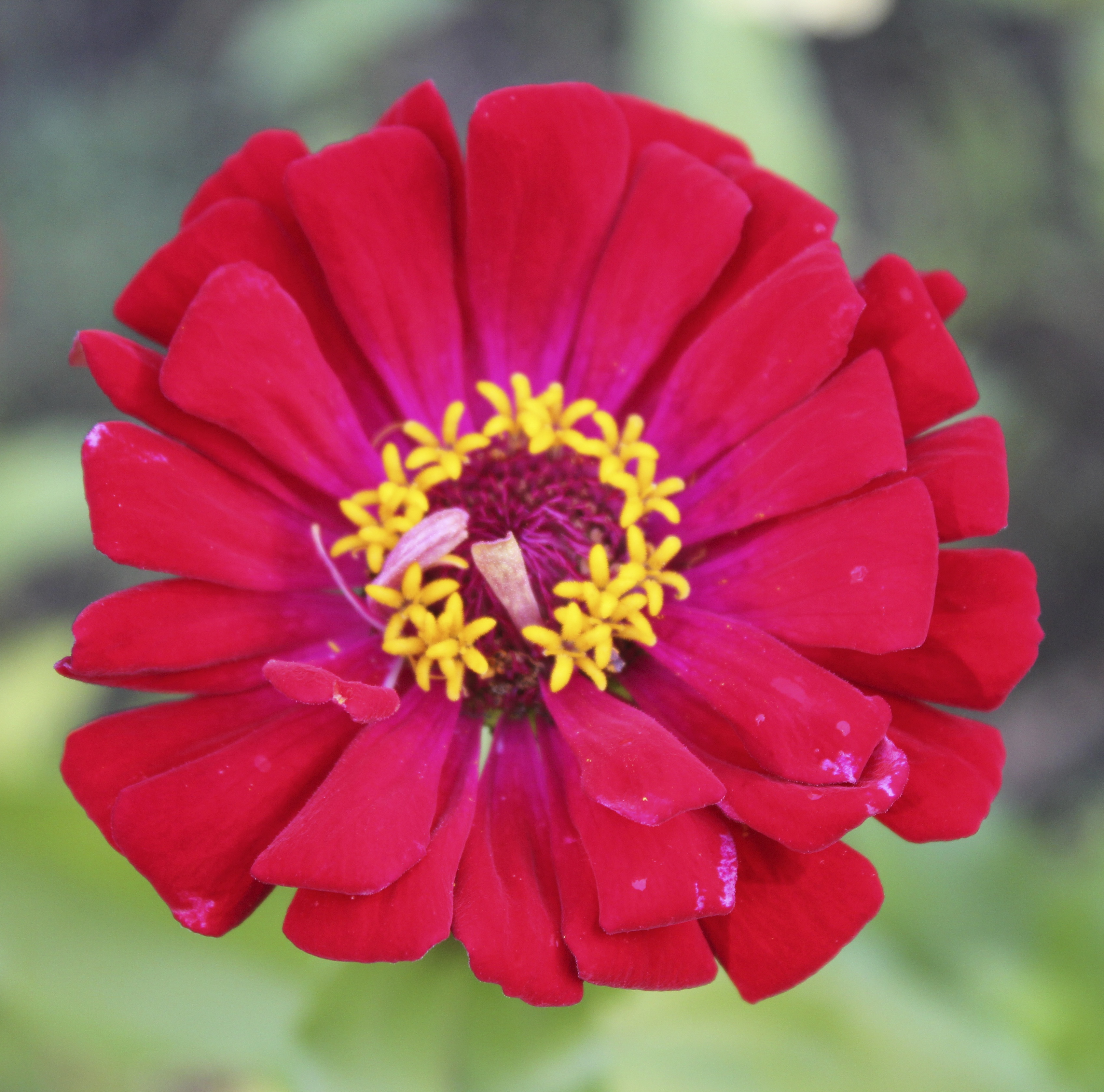
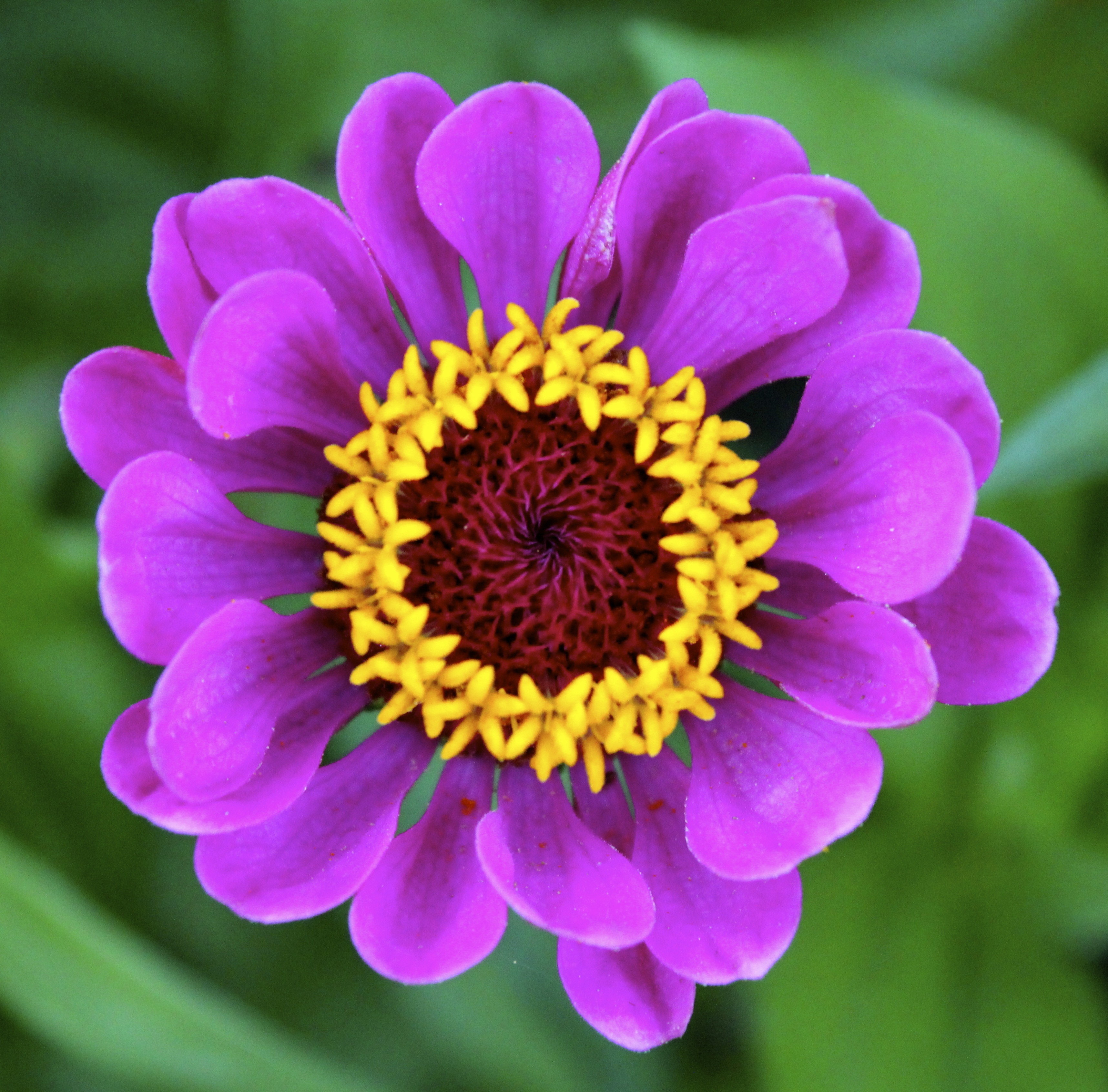
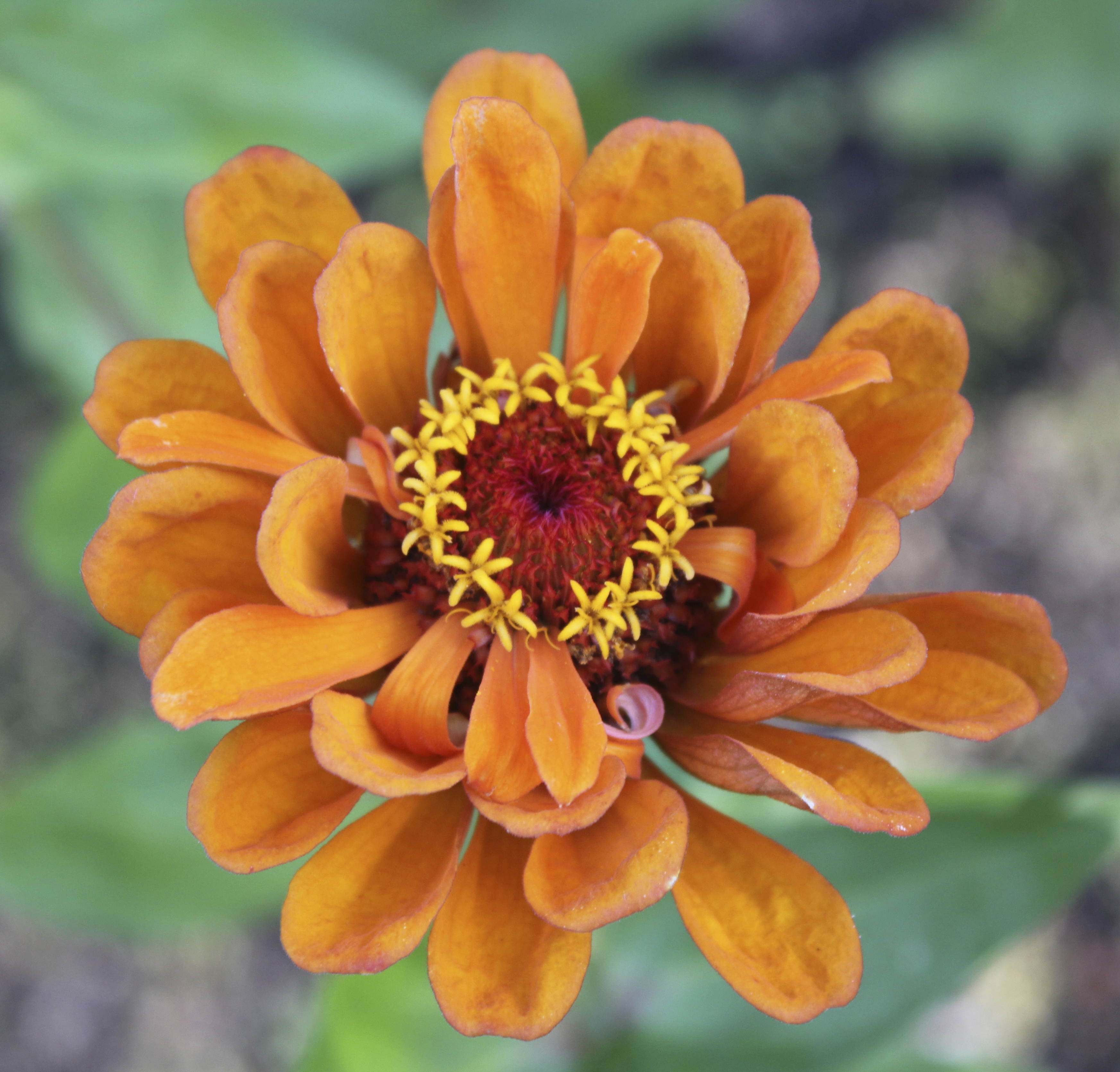
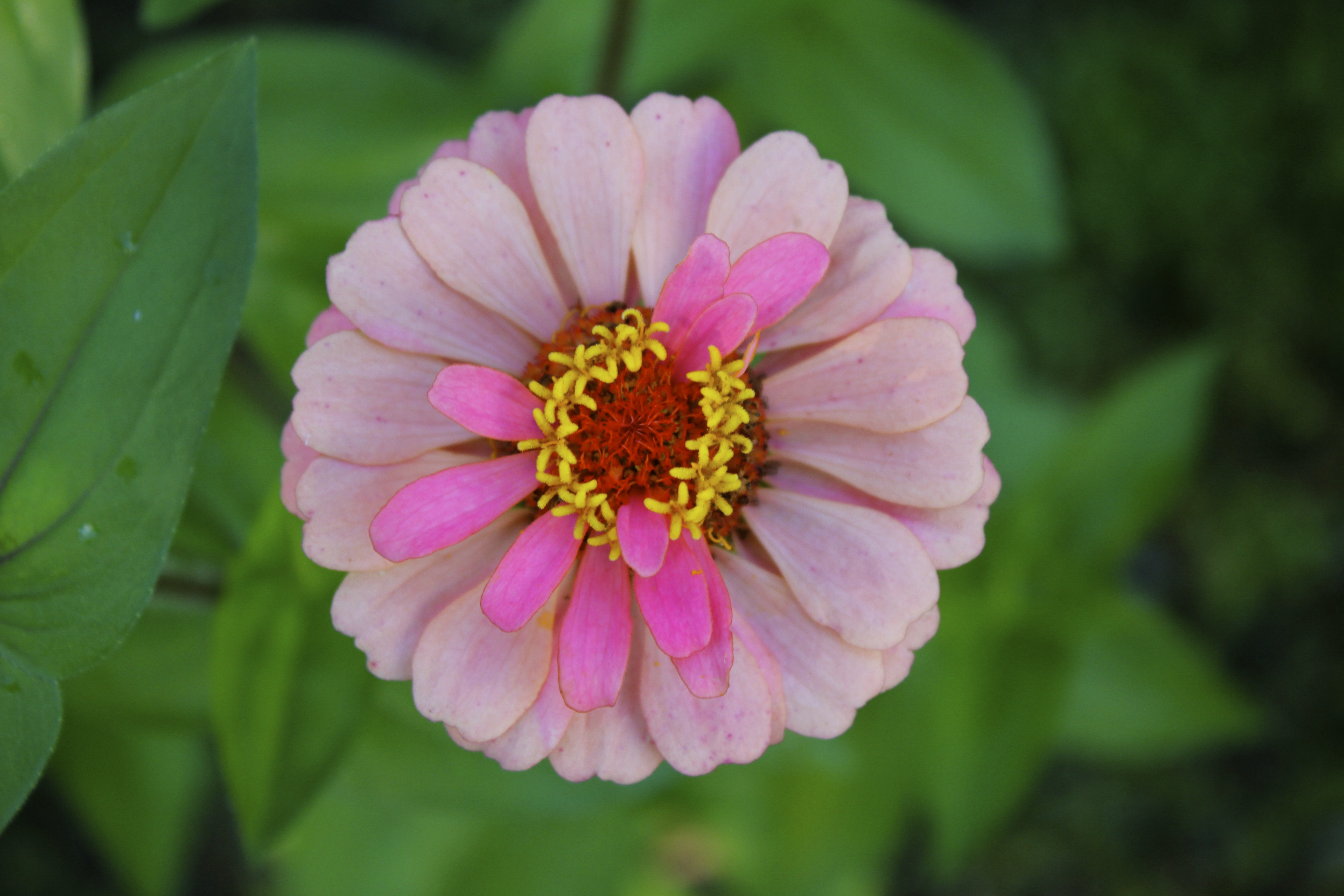
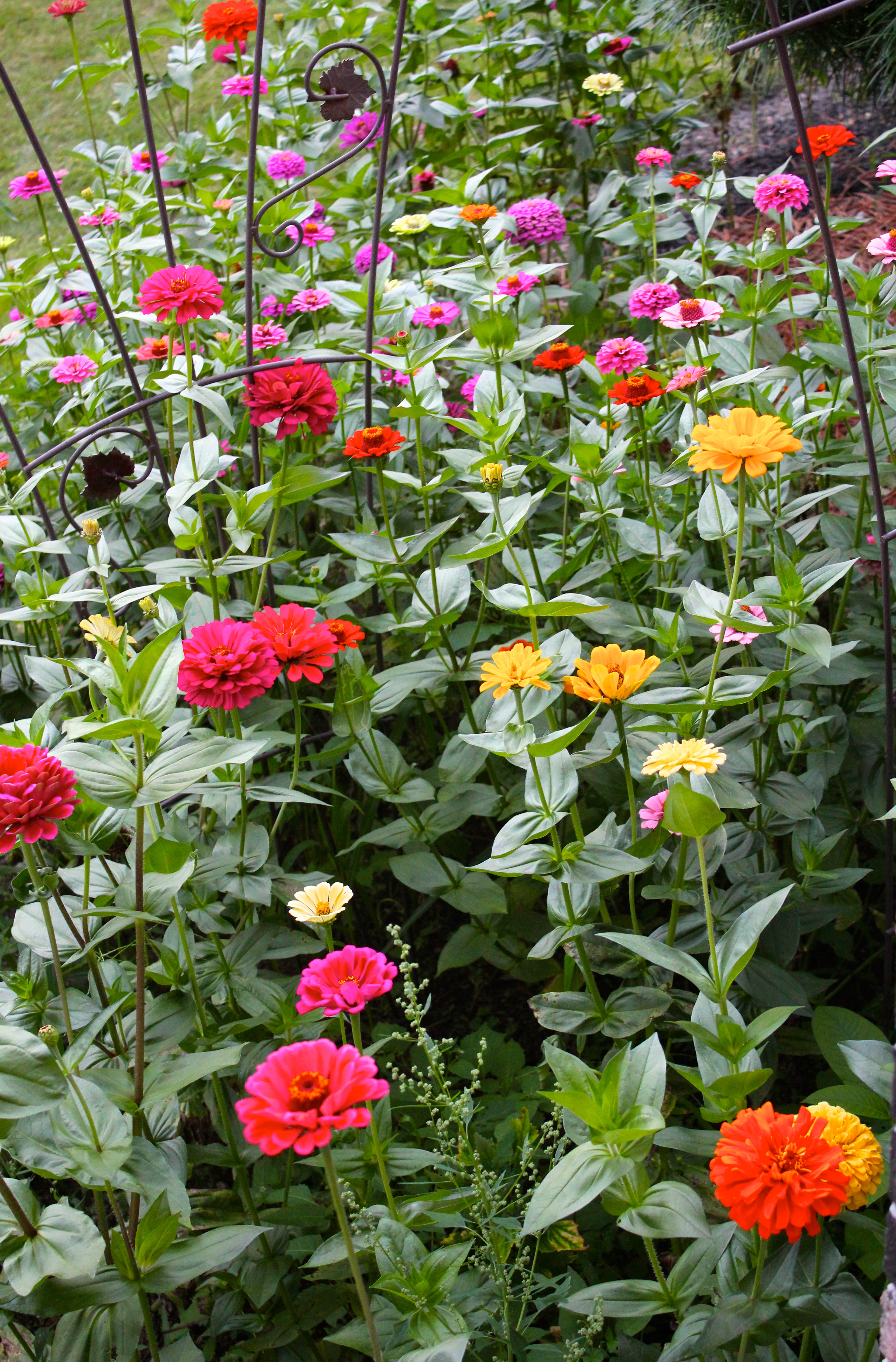
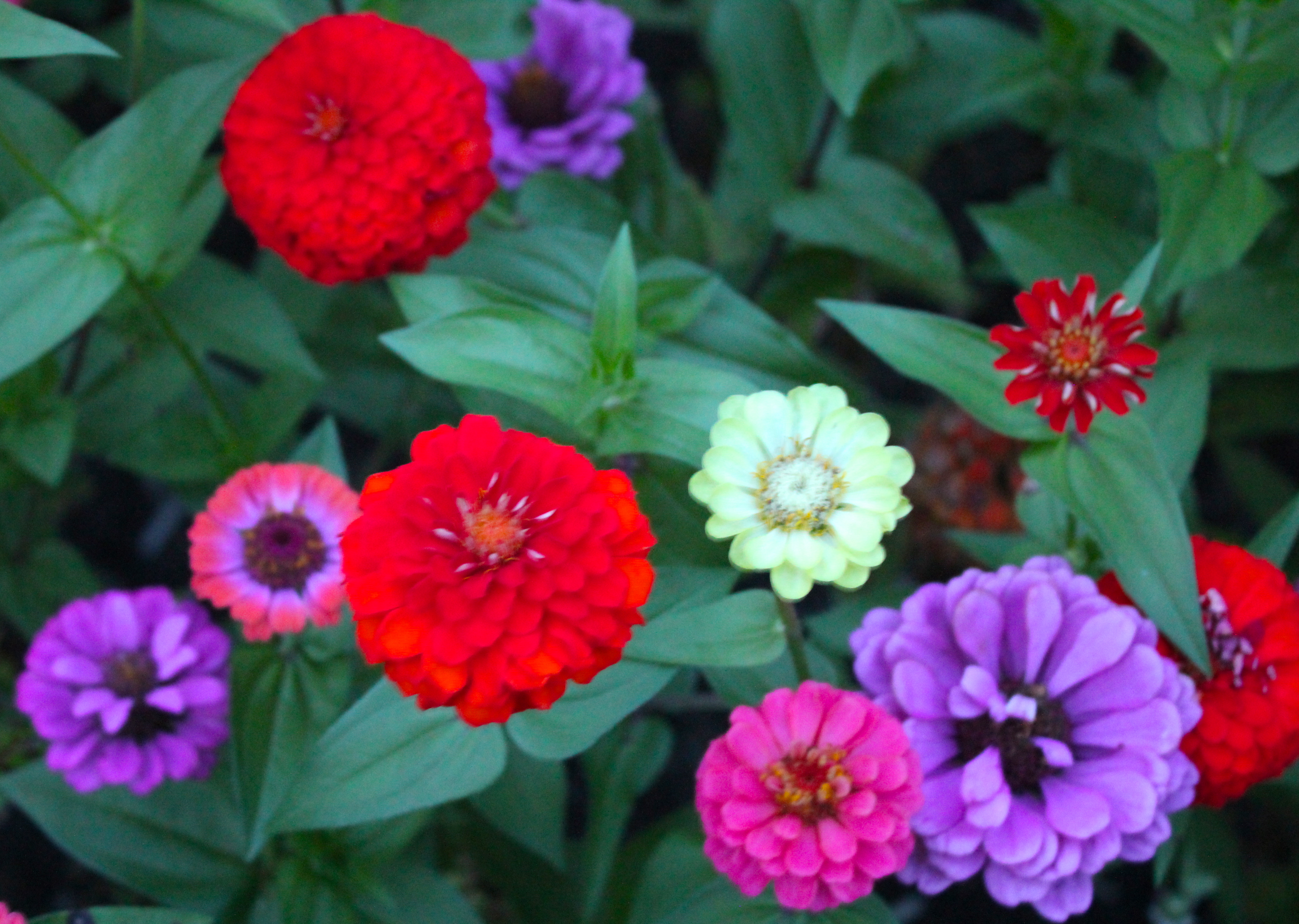
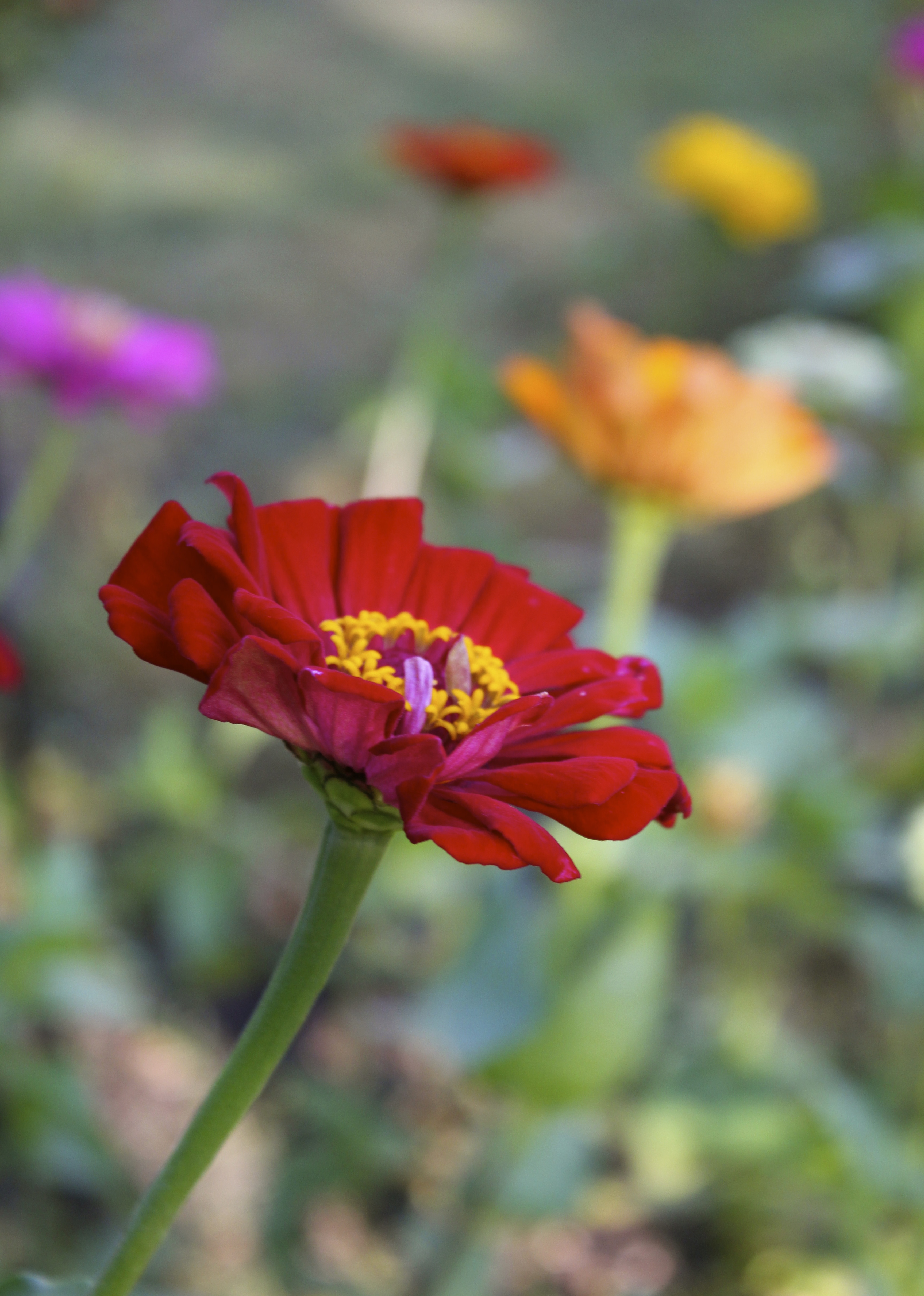
While I was pregnant with our second son, so long ago, I prepared several packages of zinnia seeds to send out as birth announcements. After he died, I planted all of the seeds in a huge bed of soil in front of an old chicken coop on the property where we lived at the time.

I have kept the tradition of planting zinnias every year.

And every year, I photograph them as though I think they are more beautiful than they’ve ever been.

*****

Where is God?

God is everywhere.

Why do earthquakes happen?

Because Earth is an imperfect part of an imperfect universe.

So if God created Earth, God is not perfect?

Maybe He isn’t. Maybe none of us are, nor will any of us ever be, perfect.

God didn’t make everything perfect.

*****
IMG_1846

*****

The question becomes, as Harold Kushner leads us to consider:

Do we love God enough to forgive Him for not making everything perfect?

Or, maybe it is more comforting to choose to accept what we can’t understand about creation. Maybe there is no one God. We are on our own.

A sobering thought, but think of it. We have each other.

*****

“The ability to forgive and the ability to love are the weapons God has given us to enable us to live fully, bravely, and meaningfully in this less-than-perfect world.”  Harold. S. Kushner

*****
The Hand-Cut Garden and Earth Day

A lawn is a lovely thing, but having one is like trying to grow a crop of happiness in Eeyore’s garden. If a lawn is cultivated to be weed-free and lush, it will need a steady supply of water, harmful chemicals, and daily doses of manic obsession in order to thrive, unnaturally and falsely beautiful, in controlled areas.

(Makes me think of marriage and parenthood and human-ness and how perfect we think we can make our worlds.)

Lawns that are allowed to become their own blend of grass, weeds, and other kinds of plants are less of a strain on the environment and the psyche.

But I know a lot of people hate weeds like dandelions. That simple hate causes a lot of harm to the Earth. It doesn’t have to be that way…

*****

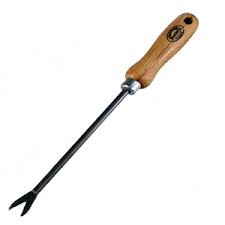
Here is the most useful and harmless tool for removing dandelions from a lawn. It is a hand tool:

Unknown-16

You push it deep into the soil near the center of the dandelion, wiggle it to and fro loosening the tenacious tap root, and then—with an “I’m the boss” kind of tug—you pull the plant out. This is quiet work. (You don’t shout out, “I’m the boss!” You say it softly, to yourself.)

This work involves no loud leaf-and-dirt blowing machines and no harsh chemicals. You take your body for a stroll around the garden. You bend that body over, you stoop it down, you crouch with it—stretching the backbone into curves, keeping the knees oiled—and the mind glides away, like a kite on a string tied to your heart.

What looks likes a mindless exercise in futility (how will I ever remove every dandelion? They will just come back!) is actually a mindful excursion into peace. You will not ever remove every dandelion. They will come back.

So will the sun, and all of its ways to light up the Earth—you’ll work in early morning’s hopeful light, late afternoon’s tea-time light, and early evening’s anxious light—another day is ending. Did I love my life?

The rain will come back, too. As will the quiet walk and the fresh air.

The gentle work you do that brings no harm to the Earth will continue to give you a cycle of calm, meditative motion for the body and the soul.

What do I see when I watch my husband walking around with the dandelion puller upper? I see a modern-day, part-time monk tending his place on Earth. There was a time when he wanted to use chemicals to annihilate the dandelions. But any man who works sinfully long hours most days and spends sinfully long hours commuting to Boston while hating dandelions, can either put his stress into the Earth by way of more harm—chemicals—or he can put it there by way of more peace and groovy love—the dandelion puller upper.

Collected dandelions can be tossed onto the compost pile or into a sauté pan. They go on the compost pile around here because my husband has memories of eating bitter, icky dandelions at his grandmother’s house when he was a boy. I should give them a second chance for him—maybe all his grandmother lacked was the benefit of the Internet to hunt down more memorable recipes.

Dandelions look as breathtaking as fresh sunshine glittering on calm seas when they bloom in upstate New York’s farm country and all over Vermont’s mountainside meadows. The bold yellow flowers make you love them all over again, (if you loved them as a youngster), or they cause you to love them for the first time. (It’s never too late to become a flower-hugger.)

******

So for the past week, I’ve been hand cutting new paths and garden beds from the lawn on my one acre of uneven land in Massachusetts. The way I do this, with spade and body, is nuts. But it is good for the Earth and if I were to calculate my carbon footprint, I’d probably find that I’m tipping the scales on the wrong end because I drive a car, fly on airplanes, ride on trains, and I live in a house that has heat, hot water, and AC.

I know the hand-cut garden won’t save the world.

It is probably more artisan than activist.

More crazy lady than cool mama.

More secret to happiness than maddening masses yearning to keep breathing (and ingesting) chemical sadness.

Nevertheless, whenever I hear that yet more and more landscapers are out there advising folks to make new gardens in their lawns by dousing the grass with Round-up to kill it before planting the garden, I want to douse the landscapers with Round-up and shut them up. Round-up should be used only to douse poison ivy—a true hazard in the home garden.

Grass in a lawn, also known as sod, is a mighty chunk of nutrient-rich greenery and soil. (Of course, if it has been doped up for years, it’s not as good as the clean stuff. But it’s still good.) After I design new garden beds in existing parts of the lawn, I dig deep. I jump onto the spade and let it sink down, down, down. I lift the hunk of Earth out and flip it over.

It’s hard work.

The Earth weighs about 1,000 trillion metric tons. A shovel-full of New England soil weighs more than a glass of wine, more than a spoonful of ice cream, and more than a handful of M&M’s. Heaving it up and out and over is more work than logging onto Facebook or tapping out a text message or chilling out to a TED Talk about how you can save yourself and the world and be all you can be.

The hand-cut garden is a solitary, quiet pursuit. No team. No sponsors. No fan club.

In the realm of that royal solitude, created while at work with the Earth, you get to fill the palace inside your head with anything you want. You can clean the palace out, rearrange it, or decorate it with lofty aspirations. You can study and think. You can feel curious—about how strong you are and how strong you are not. You can notice how filled with stuff—ancient stuff—the soil is. You can realize how noisy the birds are.

If you are fortunate, like me, maybe you live in a town where they still allow church bells to clang out the melodies of hymns from your childhood. The church is more than two miles away, as the crow flies, but when the bells ring and I am outside working, I am able to listen. Because my work is quiet work.

My garden is also downwind from the local coffee roasting business.

Church bells and the aroma of roasting coffee beans blended up with the rising scent of fresh, hand-tilled soil. Soon, the farm down the road will spread fresh manure over the fields. That’s a day when the air smells shockingly ripe.

*****

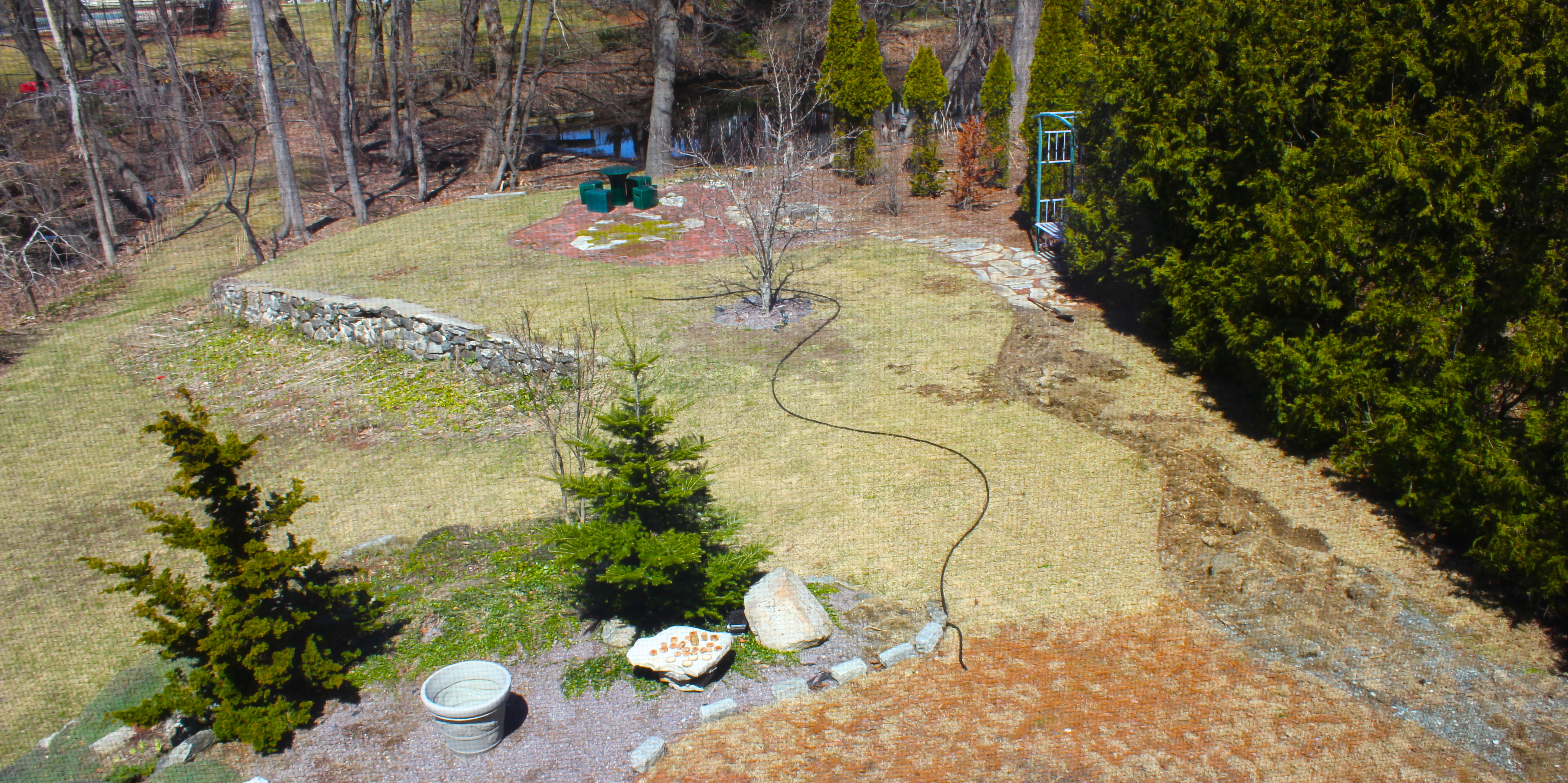
Hand-cut gardens need the magic rope—a pliable, long strand of woven fibers which becomes like a lasso when waved from the fingertips of a garden design guru. Every dream of Earthly, Eden-like beauty can be caught with the magic rope and drawn out onto the ground. There’s some sketching beforehand and immersion in garden books, but I’m an on-location designer. I have to feel how the land sways, drops, and hovers. Before and in progress:

IMG_0837

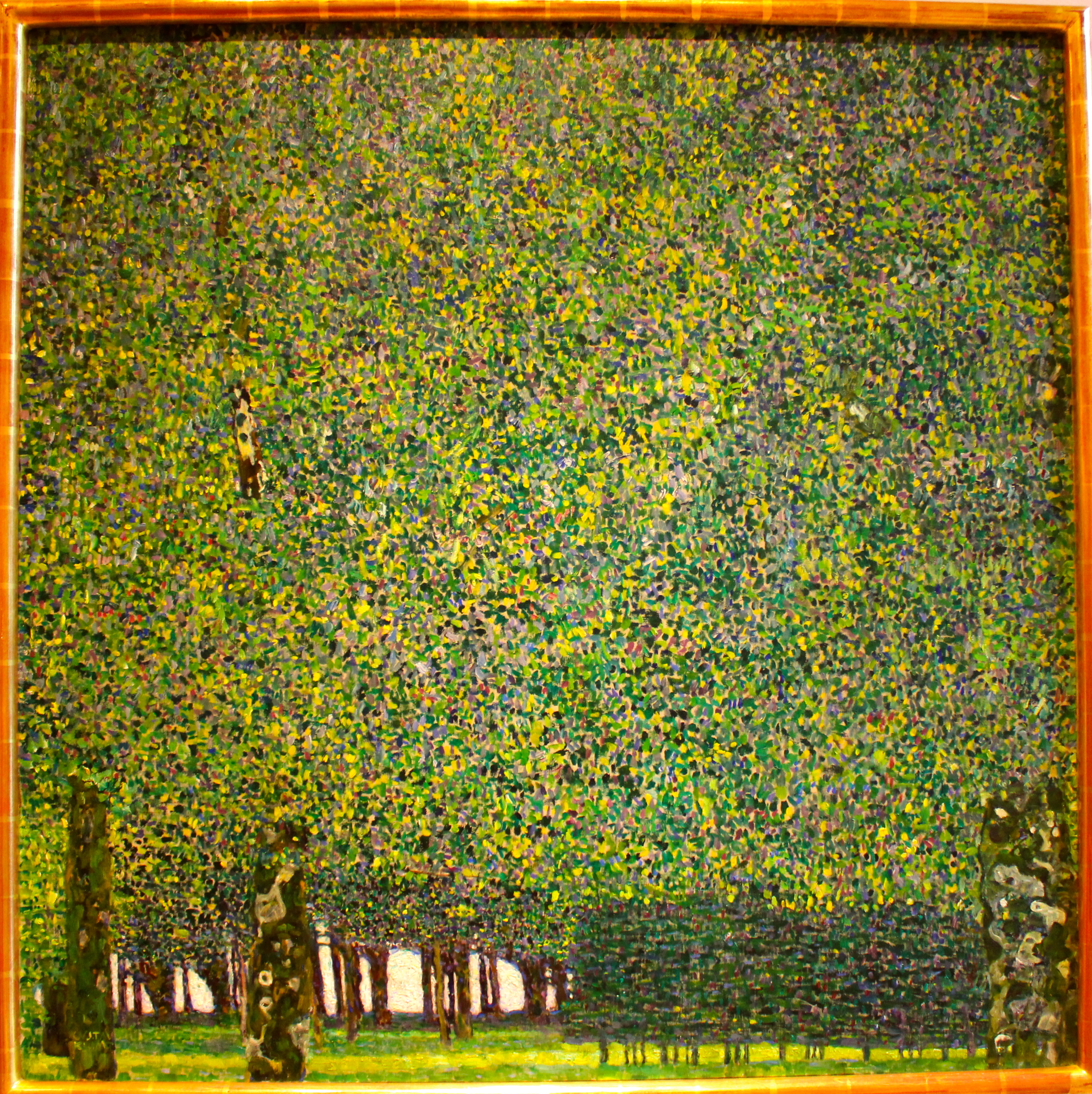
The magic rope abides by important design principles linked in with geometry, but it is also influenced by artistic visions that can’t be suppressed—like memories of Gustav Klimt at the Museum of Modern Art in NYC, during the dead of winter, when I was reminded that I’ve always wanted to figure out how to make the Earth’s trees laugh in flowers:

IMG_0096

*****

How I do it (sort of):

I draw the lines of garden beds and paths onto the Earth. Then I cut the edge into the lawn—using the rope as a guide—with a square-tipped spade. I return the good soil to the Earth where it will decompose and build up the soil for garden beds. I make sure to dig deep and flip over the sod, chopping it up here and there. Then, I cover the repurposed lawn with chemical-free, not-artificially-colored mulch to suppress weeds until the bed is fully planted up with trees, shrubs, flowers, ground covers.

I think of my hand-cutting-out-of-gardens as a secret process for sustainable gardening. Though the work is like taking baby steps to help heal the Earth, it’s better than not walking at all. I have hand cut every garden on my one acre, and I have planted every plant in the hand-cut beds.

All the plants survive within the soil, as it is.

And with the rain, as it comes or doesn’t come.

And with the wind, as it blows.

And with the sun, as it shines, or doesn’t shine.

The soil changes every season with decomposing fallen leaves and ever-present wandering worms and weeds.

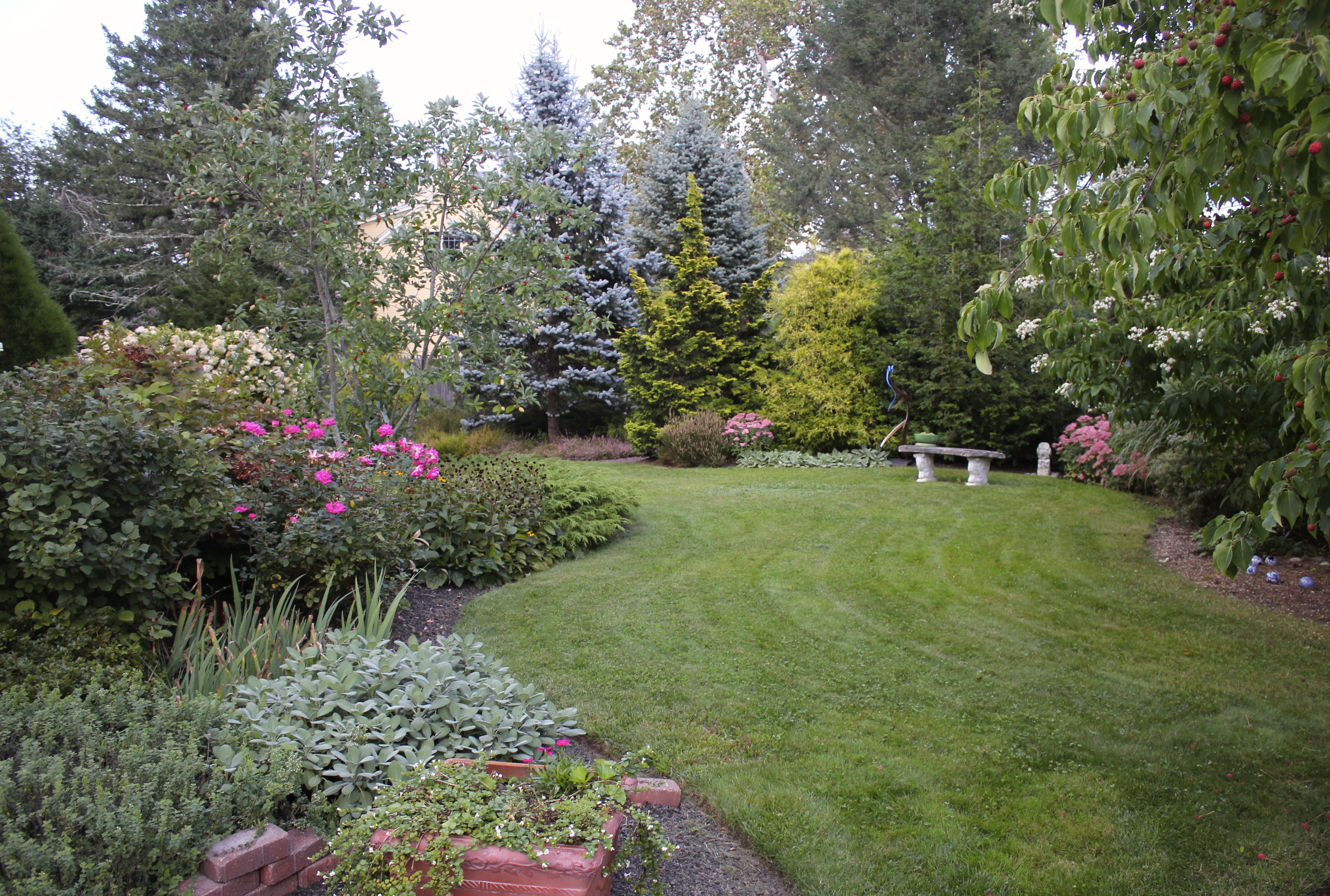
This is a nice picture of my front yard in September. I have never used an automatic watering system nor have chemicals or added fertilizers ever been dumped onto the garden beds. The lawn includes grass, clover, moss, bugleweed, crabgrass, dandelions, violets, and a lot of annoying ants and moles.

IMG_1918

*****

Late in the afternoon on last Saturday, after a full day of helping me hand work my gardens, my husband announced that it was quittin’ time for him. There was cold beer in the barn and our son was in there, too—he had come home for an overnight visit. The two of them, my husband and my son, are musicians and they wanted to play music.

But, my husband had dug up about half a trillion metric tons of Earth from a garden bed for me and he had piled it onto two tarps as long as the aisle in the church where we got married. The walk down that aisle was long. The walk out the door, together, as a married couple, happened in the blink of a spring Robin’s eye.

But I am not a spring Robin anymore. I suddenly realized that I had tried to feather too many new nests in one week. My wings were sore. Instead of crying, which is what my exhaustion wanted me to do, I yelled at my husband. I told him he did everything all wrong and now there was no way I could continue my work and finish it by the end of the day.

One of the rakes we were using had broken.

My husband walked away and when he returned, a little while later, he brought a new rake.

And then, together, we moved half a trillion metric tons of Earth, by hand and body before the sun set. Some went to make a nicer garden down by the pond, and some went back into the new garden bed.

IMG_0934

Dirty, sweaty, sunburned—our skin welted up with black-fly bites—we headed for the barn and cold beer and the company of our son, after folding up the tarps and putting the tools away. I made a toast to my husband. I thanked him for noticing that I was in over my chirpy head and was about to fall out of the tree without any wings to save me.

If I have a secret for saving the Earth while keeping a marriage going and trying to raise kids, maybe it’s the dandelion puller upper.

And a hand shovel.

And honored memories of the first time you walked down a long aisle, or road, or unbearable challenge—together—and knew it was a lot easier than doing it alone.

I think about that when I’m at work healing the Earth or helping others learn how to do it.

It’s nice to work alone.

It’s also nice to work together.

That’s when the Earth laughs in flowery bouquets and puts extra spring into our baby steps.

*****

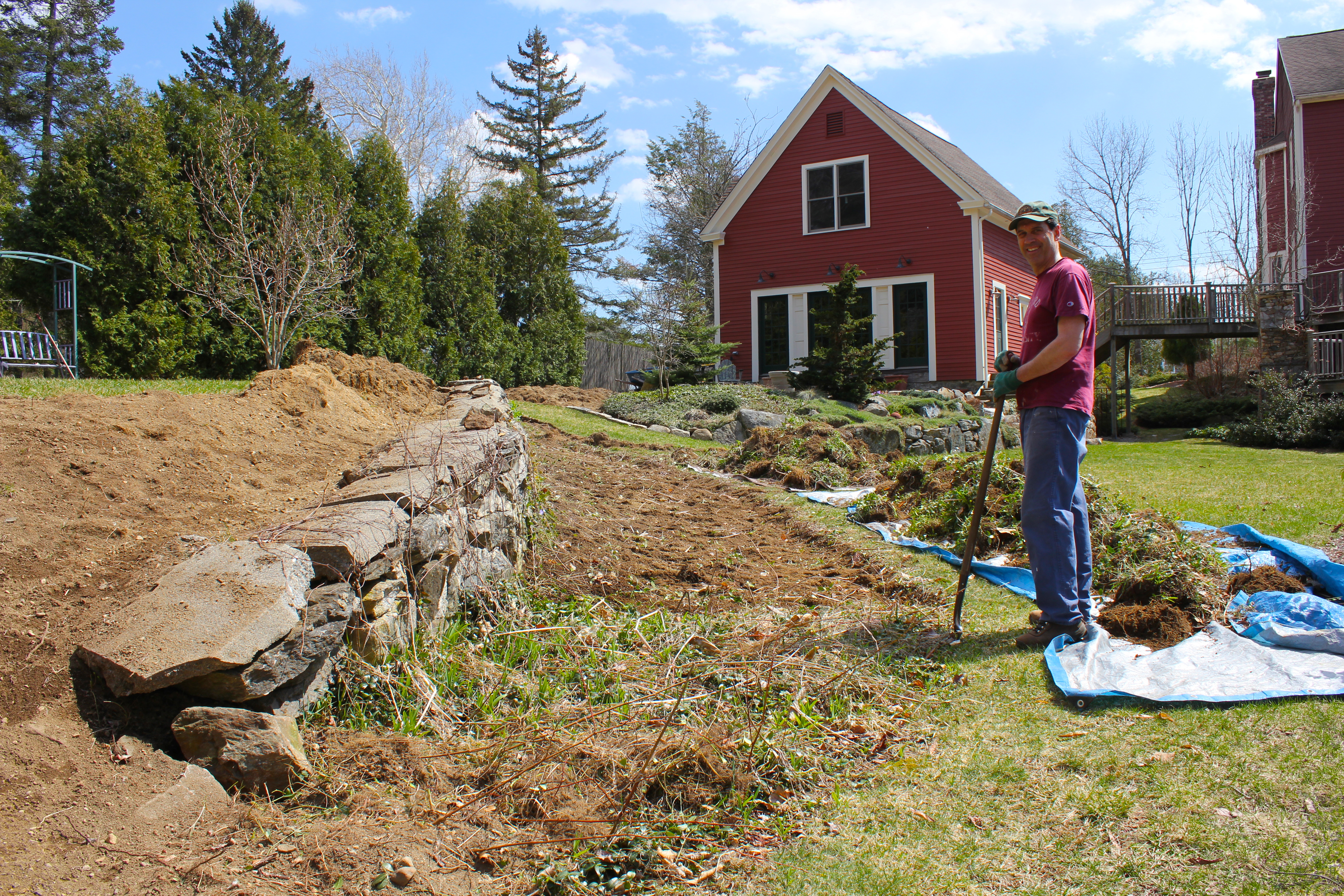
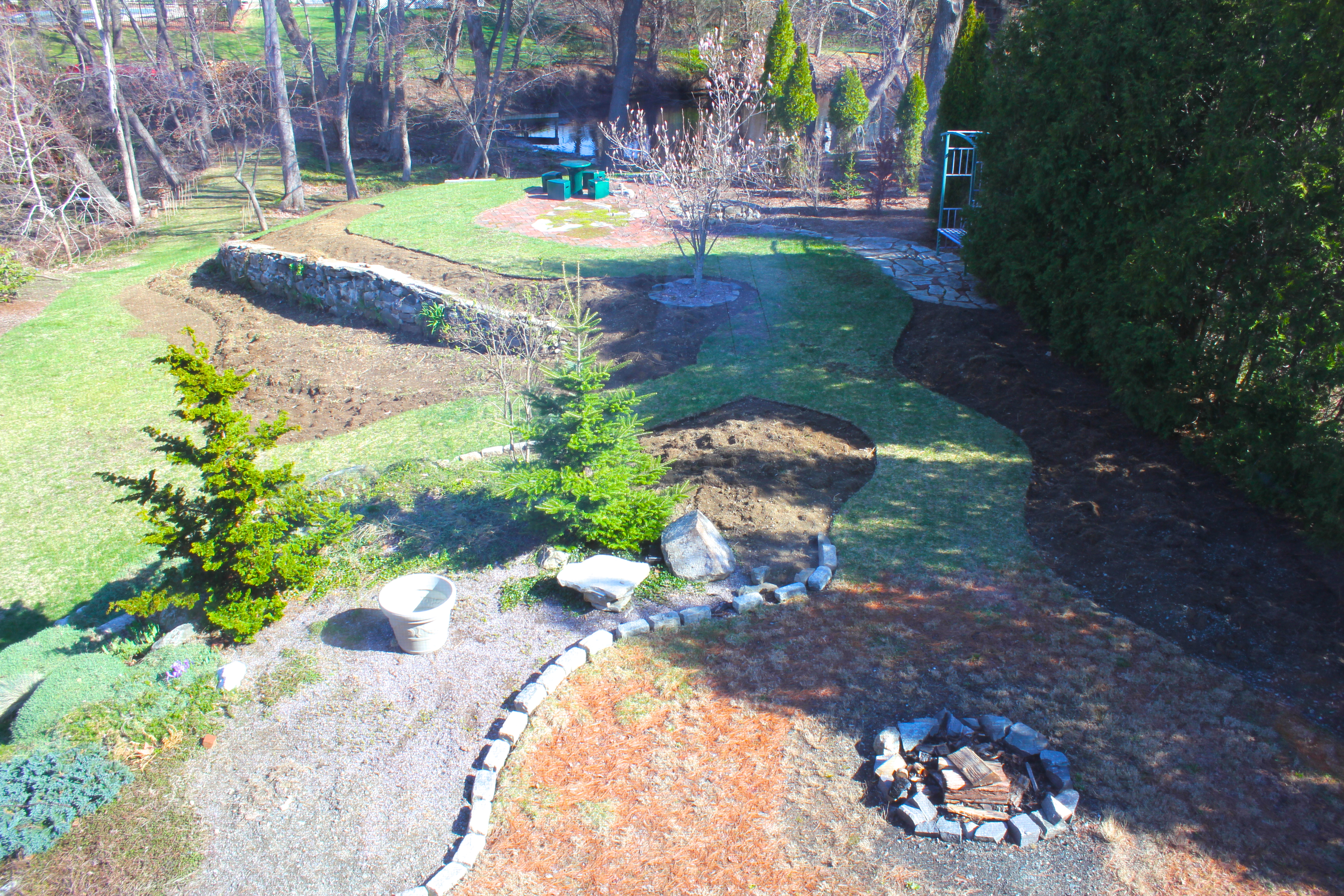
The paths and gardens, beginning to take shape behind the barn:

IMG_0952

HAPPY EARTH DAY.

A Modern Sunday Morning Breakfast.

On Sundays in spring when a cheerful breeze can be felt bringing the sun’s warmth for an all-day stay to my country hideout, gratitude begins with breakfast. There are two of us up early and ready to get to work fussing over our little estate and our charmed lives. But first, we want something to eat.

The breakfast should be hearty enough to sustain us only through the morning’s work, because we don’t want to miss out on feeling hungry for a good lunch.

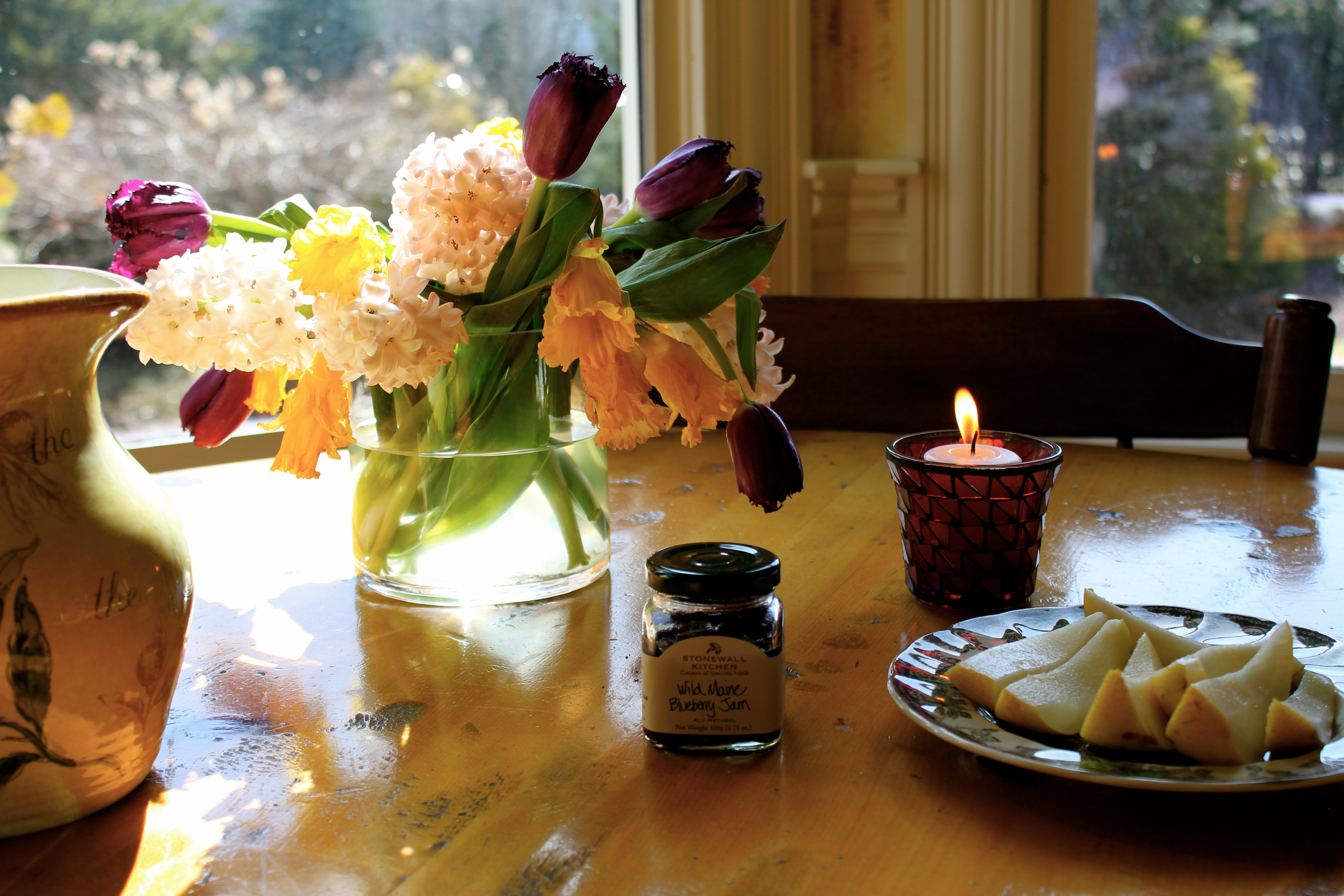
I set the table with spring flowers received from a friend and a small jar of Maine blueberry jam. (Meant to hold us over until I make fresh jams again when the strawberries bloom. And the blueberries, raspberries, peaches, and pears.) A stoneware pitcher contains stirred-up orange, pineapple, and strawberry juices.

IMG_0793

There is always a candle on the breakfast table, too. On this particular Sunday, a day when our breakfast conversation will be about planning a trip to France, the candlelight shines dreams of fairy tale escapes to small villages in the French countryside, where I am inside a stone church, because we have gone for a walk to find fresh bread, but have come upon a church on the way. The church is deserted, filled only with sunlight and the musk of centuries of fervent desires, damp, absorbed by the stone. No prayer is ever wasted.

The same friend bearing the bouquet of spring flowers, which smelled heavenly because of some sweet Hyacinth, delivered a collection of perfect eggs from her hens, in an egg carton she decorated just for me. The eggs will be the main course for our modern Sunday breakfast.

IMG_0770

IMG_0771

*****

These flowers and eggs were all part of a birthday gift to me and I immediately thought back to a day at the end of last summer when I sat with my friend on her grand back porch and watched the hens running around in her gardens, free as love at age 14, hiding, causing us to worry about them, then showing up again without any concern for our worries. We drove around my friend’s country estate on a garden tractor together—I was at the wheel (for my friend had a broken leg)—visiting all her gardens and stopping to admire a lush patch of beautiful gourds rambling, (free as love over age 55!), through her pig pen. She’d had some pigs, but they had gone to slaughter. I should have come to see them as cute baby pigs, but I think pigs are very smart and they would have seen their fate in my eyes. I chose a colorful collection of gourds from the vines that day and piled them into the garden tractor, but when it was time to go home, I forgot to fetch my treasures from the tractor. My friend was so pleased with her gourds, I am sure she will grow them again this year and I will get another chance to pick the ones I like. If my luck holds out, I won’t forget to bring them home.

*****

I was excited to have the fresh eggs from my friend because fresh eggs to me are forever York, England—a place where my true love and I drove after we abandoned our last baby at Oxford College for a summer study program. She was only fifteen years old and it all seemed so exciting until we arrived to drop her off and then had to leave her. She didn’t have a friend, nor was the study program connected to any familiar school with familiar teachers.

In York, we stayed at a bed and breakfast just beyond the magnificent medieval walls. The youthful innkeepers served eggs fresh from the countryside, delivered by a woman well past eighty years old, still working hard taking care of her hens and delivering eggs to her customers. The eggs had rich coloring to the yolks, not pale or faded. After we ate them, we embarked on charming walks into the city of York, through gardens well tended amid ancient Roman ruins. York, England was the outermost reach of the Roman empire. For a little girl living in the times of Rome’s expansive empires, there was little chance of ever finding out about foreign lands. And for her mother, little anxiety that her daughter might wish to leave home, at a young age, to test the limits of distant horizons and a mother’s fragile heart.

*****

For our Sunday morning breakfast: I sautéed chopped, sweet onion in olive oil to flavor the olive oil. I scooped out the onion and set it aside. Next, I slipped two eggs into the heated olive oil (one for each of us), careful to keep the yolks unbroken. Then, sea salt and cracked peppercorn medley. (Black peppercorns, coriander, pink peppercorns, white peppercorns, allspice, and green peppercorns.)

IMG_0810Then comes the gentle folding over of the eggs, easy. Fresh bread, or whatever is in the house, is toasted and olive oil is drizzled over the toast. The egg is layered on top of that with the onion and some capers. While preparing the eggs, I had strips of prosciutto cooking under the broiler in the oven, not for long, just enough to crisp it up like bacon.

IMG_0797

*****

After breakfast, I went to work in the garden. How my creative and hungry soul winced when I spied the parsley in the herb garden, barely making it up and out of the earth. Why didn’t I check for it sooner? And not far from the parsley spiked the chives, brilliant green! I could have placed the freshest, sweetest, teeniest brand new leaves of parsley on my exquisite eggs or fancied them up with a few circles of chopped chives! I remember, as I arranged the plate, feeling a restless urge to add some color, either the red of a tomato or a pepper, or the green of fresh herbs.

But, it was time for church in our little cathedral and my true love was bound for the airport and a business trip. I didn’t have all morning to obsess over the eggs. We sat down to share our Sunday breakfast and knew everything was perfect as it was. We had flowers and eggs from a friend, memories, new flavors, and, as always, our prayers of gratitude and one of hope—that the next time we sit down for a Sunday breakfast, we will be heading into the gardens, together, to work all day—building our appetites for dinner!

Hellebores and Hell’s a Bore.

In the year 1958, Katharine S. White, an amateur gardener, began to write a gardening column, Onward and Upward in the GardenShe was an editor at The New Yorker and she was married to E.B. White.

She also tended her own garden in Maine and nurtured a fun little hobby she was sure was not hers alone–the pleasurable escape of reading garden catalogues.

Thank goodness she had enough time left over in her life, in those days, to begin writing about what she read in the flimsy pages of the catalogues. She joined in with the community of quirky, and seriously devoted, garden-writing stylists whose work existed in an exclusive, sumptuous, and untrammeled green forum.

It didn’t hurt that the garden catalogues, composed with fantastical flower, fruit, and veggie pictures, were delivered though the U.S. mail at a time of the year when Katharine S. White was probably cold, tired of snow, and, at times, weary of her job as an editor with its attendant frustrations over the puzzling art of poetry.

E.B. White documented one of his wife’s earnest pleas, directed at poets, in his essay, Poetry, from his book One Man’s Meat:

“I wish poets could be clearer,” shouted my wife angrily from the next room. Hers is a universal longing. We would all like it if the bards would make themselves plain, or we think we would. The poets however, are not easily diverted from their high mysterious ways. A poet dares be just so clear and no clearer; he approaches lucid ground warily, like a mariner who is determined not to scrape his bottom on anything solid. A poet’s pleasure is to withhold a little of his meaning, to intensify by mystification. He unzips the veil from beauty but does not remove it. A poet utterly clear is a trifle glaring.

White’s essay continues to ruminate about poetry. He injects a little humor: “I think Americans, perhaps more than any other people, are impressed by what they don’t understand and poets take advantage of this.” He also writes that he is jealous of poets and wishes, more than anything else, to be a poet.

Well, harumph to the days of sitting around dazed and confused about poetry, thumbs available for twiddling. Haha freakin harumph. How I long for them! I think Americans, nowadays, are impressed by how busy and preoccupied and stupendous their multiple electronic gadgets make them appear to be. Or, at least it started out that way. Now, now, they seem willfully seduced by all things glowing Google. They are so smitten, they claim they can’t help it. They’ve devoured every marshmallow of self-restraint on the researcher’s table and slept with every sexy plate of pasta tweeted by the Food Gurus. They are busier than Sheryl Sandberg leaning up against my front door, while giving birth, and running a meeting on her laptop, and having a happy marriage, and trying to sell me her book.

I think I am supposed to be feeling sorry for the busy people, because it’s not their fault. I watch them raise their syrupy eyes every now and then to make sure everyone else is wearing their favorite pair of fat busypants. Oooh. They’re so comfortable. The electronic wizards croon. I make a note to find out where I can purchase a pair.

But. The truth is. I drink alone.

Because there’s no one in the bar anymore. First, they took away the cigarettes. Then, they took away the band. They allowed phones on every table, computers too, and all other kinds of screens and toys that I am urged to swipe my fingers over. That’s gross.

I am drowning in mugs of beer gone stale because no one could sit still long enough to finish theirs.

God knows I am depending on Him to reserve a place in paradise for the poets and garden writers.

Because this hellish fad of busy buzzings is a damn bore. Or maybe I am just a big bore. And, I’m not even sure God exists or that the poets and gardeners will make it to His paradise if He does.

What if this is it?

I head for the woods.

*****

It’s springtime.

Upon the surface of the forest’s vernal pools floats the reflection of the cloud--an ugly crust of emails, downloaded photos, saved documents. I step in, sloshing about—sinking—getting all muddy and slicked over. It scares the salamanders, at work breeding the old-fashioned way, but ending up with extra toes, tails, and spots. And too many emails.

If you go to Starbucks, you can’t buy CD’s with your coffee anymore. I should have taken better care of mine. I have only been inside a Starbucks once in my life.

Someday, they’ll say we have to do everything we can to save the strange-spotted, toeful, double-tailed salamander. And the researchers will ask for donations to the Salve the Salamanders Project, which will fund safe, water-soluble forms of Xanax for vernal pools so the creatures can deal, gently, with all those emails, extra toes, tails, and spots.

I don’t understand literature or poetry. Or French. Or Russian. Or Chinese. Not even Spanish.

I don’t know how to use punctuation and I don’t know grammatical parts of speech. When I write, in English, which is the language of my youth, I am wriggling around, panting, laughing.

I will never catch up! I wasted my childhood playing, when I might-should-have-been reading and studying and obsessing over something I could do–and do like a champion–forever.

It snowed so much this winter, I wondered about the plants in my garden instead of my periods and commas and quotation marks.

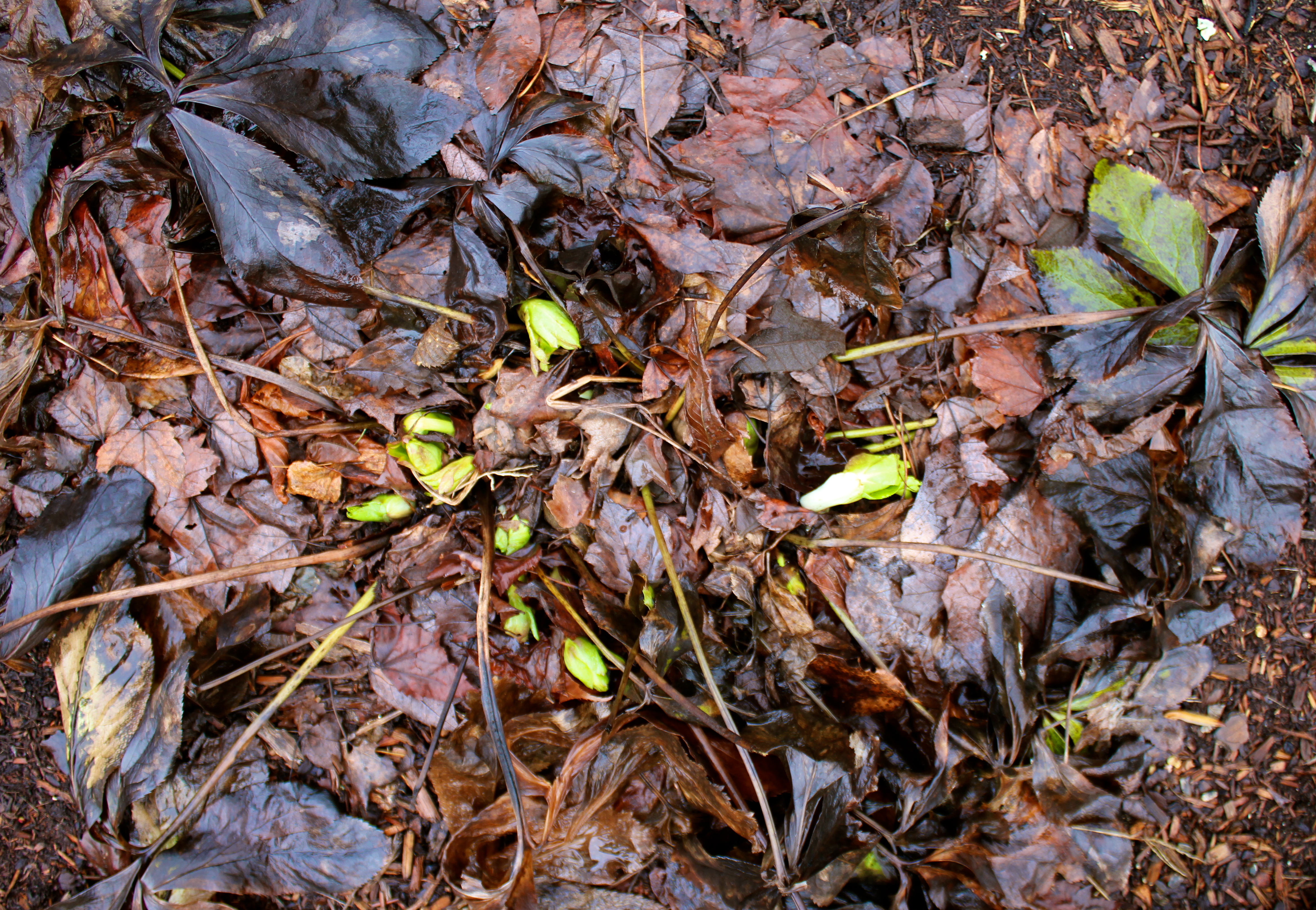
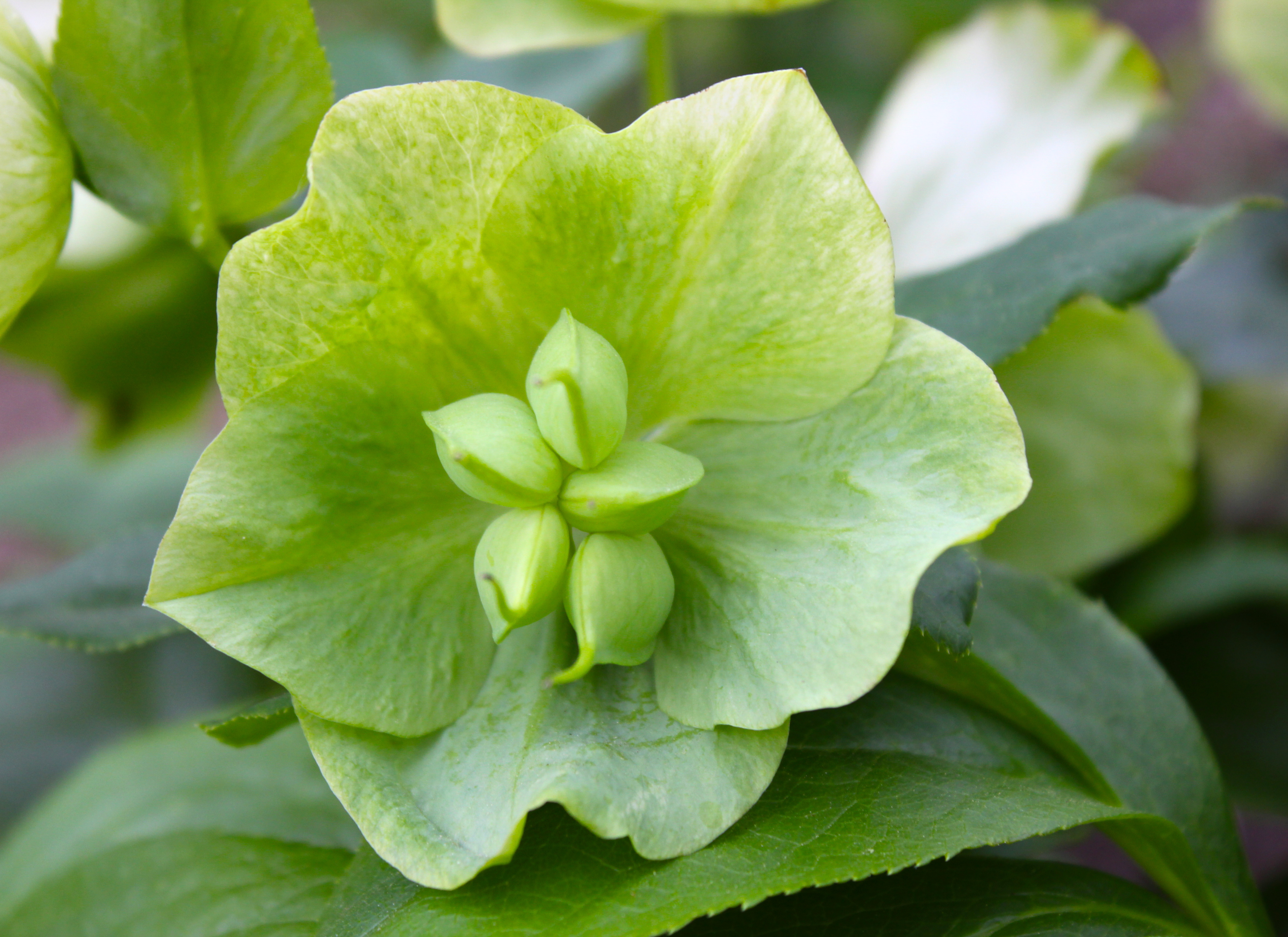
The snow has melted and my Hellebores look wasted. They’re a colorless, dull black and they are limp–splayed flat out in the garden. But there’s some hope in there. The little green buds.

IMG_0777

The Hellebores look like I feel because after I read about Starbuck’s, I read that the Apple watch will soon be strapped around the wrists of my countrymen. They will strap them around their chests and foreheads, too. Boomp, pa, boom. Boomp, pa, boom. Click. Click. Hummm.

What keeps you alive?

After a long walk in the woods, I stroll my garden. It looks like hell alright. There are cracked and dropped branches. Lots of prostrate, spent, plant debris begging me to bend over and get to work. A woodpile still needs to be stacked. It’s a security blanket. I’ll wrap myself up in that work on a day when I think about something else I read in the newspaper–that no one wants a garden anymore. It’s too much work and everyone is too busy. I know it’s true.

I only received three garden catalogues in the mail this year. I don’t want to look at them on line. I want to read them and hold them in my hands and smell them. Like my Weekly Reader back in grade school. Something fun, delivered. I want to dog-ear the pages that have all my dreams four-color-separated onto them.

*****

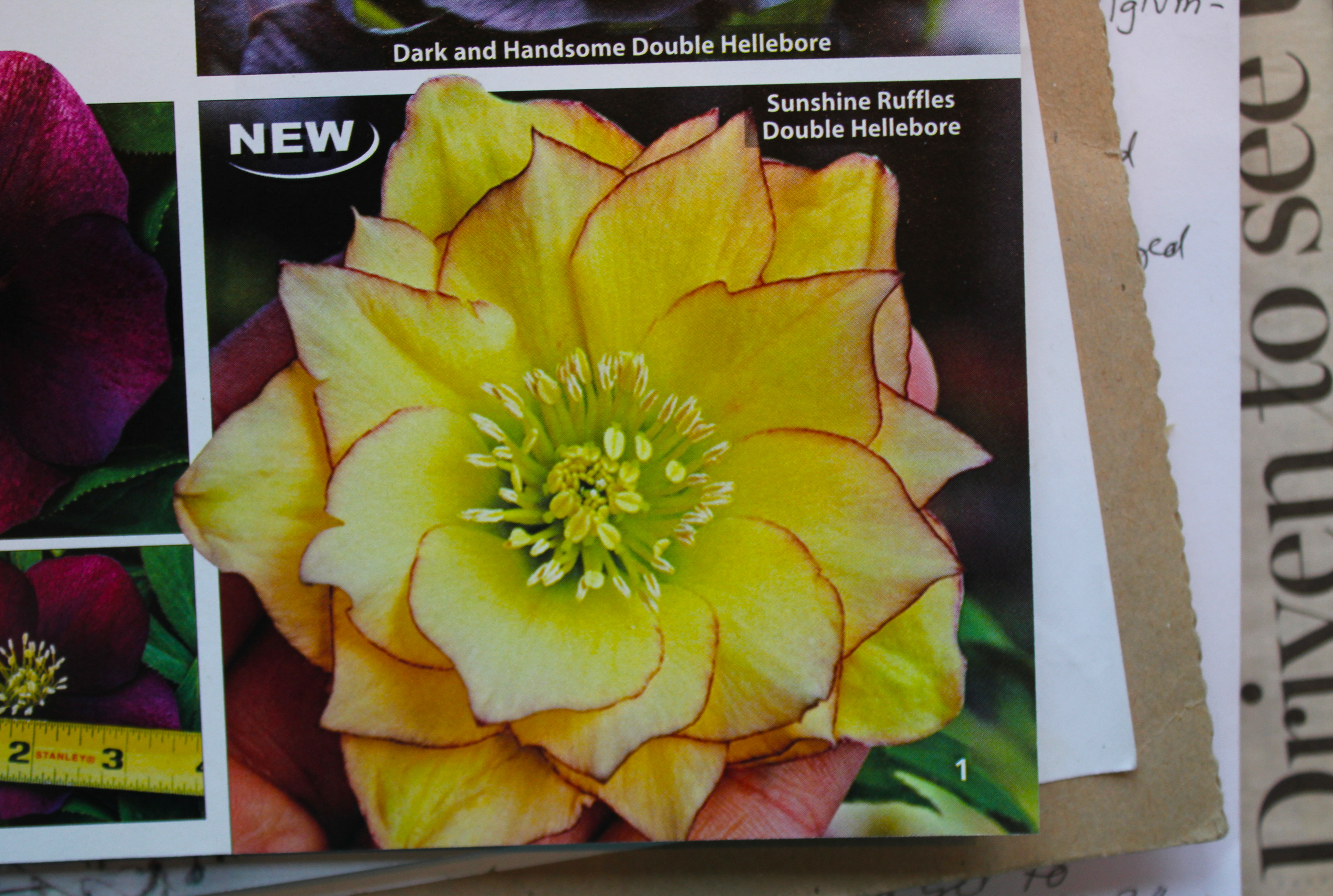
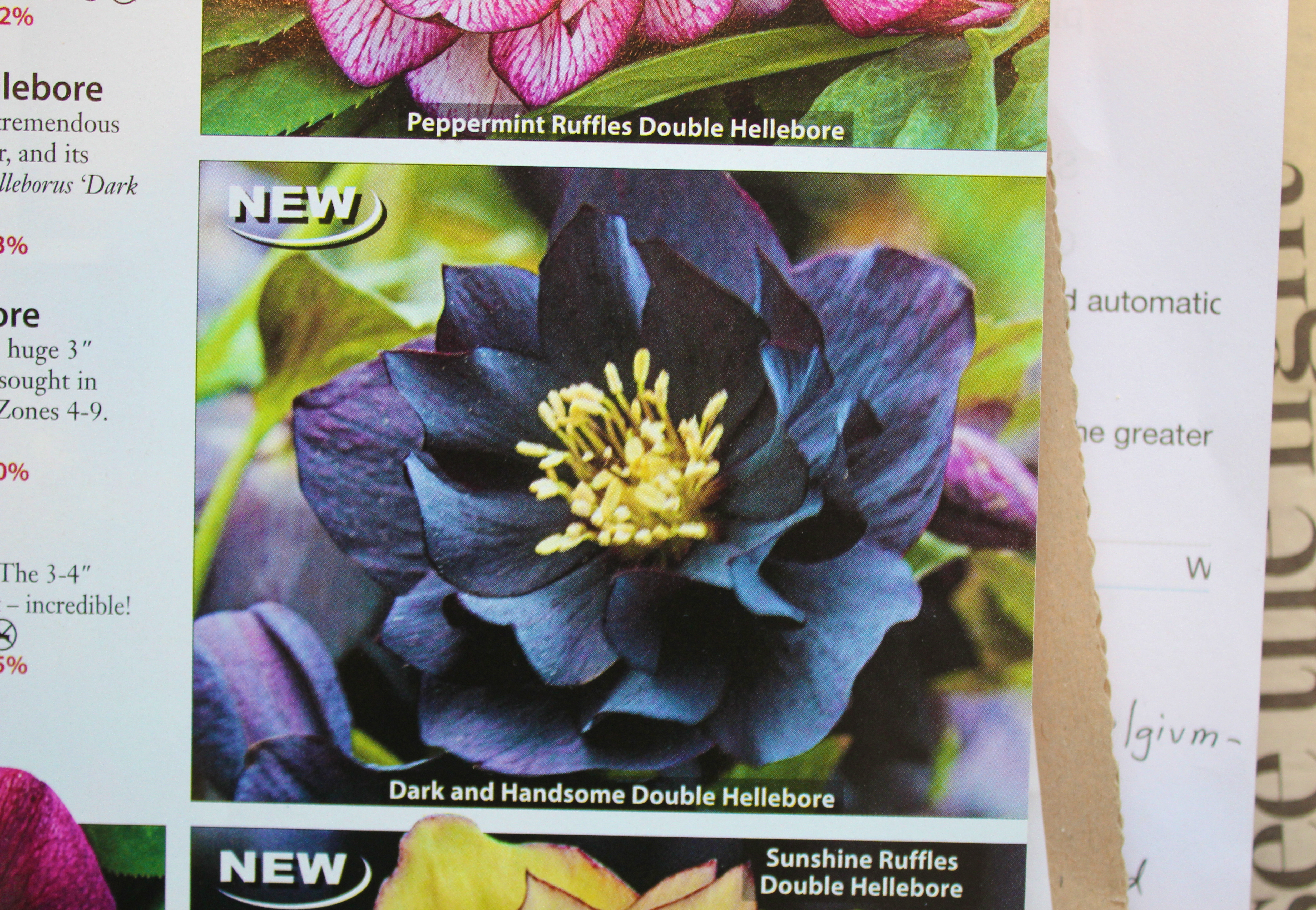
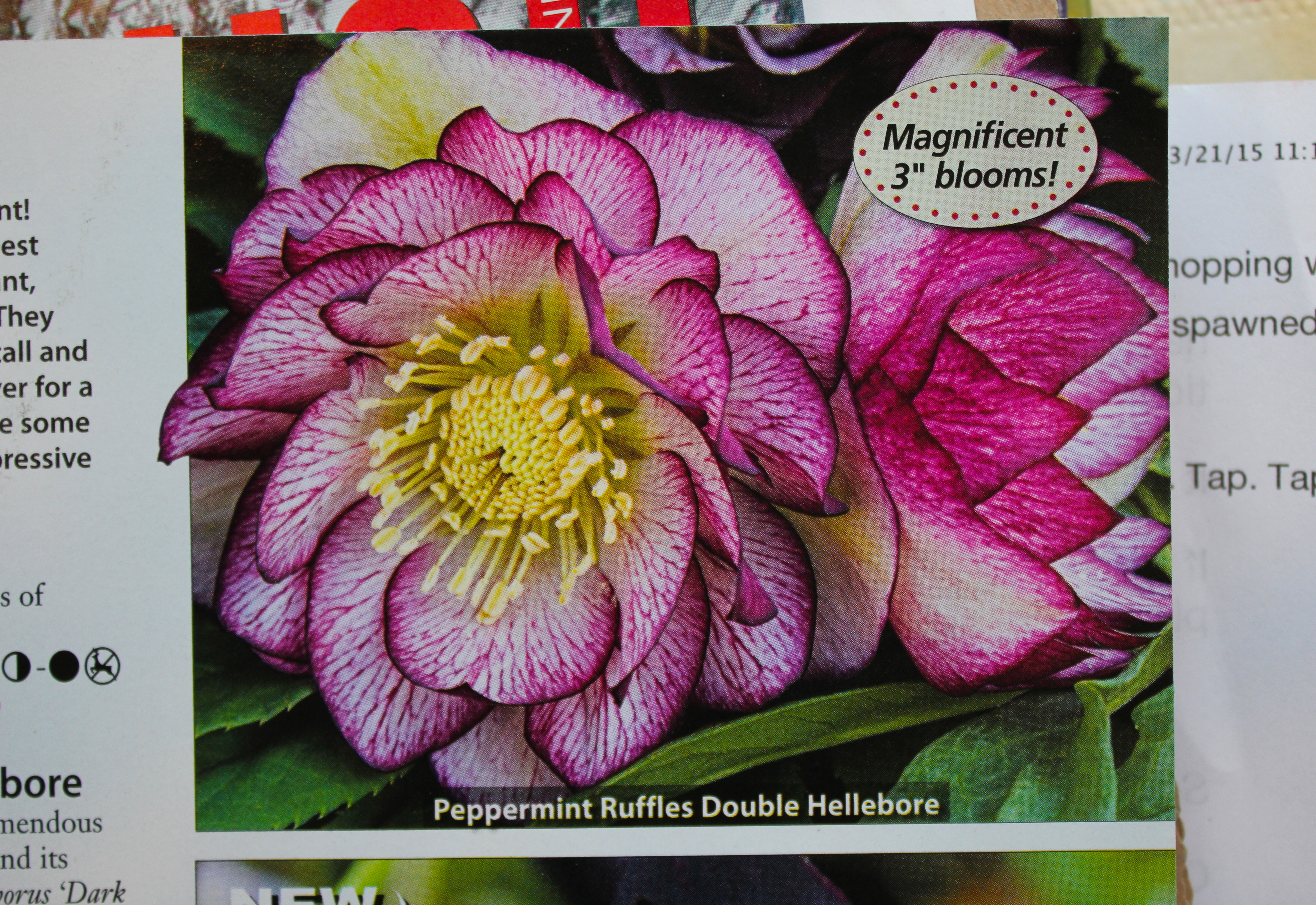
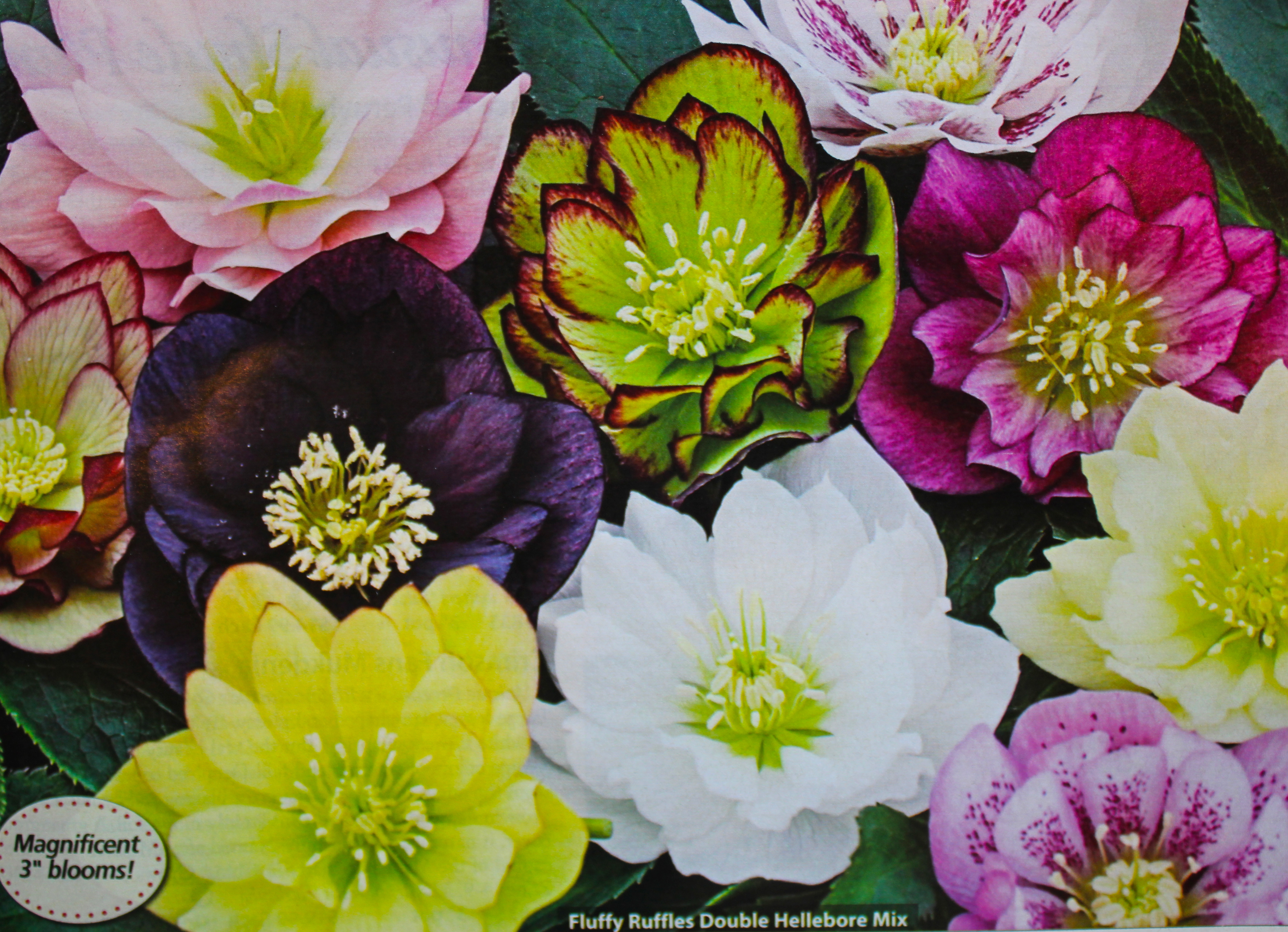
I’m going to wait for my Hellebores to get it together. But I saw some pictures in one garden catalogue that got me all two-stepping about ordering new ones. The pictures have been spread out across my desk for many days now. I’ve never ordered a plant nor seeds from any garden catalogue.

IMG_0756

IMG_0757

IMG_0758

IMG_0759

They look like so much fun! Next follows a picture of something I might buy from another catalogue I got from a place called Logee’s in Danielson, Connecticut. I took an excursion to their greenhouses in wintertime. It was like walking through the hollow of a tree, in a hidden forest, into a flowerscape of foliage and blooming weirdness. I felt like a bug, crawling around, smelling, dodging, getting lost, not caring if anything stepped on me or ate me.

IMG_0786

What will happen if I grow this tropical freak-out in my New England garden! It will remind me of the first time I went to Hawaii. My children were so little. We didn’t allow electronic games in our household. Not much television, either.

My babies in Hawaii!

IMG_0785

*****

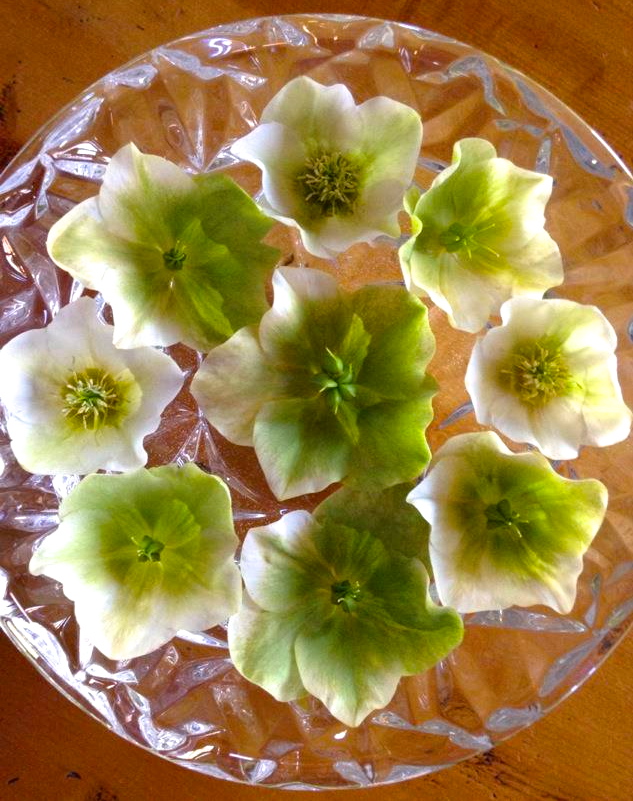
Come May, my Hellebores will be thriving again. I will float them in crystal bowls filled with water.

IMG_3054

603862_10151421171296915_1870869754_n

*****

Katharine S. White’s garden writing included recommendations for hand-held, real books. She wrote about The World of the Japanese Garden, from Chinese Origins to Modern Landscape Art, by Loraine Kuck: “This unusual book is my nomination for the most beautiful of the big, expensive garden books…”

She goes on to make a claim about the book’s photographs: “Takeji Iwamiya is Japan’s leading color photographer and his color plates are bright and airy, or cool and dark, and all of them are haunting.”

I bought the book. Seduced by all things Eden–I can’t help it–I have already begun to swipe my tongue across the pages.

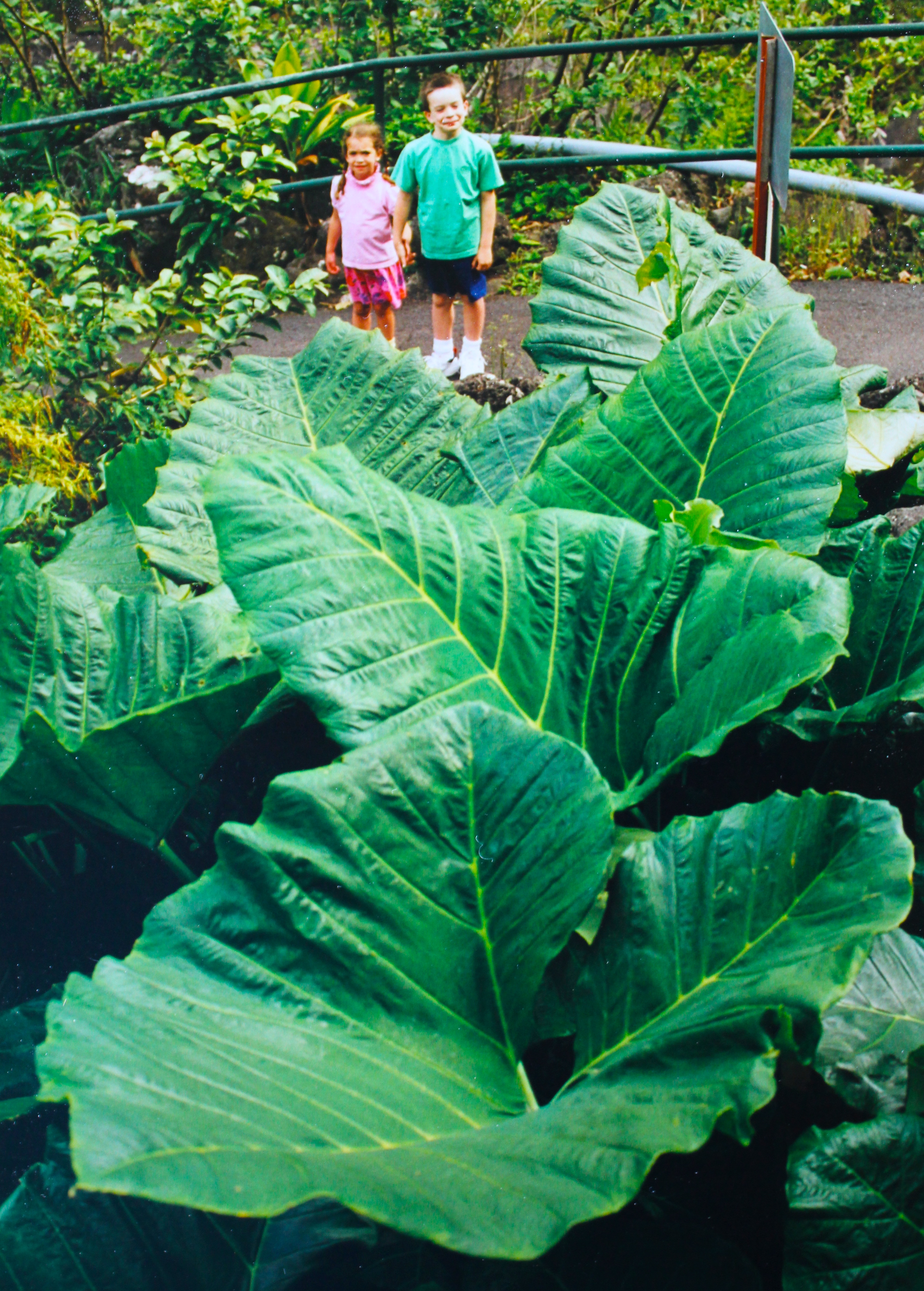
I’m going to order Elephant Ear, “Thai Giant”, Colocasia gigantic, too.

I have some seed packages and I hope to get more for Mother’s Day.

My green thumbs are twitching like crazy.

But I’m a garden geek.

No matter how busy I get,

I will always long to remain immersed,

in this poetry of confusion called life.


The Witch Hazel’s Spell.

Where is it that we tend our gardens, beneath the heavens or upon the roofs of hell?

And what is the work we do there? Is it the repeated raking away at our own dreams, which grow back, only to be raked away again?

We are not gods. Yet how hopeful we gardeners remain—our tedious work such tranquil therapy for dealing with the experiences in life that can never be made right again.

Something horrible happens. It is permanent. It happens to us or it happens to someone we care about.

And the gardener is called upon to catch silver sparkles from clouds of doom. But she prefers, instead, to visit a flower or observe a honey bee or destroy a rogue weed. These are the things she can control.

Within the terrifying flames of unmanageable heartache, the gardener can be heard crying out loud, making her face ugly, and getting her hands dirty. She is defiant.

She retreats to her garden, because there is always work to do there, or something to look at, or a place to sit. Maybe angels hover—sympathetic to the steady work of creating calm, by growing altars.

*****

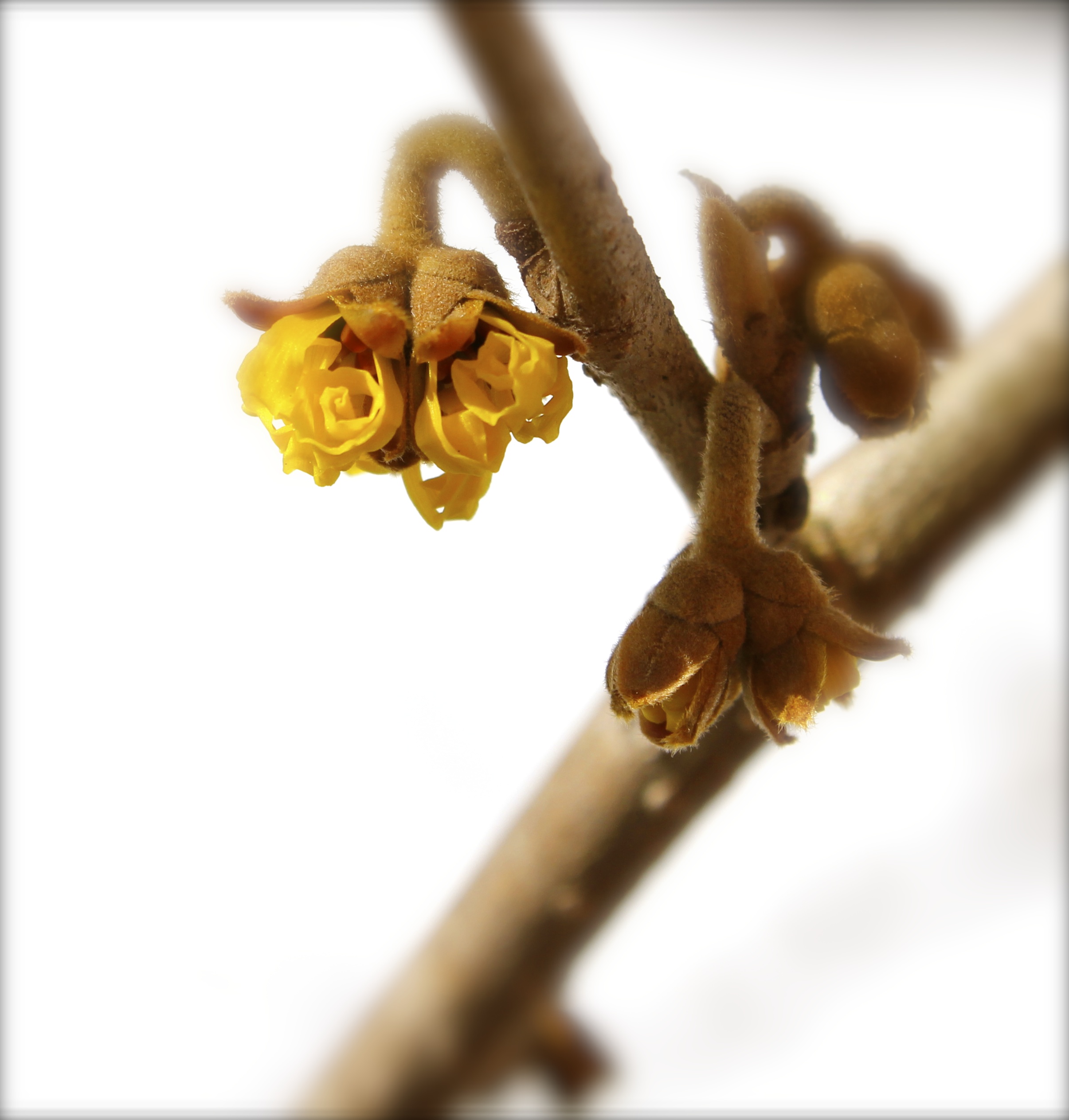
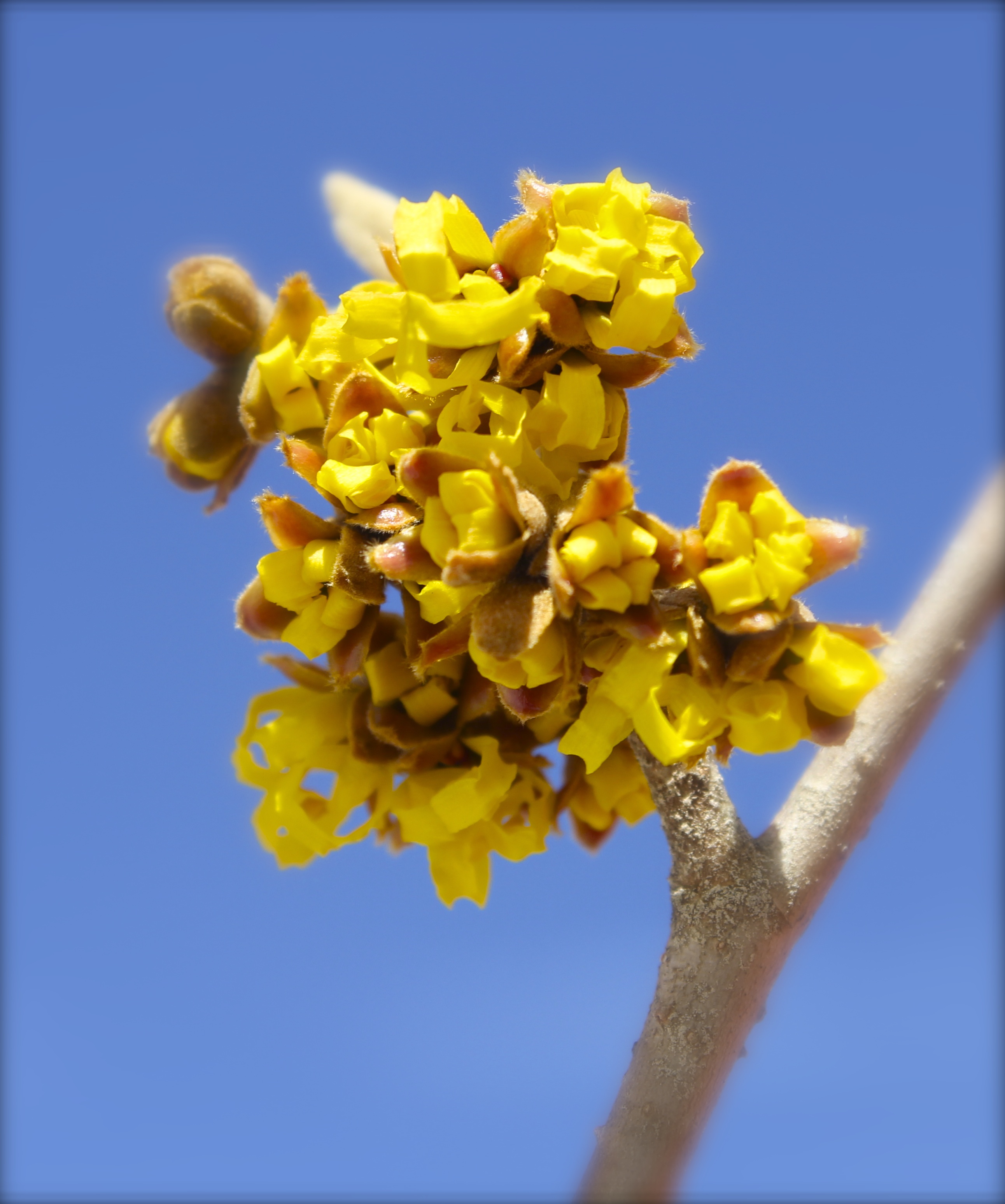
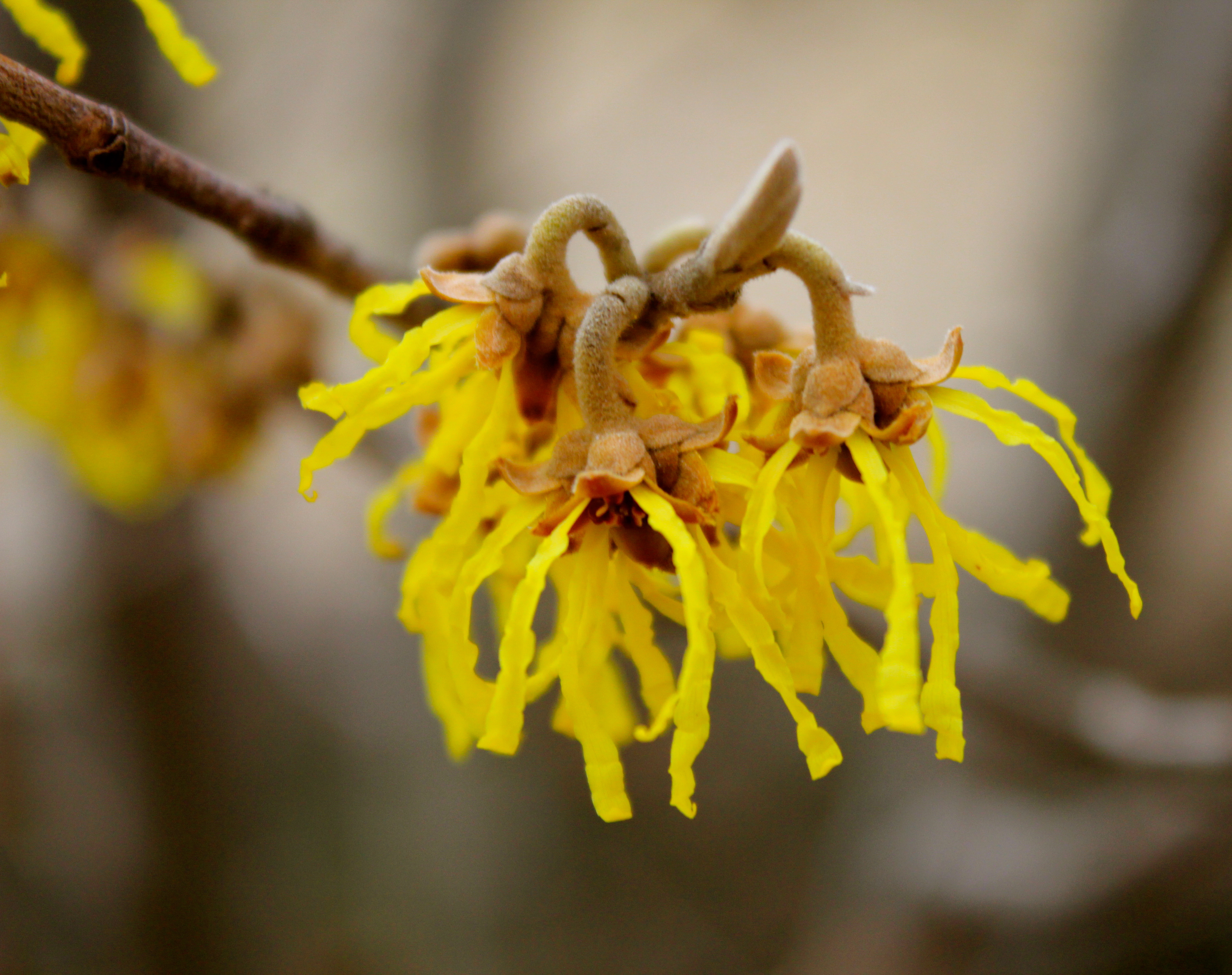
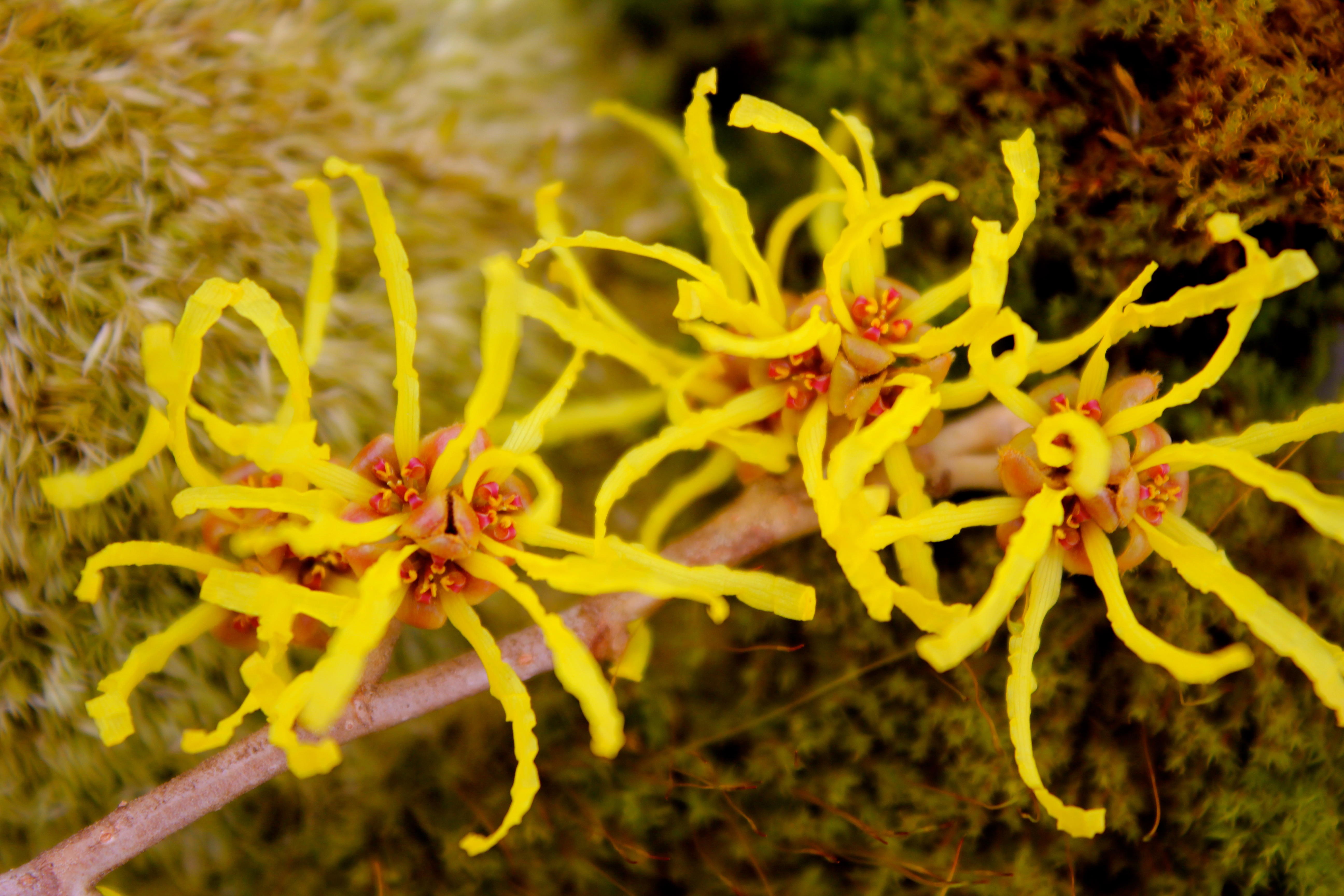
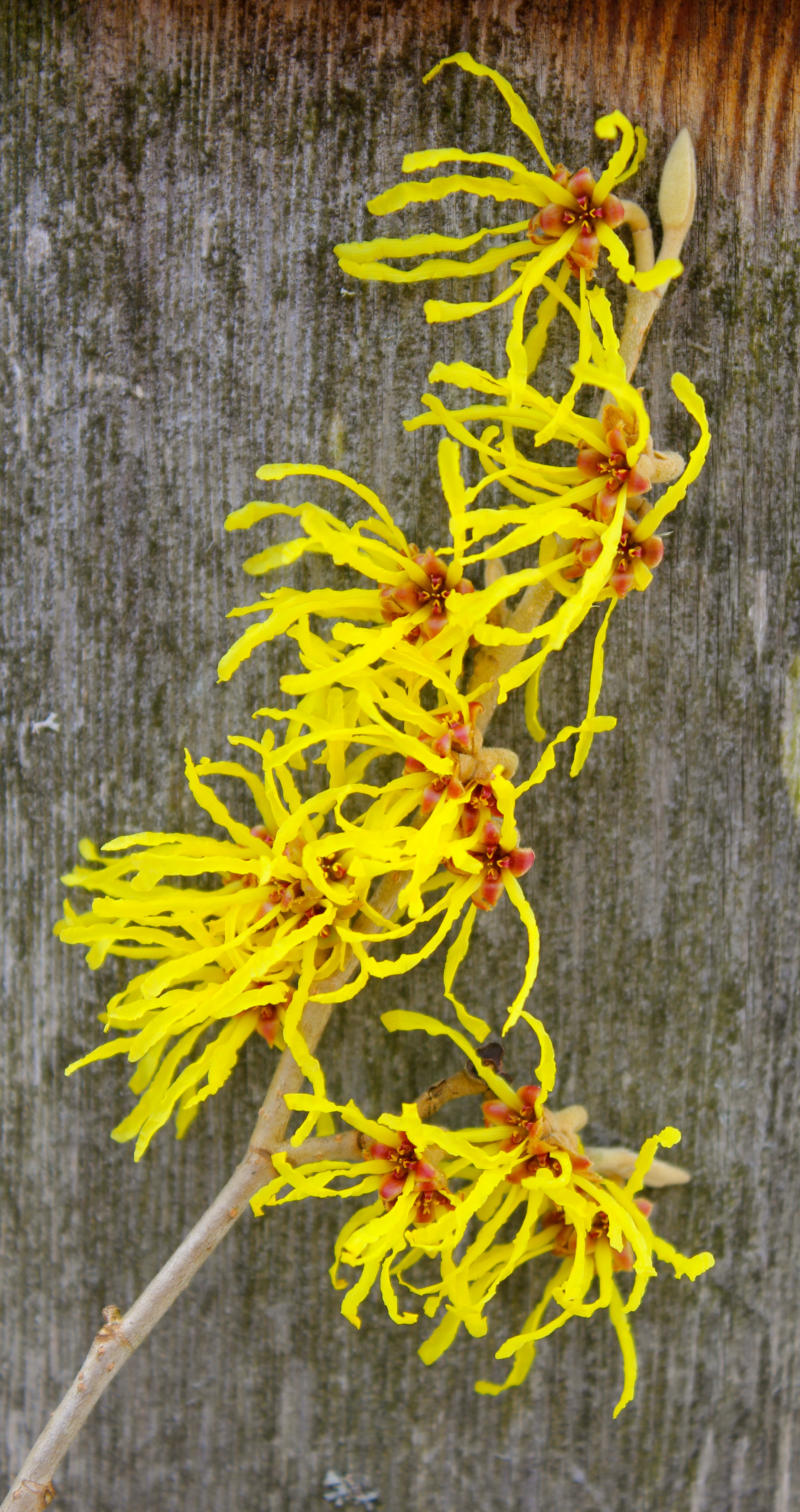
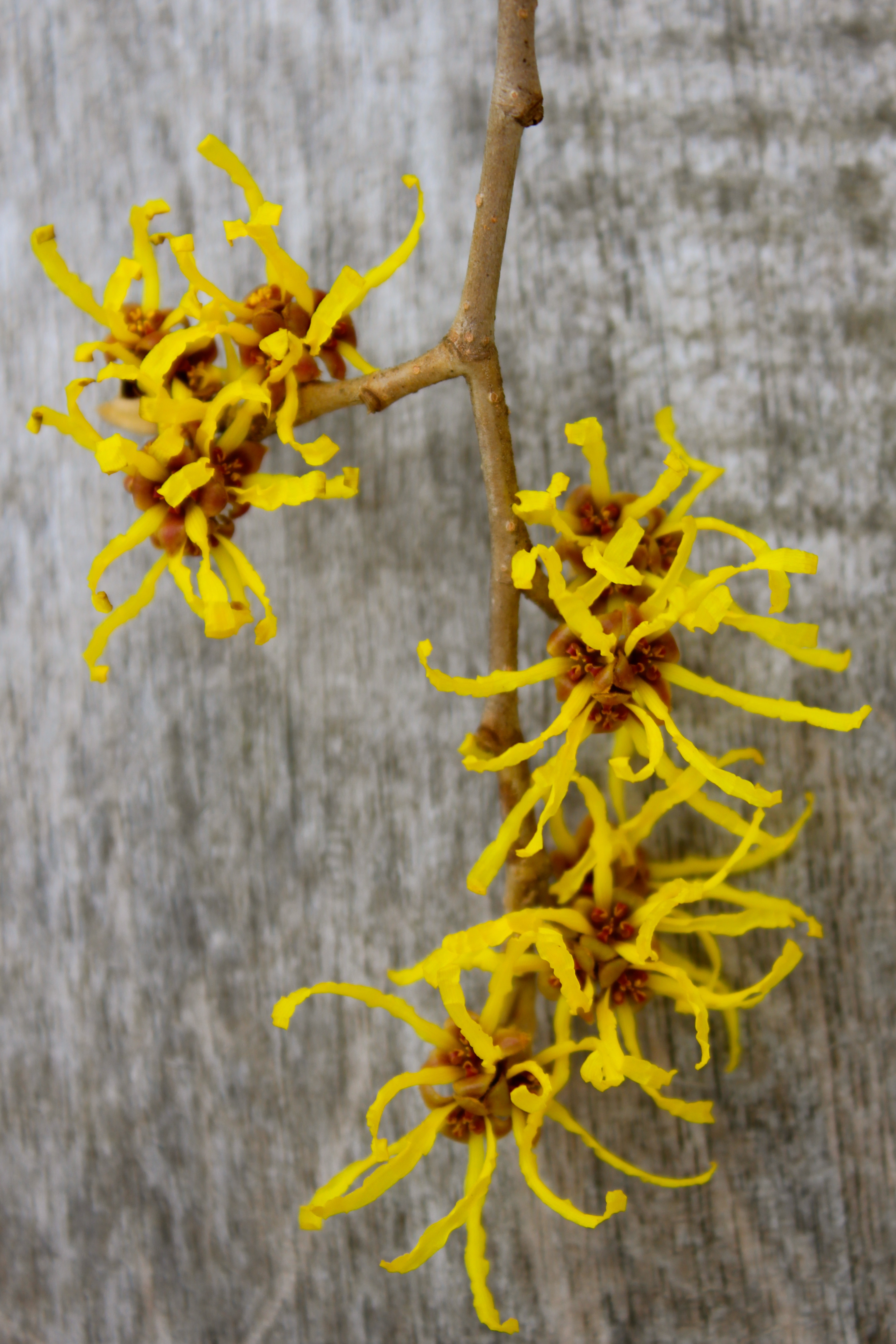
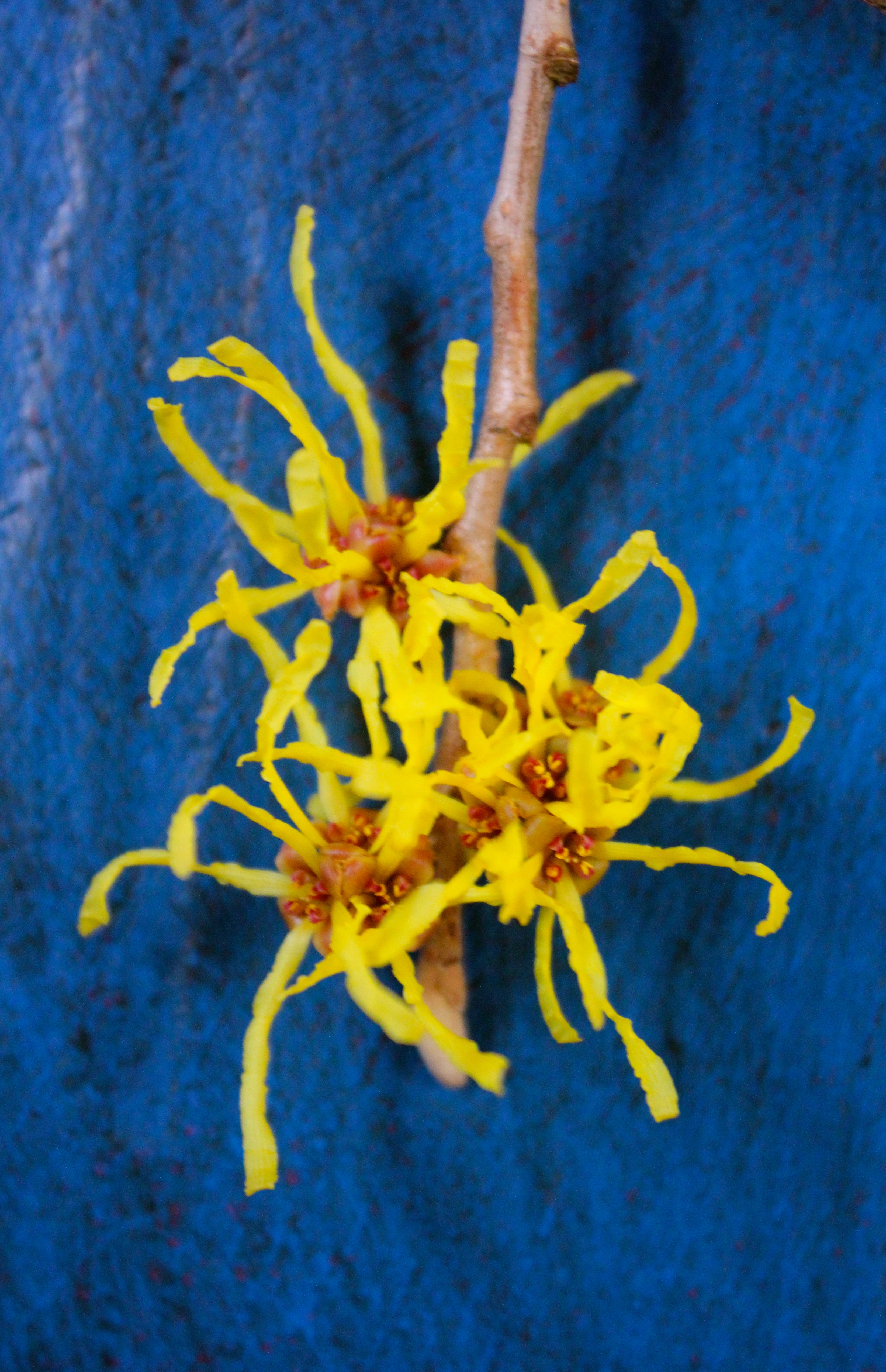
I watched spring come to my garden through the Witch Hazel, Hamamelis.

IMG_0471

IMG_0473

IMG_0472

IMG_0542

IMG_0619

The flowers unfurled over several days. They trembled in the passing breeze, like little hula skirts.

Honey bees showed up.

The bloom became profuse on a day when a friend called with tragic news. It was news of trauma that will never be okay.

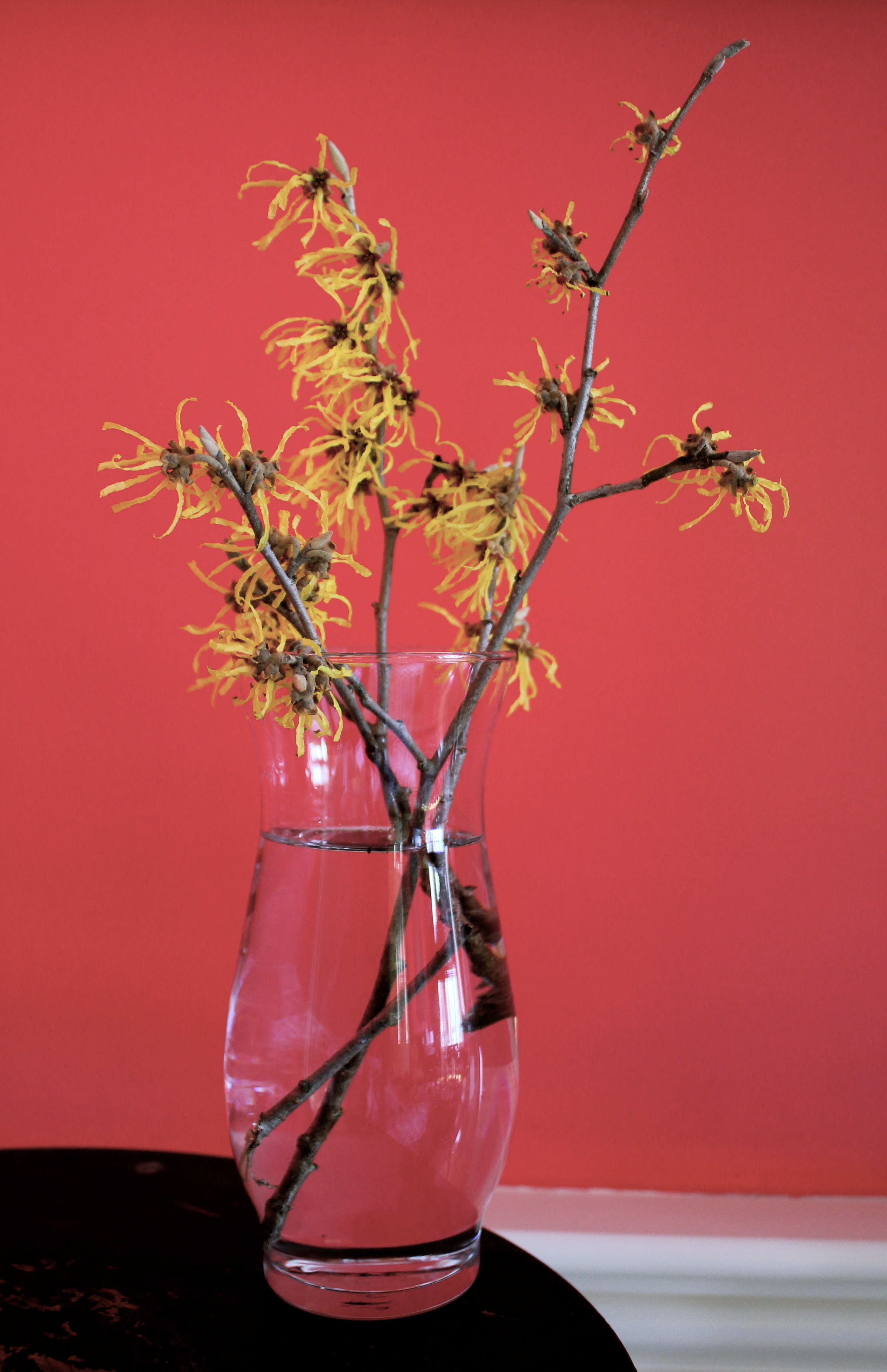
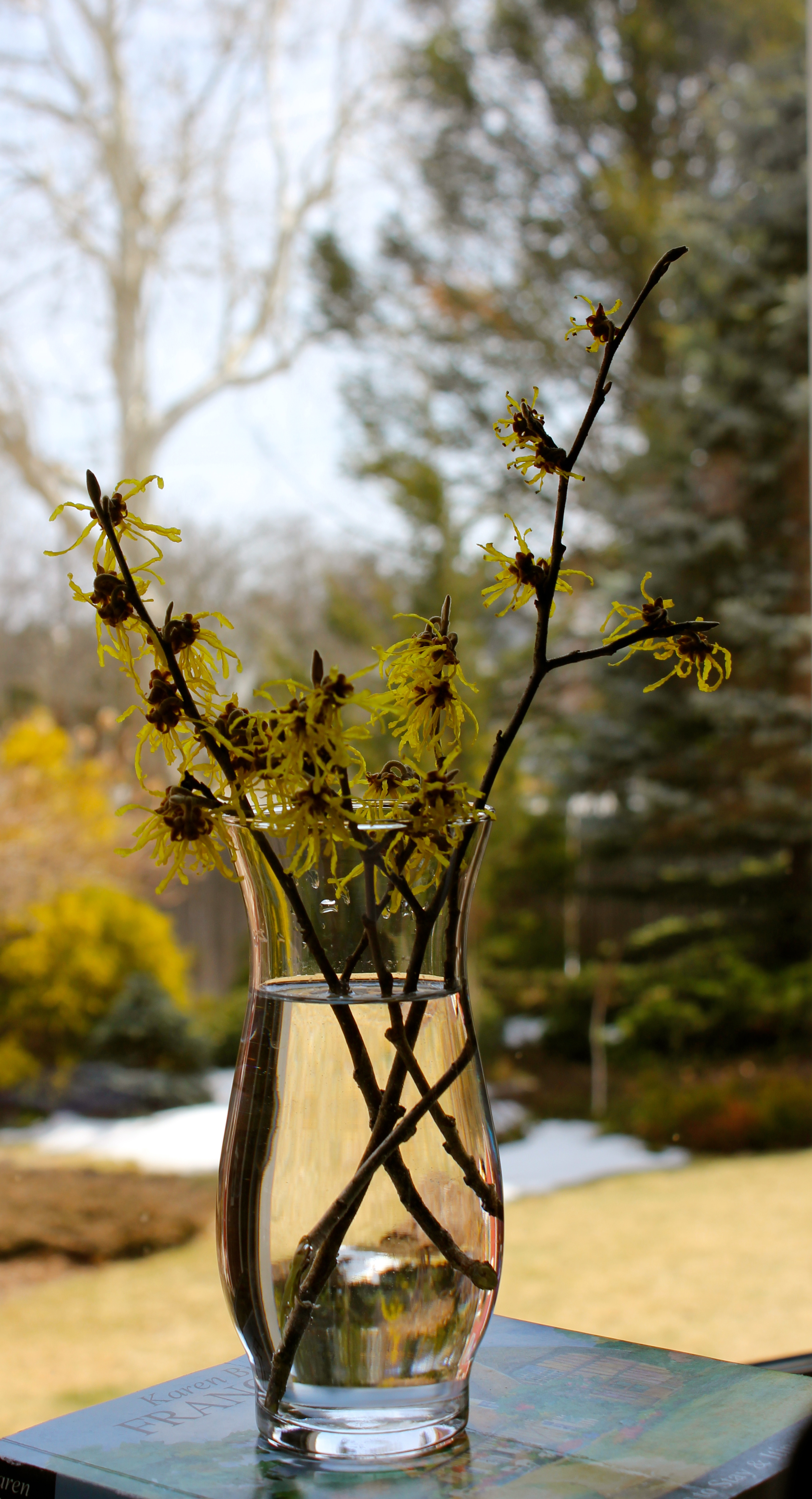
After we talked, I went into my garden and gathered Witch Hazel blooms. The plant grows divining rods, dowsing sticks, and its twigs are thought to have the power to heal a broken heart.

IMG_0723

IMG_0726IMG_0728IMG_0729
IMG_0737

I arranged some blooming twigs in a vase. And carried them with me wherever I went.

IMG_0744IMG_0741

*****

What is this garden you have? The passerby says. It is so much work! 

Yes! I say.

Yes!

Yes!

To plant the flower and hope that it grows!

It is so much work!

IMG_0733

Work. Skiing. Roses.

IMG_0451

The Aloha Rose. Fragrant. Velvety petals. Blooms all summer, till frost.

*****

Two weeks ago, I wrote about weather in the Mad River Valley of Vermont. This past weekend, we skied through some of the toughest weather in years—a lively combination of snow, wind, pea-soup fog, and dangerously cold temperatures. It’s a lot of work to arrive at the summit of a mountain being battered by weather and to ski back to Earth from that summit. The work is worth it—you get the trails all to yourself, you get to exist as part of a storm, and you get to collapse, later, brand new.

We went to dinner with a nice group of old and new friends. Some are still working, others are retired. The question What do you do for work? blessedly, never made it all the way around the table to where I sat, with my glass of wine and my ideas for an answer. There are so many things I do for work.

I love work.

*****

Oh, work—if thou were a rose, indeed, thou would grow the sharpest, most plentiful thorns along lengthy, overarching, invasive, multi-branched stems. Beneath thy bowers would accumulate the crumpled forms of bloodied, harassed little beings, hissing and cursing and writhing about. Trapped in your web of jammed and twisted traffic routes, ladders to the top, and paths to recognition, the hard workers would brag about how bloody you caused them to become, how unfairly you paid them, and how cruelly you blocked the ways to, and beyond, the summits of joy.

Furthermore, though your rosebuds unfurl, casting heavenly scents to sweeten neglected happiness—your brambles, it seems, remain consistently smeared with the bloodied bodies, plugged up noses and blinded eyes of grumblers.

They were never able to stop and notice the soft touch of your rose petals, falling to the ground, brushing away tears and smoothing out wounds.

******

I grow roses.

I planted them in my gardens without knowing much about them. They stabbed me. Ensnared my hair. Bloodied my days with wounds that throbbed to the pulse of my heart muscle.

I like to collect rose petals and arrange them into luxurious shapes.

IMG_0852

I cook the rose petals until they are transformed into botanical clay and then I roll the clay into beads.

I make tea with rose hips. I dry the rose hips and save them to study or to use in fairy house construction.

I make sure to leave rose hips on the plants for wildlife treats in wintertime.

I make rose water, distilling the fragrance from the petals. It makes my entire house smell rosy.

Roses are a lot of work.

I’m not paid to work with roses. I’ll never become famous because I like roses in my gardens, or because I like to visit them in other gardens of the world, or because I love to read about them and hear songs about them and see artwork that honors them.

Roses can be a bad-boy kind of thing to fall in love with.

*****

I work hard to grow rosebushes near the front porch where I keep a small bistro table with two chairs. You can place onto that table the nicest glasses of wine from the most prestigious vineyards of the world. Next to the wine, you can set out a plate of artisan-baked bread, with cheese—artfully produced in Vermont or France or Italy. The wine maker, the bread baker, and the cheese maker will all be there—in spirit—their hard work appreciated, revered, savored.

I can rely on the promise that a breeze, religiously drifting forth into this romantic setting, will find my roses and rustle them gently. The breeze will rise up, travel some more, and push away the bouquet of the wine, the musk of the bread, and the stink of the cheese. All dressed up in the sensational perfume formed by a once-in-a-lifetime blend of faraway winds, swirled up with sunshine, soil, and my roses—that genteel, sweet breeze will make anyone feel brand new.

One of my roses grew like a heart.

IMG_0969

*****

Graham Rose, who was a gardener and a writer, and a correspondent for the London Sunday Times, wrote that the gardener “contrives to make us ignore the world outside and believe that the impossible is readily attainable. The very best of them can take a miserable yard and, by clever construction and planting, lead us down an enchanting track to the idyllic corner of Arcadia, while blinding us to eyesores beyond and suppressing our awareness of noisy neighbors or the rumbling trucks that throng the road outside its walls.”

Graham Rose also wrote that gardeners are romantics and romancers who enjoy connecting themselves to extravagant fictions—remote from ordinary life.

Skiing inside a raging snowstorm feels, to me, like existing inside an extravagant fiction, remote from ordinary life.

Gardening and growing roses, too, is work I do to find and create fantasy lands where anyone can go to escape what is ordinary and become inspired to believe in what might be impossible.

I’ve worked to grow gardens on a miserable acre of land in Massachusetts for a long time. Trucks rumble by every day.

What do I do for work?

I was glad the question never made it around the apres-ski table to where I was sitting—

with my glass of wine

and a bouquet of roses

in the middle of a raging snowstorm.