Where is it that we tend our gardens, beneath the heavens or upon the roofs of hell?
And what is the work we do there? Is it the repeated raking away at our own dreams, which grow back, only to be raked away again?
We are not gods. Yet how hopeful we gardeners remain—our tedious work such tranquil therapy for dealing with the experiences in life that can never be made right again.
Something horrible happens. It is permanent. It happens to us or it happens to someone we care about.
And the gardener is called upon to catch silver sparkles from clouds of doom. But she prefers, instead, to visit a flower or observe a honey bee or destroy a rogue weed. These are the things she can control.
Within the terrifying flames of unmanageable heartache, the gardener can be heard crying out loud, making her face ugly, and getting her hands dirty. She is defiant.
She retreats to her garden, because there is always work to do there, or something to look at, or a place to sit. Maybe angels hover—sympathetic to the steady work of creating calm, by growing altars.
*****
I watched spring come to my garden through the Witch Hazel, Hamamelis.
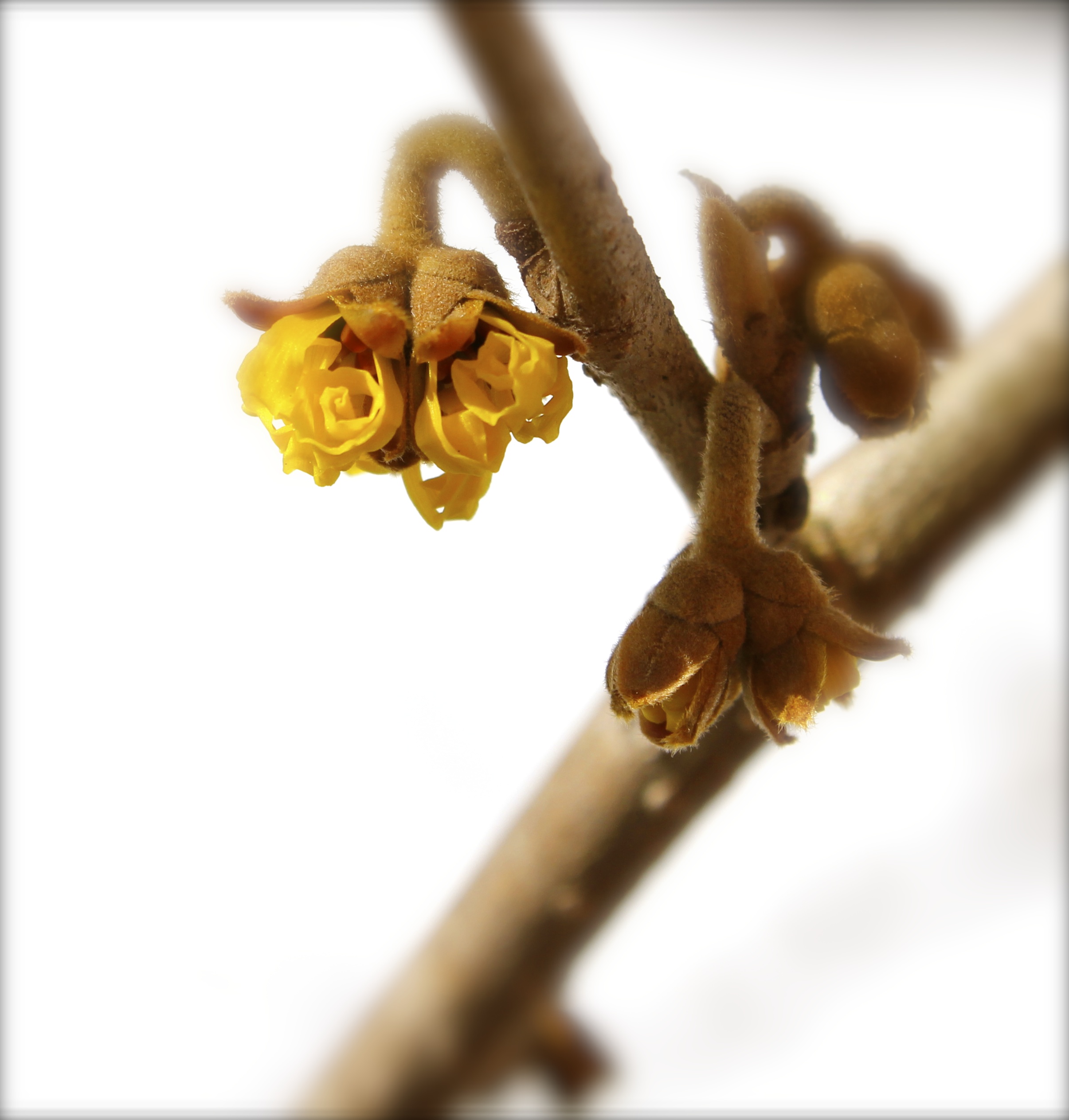
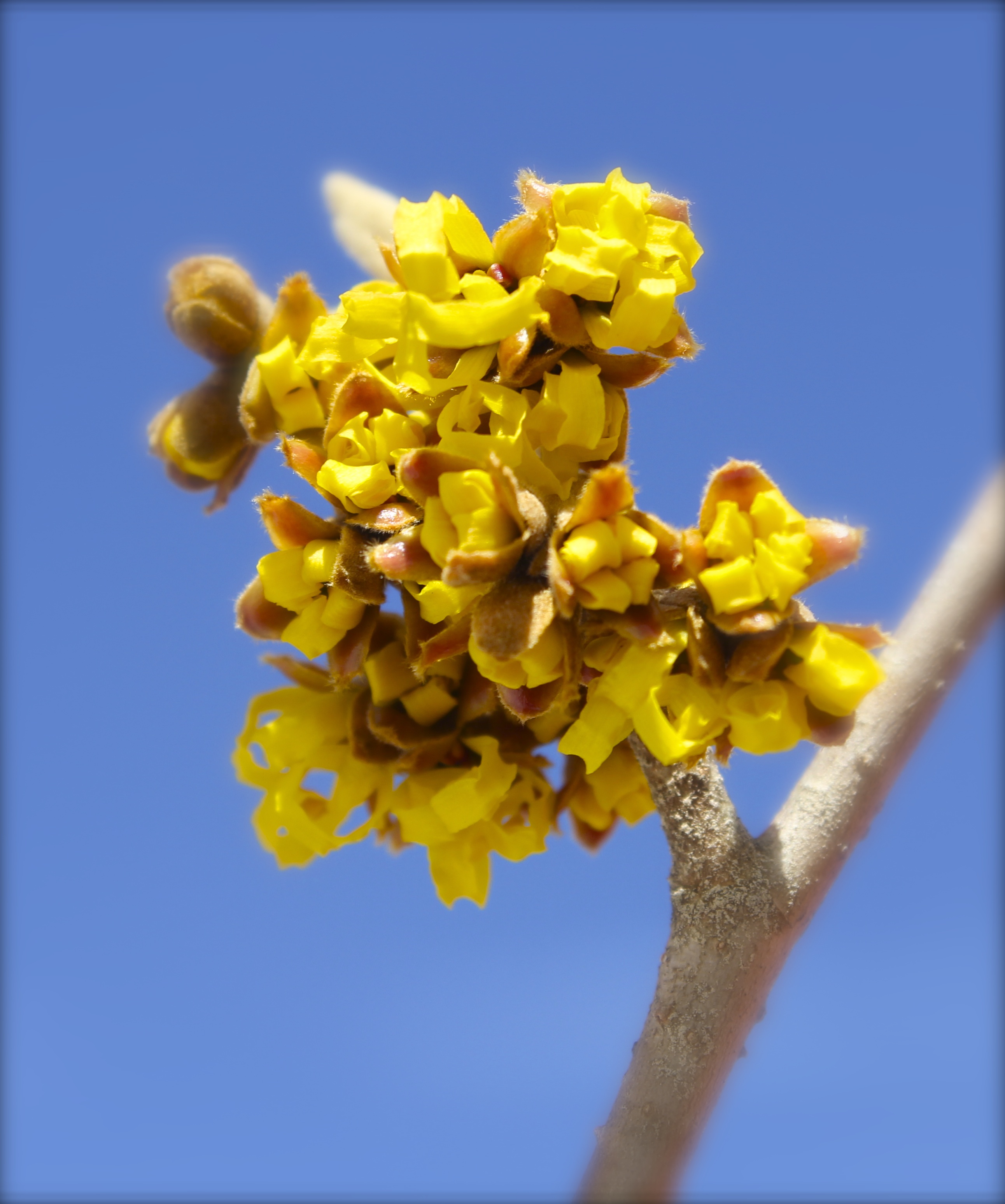


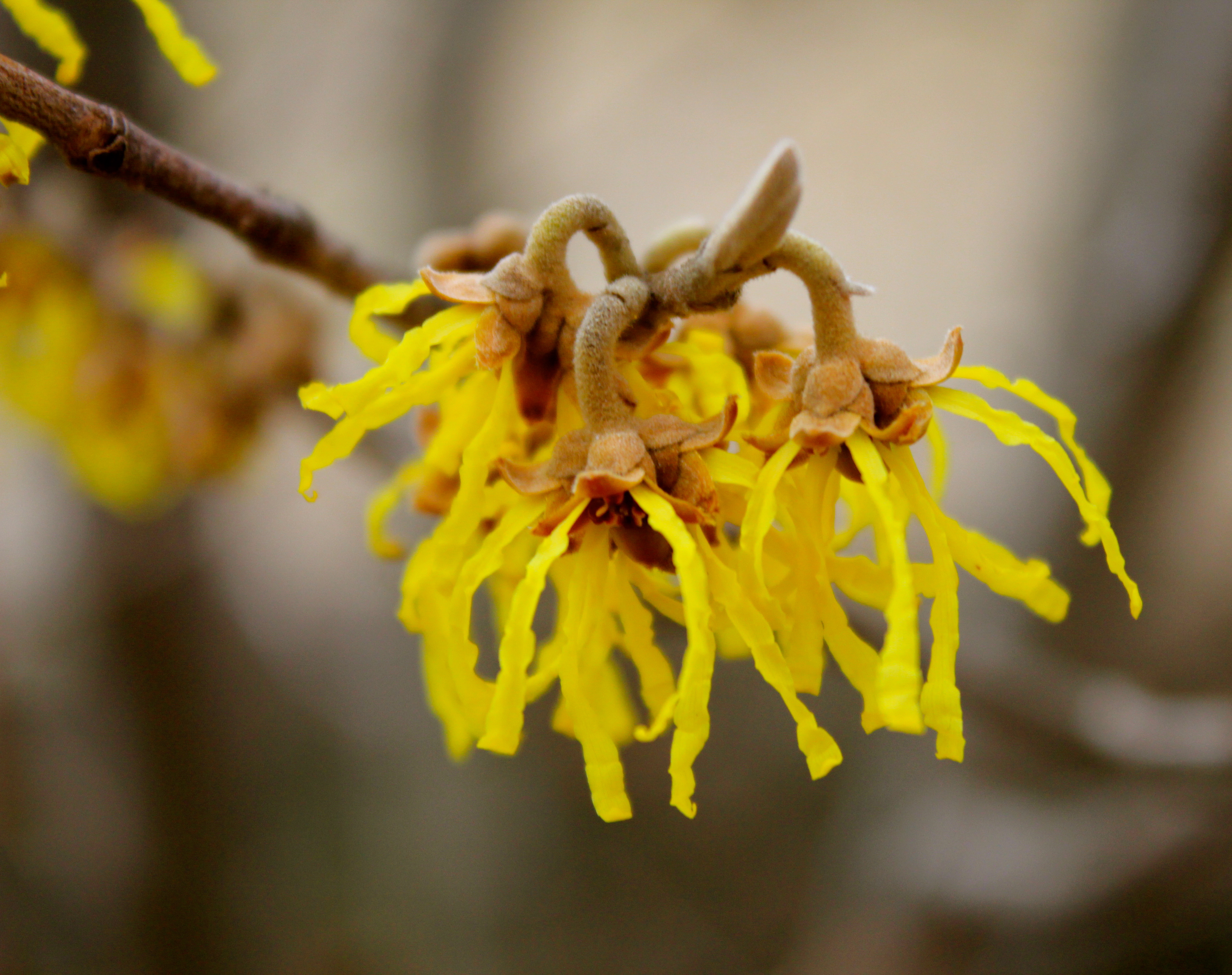
The flowers unfurled over several days. They trembled in the passing breeze, like little hula skirts.
Honey bees showed up.
The bloom became profuse on a day when a friend called with tragic news. It was news of trauma that will never be okay.
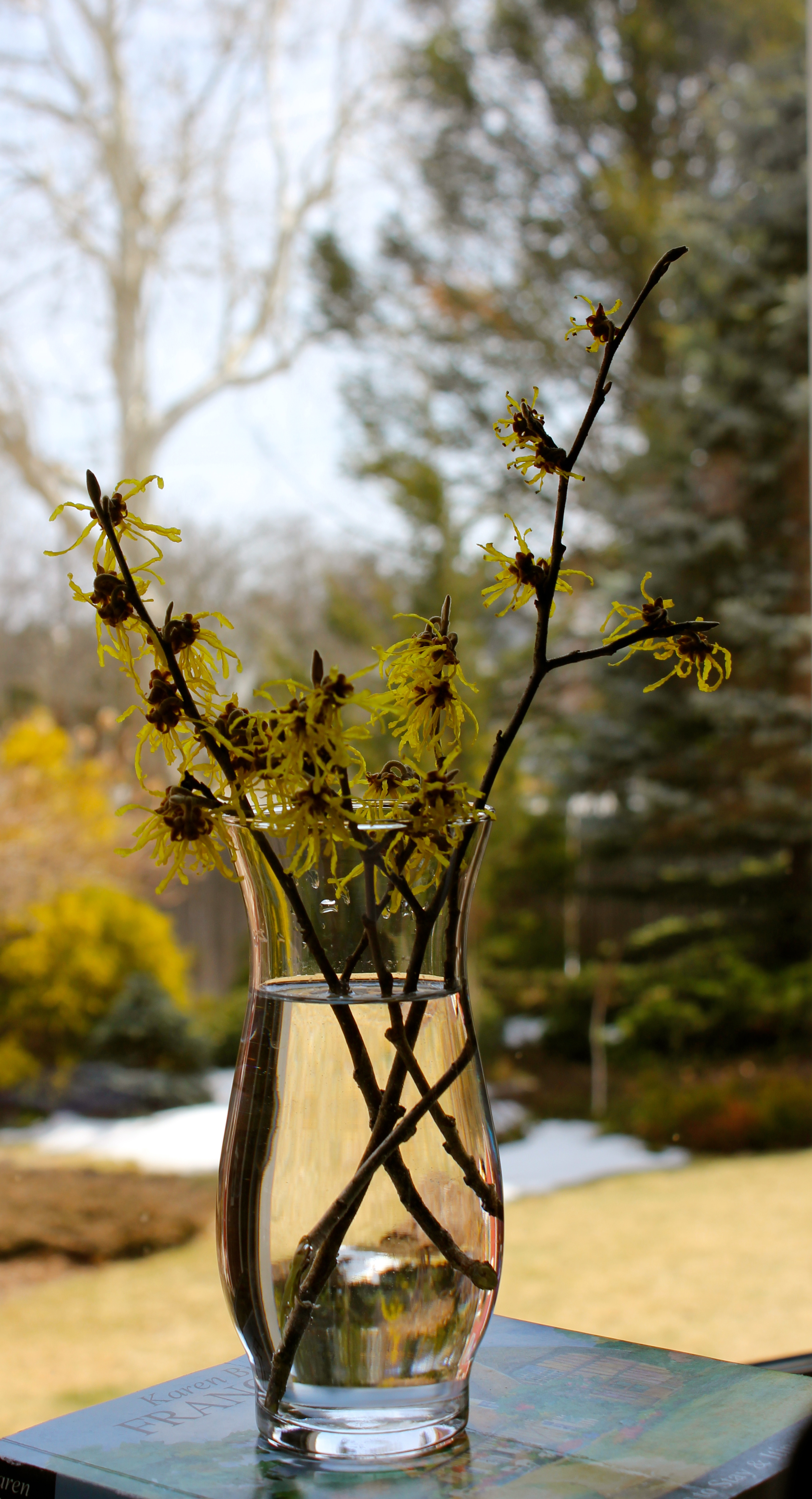
After we talked, I went into my garden and gathered Witch Hazel blooms. The plant grows divining rods, dowsing sticks, and its twigs are thought to have the power to heal a broken heart.
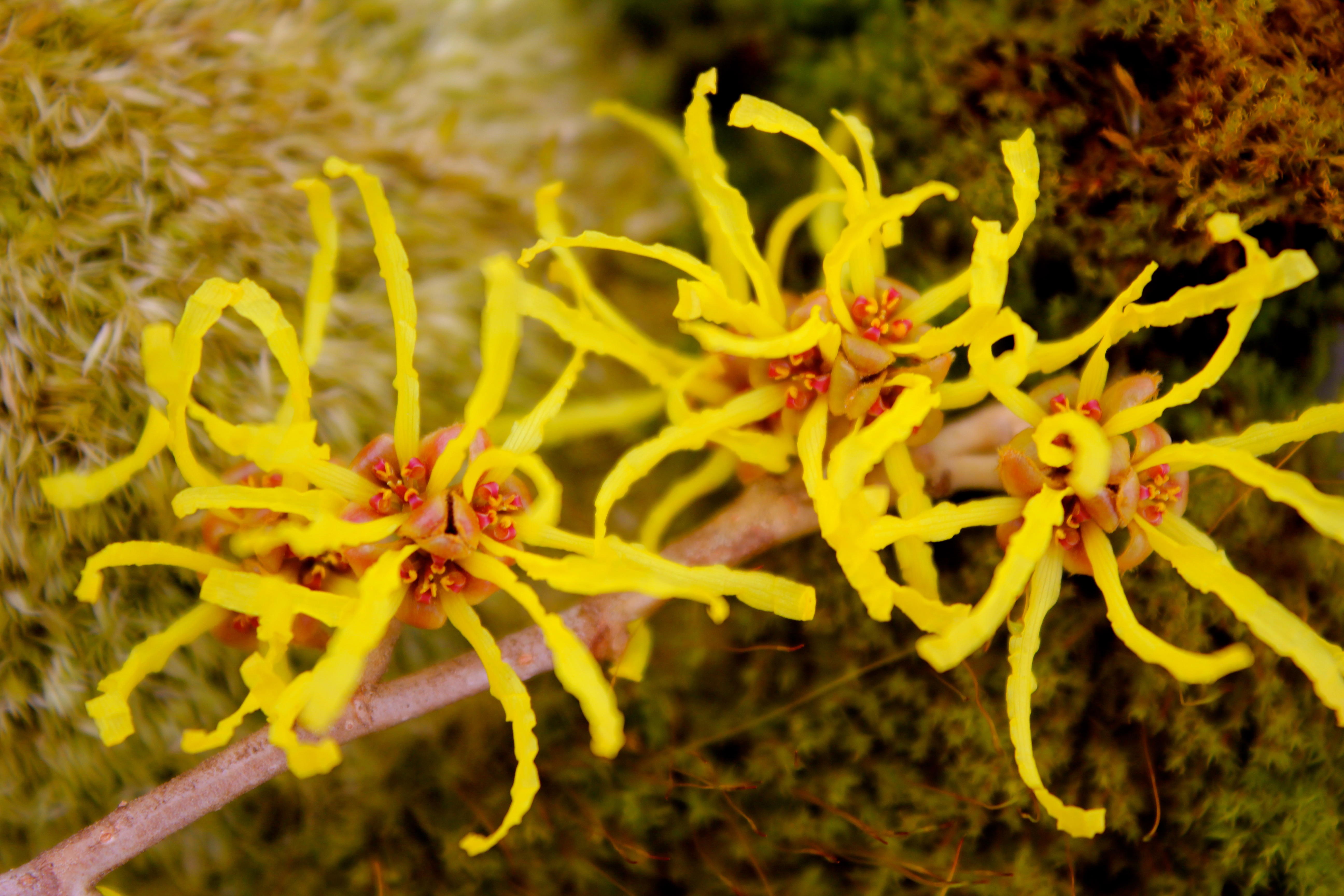

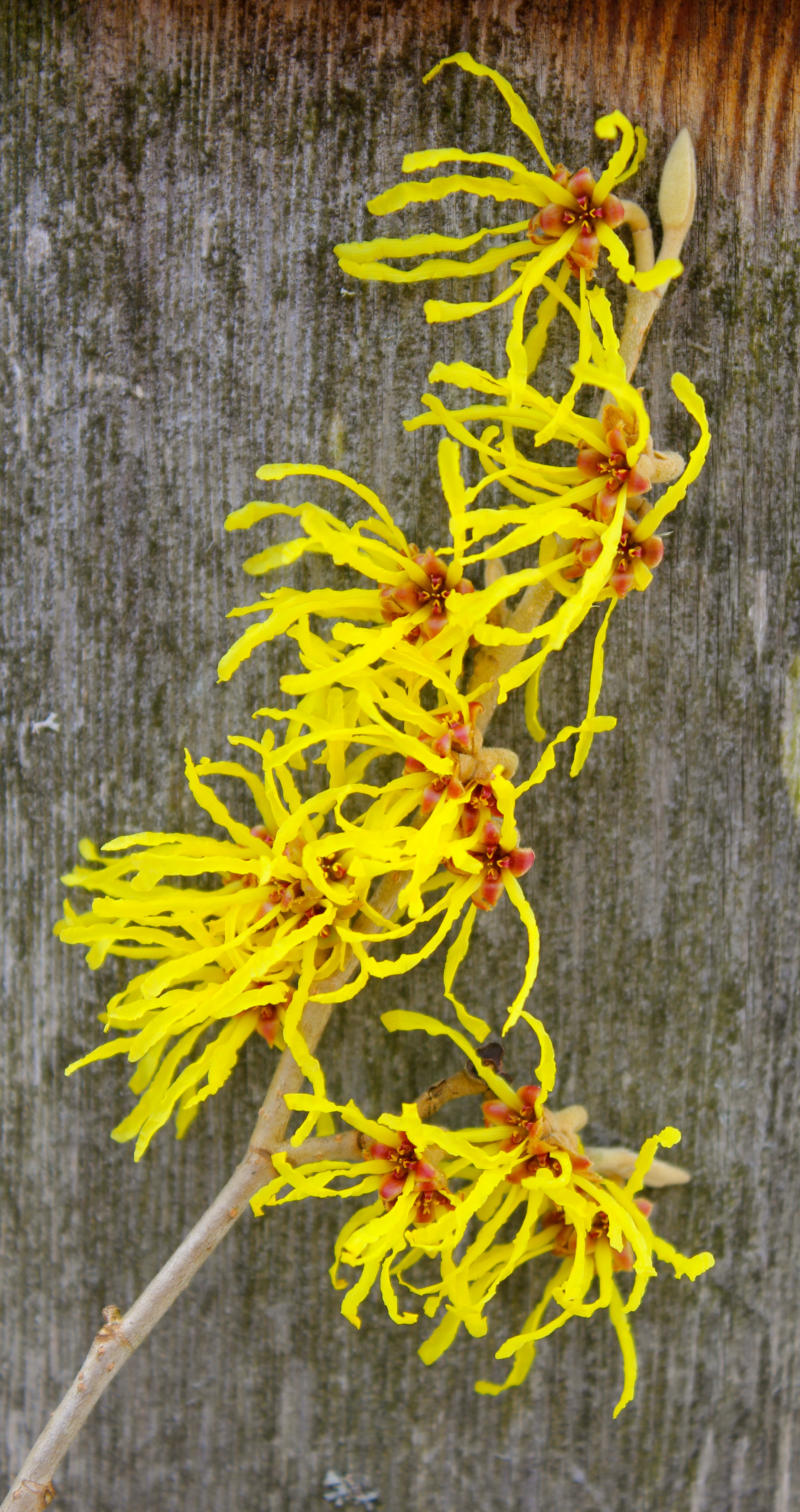
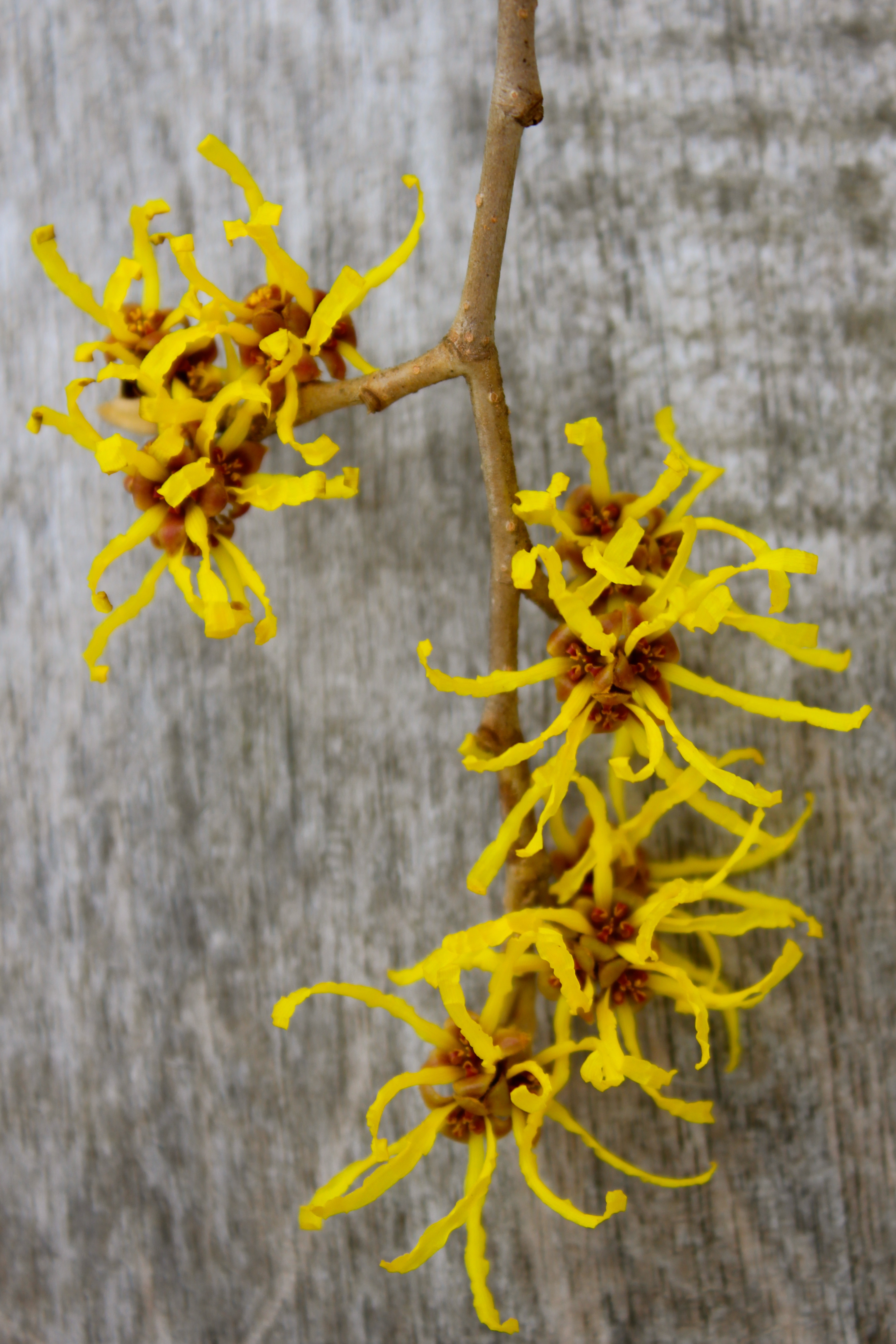

I arranged some blooming twigs in a vase. And carried them with me wherever I went.

*****
What is this garden you have? The passerby says. It is so much work!
Yes! I say.
Yes!
Yes!
To plant the flower and hope that it grows!
It is so much work!

 Excursions