Peasants. Criminals. Prostitutes.
Slaves.
My husband. My son. My daughter. Myself.
Rome.
********
No one makes it through life without a little hunger.
And, we are all slaves—
to our stomachs, to the beat of our hearts, to the madness of our desires. It is, of course, best to become a slave to your own desires, rather than the desires and expectations of others.
Yet here I find myself, living in a time in history when people all around me wish to become the slaves of other masters promising to coach them, cut them apart, and put them back together into idealized forms of god and goddess-like perfections. They seek to confess their crimes, vanquish their poverty, and avoid being seduced by authentic beauty and pleasures. They worry about how people have sex, how people eat, and how people use grammar.
They worry about how people judge each other as authentic or not.
Maybe it’s just me.
Best to leave my American bourgeois grumblings for a week and go to Rome for some attitude adjustment, with my family. Because, as my son says, the Romans were so badass. It’s true—every time I go to Rome, I excavate more and more of my humanity and can never be sure how badass I might have once been. Could I have been a vestal virgin? A peasant? A papal servant? A champion gladiator? A designer of fountains? A stray cat? A chanting monk? A trapped lion? A good Catholic? A happy Pagan?
We decided to go to Rome in January, a time in America when the new year is celebrated with gatherings of great councils of experts and social media gurus at work selling post-humanist “ta-da!” processes for achieving perfection, and post-humanist wonder drug formulas for brain boosting, and post-humanist public humiliation platforms for incorrect use of the comma.
It’s also the time of year when colleges are on break which meant my daughter was able to travel with us.
On our fifth day in the Eternal City, we walked from the ancient exile zone of the Jewish Ghetto (where we were staying) across the Tiber River to the ancient exile zone of Trastevere. We wanted to learn the art of preparing a typical Roman meal.
We were—every “perfect-American-family” one of us—hungry.
So hungry.
********
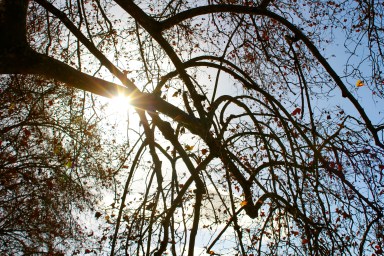
Sycamore trees bow into the now-walled-up Tiber River.


********
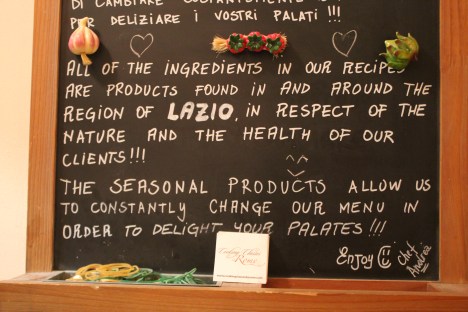
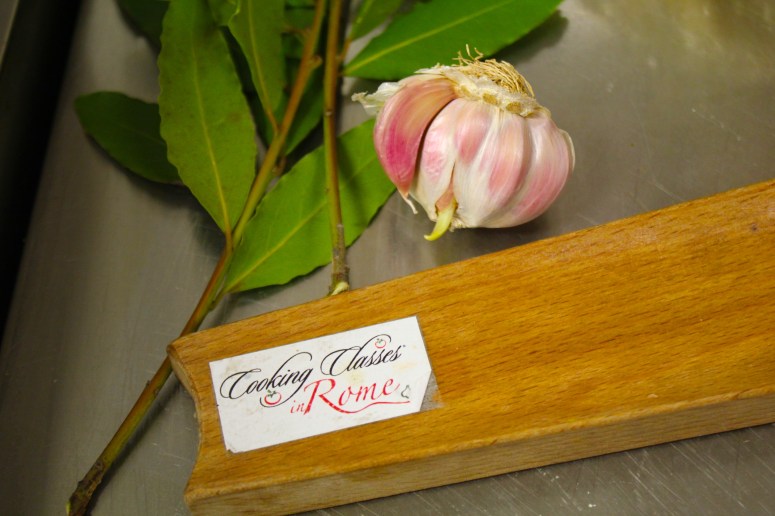
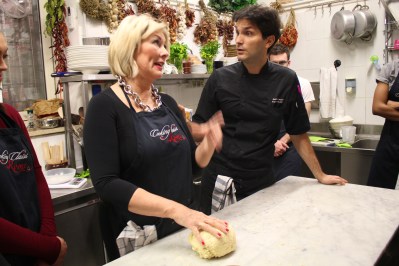
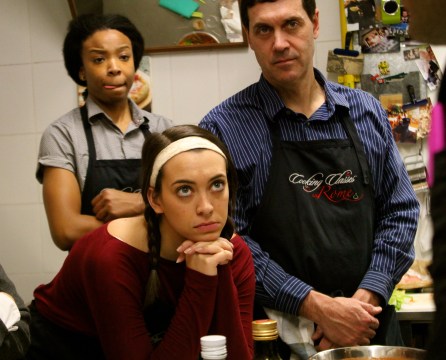
Somewhere in the maze of the narrow streets that make Trastevere so irresistibly charming, Chef Andrea welcomes students into his kitchen at Cooking Classes in Rome. Don’t be late—it was the ugliest American thing we did. I go to Europe to find beauty in details. If you are late to Chef Andrea’s class, you will miss out on his special attentions to delightful beginnings for your day.
********
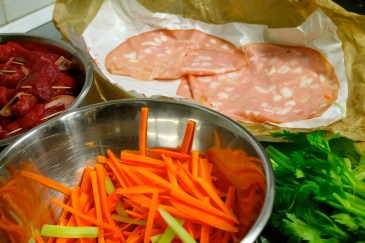
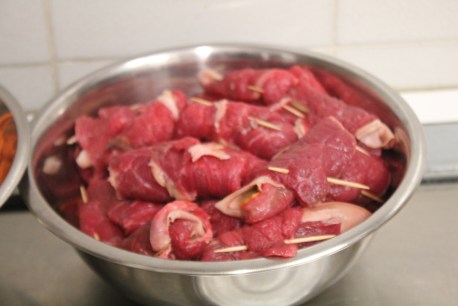
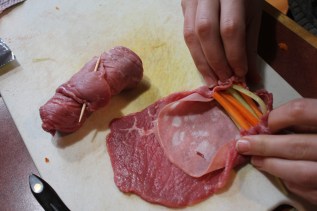
Involtini alla Romana. (Roman style beef rolls in tomato sauce.)


********
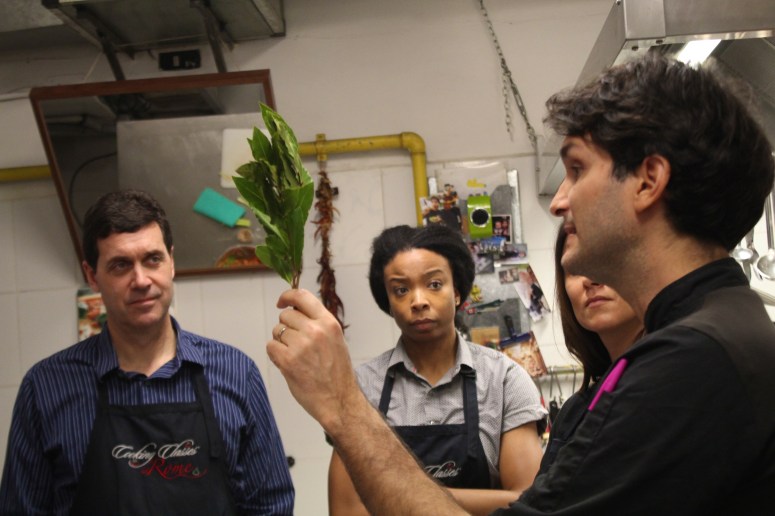
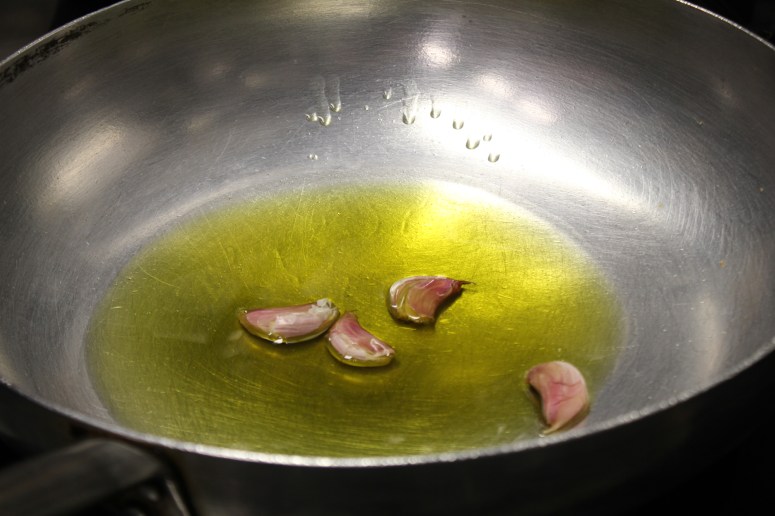
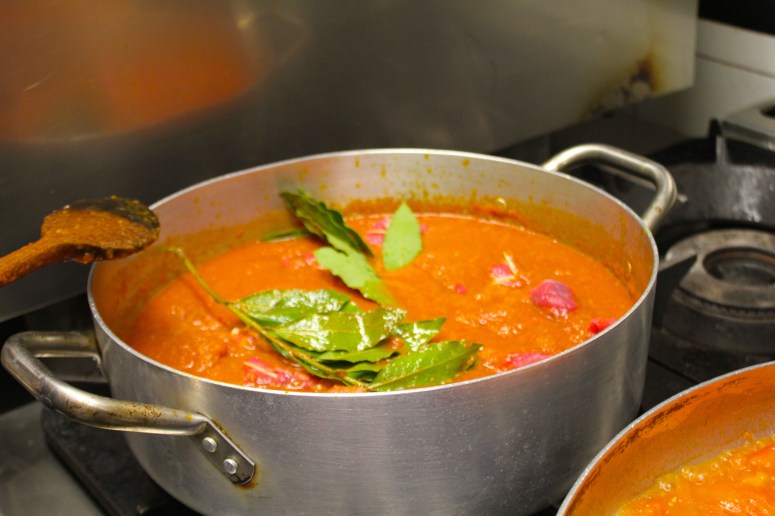
Bay Leaf. The Romans take it from plants growing everywhere. We learned how to prepare two forms of tomato sauce. One was used to submerge the Involtini alla Romana and let it cook, the other was for our handcrafted Cavatelli pasta.
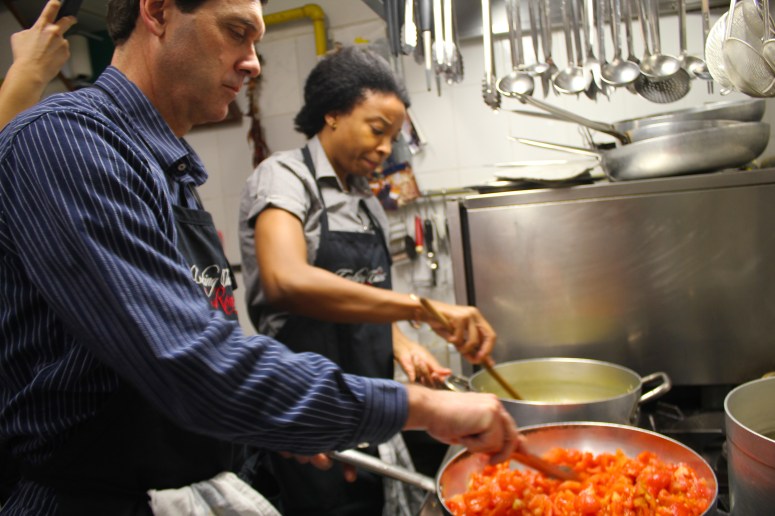

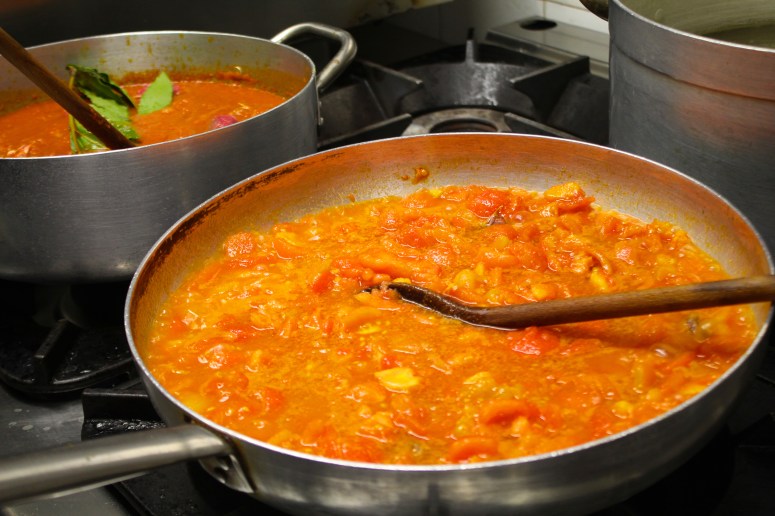
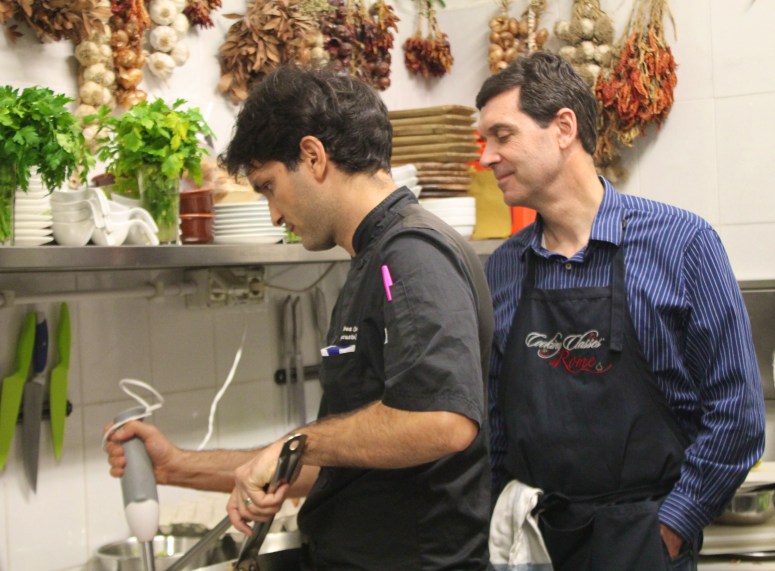
********
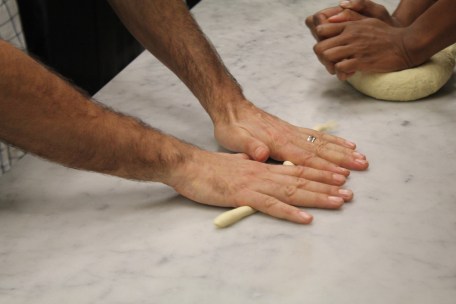
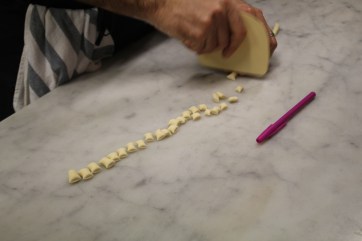
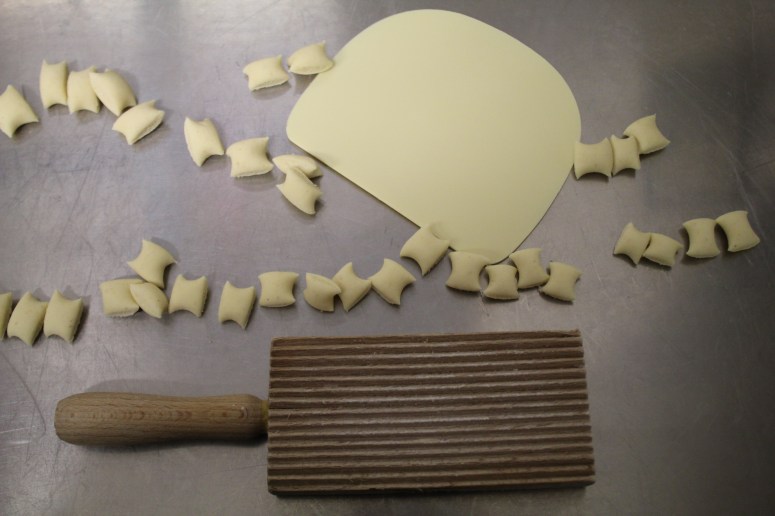
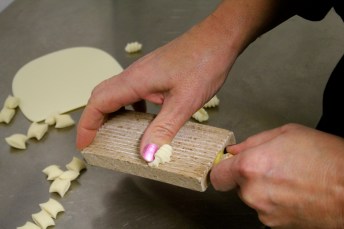
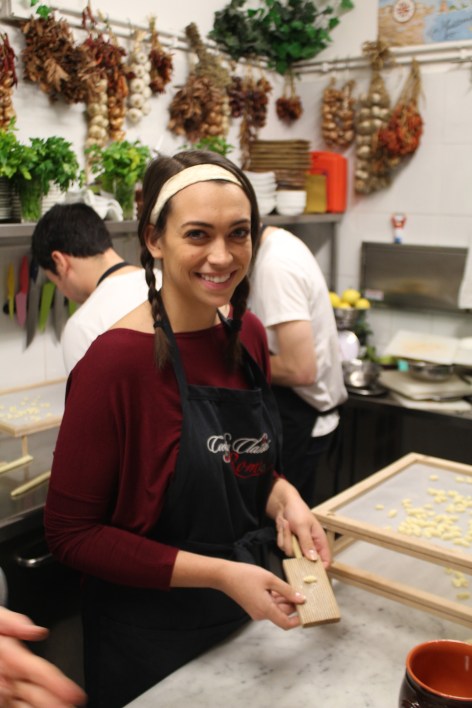
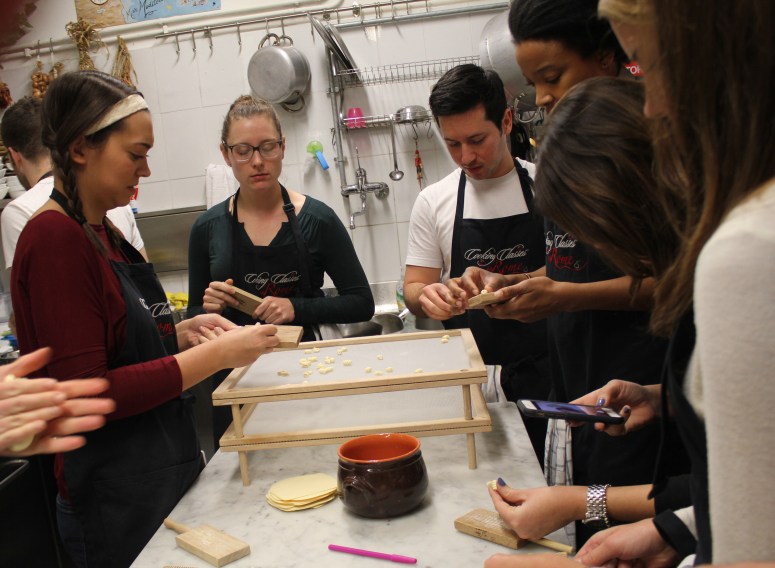
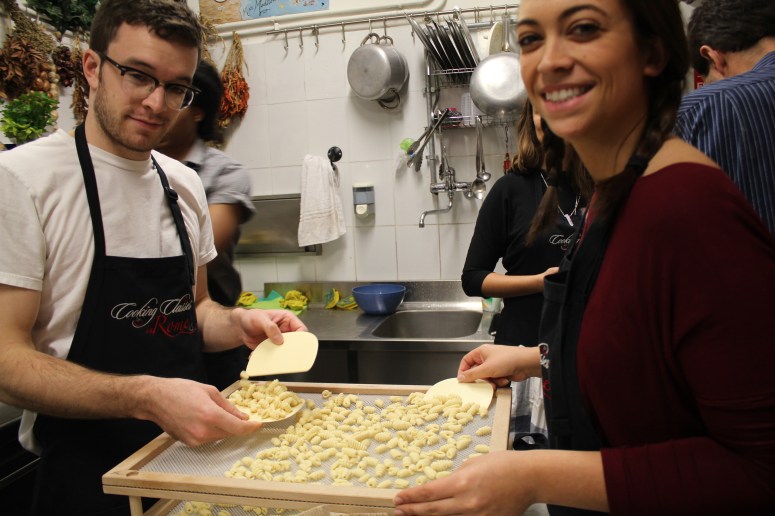
Using Italian-made hand tools to handcraft Cavatelli pasta. Very zen.
Every piece of pasta has someone’s heart rolled into it.
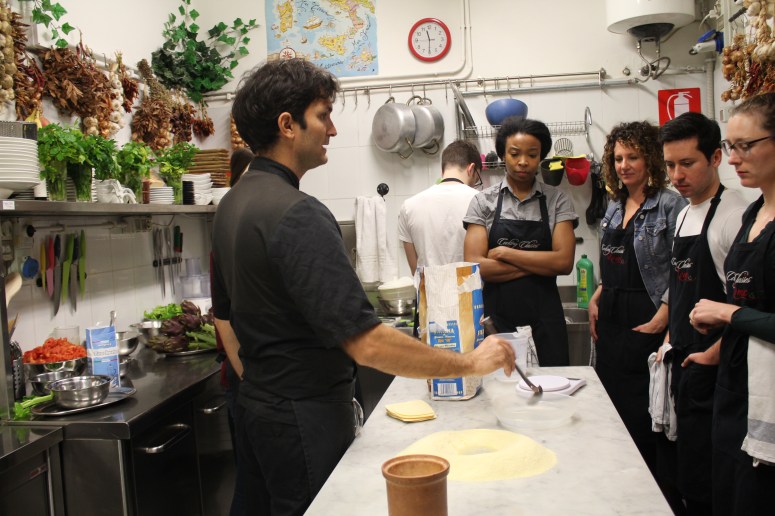
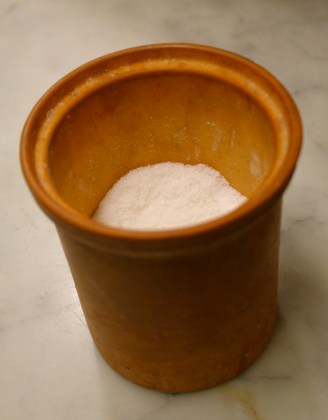
How much salt? One pinch per person.

********
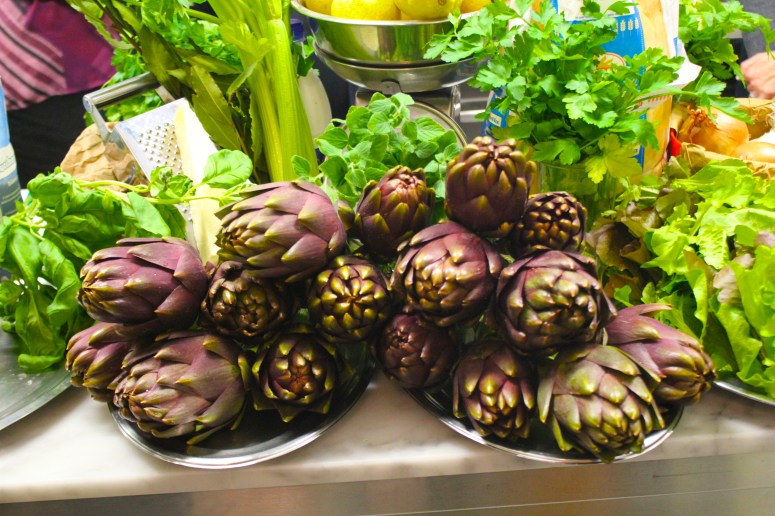
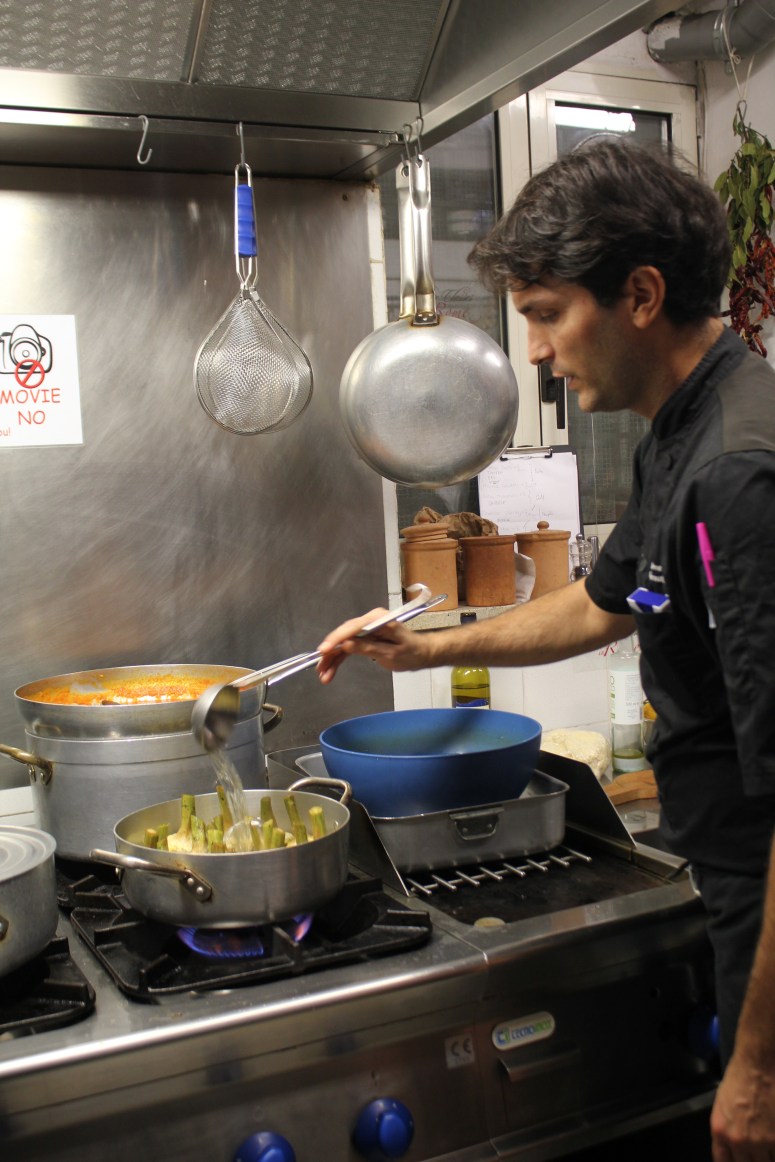
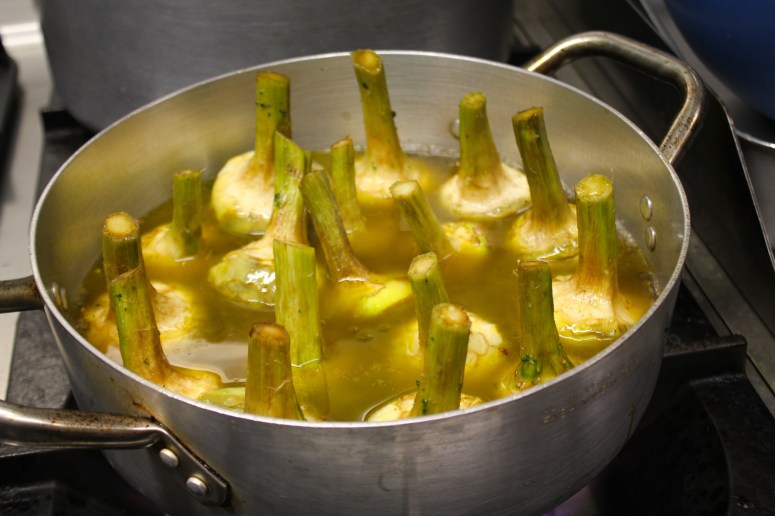
Carciofi alla Romana. (Roman style artichokes.) Roman-style artichokes are the food of the gods. American-style artichokes are for barbarians.
Goethe wrote in Travels through Italy: “The peasants eat thistles.” Supposedly it was a behavior he found too repugnant to ever enjoy.
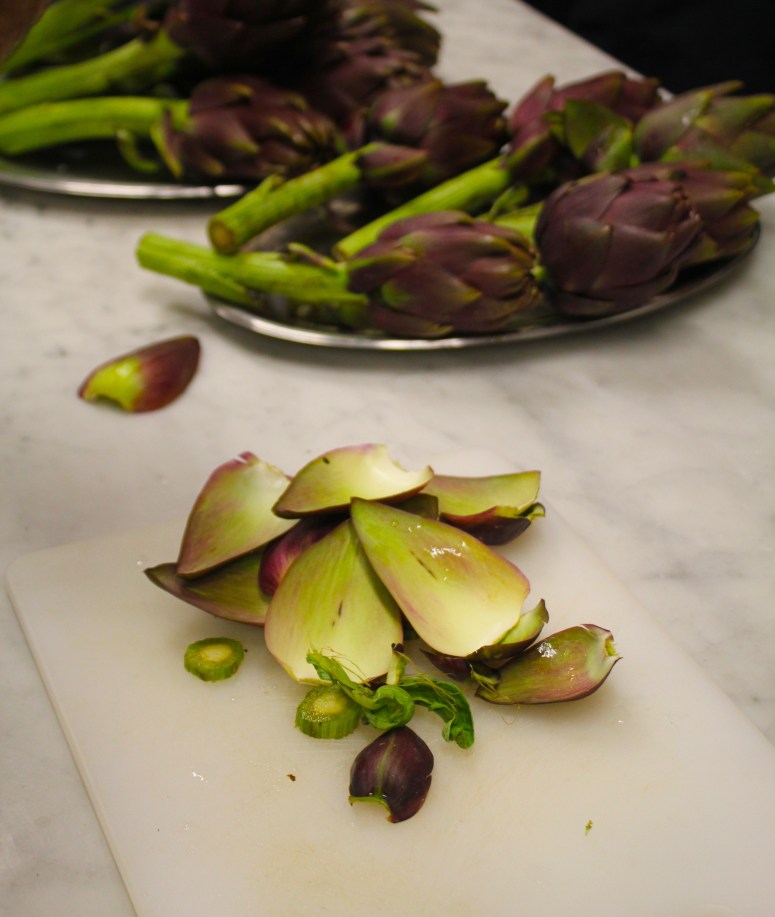
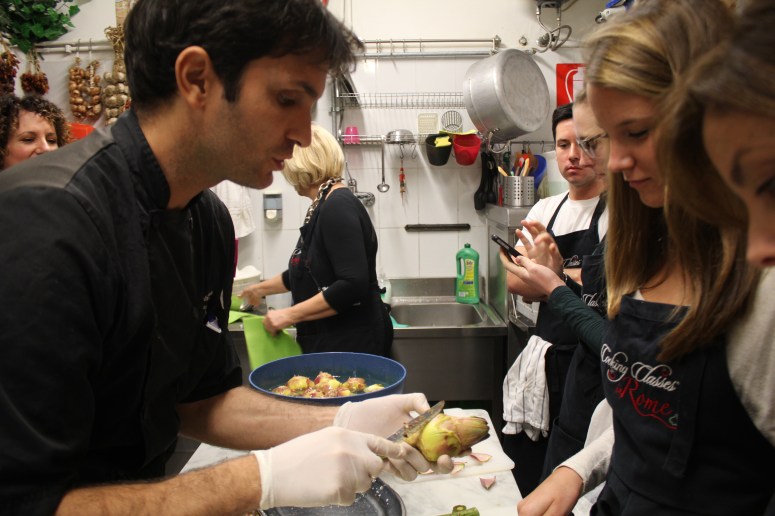
DO NOT DO THIS:
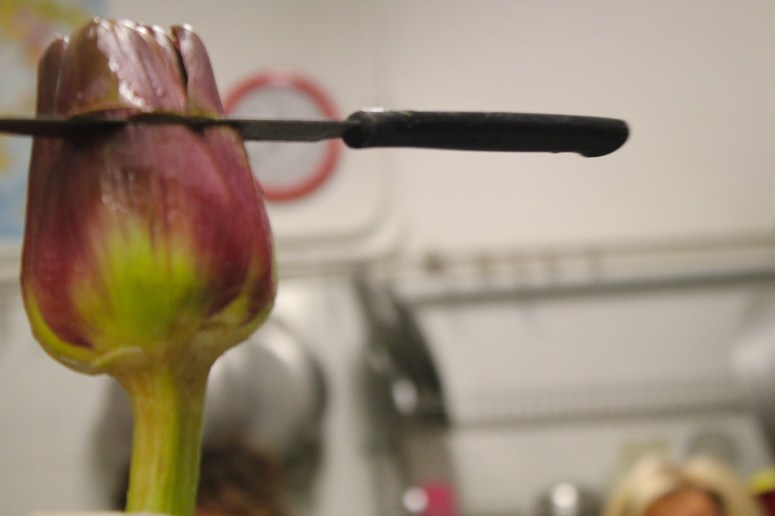
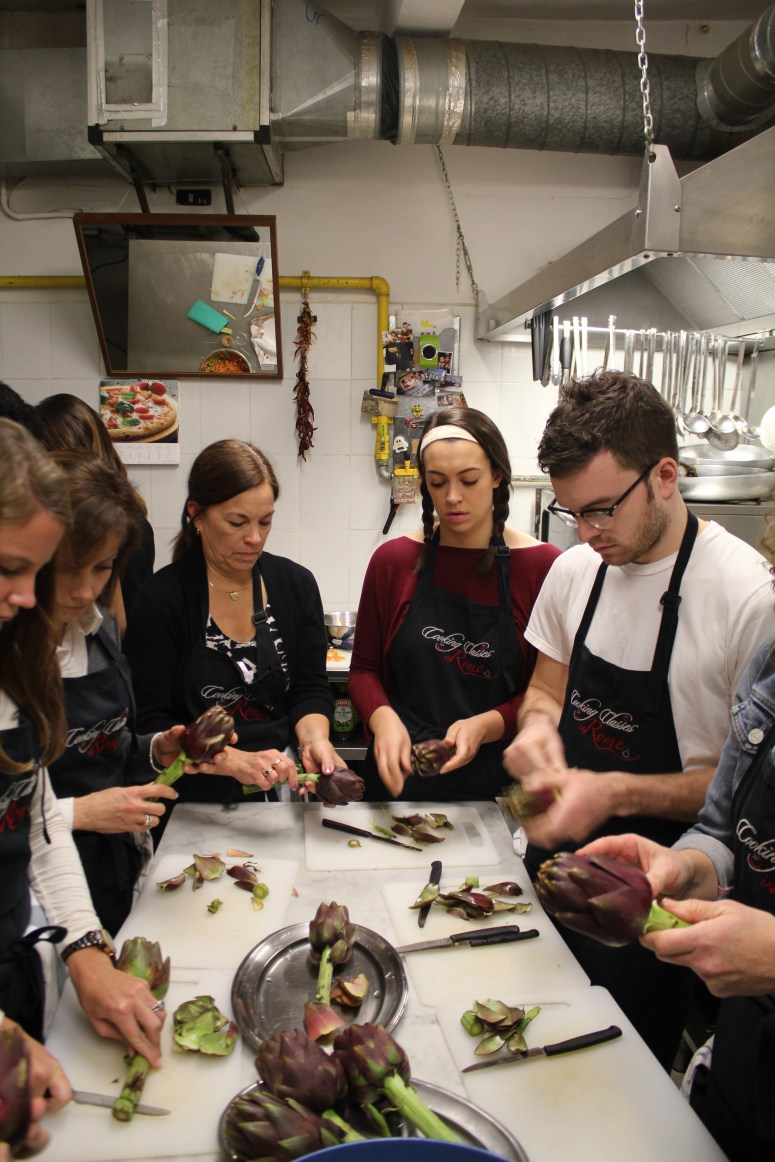

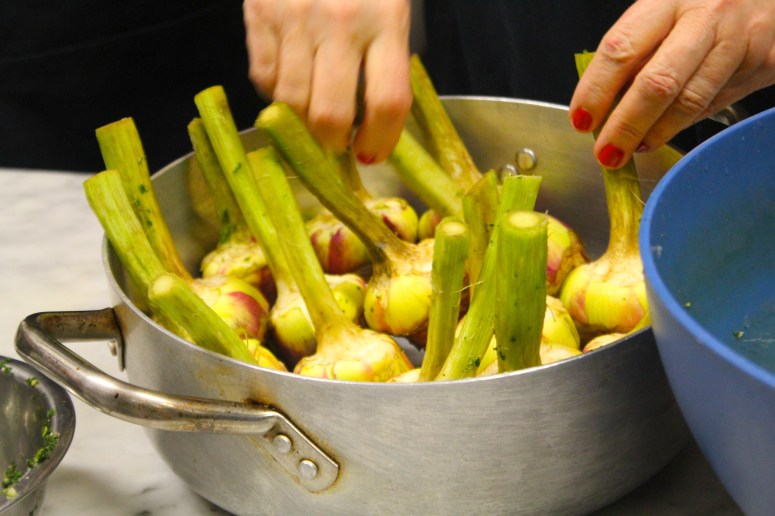
There is a secret stuffing prepared for the artichokes.
The most authentic stuffing uses a Roman herb growing wild along the Appian Way.
********
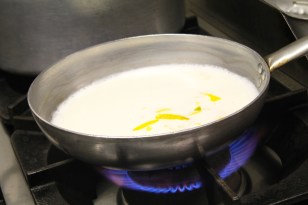
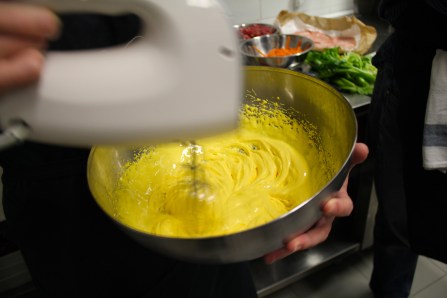
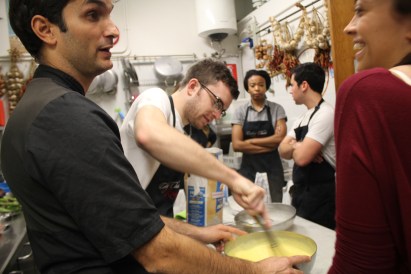
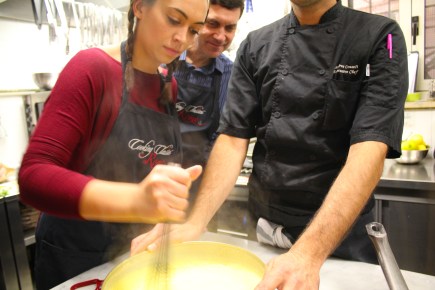
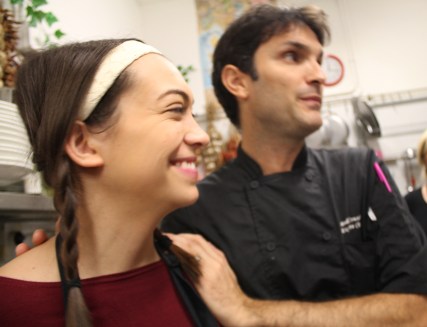
Dessert. Crema al Limone con Kiwi.
And a lesson in which is the male and which is the female lemon.

Using the electric whisk.
********
Our cooking instructions included intriguing history lessons and useful magical secrets about how to properly infuse artful details into your work as a chef in the kitchen. Many of the recipes are derived from necessity and are composed using the kinds of foods that were available to be used by the lower classes that lived on the “other side of the river” in Trastevere. The prostitutes learned to prepare and strategically place aromatic meals out into the narrow alleyways where the scents of sexy cooking became concentrated. Such tantalizing pleasures—on several levels—were impossible to resist by potential customers.
Indeed, cooking engages all the senses.
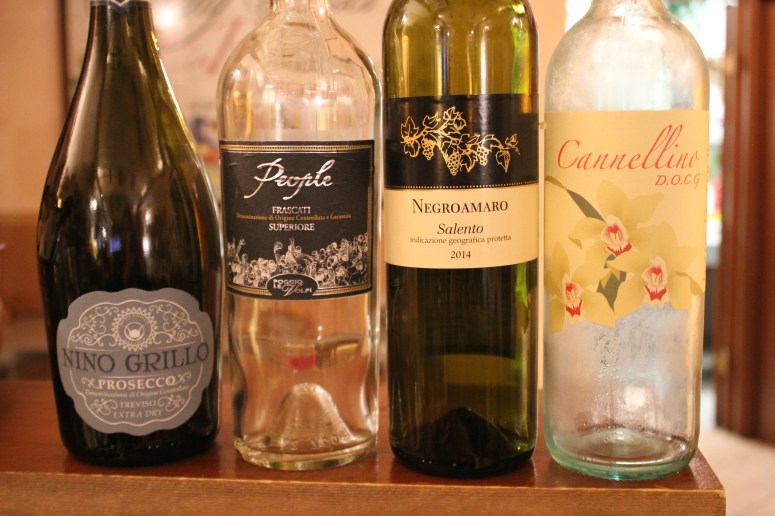
We opted to have wine pairings with our courses and Chef Andrea’s choices were exquisite.
My husband and I have enjoyed various styles of cooking classes in France, in other parts of Italy, and in the United States. Chef Andrea’s Cooking Classes in Rome exceeded our expectations and the price was surprisingly reasonable.
********
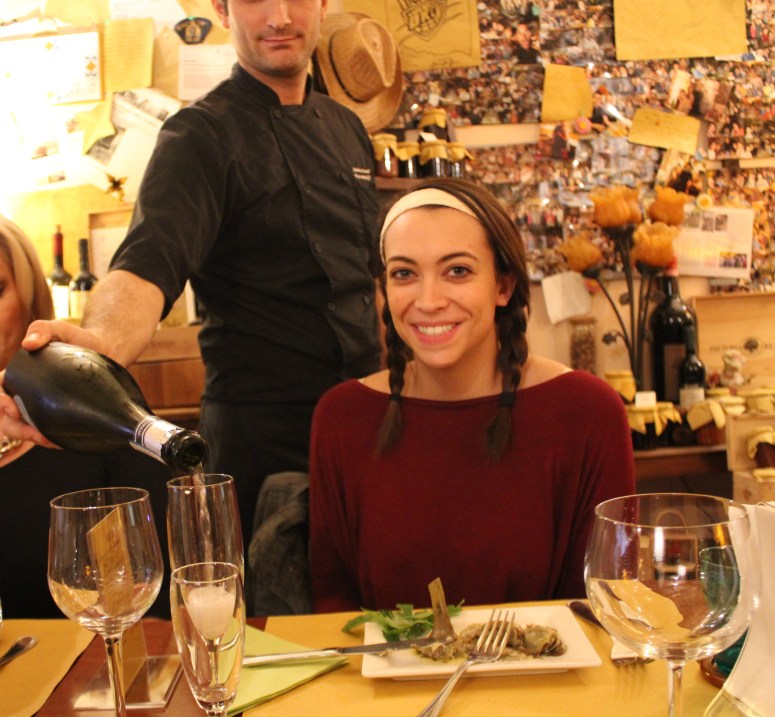
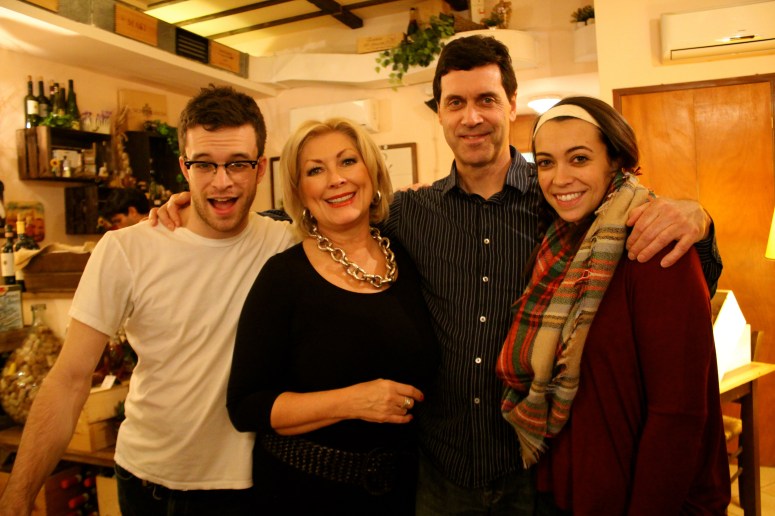
Time to eat our works of art with all of our new friends from all over the world.
The Carciofi alla Romana appetizer.
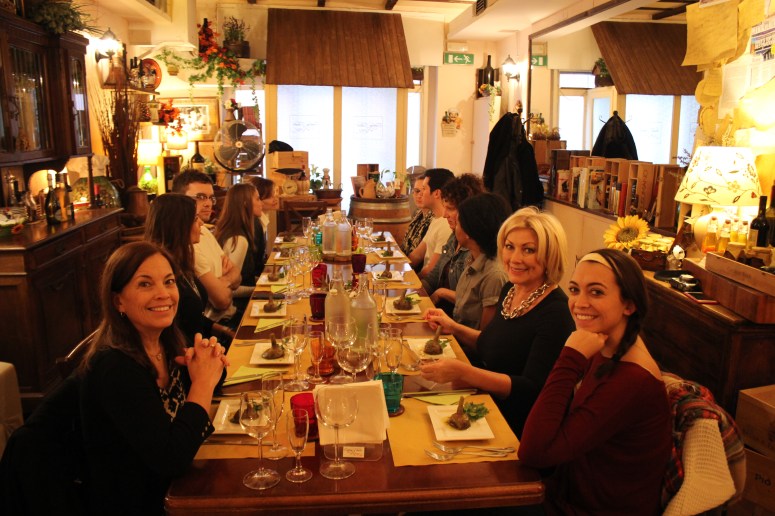
Paired with Prosecco di Valdobbiadene.
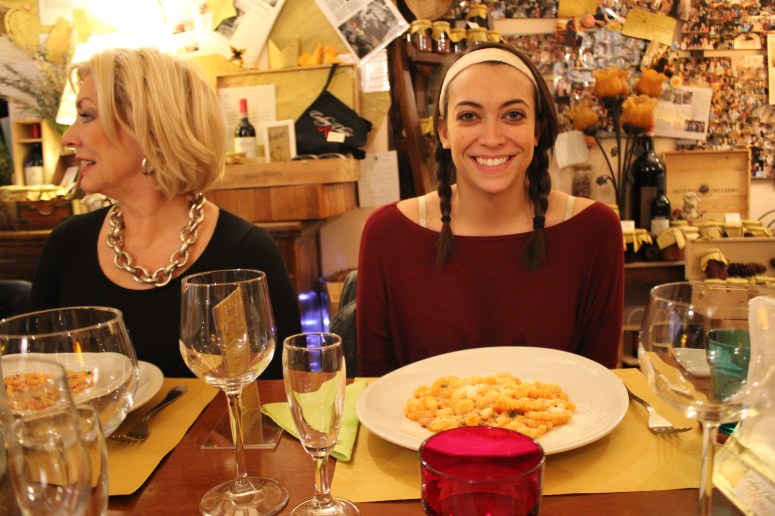
First course: Handcrafted Cavatelli fatti a mano con sugo di pomodoro fresco e basilico.
Paired with Frascati Superiore DOC

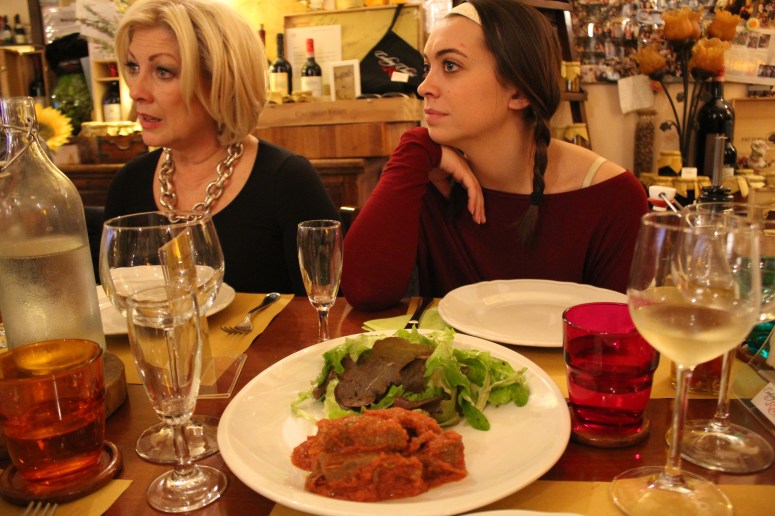
Second course: Involtini alla Romana.
Paired with Negramaro, from the heel of the boot in the famous and breathtaking
Puglia region in the south of Italy.

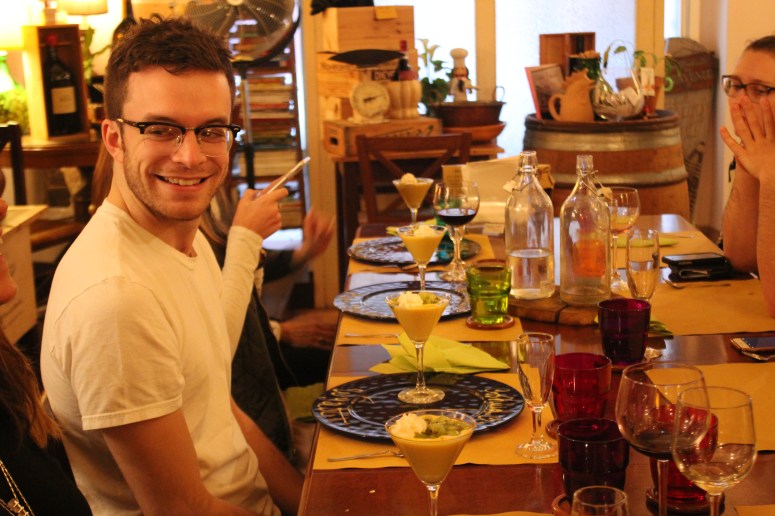
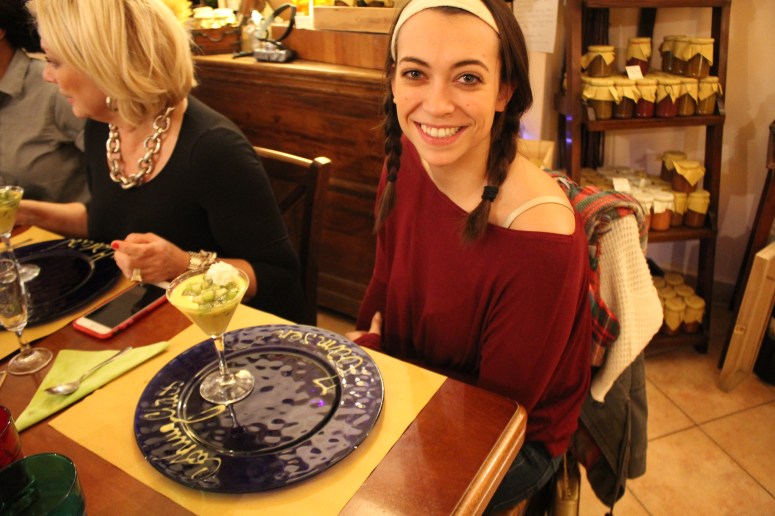
Dessert: Crema al Limone con Kiwi.
Paired with Moscato, 100% Malvasia del Lazio “gleaming golden yellow grapes”
harvested in late October.
********
At the conclusion of our meal, Chef Andrea asked if any of us would one day use the secrets we learned back in our own countries. What artist does not wish to change the lives of others for the better? And why go to Rome if you do not want to be inspired to create something great?! Or be transformed?
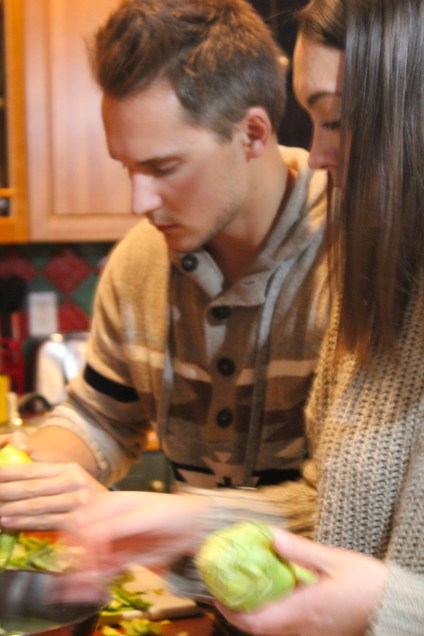
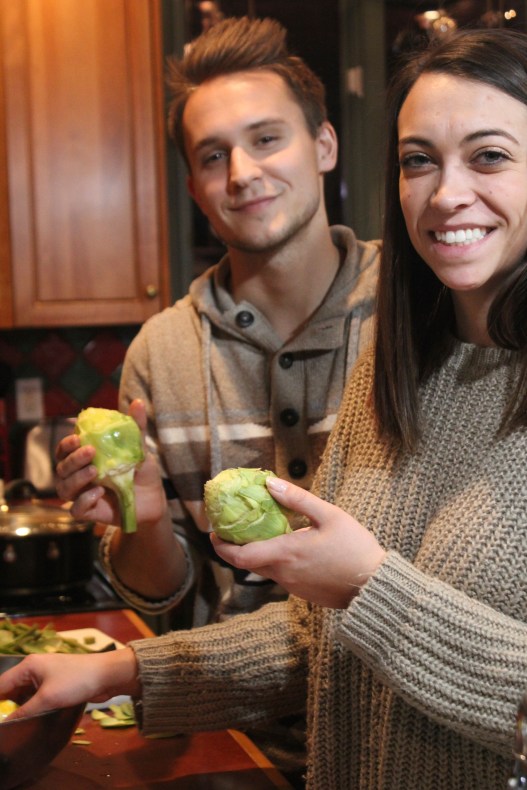
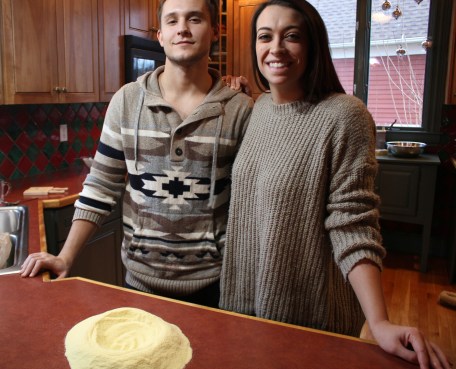
We returned home on a Saturday evening. By the next night—Sunday—our humble gypsy-camp kitchen in America was being transformed into a Trastevere-style trattoria. My daughter’s boyfriend wanted to learn everything we could remember from our day with Chef Andrea in Rome.
********
You don’t need a big, industrial, or high-tech kitchen in order to make art with food. In fact, most of our classes in Europe have taken place in kitchens as small, or smaller than, ours.

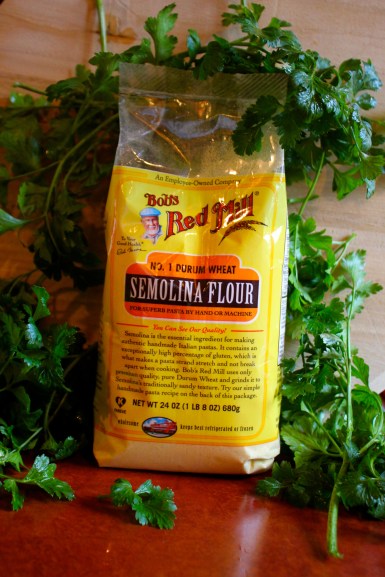
Rome in January was lovely, about 60 degrees. I was happy to find some parsley hanging on in my herb gardens, even though snow was on the way.
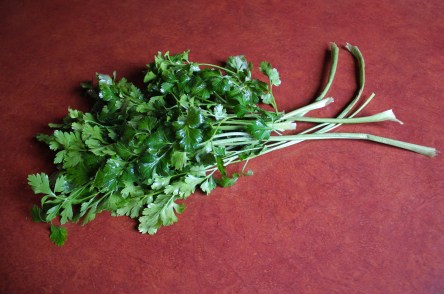
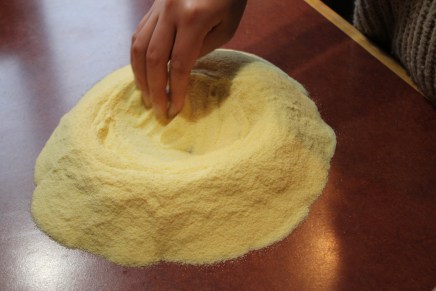
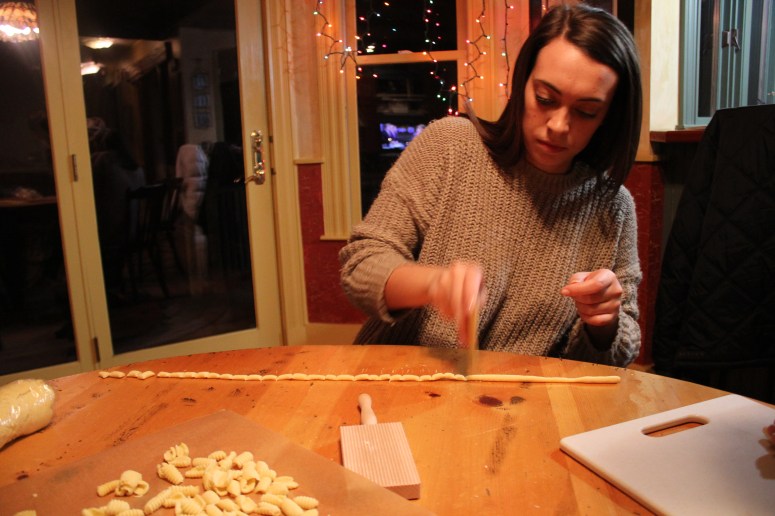
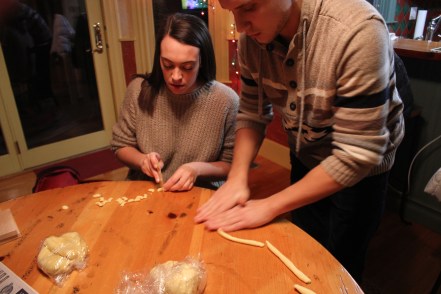
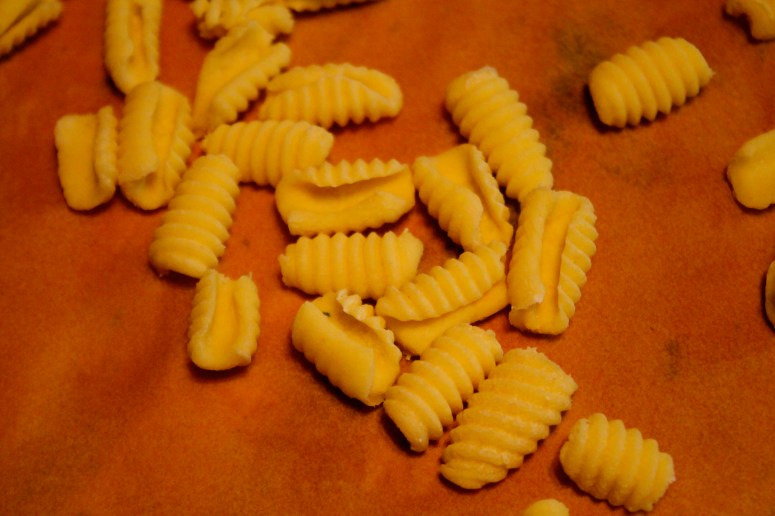
For the handcrafted pasta:
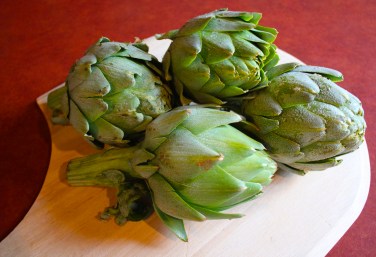
We had to ask for artichokes at the supermarket. They brought some out from the back storerooms. They weren’t as beautiful as the artichokes in Rome, but still worthy.
In order to offer finely-grated Pecorino Romano,
this is the side of the cheese grater to use:

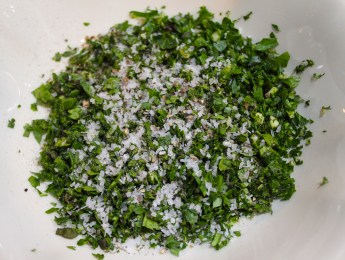
Chopped herbs and garlic and SALT.
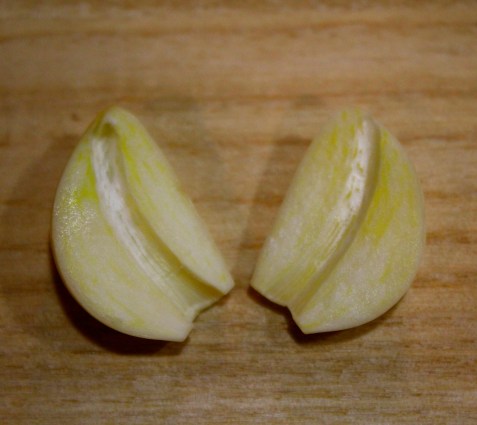
The secret to cooking and eating garlic,
and still being able to get a sweet (not smelly) kiss from your true love all over Rome:
********
The artichokes will definitely require some more practice:

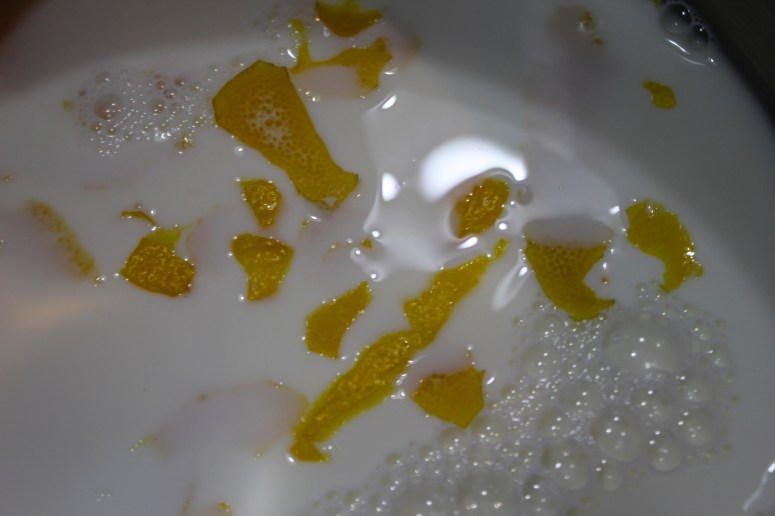
Lemon zest in the milk for the dessert:
********
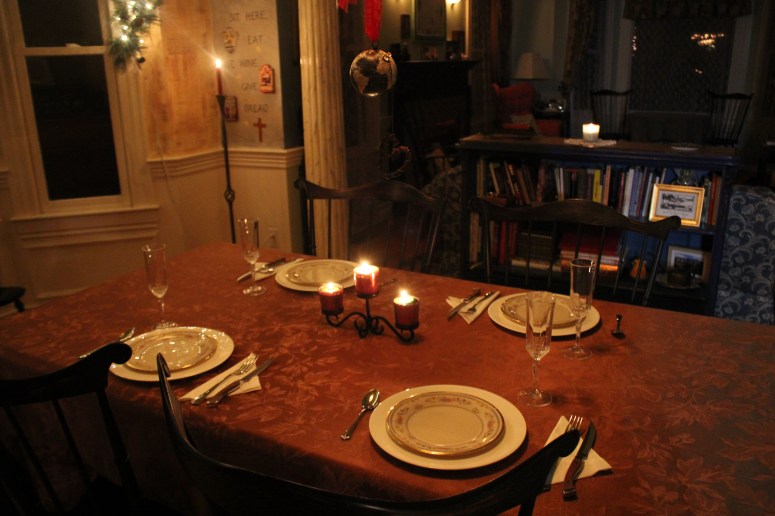
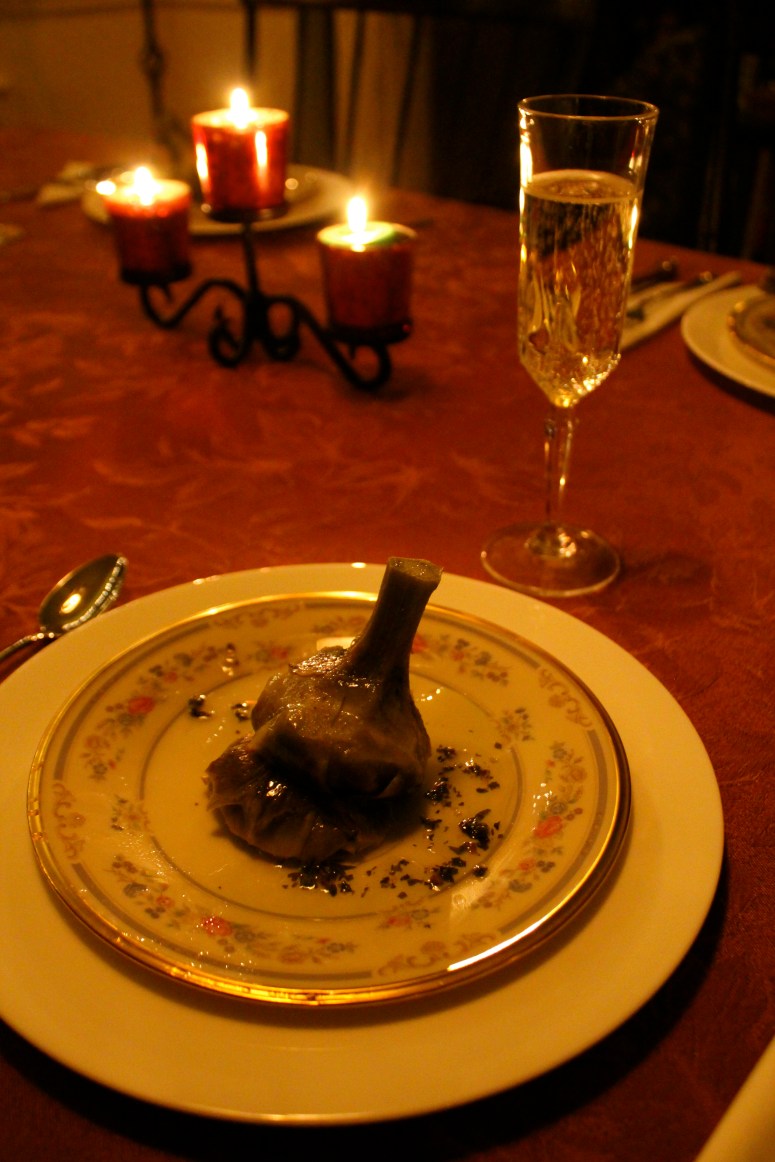

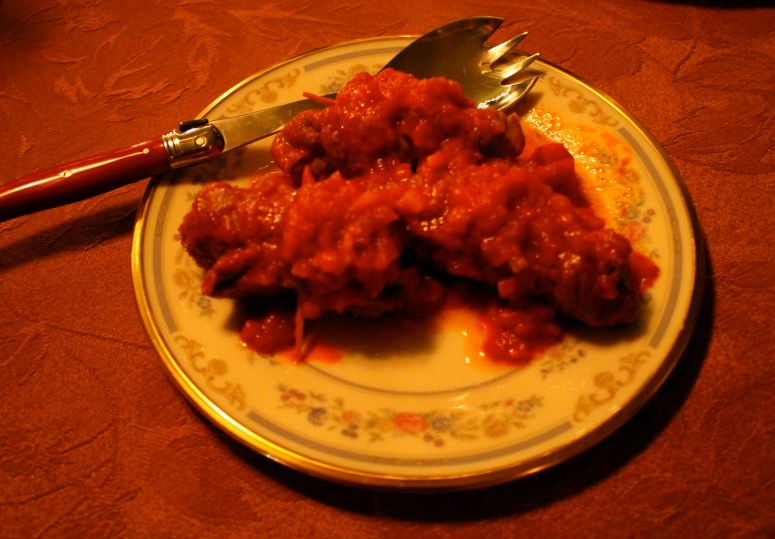
Beautiful snow began to fall during the last course. I set the dessert glasses out to be blessed before assembling the Crema al Limone con Kiwi into them.


A glass of limoncello for everyone.

********
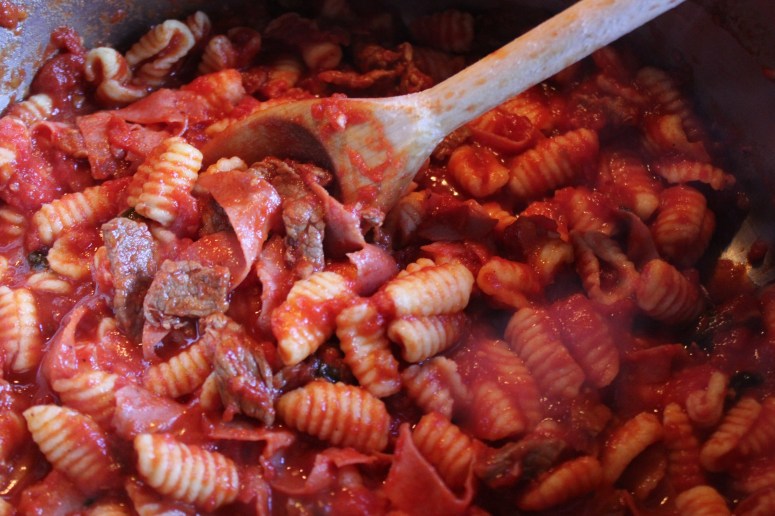
The next day, Monday, there was a generous slice of beef, a few slices of mortadella, and some pasta left over. I sliced the meats and dropped them, along with chopped garlic, into fresh tomato sauce and, borrowing a tip from the prostitutes of yore, began letting it cook. Sexy aromas floated up to—and swirled all around—the desk where my husband had returned to his workaholic self. (Monday was the Martin Luther King holiday. Though my husband had not driven into his office in Boston, he had begun work by 7AM and hadn’t left his desk even as the noon hour approached.) Soon, I heard my husband coming down the stairs, through the narrow alleyways, and finding his way into my kitchen.
We had a nice lunch together, planning our next trip to Italy, and a possible Roman feast at our son’s apartment in Brooklyn.

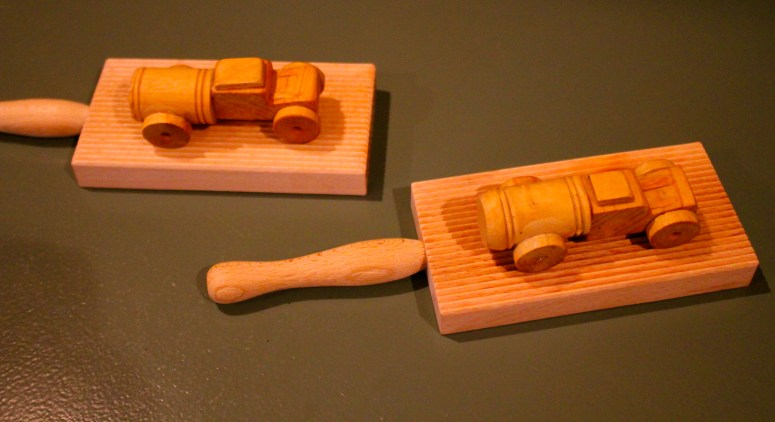
All roads leads to Rome. (Trucks created from random scraps of wood by my son when he was a toddler. Hand tools made in Italy for rolling out pasta.)
********
If you want to know how to make the food Chef Andrea taught us how to make, you will have to visit him at his Cooking-Classes-in-Rome studio in Trastevere.
Is it worth it to travel all the way to Rome to learn how to make a typical Roman feast? And bring more beauty into your life? And spend time with your family making new friends over food? And feel more hopeful about our post-humanist world?
OMG.
Is the Pope Catholic?
********
 Excursions