Plan: Depart after chores on Saturday morning, motoring 160-ish miles southwest for an overnight in the Hudson River Valley.
Chosen villages: Sleepy Hollow and Tarrytown, New York.
Opt for one afternoon activity on Saturday, agreeable to all two of us.
Sunday already figured out: First to the Bronx, for the New York Botanical Garden’s show, Frida Kahlo – Art. Garden. Life. After that: A Sunday afternoon street fair in Soho where our son would be performing with a band.
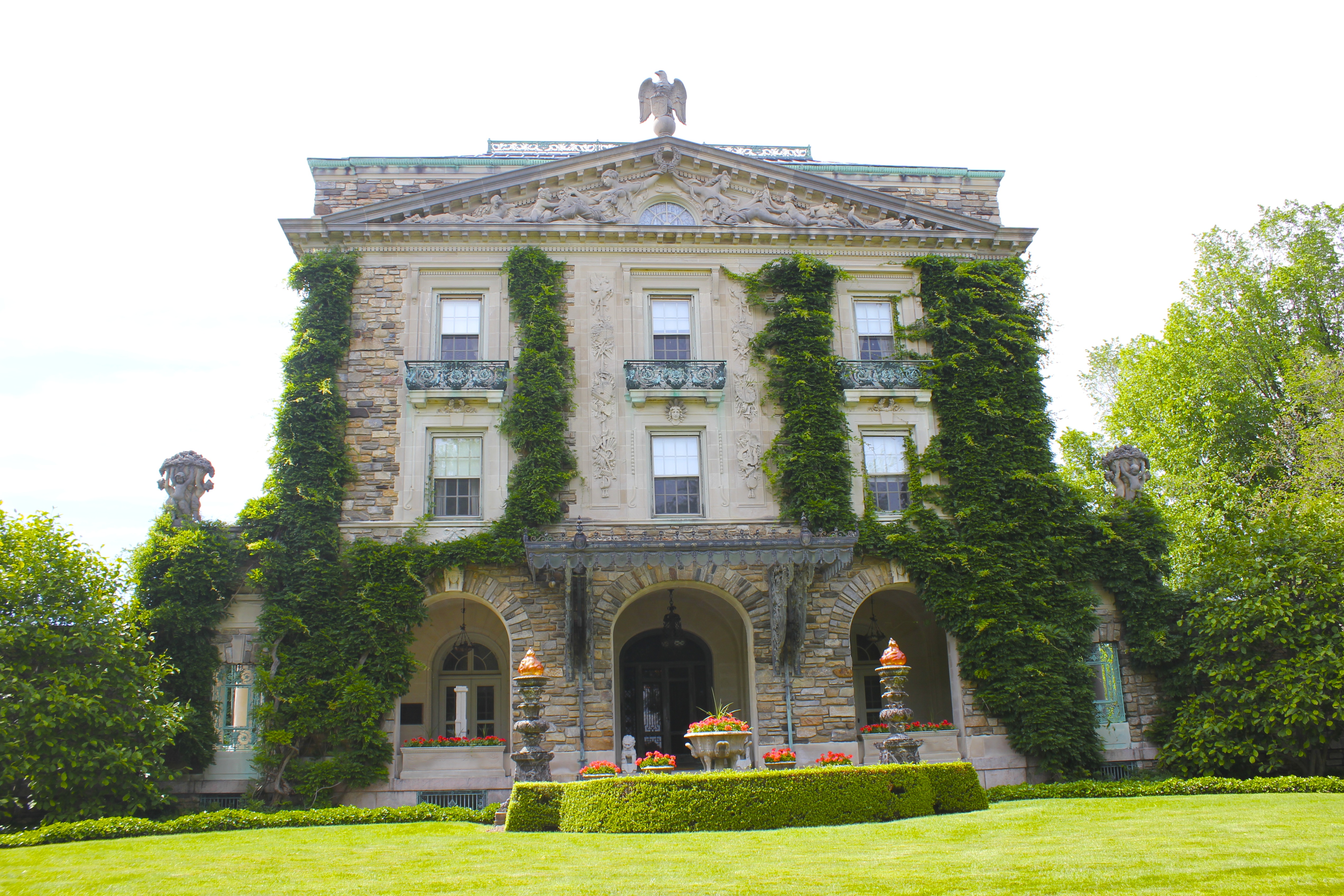
Since the Frida Kahlo excursion was something I wanted to do, it was only fair to balance Saturday with a visit to something my husband would want to see. We chose the Beaux-Arts bling of John D. Rockefeller’s estate Kykuit. Pronounced, “Kye-cut”, as in cut a check.
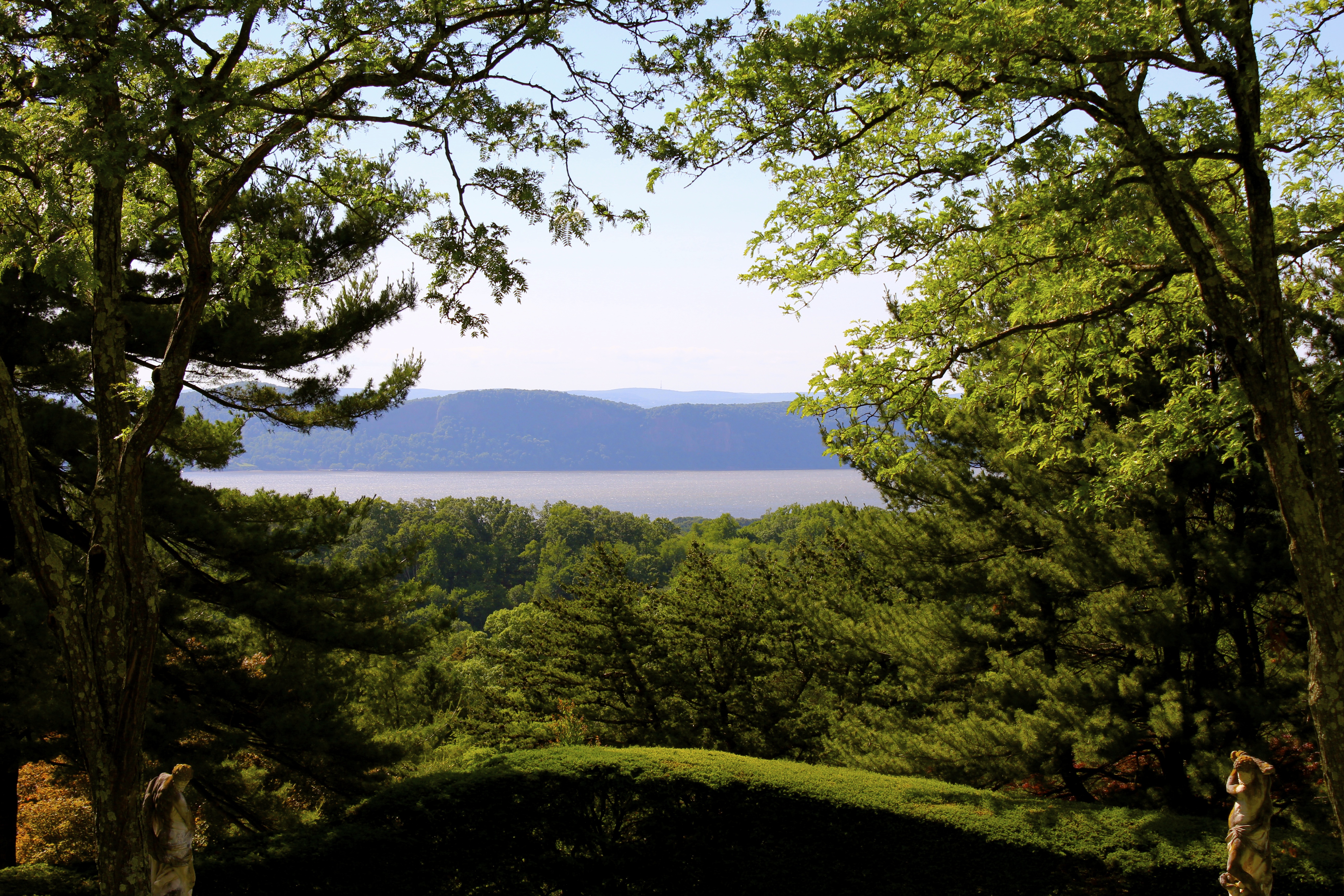
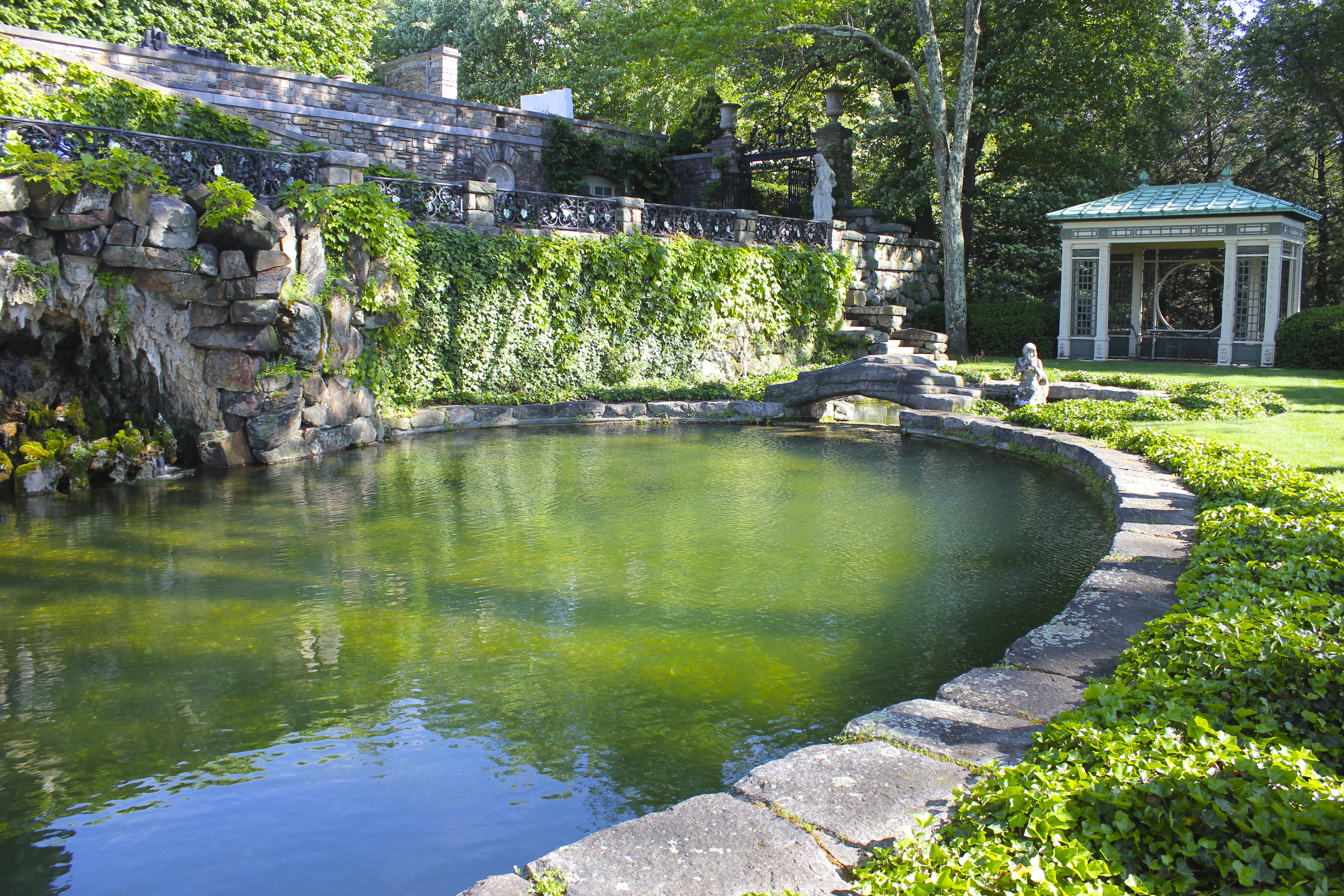
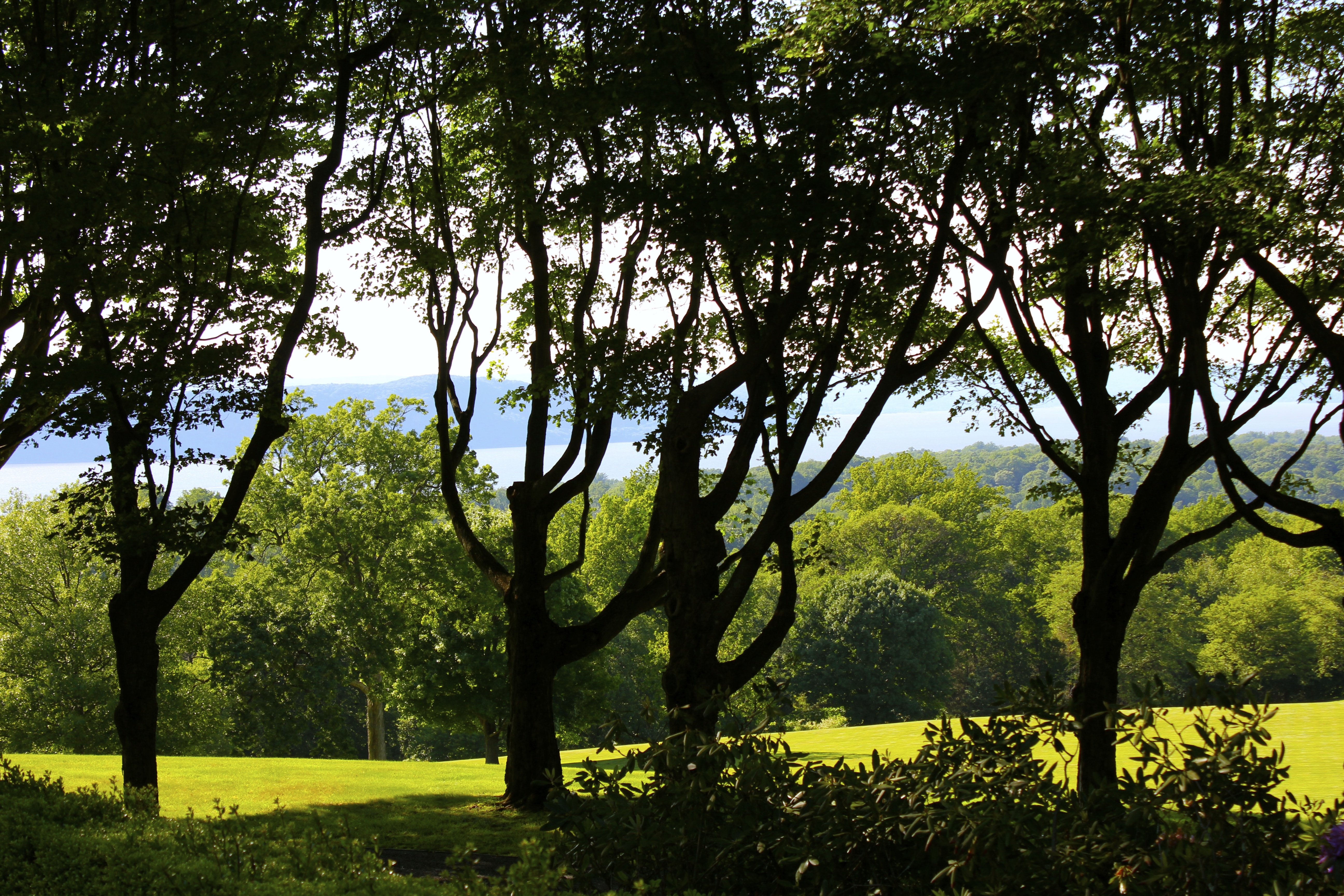
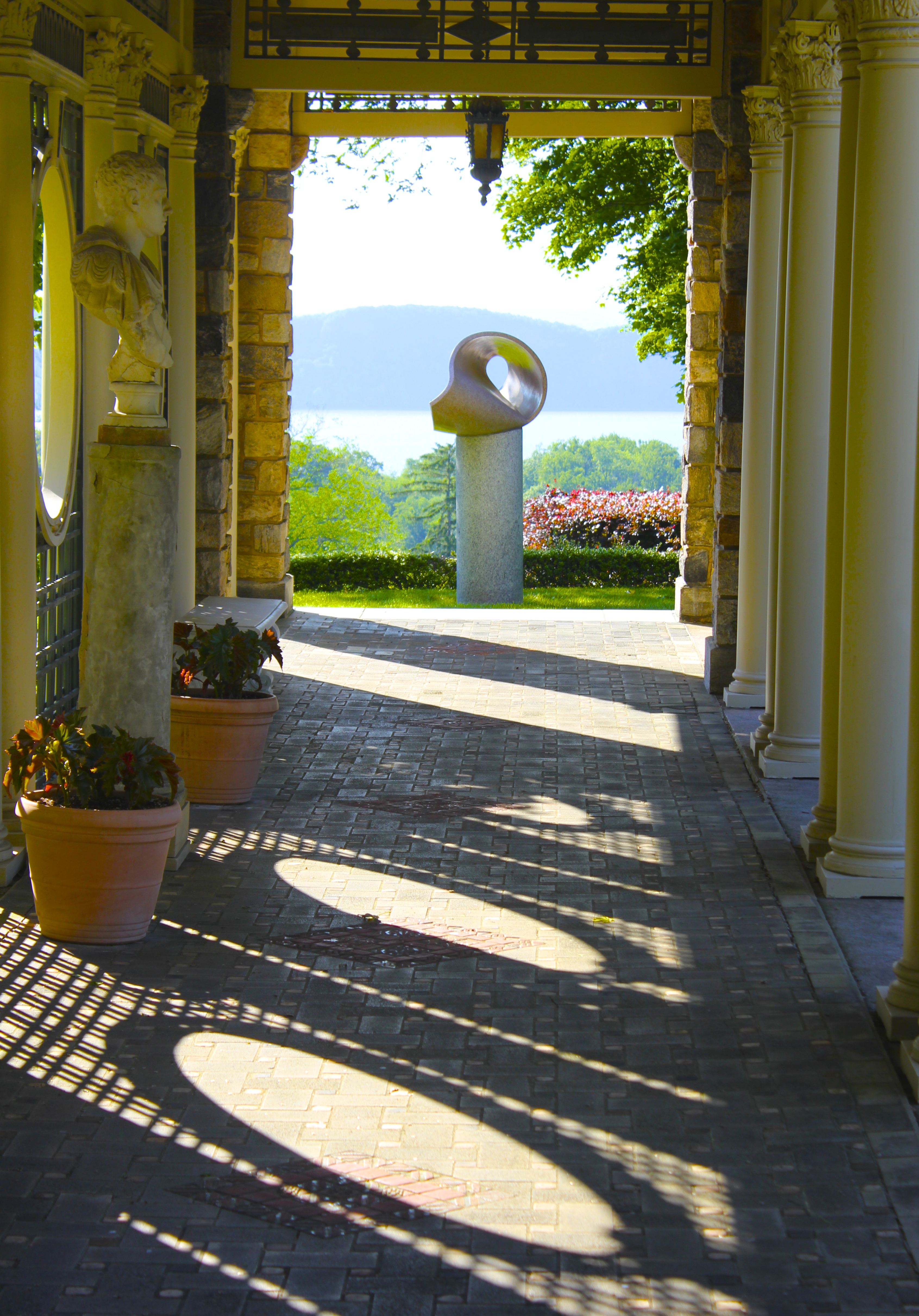
At Kykuit, our tour guide, (a perky opera singer), directed us through the interior living spaces, the art galleries, the carriage barn, and the grand gardens. She told neat and tidy stories about the Rockefeller family. Everyone was polite and listened well, but many of us had read or heard other stories about the family, too. Soon, whispered remarks with smirks and sighs spiced up the lonely settings of JDR’s Gilded Age otherworld—now at rest like an unblemished ghost town, encased in a crystal bubble. The gardens are so meticulously manicured and carefully preserved, that not even with a worthy breeze blowing in from the shores of one of the most romantic rivers, would one leaf or one fragrant flower petal dare to take flight.
Nor would one weed dare to trespass.
Nor were there any pathways for a visitor to choose, instead.
Walking the grounds, I felt as though I’d slipped between the covers of a sumptuous art history book, without marginalia or dog-eared pages, where everything came to life off the pages.
How famously our culture preserves the legends of wealth and legacy.
As an enthusiast of the phenomenons of human nature, I like traveling to the monuments, museums, and palaces where the booty of human fortunes is displayed. It’s thought provoking and interesting to visit the fairylands of rich Americans because many of them used their wealth to hire rockstar architects, designers, and artists to create their utopias.
When rich people die, they leave a trail of art history, decorative arts history, and garden design history loaded with ideas for us do-it-yourselfers whose garages are cluttered with monuments to frustration—like the drill with as much power as a hamster’s electric toothbrush or the bags of Grub-B-Gone that were as useful as the empty wallet they drained dry.
Whatever stories have been silenced by time in the empty interiors of historic homes or buried in the gardens surrounding them, the settings that remain still tap the imagination. It’s one thing to view a painting in a typical museum. It’s quite another charming thing to walk through gardens and landscapes growing more and more palatial, long past the days when their first admirers sat with a cup of tea underneath a newly-planted allee, without a computer, or a cell phone, or an income tax.
I journey to the sites, primed to be inspired with ideas and prepared to fall under the spells of several emotional extremes: I am convinced I could have been a happy tycoon. I am convinced I could have been a happy, married-to-wealth, lady of the manor. I am convinced I could have been a happy caretaker of noble gardens, living in a stone cottage nearby, writing poetry. I am convinced I could have been the go-to designer of the times, hired to create the most impressive works of art for the most insatiable rich people in the world. I am convinced I could have been the darling first born, given over to the greatest educators in the greatest schools, coddled and cuddled and mentored by the most ruthless businessmen and women. I am convinced I could have been the beloved philanthropist who saves the world.
All the money in the world, whether it is controlled by one person or one family or one government, will never save the world.
I came to a couple of conclusions after touring Kykuit. First, I have lived my life without ever having a brand new car, and, after walking through the carriage barn at Kykuit, I realized I have never wanted a brand new car. I want horse-drawn carriages and I want the rest of the world to want them, too. Gas-powered, horseless carriages have wrecked the world. Secondly, if I had an art collection like Nelson Rockefeller’s—including the Picasso Tapestries he commissioned a woman in France to weave by hand, in cahoots with Pablo himself—I would never display my collection in a cramped, subterranean man cave on some of the most prime real estate in New York State.
Thanks to Nelson Rockefeller, the art and cultural history of Kykuit has been preserved. Up until his storied reign over the Rockefeller kingdoms, all Rockefeller residences had been demolished, by family decree. For instance, in Maine, you can tour the Abby Aldrich Rockefeller Gardens in Seal Harbor (by reservation only), but the house where she summered with her husband, JDR, Jr., is gone with the Atlantic winds. After touring Kykuit, a second-hand store shopaholic can only wince at thoughts of what became of the contents and components of all other Rockefeller residences.
*****
We had dinner later in the evening, after our Kykuit Grand Tour, in Tarrytown at Bistro 12. The restaurant is run by the artful energy of the owners, who are from Madeira, Portugal. I think the chef is from Italy. Therefore, European dining reigns. The owners work the floor and the bar. Just when we were sad to sense that the evening was coming to a end, the owner arrived with a complimentary cordial. He also revealed himself as the painter of all the artwork hanging on the walls. There was a ukulele on the bar. We asked about it. The owner played it for us. He proudly, and gently, told us that we were all wrong about the ukulele. Though it might have stolen our hearts in Hawaii, the instrument arrived there in the late 1800’s, and was brought by immigrants from Madeira, Portugal who had gone to Hawaii to work in the sugar cane fields.
*****
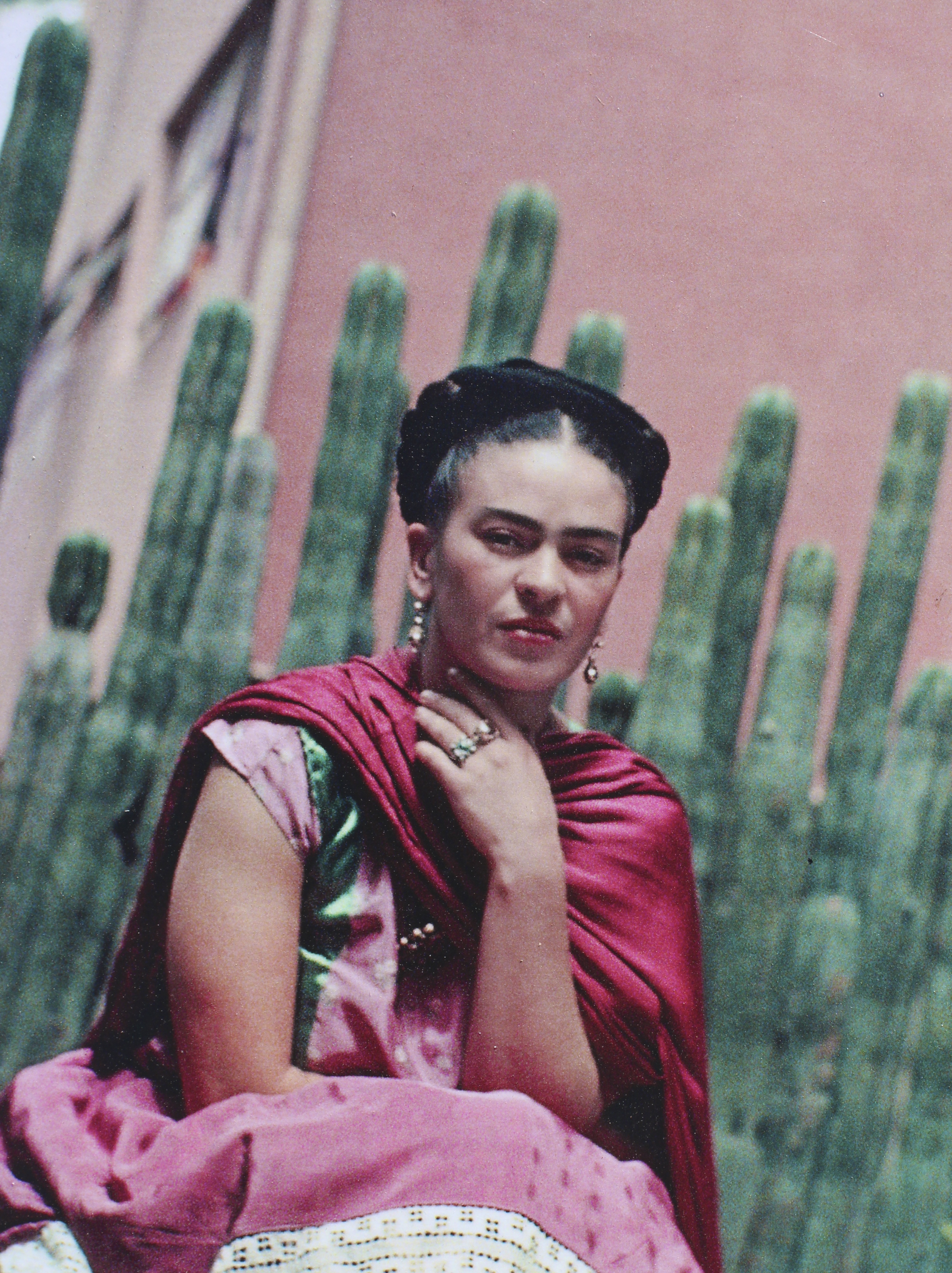
On Sunday we went to Frida Kahlo’s Casa Azul, her home with gardens in Mexico, as interpreted by the New York Botanical Gardens. It’s not the first time New York City has hosted stories from the life of Frida Kahlo. In 1934, her husband Diego Rivera experienced a bitter battle of ideals with Nelson Rockefeller who had commissioned Rivera to paint a mural at Rockefeller Center. The mural included the face of Lenin and Rivera refused to change the artwork he was commissioned to create. Rivera was dismissed, his artwork destroyed.
Our visits to Kykuit and the New York Botanical Gardens stimulated plenty of conversations:
The designers of Kykuit were guided by European artistic styles.
—Frida Kahlo wanted to rid herself and her culture of the trappings of European culture.
Kykuit was loaded with copies of existing art.
—Frida Kahlo was an original.
Kykuit represented comfort and joyful excess, with heartbreak and adversity subdued.
—Casa Azul housed a lifetime of physical and mental suffering, documented through Kahlo’s works of art.
Nelson Rockefeller’s art collection is squished into a musty underground corridor.
—And at the New York Botanical Gardens, original, rarely exhibited Frida Kahlo paintings were squished into a small gallery in a huge building that required a cramped elevator ride in order to view the wonderful work.
Both excursions to view art and study art history wended us through stunning late-spring gardens.
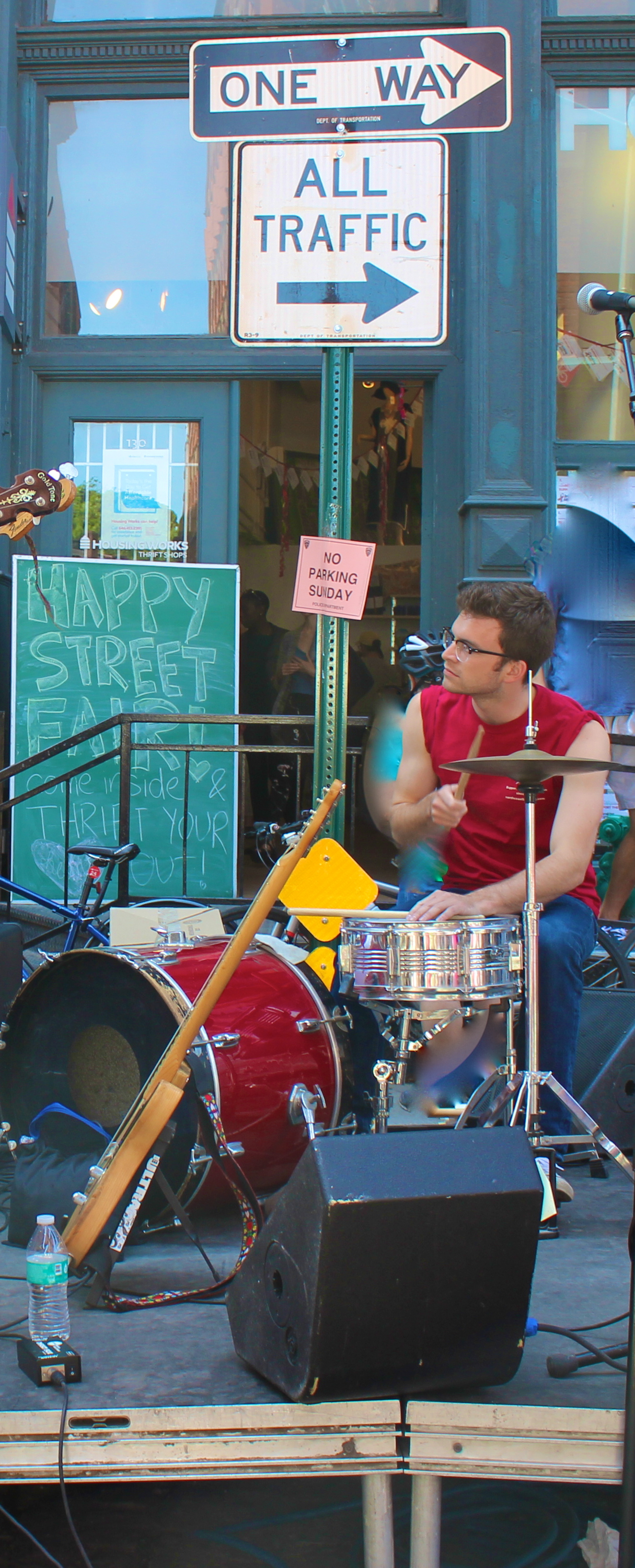
Our final excursion to Soho, on the other hand, to see our son perform in a band at a street fair was not as calming—we got stuck in horseless carriage gridlock, New York City style, all the way from the Bronx.
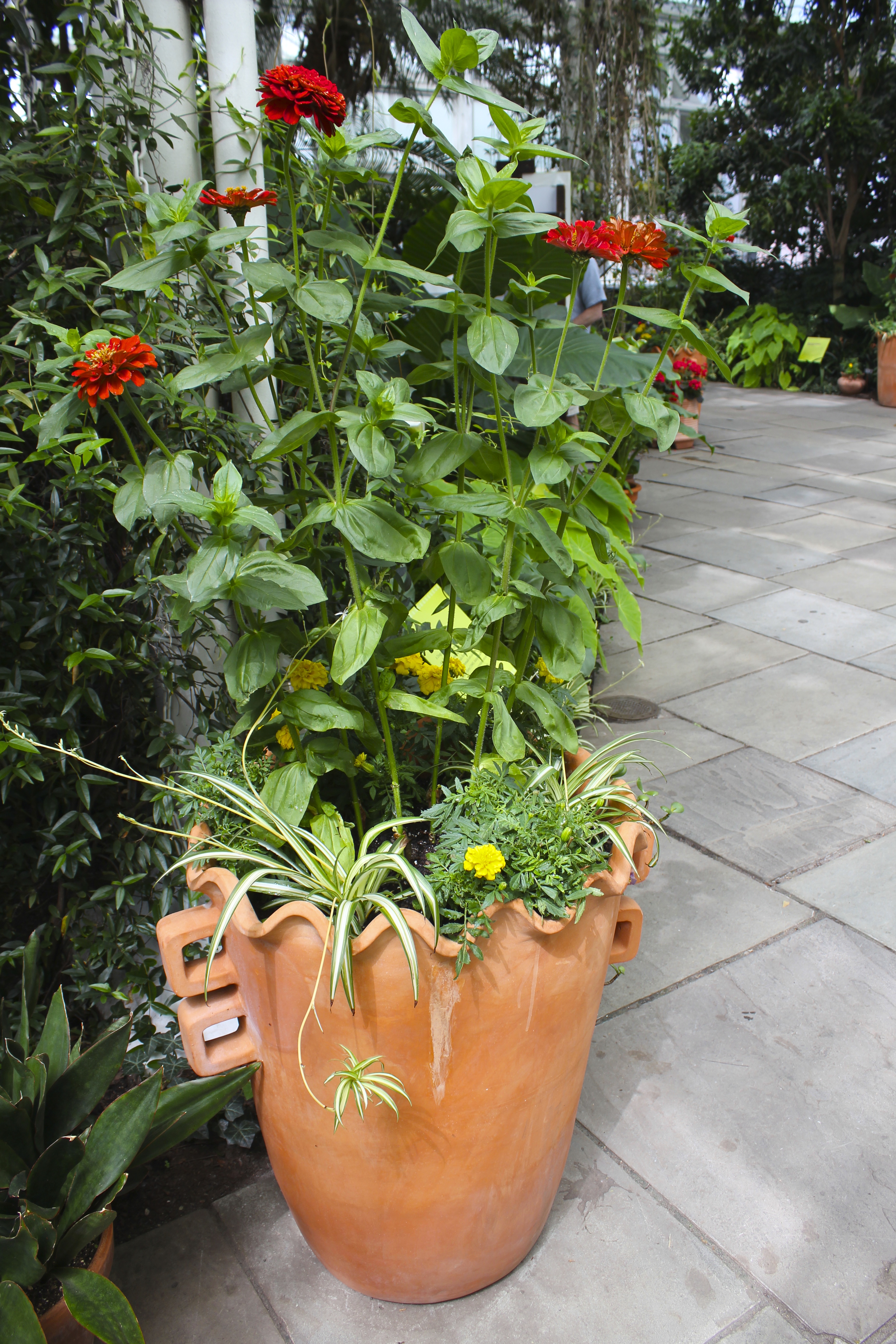
After the street fair, we had time for one beer with our son and his band mates out on the patio at his place in Greenpoint, Brooklyn. While my husband and the devoted musicians passed around a guitar, I noticed Morning Glories, Nasturtiums, and Zinnias, all planted by my son, growing in his urban gardens—the richest green legacies from his youthful summertime days out in the country.
Here’s where to go to find original art NOW: It’s happening TONIGHT, June 10th, at Cake Shop in NYC. (As in, “Let them eat cake.”) One of NYC’s best venues for music. My son and his band mates are putting on a show FOR THE PEOPLE!
http://www.teethpeople.bandcamp.com
Find the Rich Man disc under discography—
First song on the link: RICH MAN.
*****
**********



**********
Rich art. Original. For the people. Happening now.
Rich Man disc @
http://www.teethpeople.bandcamp.com
If you’re looking for a rich man.
 Excursions