Come and sit in a Parisian cafe with your friends close to me. I want to write, but writing is a lonely way of making art and when I sit near other people, I feel some comfort. I want to sort things out on the page, entering and exiting trains of thought. If you ask the waiter to take a drink over to me, I know you won’t mind how I keep at my work. My smile for you is one of deep gratitude. And if we are blown to bits, we will agree it was only because we practiced and believed in, freely-chosen, broadly encompassing, and generously-shared education.
********
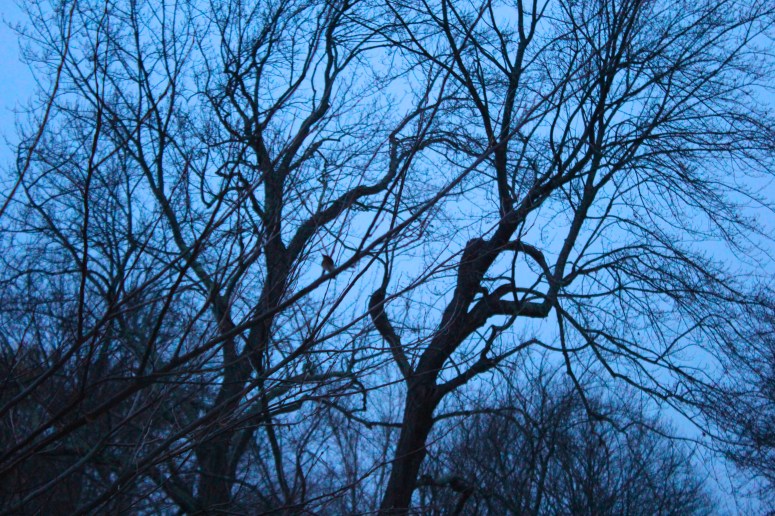
At dusk a week ago, in my peaceful garden far from Paris, a lingering leaf on the Japanese Snowbell Tree partied on like a plump house wren—the silhouette of its petiole became the distinct image of a delicate beak aimed for the heavens, ready to sing, and the curved edges of the leaf’s blade had softened into smoothed feathers. One last pear dangled lopsided at the top of the Pear Tree with a squirrel bite carved into it. Other flowers, leaves, twigs, fruits, and birds had already made their French exits—sparing my feelings, avoiding the unpleasantries of long goodbyes—by falling, blowing away, withering, packing up and moving on when I wasn’t watching.
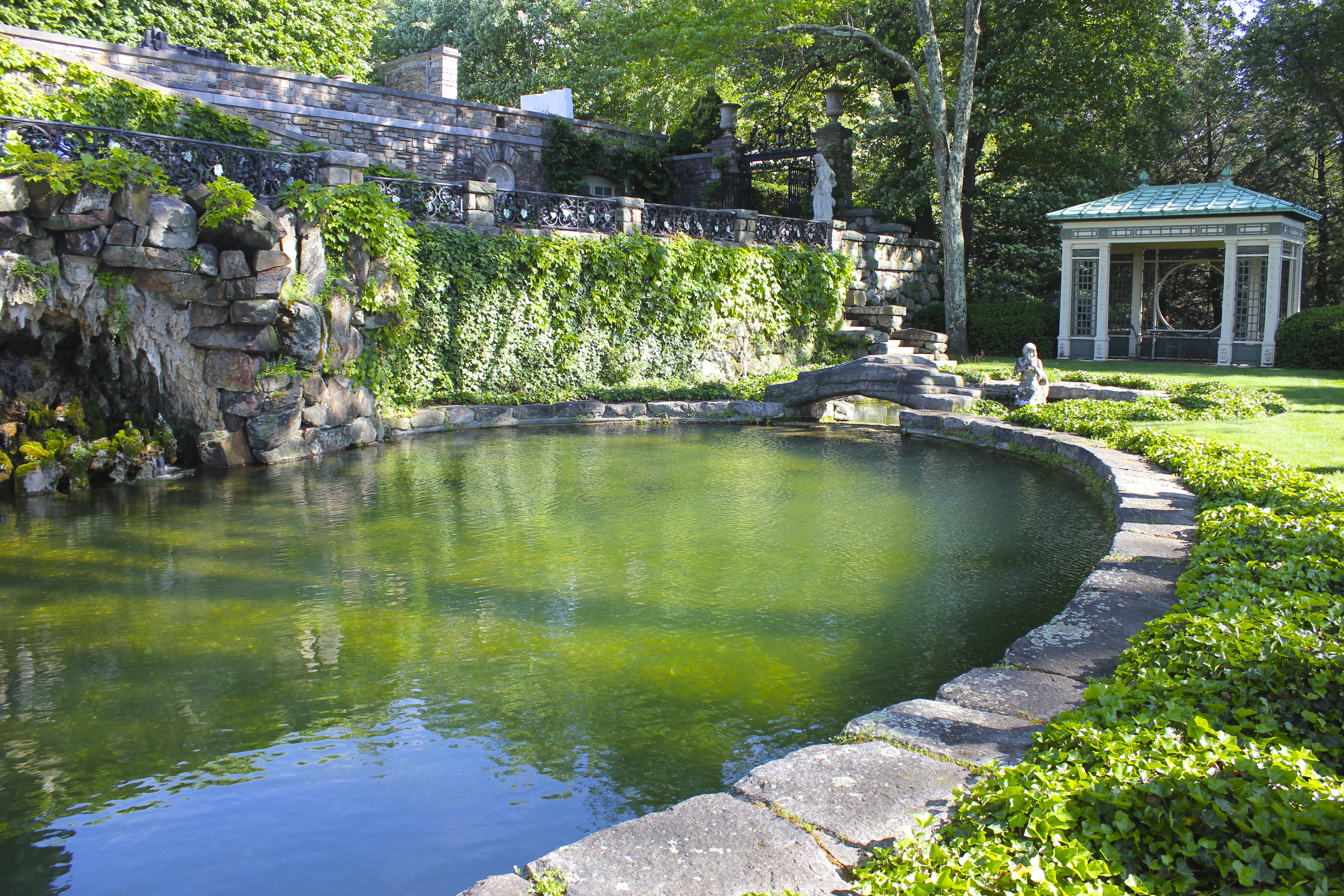
The surface waters of the old garden pond rippled in slow motion, like the calm beat of a heart enchanted by poetry.
It was the news of more terrorist attacks—this time throughout the city of Paris—that had caused me to stop and appreciate the peacefulness surrounding me. I sought consolation, too, in Charles Baudelaire’s Paris Spleen, his book of prose poetry that never seems to get shelved in our house. Some days, Baudelaire’s writings make perfect sense to me and when that happens it is as though I have found a companion who will sit and write with me in a cafe on the streets of Paris for a long, long time. We drink and smoke and talk of how depraved humanity is. After we agree that mankind is the most evil beast, Baudelaire convinces me we must get more and more drunk, Drunk with what? With wine, with poetry, or with virtue, as you please. But get drunk. Which we do until our amplified laughter is shattered by dark discussions of our own deplorable and habitually sinful shortcomings. When it’s time for us to take our broken hearts home, or into bed together, we leave our small table crammed with empty glasses, smoldering cigarettes, and torn apart journals. (Though I save every page of what CB has abandoned.) And then we go, hoping our chairs will stay warm for anyone else who needs to sit and think and talk and write as you please. In Paris.
********
While gazing at what was left of my gardens and thumbing through Paris Spleen, I was also expecting the arrival of five boys in a rock band from Brooklyn. The boys (one of them my son) had a scheduled gig nearby the next day. Their journey would become a many-houred, several-moving-parts adventure beginning in Manhattan, with a detour to New Jersey before they circled north again. All of it led to one kitchen—mine—in New England’s safe and sound countryside, in the deep hours of a seasonably cold November night.
Dinner was set for midnight, and that’s when the boys showed up.
We decompressed over a candlelit repast that began with oysters before the next course was served, which was an offering of what I called jampalaeya—chicken, sausage, and fresh mussels from Prince Edward Island afloat in a spiced-up tomato broth with rice. The drinking started with beer and wine and advanced to whiskey.
All of us tapped our glasses together. “To Paris!”
And then I said that it will never be enough for me to believe we will always have Paris which, if you’ve ever watched the movie Casablanca, was just a remark murmured between lovers in homage to the salve of fond memories.
The truth is, we might not always have Paris. Furthermore, any memories we have of our lovely selves in Paris will never serve to console us if we were to lose Paris.
The world cannot do without Paris.
Paris is not just about food and wine and champagne and hand-wrought loaves of bread and cute dogs prancing through a city with the most wonderful twinkling lights!
Paris is about the civilized world. And the civilized world includes any of us who have ever had our hearts broken, shredded, ravaged, persecuted, oppressed, and/or disregarded while, at the same time, we chose to madly believe that in the same world where endless evils and sadnesses exist, we will never tire of figuring out how to love and be loved.
We will always need Paris!
I notified the boys in the band—because I am a woman and I am a mother—that they cannot make a French exit in this life. They all have to do something, throughout their lives, to tip the heart of humankind toward its good side. They must stay at the party and never leave without saying goodbye. They can only say goodbye with a kiss to each side on the face of the good gods, one for gratitude and one for promises.
Yes, for sure. They agreed.
The most obvious thing everyone can do to tip the heart of humankind toward its good side, is to become educated.
I am standing up on a chair now, swinging my arms around in the air, trying to type. Education is under fire in my own country. We aren’t so sure how important it is to have a Liberal Arts education. We can’t seem to link such an education to making big bucks. When my son showed up for his Liberal Arts education at Bard College, the first thing they did was ask whether or not he was registered to vote. He was not yet 18. No problem, they said, if you’ll be 18 before the next election, we can register you now. Bard College makes a direct link to the crucial importance of becoming liberally educated, learning how to think, and employing your knowledge and skills to become a responsible citizen and voter. Education in the Liberal Arts is the most important process we have for preserving and continuing to create a functional and fair democratic society. Is it too expensive to become educated? We spend an enormous amount of money on weapons and jails to fight the consequences of ignorance, hate, and poverty. The value of education can’t be argued away. Furthermore, one doesn’t have to go to college for a Liberal Arts education. We are a nation that takes great pride in our free libraries. It’s hard to find a cafe in America that will allow you to sit and think and read and write for as long as you want, but not so hard to find a library.
We are, whether we like or not, a part of the battles to create a more peaceful world. It means we must do the hard work of learning how to think and how to become aware. We must continually go through the growing pains of intellectual evolution. We have to read—including work we don’t want to read. We have to look at art—including art we don’t get. We have to listen to music—including music we’re unfamiliar with.
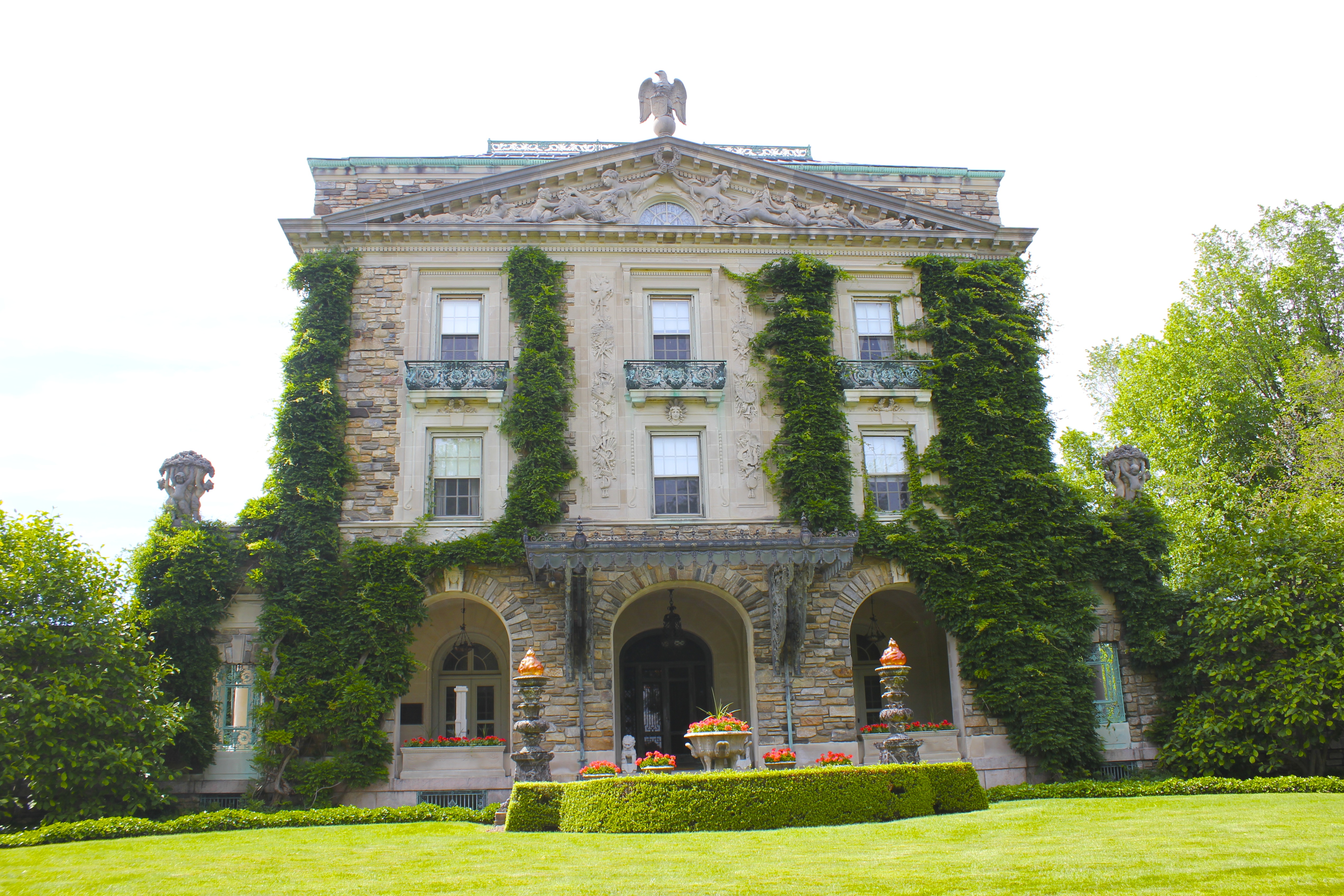
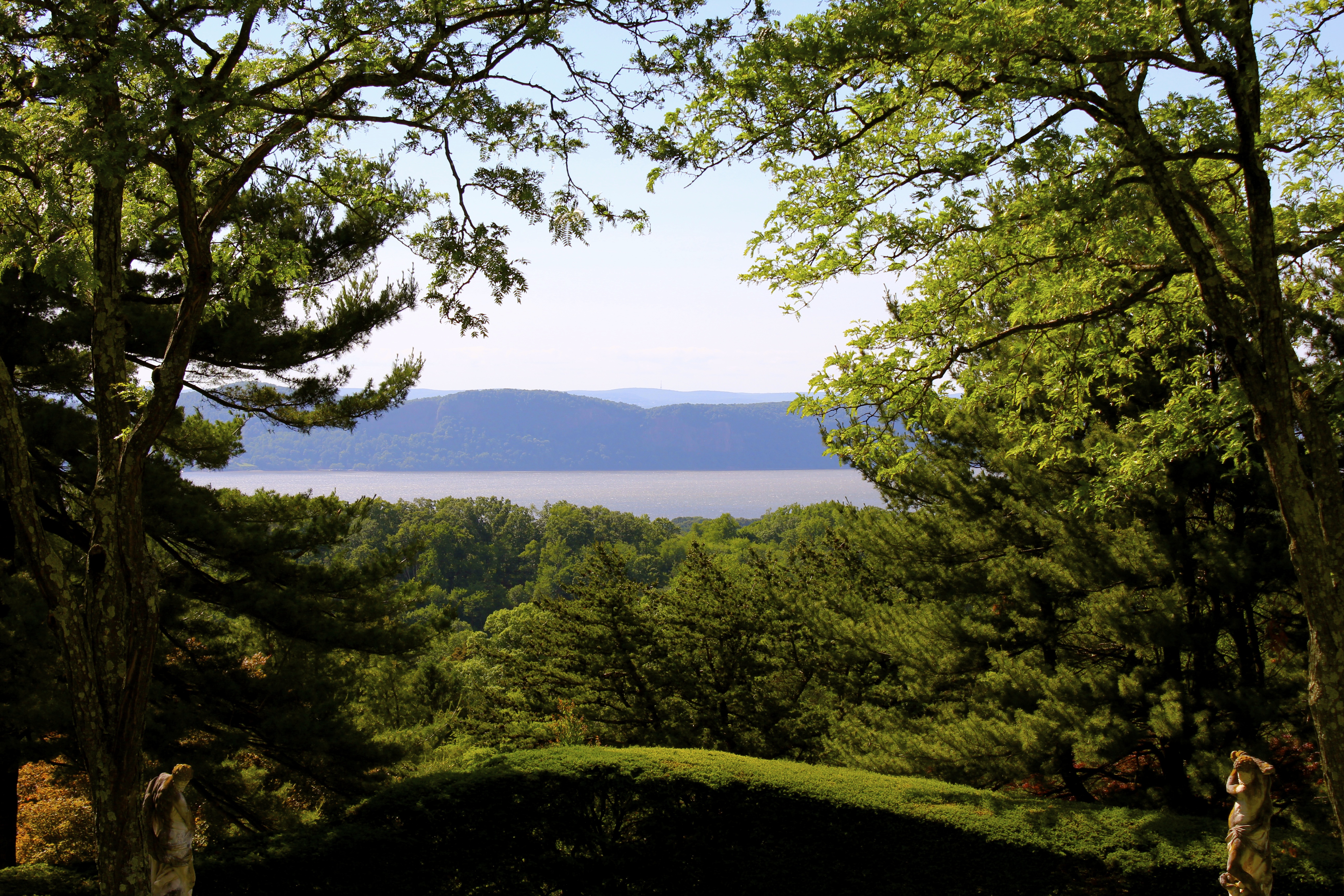
We ought to walk through gardens. Admire architecture. Explore history. In our travels, it’s important to sit and talk to people we don’t know.
Most of all, we have to learn to listen.
********
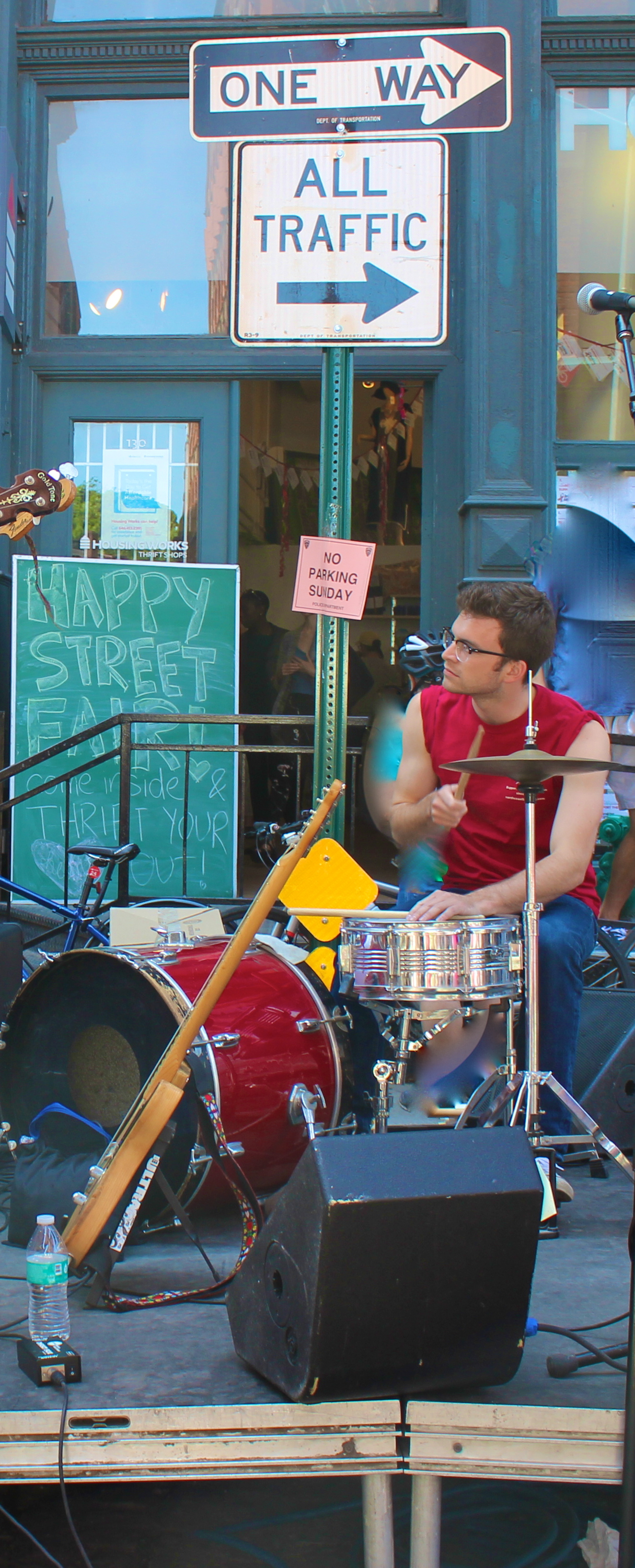
At 1:30 AM, apres dinner and discussions with the boys in the band, I brew a pot of coffee. The boys charge up, then file out to the barn to begin rehearsing for their gig. They are all tired. It has been a long week of day jobs colliding with night jobs as artists and a lot of driving. Sleep is what they want most of all. But it has also been a week of their new record release called, “Let’s Go!”
On the release is a song that made me dance the first time I heard it in a vast warehouse-district, underground bar in Bushwick. Syrian landlords keep the urban campfires burning, on the sidewalk across the street. Artists come and go, free to perform and put their art out there.
The song is called French Entrance and it’s about coming out as a gay man. It makes one think of what it might be like to be a man suffering about his own real and true and normal self and how simple it would be for him to be able to tell a friend and have the friend say it’s okay fuck the people who can’t deal with it. The drumming and percussion pound out intricate rhythms of harmonious chaos with bass beats and guitar strumming that culminate in one fine blend of celebratory desperation. The vocals are casually Lou Reedish. Sexy casual. The song is a call to arms and legs and jumping up and down bodies—it’s time to get up and start dancing about the people at work making the world a place where everyone can live their own best life.
We can never settle ourselves into lives of comfort and complacency.
Abdellah Taia, an openly gay Arab writer and filmmaker, wrote an editorial for the New York Times after the attacks in Paris entitled, “Is Any Place Safe?” He writes of how much he needs Paris, yet how concerned he is for the future of the city:
“I came to Paris 16 years ago as a young, gay Muslim…”
“I made my life in Paris because I believe in its values: rationalist, humanist, universalist…”
“I left Morocco as a young and desperate gay man. In Paris, I found a place where I could fight for myself and for my dreams. But I know now that nowhere is totally free or safe.”
“But Paris is a city that has, in losing its borders, lost certain values as well. The neglect of a segment of our youth (especially those of Maghrebi origin, from countries like Morocco or Algeria) is an undeniable reality. This neglect has produced an environment conducive to radicalization, joyous nihilism and, now, carnage. Racist attitudes, ever more frequently espoused by certain politicians and intellectuals, have become the stuff of daily life.”
After I read Taia’s editorial, I was inspired to read something else he wrote: Homosexuality Explained to My Mother. The essay is completely astounding and grew my brain into new evolutionary worlds.
After listening to the new song by Teeth People called French Entrance, I resolved to move a book on my list of “must reads” to a more urgent position: Jean Genet’s A Thief’s Journal.
I do these things because I want to think about and learn about and try to understand the ways we might be neglecting youth in this world and why they seek to join communities of evil or become increasingly evil as lone gunmen throughout the world, especially in my own country.
********
We will, indeed, always need Paris. It is a city where brave artists and freedom fighters (like the French Resistance during World War II) have found, and continue to find, their voices. I am grateful to them. The legacy of their work changes how I perceive the world and inspires me to join the battles for love and peace.
In that way, Paris keeps us alive through the darkest days of our lives. We are encouraged to get to work. To keep thinking and educating ourselves. To be brave and to Smash the Televisions. (Another great song on the new “Let’s Go!” record. The whole record is outstanding.)
********
Here’s a link to the new song by Teeth People called French Entrance. Promise that if you listen, and read the lyrics, you’ll never opt for the French exit when life asks you to tip the heart of humankind toward its good side. Actually—don’t wait to be asked. Get out there and start dancing.
https://teethpeople.bandcamp.com/track/french-entrance
Here is a picture of one last leaf playing the part of a house wren on the Snowbell Tree in my garden:
********



 Excursions